Author: Yoshida Hotel

Randor Residential Hotel Kyoto Suites: A Luxurious Stay in the Heart of Kyoto

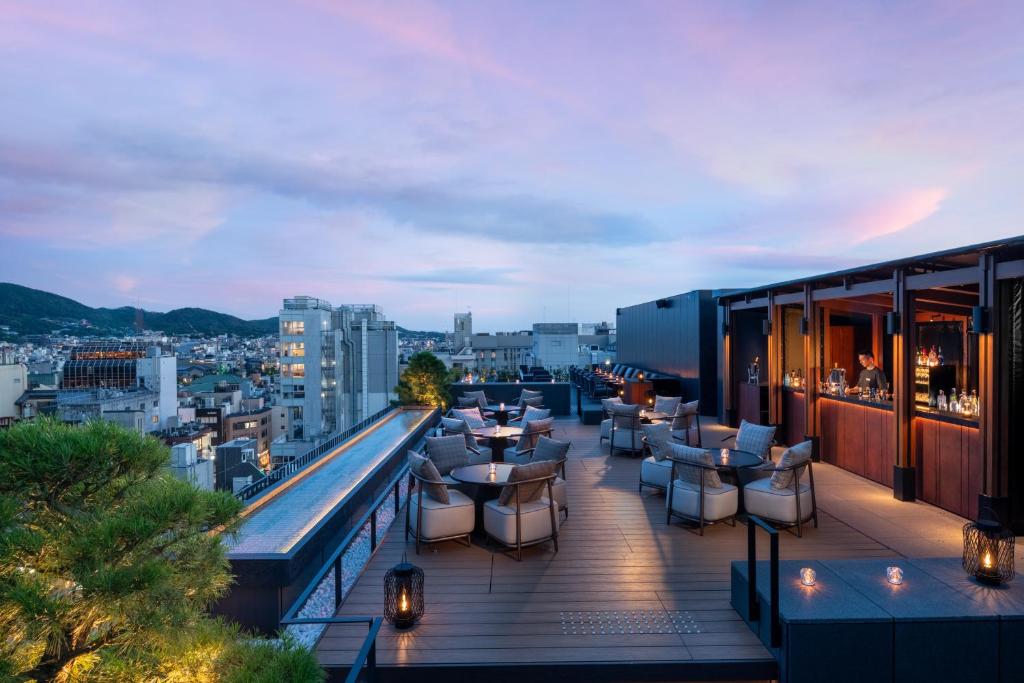
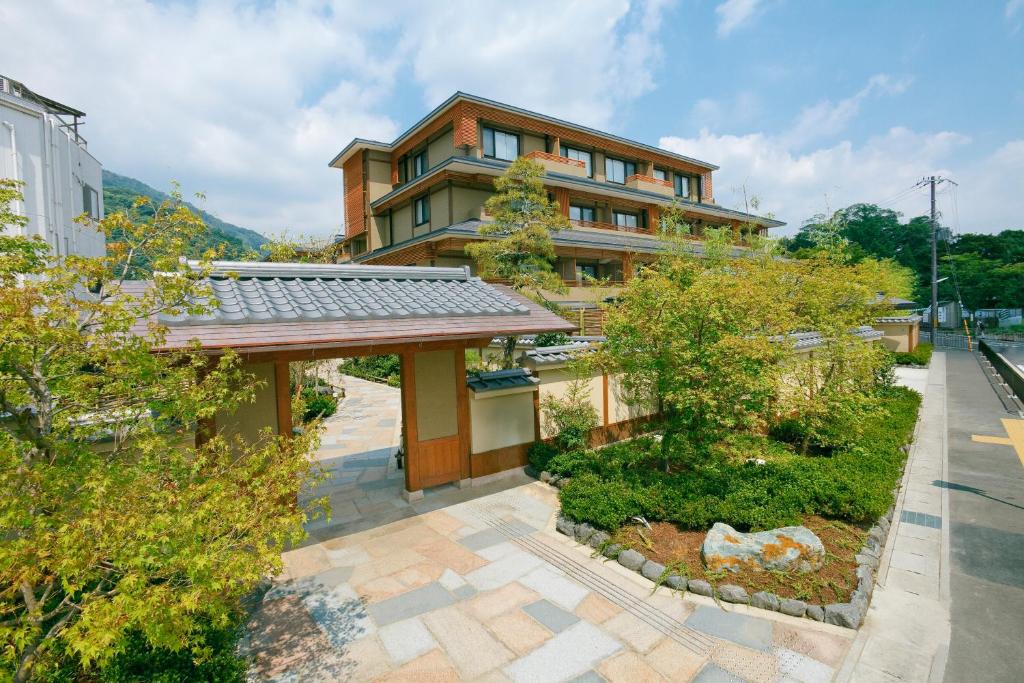
When it comes to choosing a place to stay in the beautiful city of Kyoto, the Randor Residential Hotel Kyoto Suites stands out as a premier option for both short-term and extended visits. Whether you’re traveling for leisure or business, this exquisite hotel offers a perfect blend of comfort, convenience, and culture, making it the ideal choice for those looking to experience Kyoto in style. In this review, we will explore everything you need to know about Randor Residential Hotel Kyoto Suites, highlighting its unique features, location, accommodations, and the exceptional services that set it apart.

Why Choose Randor Residential Hotel Kyoto Suites for Your Stay?

When planning a trip to Kyoto, finding the right accommodation is crucial to ensuring a memorable experience. The Randor Residential Hotel Kyoto Suites offers an impeccable mix of residential and hotel services that cater to every traveler’s needs. From its prime location in the vibrant heart of Kyoto to its modern amenities, the hotel creates a welcoming atmosphere for all guests. Whether you’re a solo traveler, a couple, or a family, the hotel’s diverse room options provide something for everyone.

Randor Residential Hotel Kyoto Suites: A Luxurious Stay in the Heart of Kyoto

A Prime Location in Kyoto

Located at 38-1 Higashikujo Kitamatsunokicho, Minami Ward, Kyoto, the Randor Residential Hotel Kyoto Suites is conveniently situated near many of the city’s top attractions, including historic temples, serene gardens, and traditional shopping streets. The location allows guests to immerse themselves in the rich cultural heritage of Kyoto while enjoying modern comforts.

  • Address: 38-1 Higashikujo Kitamatsunokicho, Minami Ward, Kyoto, 601-8022, Japan

  • Phone Number: +81 75-682-0083

Kyoto’s bustling city center, the famous Gion district, and iconic sites like the Fushimi Inari Shrine are just a short distance away, making the hotel the ideal base for exploring the city’s best offerings.

Exceptional Accommodations for Every Type of Traveler

At the Randor Residential Hotel Kyoto Suites, the focus is on providing guests with high-end residential-style accommodations that combine the flexibility of hotel living with the comfort of a home away from home. Whether you’re staying for a few nights or an extended period, the suites offer everything you need for a comfortable and enjoyable stay.

Spacious and Modern Suites

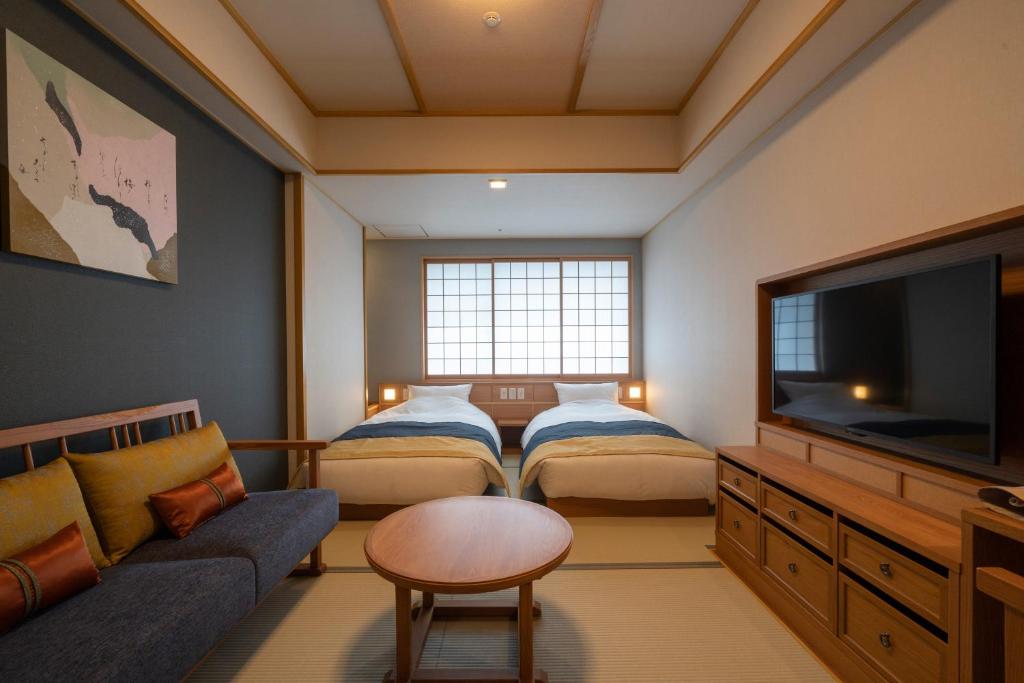
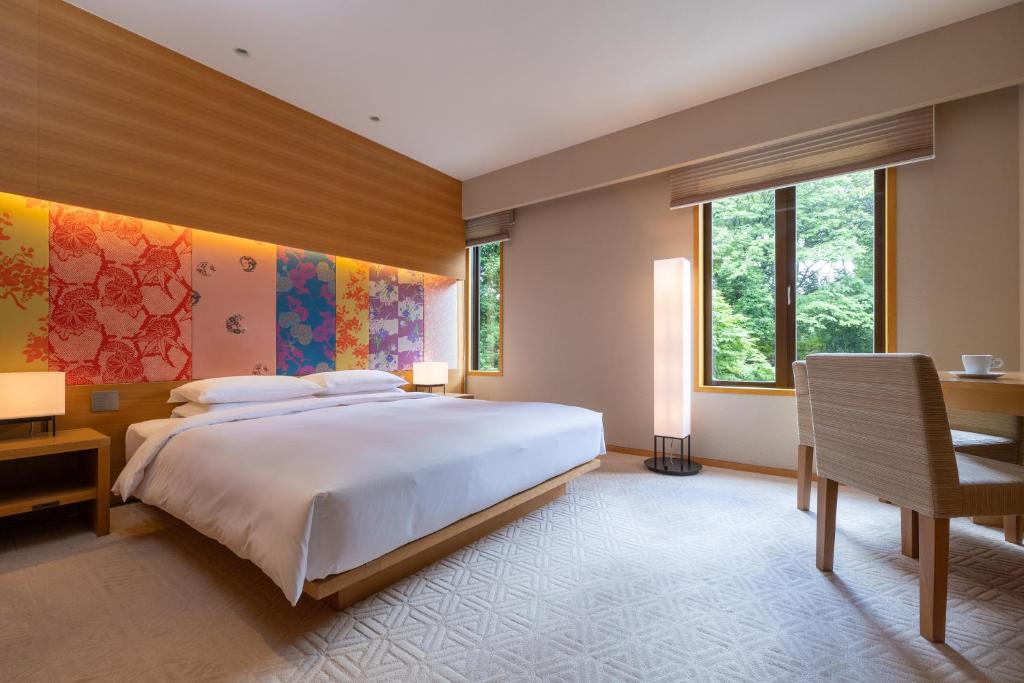
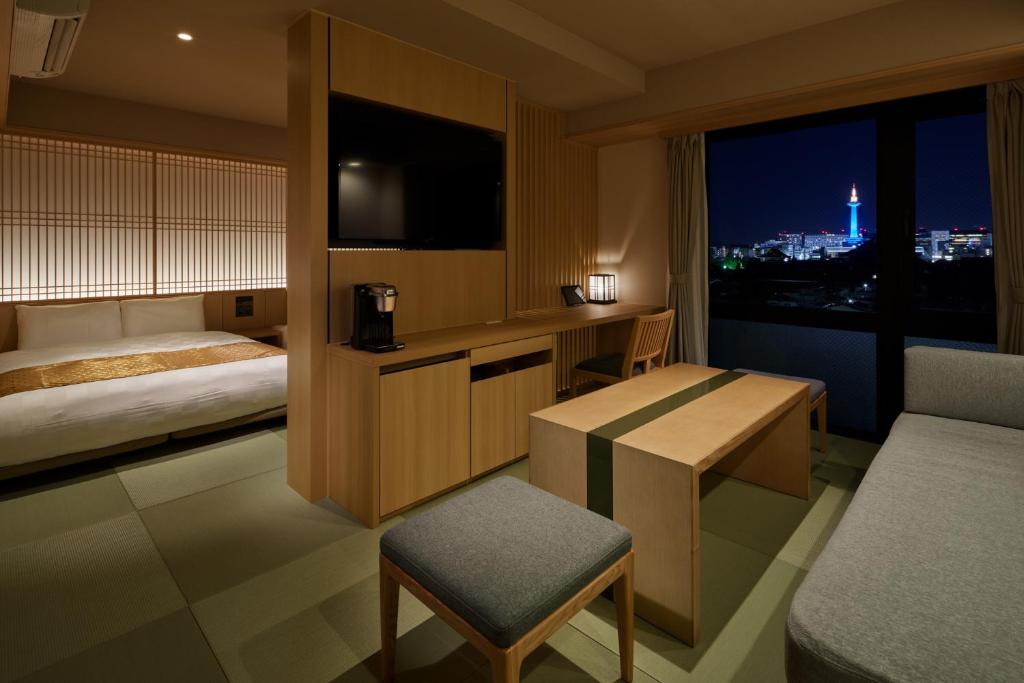
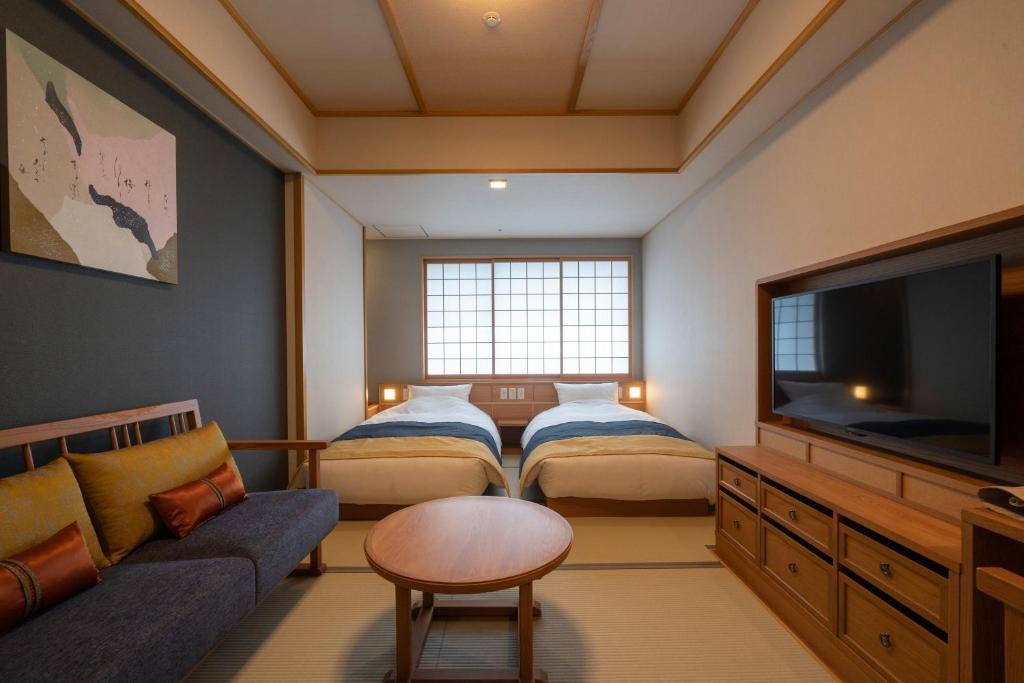
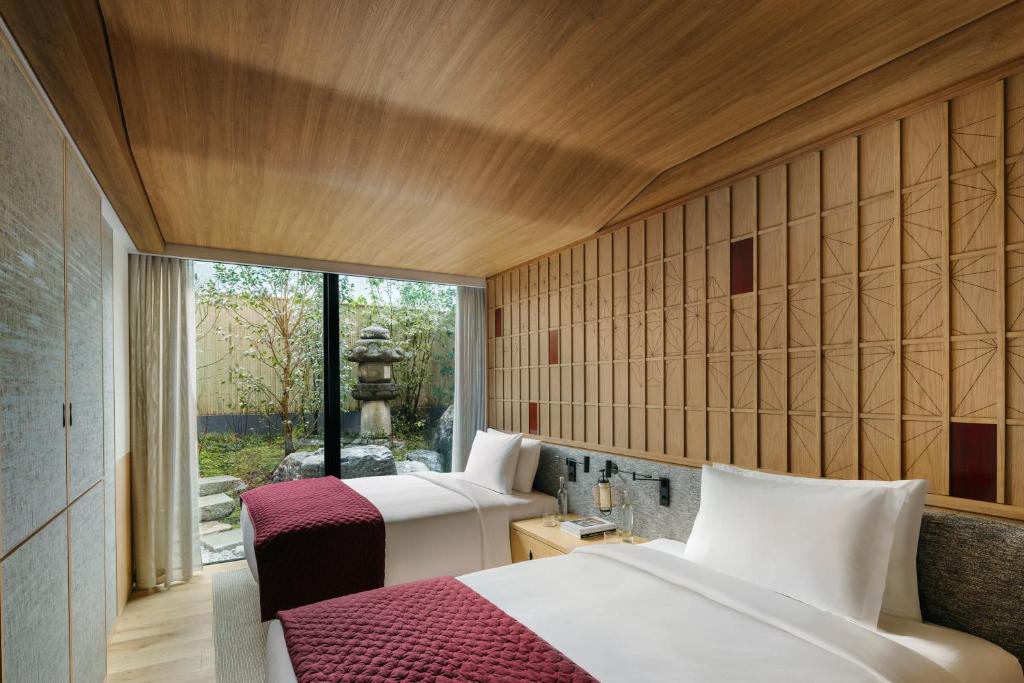
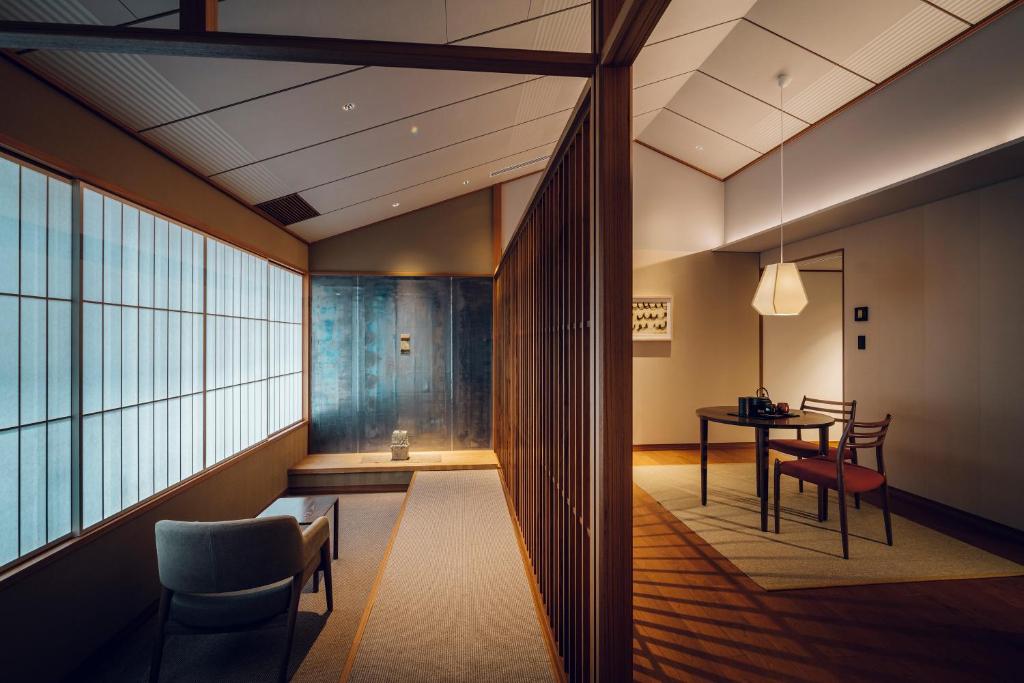
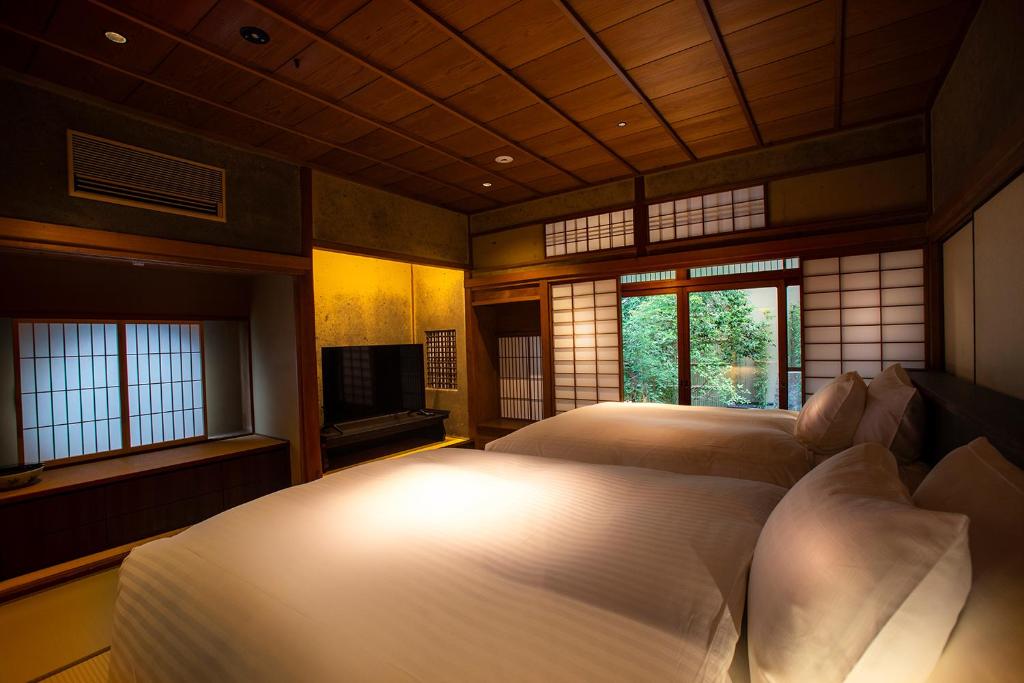
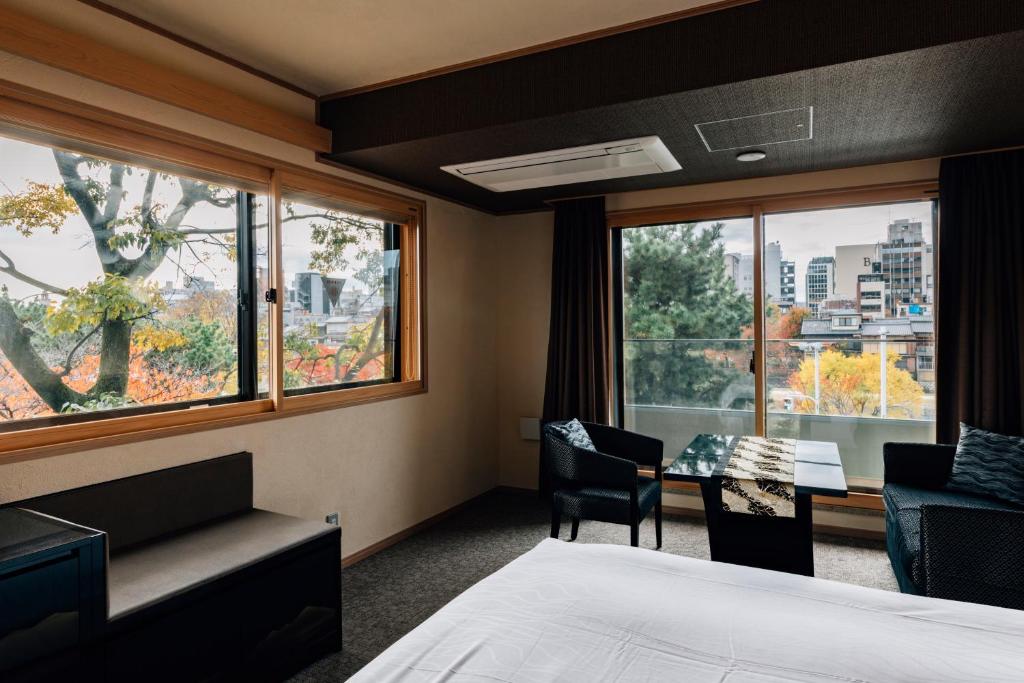
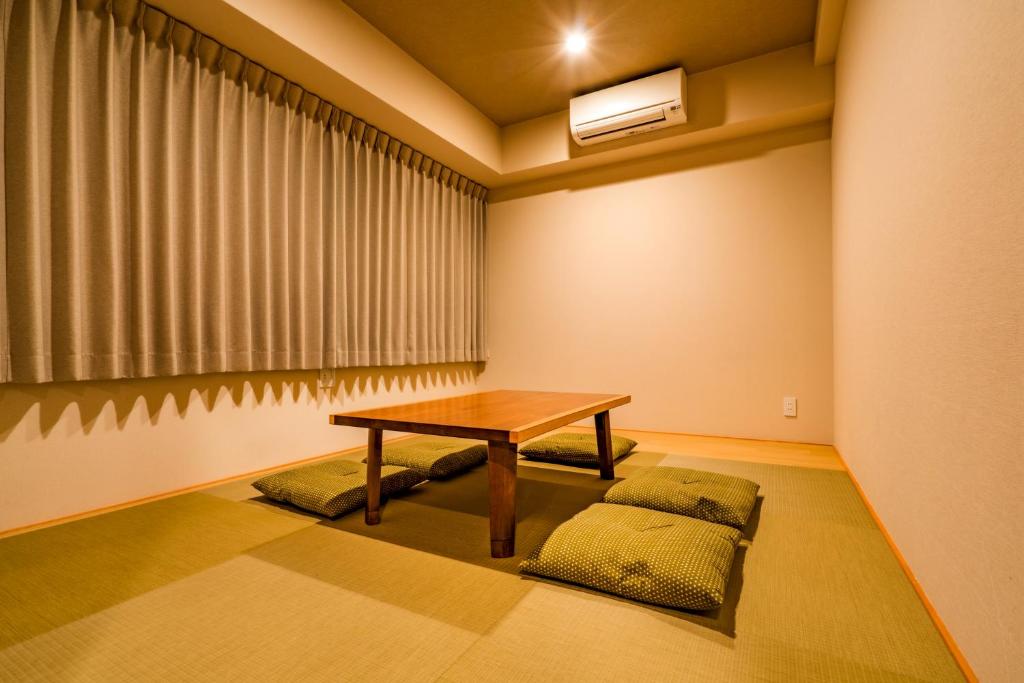
Each suite at Randor Residential Hotel Kyoto Suites is designed with both style and practicality in mind. The rooms feature modern décor, high-quality furnishings, and all the amenities you would expect from a luxury hotel. With various suite options to choose from, guests can select a room that suits their individual needs, whether it’s a spacious family suite or a more intimate setting for couples.

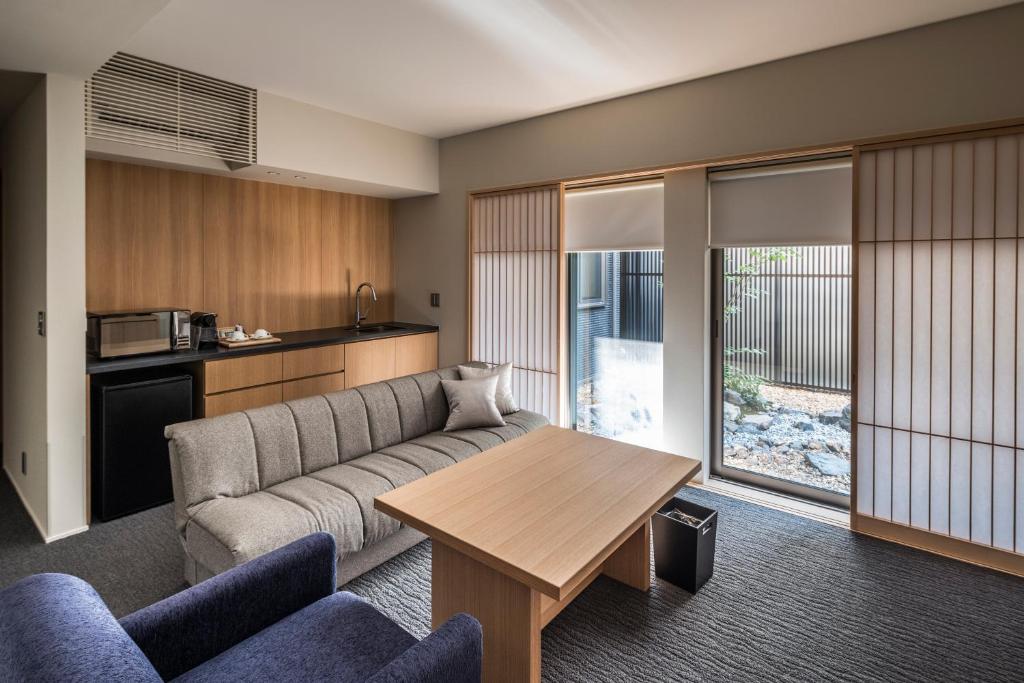
The suites are equipped with fully furnished kitchens, allowing you to prepare your meals in comfort, should you wish to do so. The elegant and spacious design creates a relaxing atmosphere, making it the perfect place to unwind after a day of exploring Kyoto’s rich history and culture.

Randor Residential Hotel Kyoto Suites: A Luxurious Stay in the Heart of Kyoto

Impeccable Services and Amenities

From the moment you check in, you will experience the unparalleled hospitality and attention to detail that Randor Residential Hotel Kyoto Suites is known for. The hotel offers a wide range of services and amenities, including:

  • 24-hour front desk to assist with any requests or inquiries

  • Free Wi-Fi throughout the hotel, ensuring that guests stay connected

  • Laundry and dry cleaning services, perfect for longer stays

  • Fitness center for guests who wish to stay active during their visit

Whether you are staying for a few days or several weeks, the hotel’s top-notch services ensure that your stay is as seamless and comfortable as possible.

Exploring Kyoto from Randor Residential Hotel Kyoto Suites

Kyoto is a city steeped in history and tradition, and staying at the Randor Residential Hotel Kyoto Suites places you in the heart of it all. Guests can easily access the city’s most famous attractions, such as:

  • Fushimi Inari Shrine – Famous for its thousands of vibrant red torii gates, this shrine is a must-see for visitors.

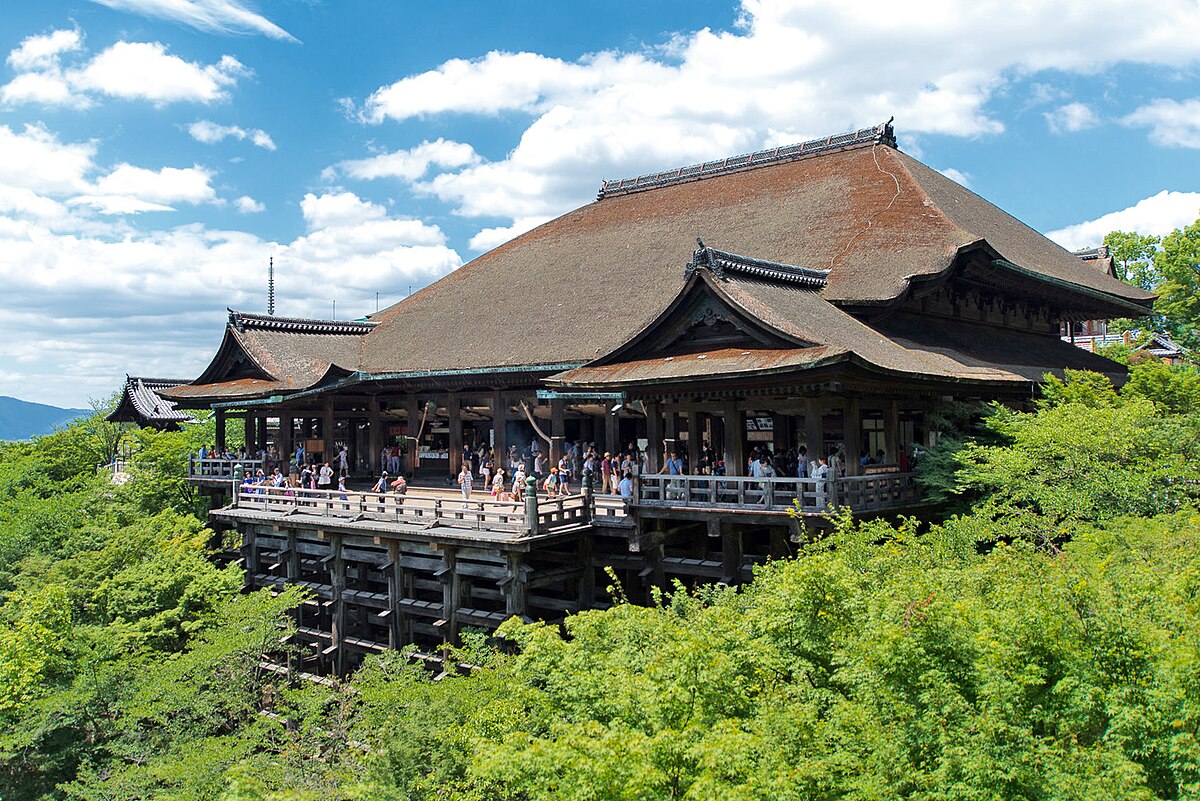
  • Kiyomizu-dera – This UNESCO World Heritage site offers stunning views of the city and a glimpse into Kyoto’s spiritual heritage.
Randor Residential Hotel Kyoto Suites: A Luxurious Stay in the Heart of Kyoto

  • Arashiyama Bamboo Grove – A peaceful and beautiful bamboo forest that offers a serene escape from the bustling city.

  • Gion District – Known for its traditional tea houses and geisha culture, Gion offers a unique opportunity to experience old-world Kyoto.

Additionally, Kyoto is home to numerous gardens, museums, and historic temples that are easily accessible from the hotel, making it the perfect location for anyone wanting to explore the city.

What Makes Randor Residential Hotel Kyoto Suites Stand Out?

There are countless accommodation options in Kyoto, but what sets Randor Residential Hotel Kyoto Suites apart from the rest? Here are just a few reasons why guests rave about their stay:

Personalized Experience

The hotel goes above and beyond to ensure that each guest has a personalized and memorable experience. Whether it’s helping you plan a day of sightseeing, arranging transportation, or recommending the best local dining options, the hotel’s staff is always ready to assist.

Randor Residential Hotel Kyoto Suites: A Luxurious Stay in the Heart of Kyoto

Comfortable and Flexible Stays

The residential-style suites provide a level of comfort and flexibility that traditional hotels simply can’t match. Guests can enjoy the luxury of hotel services combined with the autonomy of having their own private space, making it ideal for both short-term and long-term stays.

Outstanding Customer Service

The team at Randor Residential Hotel Kyoto Suites prides itself on providing outstanding customer service. Guests can expect a warm welcome upon arrival, with the staff always available to assist with any special requests or concerns throughout their stay.

Randor Residential Hotel Kyoto Suites: A Luxurious Stay in the Heart of Kyoto

Dining and Local Cuisine Around Randor Residential Hotel Kyoto Suites

While the hotel offers well-equipped kitchens for guests who prefer to cook their own meals, it also provides easy access to some of the best local dining options in Kyoto. The city is renowned for its traditional cuisine, including kaiseki (multi-course meals), sushi, and matcha-flavored treats. Many restaurants and tea houses are located within walking distance of the hotel, offering authentic culinary experiences that will delight your taste buds.

Randor Residential Hotel Kyoto Suites: A Luxurious Stay in the Heart of Kyoto

For those seeking a more laid-back dining experience, Kyoto is also home to an array of casual eateries, offering everything from ramen to tempura. Whatever your culinary preferences, you’ll find something to satisfy your appetite.

How to Get to Randor Residential Hotel Kyoto Suites

Getting to the Randor Residential Hotel Kyoto Suites is easy thanks to its central location. Kyoto’s public transportation system is efficient and convenient, with buses and trains easily accessible from the hotel. For those arriving by train, Kyoto Station is just a short distance away, making it easy to get around the city and to nearby areas.
Randor Residential Hotel Kyoto Suites: A Luxurious Stay in the Heart of Kyoto

For those traveling from the airport, Kyoto can be reached by a direct bus or a short train ride. The hotel’s central location makes it the perfect base for exploring all that Kyoto has to offer.

Why Yoshida Hotel Recommends Randor Residential Hotel Kyoto Suites

As a hotel that values exceptional experiences and top-quality service, Yoshida Hotel highly recommends Randor Residential Hotel Kyoto Suites for anyone visiting Kyoto. Whether you’re traveling for business, leisure, or a special occasion, the hotel offers everything you need to make your stay comfortable and memorable. The prime location, luxurious accommodations, and impeccable service ensure that your visit to Kyoto will be nothing short of exceptional.

Randor Residential Hotel Kyoto Suites: A Luxurious Stay in the Heart of Kyoto

Conclusion: Your Ideal Stay in Kyoto Awaits at Randor Residential Hotel Kyoto Suites

Whether you’re visiting Kyoto for the first time or returning to explore more of this incredible city, Randor Residential Hotel Kyoto Suites provides the perfect setting for a luxurious and comfortable stay. With its central location, spacious suites, and exceptional service, it offers everything you need to make your visit to Kyoto unforgettable.

For a truly memorable experience, trust Yoshida Hotel to guide you in choosing the Randor Residential Hotel Kyoto Suites for your next visit to this enchanting city. From the moment you step through the door, you’ll be welcomed with open arms and treated to an unforgettable stay in Kyoto.

Discover the Splendor of Hilton Kyoto: A Perfect Blend of Luxury and Tradition

If you’re seeking an unforgettable stay in one of Japan’s most culturally rich cities, Hilton Kyoto promises an unparalleled experience. Nestled in the heart of Kyoto, the historic capital of Japan, Hilton Kyoto brings together a perfect fusion of luxury, tradition, and modernity. In this article, brought to you by Yoshida Hotel, we will explore all that this magnificent hotel has to offer, from its opulent rooms to the exceptional service, rich cultural surroundings, and easy access to local attractions. Join us as we delve into the splendid world of Hilton Kyoto and discover why it’s the perfect choice for travelers looking to experience the best of Kyoto.

Location of Hilton Kyoto: A Gateway to Explore the Heart of Kyoto

The Hilton Kyoto is strategically located in the central district of Kyoto, offering guests direct access to the city’s major attractions, shopping districts, and historical landmarks. Whether you’re a history enthusiast or a first-time visitor to Japan, this hotel’s location is perfect for exploring the culture and heritage of Kyoto.

Address:

  • Hilton Kyoto

  • 416 Shimomaruyacho Nakagyo-ku

  • Kyoto, Japan, 604-8006

  • Phone Number: +81 75-761-0111

Discover the Splendor of Hilton Kyoto: A Perfect Blend of Luxury and Tradition

The prime location of the Hilton Kyoto ensures that you can easily visit top Kyoto attractions such as the Kinkaku-ji, Gion District, Nijo Castle, and the famous Arashiyama Bamboo Grove. Additionally, with easy access to Kyoto’s subway and bus systems, getting around the city has never been more convenient.

The Unmatched Elegance of Hilton Kyoto’s Rooms

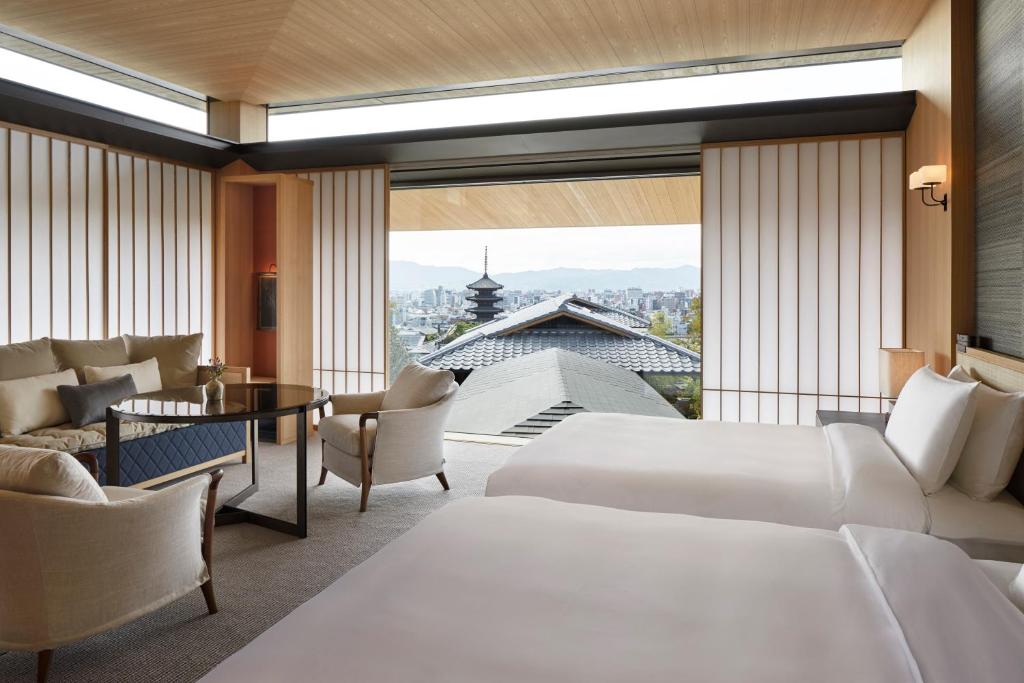
When you step into your room at Hilton Kyoto, you’re immediately greeted by an atmosphere of calm, comfort, and refinement. Each room blends modern amenities with traditional Japanese touches, creating a serene retreat after a day of exploration. From spacious deluxe rooms to luxurious suites, Hilton Kyoto offers a range of accommodation options to suit your preferences.

Stylish and Comfortable Rooms

  • Deluxe Rooms: Offering spacious accommodations with stunning views of the surrounding gardens, the Deluxe Rooms at Hilton Kyoto ensure a restful stay with plush bedding, contemporary furnishings, and ample natural light.

  • Premium Rooms: For guests looking to elevate their experience, the Premium Rooms provide additional amenities, such as access to the Executive Lounge, personalized services, and private check-in.

Discover the Splendor of Hilton Kyoto: A Perfect Blend of Luxury and Tradition

  • Suites: The pinnacle of luxury at Hilton Kyoto, the suites are expansive, featuring separate living and dining areas, along with unique designs that reflect Kyoto’s traditional charm.

The attention to detail in the room’s décor, including tatami mats, sliding doors, and Japanese-style wooden furniture, will make you feel like you’re staying in a true Kyoto residence.

Dining Experience at Hilton Kyoto: A Fusion of Culinary Excellence

The culinary offerings at Hilton Kyoto cater to every taste and preference. From contemporary dining experiences to traditional Japanese cuisine, the hotel’s restaurants provide a wide variety of dishes made with the finest local ingredients. Whether you’re in the mood for a lavish breakfast buffet or an intimate dinner, Hilton Kyoto’s dining establishments promise a memorable culinary experience.

Traditional Japanese Dining at “Kiyomizu”

Kiyomizu, Hilton Kyoto’s signature Japanese restaurant, offers authentic Kyoto-style kaiseki cuisine. The chefs here pride themselves on using only the freshest seasonal ingredients, ensuring that each meal is a unique journey of flavors. The warm, inviting atmosphere, combined with impeccable service, makes it the perfect spot for those looking to enjoy a traditional Japanese dining experience.

Discover the Splendor of Hilton Kyoto: A Perfect Blend of Luxury and Tradition

International Dining at “The Lounge & Bar”

For those who prefer international cuisine, The Lounge & Bar offers a variety of dishes from around the world, including European and Asian-inspired meals. The lounge provides a relaxing environment with panoramic views of the Kyoto skyline, making it an ideal place to unwind with a cocktail or enjoy a light meal.

A Delicious Buffet at “The Garden Café”

If you’re in the mood for variety, Hilton Kyoto’s Garden Café features a delightful buffet that combines the best of Western and Japanese culinary traditions. The café’s expansive selection of dishes allows guests to indulge in everything from sushi and sashimi to fresh salads and hearty pasta dishes.

Discover the Splendor of Hilton Kyoto: A Perfect Blend of Luxury and Tradition

Explore the Serenity of Hilton Kyoto’s Spa and Wellness Facilities

After a long day of sightseeing, Hilton Kyoto offers a range of wellness services designed to rejuvenate both the body and mind. The hotel’s Spa & Fitness Center provides the perfect escape with its selection of relaxing treatments, soothing massages, and state-of-the-art fitness equipment.

Traditional Japanese Healing at the Spa

The Hilton Kyoto Spa specializes in traditional Japanese wellness therapies, such as shiatsu massage and aromatherapy. Guests can enjoy a wide array of treatments aimed at relieving stress, improving circulation, and promoting overall well-being. For those seeking a peaceful retreat, the spa’s tranquil ambiance offers a perfect place to relax and unwind.

Discover the Splendor of Hilton Kyoto: A Perfect Blend of Luxury and Tradition

Fitness Center and Indoor Pool

For guests who prefer a more active way to unwind, Hilton Kyoto boasts a fully-equipped Fitness Center and an Indoor Pool. Whether you prefer to do a light workout or enjoy a swim after a day of exploring Kyoto, these facilities ensure that guests can maintain their fitness routines while traveling.

Hilton Kyoto’s Unique Event Spaces and Business Facilities

Hilton Kyoto is not just an excellent choice for leisure travelers, but it’s also an ideal venue for business events, conferences, and weddings. The hotel offers a range of event spaces, including modern meeting rooms and a grand ballroom. Whether you’re hosting a corporate conference, a wedding, or a special event, Hilton Kyoto provides everything you need for a successful and memorable occasion.

Professional Business Services

For business travelers, Hilton Kyoto offers a comprehensive set of services, including high-speed internet, video conferencing, and access to meeting rooms equipped with the latest technology. The professional staff is also available to assist with event planning, making sure that every detail is handled with precision.

Discover the Splendor of Hilton Kyoto: A Perfect Blend of Luxury and Tradition

Perfect Venue for Weddings

For couples looking to tie the knot in a memorable and luxurious setting, Hilton Kyoto offers a stunning location for weddings. The hotel provides expert wedding planners who work with you to create the wedding of your dreams, including everything from venue decoration to catering and entertainment. The beautiful gardens and stunning views of Kyoto’s natural landscape provide the perfect backdrop for your big day.

Things to Do Near Hilton Kyoto: Exploring the Ancient City of Kyoto

One of the main reasons visitors flock to Kyoto is its wealth of cultural landmarks and historical sites. Hilton Kyoto’s central location makes it easy for guests to visit the city’s most famous attractions, including:

Kinkaku-ji (The Golden Pavilion)

A short drive from Hilton Kyoto, Kinkaku-ji is one of Kyoto’s most iconic landmarks. This stunning Zen Buddhist temple is covered in gold leaf and set against the backdrop of lush gardens and a serene pond. The Golden Pavilion is a must-see for anyone visiting Kyoto.

Discover the Splendor of Hilton Kyoto: A Perfect Blend of Luxury and Tradition

Fushimi Inari Taisha

Another incredible site near Hilton Kyoto is Fushimi Inari Taisha, famous for its thousands of red torii gates that wind up the mountainside. It’s a truly surreal experience to walk through these gates, and it’s a must-visit for anyone seeking to connect with Kyoto’s spiritual heritage.

Gion District

For a taste of Kyoto’s traditional culture, the Gion District is the place to go. Known for its geisha culture, tea houses, and traditional wooden buildings, Gion offers a glimpse into Kyoto’s rich history. Take a stroll through the district and you may even spot a geisha on her way to an appointment.

Discover the Splendor of Hilton Kyoto: A Perfect Blend of Luxury and Tradition

Nijo Castle

A UNESCO World Heritage Site, Nijo Castle is an exquisite example of Japanese feudal architecture. The castle’s beautiful gardens, ornate interiors, and the famous “nightingale floors” make it a fascinating place to explore.

Why Choose Hilton Kyoto for Your Stay?

Choosing Hilton Kyoto for your stay in Kyoto is a decision you won’t regret. With its prime location, luxurious accommodations, exceptional dining, world-class amenities, and proximity to Kyoto’s top attractions, Hilton Kyoto provides the perfect base for exploring this beautiful and culturally rich city. Whether you’re visiting for business, leisure, or a special occasion, Hilton Kyoto offers an unparalleled experience that blends comfort, style, and tradition.

Discover the Splendor of Hilton Kyoto: A Perfect Blend of Luxury and Tradition

Conclusion

In conclusion, Hilton Kyoto represents the perfect destination for travelers seeking an extraordinary and culturally immersive experience in Kyoto. From its central location to its luxurious rooms, exceptional dining, wellness facilities, and world-class event spaces, Hilton Kyoto provides everything you need for an unforgettable stay. Whether you’re here for a romantic getaway, a family vacation, or a business trip, Hilton Kyoto will make your stay in Kyoto truly exceptional. Don’t miss out on the opportunity to experience the elegance and charm of this remarkable hotel. Book your stay today, and discover why Hilton Kyoto is the perfect choice for your next Kyoto adventure.

Kenkoku Kinen no Hi: A Journey through Japan’s National Foundation Day

In Japan, Kenkoku Kinen no Hi (建国記念の日) or National Foundation Day holds great historical significance. As a special holiday dedicated to the nation’s founding, it provides both locals and tourists with the opportunity to explore the heart of Japanese culture and heritage. In this article, brought to you by Yoshida Hotel, we will dive deep into the rich meaning, historical background, and how this day is celebrated across Japan. Let’s discover the fascinating customs and vibrant festivities surrounding Kenkoku Kinen no Hi and explore what makes this day so important for the people of Japan.

Understanding Kenkoku Kinen no Hi

The Meaning Behind Kenkoku Kinen no Hi

Kenkoku Kinen no Hi is celebrated on February 11th every year in Japan. The holiday marks the founding of the nation, as traditionally believed to be the day when Emperor Jimmu, the first emperor of Japan, ascended to the throne in 660 BC. Although the exact date is a subject of debate, the symbolic foundation of the Japanese state and its people remains central to the significance of this day.

Kenkoku Kinen no Hi: A Journey through Japan’s National Foundation Day

The Historical Origins of Kenkoku Kinen no Hi

The origins of Kenkoku Kinen no Hi go back to the Meiji period (1868-1912), a time when Japan was modernizing rapidly. The date of February 11 was chosen to commemorate the legendary founding of Japan by Emperor Jimmu, drawing from the ancient texts, particularly the Nihon Shoki, one of Japan’s oldest historical records. The holiday became officially recognized in 1966 under the National Holidays Law.

How Japan Celebrates Kenkoku Kinen no Hi

Parades and Ceremonies Across Japan

On Kenkoku Kinen no Hi, various ceremonies and parades are organized to honor Japan’s rich history and culture. Major cities like Tokyo and Kyoto hold grand parades with traditional performances, including kagura (Shinto music and dance), samurai reenactments, and the showcasing of historic artifacts. These events often draw tourists and locals alike, providing a glimpse into Japan’s long-standing cultural heritage.

Kenkoku Kinen no Hi: A Journey through Japan’s National Foundation Day

Visiting Temples and Shrines

In keeping with the nation’s deep-rooted Shinto beliefs, many Japanese people visit shrines and temples on this day. The most famous of these sites is the Meiji Shrine in Tokyo, which attracts thousands of worshippers who come to offer prayers for peace and prosperity for the nation. The Shinto rituals performed during these visits highlight Japan’s spiritual connection to its emperor and the divine origins of the nation.

Kenkoku Kinen no Hi: A Symbol of National Unity

The Spirit of National Pride

Kenkoku Kinen no Hi isn’t just about looking back at history; it’s also a time to reflect on Japan’s present and future. The celebration is a moment for citizens to come together and honor their country’s unique heritage, culture, and values. It fosters a deep sense of national pride and unity, with people all over the country taking part in various activities that pay tribute to their roots.

Kenkoku Kinen no Hi: A Journey through Japan’s National Foundation Day

How Foreign Visitors Experience the Holiday

While Kenkoku Kinen no Hi is primarily a Japanese celebration, it also offers an opportunity for foreign visitors to immerse themselves in the country’s culture. Many tourists choose to visit Japan during this time to experience the historical significance and vibrant customs associated with the day. From traditional tea ceremonies to enjoying Japanese delicacies at local festivals, there’s no shortage of ways to join in the festivities.

Cultural and Traditional Activities on Kenkoku Kinen no Hi

Traditional Japanese Dance and Music

Throughout the day, traditional Japanese dance and music performances are held across the country. Taiko drumming, a powerful and rhythmic performance that embodies Japanese martial spirit, and koto music, known for its delicate, melodic sound, are commonly featured at Kenkoku Kinen no Hi celebrations. These performances are not just entertainment—they represent Japan’s cultural resilience and deep-rooted appreciation for the arts.

Kenkoku Kinen no Hi: A Journey through Japan’s National Foundation Day

National Sporting Events

In some regions, Kenkoku Kinen no Hi is marked by local sports competitions and tournaments. These events, which may include traditional sports such as sumo or archery, emphasize physical skill, discipline, and teamwork, all values that resonate with the national spirit.

The Impact of Kenkoku Kinen no Hi on Japanese Society

A Day for Reflection and Respect for History

Kenkoku Kinen no Hi is not only a celebration but also a day of reflection. It’s a time for the Japanese people to honor their ancestors, the historical struggles they overcame, and the foundation of their society. The day is filled with educational programs and discussions on Japan’s journey to modernity, encouraging both the young and old to reflect on their place in the nation’s ongoing story.

Kenkoku Kinen no Hi: A Journey through Japan’s National Foundation Day

Promoting Japanese Identity and Heritage

For the people of Japan, this day serves as a reminder of their collective identity. It encourages a greater appreciation of the country’s heritage, especially among younger generations who might not always understand the depth of the nation’s history. The teachings surrounding Kenkoku Kinen no Hi reinforce the value of preserving traditions and passing them on to future generations.

Top Hotels in Japan to Visit During Kenkoku Kinen no Hi

If you’re planning a trip to Japan during Kenkoku Kinen no Hi, here are some top hotel recommendations for a memorable stay:

The Royal Park Hotel Iconic Kyoto

Located in the historic city of Kyoto, The Royal Park Hotel Iconic Kyoto offers an unforgettable blend of luxury and tradition. Its location in the heart of Kyoto makes it the perfect base for exploring the rich cultural heritage of the city, especially during Kenkoku Kinen no Hi when various cultural events take place.

  • Address: 〒604-0836 Kyoto, Nakagyo Ward, Funayacho, 420, Japan

  • Phone: +81 75-241-1110

Kenkoku Kinen no Hi: A Journey through Japan’s National Foundation Day

Fauchon Hotel Kyoto

A symbol of French elegance in the heart of Kyoto, Fauchon Hotel Kyoto provides a chic and sophisticated setting for visitors looking to immerse themselves in both modern and traditional aspects of Japanese culture during Kenkoku Kinen no Hi celebrations.

  • Address: 406 Nanbacho, Shimogyo Ward, Kyoto, 600-8027, Japan

  • Phone: +81 75-751-7711

Kenkoku Kinen no Hi: A Journey through Japan’s National Foundation Day

Kadensho, Arashiyama Onsen, Kyoto – Kyoritsu Resort

Nestled in the tranquil Arashiyama area, Kadensho offers guests a relaxing retreat with scenic views and soothing hot springs. A perfect escape to unwind after a day of Kenkoku Kinen no Hi celebrations in Kyoto.

  • Address: 5-4 Arashiyama Nishiichikawacho, Nishikyo Ward, Kyoto, 616-0003, Japan

  • Phone: +81 75-863-0489

Kenkoku Kinen no Hi: A Journey through Japan’s National Foundation Day

Garrya Nijo Castle Kyoto

Located near the iconic Nijo Castle, Garrya Nijo Castle Kyoto blends contemporary luxury with rich historical surroundings, making it an excellent choice for those wanting to experience Kyoto’s cultural depth during Kenkoku Kinen no Hi.

  • Address: 180-1 Ichinocho, Nakagyo Ward, Kyoto, 604-8305, Japan

  • Phone: +81 75-366-5806

Kenkoku Kinen no Hi: A Journey through Japan’s National Foundation Day

Banyan Tree Higashiyama Kyoto

An elegant escape that offers unparalleled views of Kyoto’s temples and traditional gardens, Banyan Tree Higashiyama Kyoto provides the perfect setting for travelers wishing to explore Japan’s heritage during the celebrations.

  • Address: 〒605-0861 Kyoto, Higashiyama Ward, Seikanji Ryozancho, 7番地, Japan

  • Phone: +81 75-531-0500

Kenkoku Kinen no Hi: A Journey through Japan’s National Foundation Day

Kyoto Umekoji Kadensho

Located near the scenic Umekoji Park, Kyoto Umekoji Kadensho offers a serene atmosphere with luxury onsen facilities, perfect for unwinding after a day of celebrating Kenkoku Kinen no Hi.

  • Address: 41-10 Sujakuuchihatacho, Shimogyo Ward, Kyoto, 600-8843, Japan

  • Phone: +81 75-316-0055

Kenkoku Kinen no Hi: A Journey through Japan’s National Foundation Day

The Westin Miyako Kyoto

The Westin Miyako Kyoto provides a luxurious setting with stunning views of the Higashiyama mountains, ideal for experiencing the peaceful and reflective atmosphere of Kenkoku Kinen no Hi.

  • Address: 〒1 Kyoto, Awadaguchi Kachocho, JP 605-0052, Keage Sanjo, Higashiyaman-Ku, Japan

  • Phone: +81 75-771-7111

Kenkoku Kinen no Hi: A Journey through Japan’s National Foundation Day

RIHGA Royal Hotel Kyoto

With its grand and opulent design, RIHGA Royal Hotel Kyoto offers visitors a regal experience. Its proximity to Kyoto’s historical sites makes it an excellent choice for tourists during Kenkoku Kinen no Hi.

  • Address: 〒600-8237 Kyoto, Shimogyo Ward, Taimatsucho, 1番地, Japan

  • Phone: +81 75-341-1121

Kenkoku Kinen no Hi: A Journey through Japan’s National Foundation Day

Conclusion

Kenkoku Kinen no Hi is much more than a holiday—it’s a celebration of Japan’s rich history, culture, and national identity. Whether you’re a local or a tourist visiting Japan, this day offers a unique opportunity to explore the country’s historical roots, participate in vibrant festivities, and deepen your connection with the nation’s cultural heritage. So, why not join us at Yoshida Hotel in celebrating this significant day and experience the beauty of Japan in all its glory?

Shunbun no Hi: A Glimpse into Japan’s Seasonal Celebration

Japan is a country rich in culture, history, and traditions. One of the most notable celebrations that takes place annually is Shunbun no Hi. This day marks the arrival of spring, offering a perfect opportunity for individuals to connect with nature, celebrate family, and participate in various traditional customs. Whether you’re a seasoned traveler or planning your first trip to Japan, this celebration presents an unforgettable cultural experience. Join us as Yoshida Hotel explores the significance and beauty of Shunbun no Hi and how this day is celebrated across Japan.

What is Shunbun no Hi?

Shunbun no Hi, or Spring Equinox Day, is celebrated every year around March 20th or 21st. It marks the precise moment when day and night are equal in length. In Japanese culture, this symbolizes the balance between light and dark, and the beginning of the warmer seasons. The day is often seen as a time for reflection, renewal, and reconnecting with nature, making it a pivotal moment in the Japanese calendar.

In Japanese, “Shunbun” (春分) translates to “spring equinox,” and “Hi” (日) means “day.” The celebration of Shunbun no Hi not only signifies the changing of seasons but also reflects the broader philosophy of respect for the changing cycles of nature.

Shunbun no Hi: A Glimpse into Japan’s Seasonal Celebration

The Cultural Significance of Shunbun no Hi

Shunbun no Hi holds deep cultural significance in Japan, both from a historical and spiritual perspective. Traditionally, this day was a time for people to honor their ancestors by visiting family graves. The Japanese have a strong connection to their ancestral heritage, and Shunbun no Hi is an important opportunity to reflect on the importance of family and the passing of time.

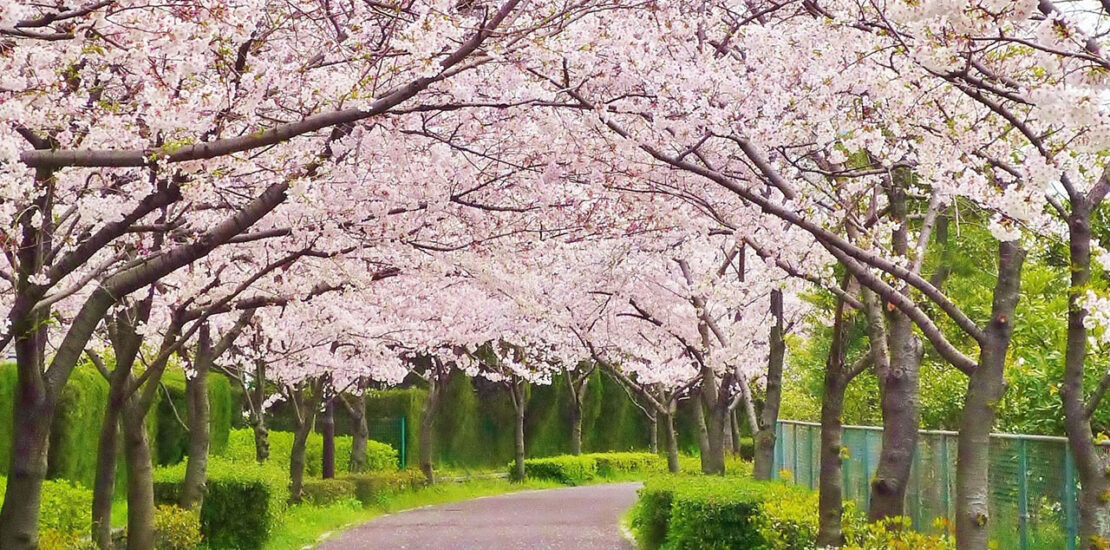
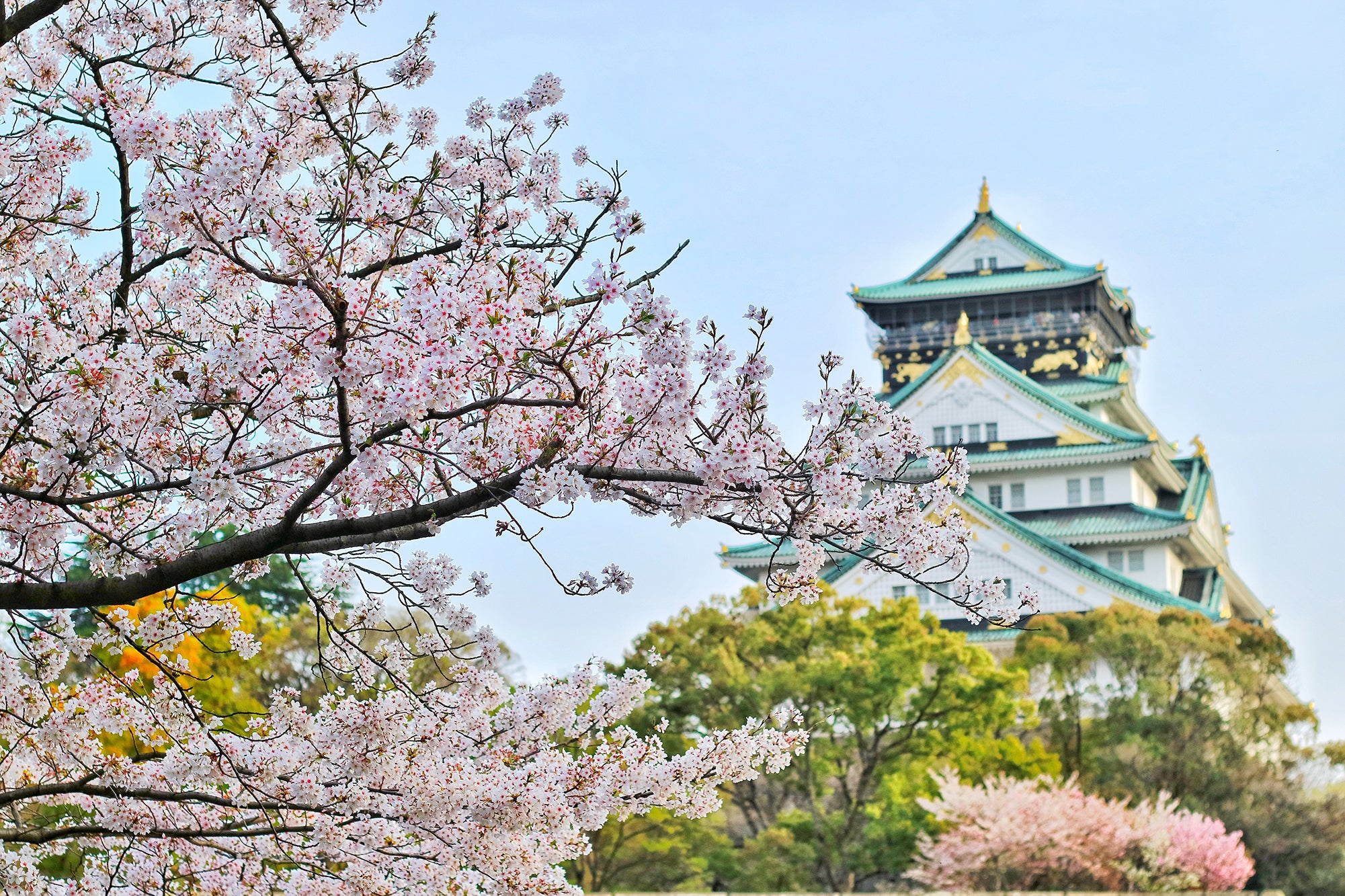
The holiday also coincides with the blooming of cherry blossoms in many parts of Japan, which further enhances the significance of the day. As flowers begin to bloom, people are encouraged to appreciate the fleeting beauty of nature, which is a central theme in Japanese philosophy.

Traditional Customs During Shunbun no Hi

Higan: The Buddhist Custom

During Shunbun no Hi, the Buddhist practice known as Higan takes place. This tradition involves visiting the graves of ancestors and offering prayers, food, and flowers. The word “Higan” (彼岸) literally means “the other shore” and represents the journey to the afterlife. It is believed that during this period, the spirits of the deceased are able to return to visit the living. Families gather at grave sites to pay respects, honor their ancestors, and reflect on the passage of time.

Shunbun no Hi: A Glimpse into Japan’s Seasonal Celebration

Seasonal Foods and Treats

Like many other Japanese holidays, Shunbun no Hi is celebrated with seasonal foods. One popular dish is Sakura mochi, a sweet rice cake filled with red bean paste and wrapped in a cherry blossom leaf. This treat symbolizes the arrival of spring and the cherry blossom season. People also enjoy ohagi, sweet rice balls coated in sesame seeds or sweet bean paste, during this time.

The Beautiful Cherry Blossom Viewing

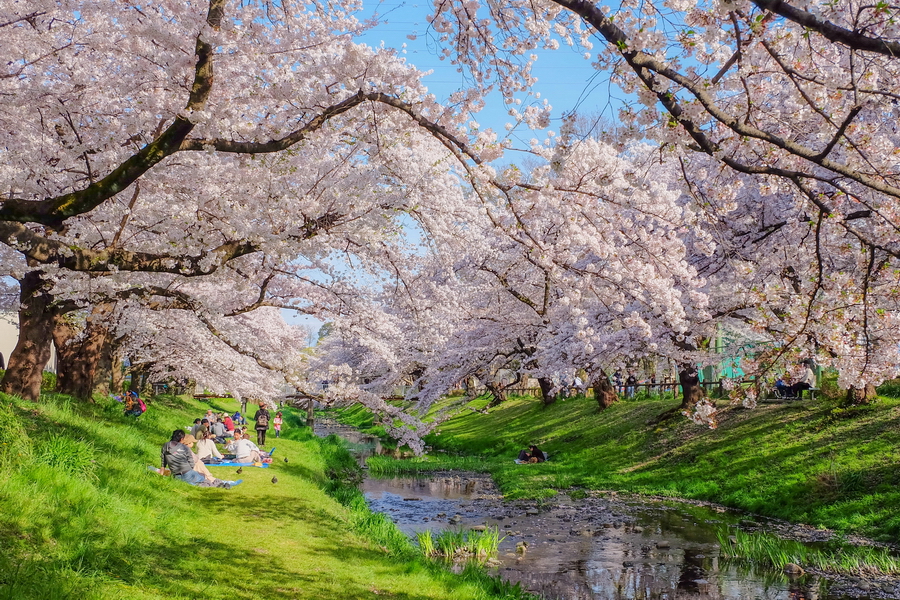
Shunbun no Hi is also closely associated with the cherry blossom season, or hanami. The cherry blossoms (sakura) bloom in early spring, and people across Japan take time to picnic under the blooming trees. This celebration of nature is an integral part of Shunbun no Hi, and it is a way for people to appreciate the beauty of the fleeting season.

Shunbun no Hi: A Glimpse into Japan’s Seasonal Celebration

In recent years, hanami has become a social event, where families, friends, and coworkers gather to enjoy the outdoors and the beauty of the blossoms. It’s a time of joy and reflection as the cherry blossoms only last for a short period, emphasizing the transient nature of life.

Why Shunbun no Hi Is Important to Travelers

For travelers visiting Japan during the spring season, Shunbun no Hi offers a unique opportunity to experience the heart of Japanese culture. The beautiful cherry blossoms, the peacefulness of the traditions, and the connections to nature make it a time to witness Japan’s deep respect for the natural world.

The Ideal Time to Explore Japan’s Natural Beauty

Shunbun no Hi is an excellent time to explore the scenic landscapes of Japan. From the majestic temples of Kyoto to the tranquil parks of Tokyo, the country’s natural beauty is on full display. The sight of cherry blossoms in full bloom provides the perfect backdrop for sightseeing and photography. This period also brings mild temperatures, making it ideal for outdoor activities like hiking and cycling.

Shunbun no Hi: A Glimpse into Japan’s Seasonal Celebration

Cultural Immersion at Yoshida Hotel

As a hotel dedicated to sharing the beauty of Japan, Yoshida Hotel invites you to immerse yourself in the traditional celebrations of Shunbun no Hi. With the hotel located in a prime location for exploring Japan’s natural wonders, you’ll be in the perfect position to participate in hanami or visit nearby temples and parks. Yoshida Hotel’s warm hospitality will enhance your experience, offering a blend of modern comfort with traditional Japanese aesthetics.

Discover More About Japan’s Rich Cultural Holidays

Shunbun no Hi is just one example of the many traditional holidays celebrated in Japan. Throughout the year, Japan offers a variety of unique festivals and cultural events that reflect the country’s deep respect for nature, family, and spirituality. Here are some other notable holidays to look out for:

Seijin no Hi (Coming of Age Day)

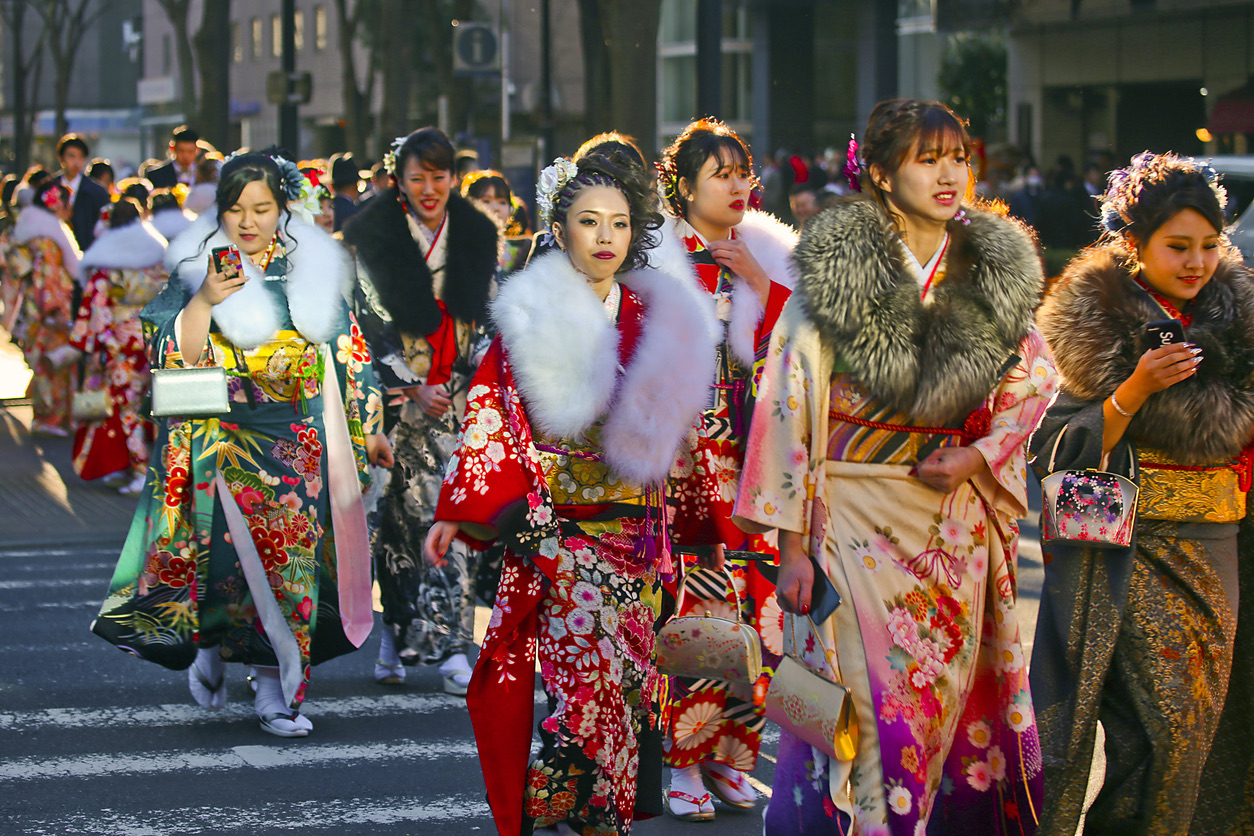
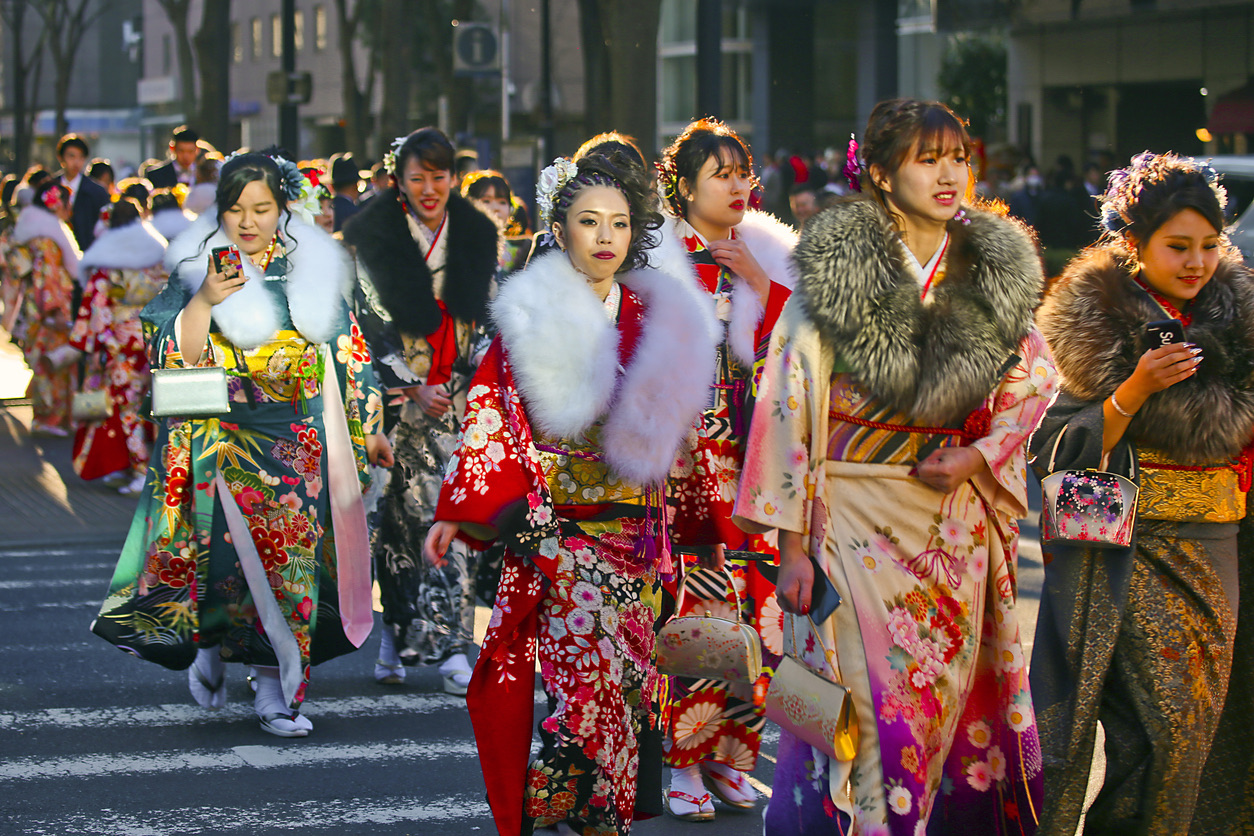
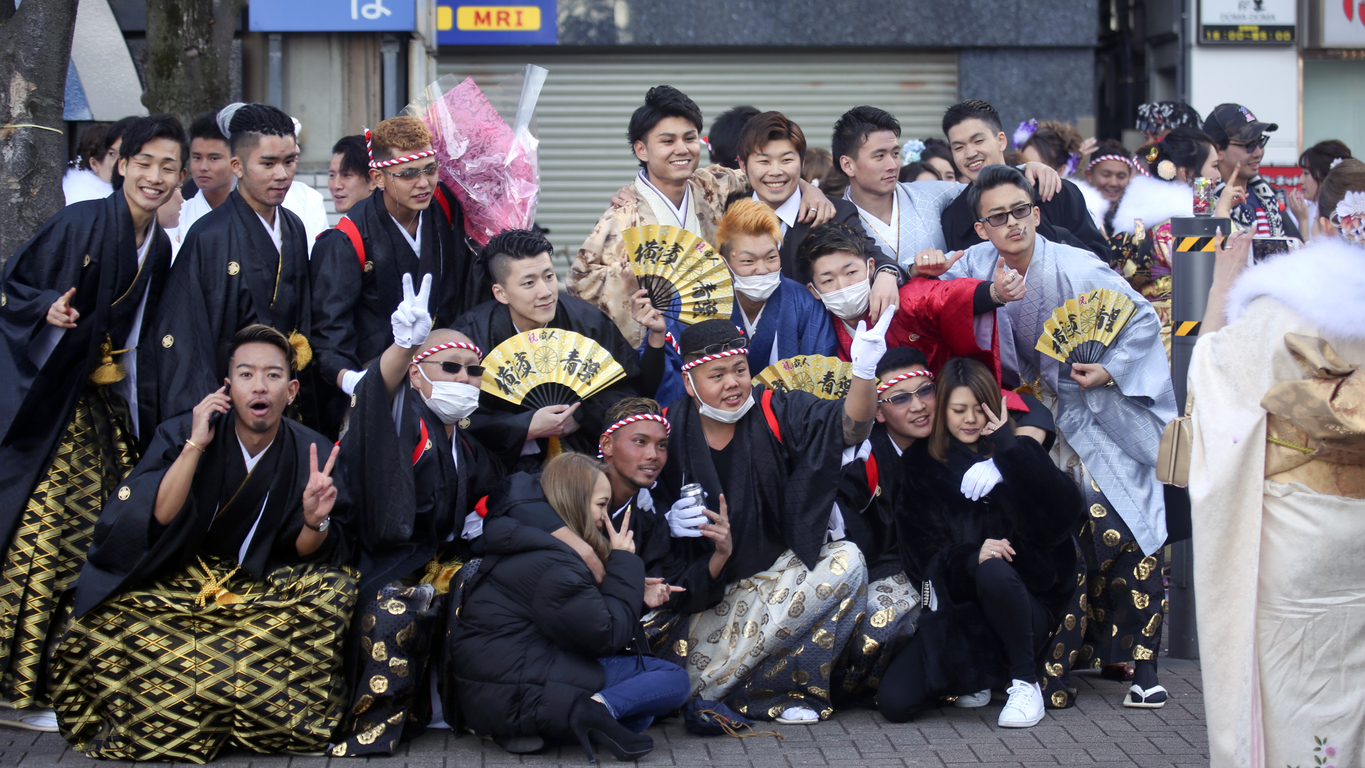
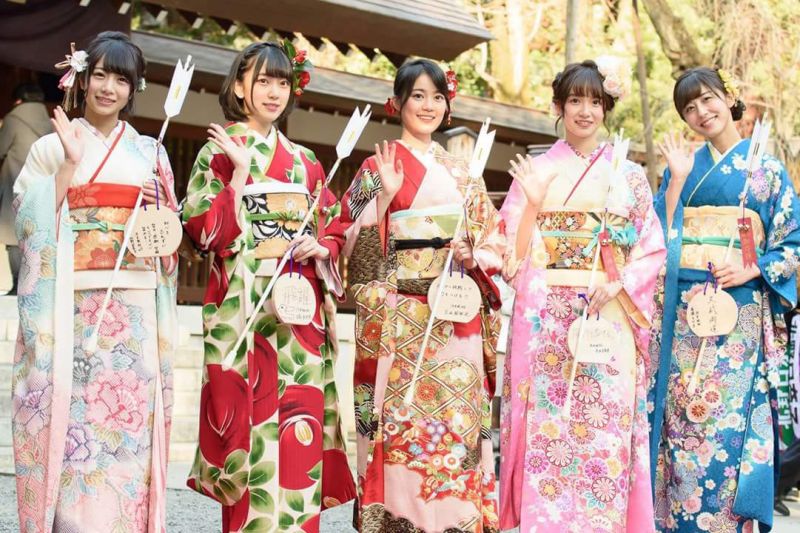
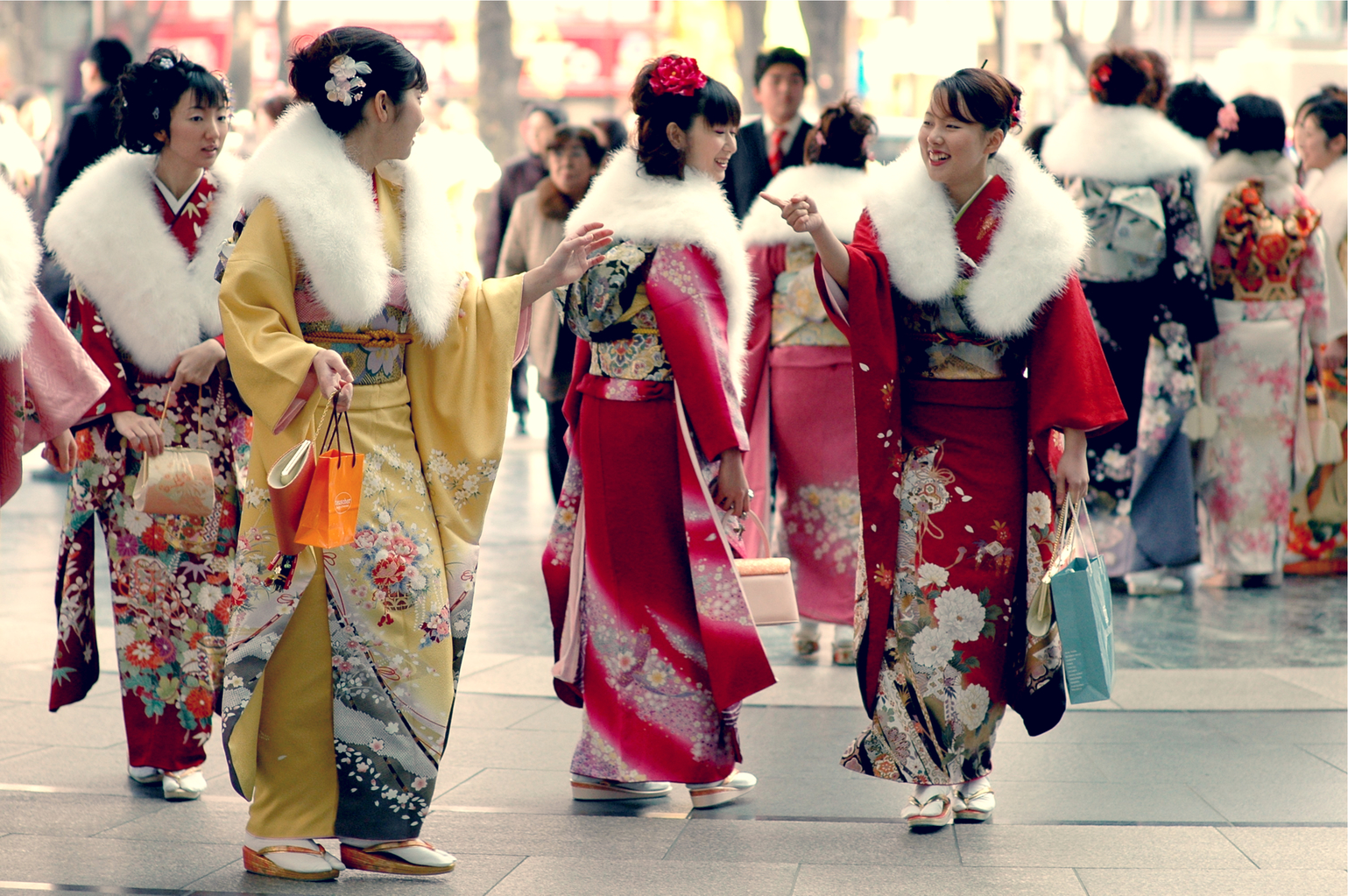
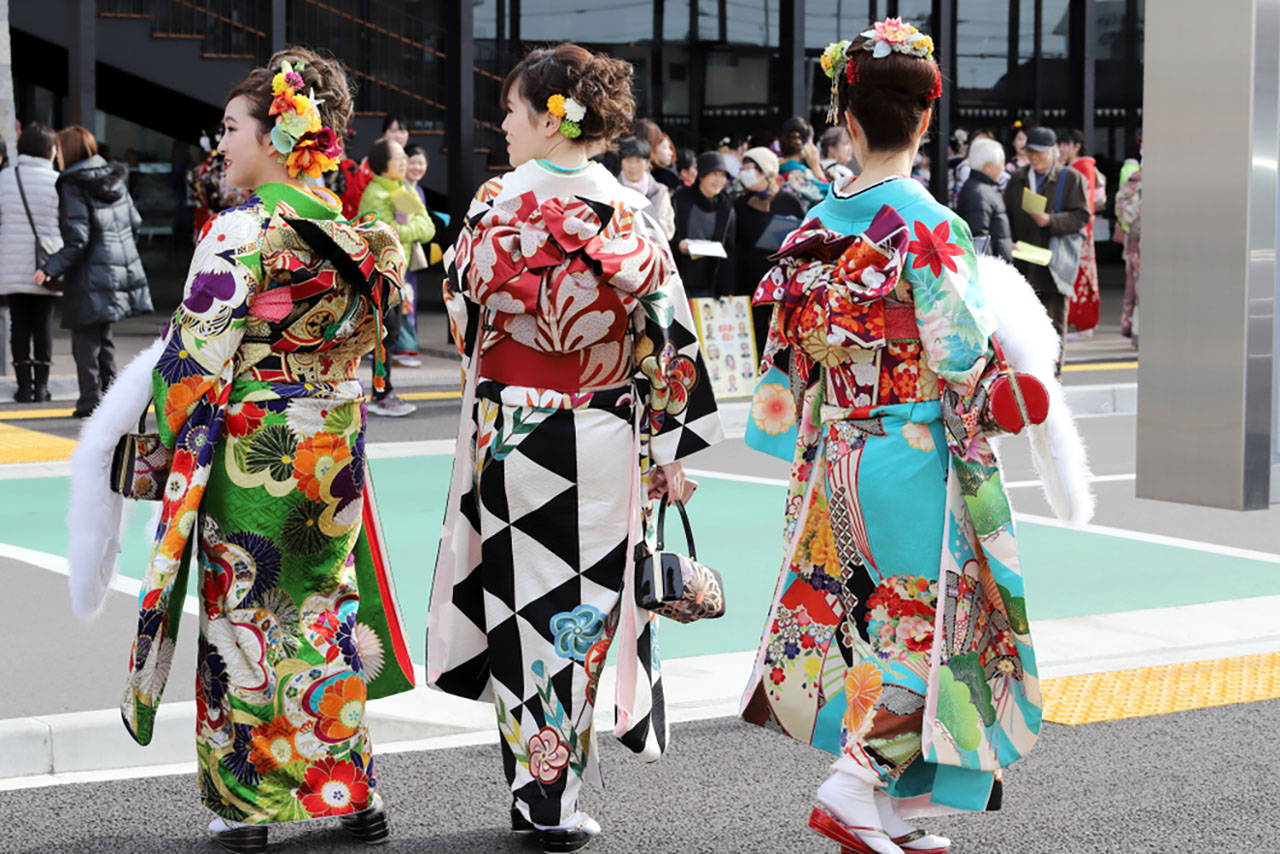
Held on the second Monday of January, Seijin no Hi marks the transition into adulthood for 20-year-olds. This is a highly celebratory day in Japan, with many young adults donning traditional attire, such as the kimono, to attend ceremonies and parties.

Shunbun no Hi: A Glimpse into Japan’s Seasonal Celebration

Obon (The Bon Festival)

A Buddhist festival held in mid-August, Obon honors the spirits of the ancestors. People return to their hometowns, visit family graves, and celebrate with dances and festivals. It is one of Japan’s most significant and heartfelt holidays.

New Year (Shogatsu)

New Year in Japan is a time for renewal and family gatherings. It is celebrated with visits to temples, special New Year’s meals, and the sending of New Year’s cards. The first few days of the year are a time to visit family and pay respects to ancestors.

Shunbun no Hi: A Glimpse into Japan’s Seasonal Celebration

Top Hotels in Japan for Your Spring Vacation

If you’re planning to visit Japan during the cherry blossom season or for Shunbun no Hi, here are some top hotel recommendations for an unforgettable stay:

Randor Residential Hotel Kyoto Suites

A perfect blend of modern luxury and traditional Japanese comfort, the Randor Residential Hotel offers elegant suites and high-end amenities, making it ideal for those seeking a relaxing stay during the cherry blossom season.

Address: 38-1 Higashikujo Kitamatsunokicho, Minami Ward, Kyoto, 601-8022, Japan
Phone Number: +81 75-682-0083

Shunbun no Hi: A Glimpse into Japan’s Seasonal Celebration

Hilton Kyoto

Located in the heart of Kyoto, the Hilton Kyoto offers a serene environment with stunning views of nature, perfect for guests looking to immerse themselves in the beauty of Kyoto’s temples and gardens.

Address: 604-8006, Kyoto, 416 Shimomaruyacho Nakagyo-ku, Kyoto, Japan

Shunbun no Hi: A Glimpse into Japan’s Seasonal Celebration

Hyatt Regency Kyoto

An elegant hotel nestled in the historic district of Kyoto, Hyatt Regency Kyoto is an ideal place to relax after a day of exploring the city’s cultural sites. The hotel combines modern amenities with traditional Japanese touches.

Address: 644-2 Sanjusangendomawari, Higashiyama Ward, Kyoto, 605-0941, Japan
Phone Number: +81 75-541-1234

Shunbun no Hi: A Glimpse into Japan’s Seasonal Celebration

Hotel Okura Kyoto Okazaki Bettei

For travelers who enjoy quiet elegance, the Hotel Okura Kyoto offers a luxurious stay with impeccable service and a peaceful atmosphere, making it a great base for exploring Kyoto’s scenic beauty.

Address: 26-6 Okazaki Tennocho, Sakyo Ward, Kyoto, 606-8335, Japan
Phone Number: +81 75-771-5777

Shunbun no Hi: A Glimpse into Japan’s Seasonal Celebration

Park Hyatt Kyoto

Nestled in the historic Higashiyama district, Park Hyatt Kyoto provides a sophisticated yet tranquil setting. Ideal for visitors who wish to experience the beauty of Kyoto while enjoying luxury and comfort.

Address: 京都市東山区高台寺, 360 Masuyacho, Kyoto, 605-0826, Japan
Phone Number: +81 75-531-1234

Shunbun no Hi: A Glimpse into Japan’s Seasonal Celebration

Tomoya Residence Hotel Kyoto

For those seeking a more home-like experience in Kyoto, Tomoya Residence Hotel offers spacious rooms and exceptional service, ideal for long-term stays or families traveling together.

Address: 〒604-0831 Kyoto, Nakagyo Ward, Matsuyacho, 58, Japan
Phone Number: +81 75-211-8050

Shunbun no Hi: A Glimpse into Japan’s Seasonal Celebration

ROKU KYOTO, LXR Hotels & Resorts by Hilton

Located in a serene area of Kyoto, ROKU KYOTO offers a luxurious escape with its world-class facilities and proximity to nature. The ideal hotel for those who seek a peaceful retreat while exploring the city’s cultural heritage.

Address: 44-1 Kinugasa Kagamiishicho, Kita Ward, Kyoto, 603-8451, Japan
Phone Number: +81 75-320-0111

Shunbun no Hi: A Glimpse into Japan’s Seasonal Celebration

Conclusion: Experience the Magic of Shunbun no Hi with Yoshida Hotel

Shunbun no Hi is more than just a holiday; it’s a celebration of life, nature, and the passing of time. Whether you’re in Japan for a short visit or a longer stay, taking part in this unique tradition will enhance your cultural experience. Yoshida Hotel is proud to offer you a comfortable and enriching stay as you explore the beauty of Shunbun no Hi and other Japanese traditions. Plan your trip today and embrace the spirit of renewal that Shunbun no Hi brings.

Shōwa no Hi: Japan’s National Holiday and Its Deep Cultural Roots

Shōwa no Hi, or Showa Day, is an essential and celebrated national holiday in Japan. This day is dedicated to reflecting on the reign of Emperor Shōwa, who played an influential role in shaping modern Japan. As we explore this important day, join us at Yoshida Hotel in uncovering the significance, history, and customs surrounding Shōwa no Hi, and its impact on Japanese culture.

What is Shōwa no Hi?

Shōwa no Hi, celebrated on April 29th, marks the beginning of Golden Week, one of the busiest and most exciting times of the year in Japan. The holiday commemorates the birthday of Emperor Shōwa (Hirohito), who ruled from 1926 to 1989, a period that saw Japan’s transformation into a major world power. The day is a moment for the Japanese people to remember the history and achievements of the Showa era, and it holds profound cultural significance.

Shōwa no Hi: Japan’s National Holiday and Its Deep Cultural Roots

The Origins of Shōwa no Hi

The history of Shōwa no Hi dates back to 1989 when the Japanese government decided to rename April 29th, previously known as Emperor Hirohito’s birthday, in honor of the Emperor’s death. The celebration serves as a day of national remembrance and reflection. Emperor Shōwa’s reign witnessed tremendous changes in Japan, both politically and socially, including the end of World War II, Japan’s post-war recovery, and the country’s rise as a technological and economic giant.

Shōwa no Hi marks the start of Golden Week, the most celebrated holiday period in Japan, and it is a day to reflect on Japan’s historical achievements, its progress, and its identity.

Celebrating Shōwa no Hi: Traditions and Customs

1. Visiting Temples and Shrines

On Shōwa no Hi, many Japanese people visit shrines and temples to pay their respects to the Emperor and honor their ancestors. It is a time for reflection and meditation, where people often gather with family and friends to connect with their heritage.

Shōwa no Hi: Japan’s National Holiday and Its Deep Cultural Roots

2. Family Gatherings and Feasts

Like many Japanese holidays, Shōwa no Hi is a time for family reunions. Families come together to share meals, remember their roots, and reflect on the significance of the day. Traditional Japanese dishes, such as sushi, ramen, and bento, are often prepared for the occasion.

3. Participating in Golden Week Festivities

Since Shōwa no Hi kicks off Golden Week, there are numerous festivals, parades, and public events that take place across the country. Many locals take time off from work to travel or enjoy outdoor activities. Parks and attractions are filled with crowds, and the festive mood is palpable.

Shōwa no Hi: Japan’s National Holiday and Its Deep Cultural Roots

Shōwa no Hi’s Significance in Modern Japan

Shōwa no Hi is more than just a historical day—it’s a moment that offers the Japanese people the opportunity to reflect on their nation’s progress, from the Showa era to the present. It serves as a reminder of how Japan’s post-war reconstruction shaped its modern identity and the way the country navigates global challenges today.

Shōwa no Hi: Japan’s National Holiday and Its Deep Cultural Roots

The holiday encourages not only remembering the past but also looking toward the future with gratitude and hope. This sense of gratitude and respect is evident in the way Shōwa no Hi is observed, as it focuses on community, reflection, and the nation’s historical journey.

How to Experience Shōwa no Hi in Japan

For travelers, Shōwa no Hi is an ideal opportunity to immerse oneself in Japan’s rich culture and history. You can join the local festivities, explore the country’s historic sites, or visit museums dedicated to the Showa era. Whether you’re in bustling Tokyo or the serene city of Kyoto, there’s no shortage of events to participate in.

Exploring Historical Landmarks

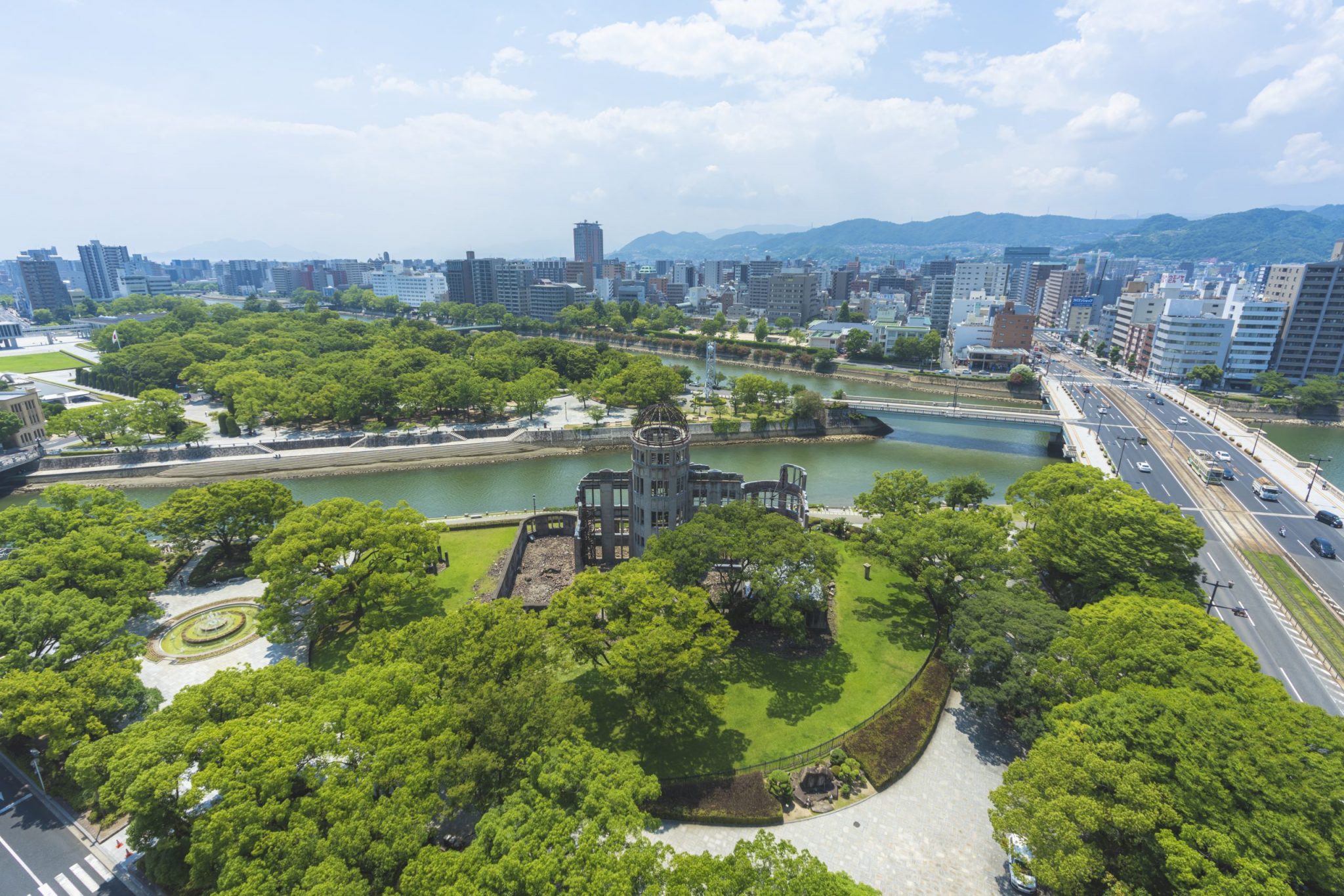
On Shōwa no Hi, visiting key historical landmarks across Japan will offer you an insightful experience into the nation’s cultural legacy. From the Imperial Palace in Tokyo to the Hiroshima Peace Memorial Park, these iconic sites provide context and meaning to the day’s observance.

Shōwa no Hi: Japan’s National Holiday and Its Deep Cultural Roots

Participating in Golden Week Celebrations

Golden Week provides a variety of exciting experiences for tourists. From visiting stunning cherry blossom parks to watching traditional dance performances, Shōwa no Hi is an opportunity to celebrate Japan’s vibrant cultural heritage. It’s also a time to enjoy seasonal foods and drinks, which are symbolic of this joyful occasion.

Recommended Hotels to Stay in Japan During Shōwa no Hi

When visiting Japan for Shōwa no Hi, you’ll want to stay at a hotel that reflects the country’s unique charm. Here are some of the best hotels in Japan to consider for your stay.

1. Suiran, a Luxury Collection Hotel, Kyoto

Located in the tranquil Arashiyama district, Suiran, a Luxury Collection Hotel, Kyoto offers an elegant escape that combines traditional Japanese elements with modern luxury.

  • Address: Japan, 〒616-8385 Kyoto, Ukyo Ward, Sagatenryuji Susukinobabacho, 翠嵐ラグジュアリーコレクションホテル京都

  • Phone: +81 75-872-0101

This hotel’s serene surroundings and impeccable service make it an ideal choice for those who want to enjoy the beauty of Kyoto during the Golden Week.

Shōwa no Hi: Japan’s National Holiday and Its Deep Cultural Roots

2. Mitsui Garden Hotel Kyoto Sanjo PREMIER

For a stay in the heart of Kyoto, Mitsui Garden Hotel Kyoto Sanjo PREMIER offers a sophisticated atmosphere with breathtaking city views and a perfect location for exploring historical landmarks.

  • Address: Japan, 〒604-8131 Kyoto, Nakagyo Ward, Hishiyacho, 45-1

  • Phone: +81 75-231-3131

This hotel blends comfort and elegance with easy access to local attractions, making it an excellent base for exploring the rich history of Kyoto during Shōwa no Hi.

Shōwa no Hi: Japan’s National Holiday and Its Deep Cultural Roots

3. The Ritz-Carlton Kyoto

Experience luxury in the heart of Kyoto with The Ritz-Carlton Kyoto, where traditional Japanese design meets modern comfort.

  • Address: Japan, 〒604-0902 Kyoto, Nakagyo Ward, Hokodencho, 543 鴨川二条大橋畔

  • Phone: +81 75-746-5555

Offering world-class amenities and impeccable service, this hotel is perfect for those who want to celebrate Shōwa no Hi in style.

Shōwa no Hi: Japan’s National Holiday and Its Deep Cultural Roots

4. Four Seasons Hotel Kyoto

For a blend of luxury and tradition, Four Seasons Hotel Kyoto is a top choice. This hotel offers a peaceful garden and spa, perfect for relaxation after a day of exploration.

  • Address: 445-3 Myohoin Maekawacho, Higashiyama Ward, Kyoto, 605-0932, Japan

  • Phone: +81 75-541-8288

This hotel is an excellent choice for those seeking a tranquil and luxurious experience during their stay in Kyoto.

Shōwa no Hi: Japan’s National Holiday and Its Deep Cultural Roots

5. Dhawa Yura Kyoto

With a modern design and exceptional amenities, Dhawa Yura Kyoto offers an unforgettable stay in Kyoto’s scenic Higashiyama district.

  • Address: Japan, 〒605-0009 Kyoto, Higashiyama Ward, Ohashicho, 84 ダーワ・悠洛 京都

  • Phone: +81 75-366-5800

This hotel’s contemporary setting, combined with traditional Japanese aesthetics, makes it a perfect spot for celebrating the essence of Shōwa no Hi.

Shōwa no Hi: Japan’s National Holiday and Its Deep Cultural Roots

6. Hotel Granvia Kyoto

For those who prefer staying near Kyoto Station, Hotel Granvia Kyoto is a prime choice. It offers luxury with direct access to transportation, making it convenient for exploring the city.

  • Address: JR京都駅 Central Entrance, Shimogyo Ward, Kyoto, 600-8216, Japan

  • Phone: +81 75-344-8888

With spacious rooms and exceptional service, this hotel is perfect for travelers looking to enjoy the best of Kyoto during Shōwa no Hi.

Shōwa no Hi: Japan’s National Holiday and Its Deep Cultural Roots

Conclusion: Embrace the Spirit of Shōwa no Hi

As we’ve discovered together, Shōwa no Hi is not just a national holiday in Japan; it is a time to reflect, remember, and celebrate the incredible transformation of Japan through the Showa era. The day is filled with rich cultural customs, from family gatherings to public celebrations, and it serves as a reminder of Japan’s journey to the modern world.

Whether you are exploring Japan’s historical landmarks or enjoying the festive atmosphere of Golden Week, Shōwa no Hi is an excellent time to experience the country’s cultural heritage.

At Yoshida Hotel, we hope this guide has inspired you to learn more about Shōwa no Hi and how you can celebrate this important day when visiting Japan. As you plan your journey, don’t forget to book your stay at one of the luxurious hotels mentioned above for an unforgettable Golden Week experience.

Exploring Japan’s National Holidays: Kenpō Kinenbi and More!

Japan, with its rich cultural heritage, is a land where tradition meets modernity. Among the many holidays celebrated, Kenpō Kinenbi stands out as a day that not only honors Japan’s Constitution but also embodies the nation’s commitment to peace and democratic values. In this article, we will explore Kenpō Kinenbi, its significance, and how this holiday fits into Japan’s larger tapestry of cultural celebrations. Yoshida Hotel invites you to join us on this fascinating journey through Japan’s national holidays!

Understanding Kenpō Kinenbi: A Glimpse Into Japan’s Constitution Day

Kenpō Kinenbi, known as Constitution Memorial Day, is observed annually on May 3rd. This day commemorates the promulgation of the post-war constitution of Japan, which took effect in 1947. Kenpō Kinenbi is a day that not only highlights Japan’s dedication to democracy but also serves as a reminder of the country’s commitment to peace.

Exploring Japan’s National Holidays: Kenpō Kinenbi and More!

The holiday is marked by various activities, including ceremonies and educational programs, which reflect on the importance of the constitution in shaping modern Japan. While the focus is on constitutional matters, it is also a time for the people of Japan to appreciate the freedoms and rights they enjoy today.

At Yoshida Hotel, we take pride in presenting this significant day, giving you a chance to reflect on its importance as you enjoy your stay in Japan.

The Role of Kenpō Kinenbi in Japan’s National Holidays

Japan’s national holidays are spread throughout the year, and Kenpō Kinenbi plays a pivotal role in the country’s spring celebrations. It is part of the Golden Week, a collection of holidays that includes Showa Day, Constitution Day, Greenery Day, and Children’s Day. During this period, people often take vacations, spend time with family, or travel to tourist destinations.

Exploring Japan’s National Holidays: Kenpō Kinenbi and More!

Why Kenpō Kinenbi is Important to the People of Japan

The observance of Kenpō Kinenbi highlights Japan’s historical and political evolution after World War II. It marks the day when Japan embraced democratic ideals and established a constitution that prioritizes human rights and peace.

For the Japanese people, Kenpō Kinenbi is not just a reminder of their past but also an opportunity to reflect on the importance of a peaceful future. This day allows citizens to appreciate their constitutional rights, such as freedom of speech, assembly, and religion, and it is celebrated with a deep sense of respect for these values.

The Cultural Significance of Kenpō Kinenbi in Modern Japan

A Time of Reflection: What Does Kenpō Kinenbi Mean Today?

While Kenpō Kinenbi originally focused on the political and legal aspects of Japan’s constitution, it has evolved over time to become a day of national reflection. Schools, universities, and governmental bodies often hold discussions and events that explore the constitution’s impact on Japanese society and the world.

During Kenpō Kinenbi, the public is encouraged to think about the constitutional principles of peace, justice, and equality. It is a chance to engage in conversations about the nation’s laws, its democratic structures, and the rights afforded to individuals in the country.

Exploring Japan’s National Holidays: Kenpō Kinenbi and More!

Kenpō Kinenbi and the Rise of Modern-Day Japan

The post-war constitution was pivotal in transforming Japan into a peaceful, democratic nation. Kenpō Kinenbi serves as a symbol of this transformation and as a celebration of the peace that Japan has maintained for decades.

The Constitution Day festivities often focus on historical reflection, educational events, and social discussions that reinforce the importance of upholding democratic principles in modern society.

Other Major National Holidays in Japan

Japan’s holiday calendar is filled with significant dates, each with its own cultural and historical meaning. Let’s take a look at some of the most important holidays celebrated across the country.

1. New Year (Shōgatsu)

New Year’s Day, or Shōgatsu, is one of Japan’s most celebrated holidays. The period from January 1st to January 3rd is considered sacred, with many people returning to their hometowns to celebrate with family. Traditional activities such as Hatsumode (the first shrine visit of the year) and eating special New Year foods like osechi are common during this time.

Exploring Japan’s National Holidays: Kenpō Kinenbi and More!

2. The Showa Day (Shōwa no Hi)

Showa Day is celebrated on April 29th and marks the birthday of Emperor Shōwa (Hirohito), who ruled Japan from 1926 to 1989. This day is part of the Golden Week and is dedicated to reflecting on the Showa period, a time of great political, economic, and social change in Japan.

3. Greenery Day (Midori no Hi)

Celebrated on May 4th, Midori no Hi encourages people to appreciate the beauty of nature. The holiday honors the environment and fosters an appreciation for the natural world. People often visit parks, forests, and other outdoor areas to celebrate the day.

Exploring Japan’s National Holidays: Kenpō Kinenbi and More!

4. Children’s Day (Kodomo no Hi)

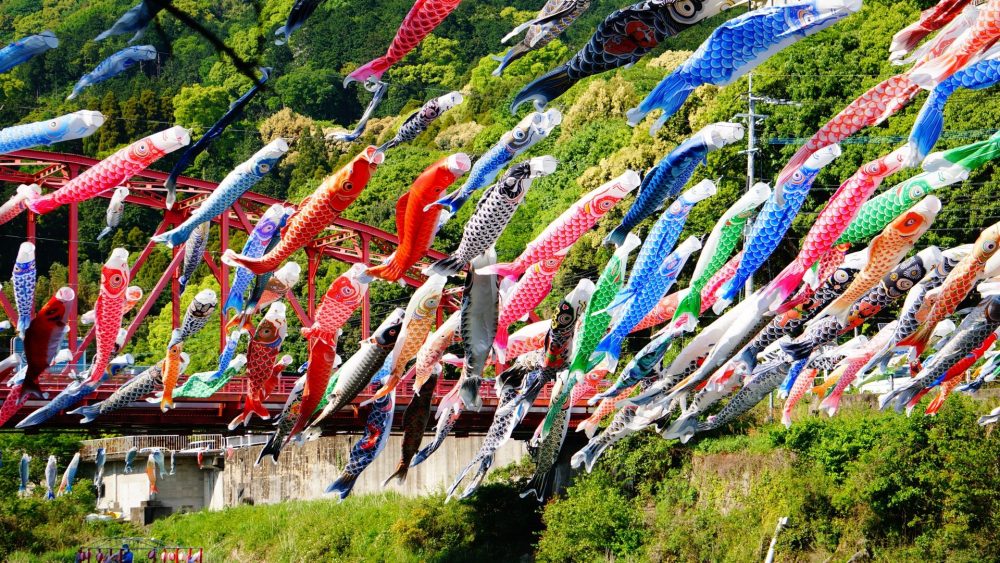
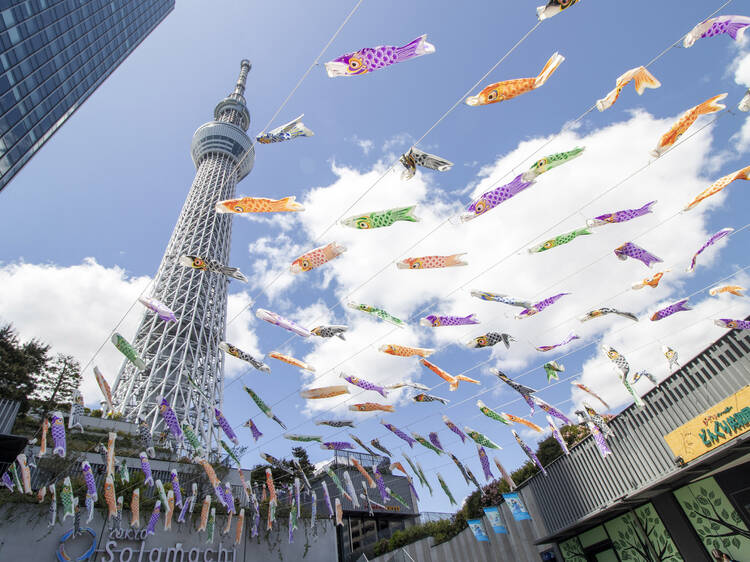
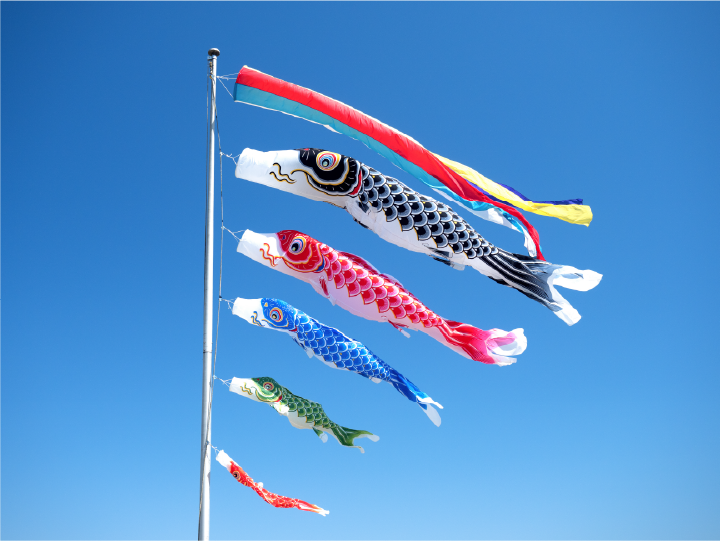
Held on May 5th, Kodomo no Hi is a day to celebrate children and their well-being. Traditionally, families hang up koinobori (carp-shaped flags) and display samurai helmets, symbolizing strength and vitality. It’s a day dedicated to wishing for the healthy growth of children.

5. Obon

Obon is a Buddhist event celebrated in mid-August, honoring the spirits of ancestors. It is a time when families come together to clean and decorate ancestral graves, and it is believed that the spirits of the dead return to their homes during this period.

Exploring Japan’s National Holidays: Kenpō Kinenbi and More!

6. Respect for the Aged Day (Keiro no Hi)

Held on the third Monday of September, Keiro no Hi is a day to honor elderly citizens. The holiday reflects Japan’s respect for its senior citizens and acknowledges their contributions to society.

7. The Emperor’s Birthday (Tenno Tanjobi)

On December 23rd, Japan celebrates the birthday of the Emperor. This day is marked by ceremonies at the Imperial Palace, where the emperor appears before the public, and people come to offer their well wishes.

Exploring Japan’s National Holidays: Kenpō Kinenbi and More!

Top Hotels to Stay in Japan During National Holidays

If you’re planning a visit to Japan during one of its national holidays, consider staying at one of these highly recommended hotels. From historical locations to luxurious modern amenities, these hotels offer an unforgettable experience for any traveler.

KAYA Kyoto Nijo Castle, BW Signature Collection by Best Western

Address: 〒604-0071 Kyoto, Nakagyo Ward, Daimonjicho, 50番
Phone: +81 75-223-0606

A beautiful fusion of tradition and modernity, KAYA Kyoto Nijo Castle offers a serene atmosphere right near the Nijo Castle. Enjoy the best of both worlds as you explore the rich history of Kyoto and relax in a luxury hotel.

Exploring Japan’s National Holidays: Kenpō Kinenbi and More!

Gion Elite Terrace

Address: 44-21 Bishamoncho, Higashiyama Ward, Kyoto, 605-0812, Japan
Phone: +81 75-746-2188

Located in the historic Gion district, this boutique hotel provides an intimate and luxurious experience. Perfect for those wishing to stay close to Kyoto’s traditional landmarks, it offers top-notch services and unique accommodations.

Exploring Japan’s National Holidays: Kenpō Kinenbi and More!

Henn na Hotel Premier Kyoto Eki Hachijoguchimae

Address: 〒601-8004 Kyoto, Minami Ward, Higashikujo Higashisannocho, 15
Phone: +81 50-5576-8390

Known for its cutting-edge technology, the Henn na Hotel Premier Kyoto combines innovation with traditional Japanese aesthetics. A great choice for those who want to experience a modern, yet cultural, stay in Kyoto.
Exploring Japan’s National Holidays: Kenpō Kinenbi and More!

KOKO HOTEL Kyoto Sanjo – Formerly Hotel Wing International Premium Kyoto Sanjo

Address: 407-6 Wakokucho, Sakyo Ward, Kyoto, 606-8363, Japan
Phone: +81 75-761-1000

Conveniently located near Kyoto’s central shopping district, KOKO Hotel offers a chic and comfortable place to stay. Ideal for tourists, it’s just a short walk from popular attractions like the Nijo Castle and the Kinkaku-ji temple.

Exploring Japan’s National Holidays: Kenpō Kinenbi and More!

Henn na Hotel Premier Kyoto Gojo Karasuma – Formerly Watermark Hotel Kyoto

Address: 195 Daikokucho, Shimogyo Ward, Kyoto, 600-8161, Japan
Phone: +81 50-5210-5333

Offering a unique blend of technology and comfort, this hotel provides a futuristic experience with its robot staff. It’s a great option for tech enthusiasts and anyone seeking a modern yet traditional Kyoto experience.

Exploring Japan’s National Holidays: Kenpō Kinenbi and More!

Mitsui Garden Hotel Kyoto Station

Address: 848番 Higashishiokojicho, Shimogyo Ward, Kyoto, 600-8216, Japan
Phone: +81 75-353-3135

Situated near Kyoto Station, this hotel provides easy access to transportation, making it perfect for travelers who want to explore the city and beyond. With luxurious amenities and attentive service, it promises a comfortable stay.

Exploring Japan’s National Holidays: Kenpō Kinenbi and More!

MONday Apart Premium KYOTO Station

Address: 1 Yaoyacho, Shimogyo Ward, Kyoto, 600-8262, Japan
Phone: +81 75-353-1922

Offering apartment-style accommodations, MONday Apart is perfect for those who want the convenience of a hotel with the flexibility of self-catering. A great choice for families and long-term travelers.

Exploring Japan’s National Holidays: Kenpō Kinenbi and More!

Conclusion

As we journey through Japan’s national holidays, Kenpō Kinenbi stands out as a symbol of Japan’s commitment to peace, democracy, and its rich historical legacy. At Yoshida Hotel, we hope this article provides you with an in-depth understanding of this important holiday and inspires you to explore Japan’s cultural treasures. Whether you are visiting during Golden Week or another time of year, Japan offers a multitude of experiences to enjoy and cherish.

Midori no Hi: A Day to Celebrate Nature and Greenery in Japan

Midori no Hi, or Greenery Day, is one of Japan’s most significant public holidays, celebrated every year with a deep respect for nature and the environment. It is a day dedicated to appreciating the beauty of the natural world and promoting environmental awareness. In this article, brought to you by Yoshida Hotel, we will explore the origins of Midori no Hi, the ways in which it is celebrated across Japan, and the importance of preserving nature for future generations.

What is Midori no Hi? Understanding the Holiday

Midori no Hi, which translates directly to “Greenery Day,” was established to honor the Japanese Emperor Showa’s love for nature and his efforts to promote environmental conservation. This day is a part of Japan’s Golden Week, a time when many people in the country take time off to relax and enjoy the outdoors.

The Origins of Midori no Hi

Midori no Hi was first observed in 1989, following the death of Emperor Showa (Hirohito). The holiday was initially celebrated on April 29, the Emperor’s birthday, to recognize his contributions to nature and the environment. However, in 2007, the date was shifted to May 4, as part of Japan’s effort to reorganize its holiday schedule during Golden Week.

Midori no Hi: A Day to Celebrate Nature and Greenery in Japan

Midori no Hi and Its Connection to Nature

Midori no Hi is more than just a celebration; it’s a reminder of the importance of preserving the natural world. On this day, various activities take place to promote environmental awareness, such as tree planting ceremonies, clean-up efforts, and educational events about sustainability. The holiday encourages citizens to reflect on the beauty of nature and how they can contribute to its protection.

How Midori no Hi is Celebrated in Japan

The celebration of Midori no Hi varies across Japan, with a variety of events and activities taking place in cities, towns, and rural areas alike. Let’s take a closer look at some of the ways in which the Japanese people celebrate this special day.

1. Planting Trees and Greenery

One of the most iconic ways Midori no Hi is celebrated is through tree planting ceremonies. Schools, communities, and even corporations often participate in planting trees or taking part in environmental conservation projects. These activities not only beautify the environment but also help to raise awareness about deforestation and the importance of green spaces in urban settings.

Midori no Hi: A Day to Celebrate Nature and Greenery in Japan

2. Visiting Parks and Natural Reserves

Many Japanese people take advantage of Midori no Hi to visit parks, gardens, and natural reserves. These spaces are popular spots for families to enjoy picnics, hikes, and outdoor activities. Public parks like Shinjuku Gyoen in Tokyo, Kiyosumi Teien, and the Kyoto Imperial Palace gardens are prime examples of places where people gather to enjoy nature.

3. Environmental Campaigns and Workshops

Environmental organizations across Japan hold campaigns and workshops on Midori no Hi to educate people about sustainable living and conservation. These events may focus on topics such as reducing carbon footprints, recycling, and protecting endangered species. Schools and universities also participate in hosting discussions and exhibitions related to green living.

Midori no Hi: A Day to Celebrate Nature and Greenery in Japan

4. Community Clean-Up Activities

Another way in which Midori no Hi is observed is through community clean-up efforts. People from all walks of life come together to pick up trash from parks, streets, and local waterways. These activities promote a sense of communal responsibility and help keep public spaces clean and beautiful.

The Significance of Midori no Hi in Japanese Culture

In Japanese culture, nature holds deep spiritual and cultural significance. The country’s close relationship with nature is reflected in various aspects of life, from traditional art forms to religious practices. Midori no Hi serves as a day to reconnect with this cultural heritage and foster a sense of unity between humans and the natural world.

Nature in Japanese Spirituality

Japan’s Shinto religion places a great emphasis on the spiritual value of nature. Many Shinto shrines are located in beautiful natural settings, and natural features such as trees, rivers, and mountains are believed to be inhabited by kami (spirits). Midori no Hi is a time to reflect on these spiritual connections and show gratitude for the resources that nature provides.

Midori no Hi: A Day to Celebrate Nature and Greenery in Japan

The Influence of Nature in Japanese Art

From ancient scroll paintings to contemporary photography, nature has been a significant influence on Japanese art. Artists throughout history have sought to capture the beauty of the changing seasons, landscapes, and natural elements. Midori no Hi allows people to reflect on the ongoing relationship between nature and art, inspiring a deeper appreciation for the beauty of green spaces and natural landscapes.

Why Midori no Hi is Important for the Future

As Japan continues to face environmental challenges, such as climate change, pollution, and habitat loss, the message of Midori no Hi has never been more relevant. The holiday serves as a reminder of the urgent need to protect the environment and preserve biodiversity for future generations.

Raising Awareness about Climate Change

Midori no Hi plays a significant role in raising awareness about climate change, which is a global issue affecting ecosystems and communities worldwide. By encouraging people to take action, whether it’s by planting trees, reducing waste, or supporting sustainable practices, Midori no Hi contributes to a collective effort to combat climate change.

Midori no Hi: A Day to Celebrate Nature and Greenery in Japan

Promoting Green Technologies

In recent years, Japan has made significant strides in developing green technologies to reduce its environmental impact. Midori no Hi encourages support for these innovations, such as renewable energy sources, eco-friendly transportation, and green architecture. The holiday helps foster a culture of sustainability in Japan, where the pursuit of a greener future is seen as a shared responsibility.

Top Hotels in Japan to Celebrate Midori no Hi and Enjoy Nature

If you’re planning to visit Japan during Midori no Hi and immerse yourself in the beauty of nature, there are many hotels that offer stunning views of natural landscapes and are located near parks and gardens. Here are some of the top hotels in Japan that offer a perfect setting for your Midori no Hi experience.

Fauchon Hotel Kyoto

Located in the heart of Kyoto, Fauchon Hotel is known for its luxurious accommodations and proximity to scenic gardens and historical sites. The hotel provides a perfect blend of modern amenities and traditional Japanese hospitality, offering guests a serene and peaceful atmosphere to celebrate Midori no Hi.

  • Address: 406 Nanbacho, Shimogyo Ward, Kyoto, 600-8027, Japan

  • Phone: +81 75-751-7711

Midori no Hi: A Day to Celebrate Nature and Greenery in Japan

Kadensho, Arashiyama Onsen, Kyoto – Kyoritsu Resort

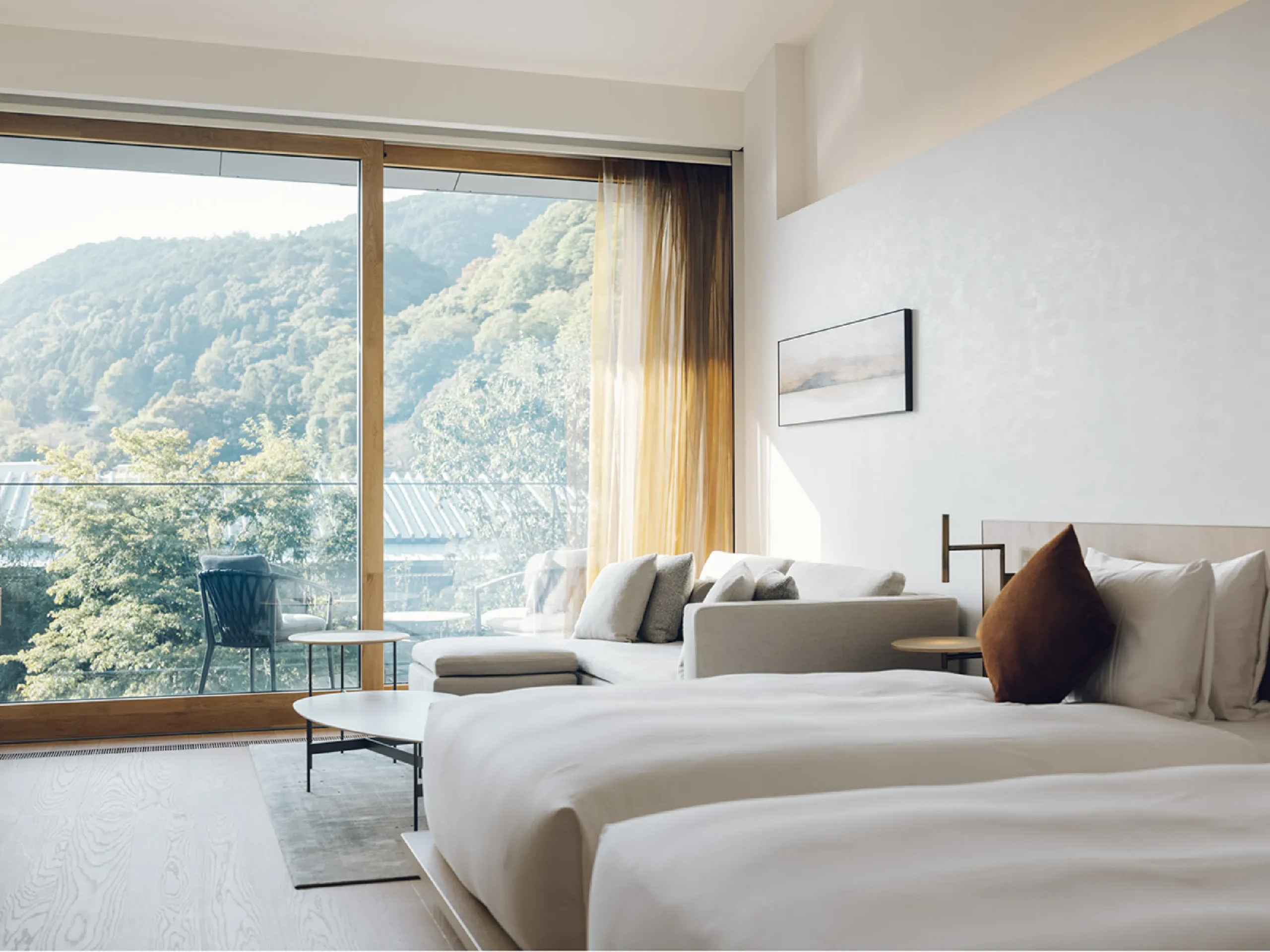
Situated in the picturesque Arashiyama district, Kadensho offers breathtaking views of the surrounding mountains and lush greenery. The hotel features an onsen (hot spring), making it an ideal place for relaxation while connecting with nature during Midori no Hi.

  • Address: 5-4 Arashiyama Nishiichikawacho, Nishikyo Ward, Kyoto, 616-0003, Japan

  • Phone: +81 75-863-0489

Midori no Hi: A Day to Celebrate Nature and Greenery in Japan

Garrya Nijo Castle Kyoto

Located near the iconic Nijo Castle, Garrya offers a tranquil escape with its beautiful gardens and historical ambiance. It’s the perfect place to unwind and enjoy nature while taking part in Midori no Hi celebrations.

  • Address: 180-1 Ichinocho, Nakagyo Ward, Kyoto, 604-8305, Japan

  • Phone: +81 75-366-5806

Midori no Hi: A Day to Celebrate Nature and Greenery in Japan

Banyan Tree Higashiyama Kyoto

Nestled in the beautiful Higashiyama district, Banyan Tree offers luxurious accommodations with stunning views of Kyoto’s natural beauty. The hotel is an excellent place to relax and reflect on the importance of nature during Midori no Hi.

  • Address: 7-番地 Seikanji Ryozancho, Higashiyama Ward, Kyoto, 605-0861, Japan

  • Phone: +81 75-531-0500

Midori no Hi: A Day to Celebrate Nature and Greenery in Japan

Kyoto Umekoji Kadensho

A serene retreat located in the heart of Kyoto, Kyoto Umekoji Kadensho is perfect for those who want to celebrate Midori no Hi surrounded by nature. The hotel’s tranquil atmosphere makes it an ideal destination for relaxation and reflection.

  • Address: 41-10 Sujakuuchihatacho, Shimogyo Ward, Kyoto, 600-8843, Japan

  • Phone: +81 75-316-0055

Midori no Hi: A Day to Celebrate Nature and Greenery in Japan

The Westin Miyako Kyoto

The Westin Miyako Kyoto offers luxurious accommodations with a scenic view of the surrounding hills and natural beauty. Guests can enjoy a peaceful stay while celebrating Midori no Hi in one of Japan’s most beautiful cities.

  • Address: Keage Sanjo, Higashiyaman-Ku, Kyoto, 605-0052, Japan

  • Phone: +81 75-771-7111

Midori no Hi: A Day to Celebrate Nature and Greenery in Japan

RIHGA Royal Hotel Kyoto

This renowned hotel combines luxury with beautiful views of Kyoto’s historic sites and natural landscapes. It is an excellent choice for visitors looking to celebrate Midori no Hi in a relaxing and nature-filled environment.

  • Address: 1番地 Taimatsucho, Shimogyo Ward, Kyoto, 600-8237, Japan

  • Phone: +81 75-341-1121

Midori no Hi: A Day to Celebrate Nature and Greenery in Japan

Randor Residential Hotel Kyoto Suites

Located in the vibrant district of Kyoto, Randor Residential Hotel offers a unique blend of traditional and modern design. Guests can enjoy spacious suites with easy access to nature and historical sites.

  • Address: 38-1 Higashikujo Kitamatsunokicho, Minami Ward, Kyoto, 601-8022, Japan

  • Phone: +81 75-682-0083

Midori no Hi: A Day to Celebrate Nature and Greenery in Japan

Conclusion: The Future of Midori no Hi and Our Role in Protecting Nature

As we celebrate Midori no Hi, it’s essential to reflect on our role in preserving nature for future generations. By participating in activities such as tree planting, environmental clean-ups, and supporting sustainability efforts, we can all contribute to a greener future. Yoshida Hotel invites you to join in the celebration of nature and enjoy the beauty of Japan during Midori no Hi.

Ganjitsu: Exploring the Unique Japanese New Year Celebrations

Japan is a country rich in culture, tradition, and history. One of the most exciting times to visit Japan is during the New Year season, especially during Ganjitsu, or the first day of the year. For those seeking to understand Japanese culture deeply, Ganjitsu offers a fascinating experience. Yoshida Hotel invites you on a journey to explore the significance of Ganjitsu and how this special day is celebrated across Japan.

As the year turns, Japan celebrates a variety of cultural customs and traditions, all steeped in deep historical significance. From the Hatsumode (first shrine visit) to special New Year foods such as osechi-ryori, the celebration of Ganjitsu is something you won’t want to miss. Let’s explore the fascinating world of Japanese New Year’s Day and how Yoshida Hotel is involved in showcasing this essential aspect of Japan’s culture.

Understanding Ganjitsu: The First Day of the Year

Ganjitsu marks the beginning of the new year in Japan. Traditionally, it is a day of rest, reflection, and renewal. The origins of Ganjitsu can be traced back to the adoption of the Gregorian calendar in Japan. This day is a time for families to come together and celebrate their hopes and wishes for the year ahead.

The day is filled with specific customs such as visiting shrines, preparing special meals, and engaging in symbolic activities. However, despite the public celebrations, Ganjitsu is also a deeply personal occasion for many, with individuals reflecting on the past year and making resolutions for the future.

Ganjitsu and Its Significance in Japanese Culture

Ganjitsu holds a special place in Japanese culture, and its importance is felt throughout the country. It’s a time when many traditions, customs, and practices come together to usher in a new year of good fortune, health, and happiness.

Ganjitsu: Exploring the Unique Japanese New Year Celebrations

Hatsumode: The First Shrine Visit of the Year

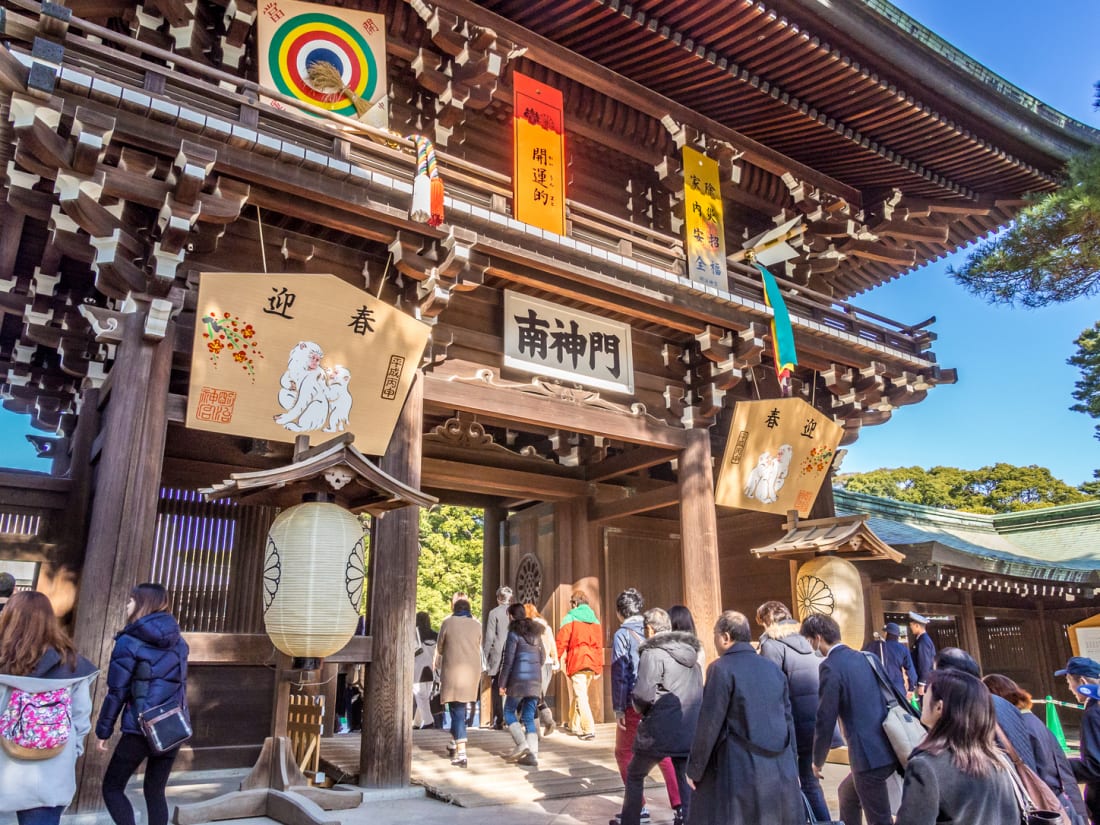
One of the most prominent aspects of Ganjitsu is Hatsumode, the first shrine visit of the year. Thousands of people visit shrines across Japan on New Year’s Day to pray for good health, happiness, and prosperity. Popular shrines such as Meiji Shrine in Tokyo and Fushimi Inari Shrine in Kyoto see millions of visitors during this period. This ritual is a significant part of Ganjitsu and is an essential way for Japanese people to start the year on a spiritually uplifting note.

Special New Year’s Foods: Osechi-ryori

Another crucial element of Ganjitsu is the food. Osechi-ryori is a traditional New Year meal that consists of a variety of dishes, each symbolizing a specific wish for the coming year. These dishes are usually prepared in advance to allow the cook to rest during the New Year holiday. Foods like kazunoko (herring roe) symbolize fertility, while tazukuri (dried sardines) represent good harvests. Eating osechi is an integral part of welcoming the new year in Japan.

Ganjitsu: Exploring the Unique Japanese New Year Celebrations

The Significance of the New Year Decorations

In Japan, homes are often adorned with traditional decorations during Ganjitsu, such as the kadomatsu (pine decoration), which symbolizes longevity, and shimenawa (sacred rope), which marks the entrance to the home and protects it from evil spirits. These decorations play a symbolic role in creating a welcoming environment for the New Year gods, known as toshigami.

The Role of Yoshida Hotel in Ganjitsu Celebrations

Yoshida Hotel takes great pride in participating in the cultural exchange of Japanese traditions, particularly during the Ganjitsu celebrations. The hotel offers guests a unique opportunity to experience the cultural richness of the New Year period, allowing visitors to immerse themselves in authentic Japanese practices while staying in luxury.

Ganjitsu: Exploring the Unique Japanese New Year Celebrations

Whether you are visiting Japan for the first time or returning to enjoy the traditions anew, Yoshida Hotel offers personalized services to help you fully appreciate the Ganjitsu celebrations. From special osechi-ryori meals served in the hotel’s restaurant to offering tours of famous shrines in Kyoto, Yoshida Hotel ensures that you make the most of your time in Japan during this important cultural period.

Top Hotels to Stay During Ganjitsu in Japan

For those looking to make their Ganjitsu experience truly unforgettable, staying at a premium hotel in Japan is essential. Here are some of the top hotels that offer a blend of luxury, comfort, and an immersive Japanese cultural experience during the New Year season.

Six Senses Kyoto

Address: 431 Myohoin Maekawacho, Higashiyama Ward, Kyoto, 605-0932, Japan
Phone Number: +81 75-531-0700

Six Senses Kyoto offers a perfect combination of modern luxury and traditional Japanese aesthetics. Located in the heart of Kyoto, this hotel allows guests to experience the best of Japanese culture while enjoying world-class amenities. During Ganjitsu, the hotel offers tailored New Year experiences, including access to Hatsumode at Kyoto’s renowned shrines and exclusive osechi-ryori meals.

Ganjitsu: Exploring the Unique Japanese New Year Celebrations

Hotel Okura Kyoto

Address: 〒604-8558 Kyoto, Nakagyo Ward, Kawaramachi Oike, Kyoto, Japan
Phone Number: +81 75-211-5111

Hotel Okura Kyoto is a luxurious hotel that blends contemporary elegance with traditional Japanese hospitality. The hotel’s proximity to Kyoto’s famous historical sites makes it an ideal place to stay during Ganjitsu. Visitors can enjoy a tranquil environment while exploring the rich cultural heritage of Kyoto, especially the shrines and temples that come alive during the New Year period.

Ganjitsu: Exploring the Unique Japanese New Year Celebrations

THE HIRAMATSU KYOTO

Address: 〒604-8174 Kyoto, Nakagyo Ward, Ennogyojacho, 361, Kyoto, Japan
Phone Number: +81 75-211-1751

THE HIRAMATSU KYOTO offers guests an exclusive New Year experience with a focus on high-end dining and cultural activities. The hotel’s osechi-ryori offerings are prepared with the finest ingredients, and guests can also enjoy special cultural events that celebrate the Japanese New Year.

Ganjitsu: Exploring the Unique Japanese New Year Celebrations

The Prince Kyoto Takaragaike, Autograph Collection

Address: 1092-2 Iwakura Hataedacho, Sakyo Ward, Kyoto, 606-0015, Japan
Phone Number: +81 75-712-1111

This exquisite hotel offers luxury accommodations with a view of the beautiful Takaragaike pond and surrounding nature. The Prince Kyoto Takaragaike is an excellent option for those looking to experience the serenity of Kyoto during Ganjitsu. Guests can enjoy traditional New Year’s activities and local cultural performances as part of the New Year celebrations.

Ganjitsu: Exploring the Unique Japanese New Year Celebrations

Hotel Utano Kyoto Besho

Address: 14 Utano Oyashikicho, Ukyo Ward, Kyoto, 616-8205, Japan
Phone Number: +81 570-078-857

Hotel Utano Kyoto Besho is the perfect destination for visitors seeking a more intimate and relaxing New Year experience. The hotel is situated in a peaceful area of Kyoto, allowing guests to enjoy the serenity of the city during the New Year period. The hotel offers guests a chance to participate in local Hatsumode traditions and enjoy delicious New Year foods.

Ganjitsu: Exploring the Unique Japanese New Year Celebrations

Kyoto Tokyu Hotel

Address: 〒600-8357 Kyoto, Shimogyo Ward, Kakimotocho, 580, Kyoto, Japan
Phone Number: +81 75-341-2411

Kyoto Tokyu Hotel provides an excellent balance of comfort and luxury, making it a perfect choice for those visiting Kyoto during Ganjitsu. The hotel’s proximity to major cultural landmarks allows guests to explore Kyoto’s temples and shrines during the New Year, while also indulging in a luxurious stay with world-class amenities.

Ganjitsu: Exploring the Unique Japanese New Year Celebrations

Conclusion: Embrace the Spirit of Ganjitsu

Ganjitsu is not just a day—it’s a season full of cultural experiences that can leave a lasting impression on anyone visiting Japan. By staying at Yoshida Hotel or any of the top hotels mentioned above, you can fully immerse yourself in the New Year’s traditions that make Japan unique. Yoshida Hotel invites you to celebrate Ganjitsu in true Japanese style, providing a blend of luxury, tradition, and unforgettable memories. As you embrace the spirit of the New Year, may your journey be filled with happiness, prosperity, and joy.

Exploring Kodomo no Hi: A Celebration of Children’s Day in Japan

Kodomo no Hi, also known as Children’s Day, is one of Japan’s most cherished holidays. Celebrated on May 5th each year, this day is dedicated to honoring the health, happiness, and prosperity of children. In this article, we, at Yoshida Hotel, invite you to dive into the traditions, significance, and festive atmosphere of this special occasion in Japan. As we explore the vibrant celebrations of Kodomo no Hi, we will also guide you on where to stay during your visit to Japan during this wonderful holiday.

What is Kodomo no Hi (Children’s Day)?

Kodomo no Hi, or Children’s Day, has deep cultural roots in Japan. It is part of the Golden Week, a time when many Japanese people take time off to spend with family. This holiday is not only about celebrating children but also acknowledging their future success and well-being. The day originally stemmed from the Boys’ Day festival, but over time, it evolved to become a day for all children, regardless of gender.

Exploring Kodomo no Hi: A Celebration of Children’s Day in Japan

The Origins of Kodomo no Hi

Kodomo no Hi traces its origins back to the 7th century, with festivals that celebrated the health of children. Originally known as Tango no Sekku, it was a day set aside to ward off evil spirits and ensure a healthy future for boys. Over time, it became more inclusive, and today, Kodomo no Hi is celebrated to honor all children.

Traditions and Celebrations of Kodomo no Hi

On Kodomo no Hi, families across Japan celebrate in various ways, with the main customs focused on promoting strength, courage, and prosperity for children. Some of the most iconic traditions include:

1. Koi Nobori (Carp Streamers)

The sight of colorful carp streamers flying high in the air is a symbol of Kodomo no Hi. These carp are seen as symbols of strength and perseverance, inspired by the legend of a carp that swam up a waterfall and transformed into a dragon. Families hang koi nobori outside their homes to wish for their children to grow up strong and successful.

Exploring Kodomo no Hi: A Celebration of Children’s Day in Japan

2. Samurai Armor and Dolls

Many families display samurai armor and warrior dolls (kabuto) in their homes, symbolizing bravery and protection for the children. This tradition highlights the importance of resilience and courage in Japanese culture.

3. Eating Kashiwa-mochi and Chimaki

During Kodomo no Hi, families indulge in special foods like kashiwa-mochi (a rice cake filled with sweet red bean paste and wrapped in an oak leaf) and chimaki (a sticky rice dumpling wrapped in a bamboo leaf). These foods are believed to promote strength and health, making them an essential part of the holiday celebrations.

Exploring Kodomo no Hi: A Celebration of Children’s Day in Japan

The Significance of Kodomo no Hi in Modern Japan

While Kodomo no Hi has historical significance, it has evolved into a celebration that reflects modern Japanese values. Today, the holiday is not only about celebrating children but also about encouraging family unity and togetherness. Many families take this opportunity to spend quality time together, enjoy festivals, and reflect on their hopes and dreams for their children’s future.

The Role of Schools and Communities During Kodomo no Hi

In Japan, schools and local communities play an active role in celebrating Children’s Day. Schools often host special events, such as performances, art exhibitions, and sports competitions, where children showcase their talents and abilities. These events are a fun way for kids to engage with their peers and learn about the cultural importance of Kodomo no Hi.

Exploring Kodomo no Hi: A Celebration of Children’s Day in Japan

Kodomo no Hi and Family Bonding

For Japanese families, this holiday is an opportunity to strengthen family bonds. Parents often take their children to visit shrines or temples, where they pray for the well-being and success of their children. Families also spend time together at home, enjoying special meals and engaging in festive activities.

Visiting Japan During Kodomo no Hi: A Travel Guide

If you’re planning a trip to Japan during Kodomo no Hi, there are many exciting events and festivals that you can experience. From traditional cultural displays to local parades, Children’s Day is a fantastic time to immerse yourself in Japan’s rich traditions.

Top Places to Celebrate Kodomo no Hi in Japan

  1. Tokyo
    Tokyo is home to numerous festivals and events for Kodomo no Hi. The Ueno Park area features a vibrant Children’s Day celebration, complete with koi nobori, traditional performances, and cultural exhibits. The city’s museums and parks also host family-friendly activities during this time, making it a fantastic destination for families.

  2. Kyoto
    Kyoto, with its historical significance and traditional culture, is another great destination for experiencing Kodomo no Hi. The Kyoto Imperial Palace often hosts special events during Golden Week, including performances and exhibitions related to Children’s Day traditions. The city’s serene temples and gardens also offer a peaceful backdrop for celebrating the day.

  3. Osaka
    Osaka is known for its lively atmosphere, and Kodomo no Hi is no exception. The city’s public parks, such as Osaka Castle Park, become vibrant with colorful koi nobori and traditional festivities. You can also enjoy local food and entertainment, making it a great place for families to celebrate the holiday.

  4. Hiroshima
    Hiroshima offers a unique setting for celebrating Children’s Day, with its Peace Memorial Park serving as a reflection of hope for the future. During this time, the park hosts special ceremonies and exhibitions that highlight children’s well-being and the importance of peace.

Exploring Kodomo no Hi: A Celebration of Children’s Day in Japan

Top Hotels to Stay in Japan During Kodomo no Hi

If you’re planning a trip to Japan during the Golden Week and Kodomo no Hi, here are some top hotels to consider for your stay:

1. Hotel Alza Kyoto

Located in the heart of Kyoto, Hotel Alza is a modern and comfortable hotel ideal for families visiting during Kodomo no Hi. With its proximity to key cultural sites, it’s a perfect base for exploring the traditions and celebrations of the holiday.

  • Address: 〒605-0086 Kyoto, Higashiyama Ward, Benzaitencho, 3丁目33

  • Phone: +81 75-561-1033

Exploring Kodomo no Hi: A Celebration of Children’s Day in Japan

2. Dusit Thani Kyoto

This luxury hotel blends traditional Japanese aesthetics with modern comfort. Its serene atmosphere makes it an ideal place for families to relax after a day of celebrating Kodomo no Hi.

  • Address: 〒600-8327 Kyoto, Shimogyo Ward, Nishinotoincho, 466

  • Phone: +81 75-343-7150

Exploring Kodomo no Hi: A Celebration of Children’s Day in Japan

3. Muni Kyoto

Offering a tranquil and picturesque setting, Muni Kyoto is perfect for families looking for a peaceful retreat while still being close to the celebrations of Kodomo no Hi. The hotel’s design and ambiance complement the beauty of Kyoto’s cultural heritage.

  • Address: 3 Sagatenryuji Susukinobabacho, Ukyo Ward, Kyoto, 616-8385, Japan

  • Phone: +81 75-863-1110

Exploring Kodomo no Hi: A Celebration of Children’s Day in Japan

4. The Royal Park Hotel Iconic Kyoto

This elegant hotel offers a blend of luxury and comfort, making it a great option for families visiting Kyoto during Kodomo no Hi. The hotel’s strategic location allows easy access to local festivals and events.

  • Address: 〒604-0836 Kyoto, Nakagyo Ward, Funayacho, 420

  • Phone: +81 75-241-1110

Exploring Kodomo no Hi: A Celebration of Children’s Day in Japan

5. Fauchon Hotel Kyoto

For a luxurious and modern stay, Fauchon Hotel Kyoto offers exceptional services and amenities. It’s perfect for families who want to experience the grandeur of Kyoto while enjoying the festive spirit of Kodomo no Hi.

  • Address: 406 Nanbacho, Shimogyo Ward, Kyoto, 600-8027, Japan

  • Phone: +81 75-751-7711

Exploring Kodomo no Hi: A Celebration of Children’s Day in Japan

6. Kadensho, Arashiyama Onsen, Kyoto – Kyoritsu Resort

For a more relaxing experience, Kadensho offers a serene onsen retreat in Kyoto’s Arashiyama district. This hotel provides a peaceful escape after enjoying the celebrations of Kodomo no Hi.

  • Address: 5-4 Arashiyama Nishiichikawacho, Nishikyo Ward, Kyoto, 616-0003, Japan

  • Phone: +81 75-863-0489

Exploring Kodomo no Hi: A Celebration of Children’s Day in Japan

Conclusion: Kodomo no Hi and Its Lasting Impact on Japanese Culture

Kodomo no Hi is more than just a holiday; it is a deep-rooted tradition that celebrates the joy and future of every child in Japan. From the vibrant koi nobori to the delicious seasonal treats, it’s a time for families to come together and reflect on their hopes for the children. Whether you’re in Tokyo, Kyoto, or Osaka, there’s no shortage of festive activities and cultural events to enjoy.

By visiting Japan during Kodomo no Hi, you not only get to witness this beautiful celebration but also have the opportunity to immerse yourself in the rich cultural fabric of the country. And with the perfect hotel to stay at, like those recommended above, you can make your journey even more memorable.

At Yoshida Hotel, we hope this guide has given you a deeper understanding of Kodomo no Hi and its significance. We look forward to welcoming you to Japan during this special time and helping you create lasting memories with your family.

Seijin no Hi: Celebrating Japan’s Coming of Age Day – A Tradition Steeped in Culture and Significance

Seijin no Hi is one of the most anticipated national holidays in Japan. Often associated with young people transitioning into adulthood, this day marks a significant rite of passage and reflects the rich cultural heritage of the country. In this article, we will explore the meaning, history, and celebrations of Seijin no Hi, or Coming of Age Day, a holiday that is deeply embedded in Japan’s societal fabric. Join Yoshida Hotel as we delve into the customs, traditions, and special activities that surround this important day in Japan.

What Is Seijin no Hi (成人の日)?

Seijin no Hi, which translates to “Coming of Age Day,” is a holiday in Japan dedicated to celebrating the young adults who have reached the age of 20, the legal age of adulthood in Japan. This age symbolizes maturity and responsibility, where young people are recognized as adults who can now legally vote, drink alcohol, and engage in other adult activities. The event usually takes place on the second Monday of January each year.

Seijin no Hi: Celebrating Japan’s Coming of Age Day – A Tradition Steeped in Culture and Significance

In Japan, this holiday is not just about legal adulthood; it’s about acknowledging the personal growth and new responsibilities that come with adulthood. The day is filled with ceremonies, family gatherings, and social events, all aimed at marking this important transition.

A Deep Dive Into the History of Seijin no Hi

The Origins of Seijin no Hi

The origins of Seijin no Hi can be traced back to ancient Japan, where it was customary for people to celebrate their transition into adulthood through various rites of passage. The modern version of Seijin no Hi, however, began after World War II. It was officially established in 1948 by the Japanese government to offer a formalized ceremony to young people turning 20.

The holiday’s modern-day celebrations focus on empowering young adults and offering them an opportunity to reflect on the responsibilities and opportunities that come with adulthood. Traditionally, ceremonies were held at local city halls and community centers, but nowadays, they are often celebrated at larger events such as public ceremonies and private gatherings.

Seijin no Hi: Celebrating Japan’s Coming of Age Day – A Tradition Steeped in Culture and Significance

The Significance of Age 20 in Japan

In Japan, age 20 is seen as the threshold of adulthood. This is the age when individuals are considered capable of making important life decisions, taking on responsibilities, and contributing meaningfully to society. While other cultures may have different coming-of-age milestones, in Japan, Seijin no Hi provides a significant, culturally recognized moment for young adults to embrace their roles as responsible citizens.

The Ceremony of Seijin no Hi: A Formal Celebration of Adulthood

What Happens During the Seijin no Hi Ceremony?

On Seijin no Hi, young people, particularly women, often wear traditional attire such as the kimono. The ceremony is typically held at the local government office or a community hall, where young adults gather for speeches and formal greetings. These ceremonies serve as a reminder of the significance of adulthood and are attended by family members and friends who come to support and celebrate.



Seijin no Hi: Celebrating Japan’s Coming of Age Day – A Tradition Steeped in Culture and Significance

For many young people, this event is a chance to reconnect with old friends and reflect on the years that have passed since high school graduation. It’s a moment to feel proud of their achievements and acknowledge the responsibilities they are now expected to undertake.

The Role of Family and Community in the Celebration

In Japan, family plays a significant role in Seijin no Hi. It is common for parents to attend the ceremony with their children, offering support and expressing pride in their accomplishments. Afterward, families often celebrate together with a meal at home or in a restaurant, marking the day with warmth, reflection, and togetherness.

What Do Young Adults Wear on Seijin no Hi?

On Seijin no Hi, many young women wear the “furisode,” a type of kimono with long sleeves that is worn by unmarried women. The vibrant colors and intricate patterns are a symbol of youth and celebration. Men typically wear hakama, a traditional outfit consisting of wide-legged trousers, along with a formal jacket and haori. The attire represents the formality of the event and the transition into adulthood.

Seijin no Hi: Celebrating Japan’s Coming of Age Day – A Tradition Steeped in Culture and Significance

The act of dressing up in traditional clothing is an important part of Seijin no Hi, as it symbolizes respect for tradition and the seriousness of the transition. Many young people also have professional photos taken to commemorate the day, which they may keep as mementos for years to come.

Seijin no Hi Celebrations Across Japan: A National Celebration

Seijin no Hi in Tokyo

In Tokyo, Seijin no Hi celebrations are especially grand, with city-wide ceremonies and events. Many young adults gather at large venues, where officials and local celebrities give speeches encouraging them to embrace their responsibilities. A major event takes place at the Meiji Shrine, a popular spot for New Year’s celebrations, where young adults dressed in furisode and hakama come to pay respects to the gods.

Seijin no Hi: Celebrating Japan’s Coming of Age Day – A Tradition Steeped in Culture and Significance

Tokyo’s vibrant celebrations are also accompanied by parties and gatherings that highlight the social aspect of Seijin no Hi. It’s a time for young people to reconnect with their peers and reflect on their past while looking forward to their future.

Seijin no Hi in Kyoto

Kyoto, known for its rich cultural heritage, offers a more traditional and serene environment for Seijin no Hi celebrations. Young people in Kyoto often participate in quiet, reflective ceremonies, where they are reminded of the historical significance of the day. The ancient temples and shrines provide a beautiful backdrop for these celebrations.

Seijin no Hi in Smaller Cities

In smaller cities and towns, Seijin no Hi takes on a more personal tone. Local governments may organize smaller-scale ceremonies, and many young adults celebrate with their families in intimate settings. These gatherings may include traditional Japanese games, family meals, and even visits to local shrines for blessings.

Seijin no Hi: Celebrating Japan’s Coming of Age Day – A Tradition Steeped in Culture and Significance

Seijin no Hi and the Changing Role of Youth in Japan

The Modern-Day Relevance of Seijin no Hi

As Japan evolves, so too does the significance of Seijin no Hi. While the traditional elements of the holiday remain, there is a growing recognition of the changing role of youth in society. With advancements in technology and shifts in social norms, today’s young adults face different challenges and opportunities compared to those of previous generations.

Seijin no Hi has adapted to reflect the changing values of the younger generation, including an increased emphasis on personal development, education, and career advancement. As young people become more globally connected, Seijin no Hi has become a moment to reflect not just on local responsibilities, but on a broader sense of identity and purpose.

Seijin no Hi: Celebrating Japan’s Coming of Age Day – A Tradition Steeped in Culture and Significance

The Impact of Seijin no Hi on Japanese Culture

Seijin no Hi is a reminder of the deep-rooted cultural values in Japan, such as respect for tradition, the importance of community, and the recognition of personal responsibility. It is a celebration that transcends age, gender, and region, offering a moment of unity across the nation.

In the fast-paced world of modern Japan, Seijin no Hi provides a rare opportunity for the entire country to pause, reflect, and celebrate the next generation.

Top Hotels in Japan for Seijin no Hi Celebrations

If you are planning to experience Seijin no Hi in Japan, there are numerous hotels that offer luxury accommodations and excellent services to help make your stay special. Whether you’re attending a ceremony in Kyoto or enjoying a quiet retreat in the countryside, Japan has a wide range of hotels that cater to all your needs.

The Hotel Seiryu Kyoto Kiyomizu

Address: 2 Chome-204-2 Kiyomizu, Higashiyama Ward, Kyoto, 605-0862, Japan
Phone: +81 75-532-1111

This elegant hotel in the heart of Kyoto offers guests a chance to stay in style while exploring the city’s cultural heritage. Known for its stunning views of the Kiyomizu Temple, the Hotel Seiryu Kyoto Kiyomizu is an excellent choice for those seeking a luxurious and traditional experience during Seijin no Hi.

Seijin no Hi: Celebrating Japan’s Coming of Age Day – A Tradition Steeped in Culture and Significance

The Gate Hotel Kyoto Takasegawa by Hulic

Address: 〒604-8023 Kyoto, Nakagyo Ward, Bizenjimacho, 310-2 立誠ガーデン ヒューリック京都 8F
Phone: +81 75-256-8955

For a contemporary and sophisticated stay, The Gate Hotel Kyoto Takasegawa offers an ideal setting. Located near the Takase River, it blends modern comforts with a historic ambiance, making it a great choice for Seijin no Hi celebrations.

Seijin no Hi: Celebrating Japan’s Coming of Age Day – A Tradition Steeped in Culture and Significance

HOTEL MASTAY Jingumichi

Address: 159 Ebisucho, Higashiyama Ward, Kyoto, 605-0033, Japan
Phone: +81 75-771-8822

Nestled in a traditional part of Kyoto, HOTEL MASTAY Jingumichi offers a unique fusion of modern amenities and cultural charm. Perfect for those looking to experience Seijin no Hi in an authentic, yet comfortable, setting.

Seijin no Hi: Celebrating Japan’s Coming of Age Day – A Tradition Steeped in Culture and Significance

Kyoto Brighton Hotel

Address: 330 Shiteicho, Kamigyo Ward, Kyoto, 602-8071, Japan
Phone: +81 75-441-4411

A luxurious hotel offering refined elegance, Kyoto Brighton Hotel is perfect for those who want to experience Seijin no Hi in a peaceful and beautiful environment. Its proximity to Kyoto’s historic sites makes it an ideal location for exploring the city’s heritage during the holiday.

Seijin no Hi: Celebrating Japan’s Coming of Age Day – A Tradition Steeped in Culture and Significance

Conclusion: Embracing Adulthood with Seijin no Hi

Seijin no Hi is more than just a holiday; it is a powerful reminder of Japan’s rich cultural traditions and the significance of adulthood. Whether you are a local or a visitor, experiencing this day in Japan provides a unique opportunity to reflect on the values of maturity, responsibility, and growth.

At Yoshida Hotel, we hope this article has offered you valuable insights into Seijin no Hi. From the traditional ceremonies to the modern celebrations, the holiday continues to be a crucial part of Japanese culture. Embrace the spirit of Seijin no Hi and celebrate adulthood with pride, wherever you are in Japan.