Author: Yoshida Hotel

Review Buta Kakuni: A Slow-Cooked Masterpiece of Japanese Cuisine

Buta Kakuni, the Japanese braised pork belly, is a dish that embodies patience, precision, and the soul of traditional Japanese home cooking. Rich, tender, and flavorful, it offers an unforgettable taste experience that reflects the artistry of slow cooking. Together with Yoshida Hotel, let’s explore the fascinating story behind Buta Kakuni — from its historical roots in Nagasaki to its role in contemporary Japanese dining. This culinary journey reveals not only how the dish is made but also why it continues to capture hearts around the world.

The Origins of Buta Kakuni – From Chinese Influence to Japanese Perfection

A Historical Taste Born in Nagasaki

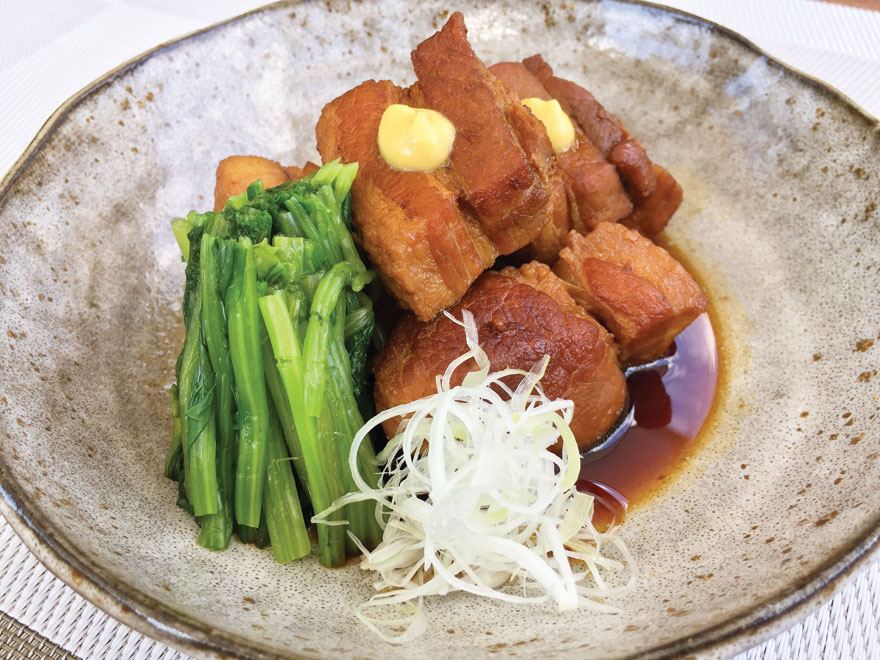
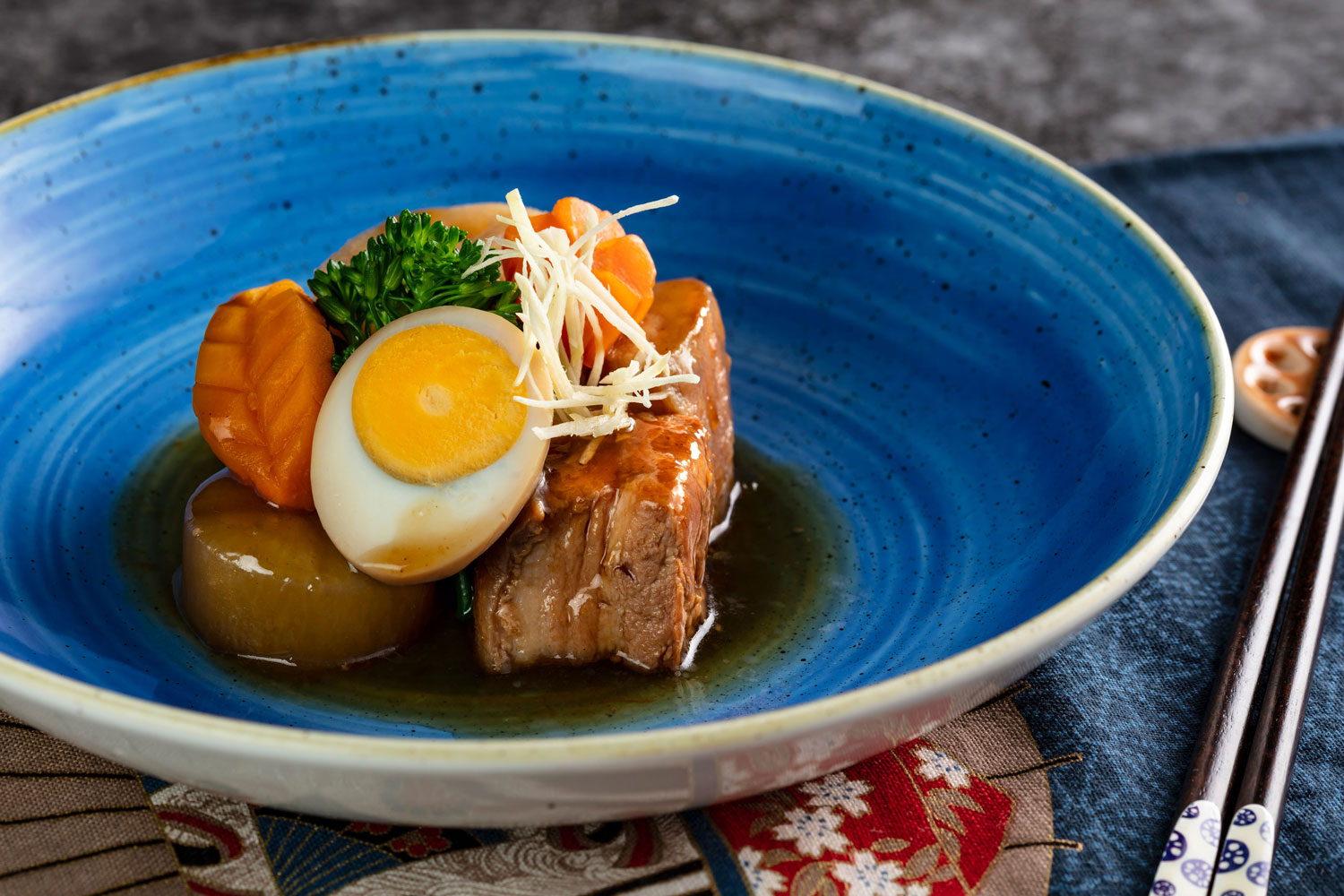
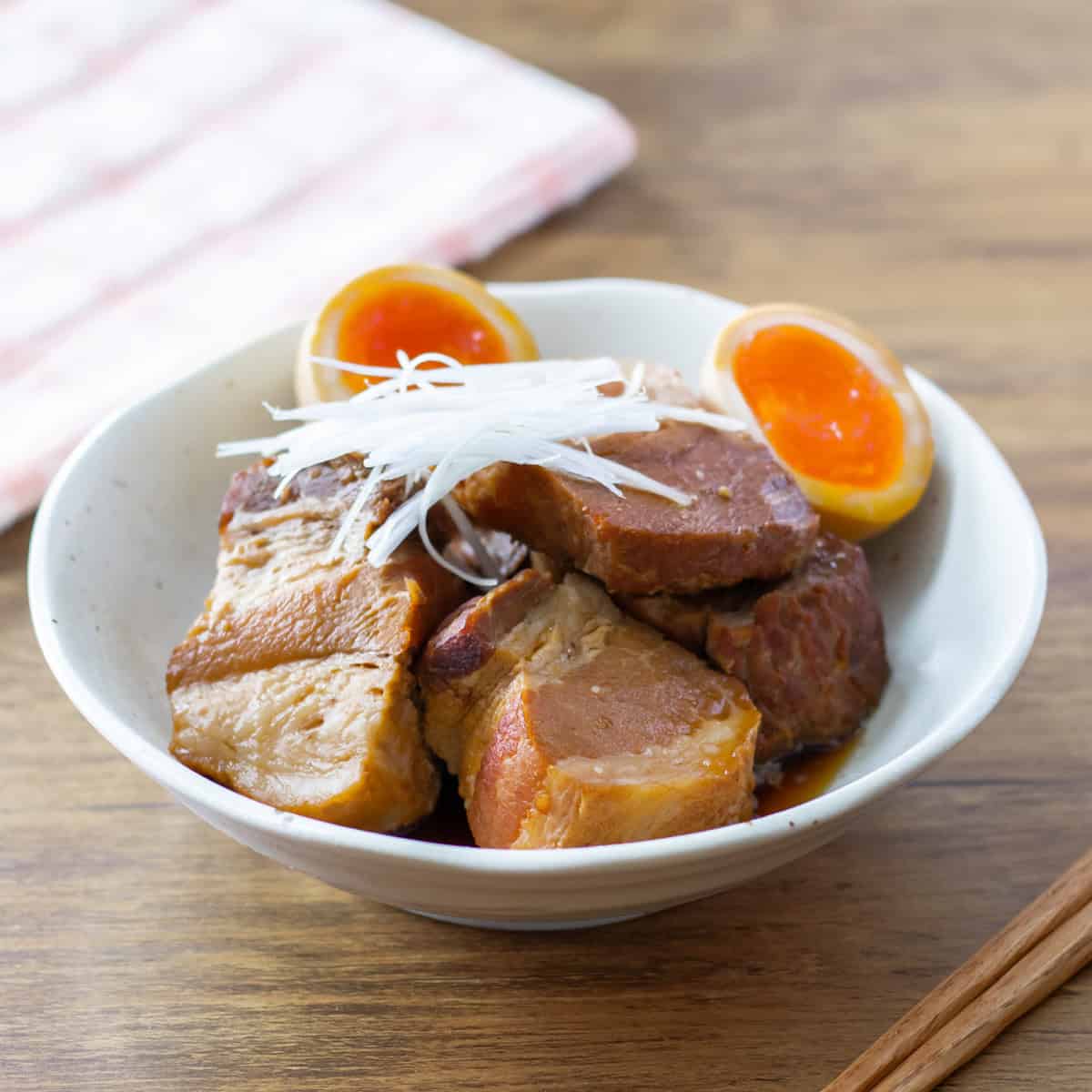
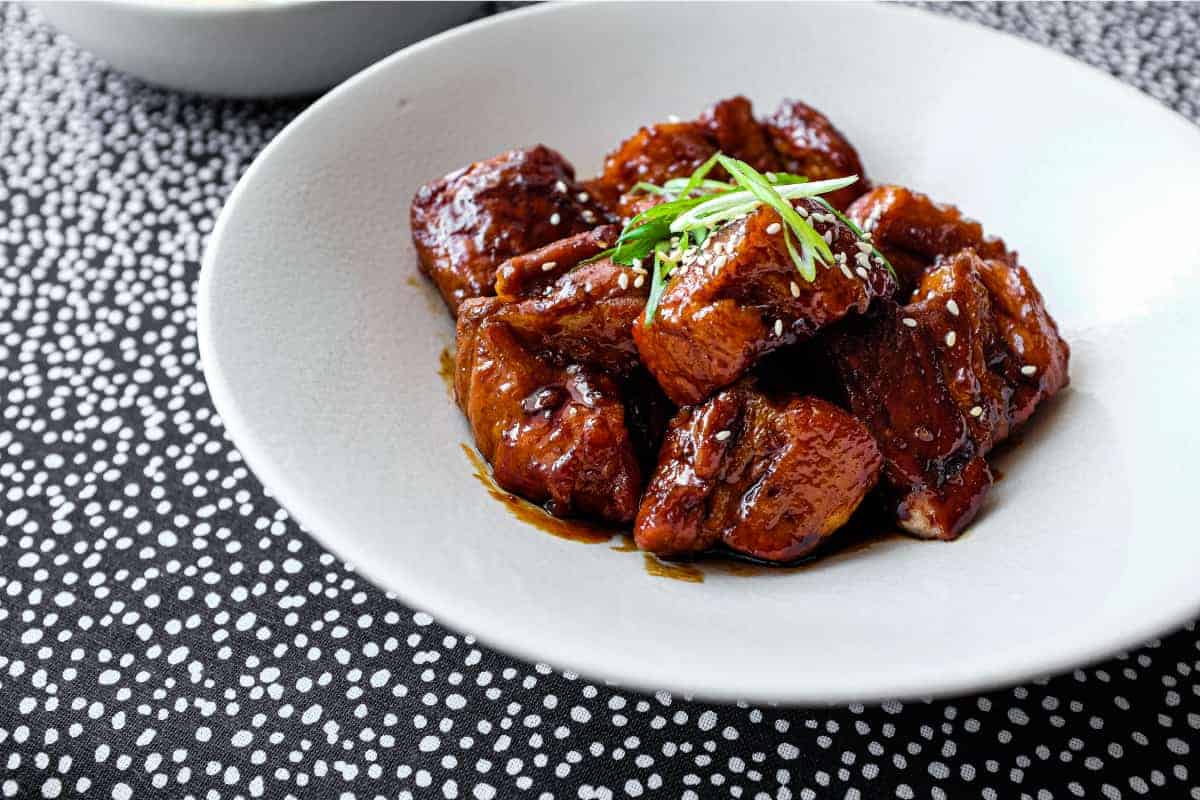
Buta Kakuni literally means “square simmered pork,” a name that describes both its shape and cooking method. The dish has its roots in the Chinese Dongpo Pork, which was introduced to Japan through Nagasaki, a major port city that connected Japan with China during the Edo period. Over time, Japanese chefs adapted the recipe, creating a milder, more refined version to suit local palates. The result was Buta Kakuni — tender, flavorful, and delicately sweet.
Review Buta Kakuni: A Slow-Cooked Masterpiece of Japanese Cuisine

The Evolution of a Comfort Food

In its earliest days, Buta Kakuni was considered a luxurious meal, often served to guests or enjoyed during special occasions. As ingredients like soy sauce, sake, and mirin became more accessible, the dish spread throughout Japan. According to Yoshida Hotel, it quickly became a favorite in homes and izakayas, symbolizing warmth, hospitality, and culinary craftsmanship.

The Art of Making Buta Kakuni – Where Patience Meets Perfection

The Cut of Meat: Choosing the Right Pork Belly

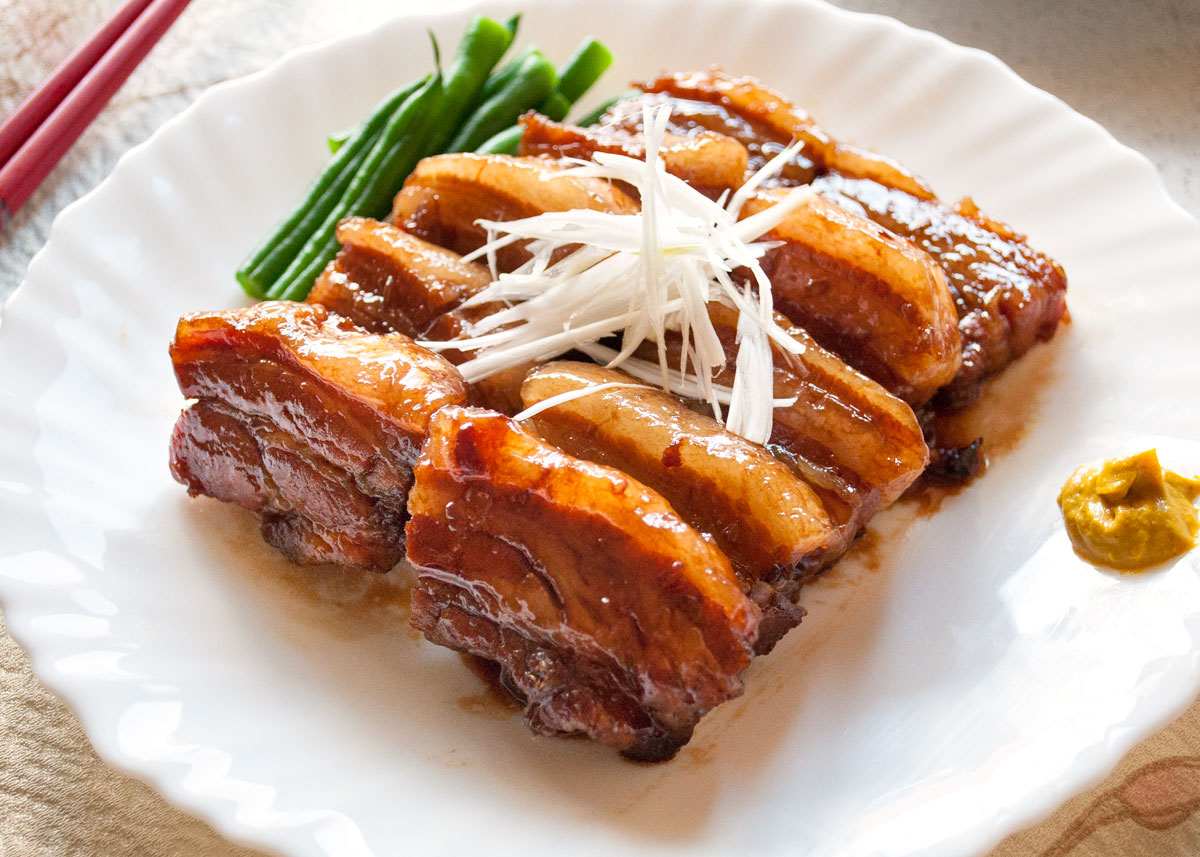
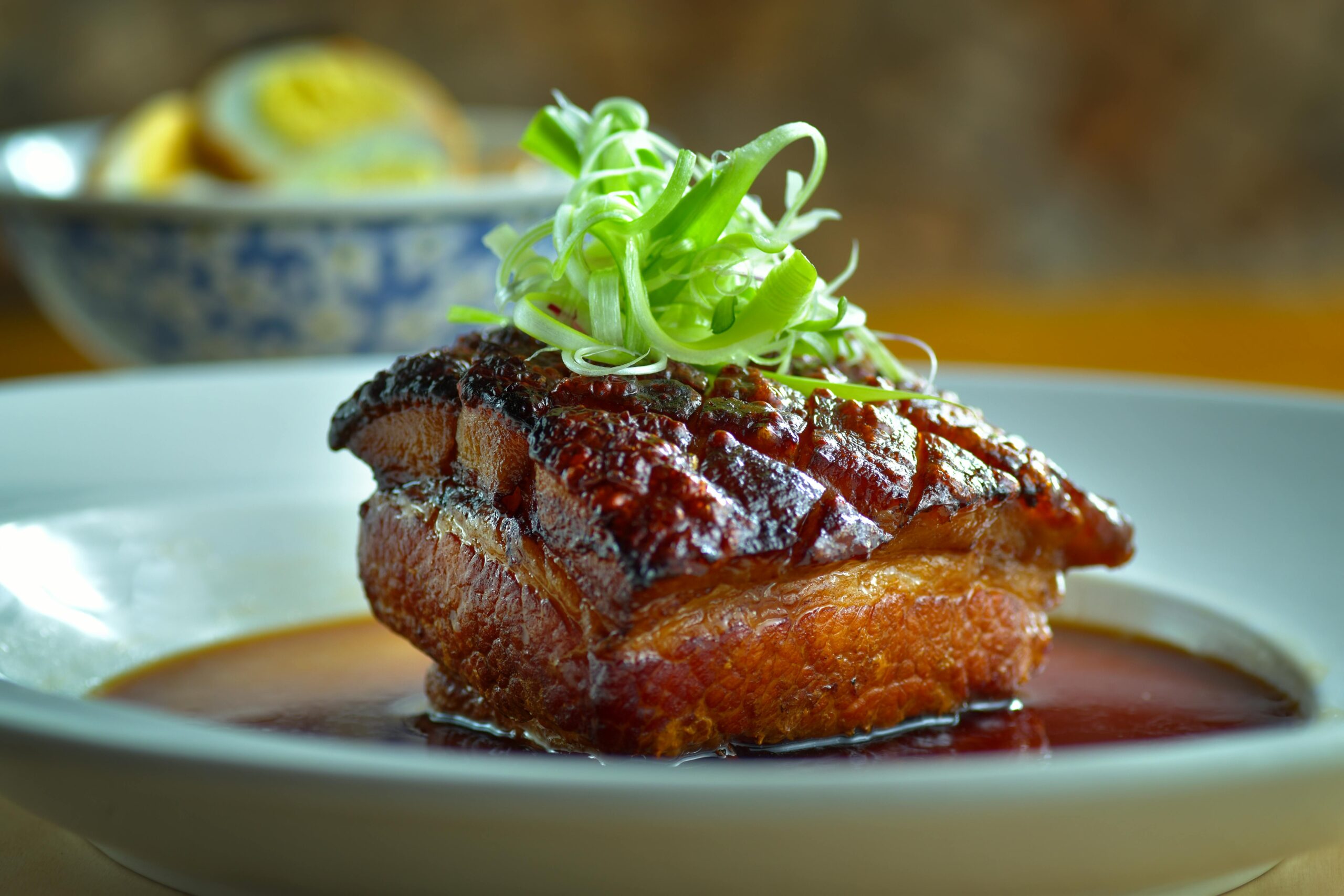
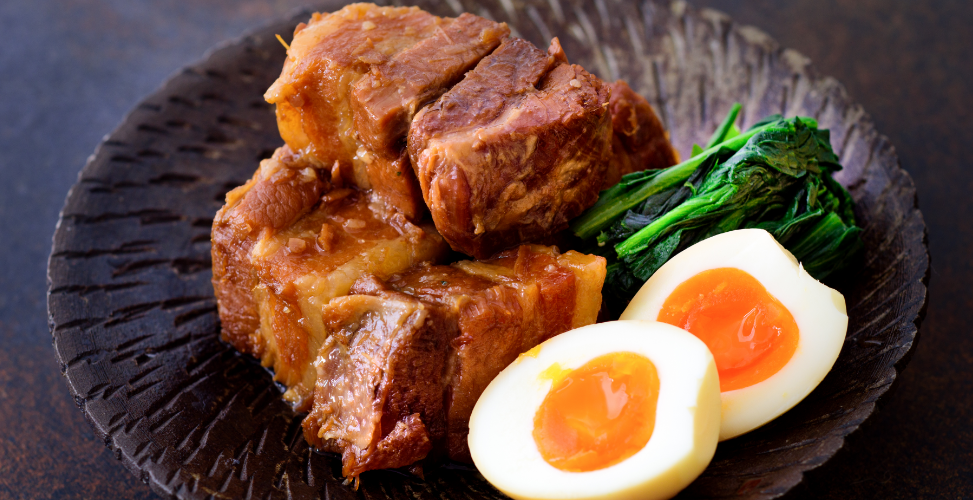
The heart of Buta Kakuni lies in the pork belly — a cut rich in both fat and flavor. The ideal piece should have alternating layers of meat and fat, which melt together during slow cooking. This balance creates a tender texture that almost dissolves on the tongue. Chefs at Yoshida Hotel emphasize the importance of sourcing high-quality pork, as the fat-to-meat ratio determines the final texture and flavor.
Review Buta Kakuni: A Slow-Cooked Masterpiece of Japanese Cuisine

The Slow Simmering Process

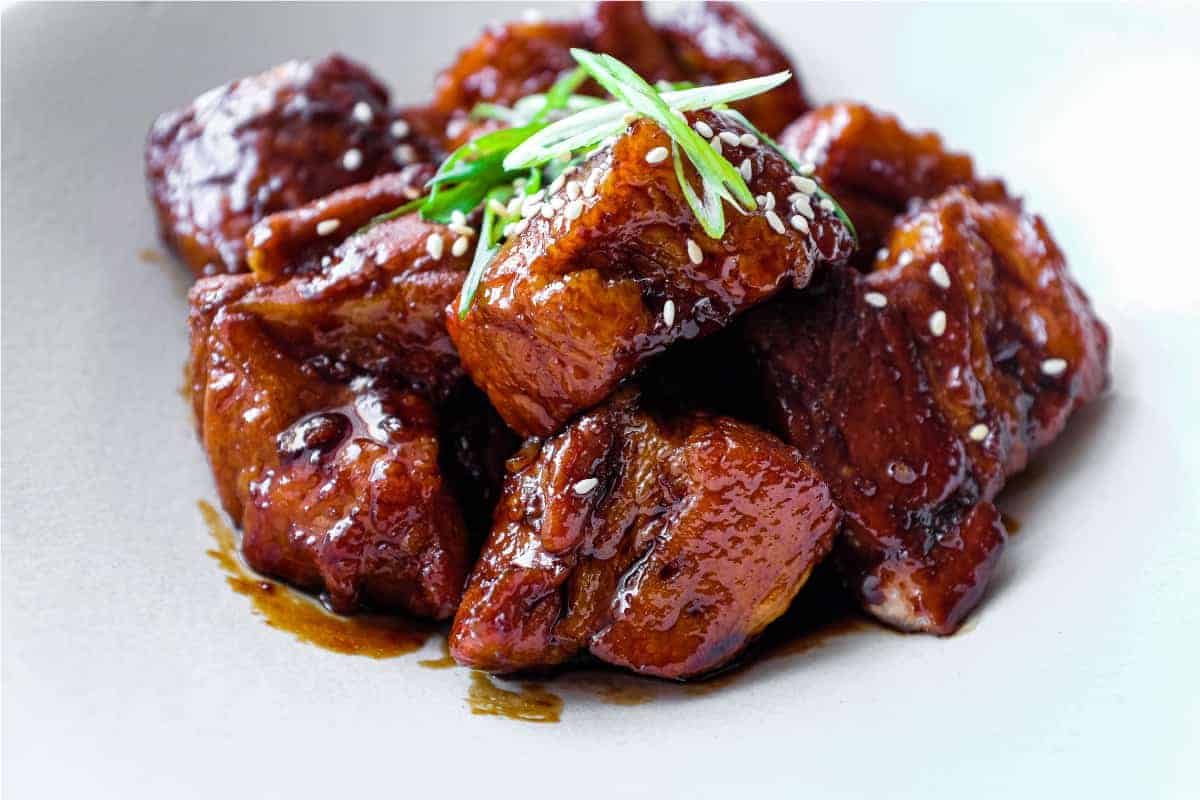
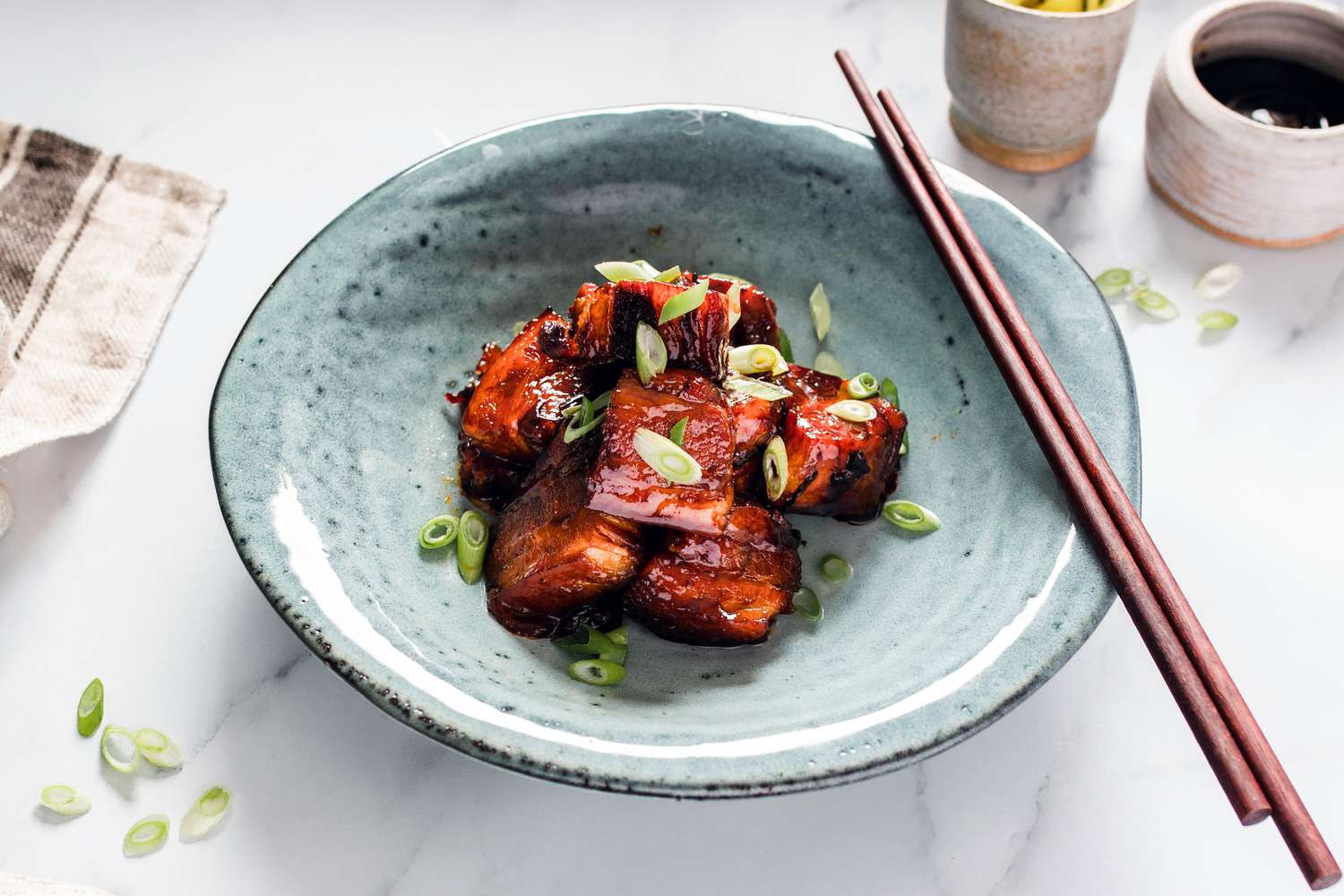
Buta Kakuni is all about slow transformation. The pork is first parboiled to remove excess fat and impurities, then simmered for hours in a flavorful broth made of soy sauce, sugar, mirin, sake, and dashi. The long cooking time allows the meat to absorb every nuance of the sauce, resulting in a silky, caramelized glaze. The aroma that fills the kitchen during this process is unmistakably comforting — the scent of Japanese tradition itself.

The Signature Flavor Balance

The true magic of Buta Kakuni lies in its balance between sweet and savory. The sugar and mirin provide sweetness, the soy sauce brings umami depth, and the sake adds fragrance and tenderness. Yoshida Hotel chefs often highlight that this dish represents Japan’s culinary philosophy of harmony — every flavor must coexist without overpowering the others.
Review Buta Kakuni: A Slow-Cooked Masterpiece of Japanese Cuisine

Regional Interpretations of Buta Kakuni

Nagasaki’s Original Delicacy

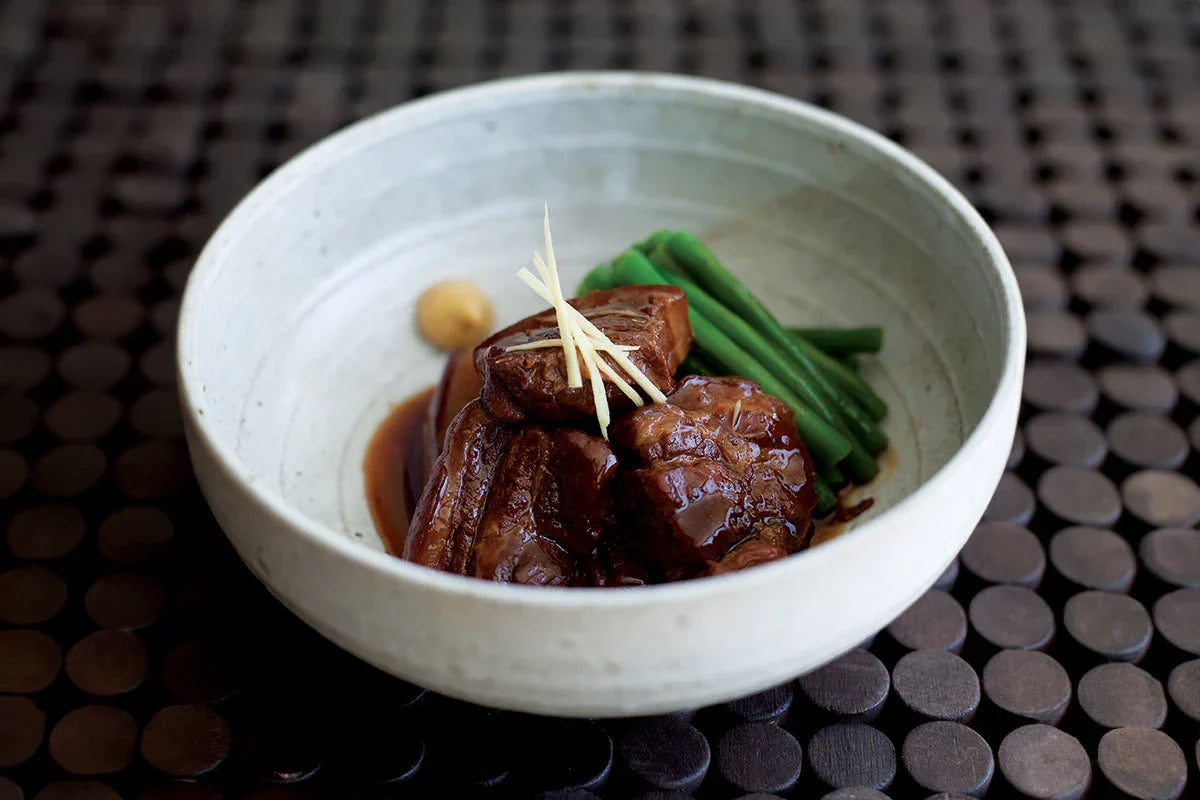
In Nagasaki, the birthplace of Buta Kakuni, the dish remains deeply tied to local culture. It’s often served with karashi mustard and enjoyed with rice or steamed buns, reflecting the city’s fusion of Japanese and Chinese influences. Yoshida Hotel describes it as “heritage on a plate,” where every bite tells the story of cultural exchange.
Review Buta Kakuni: A Slow-Cooked Masterpiece of Japanese Cuisine

Kyoto’s Elegant Refinement

Kyoto’s version of Buta Kakuni leans toward subtlety. The sauce tends to be lighter, with a delicate sweetness that pairs beautifully with local vegetables and seasonal garnishes. Served in traditional kaiseki meals, it embodies Kyoto’s refined dining style and aesthetic beauty.

Okinawa’s Rustic Counterpart – Rafute

Okinawa offers its own take on Buta Kakuni, known as Rafute. This island-style variation uses awamori (a local spirit) instead of sake, giving it a unique depth and richness. It’s a dish that celebrates Okinawa’s distinct culture while sharing the same comforting essence as its mainland counterpart.
Review Buta Kakuni: A Slow-Cooked Masterpiece of Japanese Cuisine

The Dining Experience – How to Enjoy Buta Kakuni

The Ideal Serving Companions

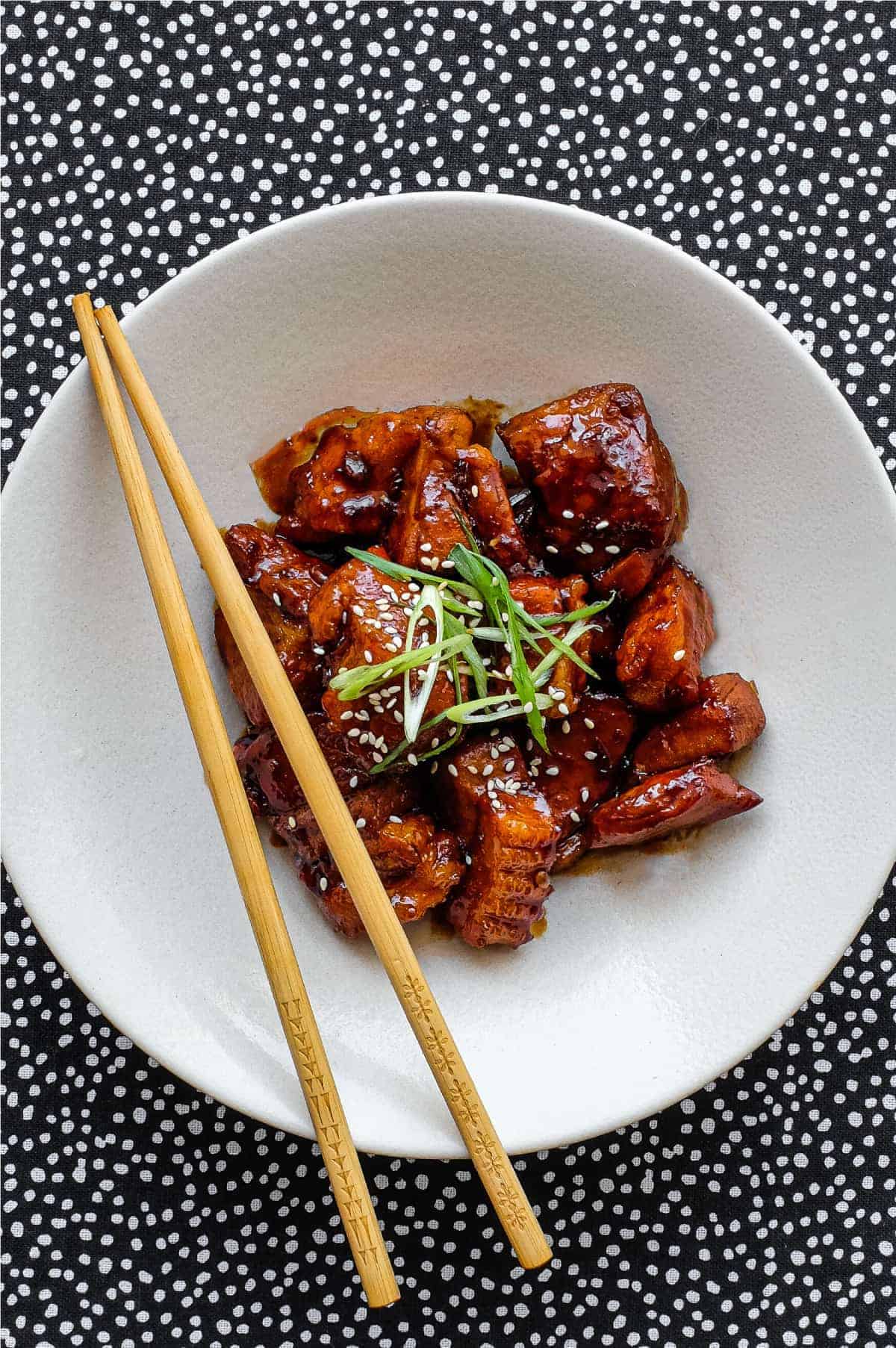
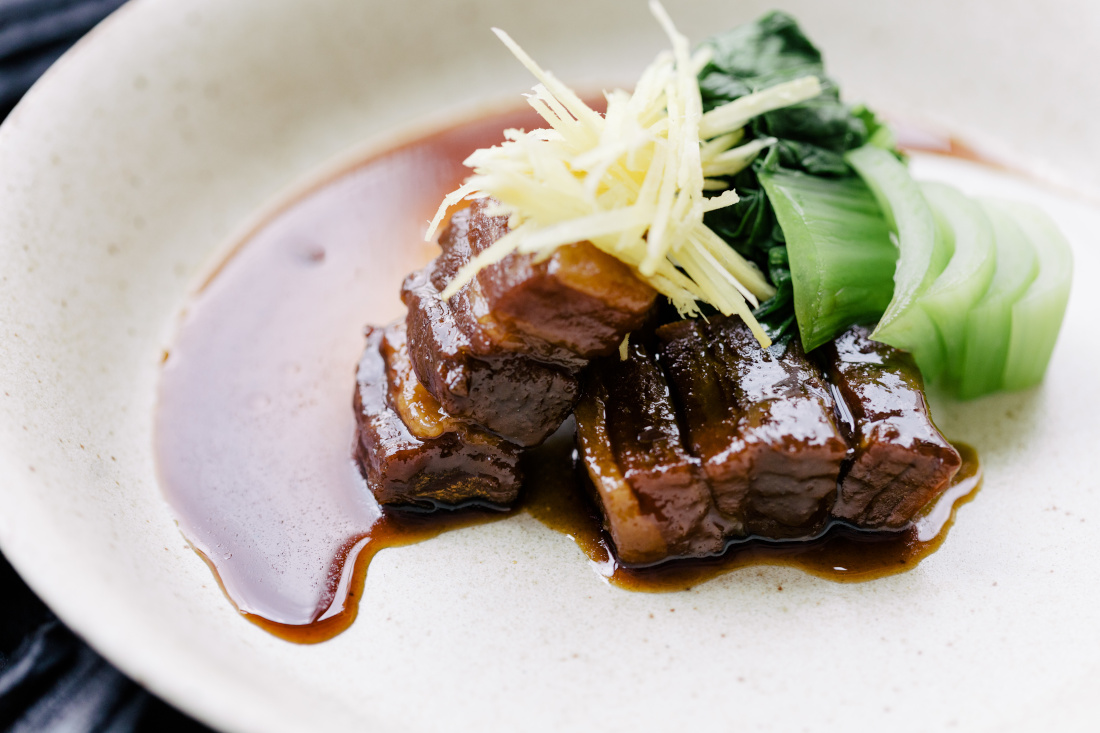
Buta Kakuni is often served as part of a meal with rice, miso soup, and pickles. The rich sauce pairs beautifully with steamed white rice, absorbing the savory-sweet glaze. For a more refined presentation, Yoshida Hotel suggests serving it with blanched greens or daikon radish to add freshness and color.
Review Buta Kakuni: A Slow-Cooked Masterpiece of Japanese Cuisine

Perfect Beverage Pairings

The deep flavors of Buta Kakuni call for drinks that complement its richness. Japanese sake with mild sweetness, dark beer, or even green tea work wonderfully. Yoshida Hotel sommeliers recommend warm sake during winter and chilled sake during summer to balance the dish’s fatty warmth.

Buta Kakuni in Modern Dining

Today, Buta Kakuni appears not only in traditional Japanese restaurants but also in fusion cuisine around the world. Chefs reinterpret it with new ingredients — truffle oil, caramelized onions, or even Western-style sides — proving its versatility across cultures.
Review Buta Kakuni: A Slow-Cooked Masterpiece of Japanese Cuisine

The Symbolism of Buta Kakuni – A Lesson in Patience and Care

A Reflection of Japanese Craftsmanship

In every bite of Buta Kakuni, one can taste the Japanese dedication to craft. The dish teaches the value of time — how patience transforms humble ingredients into something extraordinary. Yoshida Hotel views it as an edible metaphor for Japanese philosophy: beauty emerges through care, time, and balance.
Review Buta Kakuni: A Slow-Cooked Masterpiece of Japanese Cuisine

A Symbol of Family and Togetherness

For many Japanese families, Buta Kakuni is more than food — it’s a symbol of comfort and connection. Traditionally prepared on weekends or holidays, it brings families together around the dining table. The act of sharing this slow-cooked dish strengthens bonds, making it a beloved part of family culture.

Health and Nutrition in Buta Kakuni

Balanced Indulgence

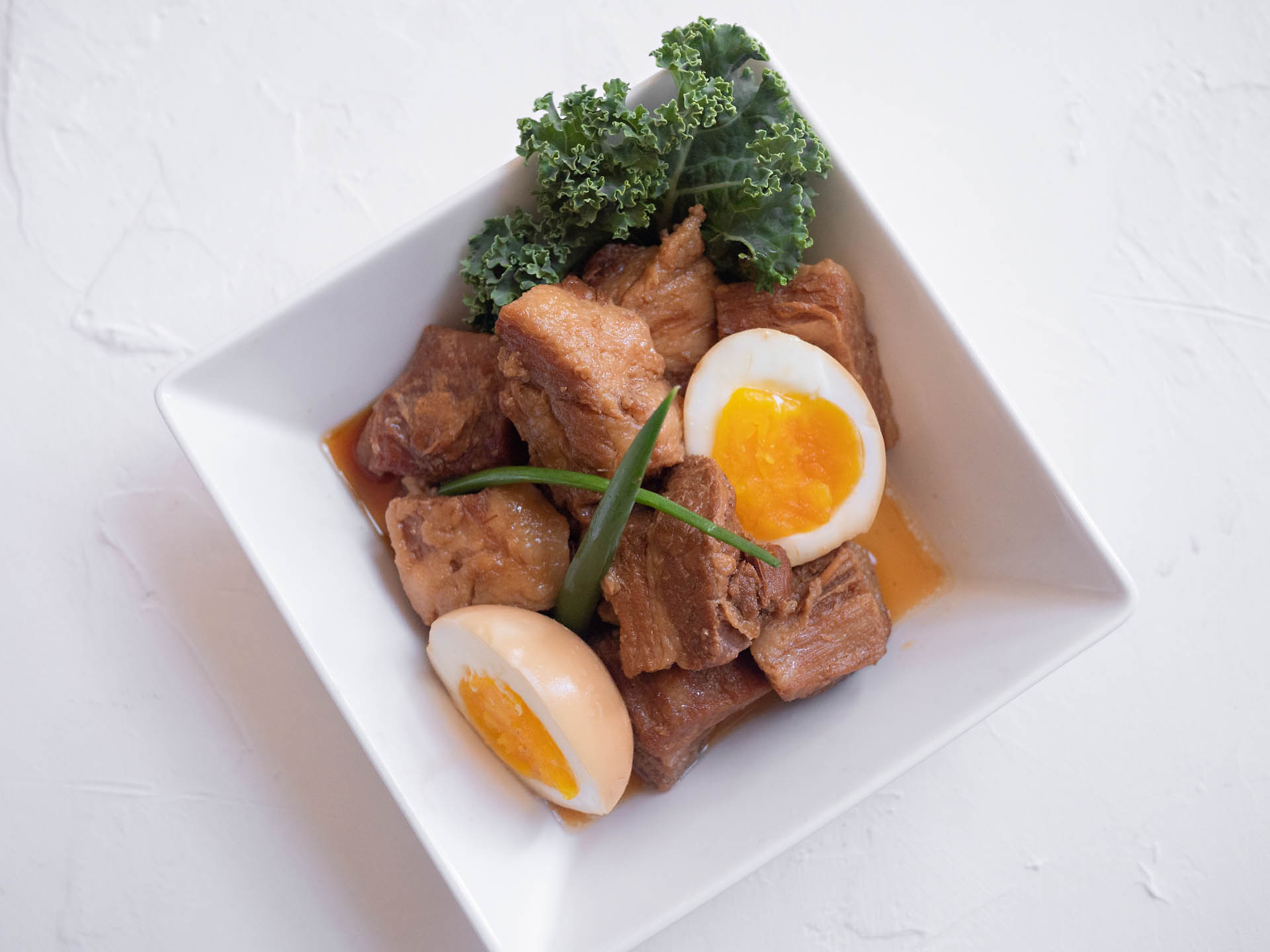
While Buta Kakuni is rich, it can be enjoyed as part of a balanced diet. The long simmering process reduces excess fat, and the addition of vegetables or daikon provides fiber and nutrients. The key, as Yoshida Hotel nutritionists emphasize, is moderation — savoring quality over quantity.
Review Buta Kakuni: A Slow-Cooked Masterpiece of Japanese Cuisine

The Benefits of Traditional Ingredients

Ingredients like soy sauce and ginger not only add flavor but also promote digestion and circulation. Mirin and sake enhance metabolism and create a lighter mouthfeel. Together, these components transform Buta Kakuni into both a pleasure and a source of nourishment.

Recreating Buta Kakuni at Home – A Guide by Yoshida Hotel

Ingredients You’ll Need

  • Pork belly, cut into cubes
  • Soy sauce, sake, mirin, and sugar
  • Dashi stock or water
  • Ginger slices and green onions
  • Optional: boiled eggs or daikon

Review Buta Kakuni: A Slow-Cooked Masterpiece of Japanese Cuisine

Step-by-Step Cooking Experience

  1. Blanch the pork belly briefly to remove impurities.
  2. Simmer it gently in soy sauce, sugar, sake, mirin, and dashi.
  3. Allow it to cook slowly for several hours until tender and caramelized.
  4. Add boiled eggs or daikon for extra texture and flavor.

Yoshida Hotel chefs recommend letting the dish rest overnight and reheating it the next day. This deepens the flavor and enhances tenderness.

Expert Tips for Perfection

Use a heavy-bottomed pot to maintain even heat and prevent burning. Skim off excess fat during cooking to achieve a clean, glossy sauce. And most importantly, resist the urge to rush — Buta Kakuni rewards patience with melt-in-your-mouth tenderness.
Review Buta Kakuni: A Slow-Cooked Masterpiece of Japanese Cuisine

Buta Kakuni in Japanese Culture

A Dish of Celebration

Buta Kakuni often appears during New Year celebrations, family reunions, and festivals. Its richness symbolizes prosperity and joy. In many regions, it’s given as a gift or served to honor guests, reflecting the Japanese value of omotenashi — heartfelt hospitality.
Review Buta Kakuni: A Slow-Cooked Masterpiece of Japanese Cuisine

Representation in Japanese Media and Cuisine

From anime to culinary shows, Buta Kakuni often represents warmth, nostalgia, and home-cooked love. Yoshida Hotel notes that this emotional connection is what makes the dish timeless — it’s a comforting link between generations and memories.

Buta Kakuni Beyond Japan

Global Appreciation and Fusion Variations

As Japanese cuisine expands globally, Buta Kakuni has become a favorite among chefs seeking rich, layered flavors. Restaurants in Europe and America feature it in ramen bowls, steamed buns, and modern tasting menus. This versatility has turned Buta Kakuni into a bridge between cultures.
Review Buta Kakuni: A Slow-Cooked Masterpiece of Japanese Cuisine

The Future of Buta Kakuni

Innovation continues to shape Buta Kakuni’s story. Vegan versions using tofu or seitan mimic its texture, while health-conscious chefs use leaner cuts or reduced-sugar sauces. Yoshida Hotel embraces these evolutions as signs of culinary creativity keeping tradition alive.

Conclusion

In every tender piece of Buta Kakuni, there is history, passion, and the essence of Japanese comfort food. This dish reminds us that true flavor comes from patience and care — the same principles that define Japanese culture itself. Together with Yoshida Hotel, celebrate the art of slow cooking, savor the balance of sweet and savory, and experience why Buta Kakuni remains one of Japan’s most treasured dishes.

Review Hiyashi Chuka: Japan’s Summer Symphony in a Bowl

Hiyashi Chuka, a refreshing and colorful cold noodle dish, is Japan’s perfect response to the summer heat. Known for its harmony of taste, texture, and visual appeal, this dish captures the lightness and grace of Japanese culinary art. Together with Yoshida Hotel, let’s uncover the story behind Hiyashi Chuka — from its humble beginnings to its role as an iconic seasonal favorite across Japan. Join us on a sensory journey through the artistry, ingredients, and spirit that define this unforgettable dish.

The Origins of Hiyashi Chuka – A Cool Culinary Creation

A Summer Solution Born in Japan

Despite its name meaning “chilled Chinese noodles,” Hiyashi Chuka is a purely Japanese invention. It first appeared in the 1930s, when ramen shop owners in Sendai sought to offer customers a cool alternative to steaming ramen during Japan’s hot and humid summers. They took inspiration from Chinese noodles but refined the concept to fit Japanese sensibilities — lighter, tangier, and perfectly balanced. As shared by Yoshida Hotel, this innovation became a summer tradition that spread throughout the country.

Review Hiyashi Chuka: Japan’s Summer Symphony in a Bowl

The Transformation of Simplicity

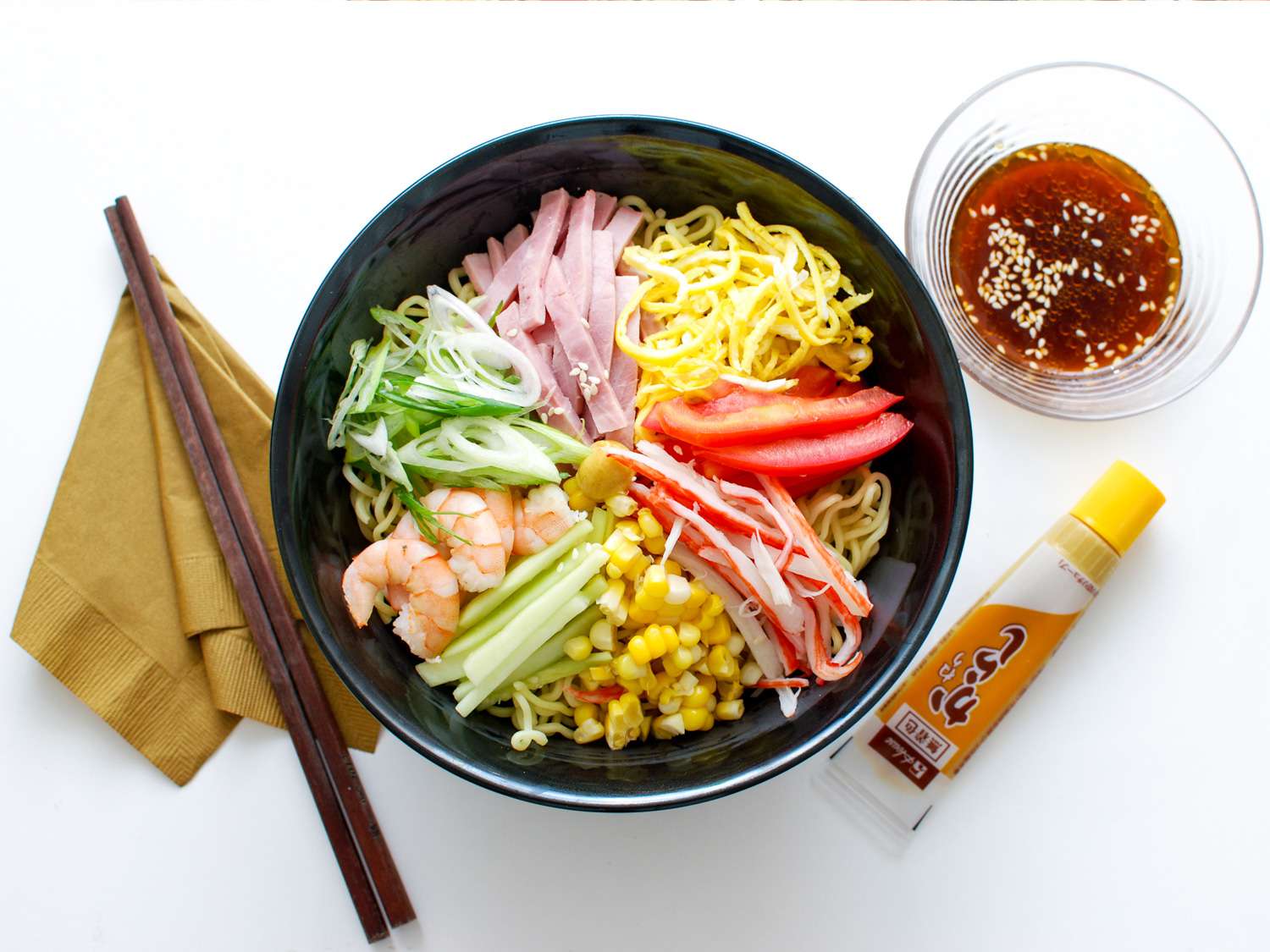
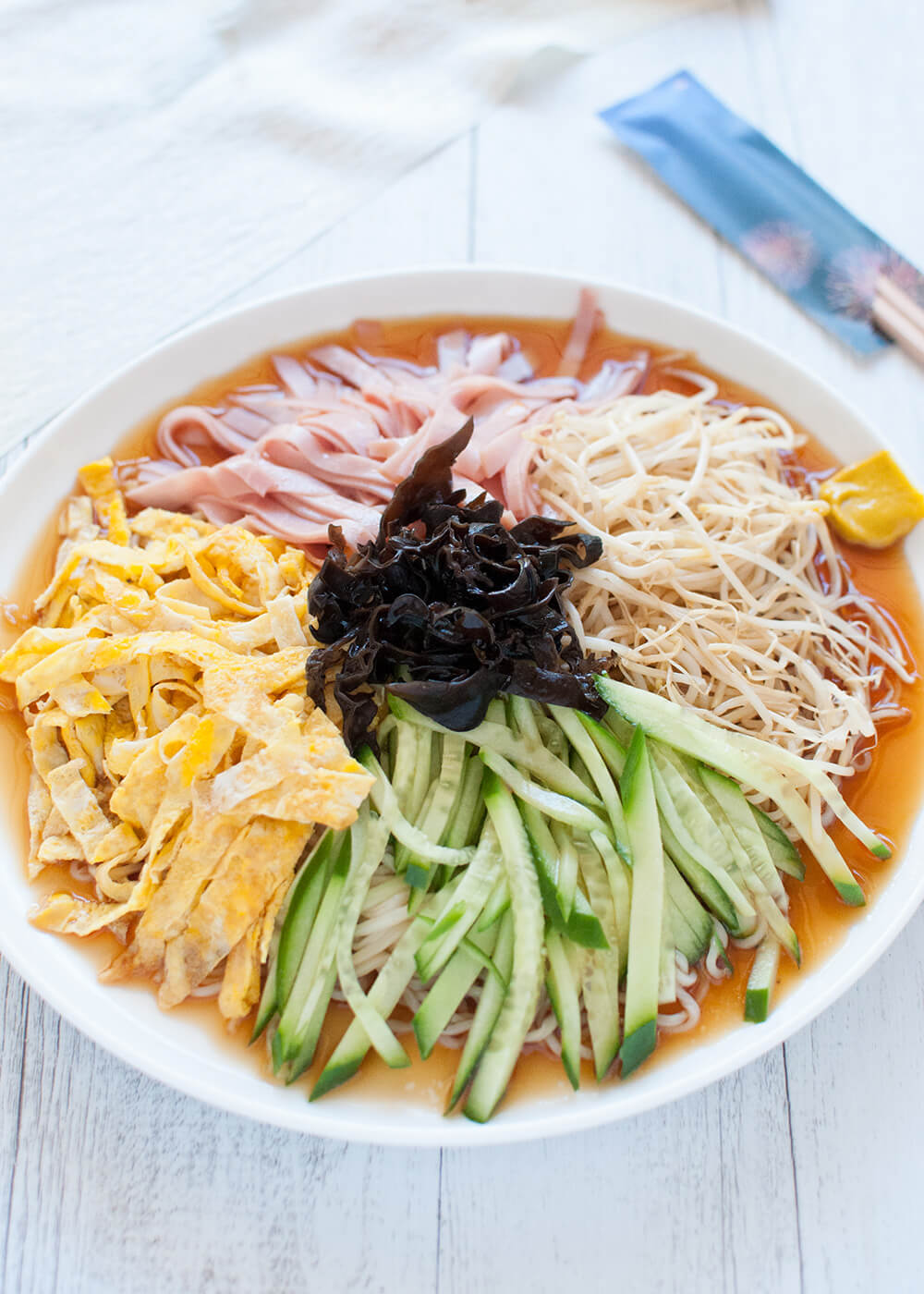
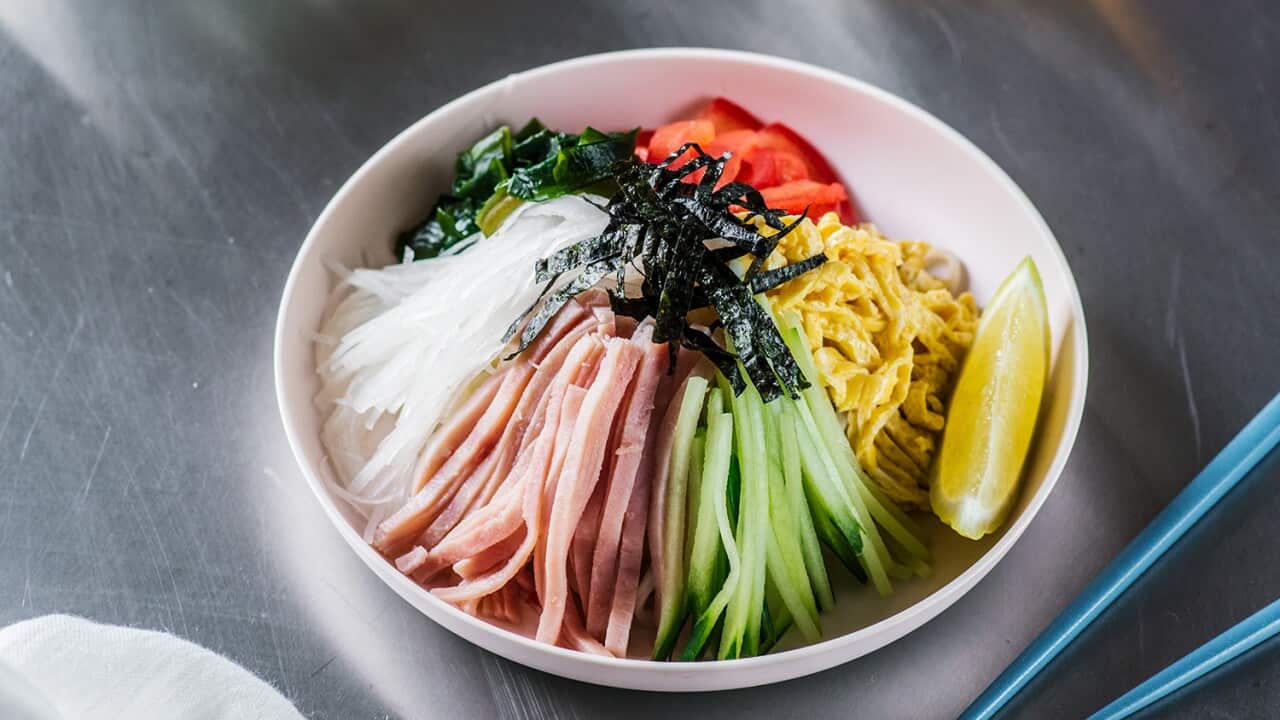
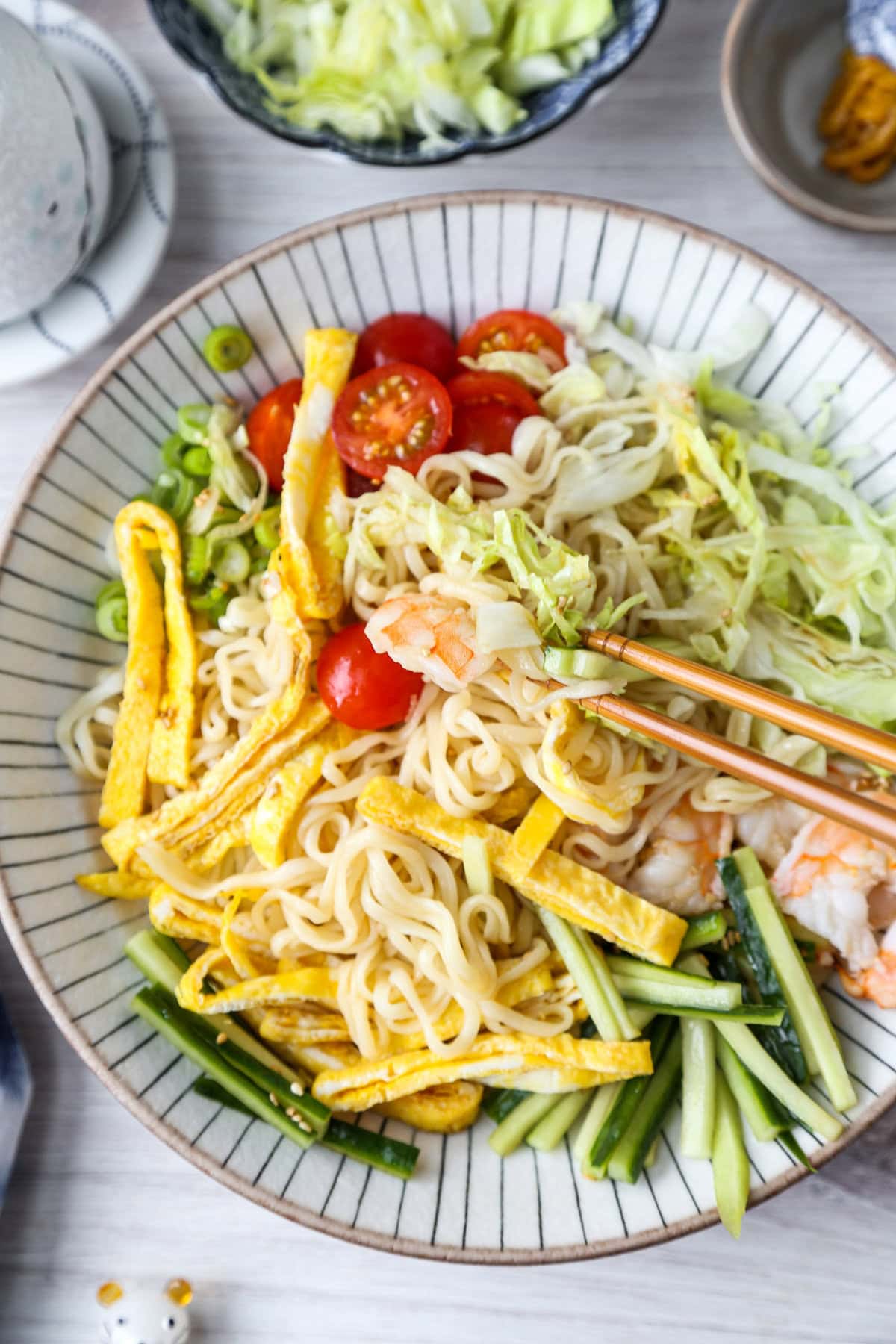
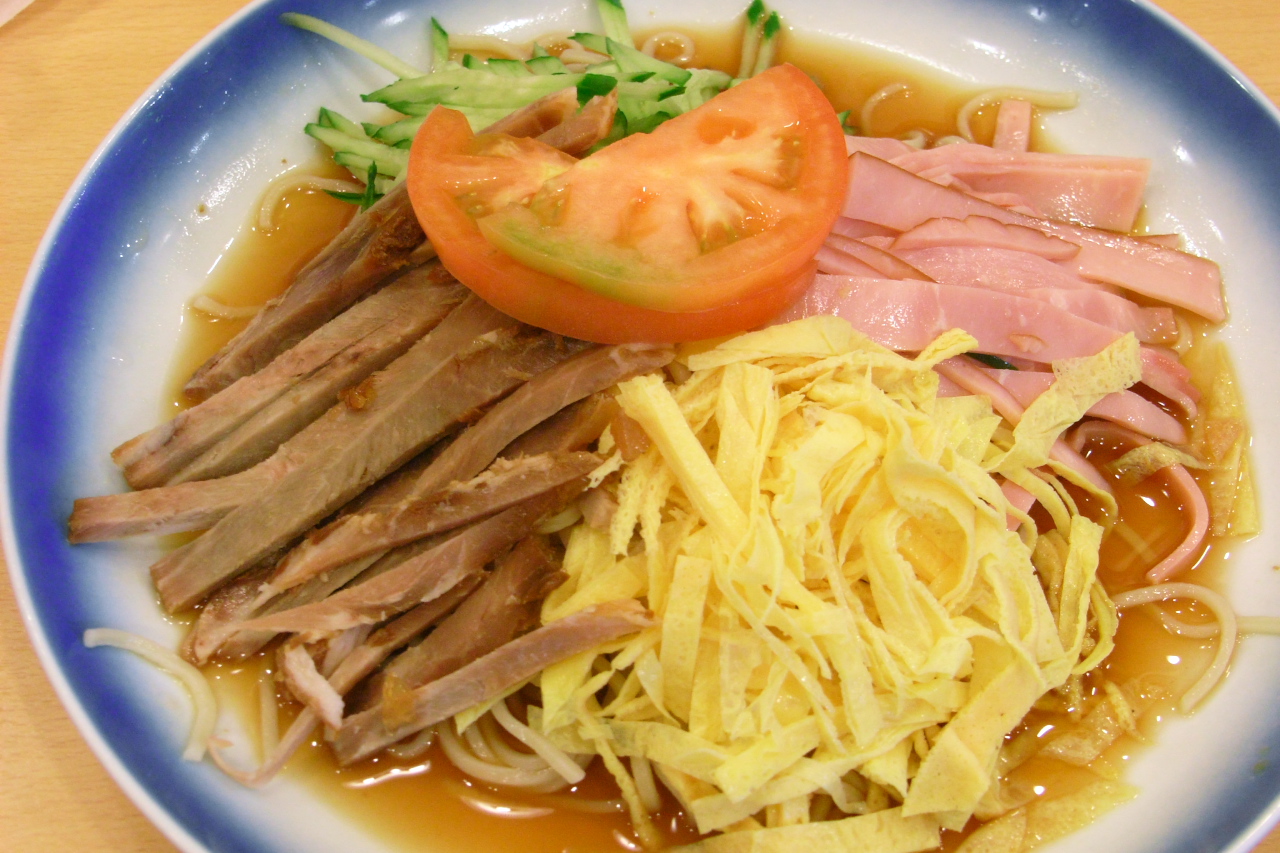
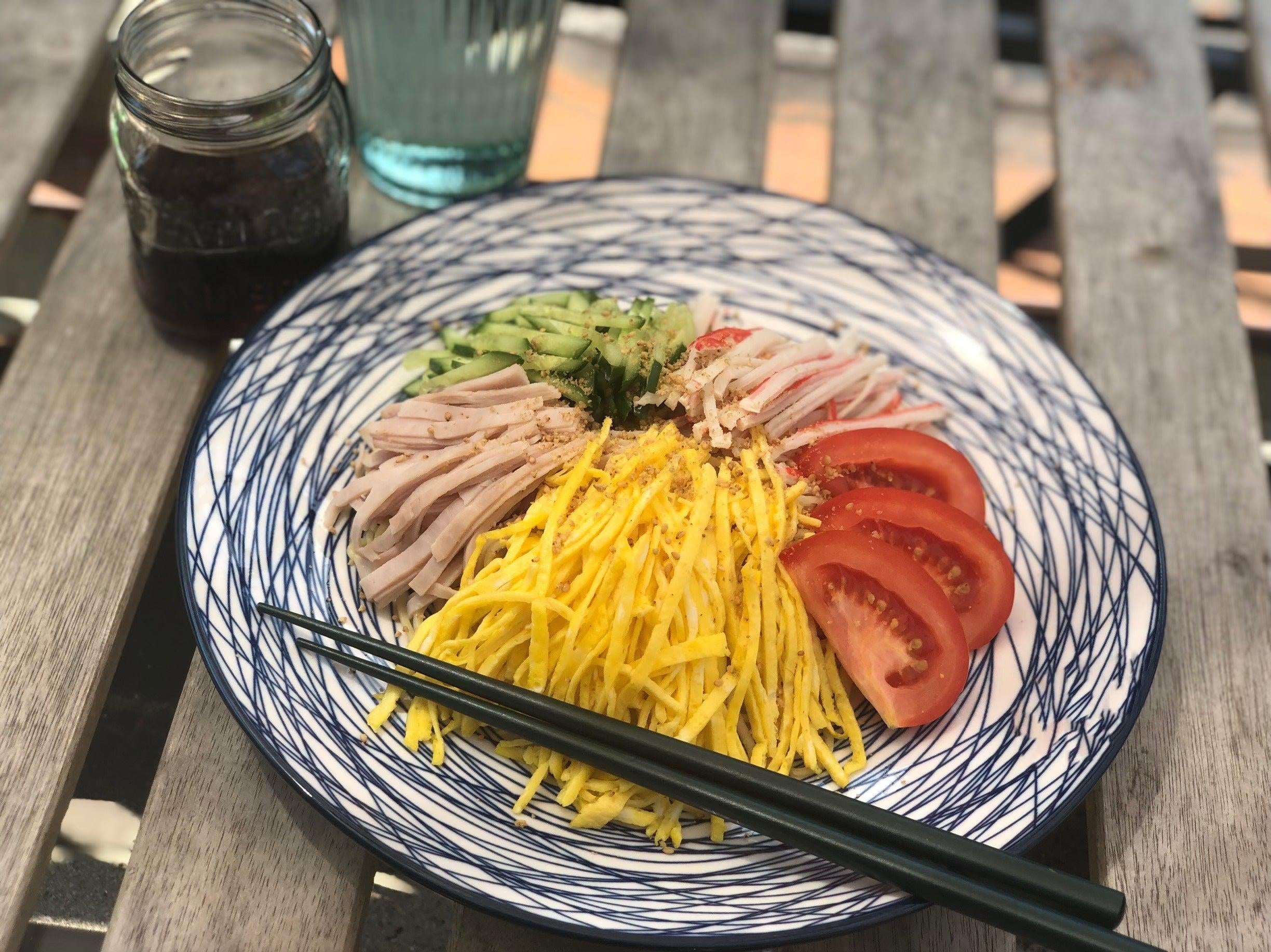
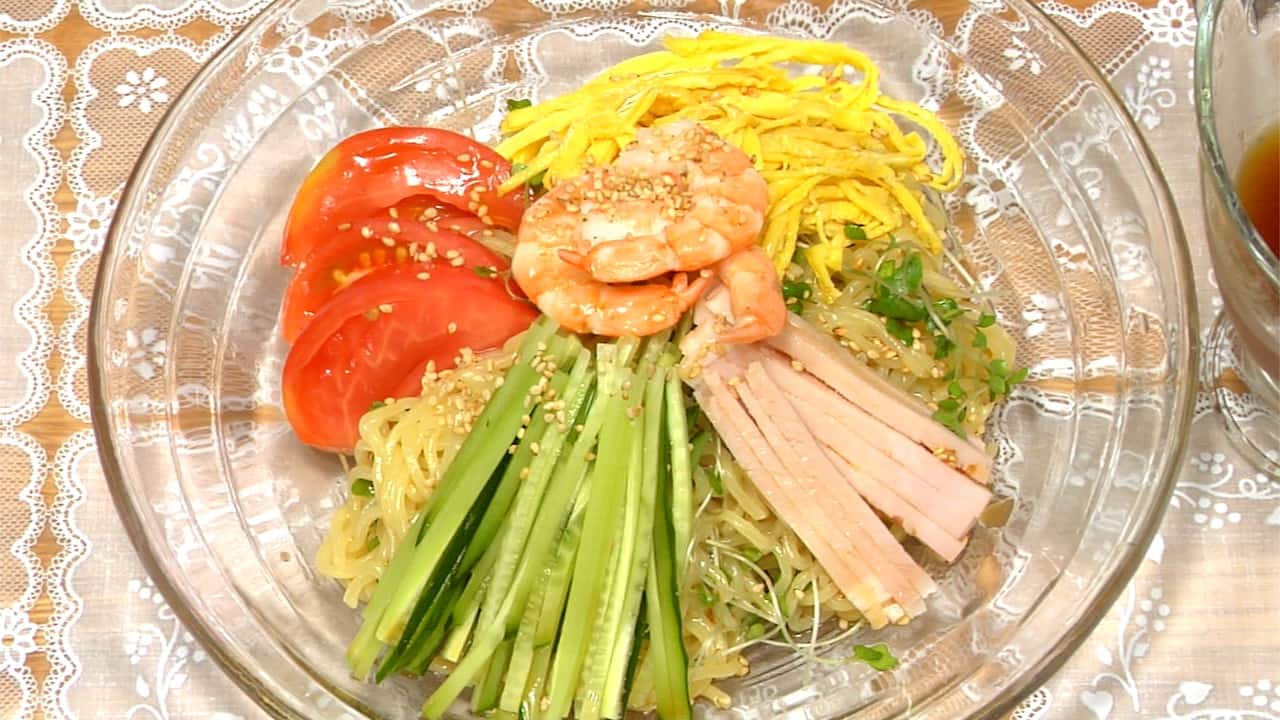
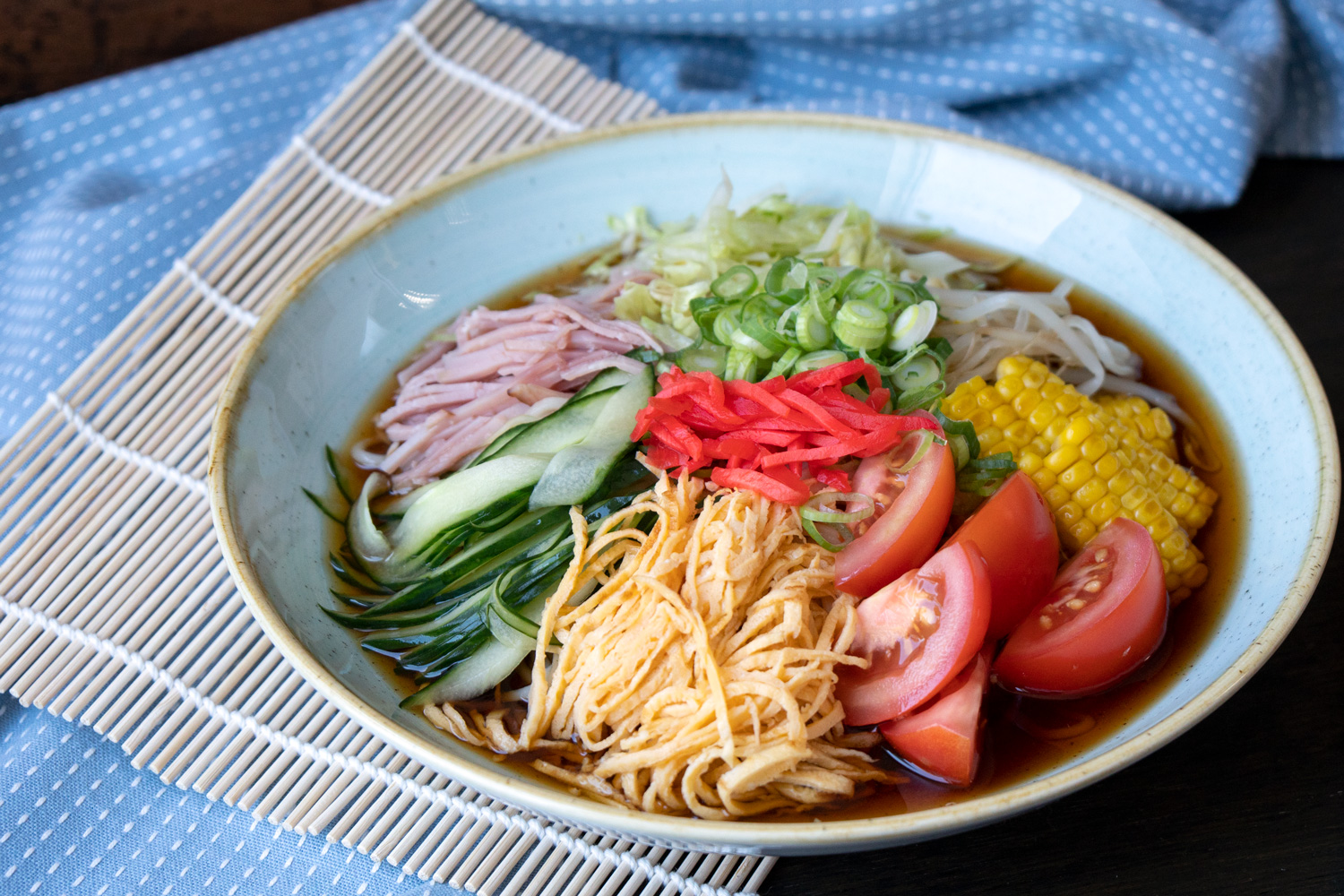
Originally a practical solution, Hiyashi Chuka soon evolved into a culinary symbol of summer. Each restaurant developed its own interpretation: some favored sesame-based dressings, while others preferred soy and vinegar. Over time, the dish became known for its rainbow-like toppings — strips of egg, cucumber, ham, and tomato — arranged with precision and care. This artistic touch embodies the Japanese philosophy of washoku, celebrating color harmony and seasonal balance.

The Anatomy of Hiyashi Chuka – Layers of Flavor and Artistry

The Heart: Cold Noodles

At the base of Hiyashi Chuka are wheat-based noodles that are boiled, chilled, and served firm. These noodles offer a perfect chewiness that contrasts beautifully with the crisp toppings and tangy sauce. Yoshida Hotel chefs emphasize that texture defines the experience — every strand must carry both the refreshing coolness and the flavor of the dressing.

Review Hiyashi Chuka: Japan’s Summer Symphony in a Bowl

The Soul: The Signature Sauce

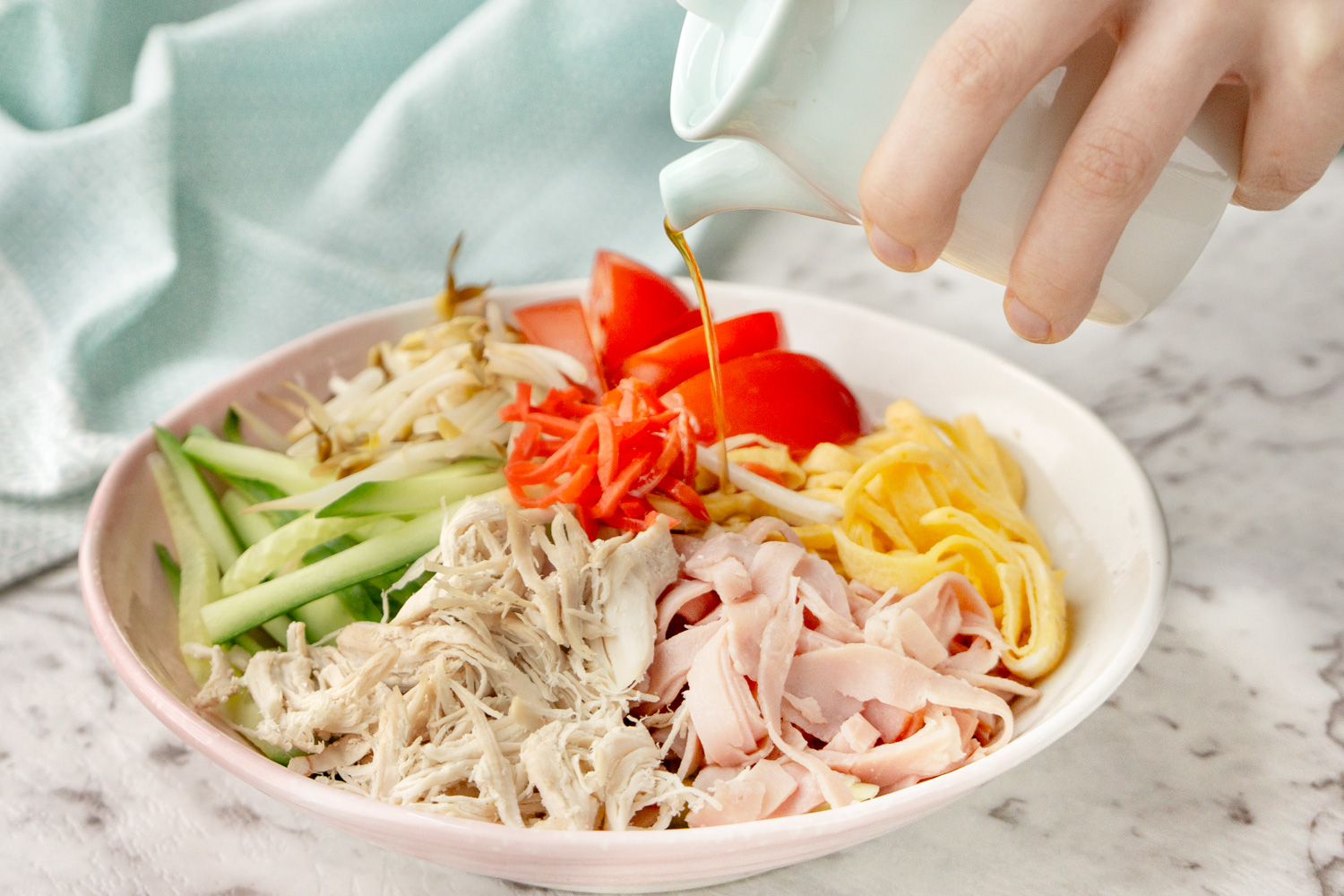
The magic of Hiyashi Chuka lies in its sauce. The most classic version blends soy sauce, vinegar, sesame oil, and sugar into a tangy-sweet balance. Variations include dashi for umami, chili oil for heat, or creamy sesame for richness. The sauce determines the mood of the meal — from light and citrusy to bold and nutty — and elevates the entire dish.

The Spirit: Vibrant Toppings

Each topping in Hiyashi Chuka serves both aesthetic and culinary purposes. Julienned cucumber brings crispness, thin omelet strips (kinshi tamago) add color and delicacy, and slices of ham or chicken offer savory depth. Tomatoes and sprouts add freshness, completing the visual spectrum of summer. Yoshida Hotel describes the dish as “a celebration on a plate,” where flavor, color, and balance coexist.

Review Hiyashi Chuka: Japan’s Summer Symphony in a Bowl

Regional Expressions of Hiyashi Chuka

Tokyo’s Minimalist Delight

In Tokyo, Hiyashi Chuka reflects the city’s refined simplicity. The sauce tends to be soy-based and lightly acidic, highlighting freshness. Local eateries serve it as a quick, refreshing lunch that fits perfectly into the city’s rhythm. It’s elegant in flavor yet efficient in presentation — the quintessential Tokyo meal.

Review Hiyashi Chuka: Japan’s Summer Symphony in a Bowl

Kyoto’s Aesthetic Harmony

In Kyoto, artistry meets culinary precision. Here, Hiyashi Chuka may feature hints of yuzu or sesame, served on elegant porcelain dishes. The presentation is as deliberate as a tea ceremony. According to Yoshida Hotel, Kyoto chefs treat the dish as a canvas, combining flavor harmony with visual grace.

Osaka’s Bold Reinvention

Osaka, known for its food creativity, transforms Hiyashi Chuka into an adventure. Locals experiment with spicy sauces, seafood toppings, or even mayonnaise. The dish becomes richer and more indulgent — a nod to Osaka’s playful spirit and love for culinary experimentation.

Review Hiyashi Chuka: Japan’s Summer Symphony in a Bowl

The Experience – How to Enjoy Hiyashi Chuka

A Cooling Escape

Eating Hiyashi Chuka is like stepping into a summer breeze. The chilled noodles, crisp vegetables, and tangy sauce cool the body and uplift the mood. Yoshida Hotel likens the dish to “a refreshing pause in the season,” where flavor meets relaxation.

Review Hiyashi Chuka: Japan’s Summer Symphony in a Bowl

Dining Etiquette and Serving Tradition

Though lighthearted in nature, Hiyashi Chuka is enjoyed with an appreciation for aesthetics. Diners lift the noodles gently, ensuring each bite blends noodles, toppings, and sauce. A touch of karashi mustard or vinegar can personalize the experience. In upscale settings, it’s even served as part of a kaiseki meal — Japan’s most refined dining tradition.

Pairings That Enhance the Hiyashi Chuka Experience

Beverage Companions

This dish pairs beautifully with cool, light beverages. Cold green tea, barley tea, or a crisp Japanese beer accentuate its freshness. For a sophisticated twist, Yoshida Hotel recommends pairing it with chilled sake that has fruity undertones, enhancing the dish’s tangy-sweet balance.

Review Hiyashi Chuka: Japan’s Summer Symphony in a Bowl

Perfect Side Dishes

To complement Hiyashi Chuka, side dishes like gyoza, chilled tofu, or miso soup create textural and temperature contrasts. Pickled ginger and daikon radish cleanse the palate, letting each bite remain fresh and exciting.

The Symbolism of Hiyashi Chuka – More Than a Meal

A Seasonal Celebration

Hiyashi Chuka embodies the spirit of summer — fleeting, joyful, and vibrant. It aligns with the Japanese philosophy of ichigo ichie, cherishing each moment as unique. Every serving becomes a meditation on simplicity, impermanence, and beauty, values deeply rooted in Japanese culture.

Review Hiyashi Chuka: Japan’s Summer Symphony in a Bowl

A Bridge Between Cultures

Though inspired by Chinese noodles, Hiyashi Chuka has evolved into a distinctively Japanese creation. It symbolizes Japan’s ability to embrace global influences while staying true to its essence. Today, it stands as a culinary ambassador, bridging tradition and innovation across cultures.

Wellness in Every Bite

Nutritious and Balanced

Low in fat and rich in vitamins, Hiyashi Chuka offers nourishment without heaviness. The noodles provide energy, the vegetables add fiber, and the protein-rich toppings create balance. Yoshida Hotel nutrition experts highlight its adaptability for vegan, vegetarian, or protein-focused diets.

Review Hiyashi Chuka: Japan’s Summer Symphony in a Bowl

Naturally Cooling and Hydrating

During Japan’s humid summers, foods that cool the body are treasured. The vinegar dressing and fresh vegetables in Hiyashi Chuka replenish hydration and aid digestion. It’s both refreshing and functional — the essence of summer wellness in Japanese cuisine.

Hiyashi Chuka Beyond Japan

A Global Delight

As Japanese cuisine spreads worldwide, Hiyashi Chuka finds fans from New York to Paris. Its freshness, health benefits, and versatility make it ideal for modern palates. Chefs across the globe are reinventing it with local ingredients, expanding its culinary reach.

Review Hiyashi Chuka: Japan’s Summer Symphony in a Bowl

International Interpretations

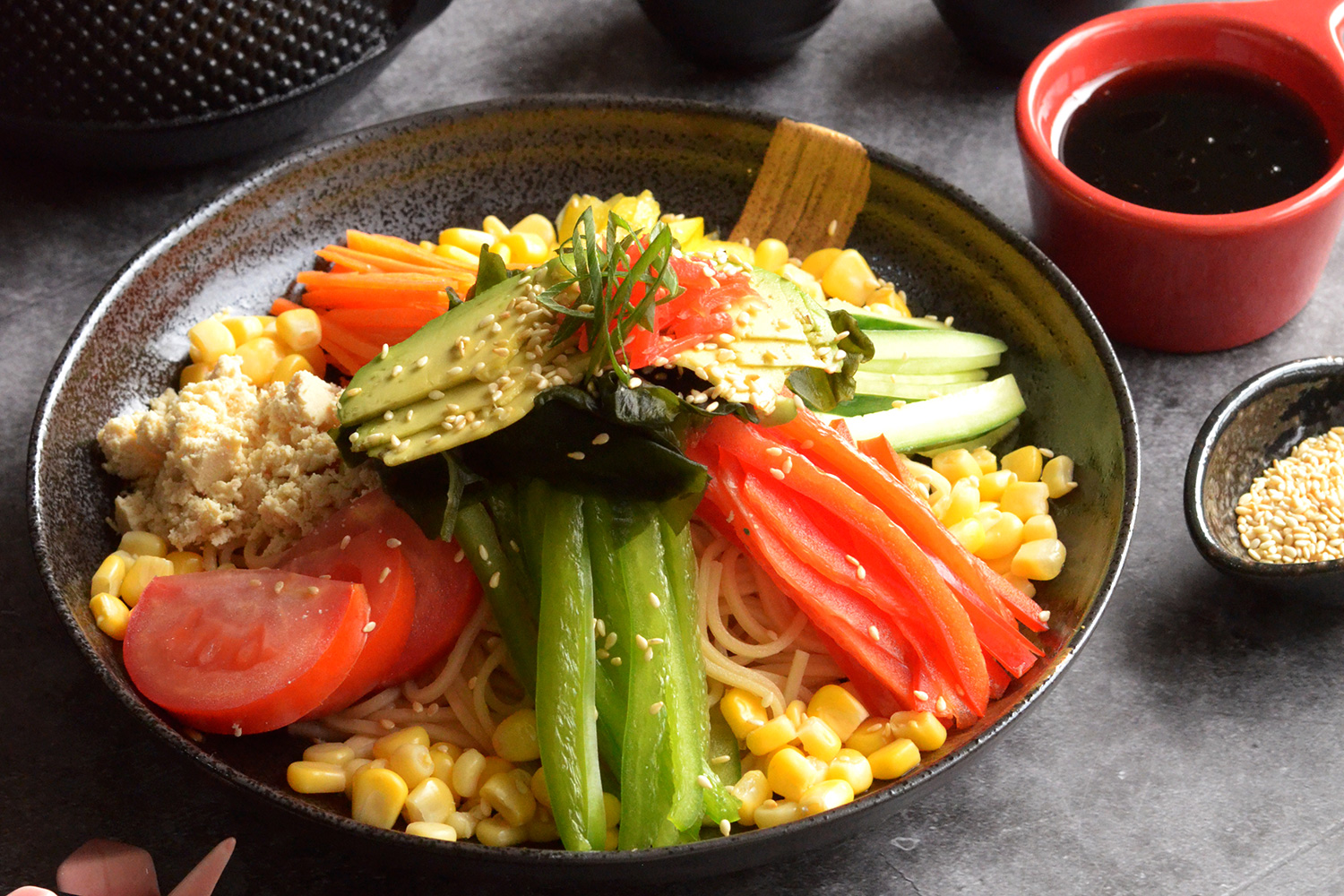
Creative chefs experiment with avocado, shrimp, or fusion sauces like citrus or peanut. These adaptations preserve the dish’s refreshing essence while adding regional flair. Yoshida Hotel celebrates this evolution as a sign of cultural exchange through food.

Bringing Hiyashi Chuka to Your Kitchen

How to Prepare It at Home

Making Hiyashi Chuka is simple and delightful. Prepare chilled noodles, fresh toppings, and a balanced sauce. You’ll need:

  • Wheat-based noodles (boiled and cooled)
  • Cucumber, tomato, egg, ham, or chicken
  • Soy sauce, vinegar, sesame oil, and sugar for the sauce
  • Optional sesame seeds or mustard for garnish

Combine the sauce ingredients, toss with noodles, and elegantly arrange the toppings. Serve immediately for peak freshness.

Review Hiyashi Chuka: Japan’s Summer Symphony in a Bowl

Expert Tips from Yoshida Hotel

Yoshida Hotel chefs recommend keeping every element chilled before plating. This ensures maximum refreshment and texture. For a gourmet touch, try adding crab meat or a sesame-rich dressing variation like goma dare.

Preserving a Timeless Summer Dish

Honoring Its Cultural Legacy

For decades, Hiyashi Chuka has symbolized summer dining in Japan. Festivals and restaurants celebrate it as an emblem of culinary ingenuity. Yoshida Hotel continues to promote its legacy through cultural storytelling and seasonal cuisine experiences.

Review Hiyashi Chuka: Japan’s Summer Symphony in a Bowl

The Future of Hiyashi Chuka

As global food culture evolves, Hiyashi Chuka remains timeless. Its appeal lies in simplicity, freshness, and versatility — a rare balance that transcends borders. Chefs and diners alike continue to reinterpret it, keeping its spirit alive for generations to come.

Conclusion

Light, colorful, and deeply satisfying, Hiyashi Chuka is more than a meal — it’s a celebration of summer itself. Each bite reflects the artistry and mindfulness of Japanese cuisine. Together with Yoshida Hotel, rediscover the joy of seasonal dining through the delicate flavors and vibrant textures of Hiyashi Chuka, Japan’s eternal summer delight.

Review Karē Udon: A Flavorful Journey Through Japan’s Comfort Cuisine

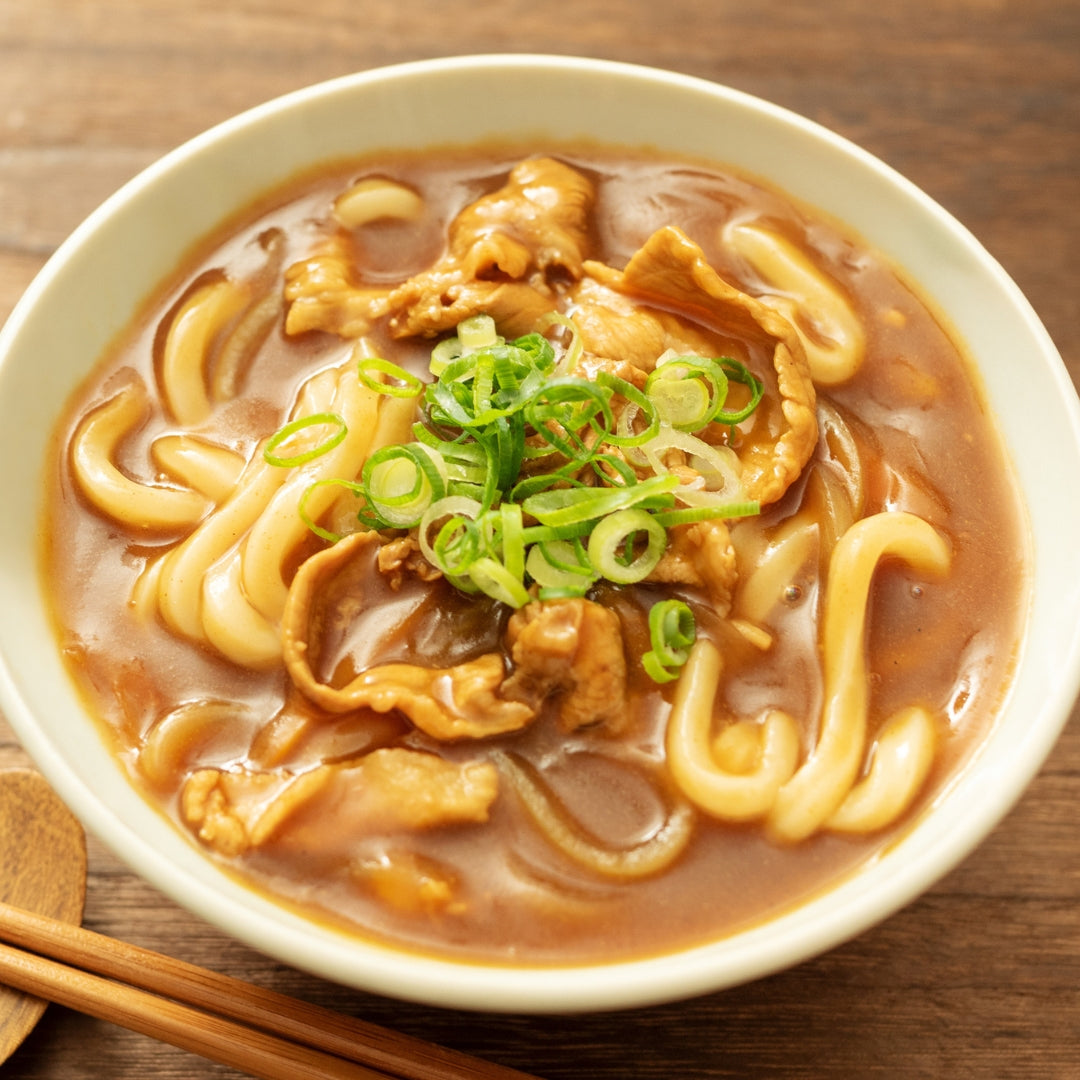
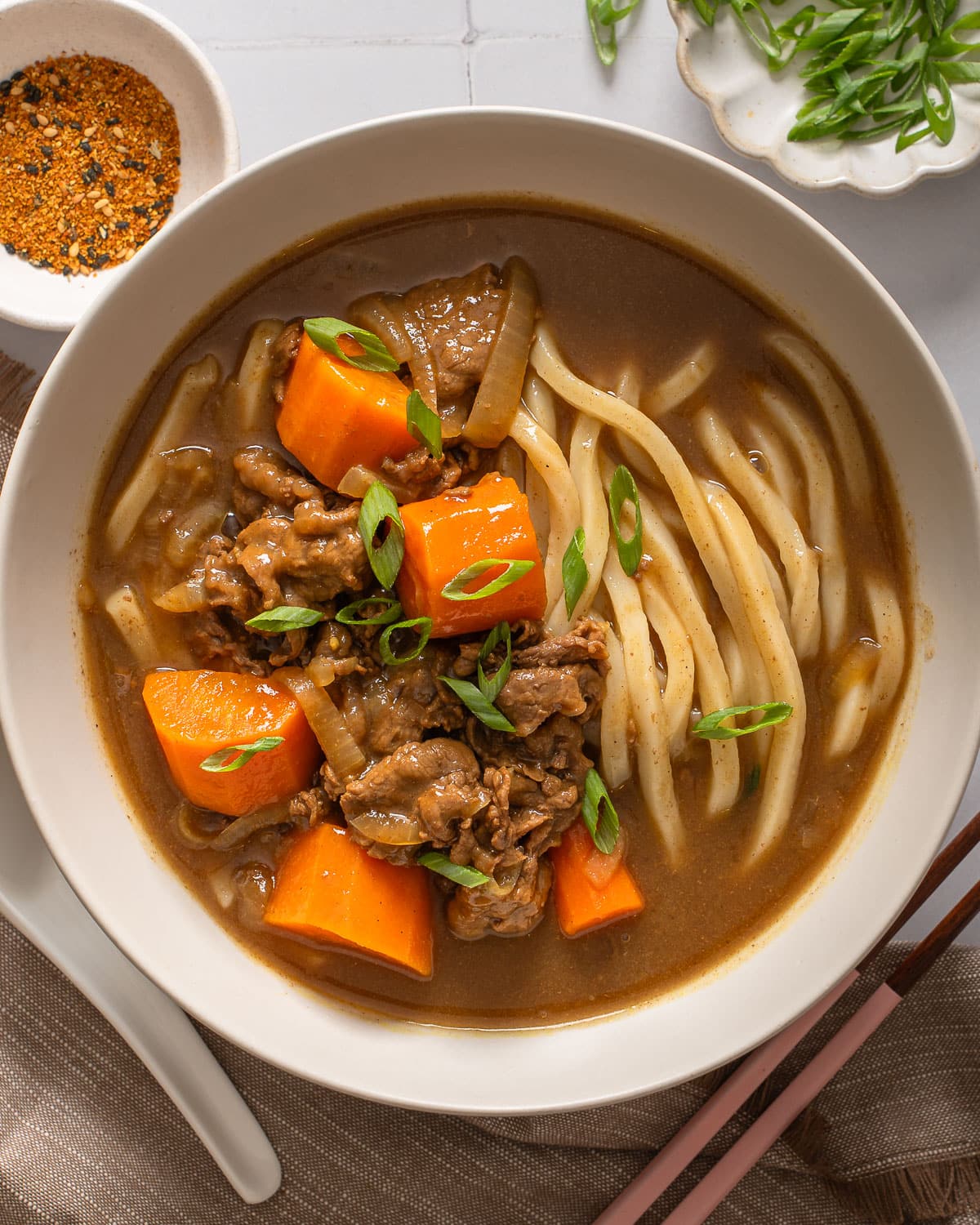
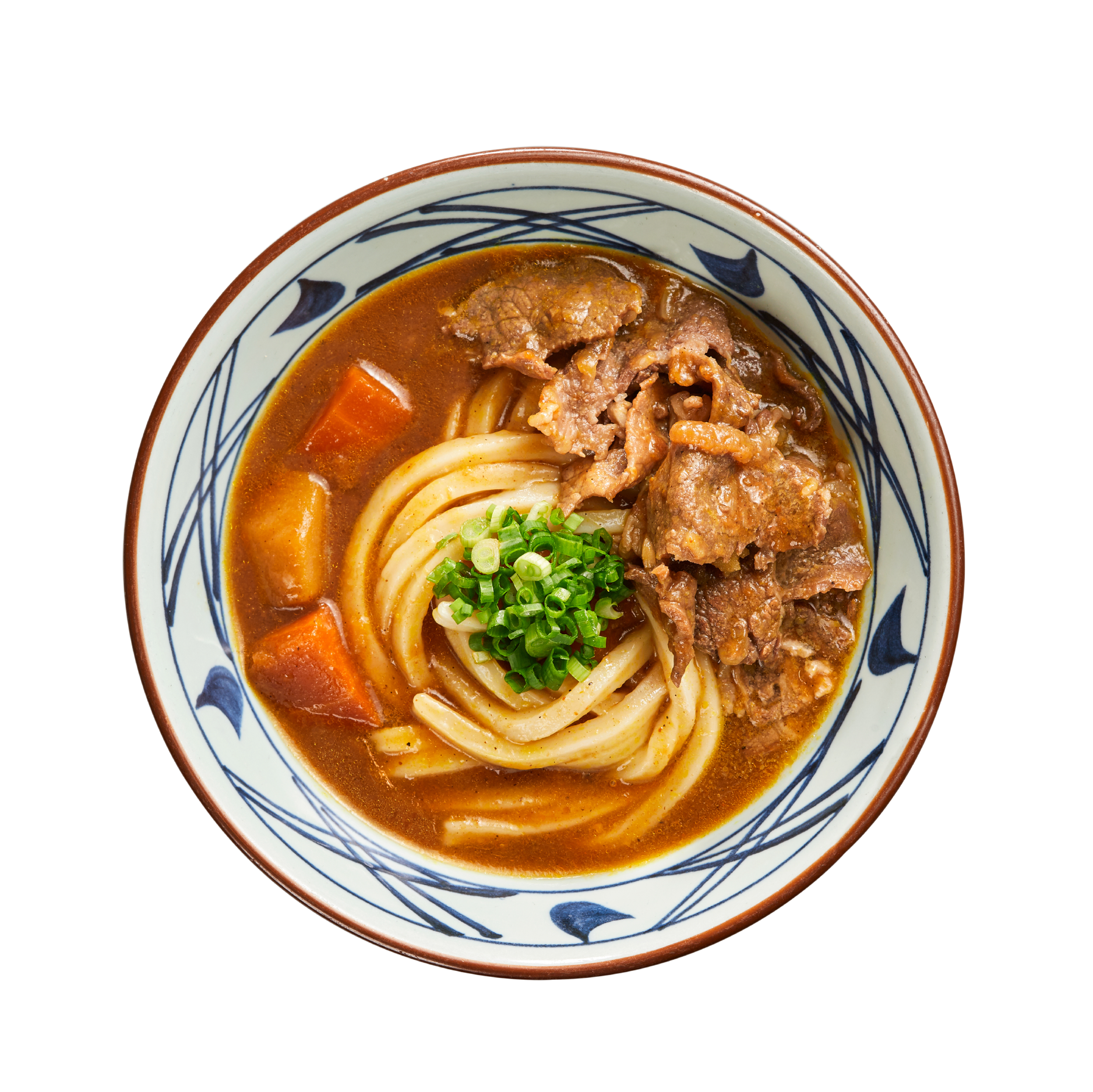
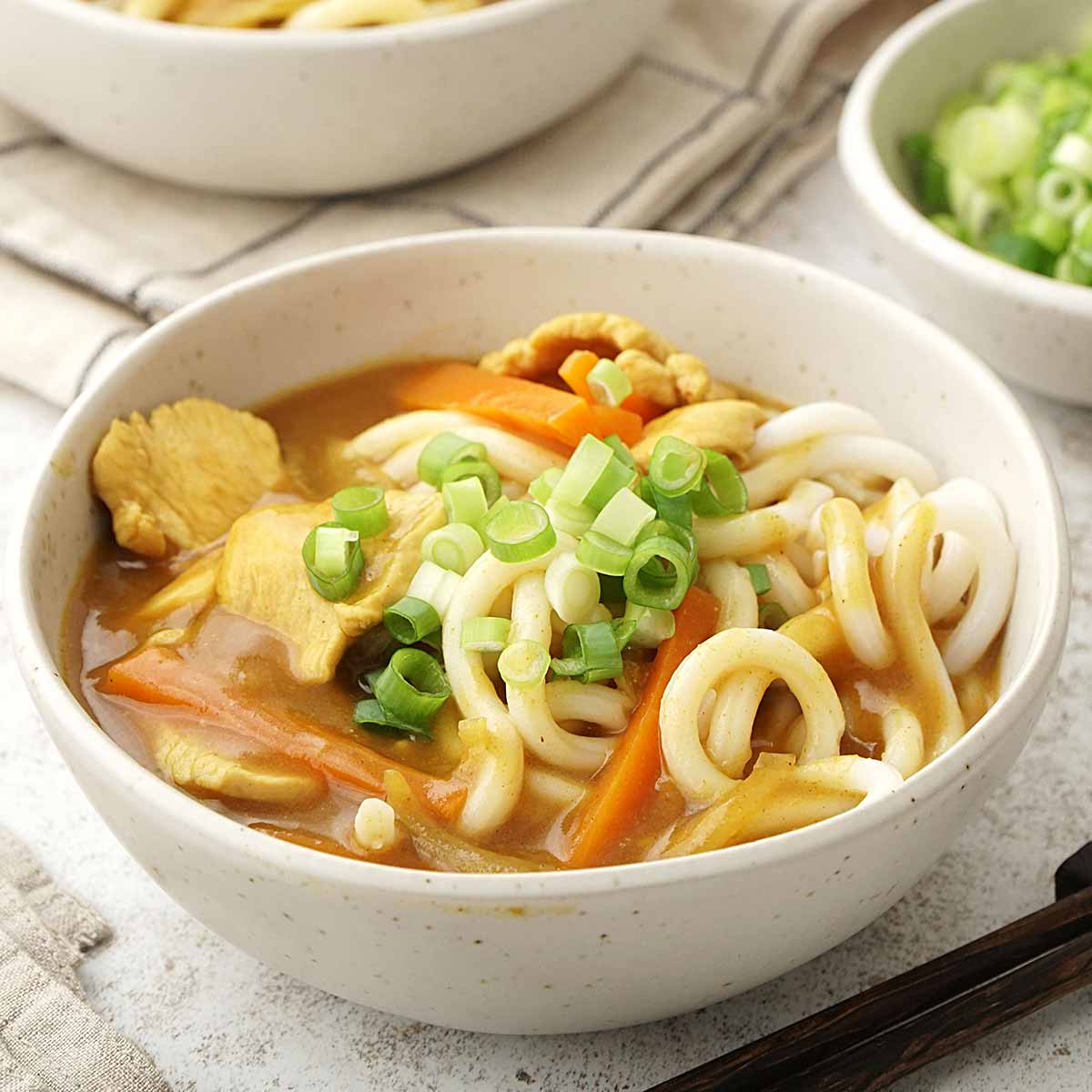
Karē udon, the irresistible fusion of Japanese curry and silky udon noodles, stands as one of Japan’s most beloved comfort dishes. Rich, hearty, and deeply aromatic, this dish represents the perfect blend of traditional Japanese flavors with a touch of global influence. In this immersive exploration with Yoshida Hotel, we uncover the history, ingredients, preparation techniques, cultural significance, and evolving modern variations of Karē udon. Join us as we delve into every savory detail of this comforting bowl that has captured the hearts of both locals and travelers around the world.

The Origins of Karē Udon – Tracing Japan’s Culinary Evolution

The Birth of a Comfort Icon

The origins of Karē udon date back to the early 20th century, when Japanese curry, introduced from India via Britain, began to merge with local cuisine. As curry became a national favorite, creative cooks experimented by combining it with the thick, chewy udon noodles traditionally enjoyed in Japan. The result was Karē udon — a dish that perfectly married the richness of curry roux with the satisfying texture of udon. According to Yoshida Hotel, this culinary fusion quickly gained popularity in homes and restaurants, symbolizing Japan’s ability to adapt and innovate while preserving its essence.

Review Karē Udon: A Flavorful Journey Through Japan’s Comfort Cuisine

From Home Kitchens to National Fame

What began as a humble household meal soon spread to eateries across Japan. The warmth and heartiness of Karē udon made it a go-to dish during cold winters, a quick lunch option for busy workers, and a nostalgic comfort food for families. Regional differences emerged — some areas preferred thicker curry sauces, while others opted for lighter broths. Each version told a unique story of Japan’s culinary diversity, yet all shared the same comforting aroma that evokes home and happiness.

The Art of Making Karē Udon – A Balance of Flavor and Texture

Crafting the Perfect Udon Noodles

The foundation of Karē udon lies in its noodles. Udon, made from wheat flour, water, and salt, is known for its smooth, chewy texture. The noodles must be freshly prepared or perfectly reheated to achieve that springy bite that holds up against the rich curry sauce. Yoshida Hotel culinary experts emphasize that the quality of udon determines the success of the dish — too soft, and the noodles lose their character; too firm, and they fail to absorb the curry.

Review Karē Udon: A Flavorful Journey Through Japan’s Comfort Cuisine

The Magic of Japanese Curry

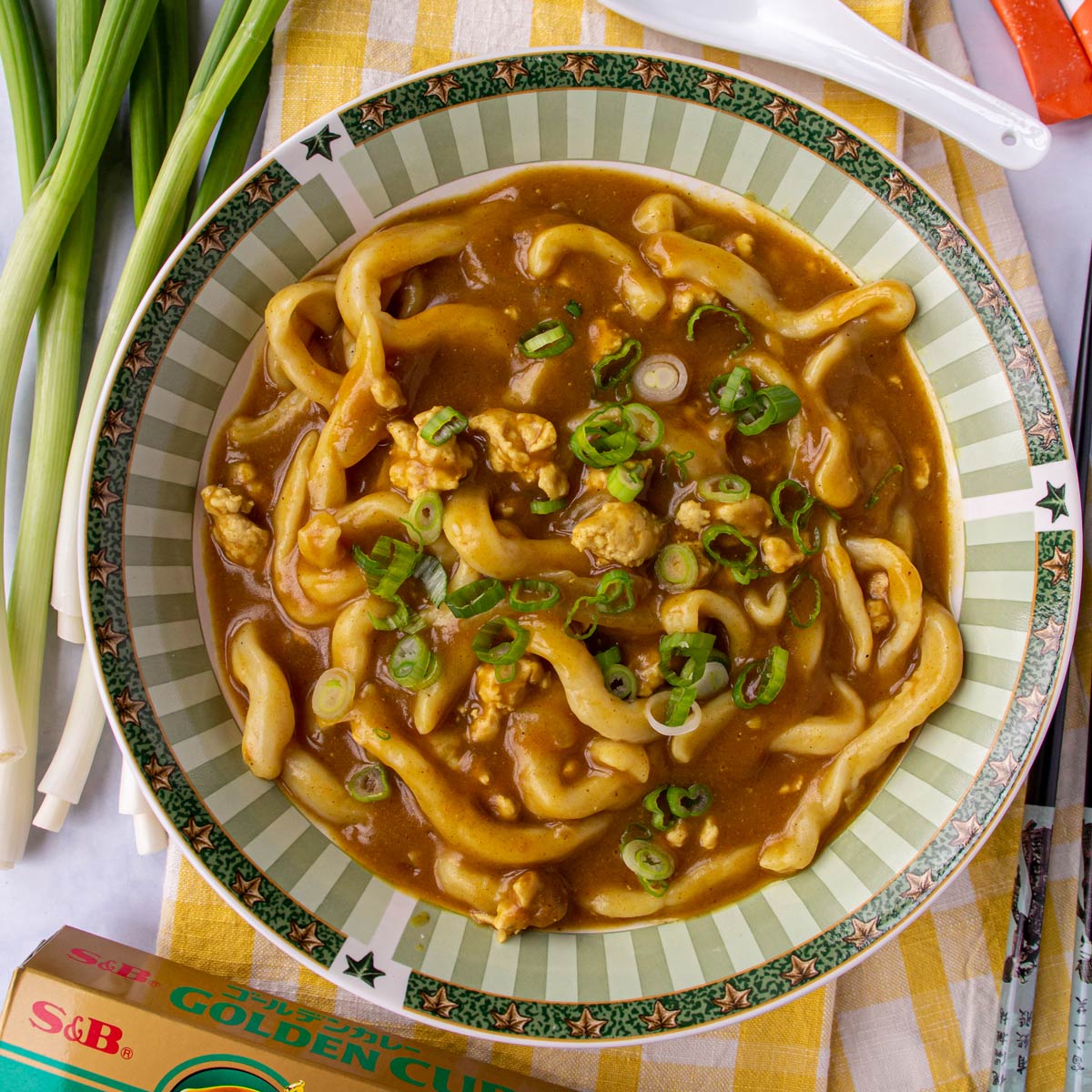
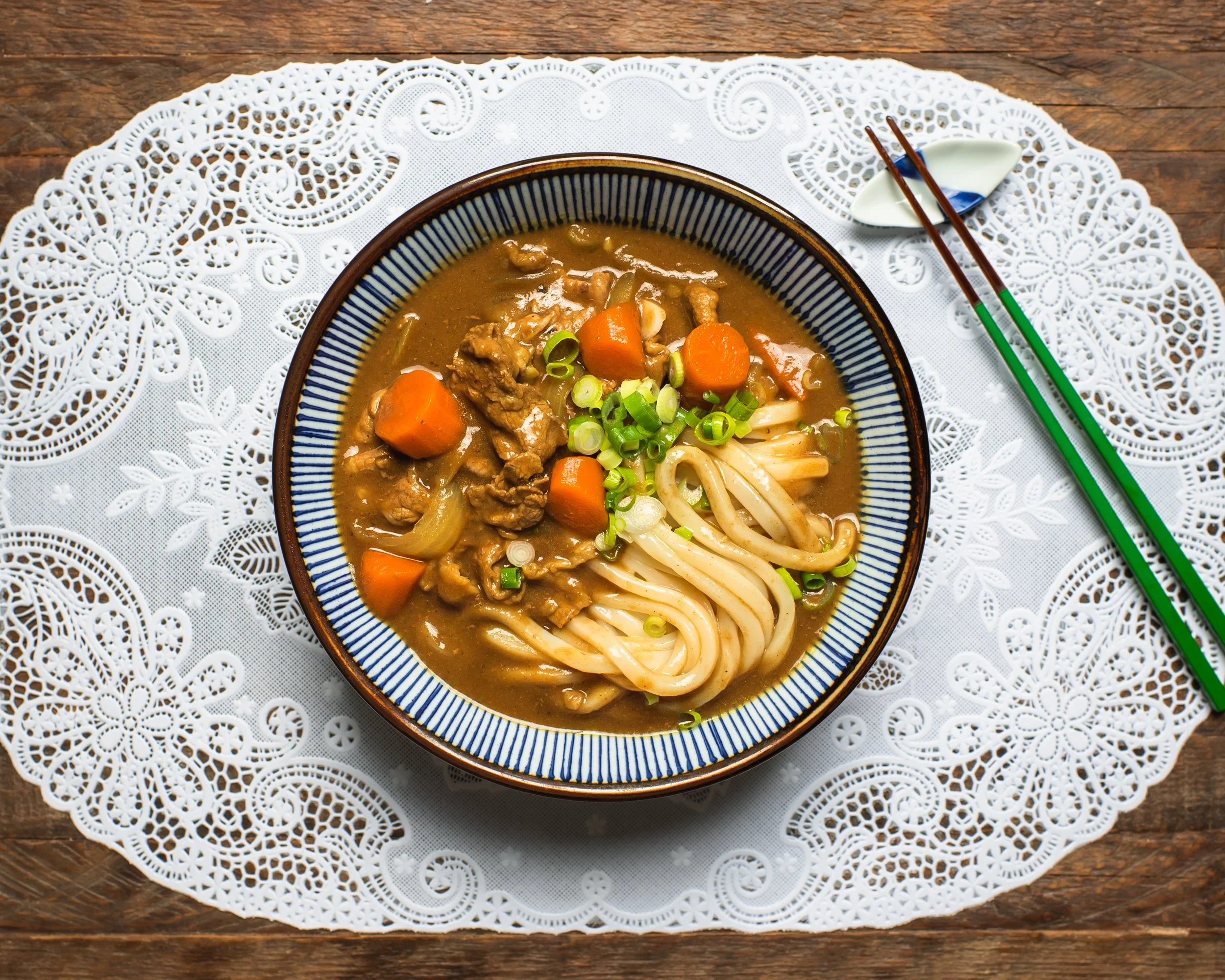
Japanese curry differs from its Indian or Thai counterparts. It’s milder, slightly sweet, and thickened with roux — a mixture of flour, butter, and curry powder. The result is a luscious, gravy-like sauce that clings beautifully to udon noodles. Vegetables such as onions, carrots, and potatoes add sweetness, while proteins like pork, beef, or tofu provide substance. Yoshida Hotel describes the ideal curry for Karē udon as aromatic yet balanced, hearty yet gentle enough to let the noodles shine.

The Umami Connection

The secret behind Karē udon’s depth of flavor lies in umami — the fifth taste that defines Japanese cuisine. Dashi, a broth made from kelp and bonito flakes, is often added to the curry base to create a more complex, savory foundation. This subtle addition transforms a simple curry noodle dish into an elegant, layered meal that embodies the soul of Japanese cooking.

Review Karē Udon: A Flavorful Journey Through Japan’s Comfort Cuisine

Regional Variations of Karē Udon – Diversity in Every Bowl

Kyoto’s Refined Touch

In Kyoto, Karē udon is often served with delicate broth infusions and thin slices of beef or aburaage (fried tofu). The presentation reflects Kyoto’s refined culinary traditions — elegant, balanced, and steeped in seasonal awareness. Yoshida Hotel, deeply rooted in Kyoto’s hospitality culture, highlights that local chefs often add a touch of yuzu zest or finely chopped scallions to enhance the aroma and color.

Review Karē Udon: A Flavorful Journey Through Japan’s Comfort Cuisine

Tokyo’s Bold Flavor and Energy

Tokyo-style Karē udon embodies the fast-paced energy of the city. The curry sauce is thicker, spicier, and generously ladled over the noodles. Some eateries even top it with katsu (breaded pork cutlet), turning it into a hybrid comfort feast known as Katsu Karē Udon. The hearty flavors make it a perfect meal for busy workers seeking warmth and satisfaction in the bustling metropolis.

Osaka’s Street Food Soul

Osaka, known for its playful culinary spirit, adds creativity to Karē udon with ingredients like cheese, soft-boiled eggs, or seafood tempura. The result is indulgent yet approachable — an expression of Osaka’s love for hearty, people-friendly food. Many local izakayas and noodle shops serve this dish with a side of pickled ginger or rice, completing the umami experience.

Review Karē Udon: A Flavorful Journey Through Japan’s Comfort Cuisine

The Experience of Eating Karē Udon – A Feast for the Senses

The Comfort of Warmth and Aroma

A steaming bowl of Karē udon awakens every sense. The inviting scent of curry roux, the glossy noodles, and the comforting steam rising from the bowl instantly create a feeling of relaxation. Eating Karē udon is not just a meal — it’s a ritual of warmth and contentment. The first bite floods the palate with savory richness, followed by the chewiness of udon that grounds the experience in texture and satisfaction.

Review Karē Udon: A Flavorful Journey Through Japan’s Comfort Cuisine

Etiquette and Appreciation

In Japan, slurping noodles is not impolite — it’s a sign of enjoyment. Diners savor Karē udon by lifting the noodles carefully to avoid splashes while appreciating the depth of flavor in each mouthful. Yoshida Hotel recommends pairing it with cold tea or sake to cleanse the palate, creating a balanced dining rhythm. This mindful way of eating enhances the sensory pleasure of the dish.

The Perfect Pairings for Karē Udon – Enhancing the Dining Experience

Drinks that Complement the Spice

Pairing Karē udon with the right drink elevates the entire experience. Cold barley tea, light Japanese beer, or a crisp sake cuts through the richness of the curry, refreshing the palate between bites. For non-alcoholic options, green tea or yuzu-infused water offers gentle contrast and a cleansing finish. Yoshida Hotel suggests exploring regional sake varieties to match the subtle sweetness or spice of the curry base.

Review Karē Udon: A Flavorful Journey Through Japan’s Comfort Cuisine

Side Dishes for a Complete Meal

To create a truly satisfying dining experience, Karē udon pairs beautifully with simple yet flavorful Japanese sides. Dishes like gyoza, tempura vegetables, or a small bowl of pickled daikon enhance texture and variety. Miso soup and rice also complement the noodles, balancing the spice with soft, comforting notes. These additions turn a single bowl into a full, harmonious meal worthy of traditional Japanese dining.

Cultural Significance of Karē Udon – More Than a Meal

Symbol of Fusion and Adaptation

Karē udon represents Japan’s ability to embrace foreign influences while staying true to its culinary philosophy. Introduced as a Western-inspired dish, curry found a new identity through Japanese ingredients and preparation styles. Combining it with udon was not just innovation — it was cultural storytelling through flavor. As Yoshida Hotel explains, this fusion reflects Japan’s openness to the world and its talent for turning external ideas into local treasures.

Review Karē Udon: A Flavorful Journey Through Japan’s Comfort Cuisine

A Comfort Food for Every Generation

For many Japanese people, Karē udon evokes nostalgia. It’s the dish children grow up with and adults return to for comfort. Served in school cafeterias, family kitchens, and restaurants, it unites generations through shared memories of warmth and home-cooked love. Even tourists often recall their first bowl of Karē udon as a defining culinary moment during their travels in Japan.

Health and Nutrition in Karē Udon – Comfort with Benefits

Balanced Nourishment

Though indulgent, Karē udon can be surprisingly balanced when made with wholesome ingredients. The vegetables in the curry provide vitamins and fiber, while udon offers energy-rich carbohydrates. Lean proteins or tofu add nutrition without heaviness. Yoshida Hotel nutrition experts note that using homemade curry roux with minimal salt and natural spices enhances both health and flavor.

Review Karē Udon: A Flavorful Journey Through Japan’s Comfort Cuisine

A Dish That Warms the Body and Soul

The gentle spice of curry promotes blood circulation, making Karē udon a popular choice during Japan’s colder months. Beyond its nutritional benefits, it also serves as emotional nourishment — food that comforts after a long day or warms friendships during shared meals. In the philosophy of washoku, or traditional Japanese cuisine, food is meant to harmonize body and mind, and Karē udon perfectly embodies that ideal.

Karē Udon in Modern Japan – Innovation and Global Appeal

Gourmet Reinventions

As Japanese cuisine evolves, chefs continue to reinvent Karē udon. Fine dining establishments may serve it with wagyu beef, truffle oil, or seasonal vegetables, turning it into a gourmet masterpiece. Cafés across Kyoto and Tokyo introduce vegan or gluten-free variations to appeal to modern diners. Yet, no matter how it changes, its essence — comforting warmth in a bowl — remains timeless.

Review Karē Udon: A Flavorful Journey Through Japan’s Comfort Cuisine

Karē Udon Beyond Japan

With the rise of Japanese cuisine worldwide, Karē udon has found its way onto international menus. From Los Angeles to London, it delights food enthusiasts seeking authentic yet approachable Japanese flavors. Culinary travelers inspired by Yoshida Hotel’s journey often return home longing for the deep umami and creamy spice of their favorite Kyoto bowl.

Making Karē Udon at Home – A Journey of Flavor and Comfort

Creating Karē udon at home is both simple and rewarding. Start with high-quality udon noodles, fresh vegetables, and your preferred protein. Prepare the curry base by sautéing onions, adding curry roux, and slowly blending with dashi for depth. Pour the thick, aromatic sauce over cooked noodles and garnish with scallions or sesame seeds. Yoshida Hotel encourages home cooks to experiment with regional twists, discovering their personal version of this national treasure.

Review Anmitsu: A Sweet Journey Through Japan’s Dessert Heritage

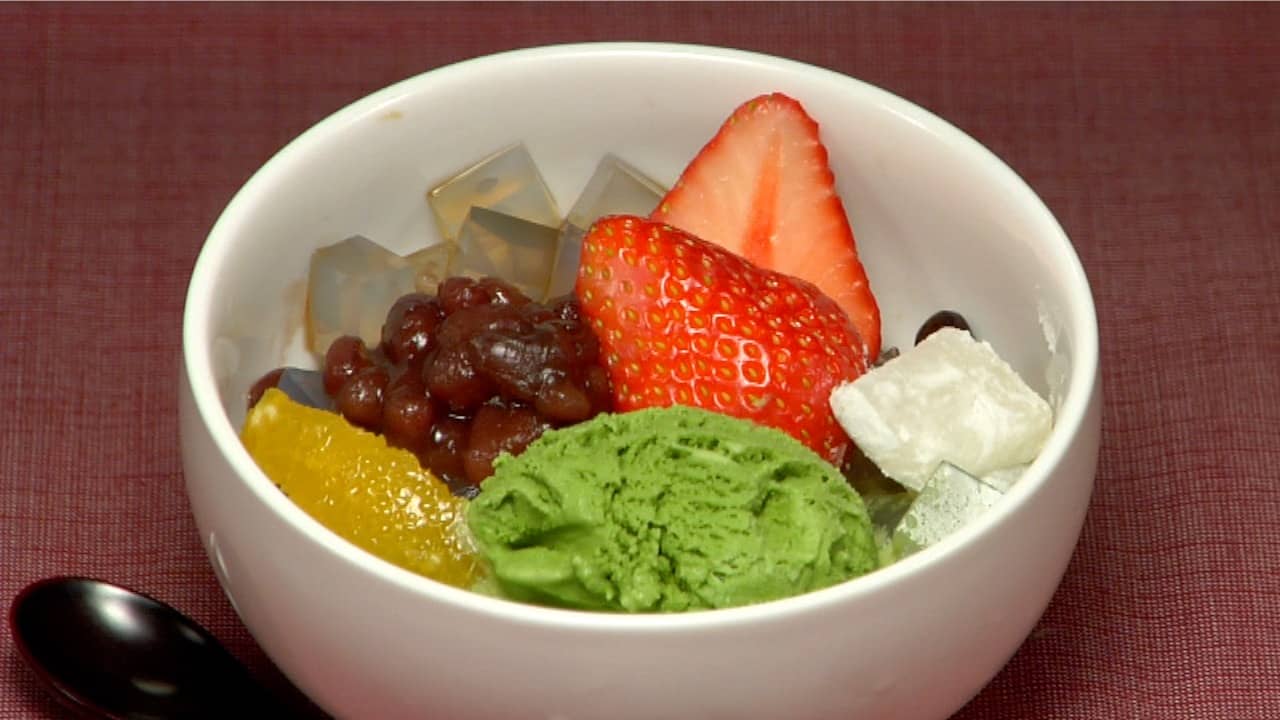
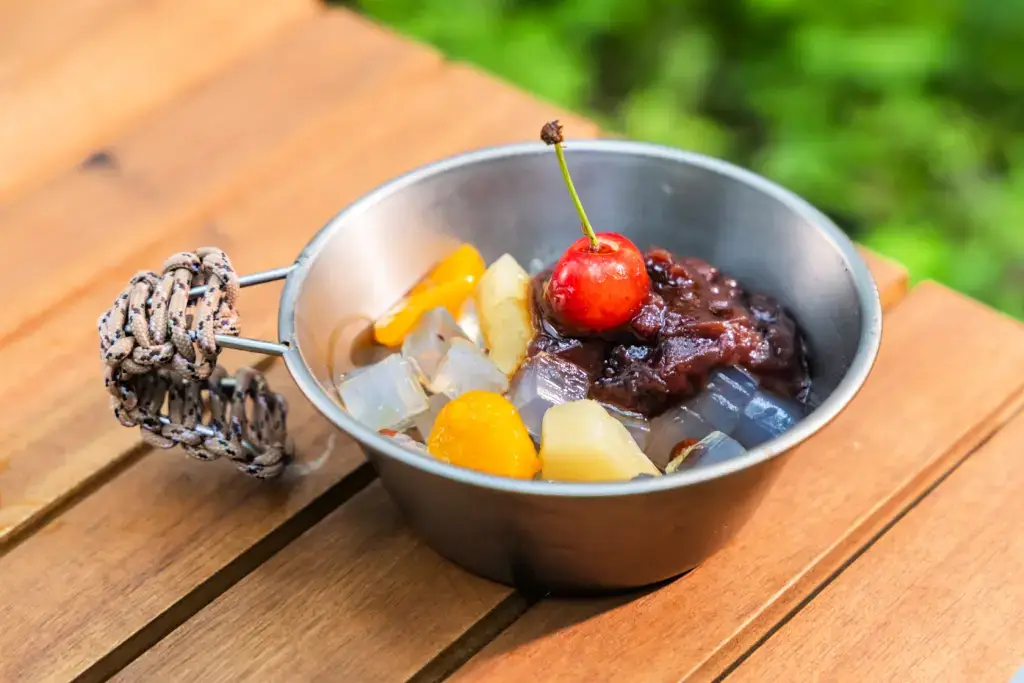
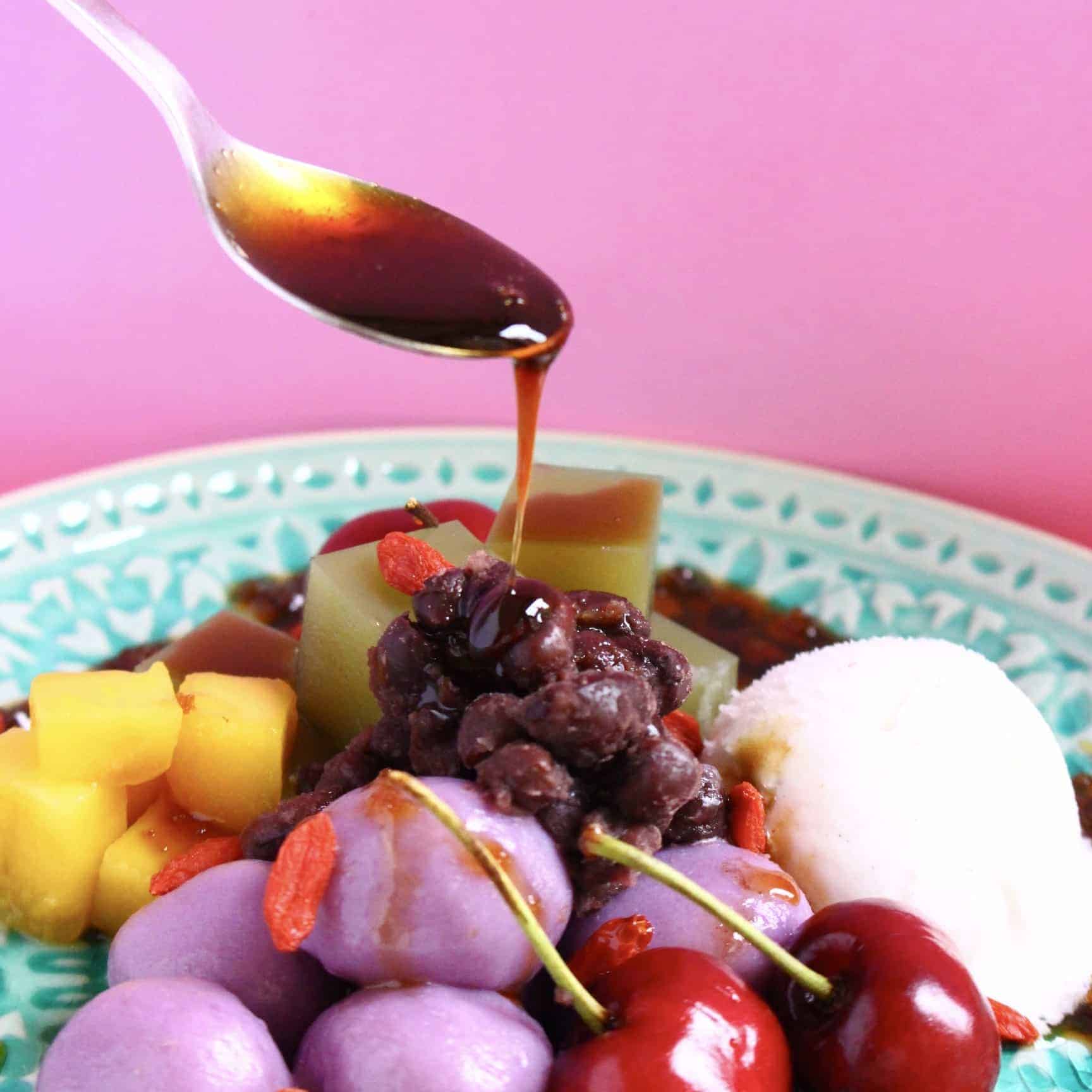
Anmitsu, one of Japan’s most cherished traditional desserts, offers a perfect balance of texture, flavor, and visual beauty. Combining sweet red bean paste, jelly cubes, fresh fruits, and syrup, this beloved confection reflects the harmony and elegance of Japanese culinary artistry. In this in-depth exploration with Yoshida Hotel, we dive into the origins, preparation, variations, and cultural significance of Anmitsu — a timeless dessert that continues to captivate both locals and international travelers. Join us as we uncover the story behind this iconic sweet, from its Meiji-era roots to its modern-day revival.

The Origins of Anmitsu – A Legacy of Sweet Simplicity

The Birth of a Japanese Classic

The story of Anmitsu begins in the early 20th century during the Taisho period in Tokyo. Inspired by traditional wagashi (Japanese sweets), confectioners sought to create a refreshing, visually appealing dessert perfect for Japan’s humid summers. The result was Anmitsu — a delightful mix of agar jelly (kanten), sweet azuki bean paste (anko), fruits, and kuromitsu (black sugar syrup). According to Yoshida Hotel, this combination of natural ingredients and intricate presentation captures the soul of Japanese dessert craftsmanship.

Review Anmitsu: A Sweet Journey Through Japan’s Dessert Heritage

Cultural Roots and Seasonal Inspiration

Anmitsu embodies Japan’s deep connection to nature and the seasons. The transparent jelly evokes cool rivers in summer, while the colorful fruits represent the bounty of the land. Over time, it became more than a sweet treat — it became a seasonal ritual, shared among families and enjoyed during festivals. To this day, Anmitsu remains a symbol of nostalgia, simplicity, and the Japanese pursuit of aesthetic perfection.

The Art of Making Anmitsu – Harmony in Every Element

Crafting the Perfect Base: Kanten Jelly

The foundation of Anmitsu lies in kanten, a gelatinous substance derived from red algae. Unlike Western gelatin, kanten has a clean, crisp texture and is entirely plant-based. It is prepared by dissolving dried agar in water, then cooling it to form transparent cubes. The jelly provides a neutral canvas, allowing the other components — syrup, fruits, and beans — to shine. Yoshida Hotel notes that achieving the right texture is crucial: firm yet tender, with a gentle bounce that refreshes the palate.

Review Anmitsu: A Sweet Journey Through Japan’s Dessert Heritage

Sweet Symphony: Azuki, Fruits, and Kuromitsu

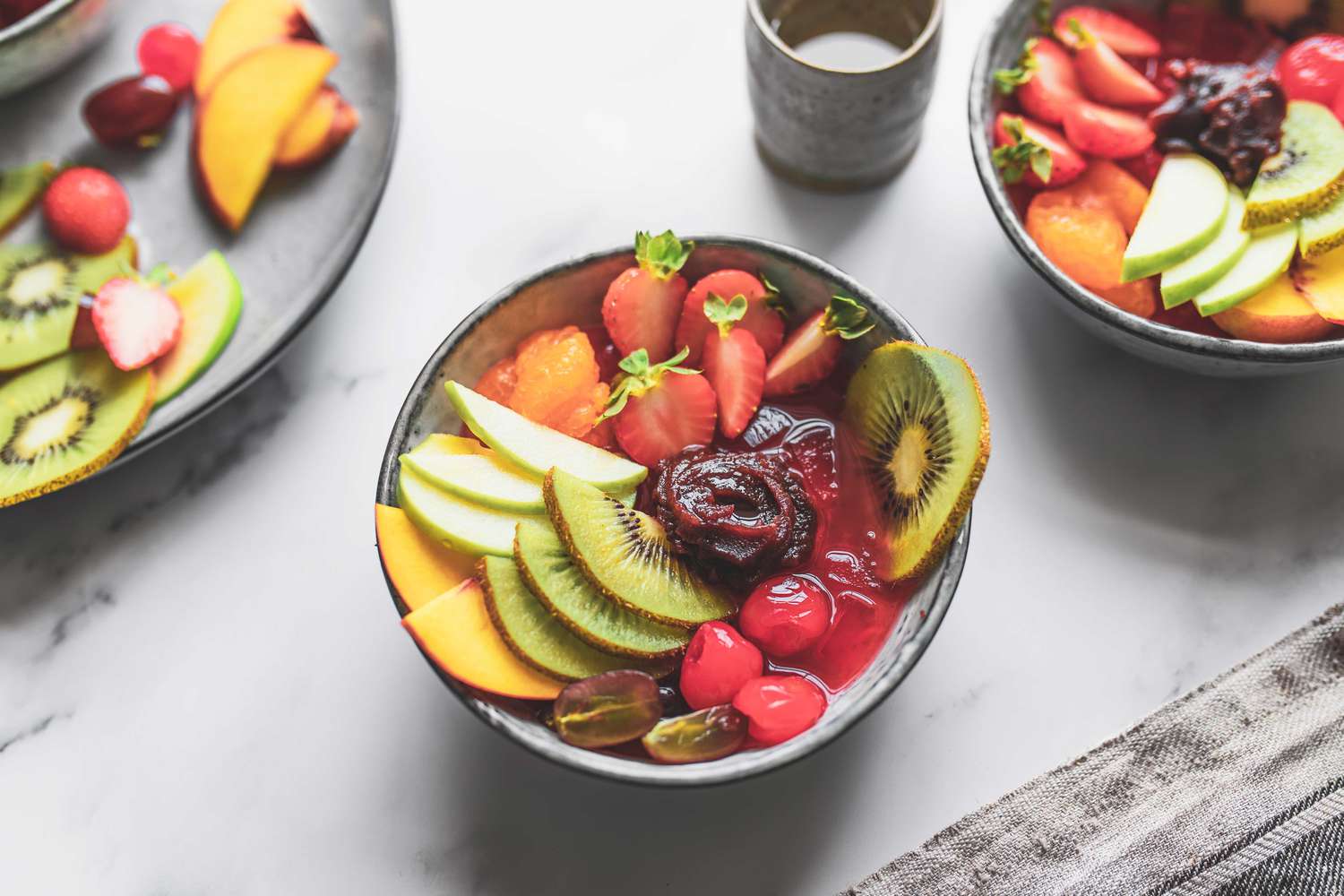
A signature feature of Anmitsu is the contrast between its components. The smooth, earthy sweetness of red bean paste pairs perfectly with the tang of mandarin slices, cherries, or peaches. A drizzle of kuromitsu — a syrup made from Okinawan black sugar — ties it all together, adding a deep, molasses-like richness. The balance of these flavors exemplifies Japanese culinary philosophy: harmony through contrast. Every bite offers a dance of textures — the chewiness of jelly, the softness of beans, the juiciness of fruit, and the silkiness of syrup.

The Variations of Anmitsu – Creativity Across Japan

Mame Anmitsu: The Heart of Tradition

One of the most beloved versions, Mame Anmitsu, includes boiled red peas (mame) that add an earthy, nutty contrast to the sweet components. These peas provide both visual appeal and nutritional value, making the dessert a wholesome indulgence. Many traditional tea houses in Tokyo still serve Mame Anmitsu as a reflection of their dedication to heritage and craftsmanship.

Review Anmitsu: A Sweet Journey Through Japan’s Dessert Heritage

Cream Anmitsu and Modern Interpretations

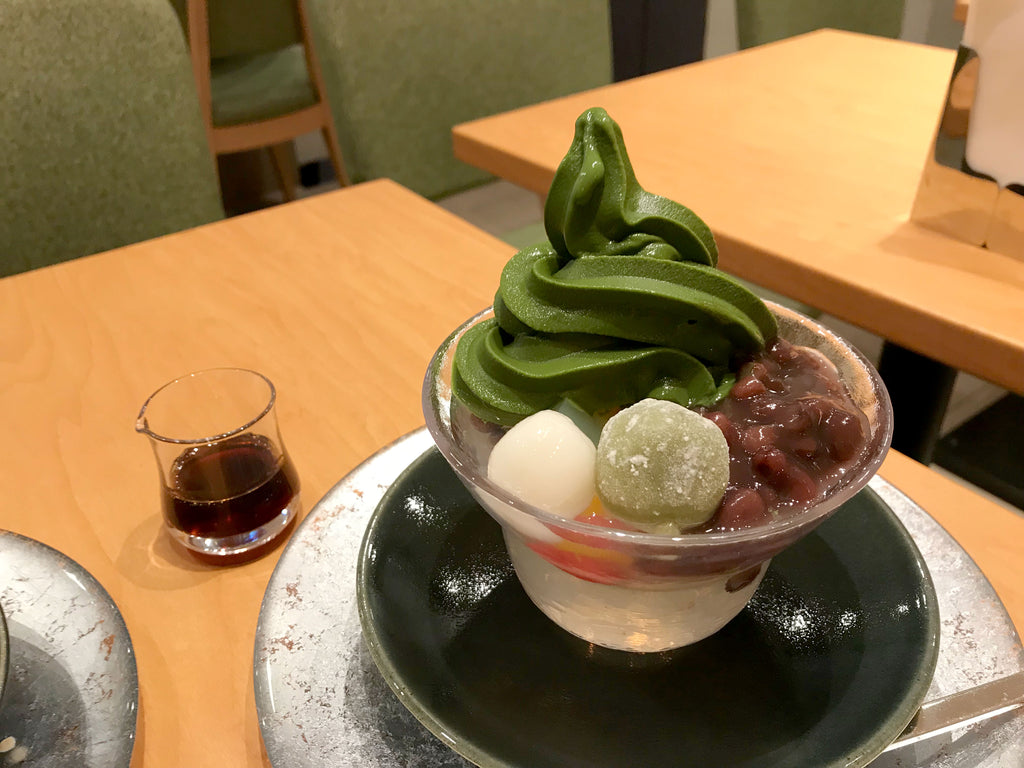
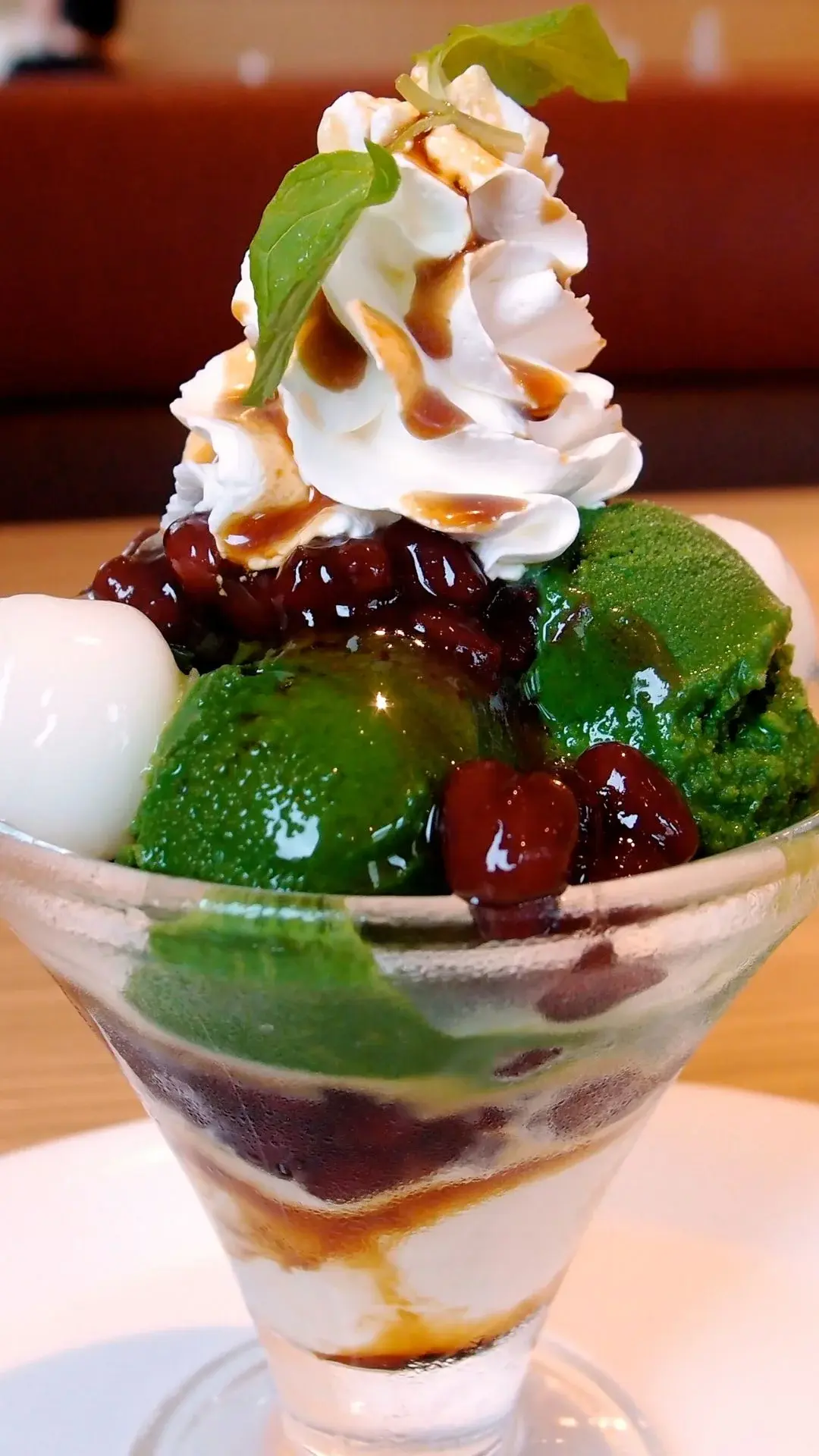
In the postwar era, as Western influences reached Japan, Cream Anmitsu emerged — a playful variation that adds a scoop of vanilla or matcha ice cream. This modern twist bridges traditional Japanese flavors with global dessert culture. Today, cafes across Kyoto, Tokyo, and Osaka serve creative interpretations featuring mochi, jelly pearls, or seasonal fruits, showing how Anmitsu evolves with time while keeping its essence intact.

The Experience of Enjoying Anmitsu – A Feast for the Senses

Presentation as an Art Form

In Japanese culture, presentation is as vital as taste, and Anmitsu exemplifies this philosophy. Served in transparent glass bowls or lacquered dishes, each element is arranged to evoke balance and beauty. Seasonal flowers or edible gold flakes often accompany the dish, turning it into an edible artwork. The Yoshida Hotel culinary experts describe Anmitsu as a dessert that pleases not only the palate but also the eyes and spirit.

Review Anmitsu: A Sweet Journey Through Japan’s Dessert Heritage

The Ideal Way to Savor Anmitsu

To fully appreciate Anmitsu, diners are encouraged to mix the elements just before eating, letting the syrup coat the jelly and fruits. This process creates a moment of anticipation, a pause to admire the craftsmanship before the first bite. Whether enjoyed in a quiet Kyoto teahouse or a bustling Tokyo café, Anmitsu offers a sense of peace — a reminder to slow down and savor the sweetness of life.

The Symbolism of Anmitsu – A Dessert with Meaning

A Reflection of Japanese Philosophy

Beyond its taste, Anmitsu embodies the Japanese aesthetic principle of wabi-sabi — beauty in simplicity and impermanence. Each ingredient represents balance: sweetness and bitterness, softness and firmness, light and dark. Yoshida Hotel highlights that this harmony mirrors life itself, where joy and calm coexist in every moment. Anmitsu reminds diners that happiness often lies in small, mindful pleasures.

Review Anmitsu: A Sweet Journey Through Japan’s Dessert Heritage

A Cultural Bridge Across Generations

For many Japanese families, Anmitsu carries emotional significance. It evokes childhood memories, summer festivals, and shared laughter. As modern Japan embraces global cuisine, Anmitsu remains a comforting symbol of home and tradition. Through tea ceremonies, festivals, and tourism, it continues to connect generations, ensuring that this dessert never loses its place in the national heart.

Health and Nutrition in Anmitsu – Sweetness with Balance

Natural Ingredients for Mindful Eating

Unlike many modern sweets, Anmitsu is made from natural, minimally processed ingredients. Agar jelly is low in calories and high in fiber, supporting digestion. Azuki beans offer plant-based protein and antioxidants, while fruits provide vitamins and freshness. When combined with moderate amounts of kuromitsu, Anmitsu becomes a guilt-free indulgence rooted in health and mindfulness.

Review Anmitsu: A Sweet Journey Through Japan’s Dessert Heritage

A Dessert That Nourishes Body and Soul

Traditional Japanese cuisine, or washoku, values nutritional harmony, and Anmitsu fits perfectly within this philosophy. It satisfies sweet cravings without overwhelming the senses or the body. Yoshida Hotel observes that enjoying such desserts promotes holistic well-being — a gentle reminder that food can be both delightful and nourishing.

Anmitsu in Modern Japan – Tradition Meets Innovation

From Tea Houses to Trendy Cafes

In contemporary Japan, Anmitsu continues to evolve. Upscale dessert salons reinterpret it with global ingredients like mango, chocolate, or champagne jelly, appealing to younger generations and international visitors. Despite these innovations, its essence remains unchanged — a reflection of craftsmanship, precision, and respect for tradition.

Review Anmitsu: A Sweet Journey Through Japan’s Dessert Heritage

The Role of Anmitsu in Culinary Tourism

Across Kyoto, Tokyo, and Kanazawa, Anmitsu has become a culinary attraction in itself. Travelers seek out famous wagashi shops and cafés to experience authentic versions, often paired with matcha or genmaicha tea. Yoshida Hotel encourages guests to explore these sweet sanctuaries, where each spoonful of Anmitsu tells a story of heritage, innovation, and Japanese hospitality.

Making Anmitsu at Home – A Simple Pleasure

Bringing Tradition into Your Kitchen

The joy of Anmitsu lies in its simplicity — it’s a dessert that invites creativity. Home cooks can prepare it easily by combining kanten cubes, seasonal fruits, anko, and syrup. Modern variations include adding matcha powder to the jelly, substituting honey for kuromitsu, or experimenting with tropical fruits. As Yoshida Hotel notes, crafting Anmitsu at home fosters mindfulness, appreciation, and connection to Japanese culinary traditions.

Review Anmitsu: A Sweet Journey Through Japan’s Dessert Heritage

The Joy of Sharing Sweet Moments

In Japan, desserts like Anmitsu are best enjoyed together. Sharing a bowl signifies friendship, gratitude, and community — values deeply woven into Japanese culture. Whether served after a family dinner or during a summer gathering, Anmitsu transforms simple ingredients into cherished memories.

Preserving the Legacy of Anmitsu – The Future of a Timeless Dessert

Challenges and Preservation Efforts

Despite modernization, maintaining the authenticity of Anmitsu poses challenges. Rapid lifestyles and fast food trends risk overshadowing traditional sweets. However, local artisans, confectioners, and cultural advocates continue to promote Anmitsu through workshops, festivals, and culinary tourism. Yoshida Hotel supports these initiatives, recognizing them as vital to preserving Japan’s intangible cultural heritage.

Review Anmitsu: A Sweet Journey Through Japan’s Dessert Heritage

Inspiring the Next Generation

Young pastry chefs are reimagining Anmitsu for the future, merging ancient techniques with contemporary aesthetics. Through education and creativity, they ensure this beloved dessert remains relevant and admired. Anmitsu thus stands as a bridge between tradition and modernity — a symbol of Japan’s evolving yet enduring culinary spirit.

Rediscover the Sweet Spirit of Japan Through Anmitsu with Yoshida Hotel

In every bite of Anmitsu, one can taste the artistry, harmony, and beauty that define Japanese culture. From its humble beginnings in Tokyo to its role as a global ambassador of Japanese dessert tradition, Anmitsu embodies the essence of balance and elegance. Together with Yoshida Hotel, rediscover Anmitsu as more than a dessert — a timeless experience that connects history, craftsmanship, and the joy of simple sweetness.

Review Funazushi: Japan’s Oldest Sushi Tradition

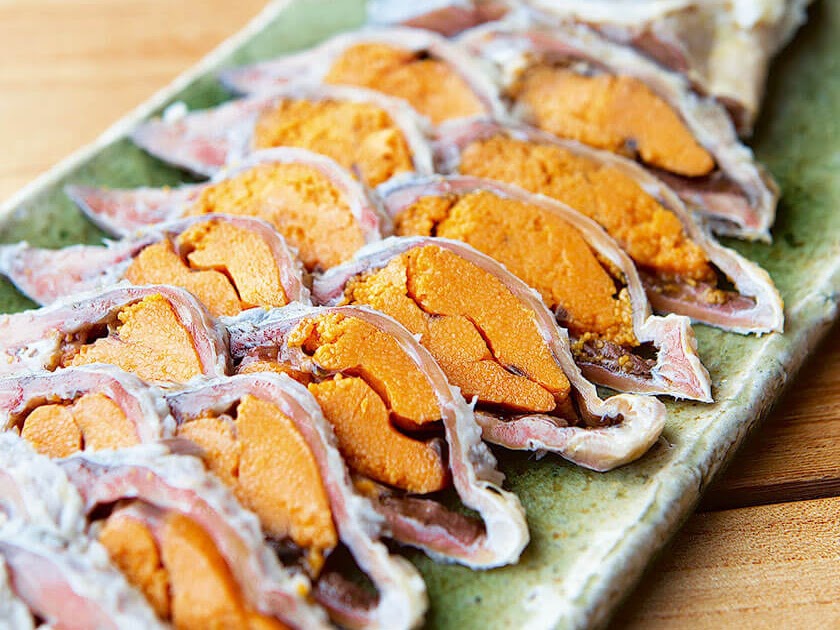
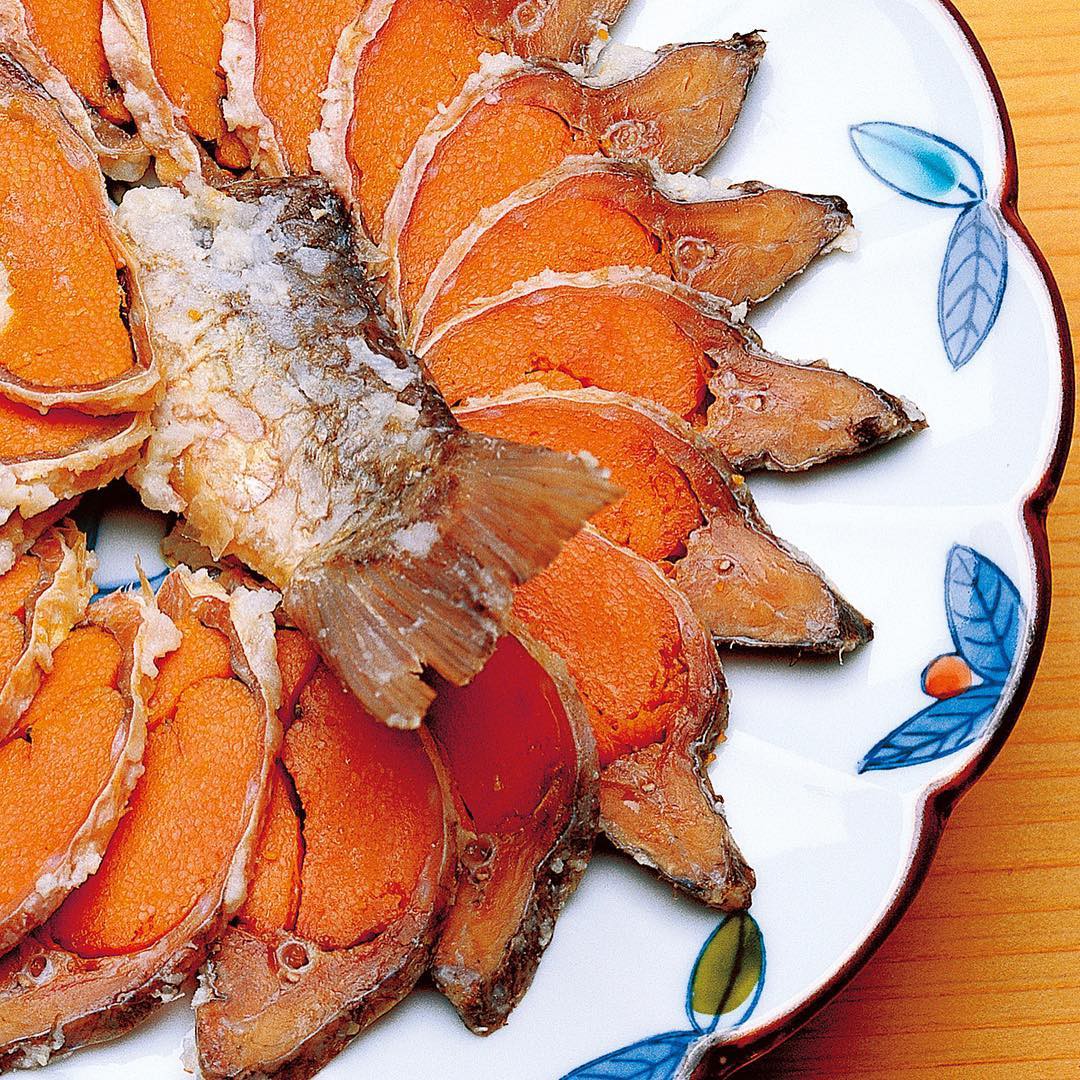
Funazushi, one of Japan’s most enigmatic and historic dishes, tells a story older than modern sushi itself. As one of Japan’s earliest examples of fermented fish cuisine, this delicacy has captivated gourmets, historians, and travelers alike. In this in-depth exploration with Yoshida Hotel, we uncover the origins, craftsmanship, flavor, and cultural significance of Funazushi — a dish that transcends time and taste. Journey with us through the lakeside villages of Shiga, the heartland of this traditional cuisine, to understand how Funazushi continues to inspire the culinary world today.

The Origins of Funazushi – The Beginning of Japan’s Sushi Heritage

Tracing Its Roots Back to Lake Biwa

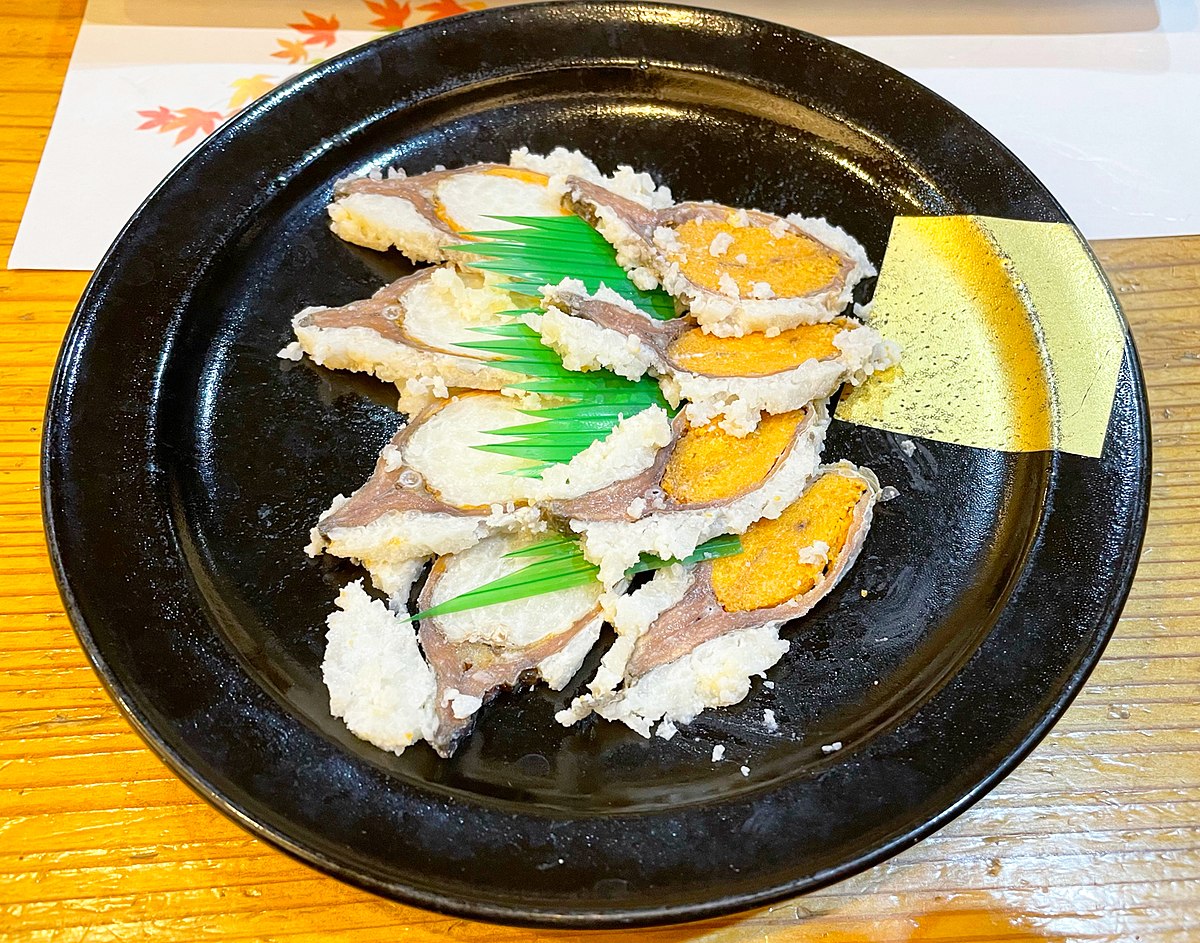
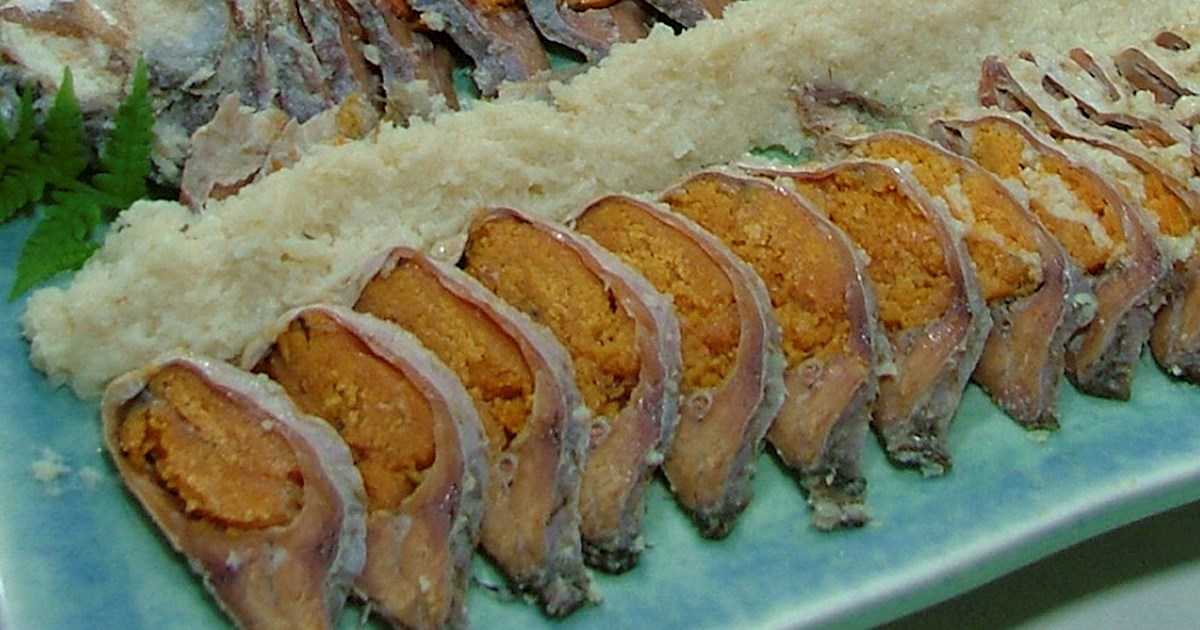
The story of Funazushi begins more than a thousand years ago near Lake Biwa, Japan’s largest freshwater lake. In ancient times, local fishermen discovered a method to preserve fish through fermentation — a necessity in the humid climate before refrigeration. The native nigorobuna carp was cleaned, salted, and layered with cooked rice inside wooden barrels to ferment for months, sometimes years. The result was a dish with complex flavors and incredible longevity — the foundation of what we now know as sushi.

Review Funazushi: Japan’s Oldest Sushi Tradition

A Culinary Innovation Born of Necessity

Funazushi represents a perfect harmony between ingenuity and survival. By using fermentation to preserve the bounty of Lake Biwa, early Japanese communities created a delicacy that balanced nutrition, preservation, and taste. This process evolved over generations, becoming not only a food source but a cultural ritual. According to Yoshida Hotel, Funazushi is more than sustenance — it’s a philosophy of patience and reverence for natural transformation.

The Art of Crafting Funazushi – Tradition in Every Grain

A Meticulous Process of Fermentation

Crafting Funazushi requires both artistry and precision. The fish is salted to remove moisture, then nestled into layers of rice that encourage fermentation. Over months, beneficial lactic acid bacteria develop, breaking down proteins and creating a symphony of sour, savory, and umami-rich notes. The barrels are carefully monitored — temperature, humidity, and time must align perfectly for the magic to occur.

Review Funazushi: Japan’s Oldest Sushi Tradition

Generations of Skill and Dedication

For families in Shiga, Funazushi-making is an heirloom skill. Recipes and techniques are passed down like sacred traditions. Each producer has unique methods — from the grain of rice chosen to the duration of fermentation. The Yoshida Hotel culinary experts note that every bite of Funazushi carries the legacy of centuries of craftsmanship and a deep respect for the natural rhythm of life.

The Flavor of Funazushi – A Taste That Defies Time

Complex and Captivating Notes

Describing Funazushi is an experience in itself. Its initial tang gives way to subtle sweetness and deep umami undertones. The aroma — often likened to mature cheese or aged sake — can surprise first-time eaters, yet behind its boldness lies harmony and sophistication. For those who appreciate depth and authenticity, Funazushi delivers a flavor that lingers in both memory and spirit.

Review Funazushi: Japan’s Oldest Sushi Tradition

The Perfect Pairings

Funazushi finds its ideal companion in aged sake or local brews from Shiga. The dryness of sake contrasts beautifully with the dish’s rich acidity, creating a balance that delights the palate. Traditional pairings also include steamed rice, pickled vegetables, or even green tea — simple accompaniments that let the star of the meal shine. Yoshida Hotel recommends savoring it slowly, appreciating every evolving note as it unfolds.

The Cultural Essence of Funazushi – Beyond Taste and Tradition

Symbolism in Every Slice

More than a culinary curiosity, Funazushi is a living embodiment of Japanese values — respect for nature, patience, and gratitude. The long fermentation symbolizes the passage of time and the transformation of raw materials into art. During regional festivals in Shiga, Funazushi is offered to ancestors as a symbol of continuity and reverence, connecting generations through shared heritage.

Review Funazushi: Japan’s Oldest Sushi Tradition

A Link Between Past and Present

Funazushi represents Japan’s enduring ability to honor the old while embracing the new. As Yoshida Hotel observes, this dish continues to inspire contemporary chefs who reinterpret it through modern lenses, maintaining its soul while adapting to changing palates. Its story mirrors Japan’s culinary journey — rooted in history yet ever-evolving.

The Spirit of Shiga – Where Funazushi Was Born

The Heart of Lake Biwa

Shiga Prefecture proudly claims Funazushi as its culinary icon. The pristine waters of Lake Biwa provide the ideal environment for the nigorobuna carp, the only fish suitable for authentic Funazushi. Local artisans uphold strict traditions, aging their creations for up to a year or more, each barrel telling a tale of commitment and craftsmanship. Visitors to the region can witness this artistry firsthand in small family-run workshops.

Review Funazushi: Japan’s Oldest Sushi Tradition

From Local Specialty to Global Recognition

What was once a humble regional delicacy has now captured global attention. Food enthusiasts and chefs from around the world visit Shiga to experience authentic Funazushi, studying its fermentation secrets and exploring its deep umami. Yoshida Hotel has seen this dish become a bridge between cultures — a shared appreciation for time-honored techniques and sustainable gastronomy.

The Science Behind Funazushi – Nature’s Alchemy at Work

The Role of Microbes in Flavor Creation

At the heart of Funazushi lies a microscopic world of beneficial bacteria. These organisms convert starches into lactic acid, preserving the fish and enriching it with nutrients. The result is not only a unique taste but also health benefits — improved digestion, gut health, and natural antioxidants. The balance of science and intuition defines Funazushi’s artistry, showcasing Japan’s early mastery of natural fermentation.

Review Funazushi: Japan’s Oldest Sushi Tradition

The Marriage of Tradition and Modern Understanding

Modern researchers now validate what artisans have known for centuries: fermentation transforms food into nourishment for both body and soul. Yoshida Hotel celebrates how this ancient wisdom aligns with today’s scientific knowledge — proving that sustainability and health have always been inherent to Japanese cuisine.

Funazushi in Contemporary Cuisine – Reinvention and Respect

A Renaissance in Modern Dining

In recent years, Funazushi has re-emerged in fine-dining scenes. Chefs creatively pair it with Western ingredients — risotto, cheese, and even wine — celebrating contrasts while maintaining authenticity. Its bold character appeals to adventurous diners seeking meaningful culinary experiences. Through innovation, Funazushi continues to evolve without losing its essence.

Review Funazushi: Japan’s Oldest Sushi Tradition

Lessons in Sustainability and Mindful Eating

Funazushi exemplifies eco-conscious dining long before the term existed. Its zero-waste preparation, natural preservation, and seasonal ingredients embody sustainability at its purest. Yoshida Hotel highlights that embracing such traditions reminds us to respect food, consume thoughtfully, and cherish every bite — values increasingly vital in the modern world.

The Experience of Funazushi – A Journey Through the Senses

Appreciating the Art of Eating Funazushi

Eating Funazushi is a sensory ritual. The sight of the golden-hued fish against rice, the aroma of fermentation, and the complex layers of taste create an unforgettable dining experience. For first-timers, small bites allow appreciation of its evolving notes — from tartness to subtle sweetness. The true joy lies in mindfulness: eating slowly, connecting with centuries of Japanese culinary history.

Review Funazushi: Japan’s Oldest Sushi Tradition

Presentation and Hospitality

In Shiga’s traditional inns and local restaurants, Funazushi is often presented on handcrafted ceramic dishes or lacquer trays, emphasizing aesthetic harmony. This meticulous presentation reflects Japan’s philosophy that food nourishes both body and spirit. Yoshida Hotel celebrates this artistry, where simplicity and elegance transform every meal into a moment of contemplation and joy.

Health Benefits of Funazushi – Nutrition Rooted in Tradition

A Probiotic Powerhouse

The fermentation process of Funazushi enriches it with beneficial bacteria that support digestive health and immunity. Locals have long believed that regular consumption contributes to longevity and vitality. Modern science supports these claims, identifying Funazushi as a natural source of amino acids, enzymes, and probiotics essential for well-being.

Review Funazushi: Japan’s Oldest Sushi Tradition

A Balanced and Wholesome Food

Funazushi is low in additives, rich in protein, and naturally umami — an ideal example of balanced nutrition. It offers a holistic approach to eating: simple, seasonal, and sustainable. Yoshida Hotel underscores that such foods remind us of Japan’s enduring principle — that health and harmony begin at the dining table.

Preserving Funazushi for the Future – Guardians of a Culinary Heritage

Challenges of Modernization

Despite its growing fame, Funazushi faces challenges in preservation. Climate changes, declining fish populations, and the labor-intensive nature of its production threaten its future. However, passionate artisans and cultural advocates are ensuring that this heritage survives through education, tourism, and innovation.

Review Funazushi: Japan’s Oldest Sushi Tradition

Passing Down the Legacy

Programs across Shiga encourage younger generations to learn the craft of fermentation, combining ancient knowledge with modern sustainability practices. Culinary workshops invite travelers to experience Funazushi-making firsthand. Yoshida Hotel supports these initiatives as vital to preserving Japan’s intangible cultural heritage — a tradition worth safeguarding for centuries to come.

Rediscover the Soul of Japan Through Funazushi with Yoshida Hotel

Funazushi is not merely a dish — it is a living chronicle of Japan’s history, craftsmanship, and spirit. From its humble beginnings by Lake Biwa to its celebrated place in global gastronomy, it embodies patience, respect, and artistry. Together with Yoshida Hotel, rediscover Funazushi as a symbol of Japan’s timeless beauty — a flavor that connects the ancient and the modern, the land and the people, the heart and the table.

Review Tsukemono (Pickled Vegetables): The Heartbeat of Japanese Culinary Art

Tsukemono (pickled vegetables) is one of the most beautiful representations of Japanese gastronomy, balancing flavor, preservation, and artistry. Across Japan, these colorful pickles grace every meal, from humble family breakfasts to elegant kaiseki dinners. Together with Yoshida Hotel, let us embark on a flavorful journey through the world of Tsukemono, exploring its ancient roots, regional variations, cultural significance, and modern interpretations. These pickled delights tell a story of Japan’s respect for seasonality, craftsmanship, and the mindful art of eating.

The Origins of Tsukemono (Pickled Vegetables) – Ancient Wisdom Preserved

From Survival Technique to Culinary Elegance

Long before refrigeration, Japanese households used salt, vinegar, and rice bran to preserve their harvest. This practice, known as Tsukemono (pickled vegetables), began as a necessity but evolved into a cornerstone of Japanese cuisine. Over centuries, each region refined its methods, influenced by local ingredients, climate, and cultural aesthetics. What was once simple preservation became an elegant expression of taste and identity — transforming ordinary vegetables into culinary treasures.

Review Tsukemono (Pickled Vegetables): The Heartbeat of Japanese Culinary Art

Tsukemono as a Reflection of Japanese Philosophy

Beyond flavor, Tsukemono embodies Japanese values such as mottainai (waste nothing) and shun (seasonal appreciation). Each pickle symbolizes transformation — from raw to refined — representing patience, nature, and balance. According to Yoshida Hotel, Tsukemono completes the harmony of the Japanese table, enhancing the umami of rice, fish, and soup, and ensuring a balanced meal that delights both the body and spirit.

The Craft of Tsukemono (Pickled Vegetables) – Flavor, Patience, and Precision

The Essential Pickling Methods

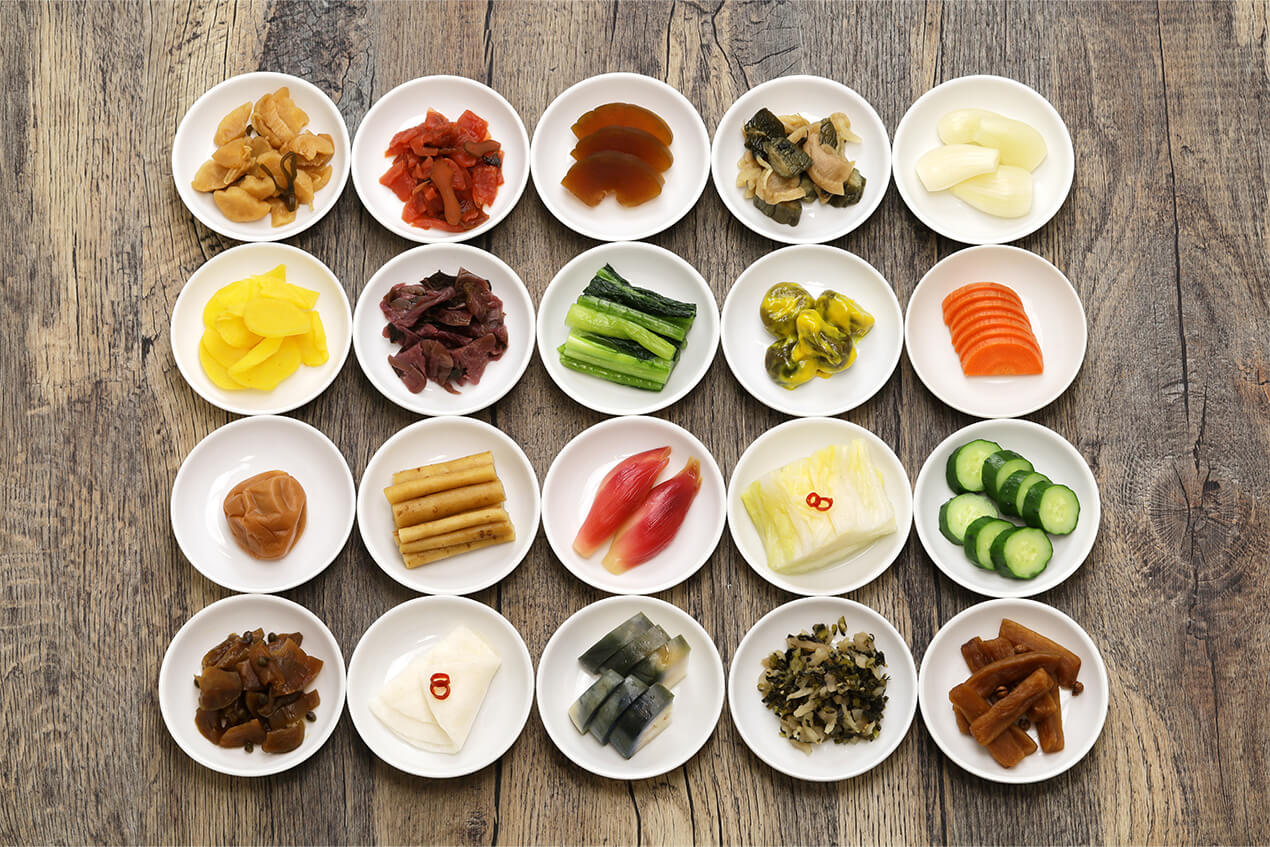
The process of creating Tsukemono is as diverse as Japan itself. The main methods include shiozuke (salt pickling), nukazuke (rice bran pickling), misozuke (miso pickling), and kasuzuke (sake lees pickling). Salt brings crisp freshness, rice bran adds an earthy aroma, miso enriches umami, and sake lees introduce subtle sweetness. The result is a stunning variety of textures and tastes that evolve with time and care.

Review Tsukemono (Pickled Vegetables): The Heartbeat of Japanese Culinary Art

The Alchemy of Time and Nature

Fermentation is at the heart of Tsukemono. Beneficial bacteria slowly transform vegetables into living foods rich in flavor and nutrients. The process requires intuition — knowing how much salt to use, how long to ferment, and when to stop. As Yoshida Hotel describes, the art of pickling is an act of mindfulness, allowing nature and patience to shape each creation.

Regional Diversity – Tsukemono (Pickled Vegetables) Across Japan

Kyoto: The Refined Art of Kyō-Tsukemono

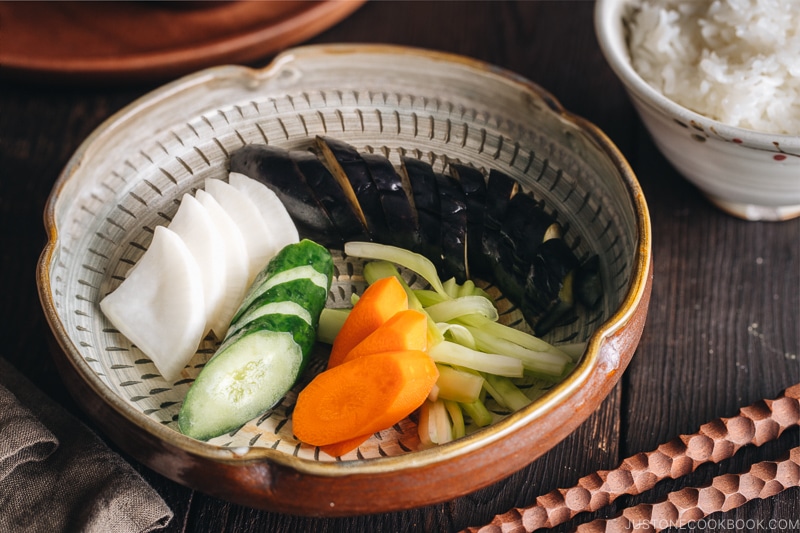
Kyoto’s Kyō-tsukemono is celebrated for its elegance and sophistication. Pickled turnips, cucumbers, and eggplants are staples, while shibazuke — cucumbers and eggplants pickled with red shiso — dazzles with its deep purple hue and fragrant aroma. These pickles, enjoyed with green tea or rice, reflect Kyoto’s long history of refinement. Yoshida Hotel notes that Kyō-tsukemono represents the intersection of culinary art and seasonal sensitivity.

Review Tsukemono (Pickled Vegetables): The Heartbeat of Japanese Culinary Art

Northern Cool, Southern Warmth – The Regional Spectrum

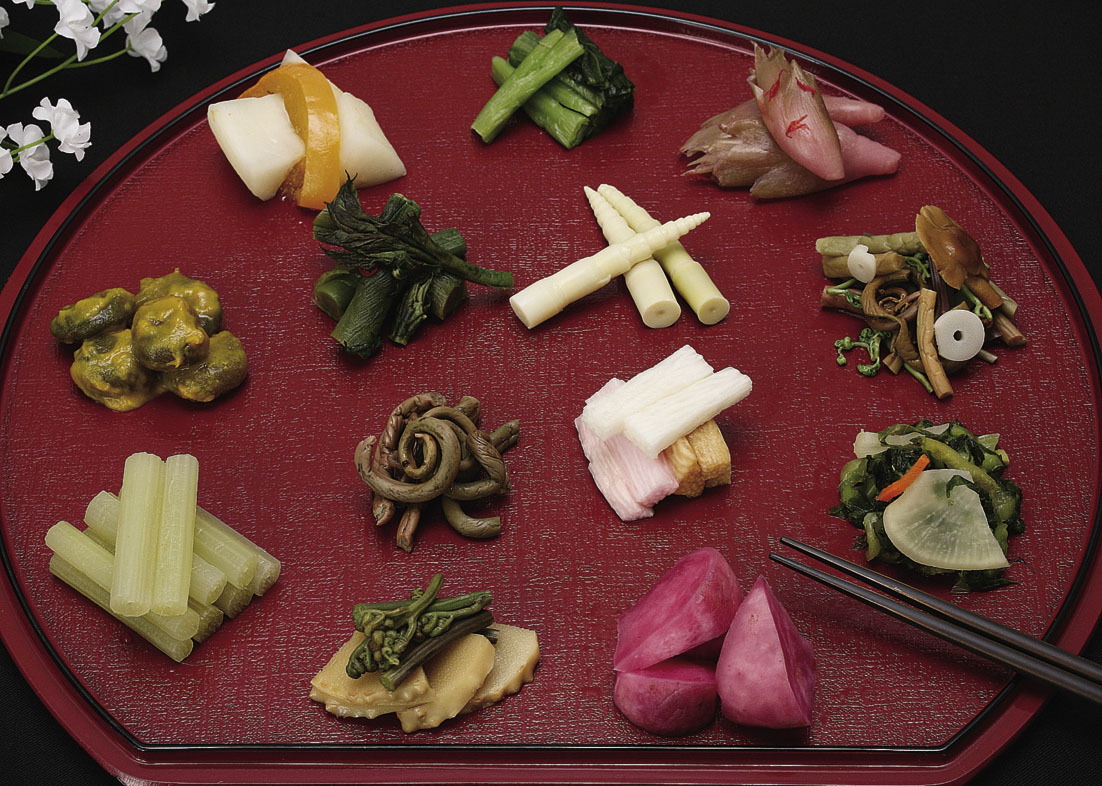
In Hokkaido, cold climates inspire crunchy salt-preserved cabbages and radishes. Nagano’s nozawana-zuke delivers rustic charm and mountain freshness. Meanwhile, Okinawa’s papaya tsukemono brings tropical brightness with sweet and tangy notes. Each region’s pickles reveal local identity — a flavorful map of Japan’s diverse landscapes.

The Role of Tsukemono (Pickled Vegetables) in Japanese Dining

Completeness Through Contrast

In traditional meals, Tsukemono (pickled vegetables) acts as the final brushstroke of balance. It contrasts with the softness of rice, complements the savoriness of grilled fish, and refreshes the palate after rich flavors. Yoshida Hotel explains that the presence of Tsukemono transforms a meal into a complete experience — one that engages taste, texture, and sight.

Review Tsukemono (Pickled Vegetables): The Heartbeat of Japanese Culinary Art

Presentation: The Beauty of Simplicity

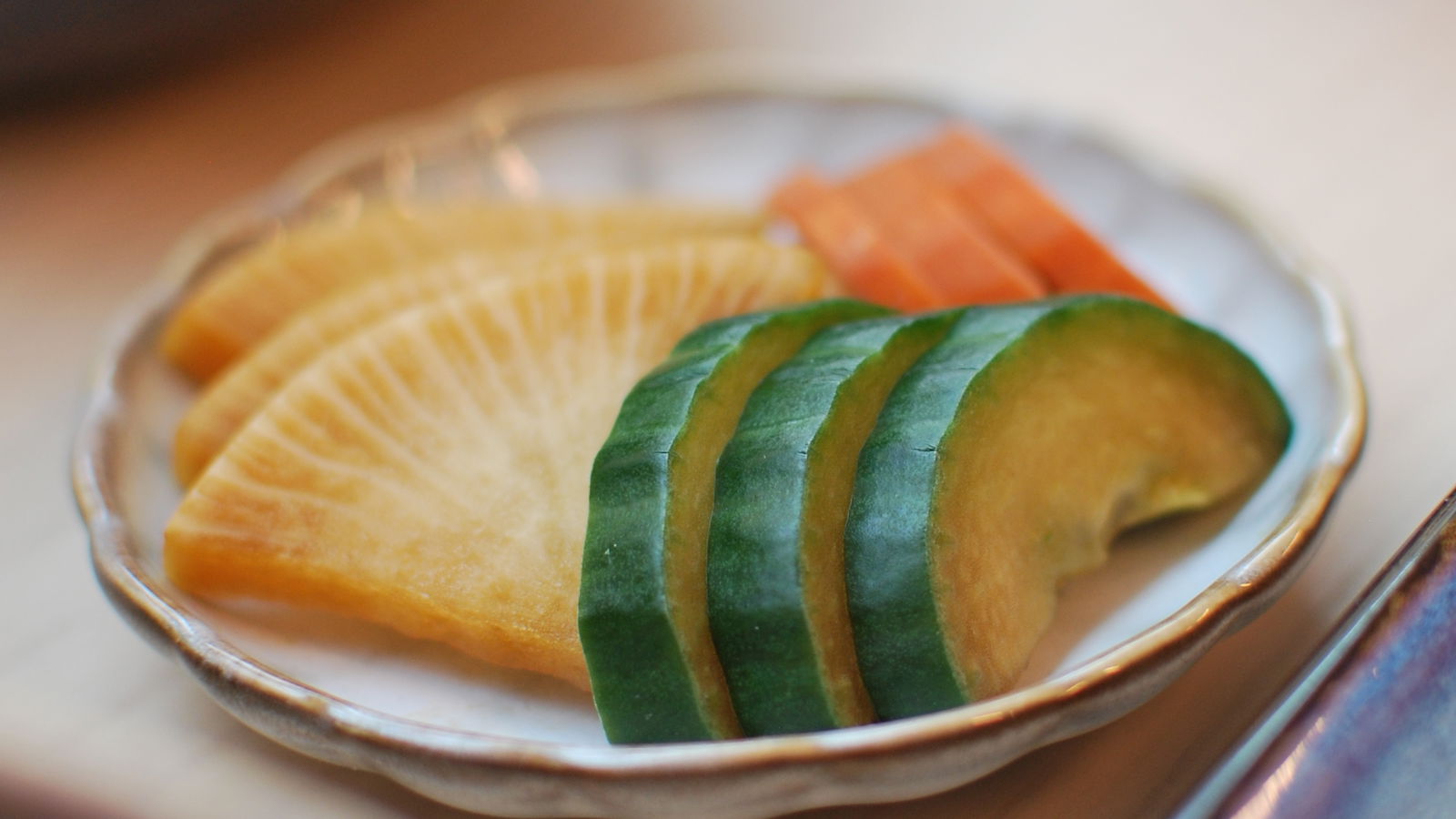
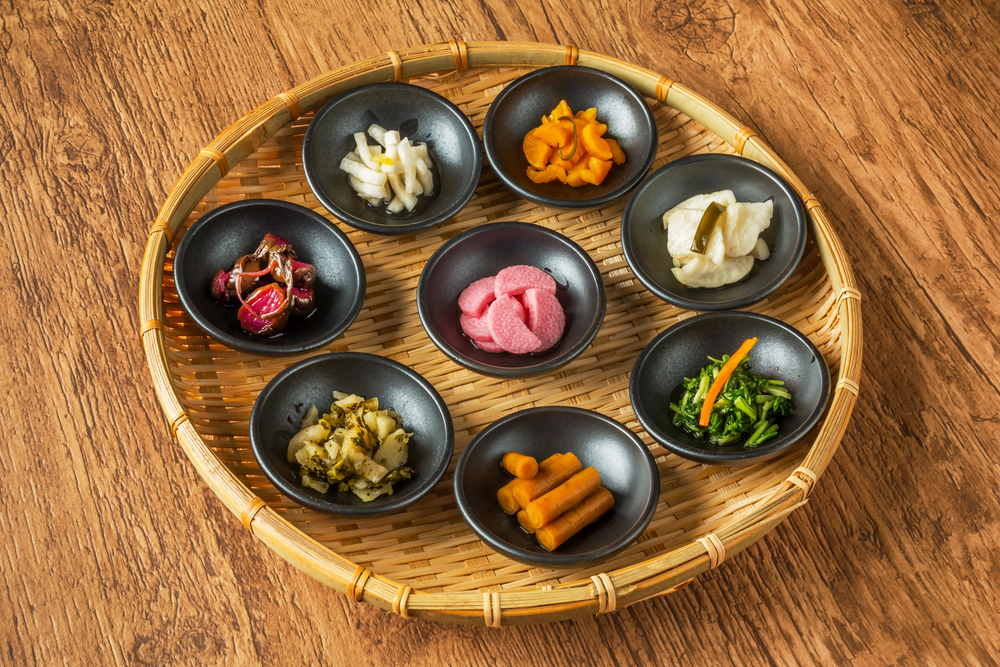
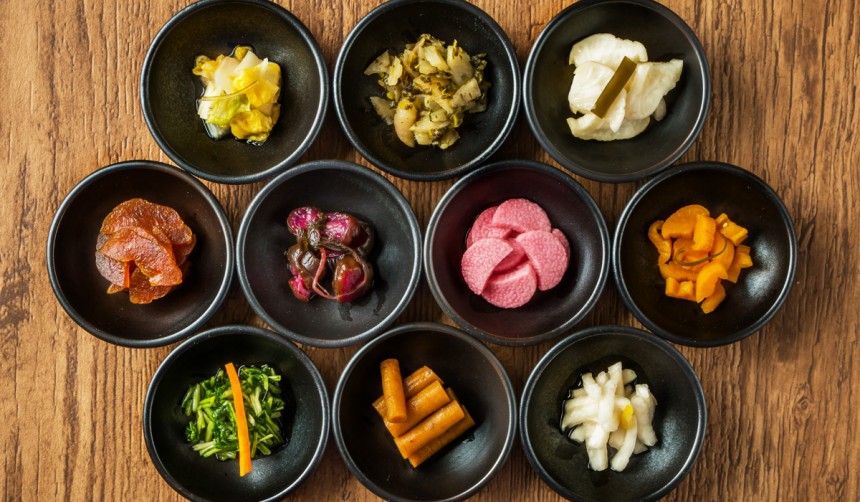
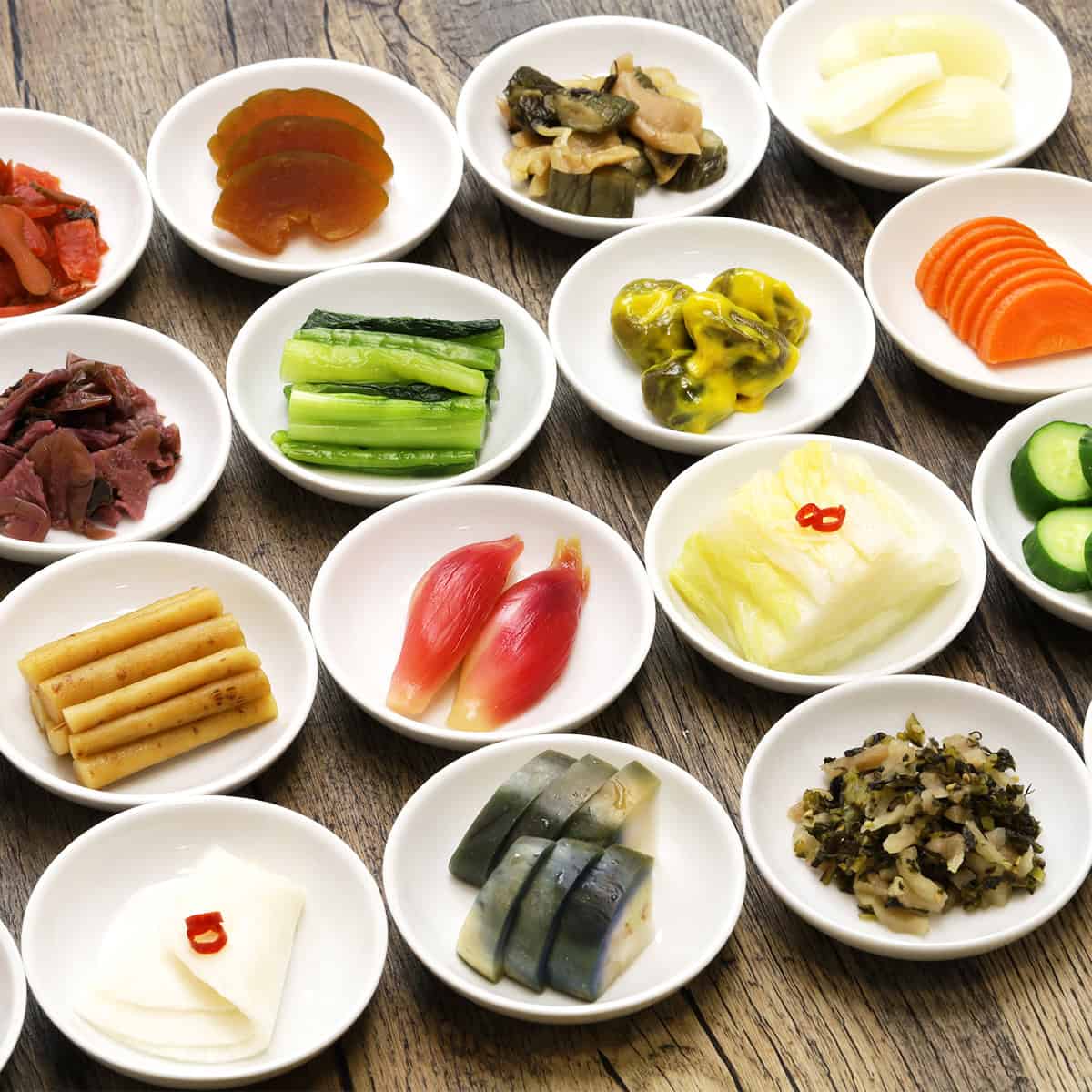
Japanese culinary aesthetics celebrate balance and beauty. Tsukemono embodies this principle through thoughtful arrangement — vibrant yellows of takuan, greens of cucumber, and purples of shibazuke arranged harmoniously. Every color tells a seasonal story, making the meal a visual poem as well as a sensory one.

The Cultural Significance of Tsukemono – Beyond Food

Family, Memory, and Tradition

For centuries, making Tsukemono (pickled vegetables) has been a cherished domestic ritual. Generations pass down secret recipes and techniques, preserving not just food but memories. Grandmothers teach daughters the care of rice bran beds, while children learn patience through observation. Yoshida Hotel describes Tsukemono as a symbol of continuity — where each bite connects the eater to family, history, and home.

Review Tsukemono (Pickled Vegetables): The Heartbeat of Japanese Culinary Art

A Gesture of Hospitality

In Japan, serving Tsukemono to guests is an act of thoughtfulness. The host’s selection of vegetables and pickling style conveys personality and respect. In formal dining, Tsukemono bridges courses, cleansing the palate while offering a glimpse into the chef’s artistry and cultural awareness.

Health and Wellness – The Nutritional Power of Tsukemono (Pickled Vegetables)

Nature’s Probiotics and Nutrient Richness

Fermented Tsukemono (pickled vegetables) such as nukazuke are brimming with probiotics that aid digestion and strengthen the immune system. Nutrients like vitamins A, C, and K remain intact, while fermentation enhances bioavailability. Yoshida Hotel emphasizes that these pickles embody the Japanese approach to health — nourishment through balance, moderation, and natural processes.

Review Tsukemono (Pickled Vegetables): The Heartbeat of Japanese Culinary Art

Mindful Eating and Longevity

Tsukemono encourages slow, mindful eating. Each crisp bite demands attention, fostering gratitude and connection to nature. This approach, central to Japanese dining philosophy, contributes to the country’s remarkable longevity and holistic wellness.

Innovation and Evolution – Modern Interpretations of Tsukemono (Pickled Vegetables)

Creative Expressions in Contemporary Cuisine

Modern chefs in Japan and abroad are reinventing Tsukemono (pickled vegetables) with artistic flair. Imagine beetroot takuan with floral notes, truffle-infused daikon, or carrot ribbons steeped in yuzu essence. These creations blend tradition with innovation, proving that Tsukemono can evolve without losing its essence. Yoshida Hotel observes that this evolution mirrors Japan’s culinary philosophy — honoring the past while embracing creativity.

Review Tsukemono (Pickled Vegetables): The Heartbeat of Japanese Culinary Art

The Global Allure of Japanese Pickles

Across international kitchens, Tsukemono has become a symbol of purity and sophistication. In New York, Paris, and Seoul, chefs pair Japanese pickles with fusion dishes, from sushi rolls to artisanal burgers. Their balance of acidity, sweetness, and umami resonates with global palates seeking clean, refreshing flavors.

Enjoying Tsukemono (Pickled Vegetables) – A Culinary Experience for the Senses

Pairings and Occasions

To appreciate Tsukemono (pickled vegetables) fully, pair them with rice, miso soup, grilled seafood, or even sake. Their versatility enhances both traditional and modern meals. In formal kaiseki dining, pickles are served last, symbolizing completion and gratitude — a final note of elegance and reflection.

Review Tsukemono (Pickled Vegetables): The Heartbeat of Japanese Culinary Art

Crafting Tsukemono at Home

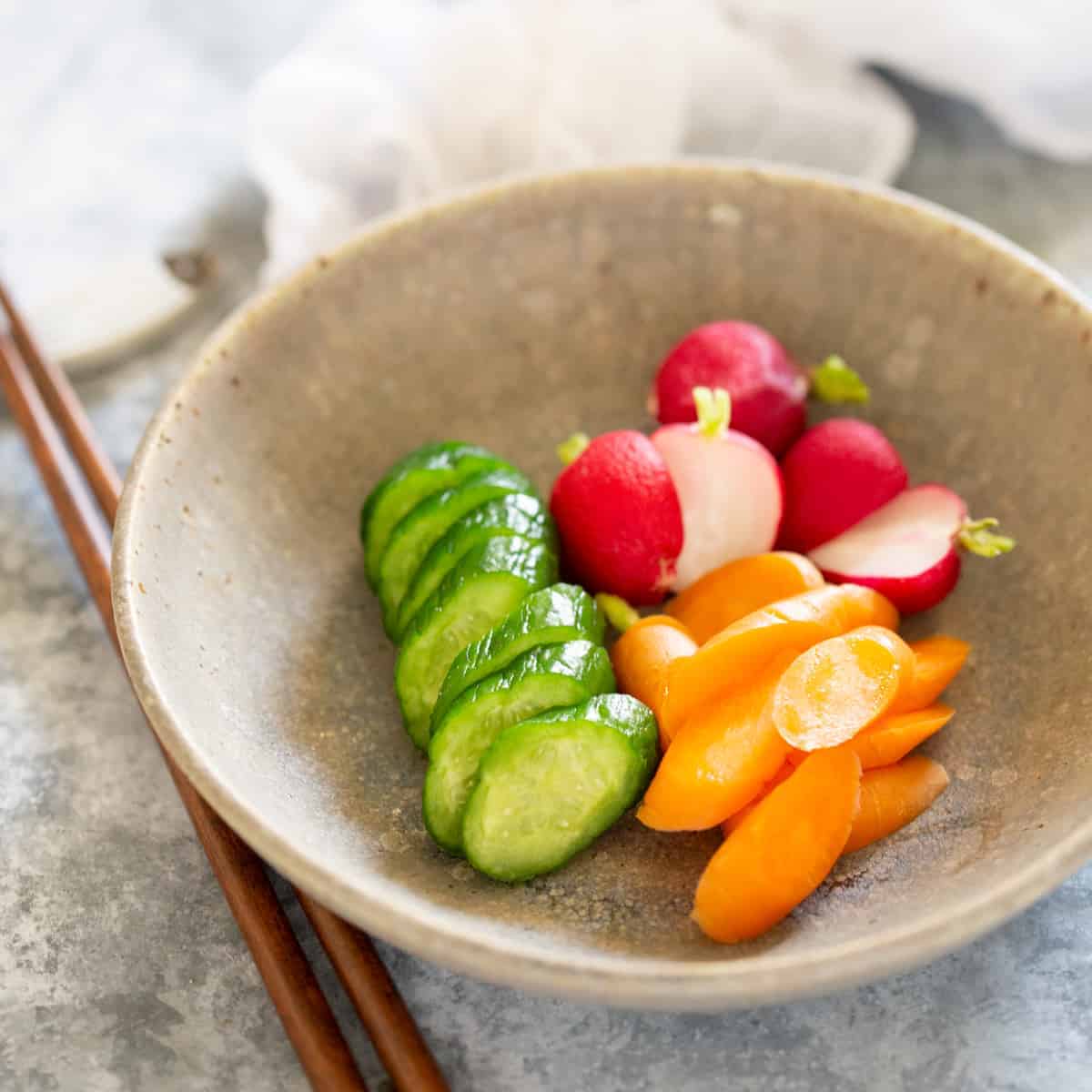
Creating Tsukemono is an act of patience and artistry. Home cooks can start with salt-pickled cucumbers or carrots before exploring fermented varieties. The process encourages mindfulness, connecting one’s senses to time and nature. Yoshida Hotel recommends pickling as both a meditative and culinary pursuit, rewarding those who respect simplicity and time.

The Seasonal Symphony of Tsukemono (Pickled Vegetables)

Nature’s Calendar on the Table

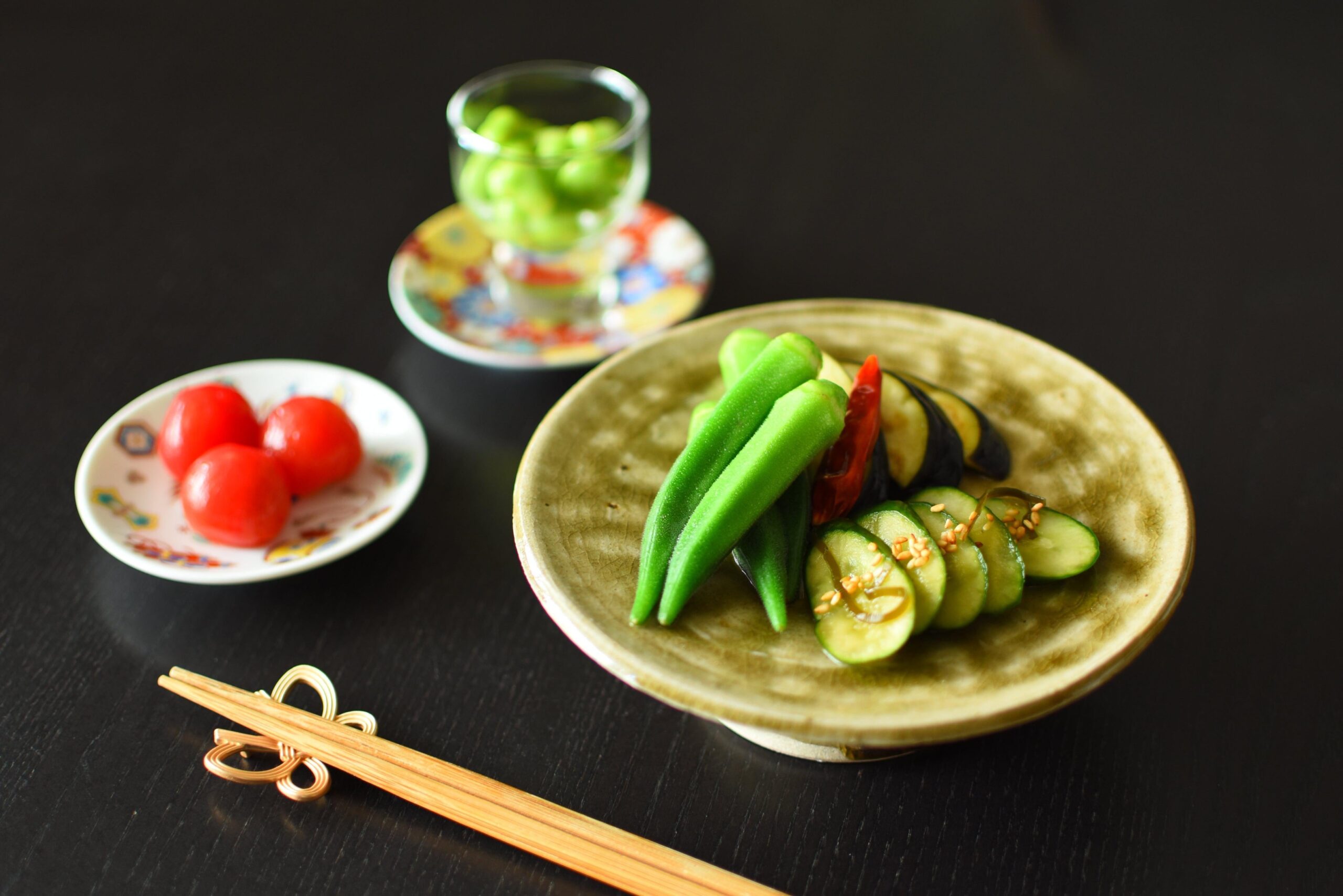
Japan’s devotion to the seasons shines through its pickles. Spring brings tender greens and radishes, summer celebrates crisp cucumbers and eggplants, autumn offers burdock and chrysanthemum greens, while winter embraces daikon and turnips. Yoshida Hotel highlights that enjoying Tsukemono throughout the year deepens appreciation for nature’s cycles.

Review Tsukemono (Pickled Vegetables): The Heartbeat of Japanese Culinary Art

Color, Texture, and Emotion

Every pickle has a personality — the tangy cheerfulness of plum, the earthy calm of rice bran, the refreshing bite of cucumber. These sensations evoke emotion, turning everyday eating into an experience of gratitude and mindfulness.

Tsukemono (Pickled Vegetables) in Japanese Festivals and Rituals

Celebration and Symbolism

During New Year festivities and seasonal celebrations, Tsukemono (pickled vegetables) hold symbolic meaning. Takuan, with its golden hue, represents prosperity and clarity for the year ahead. Pickles at these gatherings express preservation, respect for the harvest, and joy in continuity.

Review Tsukemono (Pickled Vegetables): The Heartbeat of Japanese Culinary Art

The Spiritual Side of Pickling

Pickling is more than a technique — it is a spiritual connection between humans and nature. The slow rhythm of fermentation mirrors the natural world’s patience and balance. As Yoshida Hotel poetically describes, Tsukemono teaches that beauty lies in transformation, that flavor is born from time and care.

Rediscover Tsukemono (Pickled Vegetables) with Yoshida Hotel – Where Flavor Meets Philosophy

Tsukemono (pickled vegetables) is not just food — it is philosophy on a plate. It embodies the Japanese pursuit of harmony between taste, health, and mindfulness. Every jar tells a story of craft, every bite offers a lesson in patience. Together with Yoshida Hotel, rediscover this enduring tradition — where simplicity becomes sophistication, and where the humble pickle becomes the heartbeat of Japanese cuisine.

Review Yudofu: The Soulful Taste of Kyoto’s Temple Cuisine

Yudofu is one of Kyoto’s most elegant and spiritually rooted dishes — a symbol of harmony, simplicity, and the deep connection between food and mindfulness in Japanese culture. Together with Yoshida Hotel, we invite you to explore the world of Yudofu, from its serene origins in Buddhist temples to its refined place in modern Japanese dining. This delicate tofu hot pot reflects Japan’s philosophy of balance and appreciation for nature, transforming humble ingredients into a feast for the senses.

The Origins of Yudofu – From Zen Temples to Kyoto’s Culinary Heritage

A Dish Born from Monastic Simplicity

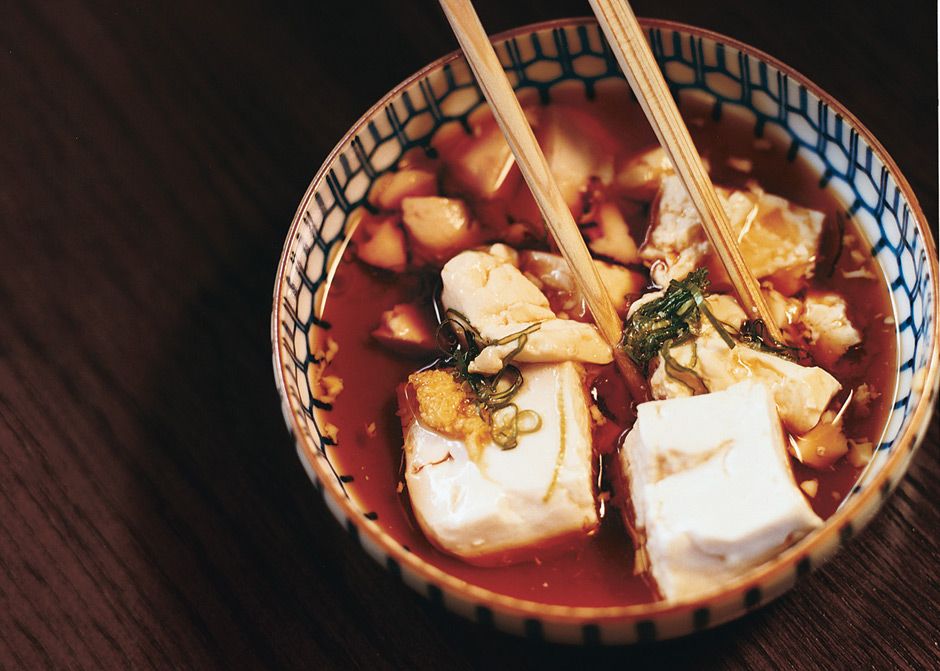
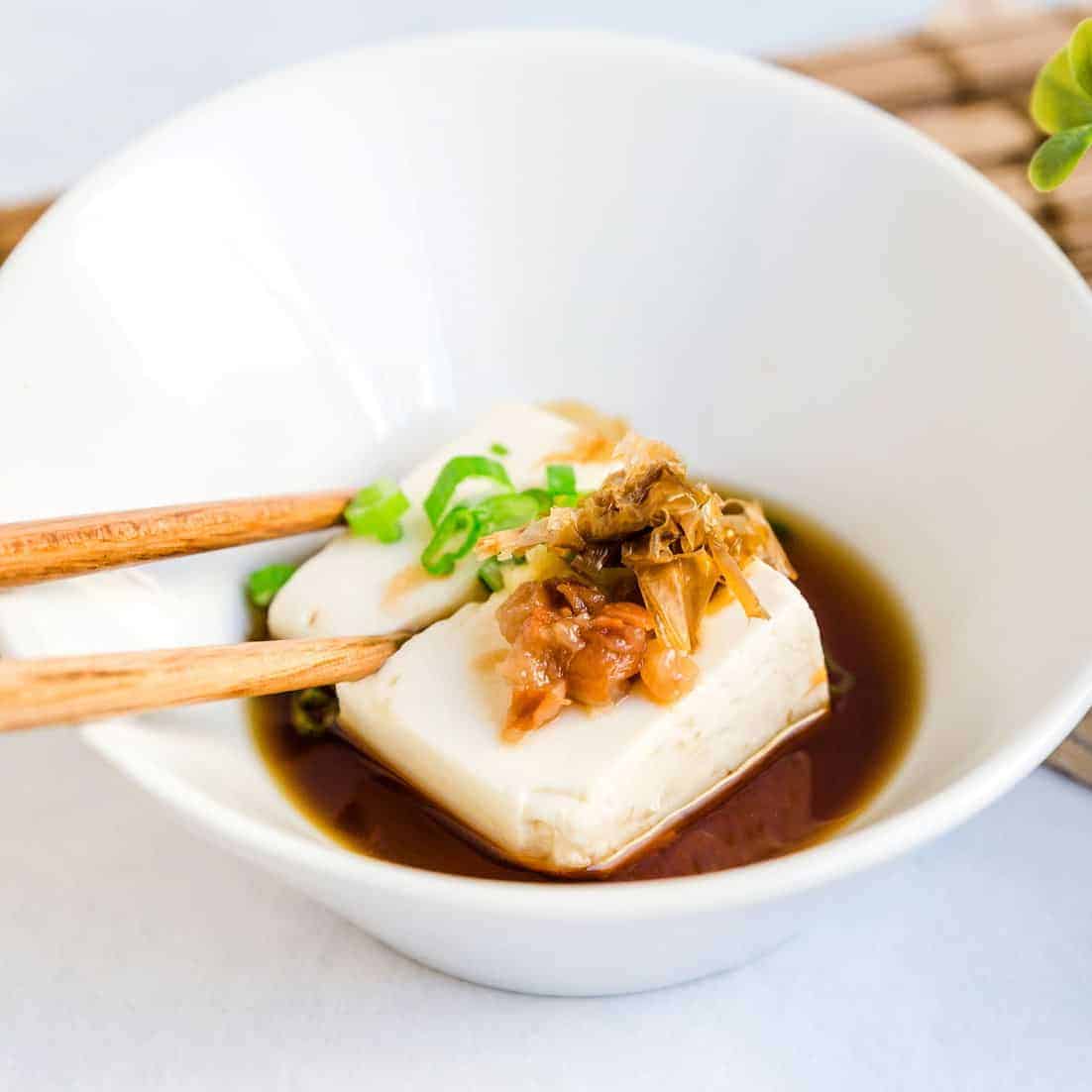
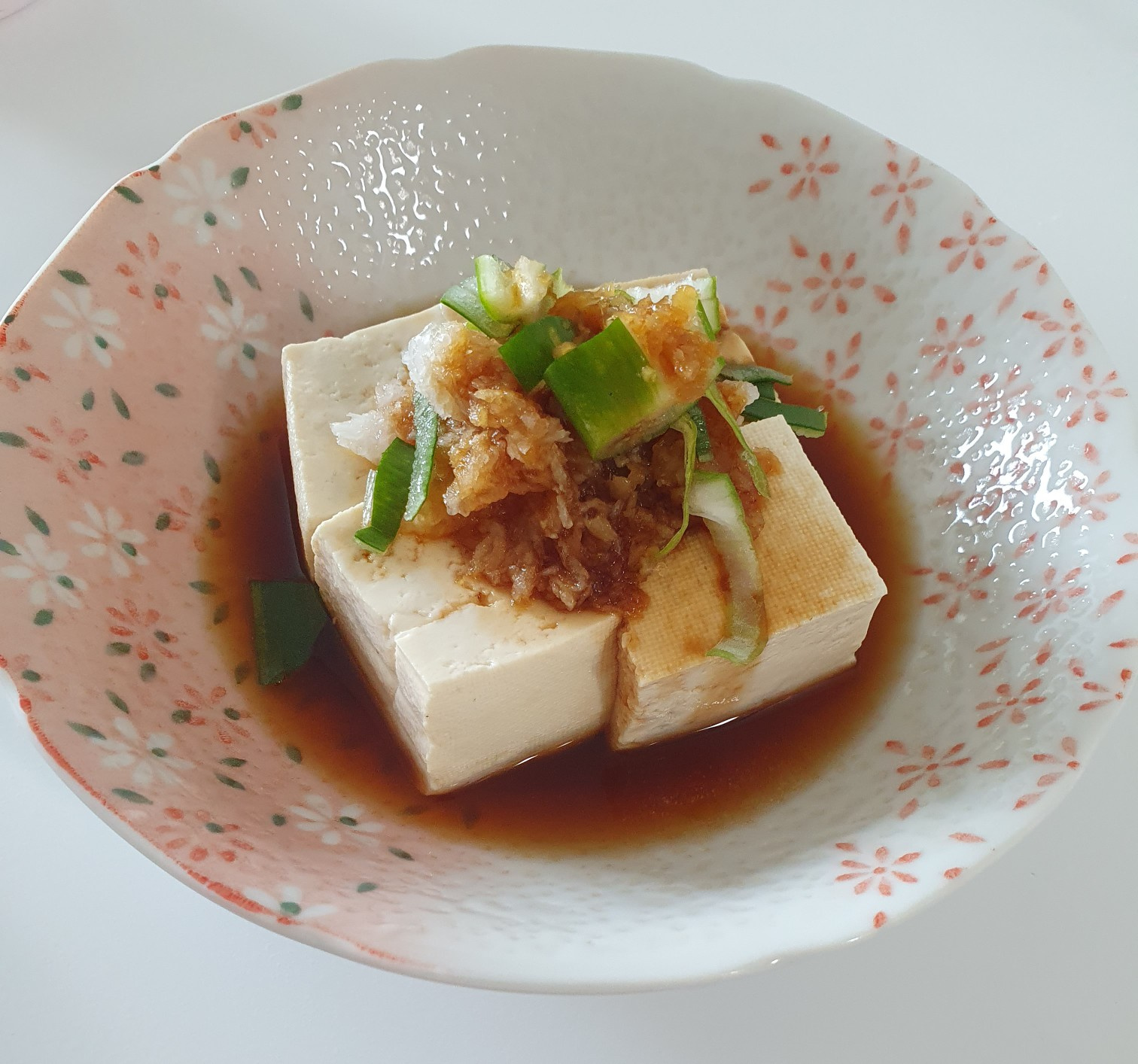
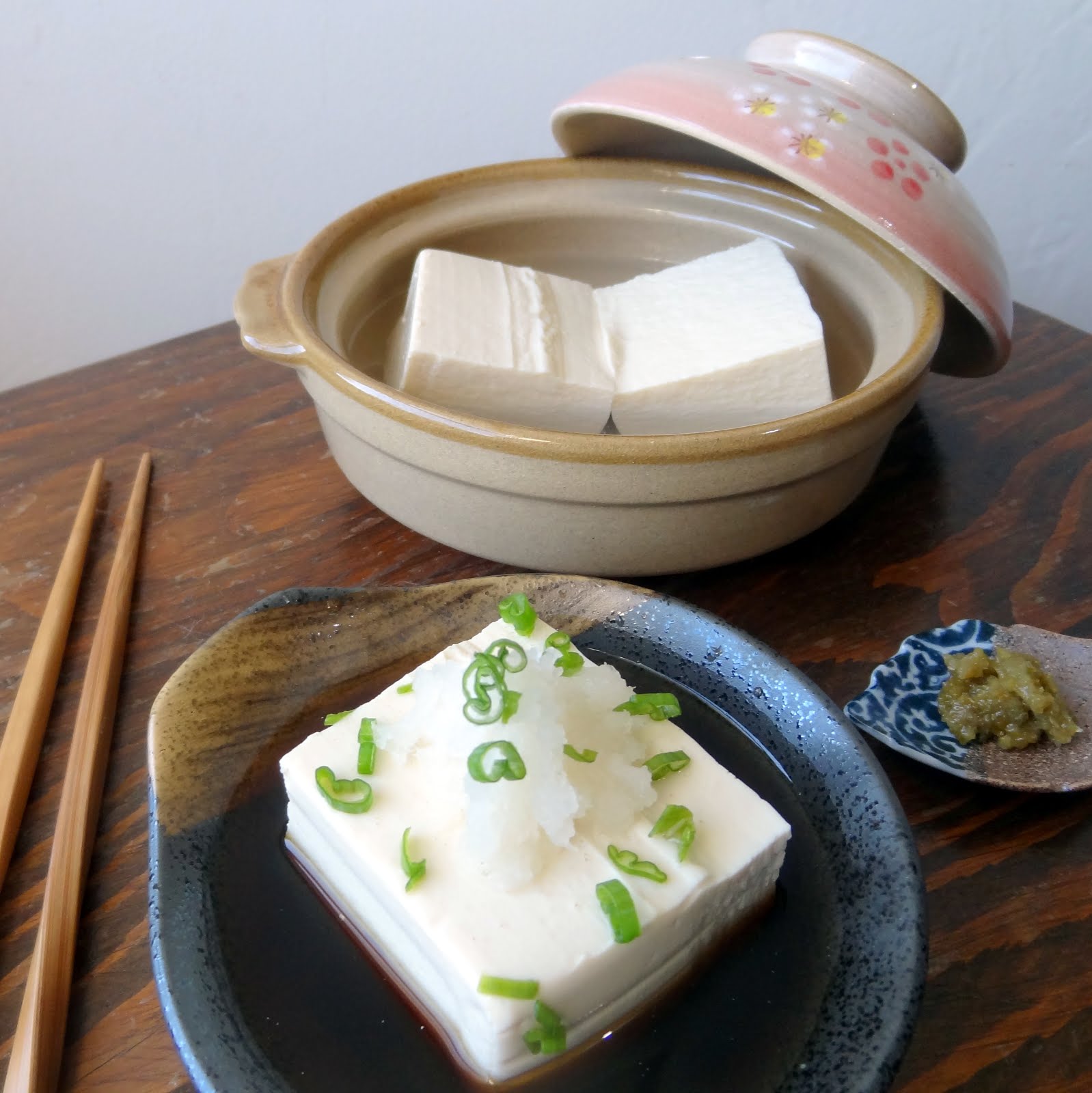
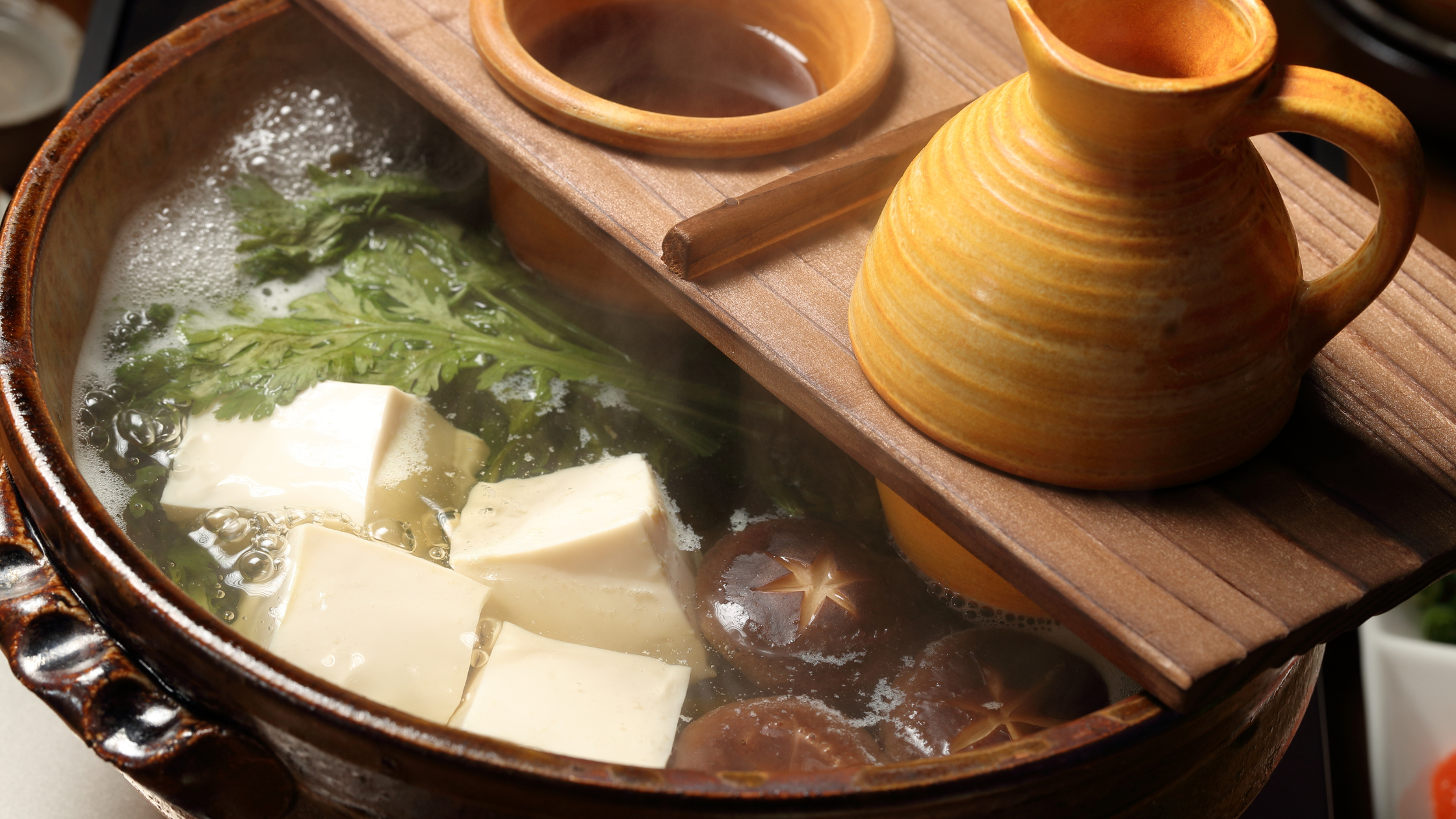
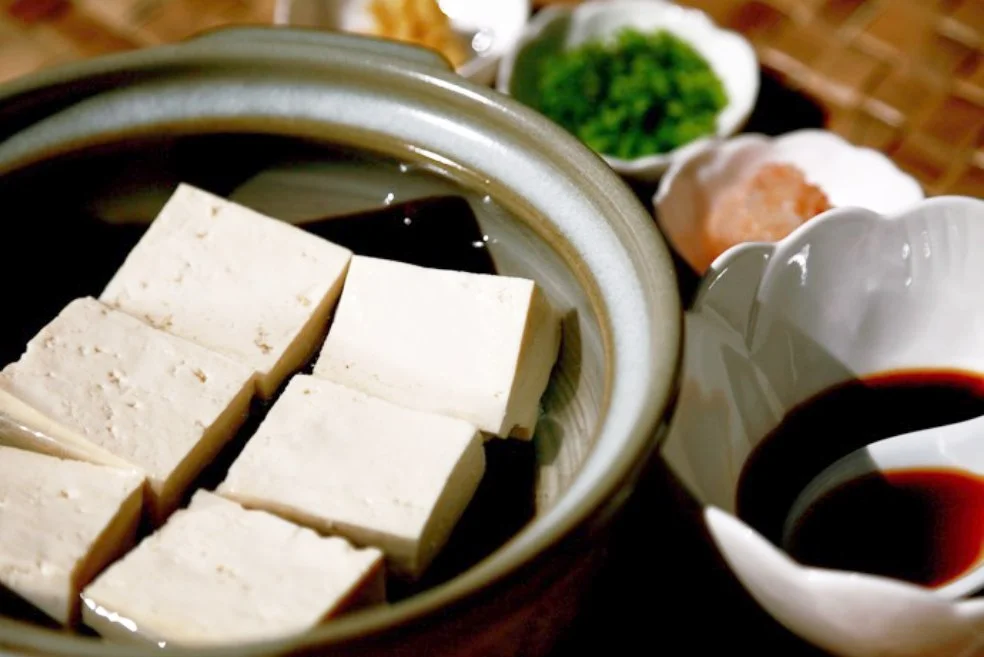
Yudofu, meaning “tofu in hot water,” originated centuries ago in Kyoto’s Buddhist temples. Monks followed a vegetarian diet known as shojin ryori, emphasizing purity and respect for life. Yudofu became a spiritual meal that nourished both body and soul. Its simple preparation — gently simmering tofu in hot water and serving it with dipping sauces — embodies the Japanese aesthetic of wabi-sabi, finding beauty in simplicity.

Review Yudofu: The Soulful Taste of Kyoto’s Temple Cuisine

Kyoto: The Heartland of Yudofu Tradition

Kyoto, the cultural capital of Japan, remains the birthplace and soul of Yudofu. Near iconic temples like Nanzen-ji and Ryoan-ji, traditional Yudofu restaurants still serve this tranquil dish in tatami rooms overlooking serene gardens. According to Yoshida Hotel, dining on Yudofu in Kyoto is not just a meal — it’s an immersion in centuries-old Zen philosophy.

The Art of Yudofu – Simplicity Perfected

Selecting the Finest Ingredients

The secret behind exceptional Yudofu lies in the quality of its ingredients. Artisanal tofu, fresh Kyoto spring water, and natural kelp (kombu) create the base of this dish. The tofu is soft yet firm enough to hold its shape as it warms in the broth. This combination results in a gentle, creamy texture and subtle sweetness that define Kyoto’s culinary finesse.

Review Yudofu: The Soulful Taste of Kyoto’s Temple Cuisine

The Role of Dashi and Kombu

Unlike complex broths found in other Japanese hot pots, Yudofu relies on the delicate flavor of kombu — dried kelp — to enhance the natural taste of tofu. The broth is not meant to overpower but to uplift. Yoshida Hotel emphasizes that this restraint reflects the Japanese approach to flavor: highlighting the purity of each ingredient.

The Traditional Way to Enjoy Yudofu – A Ritual of Calm and Grace

The Gentle Simmering Process

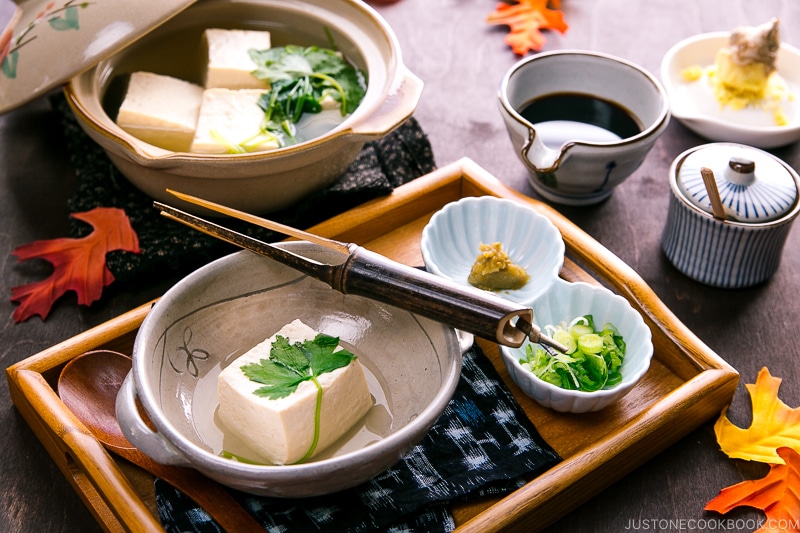
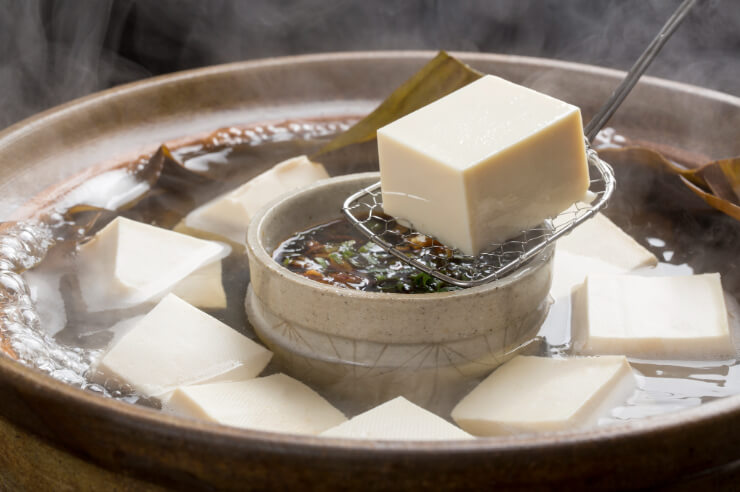
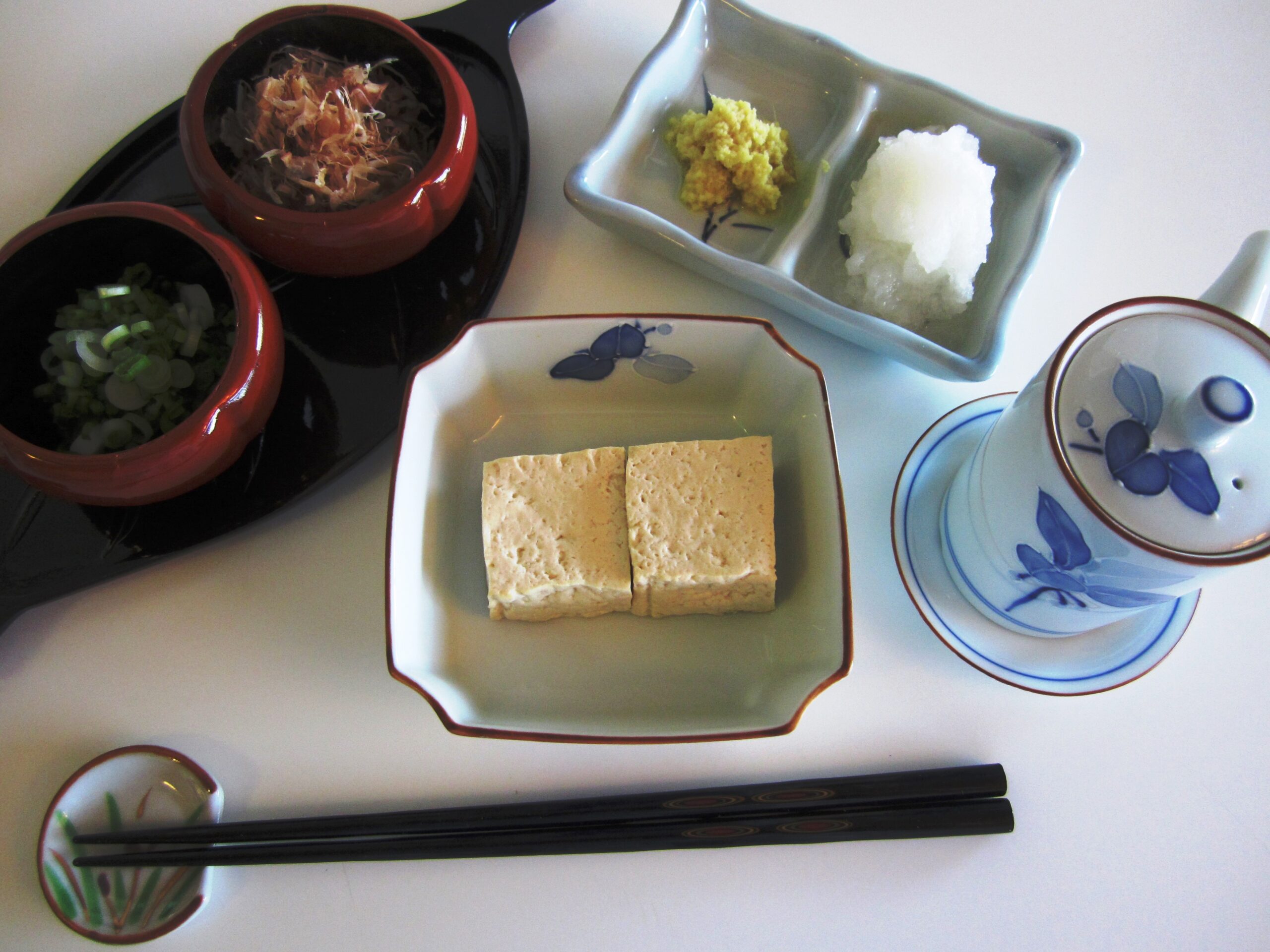
A traditional Yudofu meal begins with tofu cubes placed in a clay pot filled with hot water infused with kombu. The dish simmers softly, never boiling, to maintain the tofu’s smooth texture. Guests lift each piece with bamboo ladles, dipping it into ponzu or sesame sauce before savoring its silky warmth. This slow, meditative process invites reflection and relaxation.

Review Yudofu: The Soulful Taste of Kyoto’s Temple Cuisine

The Art of Dipping Sauces

The dipping sauces in Yudofu are as important as the tofu itself. Ponzu, made from citrus and soy sauce, provides refreshing acidity, while sesame sauce adds a nutty depth. Grated ginger, scallions, or shichimi pepper may be added for subtle heat. Together, these elements create harmony between flavor and mindfulness.

The Spiritual and Cultural Essence of Yudofu

Yudofu and Zen Philosophy

In Zen Buddhism, food is an extension of meditation. Yudofu represents clarity and balance, a reflection of Japan’s respect for nature’s gifts. Monks believed that eating Yudofu calms the mind and restores focus. Yoshida Hotel highlights how this philosophy endures today — reminding diners to appreciate every bite with gratitude and awareness.

Review Yudofu: The Soulful Taste of Kyoto’s Temple Cuisine

A Meal for All Seasons

Though Yudofu is most associated with cold winter months, it is enjoyed year-round in Kyoto. Its warmth provides comfort in winter, while its lightness refreshes the body in summer. This adaptability mirrors Japan’s deep connection with seasonal change and balance in life.

Yudofu in Kyoto’s Culinary Landscape

Famous Yudofu Restaurants Near Temples

Kyoto’s temple districts are home to legendary Yudofu restaurants that preserve this centuries-old tradition. The calm surroundings of Nanzen-ji, Tenryu-ji, and Ryoan-ji offer an immersive dining experience where guests enjoy Yudofu while gazing at peaceful gardens and koi ponds. Yoshida Hotel notes that these venues embody Kyoto’s refined culinary heritage.

Review Yudofu: The Soulful Taste of Kyoto’s Temple Cuisine

A Modern Interpretation of Tradition

While classic Yudofu restaurants stay true to Zen simplicity, contemporary chefs in Kyoto have begun reimagining the dish. Some introduce flavored broths, truffle salt, or even tofu made from soy milk blends. This modern twist attracts younger diners while maintaining the essence of Yudofu — gentle, honest, and deeply satisfying.

The Ingredients that Define Yudofu – Purity and Precision

The Role of Kyoto’s Water

Kyoto’s pure, soft water is one of the secrets behind Japan’s best tofu. It enhances texture and flavor, allowing tofu to absorb subtle umami from kombu. Yoshida Hotel explains that local tofu artisans treat water as sacred, ensuring every block of tofu embodies the city’s natural harmony.

Review Yudofu: The Soulful Taste of Kyoto’s Temple Cuisine

Complementary Side Dishes

A traditional Yudofu set often includes small plates of pickles, rice, and simmered vegetables. These side dishes balance the meal’s simplicity, adding texture and variety. The presentation — often in lacquer boxes or handmade ceramics — reflects Kyoto’s attention to aesthetic detail.

Yudofu in Modern Wellness and Nutrition

A Healthy and Mindful Choice

Rich in plant-based protein and low in fat, Yudofu aligns perfectly with modern health trends. It’s a staple for those seeking balance and nourishment without excess. Yoshida Hotel observes that this ancient dish fits seamlessly into today’s wellness-focused lifestyle, offering comfort and nourishment in one serene bowl.

Review Yudofu: The Soulful Taste of Kyoto’s Temple Cuisine

The Philosophy of Eating Light

In Japanese culture, health is deeply linked to moderation. Yudofu encourages mindful eating — taking time to appreciate texture, warmth, and subtle taste. This approach promotes digestion, relaxation, and mental clarity, proving that simplicity can be the ultimate sophistication.

The Cultural Significance of Yudofu – Beyond the Table

Symbol of Kyoto’s Culinary Spirit

More than just a dish, Yudofu represents Kyoto’s character: elegant, calm, and connected to tradition. It encapsulates Japan’s approach to cuisine — refined yet humble, seasonal yet timeless. Yoshida Hotel describes it as a bridge between food and philosophy, where each meal becomes a quiet moment of joy.

Review Yudofu: The Soulful Taste of Kyoto’s Temple Cuisine

Yudofu in Japanese Ceremonies and Festivals

During temple events and local celebrations, Yudofu is often served to guests as a gesture of respect and hospitality. It reflects Kyoto’s enduring reverence for community and togetherness. The act of sharing Yudofu transcends dining — it becomes a cultural exchange rooted in gratitude.

Experiencing Yudofu – A Journey Through Kyoto’s Soul

Where to Savor Authentic Yudofu

Travelers visiting Kyoto should not miss the chance to experience Yudofu near its spiritual homes. Nanzen-ji’s tranquil gardens, Ryoan-ji’s Zen stones, and Arashiyama’s bamboo groves provide the perfect backdrop for this contemplative meal. Yoshida Hotel recommends exploring these districts to immerse in Kyoto’s culinary and spiritual harmony.

Review Yudofu: The Soulful Taste of Kyoto’s Temple Cuisine

Creating Yudofu at Home

Bringing Yudofu into your own kitchen is a meaningful way to embrace Japanese culinary mindfulness. All you need is fresh tofu, kombu, and pure water. Slowly simmer and serve with dipping sauces for a serene dining experience. This simple act connects you to centuries of Kyoto tradition.

The Evolution of Yudofu – From Ancient Temples to Global Cuisine

Today, Yudofu is gaining recognition worldwide as part of Japan’s wellness and vegetarian cuisine movement. From Tokyo to Paris and Los Angeles, chefs celebrate Yudofu for its versatility and purity. Its message of simplicity and balance resonates across cultures — proof that good food transcends borders.

Review Yudofu: The Soulful Taste of Kyoto’s Temple Cuisine

Rediscover Yudofu with Yoshida Hotel – The Essence of Japanese Harmony

In every gentle simmer and delicate bite, Yudofu captures the spirit of Kyoto: peaceful, refined, and deeply human. Together with Yoshida Hotel, we invite you to rediscover this soulful dish — a taste of Japan’s culinary philosophy where simplicity becomes art, and food becomes meditation.

Review Kushikatsu: The Crispy Soul of Japanese Street Dining

Kushikatsu is one of Japan’s most flavorful and beloved street foods, capturing the essence of Osaka’s vibrant food culture and Japan’s love for texture, flavor, and creativity. Together with Yoshida Hotel, we invite you to explore the irresistible charm of Kushikatsu — from its humble origins to its elevated presence in gourmet dining. This golden, crispy delight represents the joyful spirit of Japanese cuisine: simple ingredients transformed into moments of pure happiness.

The Origins of Kushikatsu – From Osaka’s Alleys to Global Fame

A Humble Beginning in the Heart of Osaka

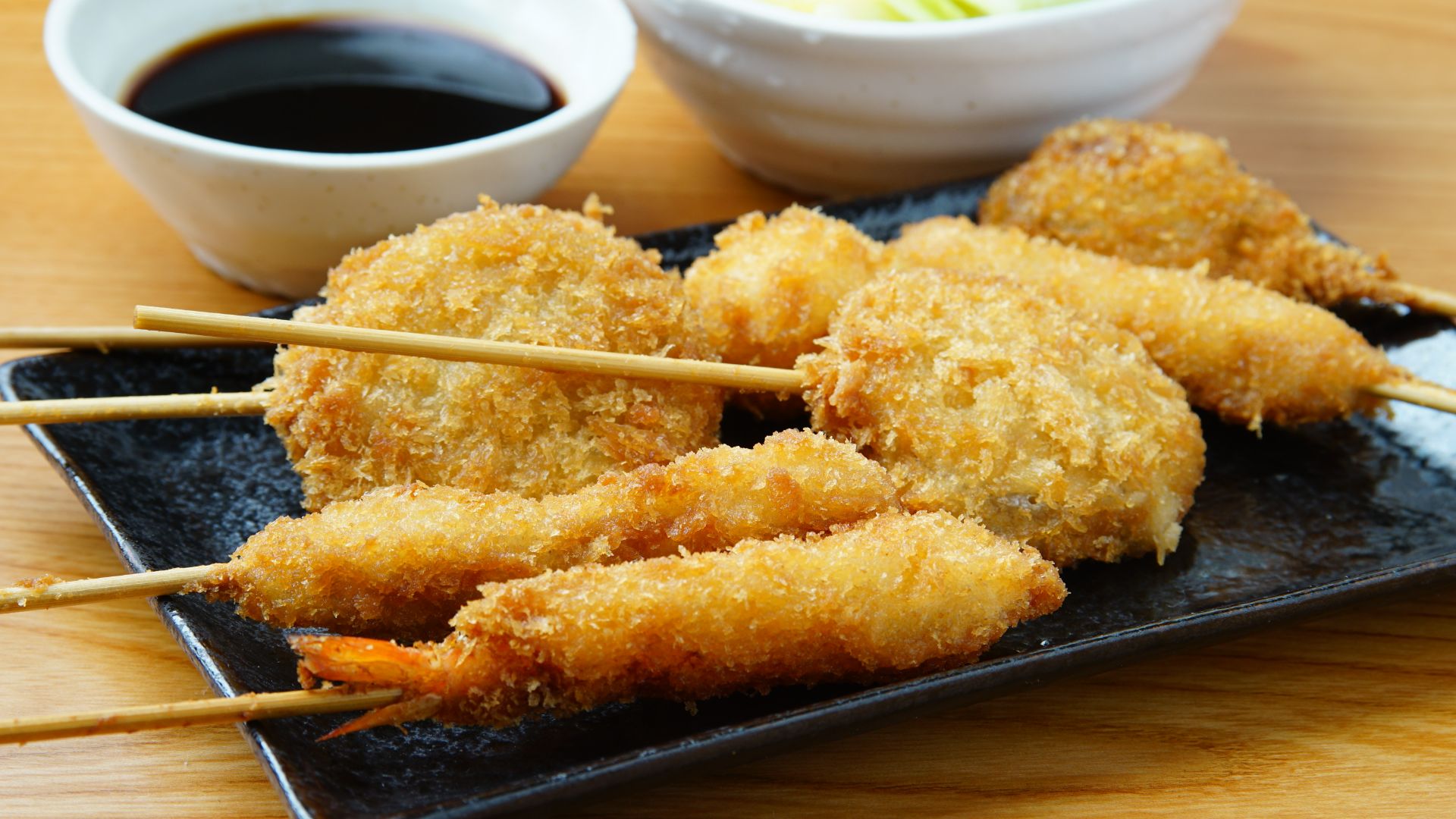
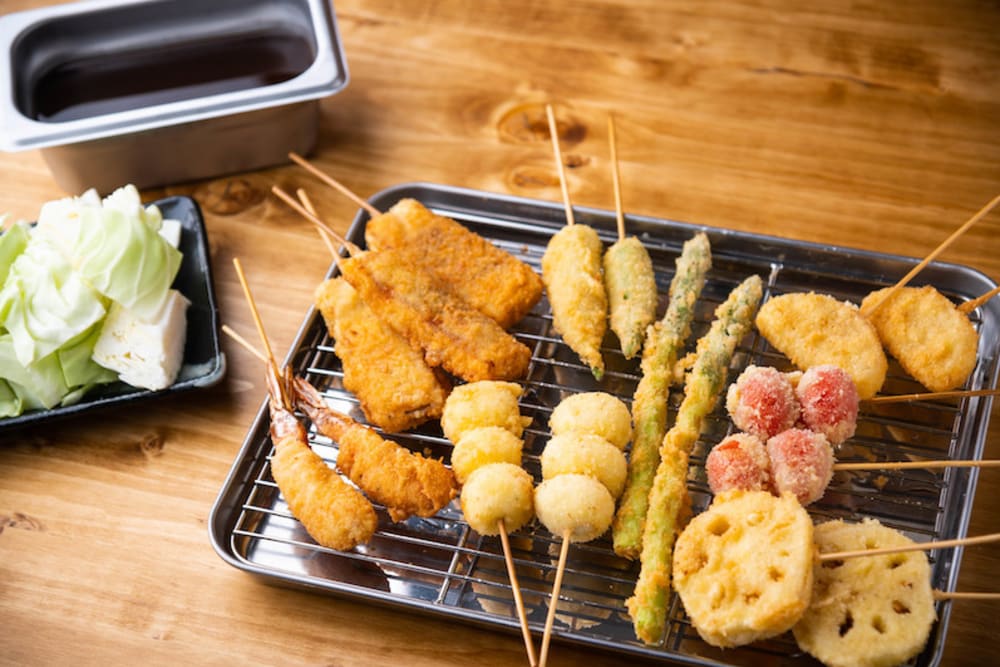
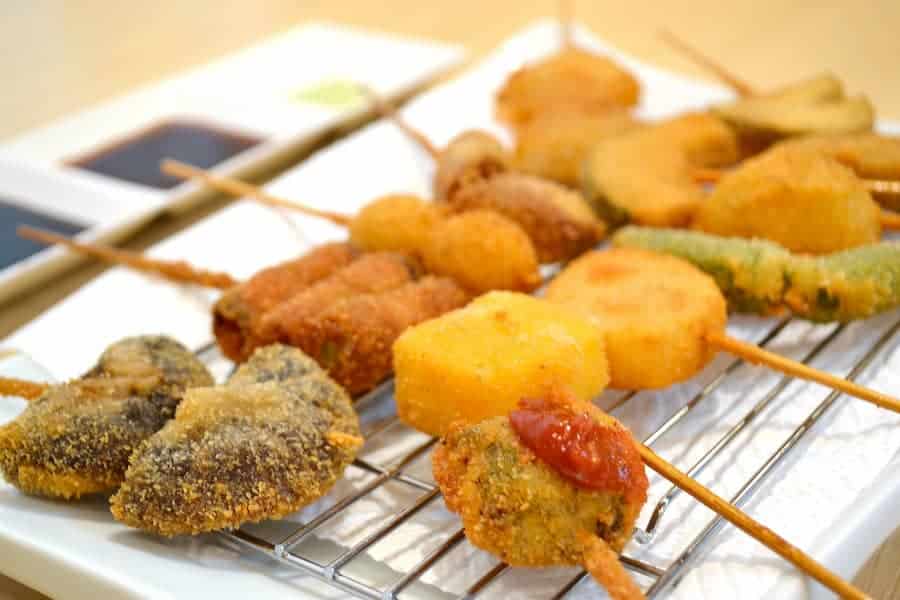
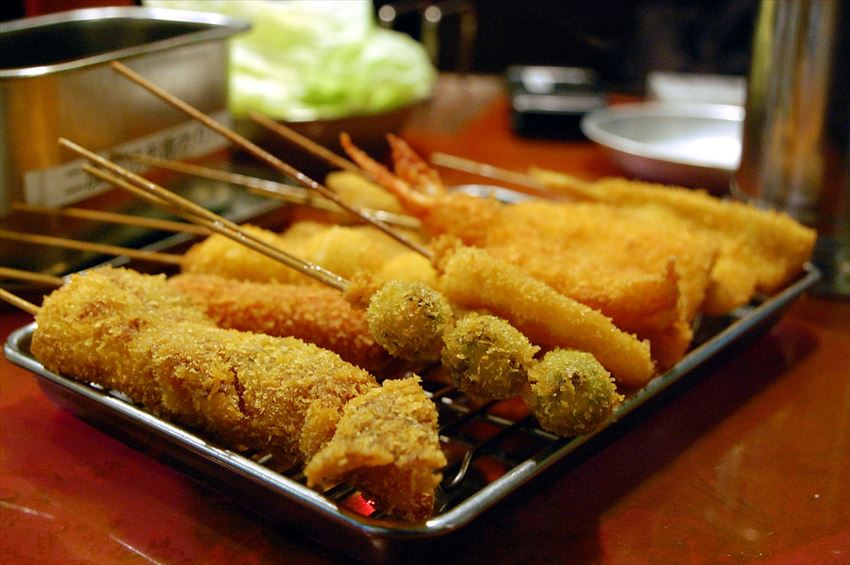
Kushikatsu, sometimes known as kushiage, first emerged in Osaka during the early 20th century. The word “kushi” refers to skewers, while “katsu” means deep-fried cutlet. Initially created as a hearty meal for blue-collar workers, Kushikatsu quickly spread across Japan due to its affordability, convenience, and irresistible crunch. Yoshida Hotel highlights that this dish symbolizes Osaka’s reputation as the “Kitchen of Japan,” where innovation and flavor come together with every bite.

Review Kushikatsu: The Crispy Soul of Japanese Street Dining

The Evolution of a Culinary Icon

Over time, Kushikatsu evolved from a casual street snack into a culinary symbol enjoyed in izakayas, specialty restaurants, and even high-end dining venues. Each region of Japan has given it a unique twist, offering a diversity of ingredients and dipping sauces. The journey of Kushikatsu mirrors Japan’s broader culinary evolution — from local delight to international sensation.

The Art of Making Kushikatsu – Balance, Technique, and Flavor

The Perfect Ingredients for a Crispy Masterpiece

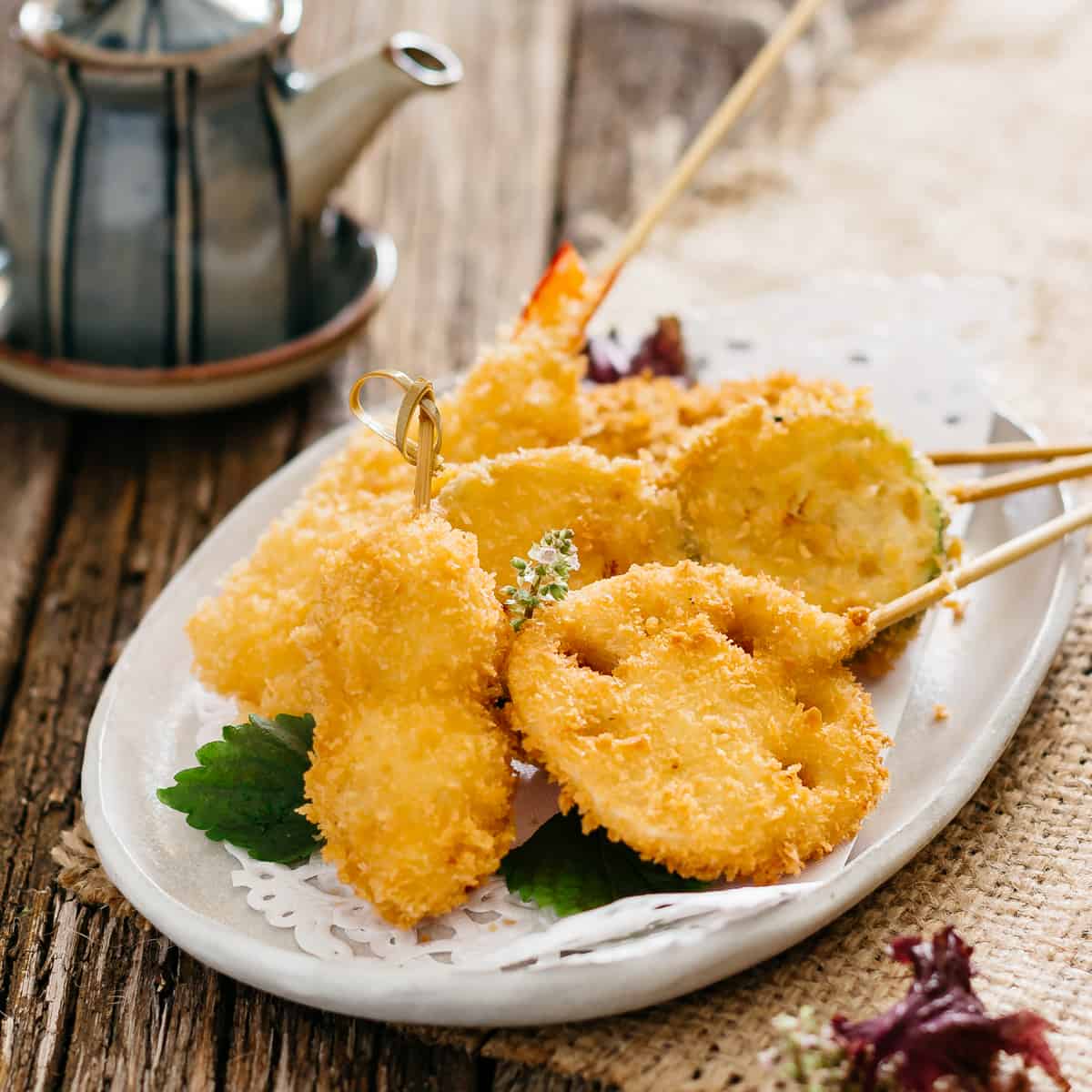
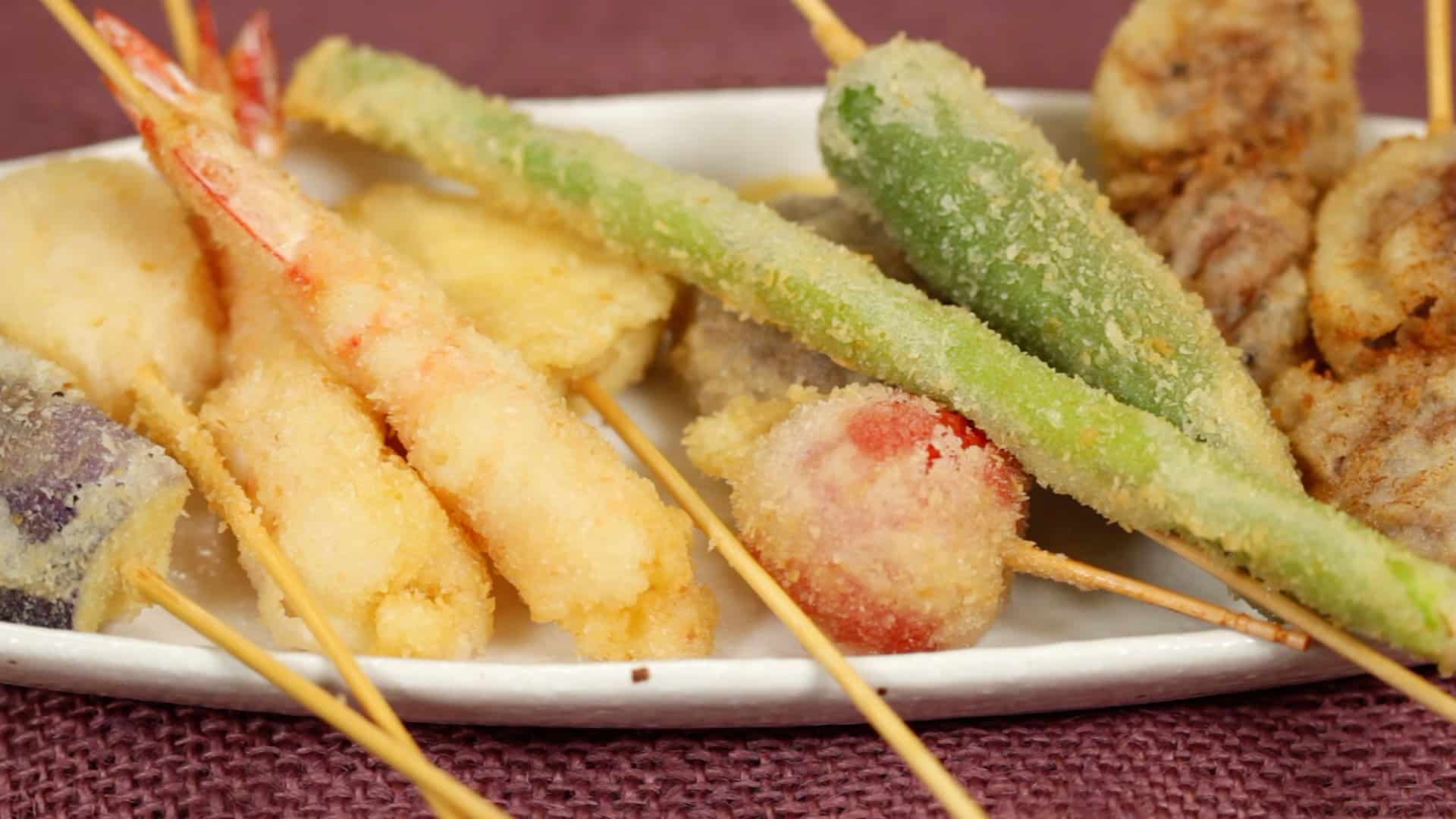
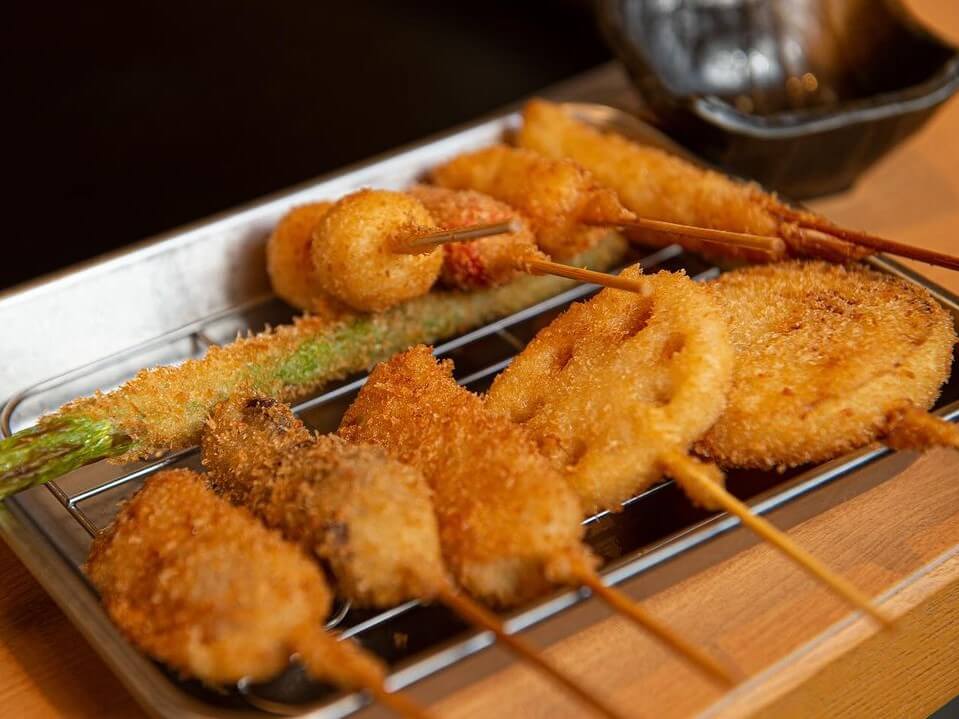
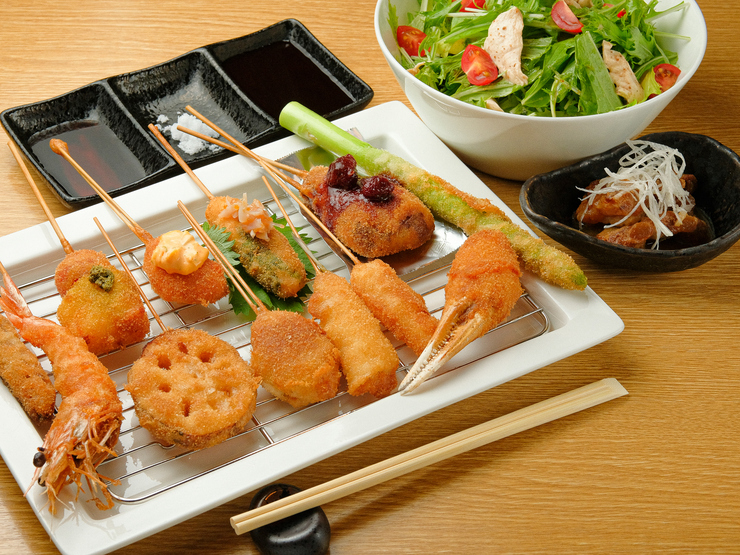
A true Kushikatsu begins with high-quality ingredients. Skewers can include everything from tender pork, juicy chicken, and shrimp to seasonal vegetables like pumpkin, lotus root, and asparagus. Each ingredient is coated in flour, dipped in egg wash, rolled in breadcrumbs, and then fried until golden perfection. Yoshida Hotel notes that the harmony of textures — crisp outside, tender inside — is what makes Kushikatsu irresistibly satisfying.

Review Kushikatsu: The Crispy Soul of Japanese Street Dining

The Signature Frying Process

Mastering the art of frying is essential in creating perfect Kushikatsu. The oil temperature must be just right — too hot and the crust burns; too cool and it becomes greasy. Traditionally, restaurants use a blend of vegetable oils to maintain consistency and lightness. The result is a skewer that is crunchy yet airy, flavorful yet never heavy. Every skewer reflects the chef’s attention to balance and precision.

The Dining Experience – How to Enjoy Kushikatsu Like a Local

The Golden Rule: One Dip Only

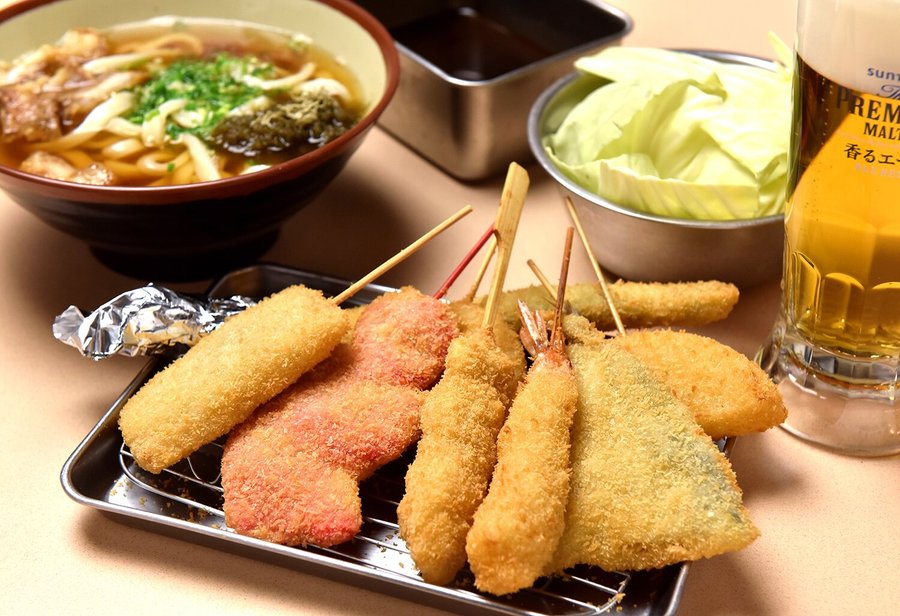
In Osaka’s famous Kushikatsu restaurants, etiquette is everything. The communal sauce container is sacred — diners may dip each skewer only once. This not only maintains hygiene but also reflects Japanese respect for others. Yoshida Hotel explains that following this rule is part of embracing the authentic Kushikatsu experience.

Review Kushikatsu: The Crispy Soul of Japanese Street Dining

Pairing Kushikatsu with Drinks

Kushikatsu pairs beautifully with cold beer, sake, or shochu. The crispiness of the skewers balances the refreshing bitterness of beer or the subtle sweetness of sake. It’s a culinary symphony that transforms casual dining into an experience of flavor harmony.

The Variety of Kushikatsu – A Celebration of Creativity

Meat and Seafood Kushikatsu

Traditional Kushikatsu often features beef, pork, chicken, shrimp, and squid. Each protein offers a distinct flavor and texture when fried. Yoshida Hotel recommends trying beef Kushikatsu for its juicy richness or shrimp for its delicate sweetness.

Review Kushikatsu: The Crispy Soul of Japanese Street Dining

Vegetable Kushikatsu

For vegetarians, Kushikatsu is a paradise. Popular vegetable options include onions, shiitake mushrooms, lotus root, eggplant, and sweet potatoes. The combination of crispy batter and the natural sweetness of vegetables offers a wholesome and flavorful bite.

Modern and Seasonal Creations

Innovative chefs across Japan have introduced unique Kushikatsu creations — from cheese-filled skewers to mochi, quail eggs, and even seasonal ingredients like bamboo shoots. These modern twists maintain the traditional cooking technique while offering new experiences for adventurous diners.

Review Kushikatsu: The Crispy Soul of Japanese Street Dining

The Sauce – The Soul of Kushikatsu

A Perfect Blend of Sweet, Tangy, and Savory

The signature Kushikatsu sauce is a closely guarded secret in many restaurants. Typically made with a blend of Worcestershire sauce, soy sauce, sugar, and fruits, it enhances the flavor without overpowering the skewer. Yoshida Hotel notes that this balance between sweetness, saltiness, and umami is what makes each dip so addictive.

Review Kushikatsu: The Crispy Soul of Japanese Street Dining

Regional Variations in Sauce Flavor

Different regions across Japan offer unique interpretations of the Kushikatsu sauce. Osaka’s version tends to be thick and rich, while Tokyo’s might be lighter and more acidic. Each variation reflects the local palate and cultural identity.

The Atmosphere of Kushikatsu Dining – A True Osaka Experience

Vibrant and Social Ambiance

In Osaka, Kushikatsu restaurants are known for their energetic, welcoming vibe. Locals gather around counters, sharing laughter and stories over skewers. Yoshida Hotel describes it as the essence of Japanese communal dining — casual, joyful, and deeply human.

Review Kushikatsu: The Crispy Soul of Japanese Street Dining

Kushikatsu Stands and Izakayas

From bustling street stalls in Shinsekai to refined izakayas in Kyoto, Kushikatsu brings people together. The sizzling sound of oil, the aroma of fried batter, and the chatter of happy diners create an atmosphere that defines Japanese street food culture.

Regional Highlights – Where to Enjoy the Best Kushikatsu in Japan

Osaka – The Birthplace of Kushikatsu

Osaka remains the ultimate destination for Kushikatsu lovers. The Shinsekai district, home to legendary eateries like Daruma, offers countless variations and an authentic taste of history. Yoshida Hotel recommends exploring these establishments to experience the original spirit of Kushikatsu.

Review Kushikatsu: The Crispy Soul of Japanese Street Dining

Kyoto – Tradition Meets Elegance

In Kyoto, Kushikatsu takes on a refined form, often served with delicate sides like pickled vegetables and miso soup. Here, the art of presentation complements the flavor, creating an elegant dining experience rooted in tradition.

Tokyo – Modern Interpretations

Tokyo’s cosmopolitan dining scene reimagines Kushikatsu with creative flair. Trendy bistros and fusion restaurants serve skewers with unique sauces and ingredients, appealing to both locals and international visitors.

Review Kushikatsu: The Crispy Soul of Japanese Street Dining

The Cultural Meaning of Kushikatsu – More Than Just Food

A Symbol of Osaka’s Joyful Spirit

Kushikatsu embodies Osaka’s personality — bold, friendly, and full of life. It represents the city’s approach to food: accessible, flavorful, and shared among friends. Yoshida Hotel explains that eating Kushikatsu isn’t just about satisfying hunger — it’s about connecting with Japan’s warm-hearted culture.

Review Kushikatsu: The Crispy Soul of Japanese Street Dining

A Celebration of Everyday Life

In Japan, food is deeply tied to daily rituals and relationships. Sharing Kushikatsu after work or during festivals reflects the Japanese value of cherishing simple pleasures. This humble skewer becomes a bridge between people and cultures.

Health and Nutrition – Balancing Indulgence with Mindfulness

While Kushikatsu is indulgent, moderation and quality ingredients keep it balanced. Using fresh oils and vegetables, many modern chefs offer lighter versions without compromising taste. Yoshida Hotel emphasizes that enjoying Kushikatsu responsibly aligns with Japan’s food philosophy — balance and appreciation.

Review Kushikatsu: The Crispy Soul of Japanese Street Dining

Healthier Innovations for Modern Diners

Contemporary eateries now serve grilled or air-fried Kushikatsu, using minimal oil while retaining crispness. Options like lean meats and plant-based skewers cater to health-conscious travelers seeking guilt-free indulgence.

Making Kushikatsu at Home – Bring the Flavor of Osaka to Your Kitchen

Recreating Kushikatsu at home is an exciting way to explore Japanese culinary traditions. With a few ingredients and careful attention, anyone can capture the magic of this golden delicacy.

Review Kushikatsu: The Crispy Soul of Japanese Street Dining

Yoshida Hotel’s Guide to Homemade Kushikatsu

  • Choose a variety of meats and vegetables for balanced flavor.
  • Maintain oil temperature around 170°C (340°F) for perfect crispness.
  • Use panko breadcrumbs for light and airy coating.
  • Avoid overcrowding the pan to preserve texture.
  • Serve with fresh cabbage and homemade dipping sauce.

Kushikatsu in Japanese Festivals and Pop Culture

Kushikatsu plays a lively role in Japan’s street festivals and seasonal celebrations. During Osaka’s Tenjin Matsuri or Kyoto’s Gion Festival, locals enjoy freshly fried skewers as part of the festive atmosphere. Yoshida Hotel explains that sharing Kushikatsu during these moments symbolizes unity and joy.

Review Kushikatsu: The Crispy Soul of Japanese Street Dining

The Global Expansion of Kushikatsu – From Japan to the World

As Japanese cuisine gains international popularity, Kushikatsu has found fans around the globe. From New York to Paris and Bangkok, restaurants dedicated to this crispy treat are introducing new audiences to Japan’s culinary creativity. The combination of familiar ingredients and unique presentation makes it universally appealing.

Review Kushikatsu: The Crispy Soul of Japanese Street Dining

Rediscover Kushikatsu with Yoshida Hotel – A Taste of Japan’s Culinary Soul

In every golden skewer, Kushikatsu tells the story of Japan’s craftsmanship, warmth, and passion for good food. Together with Yoshida Hotel, we invite you to rediscover this beloved delicacy — where simplicity meets sophistication, and every bite is a journey through Japan’s vibrant heart of flavor.

Review Yatsuhashi: The Sweet Essence of Kyoto’s Timeless Tradition

Yatsuhashi is one of Kyoto’s most iconic confections, capturing centuries of Japanese culinary artistry and cultural grace. Together with Yoshida Hotel, we explore this elegant delicacy that has enchanted travelers and locals alike. With its delicate texture, gentle sweetness, and deep historical roots, Yatsuhashi represents the spirit of Kyoto — refined, serene, and unforgettable.

The Origins of Yatsuhashi – A Sweet Born from Kyoto’s Heart

The Story Behind a Centuries-Old Delicacy

Yatsuhashi dates back to the 17th century during Japan’s Edo period. Named after the musician Yatsuhashi Kengyo, this sweet treat was first created as a baked confection made from rice flour, sugar, and cinnamon. The aroma of cinnamon and the crisp texture made it a beloved souvenir from Kyoto’s temples and tea houses. Yoshida Hotel highlights that this simple yet sophisticated confection continues to reflect the artistic traditions that define Kyoto’s culinary heritage.

Review Yatsuhashi: The Sweet Essence of Kyoto’s Timeless Tradition

Evolution of a Kyoto Symbol

Over the centuries, Yatsuhashi evolved into two main styles: baked yaki-yatsuhashi and soft nama-yatsuhashi. The latter, often filled with sweet red bean paste, became a modern favorite, adored for its chewy texture and delicate flavors. This transformation shows Kyoto’s ability to preserve tradition while embracing innovation — a balance that defines the city’s soul.

The Art of Making Yatsuhashi – Precision, Simplicity, and Grace

The Ingredients – Harmony in Every Bite

At its core, Yatsuhashi consists of glutinous rice flour, sugar, and cinnamon. The rice flour provides the chewy foundation, while cinnamon infuses warmth and fragrance. For nama-yatsuhashi, red bean paste (anko) or matcha cream adds a layer of flavor and elegance. Yoshida Hotel explains that the beauty of Yatsuhashi lies in its restraint — simplicity elevated to art.

Review Yatsuhashi: The Sweet Essence of Kyoto’s Timeless Tradition

The Process – A Dance of Hands and Heat

Creating Yatsuhashi is a meticulous process. For baked Yatsuhashi, the dough is rolled thin and toasted until crisp, creating a wafer-like texture. For soft Yatsuhashi, the dough is steamed, then kneaded and flattened before being filled with sweet bean paste and folded into a triangular shape. Each piece is crafted by hand, showcasing the care and precision that Kyoto’s confectioners are known for.

The Sensory Experience of Yatsuhashi – A Symphony of Texture and Taste

The Signature Flavor of Cinnamon

The aroma of cinnamon in Yatsuhashi evokes nostalgia and warmth. When paired with the subtle sweetness of rice and beans, it creates a flavor profile that is gentle yet deeply satisfying. Yoshida Hotel describes Yatsuhashi as a confection that invites you to slow down, appreciate the moment, and savor the harmony of ingredients.

Review Yatsuhashi: The Sweet Essence of Kyoto’s Timeless Tradition

The Chewy Comfort of Nama-Yatsuhashi

Soft, elastic, and melt-in-your-mouth — nama-yatsuhashi offers a sensory experience unlike any other Japanese sweet. Each bite blends texture and taste in perfect balance, offering comfort and refinement. Variations like matcha, black sesame, and seasonal fruit fillings add modern flair while preserving traditional craftsmanship.

Yatsuhashi in Kyoto’s Culture – A Symbol of Grace and Hospitality

The Spirit of Omotenashi in Every Sweet

In Kyoto, Yatsuhashi is more than a dessert — it’s an expression of omotenashi, Japan’s art of heartfelt hospitality. When offered to guests, it symbolizes respect, warmth, and a welcoming spirit. Yoshida Hotel emphasizes that enjoying Yatsuhashi is a cultural experience — a taste of Kyoto’s poetic way of life.

Review Yatsuhashi: The Sweet Essence of Kyoto’s Timeless Tradition

A Gift of Kyoto to the World

For centuries, travelers visiting Kyoto have taken Yatsuhashi home as a token of memory and gratitude. The delicate packaging and elegant design make it one of Japan’s most beloved souvenirs. Today, Yatsuhashi has reached international fame, representing the essence of Kyoto wherever it goes.

The Different Varieties of Yatsuhashi – A Celebration of Flavor and Craft

Baked Yatsuhashi – Crisp, Fragrant, and Timeless

The traditional yaki-yatsuhashi offers a crunchy bite with a subtle spice. Its simplicity highlights the pure flavors of rice and cinnamon, perfect with green tea. Yoshida Hotel recommends enjoying it freshly toasted to experience its full aroma and texture.

Review Yatsuhashi: The Sweet Essence of Kyoto’s Timeless Tradition

Nama-Yatsuhashi – The Modern Kyoto Classic

Soft and pliable, nama-yatsuhashi is Kyoto’s most popular version today. The dough’s delicate chewiness, combined with sweet red bean filling, creates a luxurious mouthfeel. Popular modern variations include matcha, chocolate, and even sakura flavors, offering something for every palate.

Seasonal and Innovative Varieties

Kyoto’s confectioners often introduce limited-edition Yatsuhashi inspired by local ingredients and seasonal motifs — cherry blossoms in spring, chestnut in autumn, or yuzu in winter. These versions showcase Kyoto’s artistic innovation and deep connection to nature.

Review Yatsuhashi: The Sweet Essence of Kyoto’s Timeless Tradition

Yatsuhashi and Japanese Tea Culture – A Perfect Pairing

A Sweet Balance to Bitter Matcha

Yatsuhashi is the ideal companion for Kyoto’s ceremonial matcha. Its mild sweetness complements the earthy bitterness of green tea, creating a balanced and harmonious tasting experience. Yoshida Hotel notes that this pairing captures the philosophy of Japanese tea culture — balance, simplicity, and mindfulness.

Review Yatsuhashi: The Sweet Essence of Kyoto’s Timeless Tradition

The Role of Yatsuhashi in Tea Ceremonies

During Kyoto’s tea ceremonies, Yatsuhashi is often served as wagashi — traditional sweets that enhance the meditative act of drinking tea. Its gentle flavor prepares the palate and soothes the senses, aligning perfectly with the aesthetics of wabi-sabi — beauty in imperfection and transience.

The Cultural Significance of Yatsuhashi – A Sweet Link to Kyoto’s Past

A Reflection of Kyoto’s Artistic Soul

Every piece of Yatsuhashi reflects Kyoto’s devotion to art, balance, and refinement. From its elegant shape to its subtle flavors, it embodies the city’s aesthetic sensitivity. Yoshida Hotel explains that Yatsuhashi represents not just confectionery skill but also Kyoto’s timeless values of respect, patience, and craftsmanship.

Review Yatsuhashi: The Sweet Essence of Kyoto’s Timeless Tradition

Preserving Tradition Through Modernization

While new flavors and techniques continue to emerge, the essence of Yatsuhashi remains unchanged. Kyoto’s artisans honor the past while embracing the future, ensuring that each generation experiences the same warmth and delight that Yatsuhashi has offered for centuries.

The Best Places to Experience Yatsuhashi in Kyoto

Kyoto’s streets are lined with shops and confectioneries dedicated to this beloved sweet. Yoshida Hotel recommends exploring the following renowned establishments:

  • Izutsu Yatsuhashi Honpo – Established in 1805, known for its authentic recipes and refined presentation.
  • Shogoin Yatsuhashi – One of Kyoto’s oldest makers, preserving traditional techniques with modern elegance.
  • Nishio Yatsuhashi – Famous for its creative seasonal varieties and innovative fillings.

Review Yatsuhashi: The Sweet Essence of Kyoto’s Timeless Tradition

Each location offers a unique expression of Kyoto’s confectionery artistry, allowing visitors to experience the diversity of Yatsuhashi in its many forms.

The Health and Nutritional Aspects of Yatsuhashi – Sweetness in Balance

While Yatsuhashi is a treat, it aligns with Japan’s philosophy of moderation and mindfulness. The use of rice flour and natural flavorings makes it lighter than many Western sweets. Yoshida Hotel notes that enjoying Yatsuhashi in small portions reflects the Japanese approach to balanced indulgence — savoring rather than consuming.

Review Yatsuhashi: The Sweet Essence of Kyoto’s Timeless Tradition

Modern Adaptations for Health-Conscious Travelers

Contemporary confectioners now offer reduced-sugar or plant-based Yatsuhashi, appealing to global tastes while maintaining authenticity. Ingredients like matcha and black sesame also provide antioxidants and nutrients, adding wellness benefits to the indulgence.

The Symbolism of Yatsuhashi in Modern Japan

A Sweet That Bridges Generations

From elders reminiscing about Kyoto’s old streets to young travelers discovering the joy of Japanese sweets, Yatsuhashi continues to unite generations. It’s a confection that transcends time, carrying memories and emotions through its delicate flavors.

Review Yatsuhashi: The Sweet Essence of Kyoto’s Timeless Tradition

Kyoto’s Culinary Ambassador

As Japan’s tourism flourishes, Yatsuhashi serves as a gentle introduction to the nation’s food culture — refined, symbolic, and deeply rooted in craftsmanship. Yoshida Hotel sees it as a cultural ambassador that represents Kyoto’s identity with grace and pride.

Making Yatsuhashi at Home – A Delightful Experience for Food Lovers

Recreating Yatsuhashi at home offers a hands-on way to connect with Kyoto’s heritage. With a few simple ingredients and care, you can bring a piece of Kyoto into your kitchen.

Review Yatsuhashi: The Sweet Essence of Kyoto’s Timeless Tradition

Yoshida Hotel’s Tips for Perfect Homemade Yatsuhashi

  • Use fine-quality rice flour for smooth texture.
  • Balance sugar and cinnamon for authentic flavor.
  • For nama-yatsuhashi, steam the dough gently to maintain softness.
  • Wrap fillings neatly for a refined presentation.
  • Enjoy fresh with matcha for an authentic Kyoto experience.

Yatsuhashi in Japanese Festivals and Seasonal Celebrations

Yatsuhashi plays a cherished role in Kyoto’s annual events. During Gion Matsuri and Hanami festivals, locals and visitors enjoy fresh Yatsuhashi as part of the festive spirit. Yoshida Hotel explains that sharing Yatsuhashi during celebrations symbolizes unity, gratitude, and joy — values deeply embedded in Japanese culture.

Review Yatsuhashi: The Sweet Essence of Kyoto’s Timeless Tradition

The Global Journey of Yatsuhashi – Kyoto’s Sweet Gift to the World

Today, Yatsuhashi is gaining recognition worldwide as a refined example of Japanese confectionery art. From Paris to New York, Japanese dessert cafes introduce it to new audiences, spreading Kyoto’s charm beyond Japan’s borders. Its minimalism, elegance, and flavor make it universally appealing.

Review Yatsuhashi: The Sweet Essence of Kyoto’s Timeless Tradition

Rediscover Yatsuhashi with Yoshida Hotel – Kyoto’s Sweet Whisper of Tradition

In every fold, flavor, and fragrance, Yatsuhashi tells the story of Kyoto’s soul — gentle, graceful, and everlasting. Together with Yoshida Hotel, we invite you to rediscover this timeless confection, where tradition meets artistry, and each bite becomes a journey into Japan’s cultural heart.

Review Monjayaki: A Sizzling Taste of Tokyo’s Soulful Street Cuisine

Monjayaki is one of Tokyo’s most iconic comfort foods, representing the playful creativity and communal spirit of Japanese dining. Together with Yoshida Hotel, we embark on a flavorful journey through the sizzling griddles of Tsukishima, the birthplace of Monjayaki. From its humble beginnings as a simple snack to its modern-day status as a must-try delicacy, this dish captures the energy, warmth, and craftsmanship that define Japan’s culinary identity.

The Origins of Monjayaki – From Children’s Snack to Tokyo Treasure

The Humble Beginnings of a Local Delight

Monjayaki traces its roots back to post-war Tokyo, particularly the Tsukishima district. Originally created as a children’s snack using flour and simple seasonings, it evolved into a beloved dish shared among families and friends. The word “Monja” comes from moji, meaning “character,” as kids would playfully write letters or draw shapes with the batter on the hot grill before eating it. Yoshida Hotel highlights that this playful tradition remains alive today, symbolizing the joy of food and connection.

Review Monjayaki: A Sizzling Taste of Tokyo’s Soulful Street Cuisine

Evolution into a Culinary Symbol of Tokyo

As Tokyo flourished, Monjayaki transformed from street snack to a culinary emblem. Small restaurants known as monja-yakiya appeared across Tsukishima, offering endless variations filled with cabbage, seafood, cheese, and even mochi. The dish became not just a meal but an interactive experience — diners cooking and sharing it together around a teppan grill. Yoshida Hotel notes that this communal spirit is what makes Monjayaki an essential part of Japan’s modern food culture.

The Art of Making Monjayaki – A Dance of Fire, Flavor, and Texture

The Batter – Light, Liquid, and Lively

Unlike its cousin okonomiyaki, Monjayaki features a thinner, more liquid batter made from flour, water, and dashi stock. The mixture is poured onto the hot iron griddle, where it begins to sizzle and bubble. The batter’s fluid texture allows it to spread across the grill, forming a rich base for the toppings to blend into. Yoshida Hotel describes it as an edible artwork — chaotic at first, yet transforming into a harmonious dish of flavor and texture.

Review Monjayaki: A Sizzling Taste of Tokyo’s Soulful Street Cuisine

The Toppings – Infinite Creativity in Every Bite

From chopped cabbage and squid to spicy cod roe and cheese, Monjayaki offers endless combinations of ingredients. The toppings are first cooked on the grill, releasing aromas that fill the air, before the batter is poured over to bring everything together. Some versions even include noodles, bacon, or curry for extra indulgence. Each restaurant has its signature style, reflecting local preferences and the chef’s personality.

The Cooking Ritual – A Shared Experience

Monjayaki is not served to you — you cook it yourself. Guests gather around the teppan grill, mixing, stirring, and savoring together. As the edges crisp and the center bubbles, diners use small spatulas to scrape and taste directly from the grill. Yoshida Hotel emphasizes that this interactive cooking process fosters joy and connection, turning a simple meal into a memorable event.

Review Monjayaki: A Sizzling Taste of Tokyo’s Soulful Street Cuisine

The Unique Texture and Flavor of Monjayaki – A Japanese Comfort Sensation

Gooey, Crispy, and Irresistibly Addictive

The magic of Monjayaki lies in its texture — gooey in the center, crispy at the edges, and rich in umami flavor. The dashi-infused batter creates a savory foundation, while the caramelized crust adds depth and crunch. Every bite feels indulgent yet comforting, satisfying the palate in a way only Tokyo street food can.

Review Monjayaki: A Sizzling Taste of Tokyo’s Soulful Street Cuisine

A Symphony of Umami

The secret behind Monjayaki’s irresistible taste lies in its layers of umami. Ingredients like bonito flakes, seaweed, and soy sauce combine with the sizzling heat to create an aroma that lingers. Yoshida Hotel notes that the sensory experience — sight, sound, smell, and taste — defines the dish’s charm, making it both nostalgic and exhilarating.

Monjayaki vs. Okonomiyaki – Tokyo’s Answer to Osaka’s Favorite

Texture and Technique

While Okonomiyaki from Osaka is thick and pancake-like, Monjayaki remains thin, runny, and cooked until semi-melted. It’s eaten directly off the grill, offering a more hands-on experience. Yoshida Hotel explains that this difference reflects Tokyo’s culinary personality — fast-paced, creative, and open to experimentation.

Review Monjayaki: A Sizzling Taste of Tokyo’s Soulful Street Cuisine

Regional Rivalry and Respect

Despite the friendly rivalry between the two dishes, both represent Japan’s love for comfort food and social dining. Monjayaki showcases Tokyo’s ingenuity, while Okonomiyaki embodies Osaka’s hearty hospitality. Together, they define Japan’s regional diversity and culinary unity.

The Cultural Significance of Monjayaki – A Dish that Brings People Together

A Tokyo Icon of Togetherness

In Tokyo, Monjayaki is more than food — it’s a shared experience. Families, couples, and friends gather around the grill, laughing, chatting, and cooking together. The act of preparing Monjayaki fosters connection, breaking down barriers and encouraging conversation. Yoshida Hotel notes that this cultural ritual embodies the essence of Japanese hospitality and community.

Review Monjayaki: A Sizzling Taste of Tokyo’s Soulful Street Cuisine

From Street Stalls to Global Fame

What began as a local treat in Tsukishima has now captured hearts worldwide. Japanese restaurants abroad have embraced Monjayaki as a symbol of Tokyo’s urban charm. Yet, no matter where it’s enjoyed, it carries the warmth of home and the authenticity of Tokyo’s backstreets.

The Best Ingredients for Perfect Monjayaki – A Guide to Quality and Balance

Freshness is Key

The beauty of Monjayaki lies in the freshness of its ingredients. Crisp cabbage, tender seafood, and quality dashi create layers of flavor. Yoshida Hotel recommends choosing seasonal vegetables and locally sourced seafood for the best results.

Review Monjayaki: A Sizzling Taste of Tokyo’s Soulful Street Cuisine

Dashi – The Essence of Japanese Taste

At the heart of every Monjayaki is dashi, the flavorful stock made from kombu seaweed and bonito flakes. This umami-rich base enhances every ingredient, turning simple flour and water into a masterpiece of taste. Without dashi, Monjayaki loses its soul.

The Right Tools for the Experience

Cooking Monjayaki requires the right tools: a flat teppan grill, small spatulas, and patience. These tools symbolize Japan’s devotion to craftsmanship, ensuring that every dish reflects care and attention to detail.

Review Monjayaki: A Sizzling Taste of Tokyo’s Soulful Street Cuisine

Popular Varieties of Monjayaki – Exploring Tokyo’s Flavors

Mentaiko Monjayaki – Spicy Cod Roe Perfection

This crowd favorite combines the briny punch of mentaiko with gooey cheese for a flavorful contrast. It’s a dish that balances spice and creaminess, leaving a lasting impression.

Review Monjayaki: A Sizzling Taste of Tokyo’s Soulful Street Cuisine

Mochi-Cheese Monjayaki – The Ultimate Comfort Food

Chewy mochi rice cakes melt into the batter, blending with gooey cheese to create a stretchy, satisfying texture. Yoshida Hotel describes it as the definition of comfort on a grill.

Seafood Monjayaki – Ocean Fresh Goodness

Loaded with shrimp, squid, and scallops, seafood Monjayaki captures the taste of Japan’s coastal bounty. The flavors combine beautifully with the savory dashi, creating an ocean-inspired delicacy.

Review Monjayaki: A Sizzling Taste of Tokyo’s Soulful Street Cuisine

Curry Monjayaki – A Bold Tokyo Twist

Infused with Japanese curry powder, this version delivers a rich aroma and deep spice, appealing to adventurous palates seeking something beyond tradition.

Where to Experience Authentic Monjayaki in Tokyo

The best way to experience Monjayaki is to visit its birthplace — Tsukishima Monja Street, home to dozens of restaurants dedicated to the craft. Yoshida Hotel recommends:

  • Iroha Main Store – One of the oldest and most famous monjayaki restaurants in Tsukishima.
  • Bambi Monja – Known for innovative flavors and local charm.
  • Tsukishima Monja Street – A lively stretch filled with authentic eateries and nostalgic atmosphere.

Review Monjayaki: A Sizzling Taste of Tokyo’s Soulful Street Cuisine

Each venue offers its unique interpretation, ensuring every visitor experiences the full spectrum of Tokyo’s culinary creativity.

The Health Benefits of Monjayaki – Indulgent Yet Balanced

While Monjayaki feels indulgent, it remains relatively light compared to deep-fried dishes. The combination of cabbage, seafood, and tofu provides nutrients and fiber. Yoshida Hotel emphasizes that Monjayaki reflects Japan’s philosophy of balance — pleasure without excess.
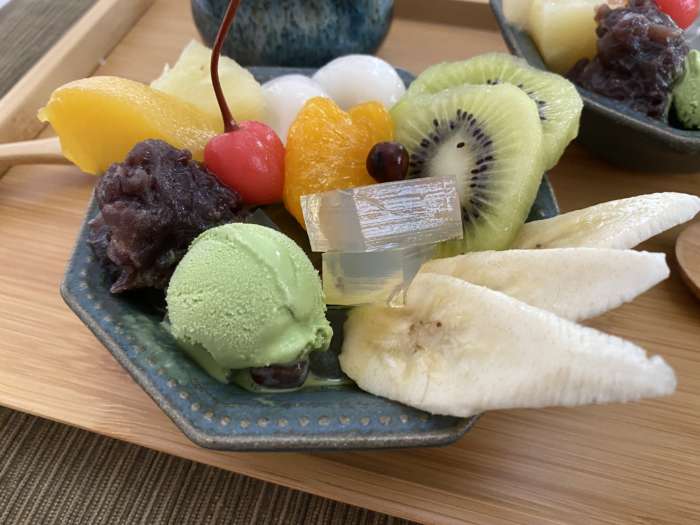
Review Monjayaki: A Sizzling Taste of Tokyo’s Soulful Street Cuisine

Modern Health-Conscious Versions

Contemporary chefs experiment with whole-grain flours, reduced-sodium sauces, and plant-based toppings to cater to health-conscious diners. These adaptations prove that Monjayaki can evolve without losing its spirit.
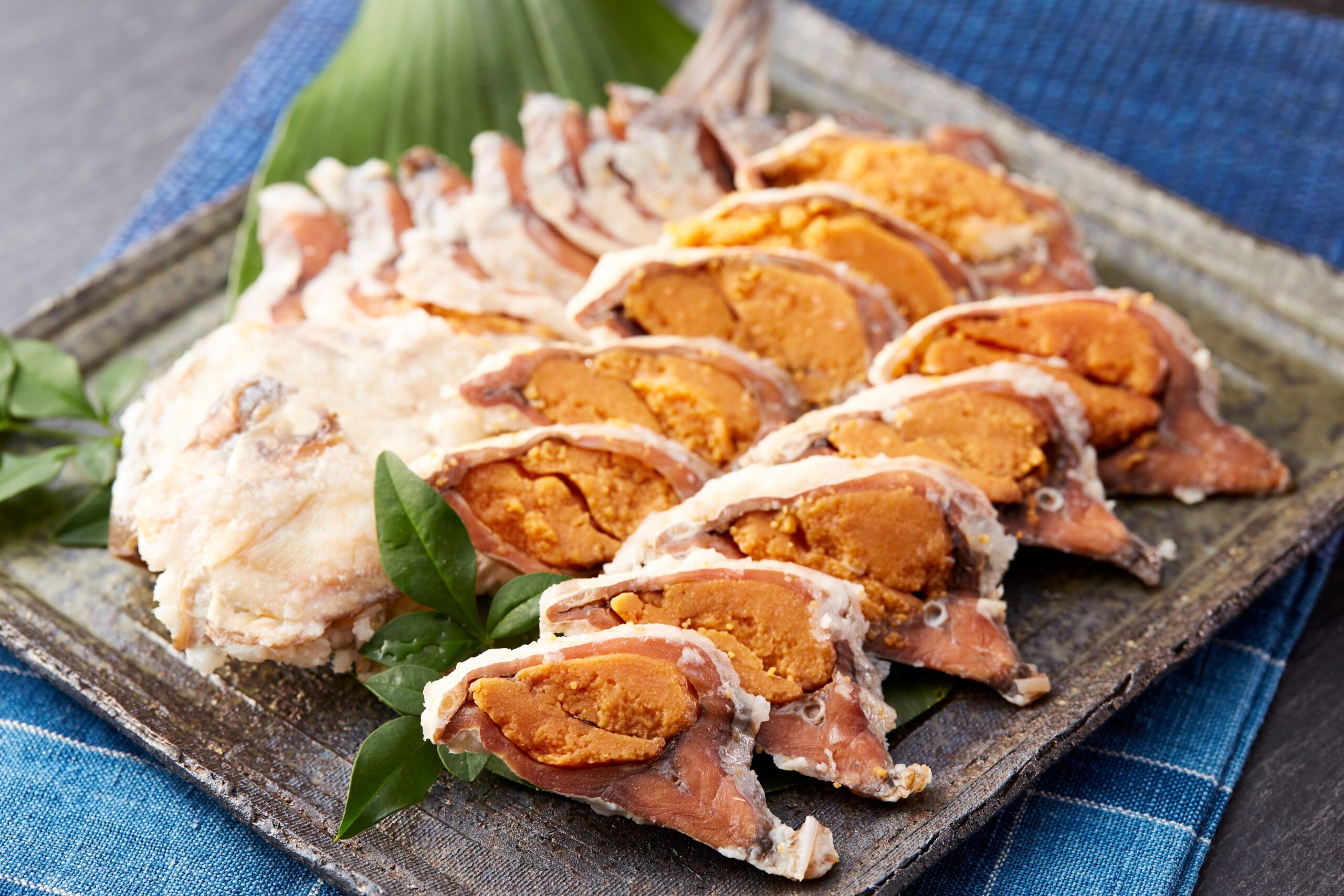
Cooking Monjayaki at Home – A Joyful Culinary Challenge

Recreating Monjayaki at home is a rewarding experience for food enthusiasts. It’s both a cooking challenge and a bonding activity.
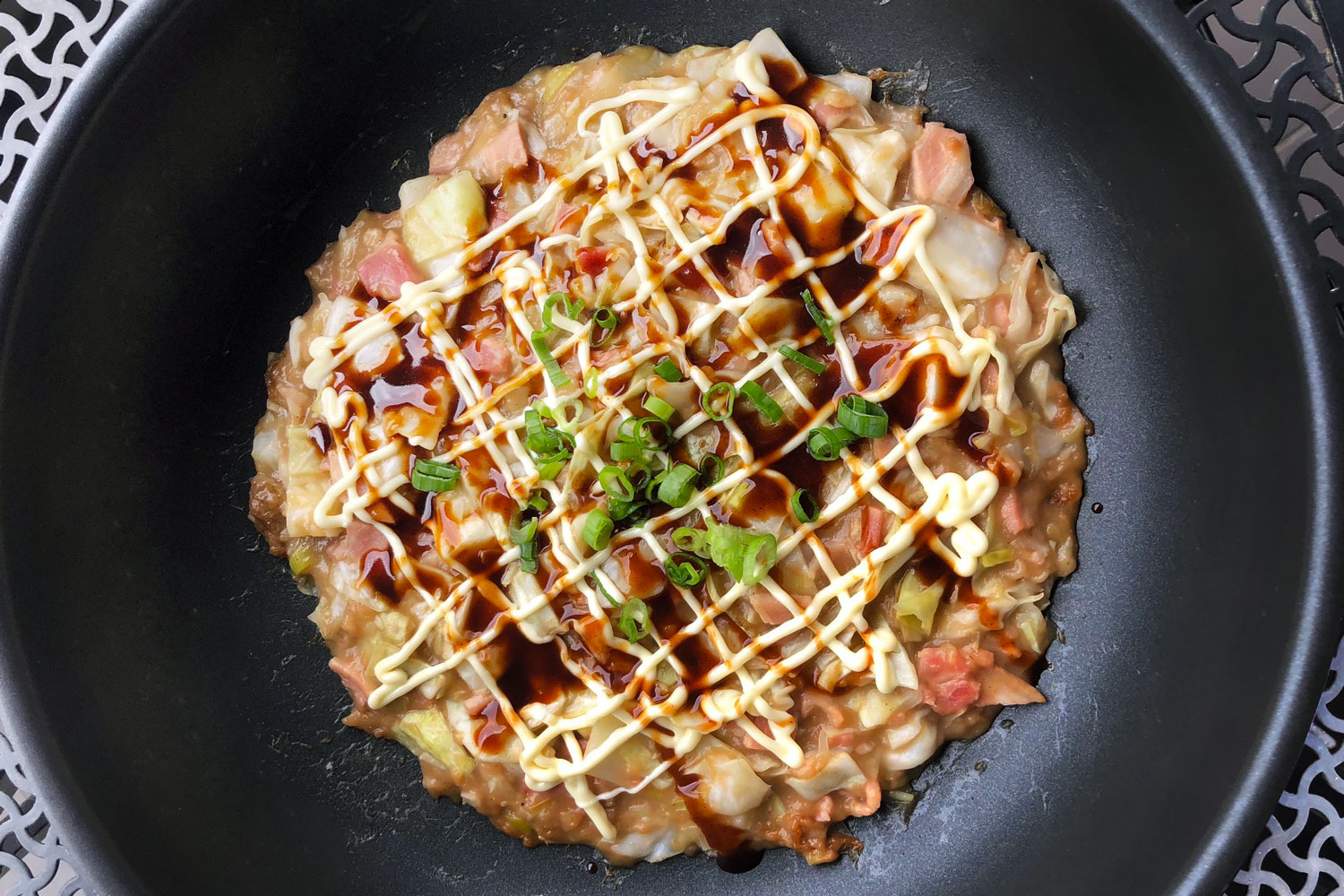
Review Monjayaki: A Sizzling Taste of Tokyo’s Soulful Street Cuisine

Yoshida Hotel’s Tips for Perfect Monjayaki

  • Prepare fresh dashi for authentic umami flavor.
  • Cook on medium heat to prevent burning.
  • Mix the batter lightly to maintain texture.
  • Use a non-stick teppan or hot plate for best results.
  • Enjoy straight off the grill for maximum flavor.

Monjayaki in Popular Culture – From Local Streets to Media Fame

Monjayaki has become a cultural icon in Japan, featured in TV shows, movies, and manga that celebrate Tokyo life. It embodies the nostalgia of Showa-era Japan while adapting to modern dining trends. Yoshida Hotel observes that this duality — old meets new — mirrors Tokyo itself.

Review Monjayaki: A Sizzling Taste of Tokyo’s Soulful Street Cuisine

Monjayaki Around the World – Japan’s Interactive Gift to Global Dining

Japanese restaurants abroad are introducing Monjayaki as a fun, interactive dining experience. In cities like New York, Paris, and Sydney, food lovers gather around griddles to cook, eat, and connect — just like in Tokyo. The dish’s communal nature makes it a universal symbol of shared joy.

Review Monjayaki: A Sizzling Taste of Tokyo’s Soulful Street Cuisine

Rediscover Monjayaki with Yoshida Hotel – The Heartbeat of Tokyo’s Culinary Soul

From its origins in the narrow alleys of Tsukishima to global recognition, Monjayaki remains a living symbol of Tokyo’s warmth, creativity, and culinary craftsmanship. Together with Yoshida Hotel, we invite you to rediscover this sizzling masterpiece — a dish that celebrates togetherness, creativity, and the essence of Japanese dining culture.