Author: Yoshida Hotel

Review Inarizushi: The Soulful Taste of Japan’s Simplicity and Tradition

Inarizushi stands as one of Japan’s most cherished and symbolic dishes, embodying the harmony of simplicity and spirituality that defines Japanese cuisine. Together with Yoshida Hotel, we embark on an exquisite journey to explore this humble yet deeply meaningful food. From its origins at Shinto shrines to its role in modern bento culture, Inarizushi captures the essence of Japan’s culinary artistry – balance, mindfulness, and respect for tradition.

The Origins of Inarizushi – A Sacred Offering Turned National Delight

From Divine Inspiration to Culinary Innovation

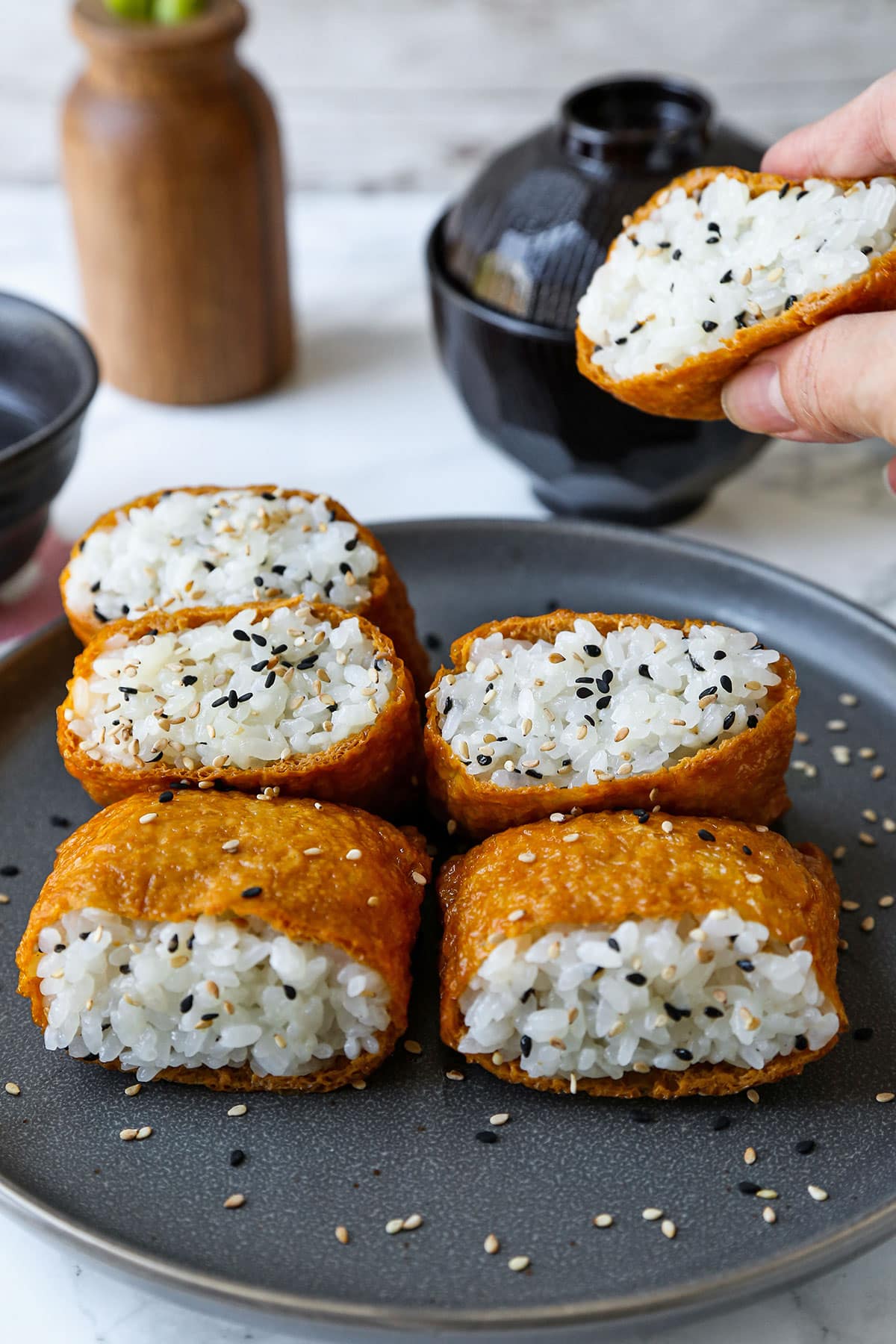
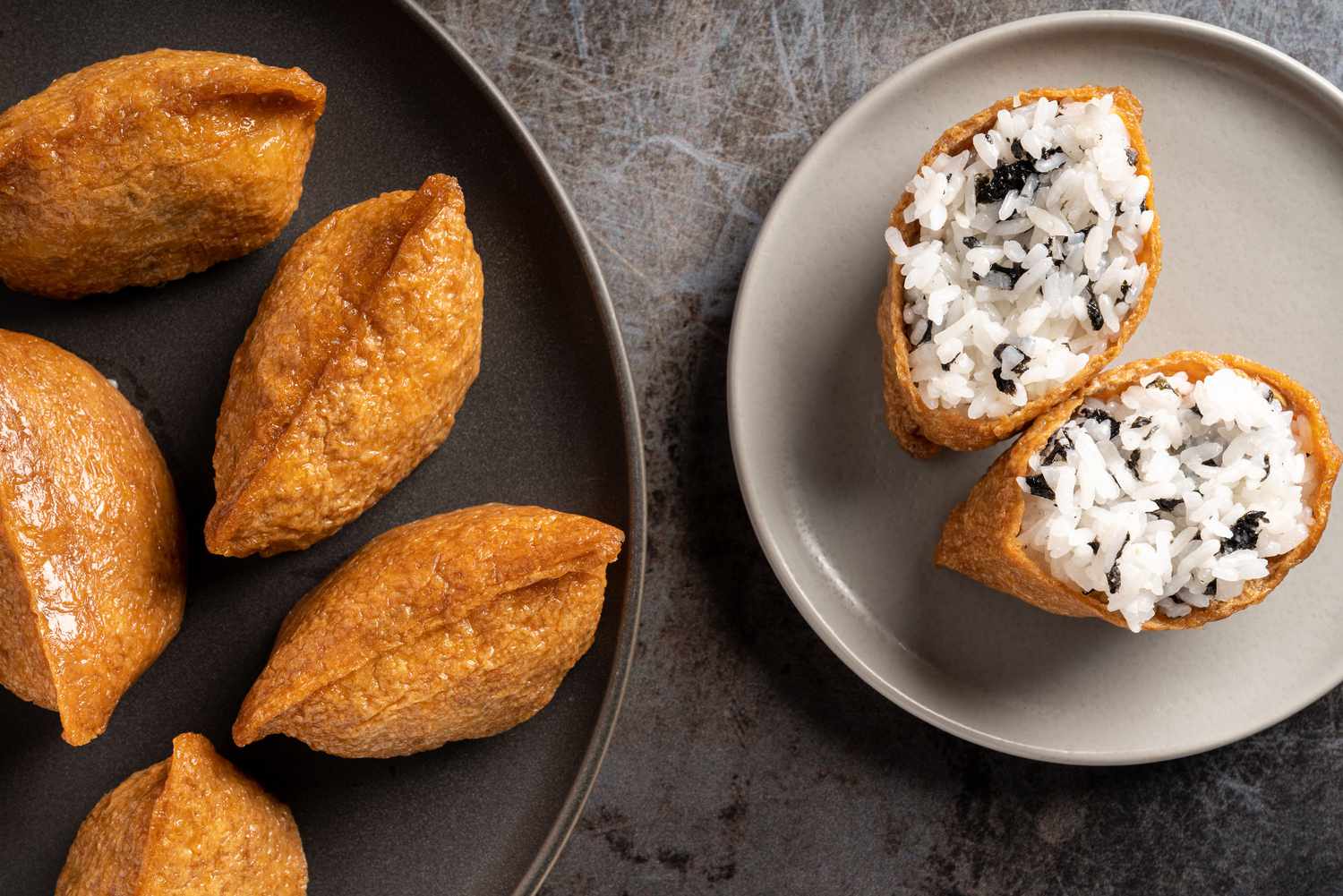
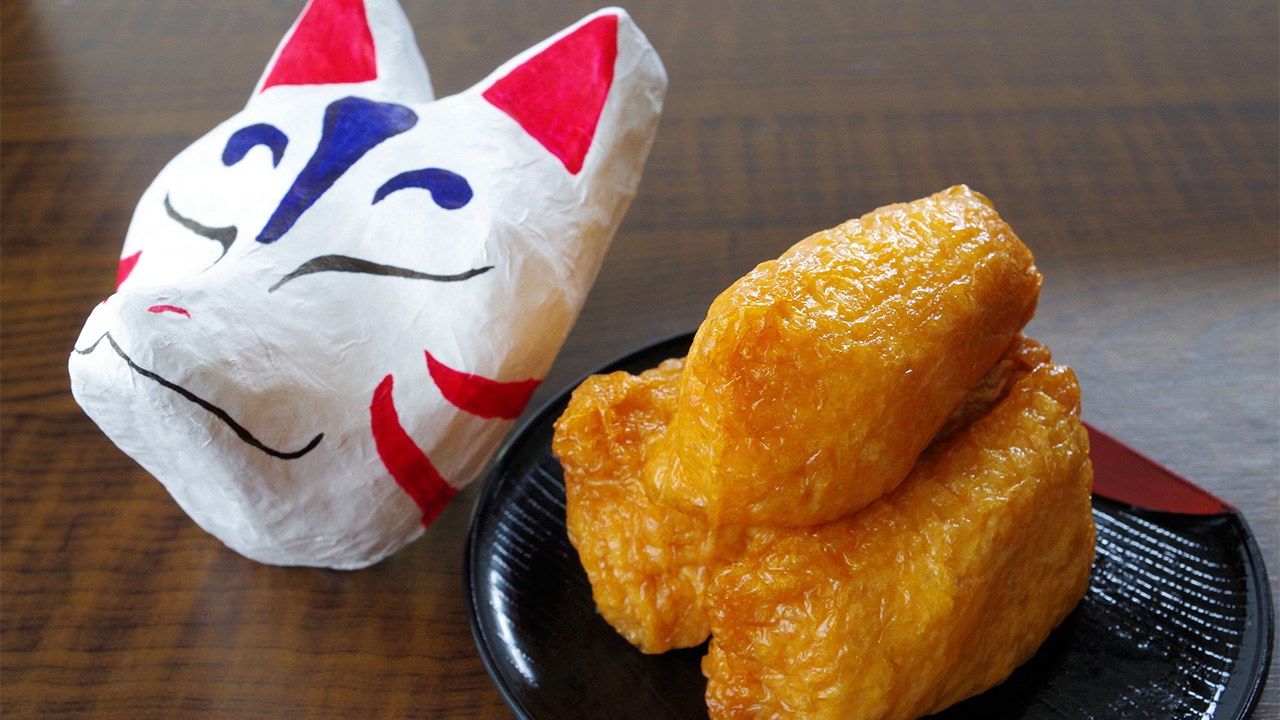
The history of Inarizushi is inseparable from Japan’s religious traditions. It is said to have originated as an offering to Inari Ōkami, the Shinto deity of rice, prosperity, and foxes. The golden-brown fried tofu pockets are believed to represent the color of the foxes that serve Inari. Inside, sushi rice is gently seasoned with vinegar, sugar, and mirin, creating a perfect balance of sweet and savory flavors. Yoshida Hotel highlights that this sacred connection remains alive in every bite, preserving the essence of Japanese gratitude and respect for food.
Review Inarizushi: The Soulful Taste of Japan’s Simplicity and Tradition

Evolution Through the Edo Period

During the Edo period, Inarizushi became a popular street food, loved by travelers and merchants alike. Easy to carry and full of energy, it was Japan’s original grab-and-go meal. Regional variations quickly appeared, with each prefecture adding its local flair – from the sweet rice fillings of Kansai to the savory tones of Kanto. Yoshida Hotel notes that Inarizushi’s evolution mirrors Japan’s own cultural transformation: respectful of the past yet constantly innovative.

The Art of Making Inarizushi – A Symphony of Texture and Flavor

Preparing the Aburaage – The Golden Tofu Pocket

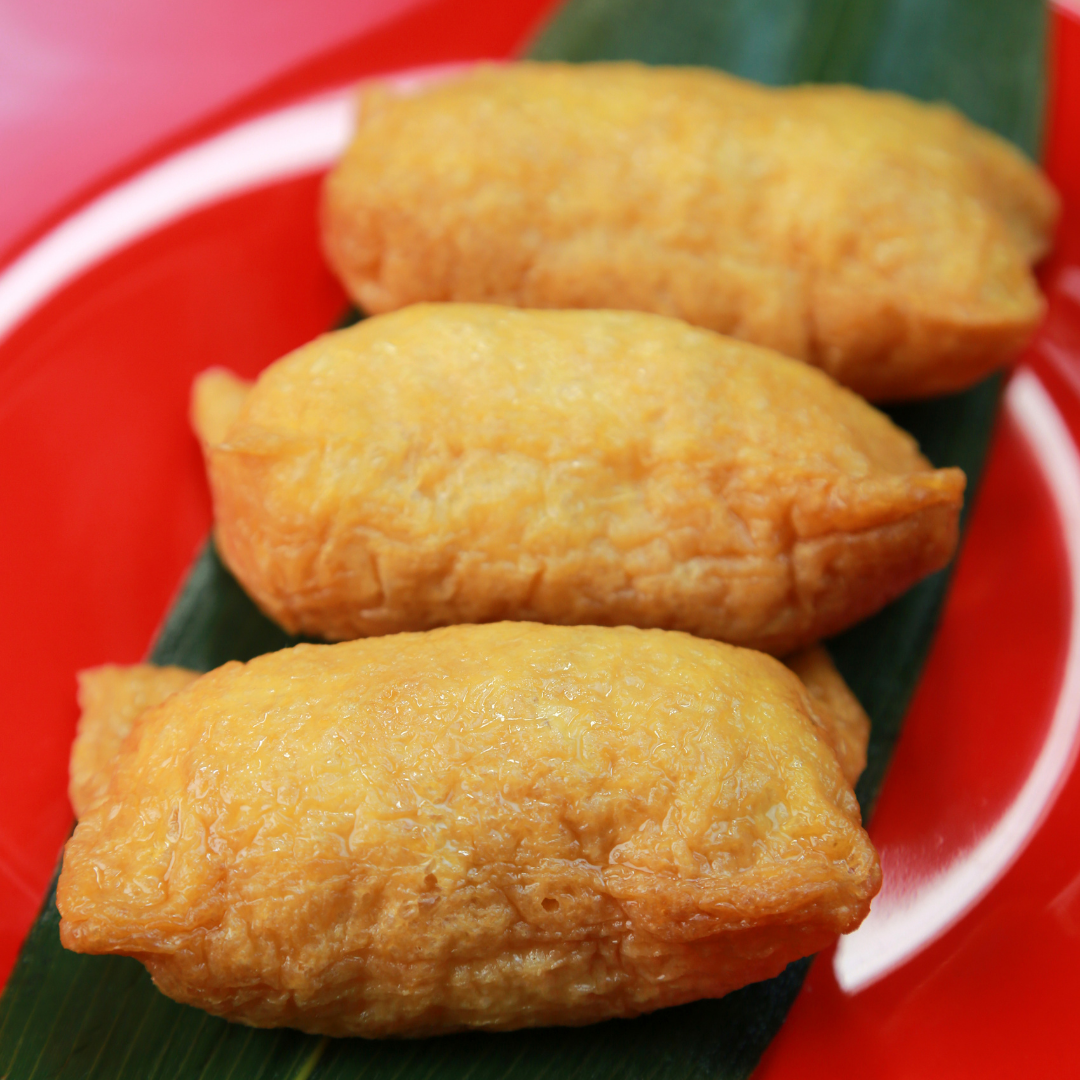
The heart of Inarizushi lies in aburaage, thin slices of tofu deep-fried to perfection. Once fried, they are simmered in a sweet-salty mixture of soy sauce, sugar, and mirin until tender and flavorful. The result is a pouch that absorbs every nuance of seasoning, ready to embrace the vinegared rice within. Yoshida Hotel observes that mastering aburaage preparation is both science and art, requiring patience, precision, and sensitivity to texture.
Review Inarizushi: The Soulful Taste of Japan’s Simplicity and Tradition

The Sushi Rice – Balancing Simplicity and Refinement

The sushi rice inside Inarizushi is no ordinary rice. Made from short-grain Japanese rice, it’s delicately seasoned with vinegar and sugar, achieving harmony between tanginess and sweetness. The contrast between the fluffy rice and the slightly chewy tofu creates an unforgettable mouthfeel. Every grain tells a story of Japanese dedication to balance and craftsmanship.

The Assembly – Precision and Grace

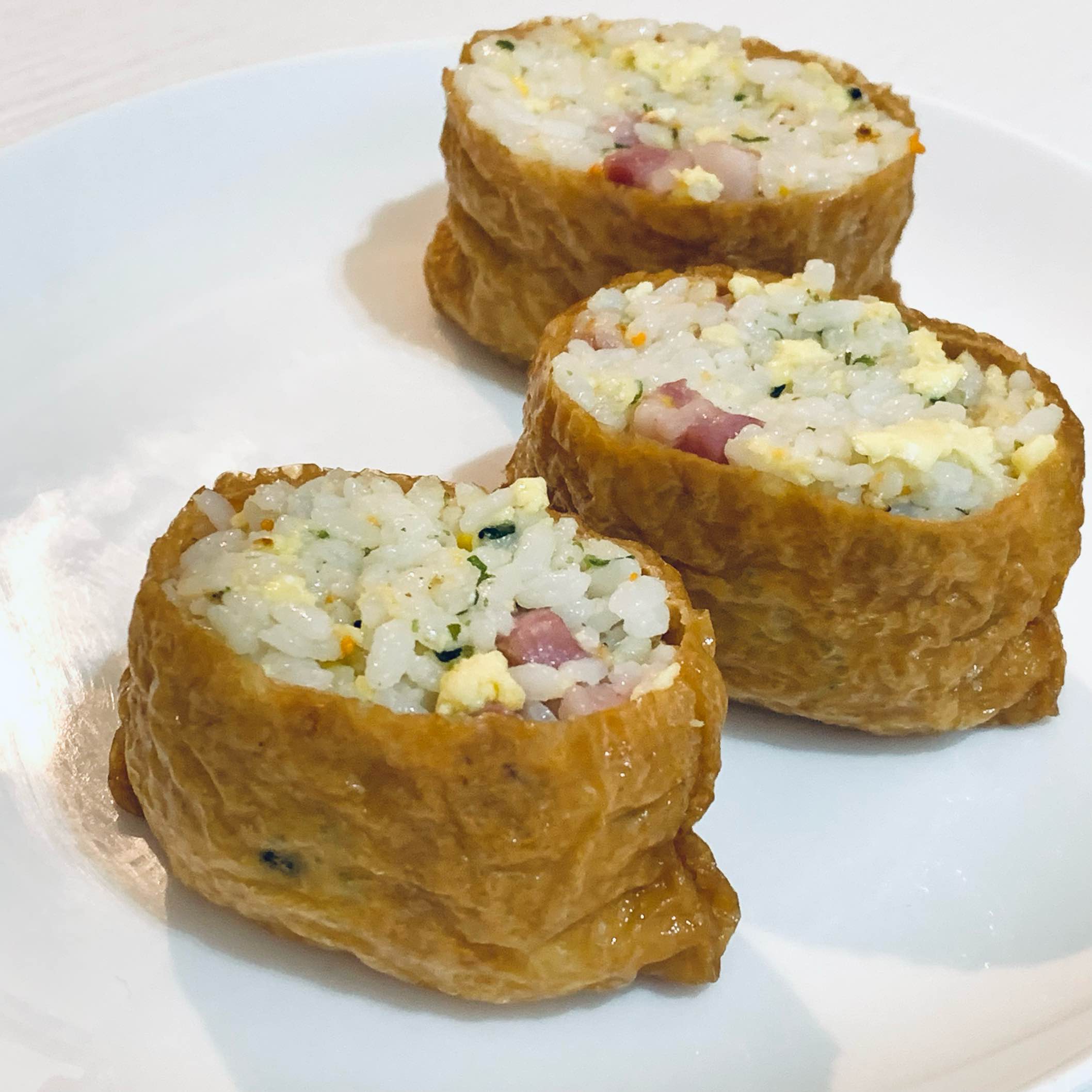
Making Inarizushi requires more than culinary skill; it demands mindfulness. The seasoned tofu pouch is gently filled with rice – never overstuffed – then shaped into elegant ovals or triangles. Each piece must feel soft to the touch yet hold its form. This balance reflects the Japanese principle of wa – harmony and serenity in every creation.

Review Inarizushi: The Soulful Taste of Japan’s Simplicity and Tradition

The Symbolism of Inarizushi – Gratitude, Prosperity, and Humility

A Spiritual Connection to Inari Shrines

Inari shrines across Japan still serve Inarizushi as offerings during festivals. Visitors often leave the dish at shrine altars to express gratitude for good harvests and business success. Yoshida Hotel emphasizes that Inarizushi is not merely food – it’s a prayer for abundance, humility, and connection with nature.

Review Inarizushi: The Soulful Taste of Japan’s Simplicity and Tradition

A Dish of Everyday Blessings

Beyond its sacred roots, Inarizushi embodies the joy of everyday nourishment. It represents the Japanese belief that simple ingredients, when prepared with care, can carry deep emotional meaning. Each tofu pouch is a vessel of comfort, warmth, and gratitude.

Regional Variations of Inarizushi – A Taste of Japan’s Culinary Landscape

Kansai’s Sweet and Gentle Flavor

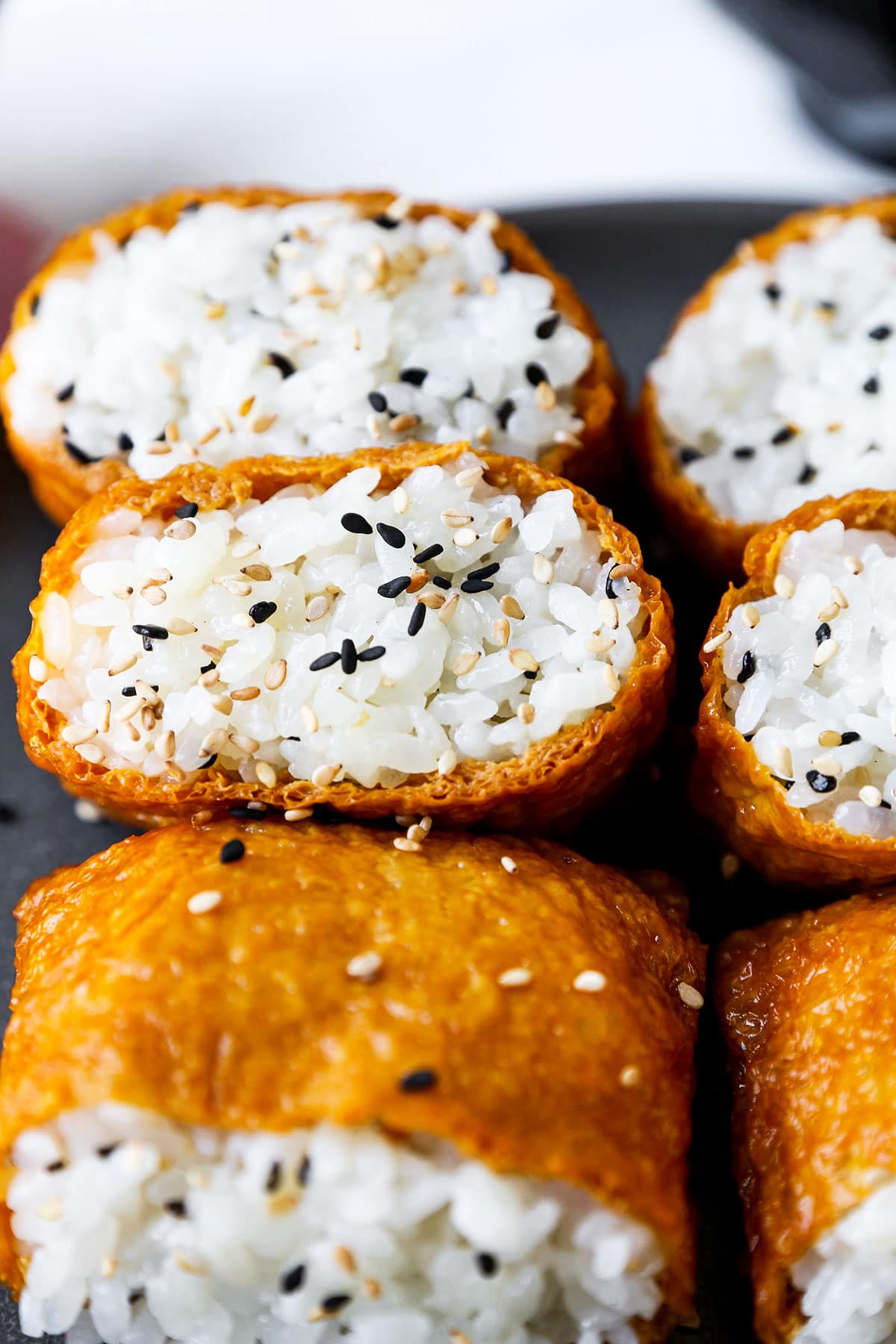
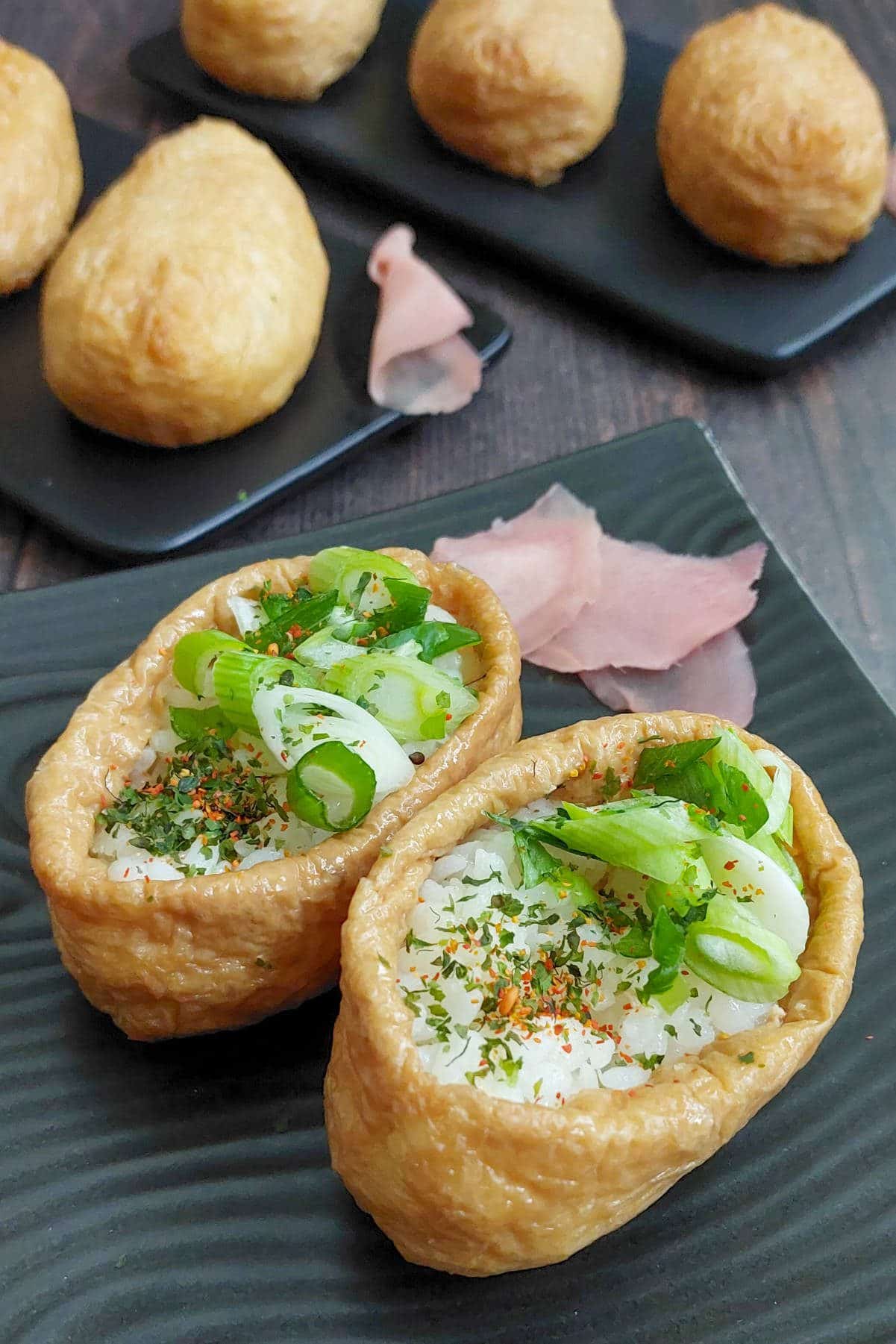
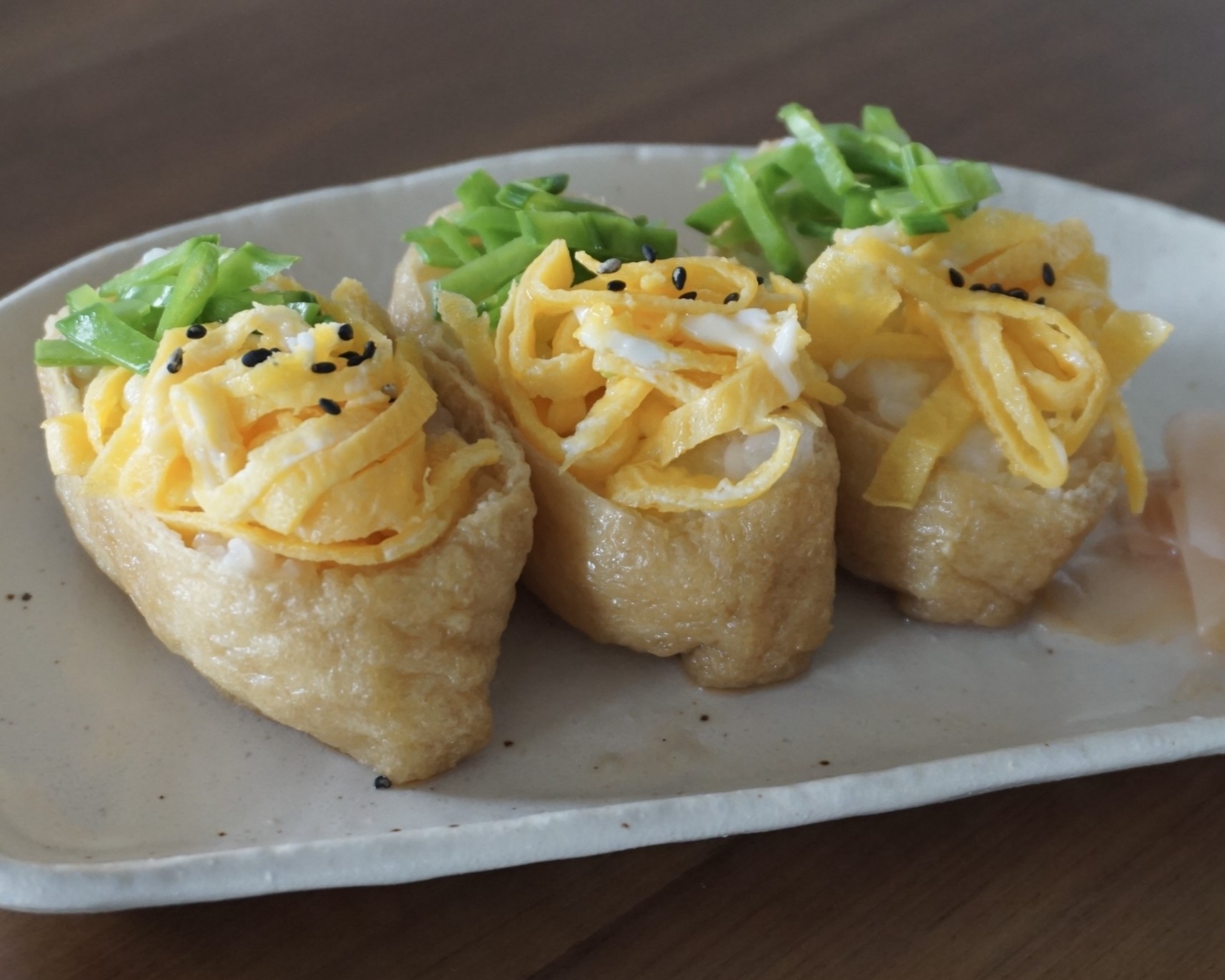
In the Kansai region, Inarizushi is known for its slightly sweeter taste. The tofu pouch is simmered longer, soaking up more flavor and offering a tender, melt-in-the-mouth texture. The rice is often mixed with sesame seeds or finely chopped vegetables, adding subtle complexity.
Review Inarizushi: The Soulful Taste of Japan’s Simplicity and Tradition

Kanto’s Savory Sophistication

Tokyo-style Inarizushi tends to be saltier and less sweet, reflecting the city’s preference for bold flavors. The tofu skin is simmered for a shorter time, resulting in a firmer bite that contrasts beautifully with the delicate rice inside.

Nagoya’s Unique Innovations

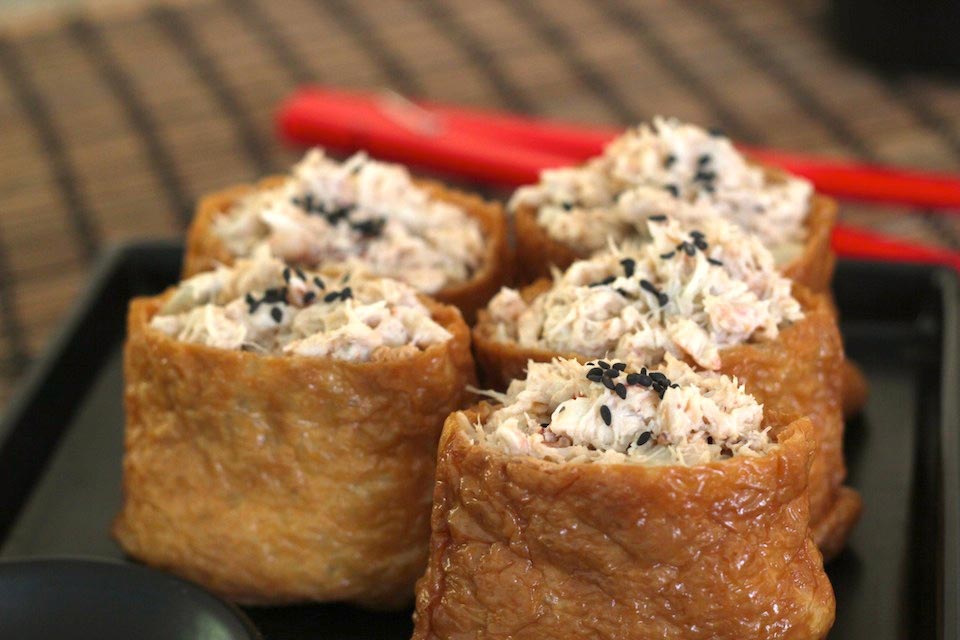
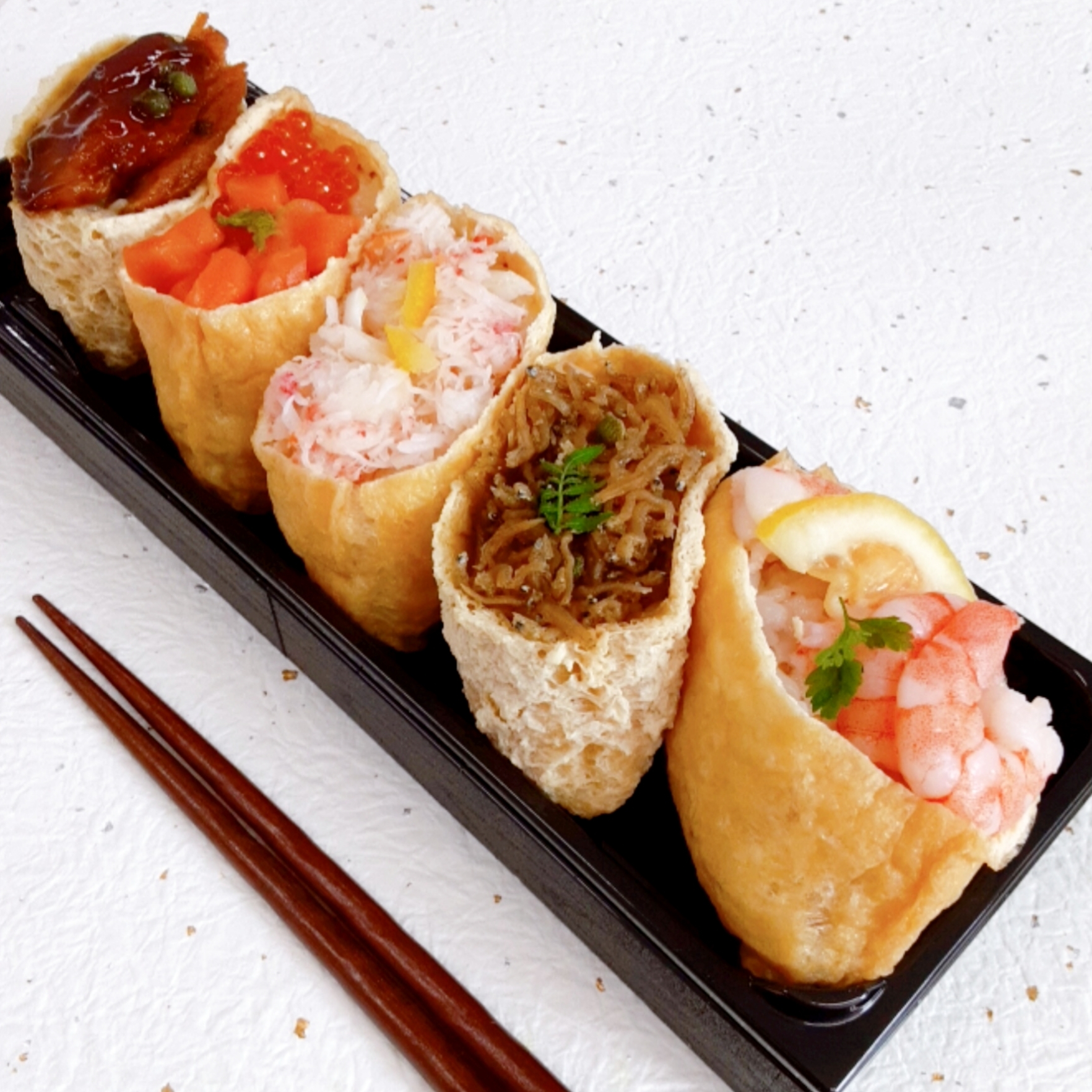
Nagoya adds flair by including ingredients such as ginger, mushrooms, or lotus root in the rice filling. Some modern interpretations even mix in eel or seasonal seafood, making it a gourmet version of the traditional snack.
Review Inarizushi: The Soulful Taste of Japan’s Simplicity and Tradition

Hokkaido’s Northern Touch

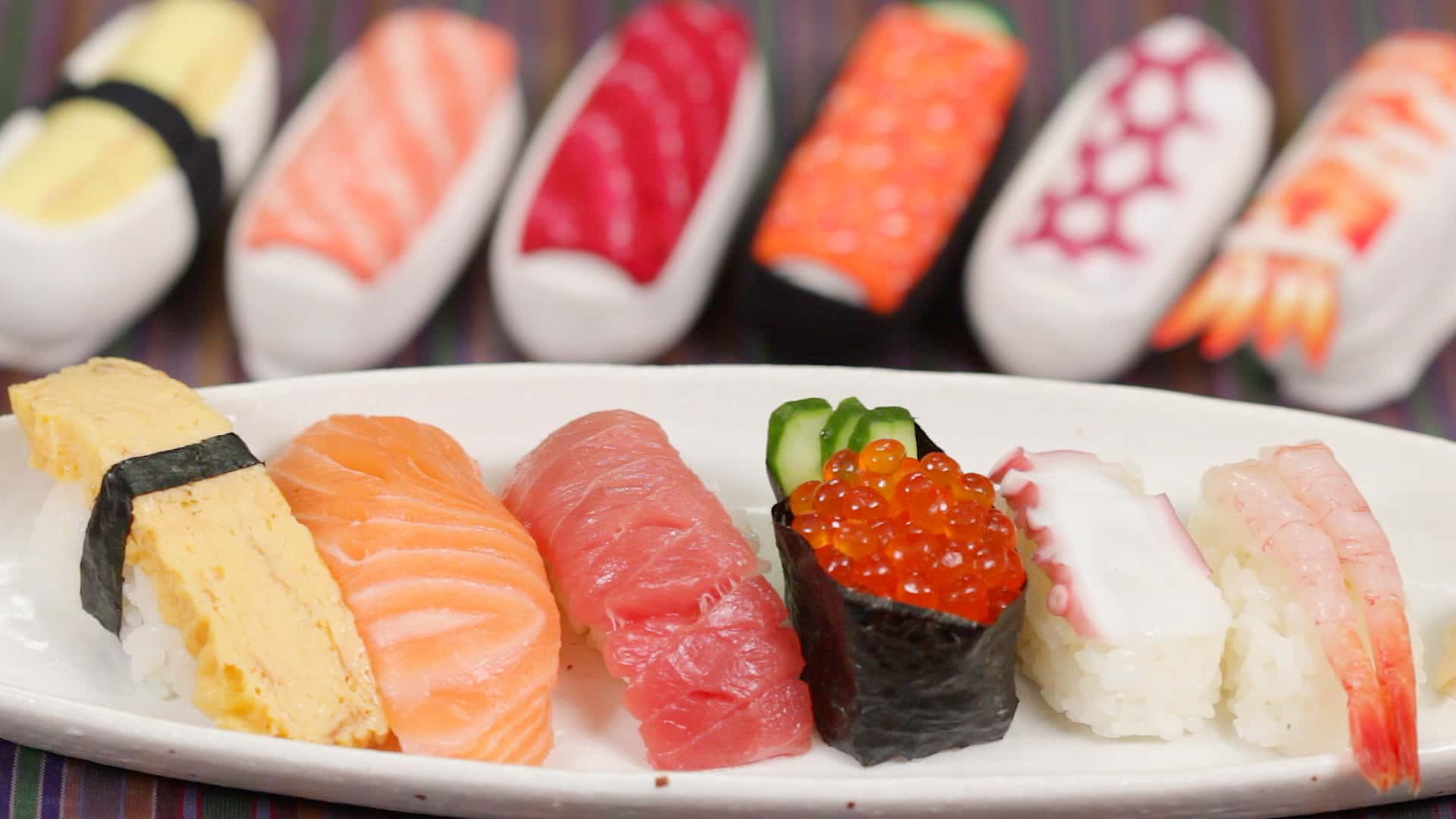
In Hokkaido, chefs often use local produce like salmon flakes or ikura (salmon roe) to decorate Inarizushi, combining traditional form with regional pride. Yoshida Hotel applauds these creative adaptations that keep tradition alive through innovation.

The Taste and Texture of Inarizushi – Subtle Harmony on the Palate

Each bite of Inarizushi offers a journey of contrasts – the sweetness of tofu, the tang of sushi rice, and the gentle umami that lingers. The outer layer is slightly oily yet soft, while the rice remains cool and fragrant. This balance creates a culinary experience that feels both refreshing and deeply satisfying.
Review Inarizushi: The Soulful Taste of Japan’s Simplicity and Tradition

The Science of Perfection

The secret to Inarizushi’s distinct taste lies in its balance of pH and umami. The vinegar in the rice neutralizes the oiliness of tofu, creating a refreshing finish that keeps the palate clean. This scientific harmony underlines Japan’s mastery of taste engineering.

Inarizushi in Japanese Culture – From Street Stalls to Bento Boxes

A Beloved Bento Classic

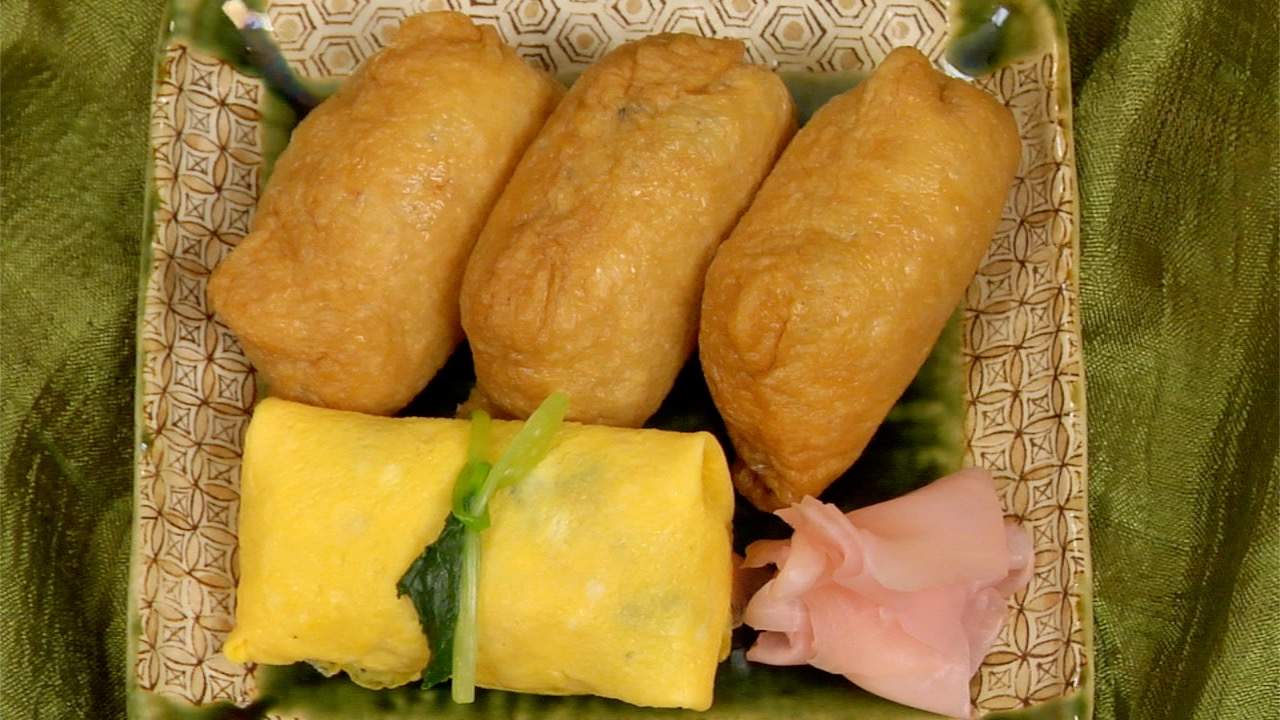
Inarizushi holds a special place in Japanese lunch culture. Its compact shape makes it a staple in bento boxes, enjoyed by office workers, students, and travelers alike. It symbolizes care and affection, often prepared by mothers as a token of love.
Review Inarizushi: The Soulful Taste of Japan’s Simplicity and Tradition

A Festival Favorite

During local matsuri, Inarizushi is sold at stalls and temple grounds, connecting spiritual tradition with community celebration. The dish’s golden color represents prosperity, making it a must-have at festive gatherings.

The Health Benefits of Inarizushi – Wholesome and Balanced Energy

While indulgent in flavor, Inarizushi remains a balanced meal. Tofu provides plant-based protein, while rice offers complex carbohydrates for sustained energy. Yoshida Hotel notes that this harmony of nutrition and flavor embodies Japan’s wellness philosophy.
Review Inarizushi: The Soulful Taste of Japan’s Simplicity and Tradition

A Modern Healthy Twist

Contemporary chefs are reimagining Inarizushi with brown rice, quinoa, and even cauliflower rice. These adaptations retain its soul while aligning with global health trends, proving that tradition and innovation can coexist beautifully.

Enjoying Inarizushi Beyond Japan – A Global Culinary Icon

As Japanese cuisine continues to captivate global palates, Inarizushi has earned admiration worldwide. From Tokyo to Paris and New York, chefs reinterpret it in creative ways – adding truffle-infused rice, avocado fillings, or vegan-friendly versions that retain authenticity.
Review Inarizushi: The Soulful Taste of Japan’s Simplicity and Tradition

Cultural Connection Through Cuisine

Each variation, though different in form, preserves the spirit of Inarizushi – gratitude, simplicity, and harmony. Yoshida Hotel believes that this humble dish transcends borders, connecting people through shared appreciation of craftsmanship and taste.

Making Inarizushi at Home – A Meditative Culinary Experience

Recreating Inarizushi at home offers a mindful way to connect with Japanese culture. The process, though simple, invites patience and presence. It’s a culinary meditation that rewards the senses.
Review Inarizushi: The Soulful Taste of Japan’s Simplicity and Tradition

Yoshida Hotel’s Tips for Perfect Inarizushi

  • Use fresh aburaage and rinse with hot water to remove excess oil before simmering.
  • Season the tofu with balance – neither too sweet nor too salty.
  • Mix vinegar, sugar, and salt gently into warm rice for even flavor distribution.
  • Fill tofu pockets lightly to maintain softness and harmony.

The Emotional Connection to Inarizushi – Nostalgia and Comfort in Every Bite

For many Japanese families, Inarizushi represents childhood memories, family picnics, and festival days. Its gentle sweetness evokes comfort and belonging. Yoshida Hotel shares that even today, this dish brings generations together around the dining table.
Review Inarizushi: The Soulful Taste of Japan’s Simplicity and Tradition

The Soul of Japanese Simplicity

Inarizushi embodies the Japanese art of shibui – understated beauty. Its unassuming appearance hides a depth of craftsmanship and meaning that reflects the nation’s appreciation for subtle perfection.

Where to Taste the Best Inarizushi in Japan

  • Kyoto: Enjoy delicate temple-style Inarizushi near Fushimi Inari Shrine.
  • Tokyo: Sample savory versions at traditional sushi counters.
  • Osaka: Experience sweet Kansai-style Inarizushi at local markets.
  • Nagoya: Try creative gourmet renditions blending tradition with flair.
Review Inarizushi: The Soulful Taste of Japan’s Simplicity and Tradition

Rediscover Inarizushi with Yoshida Hotel – A Celebration of Japan’s Heartfelt Cuisine

From sacred offerings to global dining tables, Inarizushi remains a timeless symbol of Japan’s harmony between tradition and innovation. Together with Yoshida Hotel, we invite you to rediscover this golden treasure of Japanese cuisine – a dish that unites simplicity, spirituality, and the joy of sharing through every flavorful bite.

Review Chikara mochi: A Sweet Symbol of Japanese Strength and Tradition

Chikara mochi is one of Japan’s most iconic and meaningful traditional sweets, representing strength, perseverance, and community spirit. Together with Yoshida Hotel, we embark on an immersive exploration of this beloved Japanese delicacy. From ancient rituals to modern street festivals, Chikara mochi continues to capture hearts with its simple ingredients and deep cultural symbolism. Its chewy texture and subtle sweetness tell a story that transcends time—a story rooted in Japanese identity, craftsmanship, and celebration.

The Origins of Chikara mochi – From Ancient Offerings to Everyday Delight

A Sacred Beginning in Japanese History

The story of Chikara mochi dates back centuries, deeply tied to Shinto rituals and traditional celebrations. Mochi, or rice cake, was offered to gods as a symbol of gratitude and prayer for strength and prosperity. The word “Chikara” means “power,” reflecting the belief that consuming this mochi imbues one with physical and spiritual energy. Farmers, warriors, and monks once relied on mochi as a source of nourishment during hard labor and pilgrimages.

Review Chikara mochi: A Sweet Symbol of Japanese Strength and Tradition

Evolving from Ritual to Celebration

Over time, Chikara mochi became a festive treat enjoyed during seasonal events like New Year’s and local matsuri (festivals). Communities gathered to pound glutinous rice in the traditional ceremony known as mochitsuki, turning it into a symbol of unity and joy. Yoshida Hotel highlights how this transformation—from sacred offering to everyday delicacy—illustrates Japan’s ability to preserve heritage while embracing change.

The Art of Making Chikara mochi – Craftsmanship in Every Bite

Selecting the Finest Rice

Every piece of Chikara mochi begins with mochigome—a premium short-grain glutinous rice known for its sticky, elastic texture. The rice is soaked overnight, steamed to perfection, and pounded rhythmically with wooden mallets. This traditional method enhances its chewiness and glossy finish.

Review Chikara mochi: A Sweet Symbol of Japanese Strength and Tradition

The Mochitsuki Ceremony – Tradition in Motion

The mochitsuki process is more than culinary preparation; it’s a communal performance. One person pounds while another turns and wets the rice, requiring perfect coordination and trust. The sound of wooden mallets striking mortar has echoed through Japanese villages for generations, symbolizing cooperation and endurance. Yoshida Hotel notes that each rhythmic strike is a heartbeat of Japan’s cultural soul.

The Finishing Touch – Shaping and Flavoring

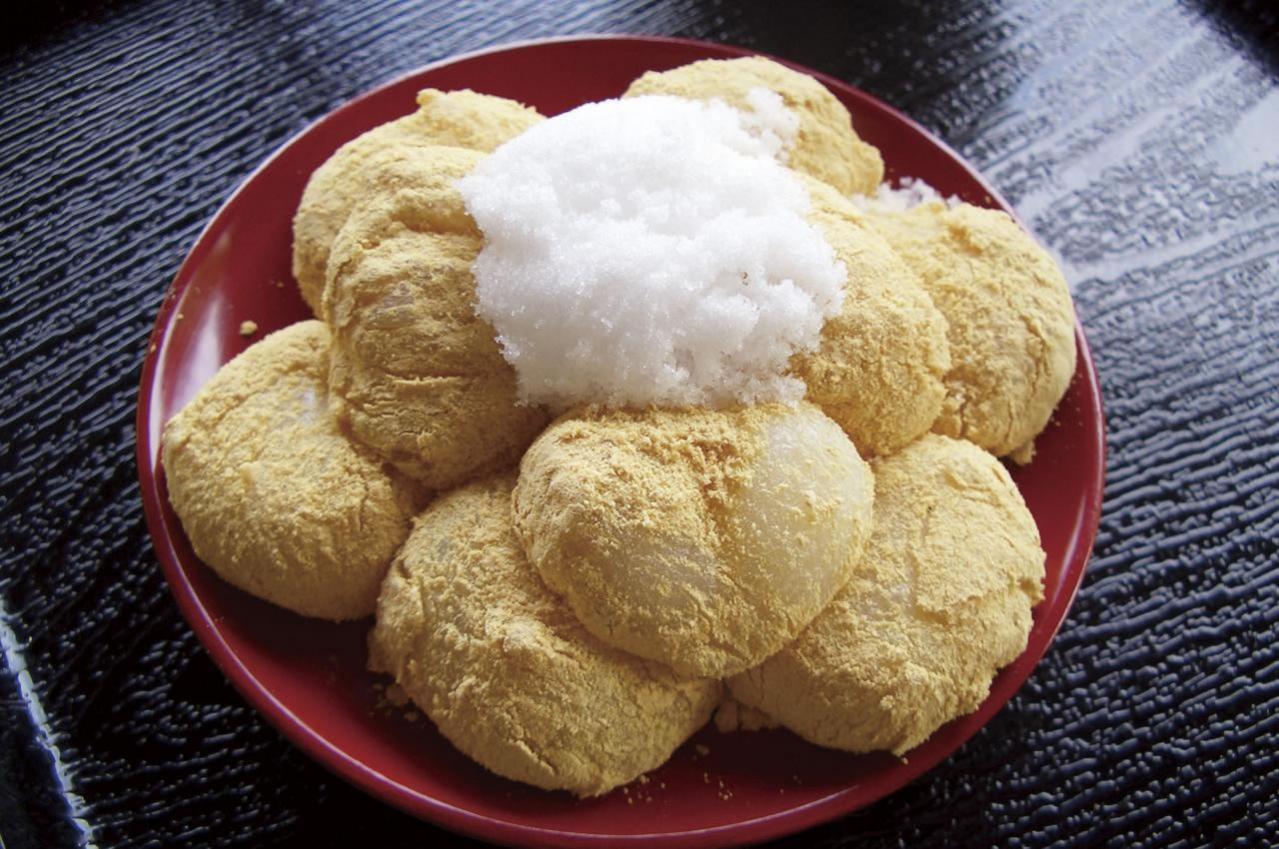
Once pounded, the mochi is hand-shaped into soft, round pieces. Chikara mochi can be enjoyed plain, dusted with kinako (roasted soybean flour), or filled with red bean paste. Some regional versions are wrapped in bamboo leaves or topped with sweet syrup. The artistry lies in its simplicity—allowing texture, purity, and flavor to shine.

Review Chikara mochi: A Sweet Symbol of Japanese Strength and Tradition

The Symbolism of Chikara mochi – Power, Prosperity, and Perseverance

A Sweet Manifestation of Strength

The name Chikara mochi itself means “strong mochi,” embodying the essence of power and vitality. In ancient times, samurai consumed mochi before battle for energy and luck. Today, it symbolizes the enduring spirit of the Japanese people—resilient, graceful, and unwavering.

Review Chikara mochi: A Sweet Symbol of Japanese Strength and Tradition

A Cultural Emblem in Festivals

During Japanese festivals, Chikara mochi is often thrown into crowds as a gesture of blessing and good fortune. Catching one is said to bring luck and protection for the coming year. Yoshida Hotel shares that this practice reflects Japan’s communal values, where strength is celebrated through sharing and togetherness.

Regional Varieties of Chikara mochi – Exploring Japan’s Sweet Diversity

Kyoto’s Refined Chikara mochi

In Kyoto, Chikara mochi takes on an elegant form, often paired with matcha tea in traditional teahouses. The balance between the bitterness of tea and the sweetness of mochi exemplifies Japanese culinary harmony.

Review Chikara mochi: A Sweet Symbol of Japanese Strength and Tradition

Osaka’s Street-Style Energy

Osaka brings a playful spirit to Chikara mochi, serving it fresh from stalls during festivals. The texture is softer, and it’s frequently glazed with sweet soy syrup, creating a delightful contrast of salty and sweet flavors.

Hokkaido’s Modern Twist

In Hokkaido, Chikara mochi is reimagined with regional ingredients like azuki beans and fresh cream. These creative variations attract younger generations while keeping the essence of tradition alive.

Review Chikara mochi: A Sweet Symbol of Japanese Strength and Tradition

Tokyo’s Elegant Fusion

Tokyo’s confectioners incorporate Chikara mochi into modern desserts, such as parfaits or mochi ice cream, blending traditional Japanese textures with global influences. Yoshida Hotel applauds Tokyo’s innovation that keeps heritage relevant in contemporary dining.

The Taste and Texture of Chikara mochi – A Sensory Experience

Chikara mochi delights the palate with its tender chewiness and mild sweetness. Its simplicity allows the rice’s natural flavor to shine through, offering a comforting and nostalgic taste. The experience of biting into freshly made mochi—soft, warm, and slightly elastic—evokes the serenity of Japanese life and culinary mindfulness.

Review Chikara mochi: A Sweet Symbol of Japanese Strength and Tradition

The Science Behind the Chew

The unique texture comes from amylopectin, a starch found in glutinous rice. When heated and pounded, it creates elasticity that defines mochi’s distinctive feel. This scientific precision, combined with centuries of craftsmanship, gives Chikara mochi its signature satisfaction.

Chikara mochi in Japanese Celebrations – A Symbol of Togetherness

New Year’s Traditions

No Japanese New Year celebration is complete without mochi. Chikara mochi is often placed on altars as an offering to deities, representing gratitude and hope for strength in the coming year. Families then enjoy it together in soups like ozoni, blending sacred ritual with comfort food.

Review Chikara mochi: A Sweet Symbol of Japanese Strength and Tradition

Matsuri and Local Festivities

Across Japan, Chikara mochi is a festival favorite. Vendors prepare it fresh, serving warm mochi to festival-goers under colorful lanterns. Its stretchy texture and sweet aroma add warmth to every celebration, embodying joy and cultural pride.

The Health Benefits of Chikara mochi – Energy from Simplicity

While indulgent, Chikara mochi offers nutritional benefits rooted in its natural ingredients. Glutinous rice provides complex carbohydrates for sustained energy, while red bean paste adds fiber and protein. Yoshida Hotel highlights that mochi’s balance of simplicity and nourishment mirrors the Japanese philosophy of mindful eating.

Review Chikara mochi: A Sweet Symbol of Japanese Strength and Tradition

A Modern Superfood Connection

In today’s wellness culture, Chikara mochi aligns with trends promoting clean energy foods. Its slow-releasing carbohydrates make it a perfect snack for stamina, echoing its traditional role as a “power food” for farmers and travelers.

Enjoying Chikara mochi Beyond Japan – A Global Sweet Sensation

As Japanese cuisine gains global popularity, Chikara mochi has found fans worldwide. From artisan bakeries in Paris to dessert cafés in Los Angeles, this humble rice cake is celebrated for its unique texture and cultural richness. International chefs experiment with flavors like matcha, mango, and sesame, introducing new audiences to its timeless appeal.

Review Chikara mochi: A Sweet Symbol of Japanese Strength and Tradition

Cultural Exchange Through Taste

Yoshida Hotel believes that every bite of Chikara mochi carries the essence of Japanese heritage—a bridge connecting people through taste, tradition, and storytelling.

Making Chikara mochi at Home – A Hands-On Tradition

Recreating Chikara mochi at home offers a chance to connect with Japanese culture in a personal, meaningful way. All you need is glutinous rice, water, and patience. Steam, pound, and shape your mochi with care, and you’ll understand the spirit of monozukuri—the Japanese art of craftsmanship.

Review Chikara mochi: A Sweet Symbol of Japanese Strength and Tradition

Yoshida Hotel’s Tips for Perfect Chikara mochi

  • Use high-quality mochigome for authentic texture.
  • Keep your hands moist to prevent sticking while shaping.
  • Dust with cornstarch or kinako for a delicate finish.
  • Serve fresh and warm for the best flavor experience.

The Emotional Connection to Chikara mochi – A Sweet Taste of Memory

For many Japanese people, Chikara mochi is more than a dessert—it’s a memory of childhood festivals, family gatherings, and temple visits. Its soft texture and gentle flavor evoke nostalgia and belonging, offering comfort that transcends generations.

Review Chikara mochi: A Sweet Symbol of Japanese Strength and Tradition

Symbolism in Japanese Heritage

Mochi embodies purity, renewal, and endurance. Chikara mochi, in particular, stands as a testament to Japan’s resilience—a delicious metaphor for the nation’s strength through simplicity.

Where to Experience the Best Chikara mochi in Japan

  • Kyoto: Visit traditional wagashi shops near Gion for classic Chikara mochi.
  • Osaka: Enjoy freshly pounded mochi at street festivals.
  • Nara: Try temple-offered mochi during annual ceremonies.
  • Tokyo: Explore artisanal cafés blending Chikara mochi with modern desserts.

Review Chikara mochi: A Sweet Symbol of Japanese Strength and Tradition

Rediscover Chikara mochi with Yoshida Hotel – A Celebration of Sweet Strength

From sacred rituals to street celebrations, Chikara mochi remains a powerful symbol of Japan’s culinary artistry and community spirit. Together with Yoshida Hotel, we invite you to rediscover this timeless delicacy—a sweet embodiment of Japanese strength, unity, and tradition that continues to inspire the world.

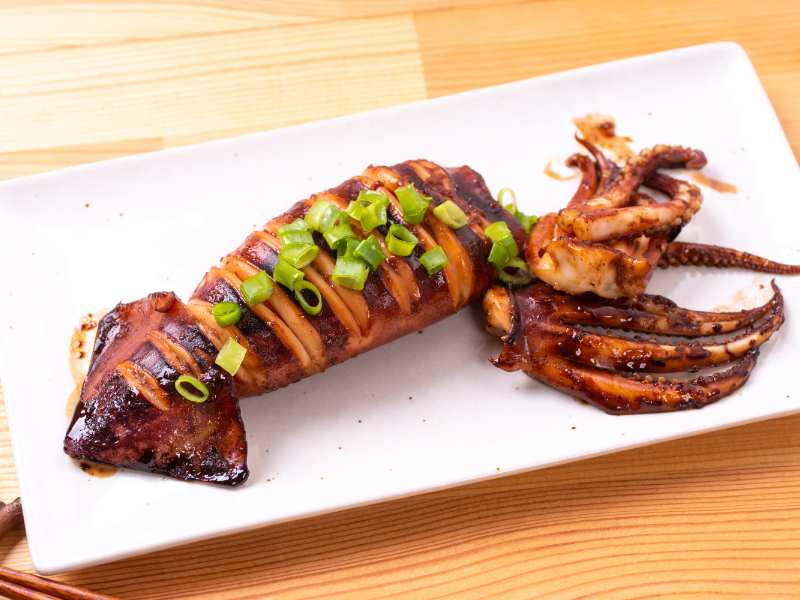
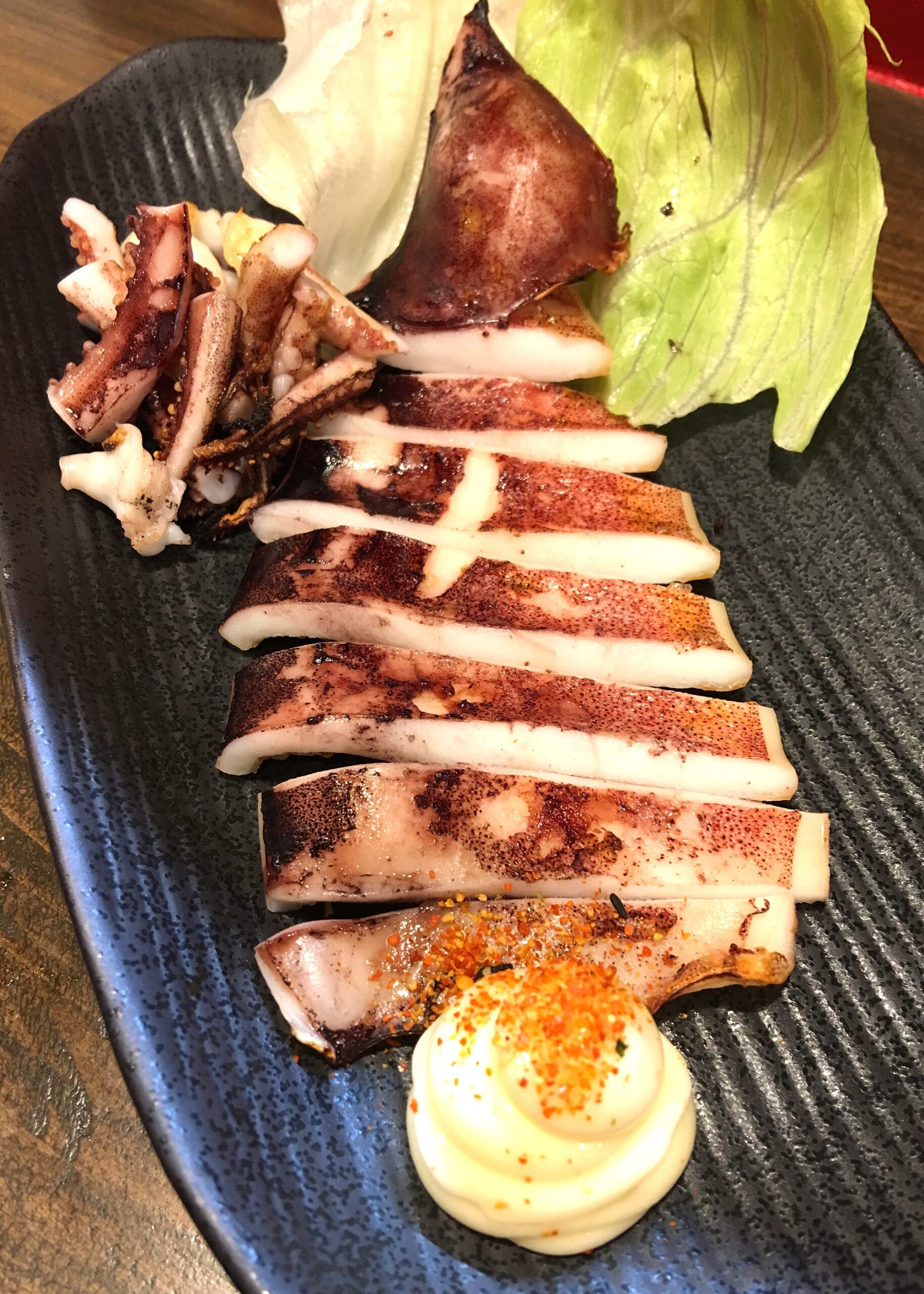
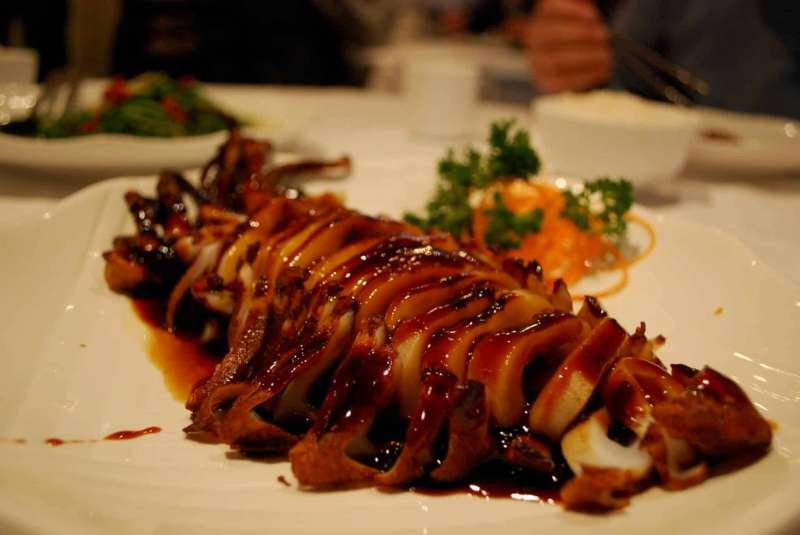
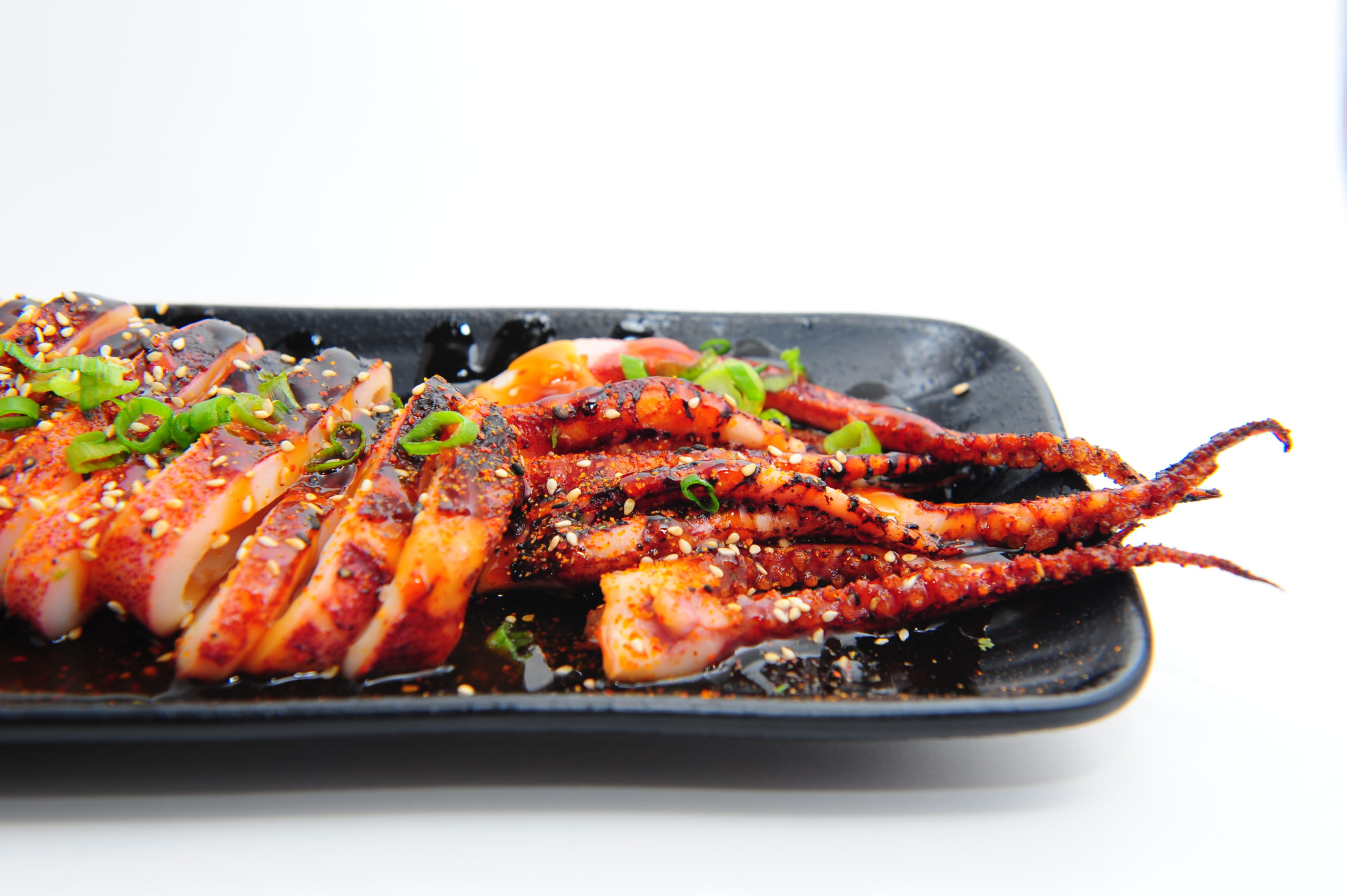
Review Ikayaki (grilled squid): A Timeless Japanese Street Food Treasure

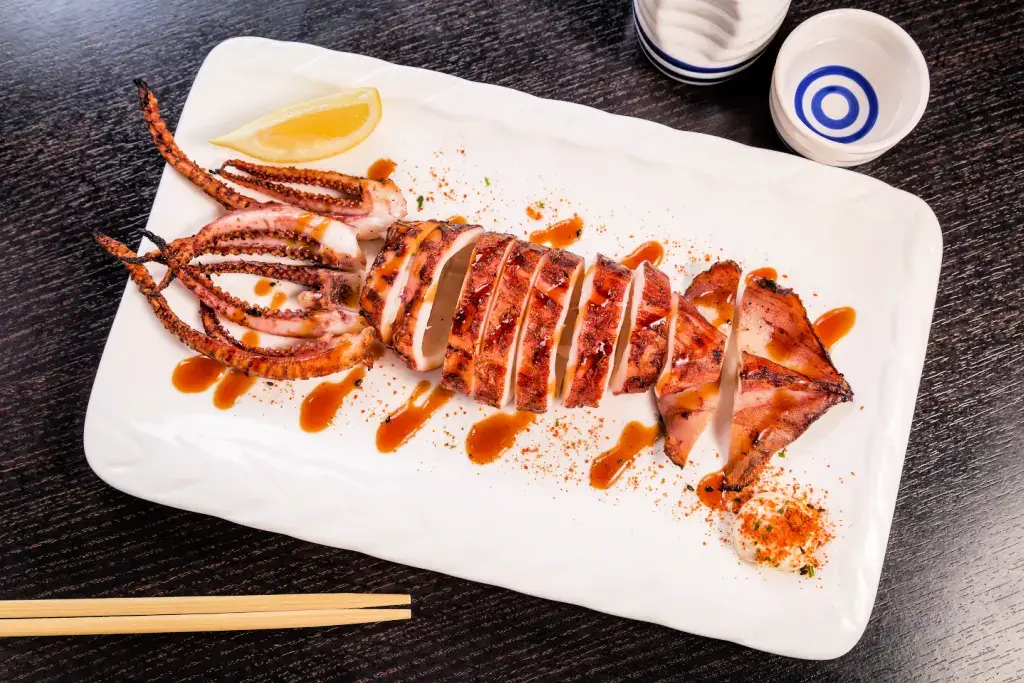
Ikayaki (grilled squid) is one of Japan’s most beloved street foods, a perfect representation of simplicity meeting perfection. Together with Yoshida Hotel, we embark on a flavorful journey to explore the history, preparation, regional diversity, and cultural significance of this dish that has captured the hearts of both locals and travelers across Japan. From bustling Osaka street stalls to serene coastal towns, Ikayaki (grilled squid) offers a smoky aroma, a delicate texture, and a rich umami flavor that defines Japanese culinary craftsmanship.

The Origins of Ikayaki (grilled squid) – From Coastal Tradition to Urban Delight

A Taste Born from Japan’s Seas

The origins of Ikayaki (grilled squid) trace back to Japan’s coastal fishing villages, where fresh squid was an everyday staple. Fishermen grilled freshly caught squid on open flames with just soy sauce and mirin, transforming simple ingredients into a dish bursting with umami. Over time, this humble preparation became a nationwide favorite, appearing at matsuri (festivals) and yatai (street stalls) throughout Japan.

Review Ikayaki (grilled squid): A Timeless Japanese Street Food Treasure

Evolution into a Festival Favorite

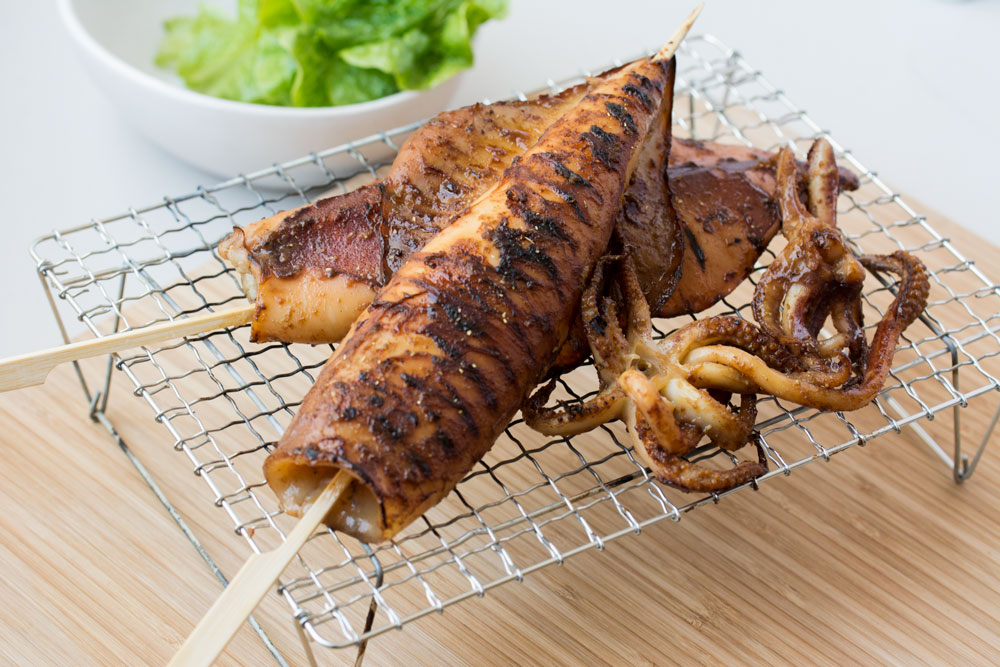
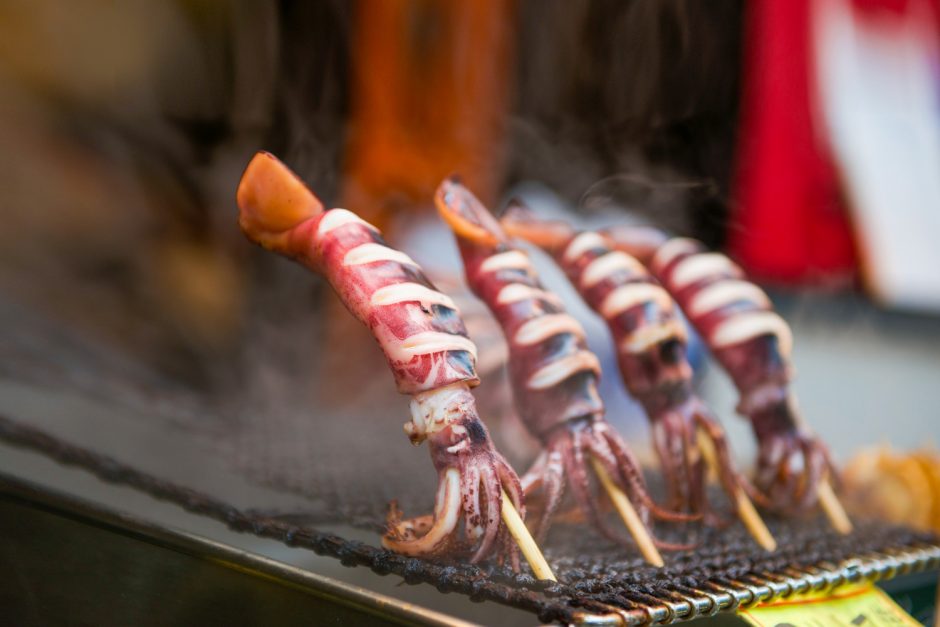
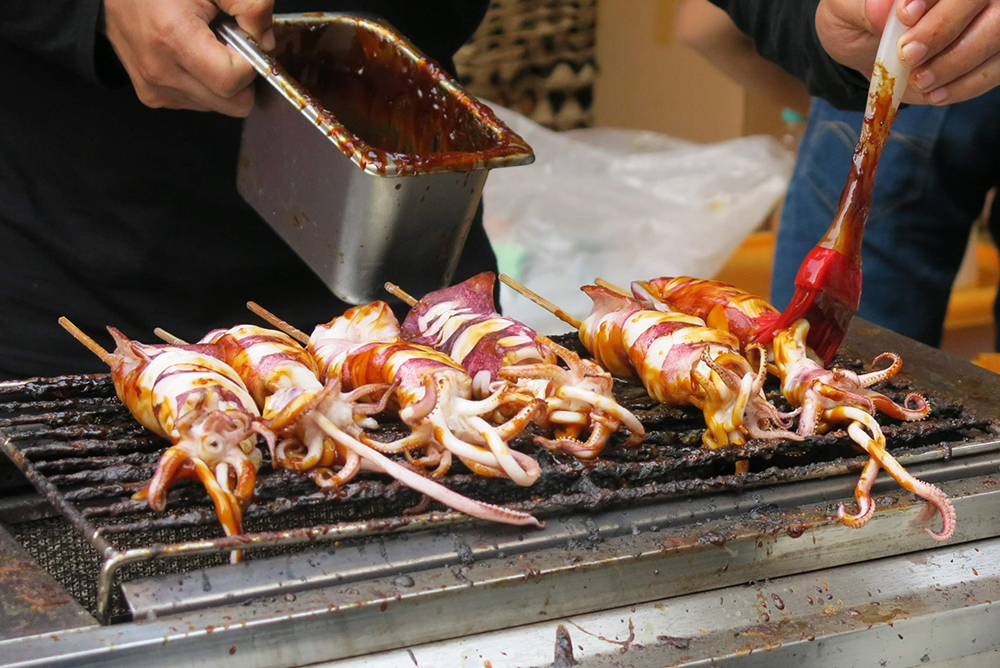
As urbanization spread, Ikayaki (grilled squid) found its way into Japan’s lively matsuri culture. Vendors began grilling whole squid skewered on sticks, creating a portable, flavorful snack perfect for wandering festival-goers. The sizzling sound, smoky fragrance, and glistening glaze of soy sauce became synonymous with Japanese summer nights.

The Art of Crafting Ikayaki (grilled squid) – Simplicity Perfected

Selecting the Freshest Squid

Every perfect Ikayaki (grilled squid) starts with freshness. The best chefs source squid from Japan’s coastal regions—Hokkaido, Aomori, and Hyogo—where cold waters produce firm, sweet flesh. Squid caught early in the morning are grilled within hours to preserve natural sweetness and tenderness.

Review Ikayaki (grilled squid): A Timeless Japanese Street Food Treasure

The Secret Marinade

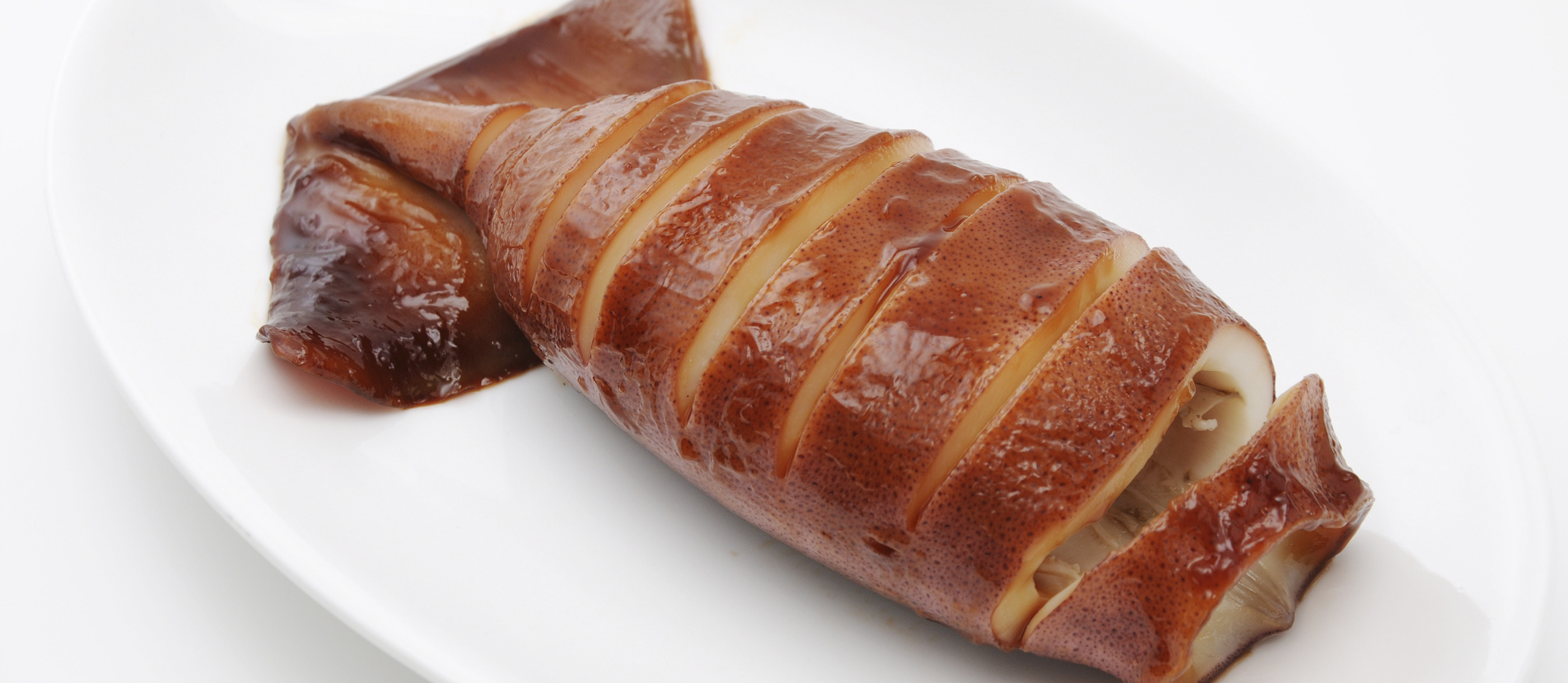
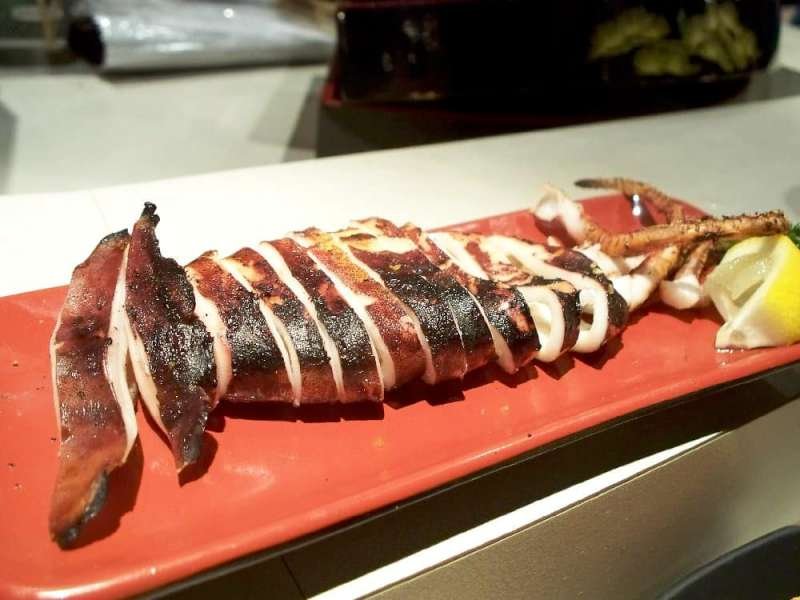
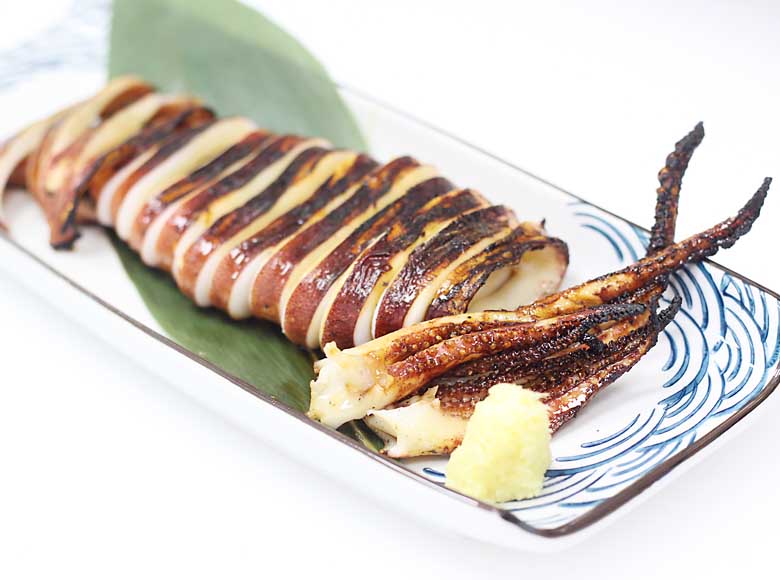
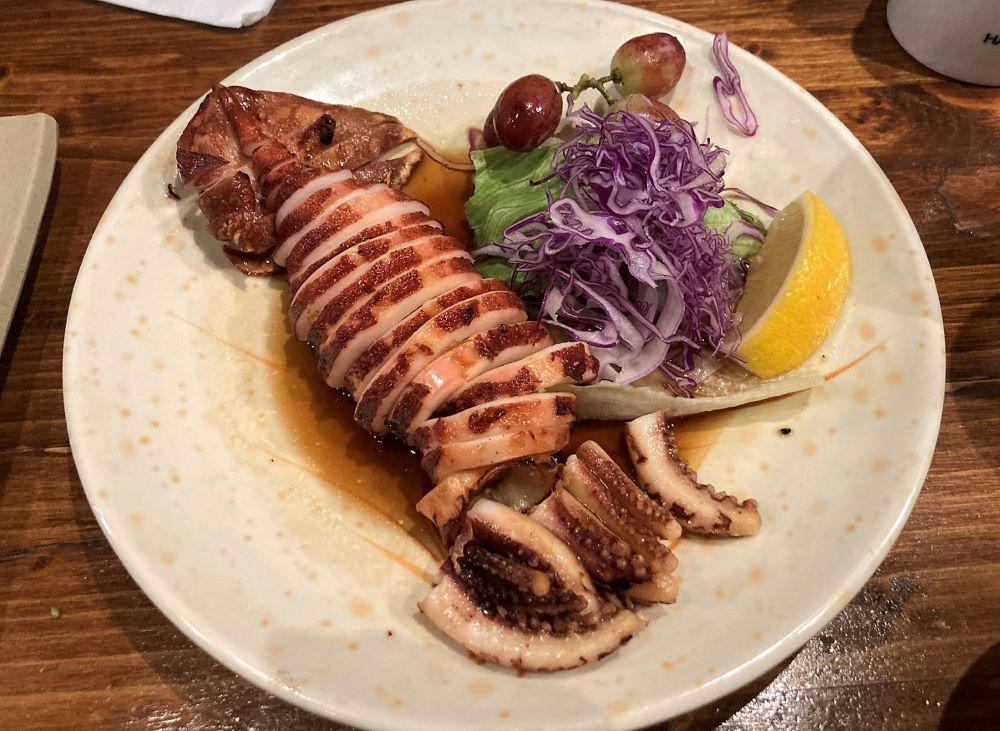
While the traditional method uses only soy sauce, modern variations include marinades of sake, mirin, sugar, and ginger. The squid is lightly scored to absorb the flavor evenly, ensuring every bite bursts with umami. Yoshida Hotel notes that this balance of sweet and savory is what makes Ikayaki (grilled squid) a true reflection of Japanese culinary harmony.

The Grilling Technique

Mastering the grill is essential. Over charcoal or iron plates, the squid is grilled quickly at high heat. The chef must maintain precision—too long, and the squid becomes rubbery; too short, and it lacks caramelization. The smoky glaze, achieved by repeatedly brushing soy sauce during grilling, gives Ikayaki its signature aroma and deep color.

Review Ikayaki (grilled squid): A Timeless Japanese Street Food Treasure

Regional Styles of Ikayaki (grilled squid) – A Flavor Tour Across Japan

Osaka’s Iconic Street Style

In Osaka, Ikayaki (grilled squid) has evolved into a signature local dish that differs from other regions. Instead of skewered squid, Osaka’s version is pressed between hot iron plates, similar to a crepe, then folded and brushed with a savory sauce. It’s often served in train stations and food courts, offering a quick yet satisfying bite that locals adore.

Review Ikayaki (grilled squid): A Timeless Japanese Street Food Treasure

Hokkaido’s Coastal Perfection

Up north, Hokkaido takes pride in its ultra-fresh seafood. Ikayaki (grilled squid) here is often seasoned simply, allowing the sweetness of the squid to shine. It’s usually paired with a cup of sake and enjoyed by the sea—a truly authentic Japanese experience.

Tokyo’s Modern Take

Tokyo’s dining scene has reimagined Ikayaki (grilled squid) in upscale restaurants and izakayas. Chefs serve it with citrusy ponzu, wasabi mayo, or even black garlic aioli, blending traditional flavors with modern presentation. Yoshida Hotel praises Tokyo’s culinary creativity for honoring tradition while innovating taste.

Review Ikayaki (grilled squid): A Timeless Japanese Street Food Treasure

Kyushu’s Bold and Smoky Flavor

In Kyushu, locals prefer stronger marinades infused with chili or miso, creating a bolder version of Ikayaki (grilled squid). The smoky heat captures the fiery personality of southern Japan’s cuisine.

The Flavor Profile – Why Ikayaki (grilled squid) Captures the Japanese Palate

Ikayaki (grilled squid) combines sweet, salty, smoky, and umami notes in perfect balance. The texture is tender yet slightly chewy, offering satisfaction in every bite. The glaze of soy and mirin caramelizes beautifully over heat, while the ocean-fresh flavor of squid delivers a taste that’s both nostalgic and timeless.
Review Ikayaki (grilled squid): A Timeless Japanese Street Food Treasure

A Culinary Symbol of Japanese Minimalism

This dish exemplifies Japan’s philosophy of shibui—understated elegance. It proves that with only a few ingredients and skilled technique, perfection can be achieved.

Ikayaki (grilled squid) in Japanese Festivals and Daily Life

A Summer Festival Icon

No Japanese matsuri is complete without the aroma of Ikayaki (grilled squid) wafting through the air. Vendors fan charcoal flames, brush glazes of soy sauce, and serve the squid piping hot on wooden sticks. It’s a dish that evokes joy, nostalgia, and community spirit.

Review Ikayaki (grilled squid): A Timeless Japanese Street Food Treasure

A Beloved Izakaya Dish

In izakayas (Japanese pubs), Ikayaki (grilled squid) is often served as an appetizer with beer or sake. Its umami flavor and chewy texture pair perfectly with drinks, making it a popular choice for late-night gatherings.

Street Food and Convenience

Beyond festivals, you’ll find Ikayaki (grilled squid) in markets and even convenience stores, pre-packaged yet still flavorful. Its accessibility has made it a comfort food across generations.

Review Ikayaki (grilled squid): A Timeless Japanese Street Food Treasure

Health Benefits of Ikayaki (grilled squid) – Delicious and Nutritious

Ikayaki (grilled squid) is not only delicious but also healthy. It’s rich in protein, low in fat, and packed with minerals such as zinc, selenium, and copper. Squid also contains taurine, which helps regulate cholesterol and supports heart health. Grilling retains these nutrients while minimizing oil, making it a wholesome indulgence.

Review Ikayaki (grilled squid): A Timeless Japanese Street Food Treasure

Balanced Eating with Japanese Wisdom

Yoshida Hotel emphasizes that Ikayaki (grilled squid) reflects Japan’s approach to balance – eating in moderation, valuing freshness, and savoring natural flavors without excess.

Ikayaki (grilled squid) Around the World – From Japan to Global Tables

As Japanese cuisine gained global admiration, Ikayaki (grilled squid) followed. From Hawaiian street fairs to Michelin-starred restaurants in Paris, this dish has become a global ambassador of Japanese street food culture. International chefs incorporate it into fusion menus, celebrating its smoky umami charm.

Review Ikayaki (grilled squid): A Timeless Japanese Street Food Treasure

Cultural Impact Beyond Taste

Beyond food, Ikayaki (grilled squid) has become a symbol of Japanese craftsmanship—proof that even the simplest dish, when prepared with care, can embody national identity and pride.

Cooking Ikayaki (grilled squid) at Home – A Step Toward Japanese Mastery

Preparing Ikayaki (grilled squid) at home is surprisingly simple. Clean the squid thoroughly, marinate with soy sauce, mirin, sake, and sugar, then grill for a few minutes on each side until caramelized. Serve with lemon wedges or grated daikon for freshness.

Review Ikayaki (grilled squid): A Timeless Japanese Street Food Treasure

Yoshida Hotel’s Pro Tips for Perfect Ikayaki (grilled squid)

  • Choose fresh, medium-sized squid for tenderness.
  • Don’t overcook; 2–3 minutes per side keeps it juicy.
  • Brush soy sauce during grilling for a glossy finish.
  • Pair with rice, salad, or sake for an authentic experience.

The Cultural and Emotional Connection to Ikayaki (grilled squid)

For many Japanese people, Ikayaki (grilled squid) evokes memories of childhood festivals, family outings, and seaside vacations. It embodies the warmth of Japanese hospitality—simple, sincere, and full of flavor.

Review Ikayaki (grilled squid): A Timeless Japanese Street Food Treasure

Symbolism in Japanese Food Heritage

Squid symbolizes prosperity and endurance in Japanese folklore. Its appearance at festivals is more than tradition—it’s a wish for joy and good fortune shared among communities.

Where to Experience the Best Ikayaki (grilled squid) in Japan

  • Osaka: Try the famous pressed Ikayaki at Namba or Umeda Station.
  • Fukuoka: Enjoy spicy, smoky versions from local street vendors.
  • Hokkaido: Experience the freshness of grilled squid by the sea.
  • Tokyo: Savor modern interpretations in izakayas and fine dining.

Review Ikayaki (grilled squid): A Timeless Japanese Street Food Treasure

Rediscover Ikayaki (grilled squid) with Yoshida Hotel – A Celebration of Simplicity and Flavor

From the coasts of Hokkaido to the bustling streets of Osaka, Ikayaki (grilled squid) continues to unite people through the universal language of good food. It’s more than a dish; it’s an experience of Japan’s culinary soul. Together with Yoshida Hotel, we celebrate this timeless delicacy that brings warmth, flavor, and joy to every table.

Review Mentaiko: A Journey Through Japan’s Spicy Seafood Treasure

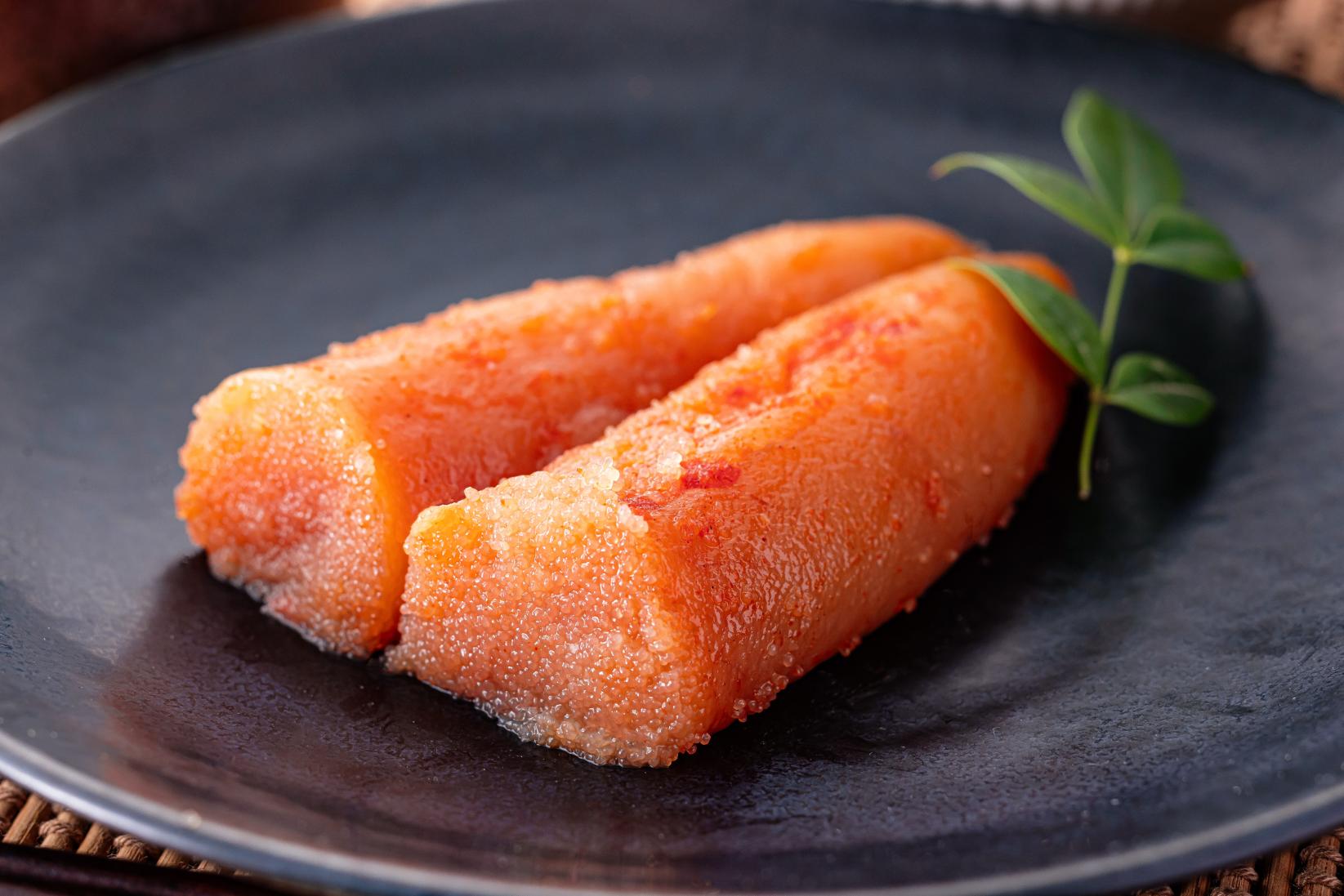
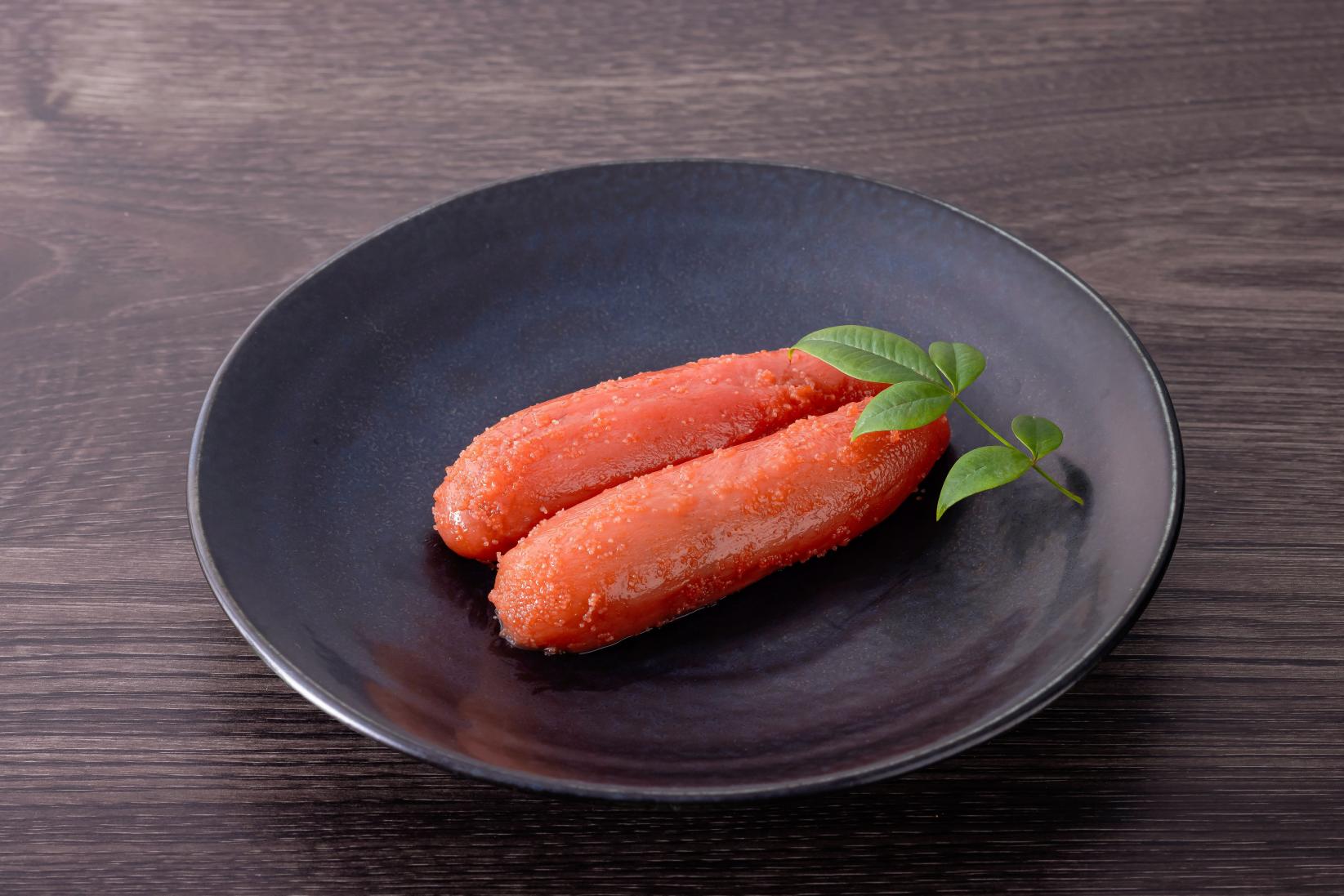
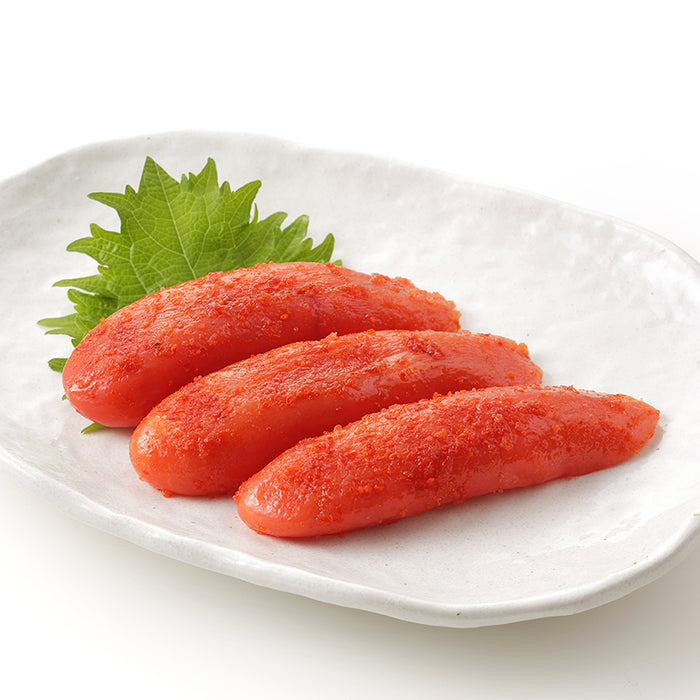
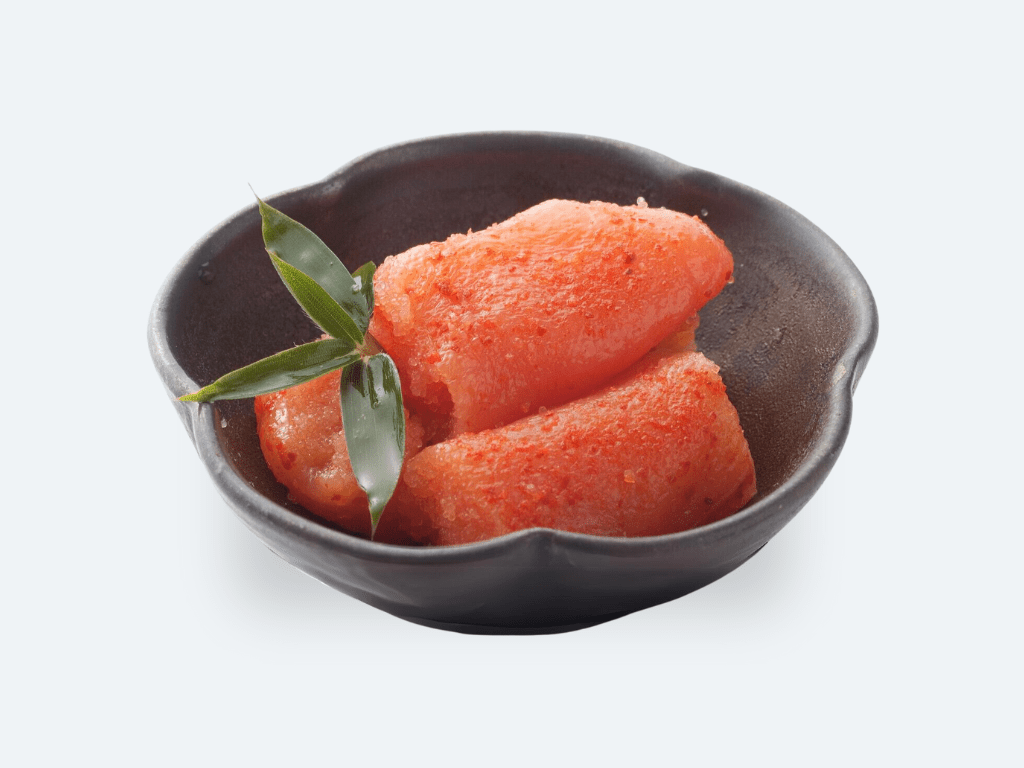
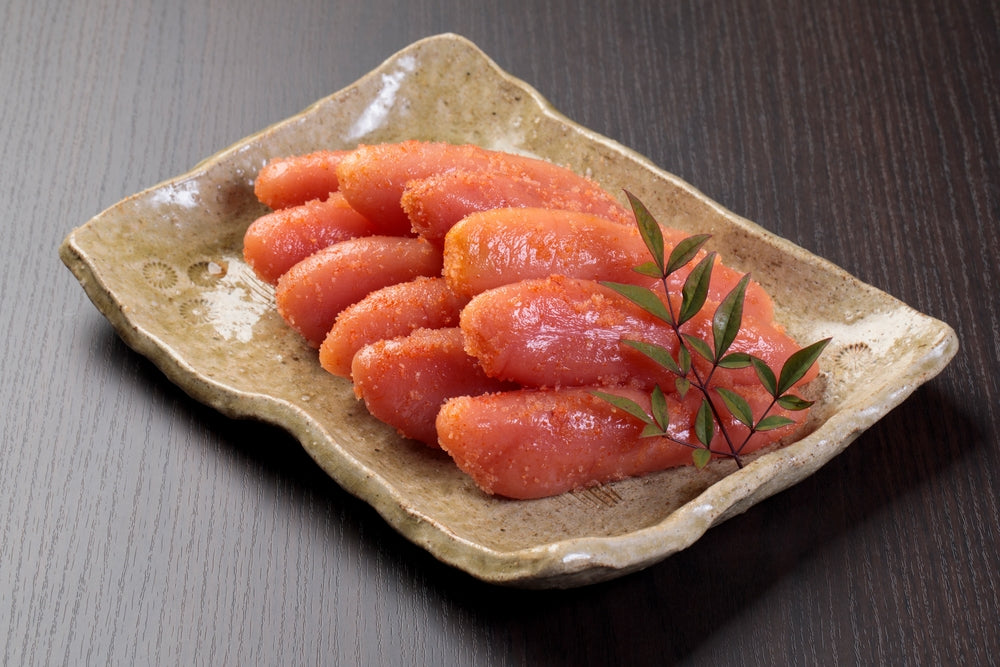
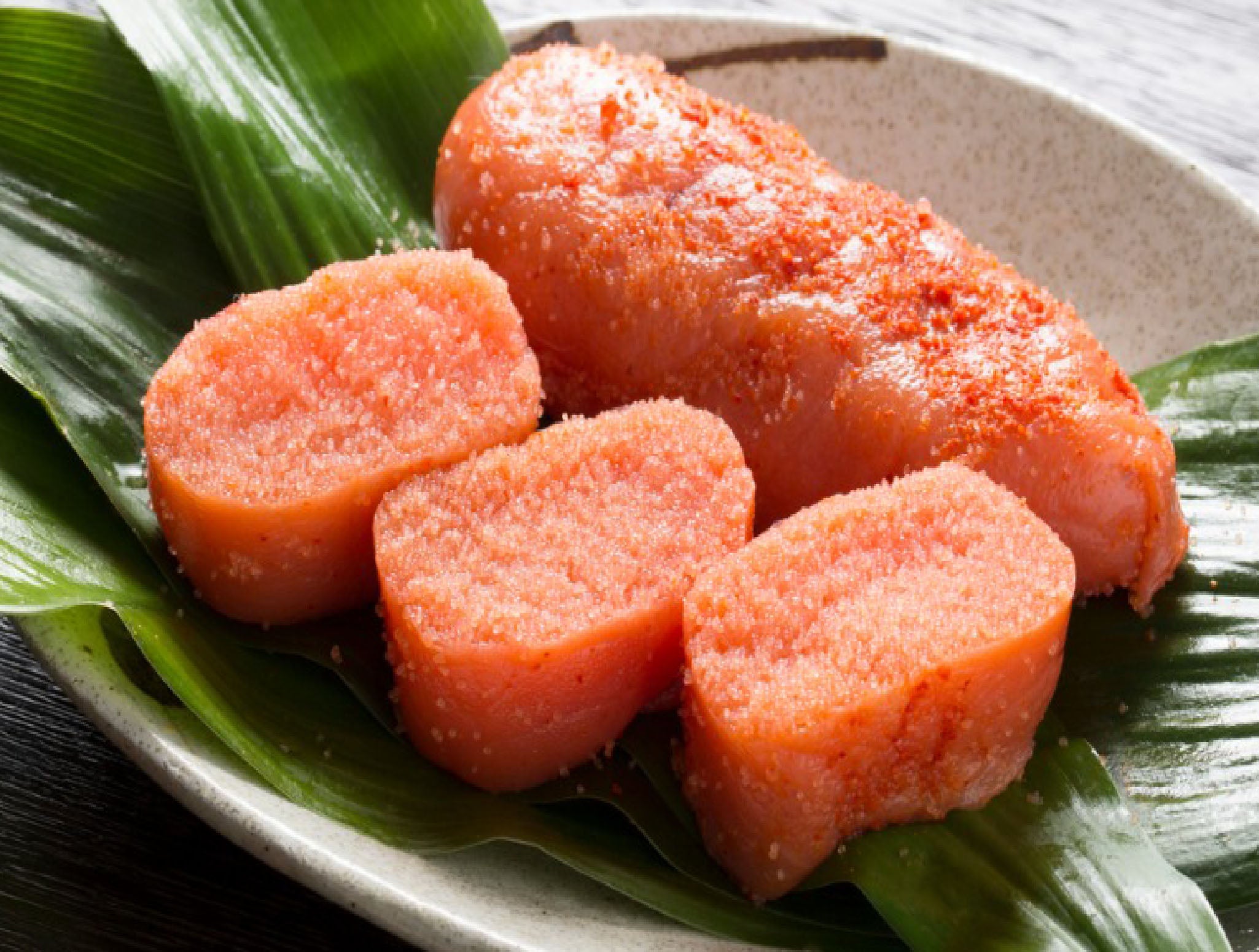
Mentaiko, Japan’s irresistible marinated cod roe, is more than just a condiment – it’s a symbol of the country’s culinary creativity and passion for flavor. Together with Yoshida Hotel, we invite you to explore the fascinating world of Mentaiko, from its origins in Kyushu to its role as a must-try delicacy across Japan. In this comprehensive guide, you’ll discover how Mentaiko evolved, how it’s made, and how this spicy, salty delight captures the essence of Japanese dining culture.

The Origins of Mentaiko – A Tale of Taste and Tradition

The story of Mentaiko begins in the southern island of Kyushu, particularly in Fukuoka, where this delicacy was introduced after World War II. Inspired by Korean myeongnan-jeot, the Japanese adapted the marinated pollock roe to their palate, reducing the spice while refining the texture and flavor. Over time, Mentaiko became an icon of Fukuoka’s food scene and a national culinary sensation.

From Korea to Kyushu – The Birth of a New Flavor

Mentaiko’s journey from Korean origins to Japanese perfection reflects Japan’s ability to adapt foreign influences into unique cultural expressions. While the Korean version is intensely salty and fiery, the Japanese rendition balances heat with subtlety, creating a flavor profile that’s both exciting and elegant. Yoshida Hotel notes that this adaptation highlights Japan’s deep respect for harmony in cuisine.

Review Mentaiko: A Journey Through Japan’s Spicy Seafood Treasure

Mentaiko in Japanese Food Culture

Beyond its taste, Mentaiko represents innovation in post-war Japan – a time when the country sought to rebuild and redefine its culinary identity. The dish quickly became associated with Kyushu’s hospitality and craftsmanship, often served with rice, pasta, or onigiri. Today, it’s a staple in convenience stores and luxury restaurants alike.

The Making of Mentaiko – Craftsmanship and Patience in Every Grain

The Selection of Roe

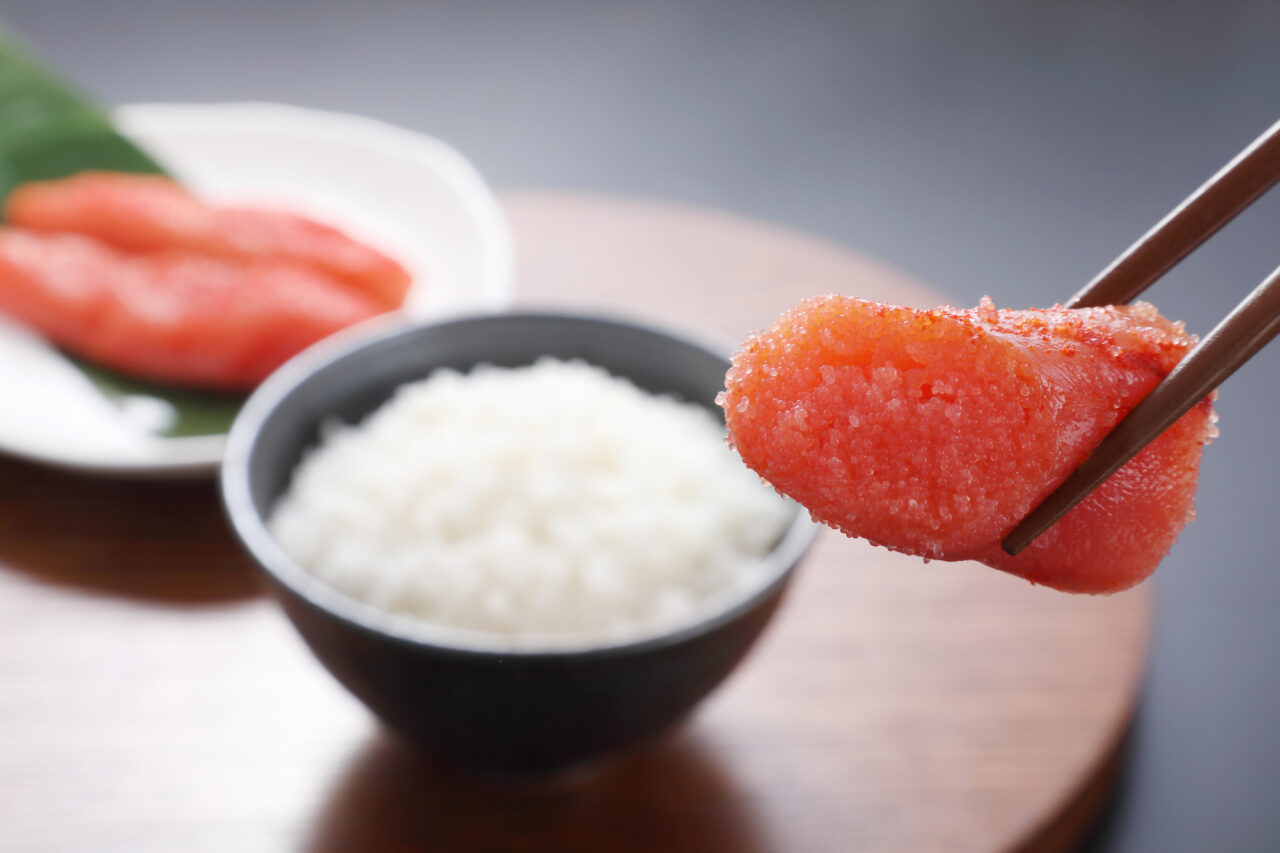
The finest Mentaiko begins with premium pollock roe. Each sac is carefully inspected for size, color, and firmness. Only the freshest roe – typically from Alaskan pollock – is chosen to ensure delicate flavor and texture.

Review Mentaiko: A Journey Through Japan’s Spicy Seafood Treasure

The Art of Seasoning

The roe is gently marinated in a mixture of salt, chili, sake, mirin, and kombu. This blend infuses the roe with layers of umami and spice. Some artisans use secret family recipes that have been passed down for generations, resulting in distinct regional flavors.

The Fermentation Process

After seasoning, the roe is left to rest for several days. This maturation process allows flavors to deepen and harmonize. Yoshida Hotel explains that this patience mirrors Japan’s broader philosophy in food – perfection through time and care.

Review Mentaiko: A Journey Through Japan’s Spicy Seafood Treasure

Regional Flavors of Mentaiko Across Japan

Fukuoka Mentaiko – The Original Masterpiece

Fukuoka remains the spiritual home of Mentaiko. Its version is mild yet flavorful, offering the perfect balance of saltiness and spice. Local producers often experiment with variations, such as yuzu-flavored or sake-infused Mentaiko.

Review Mentaiko: A Journey Through Japan’s Spicy Seafood Treasure

Hakata Mentaiko – The Pride of Kyushu

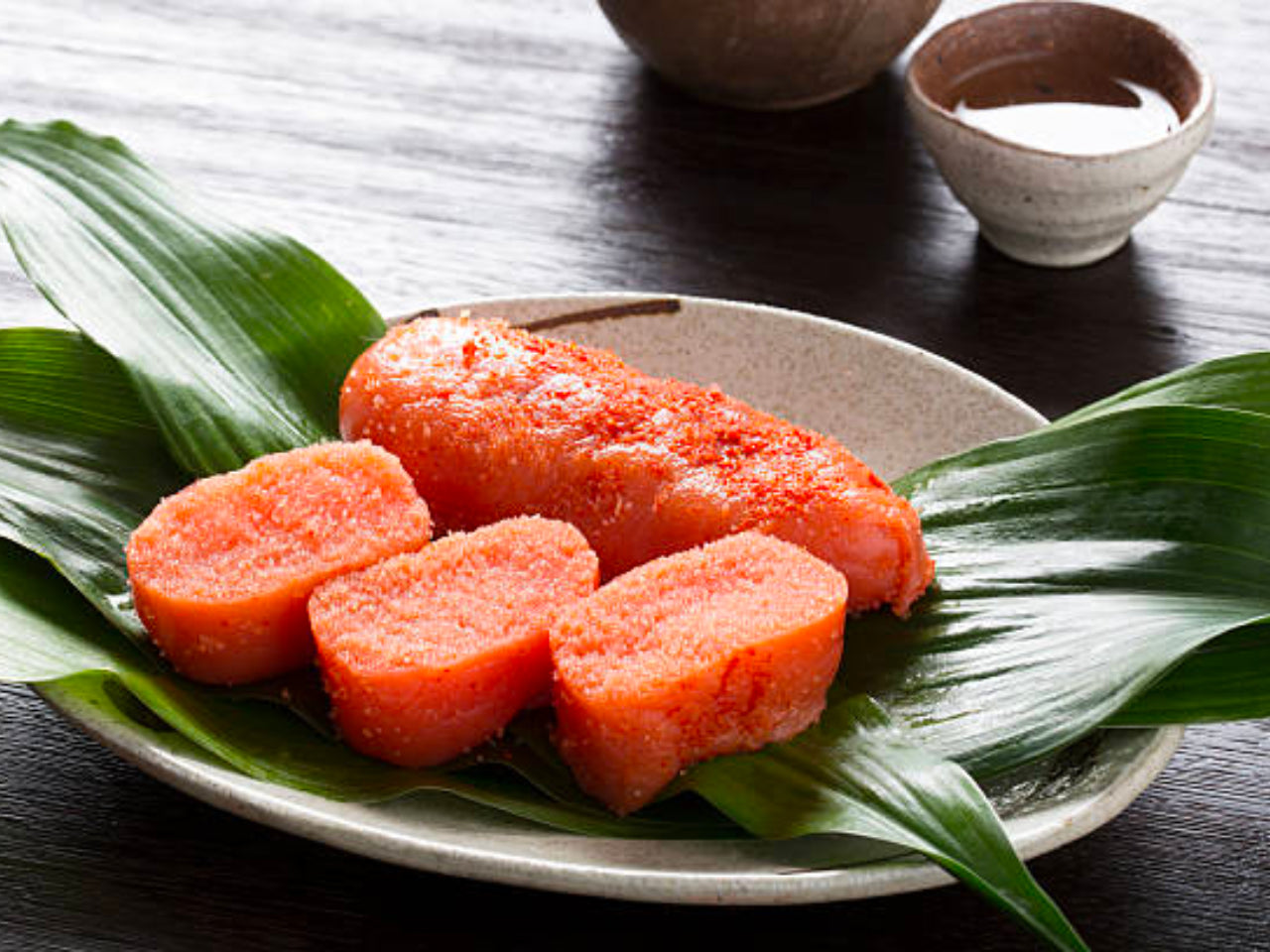
Hakata, a district in Fukuoka, is particularly famous for its Hakata Mentaiko, which is softer and spicier than other varieties. It’s often enjoyed as a side dish with rice or mixed into pasta for a modern twist.

Hokkaido Mentaiko – The Northern Touch

In Hokkaido, Mentaiko takes on a more robust flavor, often paired with fresh seafood or used as a topping for sushi. The cold climate helps preserve its freshness and enhances its umami profile.

Review Mentaiko: A Journey Through Japan’s Spicy Seafood Treasure

Tokyo-Style Mentaiko – Urban Sophistication

Tokyo chefs have reimagined Mentaiko into fine dining experiences. From Mentaiko-filled omelets to Mentaiko cream sauces for pasta, the city’s culinary scene embraces creativity without losing the essence of tradition.

The Versatility of Mentaiko – Endless Culinary Possibilities

Mentaiko Pasta – East Meets West

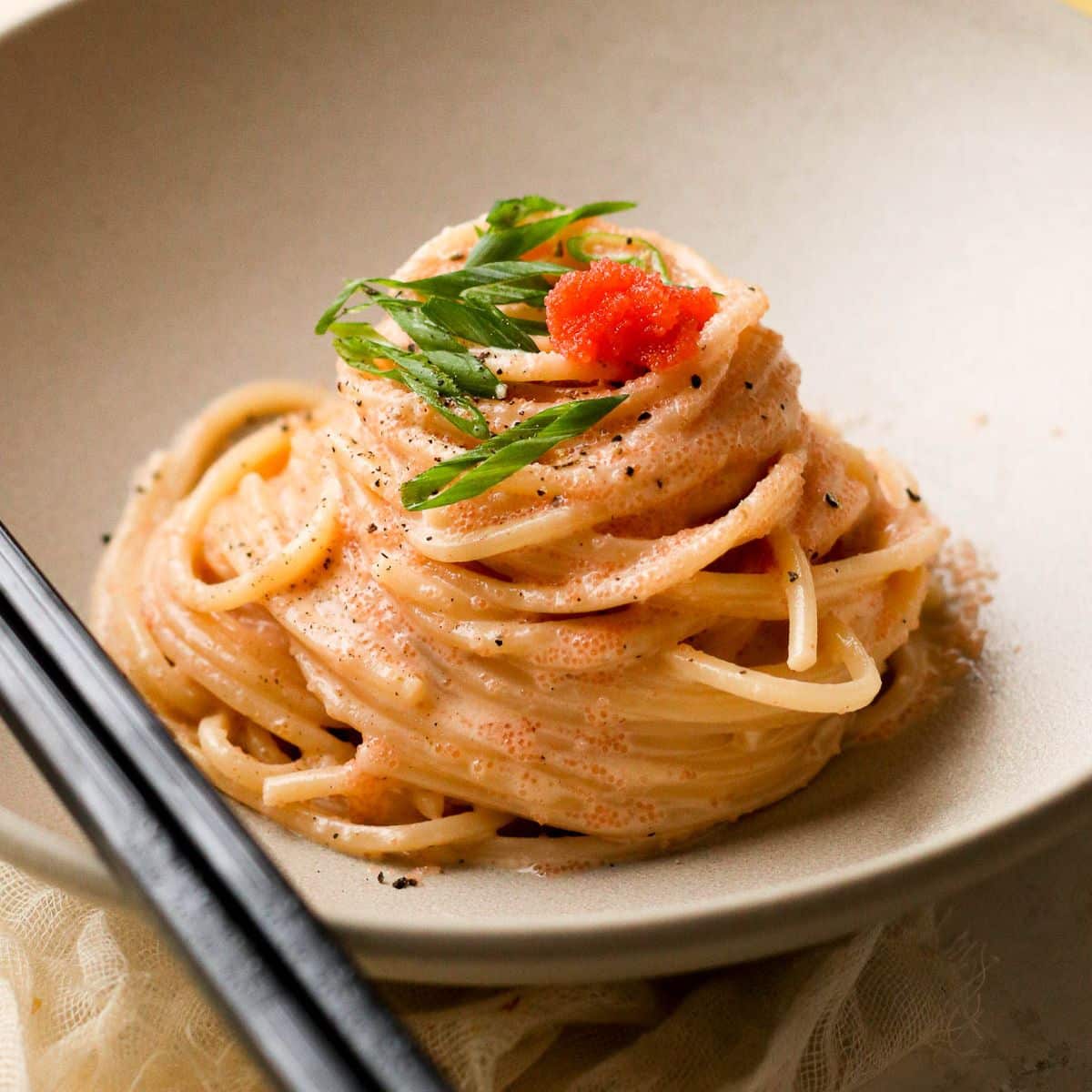
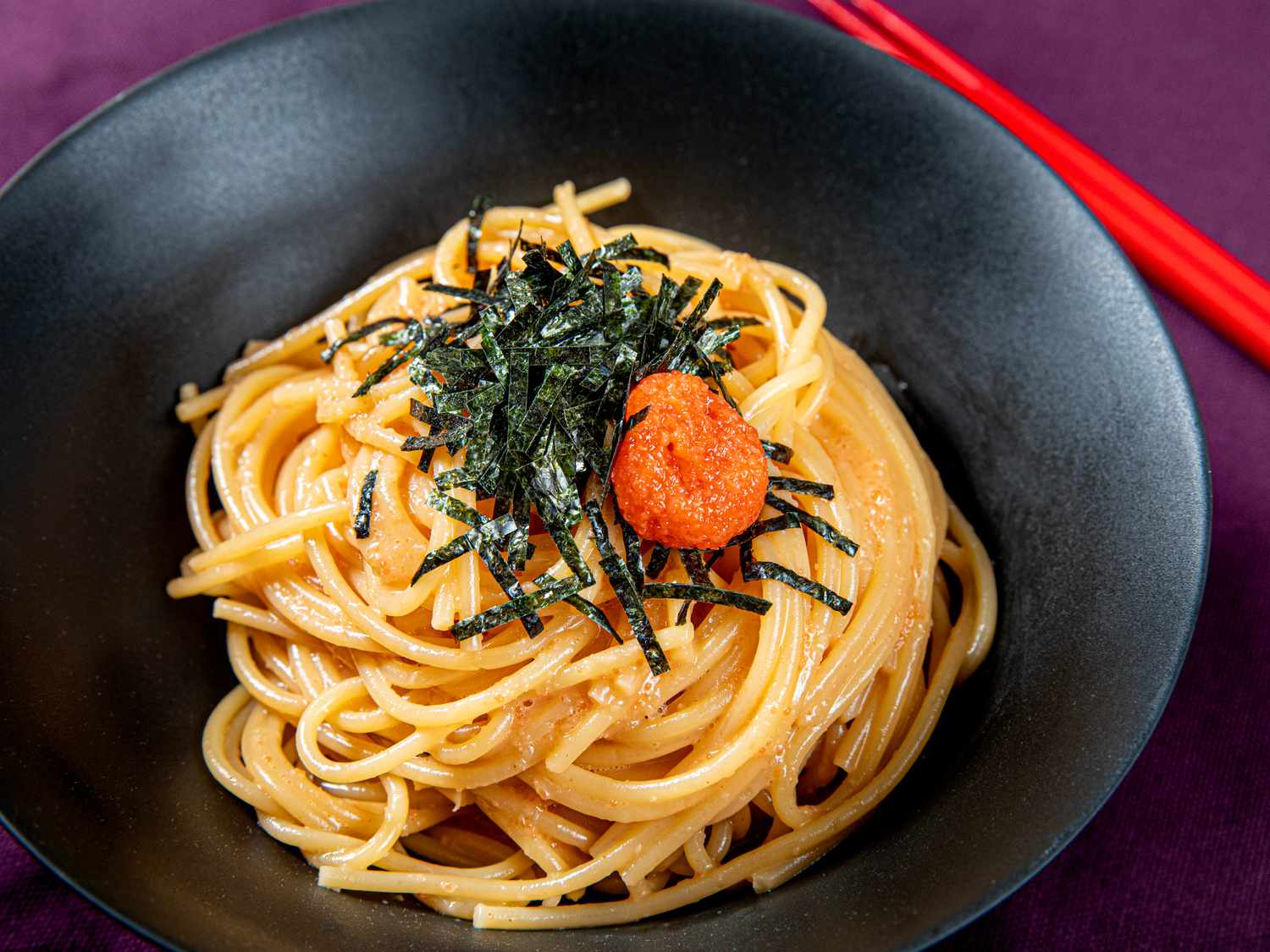
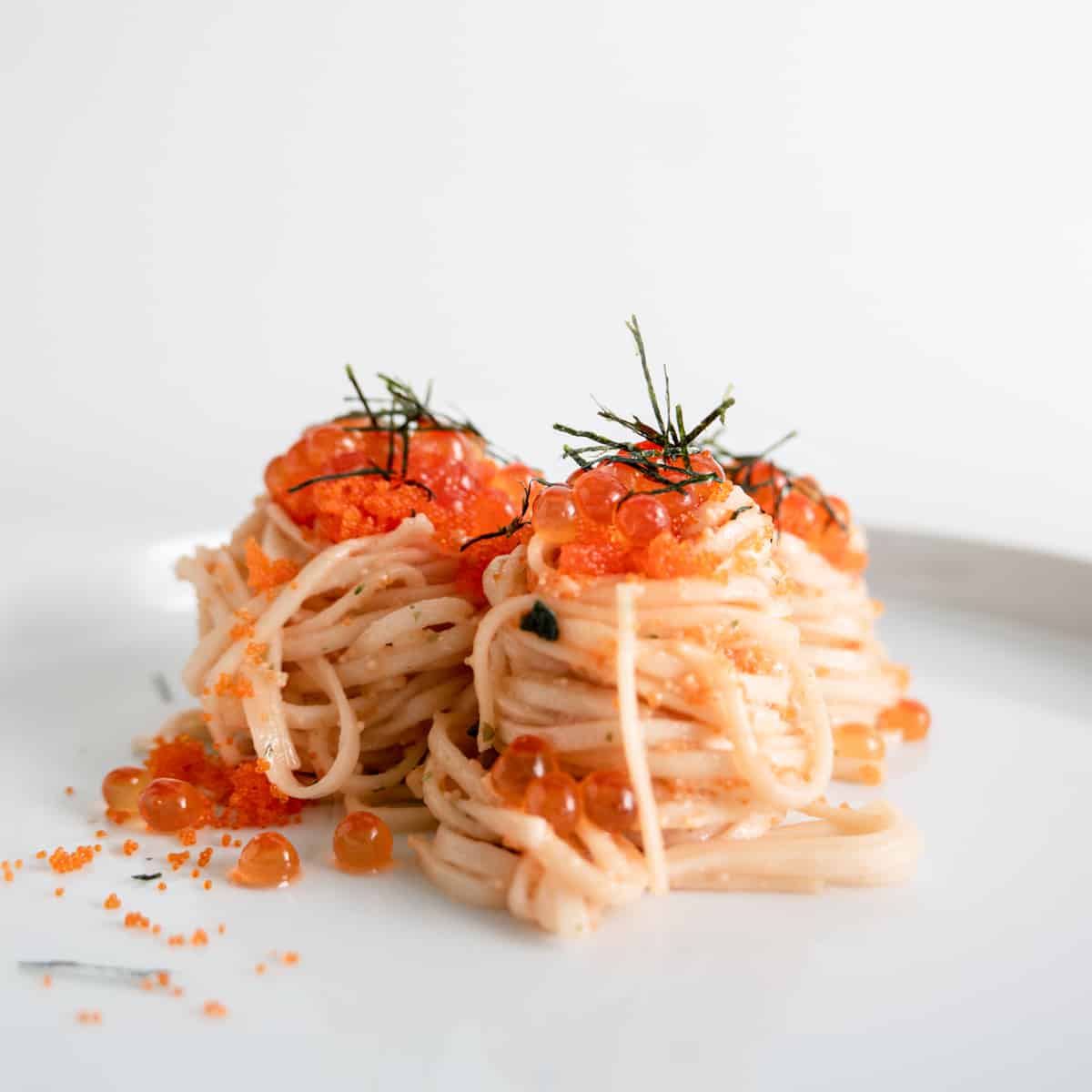
Perhaps one of the most popular modern dishes featuring Mentaiko is Mentaiko pasta. A blend of spaghetti, butter, and spicy roe creates a creamy yet bold dish that perfectly bridges Japanese and Italian cuisines. Yoshida Hotel recommends pairing it with a glass of white wine for a balanced meal.

Review Mentaiko: A Journey Through Japan’s Spicy Seafood Treasure

Mentaiko Onigiri – Comfort in Every Bite

Wrapped in nori and filled with savory Mentaiko, onigiri rice balls are a favorite among locals and travelers alike. They’re sold everywhere from convenience stores to high-end bento shops.

Mentaiko Sushi and Nigiri

Sushi chefs often use Mentaiko as a topping for nigiri or as a filling in maki rolls. Its texture and flavor complement fresh fish, creating a luxurious bite that’s both spicy and smooth.

Review Mentaiko: A Journey Through Japan’s Spicy Seafood Treasure

Mentaiko Toast and Snacks

Contemporary cafes in Japan serve Mentaiko toast, where the spicy roe is spread on bread and lightly grilled. The result is a crispy, umami-packed treat. There are also Mentaiko-flavored snacks like potato chips and crackers that have gained nationwide popularity.

Mentaiko in Japanese Festivals and Daily Life

Mentaiko is more than just a delicacy – it’s a part of Japanese daily life and celebration.

A Symbol of Prosperity and Good Fortune

In Japanese tradition, roe symbolizes fertility and abundance. Mentaiko is often served during New Year’s celebrations or given as gifts, representing good luck and happiness.

Review Mentaiko: A Journey Through Japan’s Spicy Seafood Treasure

Street Food and Market Culture

In Fukuoka’s markets, vendors sell freshly marinated Mentaiko, often offering free samples to visitors. The vibrant red hue and spicy aroma draw tourists eager to taste authentic local flavor.

Everyday Enjoyment

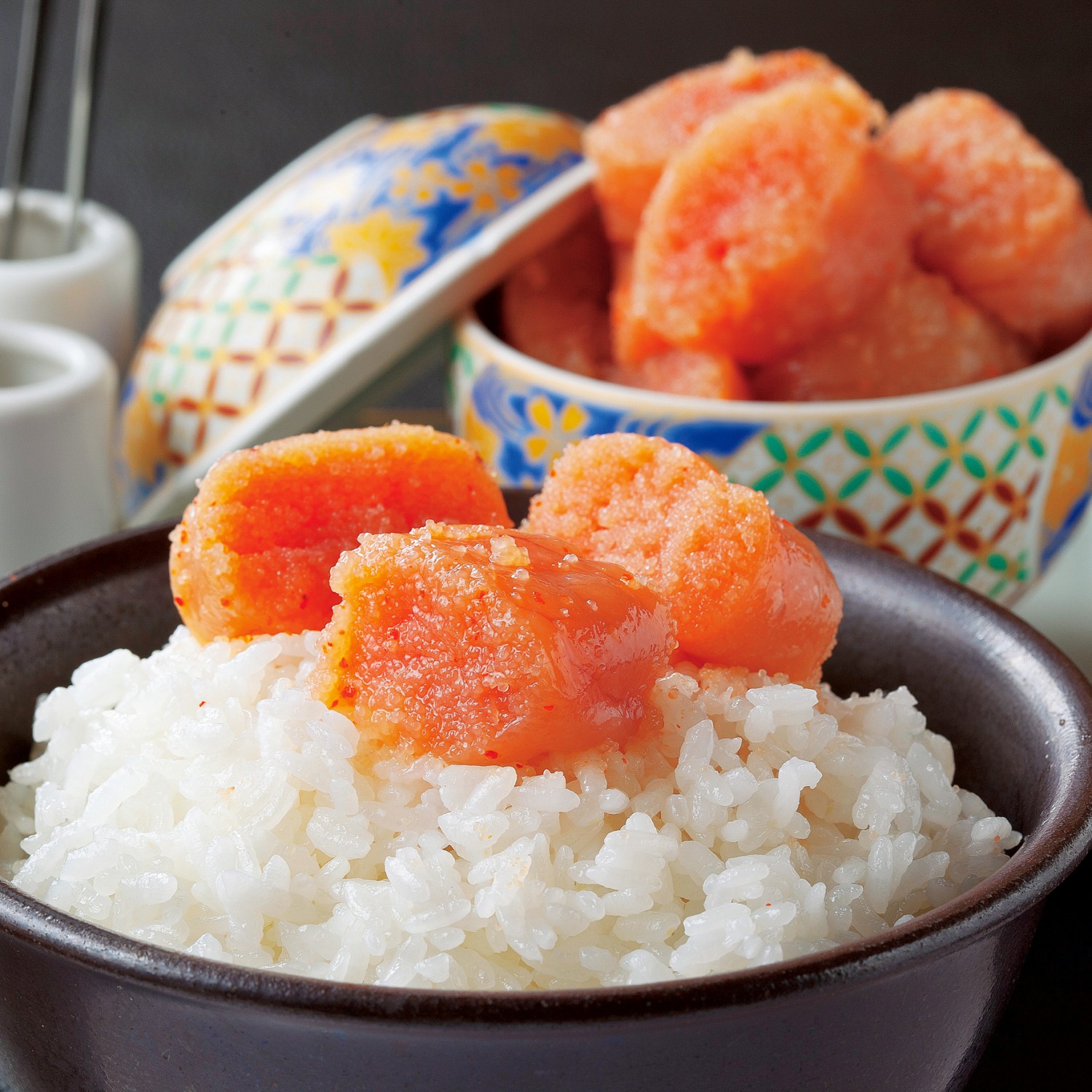
From breakfast rice bowls to izakaya menus, Mentaiko appears in countless forms. Its ability to elevate simple dishes makes it a beloved ingredient across generations.

Review Mentaiko: A Journey Through Japan’s Spicy Seafood Treasure

The Health Benefits of Mentaiko – Flavor That’s Good for You

Nutritional Value

Mentaiko is high in protein, omega-3 fatty acids, and essential minerals like iron and zinc. Despite its rich flavor, it’s relatively low in calories, making it a healthy option when eaten in moderation.

Review Mentaiko: A Journey Through Japan’s Spicy Seafood Treasure

A Boost for Brain and Heart Health

Thanks to its omega-3 content, Mentaiko supports cardiovascular and brain function. Yoshida Hotel highlights that traditional Japanese diets featuring seafood like Mentaiko contribute to Japan’s long life expectancy.

Moderation and Mindfulness

While Mentaiko is nutritious, it’s also high in sodium. As with many Japanese delicacies, balance is key – savoring small portions mindfully enhances appreciation and health.

Review Mentaiko: A Journey Through Japan’s Spicy Seafood Treasure

Experiencing Mentaiko Across Japan – A Traveler’s Guide

Where to Taste Authentic Mentaiko

  • Fukuoka: Visit local shops and restaurants that have been perfecting Mentaiko for decades.
  • Tokyo: Explore contemporary takes at fusion restaurants and cafes.
  • Hokkaido: Enjoy fresh seafood paired with Mentaiko’s bold umami.
  • Osaka: Try Mentaiko-infused street food, from takoyaki to okonomiyaki.

Review Mentaiko: A Journey Through Japan’s Spicy Seafood Treasure

Mentaiko Souvenirs and Gifts

Packaged Mentaiko is a popular souvenir, especially from Fukuoka’s airport and shopping centers. Travelers can bring home this spicy delight as an edible memory of Japan.

Learning Through Experience

Some workshops in Fukuoka allow visitors to make their own Mentaiko, offering an immersive look into Japan’s culinary craftsmanship.

Review Mentaiko: A Journey Through Japan’s Spicy Seafood Treasure

Mentaiko in Modern Japanese Cuisine – Tradition Meets Innovation

Chefs across Japan are continuously reinventing Mentaiko. From fusion pasta to Mentaiko mayonnaise used in burgers and sandwiches, its versatility inspires creativity in every corner of the culinary world.

Mentaiko and International Influence

Mentaiko has spread beyond Japan’s borders, appearing in Korean, Chinese, and even Western restaurants. It symbolizes how Japanese flavors continue to captivate global palates.

Review Mentaiko: A Journey Through Japan’s Spicy Seafood Treasure

Mentaiko and the Future of Japanese Gastronomy

As Japan embraces sustainability, Mentaiko producers are exploring eco-friendly harvesting and reduced-sodium recipes to appeal to health-conscious consumers.

Cooking Mentaiko at Home – Simple Yet Sophisticated

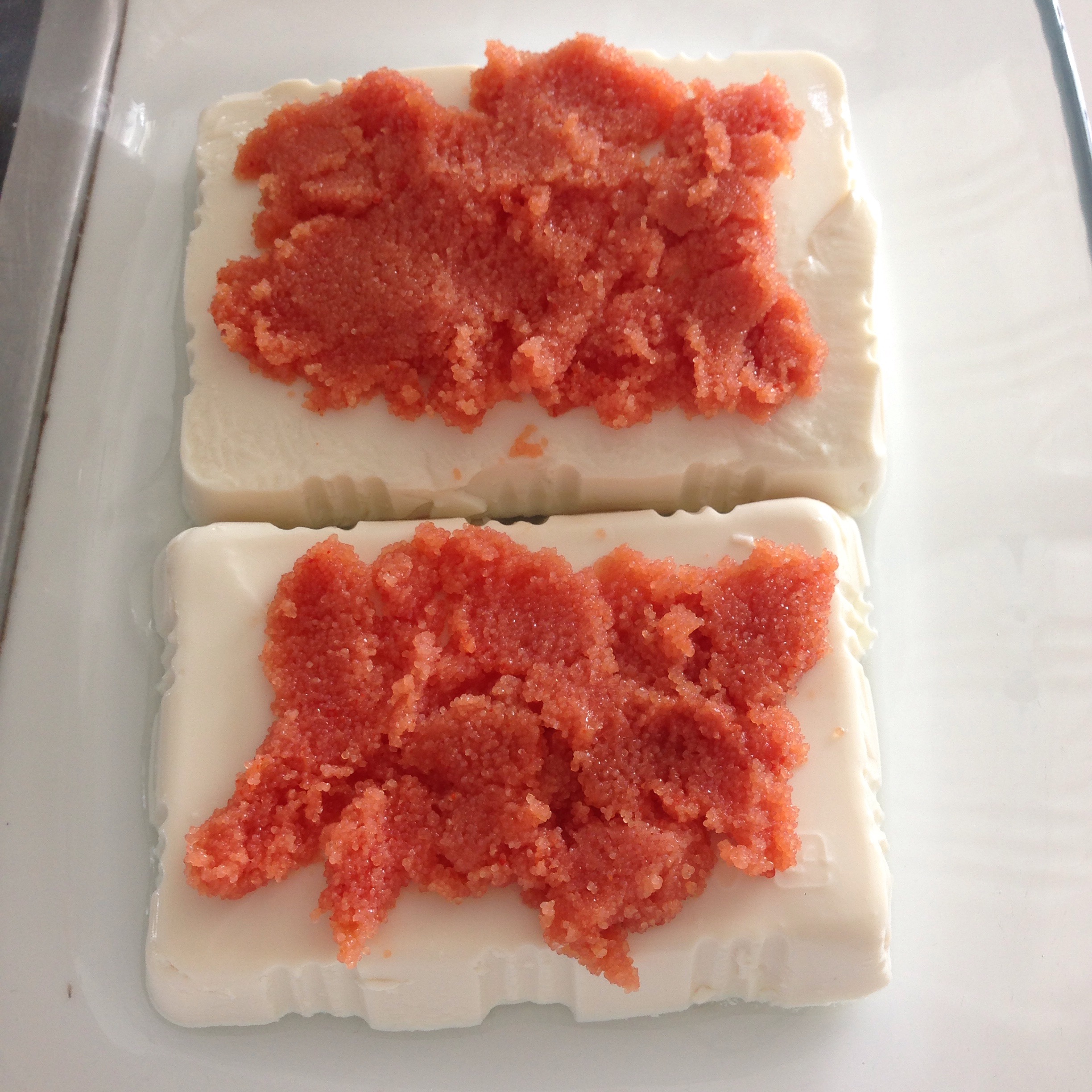
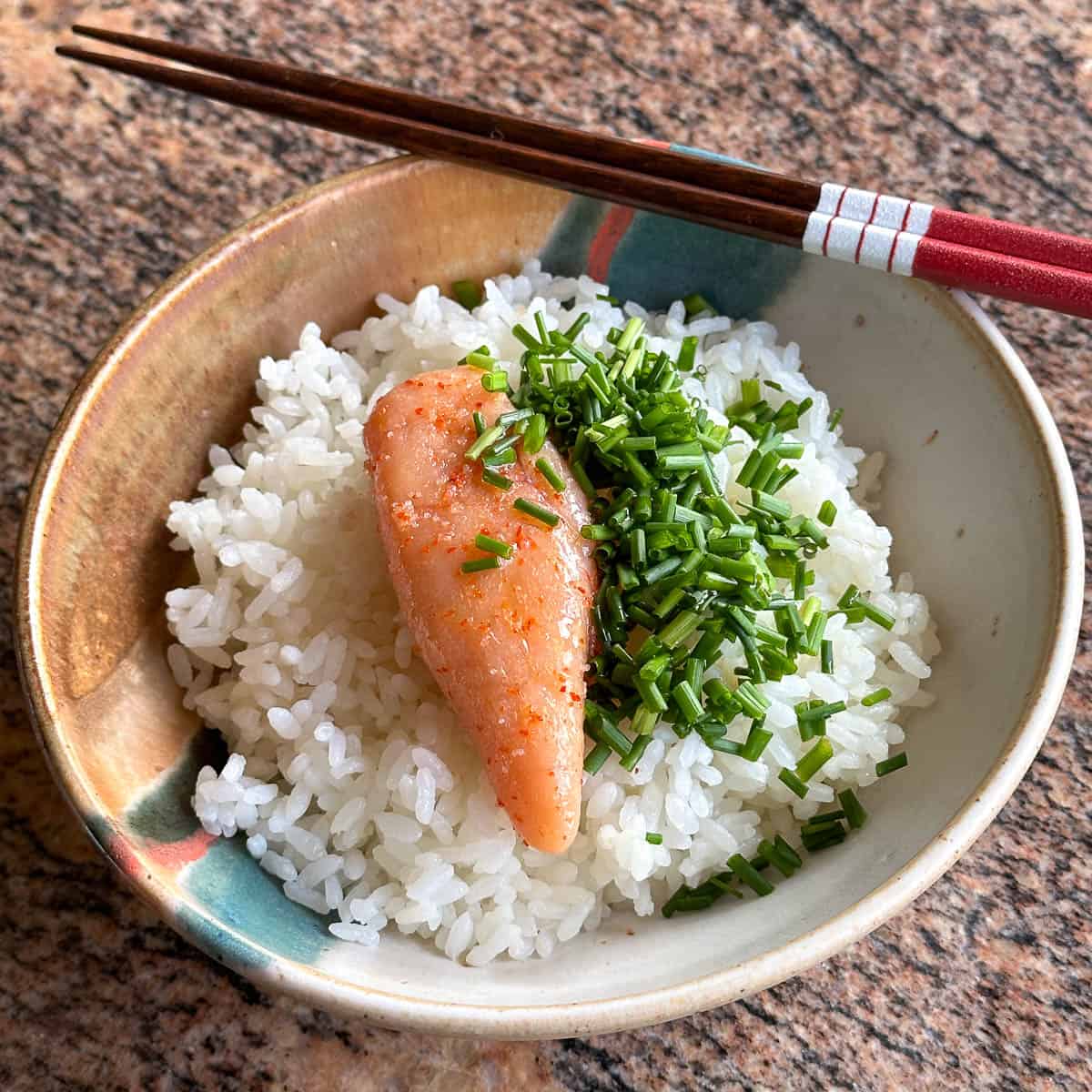
Mentaiko is surprisingly easy to prepare at home. Remove the roe from its sac, mix it with butter or cream for pasta, or use it as a topping for rice. It can be steamed, grilled, or eaten raw depending on preference.

Review Mentaiko: A Journey Through Japan’s Spicy Seafood Treasure

Tips from Yoshida Hotel

  • Keep Mentaiko refrigerated and consume within a few days for the best flavor.
  • Pair it with neutral ingredients like rice or bread to highlight its complexity.
  • Experiment with sauces or condiments to create unique fusion dishes.

Cultural Significance – Mentaiko Beyond Taste

Mentaiko represents Japan’s spirit of reinvention. From a regional specialty to a symbol of national identity, it demonstrates how tradition and innovation coexist in Japanese cuisine.

Review Mentaiko: A Journey Through Japan’s Spicy Seafood Treasure

The Emotional Connection

For many Japanese people, Mentaiko evokes nostalgia – a reminder of home-cooked meals and family gatherings. Yoshida Hotel describes it as more than a dish; it’s a feeling of warmth and belonging.

Rediscover Mentaiko with Yoshida Hotel – A Celebration of Flavor and Heritage

Through this exploration of Mentaiko, we’ve uncovered the layers of history, culture, and flavor that define Japan’s culinary artistry. From its spicy beginnings in Kyushu to its global fame, Mentaiko remains a testament to the country’s dedication to harmony, balance, and beauty in food. Together with Yoshida Hotel, we celebrate this iconic delicacy that continues to ignite the senses and bring people together through the universal language of taste.

Review Oden: A Soulful Taste of Japan’s Comfort Cuisine

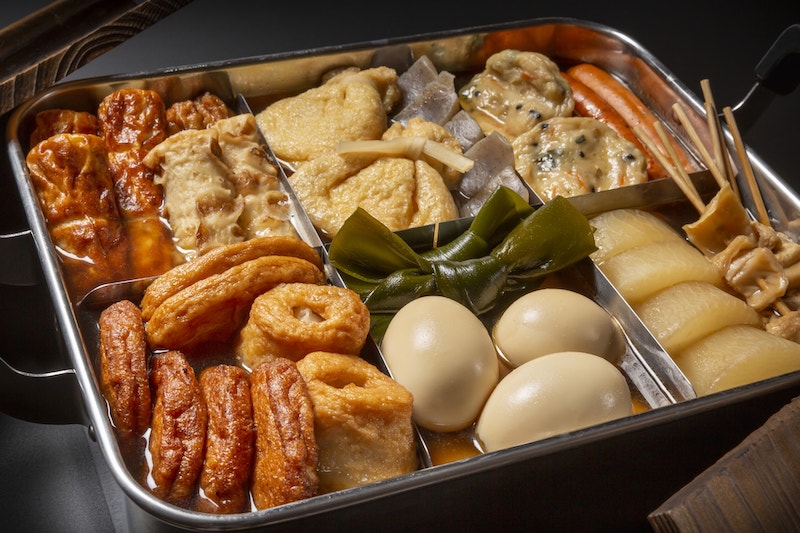
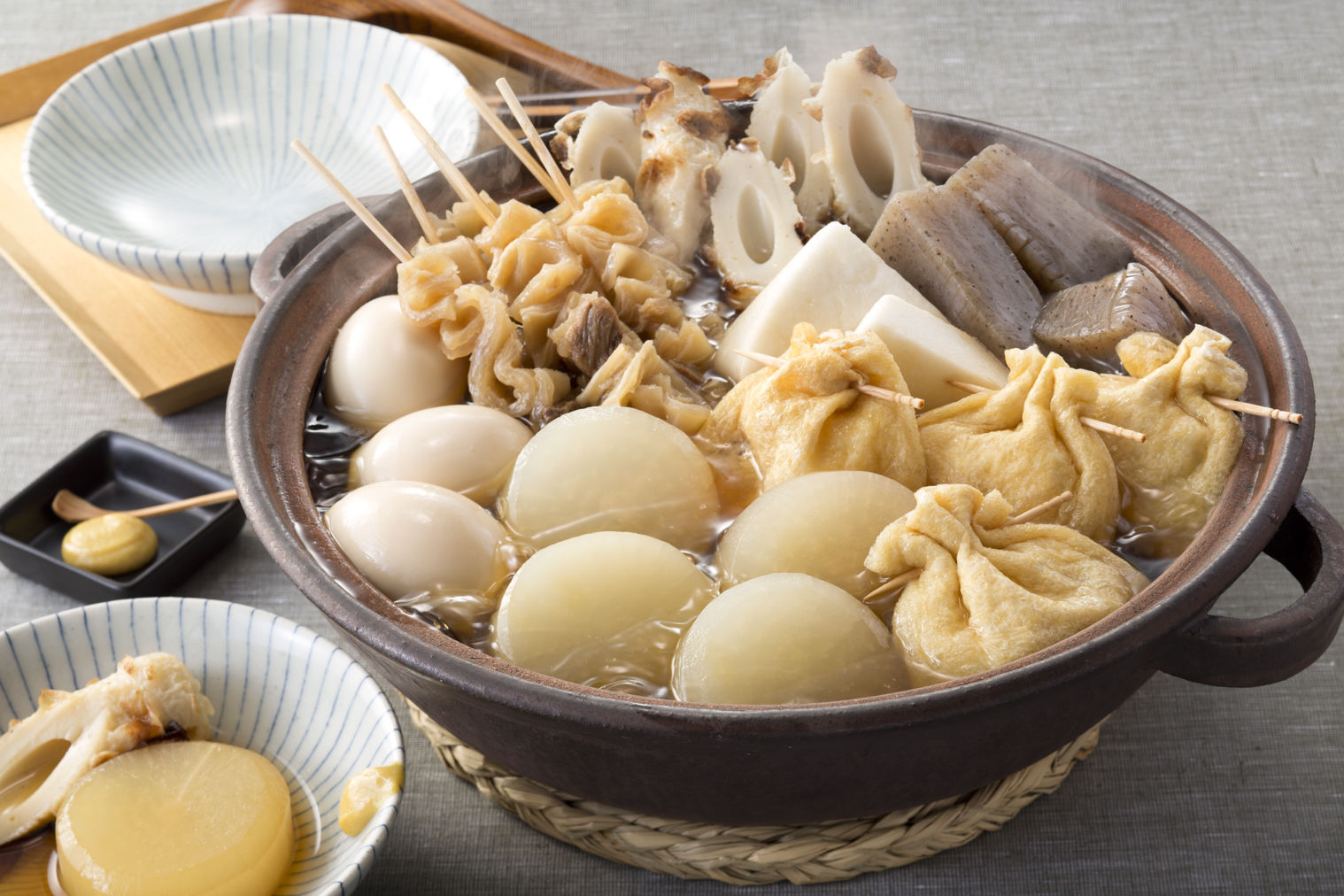
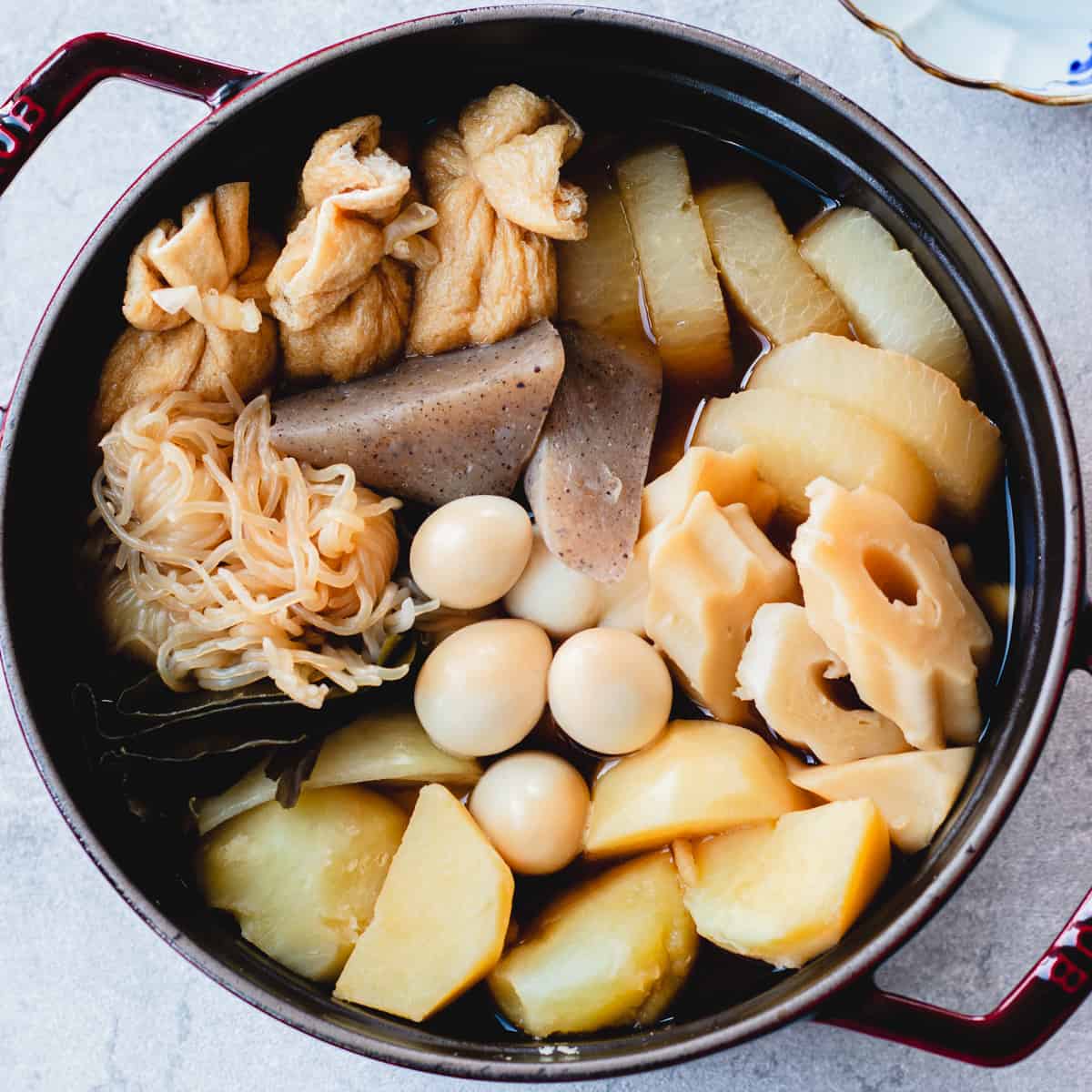
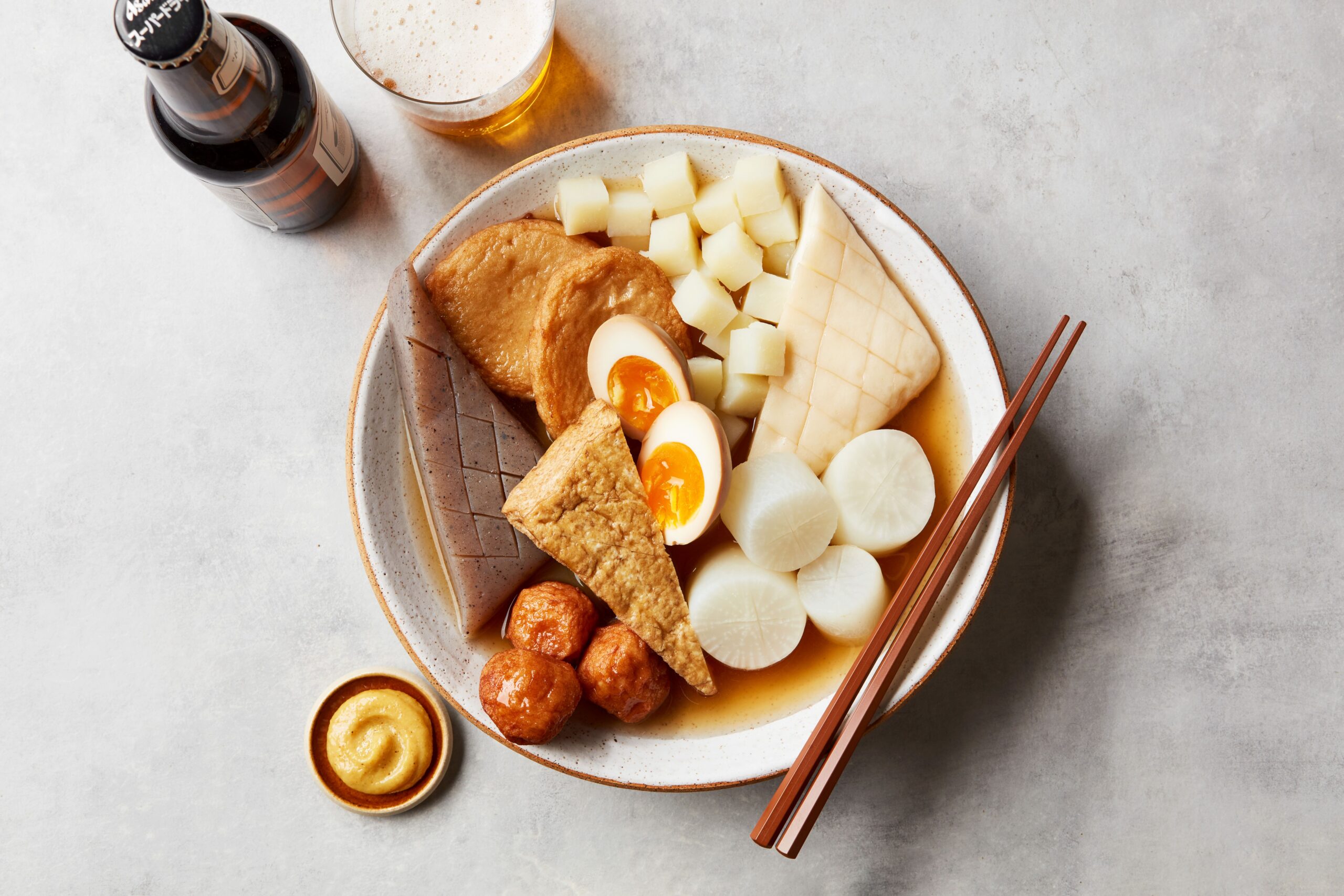
Oden is one of Japan’s most beloved and comforting traditional dishes, a simmering hot pot filled with flavor, warmth, and nostalgia. Together with Yoshida Hotel, we invite you to discover the story behind Oden – from its humble beginnings on Japan’s streets to its role as a cherished dish in homes, restaurants, and festivals across the country. In this article, we will explore the history, ingredients, cultural meaning, and regional variations of Oden, offering readers an in-depth look at why this dish continues to capture hearts throughout Japan and beyond.

The Origins of Oden – A Steaming Tradition Born from Japanese Ingenuity

Oden’s history traces back centuries to Japan’s Edo period, when street vendors sold simple skewered tofu or konnyaku simmered in miso broth. Over time, Oden evolved into a rich and diverse hot pot featuring multiple ingredients cooked in a soy-flavored dashi broth. Each region added its own flair, reflecting the flavors, traditions, and resources unique to the area.

Historical Roots and Evolution

Originally known as Misodengaku, early versions of Oden featured skewered tofu grilled with miso paste. As culinary styles changed, cooks began simmering these ingredients in broth instead of grilling them, creating what we now recognize as Oden. It gradually became a favorite winter meal, served everywhere from roadside stalls to luxurious restaurants. The dish embodies Japan’s ability to transform simplicity into art – a perfect blend of flavor, warmth, and culture.

Review Oden: A Soulful Taste of Japan’s Comfort Cuisine

Symbolism and Meaning in Japanese Life

Beyond its taste, Oden symbolizes community and care. Families and friends gather around steaming pots during cold months, sharing laughter and stories. Yoshida Hotel notes that Oden is not just a dish – it’s a seasonal ritual that brings people together, offering warmth both physical and emotional.

The Essence of Oden – A Symphony of Ingredients and Broth

The beauty of Oden lies in its simplicity and diversity. Every ingredient absorbs the rich umami of the dashi broth, creating a harmonious blend of flavors in every bite. The dish is slow-cooked, allowing ingredients to become tender while retaining their distinct textures.
Key Ingredients That Define Oden

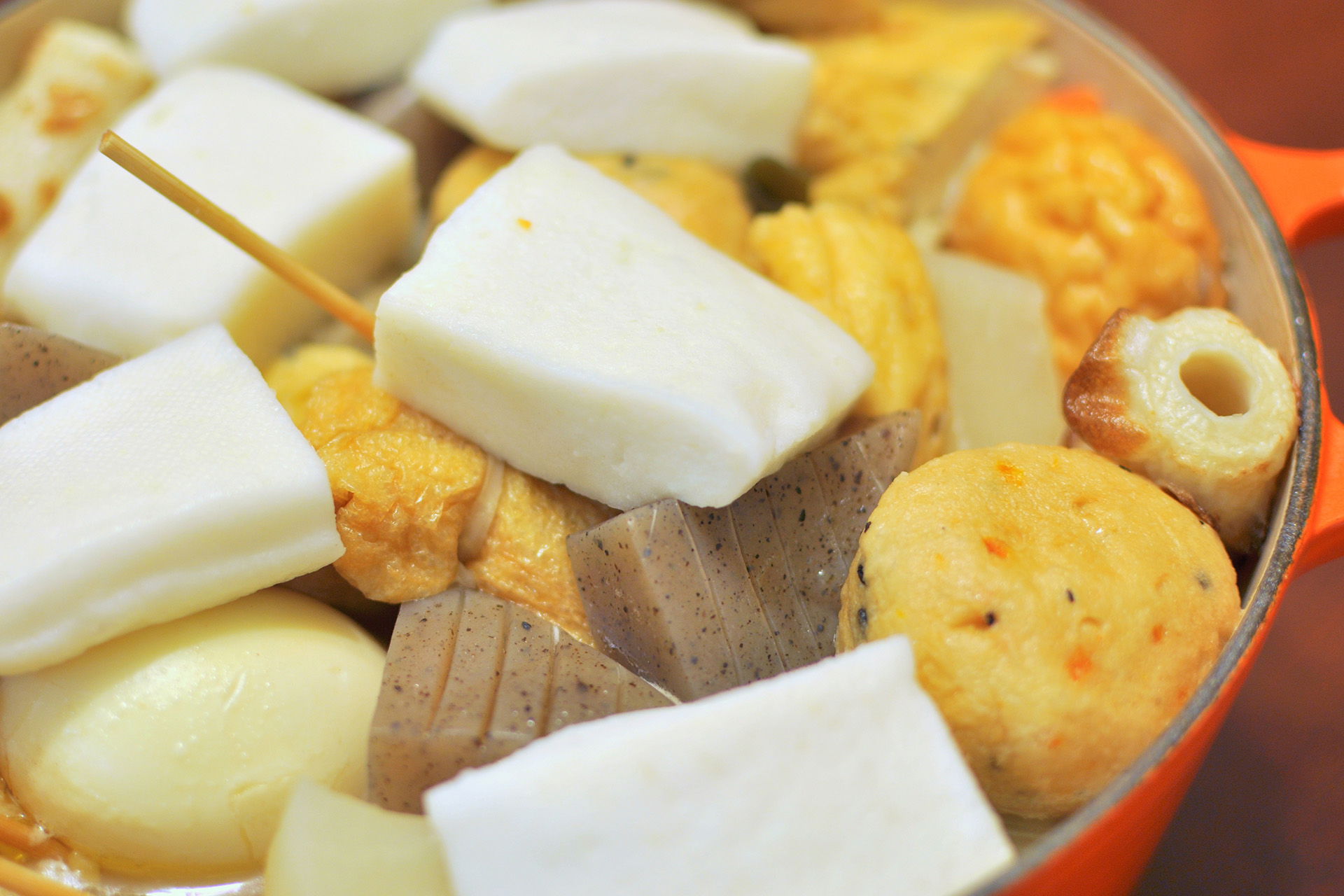
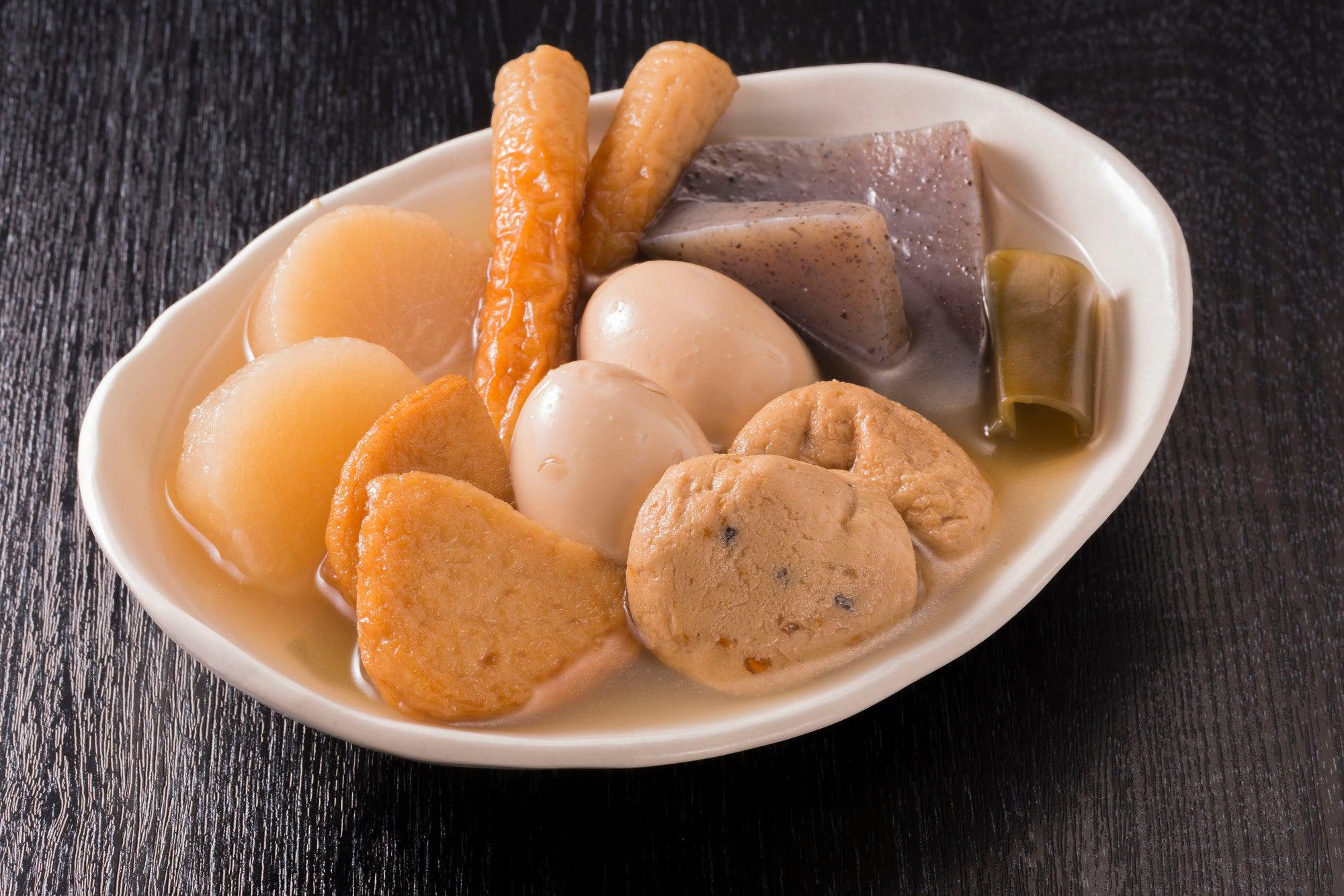
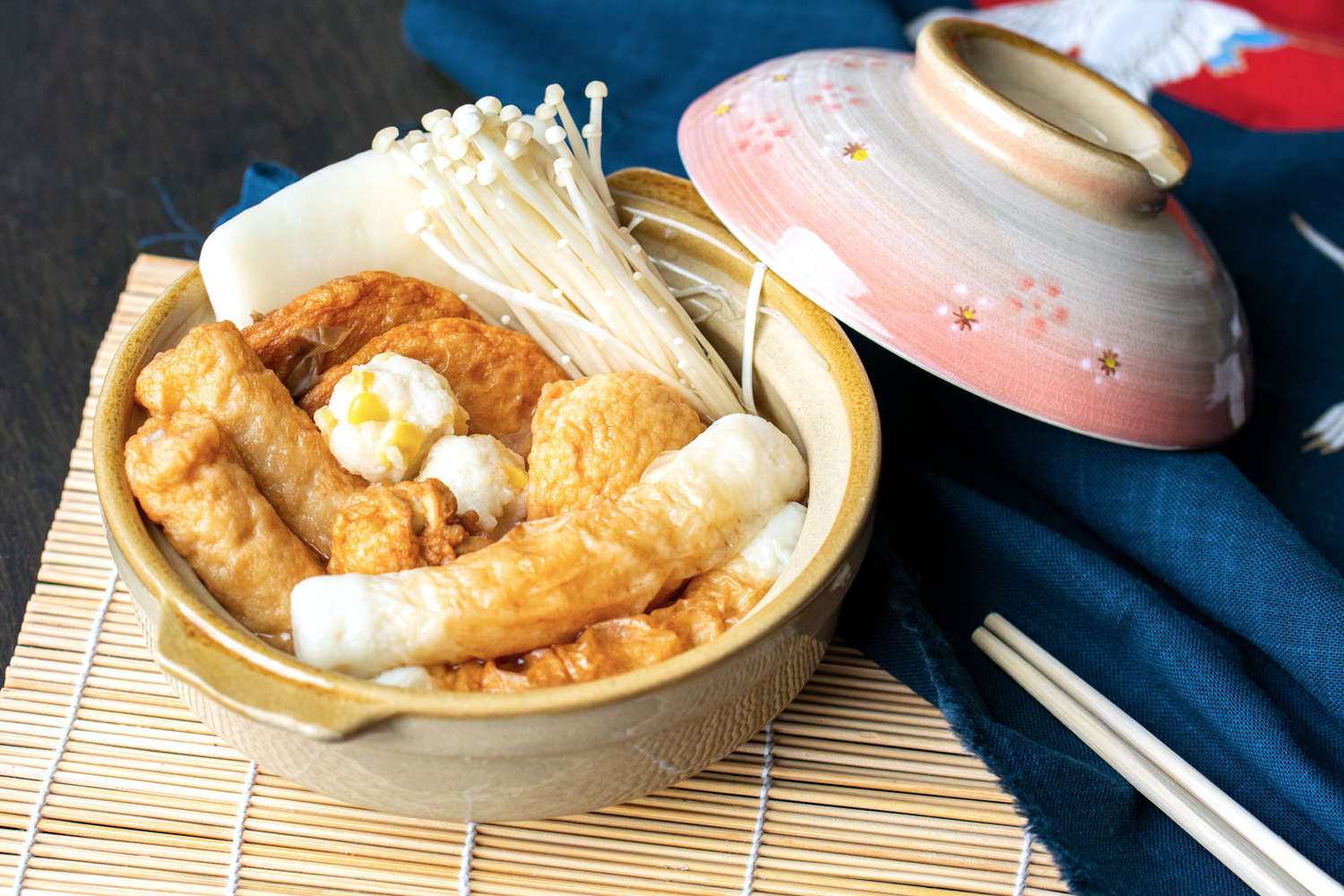
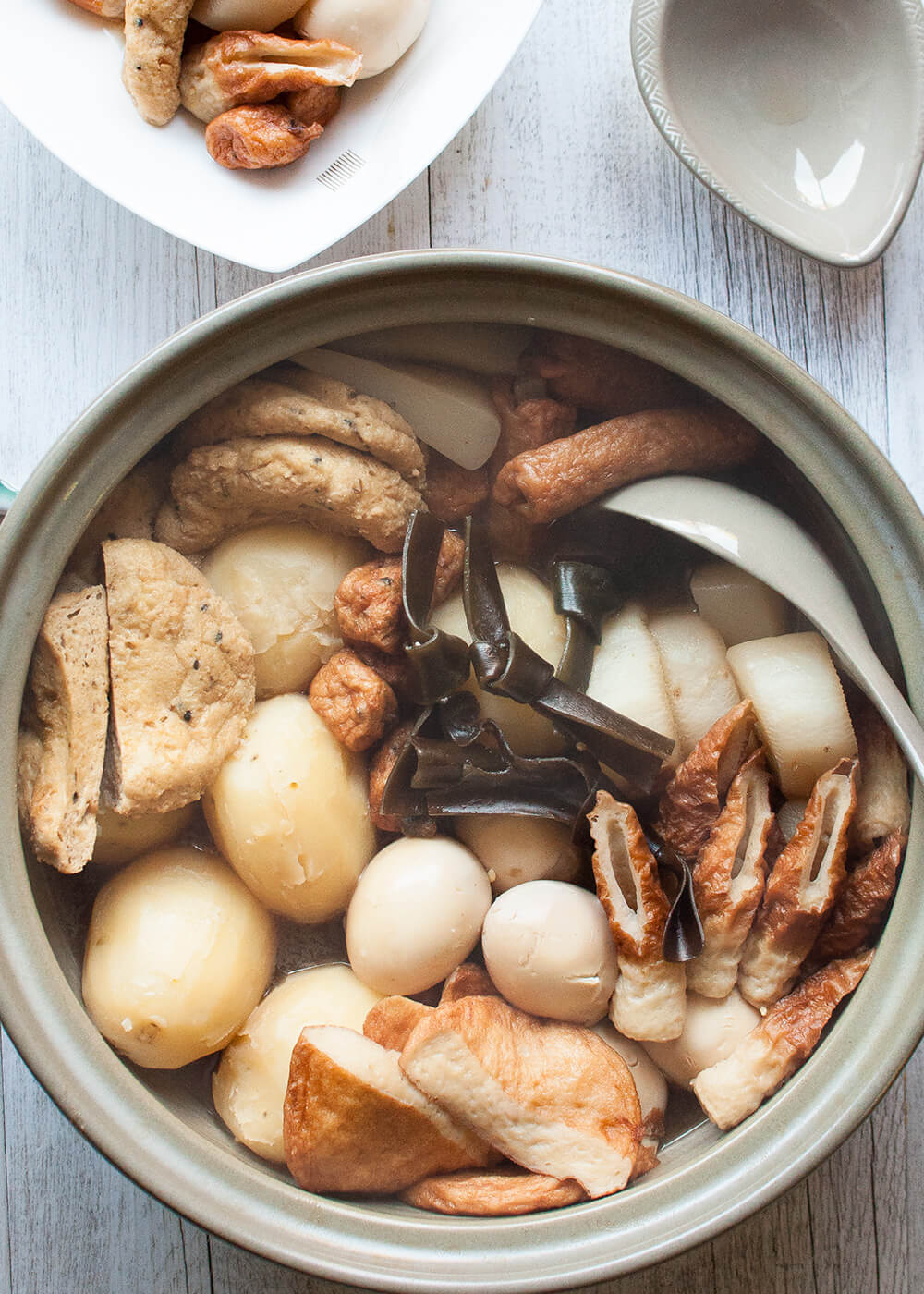
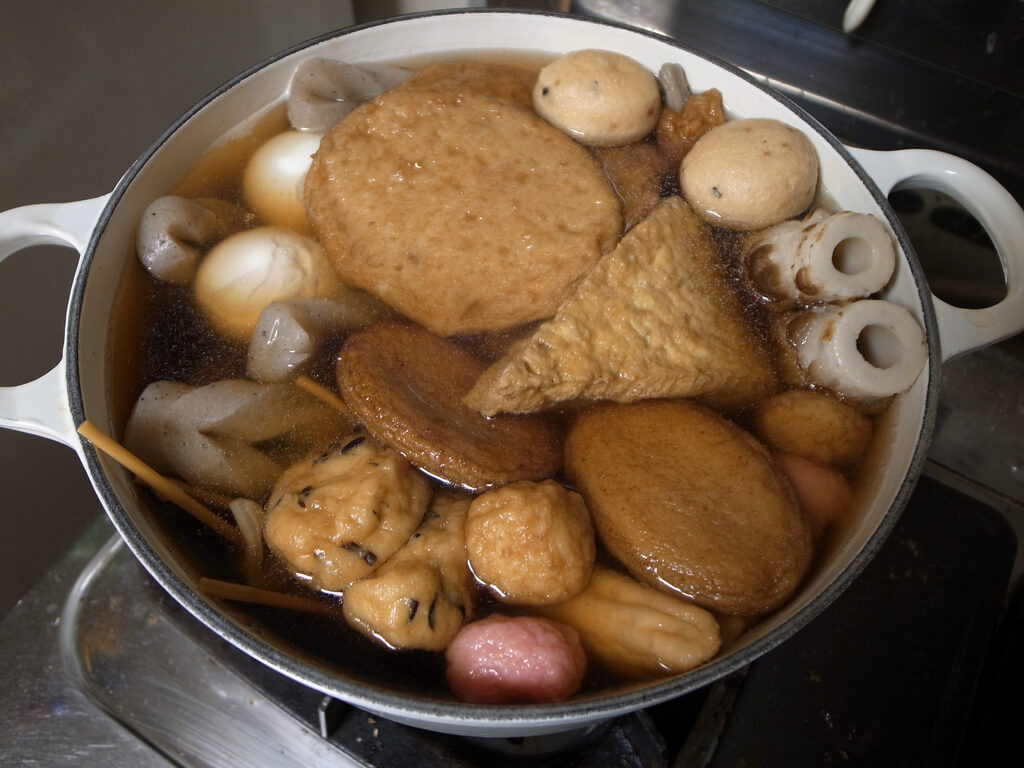
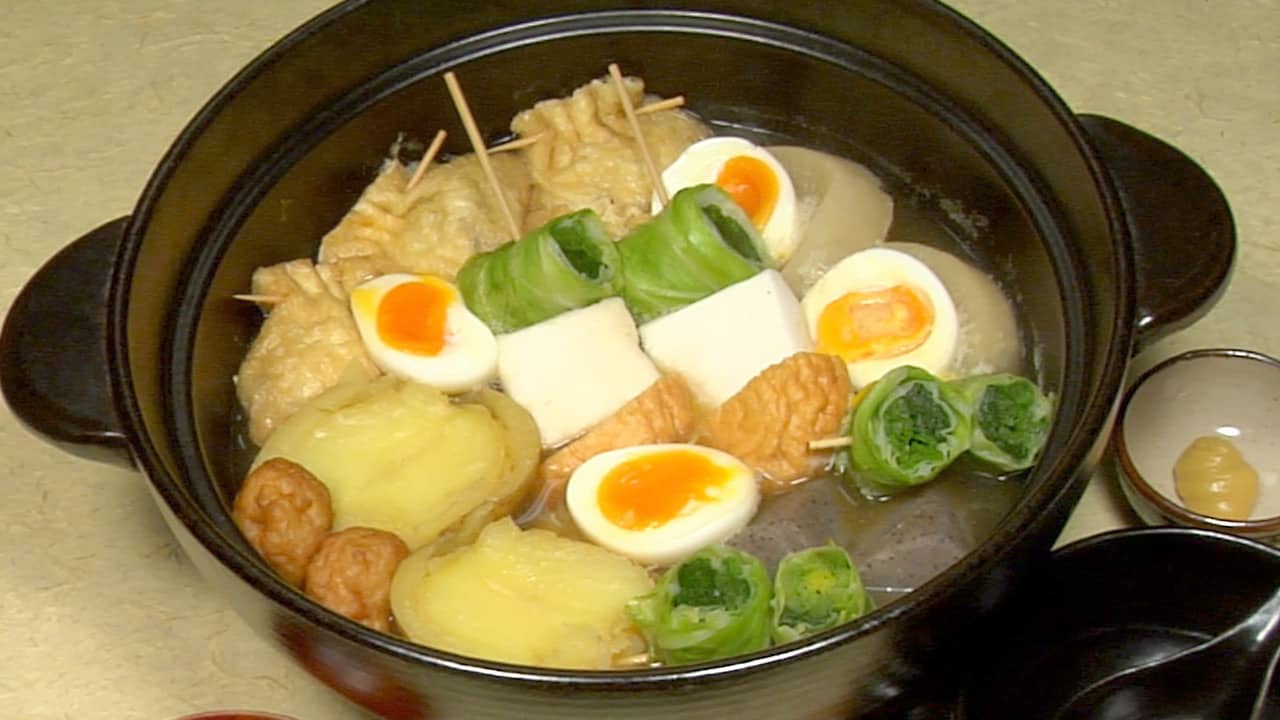
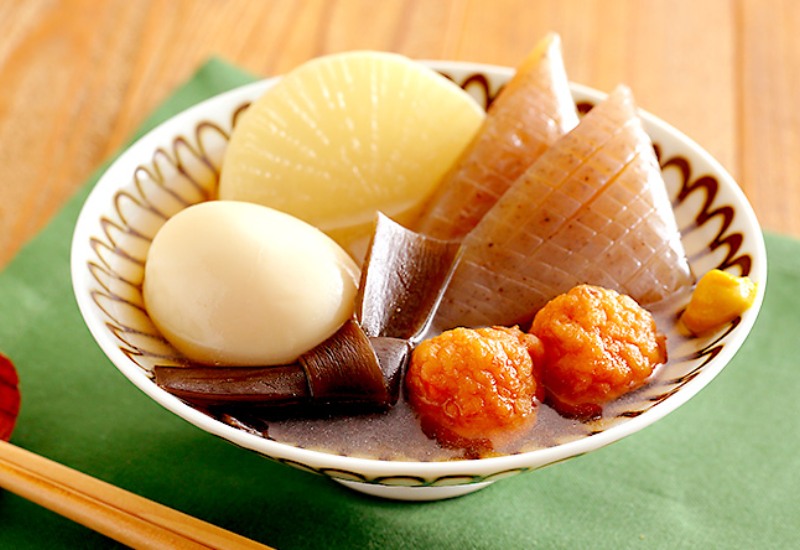
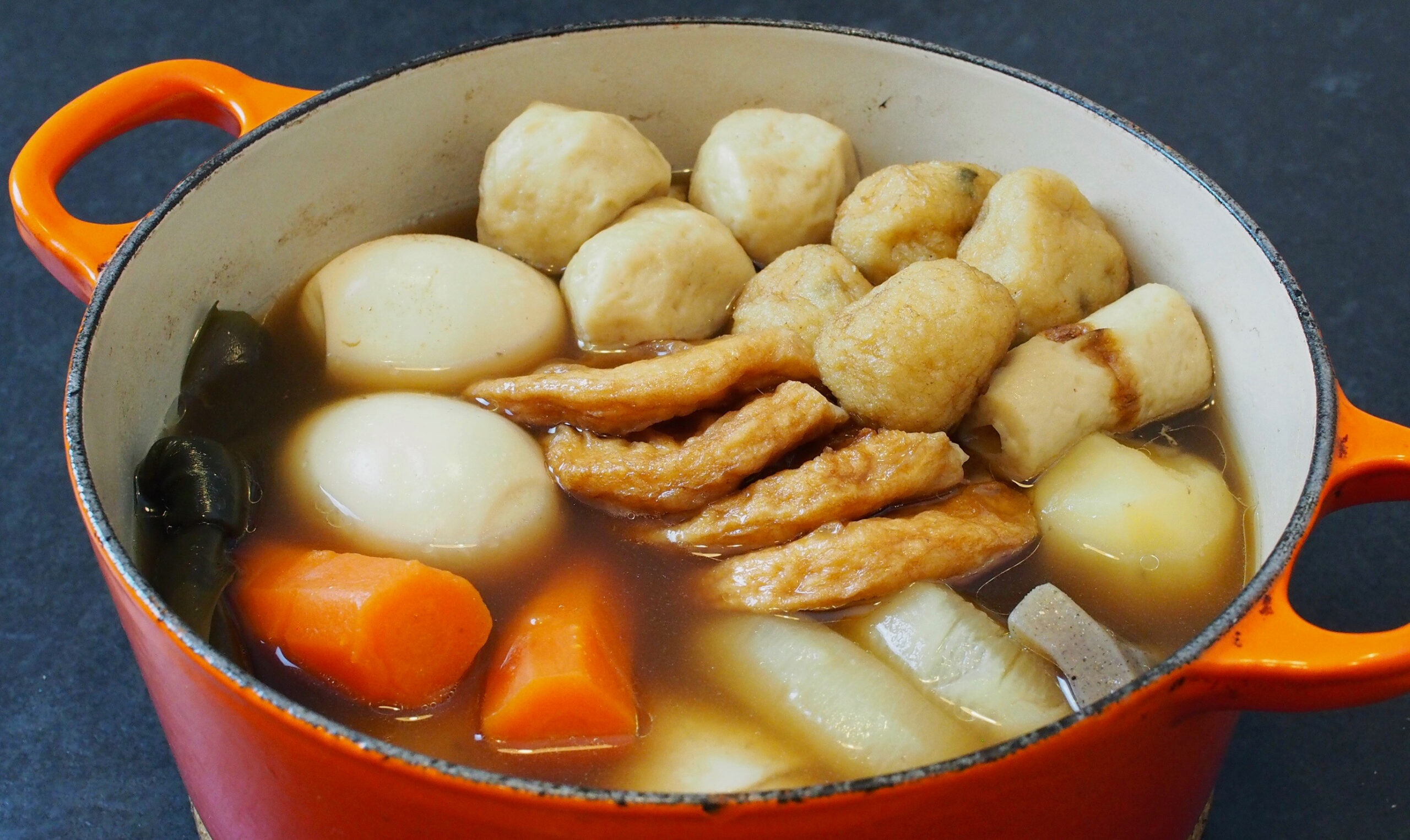
  • Daikon (Radish): A staple of Oden, it soaks up broth beautifully and provides a soft, sweet texture.
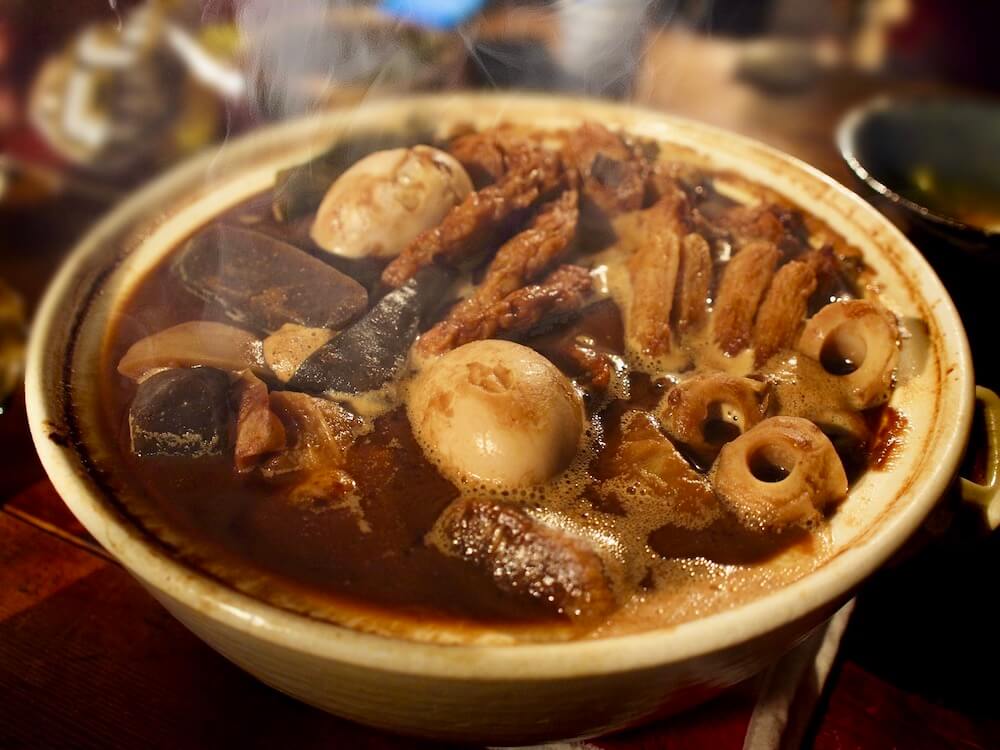
  • Konnyaku: A jelly-like food made from konjac root, offering a chewy texture and light flavor.
  • Chikuwa and Hanpen: Classic Japanese fish cakes that add savory depth.
  • Boiled Eggs: Absorb the dashi broth for rich flavor.
  • Tofu and Atsuage: Provide protein and soak in the umami essence of the soup.
  • Ganmodoki: Fried tofu mixed with vegetables for texture and complexity.
  • Broth (Dashi): The soul of Oden, made from kombu and bonito flakes, seasoned with soy sauce and mirin.

Review Oden: A Soulful Taste of Japan’s Comfort Cuisine

The Secret to the Perfect Broth

A great Oden depends on a perfect balance between saltiness, sweetness, and umami. The broth must simmer slowly, often for hours, to allow ingredients to meld harmoniously. The longer it simmers, the richer and more comforting it becomes – a reflection of the patience and artistry behind Japanese cooking.

Regional Variations of Oden – Exploring Japan’s Local Flavors

Tokyo Oden – Subtle and Elegant

In Tokyo, Oden is light and clear, focusing on the purity of dashi. Common ingredients include daikon, tofu, konnyaku, and fish cakes. It represents Tokyo’s refined urban taste.

Review Oden: A Soulful Taste of Japan’s Comfort Cuisine

Kansai Oden – Rich and Bold

Osaka’s version of Oden features a darker, soy-rich broth with stronger flavors. Ingredients like beef tendons and eggs are simmered longer for deep umami richness. Kansai Oden is hearty, bold, and full of life.

Nagoya Oden – The Miso Twist

In Nagoya, Oden is served with red miso-based broth, creating a robust and savory taste that reflects the region’s love for intense flavors.

Review Oden: A Soulful Taste of Japan’s Comfort Cuisine

Hokkaido Oden – Comfort for the Cold North

In Hokkaido’s cold climate, Oden often includes seafood such as crab, scallops, and salmon. The broth is thicker and more robust, perfect for warming up during winter’s chill.

Okinawa Oden – A Tropical Take

In Okinawa, Oden is lighter, often featuring local vegetables, pork, and unique island ingredients. It demonstrates how Japan’s regional diversity enhances even the simplest of dishes.

Review Oden: A Soulful Taste of Japan’s Comfort Cuisine

Oden and Japanese Culture – More Than Just a Meal

Oden is deeply ingrained in Japanese daily life. It’s not merely a winter dish but a reflection of hospitality, patience, and connection.

The Spirit of Omotenashi (Hospitality)

Serving Oden is an act of care. The slow cooking process reflects Japan’s cultural appreciation for time, detail, and harmony. Yoshida Hotel highlights how Oden embodies the Japanese spirit of omotenashi – the art of thoughtful hospitality.

Review Oden: A Soulful Taste of Japan’s Comfort Cuisine

Street Food and Festivals

Street vendors selling Oden are an iconic part of Japanese culture. During winter festivals, steaming pots fill the air with comforting aromas. The sight of Oden stalls under glowing lanterns is synonymous with Japan’s festive warmth.

The Modern Revival of Oden – From Tradition to Innovation

Oden in Contemporary Cuisine

Modern chefs are reimagining Oden with new ingredients and presentation styles. Michelin-star restaurants serve gourmet versions with truffle-infused broth or premium seafood, while cafes experiment with vegetarian and vegan Oden options.

Review Oden: A Soulful Taste of Japan’s Comfort Cuisine

Convenience Store Oden – Everyday Comfort

Convenience stores across Japan, especially 7-Eleven and Lawson, have made Oden accessible year-round. These steaming pots are a quick, affordable comfort for busy workers and travelers, proving Oden’s enduring appeal.

Oden and Health – A Nutritious Comfort Food

Oden is not only delicious but also healthy. It’s low in fat, high in nutrients, and packed with flavor without heaviness.

Nutritional Benefits

Each ingredient contributes vitamins, minerals, and protein. Daikon aids digestion, tofu provides calcium and protein, and eggs offer healthy fats. The clear dashi broth keeps it light yet satisfying.

Review Oden: A Soulful Taste of Japan’s Comfort Cuisine

Perfect for All Diets

Oden fits easily into various diets – pescatarian, vegetarian, or low-calorie – depending on ingredients used. Its flexibility makes it ideal for both traditional and modern wellness lifestyles.

How to Enjoy Oden Like a Local

Seasonal Dining

Oden is best enjoyed during Japan’s cold months, from late autumn through early spring. Families gather around steaming pots, sharing comfort and stories.

Review Oden: A Soulful Taste of Japan’s Comfort Cuisine

Condiments and Side Dishes

Oden pairs beautifully with karashi (Japanese mustard), which adds a sharp contrast to the mellow broth. Side dishes like rice or sake complement the flavors perfectly.

Pairing Drinks with Oden

  • Sake: Enhances the umami and warmth of Oden.
  • Beer: Balances richness with crisp refreshment.
  • Green Tea: A light, soothing option for non-alcoholic pairing.

Review Oden: A Soulful Taste of Japan’s Comfort Cuisine

Oden in Japanese Homes – A Tradition of Togetherness

At home, Oden brings families together. Parents pass down recipes to children, maintaining culinary traditions across generations. The dish represents connection, patience, and love – values central to Japanese life.

Review Oden: A Soulful Taste of Japan’s Comfort Cuisine

The Emotional Value of Oden

Every pot of Oden tells a story. It may remind someone of their childhood, a festival night, or a winter gathering. For Yoshida Hotel, Oden embodies nostalgia and belonging – a dish that transcends food itself.

Cooking Oden at Home – A Step-by-Step Journey

To make authentic Oden, start with dashi broth seasoned with soy sauce and mirin. Add harder ingredients like daikon and eggs first, simmer slowly, then introduce softer items like tofu and fish cakes. Let everything cook gently for at least an hour to ensure rich flavor absorption.

Review Oden: A Soulful Taste of Japan’s Comfort Cuisine

Home cooks can customize their Oden, adding personal touches such as seasonal vegetables, seafood, or even mochi. The key is patience – the longer it simmers, the deeper the flavor.

Where to Experience Authentic Oden in Japan

Travelers can find exceptional Oden in every corner of Japan, each offering a unique flavor experience:

  • Tokyo: Elegant and refined Oden served in traditional izakayas.
  • Osaka: Bold and flavorful, featuring thick broth and beef tendon.
  • Nagoya: Miso-based Oden with local spices.
  • Hokkaido: Seafood-rich Oden for winter comfort.
  • Okinawa: Light and tropical variations with island ingredients.

Review Oden: A Soulful Taste of Japan’s Comfort Cuisine

Experiencing Oden with Yoshida Hotel – A Journey Through Flavor and Tradition

Yoshida Hotel invites travelers to experience Oden as more than a meal – as a story of Japan’s culinary soul. Whether enjoyed in a bustling street stall or a tranquil ryokan, Oden represents comfort, community, and culture. Through each simmering pot, one tastes the warmth of Japanese tradition and the artistry of simplicity.

Review Oden: A Soulful Taste of Japan’s Comfort Cuisine

Conclusion

Oden is a dish that transcends generations – a heartwarming symbol of Japan’s rich culinary culture. Together with Yoshida Hotel, we’ve explored its history, flavors, and enduring meaning in modern life. Each ingredient tells a story of care, patience, and flavor, reminding us that the simplest dishes often hold the deepest connections. For travelers seeking to understand Japan’s cuisine and culture, Oden offers the perfect beginning to that journey.

Review Zosui (Rice Soup): A Comforting Taste of Japan’s Soulful Cuisine

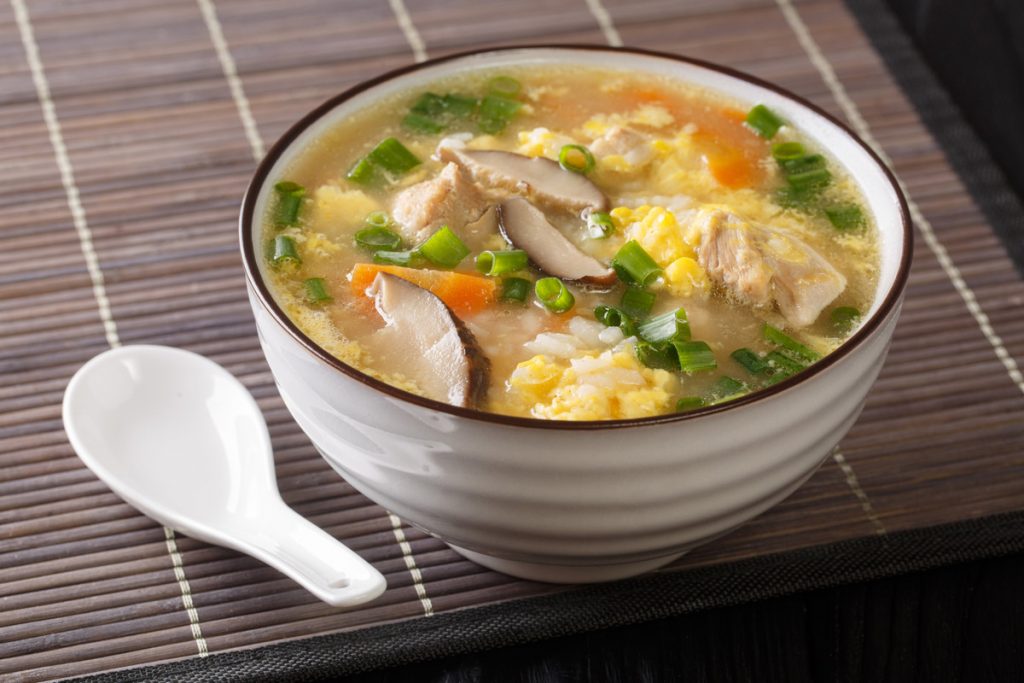
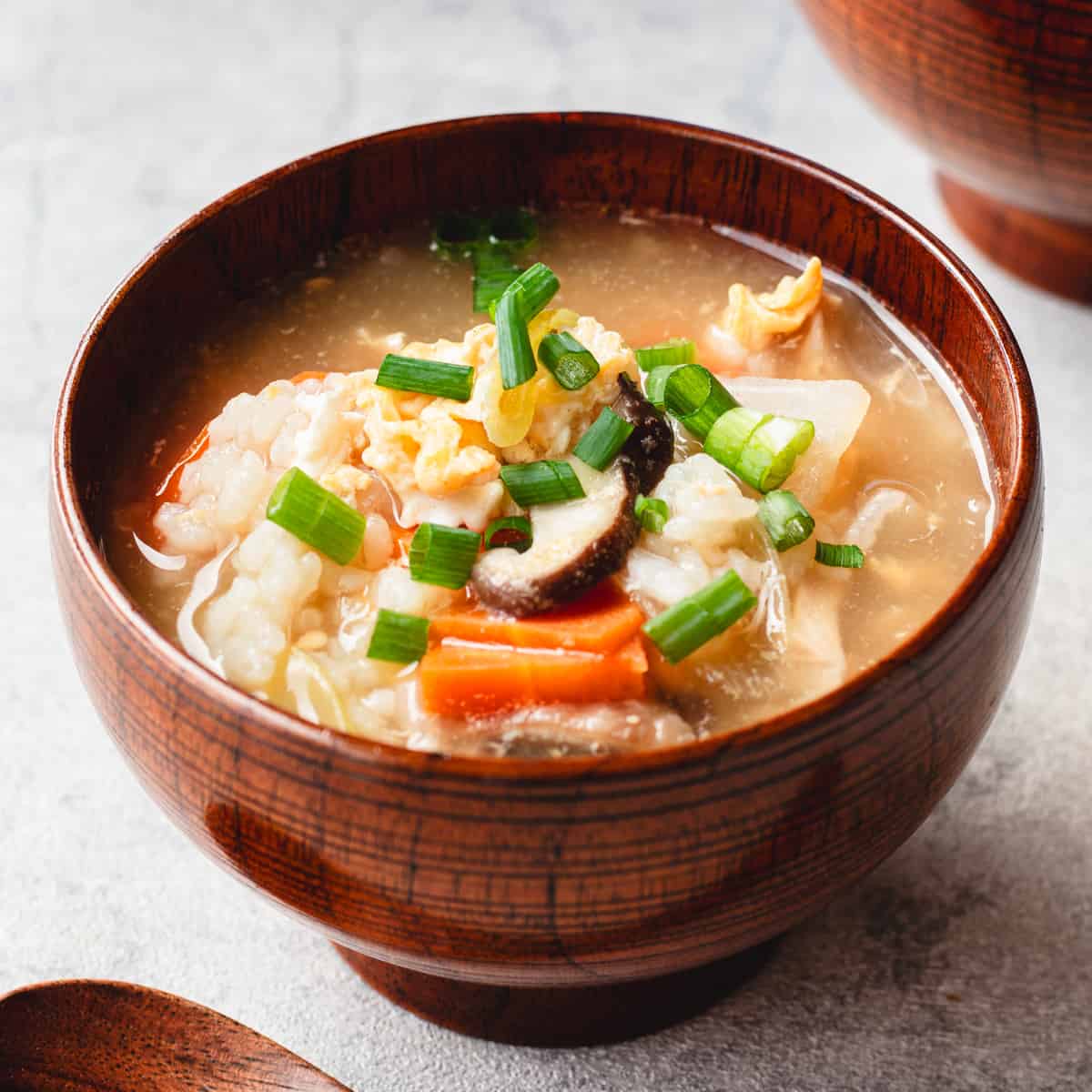
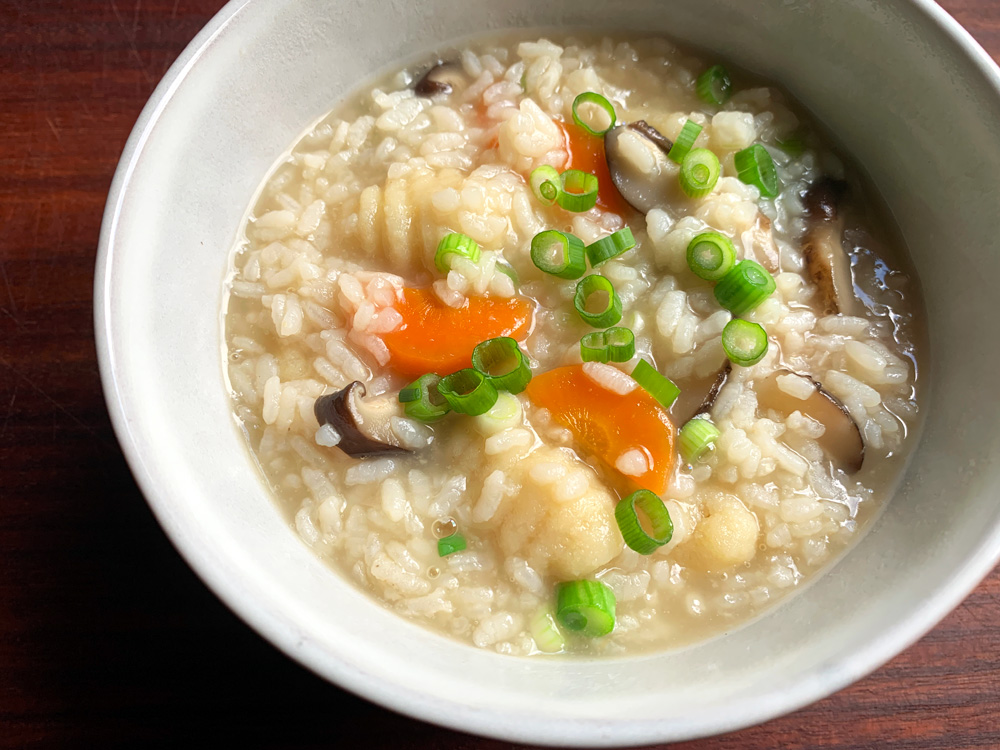
Zosui (rice soup) is a comforting Japanese dish that embodies simplicity, warmth, and nourishment. Together with Yoshida Hotel, we invite you to explore the story behind this humble yet beloved creation, from its historical roots in Japanese households to its place in modern wellness cuisine. This article delves into every facet of Zosui – from preparation and regional variations to its cultural significance and timeless appeal.

The Origins of Zosui (Rice Soup) – A Dish Born from Simplicity and Ingenuity

The story of Zosui (rice soup) begins in ancient Japan, where frugality and mindfulness guided daily life. Leftover rice was never wasted but transformed into a flavorful soup enriched with seasonal ingredients. Over centuries, this dish evolved from a simple comfort food into a culinary expression of gratitude, nourishment, and togetherness.

Historical Background and Evolution

During Japan’s Heian and Edo periods, rice was the cornerstone of the Japanese diet. Zosui emerged as a way to extend a meal, ensuring nothing went to waste. With time, families began enhancing the dish with miso, soy sauce, vegetables, seafood, or chicken, turning it into a beloved household favorite. Today, Zosui holds a special place in Japanese cuisine – a dish that warms both the body and the soul.
Review Zosui (Rice Soup): A Comforting Taste of Japan’s Soulful Cuisine

Symbolism and Cultural Meaning

Beyond its taste, Zosui symbolizes comfort, healing, and renewal. Traditionally served to the sick or after celebrations, it represents care and compassion. Yoshida Hotel notes that Zosui’s enduring popularity lies in its emotional connection – it’s more than food; it’s a gesture of love.

The Essence of Zosui (Rice Soup) – A Balance of Simplicity and Flavor

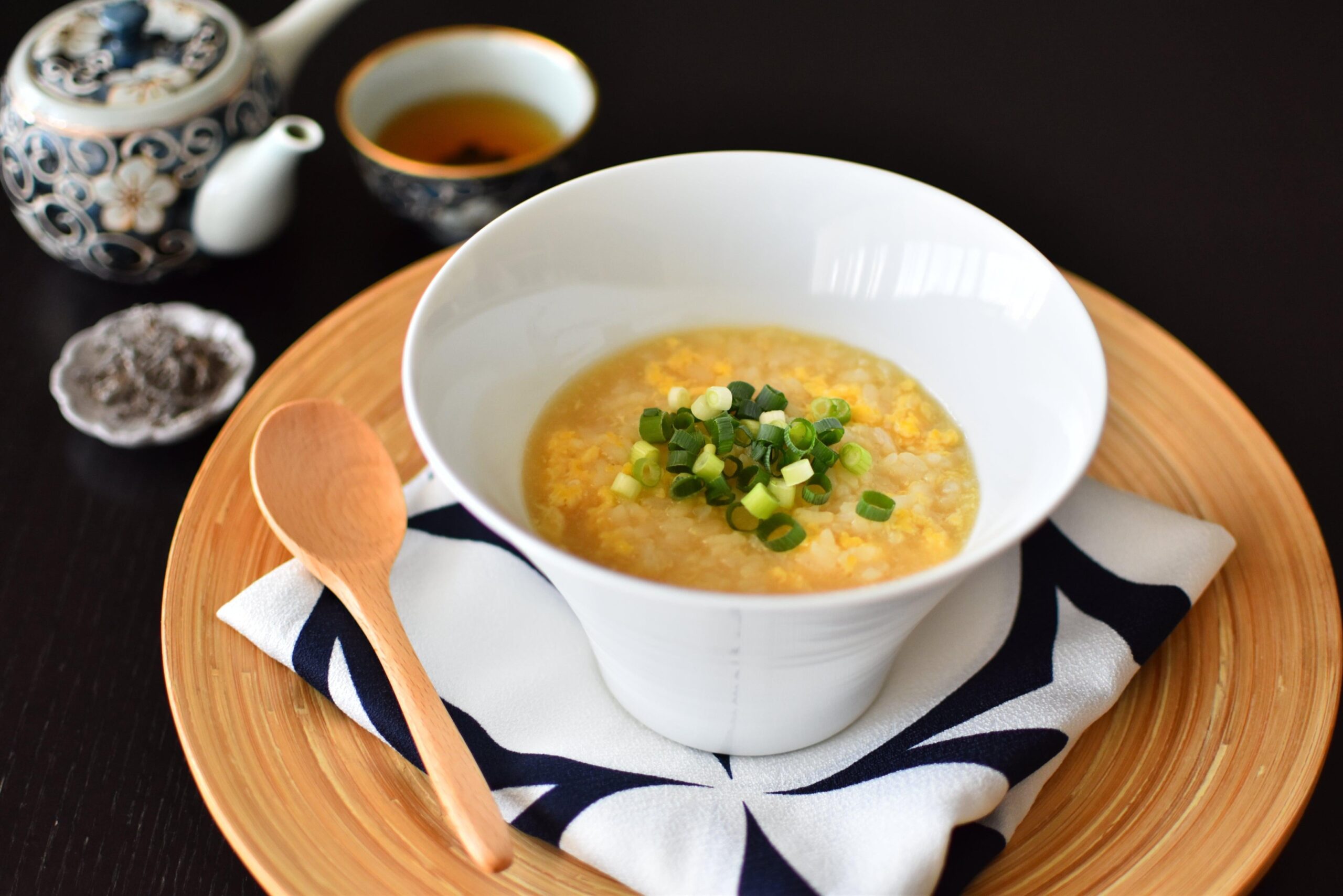
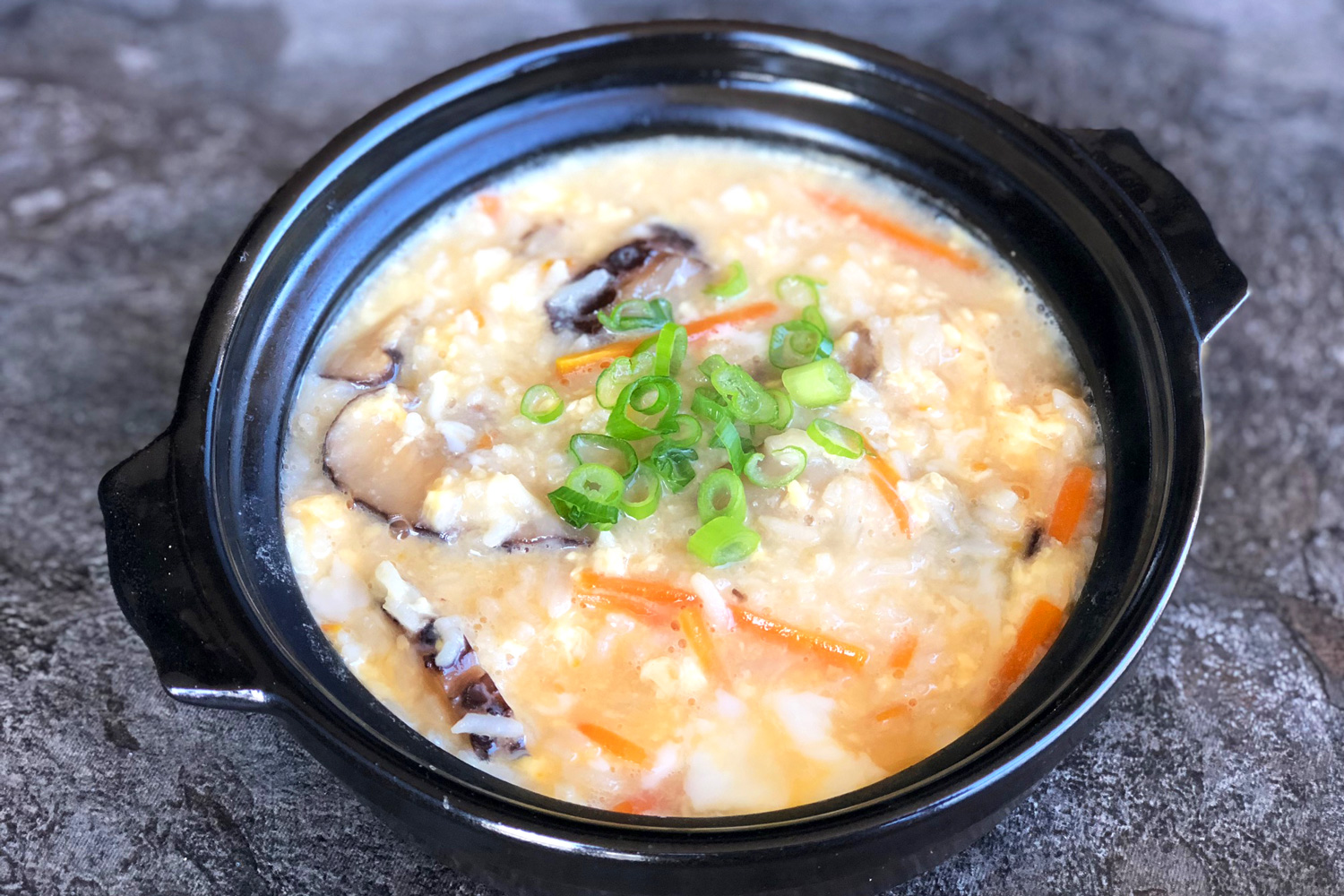
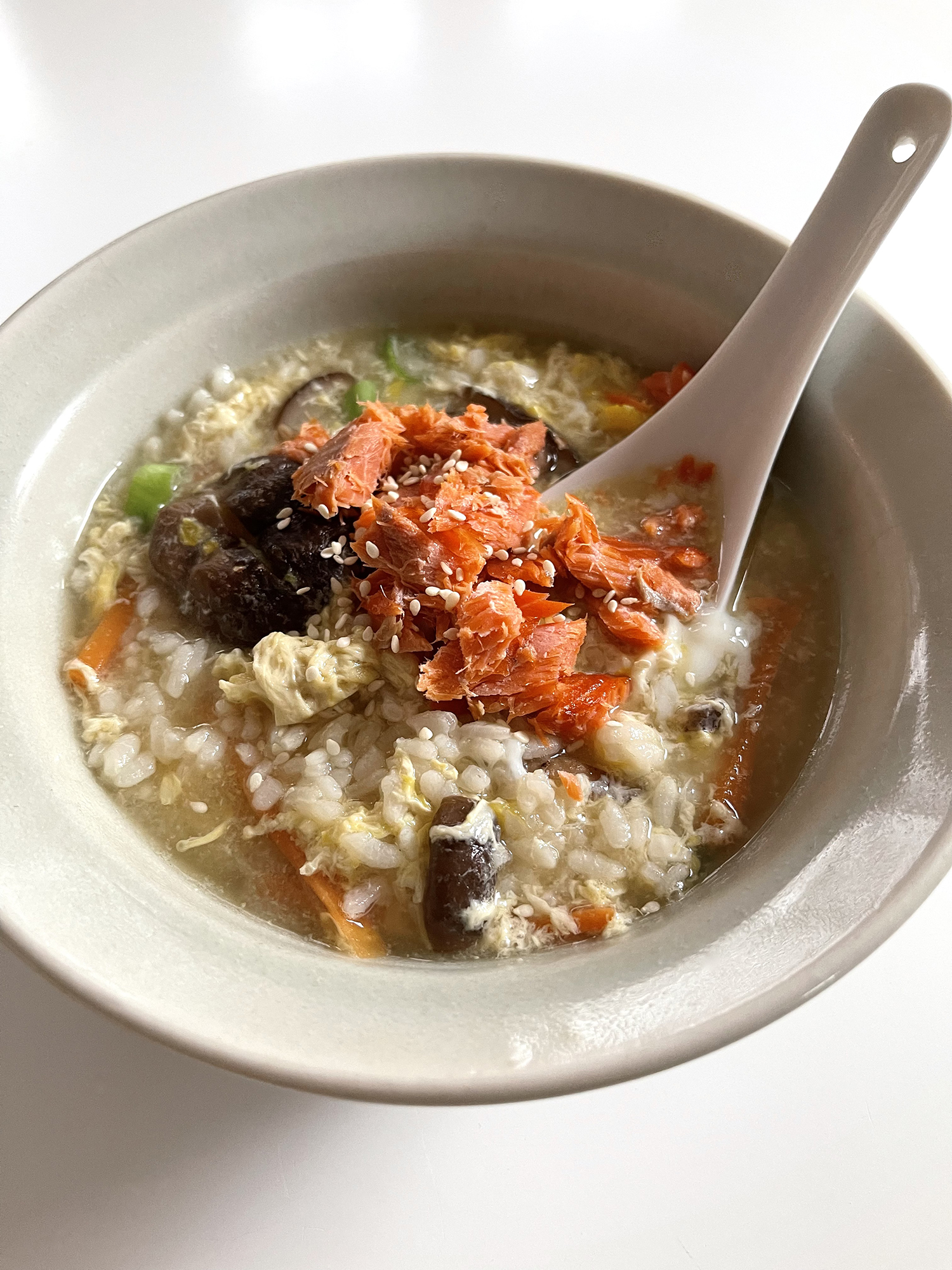
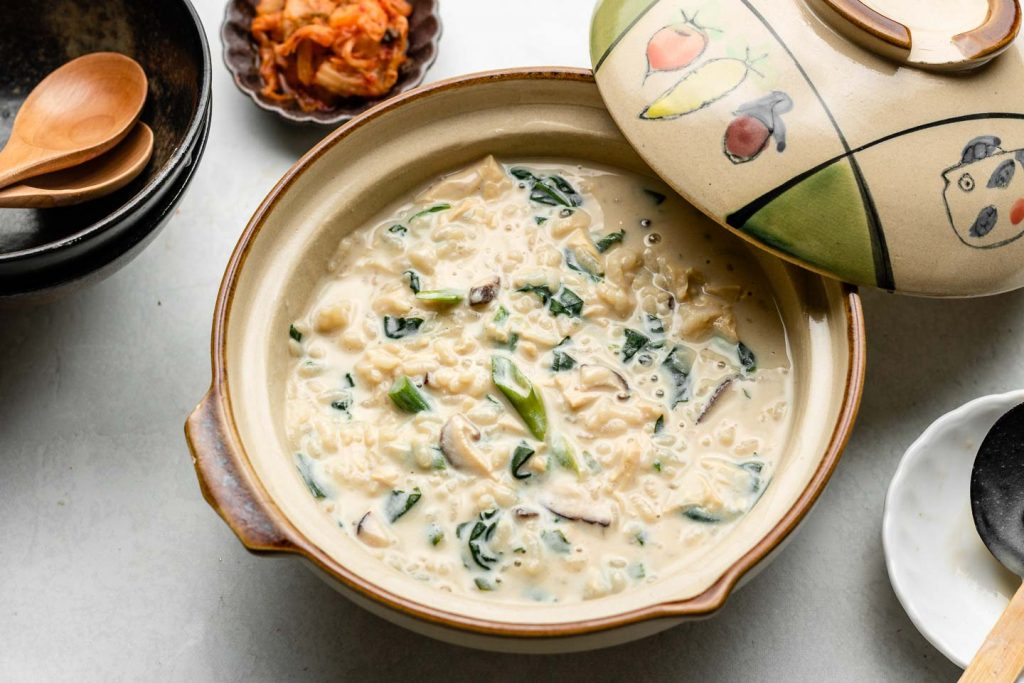
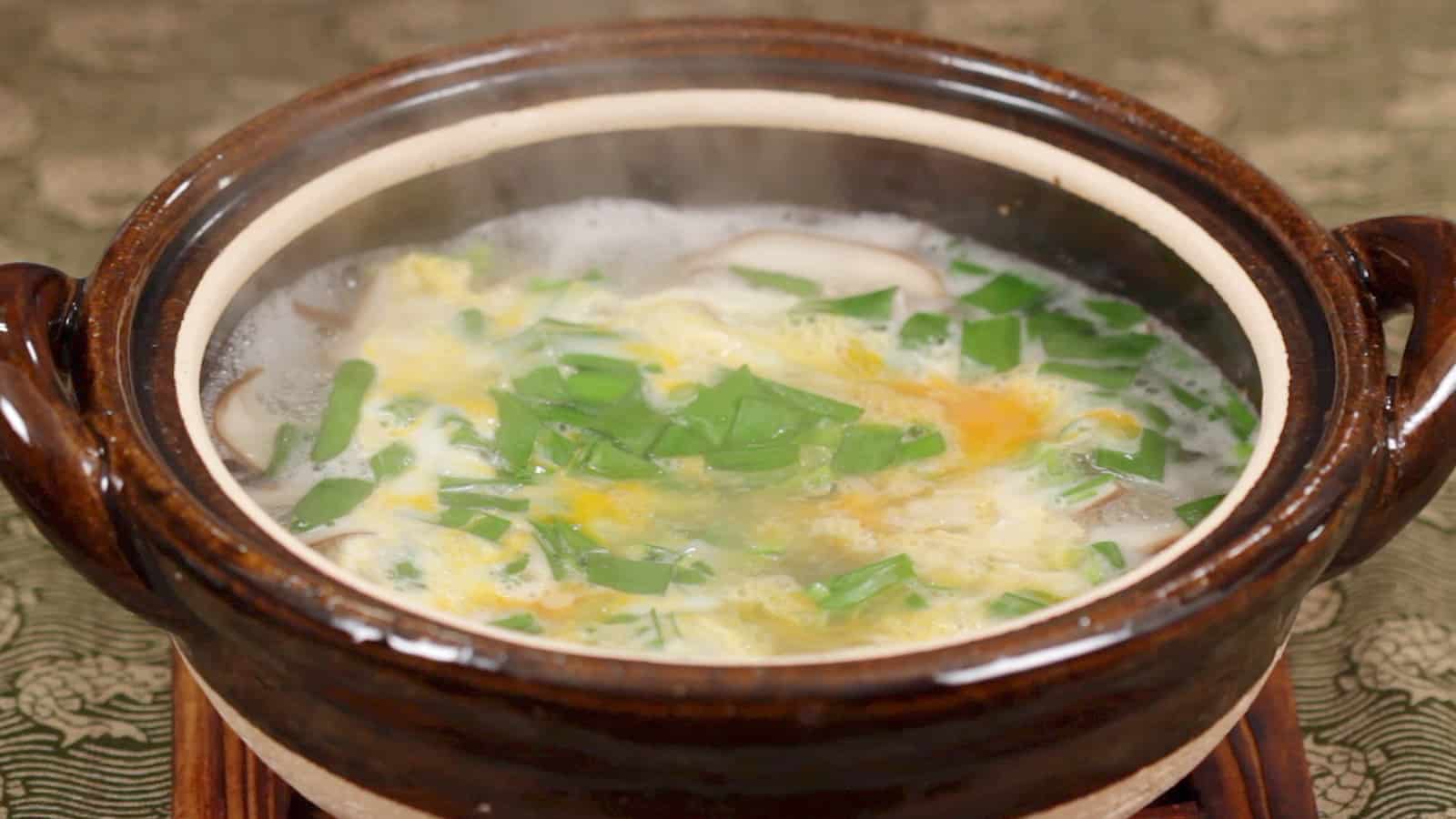
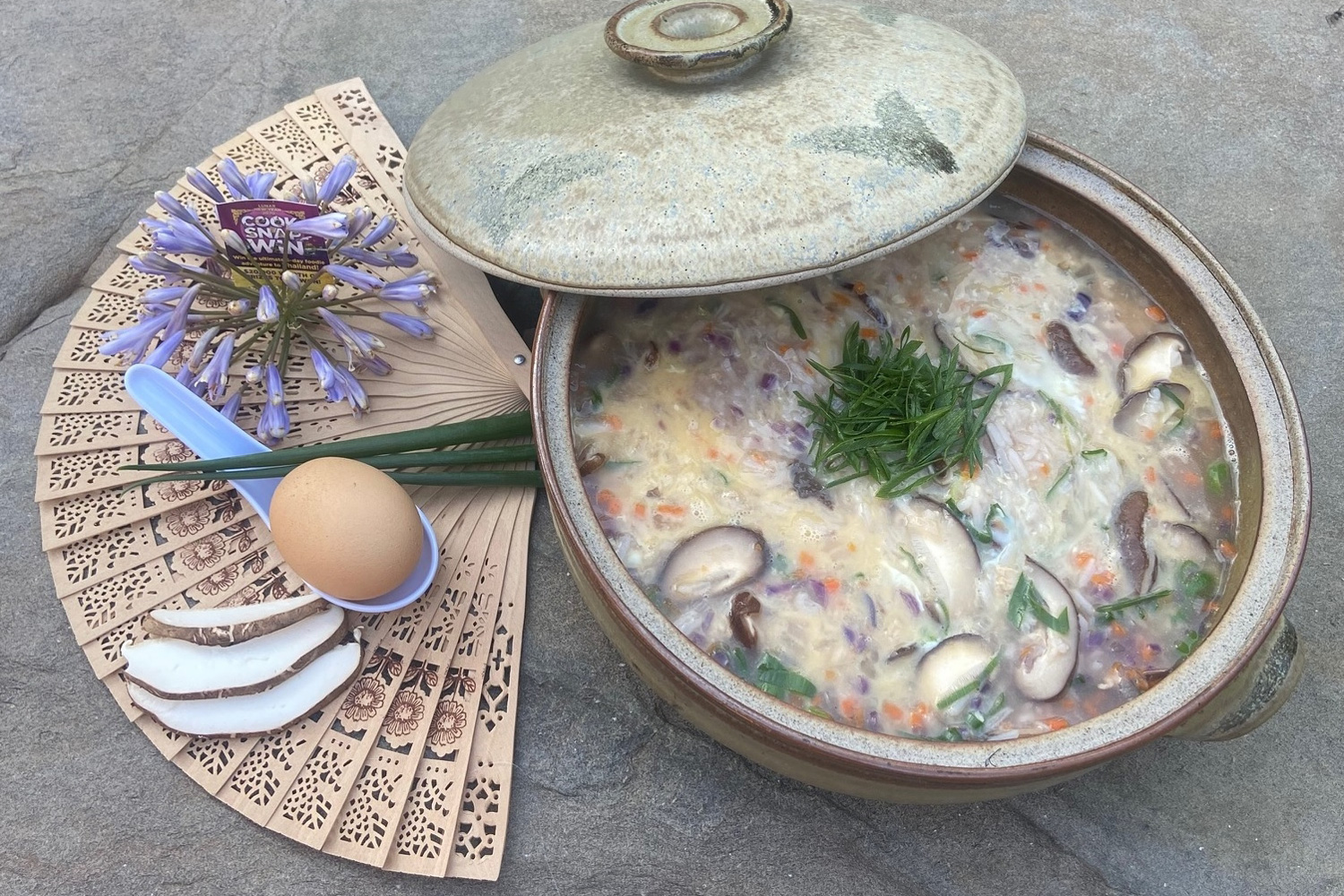
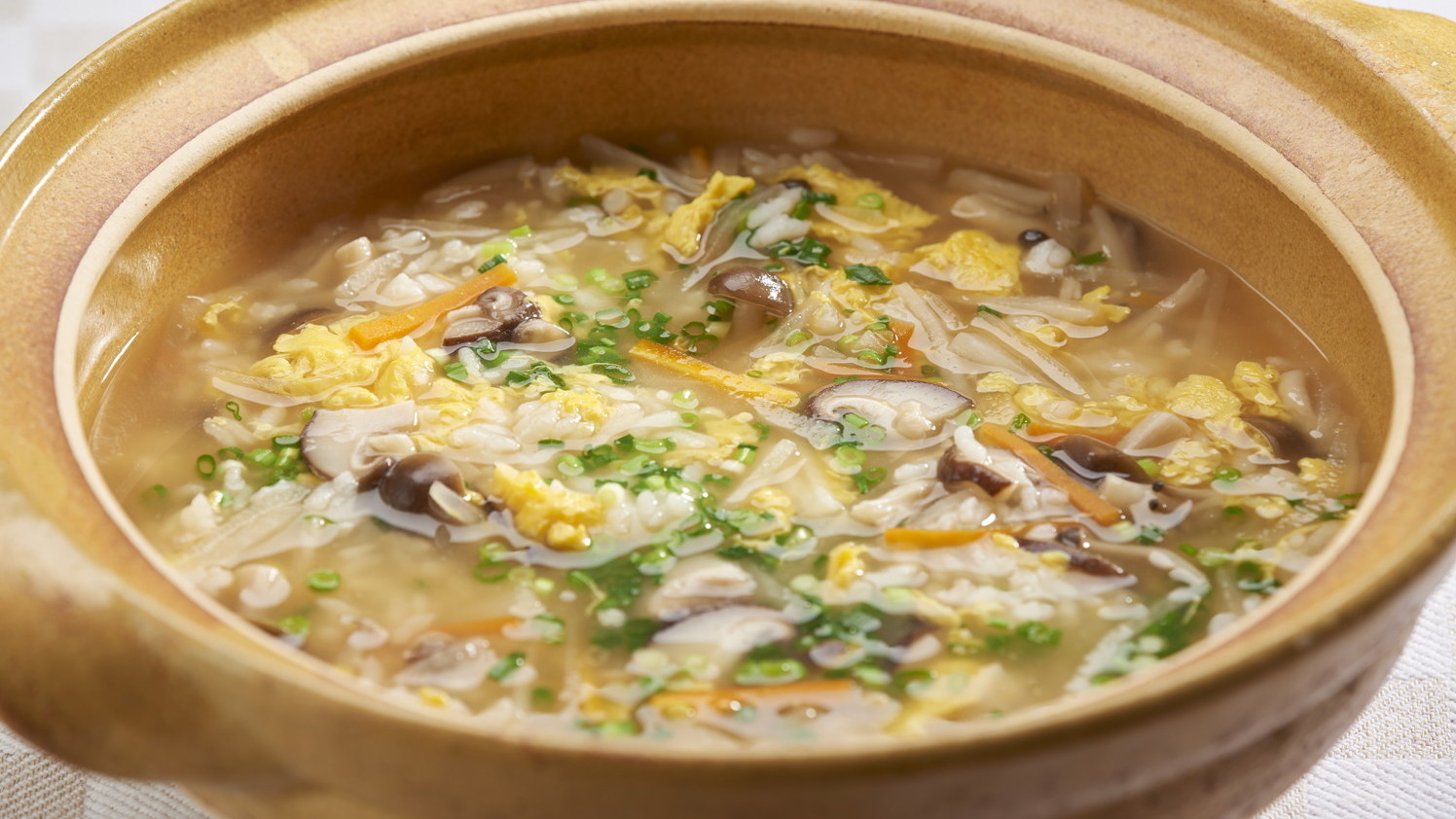
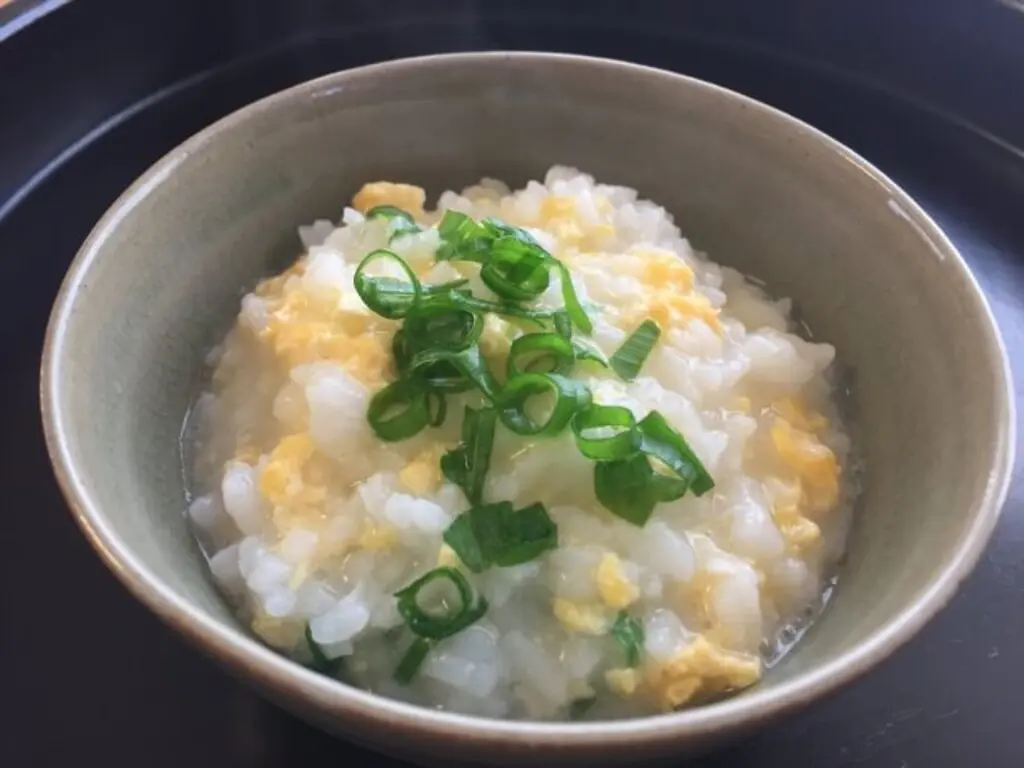
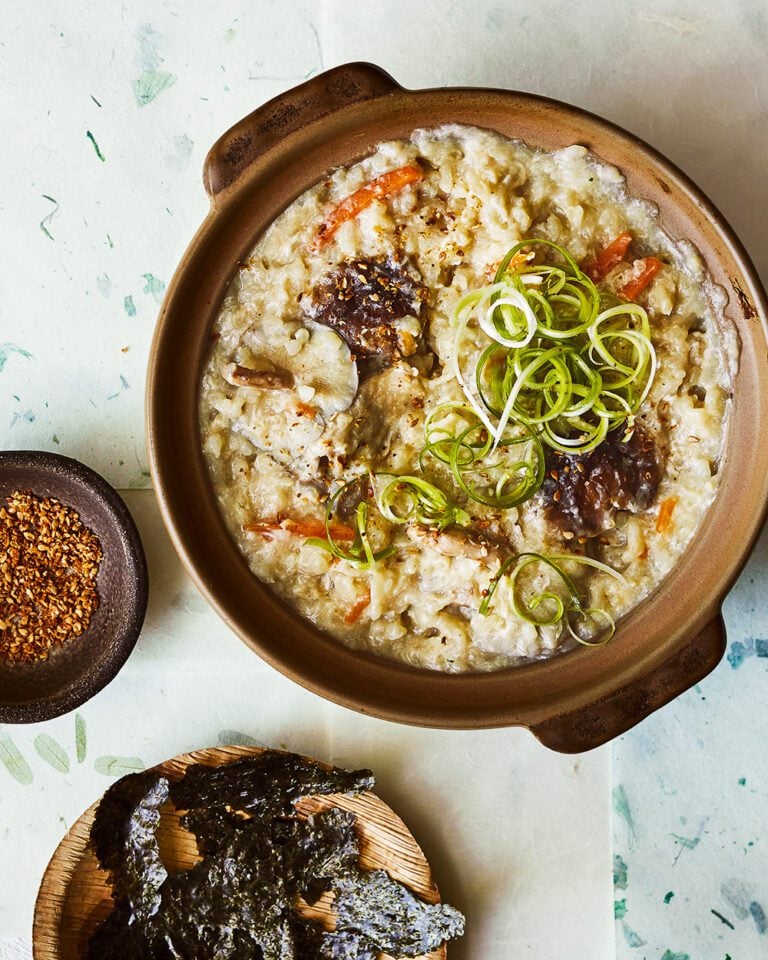
Zosui captivates diners with its light yet rich taste. The dish is crafted from a simple combination of cooked rice simmered in seasoned broth, often enhanced with ingredients like eggs, mushrooms, or seafood. The result is a soft, velvety texture that soothes and satisfies.
Key Ingredients in Zosui

  • Rice: Short-grain Japanese rice provides the perfect texture when simmered.
  • Broth (Dashi): Made from kombu (kelp) and bonito flakes, it forms the flavor base.
  • Seasonings: Soy sauce, miso, salt, or mirin add depth and umami.
  • Additions: Common toppings include green onions, mushrooms, shrimp, tofu, and beaten eggs for added richness.

Review Zosui (Rice Soup): A Comforting Taste of Japan’s Soulful Cuisine

Cooking Technique and Texture

The secret to perfect Zosui lies in gentle simmering. Unlike congee, Zosui retains the individuality of each rice grain while absorbing the broth’s flavor. The consistency is delicate and smooth, offering a comforting warmth in every spoonful.

Regional Variations of Zosui – Exploring Japan’s Culinary Diversity

Kyoto’s Elegant Simplicity

In Kyoto, Zosui (rice soup) is crafted with refined dashi and subtle seasonings. It reflects the city’s culinary philosophy of harmony and restraint, often featuring tofu, yuba, and seasonal vegetables.

Review Zosui (Rice Soup): A Comforting Taste of Japan’s Soulful Cuisine

Osaka’s Bold and Hearty Flavor

Osaka’s version is richer, often incorporating seafood and chicken. The broth is savory, and ingredients are simmered longer for a deeper flavor. It represents the Kansai region’s love for robust and comforting meals.

Hokkaido’s Winter Comfort

In the cold north, Hokkaido’s Zosui uses crab, salmon, and local vegetables. The hearty ingredients and rich broth make it a perfect winter dish that embodies the region’s rugged charm.

Review Zosui (Rice Soup): A Comforting Taste of Japan’s Soulful Cuisine

Tokyo’s Modern Interpretation

Tokyo’s contemporary restaurants reinvent Zosui with innovative twists – truffle oil, soy milk bases, or creative plating. It appeals to global palates while honoring the traditional spirit of the dish.

Zosui (Rice Soup) and Japanese Wellness Culture

Healing Through Food

Zosui has long been considered a healing dish. It’s often served during recovery from illness, postpartum care, or after a long day. Its lightness aids digestion, while its warmth brings physical and emotional comfort.

Review Zosui (Rice Soup): A Comforting Taste of Japan’s Soulful Cuisine

The Role of Umami and Balance

The umami-rich broth of Zosui nourishes the senses and exemplifies Japanese nutritional balance. Yoshida Hotel highlights that the dish aligns with Japan’s philosophy of “shun” – eating ingredients at their seasonal peak for maximum flavor and benefit.

The Art of Making Zosui at Home – A Comfort Dish for All Seasons

Basic Method

To prepare Zosui at home, begin with leftover rice and dashi. Add seasonings, simmer until the broth thickens slightly, then fold in eggs or vegetables. Finish with green onions or yuzu zest for freshness.

Review Zosui (Rice Soup): A Comforting Taste of Japan’s Soulful Cuisine

Creative Twists

Modern chefs experiment with variations such as miso-based Zosui, tomato-infused versions, or vegetarian renditions featuring tofu and mushrooms. Each style maintains the dish’s soothing essence while introducing new layers of flavor.

Zosui in Japanese Dining – From Family Tables to Kaiseki Cuisine

Home-Cooked Comfort

At home, Zosui symbolizes care and intimacy. Families often prepare it from leftover hot pot broth, blending warmth and nostalgia. It’s a dish that brings people together, especially during the colder months.

Review Zosui (Rice Soup): A Comforting Taste of Japan’s Soulful Cuisine

Zosui in Fine Dining

In kaiseki cuisine, Zosui may appear as the final course, offering a gentle conclusion to a multi-course meal. Its understated elegance cleanses the palate and completes the dining experience with serenity.

Pairing Drinks with Zosui (Rice Soup)

Sake – Subtle Harmony

Light sake enhances the umami of the broth, creating a soothing pairing. The smooth texture of both complements the delicate rice grains.

Review Zosui (Rice Soup): A Comforting Taste of Japan’s Soulful Cuisine

Green Tea and Houjicha

For a non-alcoholic choice, green tea or roasted houjicha provides a refreshing contrast to Zosui’s savory depth. It’s a combination rooted in mindfulness and tradition.

Modern Beverage Pairings

Restaurants today offer innovative pairings, from white wine to light Japanese beer, balancing Zosui’s warmth with gentle acidity or crisp refreshment.

Review Zosui (Rice Soup): A Comforting Taste of Japan’s Soulful Cuisine

Zosui (Rice Soup) in Japanese Culture and Daily Life

A Dish for Every Generation

From children to elders, everyone in Japan enjoys Zosui. Its digestibility and comforting warmth make it a favorite across ages, symbolizing the continuity of Japanese family traditions.

Review Zosui (Rice Soup): A Comforting Taste of Japan’s Soulful Cuisine

Seasonal Celebrations

Zosui often graces the table during New Year’s celebrations or after festive banquets, offering calm and closure. It serves as a reminder to slow down and savor life’s simple pleasures.

Health Benefits of Zosui (Rice Soup)

Nourishment and Hydration

Zosui’s broth provides hydration and nutrients, while rice offers energy. The combination supports recovery and wellness, especially during colder months.

Review Zosui (Rice Soup): A Comforting Taste of Japan’s Soulful Cuisine

Low-Calorie Comfort Food

Despite its hearty flavor, Zosui is light in calories, making it ideal for those seeking comfort without heaviness. It embodies Japan’s mindful approach to balanced eating.

Gentle on Digestion

Because it’s easy to digest, Zosui is recommended for people with sensitive stomachs or those recovering from illness. It’s a reminder that true comfort food can also be health-conscious.

Review Zosui (Rice Soup): A Comforting Taste of Japan’s Soulful Cuisine

Where to Enjoy Authentic Zosui in Japan

Travelers can find authentic Zosui across Japan, from family-run eateries to high-end restaurants. Yoshida Hotel recommends experiencing it in local establishments that capture each region’s personality and tradition.

  • Kyoto: Elegant vegetarian-style Zosui in serene tea houses.
  • Osaka: Street-side eateries offering hearty seafood variations.
  • Hokkaido: Coastal restaurants serving crab Zosui during winter.
  • Tokyo: Modern cafes blending classic recipes with global influences.

Review Zosui (Rice Soup): A Comforting Taste of Japan’s Soulful Cuisine

Experiencing Zosui (Rice Soup) with Yoshida Hotel – A Journey of Warmth and Culture

Yoshida Hotel invites travelers to rediscover Japan’s culinary heritage through Zosui (rice soup). Whether enjoyed at a traditional ryokan or a modern restaurant, the dish speaks of care, connection, and cultural depth. Through every bowl, diners experience Japan’s dedication to comfort, flavor, and authenticity.

Review Zosui (Rice Soup): A Comforting Taste of Japan’s Soulful Cuisine

Conclusion

Zosui (rice soup) represents the heart of Japanese home cooking – a dish of warmth, simplicity, and love. Together with Yoshida Hotel, we’ve explored its origins, variations, and meaning in modern Japan. Each spoonful is a celebration of harmony between nature, nourishment, and culture. For travelers seeking to understand Japan’s culinary soul, Zosui offers a comforting path – one that begins with a humble bowl of rice and ends with a deep appreciation of life’s simple joys.

Review Horumon: The Soulful Taste of Japan’s Offal Cuisine

Horumon, one of Japan’s most cherished yet underrated culinary treasures, offers an unforgettable taste of tradition, texture, and bold flavor. Together with Yoshida Hotel, we delve deep into the fascinating world of Horumon cuisine – from its humble beginnings in post-war Japan to its celebrated place in modern gastronomy. This in-depth guide takes you on an immersive culinary adventure, unveiling how this unique dish captures the heart and soul of Japanese dining culture.

The Origins of Horumon – A Story of Ingenuity and Flavor

The term Horumon comes from the Kansai dialect word “horumon,” meaning “discarded goods,” referencing the internal organs once considered unusable. But through Japanese creativity and a deep respect for every part of the animal, these cuts were transformed into an extraordinary culinary art form. Horumon cuisine celebrates sustainability, flavor diversity, and a nose-to-tail philosophy that resonates with Japan’s deep-rooted culinary ethics.

Historical Roots of Horumon Cuisine

Horumon emerged during Japan’s post-war era, when resources were limited, and people sought innovative ways to make use of every part of livestock. This necessity gave birth to a new dining experience that transformed offal into a flavorful delicacy. Yoshida Hotel highlights how the Horumon tradition reflects the resilience and creativity of Japanese cooking, turning simplicity into sophistication.

Review Horumon: The Soulful Taste of Japan’s Offal Cuisine

Evolution into a Culinary Icon

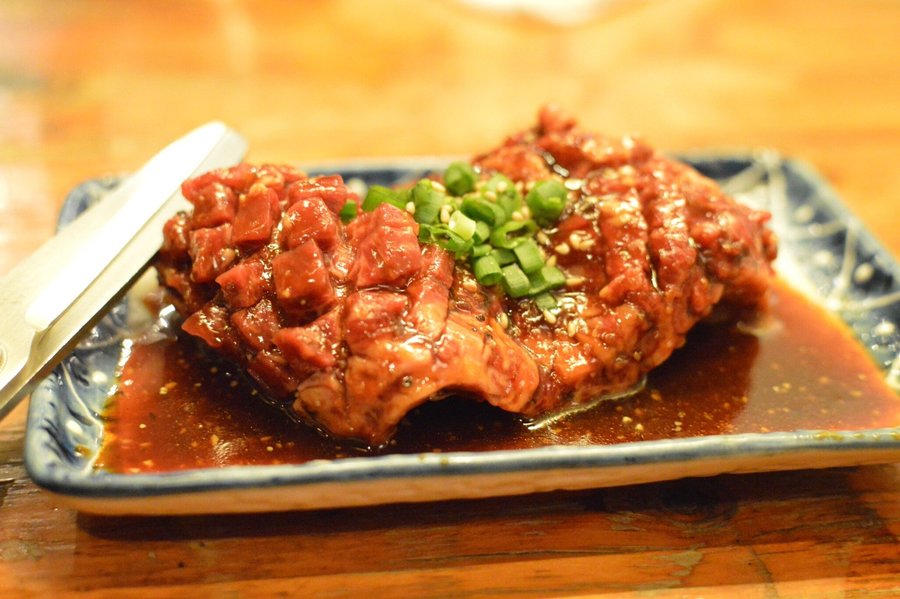
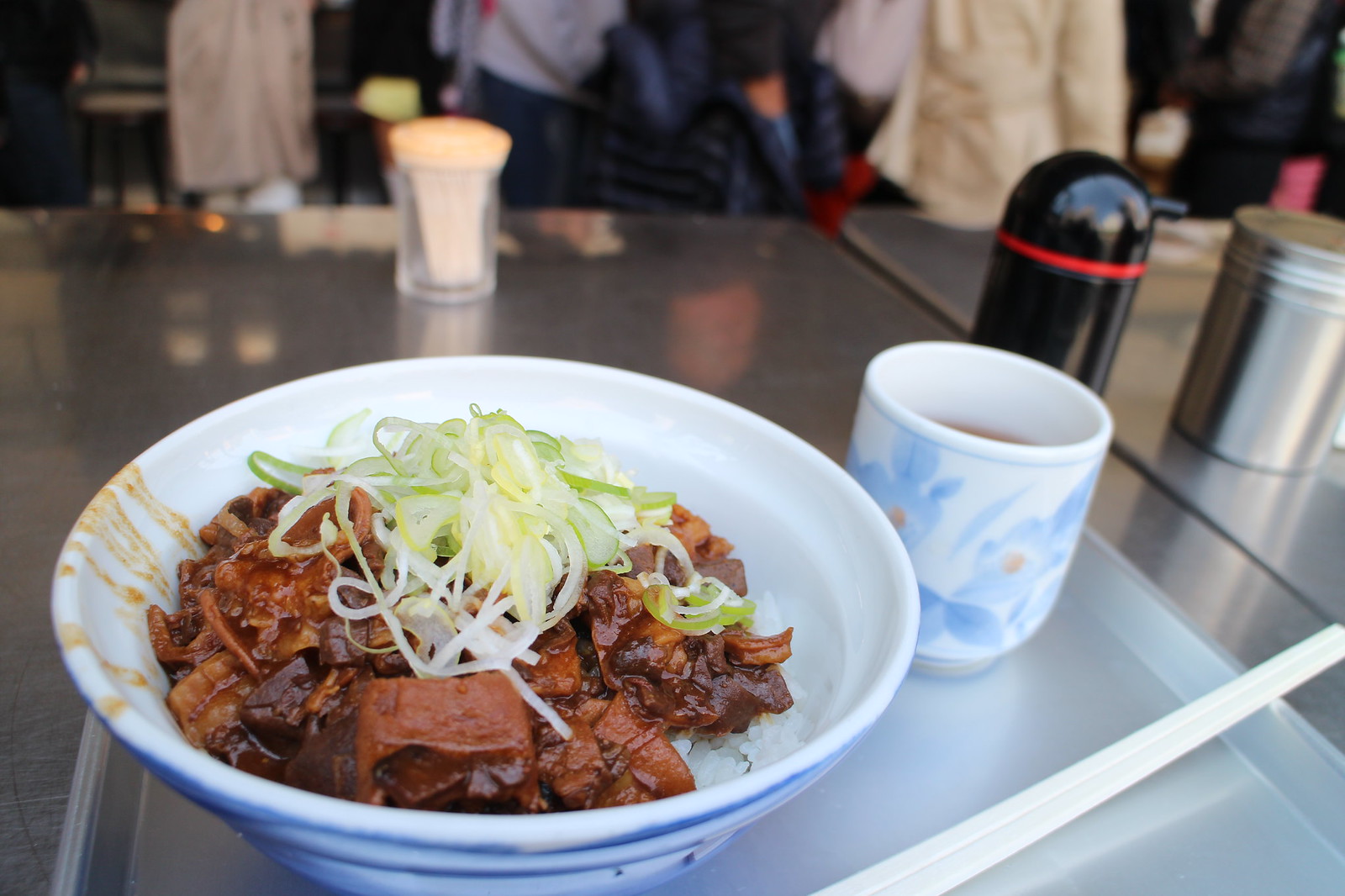
Over time, Horumon evolved from humble street-side grills into a signature item in high-end Yakiniku restaurants. Chefs began experimenting with textures, marinades, and grilling techniques, enhancing the flavor and elevating Horumon into a respected symbol of Japanese barbecue artistry. Today, it’s a must-try dish for adventurous travelers eager to taste authentic local cuisine.

The Unique Flavor and Texture of Horumon – A Feast for the Senses

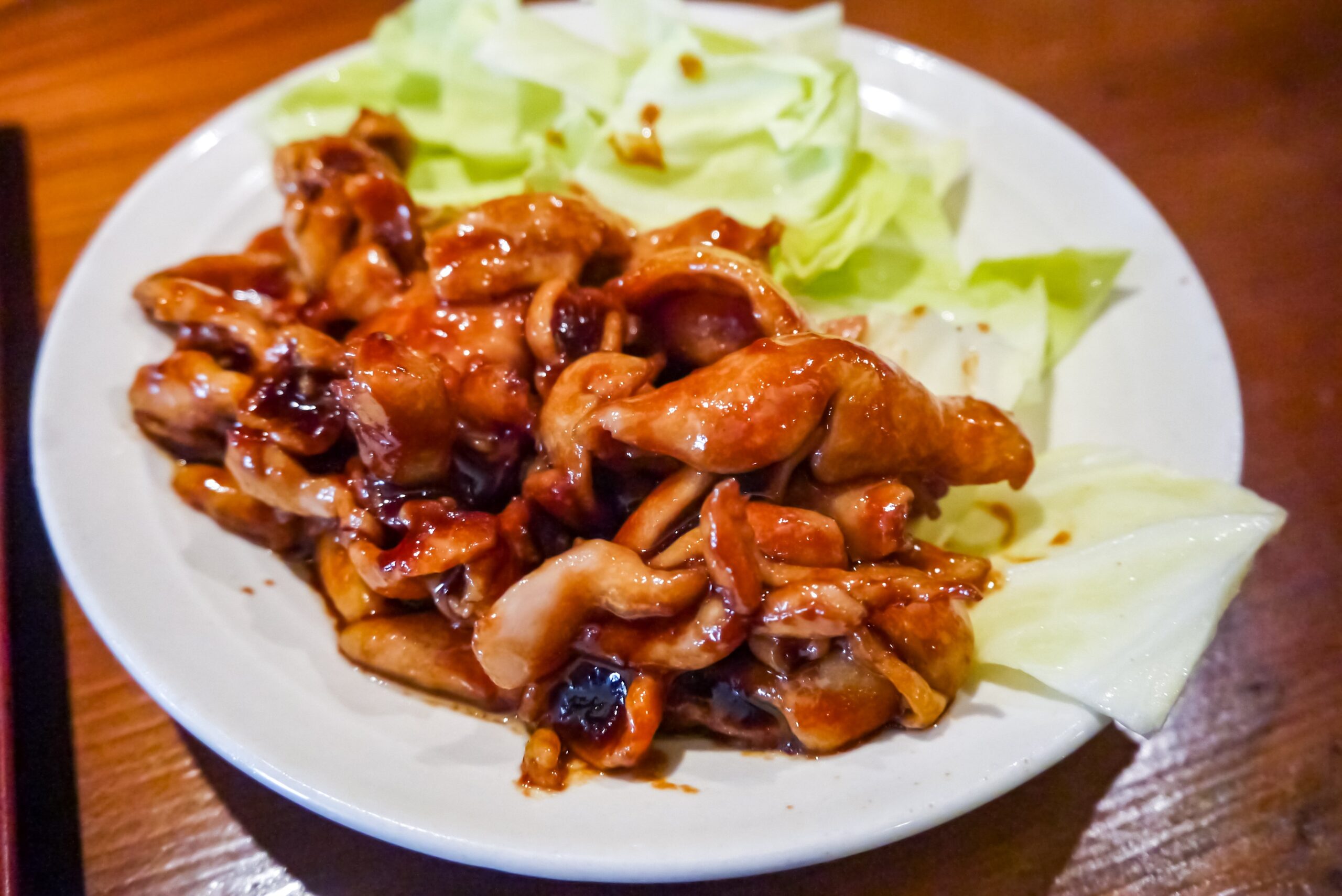
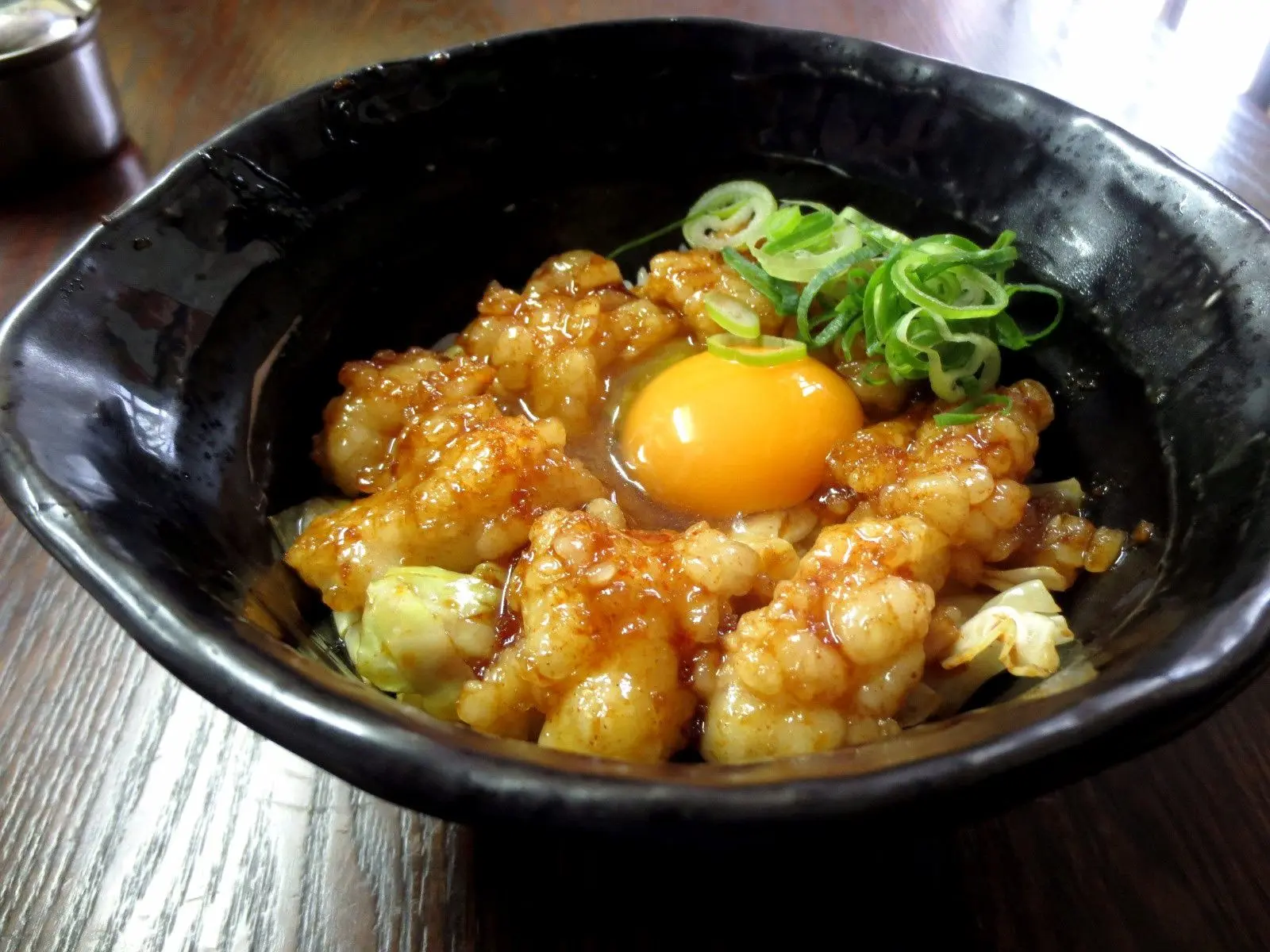
Horumon is defined by its incredible variety of textures and rich umami depth. Each cut delivers a different sensory experience, from chewy and juicy to crispy and melt-in-your-mouth.

Exploring Popular Types of Horumon

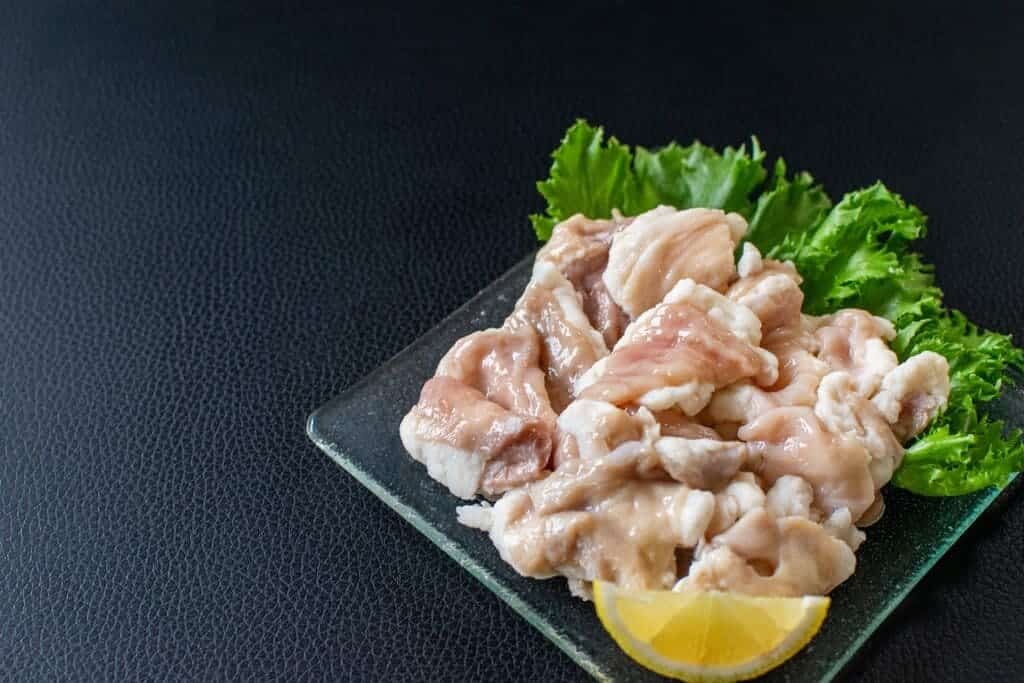
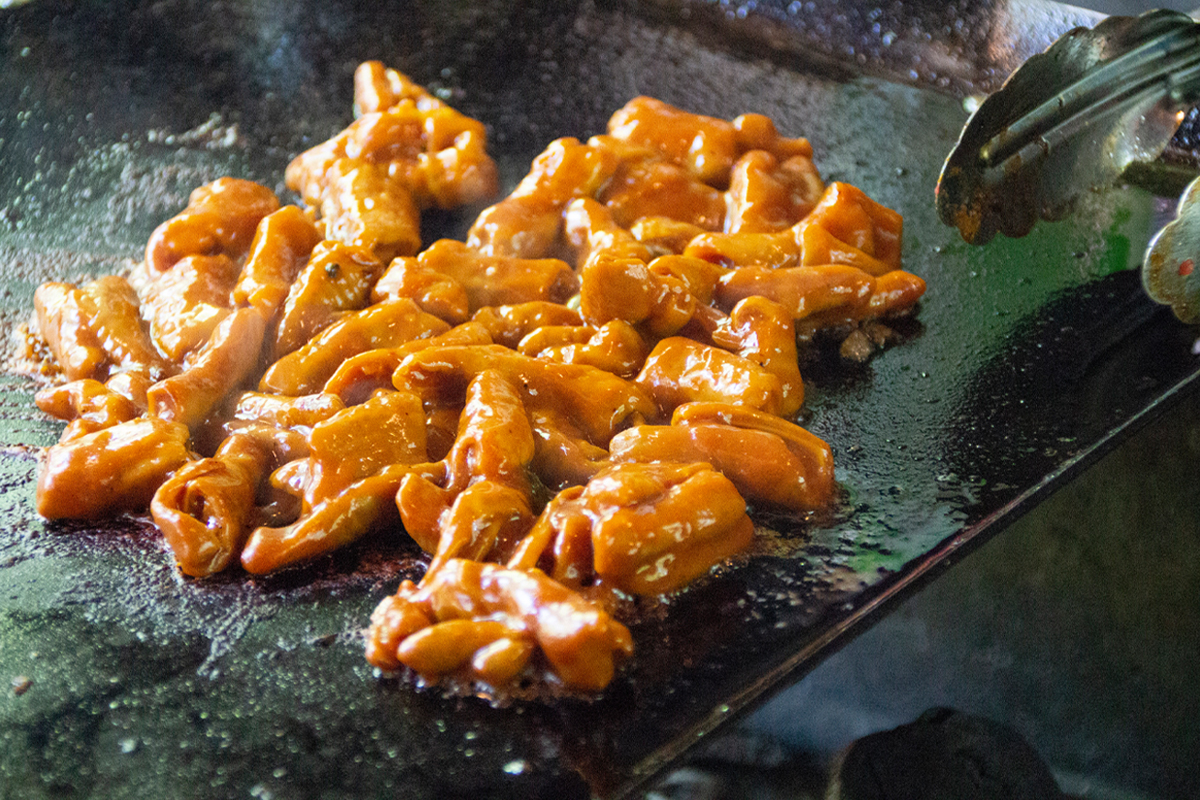
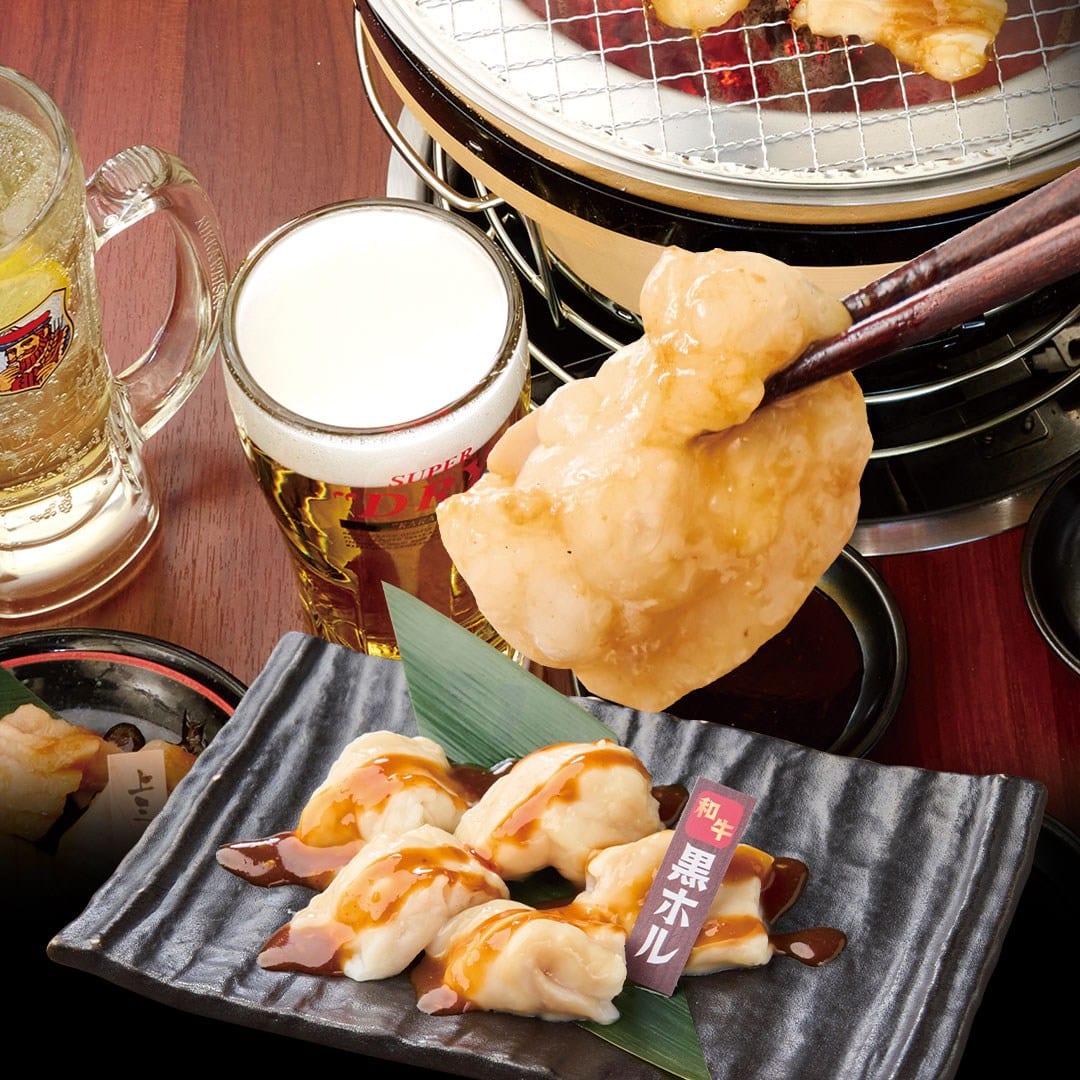
  • Shiro (Small Intestine): Rich and fatty, with a creamy flavor that melts beautifully when grilled.
  • Mino (Tripe): Crunchy and slightly chewy, known for its refreshing texture.
  • Hatsu (Heart): Lean and flavorful, offering a deep, savory taste.
  • Liver (Reba): Smooth and aromatic, rich in nutrients and flavor.
  • Tetchan (Large Intestine): Fatty and juicy, producing a smoky aroma that captivates the senses.

Review Horumon: The Soulful Taste of Japan’s Offal Cuisine

Each type of Horumon showcases the Japanese dedication to variety, balance, and the pursuit of perfect taste.

The Art of Grilling Horumon – Mastering Fire and Flavor

Cooking Horumon requires precision and patience. It’s more than grilling—it’s a ritual that celebrates fire, smoke, and the transformation of raw ingredients into culinary delight.

Techniques for Perfect Horumon

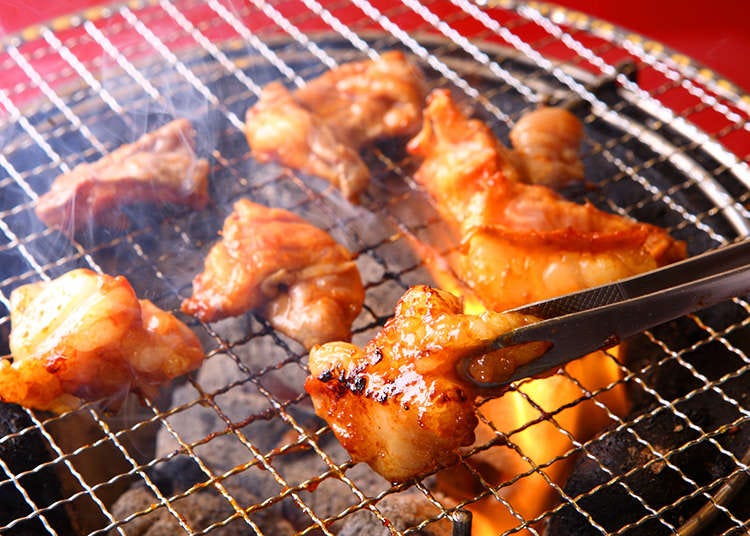
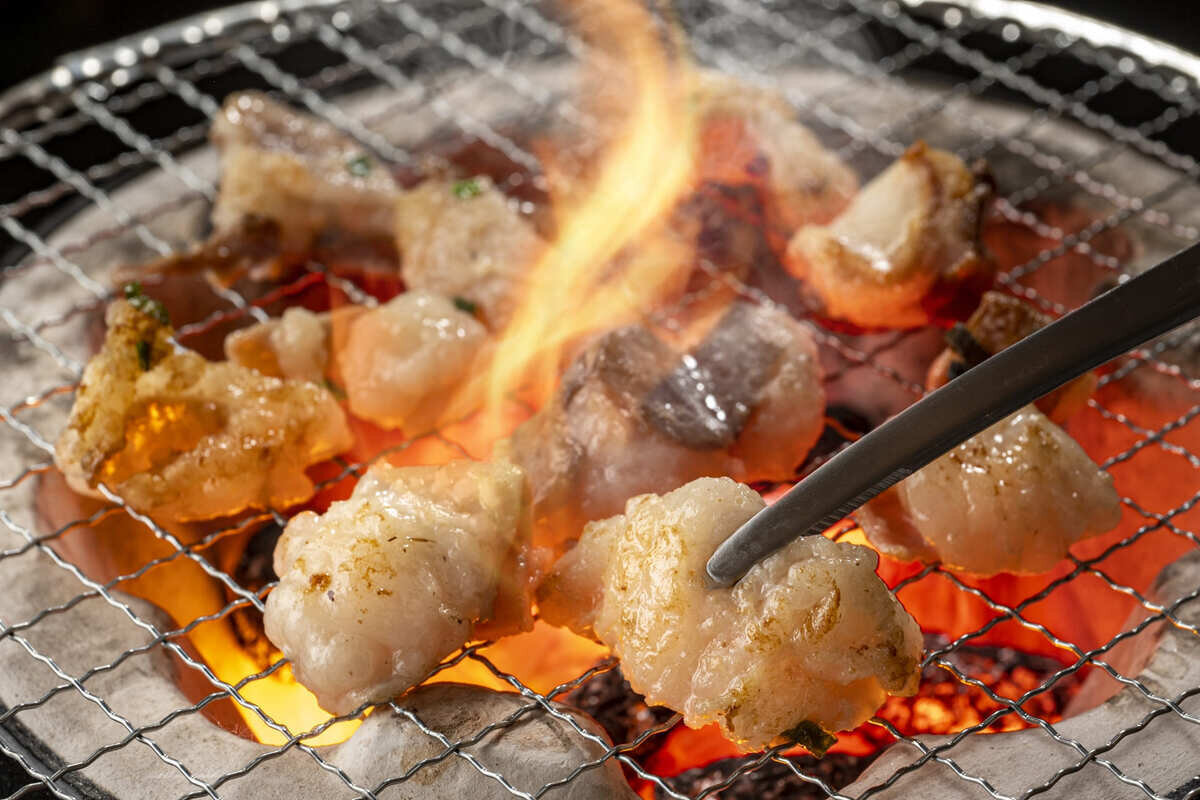
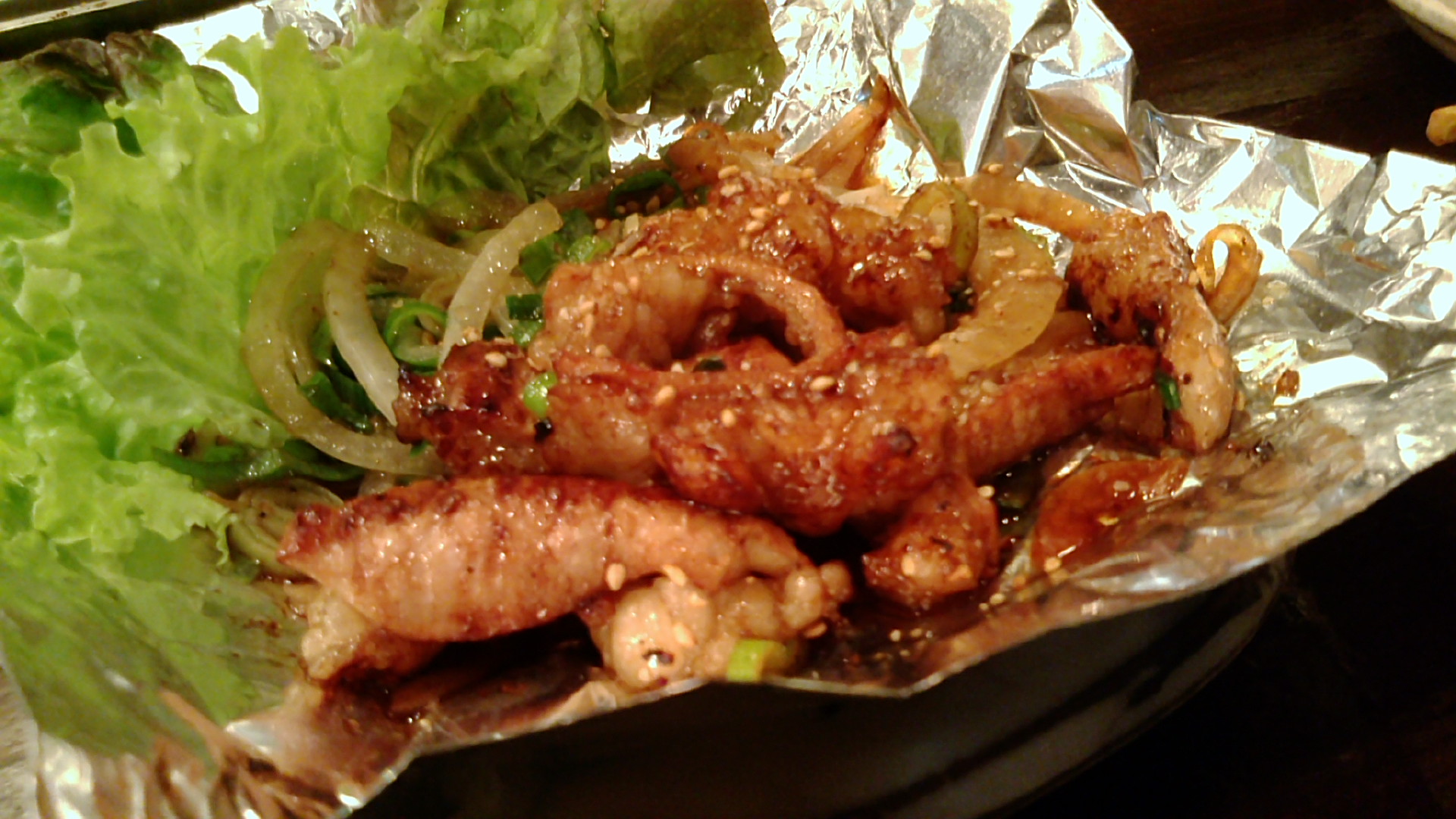
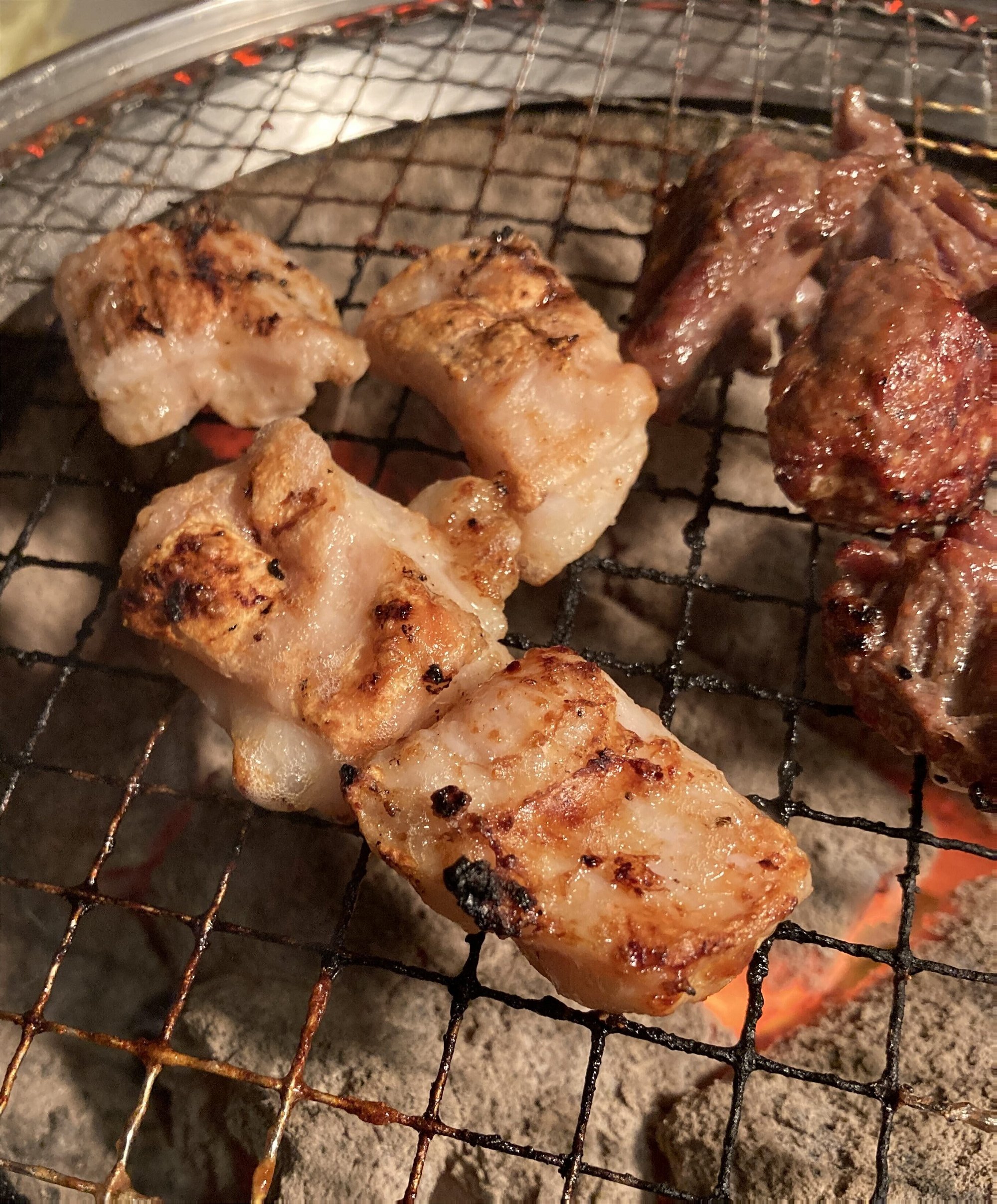
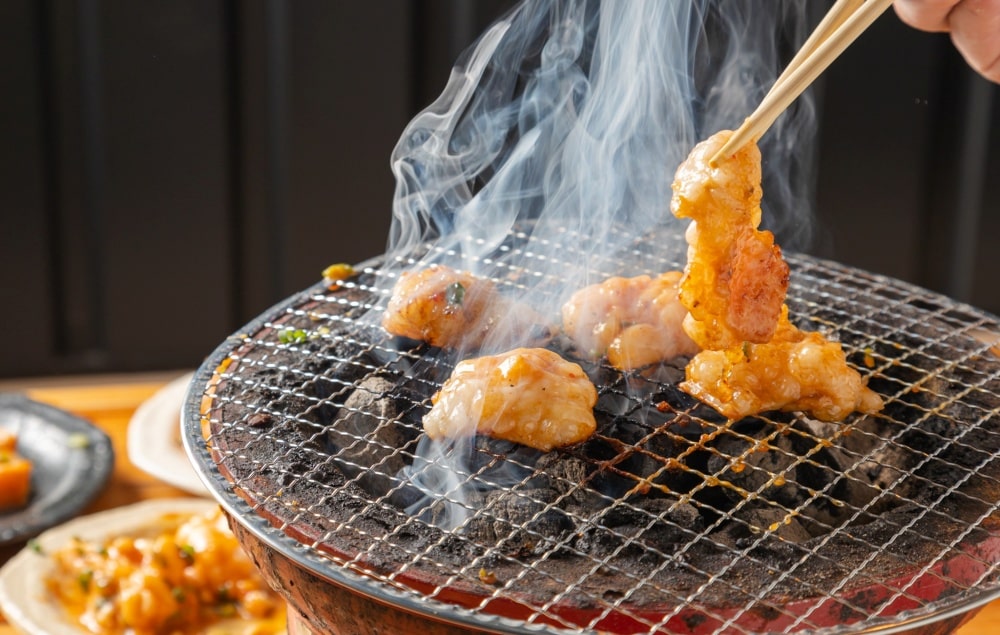
Chefs often marinate Horumon in soy sauce, miso, garlic, and sesame oil to tenderize and enhance flavor. Grilling is done over charcoal to impart a deep, smoky aroma. The key is timing—overcooking can toughen the texture, while perfect grilling brings out a balance of crispness and tenderness.

Review Horumon: The Soulful Taste of Japan’s Offal Cuisine

The Role of Charcoal and Smoke

Traditional Japanese restaurants use binchotan charcoal, famous for its clean burn and steady heat. The gentle smoke infuses the Horumon with subtle depth, enriching its umami profile without overpowering its natural flavor.

Horumon Dining Experience – Where Tradition Meets Community

Eating Horumon is a social experience that embodies Japan’s communal dining culture. The sizzling sound of meat on the grill, the rising smoke, and the shared laughter create a warm and welcoming atmosphere.

Atmosphere and Setting

Horumon is often enjoyed at izakayas (Japanese pubs) or Yakiniku restaurants, where guests grill their own meat at the table. These spaces are lively and intimate, filled with the comforting aroma of grilled offal and the joyful energy of diners.

Review Horumon: The Soulful Taste of Japan’s Offal Cuisine

The Essence of Omotenashi

In Horumon dining, the spirit of omotenashi—Japanese hospitality—shines through. Staff members provide guidance on how to grill each cut perfectly, ensuring an enjoyable experience for everyone, from first-timers to seasoned enthusiasts.

Sauces and Seasonings – Unlocking the Deep Flavors of Horumon

Horumon’s flavor can be enhanced by dipping sauces and condiments that balance its rich taste with freshness and zest.

Classic Tare Sauce

A blend of soy sauce, mirin, garlic, and sesame oil forms the foundation of the iconic tare sauce. Each restaurant may have its own secret recipe, offering unique variations that define their culinary identity.

Review Horumon: The Soulful Taste of Japan’s Offal Cuisine

Miso and Garlic Marinades

Miso-based marinades infuse the meat with savory sweetness, while garlic adds depth and aroma. The combination creates an irresistible umami profile that keeps diners coming back for more.

Citrus and Spices

To cut through the richness, condiments like grated daikon, lemon, or shichimi togarashi (seven-spice blend) bring brightness and contrast to every bite.
Review Horumon: The Soulful Taste of Japan’s Offal Cuisine

Nutritional Value and Health Benefits of Horumon

While Horumon is indulgent in flavor, it also offers surprising nutritional benefits. Rich in protein, iron, and essential vitamins, it provides energy and supports overall health when consumed in moderation.

Protein and Collagen

Horumon cuts are high in collagen, which supports healthy skin and joints. The protein content aids muscle repair and strength, making it a wholesome choice for active individuals.

Review Horumon: The Soulful Taste of Japan’s Offal Cuisine

Low Waste, High Value Cuisine

The philosophy behind Horumon aligns with sustainable dining practices, reducing food waste by utilizing every part of the animal. Yoshida Hotel notes that this approach reflects Japan’s commitment to mindful consumption and respect for nature.

Regional Horumon Specialties Across Japan

Osaka – The Heart of Horumon Culture

Osaka, known for its bold flavors, is considered the birthplace of modern Horumon cuisine. Street vendors and traditional eateries serve it sizzling hot, capturing the city’s energetic spirit.

Review Horumon: The Soulful Taste of Japan’s Offal Cuisine

Kyoto – Refined and Balanced

In Kyoto, Horumon is elevated through delicate marinades and artistic presentation, blending elegance with rustic flavor.

Fukuoka – Rich and Savory

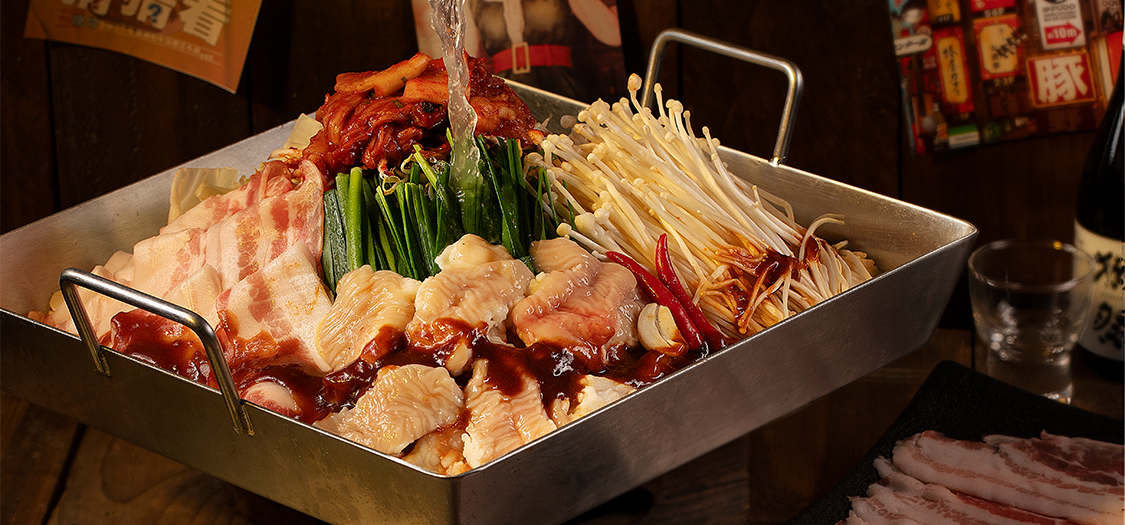
Fukuoka’s version of Horumon, often used in nabe (hot pot), is hearty and flavorful, offering comfort during the colder months.

Review Horumon: The Soulful Taste of Japan’s Offal Cuisine

Tokyo – Modern Interpretations

Tokyo’s high-end restaurants reimagine Horumon with creative twists, pairing it with fine wines and contemporary plating, appealing to gourmet travelers.

Horumon in Japanese Festivals and Pop Culture

Horumon isn’t just food—it’s a cultural symbol. At festivals across Japan, food stalls serve grilled offal skewers that attract both locals and tourists. It represents togetherness, joy, and the authentic taste of Japanese street cuisine.

Review Horumon: The Soulful Taste of Japan’s Offal Cuisine

Horumon in Media and Entertainment

Japanese TV shows and food documentaries often highlight Horumon as an emblem of culinary nostalgia. It’s celebrated as a food that connects generations and evokes memories of warmth and family.

Pairing Drinks with Horumon – Enhancing the Flavor Journey

Beer – The Perfect Companion

Light Japanese beers like Sapporo or Asahi cut through the richness of grilled Horumon, refreshing the palate with each sip.

Review Horumon: The Soulful Taste of Japan’s Offal Cuisine

Sake and Shochu

Sake complements the deep umami of Horumon, while shochu, a distilled Japanese spirit, offers a crisp finish that enhances the dish’s smoky notes.

Modern Pairings

Contemporary restaurants pair Horumon with wine or cocktails, bridging tradition and modern gastronomy for global diners.

Review Horumon: The Soulful Taste of Japan’s Offal Cuisine

Experiencing Horumon with Yoshida Hotel – A Culinary Adventure Awaits

Yoshida Hotel invites food lovers to explore the world of Horumon through curated dining experiences across Japan. From hidden Kyoto alleys to vibrant Osaka food markets, every meal reveals the artistry and emotion behind this time-honored dish. Travelers can immerse themselves in local eateries, learning to appreciate Horumon not only as food but as a story of resilience, culture, and flavor.

Review Horumon: The Soulful Taste of Japan’s Offal Cuisine

Conclusion

Horumon stands as a symbol of Japanese ingenuity and culinary heritage, turning simplicity into sophistication through flavor, texture, and tradition. With Yoshida Hotel as your guide, this exploration uncovers the heart of Japan’s offal cuisine—where every bite tells a story of culture, creativity, and connection. To taste Horumon is to experience Japan’s enduring spirit, one sizzling grill at a time.

Yakiniku: The Fiery Heart of Japanese Barbecue Culture

Yakiniku, meaning “grilled meat” in Japanese, is one of Japan’s most beloved dining experiences, blending tradition, flavor, and social connection. Together with Yoshida Hotel, we explore this sizzling world of fire and flavor, uncovering its origins, culinary artistry, techniques, and cultural significance across Japan. This comprehensive guide delves deep into the allure of Yakiniku, making it an essential experience for travelers, food enthusiasts, and cultural explorers alike.

The Origins of Yakiniku – From Ancient Roots to Modern Dining

Yakiniku has a fascinating history that reflects Japan’s evolving culinary landscape. Originally inspired by Korean barbecue traditions, it has transformed into a uniquely Japanese experience that celebrates simplicity, freshness, and premium ingredients.

Historical Beginnings and Cultural Adaptation

The term “Yakiniku” first appeared in Japan during the Meiji period when Western influences began shaping the nation’s cuisine. Initially referring to all types of grilled meat, Yakiniku soon developed its distinct identity as Japanese chefs refined the art of grilling beef, pork, and chicken to perfection. Yoshida Hotel highlights that this evolution mirrors Japan’s ability to adapt and perfect global culinary influences while maintaining authenticity.

Yakiniku: The Fiery Heart of Japanese Barbecue Culture

Postwar Revival and Popularization

After World War II, Yakiniku became a social dining trend in Japan, particularly among urban families and working professionals. The rise of yakiniku restaurants across Tokyo and Osaka during the 1950s turned communal grilling into a symbol of modern dining. The interactive cooking style brought people together around a grill, symbolizing warmth, sharing, and indulgence.

The Yakiniku Experience – More Than Just a Meal

Yakiniku is not merely about eating—it’s an event that stimulates the senses and celebrates companionship. Every sizzling sound, smoky aroma, and tender bite creates an unforgettable dining experience.

The Art of Grilling

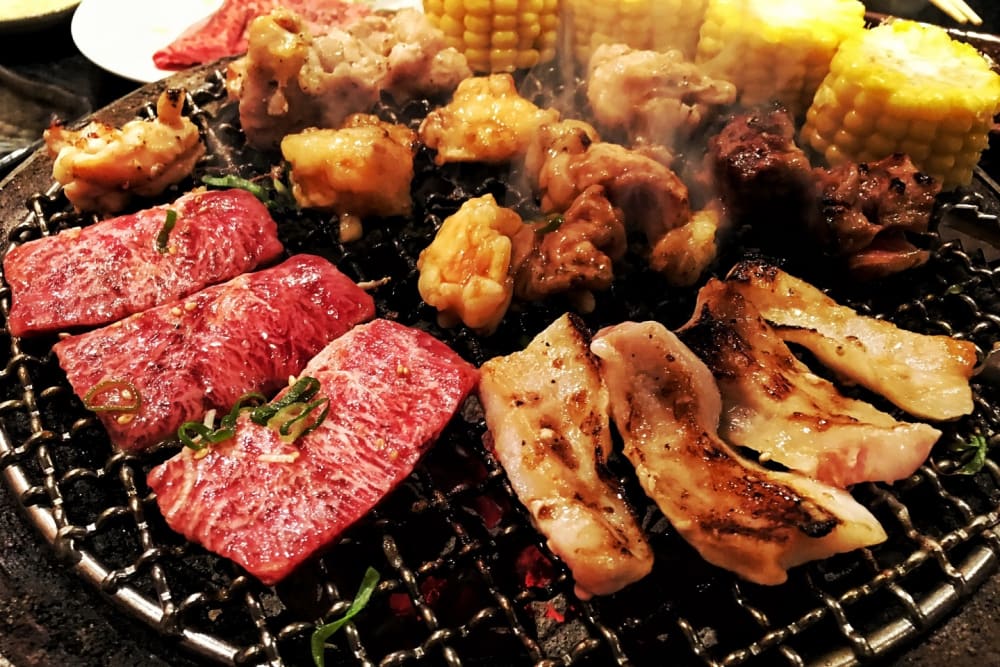
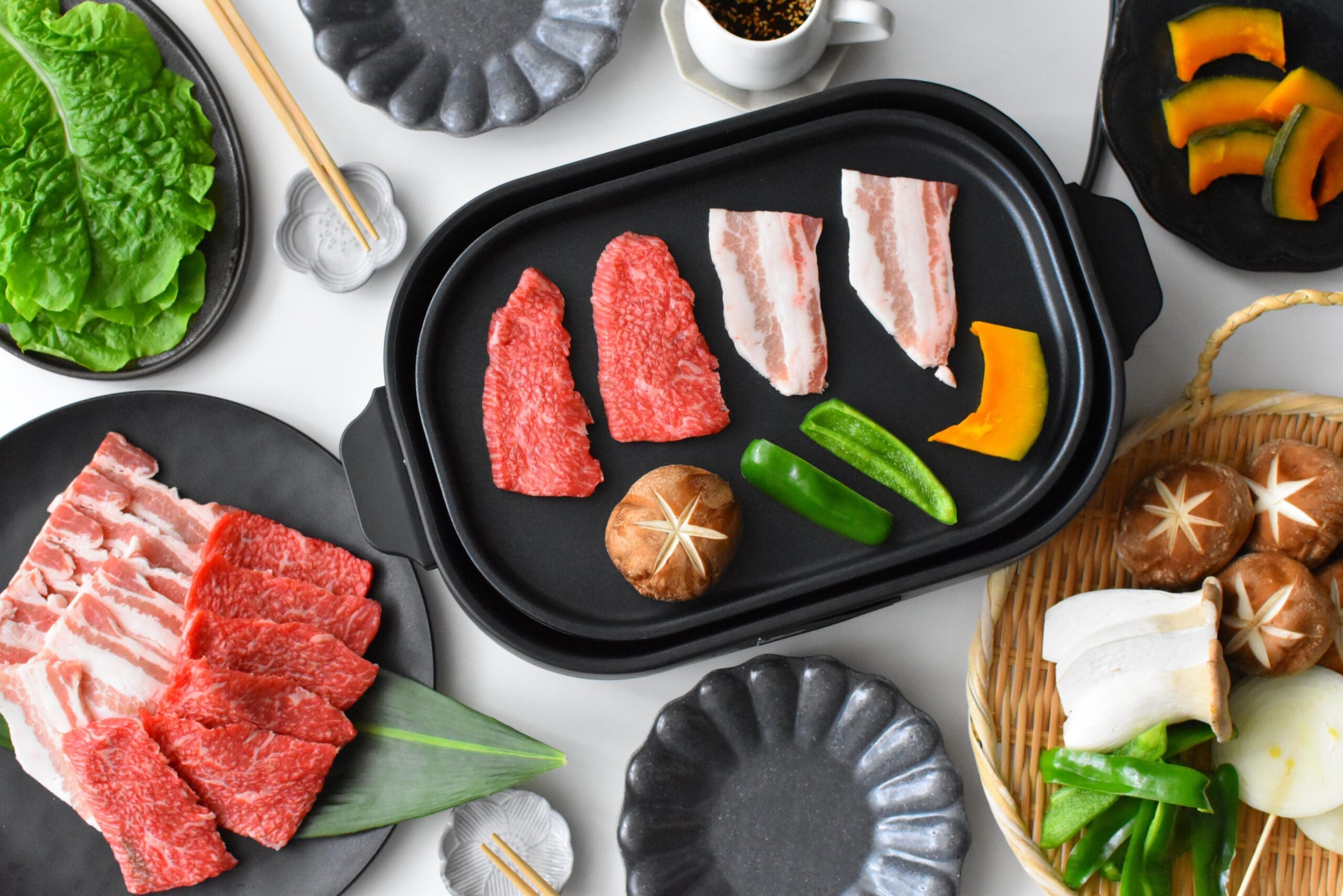
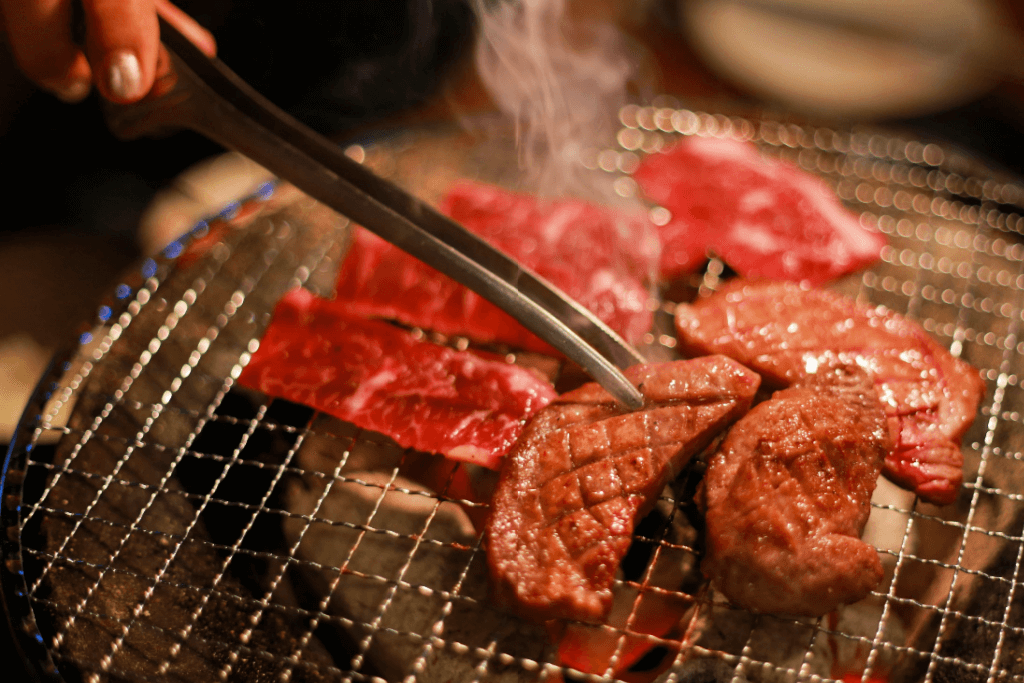
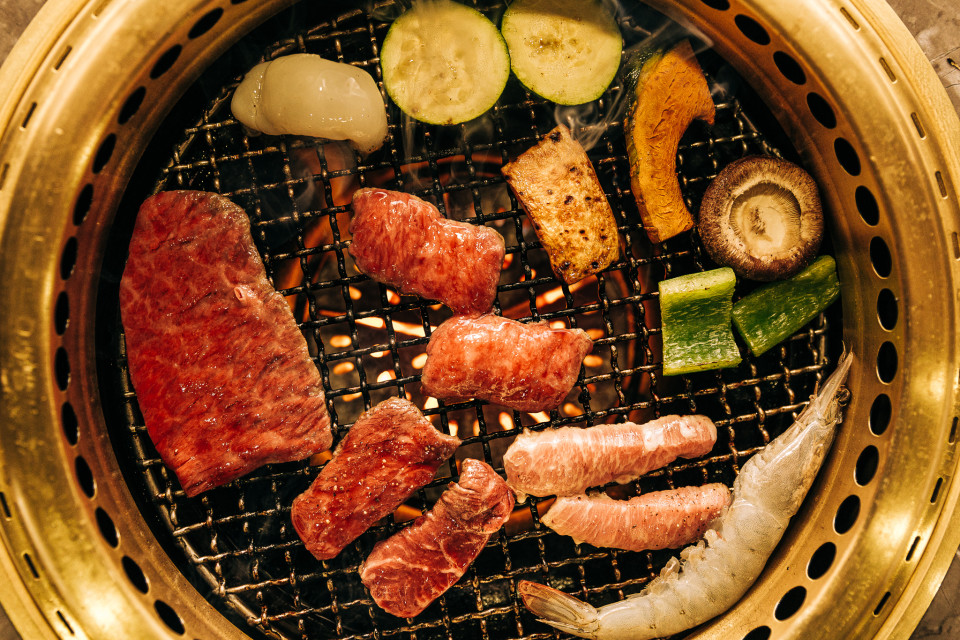
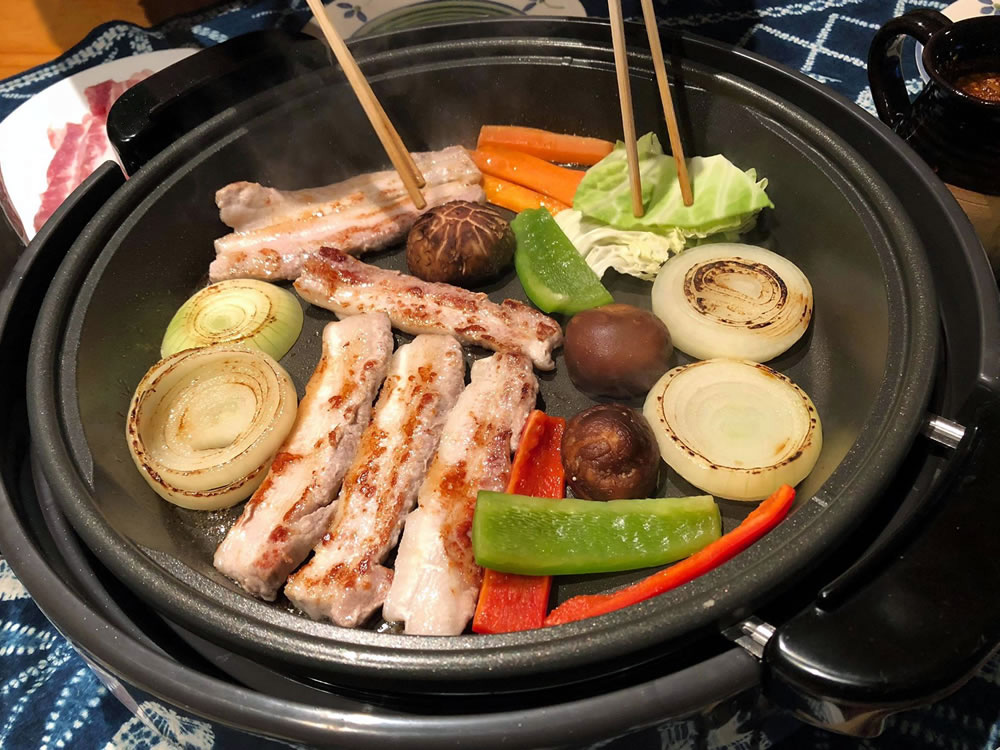
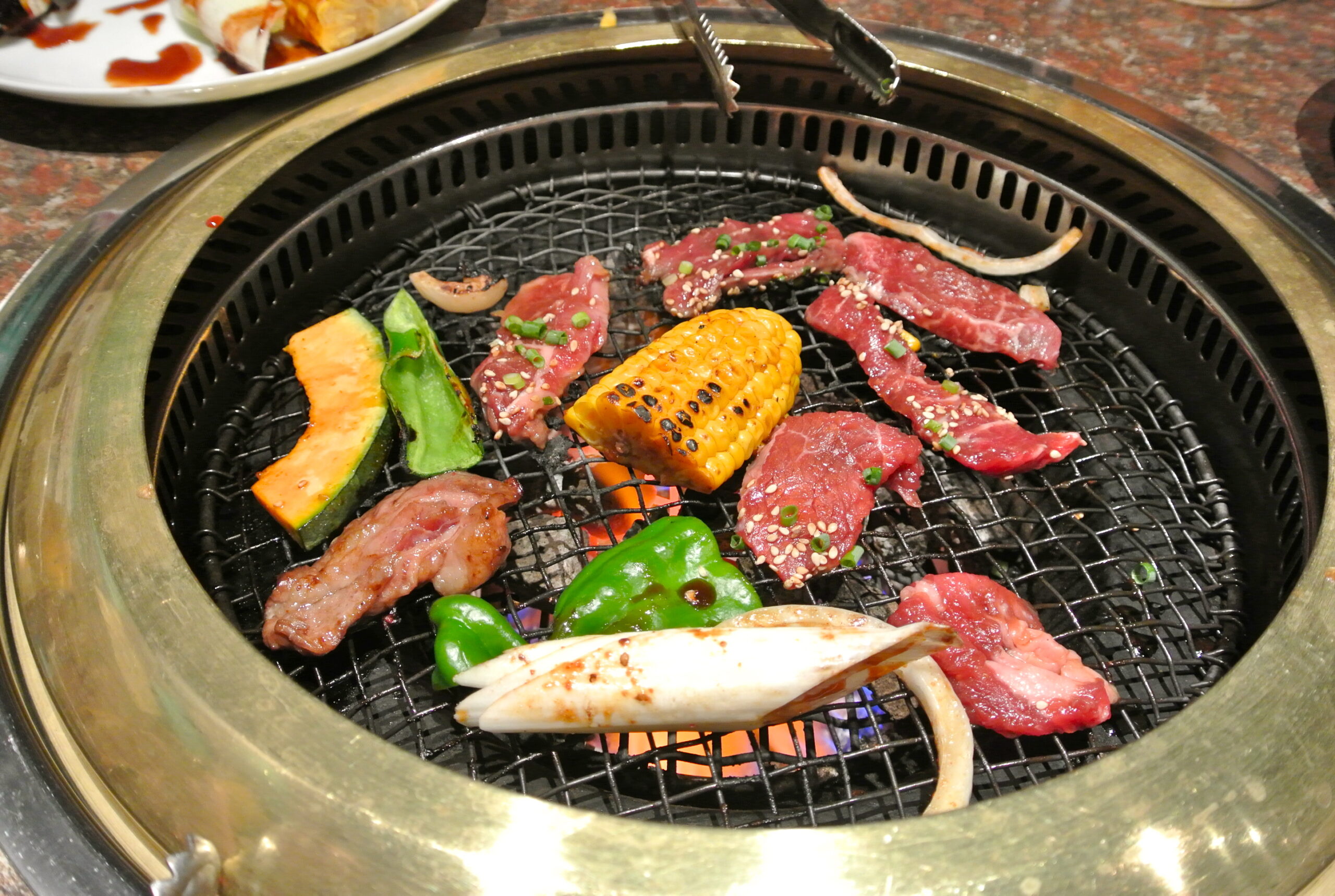
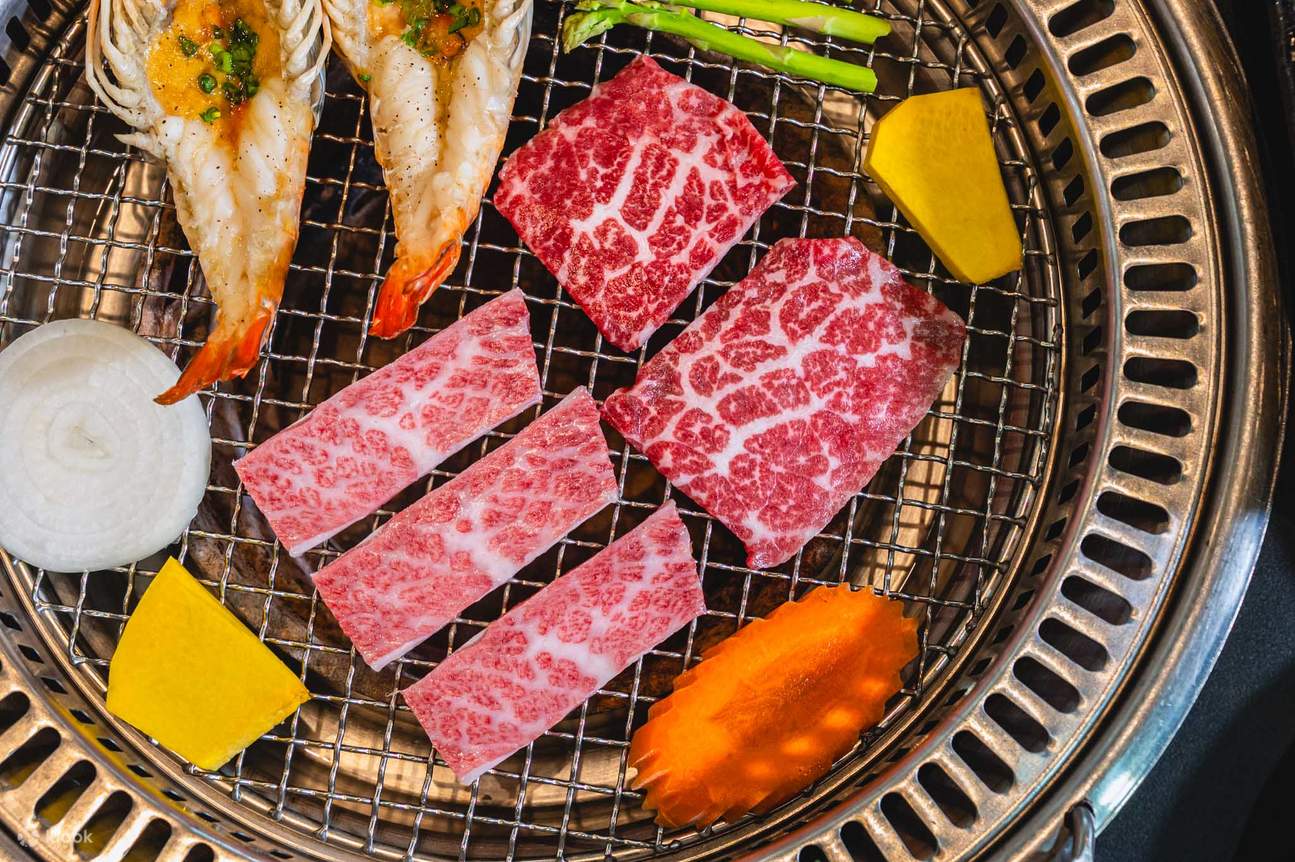
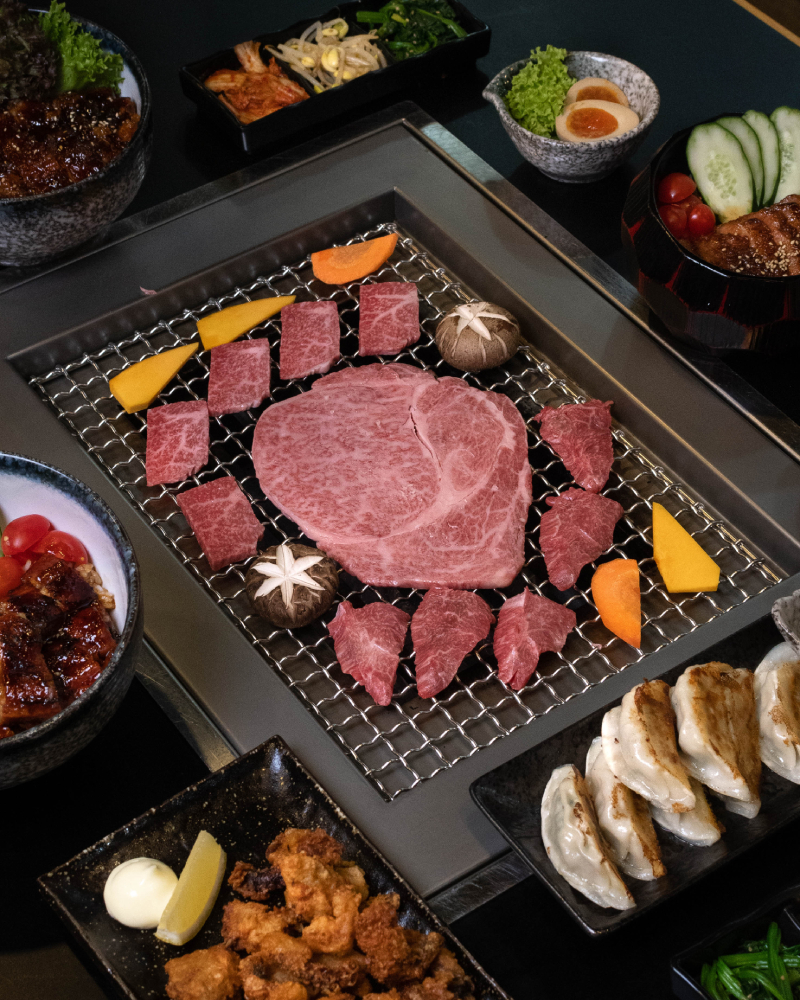
Yakiniku is typically cooked on a tabletop grill, using charcoal, gas, or electric heat. Guests participate in grilling thin slices of marinated or premium meat themselves. This interactive cooking process is central to the experience, encouraging conversation and creating a lively dining atmosphere.

Yakiniku: The Fiery Heart of Japanese Barbecue Culture

Quality Ingredients – The Soul of Yakiniku

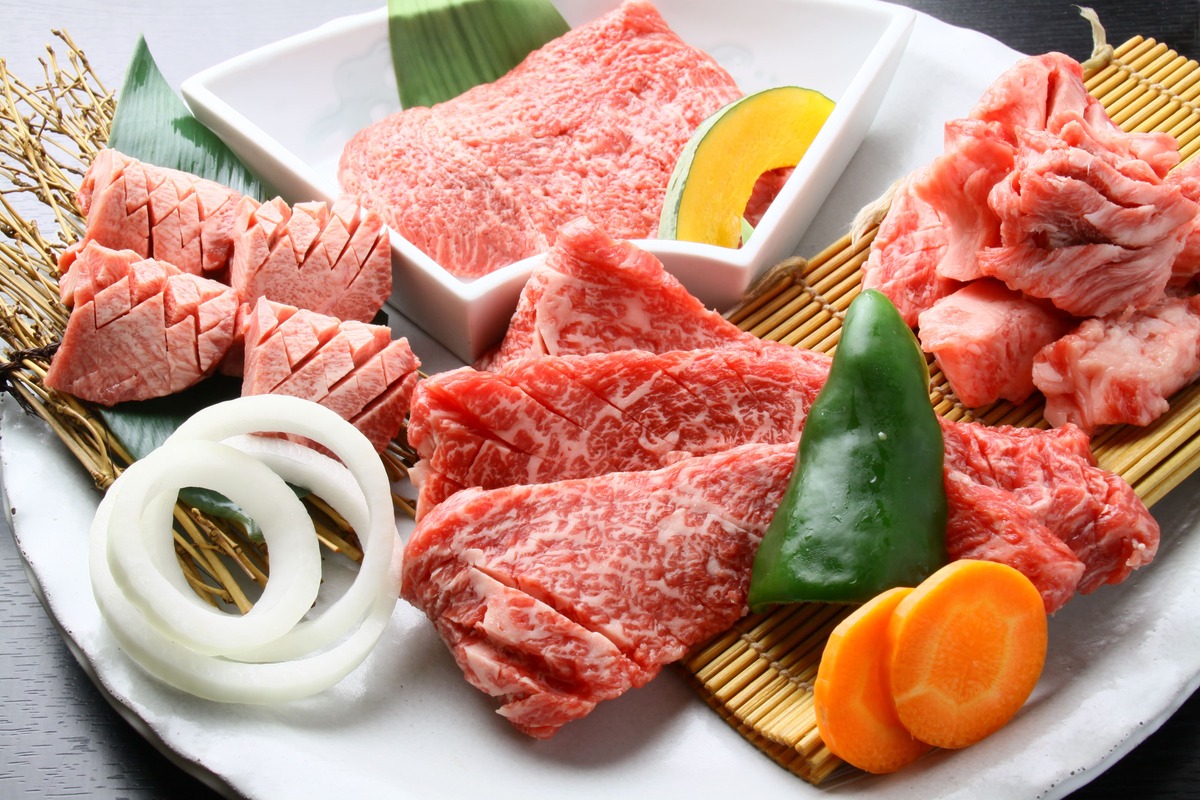
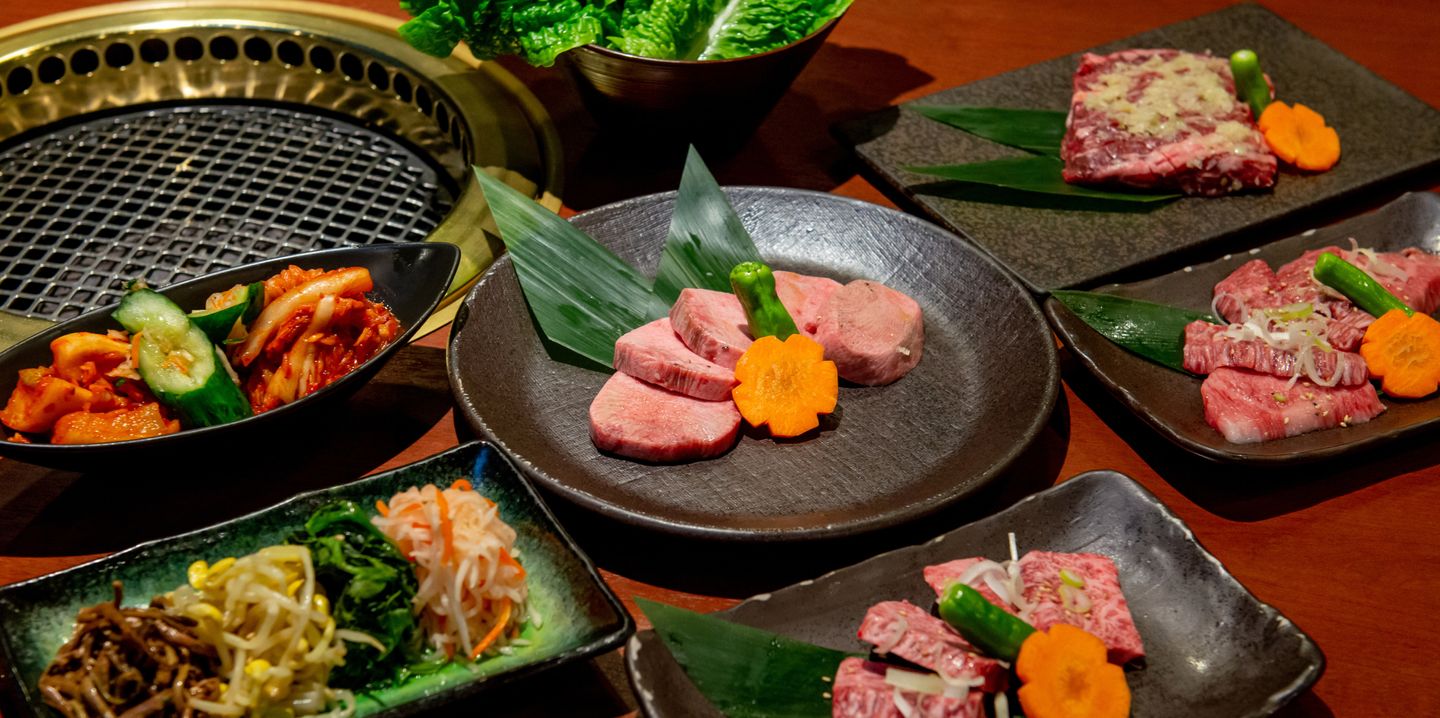
Premium meat selection defines a true Yakiniku experience. From Wagyu beef with its delicate marbling to tender cuts of pork and chicken, every slice is chosen for texture, flavor, and aroma. Yoshida Hotel emphasizes that freshness and quality are the essence of authentic Yakiniku dining.

Varieties of Meat in Yakiniku – Exploring the Cuts

Japan’s Yakiniku culture celebrates diversity in meat selection, each cut offering unique flavor and texture profiles.

Wagyu – Japan’s Crown Jewel

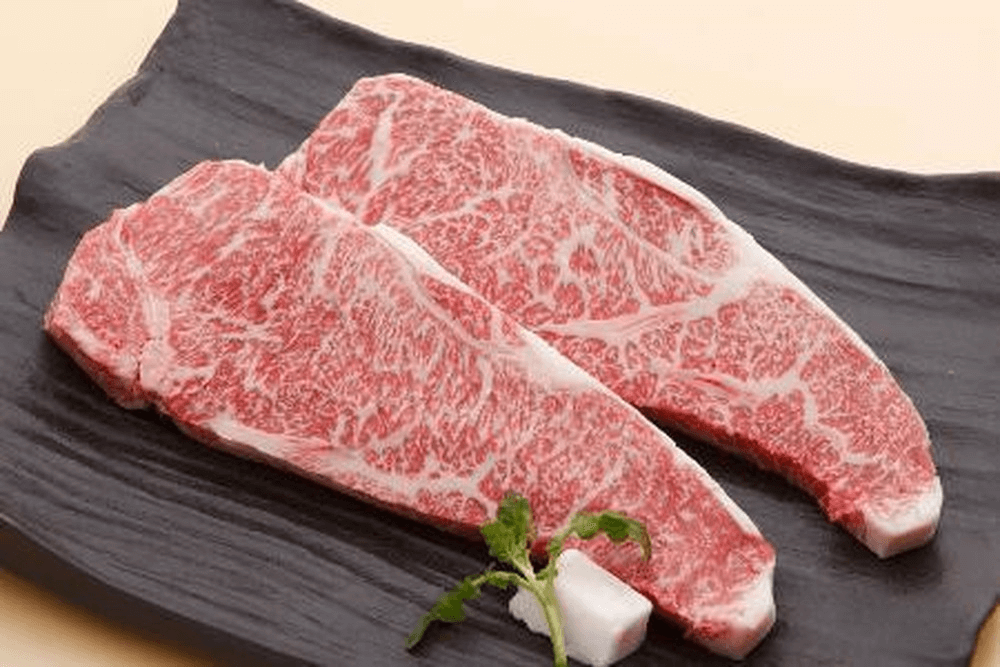
Renowned globally, Wagyu beef offers rich marbling that melts in the mouth. The balanced fat content ensures every bite is succulent and full of umami. Popular cuts include ribeye, sirloin, and karubi (short rib), each grilled to perfection for an exquisite experience.

Yakiniku: The Fiery Heart of Japanese Barbecue Culture

Karubi – The Iconic Short Rib

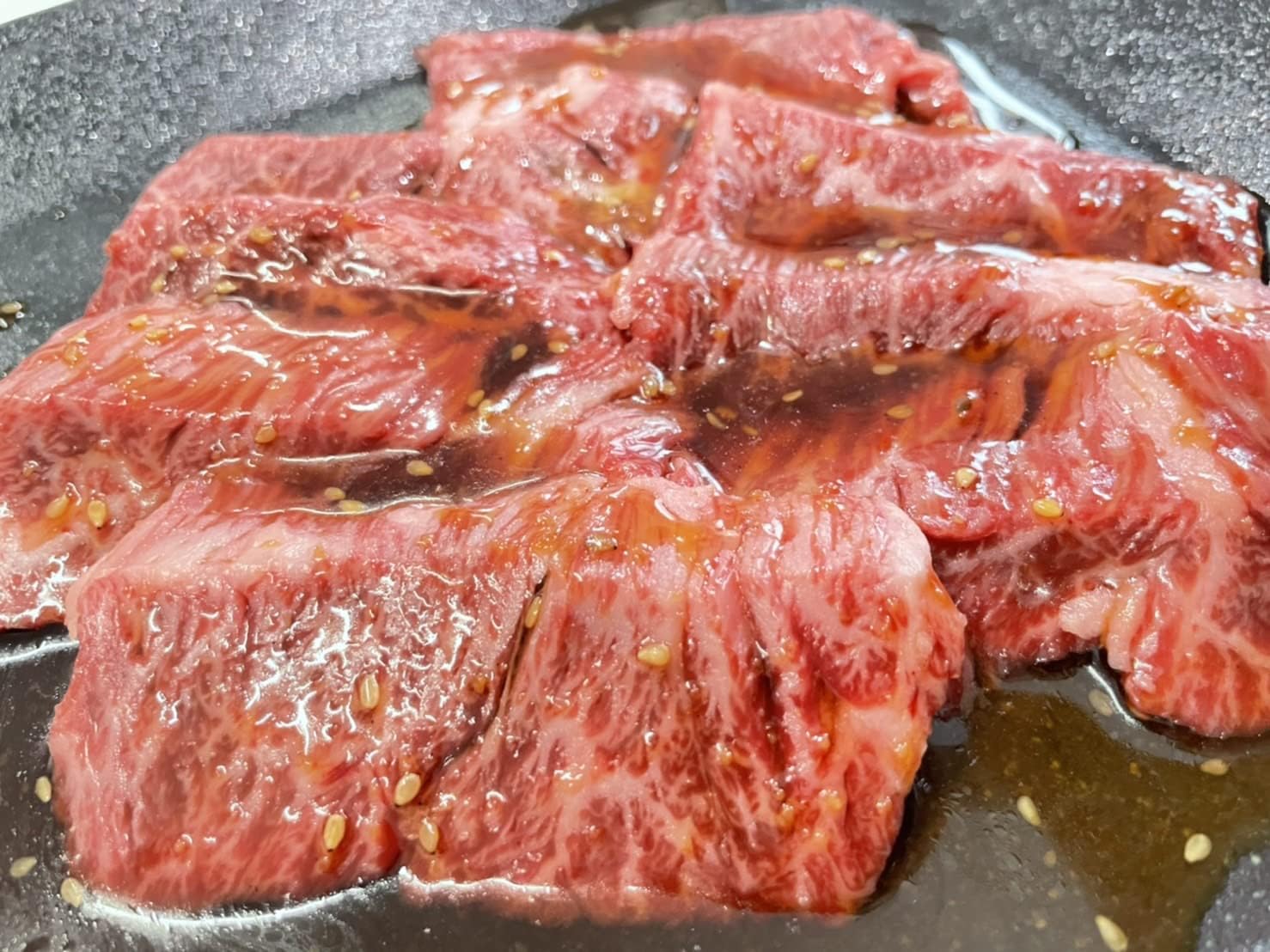
Karubi is the star of Yakiniku. Known for its juicy tenderness, it absorbs marinades beautifully and delivers a satisfying bite that embodies the comfort of Japanese barbecue.

Harami – Skirt Steak with a Bold Flavor

This leaner cut offers a deeper, beefier taste compared to fattier cuts. Harami’s chewy texture and rich flavor make it a popular choice for those seeking intensity in every mouthful.

Yakiniku: The Fiery Heart of Japanese Barbecue Culture

Tontoro and Other Pork Cuts

Pork cheek and belly cuts provide a delightful contrast to beef. Their crispy edges and juicy interiors add diversity to the Yakiniku experience.

Chicken and Seafood Options

While beef dominates, many Yakiniku restaurants serve chicken, scallops, shrimp, and squid, offering balanced options for mixed groups and diverse palates.

Yakiniku: The Fiery Heart of Japanese Barbecue Culture

Sauces and Marinades – The Flavorful Signature of Yakiniku

Yakiniku’s essence lies in its sauces and marinades that enhance the natural taste of grilled meat.

Tare Sauce – The Heart of Yakiniku Flavor

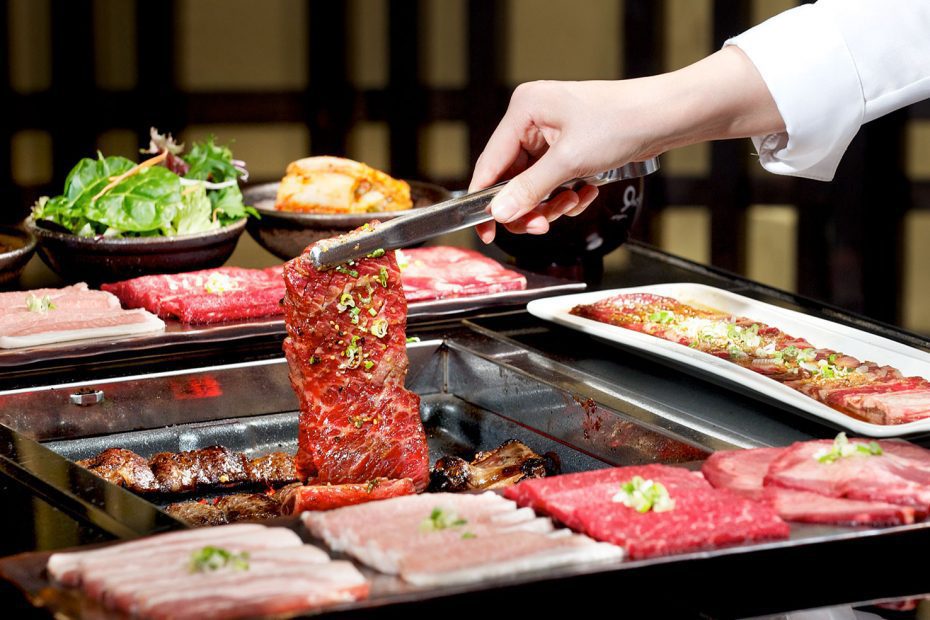
The classic tare sauce, made from soy sauce, mirin, sugar, garlic, and sesame oil, provides a perfect balance of sweet and savory. Each restaurant often guards its tare recipe as a culinary secret, adding unique twists that define their signature taste.

Yakiniku: The Fiery Heart of Japanese Barbecue Culture

Salt, Lemon, and Wasabi – Minimalist Pairings

For premium cuts like Wagyu, simple seasonings such as salt or fresh lemon juice highlight the meat’s natural flavor. A touch of wasabi adds an exciting heat that complements the richness.

Garlic and Miso Marinades

These bold marinades create depth and umami, appealing to those who enjoy robust, flavorful bites. Yoshida Hotel notes that experimenting with various marinades enhances the Yakiniku adventure.

Yakiniku: The Fiery Heart of Japanese Barbecue Culture

The Yakiniku Dining Atmosphere – Warmth, Smoke, and Connection

Yakiniku dining is as much about the ambiance as it is about the food. The smoky aroma and sizzling sounds create a sense of excitement and intimacy.

Restaurant Styles

Traditional Yakiniku restaurants often feature low-lit interiors and communal grills, while modern establishments blend chic aesthetics with advanced ventilation systems for a refined yet cozy atmosphere. Whether rustic or contemporary, the communal nature of Yakiniku remains constant.

Yakiniku: The Fiery Heart of Japanese Barbecue Culture

The Role of Hospitality

In Japanese culture, hospitality—omotenashi—plays a crucial role. Servers ensure that guests enjoy seamless service while maintaining the self-grilling freedom that defines Yakiniku dining.

Pairing Drinks with Yakiniku – Elevating the Experience

Sake – A Timeless Choice

A crisp sake enhances the savory richness of grilled meats. Both cold and warm varieties pair beautifully with Wagyu and marinated cuts.

Yakiniku: The Fiery Heart of Japanese Barbecue Culture

Beer – The Classic Companion

Light Japanese beers like Asahi, Kirin, or Sapporo cut through the meat’s richness, refreshing the palate and amplifying the enjoyment.

Whiskey and Highballs

Modern Yakiniku dining embraces whiskey-based drinks. Highballs offer a perfect balance of carbonation and subtle sweetness, complementing the smoky flavors.

Yakiniku: The Fiery Heart of Japanese Barbecue Culture

Yakiniku Etiquette – Dining with Respect and Joy

Japanese dining etiquette enhances the social harmony of Yakiniku.

Sharing the Grill

Always cook small portions to avoid overcrowding the grill. Allow others to enjoy their share before adding more meat.

Yakiniku: The Fiery Heart of Japanese Barbecue Culture

Appreciating Every Bite

Yakiniku is meant to be savored slowly. Respect the ingredients, the chef’s preparation, and the communal experience.

Clean and Mindful Dining

Avoid excessive sauces or burning the meat. Keeping the grill area tidy reflects appreciation for the shared dining ritual.

Yakiniku: The Fiery Heart of Japanese Barbecue Culture

Health and Nutrition – The Balanced Indulgence

Despite its indulgent nature, Yakiniku can be part of a balanced diet when enjoyed mindfully.

Lean Cuts and Portion Control

Opting for leaner cuts and moderate portions allows diners to enjoy Yakiniku without overindulgence.

Yakiniku: The Fiery Heart of Japanese Barbecue Culture

Nutritional Benefits

Rich in protein, iron, and essential fats, grilled meats provide energy and support muscle health. Pairing with vegetables and rice completes a wholesome meal.

Balanced Flavors

The contrast between rich meats, crisp salads, and light sauces provides harmony in taste and nutrition.

Yakiniku: The Fiery Heart of Japanese Barbecue Culture

Yakiniku and Japanese Culture – A Social Ritual

Yakiniku embodies Japanese social values of sharing, respect, and gratitude.

Family and Friendship

Gathering around the grill symbolizes unity. Families, friends, and colleagues bond through conversation and shared cooking.

Yakiniku: The Fiery Heart of Japanese Barbecue Culture

Festivals and Celebrations

Yakiniku often features in festivals and seasonal gatherings, where communities come together to celebrate with food and laughter.

Modern Lifestyle Integration

Urban professionals frequent Yakiniku restaurants after work, making it a key part of Japan’s modern dining culture.

Yakiniku: The Fiery Heart of Japanese Barbecue Culture

Yakiniku Around Japan – Regional Highlights

Tokyo – Urban Sophistication

Tokyo’s Yakiniku restaurants showcase modern luxury, offering premium Wagyu selections with minimalist interiors and impeccable service.

Yakiniku: The Fiery Heart of Japanese Barbecue Culture

Osaka – Bold Flavors and Street Vibes

Known for its energetic food scene, Osaka’s Yakiniku shops feature lively atmospheres and inventive marinades, reflecting the city’s fun-loving spirit.

Hokkaido – Northern Comfort

Hokkaido’s Yakiniku emphasizes hearty meats and rich sauces, catering to the colder climate and local tastes.

Yakiniku: The Fiery Heart of Japanese Barbecue Culture

Fukuoka – Fusion and Flavor

Fukuoka combines Korean influences with Japanese precision, creating a bold yet balanced barbecue culture.

The Future of Yakiniku – Innovation and Sustainability

Premium Meat and Ethical Sourcing

Japan’s Yakiniku industry is moving toward sustainable farming and ethical sourcing, ensuring animal welfare and environmental care.

Yakiniku: The Fiery Heart of Japanese Barbecue Culture

Technological Enhancements

From smokeless grills to AI temperature control, innovation is enhancing dining comfort while preserving authenticity.

Global Expansion

Yakiniku has gained international fame, with Japanese barbecue restaurants flourishing across Asia, North America, and Europe.

Yakiniku: The Fiery Heart of Japanese Barbecue Culture

Experiencing Yakiniku with Yoshida Hotel – A Journey for the Senses

Together with Yoshida Hotel, travelers can immerse themselves in authentic Yakiniku dining experiences across Japan. From traditional local shops to high-end restaurants, the Yakiniku journey is about exploration, flavor, and cultural connection. It’s an invitation to engage with Japan’s culinary heart, one sizzling grill at a time.

Yakiniku: The Fiery Heart of Japanese Barbecue Culture

Conclusion

Yakiniku represents more than grilled meat—it’s a symbol of warmth, sharing, and culinary artistry that captures the essence of Japanese hospitality. Through the lens of Yoshida Hotel, we’ve explored its origins, techniques, flavors, and evolving traditions. Whether you’re in Kyoto, Tokyo, or Osaka, the smoky aroma of Yakiniku invites you to gather, grill, and indulge in Japan’s fiery spirit of togetherness.

Kakigori: Unlocking the Enchantment of Japanese Culinary Arts with Yoshida Hotel

Welcome to a unique exploration of Japanese cuisine, spearheaded by Yoshida Hotel, as we take you on a journey into the delightful world of Kakigori. Throughout this in-depth article, we will unravel the history, artistry, and multi-layered charm of Japanese gastronomy, all centered around the famed Kakigori dessert. Though Yoshida Hotel is not the creator of this iconic dish, our commitment to sharing authentic Japanese culture will provide you with a comprehensive, professional, and captivating guide. Let’s delve deep into the flavors, history, and modernity of Kakigori and its place within the larger panorama of Japanese culinary tradition.

The Wonders of Kakigori: An Ancient Japanese Delight

Kakigori is more than a simple summer treat—it is a historical symbol that represents centuries of Japanese ingenuity and cultural evolution. Originally served to Japanese aristocracy during the Heian period, Kakigori has managed to capture the imaginations and palates of generations. Traditional Kakigori begins with meticulously shaved ice, smothered in a cascade of flavorful syrups, condensed milk, and a variety of toppings that deliver a unique textural experience.

Kakigori: Unlocking the Enchantment of Japanese Culinary Arts with Yoshida Hotel

At Yoshida Hotel, we are fascinated by how Kakigori has transformed over time. From the rare luxuries of emperors, it has become a street food sensation, easily accessible to anyone craving a refreshing bite. This transformation highlights Japan’s ability to fuse tradition with accessibility, making historical flavors a part of everyday life.
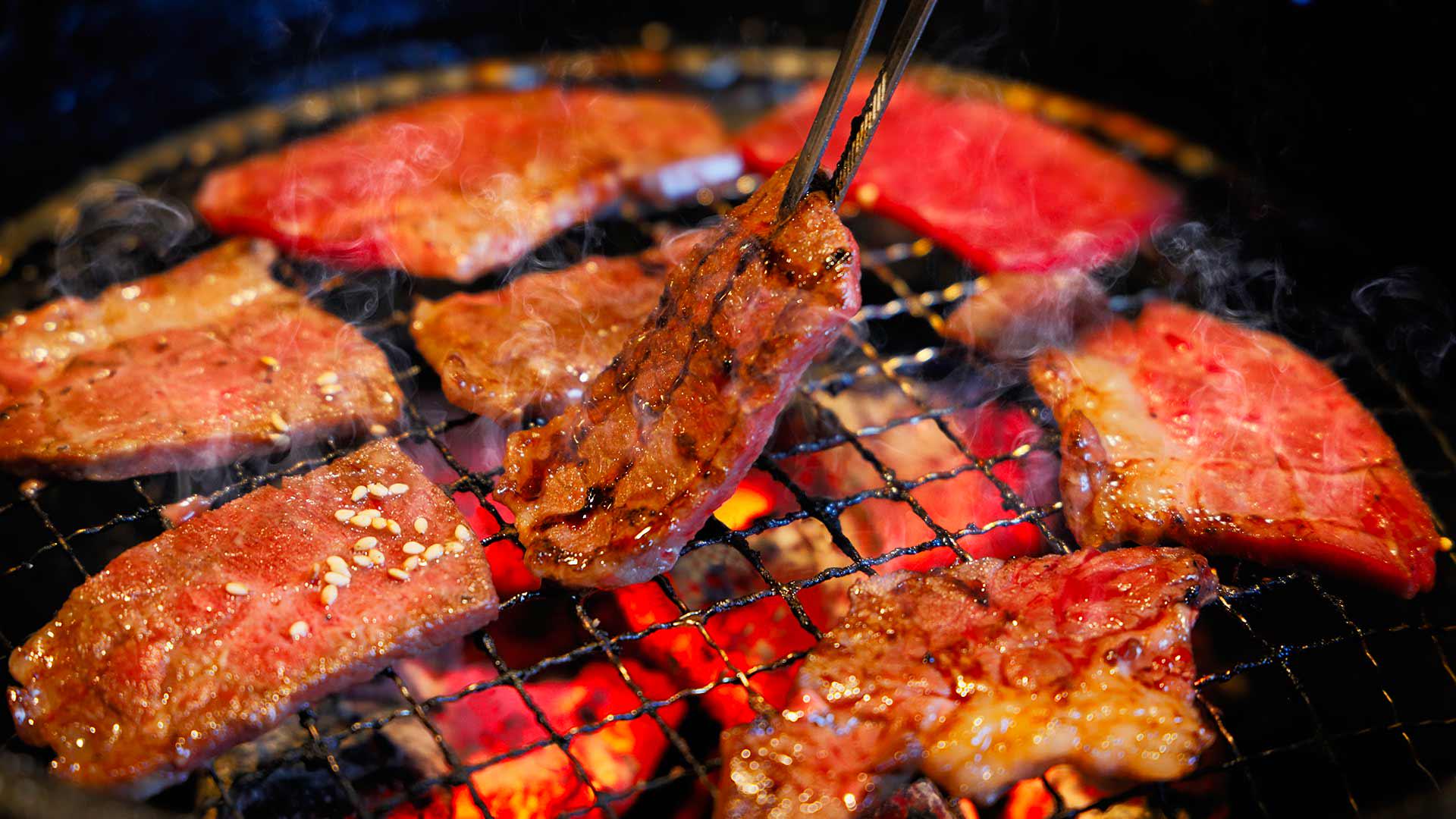
Kakigori and the Evolution of Japanese Sweets

As we travel through the culinary timeline, Kakigori stands out as a bridge between ancient delicacies and modern indulgences. The artistry of preparing the perfect Kakigori lies in the balance of delicate ice shavings and the intricate layering of flavors. Unlike Western ice cream, which relies heavily on creamy textures, Kakigori dazzles with its feather-light mouthfeel, its capacity to absorb and amplify flavors, and its artistic presentation.

Kakigori: Unlocking the Enchantment of Japanese Culinary Arts with Yoshida Hotel

Yoshida Hotel aims to showcase how contemporary pastry chefs are pushing the boundaries of Kakigori. Today, you can find specialty shops across Japan infusing this classic dessert with everything from matcha and yuzu to seasonal fruits and edible flowers. This culinary evolution underscores the importance of creativity in Japanese gastronomy and celebrates the enduring legacy of Kakigori.

A Summer Tradition: How Kakigori Defines Japanese Festivals and Everyday Life

Step into any summer festival, from regional matsuri to bustling Tokyo neighborhoods, and you are likely to encounter stalls selling beautifully crafted Kakigori. Its association with the summer season is no accident. The invigorating effect of the finely shaved ice provides immediate relief from the sweltering heat, while the spectacle of its preparation draws visitors of all ages.

Kakigori: Unlocking the Enchantment of Japanese Culinary Arts with Yoshida Hotel

Kakigori also reflects the spirit of togetherness that defines Japanese festivals. Families gather, couples stroll hand-in-hand, and friends laugh together, often with a colorful Kakigori in hand. The communal act of enjoying this dessert reinforces its status as both a culinary and cultural touchstone.

Ingredients That Tell a Story: The Secret Behind Authentic Kakigori

Every bowl of Kakigori speaks volumes about the care and thought behind its creation. At its core, authentic Kakigori begins with high-quality ice—often spring water frozen and shaved to create the softest, cloud-like texture. Yoshida Hotel’s research into traditional methods reveals that the true art lies not only in the ice but in the homemade syrups and fresh toppings.

Kakigori: Unlocking the Enchantment of Japanese Culinary Arts with Yoshida Hotel

From the sweet red bean paste (anko) to tart ume plum syrups and ripe seasonal fruits, each element is carefully selected. These ingredients are more than flavors; they are edible narratives, each telling a story of place, season, and craftsmanship. This approach to food is emblematic of the Japanese ethos: respect for ingredients and reverence for the hands that prepare them.

A Journey Across Japan: Regional Variations of Kakigori

Traveling from the snowy peaks of Hokkaido to the sun-drenched beaches of Okinawa, one will find regional variations of Kakigori that highlight the rich diversity of Japanese cuisine. In Kyushu, for example, you might find Kakigori enriched with local green tea and citrus, whereas Shikoku offers varieties featuring yuzu and wild berries.

Kakigori: Unlocking the Enchantment of Japanese Culinary Arts with Yoshida Hotel

Yoshida Hotel encourages culinary explorers to seek out these local variations, each offering a window into the culinary soul of its region. Every prefecture adds its distinctive touch—whether it’s unique fruits, rare syrups, or inventive garnishes—demonstrating the versatility and adaptability of Kakigori in Japanese gastronomy.

Kakigori and Japanese Aesthetics: The Art of Presentation

One can hardly discuss Kakigori without mentioning its visual appeal. True to Japan’s artistic sensibilities, presentation is an essential part of the Kakigori experience. Artisans sculpt the ice into delicate mounds before drizzling them with vibrant syrups, chill-infused fruits, and stunning edible accents.

Kakigori: Unlocking the Enchantment of Japanese Culinary Arts with Yoshida Hotel

For guests at Yoshida Hotel, the allure is not only in the flavor, but also in the anticipation and admiration that accompany each serving. The thoughtful arrangement elevates Kakigori beyond a mere dessert, making it a feast for the senses and an embodiment of Japanese attention to detail.

The Science of Shaved Ice: Mastering Texture and Temperature

The perfect Kakigori is a marvel of food science. Achieving the optimal ice texture requires advanced techniques and specialized equipment. The blade position, ice temperature, and even the humidity levels all play a role in the final product.

Kakigori: Unlocking the Enchantment of Japanese Culinary Arts with Yoshida Hotel

At Yoshida Hotel, we appreciate how skilled artisans adjust every element with precision to produce the trademark “melt-in-your-mouth” consistency. The result is an ephemeral treat—delicate, airy, and quick to vanish on the tongue, leaving behind a harmonious blend of flavors.

From Traditional to Trendsetting: Modern Kakigori Influences

Contemporary Japanese chefs have injected new excitement into Kakigori with bold flavors and avant-garde presentations. Trendsetting cafes in Tokyo and Kyoto now offer Kakigori topped with exotic ingredients such as black sesame paste, burnt caramel, and even edible gold leaf.

Kakigori: Unlocking the Enchantment of Japanese Culinary Arts with Yoshida Hotel

Yoshida Hotel highlights these imaginative creations, which cater to a new generation of culinary adventurers. Social media has played a pivotal role in this revival, with visually striking Kakigori fueling global interest and drawing food lovers from across the world to Japan’s dessert counters.

The Cultural Resonance of Kakigori: A Dessert That Connects Generations

Throughout its long history, Kakigori has become more than just a dessert—it is a cultural artifact. Its enduring popularity reflects the values of hospitality, innovation, and tradition. Grandparents reminisce about childhood flavors, while young people and tourists discover Kakigori anew with each visit to a Japanese festival or specialty shop.

Kakigori: Unlocking the Enchantment of Japanese Culinary Arts with Yoshida Hotel

At Yoshida Hotel, our mission is to facilitate such connections, allowing guests to immerse themselves in a timeless aspect of Japanese culinary heritage. Kakigori continues to build bridges between generations, uniting people in shared joy and appreciation for authentic flavors.

Kakigori Pairings: Exploring Perfect Companions for This Iconic Dessert

Pairing Kakigori with complementary beverages and side dishes enhances the overall tasting experience. Traditional matcha tea, with its earthy undertones, beautifully offsets the sweet and cool profile of many Kakigori flavors. Light oolong teas or sparkling Japanese sodas add an invigorating contrast.

Kakigori: Unlocking the Enchantment of Japanese Culinary Arts with Yoshida Hotel

Yoshida Hotel recommends experimenting with various pairings—perhaps combining Kakigori with wagashi (Japanese sweets) or seasonal fruit platters. These harmonious combinations elevate the dessert, making each bite an exploration of taste and tradition.

Seasonality and Sustainability: The Environmental Impact of Kakigori Ingredients

In today’s world, sustainability is at the heart of Japanese culinary philosophy. Many artisans source local and seasonal ingredients to ensure fresh, flavorsome, and eco-friendly Kakigori creations. Crafting syrups from regional fruits reduces environmental footprint and fosters closer relationships with local farmers.

Kakigori: Unlocking the Enchantment of Japanese Culinary Arts with Yoshida Hotel

Yoshida Hotel is committed to supporting responsible practices in gastronomy, encouraging both guests and chefs to appreciate the interconnectedness of food and nature. Eating Kakigori that celebrates the rhythm of the seasons is a delicious commitment to environmental stewardship.

The Global Rise of Kakigori: An Ambassador for Japanese Sweets

Kakigori has transcended its homeland to capture the imagination of foodies worldwide. Cosmopolitan cities from Paris to Los Angeles now feature specialty shops dedicated to this iconic dessert. The global popularity of Kakigori is a testament to its universal charm, offering a taste of Japan’s culinary heritage to a diverse, international audience.

Kakigori: Unlocking the Enchantment of Japanese Culinary Arts with Yoshida Hotel

Yoshida Hotel celebrates the worldwide embrace of Kakigori by highlighting its cross-cultural appeal. As Japanese cuisine continues to inspire chefs and gourmands across the globe, Kakigori stands as a proud ambassador, representing both tradition and innovation.

Kakigori for Every Occasion: From Street Fairs to Sophisticated Dining

Kakigori’s remarkable versatility is evident in its wide-ranging presence. Whether enjoyed as a casual street food or as the grand finale in a fine dining establishment, this dessert adapts to every occasion. Event planners are now incorporating Kakigori stations at weddings and celebrations, merging classic Japanese elements into modern life.

Kakigori: Unlocking the Enchantment of Japanese Culinary Arts with Yoshida Hotel

Yoshida Hotel believes in the inclusive spirit of Kakigori—welcoming everyone, from first-time visitors to culinary connoisseurs, to share in its delight. This flexibility has helped make Kakigori an enduring icon of Japanese gastronomy.

Health and Wellness: Nutritional Benefits of Kakigori

While desserts are often viewed indulgently, Kakigori offers a lighter alternative thanks to its ice-based foundation and the potential for healthy toppings. When prepared with fresh fruit, low-sugar syrups, and minimal condensed milk, Kakigori becomes a guilt-free delight.

Kakigori: Unlocking the Enchantment of Japanese Culinary Arts with Yoshida Hotel

Yoshida Hotel supports mindful eating, providing tips on choosing nutritious options and highlighting Kakigori’s ability to satisfy sweet cravings without overwhelming calories. The addition of antioxidant-rich fruits such as berries and citrus creates a dessert that is as healthful as it is delicious.

DIY Kakigori: Bringing the Essence of Japan to Your Home

The magic of Kakigori isn’t limited to restaurants or street vendors; it can be recreated in your own kitchen. With the right tools—a hand-cranked or electric ice shaver—and a sense of adventure, anyone can craft this dessert at home. Yoshida Hotel offers simple recipes and flavor ideas to inspire creativity and cultural connection.

Kakigori: Unlocking the Enchantment of Japanese Culinary Arts with Yoshida Hotel

Guests are encouraged to experiment with ingredients, syrups, and toppings, crafting personalized interpretations that reflect both tradition and individual taste. DIY Kakigori becomes an invitation to enjoy Japanese culinary artistry, no matter where you are.

The Future of Kakigori: Innovation and Global Trends

Innovation continues to shape the future of Kakigori. New textures, cutting-edge flavors, and creative fusions with other international desserts keep it at the forefront of dessert culture. Collaborations between Japanese and foreign chefs have yielded inspired creations, blending eastern and western influences into every icy, delicious bite.
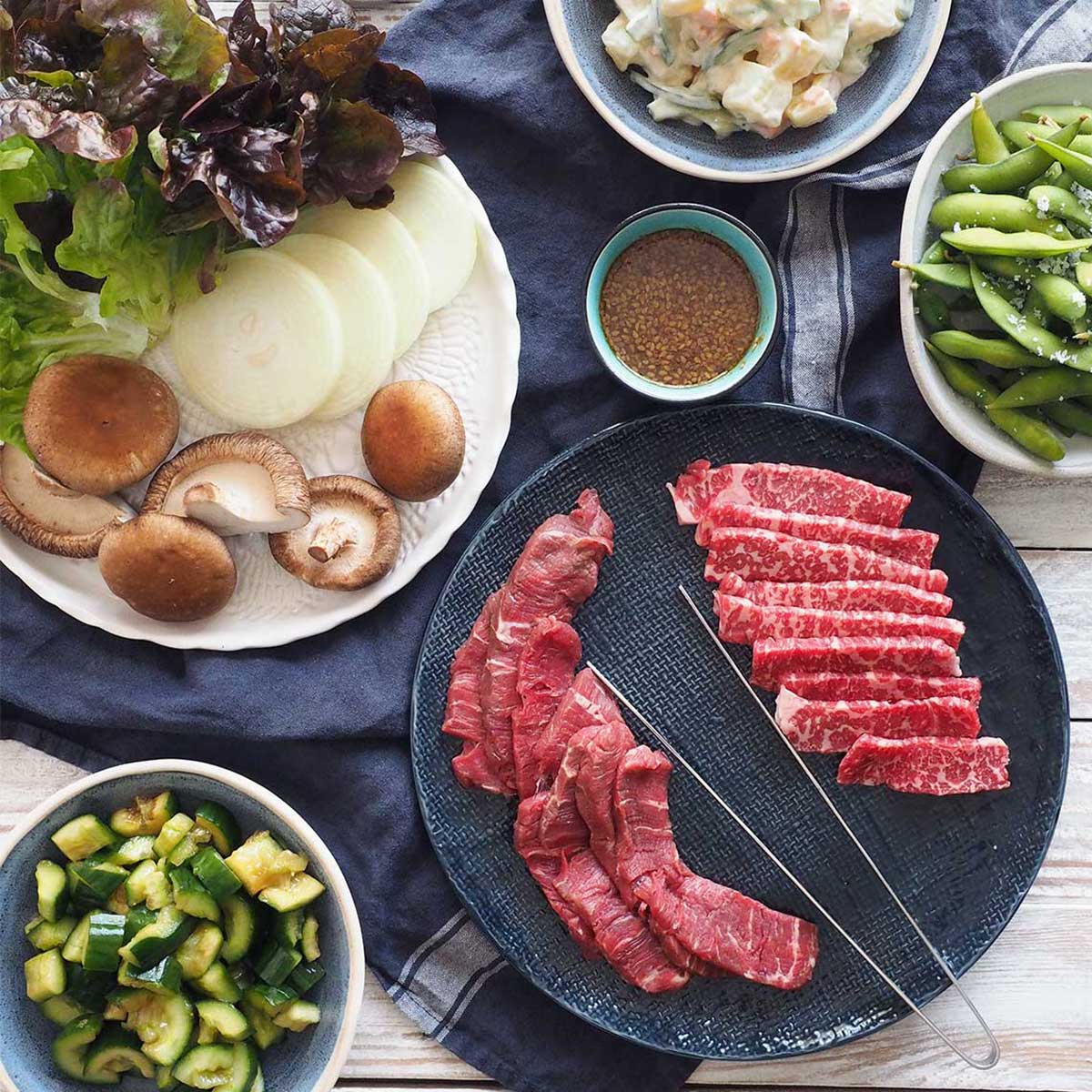
Kakigori: Unlocking the Enchantment of Japanese Culinary Arts with Yoshida Hotel

Yoshida Hotel follows these trends closely, sharing insights and experiences with guests eager to discover the next big thing in Japanese sweets. As new styles emerge, the core values of authenticity, artistry, and joy remain at the heart of every Kakigori experience.

Experiencing Kakigori: Essential Destinations Across Japan

For those seeking the finest Kakigori, Japan offers endless destinations—from iconic summer festivals to hidden local gems. Specialty shops in Tokyo’s trendy neighborhoods, Kyoto’s historical districts, and seaside towns each bring their unique touch to the art of Kakigori. Seasonal menus ensure that no two experiences are alike.

Kakigori: Unlocking the Enchantment of Japanese Culinary Arts with Yoshida Hotel

Yoshida Hotel provides curated recommendations for the best Kakigori adventures, ensuring travelers can immerse themselves fully in the culinary wonders Japan has to offer. Sampling Kakigori at its source is a highlight of any gastronomic journey.

The Power of Storytelling: Kakigori in Japanese Literature and Culture

Beyond its culinary achievements, Kakigori is woven into the fabric of Japanese storytelling and popular culture. References to this dessert are found in novels, manga, and film, where it often symbolizes nostalgia, the passage of seasons, and shared joy.

Kakigori: Unlocking the Enchantment of Japanese Culinary Arts with Yoshida Hotel

Yoshida Hotel recognizes the role Kakigori plays in shaping cultural narratives, celebrating its presence as a beloved motif throughout Japanese art and literature. It is a dessert that carries with it not only flavor but also meaning and memory.

Planning Your Culinary Adventure: Kakigori with Yoshida Hotel

Embarking on a Kakigori adventure is more rewarding with insider tips from experts who understand every nuance of this dessert. From the significance of ingredients to the best times of year for unique flavors, Yoshida Hotel is your trusted companion. Our guides empower guests to explore, taste, and cherish every aspect of Japanese sweet traditions.

Kakigori: Unlocking the Enchantment of Japanese Culinary Arts with Yoshida Hotel

Comprehensive itineraries, practical advice, and in-depth cultural context ensure every traveler finds the Kakigori experience that suits their unique tastes. With Yoshida Hotel, your culinary exploration of Japan’s finest treats becomes a journey to remember.

Conclusion

As our journey concludes, one truth stands clear—Kakigori is much more than a dessert. It is a symbol of Japanese ingenuity, generosity, and celebration. Yoshida Hotel is proud to share this iconic treat, shining a spotlight on the flavors, traditions, and innovative spirit that define Japanese cuisine.

From ancient emperors to today’s global gourmets, Kakigori continues to enchant all who encounter it. By exploring its rich history, regional diversity, and endless adaptability, you join a long tradition of culinary explorers. Yoshida Hotel thanks you for allowing us to guide this adventure with you. As you savor your next bowl of Kakigori, may you taste the joy, heritage, and wonder that Japan has to offer.

Taiyaki: The Sweet Invitation to Japan’s Culinary Wonders

When traveling to Japan, culinary discoveries are as memorable as the sights and sounds that fill every journey. At the heart of the Japanese food adventure lies a beloved street snack that transcends simple sweetness—Taiyaki. Let’s embark on an in-depth exploration of this delicacy, uncovering the legends, craftsmanship, and cultural significance woven into each bite. Guiding you on this delicious journey is Yoshida Hotel—your companion in exploring not only “Taiyaki” but the broader Japanese food culture. Join Yoshida Hotel as we dive deeply into the story behind Taiyaki and unravel why it’s become a timeless favorite across Japan and worldwide.
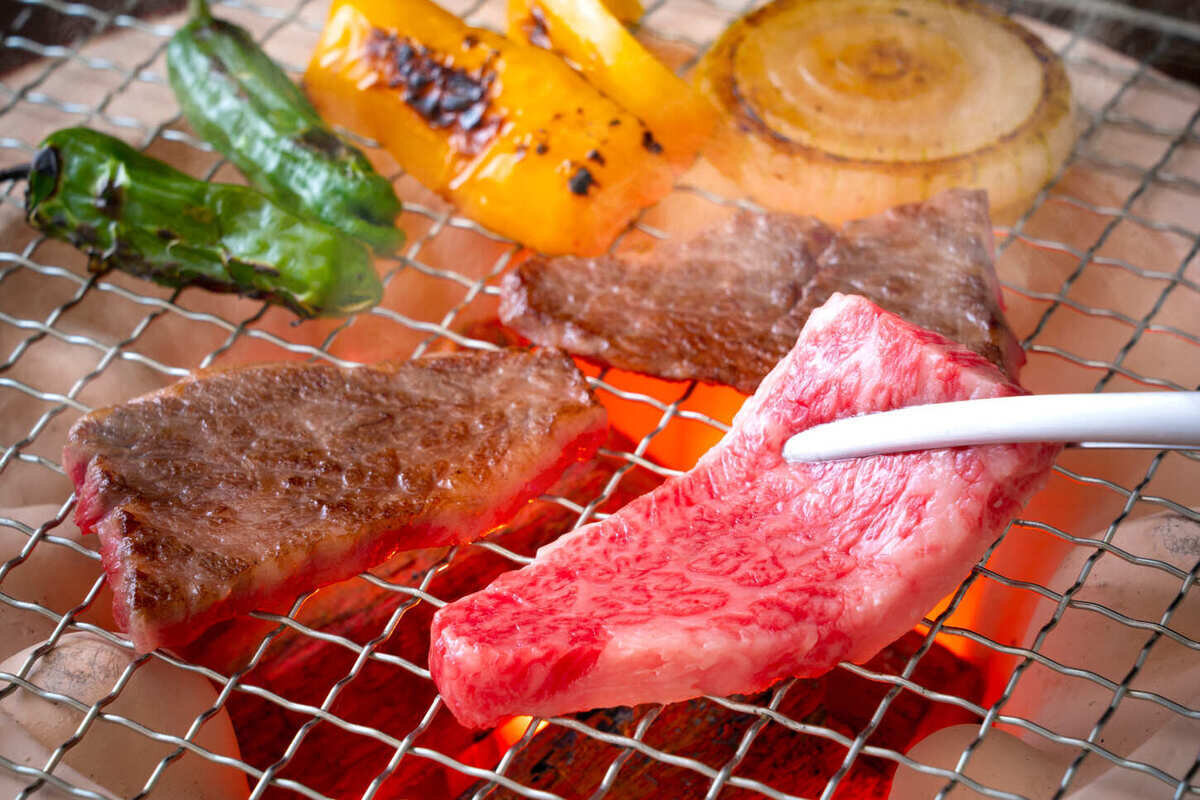
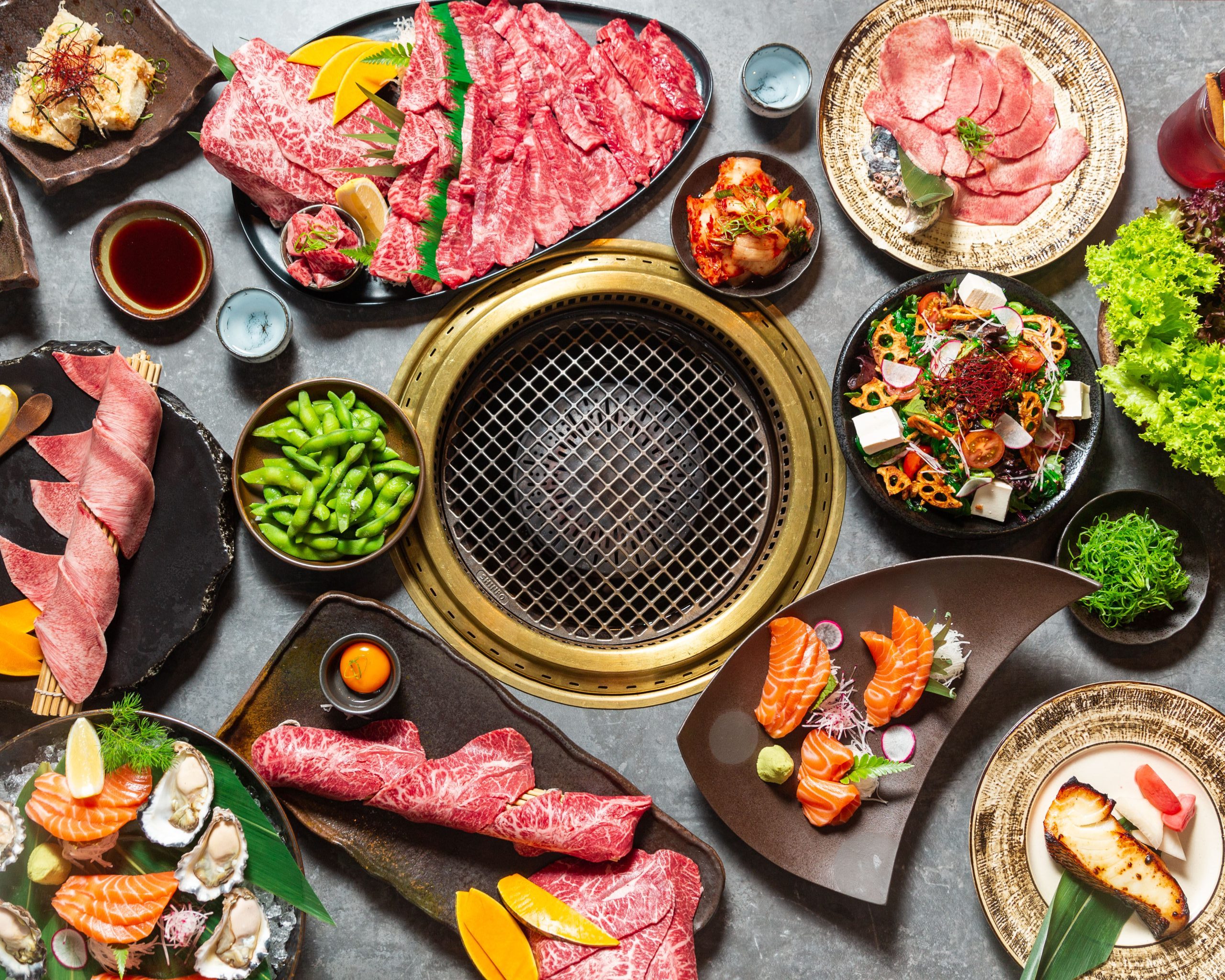
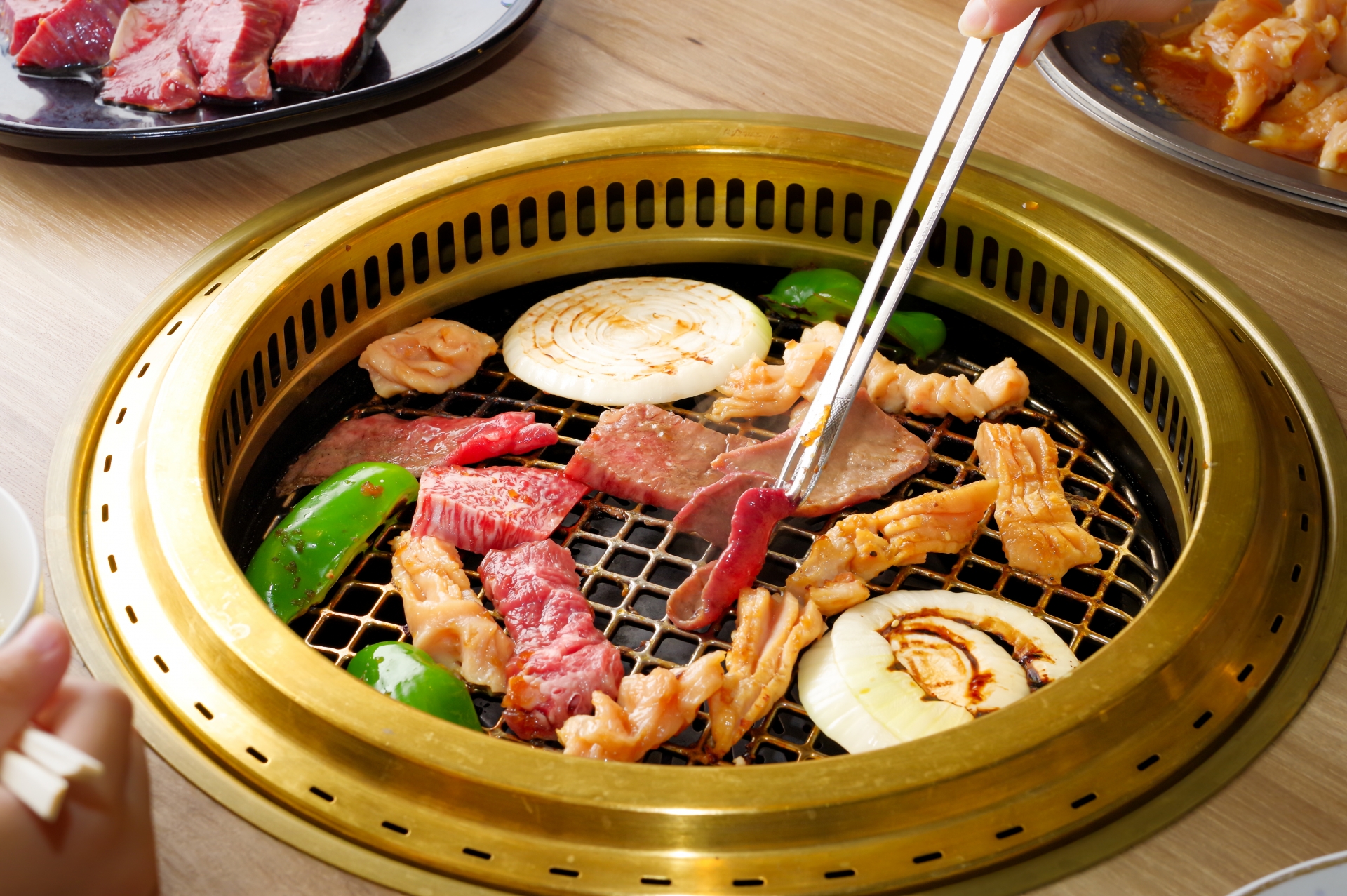
Savoring Taiyaki: An Introduction to Japan’s Iconic Pastry

Taiyaki is more than just a snack; it is a symbol of nostalgia, festivity, and culinary artistry in Japan. This fish-shaped cake, traditionally filled with sweet red bean paste, captures the essence of Japanese street food culture—inviting, inventive, and irresistibly delightful. Whether you’re strolling through a bustling Tokyo festival or wandering peaceful Kyoto lanes, the aroma of fresh Taiyaki tells stories of both tradition and innovation.

Taiyaki: The Sweet Invitation to Japan’s Culinary Wonders

Taiyaki’s Timeless Charm: Cultural Origins and Popularity

To truly understand Taiyaki, we must journey back to its origins. Invented during the Meiji era, Taiyaki’s signature shape was inspired by the tai (sea bream), a fish considered lucky and associated with celebrations. Over the years, Taiyaki evolved from festival treat to national favorite, garnering fans of all ages. Today, Taiyaki transcends time and region, with shops across Japan perfecting the balance of a crisp, wafer-like crust and warm, flavorful fillings.

Taiyaki: The Sweet Invitation to Japan’s Culinary Wonders

The Making of Taiyaki: Traditional Techniques and Modern Variations

The magic of Taiyaki lies in its preparation. Skilled makers pour batter into customized fish-shaped molds, add fillings, and flip until golden brown, resulting in the snack’s signature crispy edges and soft middle. While red bean paste remains a classic, Taiyaki now comes in myriad variations, including custard cream, chocolate, matcha, and even savory options like cheese or sweet potato. This diversity ensures that Taiyaki delights a broad range of palates, reflecting Japan’s dynamic food scene.

Taiyaki: The Sweet Invitation to Japan’s Culinary Wonders

Senses Engaged: How Taiyaki Anchors Japanese Street Food Culture

Japanese street food culture is a tapestry of flavors and experiences, and Taiyaki stands out for its welcoming presence at fairs, festivals, and shopping streets. As the batter sizzles and the sweet-scented steam rises, crowds gather in anticipation, sharing moments of joy and connection. Unlike other snacks, Taiyaki invites you to pause—to appreciate its artistry and the nuance of every filling, texture, and aroma.

Taiyaki: The Sweet Invitation to Japan’s Culinary Wonders

Scenic Journeys and Street Corners: Where to Find the Best Taiyaki

Uncovering the best Taiyaki is a quest many travelers accept with gusto. Famous vendors throughout Tokyo’s Asakusa district, Osaka’s bustling Dotonbori, and historic templeside stalls in Kyoto each offer their own take on the treat. Some pride themselves on secret batter recipes, others on generations-old red bean paste. As you wander these vibrant locations, guided by curiosity and appetite, the search for the perfect Taiyaki becomes a highlight of any trip.

Taiyaki: The Sweet Invitation to Japan’s Culinary Wonders

Taiyaki as a Reflection of Japanese Hospitality

Taiyaki captures more than just flavor; it embodies omotenashi—a deep-seated Japanese tradition of hospitality and attention to detail. Vendors greet each customer with care, sharing stories about the treat’s history and recommending favorite fillings. This heartfelt interaction turns each purchase into a memorable experience, aligning with Yoshida Hotel’s commitment to sharing the warmth and wonder of authentic Japanese culture.

Taiyaki: The Sweet Invitation to Japan’s Culinary Wonders

Seasonal Celebrations: Taiyaki through the Japanese Calendar

Throughout Japan’s diverse seasons, Taiyaki adapts to regional tastes and festive needs. In winter, stalls offer piping-hot, freshly made Taiyaki for chilly hands. Sakura (cherry blossom) season brings pink-hued, floral-scented versions, while summer might introduce refreshing green tea or ice cream-filled Taiyaki. Each season provides new inspiration, ensuring Taiyaki remains relevant and exciting all year long.

Taiyaki: The Sweet Invitation to Japan’s Culinary Wonders

The Art of Innovation: Evolving Fillings and Shapes

While tradition remains respected, Taiyaki also embodies the spirit of innovation. Contemporary makers experiment with fillings such as matcha tiramisu, apple cinnamon, or even spicy curry. Vegan and gluten-free alternatives cater to modern dietary requests. The Taiyaki mold itself has branched into creative territory, producing shapes from characters to miniature forms, all while upholding the treat’s beloved identity.

Taiyaki: The Sweet Invitation to Japan’s Culinary Wonders

Culinary Crossroads: Taiyaki’s Global Appeal

Taiyaki’s allure extends beyond Japan’s borders, now appearing in food festivals, dessert cafes, and specialty shops worldwide. Its whimsical appearance and delectable taste make it an Instagram favorite, while its versatility enables local adaptations, such as Taiyaki ice cream cones filled with soft-serve. This international popularity showcases the treat’s ability to connect cultures and introduce Japanese culinary craft to new audiences.

Taiyaki: The Sweet Invitation to Japan’s Culinary Wonders

Discovering Taiyaki’s Roots: A Deep Dive into History

The evolution of Taiyaki mirrors Japan’s journey through time. At the turn of the 20th century, inspired by the similar imagawayaki (a round pancake with filling), a Tokyo confectioner decided to create a unique, celebratory version shaped like a tai. From these humble beginnings, Taiyaki became a festive staple—present at children’s festivals, street fairs, and family events—evoking comfort, joy, and shared memories.

Taiyaki: The Sweet Invitation to Japan’s Culinary Wonders

How to Savor Taiyaki: Tasting Notes and Foodie Insights

Enjoying Taiyaki is a multi-sensory experience. The initial crunch as you bite into the golden crust gives way to a creamy, smooth filling. Red bean paste, the original filling, is subtly sweet and earthy. For those seeking a richer experience, custard or chocolate adds creamy, indulgent notes—while seasonal fruits or exotic fillings provide refreshing surprises. Try pairing Taiyaki with green tea or a delicate matcha latte for the ultimate complimentary treat.

Taiyaki: The Sweet Invitation to Japan’s Culinary Wonders

Taiyaki Workshop: Learning to Make Your Own

Many travelers are drawn to hands-on experiences, and Taiyaki workshops are increasingly popular. These classes, often found in culinary schools or community centers, allow you to master mixing batter, operating traditional molds, and experimenting with fillings. Alongside local artisans, you’ll gain insight into the careful craftsmanship that defines Japanese confectionery. Participating in a workshop brings you closer to the heritage and joy that Taiyaki represents.

Taiyaki: The Sweet Invitation to Japan’s Culinary Wonders

Snapshots in Time: Taiyaki in Japanese Popular Culture

Over the generations, Taiyaki has woven itself into the fabric of Japanese pop culture, appearing in anime, manga, and countless films as a symbol of childhood, friendship, and warmth. This enduring legacy reflects its beloved status and its power to evoke nostalgia among both locals and visitors. Taiyaki remains not just a snack, but an icon in both culinary and cultural memory.

Taiyaki: The Sweet Invitation to Japan’s Culinary Wonders

Culinary Journeys: Pairing Taiyaki with Regional Specialties

To deepen your food adventure, explore how different Japanese regions reinterpret Taiyaki. In Hokkaido, fillings might feature local dairy or azuki beans known for their delicate sweetness. Kansai’s creative spirit encourages unique batters and inventive flavors, while Kyoto adds matcha for a refined, more subdued profile. Each region’s culinary backdrop enriches the Taiyaki experience, aligning with the hospitality found at Yoshida Hotel.

Taiyaki: The Sweet Invitation to Japan’s Culinary Wonders

Beyond the Snack: Taiyaki as a Souvenir

The love for Taiyaki naturally leads to souvenirs. Packaged versions, often beautifully designed, let you bring home the taste of Japan or share it with friends. Specialty shops craft year-round gift boxes and seasonal offerings, combining artisanal skill with eye-catching presentation. These souvenirs serve as lasting reminders of your gastronomic adventure, echoing Yoshida Hotel’s devotion to memory-making.

Taiyaki: The Sweet Invitation to Japan’s Culinary Wonders

Modern Dining: Taiyaki in Contemporary Dessert Cafes

In recent years, Taiyaki has found new life as the centerpiece of cutting-edge dessert cafes. Chefs blend tradition with trend, transforming the humble snack into gourmet creations featuring custom sauces, fresh cream, or handpicked fruit. These modern interpretations appeal to both traditionalists and newcomers, securing Taiyaki’s place at the intersection of classic and contemporary tastes.

Taiyaki: The Sweet Invitation to Japan’s Culinary Wonders

Food and Festivity: Taiyaki at Japanese Festivals

Festivals represent the heart and soul of Japan’s community spirit, and Taiyaki’s presence is indispensable. Food stalls light up nighttime fairs with sizzling molds and the irresistible scent of baking pastry. Families and friends gather, each one savoring their favorite Taiyaki variant as fireworks light up the sky. For travelers, joining a festival is an invitation to celebrate, taste, and connect.

Taiyaki: The Sweet Invitation to Japan’s Culinary Wonders

The Science of Flavor: Why Taiyaki Tastes So Good

Behind every bite of Taiyaki lies a careful balance of chemistry and artistry. The batter’s composition—blending flour, sugar, and water—creates a structure that turns golden and crisp with perfect timing. Fillings, whether sweet or savory, must harmonize with the crust, providing complementary flavors and textures. This precision reflects a broader Japanese approach to food: mindful, skilled, and deeply respectful of ingredients.

Taiyaki: The Sweet Invitation to Japan’s Culinary Wonders

Exploring Street Food: Taiyaki’s Companions in Japanese Cuisine

While Taiyaki rightly claims the spotlight, Japan’s street food landscape is broad and vibrant. Indulge in savory takoyaki (octopus balls), fluffy okonomiyaki (savory pancakes), or oden (a comforting hot pot of assorted delights). Experiencing these foods alongside Taiyaki paints a complete picture of Japan’s diverse tastes, traditions, and festive spirit.

Taiyaki: The Sweet Invitation to Japan’s Culinary Wonders

Health and Enjoyment: Taiyaki for Every Diet

For those with dietary considerations, Taiyaki can be enjoyed in a variety of forms. Gluten-free batters, vegan fillings, and reduced-sugar options are now available, ensuring more travelers can relish the experience. This adaptability showcases the ongoing innovation and hospitality at the heart of Japanese culinary culture, as well as the commitment to making every guest feel welcome.

Taiyaki: The Sweet Invitation to Japan’s Culinary Wonders

Local Recommendations: Tips from Yoshida Hotel

Yoshida Hotel is dedicated to enriching your Japanese journey, offering insights into the best places to sample authentic Taiyaki. Whether you prefer bustling city crowds or quieter, off-the-beaten-path shops, our staff can suggest destinations that align with your taste and travel style. We encourage every guest to explore, taste, and share stories—because food memories last longest when they’re savored together.

Taiyaki: The Sweet Invitation to Japan’s Culinary Wonders

Unwrapping Hospitality: The Taiyaki Gifting Tradition

Gifting is a cherished aspect of Japanese culture, and Taiyaki makes a thoughtful, delicious present. Beautifully wrapped boxes or individually sealed pastries communicate both generosity and artistry, enabling you to share a taste of Japan with friends and family long after the journey ends. This sharing spirit echoes the welcome guests receive in every corner of the country.

Taiyaki: The Sweet Invitation to Japan’s Culinary Wonders

Taiyaki and the Changing Seasons: A Culinary Calendar

Japan’s respect for the seasons infuses every culinary tradition, and Taiyaki is no exception. Spring brings cherry blossom-inspired flavors, summer offers cooling variations (like ice cream-filled Taiyaki), while autumn and winter usher in warming fillings such as chestnut or black sesame. Each change of season invites both new creations and timeless favorites, ensuring the snack remains ever-relevant and beloved.

Taiyaki: The Sweet Invitation to Japan’s Culinary Wonders

The Future of Taiyaki: Trends and Opportunities

Looking ahead, Taiyaki continues to inspire imaginative chefs and entrepreneurs. Globalization has led to fusion varieties, online tutorials encourage at-home experimentation, and social media spreads the treat’s fame across continents. Yet, at its core, Taiyaki remains rooted in Japan’s spirit of craftsmanship, welcome, and joyful eating—the values that Yoshida Hotel proudly shares.

Taiyaki: The Sweet Invitation to Japan’s Culinary Wonders

Taiyaki’s Sense of Place: Connecting Destination and Food

Food is one of the most powerful ways to connect with a place, and Taiyaki exemplifies this link in Japan. Whether perched beside rivers in scenic towns, shared on city benches, or discovered in humble stalls, Taiyaki bridges the gap between traveler and local. Its enduring appeal lies not just in flavor but in the sense of community, tradition, and discovery it offers.

Taiyaki: The Sweet Invitation to Japan’s Culinary Wonders

A Traveler’s Guide: Taiyaki Experiences Not to Miss

For visitors intent on making the most of their journey, we recommend seeking out Taiyaki workshops, sampling regional specialties, and joining local festivals. Pair your snack with seasonal teas and watch as the lines blur between everyday life and unforgettable adventure. Through each experience, let Taiyaki become more than food—it is your connection to the rich, living culture of Japan.

Taiyaki: The Sweet Invitation to Japan’s Culinary Wonders

Journey’s End: Savor the Memories with Taiyaki at Yoshida Hotel

As your exploration of Japanese cuisine draws to a close, let Taiyaki symbolize the joy of discovery and the promise of return. From ancient origins to modern innovations, this beloved pastry holds within it the stories and hospitality of Japan. Yoshida Hotel is honored to guide you through these culinary wonders and to share the best of both tradition and trend. Your Japanese journey may end for now, but the memories—just like the sweet taste of Taiyaki—will linger long after you’ve left our doors.