Author: Yoshida Hotel

Dango and the Art of Japanese Gastronomy: Explore With Yoshida Hotel

The world of Japanese cuisine is a mesmerizing journey through taste, history, and culture. At the heart of this culinary adventure stands the beloved “Dango”—a traditional sweet that captivates locals and travelers alike. As ambassadors of hospitality, Yoshida Hotel is thrilled to guide you on an immersive exploration of Japanese cuisine, with “Dango” as the star of our journey. Whether you’re a seasoned connoisseur or a curious newcomer, let Yoshida Hotel unveil the rich tapestry of stories and flavors behind one of Japan’s most iconic treats. Join us as we delve into the vibrant world of Japanese food culture, where every dish reflects centuries of artistry, ritual, and celebration.

Dango – A Sweet Introduction to Japanese Culture

Step into the enchanting world of Japanese cuisine with “Dango” as your welcoming guide. In every bustling city, serene village, and festive gathering, you’ll find Dango—a timeless Japanese sweet that is as beloved today as it was centuries ago. At Yoshida Hotel, we invite travelers to not only discover Dango’s delicate flavor but also its rich cultural meaning. More than just a spherical treat, Dango is a culinary icon, bringing families and friends together, symbolizing unity and celebration.

Dango and the Art of Japanese Gastronomy: Explore With Yoshida Hotel

Dango’s beauty lies in its simplicity and universality. Sculpted from rice flour, skewered in cheerful trios or quartets, and glazed with sweet or savory sauces, Dango effortlessly bridges the gap between tradition and innovation. Each bite reveals a harmony of taste, texture, and nostalgia, transporting diners to the heart of Japanese hospitality. For the team at Yoshida Hotel, sharing Dango is more than a gesture—it’s an invitation into the warmth and elegance of Japanese culture.

An Enchanting History: Dango Through the Ages

The origins of Dango stretch far beyond modern Japanese kitchens. With roots that trace back to the Heian period (794-1185), Dango has gracefully evolved through countless generations. Originally served as a ceremonial offering to deities during Shinto rituals, Dango quickly found its way into the hands—and hearts—of everyday people.

Dango and the Art of Japanese Gastronomy: Explore With Yoshida Hotel

One can find Dango featured in ancient poetry, classical paintings, and theatrical performances. Travelers arriving at the Yoshida Hotel often marvel at old scrolls displayed in our lobby, depicting cheerful Hanami parties beneath cherry blossoms, each guest delicately savoring colorful Dango skewers. These timeless images speak to Dango’s significance as a connector of past and present, celebration and introspection.

Even today, Dango retains its status as both everyday comfort food and a symbol of spiritual renewal. Its story lives on at festivals, family tables, and, we are proud to share, in the welcoming dining corners of the Yoshida Hotel.

Savoring Dango: Types, Tastes, and Textures

Japan’s love affair with Dango is as varied as the country’s stunning landscapes. Each variety is shaped by region, season, and local craftsmanship, making Dango a living artwork that evolves with time.

Hanami Dango: Colors of Spring

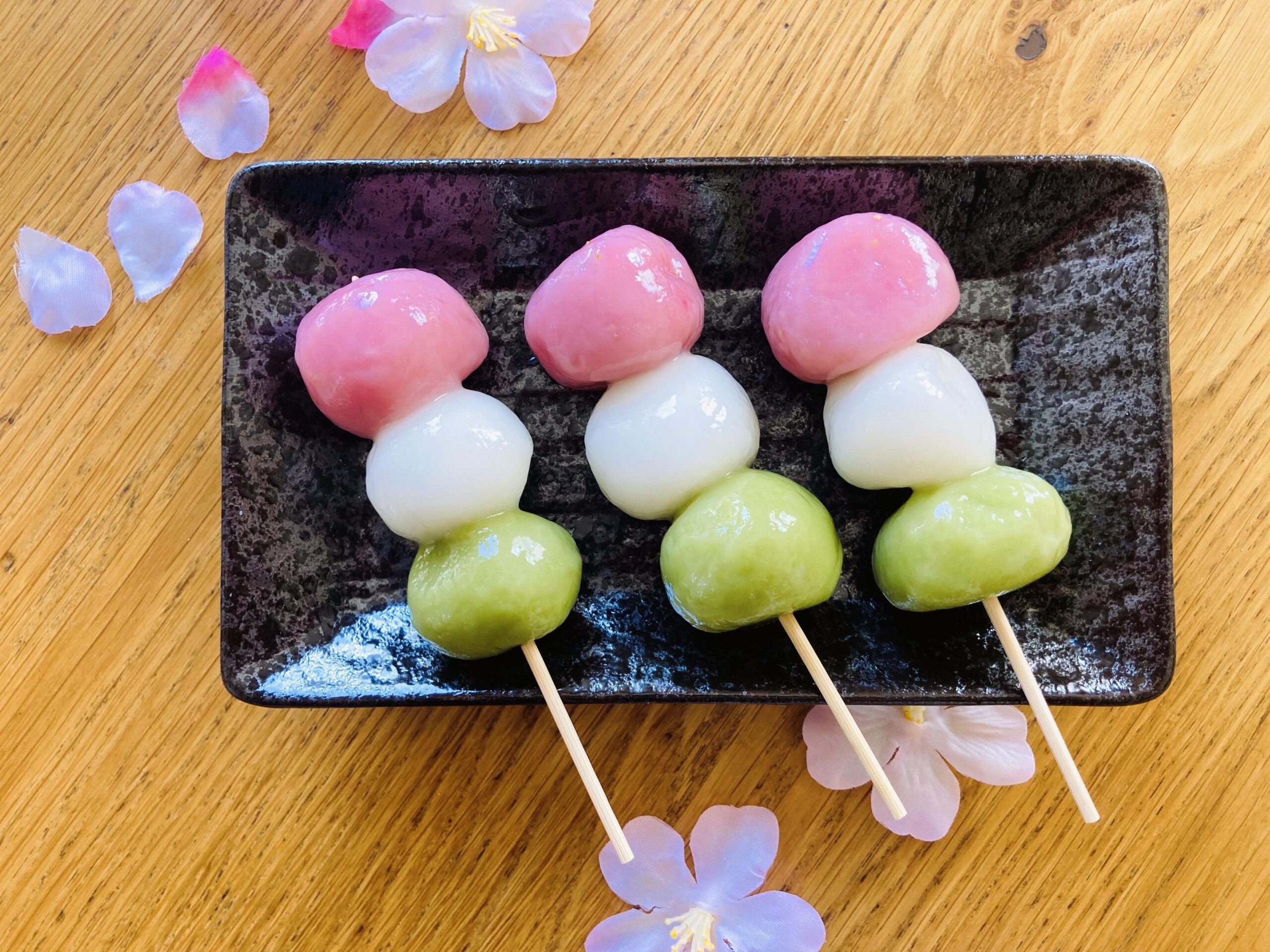
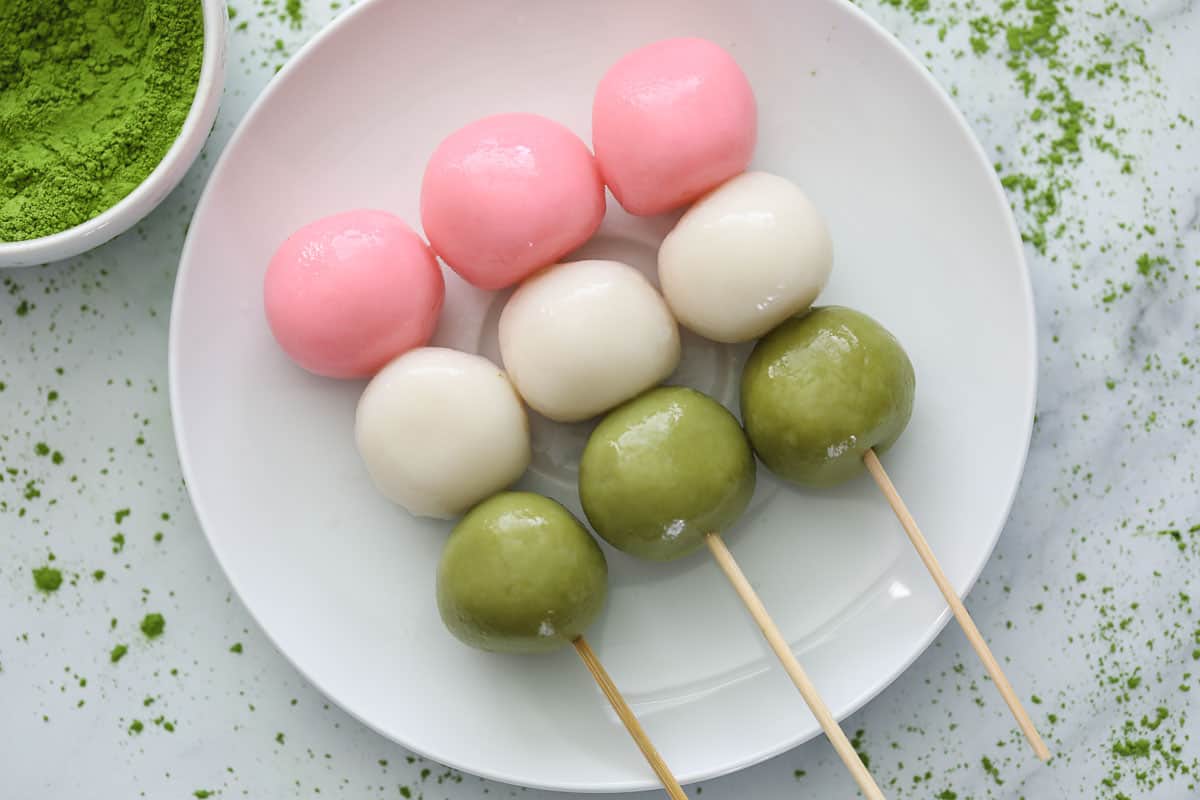
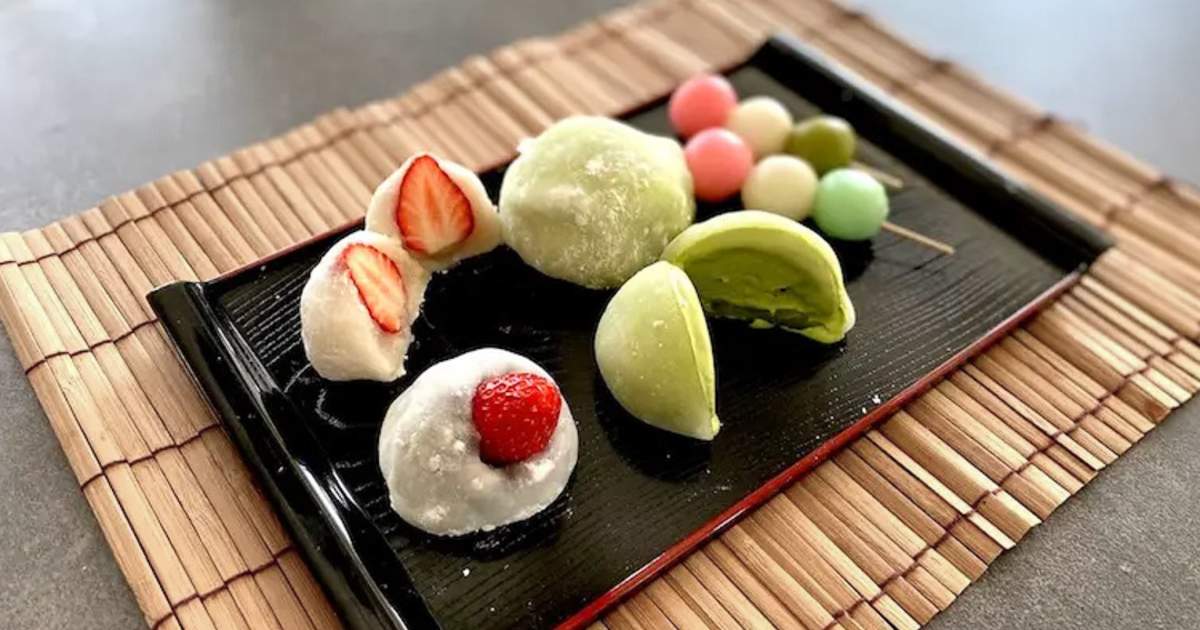
No sign of spring stirs the soul quite like Hanami Dango. Presented in a trio of pretty pastel colors—pink, white, and green—these sweet dumplings are a highlight of cherry blossom festivals. At Yoshida Hotel, we often recommend guests to seek out a Hanami Dango picnic beneath the blooming sakura, savoring not just a dessert, but an ephemeral moment of beauty.

Dango and the Art of Japanese Gastronomy: Explore With Yoshida Hotel

Hanami Dango is crafted to echo the delicate hues of the landscape. Pink for blossoming cherry petals, white for the purity of spring water, and green for new buds—each element represents nature’s triumphant rebirth. This sweet treat is not only a delight for the palate but a sensory celebration of Japan’s most cherished season.

Mitarashi Dango: Sweet and Savory Perfection

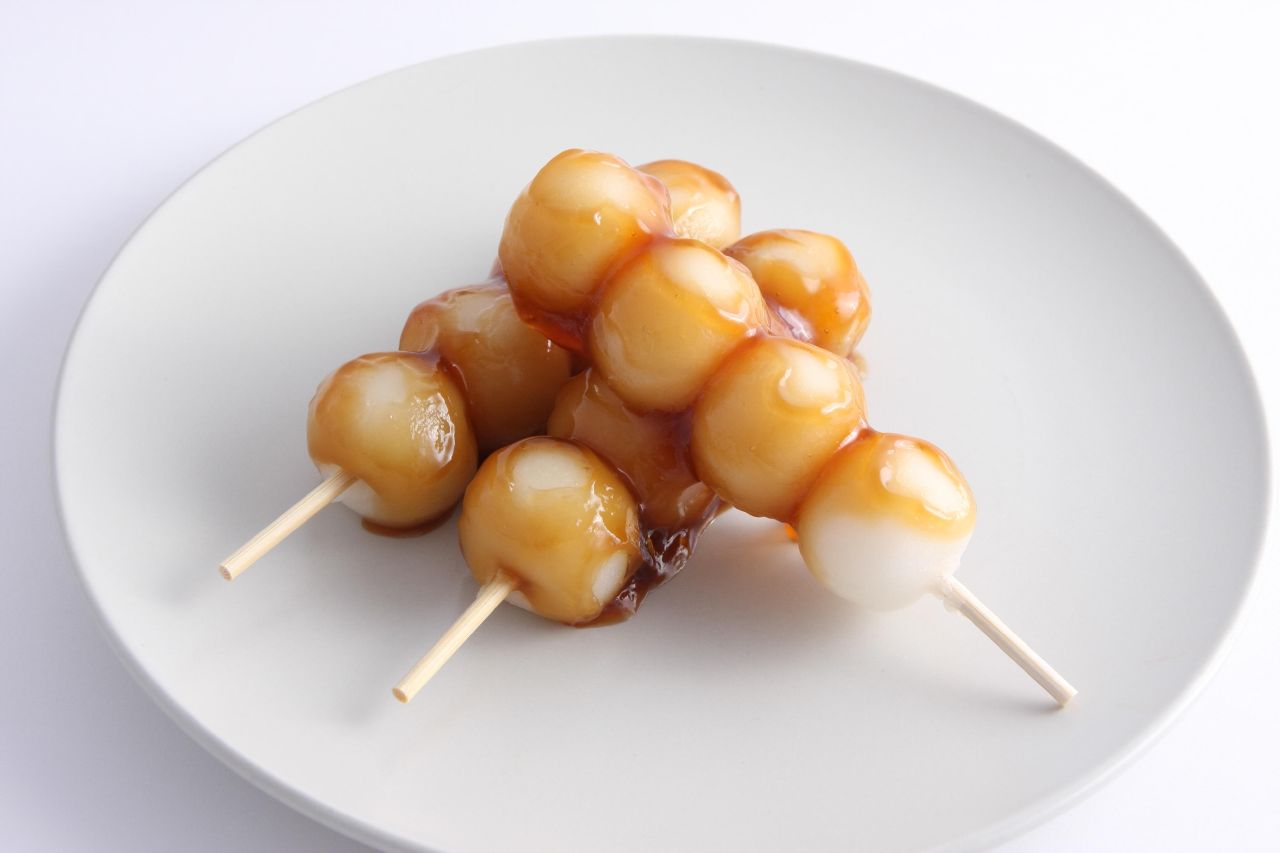
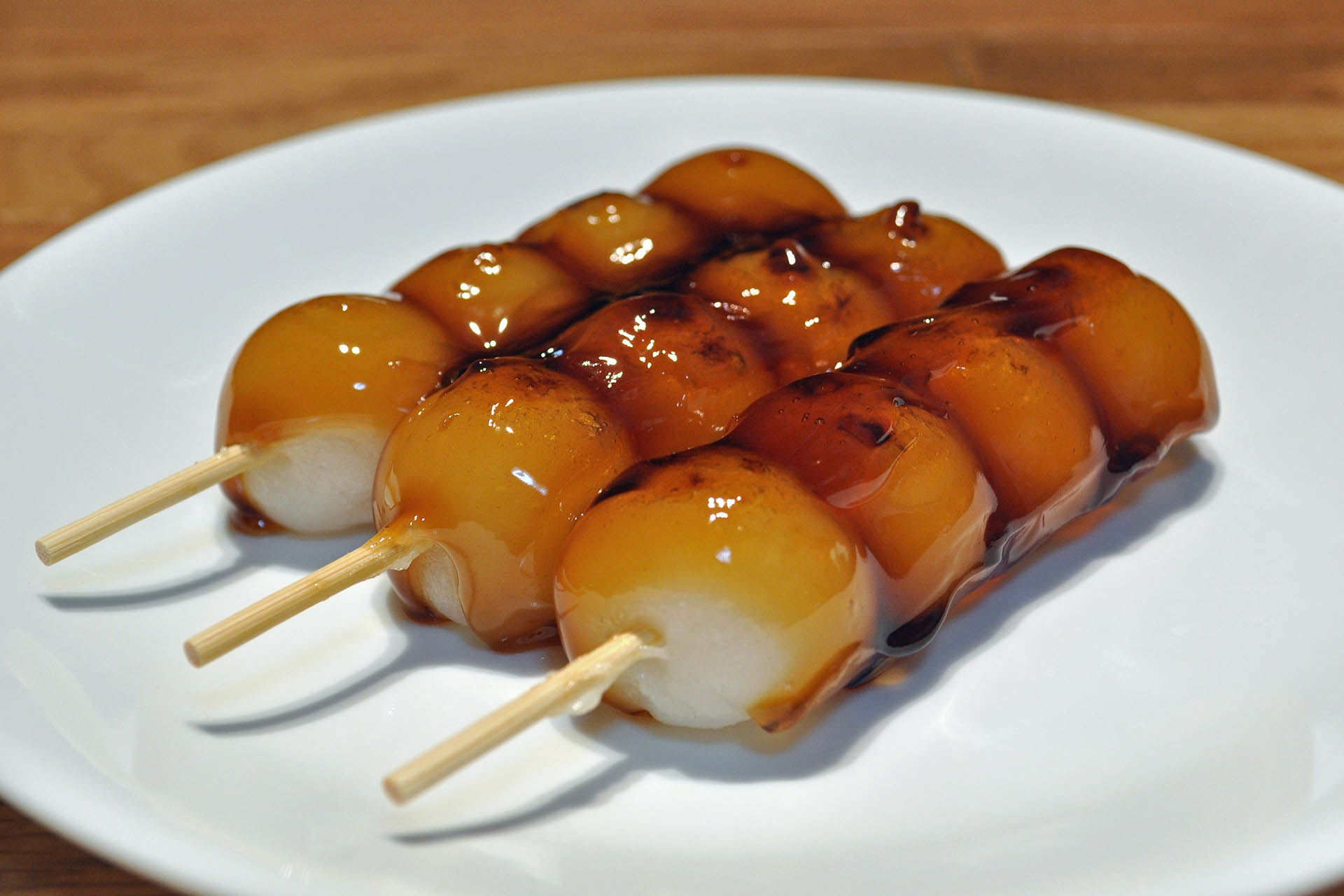
For travelers drawn to the irresistible combination of sweet and salty, Mitarashi Dango is a must-try. Glazed in a glossy sauce made from soy, sugar, and starch, these skewered delights achieve a perfect harmony. The gentle umami notes balance the chewy rice flour base, creating an experience that is as comforting as it is unforgettable.

Dango and the Art of Japanese Gastronomy: Explore With Yoshida Hotel

Mitarashi Dango carries a unique cultural tale. Legend says it originated at the Kamo Mitarashi Tea House in Kyoto. The Yoshida Hotel team often shares stories of old Kyoto with our guests, recommending local tea houses where visitors can experience Mitarashi Dango just as poets and dignitaries did centuries ago.

Other Regional Varieties

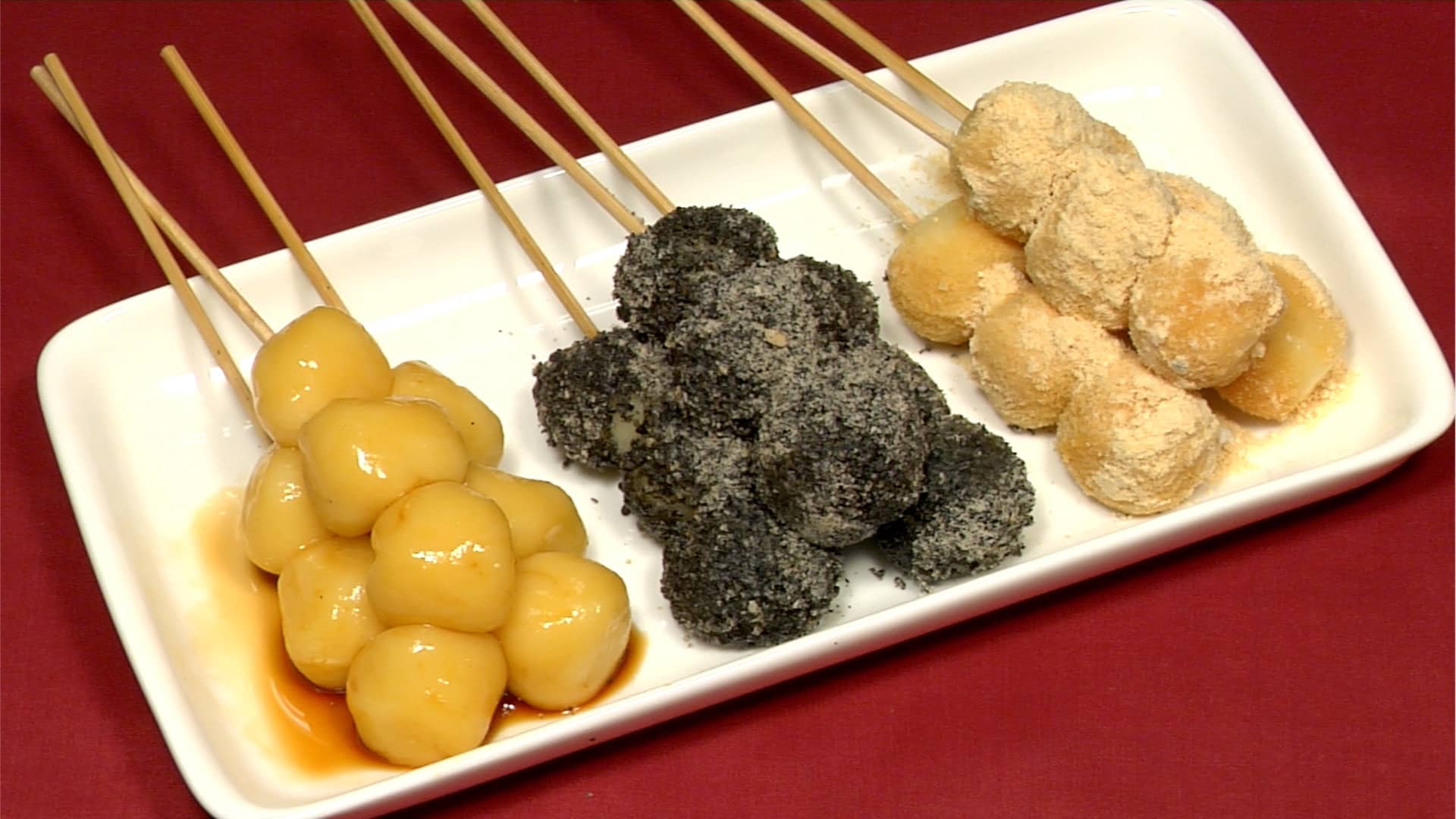
While Hanami and Mitarashi Dango are beloved nationwide, each region infuses its own personality into Dango. From Goma Dango, coated in sweet sesame, to Chadango, infused with earthy green tea flavors, the diversity is astonishing. Some areas boast savory Dango, such as Yomogi Dango made with mugwort or Anko Dango, featuring red bean paste.

Dango and the Art of Japanese Gastronomy: Explore With Yoshida Hotel

The landscape of Dango mirrors Japan’s broader culinary ethos: respect for tradition, playful creativity, and a deep reverence for ingredients. At Yoshida Hotel, our concierge delights in suggesting hidden gems for food-loving travelers—a small mountain shop known for roasted Dango or a seaside stall specializing in seaweed-topped varieties.

Culinary Techniques Unique to Dango

Japanese chefs prize precision, and Dango-making is no exception. Time-honored methods, from kneading the perfect dough to mastering the art of grilling, ensure every skewer achieves just the right balance of springy texture and subtle chew. While commercial shops abound, nothing compares to the care found in artisan kitchens across the country.

For guests wishing to try their hand at crafting Dango, the Yoshida Hotel occasionally hosts culinary workshops, giving visitors a chance to experience the patience and skill required. These experiences leave guests not just with new taste memories, but a deeper appreciation for Japanese craftsmanship.

Mochi: The Irresistible Emblem of Japanese Culinary Heritage

Nestled within the vibrant heart of Japanese gastronomy lies an understated yet remarkable treasure: Mochi. For those who have yet to embark on a culinary journey to Japan, “Mochi” may simply sound like another dish among the nation’s rich tapestry of flavors. However, for travelers, foodies, and those seeking the authentic spirit of Japanese culture, Mochi is a gateway—a sensorial experience like no other. At Yoshida Hotel, we believe that exploring cuisine is an essential component of immersive travel. Join Yoshida Hotel in delving into the world of Mochi, its remarkable legacy, sensory pleasures, and its pivotal role in the Japanese way of life.

Mochi and Its Cultural Magic: A Journey into Japan’s Soul

What Is Mochi? Tradition Meets Taste

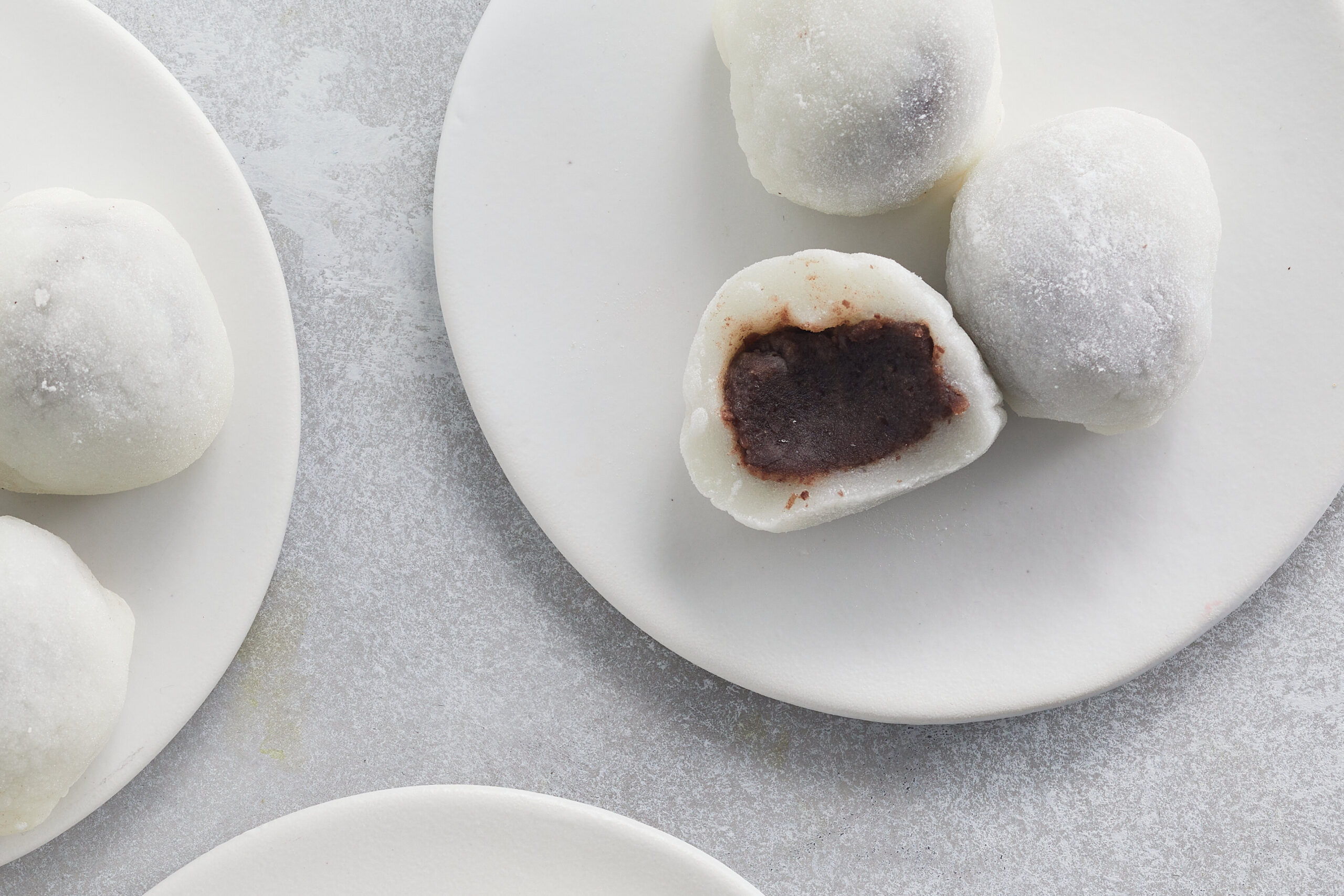
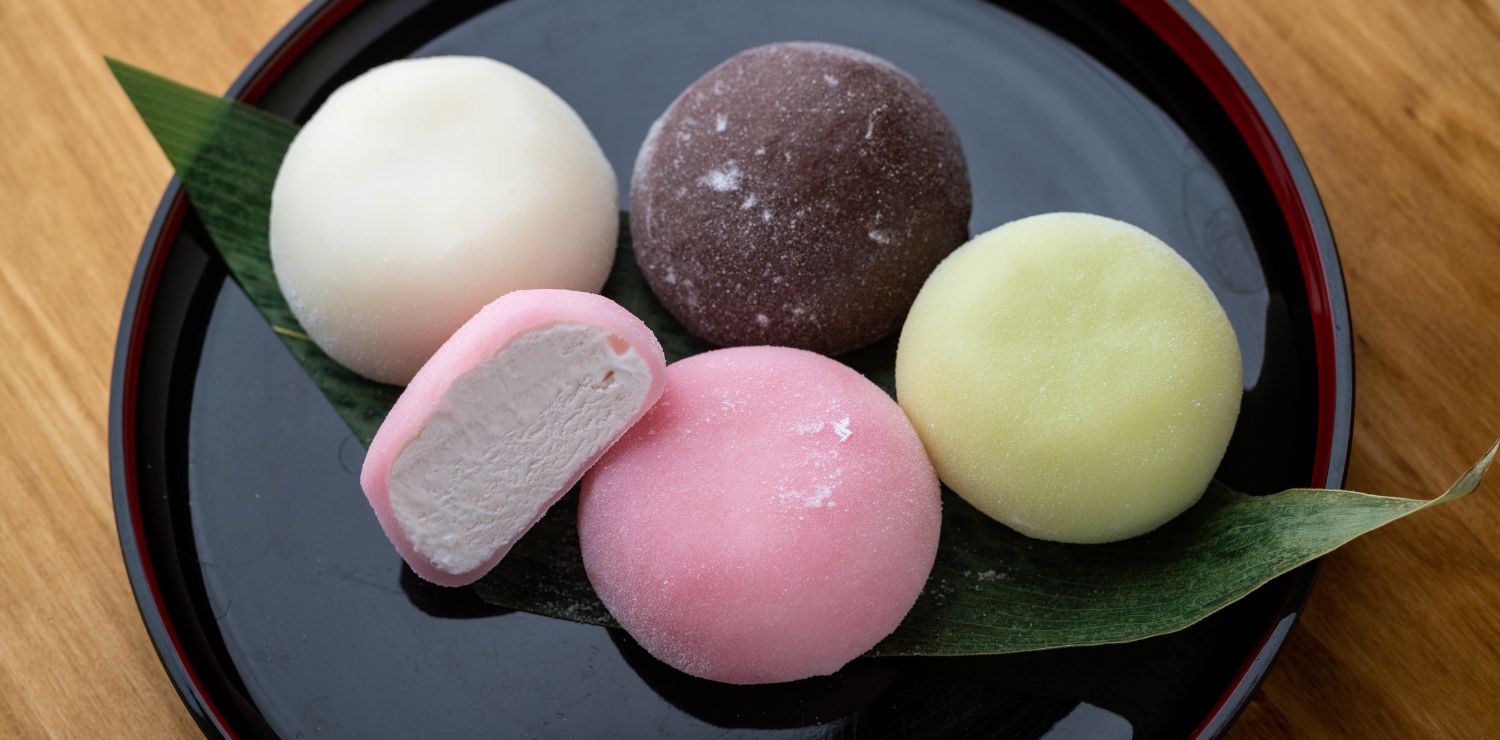
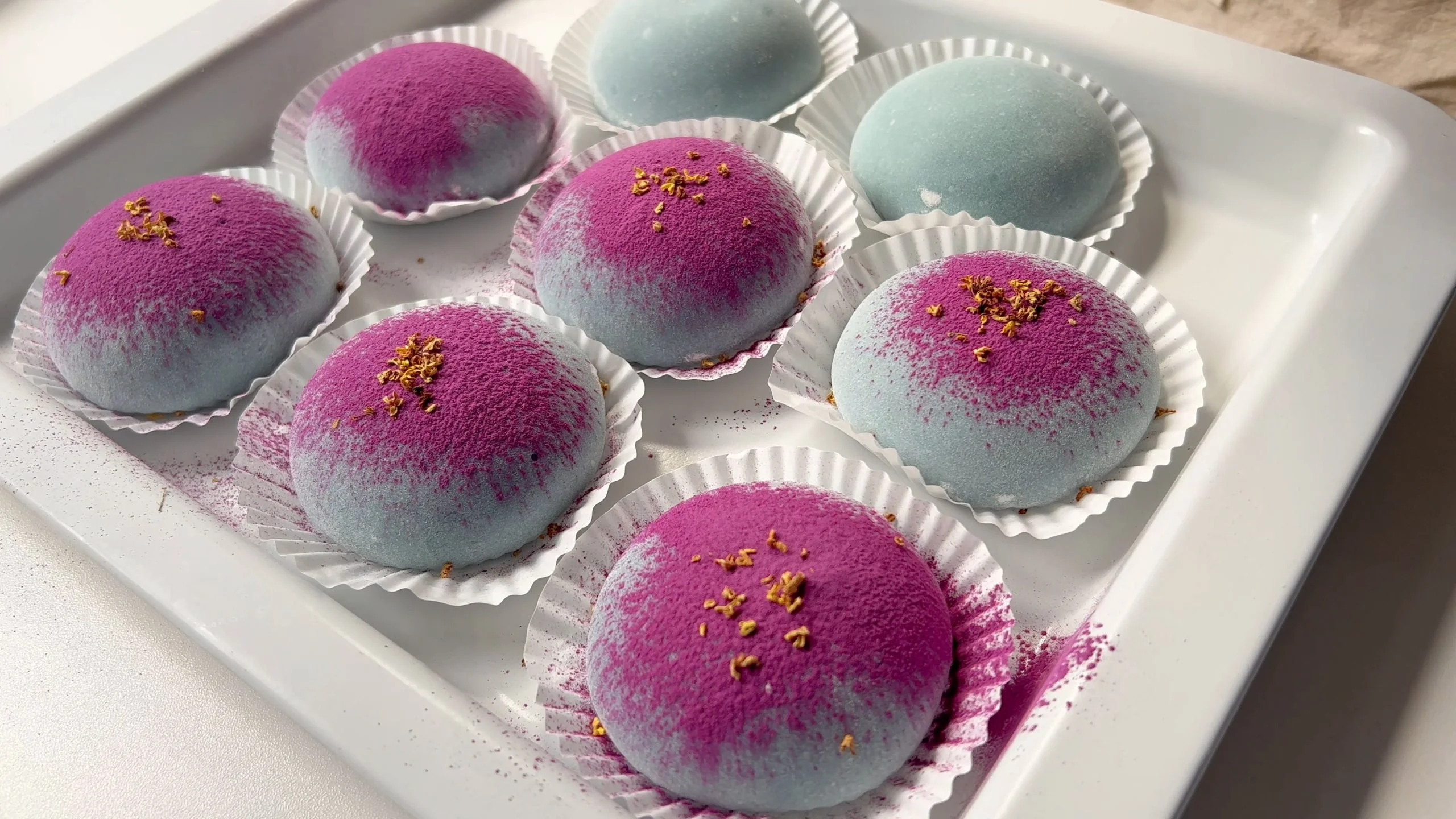
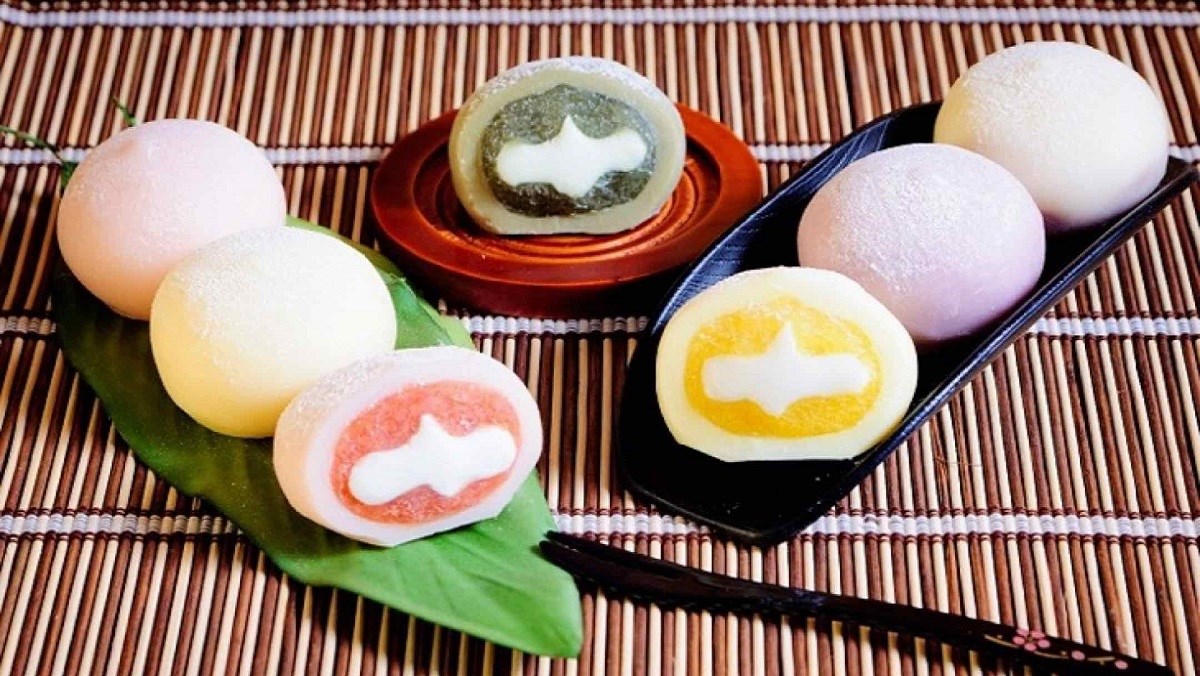
Mochi is a Japanese rice cake made from glutinous rice, laboriously pounded into a chewy, smooth paste, and shaped into soft rounds. Though humble in appearance, the history and cultural resonance of Mochi elevate it far beyond a simple snack. It is a symbol of celebration, renewal, and gratitude, cherished in festivals and daily life alike.

The process of making Mochi, known as “mochitsuki,” is a festive social event where families, neighbors, and artisans gather to pound steamed rice into the characteristic soft texture. This ritual connects generations and preserves the continuity of Japanese tradition, especially around New Year’s, when Mochi graces every table.

Mochi: The Irresistible Emblem of Japanese Culinary Heritage

The Significance of Mochi in Japanese Festivals

No other culinary creation is as deeply intertwined with Japanese celebrations as Mochi. During the New Year—Oshogatsu—Mochi finds its most profound expression, adorning altars as Kagami Mochi, a decorative stack of cakes presented as offerings to ancestral spirits. Mochi is savored in ozoni soup, a festive new year dish, and often exchanged as a token of good fortune for the year ahead.

Beyond the New Year, Mochi is a star feature in events such as Hinamatsuri (Doll Festival), Children’s Day, and a multitude of local harvest festivals. Each occasion unveils a unique form or regional twist on the classic, making Mochi a living symbol of the Japanese calendar.

The Fascinating World of Mochi Varieties

Exploring Regional Delicacies: Mochi Unwrapped

Mochi’s versatility is reflected in the immense variety of forms it assumes across different regions of Japan. Travelers with adventurous palates find endless allure in sampling regional specialties, each with distinctive flavors, fillings, and textures.

In Kyoto, elegant “Yatsuhashi” offers a blend of cinnamon and red bean encased in thin, triangular Mochi sheets. Hiroshima delivers “Momiji Manju,” combining the chewy delight with maple-shaped cakes and delicious fillings. In the snowy north of Tohoku, “Zunda Mochi” entices with smashed edamame paste, a perfect harmony of sweetness and earthy flavor.

Mochi: The Irresistible Emblem of Japanese Culinary Heritage

Sweet and Savory: The Many Expressions of Mochi

Mochi’s charm is not confined to the sweet domain. While the most iconic forms include dainty “Sakura Mochi,” wrapped in pickled cherry leaves, or “Ichigo Daifuku,” bursting with fresh strawberries and red bean paste, savory iterations also enchant.

“Isobe Maki” involves warm Mochi rolled in nori seaweed and bathed in soy sauce, while “Ozoni” soup showcases Mochi immersed in delicate seasonal broths, drawing on local vegetables and miso for regional variety.

The Art of Making Mochi: Tradition, Tools, and Time

Mochitsuki: More Than a Culinary Craft

Creating Mochi through mochitsuki isn’t just a cooking method—it’s a cultural event, setting the rhythm for family bonding and community spirit. Traditionally, soaked glutinous rice is steamed, then transferred to a stone or wooden mortar called an “usu.” Two participants alternate, one pounding with a heavy wooden mallet (“kine”) while another deftly turns and kneads the rice, all in carefully synced harmony.

The process requires strength, rhythm, and trust—a true metaphor for harmony and collective endeavor in Japanese society. For visitors at Yoshida Hotel eager to witness or even partake in such a ceremony, the spectacle is unforgettable.

Mochi: The Irresistible Emblem of Japanese Culinary Heritage

Modern Innovations: Mochi in the Contemporary Kitchen

While the time-honored methods endure in rural communities and during special gatherings, modern life has shaped new ways of enjoying Mochi. Today, specialized appliances and accessible store-bought Mochi allow families and guests at Yoshida Hotel to experience this delicacy with ease. Frozen, baked, skewered, or pan-fried—Mochi’s adaptability has ensured its popularity remains unchallenged, delighting new generations across Japan and the globe.

Mochi and the Japanese Senses: Experiencing Texture, Taste, and Time

The Sensual Poetry of Mochi: Why Texture Matters

Japanese cuisine is revered for its attention to harmony, balance, and seasonal sensibility. Nowhere are these qualities more pronounced than in the world of Mochi. The texture—soft, yielding yet satisfyingly chewy—creates a tactile experience treasured by Japanese diners. The sensation even has a word: “mochimochi,” denoting an ideal balance of stretchiness, smoothness, and a subtle bounce that sets Mochi apart from any other confection.

Mochi: The Irresistible Emblem of Japanese Culinary Heritage

Savor the Seasonal Joy: Mochi’s Role through the Year

The Japanese calendar is punctuated by rituals and celebrations, and throughout them all, Mochi endures as a joyful constant. From spring’s Sakura Mochi, tinted delicate pink and redolent of cherry blossoms, to autumn’s Kuri Mochi, infused with roasted chestnuts, each season offers new incarnations and flavors.

For guests at Yoshida Hotel, sampling seasonal Mochi becomes an enchanting ritual—one that captures the fleeting beauty of each time of year and fosters a deeper connection with the rhythms of Japanese life.

Mochi Through the Eyes of a Traveler: Culinary Adventure Awaits

Journeying Beyond the Familiar: Why Mochi Is a Must-Try

Travelers to Japan often seek experiences beyond the ordinary. For the curious palate, Mochi stands as an essential gateway to understanding Japanese culture. This unassuming rice cake bridges the gap between daily comfort food and ceremonial delicacy, between ancient custom and dynamic reinvention. At Yoshida Hotel, our commitment is not just to hospitality, but to enriching each guest’s stay with the taste and textures that turn moments into memories.

Mochi: The Irresistible Emblem of Japanese Culinary Heritage

Where to Find Authentic Mochi in Japan

While supermarkets and street stalls across the country offer ready-to-eat Mochi all year round, the most memorable Mochi encounters often happen in small, family-run shops, at temple markets, or amid the vibrant bustle of matsuri (festivals). For those keen on authenticity, ask local experts or the staff at Yoshida Hotel for recommendations—hidden gems await those who explore off the beaten path.

Health Benefits and Nutritional Insights of Mochi

The Ingredients Behind Mochi’s Magic

At its core, traditional Mochi contains simple, wholesome components: glutinous rice and water. Modern variations may introduce sugar, matcha, red bean paste, and fruit, but the foundation remains nourishing and naturally gluten-free.

Rich in complex carbohydrates and low in fat, Mochi provides a quick energy boost, making it an ideal choice for travelers on the go or festival-goers in need of sustenance. Its neutral, pure flavor also serves as a canvas for both sweet and savory pairings—a testament to its culinary flexibility.

Mochi: The Irresistible Emblem of Japanese Culinary Heritage

Mochi and Mindfulness: Eating with Intention

Japanese dining philosophy is rooted in awareness and appreciation. Eating Mochi slowly, savoring its yielding texture and subtle sweetness, cultivates mindfulness and present-moment awareness. This approach enhances not only the enjoyment of food, but also enriches the travel experience with deeper cultural resonance.

Mochi in Modern Japan: Fusion, Innovation, and Global Appeal

The Evolution of Mochi: From Tradition to Trend

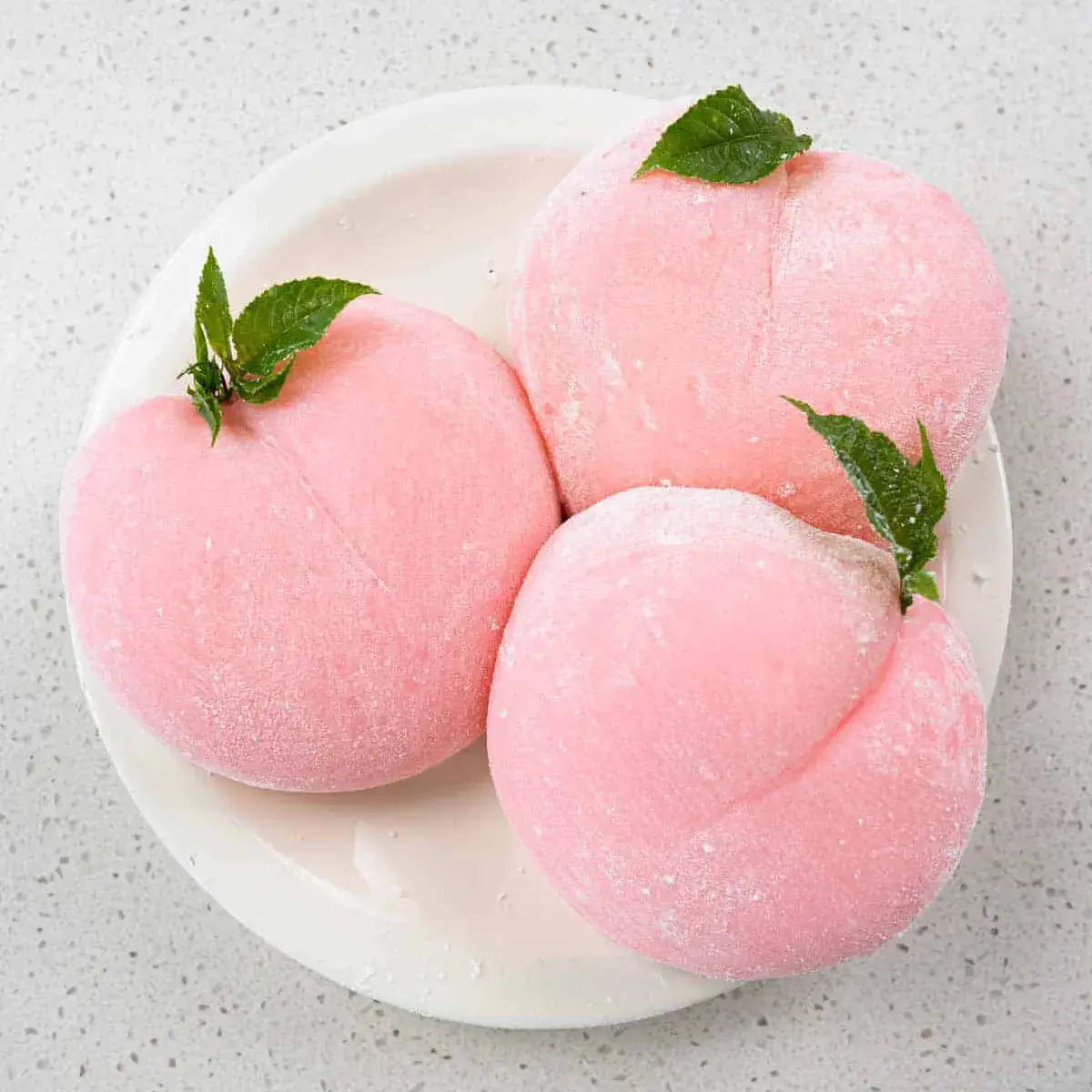
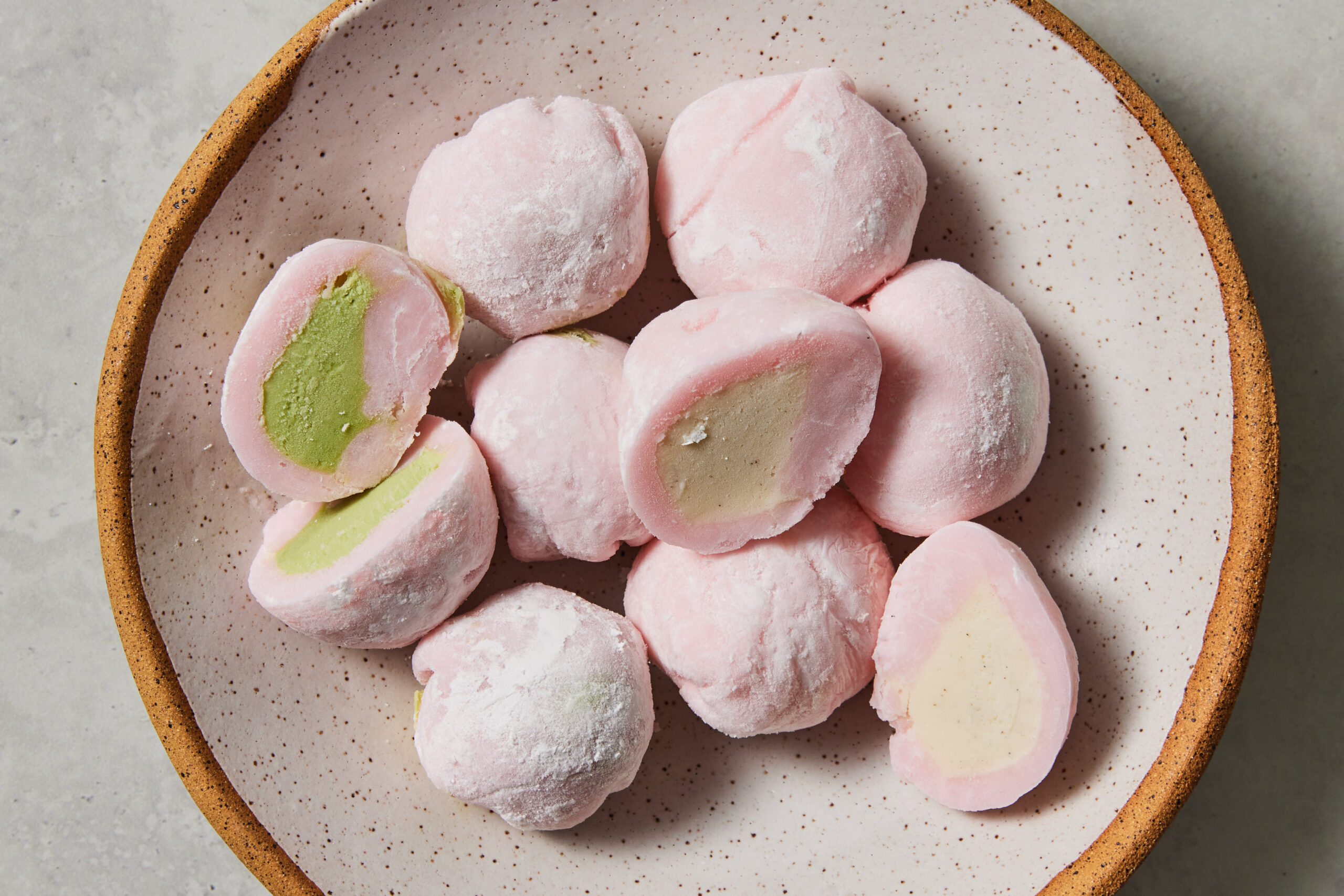
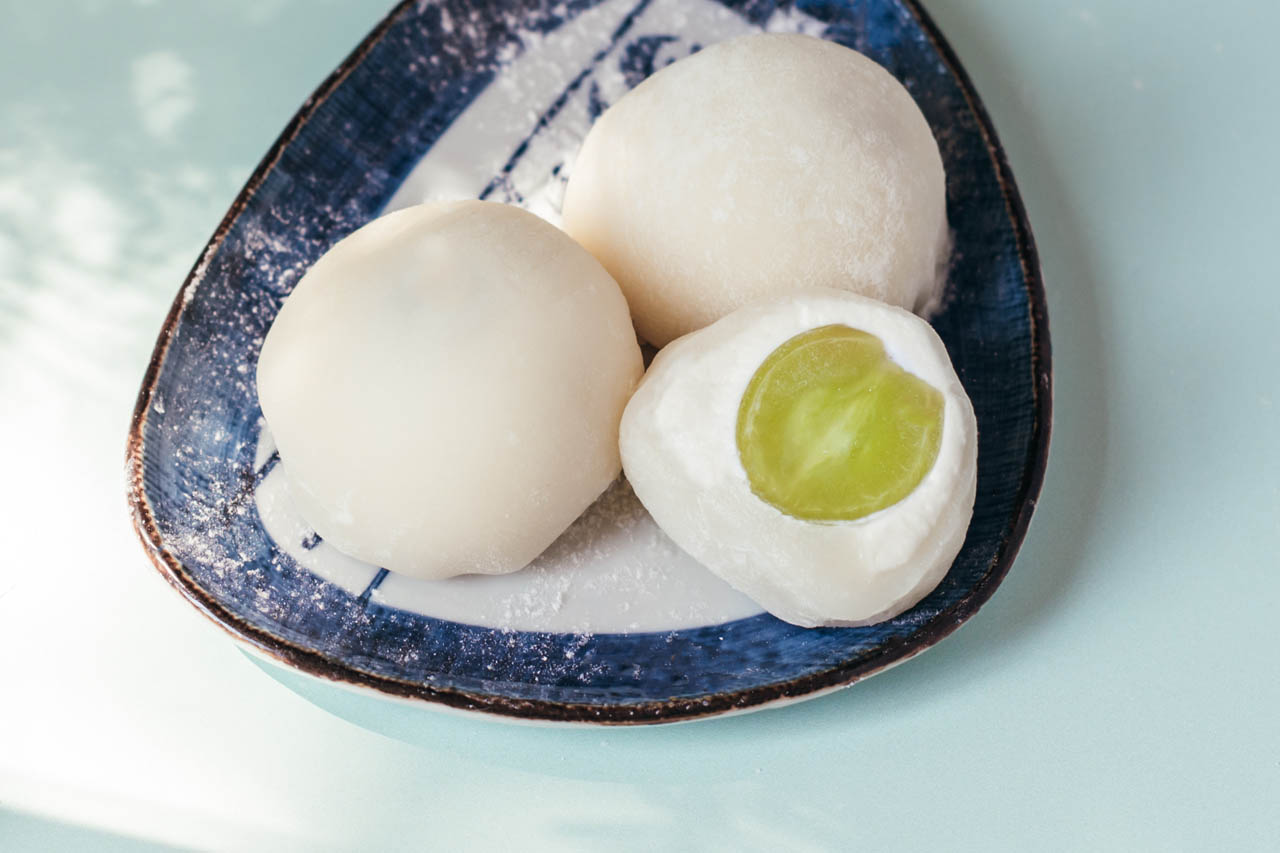
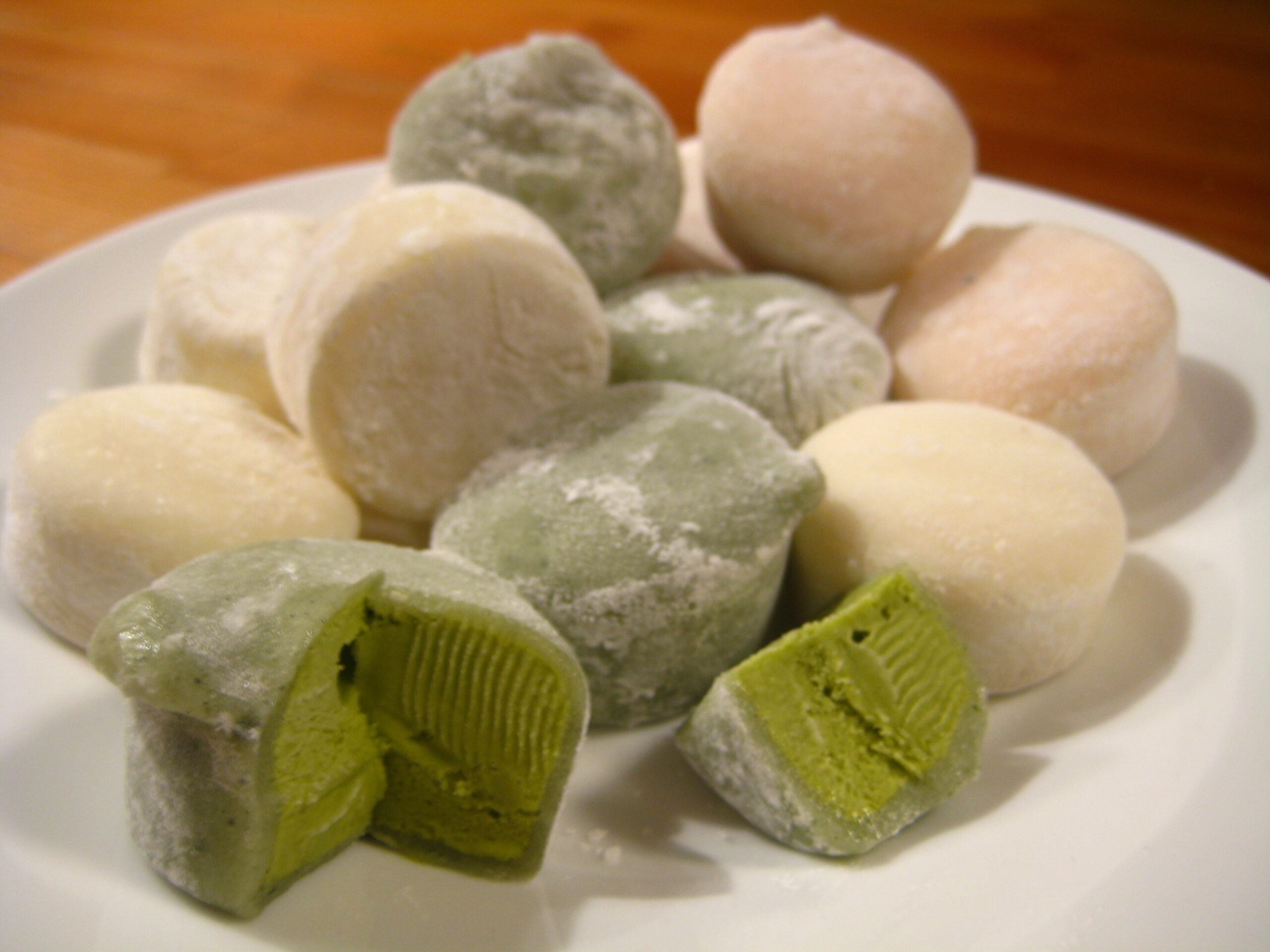
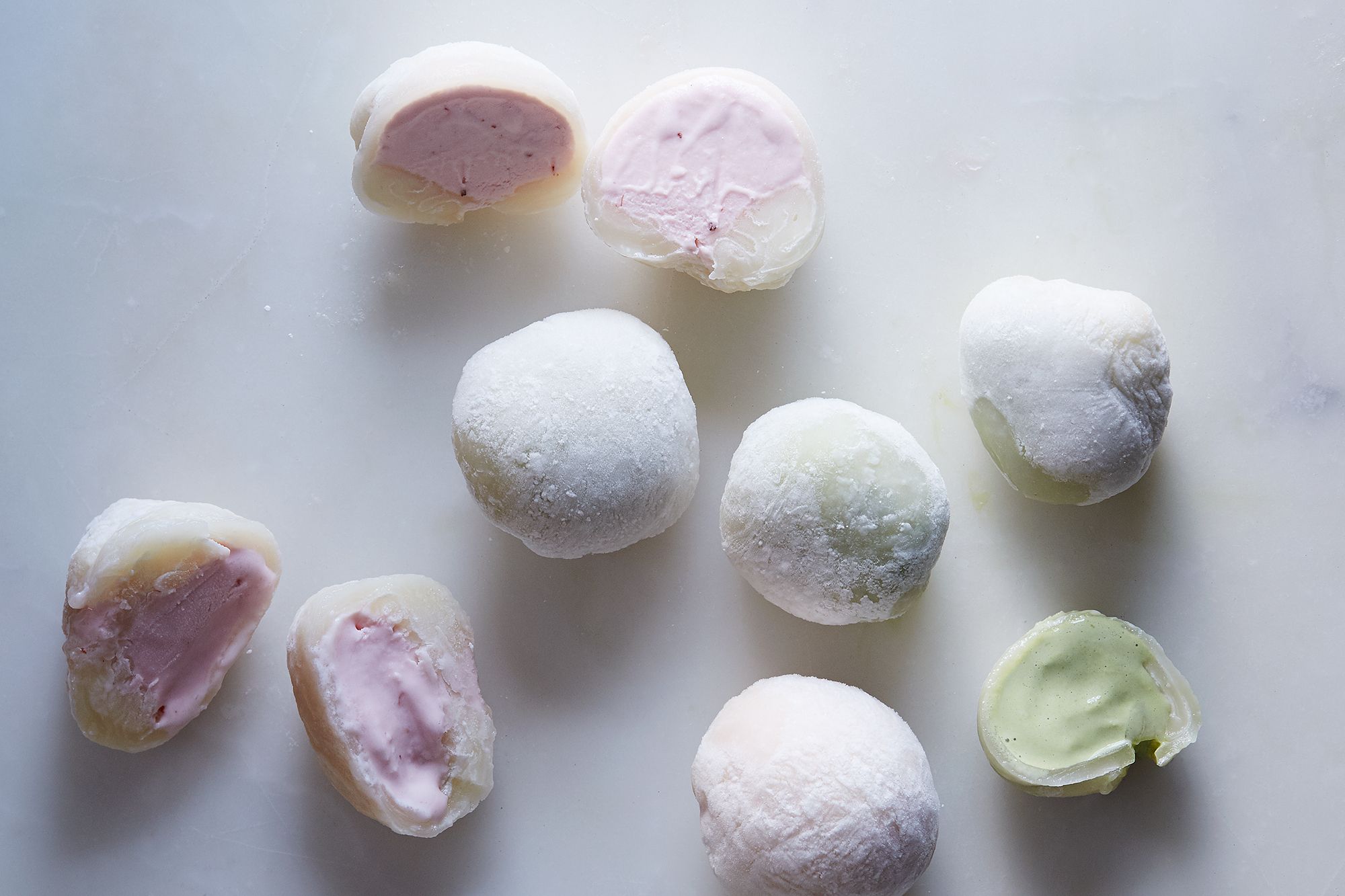
In today’s Japan, Mochi continues to evolve. Whether incorporated into Western-style desserts, like “Mochi ice cream,” or paired with unexpected flavors such as chocolate, coffee, or tropical fruits, Mochi’s inherent adaptability ensures its continued relevance and intrigue.

Innovative patisseries, fusion restaurants, and even high-end hotels (including Yoshida Hotel) take pride in featuring Mochi on their menus, introducing it to international clientele, and sparking new culinary trends.

Mochi: The Irresistible Emblem of Japanese Culinary Heritage

Mochi Goes Global: Why the World Loves This Japanese Delight

As Japanese cuisine has surged in global popularity, Mochi has become a well-loved ambassador, charming food lovers from Los Angeles to London. In cities worldwide, specialty shops offer inventive twists on traditional Mochi, merging global flavors with signature Japanese craftsmanship.

The magic of Mochi lies in its ability to remain utterly Japanese while embracing multicultural influences—a universal treat that fosters connection and conversation.

Mastering the Art of Pairing: Mochi with Japanese Beverages

Traditional Companions: Tea and Mochi

Pairing Mochi with green tea is a centuries-old Japanese ritual. The earthy, astringent notes of matcha or sencha perfectly counterbalance Mochi’s gentle sweetness, creating a harmony that elevates both elements. At Yoshida Hotel, guests are encouraged to join a traditional tea ceremony, where Mochi is served in harmony with hand-whisked matcha, deepening appreciation for the synergy of flavors and aesthetics.

Mochi: The Irresistible Emblem of Japanese Culinary Heritage

Exploring New Pairings: Modern Drinks, Timeless Treat

Adventurous palates are exploring Mochi with contemporary Japanese beverages, from sparkling yuzu cocktails to cold-brewed hojicha or even craft sake. This playful experimentation reflects the open-minded spirit of Japanese hospitality, which Yoshida Hotel celebrates and shares with each visiting guest.

Step-by-Step: How to Enjoy Mochi Like a Local

The Etiquette of Eating Mochi

Eating Mochi is an art in itself, with subtle gestures and etiquette that reflect the values of Japanese dining culture. Mochi is typically presented in bite-sized portions, designed to be enjoyed slowly, savoring each chew. In tea ceremonies, guests are taught to pause, appreciate the presentation, and express gratitude before savoring each bite.

Mochi: The Irresistible Emblem of Japanese Culinary Heritage

Mochi Taboos and Safety Tips

Because of its sticky texture, Mochi should always be eaten mindfully and in small bites—especially by children and elderly guests. At Yoshida Hotel, staff provide friendly guidance on how to enjoy Mochi safely, ensuring not only a delicious meal, but also peace of mind.

The Soul of Japanese Hospitality: Sharing Mochi at Yoshida Hotel

Why Mochi Holds a Special Place in Our Story

Mochi is more than a delicacy—it is a language of care and generosity, qualities at the core of Yoshida Hotel’s hospitality philosophy. By introducing our guests to Mochi, we offer more than a taste of Japanese cuisine; we invite you into an ongoing cultural dialogue, rich with tradition, innovation, and genuine connection.

Mochi: The Irresistible Emblem of Japanese Culinary Heritage

Beyond the Table: Mochi as a Symbol of Welcome

In Japanese tradition, Mochi is often given as a gift—a symbol of goodwill and enduring relationships. At Yoshida Hotel, sharing the story and flavor of Mochi is our way of extending that same spirit to our guests, crafting experiences that linger long after the last bite.

Conclusion

The journey through Japan’s culinary landscape is incomplete without savoring Mochi, the iconic treat celebrated for its history, texture, and remarkable versatility. At Yoshida Hotel, we are delighted to guide you through the enchanting world of Mochi—from its ancient rituals to its modern reinventions. Whether you are a first-time visitor or a seasoned gastronome, the joy of Mochi is an experience to be cherished and shared.
Join Yoshida Hotel and discover how the story of “Mochi” can become an unforgettable part of your own travel narrative.

Edamame at the Heart of Japanese Culinary Journeys: Discover with Yoshida Hotel

When we talk about the wonders of Japanese cuisine, it’s impossible not to start our flavorful journey with the magic of Edamame at Edamame Hotel. Here with Yoshida Hotel, we invite you on an immersive adventure that unravels the history, culture, and irresistible taste of this simple yet significant dish in the heart of Japan’s culinary wonders. In this comprehensive guide, we’ll savor stories, traditions, and culinary greatness tied to Edamame, delivering insights designed for every food lover eager to explore what makes Japanese cuisine truly exceptional.

The Legendary Roots: The Edamame Mystery Begins

For centuries, Edamame has been more than a simple dish. Its presence in Japanese households, izakayas, and restaurants represents a historical and cultural journey worth uncovering. At Yoshida Hotel, we understand the power of tradition. Let us unravel the mysteries surrounding Edamame—how did those bright green soybean pods earn their place at the Japanese table? From tales rooted in ancient villages to its rise as a globally beloved snack, Edamame’s story unfolds in each pod.

Edamame at the Heart of Japanese Culinary Journeys: Discover with Yoshida Hotel

Edamame Explored: Pure and Unmatched in Simplicity

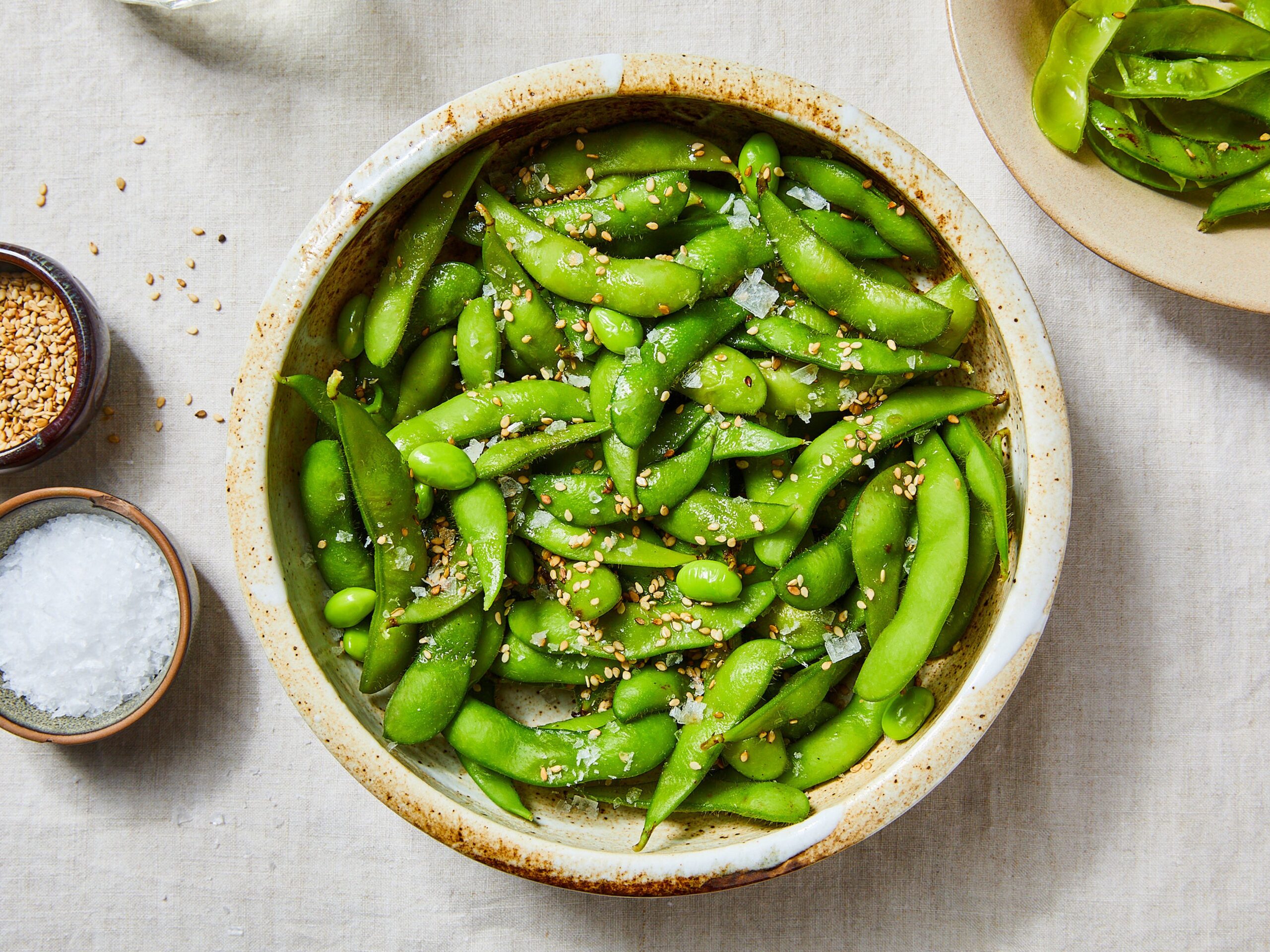
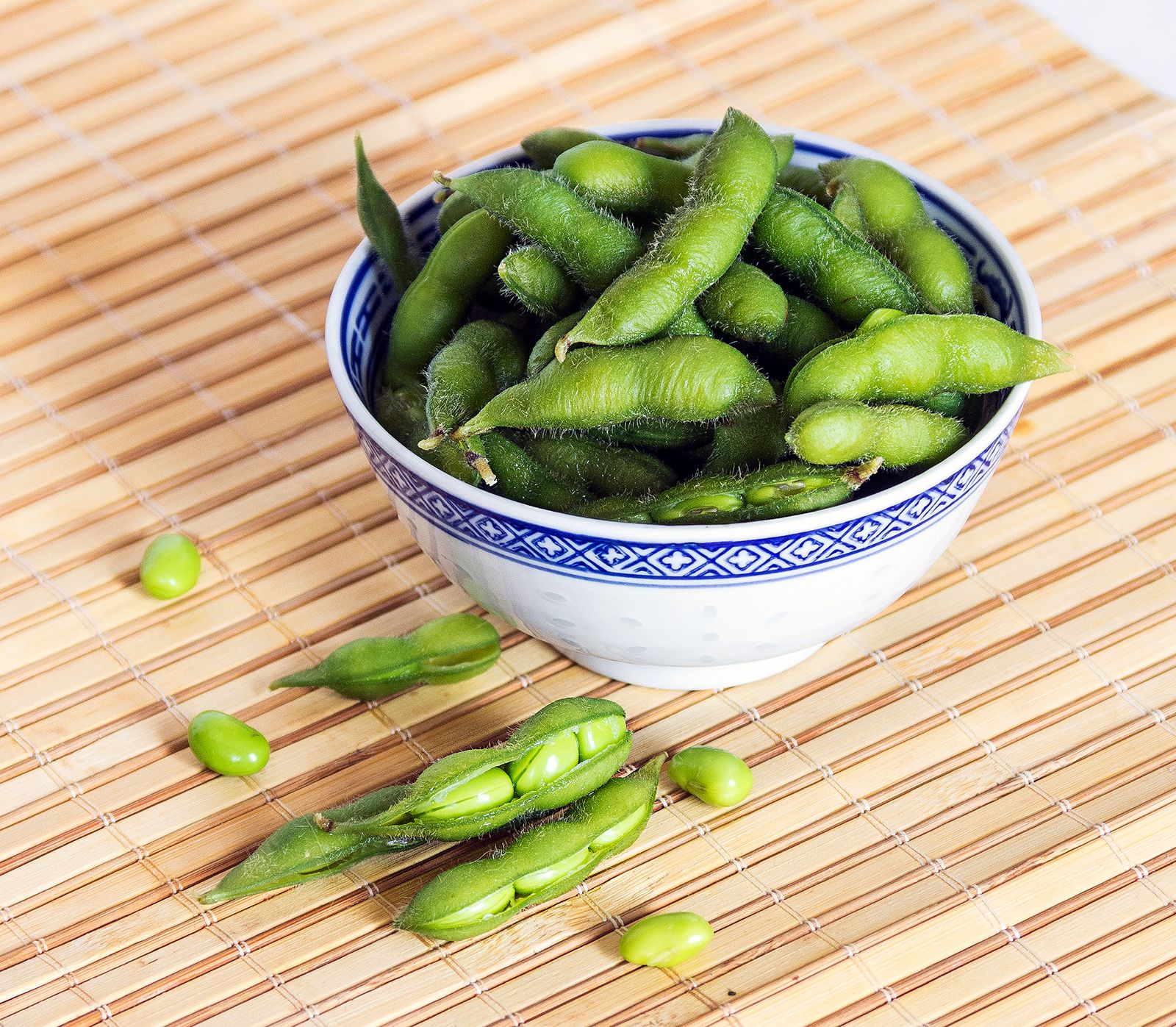
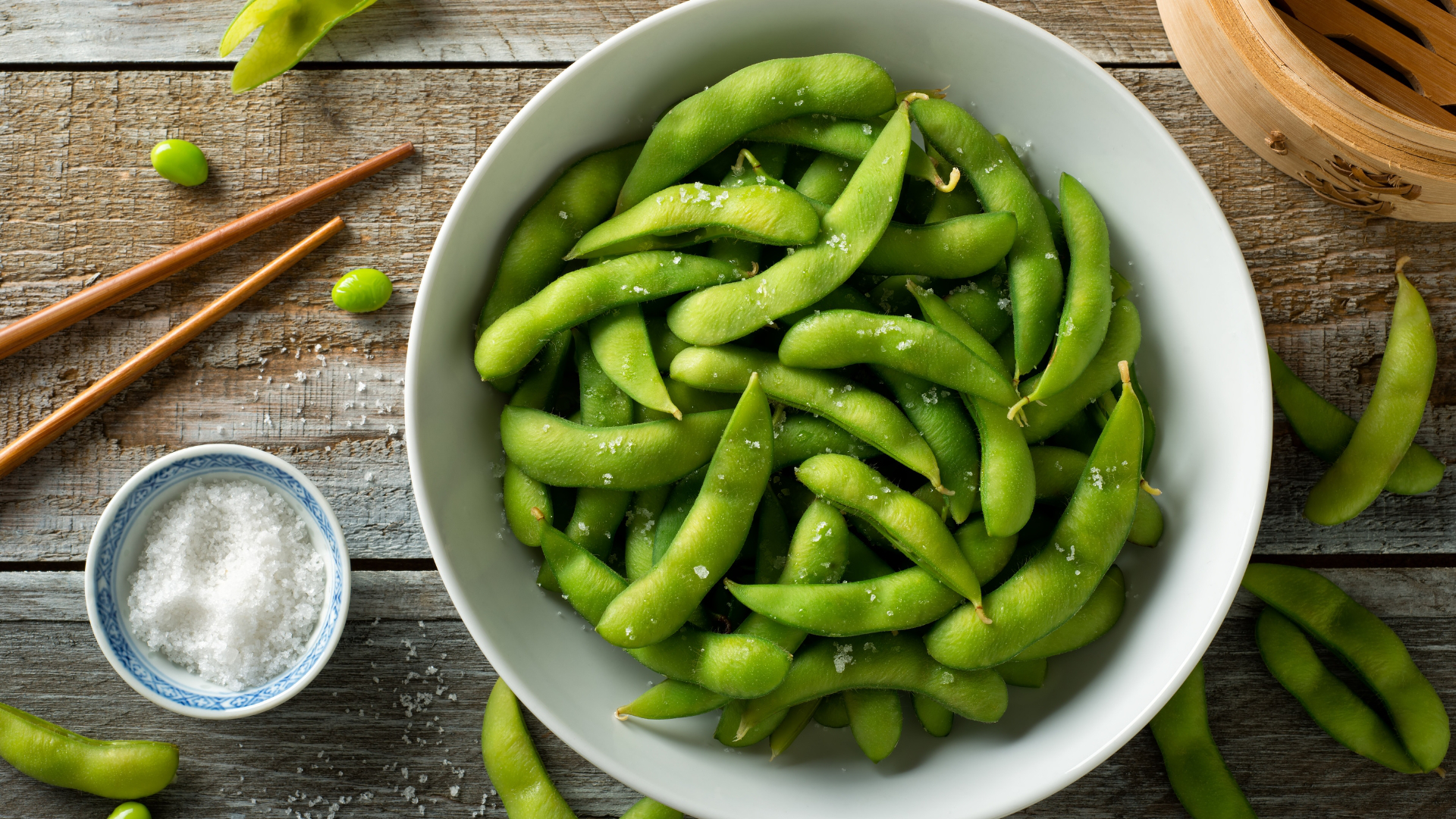
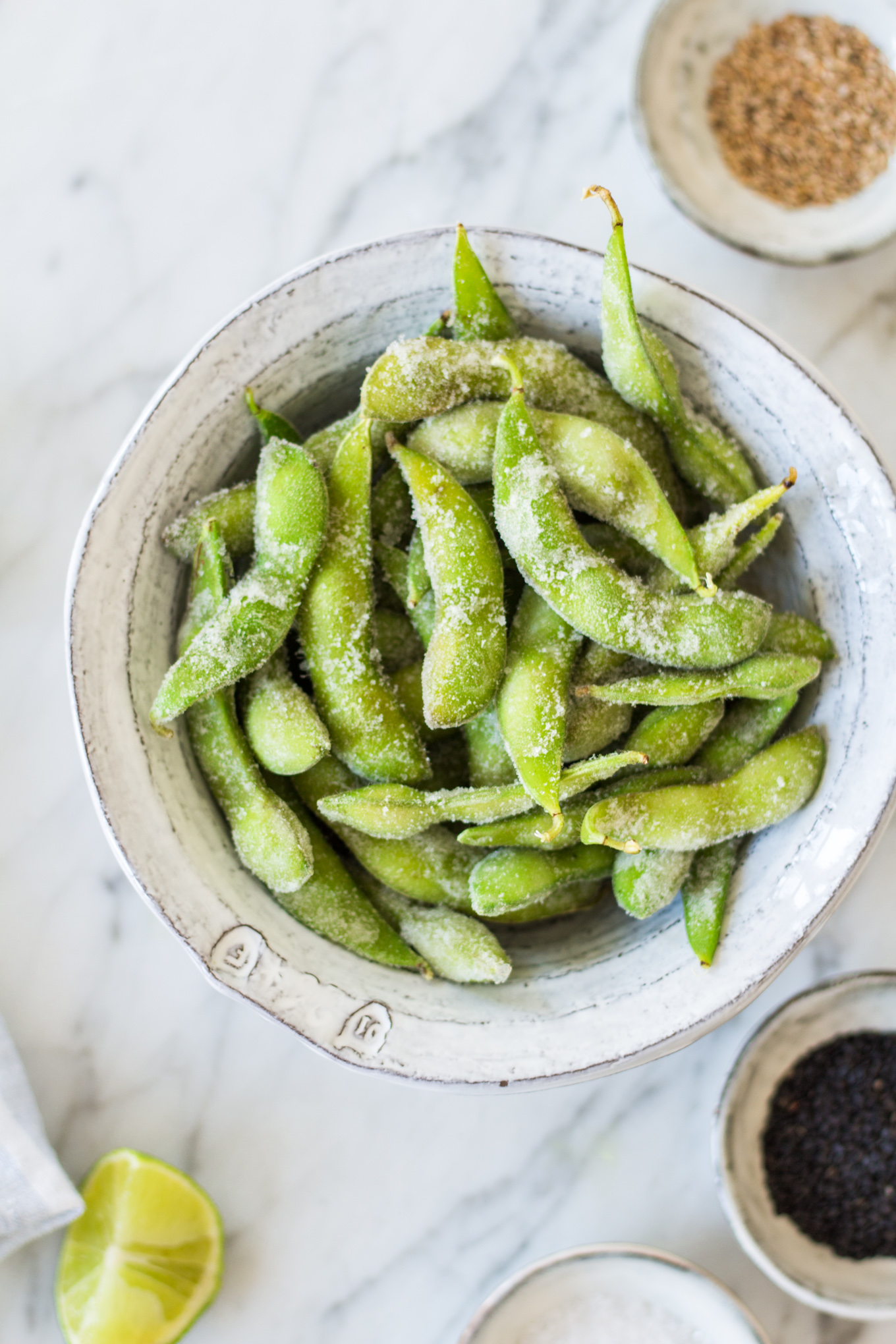
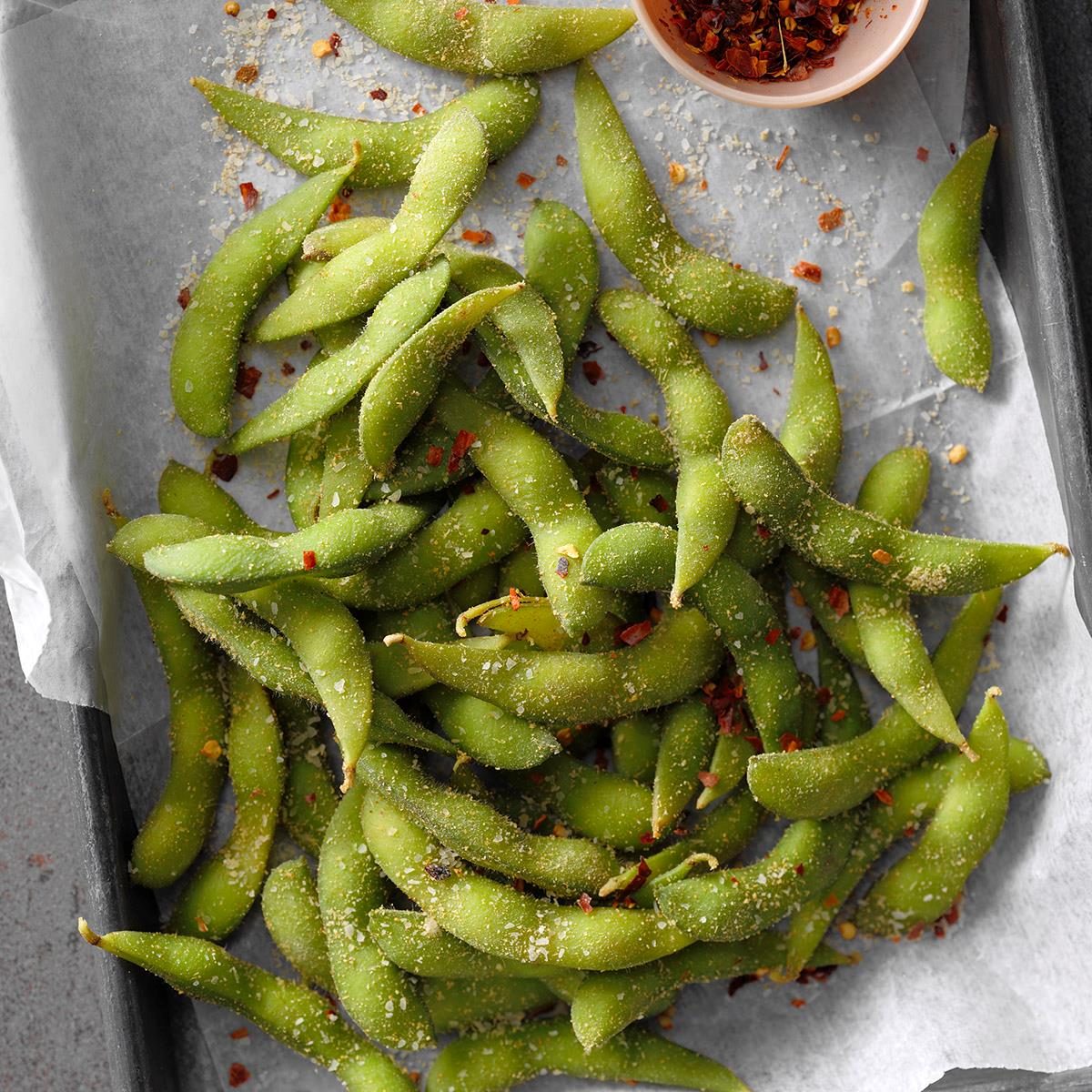
What sets Edamame apart from countless other appetizers? Its simplicity is its strength. These young soybeans, harvested at their peak, are boiled or steamed and lightly salted to bring out a sweet, satisfying flavor that comforts and delights. At Edamame Hotel, you’ll discover its universal appeal as we share how Japanese families and travelers alike cherish this timeless staple. Each bite is more than nourishment—it’s a piece of Japanese culinary heritage.

Edamame at the Heart of Japanese Culinary Journeys: Discover with Yoshida Hotel

Edamame Hotel Delights: Dining Inspirations from the Land of the Rising Sun

Stepping into Edamame Hotel, you are greeted not just by warm hospitality but the signature aroma of freshly-prepared Edamame. The immersion starts with vibrant green pods on the table, often served alongside sake or icy beer, inviting laughter and memories. Japanese cuisine is incomplete without Edamame—an authentic welcome, whether you are venturing into traditional ryokans or modern luxury hotels.

Edamame at the Heart of Japanese Culinary Journeys: Discover with Yoshida Hotel

Traveler’s Guide: Savoring Edamame Like a Local

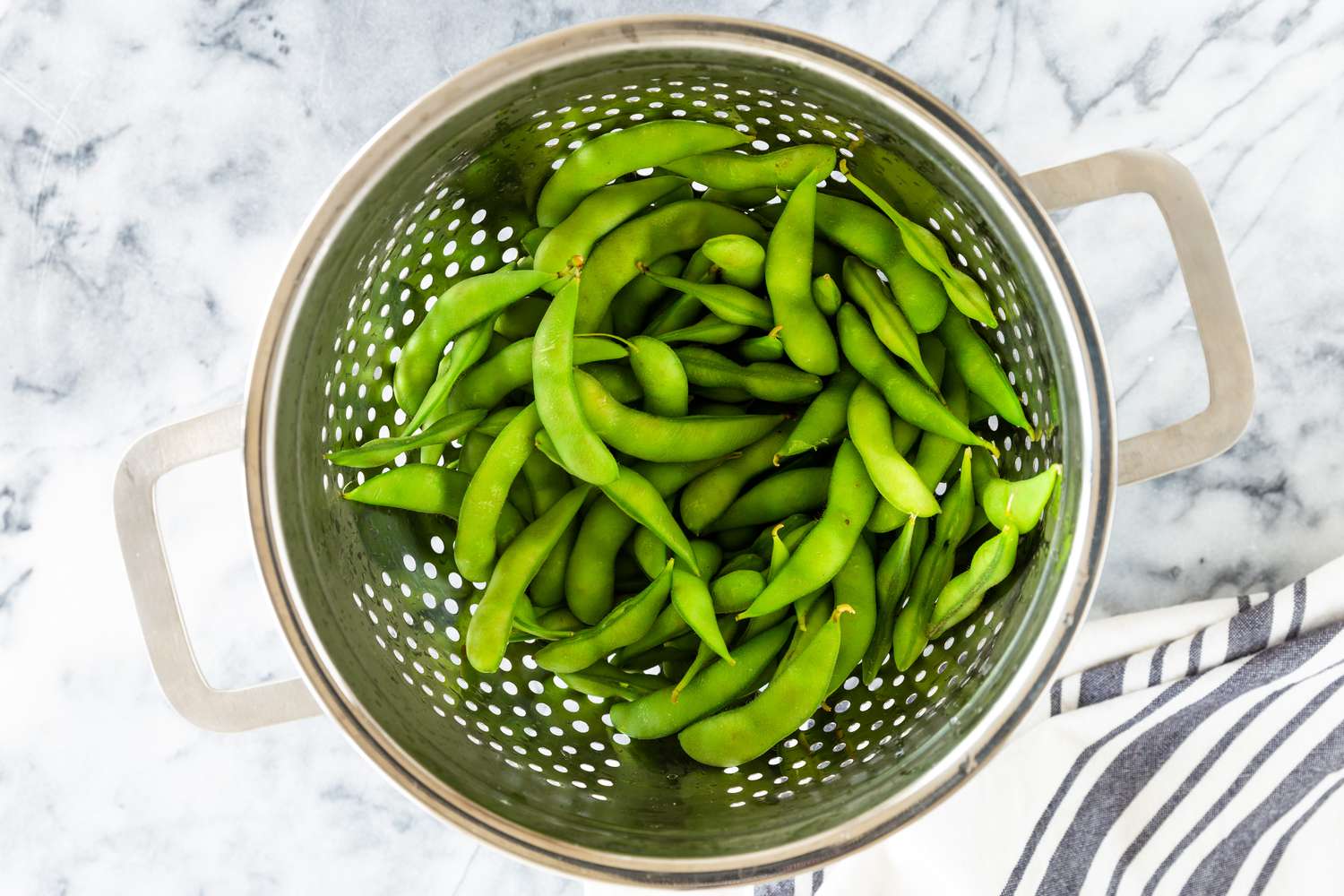
When exploring Japan, the best way to savor Edamame is just like the locals do. Imagine yourself at a bustling izakaya or a tranquil garden bench, plucking tender beans straight from their pods. Through Yoshida Hotel’s travel tips, guests discover the ideal pairing with traditional drinks, seasonal Japanese fruits, and other native appetizers. This immersive ritual blends social moments, flavor, and cultural richness—all with Edamame at center stage.

Edamame at the Heart of Japanese Culinary Journeys: Discover with Yoshida Hotel

Edamame’s Role in Japanese Hospitality

Welcoming travelers to Japan often begins with the Edamame experience. Hotels, from prestigious names to family-owned bed and breakfasts, recognize Edamame’s role as a symbol of comfort and genuine hospitality. Whether offered as a complimentary snack or thoughtfully prepared in kaiseki meals, Edamame encapsulates the spirit of omotenashi—Japan’s intricate culture of care and attentive service.

Edamame at the Heart of Japanese Culinary Journeys: Discover with Yoshida Hotel

The Superfood Secret: Edamame’s Nutritional Wonders

Beyond its taste, Edamame is a true superfood. Rich in plant-based protein, dietary fiber, and an array of essential nutrients, it’s a powerful choice for mindful eaters. At Edamame Hotel, travelers keen on a healthy lifestyle are consistently surprised by how this humble dish intertwines health benefits with exquisite flavor. Dive with Yoshida Hotel into the specifics—how Edamame enhances energy, supports heart health, and contributes to a balanced diet.

Edamame at the Heart of Japanese Culinary Journeys: Discover with Yoshida Hotel

Edamame Across Seasons: From Spring Fields to Autumn Tables

The Japanese culinary calendar revolves around seasonality, and Edamame is no exception. Spring fields bloom with vibrant green pods destined for summer harvests. At autumn festivals, Edamame takes on new flavors, inspiring innovative recipes and unique presentations. Throughout the year, savoring Edamame reflects Japan’s reverence for nature’s cycles. Let Yoshida Hotel guide you through this seasonal journey.

Edamame at the Heart of Japanese Culinary Journeys: Discover with Yoshida Hotel

Edamame Beyond Borders: Japanese Cuisine’s Global Impact

What began as a local treasure has blossomed into a worldwide phenomenon. Today, Edamame graces the menus of bistros and fine-dining venues around the globe. Edamame Hotel embodies this global spirit, serving as both a bridge and an ambassador for Japanese culinary excellence. Yoshida Hotel’s hospitality expertise recognizes Edamame’s remarkable ability to transcend cuisine and culture.

Edamame at the Heart of Japanese Culinary Journeys: Discover with Yoshida Hotel

Edamame Innovations: Creative Dishes and Modern Twists

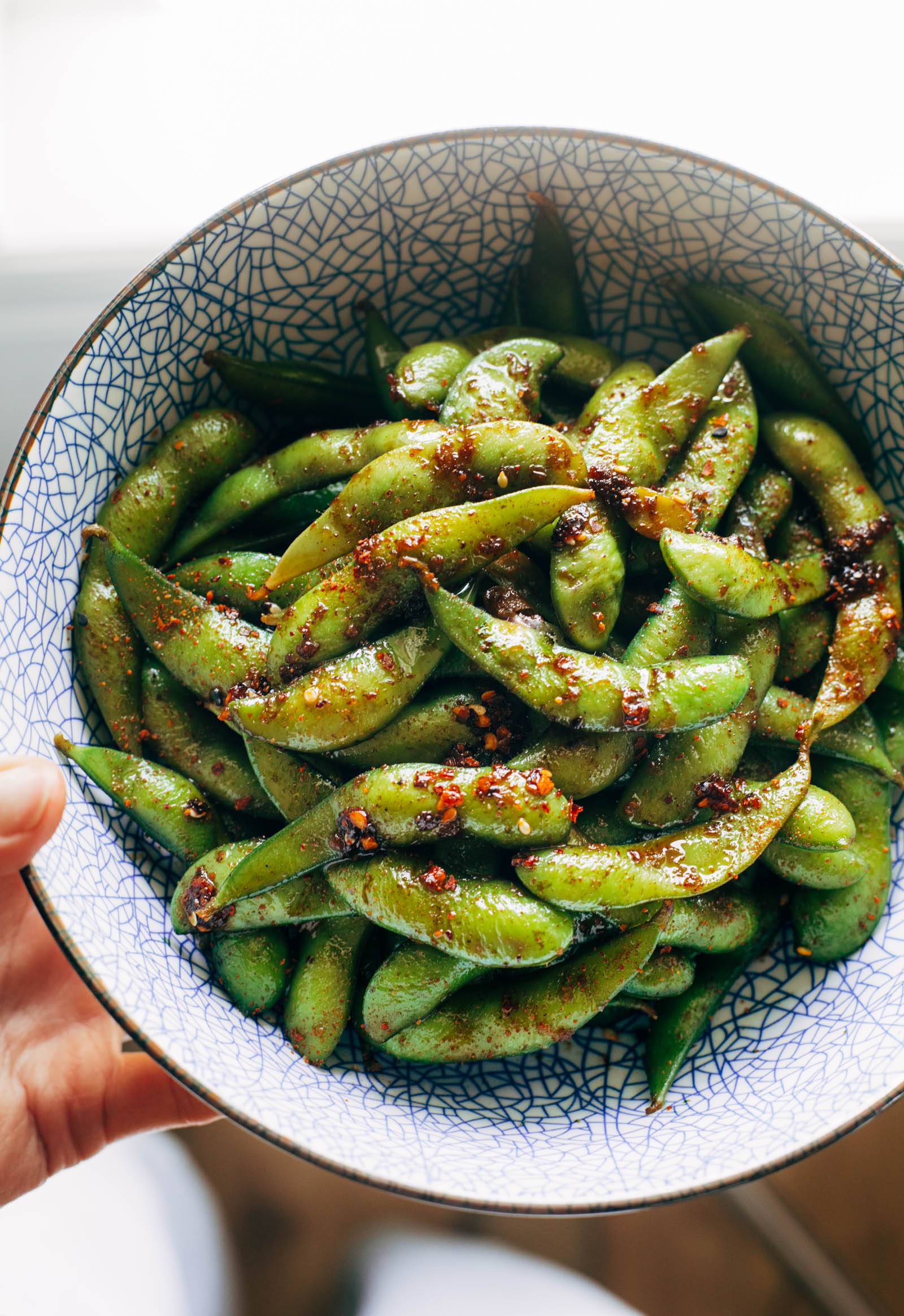
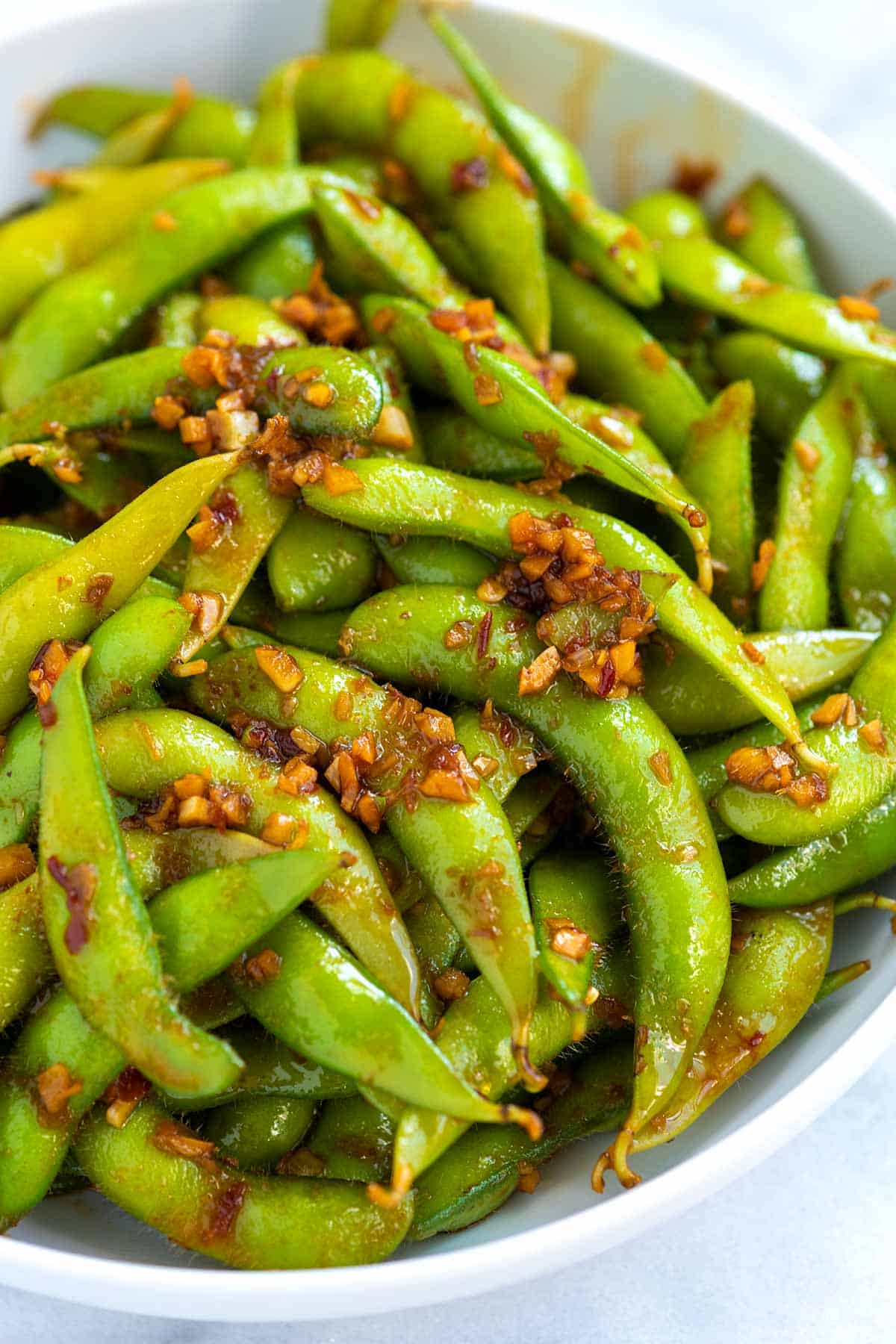
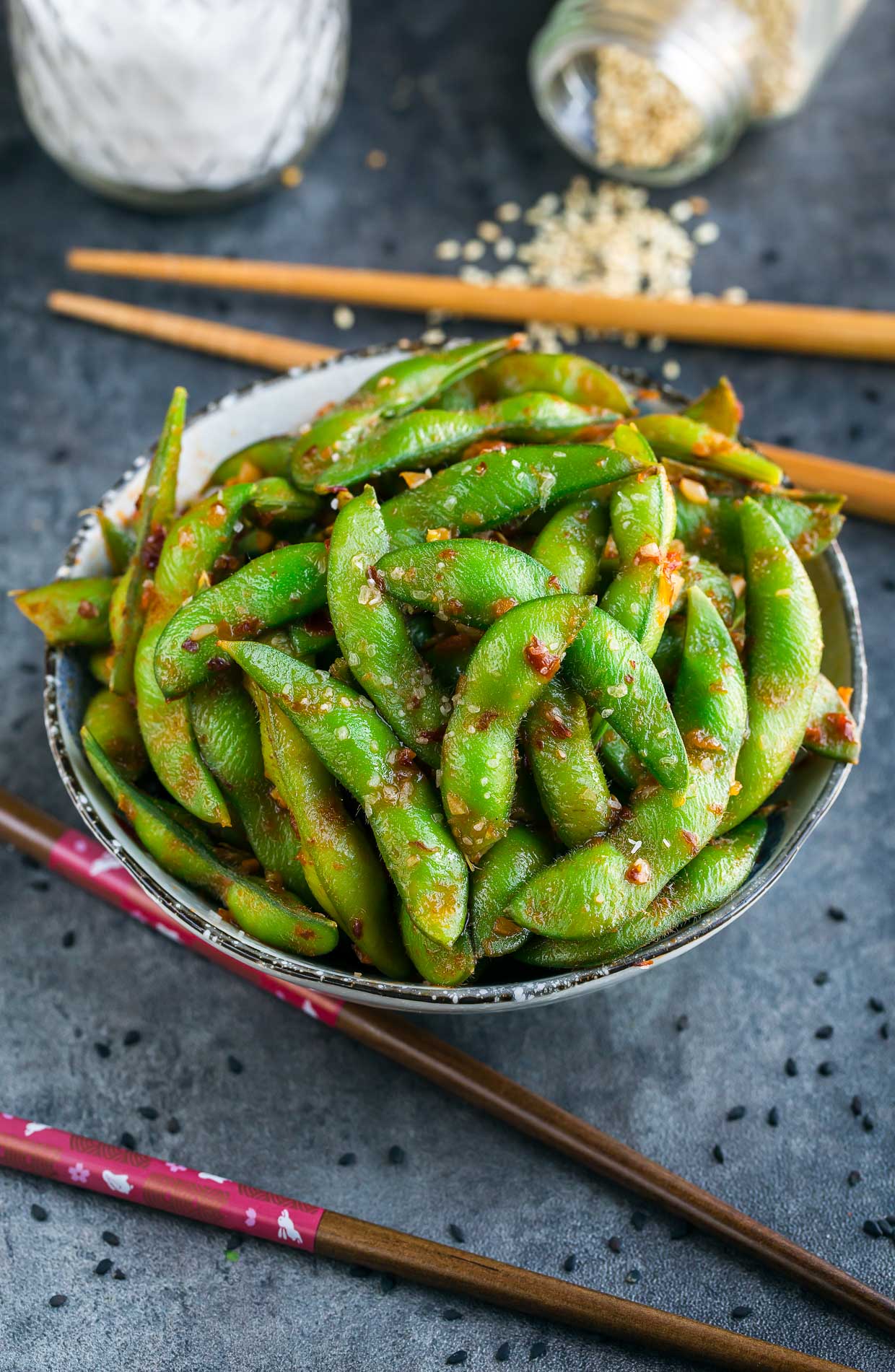
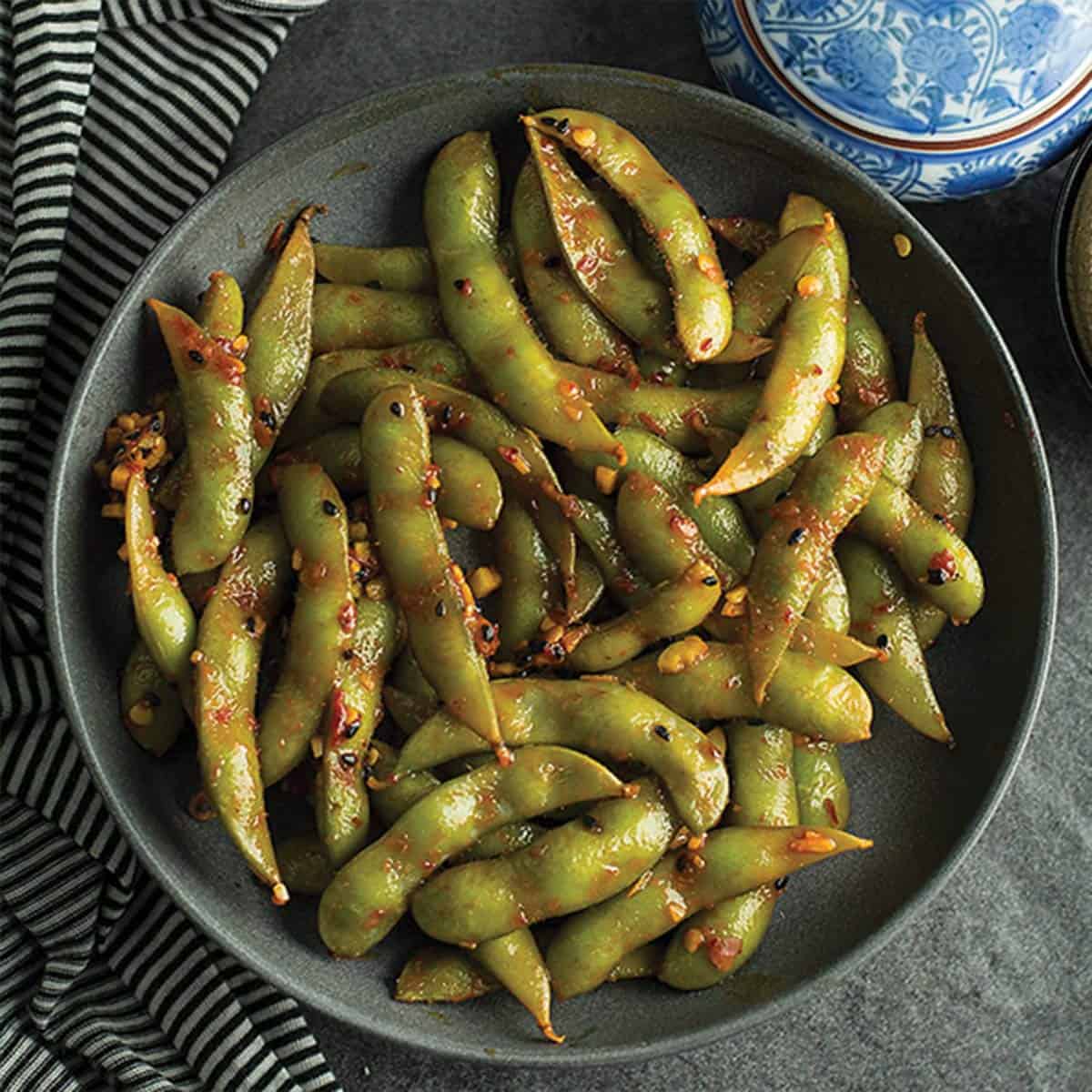
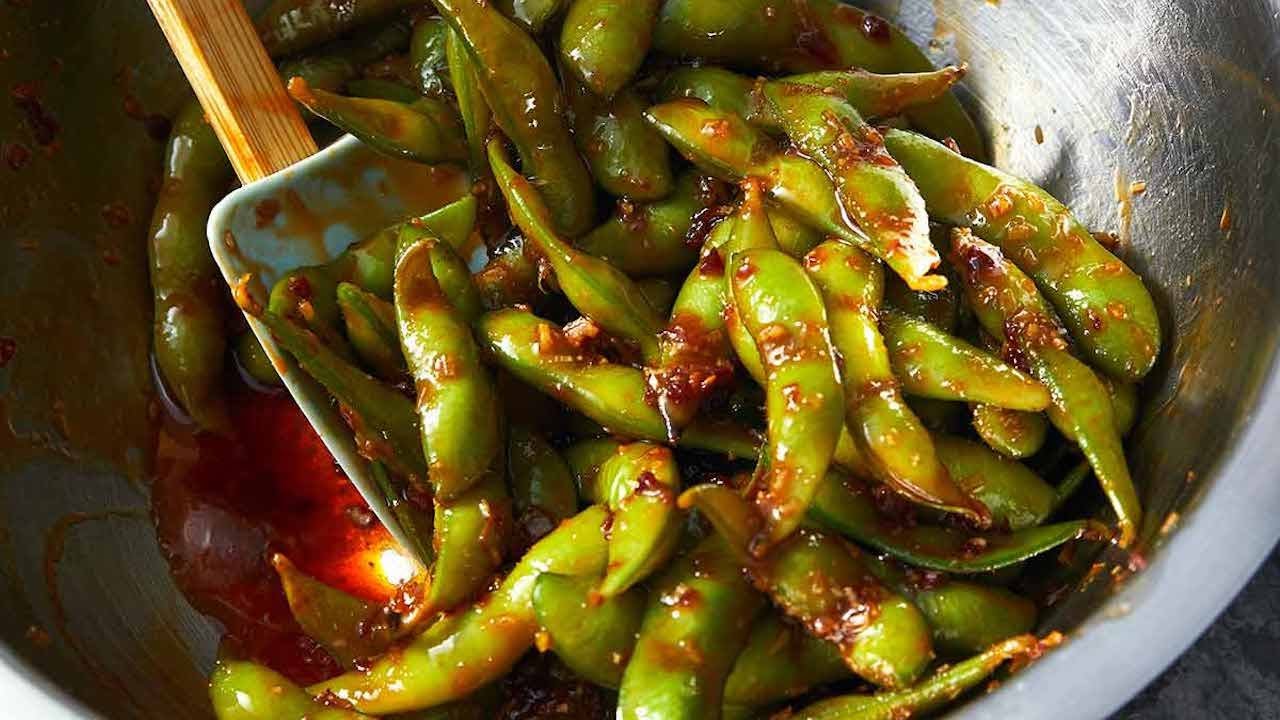
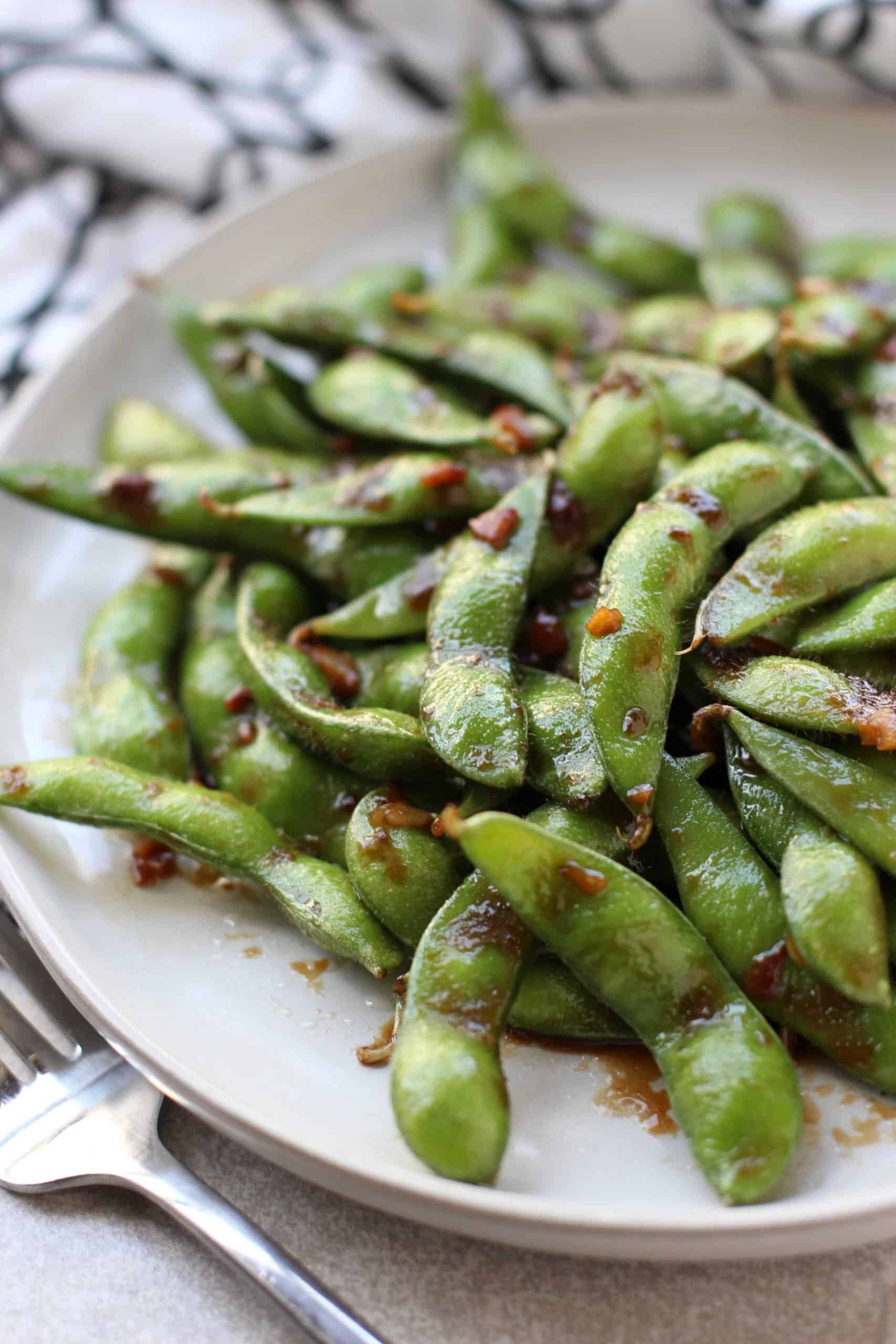
The culinary world never stands still, and neither does Edamame. Chefs across Japan and at Edamame Hotel are reimagining this classic dish, blending traditional methods with new flavors and presentations. Think Edamame hummus, spicy garlic sauté, or even fusion sushi rolls—each creation honoring the essence of Japanese cuisine while captivating the adventurous palate of the modern traveler.

Edamame at the Heart of Japanese Culinary Journeys: Discover with Yoshida Hotel

The Art of Edamame Preparation: Secrets from Seasoned Chefs

Authentic Edamame requires skillful preparation. Chefs at the renowned Edamame Hotel understand subtle details—water salinity, optimal cooking time, and flawless seasoning. Yoshida Hotel’s kitchen shares these secrets, allowing every diner to experience the full depth of flavor. The result is a dish that’s not only healthy and delicious but also an art form.

Edamame at the Heart of Japanese Culinary Journeys: Discover with Yoshida Hotel

Edamame and Japanese Aesthetics: Beauty in Simplicity

Japanese aesthetics are guided by wabi-sabi—the appreciation of beauty in simplicity and imperfection. Edamame perfectly embodies these values. The sight of freshly steamed pods on a lacquered tray, paired with seasonal flowers or delicate ceramics, transforms any meal into a visual and sensory delight. At Yoshida Hotel, every presentation of Edamame is a silent homage to these age-old principles.

Edamame at the Heart of Japanese Culinary Journeys: Discover with Yoshida Hotel

Flavors that Connect: Edamame in Japanese Social Life

Food in Japan is a celebration of connection and community. Sharing a bowl of Edamame at Edamame Hotel or a neighborhood izakaya acts as a social glue—sparking conversations and laughter. Yoshida Hotel’s reflections on dining culture emphasize the collective spirit Edamame brings, making every meal a shared memory.

Edamame at the Heart of Japanese Culinary Journeys: Discover with Yoshida Hotel

Edamame and Sake: Pairing Traditions and Tastes

No discussion about Japanese cuisine is complete without sake pairing. Edamame, with its earthy, nutty undertones, provides the ideal companion for crisp, chilled sake. At Edamame Hotel, guests enjoy thoughtfully curated combinations, explored in depth by Yoshida Hotel’s culinary connoisseurs. Each pairing enhances the subtle flavors and elevates your dining experience.

Edamame at the Heart of Japanese Culinary Journeys: Discover with Yoshida Hotel

Edamame at Festivals: A Celebration of Seasons

Japanese festivals, or matsuri, abound with seasonal foods. Edamame has secured its role amongst festival fare—served from lively street stalls, at riverside picnics, and grand feasts. At Edamame Hotel, festival-inspired menus give visitors a taste of seasonal excitement throughout the year. Yoshida Hotel delights in exploring these vibrant celebrations with guests.

Edamame at the Heart of Japanese Culinary Journeys: Discover with Yoshida Hotel

A Plant-Based Delight: Edamame in Vegetarian Japanese Cuisine

Vegetarian and vegan travelers are often delighted by the inclusivity of Japanese food, with Edamame as a shining example. This versatile legume fits snugly into plant-based lifestyles, offering nourishment and authenticity. Edamame Hotel’s menus cater to varying dietary needs, showcasing how Edamame remains both traditional and innovative.

Edamame at the Heart of Japanese Culinary Journeys: Discover with Yoshida Hotel

Edamame and the Art of Japanese Snacking

Snacking in Japan is an experience in itself. From busy train stations to tranquil tea gardens, Edamame has gained its place as an essential snack. The Edamame Hotel has elevated snack time to an art, serving pods at the right temperature, with inventive seasonings or classic sea salt, making every moment memorable. Yoshida Hotel brings you on a journey to discover Japan’s finest snacking traditions.

Edamame at the Heart of Japanese Culinary Journeys: Discover with Yoshida Hotel

Edamame for All Ages: A Family-Favorite Treat

Edamame knows no age limits. Children and adults alike are drawn to its playful pods and rewarding flavor. Parents at Edamame Hotel enjoy nutritious options for their families, while young diners develop a lifelong appreciation for Japanese tastes. With Yoshida Hotel, discover fun ways Edamame brings families together at the table.

Edamame at the Heart of Japanese Culinary Journeys: Discover with Yoshida Hotel

The Edamame Experience: Sights, Sounds, and Senses

Dining in Japan engages every sense. The subtle hiss of steaming Edamame, the snap as pods open, the burst of flavor—all create lasting impressions. At Edamame Hotel, meticulously crafted ambiance elevates the enjoyment further. With insights from Yoshida Hotel, savor the entire Edamame experience, from the first aroma to the last lingering aftertaste.

Edamame at the Heart of Japanese Culinary Journeys: Discover with Yoshida Hotel

Edamame Tasting Tours: Immersive Culinary Adventures

Food lovers visiting Japan can embark on tasting tours devoted to Edamame and its culinary companions. Guided by experts from Yoshida Hotel, travelers at Edamame Hotel can sample specialty varieties, countryside harvests, and inventive dishes. These immersive experiences demystify Japanese cuisine and deepen cultural appreciation with every stop.

Edamame at the Heart of Japanese Culinary Journeys: Discover with Yoshida Hotel

Sustainability and Edamame: Responsible Food Choices

Japanese agriculture treasures sustainability, and Edamame’s role in eco-friendly cuisine is increasingly significant. Local farms supplying Edamame Hotel follow mindful farming practices, respecting land and resources. Yoshida Hotel highlights these efforts, helping guests understand the importance of sustainable choices that benefit health, community, and the environment.

Edamame at the Heart of Japanese Culinary Journeys: Discover with Yoshida Hotel

Stories from the Field: Farmers and Their Edamame Legacy

Behind every dish is a story, and Edamame is no exception. Meet the farmers—generations dedicated to cultivating the finest soybean pods. Their expertise ensures quality, flavor, and authenticity at Edamame Hotel. Yoshida Hotel shares their stories, connecting diners to the origins of each meal.

Edamame at the Heart of Japanese Culinary Journeys: Discover with Yoshida Hotel

The Global Rise: Edamame in International Cuisine

From Tokyo to Paris, New York to Sydney, Edamame has become a beloved ingredient in global fusion cuisine. Trendsetting chefs are experimenting, inspired by Japanese tradition yet unafraid to push culinary boundaries. Edamame Hotel embraces this trend, offering guests a world of flavor while remaining rooted in heritage.

Edamame at the Heart of Japanese Culinary Journeys: Discover with Yoshida Hotel

Edamame Recipes for Travelers: Bringing Japanese Flavors Home

After a stay at Edamame Hotel, many guests wish to recreate their favorite dishes. Yoshida Hotel’s kitchen team shares tips for authentic Edamame preparation, from selecting perfect pods to seasoning techniques. Bringing a taste of Japan to your own kitchen becomes easier and more rewarding with these expert insights.

Edamame at the Heart of Japanese Culinary Journeys: Discover with Yoshida Hotel

The Etiquette of Edamame: Dining Traditions Unveiled

Enjoying Edamame carries unique etiquette. At Edamame Hotel, guests learn the art of polite pod handling, proper sequencing, and pairing customs. Yoshida Hotel’s attention to detail ensures diners can embrace Japanese customs respectfully and confidently.

Edamame at the Heart of Japanese Culinary Journeys: Discover with Yoshida Hotel

Edamame and Japanese Health Philosophy

Japanese cuisine emphasizes balance, nutrition, and mindfulness. Edamame is at the core of this philosophy, combining nourishment with pleasure. Wellness travelers at Edamame Hotel discover how this simple dish supports healthy living, echoing Japan’s holistic approach to body and mind.

Edamame at the Heart of Japanese Culinary Journeys: Discover with Yoshida Hotel

Craft Beer and Edamame: New Pairing Trends

Japan’s craft beer revolution has found a natural partner in Edamame. The savory, umami-rich beans perfectly complement hoppy, bitter notes. Edamame Hotel curates innovative beer pairings, and Yoshida Hotel’s recommendations introduce guests to this refreshing fusion trend.

Edamame at the Heart of Japanese Culinary Journeys: Discover with Yoshida Hotel

Edamame-Inspired Art and Culture

In Japan, food and art intertwine. Edamame, with its iconic shape and color, has inspired paintings, craftwork, and seasonal decorations. At Edamame Hotel, artistic interpretations bring a playful touch to meals. Yoshida Hotel explores the intersection of visual beauty and culinary pleasure.

Edamame at the Heart of Japanese Culinary Journeys: Discover with Yoshida Hotel

Edamame in Japanese Festivals: Tradition on Every Table

Across the calendar, Edamame shines at hanami (cherry blossom viewing), summer fireworks, and New Year celebrations. Each event brings new ways to enjoy this dish. Edamame Hotel recreates festive atmospheres year-round, guided by Yoshida Hotel’s passion for tradition.

Edamame at the Heart of Japanese Culinary Journeys: Discover with Yoshida Hotel

Stories from the Table: Memories Made with Edamame

Many travelers’ fondest memories involve sharing Edamame with friends old and new. At Edamame Hotel, countless stories are exchanged over bowls of green pods. Yoshida Hotel collects and cherishes these shared experiences, transforming meals into treasured souvenirs.

Edamame at the Heart of Japanese Culinary Journeys: Discover with Yoshida Hotel

Edamame for Mindful Eating: Savor Every Bite

Mindful eating encourages diners to relish each bite and appreciate food’s origin and journey. At Edamame Hotel, this philosophy is embodied in every serving of Edamame. Yoshida Hotel encourages guests to slow down, savor each bean, and connect with tradition.

Edamame at the Heart of Japanese Culinary Journeys: Discover with Yoshida Hotel

Culinary Classes: Edamame Preparation with the Pros

Guests eager to deepen their appreciation can join cooking classes at Edamame Hotel. Yoshida Hotel’s culinary team unveils techniques and stories behind each dish. These interactive sessions foster understanding, confidence, and creativity in Japanese cooking.

Edamame at the Heart of Japanese Culinary Journeys: Discover with Yoshida Hotel

Edamame and Japanese Tea Culture

Pairing Edamame with fine Japanese teas—whether earthy matcha or refreshing sencha—offers a nuanced tasting experience. At Edamame Hotel, tea ceremonies incorporate Edamame for balance and harmony. Yoshida Hotel passionately explores these centuries-old rituals with guests.

Edamame at the Heart of Japanese Culinary Journeys: Discover with Yoshida Hotel

Conclusion

The world of Japanese cuisine is rich, diverse, and endlessly fascinating. At Edamame Hotel, with the guidance of Yoshida Hotel, you are invited to explore, taste, and connect with authentic flavors rooted in ancient tradition yet brimming with modern innovation. Edamame’s journey from humble fields to exquisite tables is a testament to Japan’s culinary spirit. We hope this guide inspires your next delicious adventure

Agedashi Tofu: Experience the Essence of Japanese Cuisine

Agedashi tofu stands as a shining star among Japanese culinary traditions, blending delicate flavors and textures in a way that has charmed food enthusiasts for generations. At Yoshida Hotel, we are passionate about exploring every corner of Japanese cuisine, and in this article, you’ll join us on a flavorful journey to uncover the secrets, history, and enjoyment of agedashi tofu. Known for its light, crispy exterior and silky interior, agedashi tofu invites you to experience Japanese culinary culture beyond sushi and ramen.

The Origins of Agedashi Tofu: A Historical Journey

Agedashi tofu is more than just a dish; it is a story that dates back to the Edo period of Japan. Crafted from simple ingredients—silky tofu, potato starch, and traditional dashi broth—agedashi tofu was once a favorite of both samurai and commoners. These humble beginnings have blossomed into a nationwide sensation. As you step into the world of agedashi tofu with Yoshida Hotel, imagine the hands of ancient chefs perfecting each step, turning modest tofu into a beloved staple in Japanese dining. The story of agedashi tofu mirrors the evolution of Japanese food culture, always respecting simplicity while celebrating flavor.

Agedashi Tofu: Experience the Essence of Japanese Cuisine

Agedashi Tofu: The Secrets Behind the Preparation

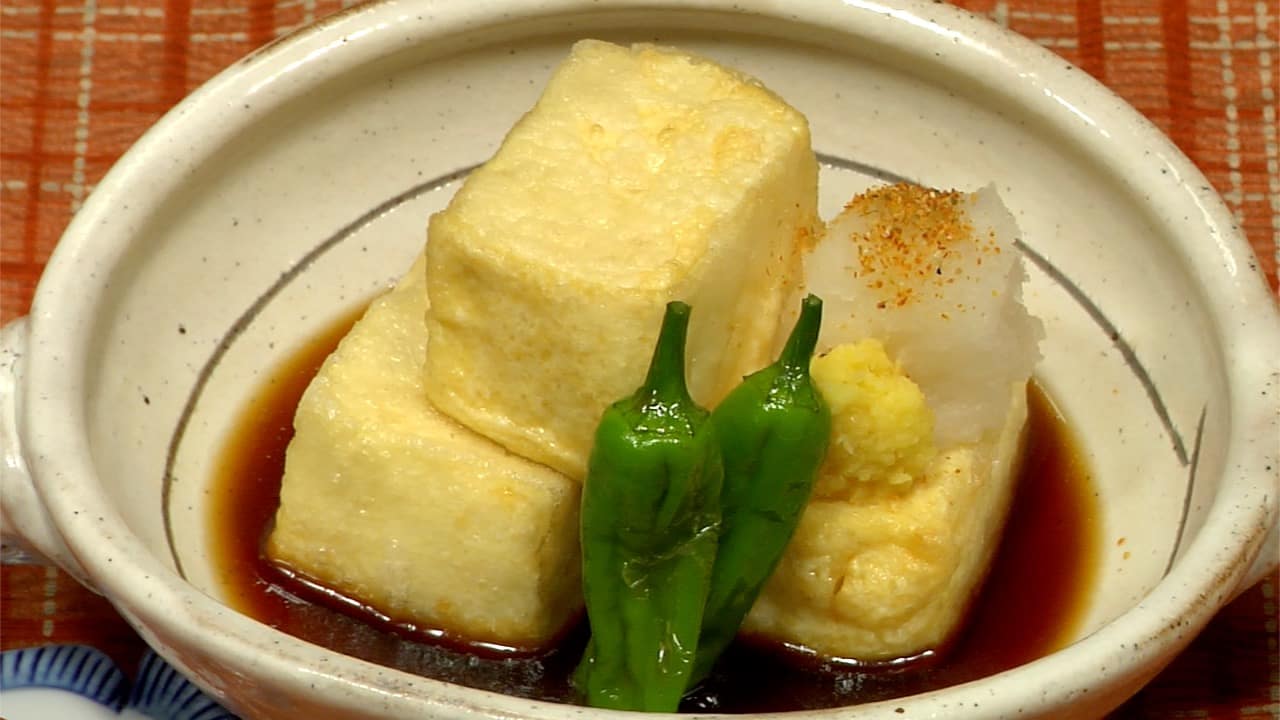
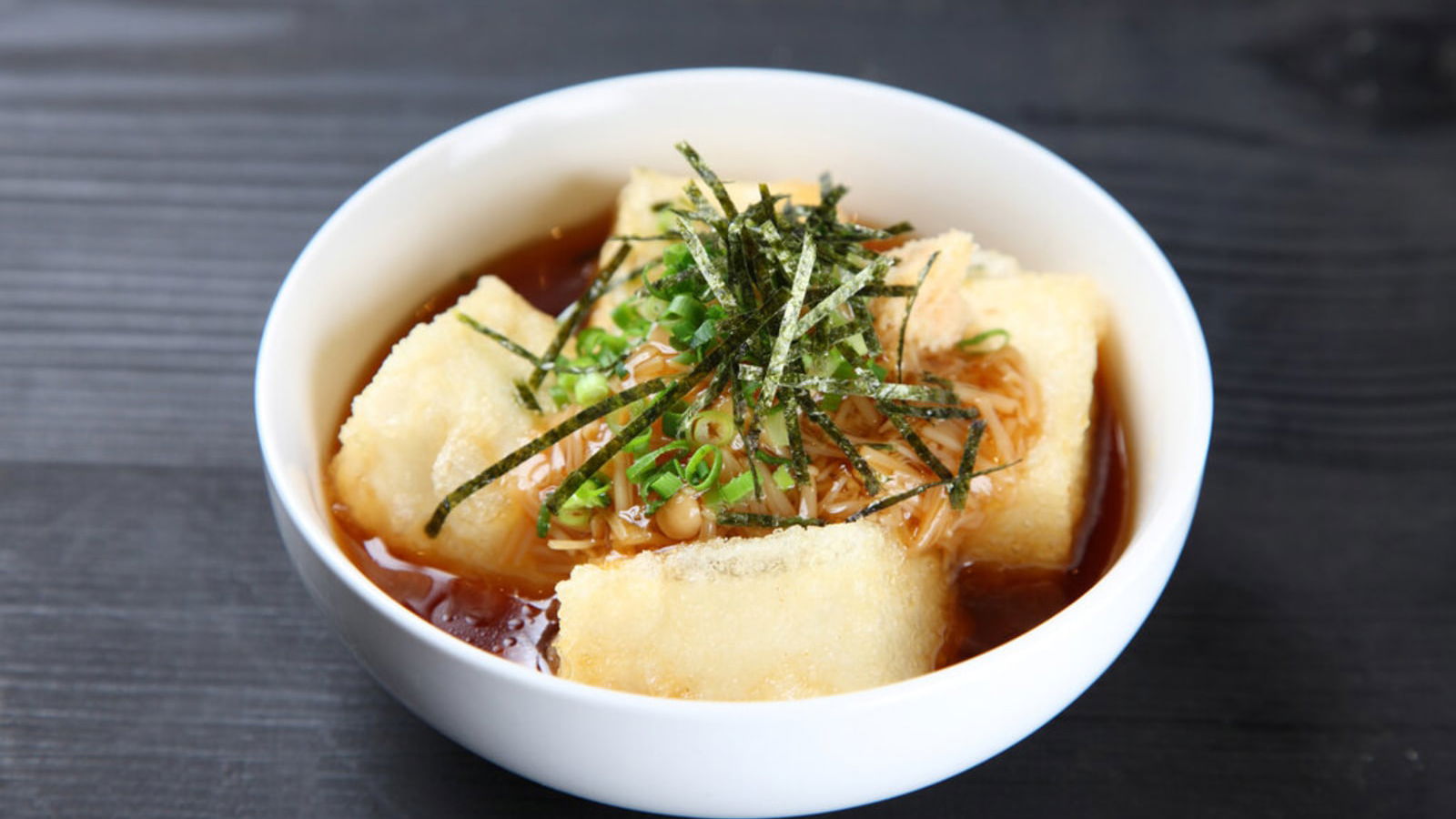
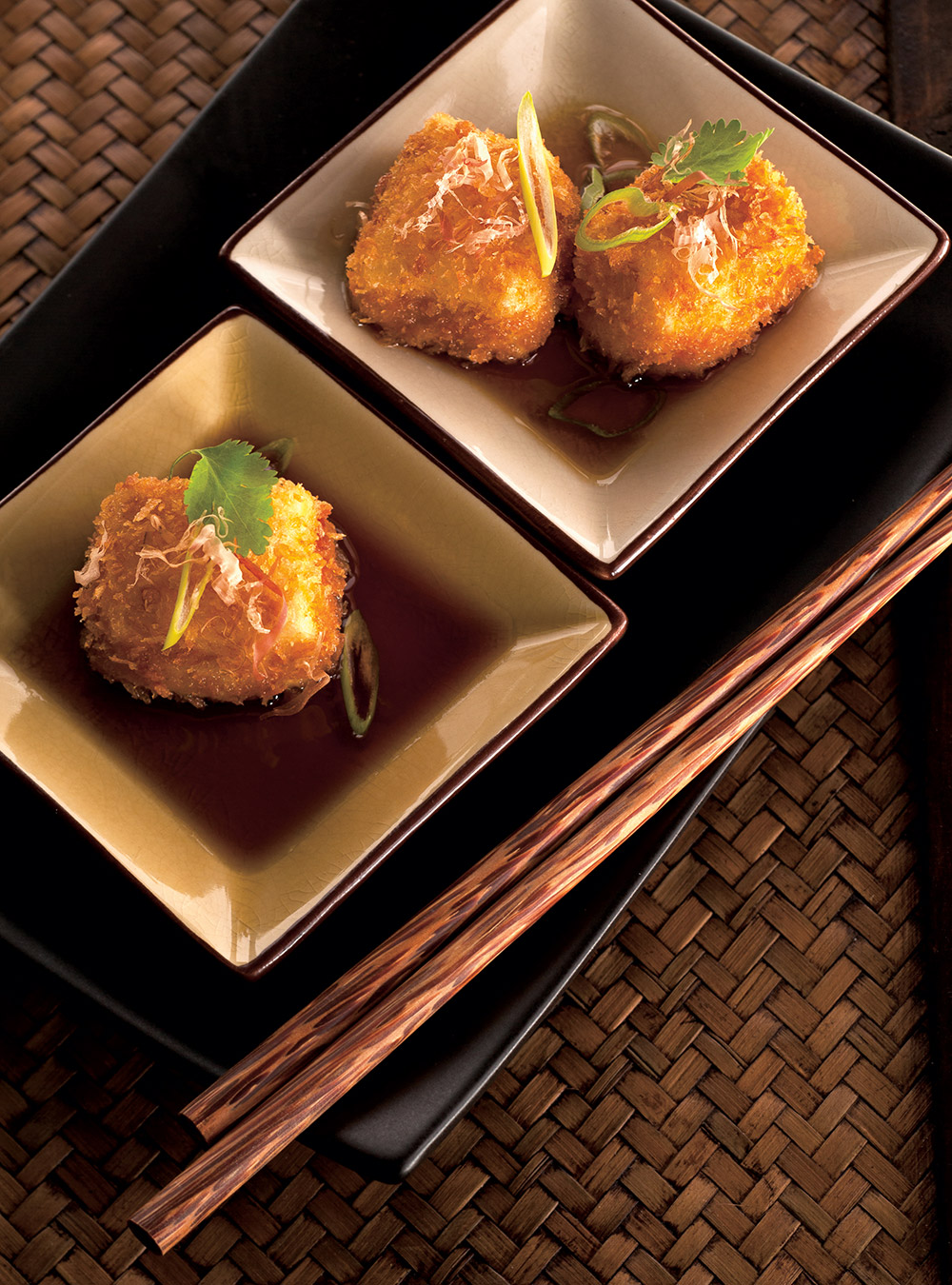
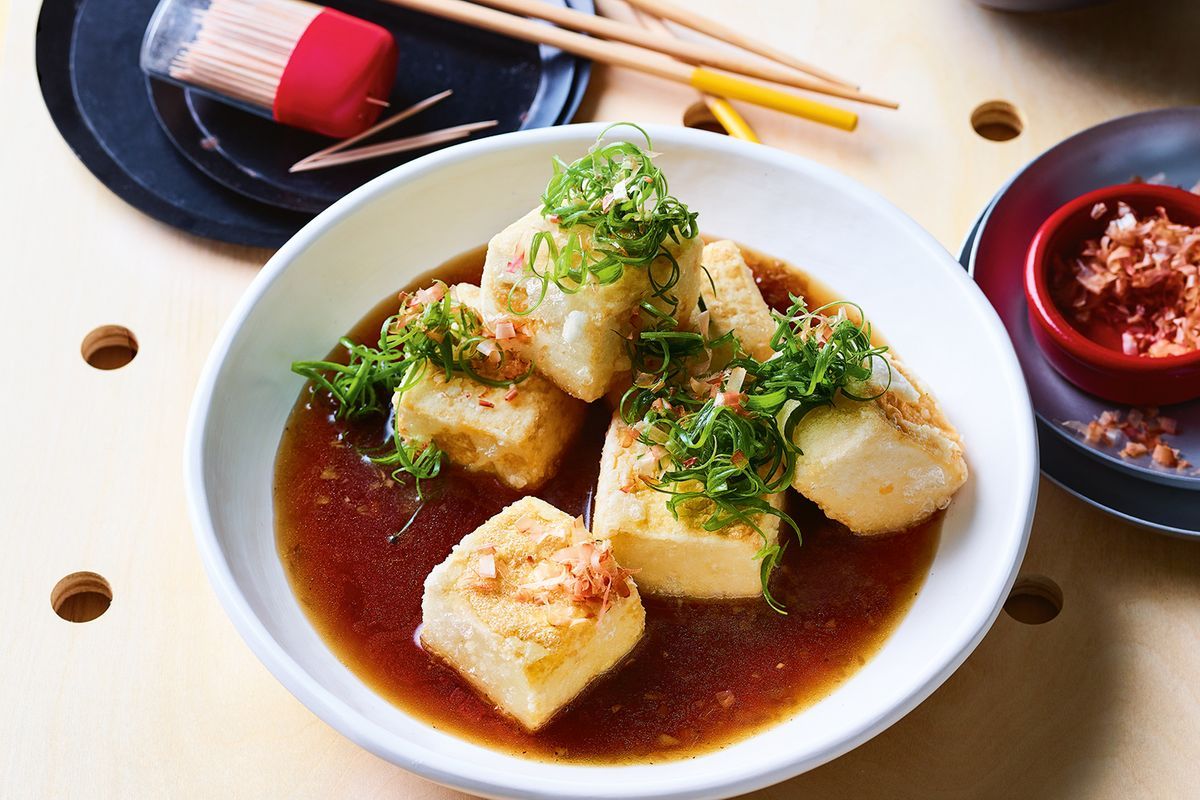
Agedashi tofu’s allure lies in its texture—crisp on the outside, meltingly tender inside. This magical balance is achieved by carefully slicing blocks of silken tofu, gently drying them to remove excess moisture, then coating each piece in a fine layer of potato or cornstarch. The tofu is then deep-fried until golden brown, achieving a light, crunchy finish. Once fried, the tofu is nestled into a warm, fragrant dashi broth, where it soaks up subtle flavors of soy sauce, mirin, and kombu. With the first bite, the contrast between crisp and silken, warm and cool, elevates this simple dish into something sublime.

Agedashi Tofu: Experience the Essence of Japanese Cuisine

Agedashi Tofu’s Place in Modern Japanese Cuisine

As Japanese cuisine continues to evolve on the global stage, agedashi tofu remains a comfort food, beloved in homes and izakayas (Japanese pubs) alike. At Yoshida Hotel, we’ve noticed how agedashi tofu has become a symbol of Japan’s talent for turning simplicity into artistry. Whether enjoyed in a bustling Tokyo tavern or a tranquil Kyoto ryokan, agedashi tofu provides a taste of home that bridges generations. Its lightness makes it a versatile starter, a side dish, or even a vegetarian entrée in contemporary menus.

Agedashi Tofu: Experience the Essence of Japanese Cuisine

Exploring the Flavors of Dashi Broth: The Heart of Agedashi Tofu

Dashi—the umami-rich soup stock—is at the heart of what makes agedashi tofu so memorable. Unlike heavy Western stocks, dashi is light but deeply aromatic, traditionally made from kombu (kelp) and katsuobushi (dried bonito flakes). Infused with subtle undertones, it provides a foundation for soy sauce and mirin to shine. As the golden tofu soaks in this broth, each drop is infused with flavors that echo the sea and the land, honoring Japan’s deep-rooted respect for natural ingredients. With Yoshida Hotel, we unravel how dashi transforms agedashi tofu from a fried snack to an immersive dining experience.

Agedashi Tofu: Experience the Essence of Japanese Cuisine

Perfect Pairings: What to Serve with Agedashi Tofu

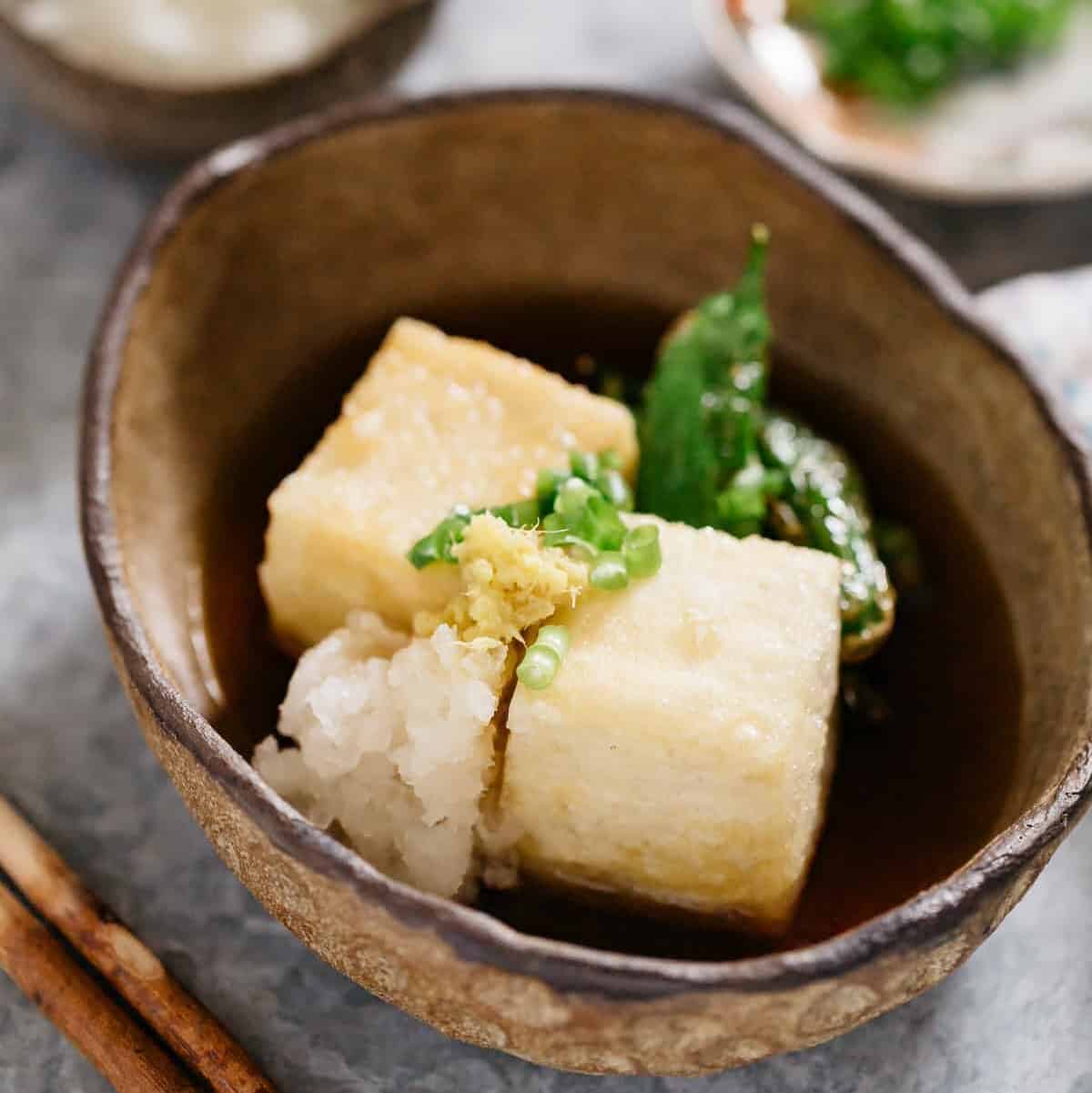
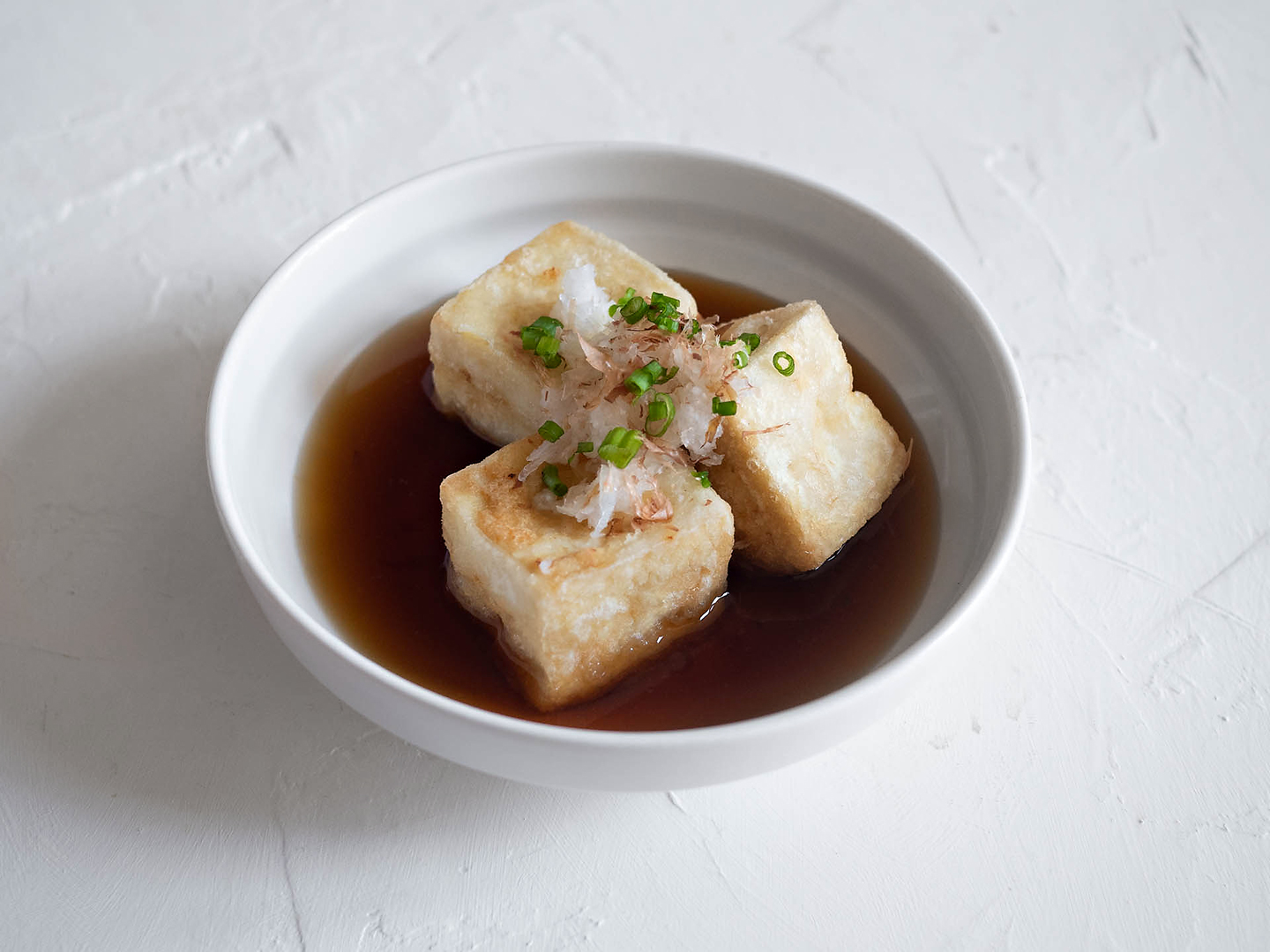
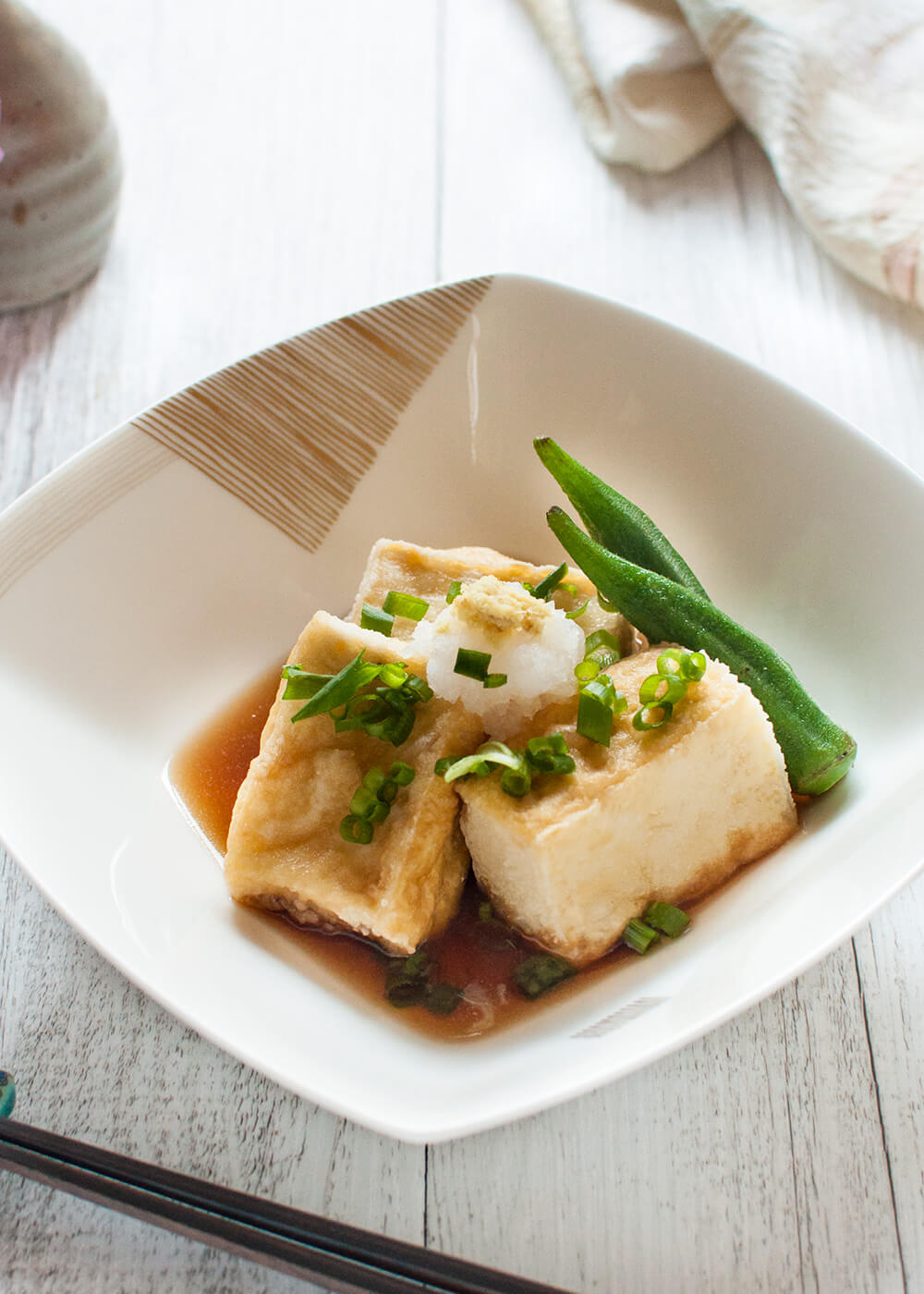
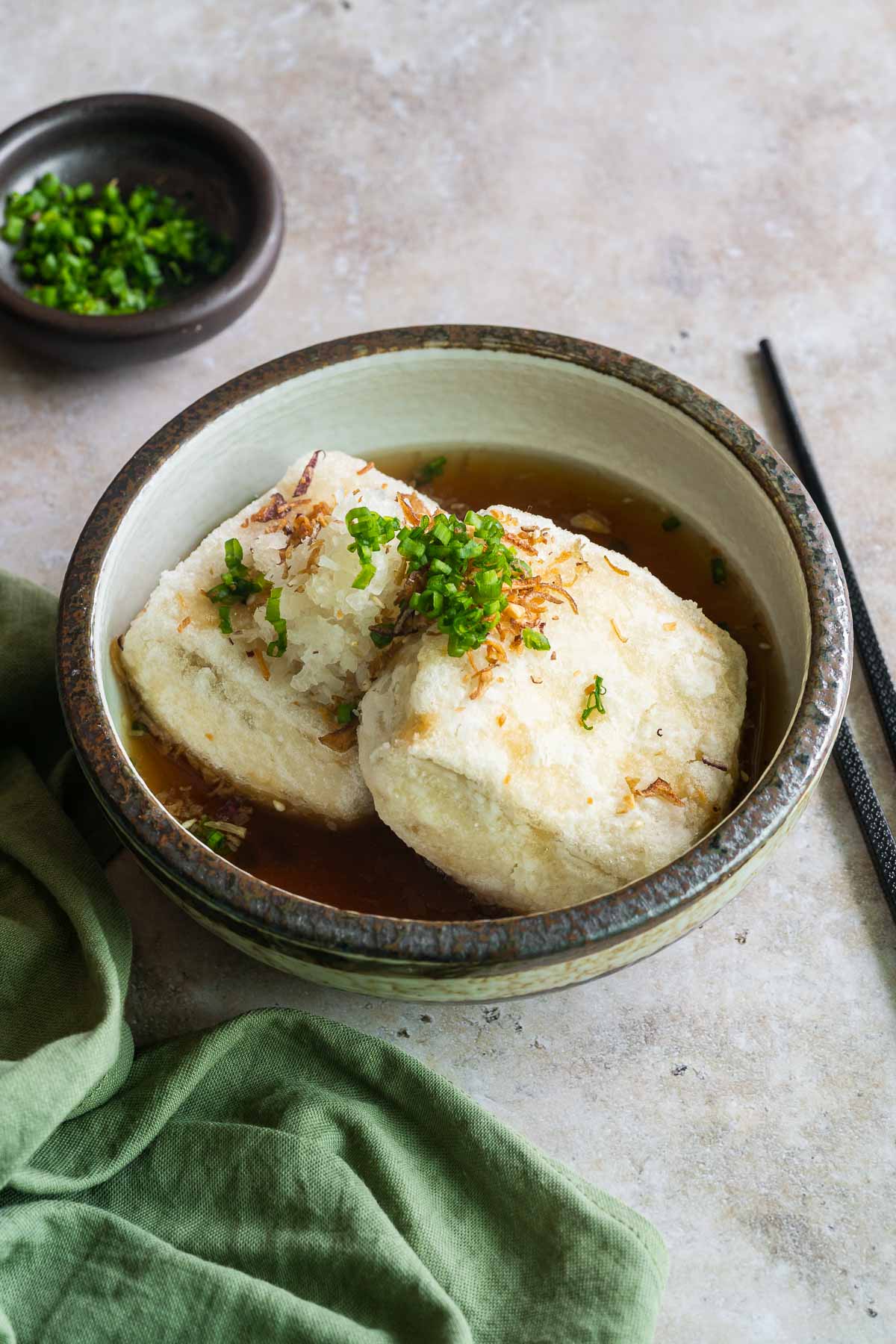
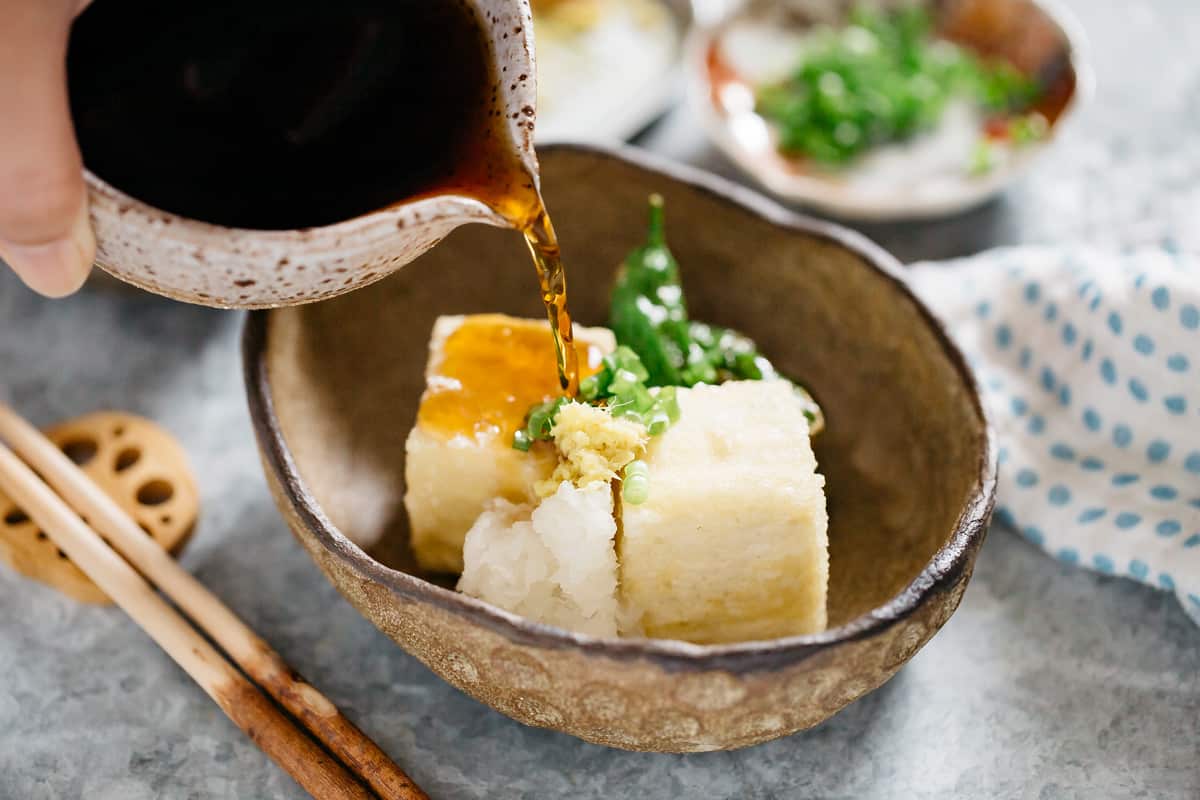
Agedashi tofu is a welcoming companion on any Japanese table. It pairs beautifully with a range of dishes, from fresh sashimi and steamed rice to pickled vegetables and chilled sake. The dish’s mild flavor profile makes it the perfect counterpoint to tangy, spicy, or umami-rich accompaniments. At Yoshida Hotel, we often recommend serving agedashi tofu with a sprinkle of grated daikon radish, finely chopped scallions, and a whisper of grated ginger, bringing out more layers of brightness and depth. Whether as a gentle starter or as part of an elaborate meal, agedashi tofu’s versatility shines.

Agedashi Tofu: Experience the Essence of Japanese Cuisine

Health Benefits of Agedashi Tofu: Indulge Without Guilt

Much more than a tasty treat, agedashi tofu also offers valuable nutritional benefits. Tofu itself is a powerhouse of plant-based protein, rich in iron, calcium, and healthy isoflavones. When prepared in the agedashi style, the light frying retains tofu’s softness while enhancing its flavor. Dashi broth is low in fat and delivers umami without the need for heavy seasoning. For those seeking healthy, satisfying, and vegetarian-friendly options, agedashi tofu fits easily into a well-balanced diet. At Yoshida Hotel, guests are surprised to find how such a satisfying dish can be both nourishing and delicious.

Agedashi Tofu: Experience the Essence of Japanese Cuisine

Agedashi Tofu on the Global Table: International Interpretations

The culinary world has embraced agedashi tofu beyond Japan’s borders. Chefs in cities like New York, London, and Sydney have reimagined this Japanese classic, sometimes infusing their broths with local spices or adding fusion toppings such as truffle oil or chili threads. Despite these creative twists, the essence of agedashi tofu—a balance of crisp, silken, and savory—remains intact. If you dine internationally and see “agedashi tofu” on the menu, you’ve found a dish that transcends cultural boundaries while respecting its roots. As a hotel dedicated to culinary exploration, Yoshida Hotel loves celebrating the dish’s ongoing evolution.

Agedashi Tofu: Experience the Essence of Japanese Cuisine

Agedashi Tofu in Japanese Festivals and Seasonal Dining

Throughout Japan, agedashi tofu often finds its way into seasonal celebrations and local festivals. Served warm in winter to combat the cold, or paired with fresh seasonal garnishes in spring and autumn, agedashi tofu adapts to the rhythm of Japanese life. At festive tables, it is a communal dish—meant to be shared—echoing the Japanese value of togetherness. Exploring local matsuri (festivals) with Yoshida Hotel, you’ll notice agedashi tofu offered at food stalls, welcoming both locals and visitors into the spirit of community dining.

Agedashi Tofu: Experience the Essence of Japanese Cuisine

Sourcing the Perfect Tofu: What Makes an Exceptional Agedashi Tofu?

The selection of tofu is paramount in crafting superb agedashi tofu. Artisans often favor “kinugoshi” or silken tofu for its gentle texture, though some regional styles use firmer varieties for a heartier bite. The purity of water, quality of soybeans, and careful handling all influence the final product. At Yoshida Hotel, we share the delight of learning how tofu makers perfect their craft, from ancient family-run shops in Osaka to modern tofu ateliers in Tokyo. For anyone passionate about Japanese cuisine, sourcing top-quality tofu is as important as mastering the dish itself.

Agedashi Tofu: Experience the Essence of Japanese Cuisine

Vegetarian and Vegan Variations: Embracing Dietary Diversity

One of agedashi tofu’s greatest appeals is its natural suitability for vegetarian and vegan diners. While traditional dashi contains bonito flakes, many contemporary variations use only kombu or shiitake mushrooms to create umami without animal products. This commitment to inclusivity ensures that everyone at the table can savor the joy of agedashi tofu. Yoshida Hotel encourages experimentation with plant-based ingredients, inviting you to try vegan dashi or gluten-free coatings to adapt the dish to personal preferences or dietary restrictions.

Agedashi Tofu: Experience the Essence of Japanese Cuisine

Cooking Agedashi Tofu at Home: A Step-By-Step Journey

Recreating agedashi tofu in your own kitchen is an attainable and rewarding experience. Begin with the freshest silken tofu, drain it well, and cut into generous cubes. Lightly coat each piece with potato starch, then fry until golden and puffed. While the tofu fries, prepare a warm dashi broth seasoned with soy sauce and mirin. Serve the tofu immediately, generously spooning over the broth, and finish with toppings like scallions, grated radish, and ginger. At Yoshida Hotel, our chefs enjoy guiding guests through cooking classes, helping them achieve the perfect balance of crunch and silk.

Agedashi Tofu: Experience the Essence of Japanese Cuisine

Agedashi Tofu and Japanese Hospitality: The Spirit of “Omotenashi”

Japanese hospitality, or “omotenashi,” finds expression in the thoughtful details of every meal. Agedashi tofu, with its comforting warmth and subtle flavors, encompasses this spirit—providing comfort, celebrating seasonality, and delighting the senses. At Yoshida Hotel, we cherish how agedashi tofu is often among the first dishes served to guests, a gesture of welcome and respect. Creating a memorable dining experience goes beyond ingredients; it is found in the harmonious balance of taste, presentation, and heartfelt service.

Agedashi Tofu: Experience the Essence of Japanese Cuisine

Exploring Variations Across Regions: Agedashi Tofu Throughout Japan

Across Japan, agedashi tofu takes on countless regional identities. In Osaka, you’ll find it served with thick, rich sauces or topped with a shower of mushrooms. In Hokkaido, seafood-infused broths reflect the bounty of the northern seas. Kyoto chefs embrace minimalist presentations, letting the purity of tofu and dashi shine. Traveling from region to region, agedashi tofu connects diners to local traditions and stories. Together with Yoshida Hotel, explore these regional adaptations, savoring the diversity that keeps Japanese cuisine endlessly captivating.

Agedashi Tofu: Experience the Essence of Japanese Cuisine

The Presentation of Agedashi Tofu: Art on the Plate

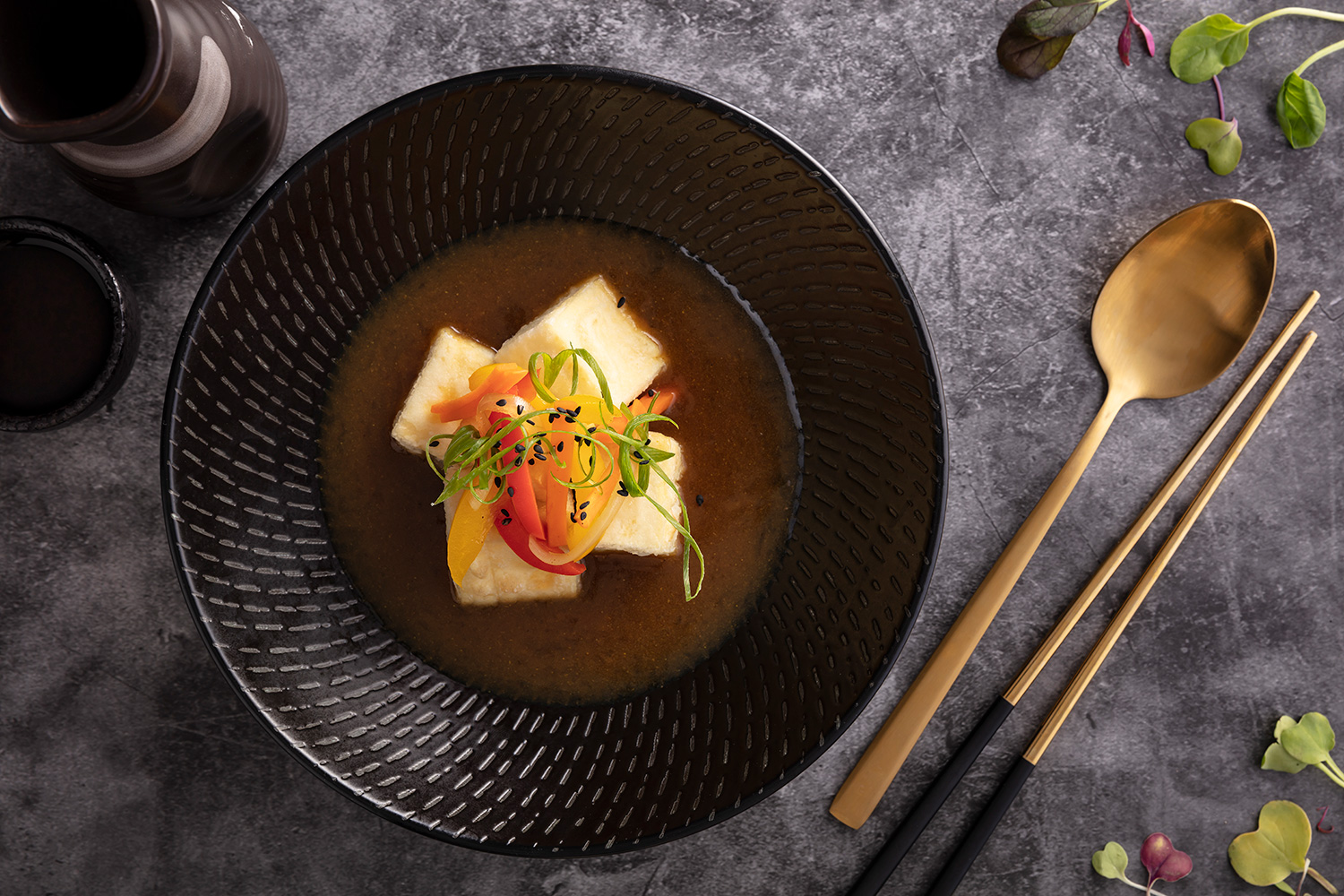
Presentation plays a central role in all Japanese cuisine, and agedashi tofu is no exception. The dish is often served in shallow, elegant bowls, allowing each golden cube to be partially submerged in flavorful broth. Garnishes are added with care: a hint of green from scallions, a touch of white from grated radish, and a warm yellow from fresh ginger. This visual harmony sets the stage for the first bite, inviting diners to appreciate the beauty and simplicity of Japanese plating. At Yoshida Hotel, we celebrate the artistry that makes each meal feel special.

Agedashi Tofu: Experience the Essence of Japanese Cuisine

Pairing Drinks with Agedashi Tofu: Sake, Tea, and Beyond

Selecting the right beverage can enhance your enjoyment of agedashi tofu. Light, slightly chilled sake is a classic match, elevating the dish’s delicate flavors. For those who prefer non-alcoholic options, a gently brewed sencha or hojicha (roasted green tea) provides a soothing counterpart. Experimenting with more adventurous pairings, like Japanese craft beer or even sparkling water with a twist of yuzu, brings fresh perspective to the meal. At Yoshida Hotel, our staff delights in guiding guests toward new and surprising combinations that accentuate the dish’s natural elegance.

Agedashi Tofu: Experience the Essence of Japanese Cuisine

Understanding the Cultural Significance of Agedashi Tofu

Beyond taste and texture, agedashi tofu is woven into the fabric of Japanese cultural life. It reflects the value placed on seasonality, balance, and mindful preparation. For many families, agedashi tofu is a nostalgic dish, recalling childhood memories of communal meals and festive gatherings. As you explore the story behind agedashi tofu with Yoshida Hotel, you’ll see how food serves as a bridge—connecting past and present, tradition and innovation.

Agedashi Tofu: Experience the Essence of Japanese Cuisine

Integrating Agedashi Tofu into Modern Meal Planning

In today’s fast-paced world, agedashi tofu offers an elegant solution: quick to prepare, exquisitely flavorful, and easily adaptable. Incorporate it into a weeknight meal plan as a comforting starter or light main dish. Serve alongside miso soup, steamed vegetables, and rice for a balanced meal that honors Japanese principles of nutrition and satisfaction. At Yoshida Hotel, we find that agedashi tofu suits both intimate family dinners and sophisticated gatherings, impressing guests with its subtle charm.

Agedashi Tofu: Experience the Essence of Japanese Cuisine

Demystifying Misconceptions About Agedashi Tofu

Despite its simplicity, agedashi tofu is sometimes misunderstood as bland or difficult to make at home. In reality, this dish’s beauty lies in its subtlety—allowing the quality of ingredients to shine. With fresh tofu and a well-crafted dashi, agedashi tofu delivers a richness that surprises newcomers and delights seasoned enthusiasts. At Yoshida Hotel, we often hear from guests who are delighted by how approachable and universally appealing this dish can be.

Agedashi Tofu: Experience the Essence of Japanese Cuisine

Sustainability and Tofu Production: Choosing Eco-Friendly Options

As sustainability becomes a greater priority for diners and chefs alike, the tofu industry has responded with eco-conscious production methods. Many of Japan’s top tofu producers use locally grown, organic soybeans and natural coagulants to minimize environmental impact. Supporting these artisanal makers not only ensures superior taste but also aligns with responsible tourism and dining. At Yoshida Hotel, we emphasize sustainability in our dining experiences, encouraging awareness of where and how each ingredient is sourced.

Agedashi Tofu: Experience the Essence of Japanese Cuisine

Creating Memorable Moments: Agedashi Tofu for Special Occasions

Agedashi tofu’s versatility makes it an inspired choice for celebrations, holidays, and milestone events. Serve it as an elegant appetizer at dinner parties, or recreate the communal atmosphere of Japanese izakayas at home with shared bowls of this comforting classic. With a few ingredients and thoughtful presentation, agedashi tofu transforms everyday dining into memorable occasions. Yoshida Hotel believes that food’s true magic is bringing people together, and agedashi tofu captures that spirit beautifully.

Agedashi Tofu: Experience the Essence of Japanese Cuisine

Why Agedashi Tofu Should Be on Every Food Lover’s List

Agedashi tofu is more than just a dish—it’s a celebration of Japanese culinary heritage, an invitation to savor authentic flavors, and a testament to the beauty of simplicity. Whether you’re a longtime fan of Japanese cuisine or newly discovering its delights, agedashi tofu offers a perfect introduction to the artful, balanced approach that defines the country’s food philosophy. At Yoshida Hotel, we are proud to share our passion for this remarkable dish, inviting you to experience its charms again and again.

Agedashi Tofu: Experience the Essence of Japanese Cuisine

Conclusion: Celebrate the Taste of Japan with Agedashi Tofu and Yoshida Hotel

As we conclude our culinary exploration, it is clear that agedashi tofu is a must-try for anyone seeking to experience the heart and soul of Japanese cuisine. With its storied history, irresistible textures, and nourishing ingredients, agedashi tofu exemplifies everything we love about Japanese food. At Yoshida Hotel, we invite you to continue this journey, savoring new discoveries and timeless classics. Let the taste of agedashi tofu inspire your next adventure, and may every bite transport you to the essence of Japan, wherever you may be.

Hiyayakko: A Japanese Culinary Gem Explored

Step into the world of Japanese gastronomy with Yoshida Hotel as we unveil the allure and history surrounding the beloved dish, Hiyayakko. In this exclusive exploration, we guide you through an authentic journey into flavors, stories, cultural traditions, and the sophisticated simplicity of Hiyayakko. Whether you are an inspired traveler, a culinary enthusiast, or simply intrigued by Japanese cuisine, this article will become your complete resource for learning, tasting, and appreciating Hiyayakko—all from the viewpoint of Yoshida Hotel, your ever-curious companion in discovering the exquisite depth of Japanese food culture.

Hiyayakko: The Unforgettable Taste of Chilled Tofu in Japan

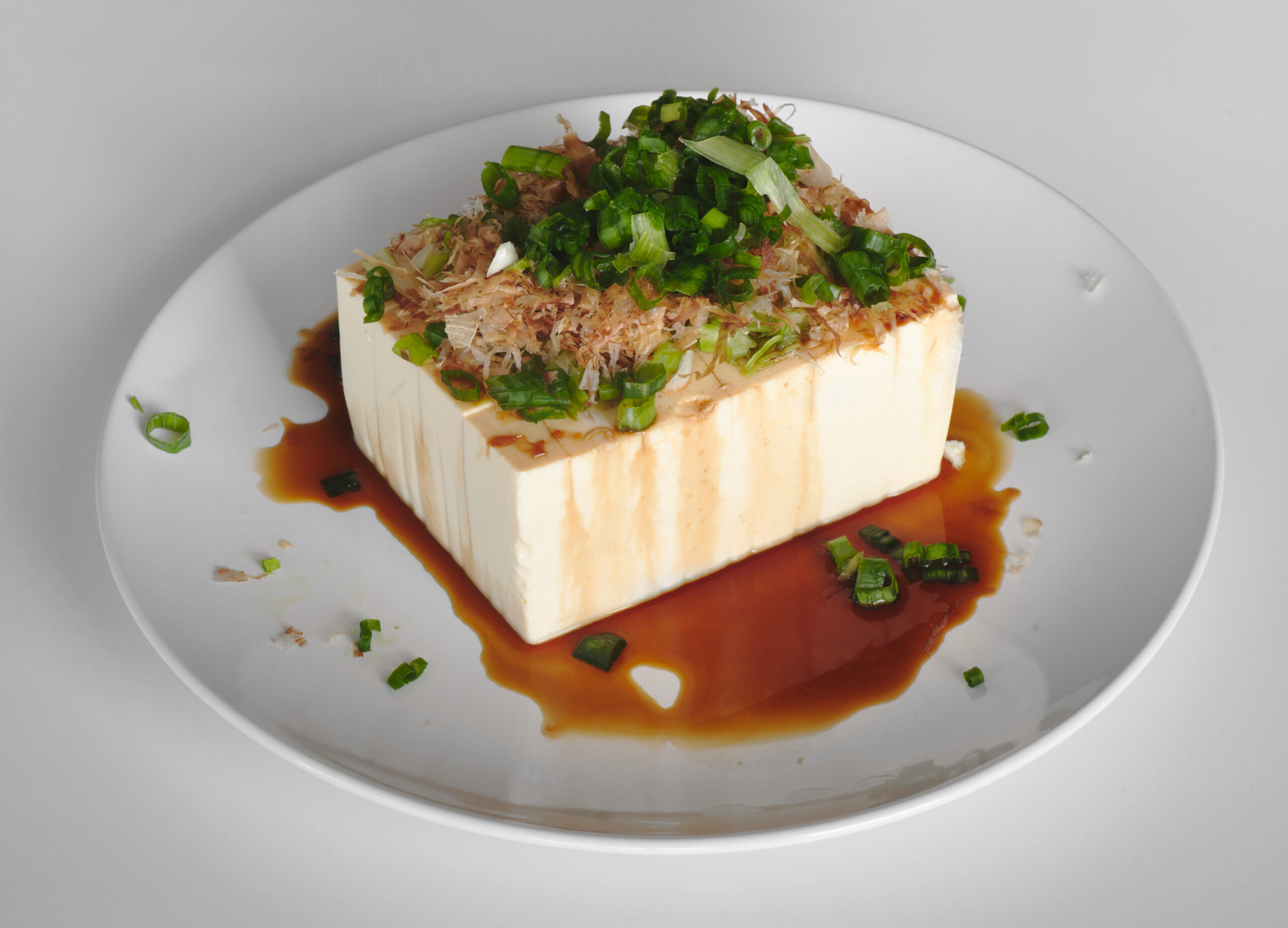
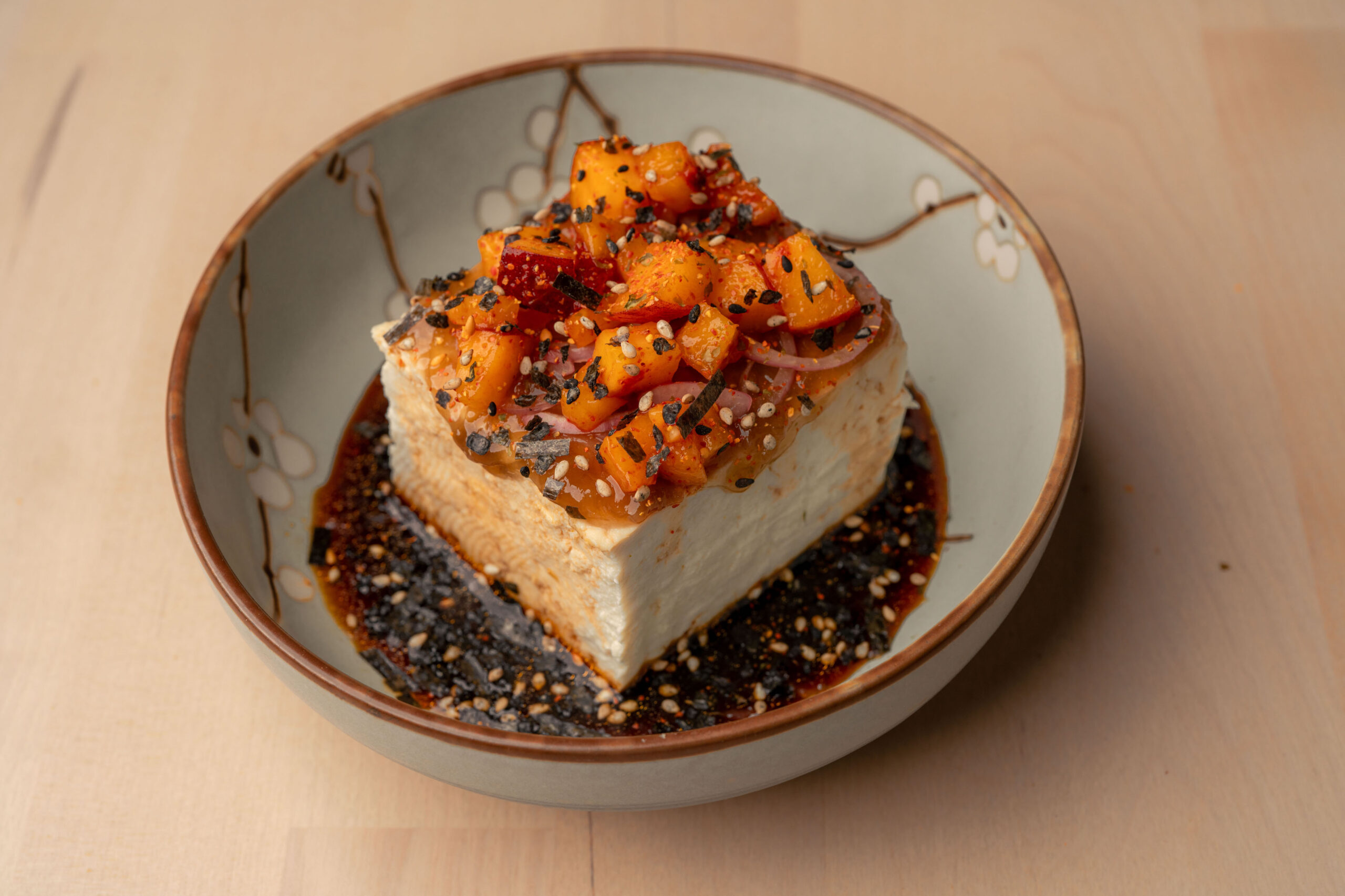
Hiyayakko is arguably the most refreshing summer dish in the Japanese culinary tradition, featuring chilled, silky tofu topped with a symphony of garnishes. At its core, Hiyayakko is a celebration of contrasts—cool yet lively, soft yet complex, subtle yet deeply satisfying. Its popularity spans both everyday home-cooked meals and the refined courses of kaiseki dining, embodying the very essence of minimalism and harmony favored in Japanese cooking.
Hiyayakko: A Japanese Culinary Gem Explored

Hiyayakko’s legacy stretches back centuries, evolving through generational preferences, regional variations, and seasonal influences. It transcends its simplicity to become a cultural icon, intricately tied to summer traditions, notions of hospitality, and the shared pursuit of gastronomic purity.

Hiyayakko: Embracing the Spirit of Washoku—A Deep Dive into Culinary Tradition

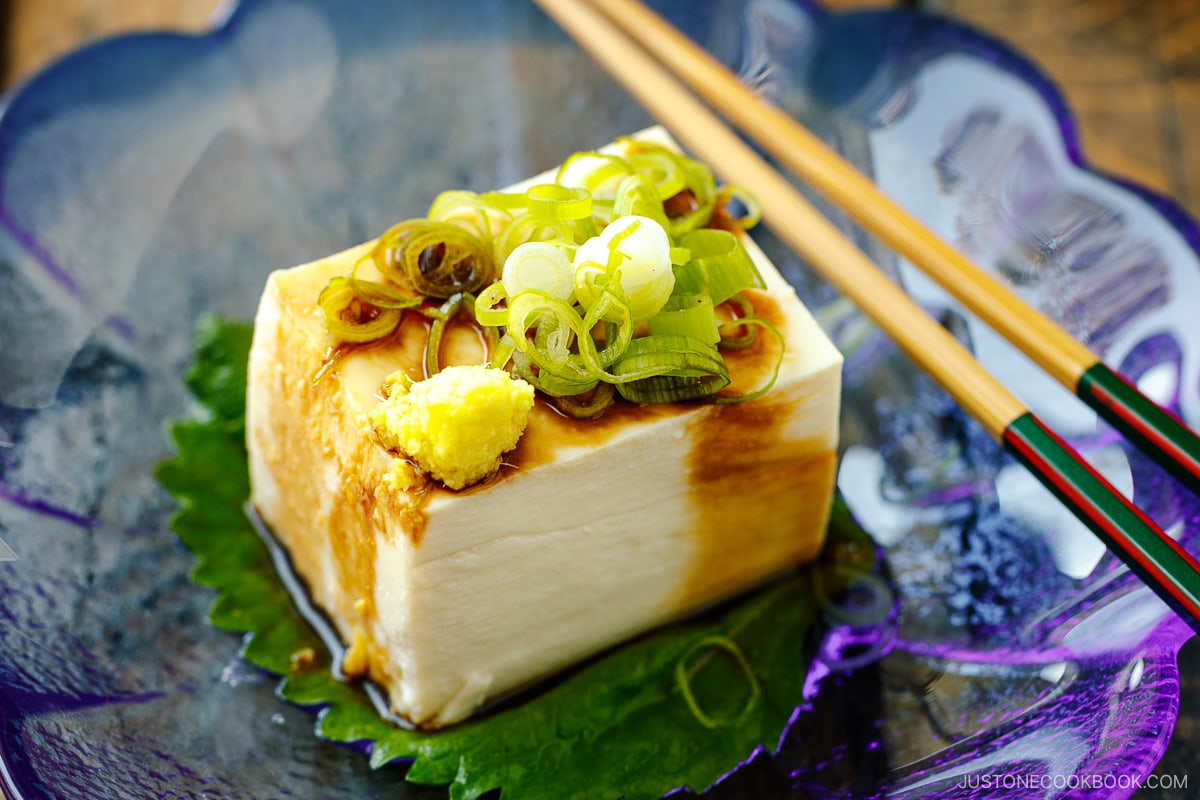
Washoku, the traditional dietary culture of the Japanese, centers on balance, seasonality, and presentation. Hiyayakko perfectly encapsulates these principles, reflecting a deep reverence for fresh ingredients and the subtle enhancement of their flavors. Learning about Hiyayakko with Yoshida Hotel means uncovering the philosophy behind Japanese food—a way of eating that cherishes the integrity of ingredients and respects the synergy of food and season.
Hiyayakko: A Japanese Culinary Gem Explored

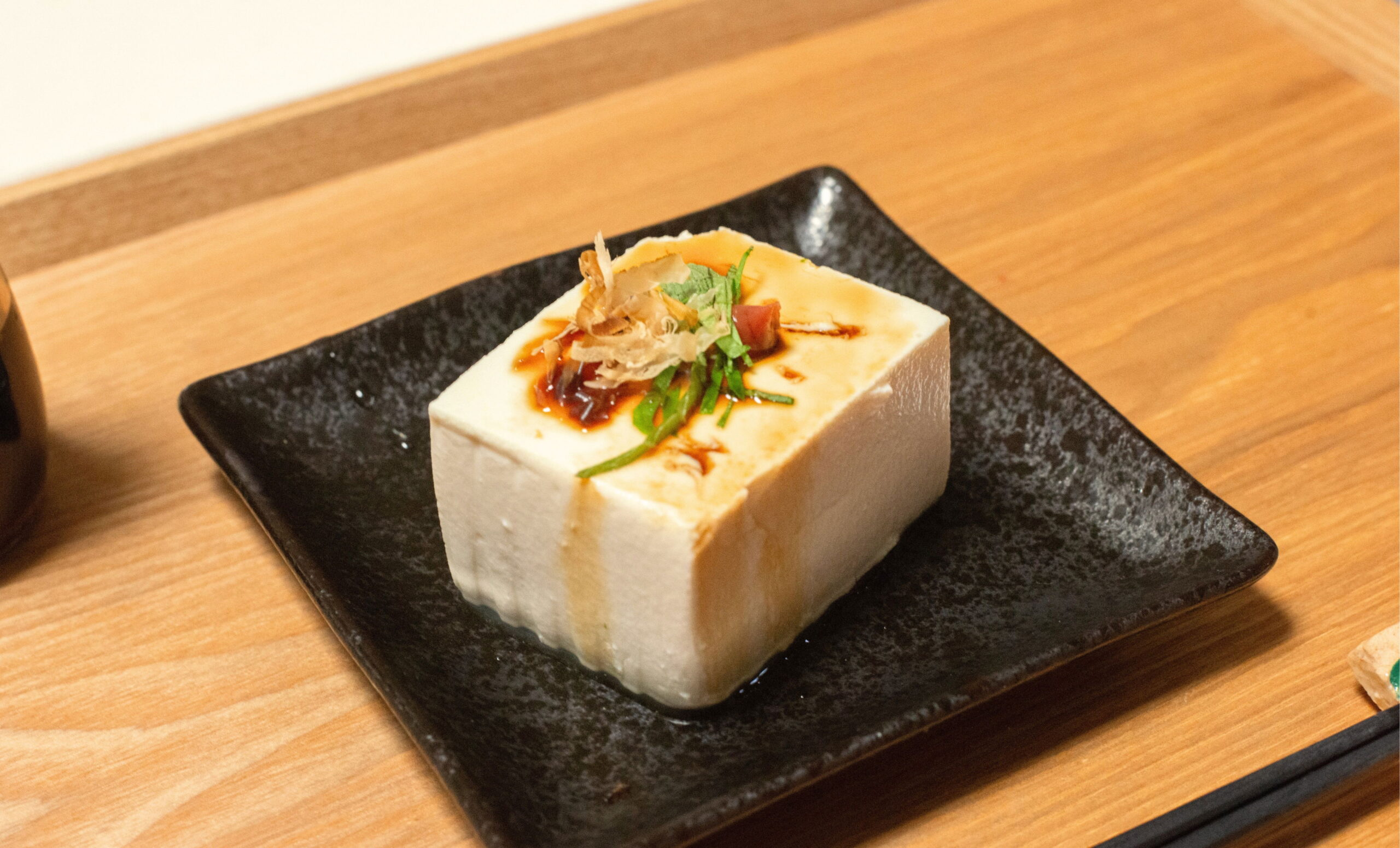
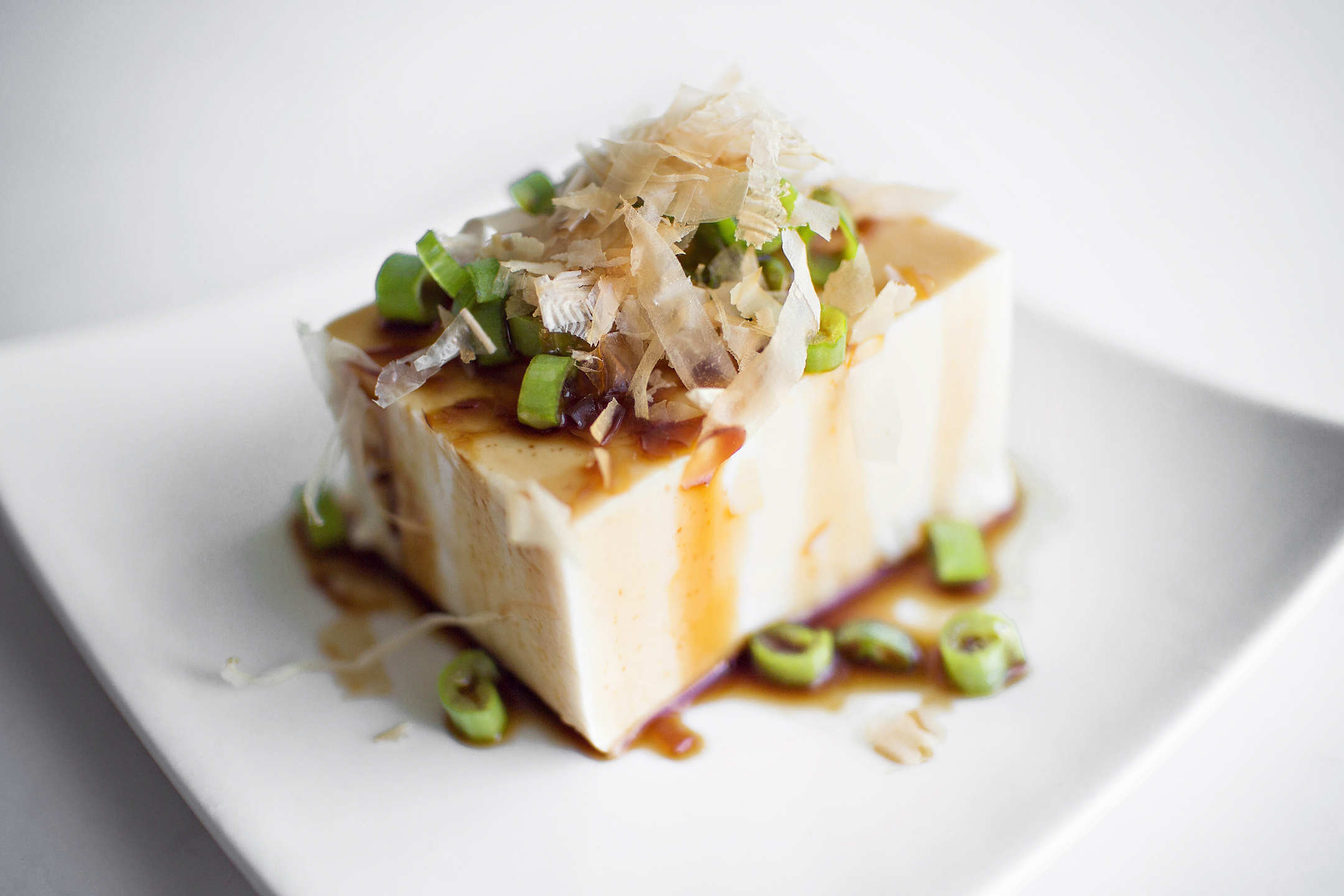
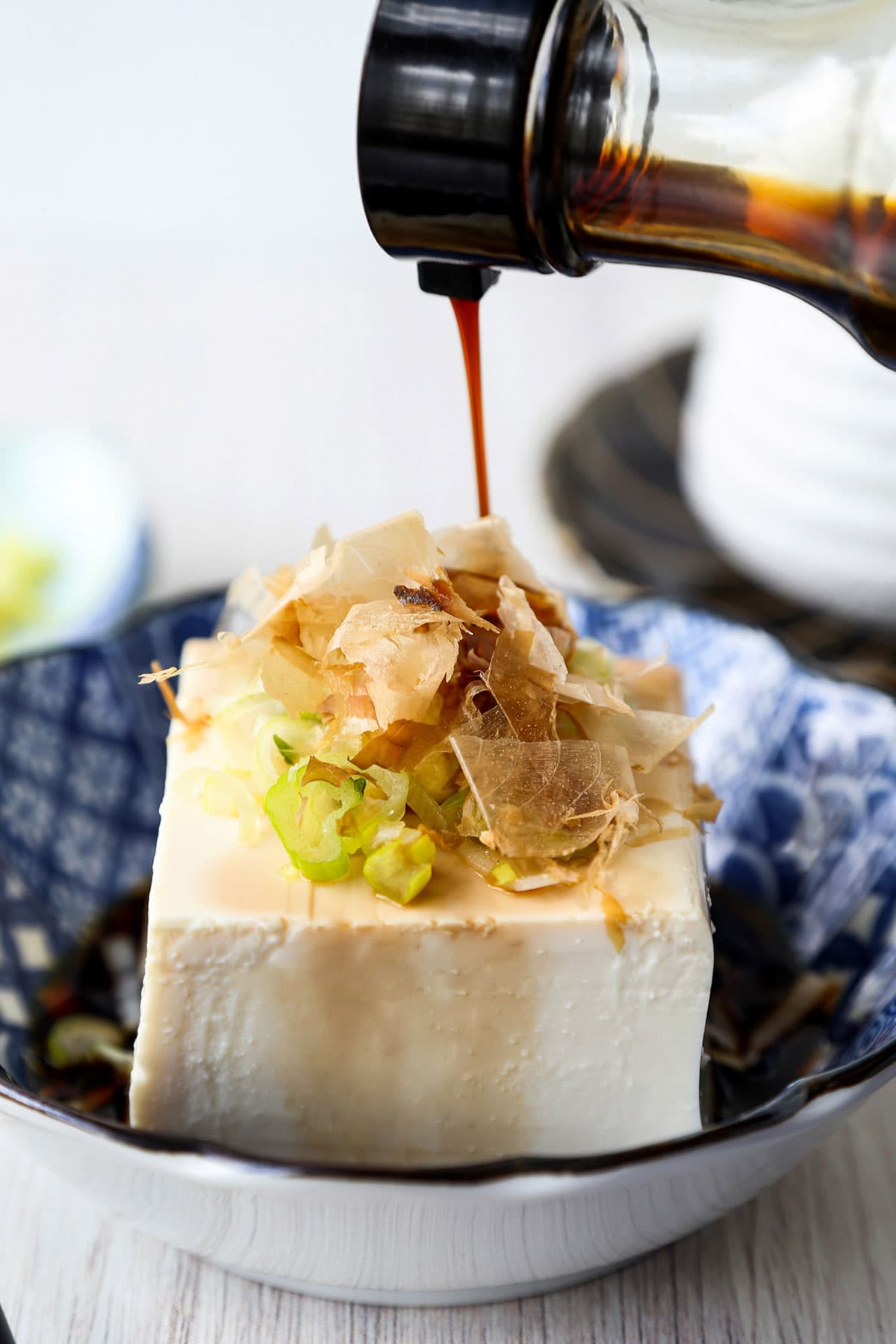
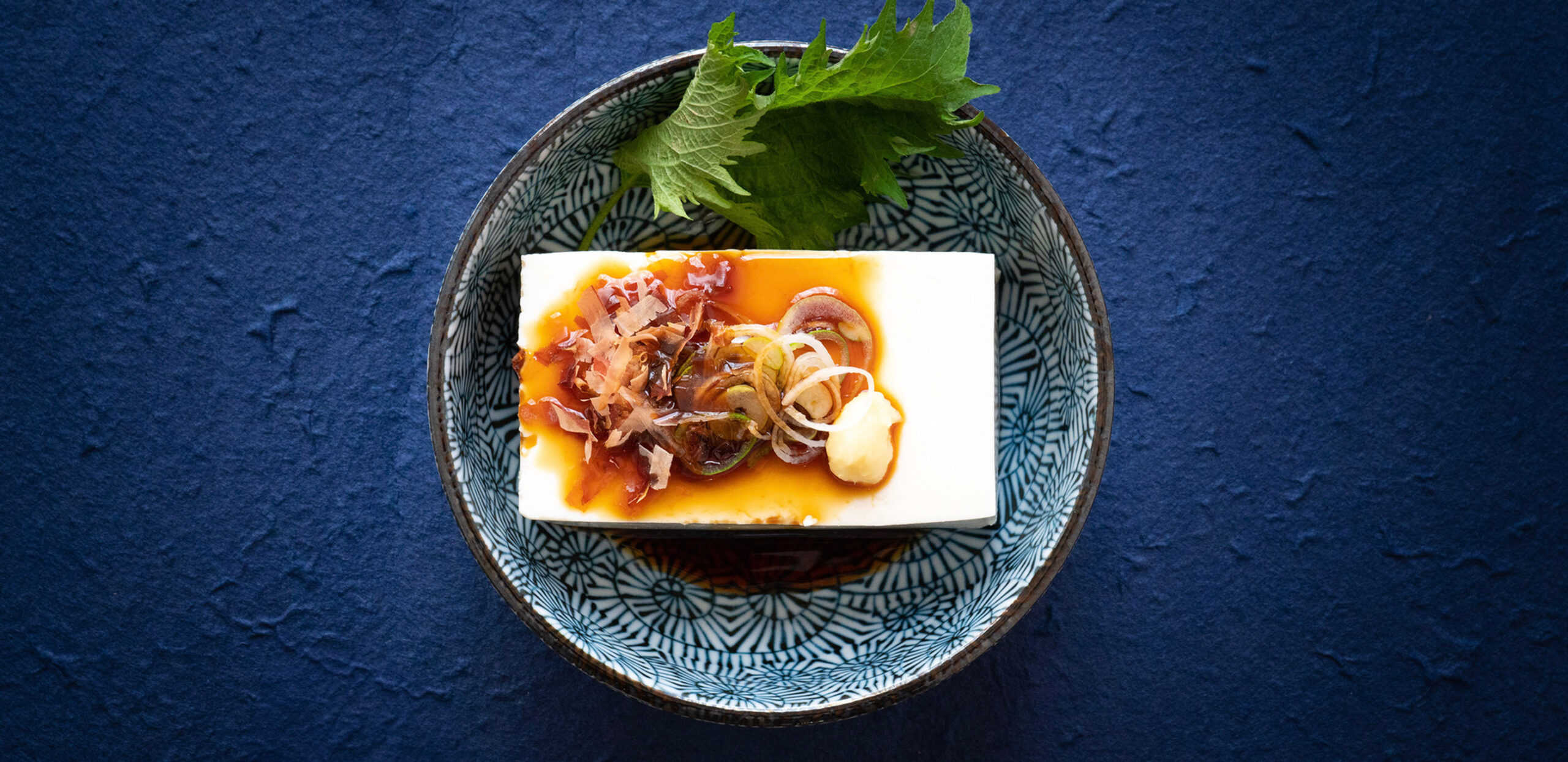
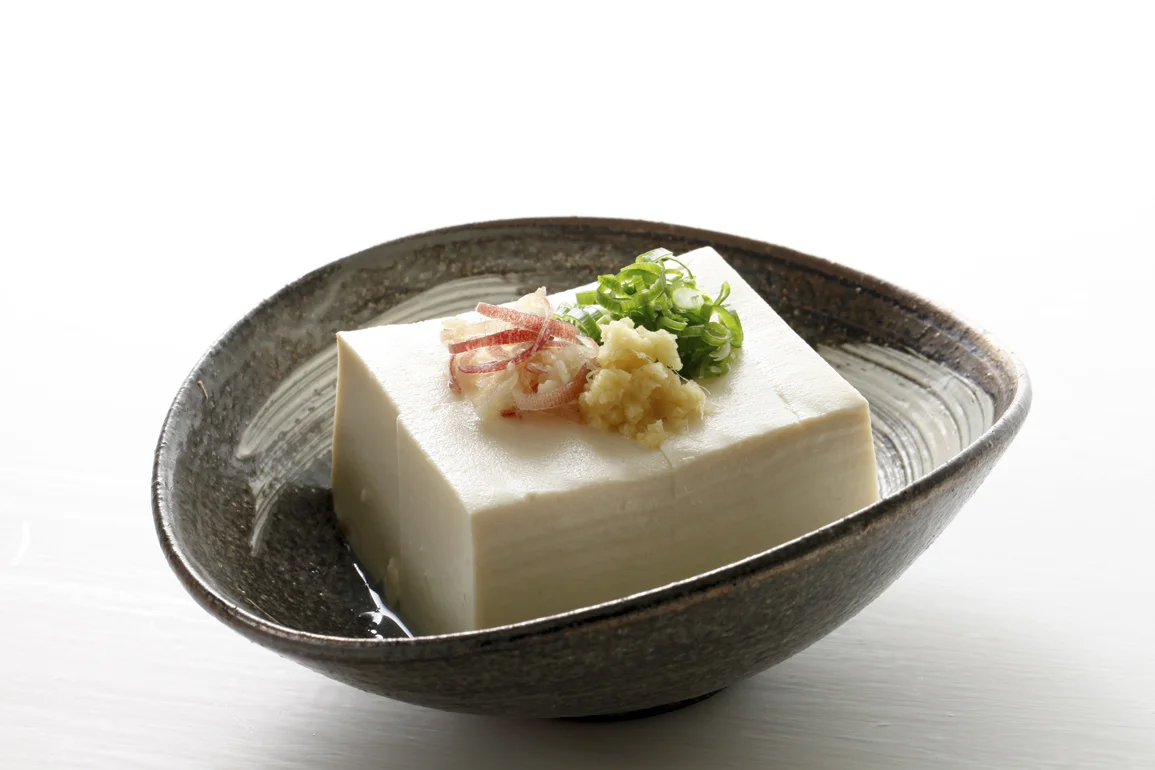
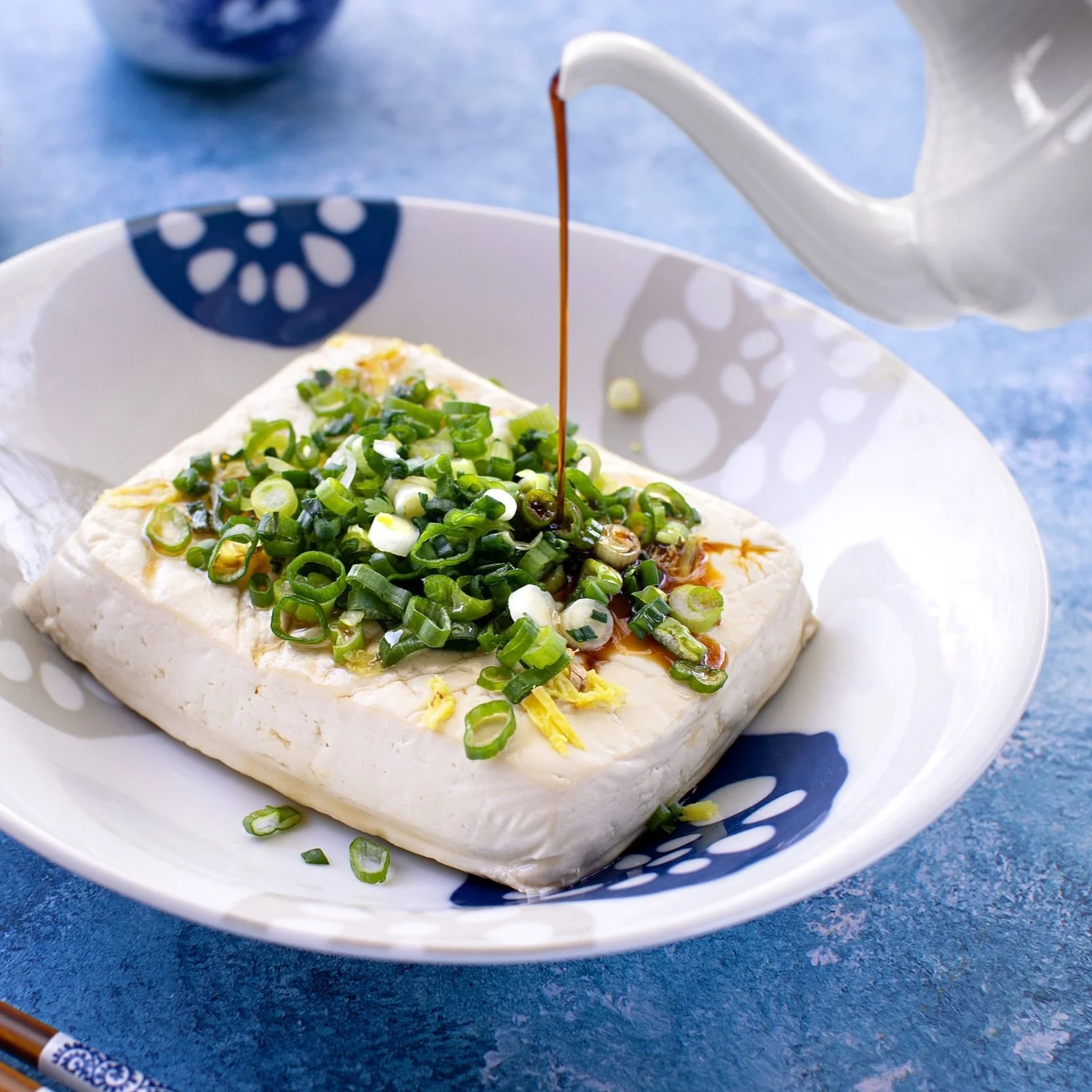
At the heart of Hiyayakko lies the artistry of tofu itself. The delicate, custard-like block forms the canvas for intricate toppings, from aromatic green onions and grated ginger to savory katsuobushi (bonito flakes) and freshly chopped shiso leaves. Each variation tells the story of its region, its maker, and its moment in the year, all united under the banner of simplicity and pleasure.

Hiyayakko: Sourcing and Crafting Authentic Tofu for the Perfect Experience

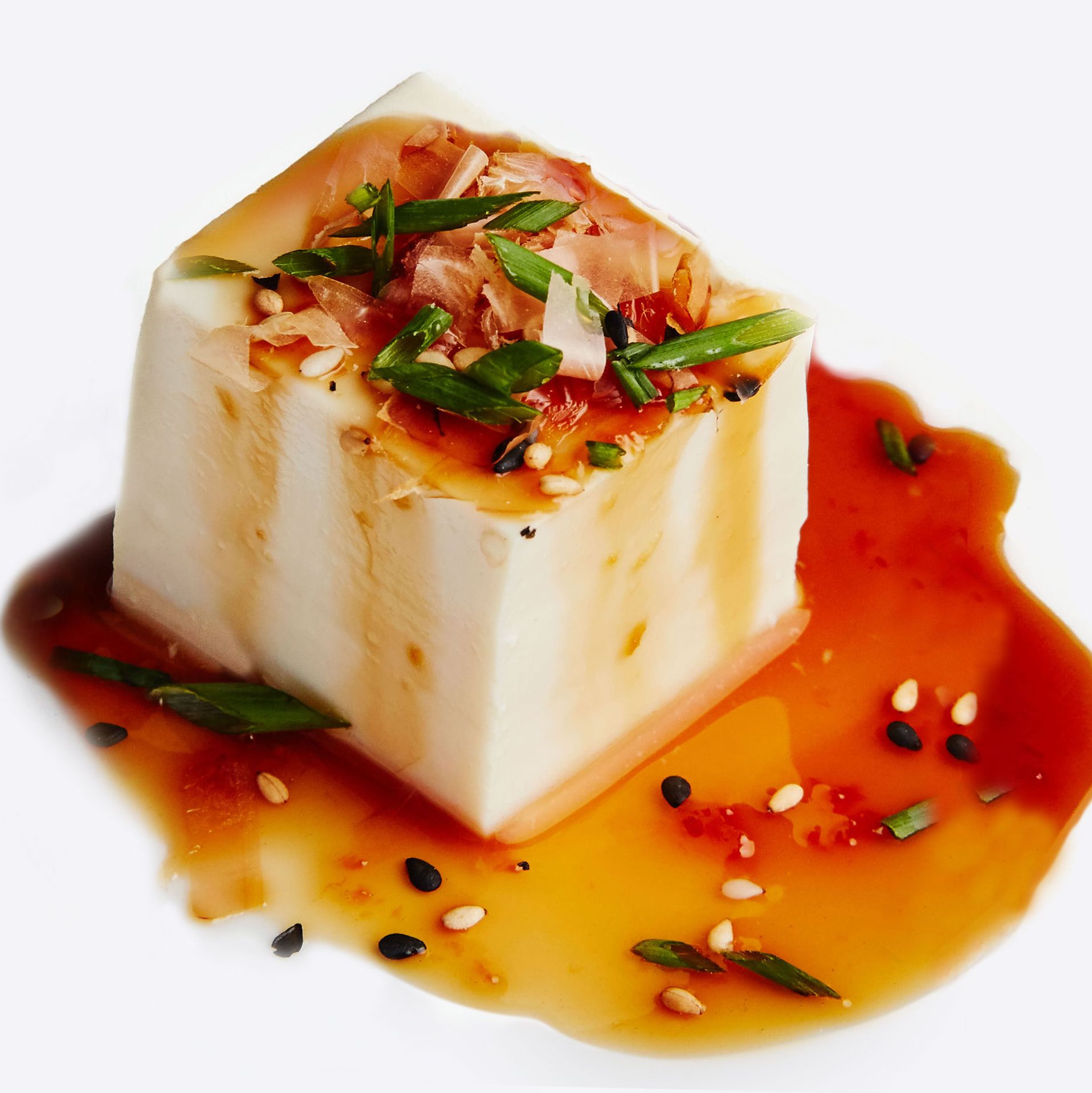
For Hiyayakko to truly shine, the tofu must be exceptional. In Japan, the pursuit of the finest tofu is an artform. Artisanal producers use centuries-old methods, selecting region-specific soybeans and utilizing mountain-fresh spring water to yield a tofu that is soft, creamy, and subtly sweet.
Hiyayakko: A Japanese Culinary Gem Explored

At Yoshida Hotel, we believe understanding the origins and creation process of tofu deepens appreciation for Hiyayakko. Cold sets in, anticipation rises, and chefs delicately slice the tofu into neat cubes, ensuring each piece retains its flawless texture. Presentation is everything—each block, pristine and inviting, poised for a touch of toppings that will ignite the senses.

Hiyayakko: Exploring the Variety of Toppings That Elevate the Dish

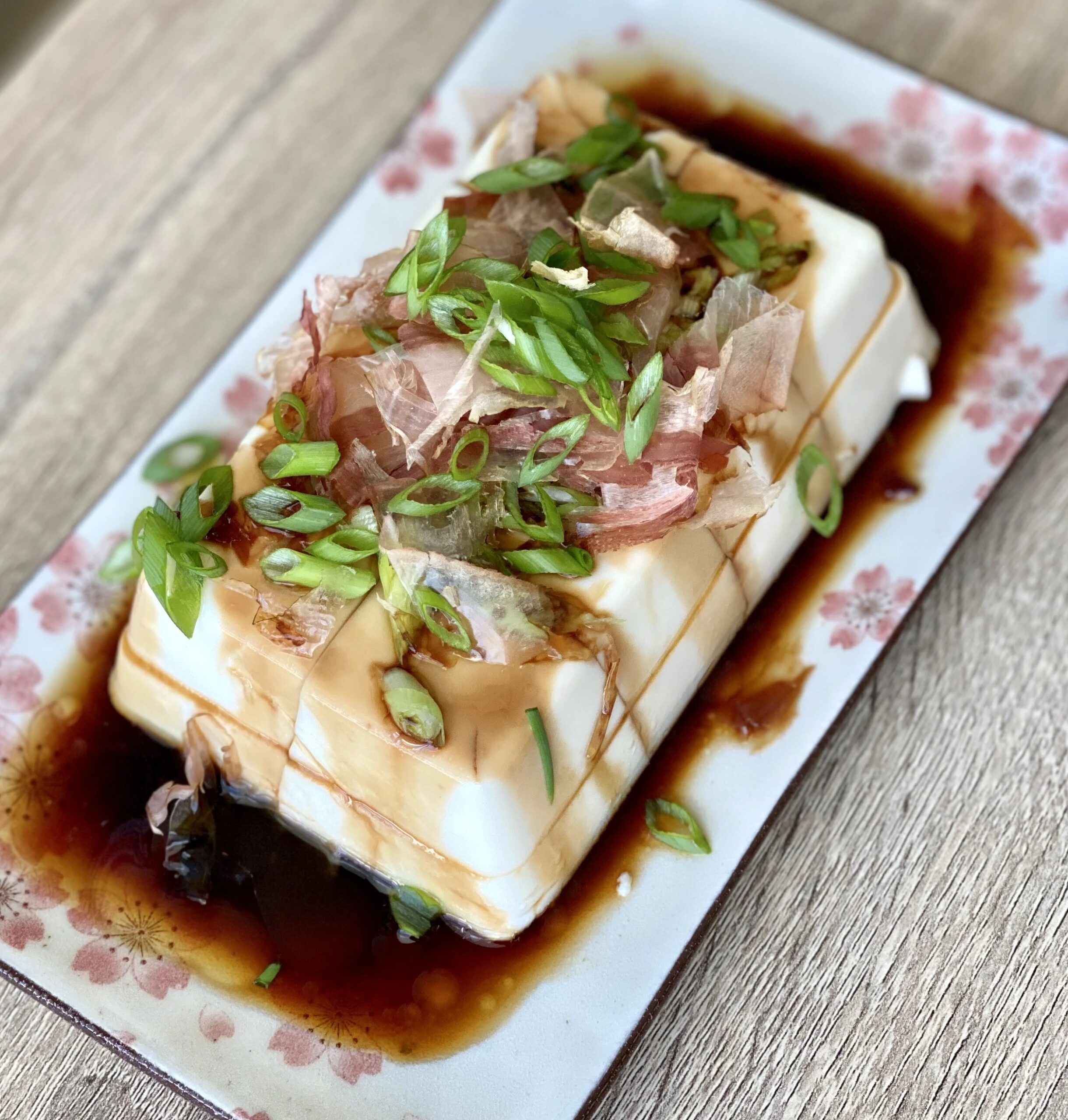
The beauty of Hiyayakko lies in its endless adaptability. While traditional toppings remain ever popular, modern innovation sees fusion ingredients and international accents gracing this Japanese classic. At Yoshida Hotel, our culinary journeys have introduced us to a vibrant spectrum of Hiyayakko embellishments, including:

  • Freshly grated ginger: Delivering a gentle heat that enlivens the palate.
  • Chopped green onions: Adding crisp freshness and a mild bite.
  • Katsuobushi: Lending delicate oceanic umami.
  • Shiso leaf: Infusing herbal aroma and subtle sharpness.
  • Toasted sesame seeds: Offering depth and nuttiness.
  • Drizzles of high-quality soy sauce: Uniting all flavors in harmonious balance.
Hiyayakko: A Japanese Culinary Gem Explored

Each topping is carefully chosen not only for its taste but also for its color, texture, and seasonal appropriateness. The result is a dish that pleases the eye as much as the taste buds.

Hiyayakko: Regional Interpretations and Local Flavors Unveiled

Across Japan, Hiyayakko is reimagined through the lens of local temperament and available produce. In Kyoto, the elegance of chilled tofu is matched by delicate yuba (tofu skin) and mountain vegetables. In Osaka, robust sauces and bold flavors lend a touch of excitement.
Hiyayakko: A Japanese Culinary Gem Explored

Some regions employ unique soy sauces or introduce spicy daikon radish, balancing sweet and sharp. Others prefer to highlight seaweed, wasabi, or even umeboshi (pickled plum), adding layers of complexity to the elemental tofu.

As you journey with Yoshida Hotel through these diverse renditions, you embrace the idea that every Hiyayakko is a cultural snapshot—a fleeting intersection of place, season, and creativity.

Hiyayakko: The Health Benefits Behind the Dish’s Popularity

Not only is Hiyayakko delicious, but it is also celebrated for its impressive nutritional profile. Tofu, as the star ingredient, brings high-quality plant-based protein, essential amino acids, and minerals like calcium, iron, and magnesium. Its low calorie count and cholesterol-free makeup make it a favorite among health-conscious diners.
Hiyayakko: A Japanese Culinary Gem Explored

For vegetarians, vegans, and those seeking lighter fare, Hiyayakko offers significant benefits:

  • Excellent source of plant protein
  • Naturally gluten-free and lactose-free
  • Minimal use of oil or heavy seasonings
  • Supports heart health and balanced diets

Travelers to Japan often seek out Hiyayakko not only for its taste but for its role in promoting wellness and balance—principles that Yoshida Hotel encourages in every shared meal and story.

Hiyayakko: Discovering Seasonal Occasions and Culinary Rituals

Hiyayakko is more than simply food—it is ritual. In high summer, when the humidity rises and streets buzz with energy, families and friends gather around chilled plates of Hiyayakko. Festivals feature this dish as a light, refreshing staple; tea ceremonies and high-end ryokan include it in elaborate multicourse menus.

Hiyayakko: A Japanese Culinary Gem Explored

The act of savoring Hiyayakko, with condiments carefully arranged and shared, becomes an occasion in itself. At Yoshida Hotel, we recognize that the true beauty of Japanese food culture lies in these moments—where food serves not only as nourishment, but as the centerpiece of community and tradition.

Hiyayakko: Artful Presentation and Tabletop Elegance

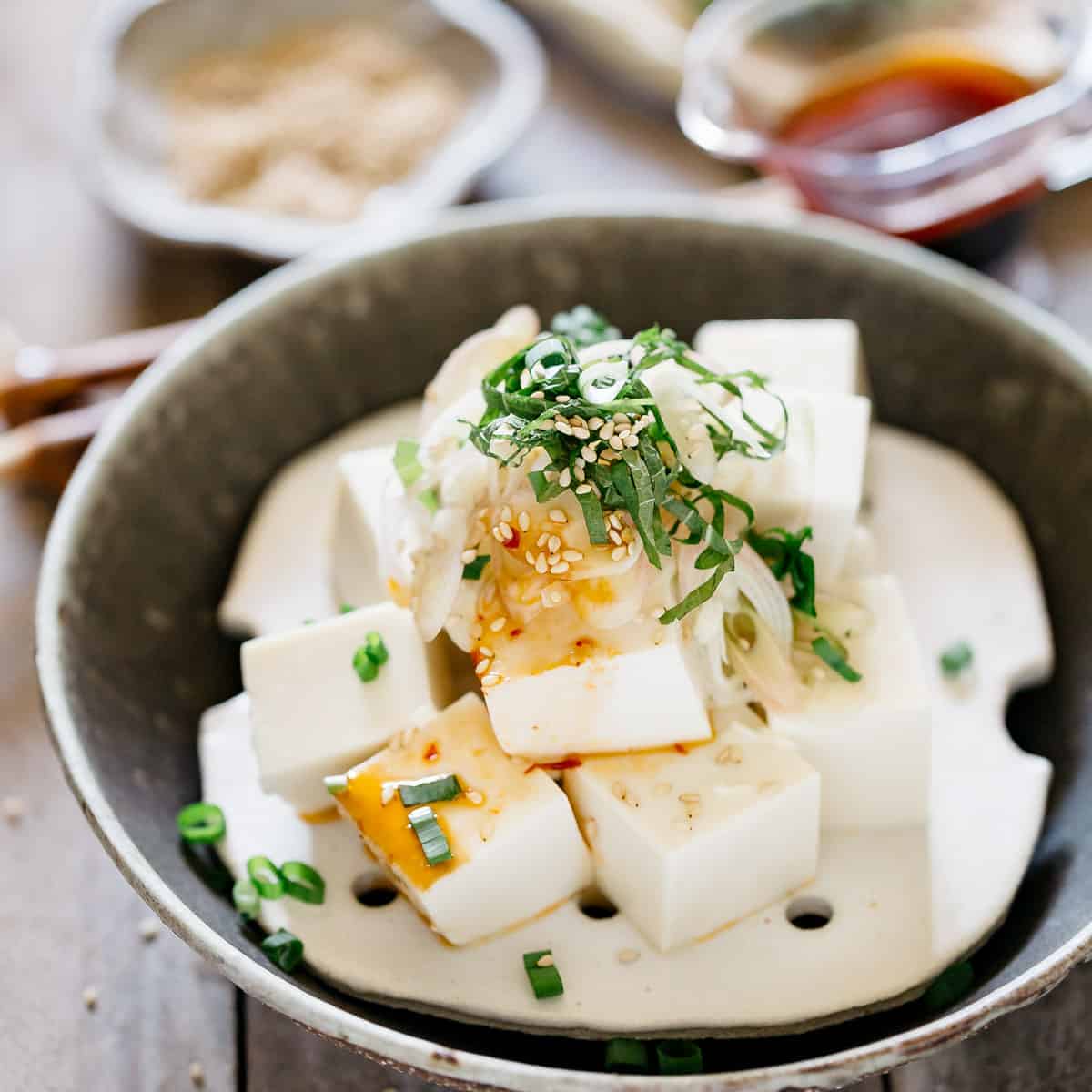
The Japanese belief that “you eat with your eyes first” is perfectly embodied in every serving of Hiyayakko. Presentation is deliberate, with tofu positioned at the heart of a simple yet elegant plate. Garnishes are arranged to create aesthetic appeal while hinting at the flavors to come.
Hiyayakko: A Japanese Culinary Gem Explored

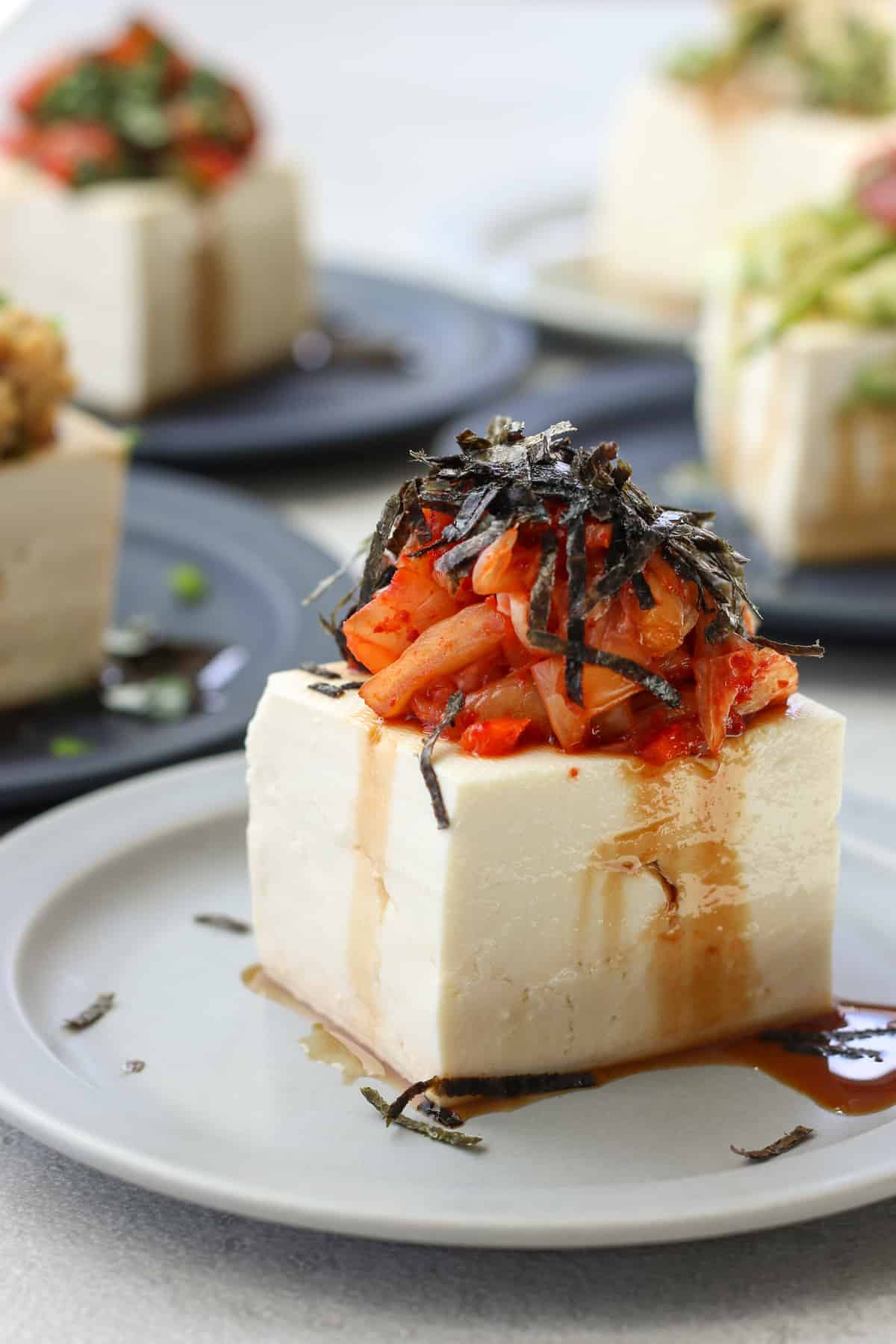
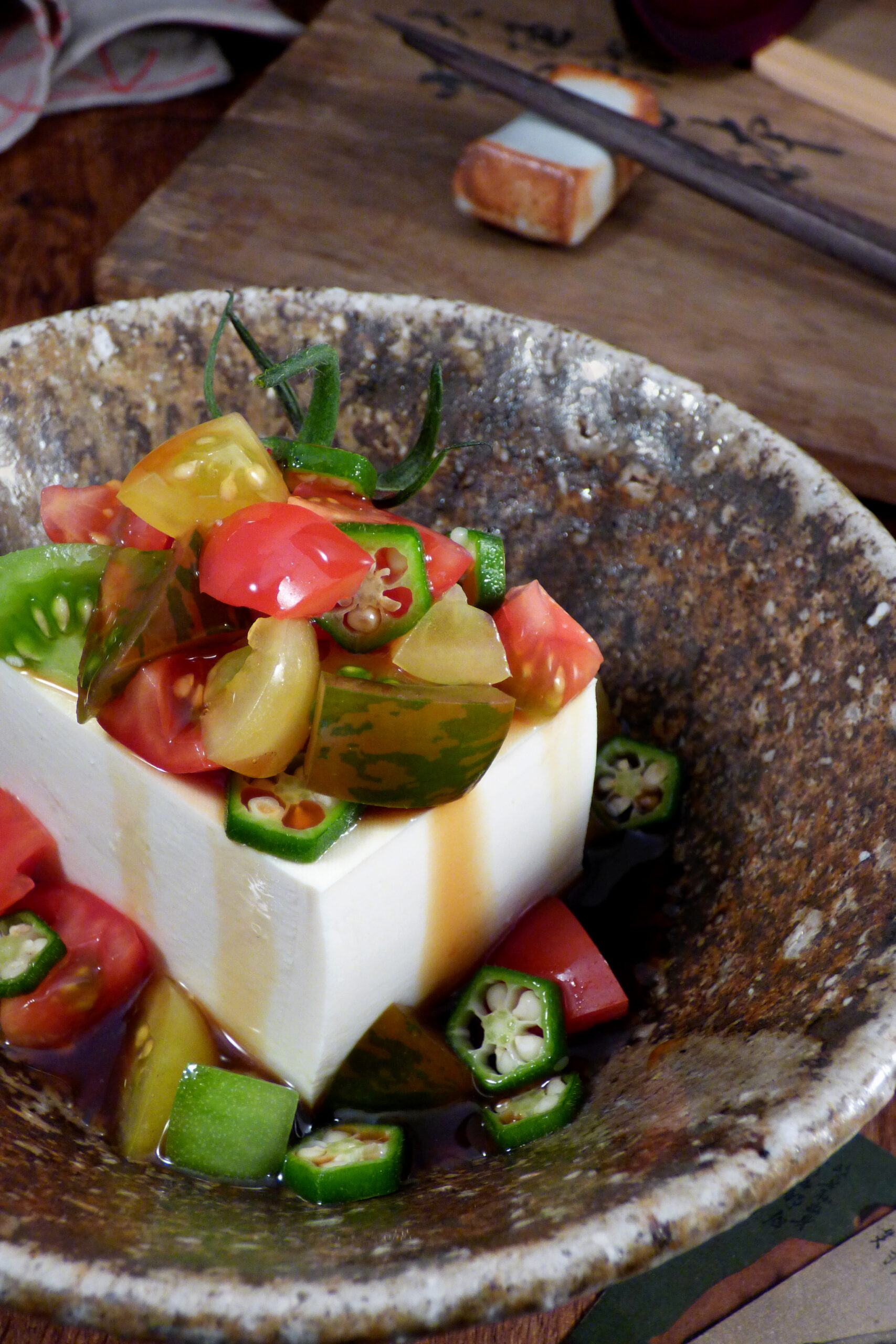
Restaurants and home cooks alike take pride in serving Hiyayakko that is as stunning to look at as it is to taste. Garnishes may cascade gently, create contrast with color, or evoke seasonal scenes—sometimes referencing cherry blossom petals or autumn leaves. Discovering and appreciating the artful presentation of Hiyayakko is thanks to the deep-rooted cultural love for beauty and harmony in Japanese cuisine.

Hiyayakko: The Role of the Dish in Japanese Hospitality

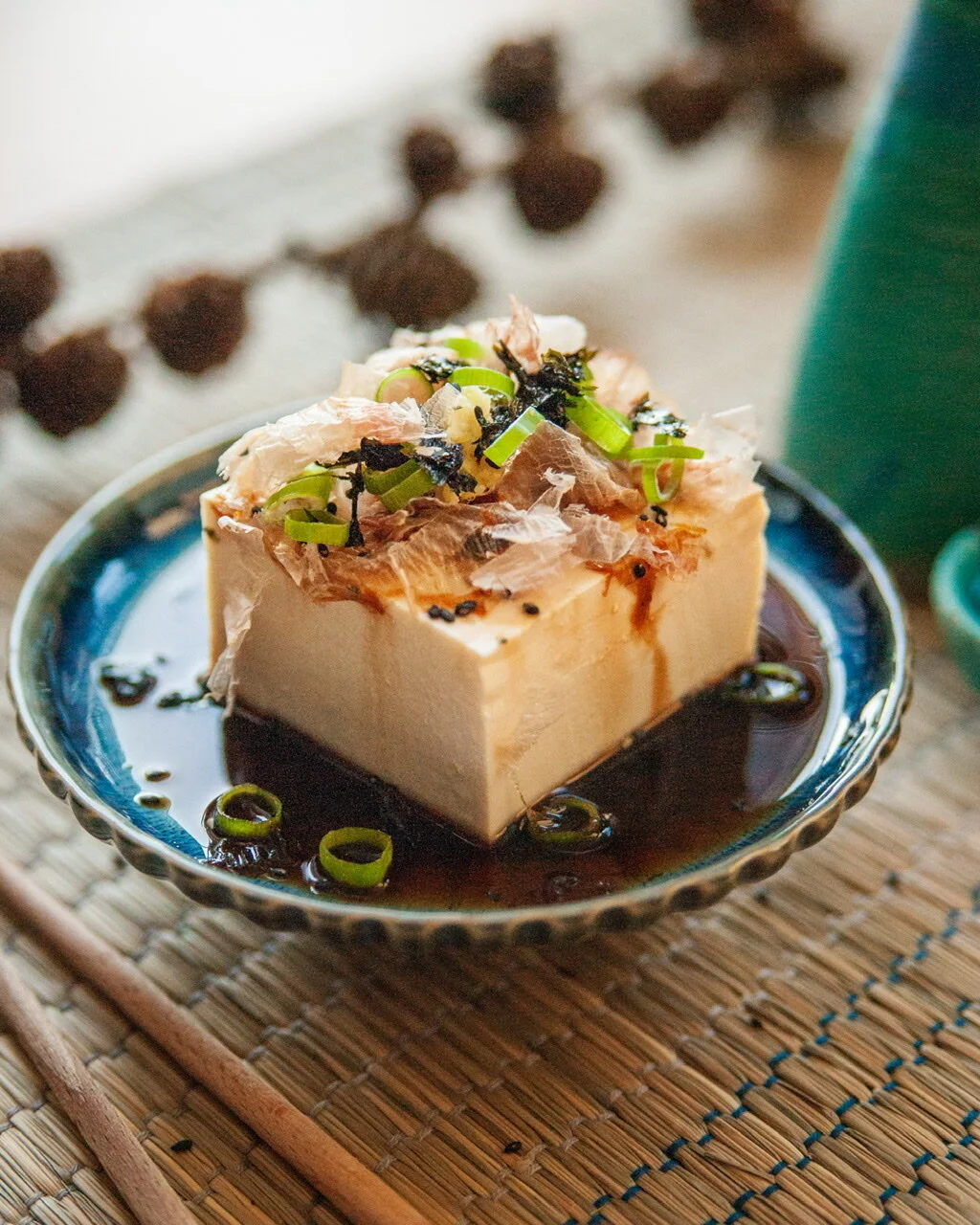
Omotenashi, the Japanese approach to hospitality, centers on anticipation and care for the guest’s needs. Hiyayakko seamlessly fits into this ethic; it is served readily to visitors, signaling thoughtfulness, generosity, and an awareness of the importance of refreshment and subtlety.
Hiyayakko: A Japanese Culinary Gem Explored

At Yoshida Hotel, we have witnessed firsthand how the offering of Hiyayakko transforms the atmosphere—conversations spark, smiles emerge, and a gentle sense of welcome pervades the table. The dish bridges gaps, making both seasoned travelers and first-time visitors feel at home within Japanese hospitality.

Hiyayakko: Culinary Techniques and Masterful Execution

While Hiyayakko appears deceptively simple, its perfection is a result of skilled technique and acute attention to detail. The tofu must be handled with precision, sliced cleanly without fracturing, then served at the right temperature—chilled, yet not icy, allowing subtle flavors to bloom as it is savored.
Hiyayakko: A Japanese Culinary Gem Explored

Chefs hone their skills to ensure the balance of garnishes and the harmony of flavors. Too much ginger may overwhelm; too little soy sauce may leave the dish bland. At each step, mastery is required to ensure the Hiyayakko presented is worthy of praise and memory.

Hiyayakko: Pairing with Japanese Drinks for a Complete Experience

One of the true pleasures of dining in Japan is pairing dishes with complementary drinks. Hiyayakko finds its perfect match in many classic beverages:

  • Chilled sake: Highlights the creaminess and subtle sweetness of tofu.
  • Green tea: Cleanses the palate and brightens the dish’s natural flavors.
  • Japanese plum wine: Adds fruity undertones and balances umami garnishes.
Hiyayakko: A Japanese Culinary Gem Explored

At Yoshida Hotel, we encourage pairing Hiyayakko with traditional or modern refreshments to explore the fullest spectrum of Japanese taste—light, harmonious, and impeccably balanced.

Hiyayakko: Exploring Its Popularity Beyond Japan

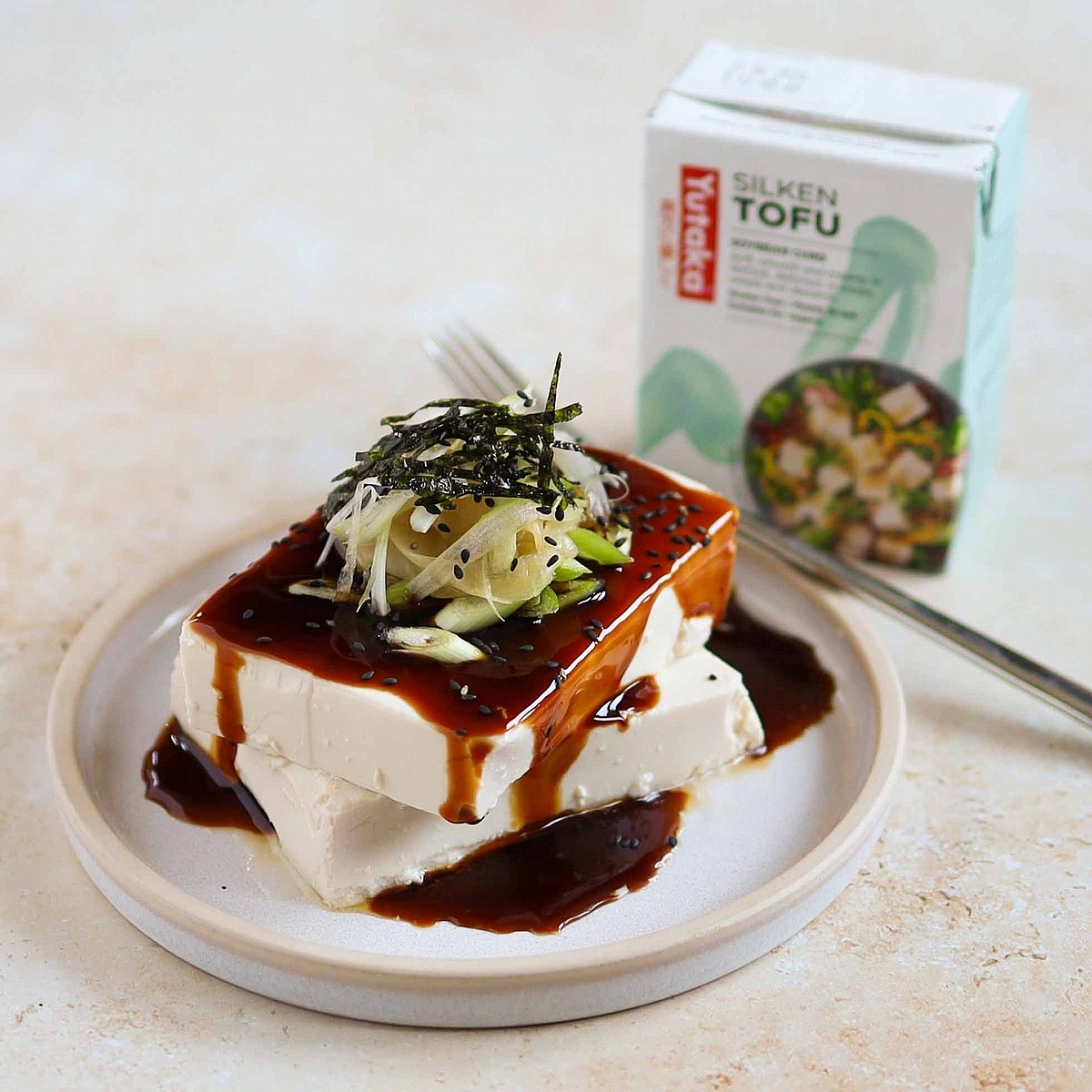
With global interest in Japanese cuisine booming, Hiyayakko has emerged on international menus. Sushi bars, izakayas, and fine dining establishments from London to Los Angeles offer inventive riffs on this classic, appealing to health-conscious diners and culinary adventurers alike.
Hiyayakko: A Japanese Culinary Gem Explored

Hiyayakko’s simplicity, adaptability, and freshness make it a world ambassador for Japanese food culture. At Yoshida Hotel, we believe in the dish’s universal appeal—its ability to unite people across continents in the appreciation of minimalism, flavor, and artistry.

Hiyayakko: Reimagined in Modern Japanese Cuisine

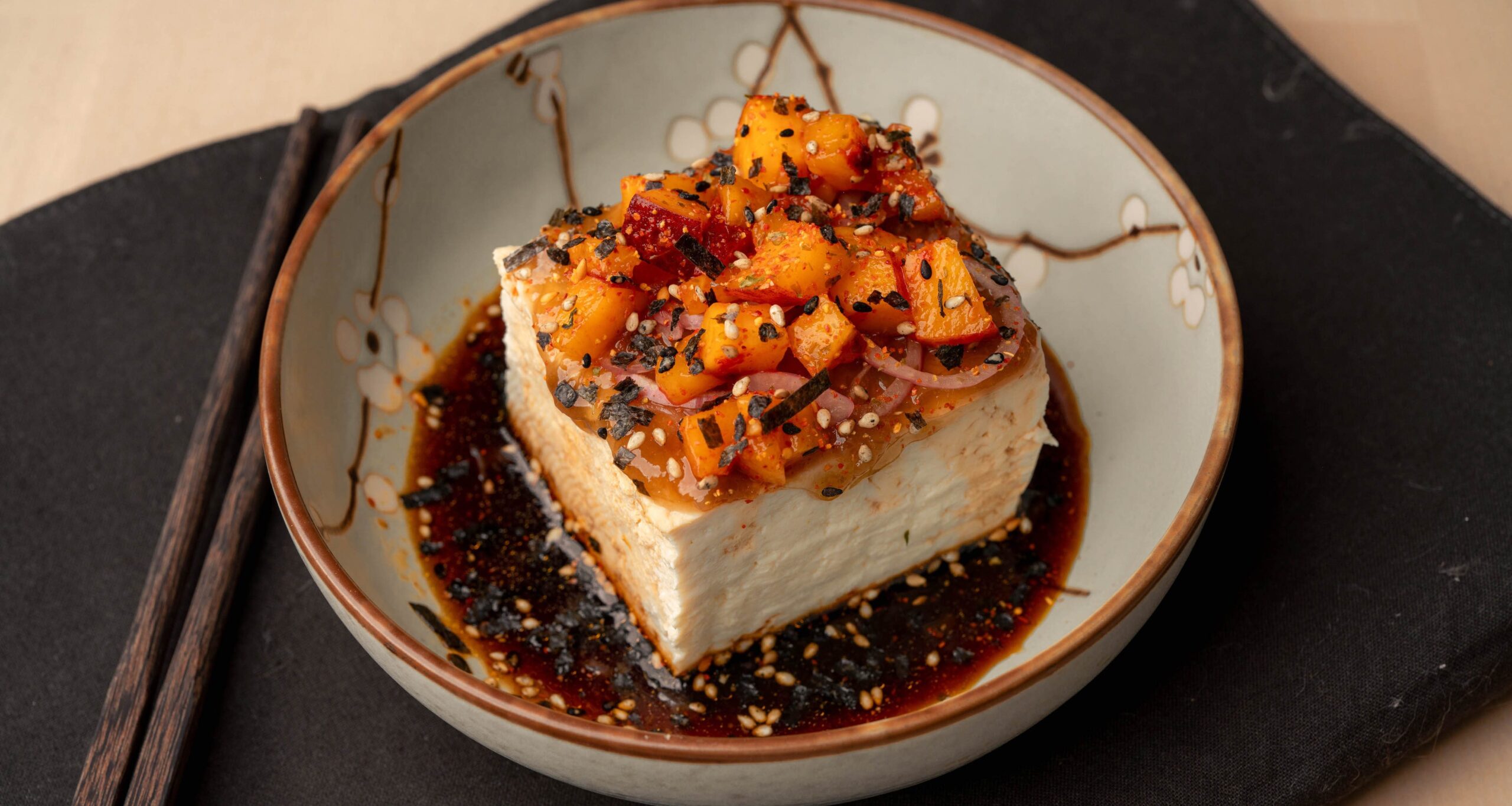
Contemporary Japanese chefs love to reinterpret the classics, and Hiyayakko is no exception. Expect to find tofu adorned with fusion elements, like avocado, truffle oil, or even fresh fruits. Some modern restaurants replace tofu with artisan nut cheeses, offering plant-based variations while respecting the traditional essence.
Hiyayakko: A Japanese Culinary Gem Explored

At Yoshida Hotel, our culinary explorations have introduced us to Hiyayakko topped with herbs from European gardens, sea salt from distant shores, or innovative sauces inspired by global trends. Every rendition is an invitation to rediscover the core brilliance of the dish while appreciating the creativity driving Japanese cuisine forward.

Hiyayakko: Ingredients and Sourcing for Home Preparation

Curious to craft Hiyayakko at home? The journey begins with sourcing the best quality tofu and a short list of fresh garnishes. Yoshida Hotel recommends visiting specialty Asian markets or trusted local suppliers, always prioritizing organic, non-GMO soybeans and natural coagulants for an authentic taste experience.

For home cooks:

  • Select silken or soft tofu for the most traditional texture.
  • Gather fresh ginger, green onions, and a premium soy sauce.
  • Prepare toppings just before serving to maintain their aromas and freshness.
Hiyayakko: A Japanese Culinary Gem Explored

As you build your own signature Hiyayakko, remember that respect for ingredients and clarity of taste are the guiding lights of Japanese cuisine.

Hiyayakko: Step-by-Step Guide to Crafting Perfection

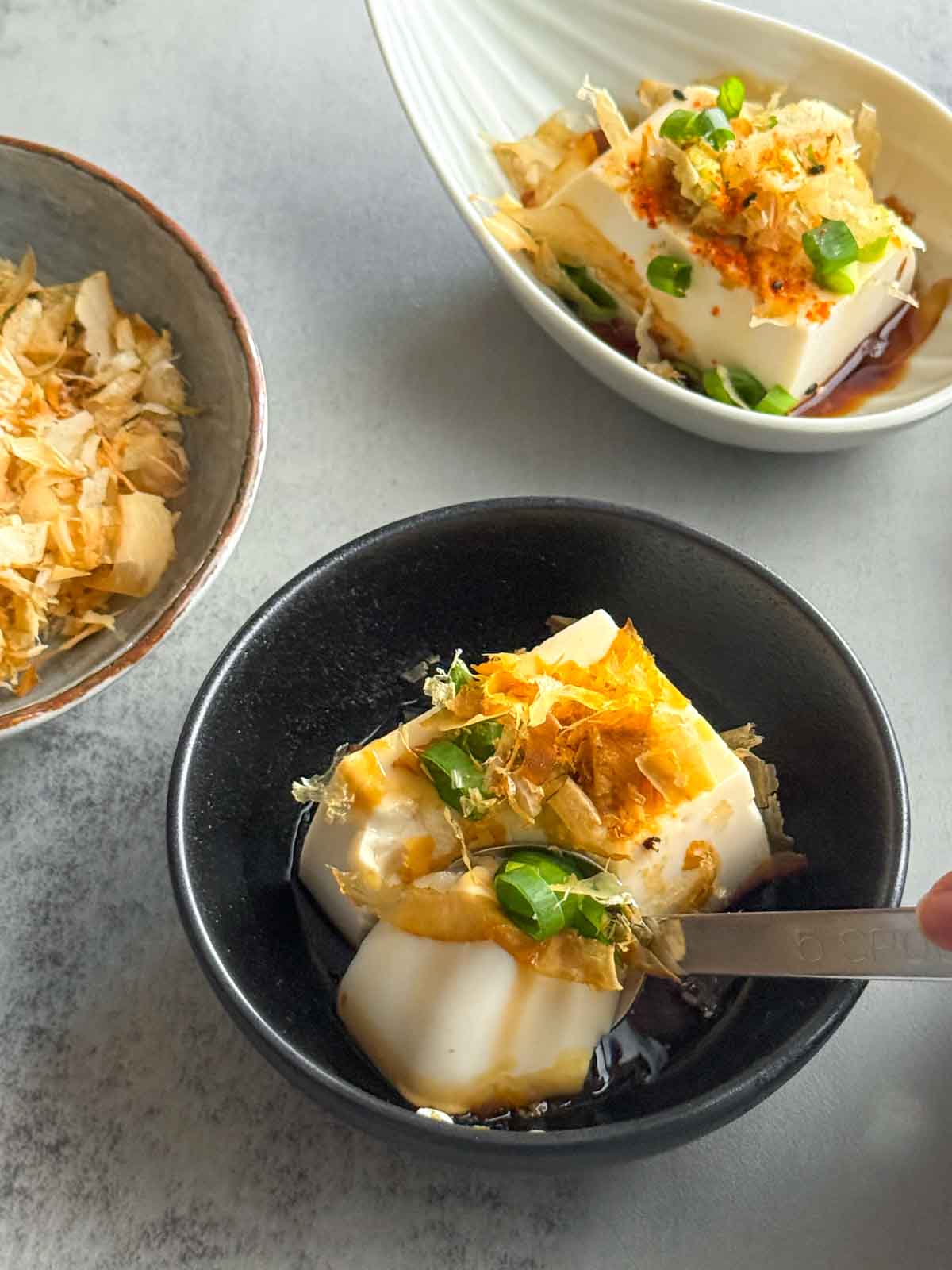
Creating Hiyayakko at home is a meditative act that requires patience and intention. To replicate the Yoshida Hotel experience, follow these detailed steps:

  1. Gently drain silken tofu and allow excess water to run off.
  2. Pat tofu dry with a soft cloth—avoid pressing too hard.
  3. Slice the tofu into neat, bite-sized cubes.
  4. Arrange on a chilled plate or shallow bowl.
  5. Top each piece with freshly grated ginger, a pinch of green onion, bonito flakes, shiso, or sesame seeds.
  6. Drizzle lightly with high-quality soy sauce.
  7. Serve immediately, savoring each bite for its contrast and purity.
Hiyayakko: A Japanese Culinary Gem Explored

The ritual of preparing and serving Hiyayakko connects you to centuries of culinary tradition and—most importantly—provides moments of joy and refreshment.

Hiyayakko: Stories from Japanese Tables

Food is always richer when accompanied by stories. In homes across Japan, Hiyayakko evokes memories of childhood summers, bustling markets, and tranquil dinner tables. Travelers recall serendipitous encounters with the dish at ryokan breakfast buffets or izakaya evenings spent laughing with friends.
Hiyayakko: A Japanese Culinary Gem Explored

Through these shared moments, Hiyayakko becomes more than a recipe; it becomes a portal to culture, memory, and connection. At Yoshida Hotel, we have gathered countless stories—each serving of Hiyayakko a chapter in a larger tale of Japanese hospitality and resilience.

Hiyayakko: Historical Anecdotes and Cultural Footnotes

To truly understand Hiyayakko, we dive into its historical roots. The name itself, combining “hiya” (cold) and “yakko” (a term once used for samurai retainers), hints at a fascinating lineage. Some say the reference is to the boldness of the dish, sliced like the crests on a samurai’s attire; others connect it to Edo-era customs of sharing cold tofu as a gesture of goodwill during hot months.
Hiyayakko: A Japanese Culinary Gem Explored

At Yoshida Hotel, we treasure these historical threads and the way they enrich every contemporary meal. Appreciating Hiyayakko is a way of honoring centuries of culinary lineage.

Hiyayakko: The Dish’s Role in Kaiseki and Fine Dining

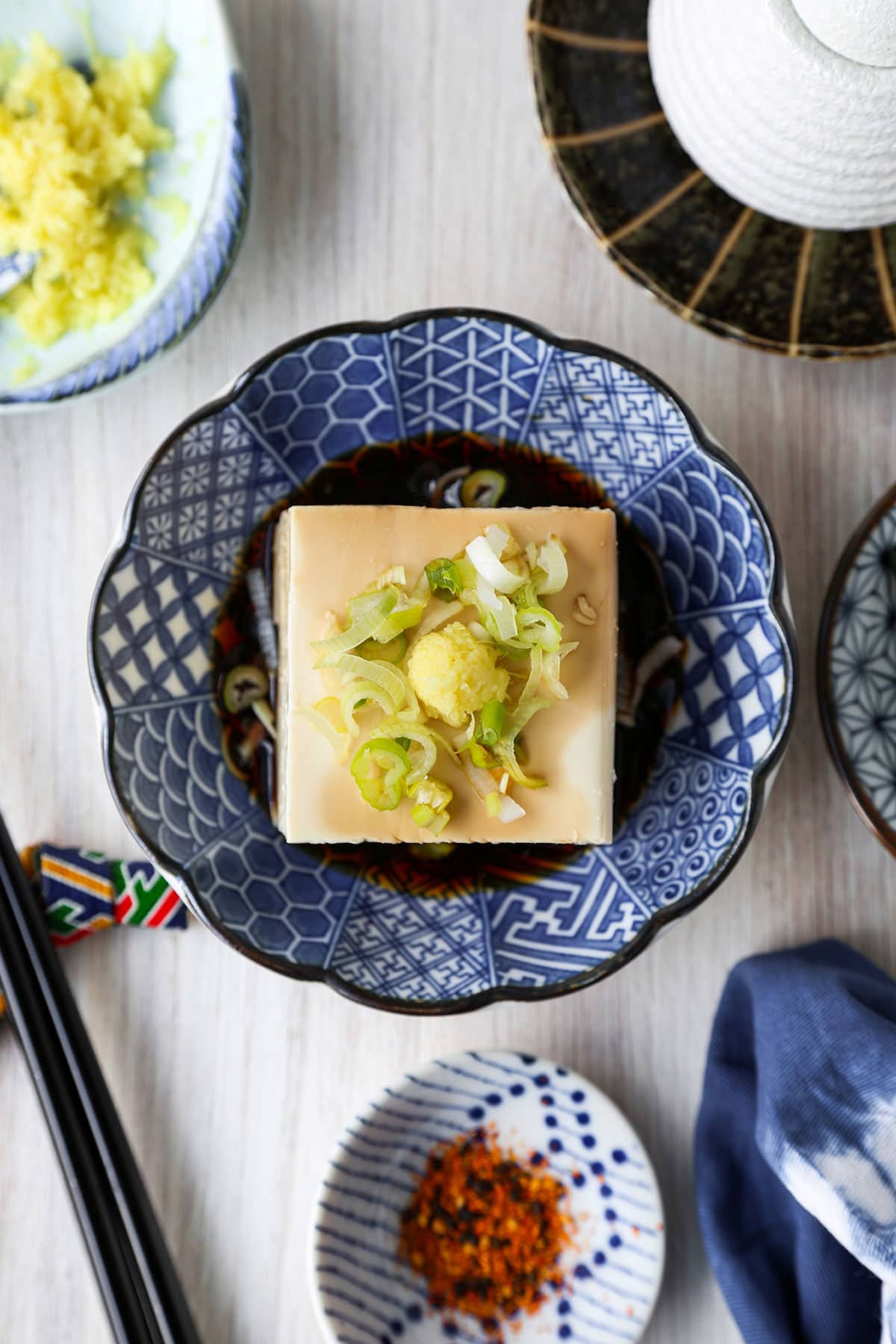
While Hiyayakko is a staple of home cooking, it also appears on the most refined of tables. In kaiseki, Japan’s distinguished multi-course haute cuisine, Hiyayakko often serves as an interlude—a palate cleanser and quiet note between more intense dishes.
Hiyayakko: A Japanese Culinary Gem Explored

The presentation may be given additional finesse; the toppings arranged in artistic patterns, the tofu set on elegant ceramic ware, and each garnish chosen to highlight not only taste, but the ambience of the dining experience. Yoshida Hotel takes great inspiration from these traditions, finding new ways to incorporate the thoughtful simplicity of Hiyayakko into moments of luxury and refinement.

Hiyayakko: Sustainability and the Future of Japanese Cuisine

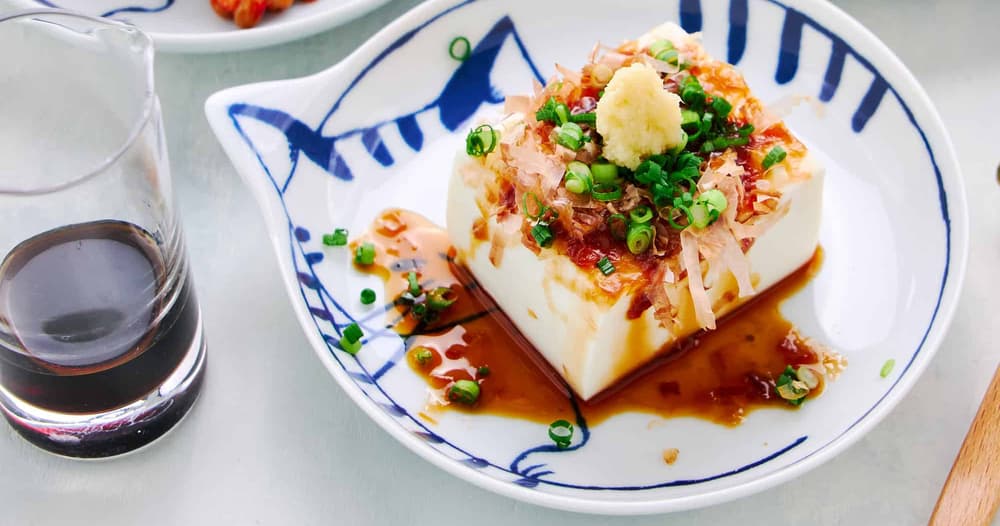
Tofu-based dishes like Hiyayakko represent a sustainable future for both Japanese and global diets. The production of tofu requires fewer resources compared to animal-based proteins, supporting eco-friendly farming and a reduced environmental impact.
Hiyayakko: A Japanese Culinary Gem Explored

Yoshida Hotel champions sustainability in every culinary exploration. Choosing Hiyayakko means aligning with values of mindfulness, respect for the environment, and the health of both body and planet.

Hiyayakko: Traditions in Festivals and Everyday Rituals

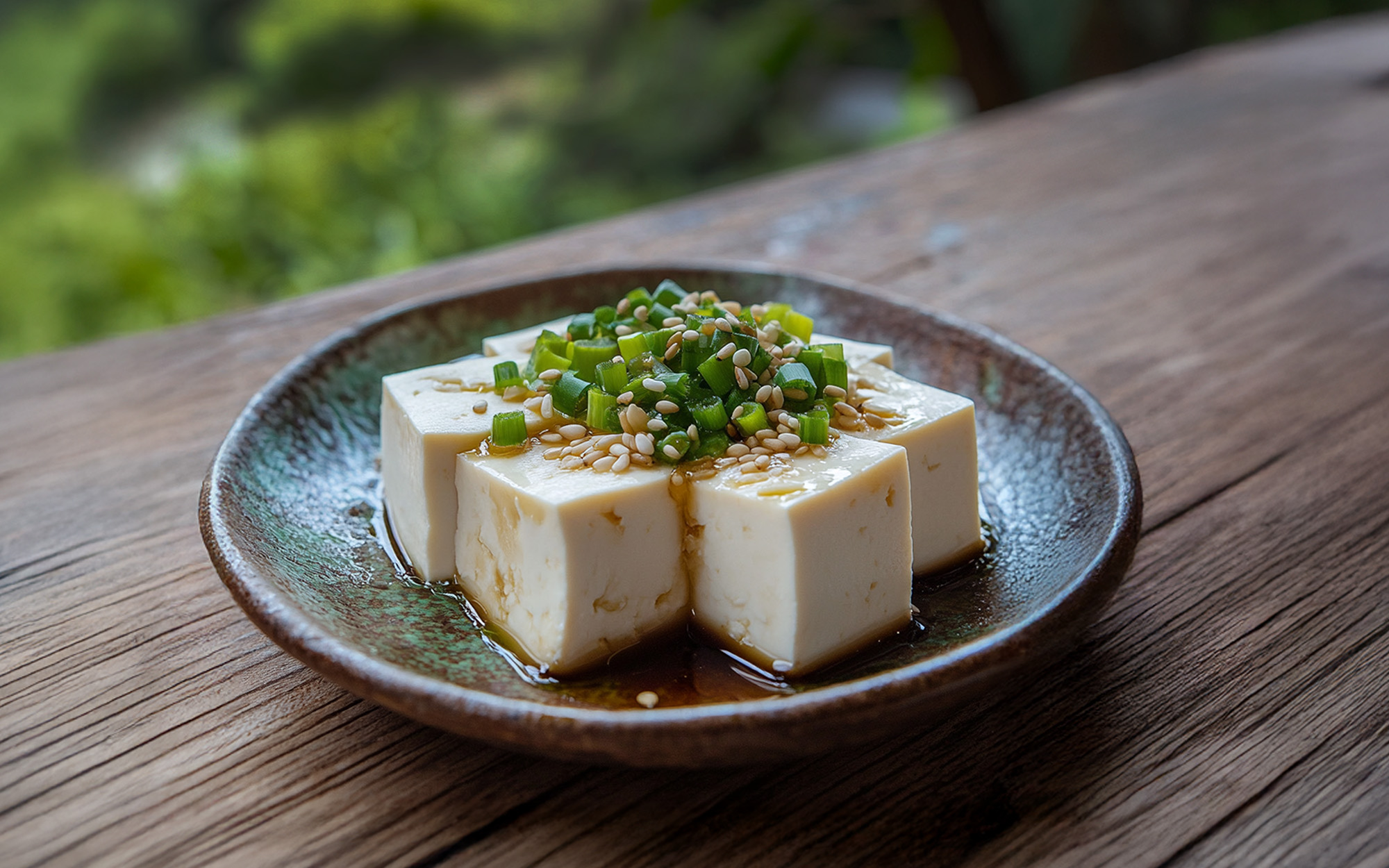
Visit Japan during summer and you will encounter Hiyayakko in myriad settings—from street food stalls to festive gatherings and sophisticated restaurants. The dish is a symbol of seasonal delight, its cool taste offering reprieve from the sweltering heat.
Hiyayakko: A Japanese Culinary Gem Explored

Learning the significance of Hiyayakko in daily and festive life is crucial to understanding Japanese food culture. Repetition of the dish in different rituals—at home, at festivals, in cafes—deepens appreciation for the continuity and adaptation of tradition.

Hiyayakko: The Sensory Experience—A True Taste of Nihon

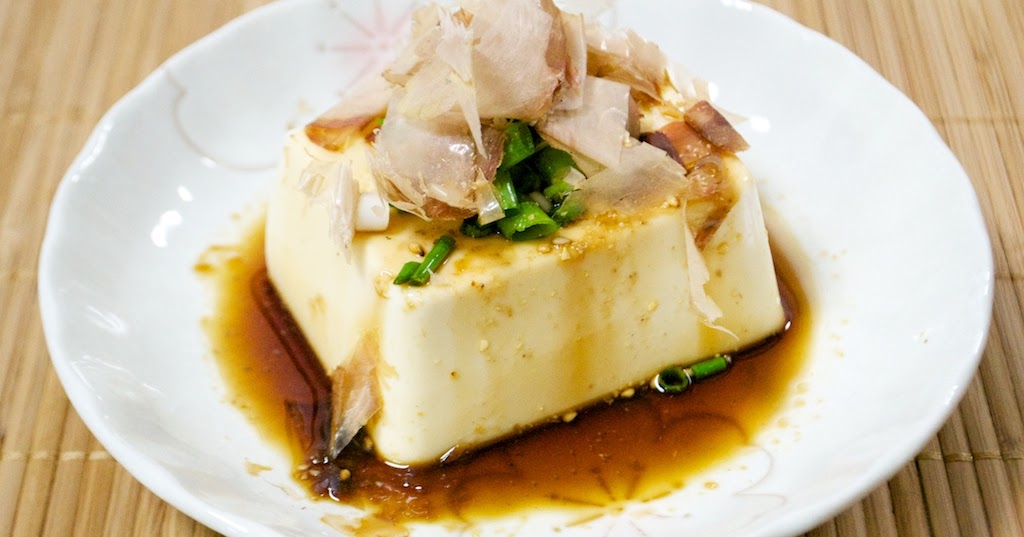
Tasting Hiyayakko is to indulge in a symphony of sensations. The gently yielding texture of the tofu, the piquant bite of ginger, the savory drift of bonito flakes, the herbal lift of shiso—each component is orchestrated for a harmonious experience.
Hiyayakko: A Japanese Culinary Gem Explored

At Yoshida Hotel, we encourage all guests and readers to fully engage the senses when exploring Hiyayakko. Listen to the silence that accompanies the first cool bite, note the subtle play of flavor, and cherish the feeling of lightness and satisfaction that lingers.

Hiyayakko: Culinary Vocabulary and Communicating Appreciation

Becoming fluent in the language of Japanese food allows for deeper appreciation. When ordering or discussing Hiyayakko, you might encounter these terms:

  • Tofu (豆腐): The heart of the dish, symbolizing purity and refreshment.
  • Shōyu (醤油): Japanese soy sauce, crafted with care.
  • Katsuobushi (鰹節): Bonito flakes, a foundation of umami.
  • Shiso (紫蘇): A fragrant medicinal herb.
Hiyayakko: A Japanese Culinary Gem Explored

Learning to recognize, pronounce, and appreciate these ingredients adds authenticity to your culinary adventures with Yoshida Hotel.

Hiyayakko: Frequently Asked Questions Unveiled

Many travelers and diners have questions about Hiyayakko. Yoshida Hotel has gathered and answered some of the most common inquiries:

  • Is Hiyayakko vegetarian or vegan?
    Traditional preparations are vegetarian but not always vegan due to the inclusion of bonito flakes. Choose plant-based toppings for a vegan experience.
  • Can Hiyayakko be made with firm tofu?
    Yes, although silken tofu is preferred for its texture.
Hiyayakko: A Japanese Culinary Gem Explored

  • How is Hiyayakko served at high-end restaurants?
    Expect elegant presentation, creative garnishes, and occasional fusion twists.

Your curiosity drives your culinary exploration; Yoshida Hotel stands ready to guide you through every question and experience.

Hiyayakko: Incorporating the Dish into Modern Lifestyles

In the fast-paced world of modern travel, simplicity and nutrition have taken on renewed importance. Hiyayakko is perfectly suited to today’s lifestyles—it is quick to prepare, nutritious, and endlessly adaptable for personal tastes and dietary needs.
Hiyayakko: A Japanese Culinary Gem Explored

Even as global cuisine shifts and new trends arise, the timeless appeal of Hiyayakko remains. Explorers, digital nomads, and families all find comfort and excitement in this dish, embracing it as a staple of modern well-being.

Final Thoughts—A Legacy of Taste and Hospitality with Yoshida Hotel

As our journey through Hiyayakko and Japanese cuisine draws to a close, Yoshida Hotel invites you to savor the memory, joy, and knowledge that this humble dish represents. Hiyayakko stands as a testament to Japan’s culinary artistry, its hospitality, and its love for simple perfection.

May your next adventure be enriched by the flavors, textures, and stories discovered through Hiyayakko. With every bite—whether in the spirit of exploration, nourishment, or pure enjoyment—may you find shades of Japan’s endless culinary landscape reflected.

Korokke Culture: A Journey Through Japanese Cuisine with Yoshida Hotel

When travelers seek to immerse themselves in the heart of Japanese culture, few things deliver such immediate pleasure as its cuisine. Among the myriad culinary experiences to be savored, the humble yet iconic Korokke often stands out, weaving its savory magic throughout the country’s vibrant food scene. At Yoshida Hotel, we’ve made it our mission to not only welcome guests into the comfort of our hospitality but also to guide them on authentic journeys of taste. Let’s embark on an exploration of Korokke, its heritage, regional adaptations, and why this crispy delight deserves its spot on every culinary traveler’s must-taste list. Join Yoshida Hotel as we uncover the flavors, stories, and secrets behind Korokke in the article below.

Korokke: The Quintessence of Japanese Street Food

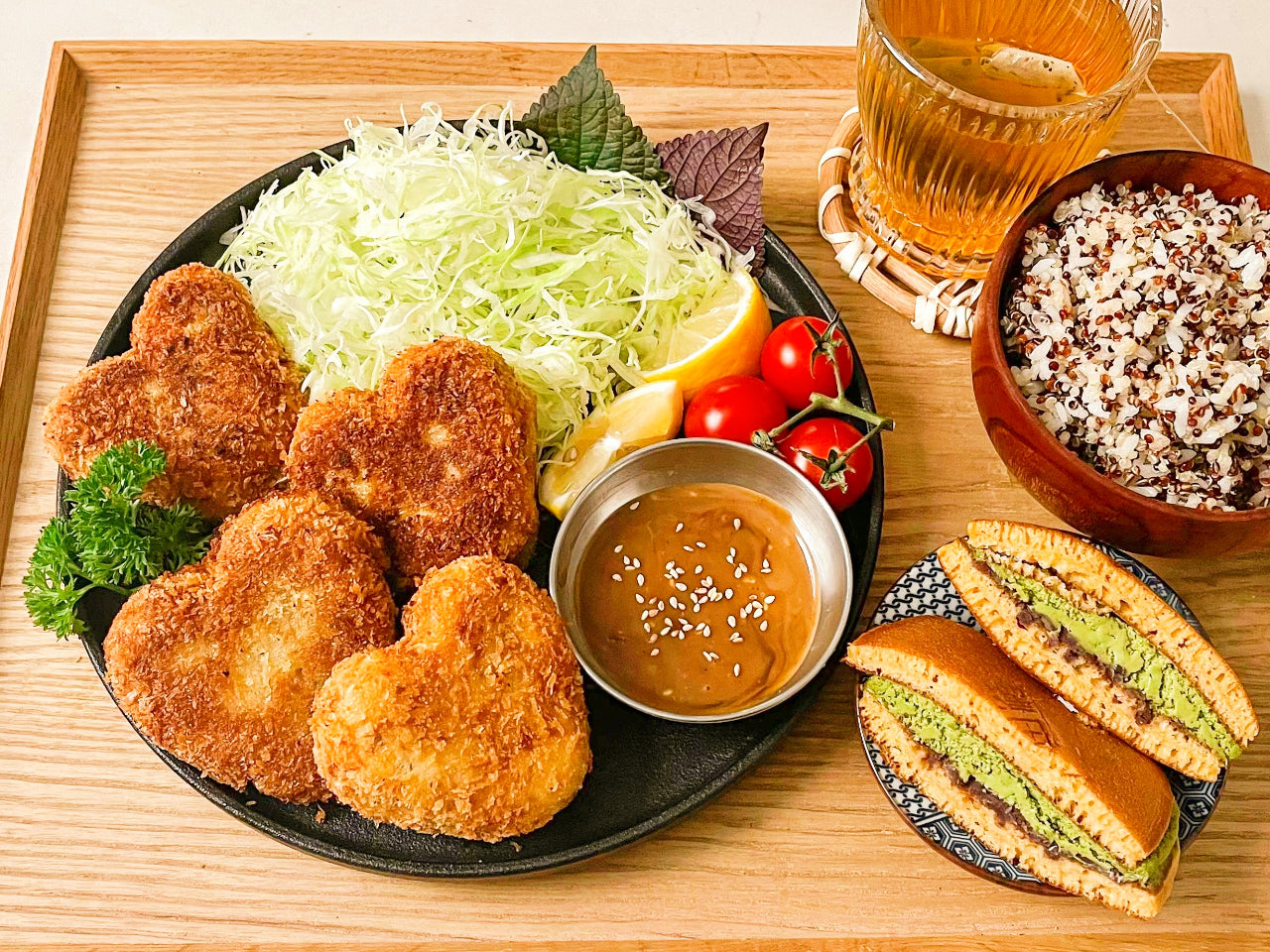
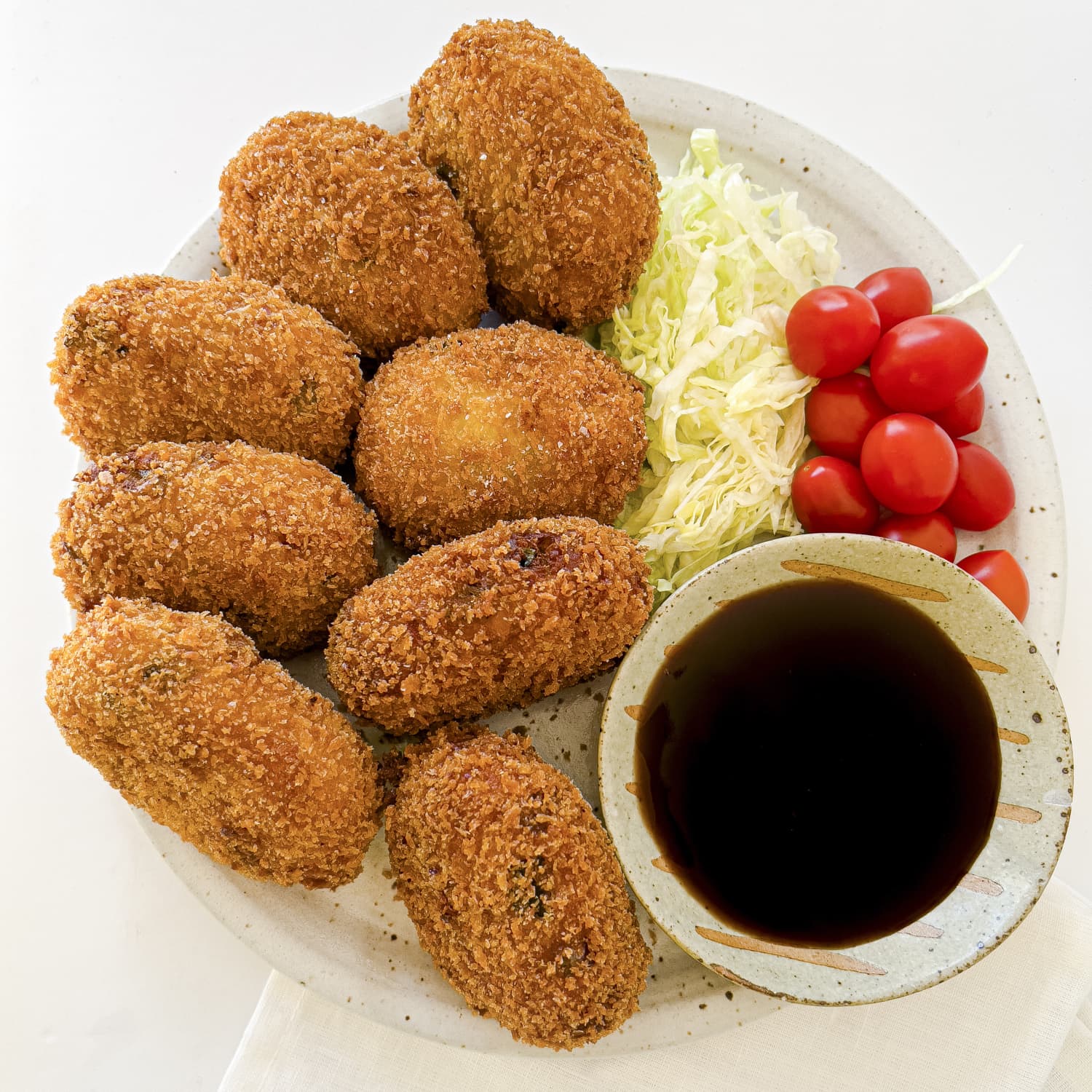
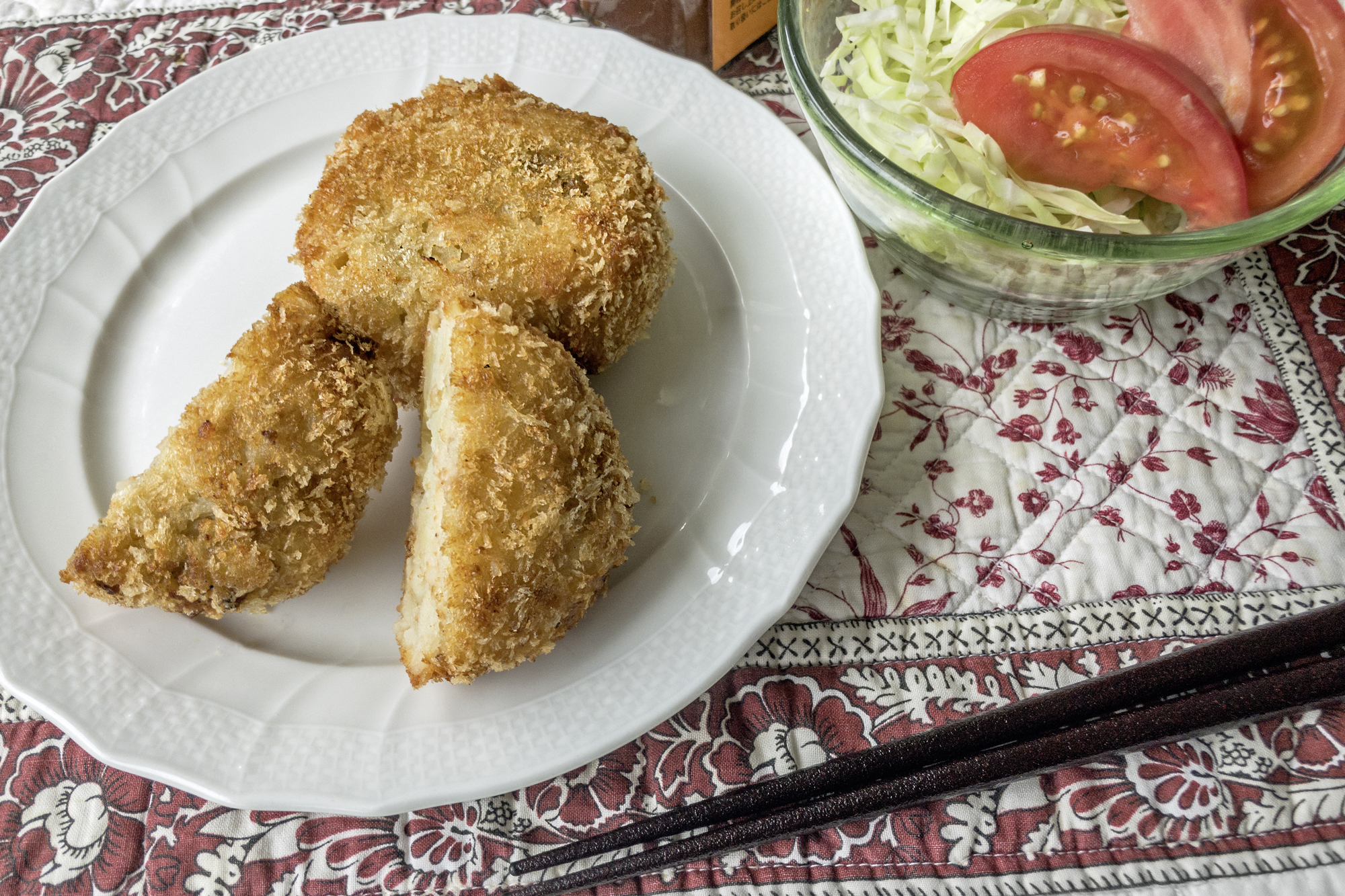
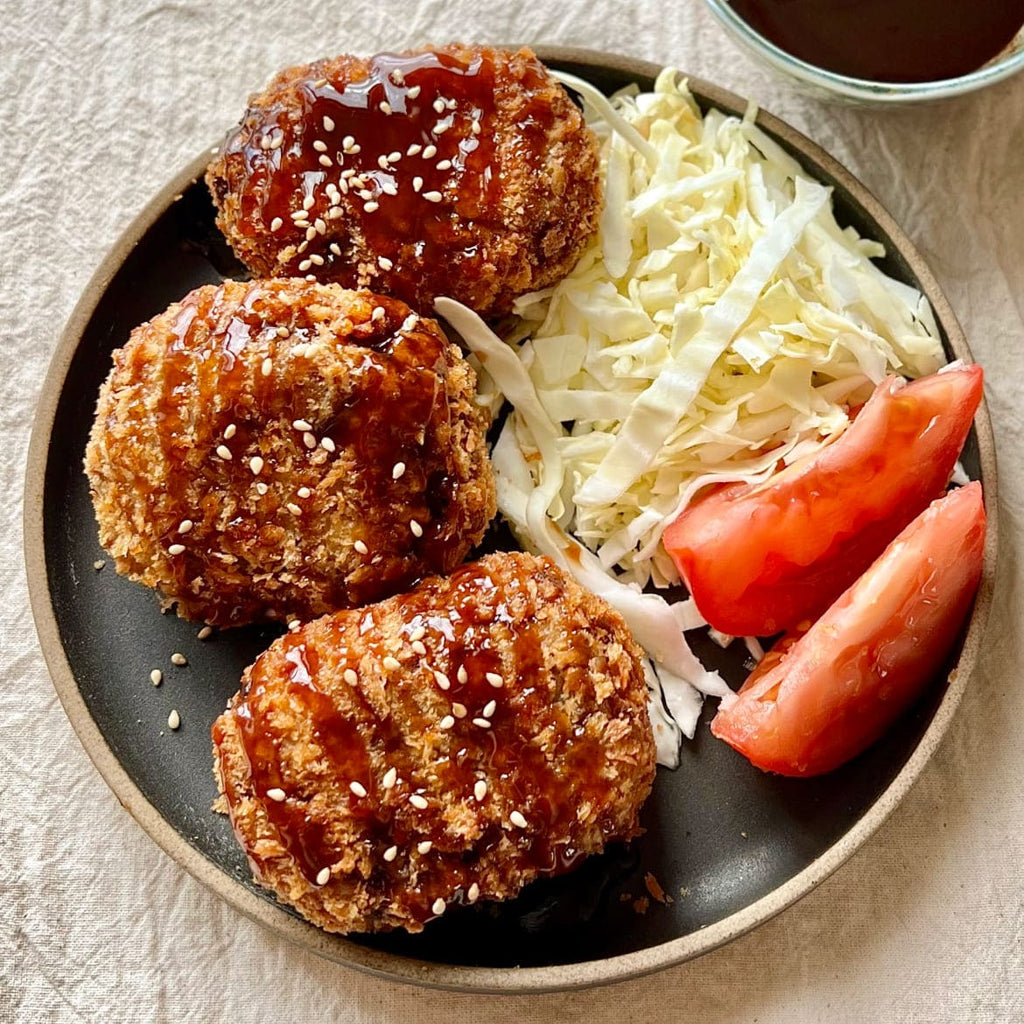
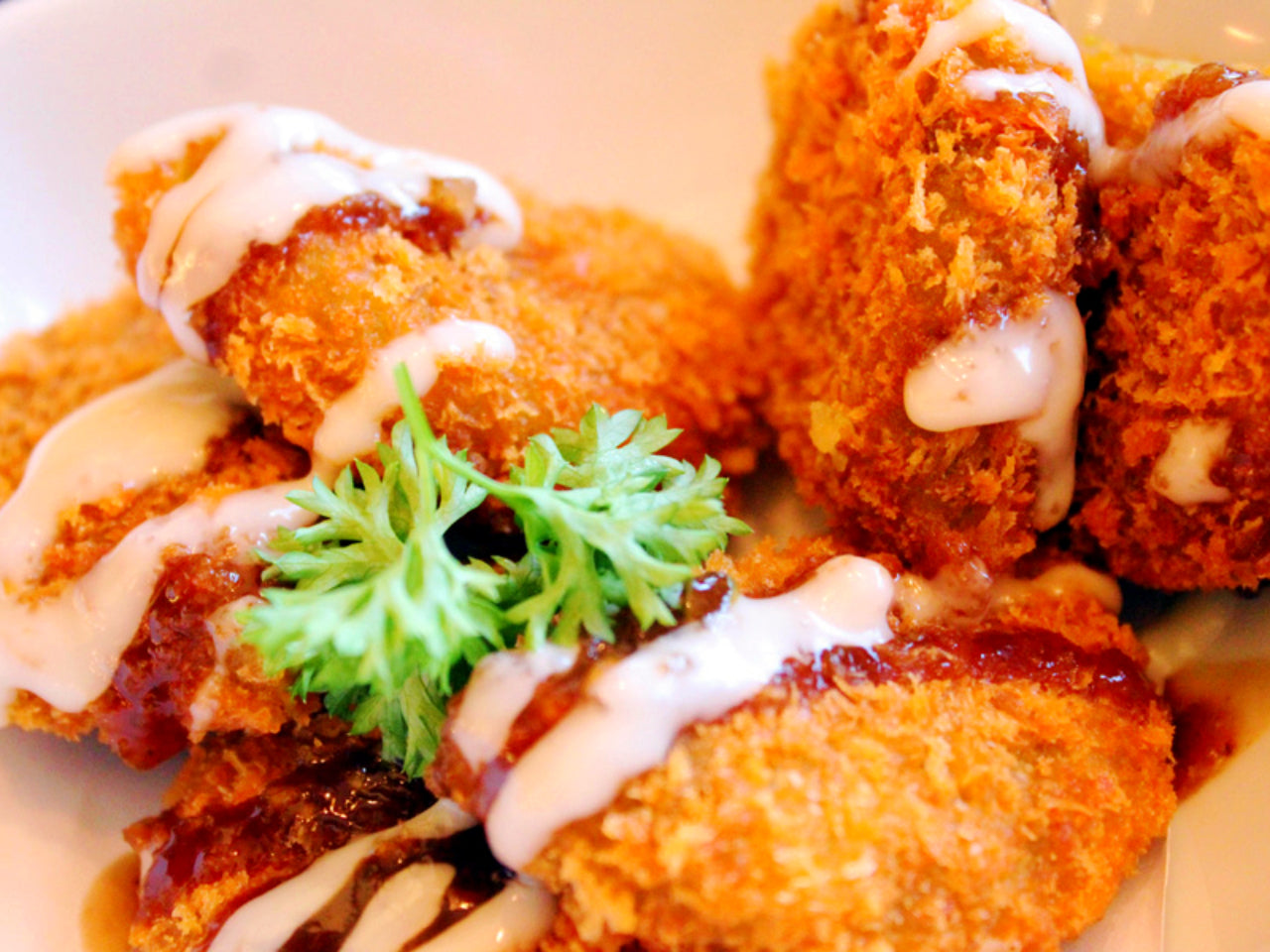
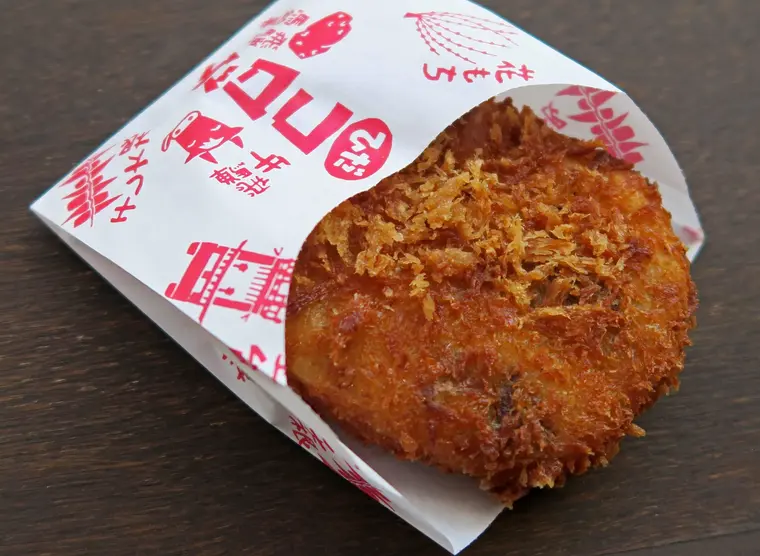
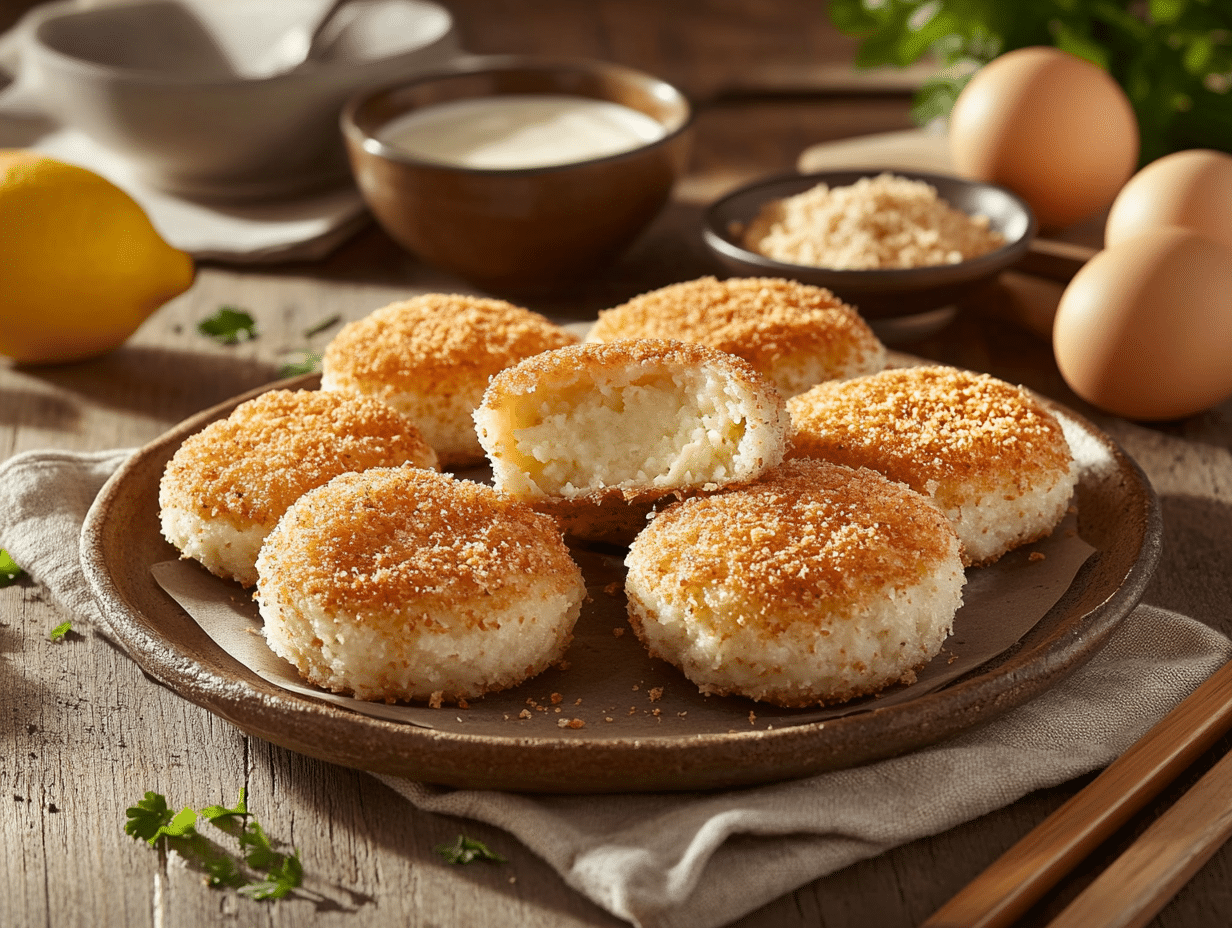
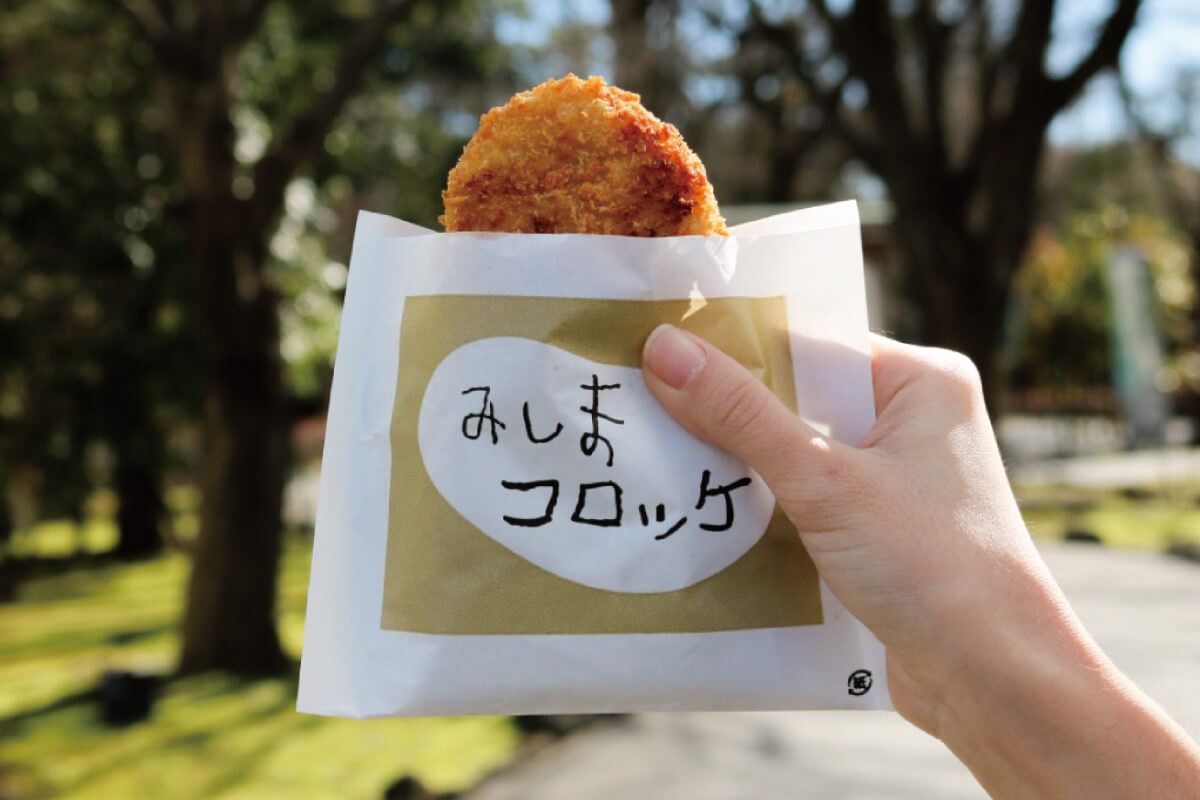
Korokke—crispy, golden, and brimming with warmth—has a charm that instantly resonates with both locals and travelers. These irresistibly crunchy patties, with origins inspired by French croquettes, have found their own unique identity in Japan’s diverse food culture. Sold at bustling street stalls, family-run eateries, and convenience stores, Korokke is a dish for everyone, bridging generations and social classes with each bite.

  • The enticing aroma of freshly fried Korokke wafts through shopping arcades and train stations, pulling in curious wanderers.

Korokke Culture: A Journey Through Japanese Cuisine with Yoshida Hotel

  • With their affordable price and universal appeal, Korokke embodies Japanese street food’s accessibility and friendly, communal spirit.
  • Whether paired with a simple supper or served as a quick snack on the go, these snacks transcend mealtime boundaries, delighting in every context.

The Story Behind Korokke: From Western Roots to Japanese Reinvention

Tracing the trajectory of Korokke reveals a fascinating journey from the Western world to the heart of Japanese culinary life. Inspired by the French croquette, Korokke first appeared in Japan during the Meiji era, a period marked by rapid modernization and western influence.

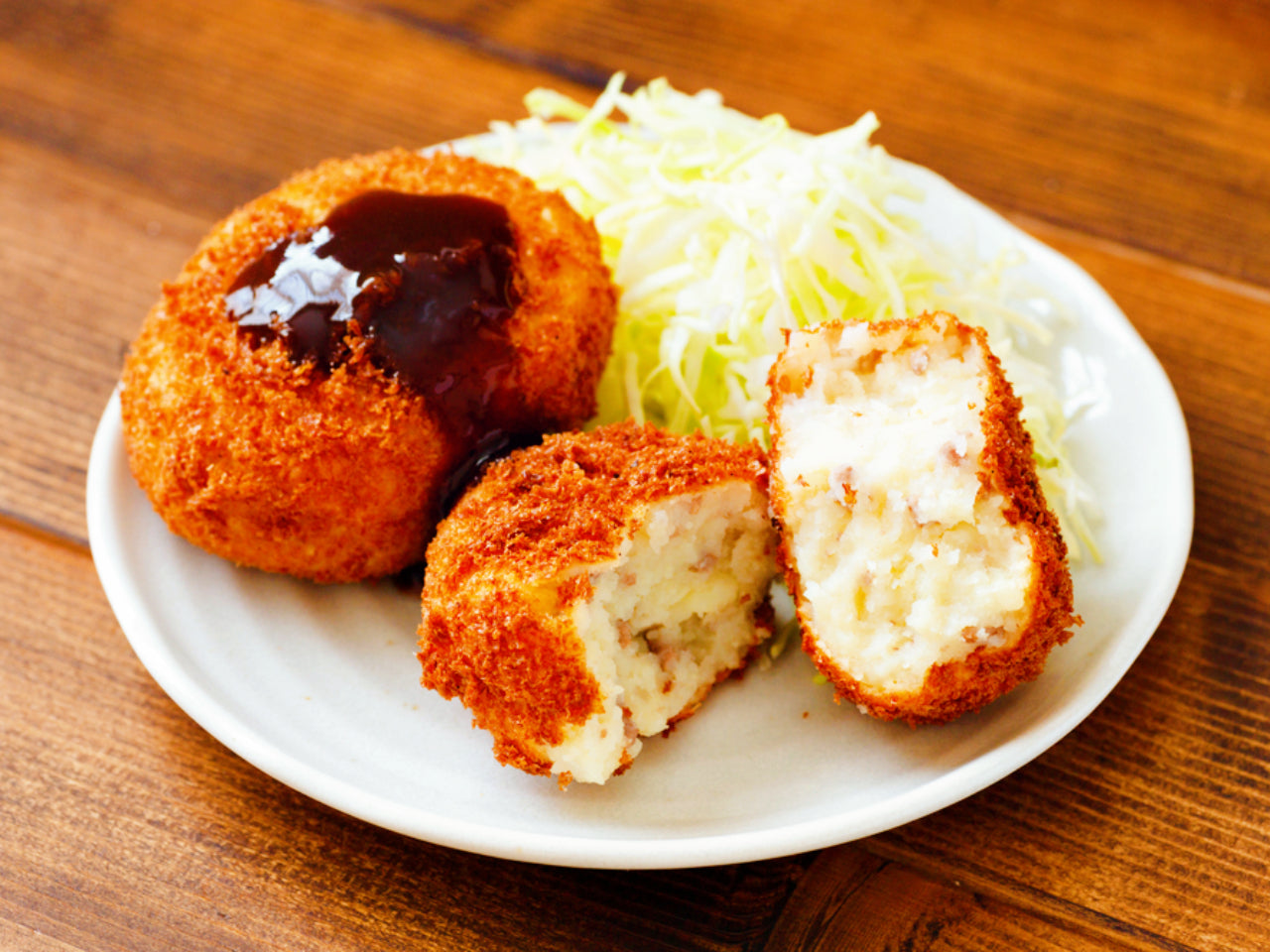
  • Adapted to local tastes, Japanese chefs began replacing rich béchamel with mashed potatoes and minced meat, creating a lighter, more approachable delicacy.

Korokke Culture: A Journey Through Japanese Cuisine with Yoshida Hotel

  • Over the decades, countless variations have emerged, thanks to regional ingredients and creative experimentation.
  • Today, Korokke can be found in countless forms throughout the country, with every region priding itself on its unique interpretation.

A Taste of Tradition: How Korokke Became a National Favorite

What sets Korokke apart from other beloved Japanese snacks is its deep-rooted presence in family dining and daily living:

  • Japanese households frequently serve homemade Korokke for dinner, as lunchbox fillers, or as side dishes.

Korokke Culture: A Journey Through Japanese Cuisine with Yoshida Hotel

  • Recipes are passed down generations, with each family adding a signature twist, whether it’s a dash of spice or a special blend of vegetables.
  • The act of preparing Korokke together at home fosters togetherness, making it as much about family bonds as about flavor.

Exploring the Variety: Types of Korokke across Japan

Every region in Japan boasts its own take on Korokke, turning this humble dish into a map of local flavors.

Hokkaido: Creamy Crab Korokke

Up north in Hokkaido, renowned for its bounty of fresh seafood, crab meat is often the star, folded into creamy potato or béchamel filling, delivering a taste of the sea in every mouthful.

Korokke Culture: A Journey Through Japanese Cuisine with Yoshida Hotel

Kansai: Rich Wagyu and Onion Korokke

In the Kansai region, Korokke features finely chopped Kobe beef and sweet, slow-cooked onions, creating a decadent, savory treat beloved by foodies.

Kagawa: Udon Korokke Fusion

Creativity soars in Kagawa, birthplace of udon noodles, where some imaginative cooks blend udon dough and potatoes into the Korokke, merging two beloved foods into one mouthwatering experience.

Korokke Culture: A Journey Through Japanese Cuisine with Yoshida Hotel

Seasonal Twists: Autumn Pumpkin and Spring Vegetable

Throughout the year, Korokke evolves with the seasons. Rich kabocha pumpkin features in autumn, while spring brings fresh greens and peas for vibrant, colorful patties.

The Korokke Experience: Where to Savor Authentic Flavors

Travelers seeking the best Korokke experiences can embark on a food adventure across Japan, visiting various destinations curated by Yoshida Hotel’s expert team.

  • Major cities like Tokyo and Osaka boast specialty shops dedicated to classic and modern Korokke.
  • Rural towns, such as those in Yamagata Prefecture, offer countryside versions made with local produce.
  • Department store food halls, known as depachika, present an array of gourmet Korokke, with innovations such as curry-spiced filling or cheese infusion.

Korokke Culture: A Journey Through Japanese Cuisine with Yoshida Hotel

Behind the Counter: The Art and Craft of Making Korokke

While Korokke may seem simple, creating the perfect patty is a craft in itself, requiring balance and attention at every step.

  • Potatoes are selected for optimal texture, boiled and mashed for a cloud-like softness—never too dry, nor overly moist.
  • The filling combines with carefully seasoned ground meat, onions, or vegetables, before being shaped into plump discs.
  • Each piece is coated with a delicate layer of flour, dipped in egg, then covered with crispy panko breadcrumbs.

Korokke Culture: A Journey Through Japanese Cuisine with Yoshida Hotel

  • The frying stage is critical: oil must be clean and precisely heated to achieve the fabled golden crunch.
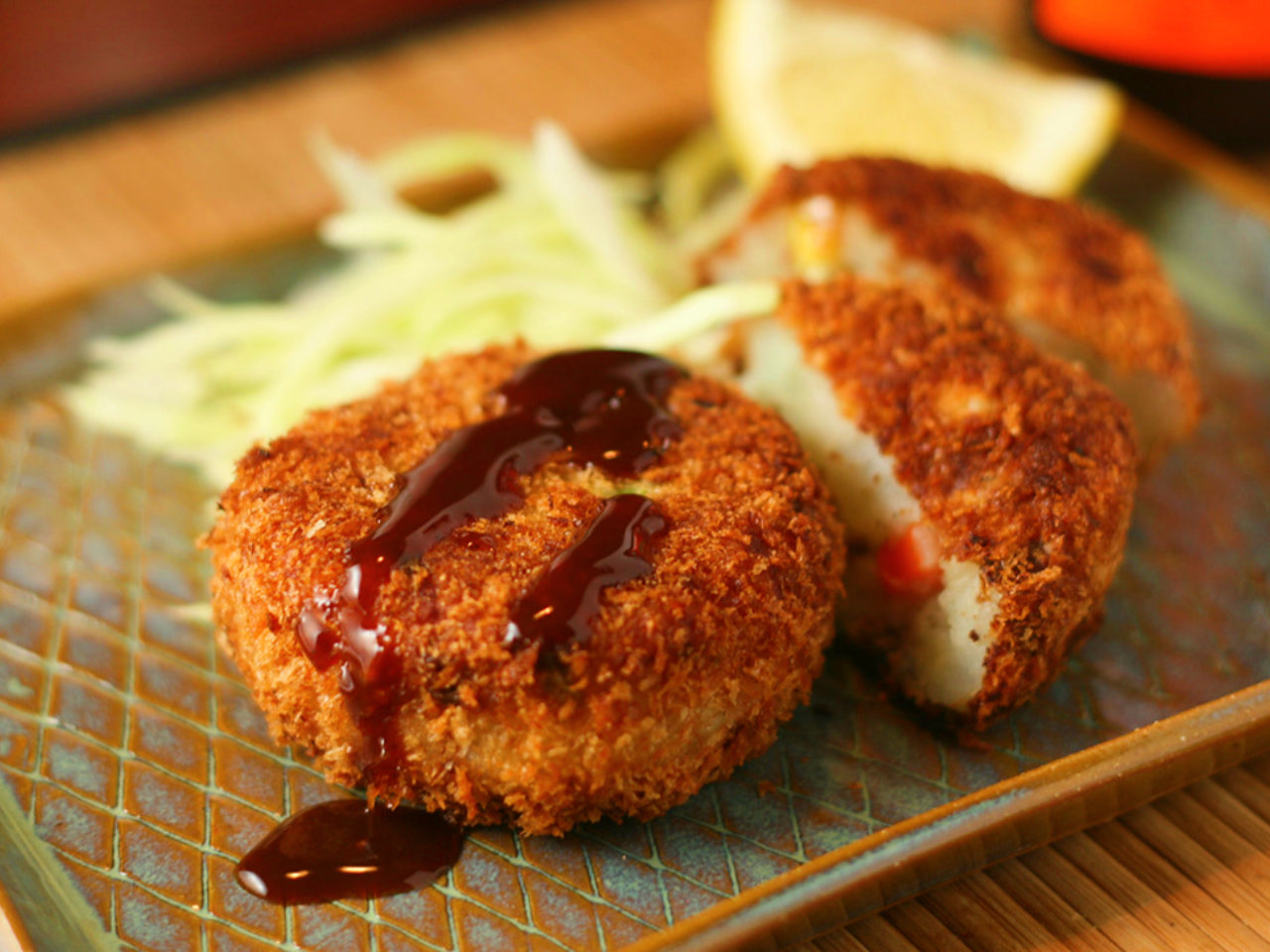
  • Finally, Korokke is served piping hot, garnished with tangy tonkatsu sauce or a sprinkle of sea salt.

The Social Life of Korokke: Festivals, Markets, and Family Tables

Korokke is more than a food; it is a thread in the social fabric of Japanese everyday life.

  • During festivals, Korokke stands become gathering points for neighbors and travelers alike, fostering a sense of community.
  • Street markets across the country present endless Korokke variations, with each vendor bringing a personal touch.
  • In homes, sharing Korokke creates cherished memories, reinforcing bonds between family and friends.

Korokke Culture: A Journey Through Japanese Cuisine with Yoshida Hotel

The Korokke Craze: Why International Visitors Fall in Love

Thanks to its comforting texture, nostalgic flavor, and universal appeal, Korokke has captured the hearts of visitors from around the globe.

  • Travel influencers and food bloggers praise its addictive crunch and gentle, savory filling.
  • Cooking classes for tourists often feature Korokke on the menu, offering a hands-on way to connect with Japanese daily life.
  • Many visitors return home eager to recreate it, inspired by experiences at local shops or family hostels such as Yoshida Hotel.

Korokke Culture: A Journey Through Japanese Cuisine with Yoshida Hotel

Eating with the Senses: Flavors, Aromas, and Textures of Perfect Korokke

Great Korokke is an experience that awakens the senses.

  • The sound of crisp panko gives way to a creamy middle, with subtle umami and a touch of sweetness.
  • Aromas of fried onions and potatoes evoke home-cooked meals and festive gatherings.
  • The visual contrast between flaky crust and smooth filling adds to the anticipation of the first bite.

Korokke Culture: A Journey Through Japanese Cuisine with Yoshida Hotel

Pairing and Presentation: Best Ways to Enjoy Korokke

A classic Korokke is perfectly satisfying on its own, but pairing it with other foods elevates the dining experience.

  • Japanese mustard or tangy Worcestershire sauce adds punch, while fresh cabbage provides a refreshing contrast.
  • Rice, miso soup, and pickles turn Korokke into a hearty lunch or dinner set.
  • Innovative chefs at trendy bistros pair Korokke with artisan sake or craft beer, creating harmonies between drink and food.

Korokke Culture: A Journey Through Japanese Cuisine with Yoshida Hotel

Hidden Heroes: The Ingredients Powering Every Korokke

The magic of Korokke lies in the symphony of its humble ingredients:

  • Potatoes: Preferably starchy types such as Danshaku, mashed to silky smoothness.
  • Meat: Ground beef, pork, or chicken enrich the flavor, but vegetarian versions abound with mushrooms, corn, or tofu.
  • Panko: Japanese breadcrumbs lend the signature crispy crust, a hallmark of quality Korokke.

Korokke Culture: A Journey Through Japanese Cuisine with Yoshida Hotel

  • Onions and Vegetables: Sweet, caramelized onions or finely diced vegetables add complexity and depth.
  • Seasonings: Soy sauce, pepper, nutmeg, and sometimes a hint of miso or curry powder make each recipe distinct.

Korokke’s Place in Japanese Pop Culture and Media

Korokke’s role extends beyond the dining table, appearing in novels, cartoons, dramas, and movies.

  • Anime and manga characters are often depicted enjoying Korokke, reinforcing its role as comfort food.
  • Movies set in everyday Japan use Korokke scenes to emphasize family warmth and nostalgia.
  • Pop icons endorse upscale versions, making Korokke trendy in cafés and department stores.

Korokke Culture: A Journey Through Japanese Cuisine with Yoshida Hotel

Seasonal and Regional Korokke Specialties: A Year-Round Adventure

Japan’s culinary creativity shines brightest in the way it adapts Korokke throughout the seasons and across regions.

  • Limited-time offerings, like chestnut or sweet potato Korokke in autumn or shrimp and pea in spring, entice regulars to try something new.
  • Regional specialties celebrate local produce, from Hokkaido’s dairy-rich versions to Okinawa’s tropical twists.
  • Yoshida Hotel’s guides recommend seasonal food tours for travelers eager to taste Korokke at its freshest.

Korokke Culture: A Journey Through Japanese Cuisine with Yoshida Hotel

Korokke Inspirations: From Home Kitchens to High-End Restaurants

No journey into Japanese cuisine is complete without witnessing Korokke’s evolution.

  • Home cooks innovate with global flavors, adding cheese, curry, or even chili powder to suit personal tastes.
  • Luxury restaurants experiment with truffle oil or foie gras, appealing to gourmet palates.
  • Food trucks and fusion eateries in Tokyo and Kyoto constantly reinvent the classic, attracting younger generations.

Korokke Culture: A Journey Through Japanese Cuisine with Yoshida Hotel

Making Memories: Cooking Korokke at Home

Recreating Korokke at home is a rewarding experience, perfect for sharing with friends and family.

  • The process provides lessons in Japanese technique and flavor balance.
  • Cooking Korokke together creates lasting bonds, whether with new acquaintances or old friends.
  • At Yoshida Hotel, we often recommend Korokke-cooking workshops in the city, giving travelers insider access to local secrets.

Korokke Culture: A Journey Through Japanese Cuisine with Yoshida Hotel

Korokke and the Japanese Way of Hospitality

At the heart of Korokke’s appeal is the spirit of Japanese omotenashi—wholehearted hospitality.

  • The dish’s simplicity is an invitation to relax and enjoy, no matter the occasion.
  • Sharing Korokke demonstrates the Japanese tradition of welcoming guests through food.
  • At Yoshida Hotel, we embrace this philosophy, making every visitor feel cared for—one meal, one stay, one conversation at a time.

Korokke Culture: A Journey Through Japanese Cuisine with Yoshida Hotel

Korokke on the Global Stage: International Influence and Adaptation

As Japanese cuisine sweeps across the world, Korokke finds its place on menus in Europe, North America, and beyond.

  • Japanese delis in London, New York, and Sydney sell authentic or inventive Korokke to a growing international audience.
  • Multicultural mashups arise—Korokke with kimchi, curry, or Mediterranean herbs—demonstrating its remarkable adaptability.
  • Travelers returning from Japan bring back a craving for the familiar crunch, supporting Japanese eateries overseas.

Korokke Culture: A Journey Through Japanese Cuisine with Yoshida Hotel

Korokke: Fuel for the Journey—Street Food for Adventurous Travelers

For the modern-day traveler, Korokke represents far more than a snack. It is fuel for discovery, a symbol of curiosity well rewarded.

  • Timeless yet adaptable, Korokke is recommended by Yoshida Hotel to backpackers and luxury-seekers alike.
  • Sampling Korokke from street vendors can turn a short walk into a mini adventure, revealing neighborhood secrets.
  • Food tours dedicated to this snack provide an engaging way for visitors to taste history, one bite at a time.

Korokke Culture: A Journey Through Japanese Cuisine with Yoshida Hotel

Health and Nutrition: Korokke in a Balanced Japanese Diet

Though indulgent, Korokke is surprisingly versatile for those conscious of balance.

  • Modern recipes offer healthier options, including baked Korokke or fillings rich in vegetables and lean proteins.
  • Home versions allow for reduced oil or creative, nutritious twists—think sweet potato Korokke or versions stuffed with legumes.
  • Eating in moderation and pairing with side salads or miso soup makes Korokke part of a wholesome meal.

Korokke Culture: A Journey Through Japanese Cuisine with Yoshida Hotel

FAQs: Everything You Wanted to Know About Korokke

What is Korokke made of?
Korokke commonly consists of mashed potatoes and minced meat, coated in panko breadcrumbs and fried, though endless variations exist.

Where is the best place to try Korokke in Japan?
Local food stalls, family eateries, department store food halls, and even specialty shops all offer memorable Korokke experiences.

Are vegetarian versions available?
Absolutely. Many restaurants serve vegetable or cheese Korokke, featuring ingredients such as pumpkin, mushrooms, or lotus root.

Korokke Culture: A Journey Through Japanese Cuisine with Yoshida Hotel

How do you eat Korokke?
Korokke is best enjoyed straight from the fryer, often with a splash of tangy sauce or alongside steamed rice and pickles.

Can I make Korokke at home?
Yes! Making Korokke is a fun and accessible way to bring Japanese flavor into your kitchen, with countless recipes online.

Korokke and the Sustainable Future of Japanese Cuisine

Today, Japanese chefs and restaurateurs are reimagining Korokke with sustainability in mind.
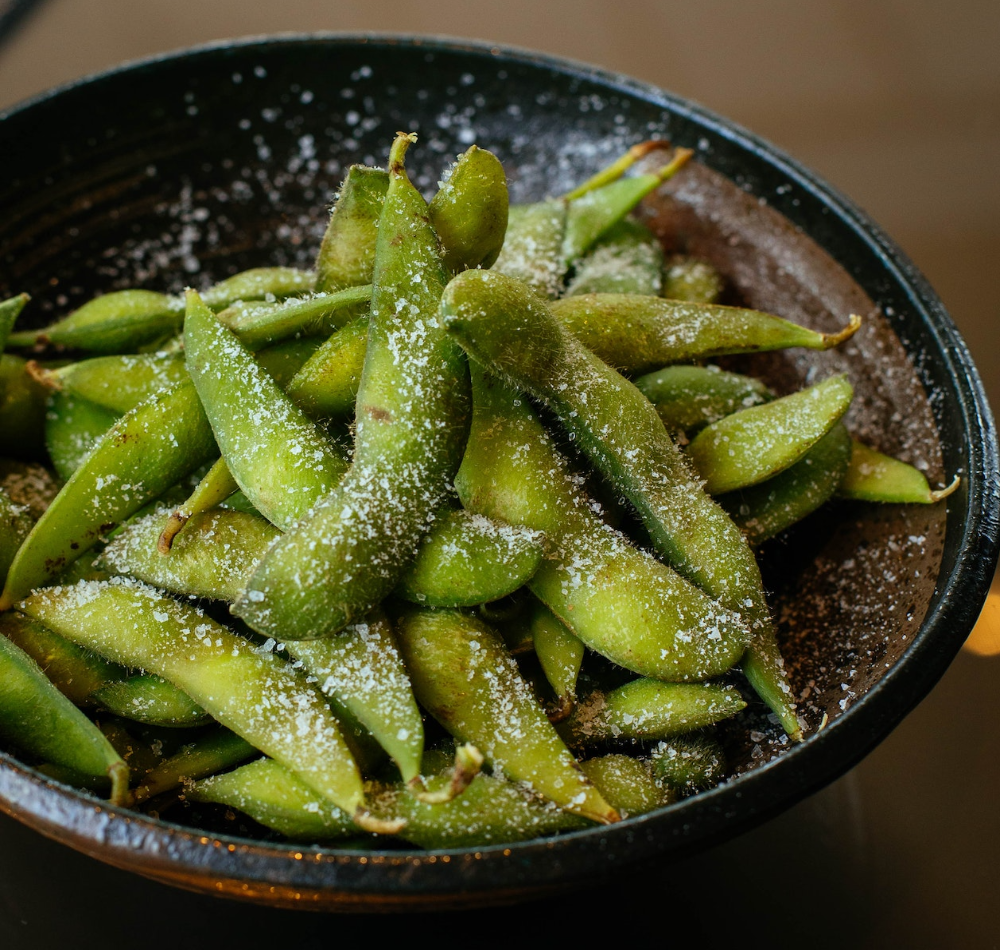
  • Sourcing local and seasonal ingredients ensures fresh taste and minimum food miles.
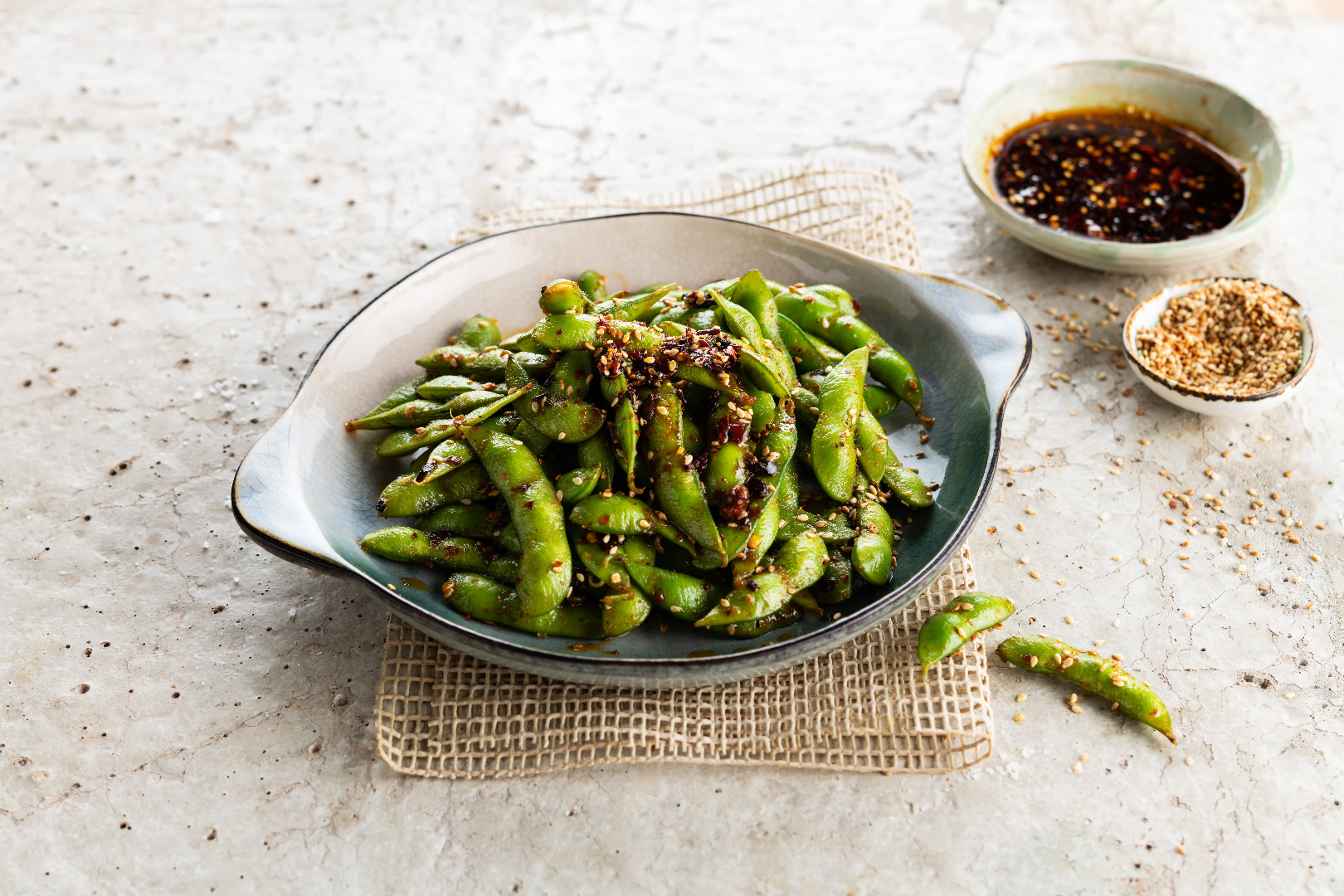
  • Some shops use plant-based fillings or alternative breadcrumbs to reduce environmental impact.
  • The movement to reduce waste finds expression in Korokke, as leftover vegetables and potatoes can be repurposed to great effect.

Korokke Culture: A Journey Through Japanese Cuisine with Yoshida Hotel

Yoshida Hotel Recommends: Integrating Korokke Into Your Culinary Adventure

Choosing Korokke while traveling offers more than just satiating hunger—it is a window into Japanese culture itself.

  • Next time you wander Japanese streets or check into Yoshida Hotel, seek out Korokke among your culinary adventures.
  • Experiment with local interpretations, try seasonal specials, and engage in cooking workshops.
  • With every crunchy bite, you’ll taste not just a snack but a centuries-old cultural exchange, a celebration of hospitality, and the joy of sharing good food.

Korokke Culture: A Journey Through Japanese Cuisine with Yoshida Hotel

Conclusion: Discover, Taste, and Celebrate Korokke with Yoshida Hotel

As our journey through Japanese cuisine draws to a close, the story of Korokke stands as one of warmth, welcome, and culinary delight. From its French-inspired origins to its heartwarming place in homes and markets, Korokke has earned its reputation as one of Japan’s most lovable foods. At Yoshida Hotel, we are proud to guide travelers toward unforgettable gustatory experiences and cultural insights.

Let the memory of a hot, crispy Korokke remind you of the flavors, friendships, and journeys that define your travels. Whether you are exploring Japan for the first time or returning for another taste, the allure of Korokke—woven seamlessly with the story of Yoshida Hotel—will always be waiting for you to discover.

Kare Raisu (Japanese Curry Rice): Immerse Yourself in Japan’s Iconic Culinary Experience with Yoshida Hotel

Embark on a journey of flavor and cultural exploration as Yoshida Hotel invites you to discover the world of Kare Raisu (Japanese curry rice). As an essential comfort dish found in homes and restaurants across Japan, Kare Raisu enchants travelers, foodies, and locals alike with its distinctive taste. Yoshida Hotel is delighted to be your guide in unraveling the story, origins, and modern phenomena of this remarkable Japanese cuisine.

In this comprehensive article, we will explore Kare Raisu (Japanese curry rice) in all its aspects—history, regional variations, secret recipes, cultural context, and the unparalleled enjoyment of relishing this dish as part of an authentic Japanese culinary adventure.

Kare Raisu (Japanese Curry Rice): A Journey Through Culinary Time

The Birth and Evolution of Kare Raisu (Japanese Curry Rice)

Kare Raisu (Japanese curry rice) traces its origins back to the late 19th century, during Japan’s Meiji era, when British naval officers introduced curry powder to Japanese kitchens. Japan, an island nation open to foreign influences yet fiercely protective of its culture, quickly adapted the classic curry to suit local palates. Unlike Indian or British curries, Kare Raisu is distinguished by its thick, mellow, and slightly sweet sauce, reflecting a unique Japanese culinary signature.

Traditional Japanese curry is made with a blend of curry powder, flour, and oil to create a roux, serving as the base for simmered meat, potatoes, carrots, and onions. Poured over a generous mound of steamed Japanese rice, this dish became an everyday staple, enjoyed by schoolchildren, families, travelers, and even served on train journeys and ferries.

Kare Raisu (Japanese Curry Rice): Immerse Yourself in Japan’s Iconic Culinary Experience with Yoshida Hotel

Kare Raisu (Japanese Curry Rice) in Japanese Culture

Kare Raisu (Japanese curry rice) holds a special place in Japanese hearts—as a comfort food, a celebration dish, and a reliable meal after long days. Mentioning Kare Raisu evokes nostalgia for home-cooked dinners, memories of school cafeterias, and lively gatherings at local restaurants. The aroma of curry simmering on a family stove carries a sense of togetherness and tradition that is uniquely Japanese.

Unique Flavors, Regional Styles, and Secret Recipes

Exploring Regional Variations of Kare Raisu (Japanese Curry Rice)

Japan’s vast geography and diverse local flavors have given rise to countless styles of Kare Raisu. Let’s tour some of the most beloved regional variations:

Hokkaido’s Veggie-Rich Curry Rice

In the northernmost region of Hokkaido, Kare Raisu (Japanese curry rice) is celebrated for its abundant local vegetables—carrots, pumpkins, onions—combined with tender pork belly or lamb. Here, the curry is often spicier and heartier, perfect for warming up during harsh winters.

Kare Raisu (Japanese Curry Rice): Immerse Yourself in Japan’s Iconic Culinary Experience with Yoshida Hotel

Osaka and Kansai: A Sweet and Savory Twist

Osaka and the wider Kansai region add their twist with sweeter curries. Apples, honey, and soy sauce enrich the sauce, and toppings like tonkatsu (breaded pork cutlet) or even a molten cheese layer elevate the dish further.

Kyushu: Deep Flavors and Sea Bounty

Kyushu’s Kare Raisu (Japanese curry rice) sometimes features seafood such as shrimp or locally-caught fish, along with regional specialties like kurobuta pork. The rich, complex flavors reflect Kyushu’s reputation for bold, umami-rich cuisine.

Kare Raisu (Japanese Curry Rice): Immerse Yourself in Japan’s Iconic Culinary Experience with Yoshida Hotel

The Secret to Japanese Curry Roux

Every great Kare Raisu begins with a perfectly balanced curry roux, the cornerstone of Japanese curry-making. Popular brands like House Foods or S&B offer convenient curry cubes, enabling home cooks nationwide to recreate authentic flavors. However, many chefs and home enthusiasts craft their curry roux from scratch, blending their preferred ratio of curry powder, garam masala, cocoa powder, and secret spices, giving each plate of Kare Raisu its unique signature.

Dining Experience: Savoring Kare Raisu (Japanese Curry Rice) in Japan

The Ubiquitous Kare Raisu Dining Scene

Kare Raisu (Japanese curry rice) can be relished in countless settings, from humble eateries and cafeterias to sophisticated restaurants. It is the highlight of “kare-ya” (curry shops), school lunches, train station bento (“ekiben”), cafes, and even Japanese fast-food chains. Chains such as CoCo Ichibanya have built an entire culinary empire around customizable curry rice, offering choices of toppings, rice portions, sauce spiciness, and local ingredients.

Kare Raisu (Japanese Curry Rice): Immerse Yourself in Japan’s Iconic Culinary Experience with Yoshida Hotel

Toppings and Sides: Customizing the Kare Raisu Experience

One of the enthusing joys of Kare Raisu (Japanese curry rice) is customizing your plate with irresistible toppings and side dishes:

  • Katsu Curry: Topped with a crispy pork or chicken cutlet, adding a delightful crunch to each bite.
  • Onsen Tamago: Soft-cooked eggs that melt into the curry sauce for a creamy texture.
  • Fukujinzuke: Pickled vegetables providing sweet and tangy contrast.
  • Cheese Curry: Melted cheese for a rich, indulgent touch.

Home Cooking: Kare Raisu as Japan’s Beloved Home Meal

Preparing Kare Raisu (Japanese curry rice) at home brings families together. Supermarkets across Japan stock curry cubes and convenient meal kits, making curry night an easy and anticipated ritual. Each household has its secret tweaks: an extra apple, spoonful of miso, soy sauce drizzle, or even a hint of coffee or chocolate for added depth.

Kare Raisu (Japanese Curry Rice): Immerse Yourself in Japan’s Iconic Culinary Experience with Yoshida Hotel

The Social and Cultural Impact of Kare Raisu (Japanese Curry Rice)

Kare Raisu (Japanese Curry Rice) in Festivals and Daily Life

Beyond the table, Kare Raisu (Japanese curry rice) appears at summer festivals, school lunches, and sports days. It is beloved for its simplicity, accessibility, and the ability to be prepared in large quantities, making it an ideal dish for gatherings, potlucks, and community celebrations.

Kare Raisu (Japanese Curry Rice): Immerse Yourself in Japan’s Iconic Culinary Experience with Yoshida Hotel

The Science of Comfort: Why Kare Raisu Warms the Heart

Scientific studies suggest that aroma compounds and the presence of umami in Japanese curry trigger pleasant emotional responses, reinforcing the dish’s role as comfort food. The interplay of savory, sweet, and mild heat creates a balanced sensory experience that soothes both palate and soul.

Kare Raisu (Japanese Curry Rice) Trends: Modern Innovations and Global Adaptations

The Contemporary Japanese Curry Scene

Modern chefs continue to experiment with Kare Raisu (Japanese curry rice), fusing global culinary trends with traditional flavors. Vegan and plant-based versions draw on soy meat, beans, and coconut milk, making the dish accessible to wider audiences. Elegant fine-dining versions incorporate premium Wagyu beef, locally-grown organic vegetables, and innovative plating techniques.

Kare Raisu (Japanese Curry Rice): Immerse Yourself in Japan’s Iconic Culinary Experience with Yoshida Hotel

The Global Journey of Kare Raisu (Japanese Curry Rice)

Kare Raisu (Japanese curry rice) has secured its place on the global stage, with Japanese restaurants worldwide featuring the dish as a staple. International chefs reimagine the classic with locally sourced vegetables and regional twists, while Japanese expatriate communities celebrate cultural connections through shared curry meals.

Curry Rice Cafés and Pop-Up Events

In global cities like Los Angeles, London, and Sydney, curry rice-themed cafés and pop-up events bring people together over plates of Kare Raisu (Japanese curry rice). These hubs turn a simple meal into an immersive experience, complete with Japanese décor, popular music, and cooking demonstrations.

Kare Raisu (Japanese Curry Rice): Immerse Yourself in Japan’s Iconic Culinary Experience with Yoshida Hotel

Crafting the Ultimate Kare Raisu (Japanese Curry Rice)

The Art of Balancing Flavors and Textures

The secret to a memorable Kare Raisu (Japanese curry rice) lies in balancing savory and sweet, spice and comfort, softness of rice and crunch of toppings. Experimenting with spice levels, sweeteners (like grated apple or honey), and protein sources allows each chef or home cook to develop their signature variation.

Kare Raisu (Japanese Curry Rice): Immerse Yourself in Japan’s Iconic Culinary Experience with Yoshida Hotel

Step-by-Step Guide to Making Authentic Kare Raisu (Japanese Curry Rice)

Ingredients:

  • Japanese short-grain rice
  • Protein (chicken, pork, beef, or tofu for a vegetarian option)
  • Carrots, potatoes, onions
  • Japanese curry roux (store-bought or homemade)
  • Oil or butter for frying
  • Water or stock

Directions:

  1. Rinse and prepare the rice. Cook according to package instructions.
  2. In a large pot, sauté chopped onions, then add your protein and brown well.
  3. Add chopped carrots and potatoes, sauté for a few minutes.
  4. Pour in enough water or stock to cover the ingredients, bring to a simmer.
  5. Skim any foam, then add broken pieces of curry roux. Stir until fully dissolved.
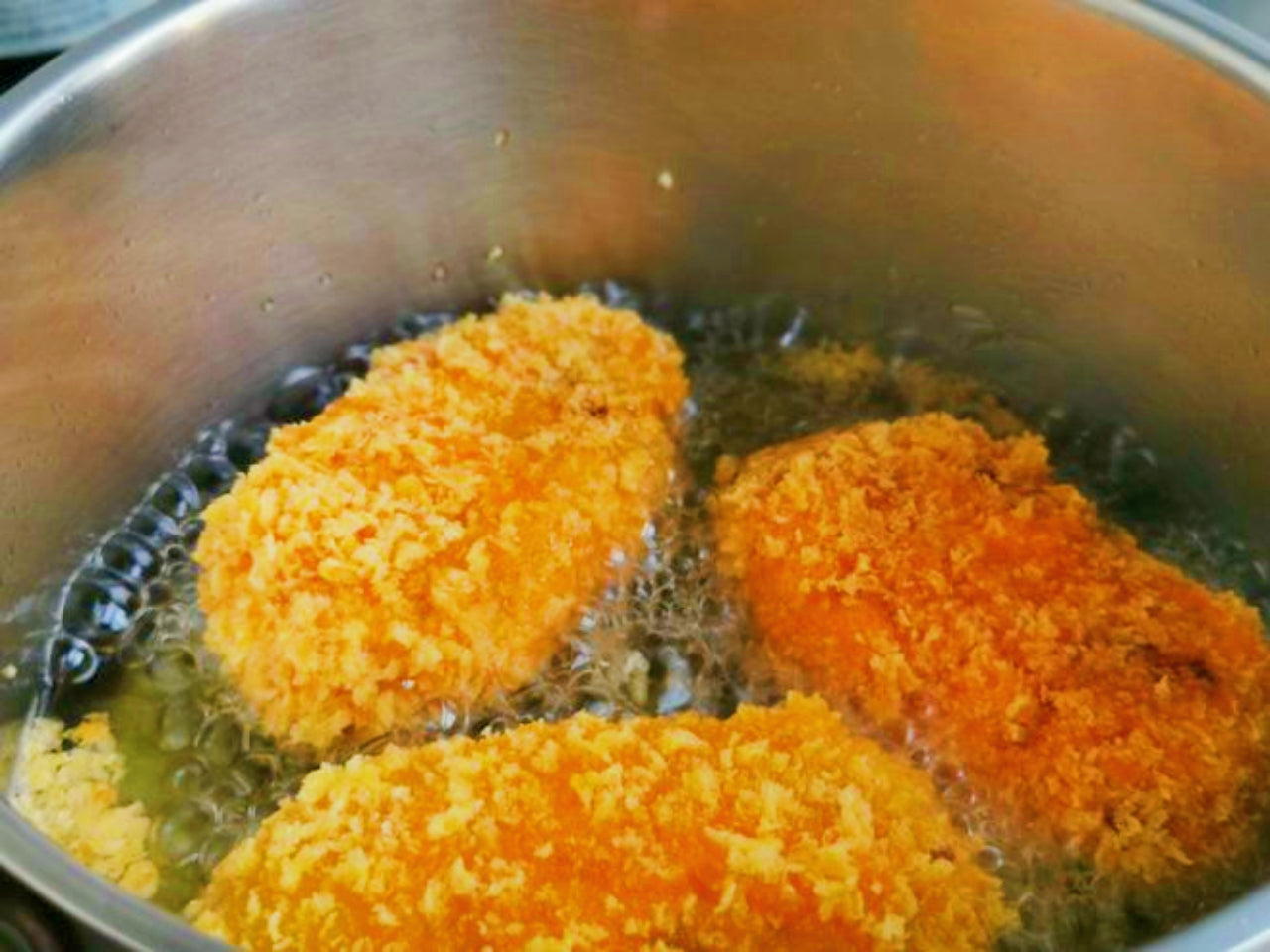
  6. Simmer until meat and vegetables are tender and sauce has thickened.
  7. Serve generous ladles of curry over a bed of fluffy rice, with your choice of toppings.
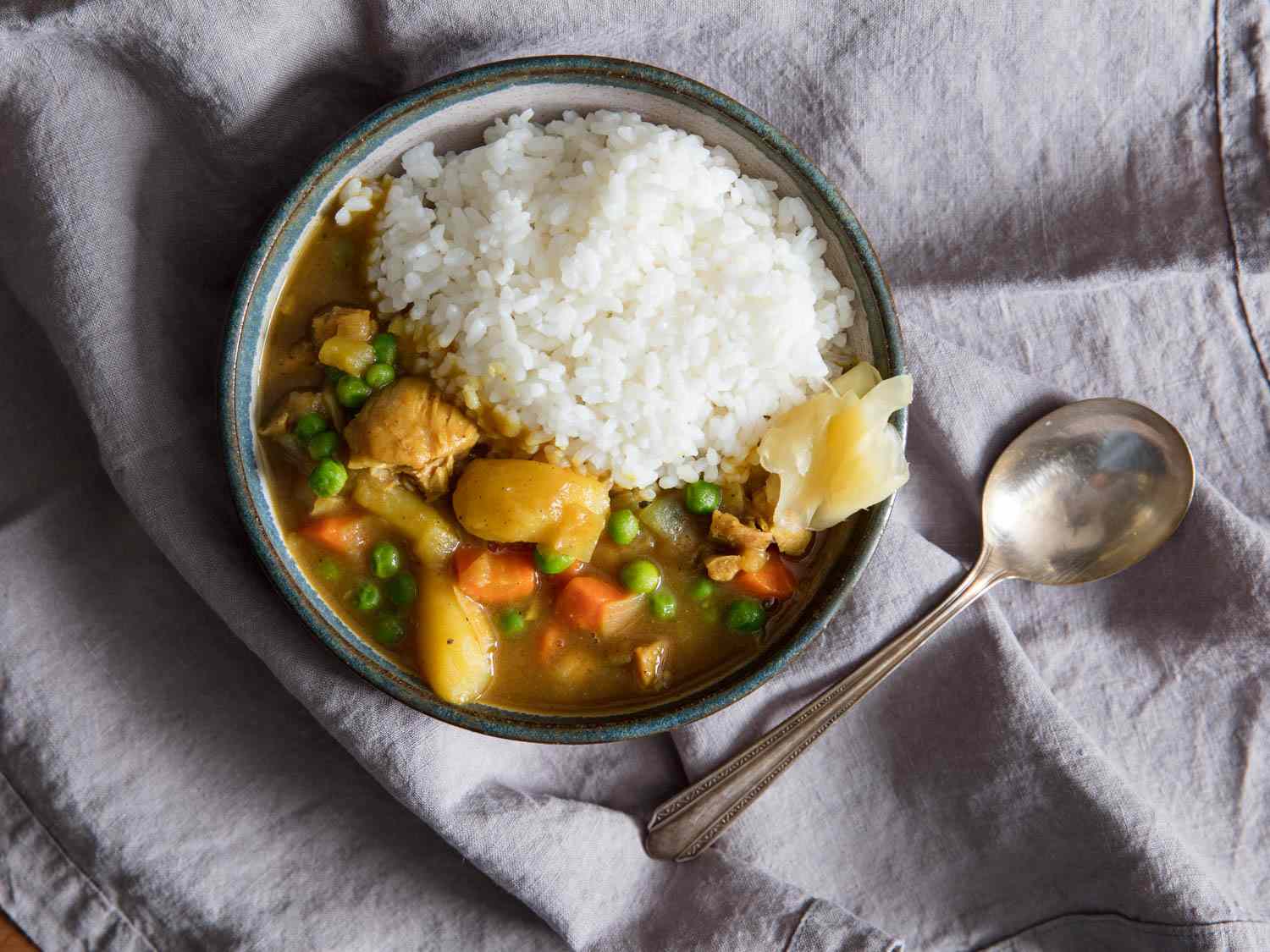
Kare Raisu (Japanese Curry Rice): Immerse Yourself in Japan’s Iconic Culinary Experience with Yoshida Hotel

Tips and Tricks from Japanese Home Cooks

  • For deeper flavor, rest the curry overnight and reheat before serving.
  • Grate a small apple into the curry for sweetness and aroma.
  • A small piece of chocolate or a dash of soy sauce adds unexpected depth.
  • Adjust the spice by mixing mild and spicy curry roux blocks.

Kare Raisu (Japanese Curry Rice) and Japanese Hospitality

Omotenashi: The Spirit of Japanese Service

Omotenashi, or Japanese hospitality, extends to a steaming plate of Kare Raisu (Japanese curry rice). Whether in a cozy home or elegant restaurant, guests are welcomed with care, thoughtful presentation, and a desire to provide comfort. Kare Raisu embodies this spirit, offering warmth and nourishment with every serving.

Kare Raisu (Japanese Curry Rice): Immerse Yourself in Japan’s Iconic Culinary Experience with Yoshida Hotel

Dining Etiquette and Cultural Insights

  • Use a spoon, not chopsticks, for Kare Raisu (Japanese curry rice)—reflecting Japan’s fusion of East and West.
  • Bow slightly to express gratitude before and after meals.
  • Appreciate the harmony between rice and curry, rather than mixing indiscriminately.

Unveiling Lesser-Known Facts about Kare Raisu (Japanese Curry Rice)

Kare Raisu in Japanese Pop Culture

Kare Raisu (Japanese curry rice) often appears in anime, films, and TV dramas, symbolizing comfort and nostalgia. Characters are shown cooking and sharing curry, reinforcing its role as a beloved home dish.

Kare Raisu (Japanese Curry Rice): Immerse Yourself in Japan’s Iconic Culinary Experience with Yoshida Hotel

Kare Raisu in School Lunches

Many Japanese have fond memories of Kare Raisu (Japanese curry rice) served in school cafeterias, often paired with milk and fruit. The mild flavors and familiar taste make curry rice a favorite among children.

Curry Rice Competitions and Festivals

Across Japan, cities host Kare Raisu competitions, inviting chefs and curry enthusiasts to showcase creative spins on this classic dish. Winners are acclaimed for their innovation and respect for tradition.

Kare Raisu (Japanese Curry Rice): Immerse Yourself in Japan’s Iconic Culinary Experience with Yoshida Hotel

Kare Raisu (Japanese Curry Rice) for Travelers: A Must-Try Japanese Food Adventure

Where to Eat Kare Raisu (Japanese Curry Rice) in Japan

Travelers can indulge in Kare Raisu (Japanese curry rice) at curry houses, department store restaurants, and izakayas (Japanese pubs) nationwide. Regional curry specialties are must-try experiences for food adventurers.

How to Order and Enjoy Like a Local

When ordering Kare Raisu (Japanese curry rice), diners can select rice portion, spiciness level, and choice of toppings. For an authentic experience, try local recommendations and seasonal offerings.

Kare Raisu (Japanese Curry Rice): Immerse Yourself in Japan’s Iconic Culinary Experience with Yoshida Hotel

Food Souvenirs: Bringing Kare Raisu Home

Many visitors purchase boxed curry roux or pre-packaged regional curries as souvenirs, allowing them to recreate their Japanese curry adventure after returning home.

Kare Raisu (Japanese Curry Rice) and the Future of Japanese Cuisine

Sustainability and Modern Eating Habits

The popularity of Kare Raisu (Japanese curry rice) is also due to its adaptability. Modern chefs emphasize seasonal, local ingredients and sustainable practices. Vegetarian and vegan versions highlight the dish’s ongoing evolution.

Kare Raisu (Japanese Curry Rice): Immerse Yourself in Japan’s Iconic Culinary Experience with Yoshida Hotel

Culinary Education and International Exchanges

Japanese culinary schools and chefs worldwide incorporate Kare Raisu (Japanese curry rice) into cooking classes, fostering cross-cultural exchanges and spreading appreciation for Japanese food culture.

Conclusion

Kare Raisu (Japanese curry rice) stands as a testament to Japan’s creative culinary spirit, blending global influences with local tastes to produce a dish beloved by young and old. Through this vibrant dish, travelers, locals, and food lovers are invited to experience Japanese tradition, innovation, and togetherness.

Yoshida Hotel is honored to share this exploration of Kare Raisu (Japanese curry rice) and invites you to savor the diverse flavors waiting for you across Japan. Whether you are embarking on a journey or seeking comfort at home, Kare Raisu (Japanese curry rice) promises warmth, nostalgia, and discovery at every bite.

Nikujaga: Discover Japan’s Soul Food and Its Irresistible Flavors

Welcome to a fascinating culinary adventure, where tradition, heart, and flavor unite in one dish: Nikujaga. At Yoshida Hotel, we believe that exploring authentic Japanese cuisine is one of the most rewarding aspects of traveling. Nikujaga, a name that evokes comfort and nostalgia in the hearts of locals, is more than just a meal—it’s a window into Japan’s soul. As Yoshida Hotel, we invite you to delve deep into the world of Nikujaga, uncovering the layers of culture, history, and artistry that make this dish a beloved Japanese classic. Join us as we savor the story and taste of Nikujaga and discover why it remains an essential part of Japan’s culinary landscape.

The Essence of Nikujaga: A Dish Rooted in Japanese Tradition

Nikujaga stands at the crossroads of simplicity and elegance, representing the heart of Japanese home cooking. The name itself, translating literally to “meat and potatoes,” belies the depth of flavor and the warmth that this humble stew embodies. Comprising tender thinly sliced beef, potatoes, onions, carrots, and a sauce based on soy, mirin, and sugar, Nikujaga is a dish that transcends its ingredients.

Nikujaga: Discover Japan’s Soul Food and Its Irresistible Flavors

But what sets Nikujaga apart is not just its taste—it’s the sense of home it evokes. In Japan, Nikujaga is strongly associated with family dinners, wintry evenings, and the art of comfort food. It’s a dish passed down from generation to generation, celebrated in both rural kitchens and urban dining tables. With every bowl, Nikujaga tells a story of Japan’s adaptability, creativity, and respect for the flavors of nature.

A Timeless Classic Born from History: The Origins of Nikujaga

Travelers are often surprised to discover that Nikujaga is not an ancient Japanese recipe but rather a relatively modern creation with roots in Western influence. The story goes back to the Meiji Restoration in the late 19th century, when Japanese naval officers, inspired by the flavors of beef stew enjoyed by the British Royal Navy, sought to recreate it using local ingredients and culinary techniques.

Nikujaga: Discover Japan’s Soul Food and Its Irresistible Flavors

Thus, Nikujaga was born—a dish that adopted beef, then a luxury in Japan, combined with Japan’s beloved potatoes and flavored with a unique blend of soy sauce and sugar. This fusion resulted in a uniquely Japanese stew that has become a national favorite. At Yoshida Hotel, we cherish the innovative spirit that led to the creation of Nikujaga, and we delight in sharing its rich story with our guests.

The Art of Cooking Nikujaga: Tradition Meets Innovation

Preparing Nikujaga is both an art and a ritual. Each household brings its own touch, reflecting regional differences and personal preferences. Typically, the beef is sliced thin for optimal tenderness, potatoes are cut into rustic chunks, and a medley of seasonal vegetables is added according to taste. The simmering process is where the magic happens—flavors meld, aromas bloom, and the ingredients soak up the savory, sweet sauce that sets Nikujaga apart from any other stew.

Nikujaga: Discover Japan’s Soul Food and Its Irresistible Flavors

Home cooks and chefs alike believe the key is balance. Achieving the ideal harmony between salty, sweet, and umami notes is crucial to crafting the perfect bowl. Whether enjoyed at home or in a traditional ryokan, Nikujaga brings warmth and togetherness to every table.

Flavors That Tell a Story: Exploring the Taste Profile of Nikujaga

What makes Nikujaga truly unforgettable is the way its flavors dance together. The softness of slow-cooked potatoes, the bite of tender beef, and the subtle sweetness of carrots form the foundation. This is elevated by the soy-based sauce, whose deep umami character intertwines with every ingredient. Together, these elements create a dish that is at once hearty, soothing, and multidimensional.

Nikujaga: Discover Japan’s Soul Food and Its Irresistible Flavors

Each mouthful is an invitation to explore the layers of Japanese cuisine—a cuisine where even the simplest ingredients are transformed into something extraordinary. At Yoshida Hotel, we encourage food enthusiasts to appreciate the understated beauty of Nikujaga and to savor each bite as part of Japan’s living heritage.

Nikujaga in Modern Japanese Cuisine: Enduring Popularity and New Expressions

Today, Nikujaga enjoys iconic status in Japanese gastronomy. It is featured in home kitchens, izakayas, and even upscale restaurants, each offering their own unique interpretation. Creative chefs have introduced modern twists: vegetarian Nikujaga, versions with pork or chicken, and presentations that showcase innovative plating techniques. Despite these variations, the dish’s core identity remains unchanged—it is comfort food par excellence.

Nikujaga: Discover Japan’s Soul Food and Its Irresistible Flavors

Visitors in Japan will find Nikujaga celebrated in seasonal menus and culinary festivals. It has become a symbol of warmth and hospitality, illustrating how tradition and modernity coexist in the vibrant tapestry of Japanese cuisine.

Cultural Significance: Nikujaga as a Symbol of Home and Belonging

Beyond its ingredients, Nikujaga holds a cherished place in Japanese culture. It is often the first dish children learn to cook with their parents, a fundamental part of community gatherings, and a favorite at school lunches. The emotional resonance of Nikujaga cannot be overstated; it represents homecoming, nostalgia, and the simple joys of shared meals.

Nikujaga: Discover Japan’s Soul Food and Its Irresistible Flavors

Yoshida Hotel embraces this ethos. On chilly nights, few things are as comforting as a steaming bowl of Nikujaga to welcome travelers and locals alike—a reminder that, in Japan, food is a bridge between past and present, between individuals and the wider community.

The Ritual of Serving Nikujaga: Customs and Etiquette

Serving Nikujaga is a moment of care and attention to detail. Traditionally, it is offered as part of a set meal, accompanied by steamed rice, pickles, and miso soup. The aesthetics of presentation—beautiful ceramic bowls, artfully arranged vegetables—mirror the Japanese philosophy of harmony and balance.

Nikujaga: Discover Japan’s Soul Food and Its Irresistible Flavors

Whether enjoyed in a family setting or in the refined environs of a ryokan, the act of sharing Nikujaga fosters connections. At Yoshida Hotel, we pay homage to these traditions by crafting each meal with the utmost respect for authenticity and for the experience of our guests.

Exploring Regional Variations: Nikujaga Across Japan

While Nikujaga is beloved across the country, each region lends its unique flair to the dish. In Kansai, beef is the preferred protein, resulting in a luxurious mouthfeel, while Kantō’s version often features pork and is slightly sweeter. Local vegetables, seasonal garnishes, and subtle adjustments to the sauce’s composition add to the diversity.

Nikujaga: Discover Japan’s Soul Food and Its Irresistible Flavors

Travelers seeking an in-depth culinary tour often discover that tasting Nikujaga in different regions provides insight into local identities and tastes. Yoshida Hotel recommends sampling various renditions to fully appreciate the breadth of this enduring favorite.

Cooking at Home: A Step-by-Step Guide to Authentic Nikujaga

Curious food lovers can bring the warmth of Japanese kitchens into their own homes by learning to prepare Nikujaga. Here’s a guide to crafting a classic version:

Ingredients

  • Thinly sliced beef (or pork)
  • Potatoes
  • Onions
  • Carrots
  • Sugar
  • Soy sauce
  • Mirin
  • Dashi (Japanese soup stock)
  • Sake (optional)
  • Green beans for garnish

Nikujaga: Discover Japan’s Soul Food and Its Irresistible Flavors

Instructions

  1. Prepare the vegetables: Peel and chop potatoes into chunky wedges. Slice onions and carrots.
  2. Brown the meat: Sauté thinly sliced beef in a pot until lightly browned.
  3. Simmer with vegetables: Add onions, carrots, and potatoes to the pot and briefly sauté together.
  4. Create the sauce: Pour in dashi, soy sauce, mirin, and sugar. Bring to a simmer.
  5. Cook until tender: Cover and simmer gently until potatoes are soft and flavors meld—usually about 20 minutes.
  6. Garnish and serve: Top with freshly blanched green beans for color.

Yoshida Hotel encourages you to experiment with proportions and ingredients, personalizing your Nikujaga journey just as Japanese families have done for generations.

Pairing Nikujaga: What to Drink with Japan’s Beloved Stew

The comforting flavors of Nikujaga pair wonderfully with a variety of Japanese drinks. A glass of cold sake balances the dish’s sweetness, while green tea provides a refreshing counterpoint. Certain red wines, especially lighter-bodied varieties, can accentuate the savory notes of the beef and bring a delightful international twist to the meal.

Nikujaga: Discover Japan’s Soul Food and Its Irresistible Flavors

At Yoshida Hotel, we recommend pairing Nikujaga with a selection of local beverages for an authentic taste experience. Travel through flavors as you explore combinations that enhance every nuance of the stew.

Nikujaga on Japanese Restaurant Menus: What to Look For

For first-time visitors, spotting Nikujaga on a Japanese menu offers a glimpse into the nation’s love for comfort food. In izakayas, you may encounter Nikujaga served as a small plate, perfect for sharing over conversation and drinks. Upscale restaurants often feature refined versions with premium beef and delicate garnishes, highlighting the dish’s versatility.

Nikujaga: Discover Japan’s Soul Food and Its Irresistible Flavors

When dining out, look for menus that emphasize traditional preparation and seasonal ingredients. The best Nikujaga experiences, in Yoshida Hotel’s opinion, come from establishments that honor the dish’s roots while celebrating its evolution.

Nutrition and Health Benefits: The Goodness of Homemade Nikujaga

Nikujaga is cherished not only for its flavor but for its wholesome qualities. Potatoes supply fiber and vitamins, beef provides protein and iron, and vegetables contribute antioxidants and essential nutrients. The light sweetness from mirin and sugar, balanced by the umami notes from soy and dashi, make it a dish that feels indulgent yet nourishing.

Nikujaga: Discover Japan’s Soul Food and Its Irresistible Flavors

Families in Japan often prepare Nikujaga as a comforting, balanced meal, perfect for any season. Yoshida Hotel supports the idea that eating well does not mean sacrificing tradition or taste—and Nikujaga is a shining example of this philosophy.

Nikujaga and Japanese Seasonal Eating: The Role of Stews in Japan’s Cuisine

Stews like Nikujaga hold a special place in Japan’s culinary calendar. As temperatures drop, these warming, deeply flavored dishes become staples in both homes and restaurants. Nikujaga is often associated with winter but enjoyed year-round, bringing comfort and familiarity regardless of the season.

Nikujaga: Discover Japan’s Soul Food and Its Irresistible Flavors

The Japanese tradition of eating with the seasons ensures that each Nikujaga is unique, shaped by the freshest vegetables and local produce available. At Yoshida Hotel, we celebrate this approach, welcoming guests to enjoy Nikujaga as part of Japan’s ever-changing feast.

Famous References in Popular Culture: Nikujaga in Japanese Media and Literature

Over the decades, Nikujaga has found its way into countless Japanese films, television dramas, and novels. It is often portrayed as the ultimate symbol of homely love—the dish a mother prepares for her returning child or a sign of affection from a loved one.

Nikujaga: Discover Japan’s Soul Food and Its Irresistible Flavors

This beloved meal is woven into the cultural imagination of Japan, adding another layer to its allure. At Yoshida Hotel, we invite you to explore the stories and folklore that surround Nikujaga, appreciating its emotional resonance.

Learning from the Locals: Nikujaga Cooking Classes and Experiences

Travelers with a passion for food can deepen their appreciation for Nikujaga by joining local cooking classes during their stay in Japan. These hands-on experiences offer a window into the techniques and rituals behind the dish—and provide lasting memories to bring home.

Nikujaga: Discover Japan’s Soul Food and Its Irresistible Flavors

Yoshida Hotel recommends seeking out workshops that focus on home-style favorites such as Nikujaga. From mastering the art of knife cuts to understanding the role of dashi, participants gain insights that enhance their culinary journey.

Sustainable Eating: The Role of Nikujaga in Reducing Food Waste

One reason Nikujaga remains a staple of Japanese households is its adaptability and potential for reducing food waste. Home cooks often use leftover vegetables and smaller cuts of meat to create a satisfying meal, minimizing waste and embracing sustainability.

Nikujaga: Discover Japan’s Soul Food and Its Irresistible Flavors

By focusing on seasonal, readily available ingredients, Nikujaga aligns with modern trends in mindful eating. Yoshida Hotel encourages our guests to adopt similar practices, discovering how Japanese traditions can inspire more sustainable habits around the world.

Stories from Guests: Memorable Nikujaga Experiences at Yoshida Hotel

Over the years, Yoshida Hotel has welcomed visitors from every corner of the globe, each bringing their own perspectives and memories. Many have bonded over stories shared while savoring Nikujaga—tales of childhood, discovery, and belonging.

Nikujaga: Discover Japan’s Soul Food and Its Irresistible Flavors

We cherish these moments, believing that food is a universal language that brings people together. Nikujaga, in all its humble glory, becomes a highlight of each guest’s journey.

Building Connections: Nikujaga as a Symbol of Japanese Hospitality

What truly distinguishes Nikujaga is its spirit of omotenashi—the Japanese art of hospitality. Serving a bowl of Nikujaga is an act of kindness, a gesture that says “welcome” and “feel at home.” At Yoshida Hotel, we strive to embody this spirit in every aspect of our hospitality, embracing the traditions that make Japanese cuisine so inviting.

Nikujaga: Discover Japan’s Soul Food and Its Irresistible Flavors

The Future of Nikujaga: Preserving Tradition, Inspiring Innovation

As Japan continues to inspire culinary trends around the world, Nikujaga holds firm as a beloved classic. Young chefs experiment with new flavors, international influences add fresh dimensions, and home cooks keep the spirit of the dish alive.

Nikujaga: Discover Japan’s Soul Food and Its Irresistible Flavors

Yoshida Hotel believes that the enduring appeal of Nikujaga rests in its ability to adapt, to welcome change while honoring its roots. The dish remains a vibrant part of Japan’s past, present, and future.

Conclusion

In every spoonful of Nikujaga, you taste the heart of Japan—a country that treasures simplicity, warmth, and togetherness. At Yoshida Hotel, our mission is to share this legacy with every traveler, offering a glimpse into the stories, customs, and flavors that define Japanese cuisine. Whether you’re a curious explorer or a devoted foodie, let Nikujaga inspire your journey, connecting you to the very essence of Japan.

From our table to yours, may the spirit of Nikujaga and the hospitality of Yoshida Hotel accompany you on every culinary adventure. Let this iconic dish remind you that true discovery always begins with a single bite.

Sukiyaki: Experience Culinary Elegance with Guide to Japanese Gastronomy

Japanese cuisine is a beautiful tapestry woven from the history, traditions, and seasonal flavors of the Land of the Rising Sun. Among its diverse culinary delights, Sukiyaki stands as an iconic dish, celebrated for its rich flavors and heartwarming communal spirit. At Yoshida Hotel, we believe that exploring authentic Japanese gastronomy is about more than just taste—it’s a journey into cultural heritage and memorable experiences. In this article, join Yoshida Hotel as we unveil the secrets, traditions, and fascinating stories behind Sukiyaki and its prominent place in Japanese food culture.

What is Sukiyaki? The Quintessential Japanese Hotpot

Sukiyaki is more than a meal—it’s an event that brings family and friends together around a bubbling pot filled with meticulously sliced beef, fresh vegetables, tofu, and a sweet-savory soy-based broth. Traditionally enjoyed during the colder months, Sukiyaki expresses the Japanese philosophy of harmony, balance, and sharing. Thinly sliced beef is gently simmered alongside mushrooms, onions, leafy greens, and noodles, then dipped into a raw egg before eating for a silken finish. The Sukiyaki experience is not only a feast for the palate but a true representation of Japanese hospitality and conviviality.

Sukiyaki: Experience Culinary Elegance with Guide to Japanese Gastronomy

The Rich History of Sukiyaki in Japanese Culture

To truly appreciate Sukiyaki, one must understand its remarkable history. Originating during the Meiji era—a period of cultural transformation and modernization—Sukiyaki quickly became the centerpiece of celebrations and gatherings. In the past, beef was a rarity, with its consumption representing a shift in Japanese culinary attitudes. Sukiyaki, with its flavorful broth and premium meats, broke traditional norms and introduced new pleasures to Japanese dining tables. Today, this dish remains a nostalgic favorite, linking the past to the present and connecting generations through the shared act of cooking and eating together.

Sukiyaki: Experience Culinary Elegance with Guide to Japanese Gastronomy

Sukiyaki and Its Role in Japanese Celebrations

The role of Sukiyaki extends far beyond its taste. It is a favored dish during New Year’s feasts, family reunions, and special occasions. The act of preparing Sukiyaki is often ceremonial—the ingredients elegantly arranged, the sauce carefully brewed, and the meal enjoyed slowly, with laughter and conversation. For many families, Sukiyaki symbolizes unity, gratitude, and joy, making it an indispensable part of Japanese festive traditions.

Sukiyaki: Experience Culinary Elegance with Guide to Japanese Gastronomy

The Essential Sukiyaki Ingredients: Quality at the Heart

To achieve an authentic Sukiyaki flavor, ingredient selection is crucial. The cornerstone is exquisitely marbled Japanese beef, such as Wagyu or Kobe, renowned for its tenderness and depth of taste. Supporting ingredients include:

  • Shungiku (edible chrysanthemum greens)
  • Negi (Japanese green onions)
  • Shiitake and enoki mushrooms
  • Tofu, cut into delicate cubes
  • Konnyaku noodles (shirataki)
  • Napa cabbage, sliced into ribbons

Sukiyaki: Experience Culinary Elegance with Guide to Japanese Gastronomy

These elements join in harmony within a base of “warishita” sauce, a blend of soy sauce, sugar, mirin, and sake, which bathes each bite in subtle sweetness and umami. Mastery of ingredients ensures every Sukiyaki experience is nothing short of exceptional.

Crafting the Perfect Sukiyaki: Techniques and Traditions

Cooking Sukiyaki is an art form in itself, guided by precise techniques and gentle rituals. In many regions, beef slices are first seared in the hotpot to draw out their flavors, then accompanied by vegetables and simmered slowly to infuse each element. The finishing touch—dipping each mouthful into a softly beaten egg—adds silkiness and contrasts beautifully with the savory broth. The interaction at the table, where diners serve themselves and each other, embodies the Japanese spirit of sharing and mindfulness.

Sukiyaki: Experience Culinary Elegance with Guide to Japanese Gastronomy

Sukiyaki Across Japan: Regional Flavors and Styles

While the essence of Sukiyaki remains constant, regional interpretations offer intriguing variations. In Kanto (Eastern Japan), all ingredients are simmered together in the warishita sauce from the beginning. In the Kansai region, beef is first flavored with sugar and soy sauce before vegetables are added, developing a deeper caramelized taste. Hokkaido’s version may incorporate fresh seafood, reflecting its proximity to rich marine resources. Exploring these differences not only broadens the palate but deepens the appreciation for Japan’s diverse culinary landscape.

Sukiyaki: Experience Culinary Elegance with Guide to Japanese Gastronomy

Pairing Sukiyaki with Japanese Sake and Seasonal Delights

No Sukiyaki meal is complete without the perfect beverage pairing. Yoshida Hotel’s experts suggest enjoying Sukiyaki with a variety of Japanese sake, from robust Junmai to the fruity notes of Daiginjo. The warmth and complexity of sake enhance Sukiyaki’s deep umami flavors, heightening the overall experience. For a modern twist, consider premium Japanese whiskeys or sparkling sake, each bringing new dimensions to this classic dish.

Sukiyaki: Experience Culinary Elegance with Guide to Japanese Gastronomy

Sukiyaki is also best enjoyed with seasonal side dishes, such as:

  • Lightly pickled vegetables, to cleanse the palate
  • Steamed rice, the ideal companion to soak up the savory broth
  • Fresh fruit or yuzu sorbet, offering a refreshing finish

These thoughtful pairings elevate a Sukiyaki meal into a true celebration of Japanese hospitality and refinement.

Sukiyaki Etiquette: Dining Like a Local in Japan

Dining etiquette is a vital aspect of the Sukiyaki experience. At Yoshida Hotel, we encourage guests to observe these Japanese customs for a more immersive experience:

  • Use chopsticks delicately to handle beef and vegetables
  • Avoid overcooking ingredients; savor them at their peak tenderness
  • Serve others before serving yourself, reflecting humility and grace
  • Enjoy the meal at a leisurely pace, appreciating each bite and the shared company

Sukiyaki: Experience Culinary Elegance with Guide to Japanese Gastronomy

Embracing these practices transforms Sukiyaki from a simple meal into a meaningful cultural event.

The Sukiyaki Journey: Exploring Modern Variations and Innovations

As Japanese cuisine evolves, creative chefs are reimagining Sukiyaki in exciting new forms. Some trendy Tokyo restaurants are experimenting with plant-based meats and fusion sauces, appealing to health-conscious travelers and vegan diners. Others are integrating truffle oil, cheese, or international spices, adding global influences while preserving Sukiyaki’s soul. These innovations reflect Japan’s willingness to honor tradition while embracing culinary progress.

Sukiyaki: Experience Culinary Elegance with Guide to Japanese Gastronomy

The Allure of Sukiyaki for Travelers

Sukiyaki is on every epicurean traveler’s food bucket list for a reason. The blend of sensory satisfaction, communal spirit, and cultural heritage is unmatched. Whether you’re visiting a traditional ryokan or a vibrant city bistro, the opportunity to savor Sukiyaki reveals the heart of Japanese hospitality. It also offers a glimpse into local customs, kitchen skills, and the subtle artistry that makes Japan’s food world-famous.

Sukiyaki: Experience Culinary Elegance with Guide to Japanese Gastronomy

Where to Experience Sukiyaki: Recommendations from Yoshida Hotel

Though Yoshida Hotel is not a Sukiyaki restaurant, we are passionate about connecting guests with authentic Japanese culinary adventures. Our knowledgeable staff can recommend traditional Sukiyaki establishments throughout Japan, from intimate family-run eateries to renowned fine-dining destinations. We also guide guests to local markets where the freshest ingredients can be found for a homemade Sukiyaki experience. With Yoshida Hotel as your companion, every meal becomes a chance for discovery and delight.

Sukiyaki: Experience Culinary Elegance with Guide to Japanese Gastronomy

Nutrition and Health Benefits of Sukiyaki

Beyond its exquisite taste, Sukiyaki offers notable health benefits. Premium beef supplies essential proteins, iron, and B vitamins, vital for energy and well-being. The vegetables provide fiber, antioxidants, and a host of micronutrients, supporting balanced nutrition. The broth is light yet satisfying, making Sukiyaki a wholesome option even as a celebratory dish. Moderation is key, and with careful ingredient selection, Sukiyaki can be part of a vibrant, healthy lifestyle.

Sukiyaki: Experience Culinary Elegance with Guide to Japanese Gastronomy

The Cultural Significance of Sukiyaki in Japanese Society

Sukiyaki is more than a culinary treasure—it is a reflection of Japanese social harmony, respect, and seasonal appreciation. The act of gathering around the hotpot, sharing food, and engaging in warm conversation speaks to deeper values of community and belonging. For many Japanese families, Sukiyaki is a cherished tradition passed down through generations, marking milestones and simple moments alike. In every simmering pot, there is a story of togetherness and a celebration of life.

Sukiyaki: Experience Culinary Elegance with Guide to Japanese Gastronomy

Tips for Enjoying Sukiyaki at Home

Sukiyaki’s beauty lies in its flexibility—it can be enjoyed in both refined restaurants and cozy homes. Here are Yoshida Hotel’s essential tips for preparing Sukiyaki at home:

  • Invest in high-quality beef; thin slices are best for quick cooking and tenderness.
  • Prepare all vegetables and tofu in advance to ensure smooth cooking.
  • Use a shallow, wide hotpot for even heat distribution and an interactive dining experience.
  • Experiment with dipping sauces and condiments for personalized flavor.
  • Gather family and friends; Sukiyaki is meant to be shared.

Sukiyaki: Experience Culinary Elegance with Guide to Japanese Gastronomy

Adopting these strategies will help you recreate the magic of Sukiyaki wherever you are in the world.

Exploring Sukiyaki’s International Influence

As Japanese cuisine gains global popularity, Sukiyaki is becoming a celebrated dish in cities across the world. International chefs are adapting Sukiyaki to suit local tastes, sometimes substituting available meats or vegetables but always striving to retain the essence of the dish. This global footprint signals Sukiyaki’s universal appeal and adaptability while maintaining its core values of togetherness and joy.

Sukiyaki: Experience Culinary Elegance with Guide to Japanese Gastronomy

Frequently Asked Questions About Sukiyaki

What makes Sukiyaki different from other Japanese hotpots?

Sukiyaki stands apart due to its sweet-savory broth (warishita), the use of high-quality beef, and the signature raw egg dipping, setting it apart from shabu-shabu and other hotpot varieties.

Can Sukiyaki be made vegetarian?

Absolutely! Substitute beef with tofu, mushrooms, and seasonal vegetables. Many Japanese restaurants and home chefs are refining vegetarian versions that are equally delicious and satisfying.

Sukiyaki: Experience Culinary Elegance with Guide to Japanese Gastronomy

Is raw egg safe to eat with Sukiyaki?

In Japan, raw eggs are specially handled and safe for consumption. Outside Japan, always use the freshest eggs possible or opt for pasteurized eggs for the same creamy effect.

What is the best way to enjoy Sukiyaki for the first time?

Visit an authentic Japanese restaurant or work with an experienced local chef. The communal nature and personalized service ensure an unforgettable initiation into Sukiyaki.

Embracing the Sukiyaki Tradition with Yoshida Hotel

As we reach the end of our exploration, it is clear that Sukiyaki is much more than a dish—it is a cultural journey, bursting with flavor, tradition, and heartfelt connection. At Yoshida Hotel, our passion is to guide guests and readers toward truly special Japanese experiences, celebrating not only exquisite food but the deeper meaning behind each meal.

Let Sukiyaki be your invitation to the wonders of Japanese cuisine. Through the communal pot, discover the joys of sharing, the subtlety of flavors, and the beauty of hospitality that defines Japan. With Yoshida Hotel by your side, every bite tells a story of discovery, comfort, and cultural richness.

Shabu-shabu: The Quintessence of Japanese Cuisine

Welcome to an exploration of Japanese gastronomy, where “Shabu-shabu” emerges as a shining star. At Yoshida Hotel, we’re delighted to share the wonders of this exceptional dish—a key player in Japanese culinary art. Designed to fulfill travel cravings and culinary curiosity, our journey reveals how Shabu-shabu has captivated global food lovers. Join Yoshida Hotel as we delve deep into what makes Shabu-shabu a must-try delicacy.

Discover the Story Behind Shabu-shabu: Tradition Meets Modern Tastes

Shabu-shabu’s roots are steeped in the history of Japanese dining. The name itself—imitating the swishing sound of thinly sliced meat cooking in bubbling broth—evokes a sense of authenticity and tradition. Originating in the Osaka region during the 20th century, Shabu-shabu soon spread across Japan, earning a place at the center of family celebrations and fine-dining restaurants alike. Its method remains unchanged: high-quality beef or pork, accompanied by fresh vegetables, swirled briefly in simmering broth, and enjoyed with dipping sauces.

Shabu-shabu: The Quintessence of Japanese Cuisine

Shabu-shabu: Embodying Japan’s Hospitality and Togetherness

At the heart of Shabu-shabu lies Japan’s cherished value of communal dining. The dish is not simply a meal, but an experience shared around the table, where friends and family participate in cooking together. This spirit of togetherness echoes the Japanese concept of ‘omotenashi’—hospitality and warmth that lives in each aspect of the dining ritual. Yoshida Hotel celebrates this sense of unity, encouraging guests to embrace the interactive pleasure of Shabu-shabu as part of the broader culture of Japanese cuisine.

Shabu-shabu: The Quintessence of Japanese Cuisine

From Wagyu to Vegetables: The Essential Ingredients Making Shabu-shabu Extraordinary

What transforms Shabu-shabu into a culinary masterpiece? It’s the reverence for premium ingredients. Slices of marbled Wagyu beef, tender pork, and an array of garden-fresh vegetables each lend their own flavors to the hot pot. A variety of mushrooms, native greens like shungiku, tofu, and delicate udon noodles enhance the meal’s diversity. Crafting the broth is an art in itself; commonly, Kombu (kelp) is used to create a subtle, umami-rich foundation. The dipping sauces—citrusy ponzu and nutty sesame ‘goma’—bring bright and savory notes with every bite.

Shabu-shabu: The Quintessence of Japanese Cuisine

Shabu-shabu: A Symbolic and Healthy Choice for Culinary Adventurers

Travelers and food lovers flock to Japanese Shabu-shabu for more than just taste—it embodies mindful eating and wellness. The cooking method, quick and gentle, preserves nutrients and flavor, offering a balanced option for health-conscious diners. Compared to fried dishes, Shabu-shabu is lighter yet satisfying, making it popular for travelers seeking both comfort and nutrition during their journeys.

Shabu-shabu: The Quintessence of Japanese Cuisine

The Ritual of Shabu-shabu: Step-by-Step Dining Traditions

Experiencing Shabu-shabu requires understanding its unique dining process. As Yoshida Hotel shares, guests start by preparing a clear broth and arranging premium ingredients. Diners then select a slice of meat, dip it into the boiling broth for just a few seconds, and enjoy it right away with a preferred sauce. This slow, interactive pace encourages conversation, laughter, and a memorable connection to tradition. Once the meats and vegetables are savored, chefs often transform the remaining broth into a rich soup with rice or noodles as a comforting finish.

Shabu-shabu: The Quintessence of Japanese Cuisine

Exploring Shabu-shabu in Japanese Culture: Festivals, Gatherings, and Everyday Meals

In Japan, Shabu-shabu has evolved from special occasion fare into a comfort food for all seasons. Appearing at New Year’s gatherings, winter feasts, and celebratory events, it’s both a cultural centerpiece and an everyday treat. Restaurants across Japan—from sleek Tokyo establishments to cozy rural inns—proudly feature Shabu-shabu on their menus. Many regions now offer their own twists: for example, Hokkaido’s Shabu-shabu makes use of local seafood, while others highlight regional vegetables or unique broths.

Shabu-shabu: The Quintessence of Japanese Cuisine

Michelin Stars and Local Secrets: Where to Enjoy Shabu-shabu in Japan

Japan’s reputation for excellence extends to its Shabu-shabu offerings. Renowned restaurants in Tokyo, Kyoto, and Osaka feature Shabu-shabu experiences that combine traditional hospitality with innovative presentations. Some spots boast Michelin stars, while others are cherished for their cozy, homestyle ambiance and generational recipes. No matter where you dine, the joy of dipping fresh meats and vegetables into bubbling broth is a constant pleasure. Yoshida Hotel recommends seeking out both luxury destinations and hidden local gems to truly savor the diversity of Shabu-shabu across Japan.

Shabu-shabu: The Quintessence of Japanese Cuisine

Shabu-shabu’s International Voyage: Winning Hearts Across the Globe

In recent years, Shabu-shabu has traveled far beyond Japan’s borders. International food scenes in New York, Paris, and Sydney now include Japanese hot pot restaurants cherished for their authentic take on this tradition. While adaptations emerge to cater to local palates, the core principles—fresh, high-quality ingredients and interactive dining—remain unchanged. In every new city, Shabu-shabu brings people together to share in Japan’s culinary legacy.

Shabu-shabu: The Quintessence of Japanese Cuisine

Unveiling the Secrets: Perfecting the Art of Home-Cooked Shabu-shabu

For those wanting to recreate this experience at home, Yoshida Hotel provides expert insights. Selecting the right cut of meat is essential—paper-thin and well-marbled beef yields the best texture and flavor. Organic, locally sourced vegetables elevate the dish further. A simple, mineral-rich broth made with Kombu seaweed serves as the ideal canvas. Don’t forget homemade ponzu and sesame sauces for authentic taste. With friends and family gathered around, home-cooked Shabu-shabu becomes an unforgettable shared experience.

Shabu-shabu: The Quintessence of Japanese Cuisine

Tracing the Evolution: Shabu-shabu in Modern Japanese Cuisine

Today, innovative chefs across Japan are reinventing Shabu-shabu. Vegetarian and vegan versions now flourish, using tofu, mushrooms, and plant-based meats—perfect for health-focused travelers. Creative broths like spicy miso or tomato infuse the classic dish with new flavors. Fusion restaurants experiment with Korean, Chinese, and European inspirations, introducing exciting twists while honoring the traditions. Yoshida Hotel encourages adventurous diners to seek out these evolving Shabu-shabu experiences during their travels.

Shabu-shabu: The Quintessence of Japanese Cuisine

Healthy, Interactive, and Unforgettable: Why Shabu-shabu Excels in Japanese Dining

Unlike passive meals, Shabu-shabu invites diners to be storytellers in their own culinary adventure. The act of dipping, swirling, and savoring each bite creates a sense of immersion that brings people closer and forges lasting memories. For tourists, this unique style of shared dining delivers a true taste of Japanese hospitality. At Yoshida Hotel, we believe that Shabu-shabu isn’t just a dish—it’s a journey that speaks to the heart and soul of Japan.

Shabu-shabu: The Quintessence of Japanese Cuisine

A Culinary Passport: Shabu-shabu as a Travel Memory

As travel memories fade, the flavors of Shabu-shabu linger. The fragrance of simmering broth, the sounds of laughter, and the sight of friends gathering turn every Shabu-shabu meal into an unforgettable postcard from Japan. Travelers leaving Tokyo or Kyoto often take with them the inspiration to recreate Shabu-shabu at home, ensuring their culinary adventure never truly ends.

Shabu-shabu: The Quintessence of Japanese Cuisine

Embrace Culinary Adventure: Shabu-shabu Travel Experiences Await

For anyone desiring a deeper understanding of Japanese food, Shabu-shabu stands tall as a symbol of both time-honored tradition and creative evolution. Whether you’re planning your first journey to Japan or returning as a seasoned explorer, this dish promises exciting discoveries with each flavorful bite. From Michelin-starred dining rooms to the comfort of homestyle kitchens, there’s always a new story to uncover within the world of Shabu-shabu.

Shabu-shabu: The Quintessence of Japanese Cuisine

Conclusion

In closing, Yoshida Hotel invites travelers, foodies, and curious souls to immerse themselves in the enchanting world of Shabu-shabu—a culinary legacy that has shaped Japanese dining for generations. As you set out on your Japanese gastronomic adventure, let the flavors, rituals, and stories of Shabu-shabu guide your senses. Your next culinary discovery awaits, and with Yoshida Hotel as your companion, the journey will be as memorable as every delicious bite.