Author: Yoshida Hotel

Tamagoyaki: Discovering Japanese Culinary Treasures with Yoshida Hotel

Welcome to a delectable journey into the world of Japanese gastronomy, where culinary artistry meets centuries-old tradition. At Yoshida Hotel, we are passionate about sharing the authentic flavors and cultural significance of Japan’s renowned cuisine. Among Japan’s myriad culinary treasures, Tamagoyaki stands out as an iconic dish celebrated for its balance of simplicity, elegance, and delightful taste. In this rich and comprehensive guide, join Yoshida Hotel to unravel the story, secrets, and culinary marvels surrounding Tamagoyaki–the signature Japanese rolled omelette that captures the essence of Japanese food culture. Through this article, we aim to immerse you in a flavorful exploration that will satiate your curiosity and enrich your appreciation of Japanese dining experiences.

Tamagoyaki: The Symbol of Japanese Culinary Art

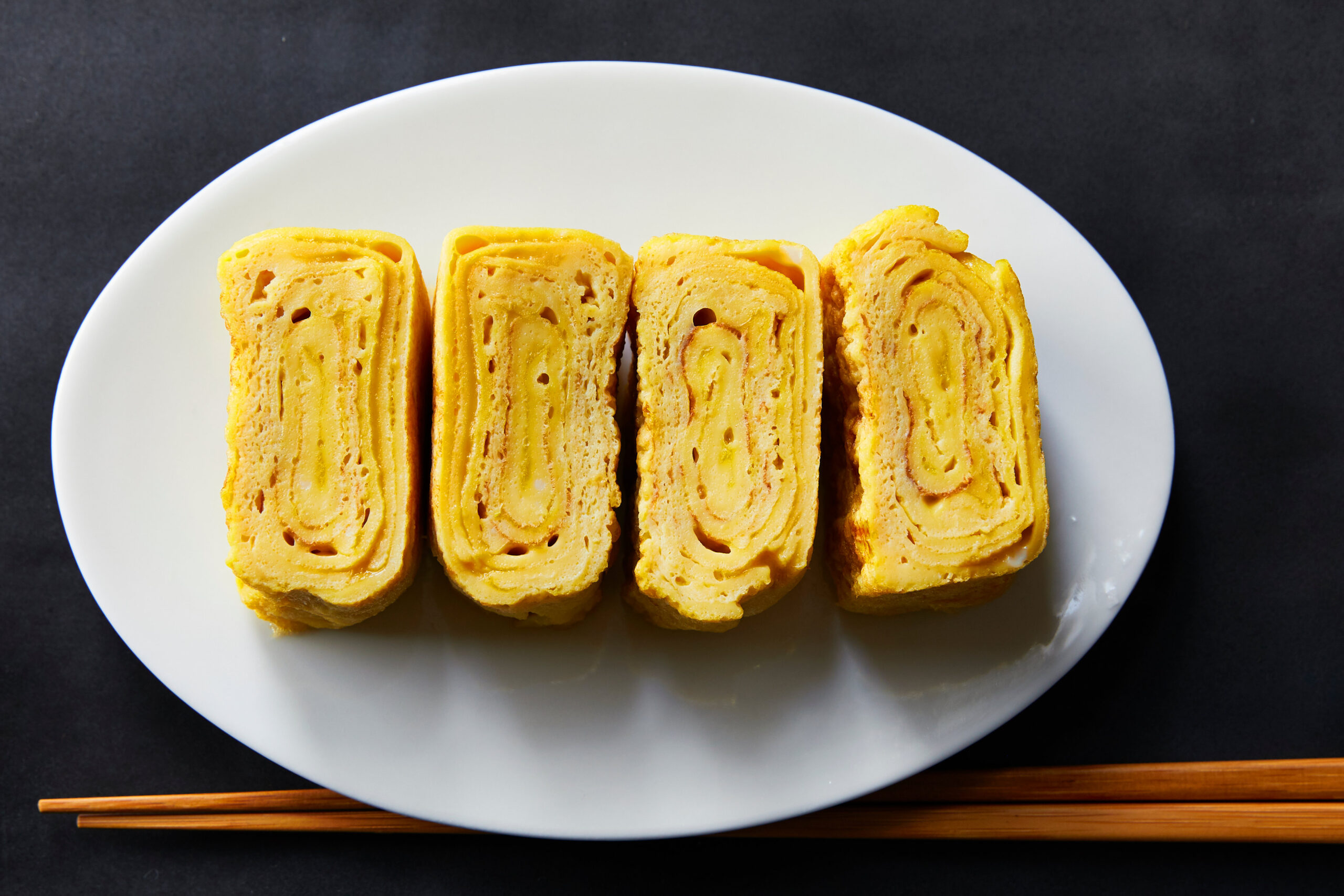
Tamagoyaki is more than just an omelette; it is a symbol of the Japanese approach to cooking, which values precise technique, curated ingredients, and harmonious presentation. Whether enjoyed as part of a sushi meal or as an element in bento boxes, Tamagoyaki reflects the sophistication and subtlety inherent in Japanese cuisine. Its soft, layered texture and delicate sweetness encapsulate the essence of comfort food while maintaining visual appeal. At Yoshida Hotel, we often witness how Tamagoyaki is a favorite not only for domestic diners but also for travelers seeking a bite of traditional Japan.
Tamagoyaki: Discovering Japanese Culinary Treasures with Yoshida Hotel

The Spellbinding Origins of Tamagoyaki

Tamagoyaki: From Ancient Traditions to Modern Tables

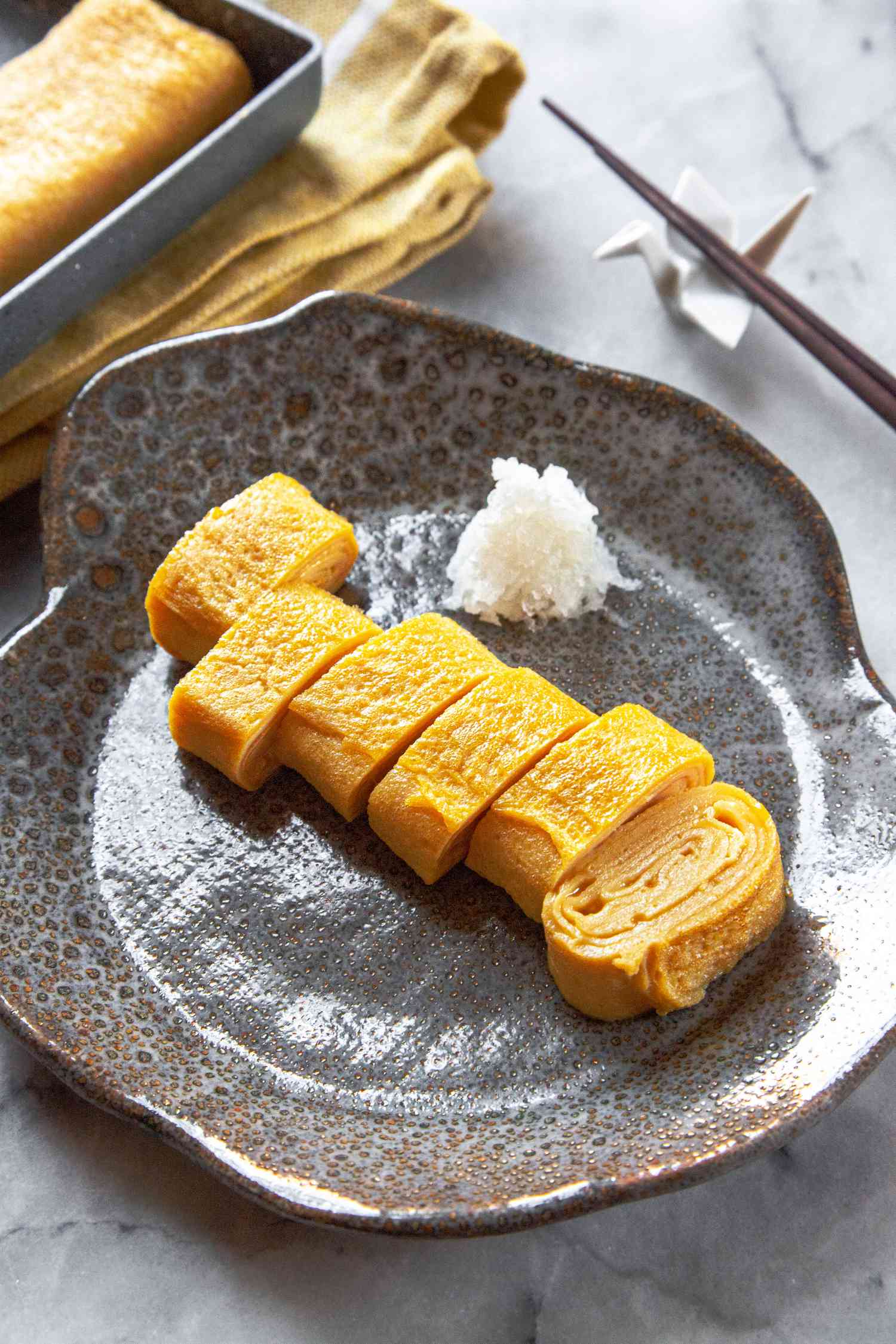
The history of Tamagoyaki is woven with threads of Japan’s evolving food culture. While eggs have played an essential role in Japanese kitchens since the Edo Period, Tamagoyaki appeared as cooks perfected the art of rolling multiple thin layers of egg, seasoned with mirin, soy sauce, and a hint of sugar. Its origins can be traced back to the influence of both local and foreign culinary styles, evolving from a simple fried egg to a refined, multi-layered dish that was once reserved for special occasions or the tables of aristocracy.
Tamagoyaki: Discovering Japanese Culinary Treasures with Yoshida Hotel

How Tamagoyaki Reflects Japanese Society

Tamagoyaki has become a hallmark of homemade cuisine, reflecting the values and customs passed down through generations. Preparing Tamagoyaki at home is an act often laden with affection and care, shared between parents and children or among friends. This dish exemplifies the Japanese philosophy that food is not only nourishment but also a medium for connection and celebration.

Tamagoyaki in Everyday Japanese Life

The Cultural Presence of Tamagoyaki in Japanese Cuisine

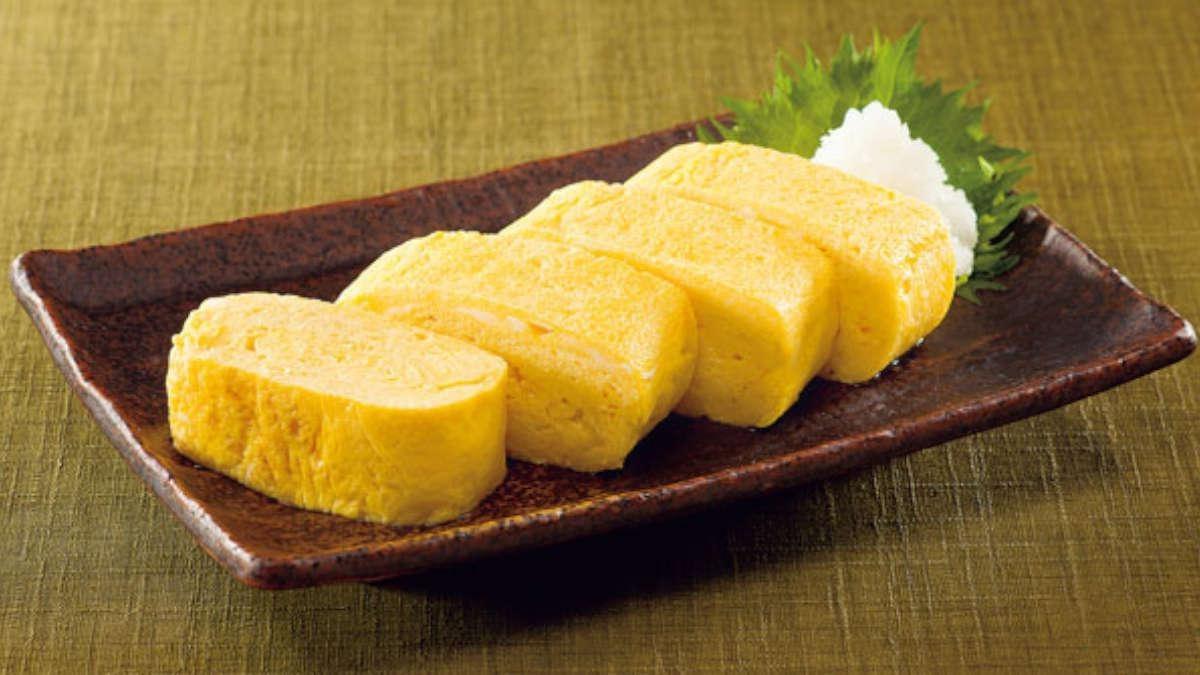
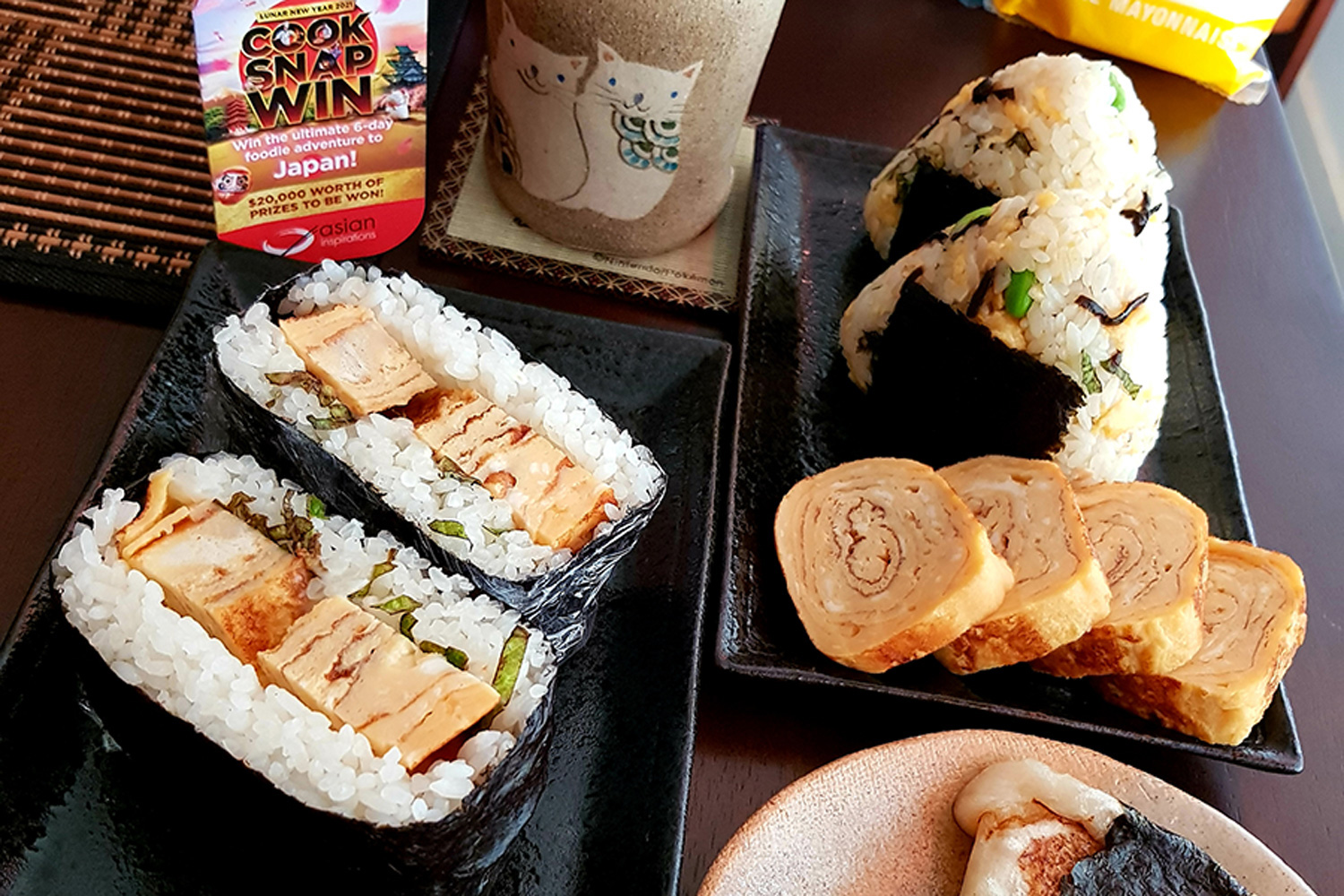
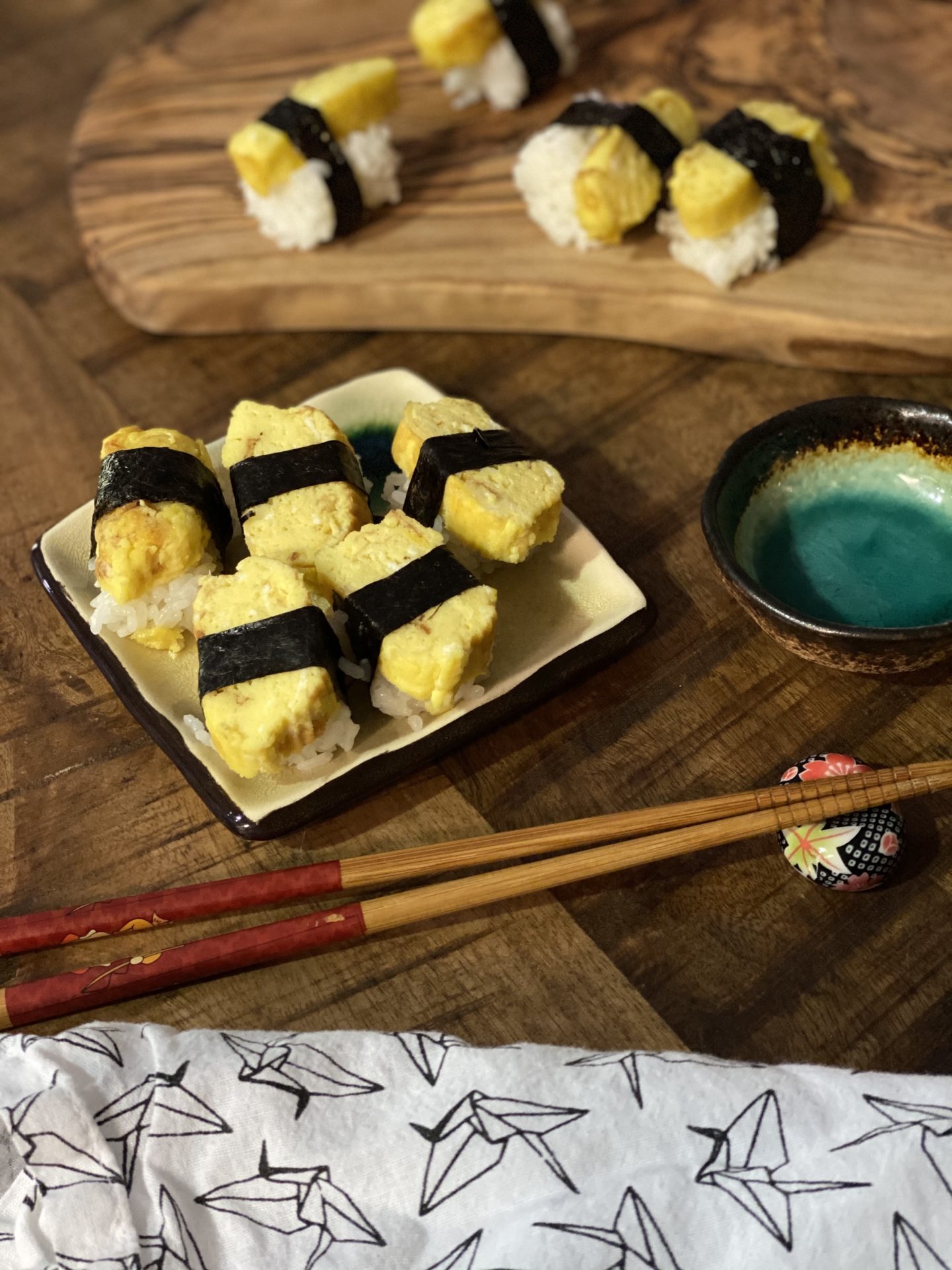
Step into any traditional Japanese breakfast setting, and you will likely encounter Tamagoyaki. It is served alongside rice, pickles, and miso soup, providing a gentle sweetness and soft texture that complement the savory flavors of other breakfast dishes. In sushi bars, Tamagoyaki is expertly sliced and presented as a sushi topping, its fluffy appearance contrasting beautifully with glistening sushi rice and a thin layer of seaweed.
Tamagoyaki: Discovering Japanese Culinary Treasures with Yoshida Hotel

Tamagoyaki in Lunch Boxes and Street Food

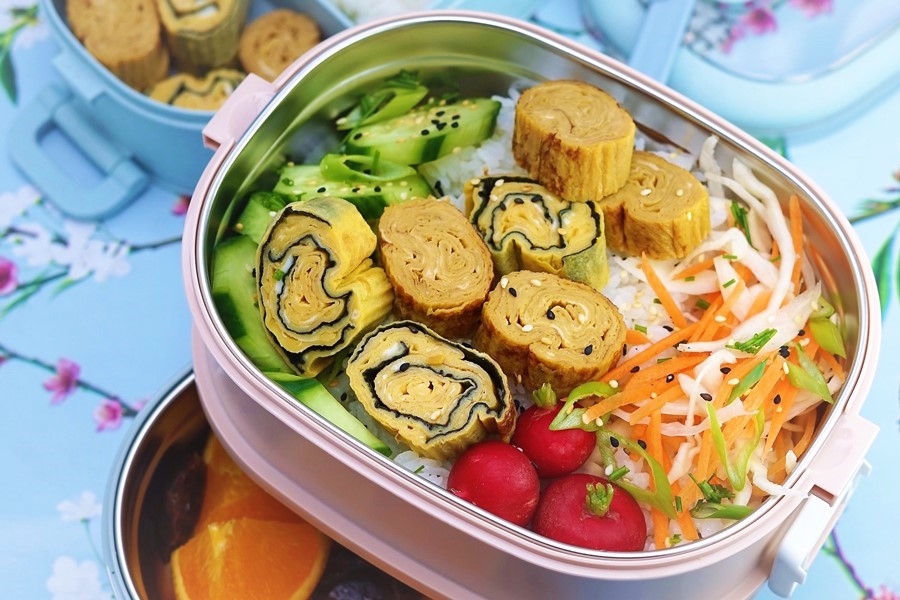
Bento culture in Japan is celebrated for its variety and beauty, and Tamagoyaki is often a centerpiece in these lunch boxes. Its golden color and rolled layers make it visually appealing and practical, as it is easily cut into bite-sized portions. Street vendors and markets across Japan also feature Tamagoyaki, attracting locals and tourists alike with the inviting aroma and the mesmerizing process of making this dish on rectangular pans.

Unfolding the Artistry: The Craft of Making Tamagoyaki

Essential Ingredients for Authentic Tamagoyaki

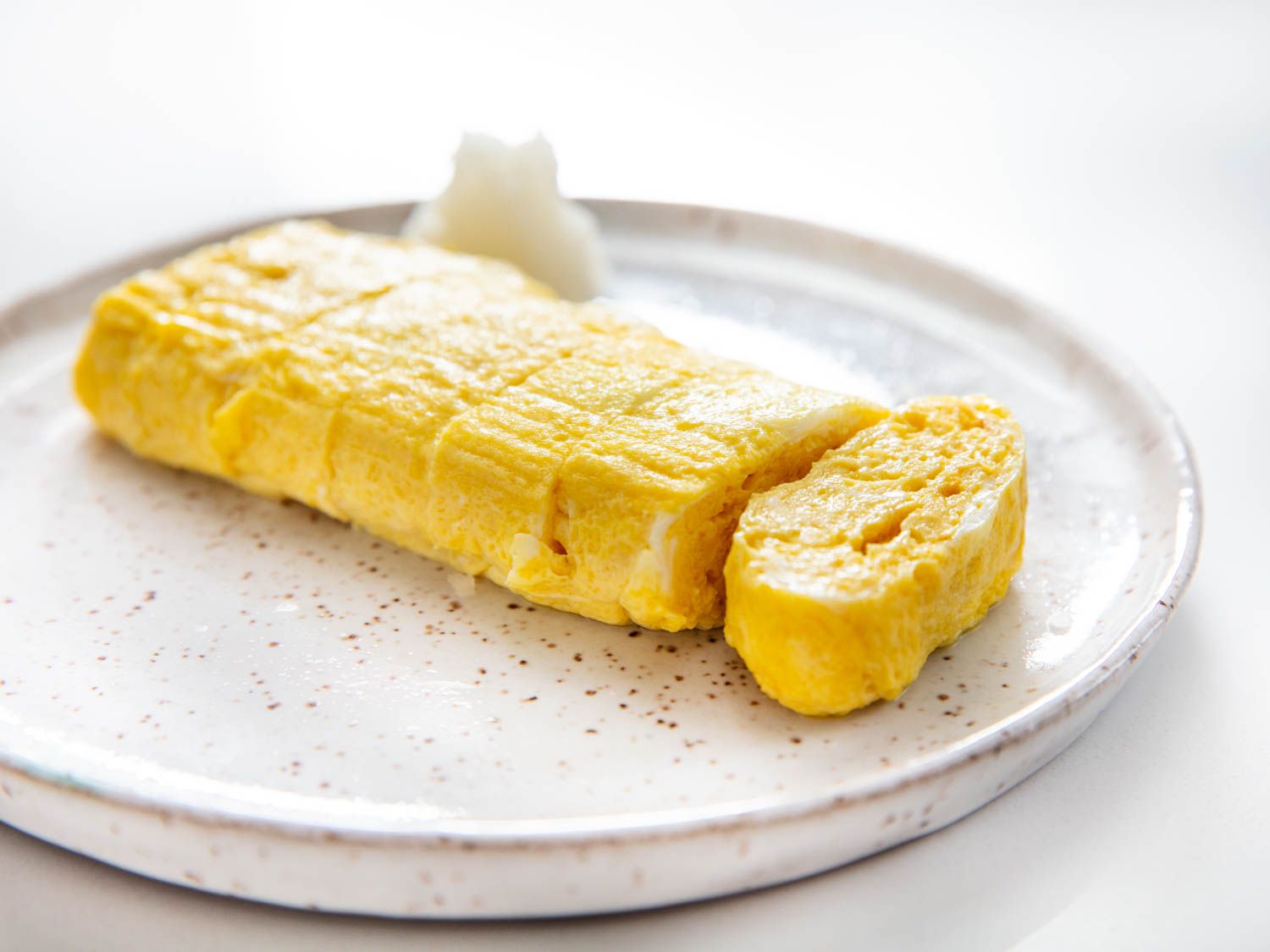
At its heart, a traditional Tamagoyaki requires just a handful of ingredients: eggs, sugar, mirin (a type of rice wine), soy sauce, and sometimes dashi stock. The selection and balance of these ingredients are essential to achieving the characteristic flavor–a gentle harmony between sweet and savory.
Tamagoyaki: Discovering Japanese Culinary Treasures with Yoshida Hotel

Techniques Passed Down Through Generations

The hallmark of a memorable Tamagoyaki lies in the technique. A special rectangular pan, called a makiyakinabe, is used to create evenly cooked, delicate layers. Pouring a thin layer of egg mixture, letting it set, and skillfully folding it before adding the next layer requires dexterity and practice. Over time, cooks develop their personal touch, whether by adjusting the seasoning or the number of layers, resulting in countless variations.

Tamagoyaki Recipes: From Classic to Contemporary

Classic Japanese Tamagoyaki Recipe

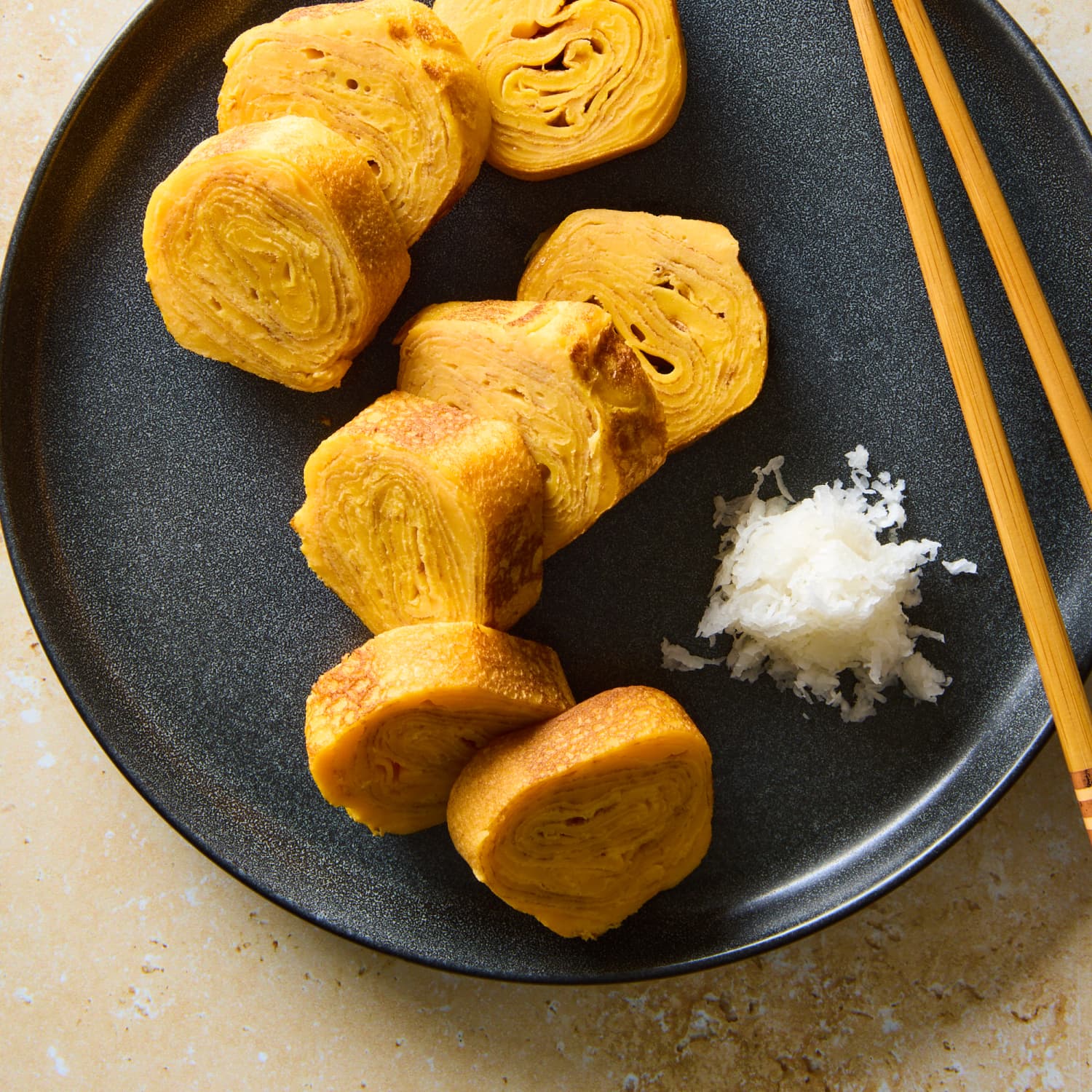
For those wishing to create Tamagoyaki at home, here’s an overview of a tried-and-tested method:

  • Beat eggs gently, combining them with sugar, mirin, soy sauce, and a splash of dashi for umami.
  • Heat a makiyakinabe pan, oiling it lightly.
  • Pour a thin layer of egg, allow it to set, and roll it to one side.
  • Repeat, layering and folding, until all the mixture is used.
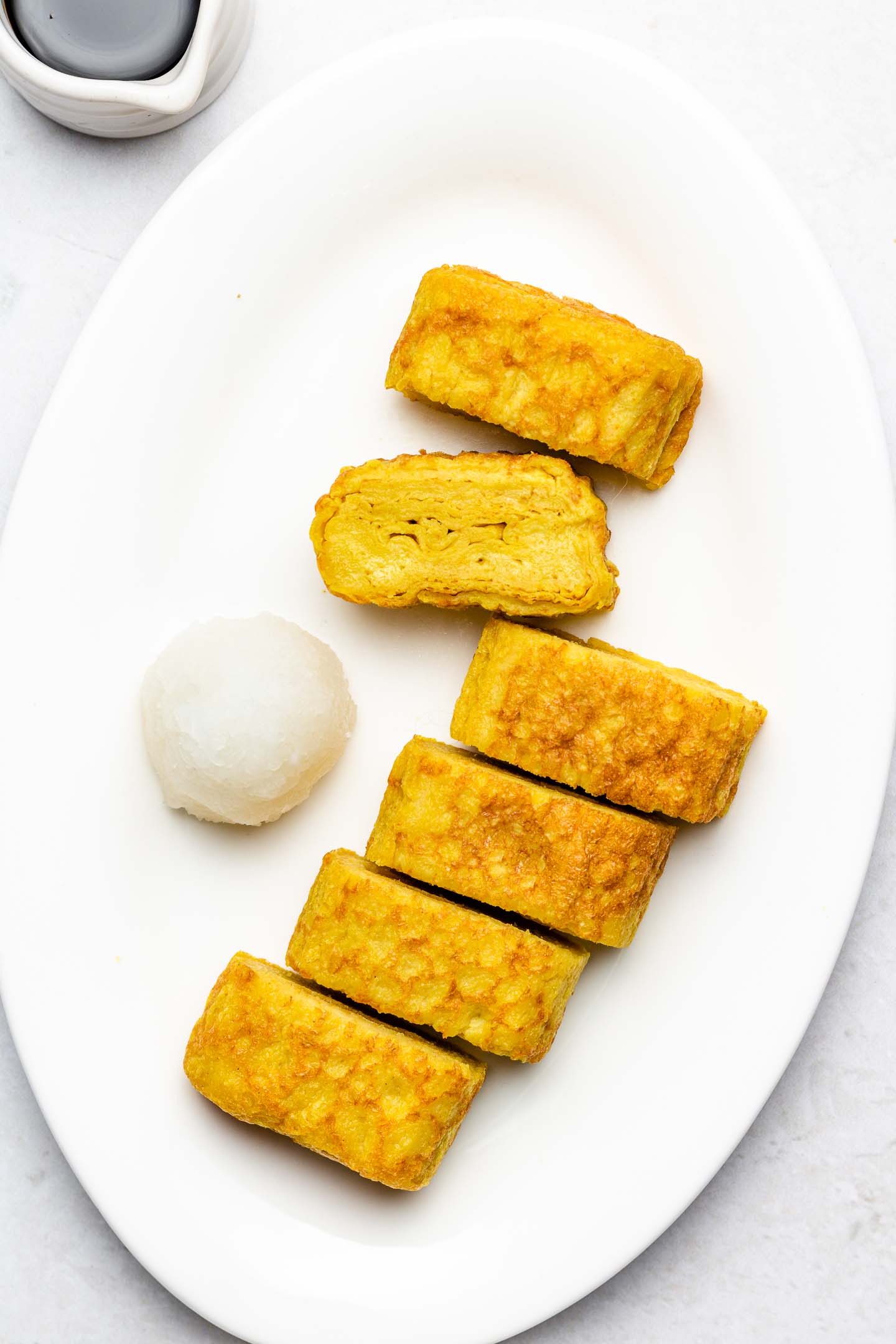
  • Slice and serve with grated daikon or alongside sushi.

The secret is to avoid overmixing the eggs, as it ensures tender, fluffy layers.
Tamagoyaki: Discovering Japanese Culinary Treasures with Yoshida Hotel

Contemporary Variations and Creative Additions

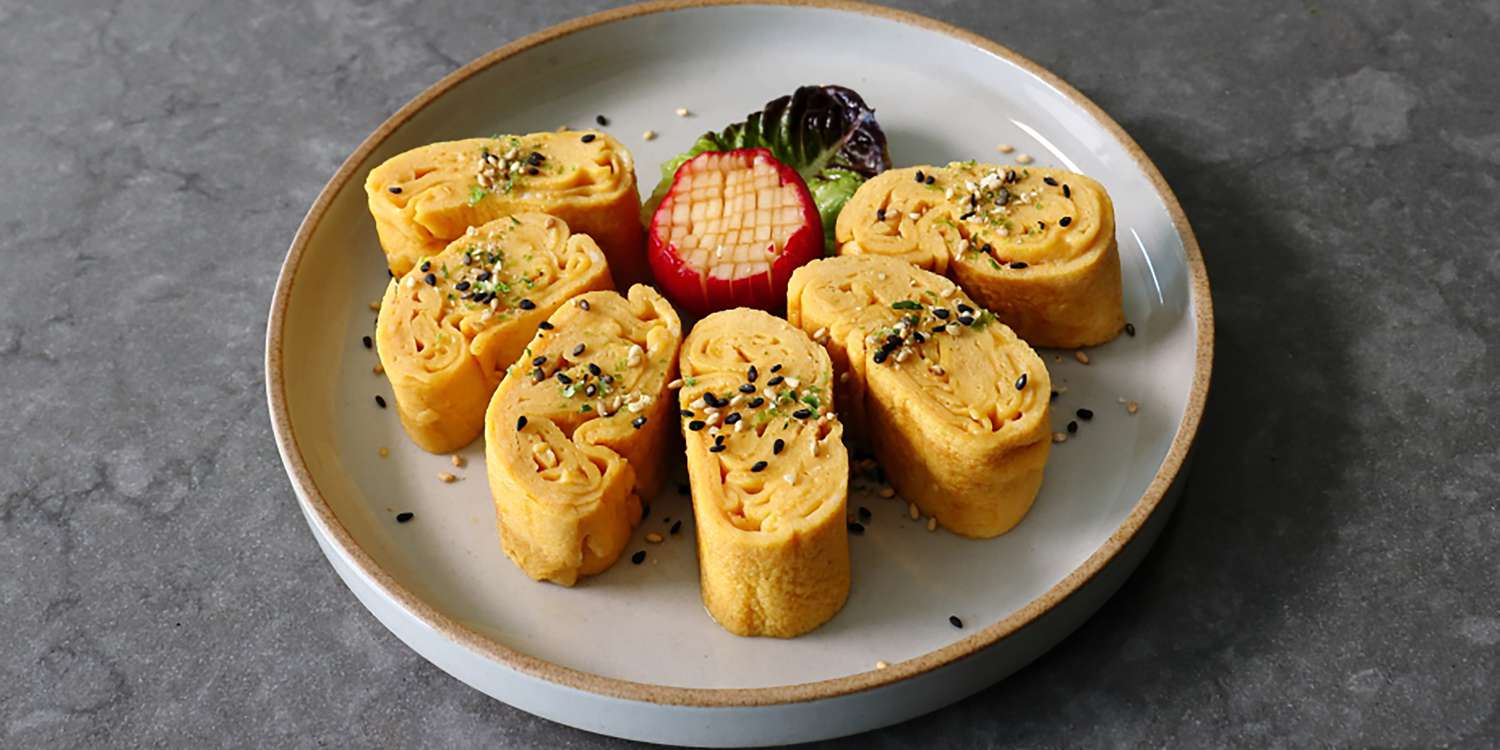
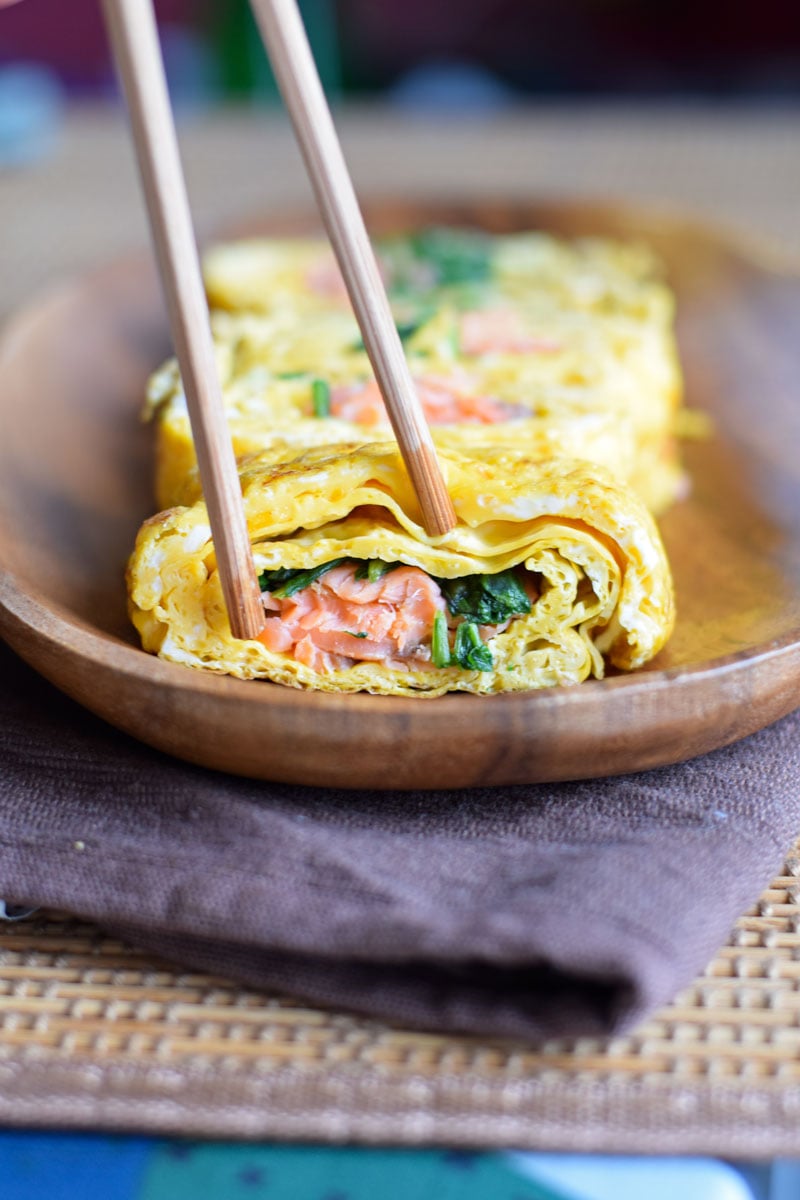
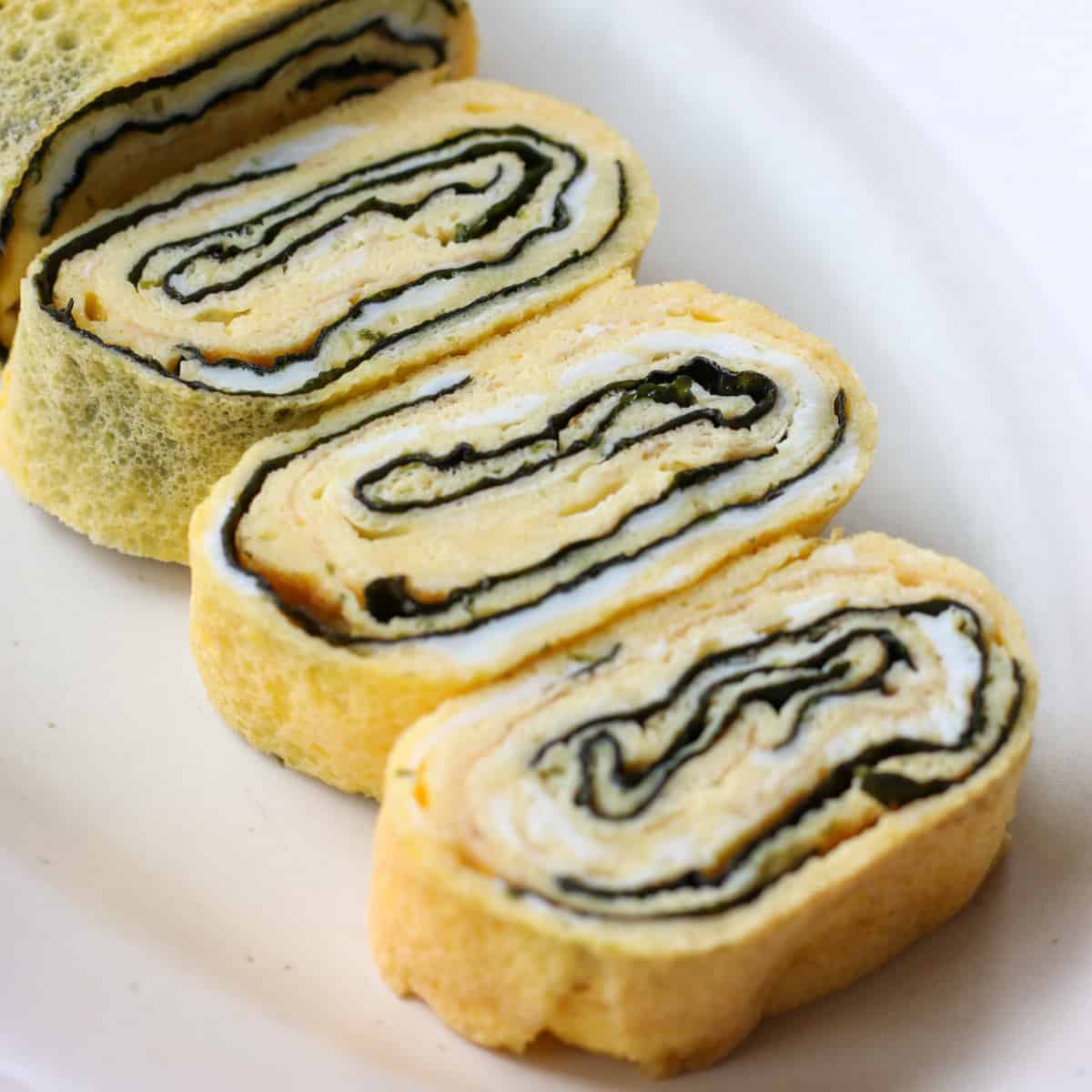
While the classic Tamagoyaki recipe remains beloved, modern chefs have embraced innovative twists. Some add spinach or seaweed for color and nutrition. Others incorporate cheese, seafood, or vegetables, producing fusion versions that appeal to adventurous palates. In metropolitan cities, trendy sushi bars might pair Tamagoyaki with truffle oil or wasabi for a surprising burst of flavor. Each version maintains the dish’s integrity while offering a creative experience.

Tamagoyaki’s Role in Japanese Hospitality

Why Tamagoyaki is a Favorite Among Travelers

Travelers to Japan often discover that Tamagoyaki serves as a gentle introduction to Japanese cuisine, especially for those unfamiliar with stronger flavors or raw fish. Its comforting texture and sweetness appeal to palates of all ages. At Yoshida Hotel, we find that our guests often cherish their first taste of Tamagoyaki and seek it out in local markets, restaurants, and train station bento shops during their journeys.
Tamagoyaki: Discovering Japanese Culinary Treasures with Yoshida Hotel

Tamagoyaki as an Emblem of Omotenashi

Tamagoyaki embodies the spirit of omotenashi, or Japanese hospitality, which focuses on anticipating and fulfilling the needs of guests with sincerity and respect. Preparing and sharing Tamagoyaki, especially in home kitchens or at intimate gatherings, is a symbol of care and attention to detail. Whether prepared for a family breakfast or served in a fine-dining setting, the dish communicates warmth and welcome.

Tamagoyaki in Japanese Festivals and Ceremonies

Celebratory Occasions and Tamagoyaki

From New Year’s feasts to seasonal festivals, Tamagoyaki holds a place of honor in many Japanese celebrations. In osechi-ryori, the traditional New Year’s meal, Tamagoyaki is included both for its beautiful appearance and its auspicious meaning. Its sunny color represents good fortune, while its layered structure symbolizes the accumulation of happiness and prosperity.
Tamagoyaki: Discovering Japanese Culinary Treasures with Yoshida Hotel

Temple Offerings and Community Gatherings

In some regions, Tamagoyaki is prepared as part of offerings at temples or during village festivals, highlighting its cultural and spiritual significance. Community events often feature Tamagoyaki in shared meals, reinforcing its role as a dish that brings people together.

The Science Behind Tamagoyaki: Texture and Taste

The Unique Structure of Tamagoyaki

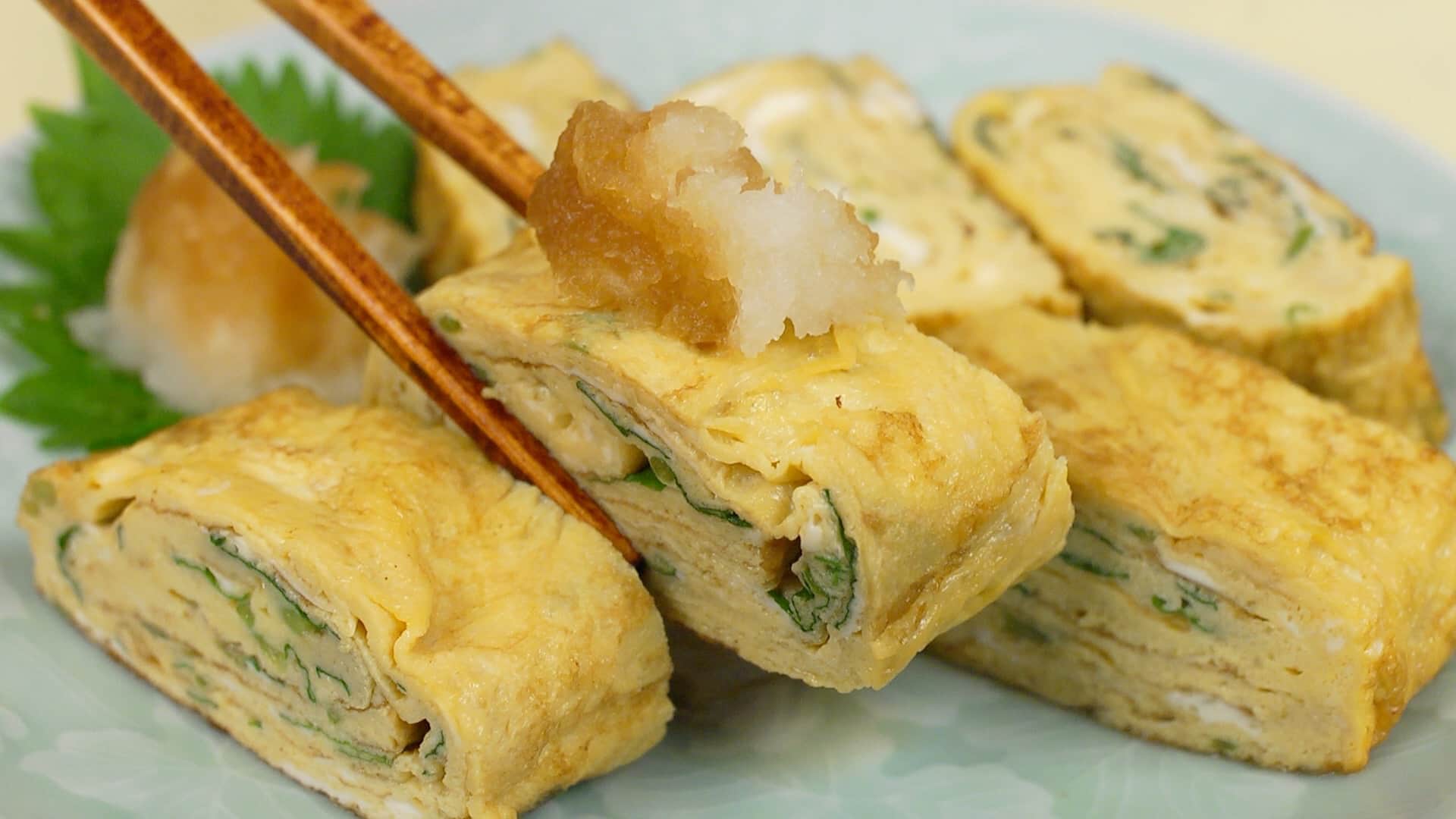
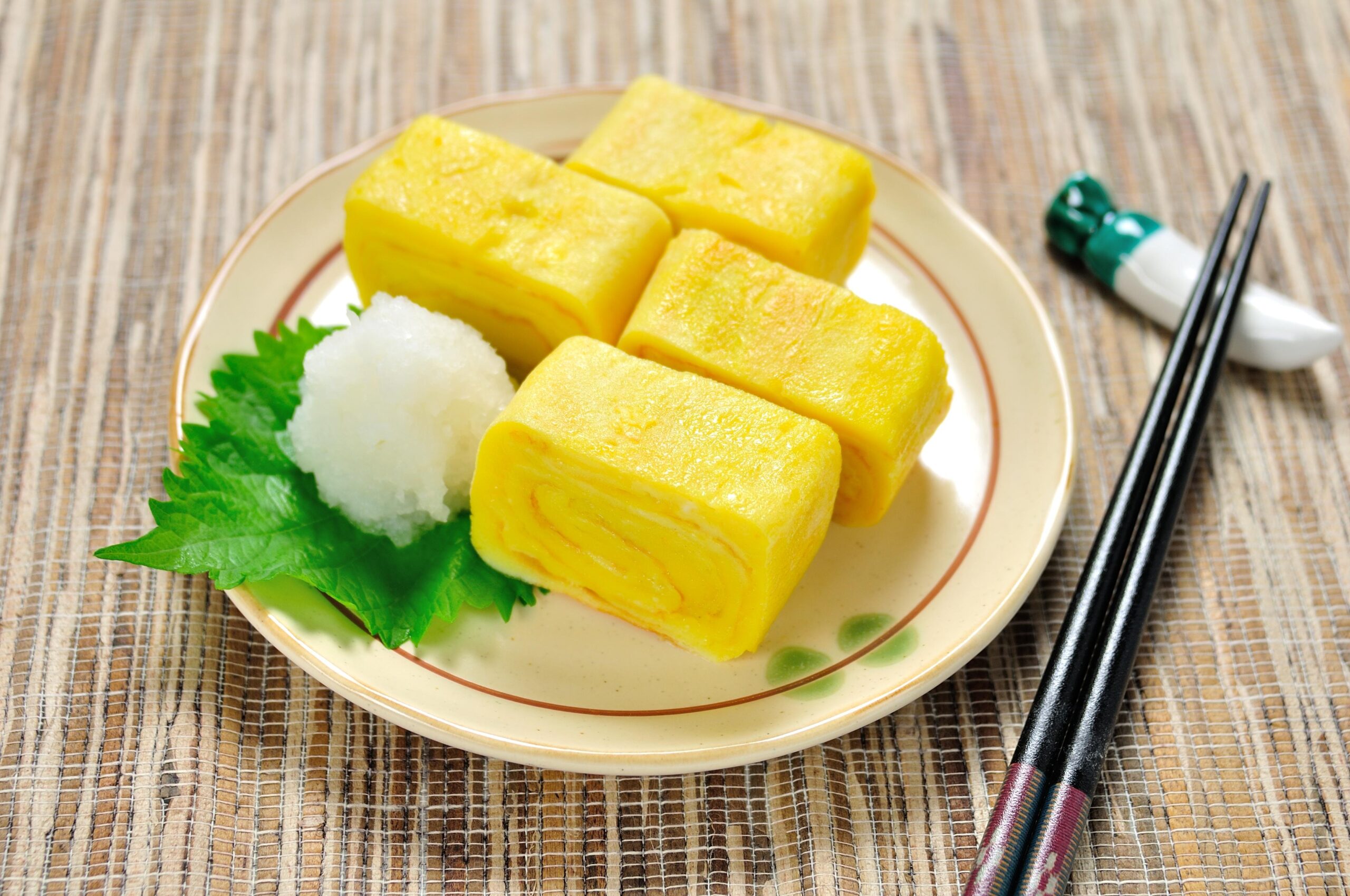
Tamagoyaki’s signature look comes from its layers. Each thin layer of egg is gently set before the next is poured, resulting in a compact roll that’s soft, fluffy, and slightly sweet. The interplay between these layers creates a delightful mouthfeel that is both strengthening and satisfying. Scientists and culinary researchers praise the emulsifying qualities of eggs, which help create the texture so adored by Tamagoyaki enthusiasts.
Tamagoyaki: Discovering Japanese Culinary Treasures with Yoshida Hotel

Sweetness, Umami, and Balance

A well-made Tamagoyaki balances sweetness from sugar and mirin with the savory umami of soy sauce and dashi. This harmony is central to many Japanese dishes, where flavors are never overpowering but carefully composed. Texture, color, and aroma also play a role, inviting all the senses to participate in the dining experience.

Tamagoyaki Around Japan: Regional Styles and Influences

Kansai vs. Kanto: Tamagoyaki in Different Regions

Japanese cuisine often reflects local tastes, and Tamagoyaki is no exception. In the Kansai region (Osaka and Kyoto), Tamagoyaki tends to be lighter and sometimes includes dashi, giving it a delicate, custardy quality. The Kanto style (Tokyo) is often sweeter and more robust. Exploring these regional differences allows travelers to appreciate the versatility and depth of Tamagoyaki.
Tamagoyaki: Discovering Japanese Culinary Treasures with Yoshida Hotel

Specialty Shops and Hidden Gems

Throughout Japan, specialty Tamagoyaki shops draw crowds with their signature techniques and secret recipes. In Tokyo’s Tsukiji Market, for instance, visitors can watch expert chefs craft Tamagoyaki with swift, practiced movements, offering samples hot off the pan. At local markets, vendors may customize rolls to order, showcasing how this humble dish can take on so many delightful forms.

Tamagoyaki in the World of Sushi

Tamagoyaki as Sushi: Techniques and Presentation

In sushi restaurants, Tamagoyaki is both a staple and a showcase of the chef’s skill. Preparing an impeccable Tamagoyaki can be a test that apprentice chefs must master before handling fish. When served atop a hand-formed block of sushi rice and wrapped in nori, Tamagoyaki sushi demonstrates beautiful symmetry and striking flavors.
Tamagoyaki: Discovering Japanese Culinary Treasures with Yoshida Hotel

Sushi Omakase and Tamagoyaki’s Grand Finale

In many omakase (chef’s choice) sushi experiences, Tamagoyaki is sometimes offered as the final bite, symbolizing a sweet ending to the meal. It is the chef’s parting gift, a simple yet profound reminder of craftsmanship and culinary artistry.

Nutritional Value and Health Benefits of Tamagoyaki

A Protein-Packed Delight

Eggs are a powerhouse of nutrition, and Tamagoyaki delivers a significant dose of protein, vitamins, and minerals. This makes it not only delicious but also a healthy choice for diners seeking energy and balanced nutrition. The addition of ingredients like dashi and vegetables can further boost the dish’s nutrient content.
Tamagoyaki: Discovering Japanese Culinary Treasures with Yoshida Hotel

Tamagoyaki for Special Diets

Due to its adaptable recipe, Tamagoyaki can be adjusted for various dietary preferences. Lower-sugar versions suit health-conscious individuals, while lactose-intolerant or gluten-free diners can appreciate its pure simplicity. Chefs may substitute or omit certain seasonings as needed, ensuring that everyone can enjoy Tamagoyaki’s charms.

Where to Experience Tamagoyaki in Japan

Markets, Restaurants, and Street Food Adventures

To truly understand Tamagoyaki, Yoshida Hotel recommends exploring its many forms in different settings. Street market vendors sell piping-hot Tamagoyaki fresh from the pan, while family-run restaurants perfect recipes handed down through generations. Sushi counters present exquisite, layered slices cooled to perfection. Each location offers a unique take on Tamagoyaki, reflecting the region’s culinary heritage.
Tamagoyaki: Discovering Japanese Culinary Treasures with Yoshida Hotel

Recommendations from Yoshida Hotel

During your stay with Yoshida Hotel, our staff can suggest local markets, bento shops, and sushi-ya renowned for their Tamagoyaki recipes. Embark on a culinary adventure to taste and appreciate the subtleties offered by each chef’s rendition. From bustling urban centers to quaint countryside towns, Tamagoyaki invites you to savor the true spirit of Japanese comfort food.

Tamagoyaki Cooking Classes: Hands-On Learning Experiences

Join a Japanese Cooking Workshop

Participating in a hands-on cooking class is one of the best ways to gain deeper appreciation for Tamagoyaki. Across Japan, renowned cooking schools and local teachers offer classes catering to travelers and culinary enthusiasts. In these classes, students can learn how to master the makiyakinabe, create perfectly layered omelettes, and discover the beauty of preparing home-style Tamagoyaki.
Tamagoyaki: Discovering Japanese Culinary Treasures with Yoshida Hotel

Why Choose a Cooking Class?

Beyond techniques, cooking classes foster a deeper understanding of Japanese culture and hospitality. Yoshida Hotel encourages guests to join such workshops during their travels, enriching both their palates and cultural perspectives.

Tamagoyaki in Popular Culture and Japanese Media

Tamagoyaki’s Appearances in Anime and Films

Tamagoyaki’s popularity extends far beyond kitchen tables. It often appears in Japanese films, anime, and television dramas as a symbol of home, love, and tradition. Characters prepare Tamagoyaki for family, friends, or even school lunchboxes, highlighting its everyday significance.
Tamagoyaki: Discovering Japanese Culinary Treasures with Yoshida Hotel

Tamagoyaki in Literature and Art

Celebrated in poetry, paintings, and essays, Tamagoyaki’s gentle flavors and inviting appearance have inspired many Japanese artists. Its presence in art reminds us that food is deeply rooted in culture and creativity, connecting people across time and space.

How to Choose the Best Tamagoyaki in Japan

Savoring Authentic Tamagoyaki: Tips and Recommendations

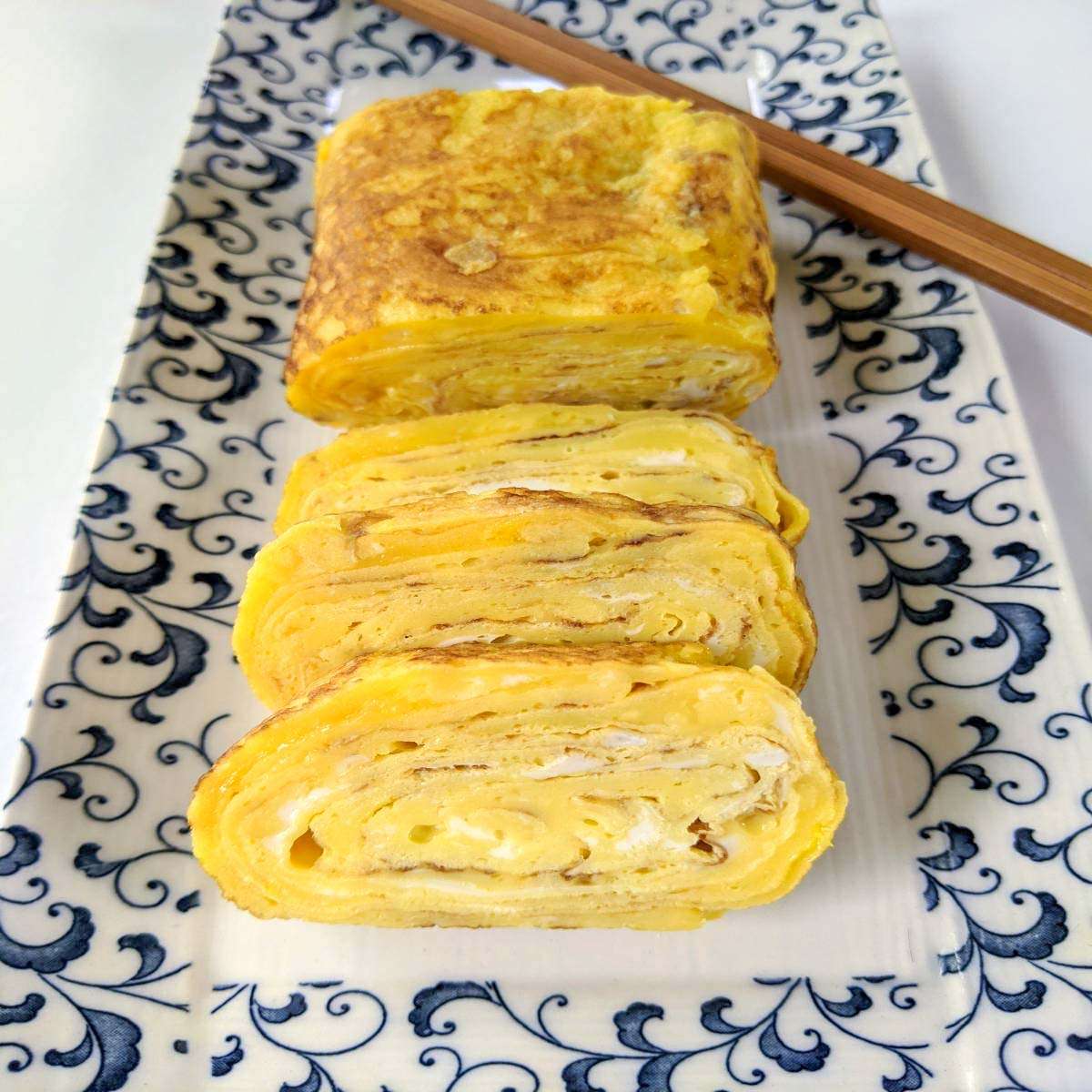
When seeking the best Tamagoyaki, it is important to pay attention to both taste and presentation. Look for Tamagoyaki with a soft, evenly cooked texture and a bright, appetizing color. The aroma should be delicate, hinting at sweetness and umami. At sushi restaurants, the expertise of the chef is often revealed in how they prepare Tamagoyaki–each slice should be uniform, moist, and flavorful.
Tamagoyaki: Discovering Japanese Culinary Treasures with Yoshida Hotel

Exploring Unique Local Specialties

In your culinary explorations, don’t hesitate to try regional variations or creative interpretations. Some areas serve Tamagoyaki as thick, custardy slabs, while others offer it thin and finely rolled. Each style tells a story about local tastes and traditions.

Tamagoyaki at Home: Tips for Beginners

Mastering the Basic Techniques

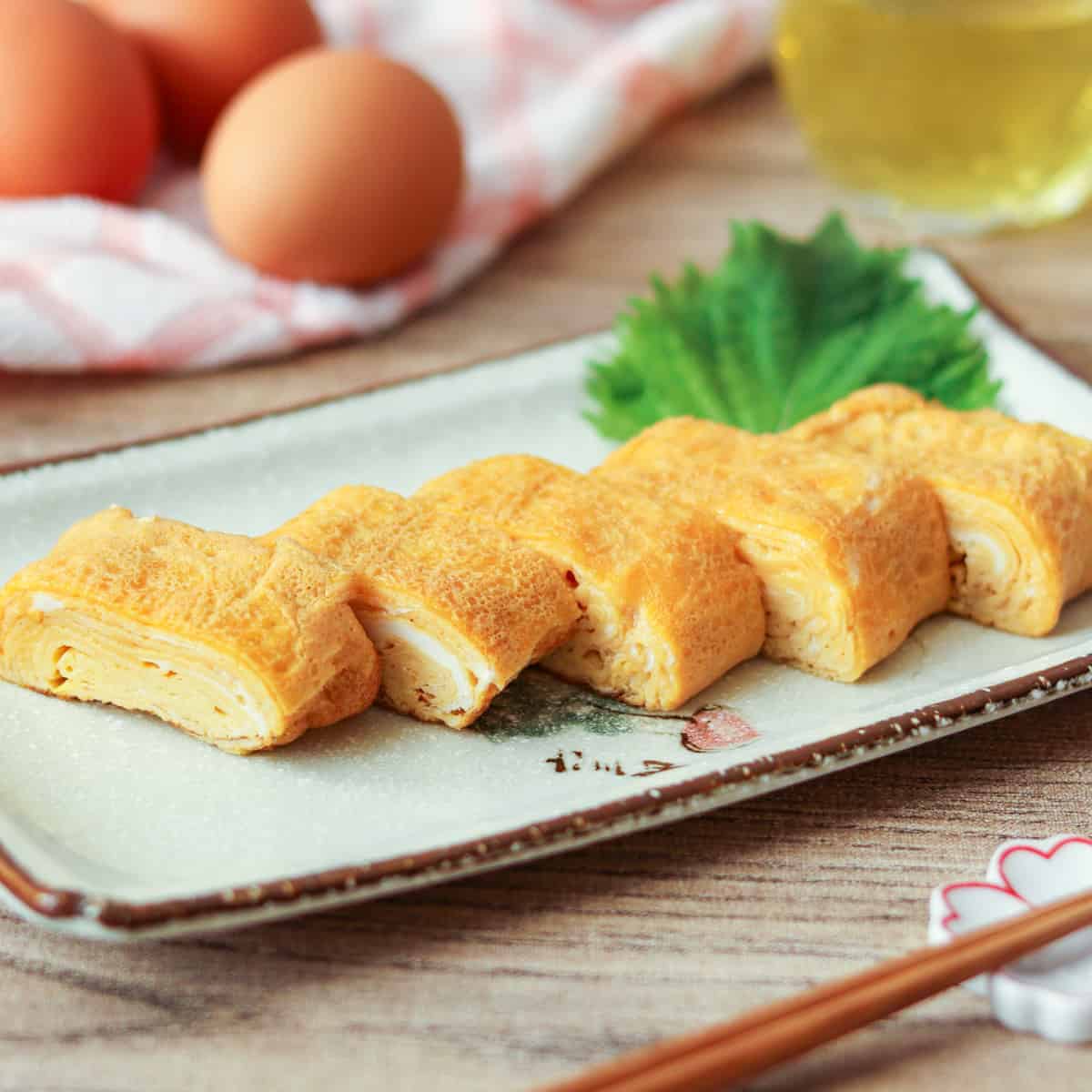
Cooking Tamagoyaki at home may seem daunting, but with a little practice, anyone can achieve satisfying results. Begin by selecting fresh, high-quality eggs and preparing your seasoning blend to taste. Preheat your pan and use gentle heat to avoid overcooking. Patience and attention to detail are key to mastering the art of rolling each layer smoothly.
Tamagoyaki: Discovering Japanese Culinary Treasures with Yoshida Hotel

Troubleshooting Tamagoyaki: Solutions for Common Mistakes

Beginners often struggle with sticking pans or uneven layers. Using a non-stick pan, keeping the heat low, and oiling between layers can prevent sticking. If your Tamagoyaki breaks or tears, remember that practice makes perfect, and even imperfect rolls can be delicious.

The Global Spread of Tamagoyaki

Tamagoyaki Beyond Japan: A Culinary Ambassador

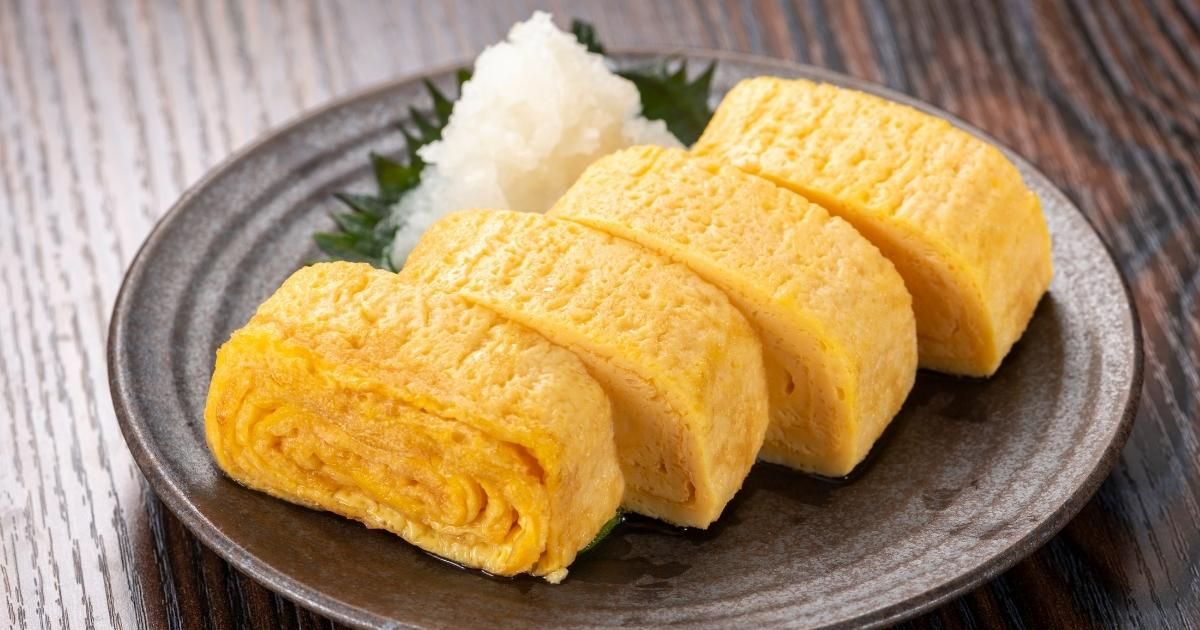
As Japanese cuisine gains popularity worldwide, Tamagoyaki has found its way into international kitchens. Renowned chefs and home cooks alike experiment with Tamagoyaki, adapting it to suit local ingredients and palates. In cities across the globe, Japanese restaurants introduce new audiences to the joys of Tamagoyaki, showcasing Japan’s culinary diplomacy.
Tamagoyaki: Discovering Japanese Culinary Treasures with Yoshida Hotel

Tamagoyaki in Fusion Cuisine

Creative chefs incorporate Tamagoyaki into sandwiches, salads, and fusion tapas, bridging Japanese techniques with international flavors. These adaptations demonstrate the universality of Tamagoyaki’s appeal, proving that a simple rolled omelette can transcend cultural boundaries.

Tamagoyaki: A Taste of Japan’s Past, Present, and Future

Why Tamagoyaki Endures in Japanese Food Culture

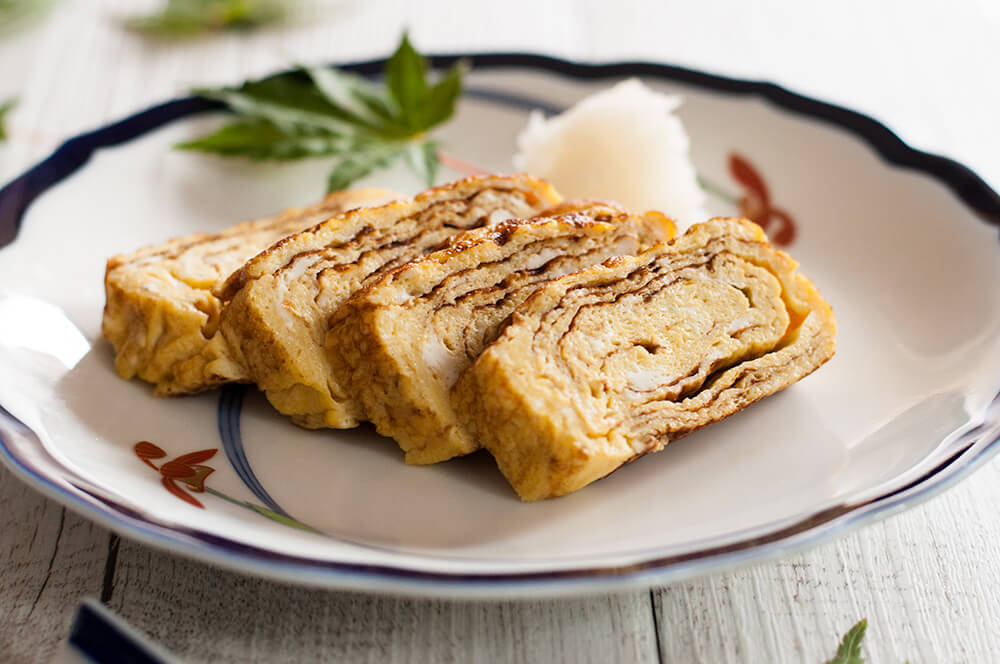
Tamagoyaki endures because it represents Japan’s ability to honor tradition while embracing innovation. Its gentle flavors, comforting texture, and artistic presentation embody the best of Japanese culinary philosophy. Across generations, Tamagoyaki remains a dish that brings people together, whether in bustling market stalls or tranquil family kitchens.
Tamagoyaki: Discovering Japanese Culinary Treasures with Yoshida Hotel

Looking Forward: Tamagoyaki and Culinary Creativity

The future of Tamagoyaki is bright, as chefs and home cooks continue to explore new possibilities. As Japan’s culinary landscape evolves, Tamagoyaki will remain a beloved staple–a connection to history, a canvas for creativity, and a symbol of hospitality.

Conclusion

As we reach the end of our flavorful exploration, the journey into the heart of Japanese cuisine with Tamagoyaki and Yoshida Hotel has offered insights, recipes, and stories that inspire a deeper connection with Japanese culture. Whether you are a traveler discovering Tamagoyaki for the first time or an avid foodie seeking culinary adventure, Yoshida Hotel invites you to experience the magic and mastery that define this timeless dish. Let Tamagoyaki be your invitation to savor the best of Japanese gastronomy, making your next visit to Japan a feast for the senses and the soul.

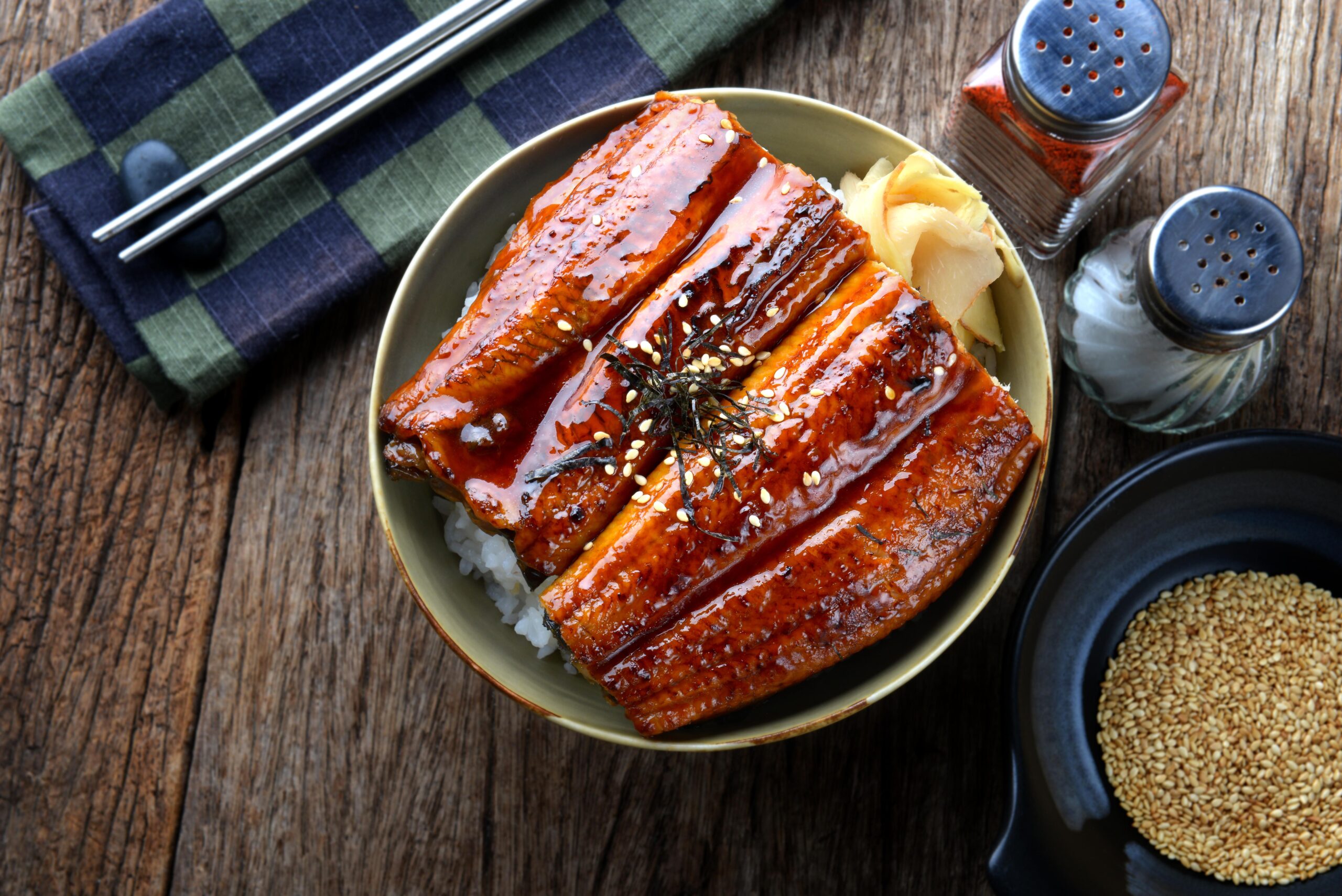
Unagi don: The Irresistible Japanese Culinary Delight

Japan’s culinary traditions have captivated the world for centuries, and among the myriad of delectable dishes, one unique cuisine stands out for its rich history, cultural prestige, and unforgettable taste – Unagi don. As you set out on a journey with Yoshida Hotel to discover the best of Japanese gastronomy, Unagi don emerges not merely as a meal, but as a sensory experience designed to connect hearts, celebrate craftsmanship, and evoke the spirit of Japanese hospitality. Whether you are a seasoned gourmet explorer or a curious first-timer seeking new horizons, the world of Unagi don awaits in all its splendor. Together with Yoshida Hotel, let’s unveil the layers of tradition, flavor, and meaning that make this dish truly iconic.

Unagi don: The Star of Japanese Cuisine

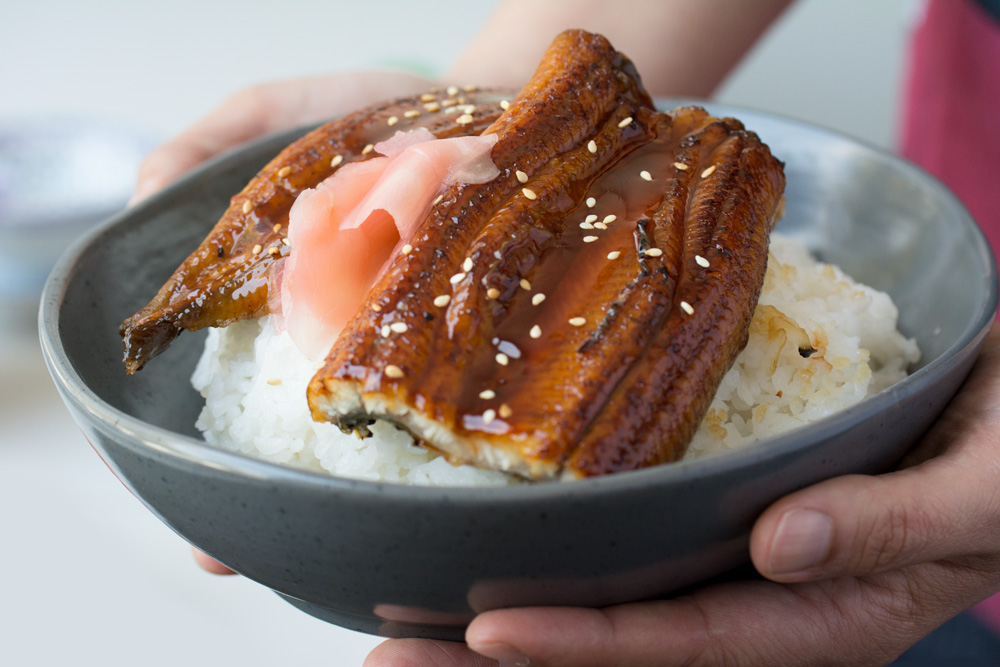
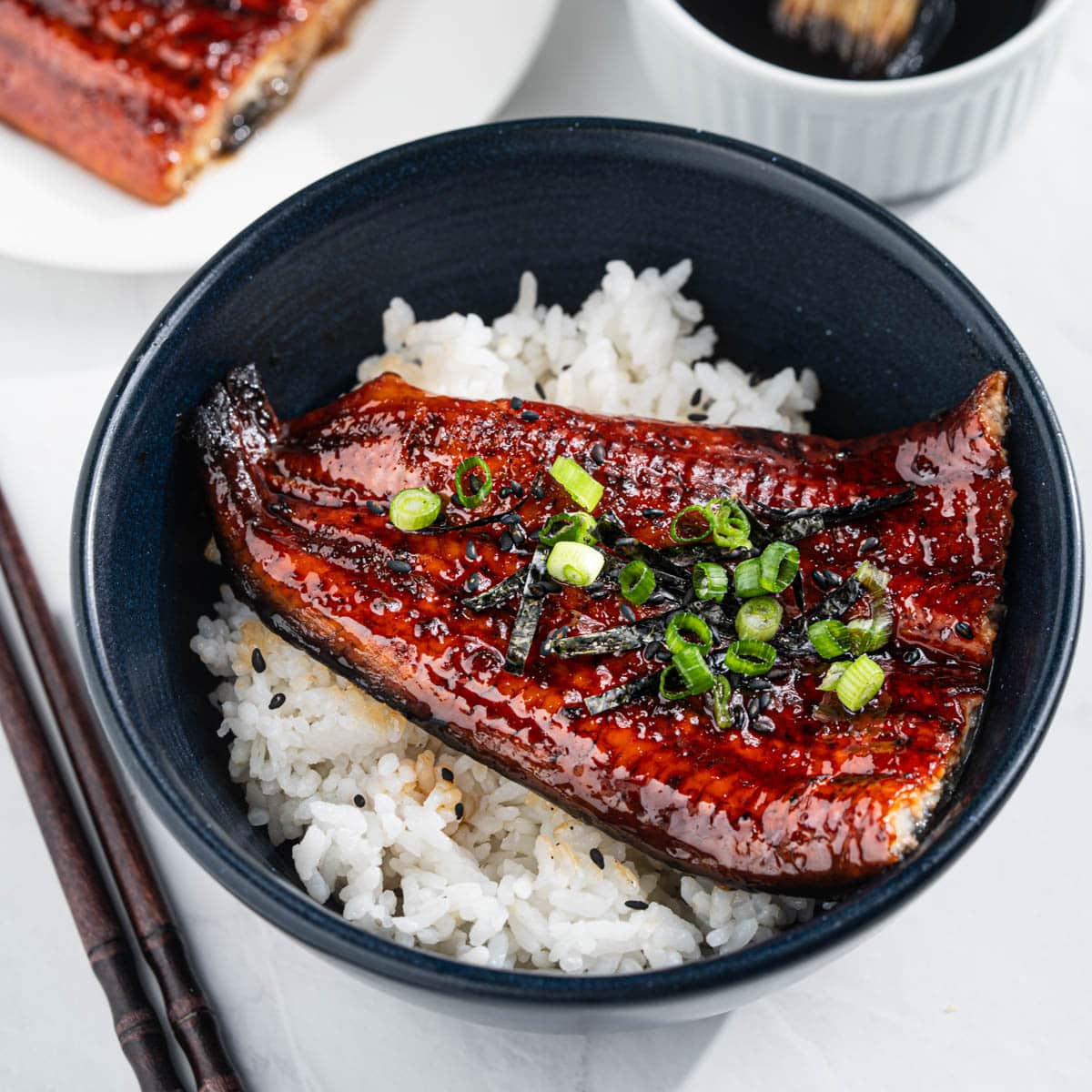
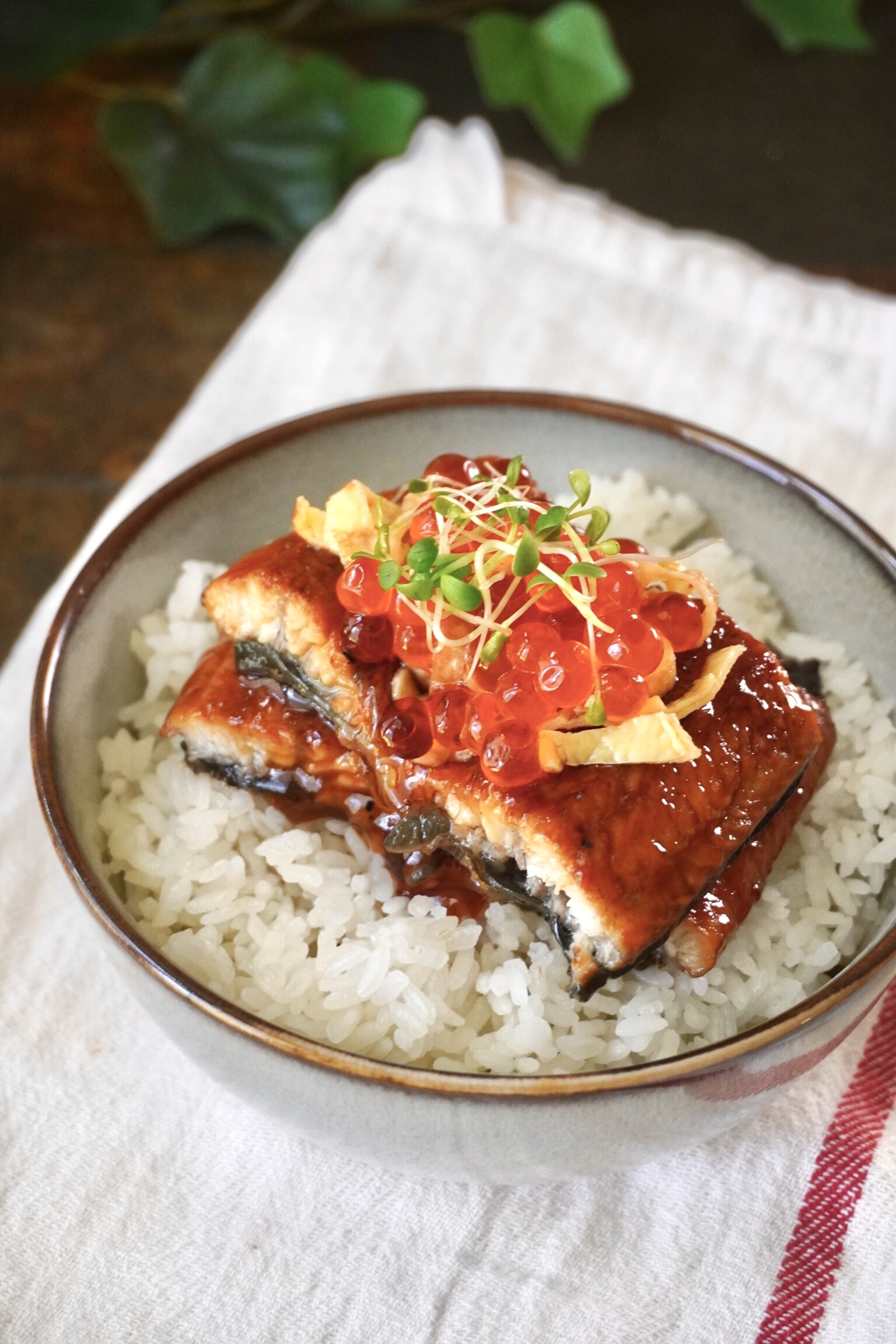
Japan’s vast culinary landscape is dotted with treasures, but Unagi don shines brightly as a symbol of indulgence and artistry. At its core, Unagi don is a simple yet elegant bowl of steamed white rice topped with grilled eel glazed in a signature sweet-savory sauce. This unassuming pairing has evolved into an exceptional culinary expression, representing harmony, comfort, and celebration in Japanese culture. But behind each serving of Unagi don lies a story of meticulous preparation, historical symbolism, and deep-rooted traditions passed down through generations.

The Origins of Unagi don: A Tale Rooted in History

The journey of Unagi don begins centuries ago in Japan’s Edo period, when the art of grilling eel (unagi) became popular among the artisans and townsfolk of old Tokyo. The method of slow-cooking fresh eel over charcoal, brushing it repeatedly with a homemade tare sauce, was refined over generations. The pairing with fluffy, aromatic rice elevated the dish into a balanced meal that soon became iconic across the archipelago. This culinary creation was not only preferred for its refined flavors but was also regarded as a source of stamina and vitality, particularly cherished during Japan’s hot summers.

Unagi don: The Irresistible Japanese Culinary Delight

The Cultural Significance: Unagi don Beyond the Plate

To understand Unagi don is to appreciate its symbolic significance. In Japan, eel is not merely food – it is a seasonal delicacy tied to celebration and well-being. The events of “Doyo no Ushi no Hi,” or the Day of the Ox, are especially important, when families gather to share Unagi don as a means to build strength for the sweltering months ahead. Restaurants, neighborhoods, and markets come alive with the smoky aroma of grilling eel, uniting communities in a ritual that celebrates life, longevity, and the essence of sharing.

Unagi don Experiences: A Culinary Adventure Awaits

The Secret to a Perfect Unagi don

Behind every mouthwatering bowl of Unagi don is a symphony of preparation. The eel, fresh and gleaming, is meticulously cleaned, filleted, and skewered using expert techniques honed by master chefs. Grilling is done over binchotan charcoal, imbuing the meat with a subtle smokiness while preserving its tender texture. The tare sauce, a blend of soy sauce, mirin, sake, and sugar, is carefully applied in stages to deepen flavor and create a glossy caramelized finish. Finally, the unagi is layered atop steaming white rice, where it releases its tantalizing aroma with each bite.

Unagi don: The Irresistible Japanese Culinary Delight

Unagi don’s Magic: Flavor, Texture, and Aroma

What distinguishes Unagi don isn’t just the taste, but the experience. The marriage of fluffy rice and rich eel, merged by the umami-laden sauce, creates a harmony that lingers on the palate. The texture interplay – the crisp caramelized edges, the buttery softness of the fish, the gentle grain of rice – each detail is orchestrated to provide comfort and indulgence. The aroma of charcoal-grilled unagi, sweetened by the tare glaze, invokes warmth and evokes memories for many Japanese families.

Unagi don as a Traveler’s Must-Try Dish

Exploring Japan’s Regional Unagi don Specialties

As you traverse Japan, each region infuses Unagi don with its unique flair. In Kanto, you will savor eel steamed before grilling, resulting in an exquisitely tender bite. Kansai-style however, forgoes the steaming for a bolder, firmer texture and a slightly smokier taste. Travel further west, and innovative takes using wild river eel, local rice varieties, or alternative glazing methods await. Each bowl is a testament to regional craftsmanship, offering a window into the diverse landscapes, climates, and cultures that comprise Japan.

Unagi don: The Irresistible Japanese Culinary Delight

Unagi don in Vibrant Japanese Cities

Urban centers like Tokyo, Osaka, and Nagoya are home to legendary Unagi don restaurants, some with centuries-old histories. These establishments preserve artisan techniques, safeguarding secret sauce recipes and upholding strict quality standards. Tasting Unagi don in these cities isn’t only a culinary act, but a journey through time – every bite carries an echo of the generations that shaped its legacy.

Seasonal Unagi don Celebrations in Japan

Japan’s culinary calendar is rich with occasions to indulge in Unagi don. The summer’s infamous “Doyo no Ushi no Hi” brings nationwide feasts, but you will find eel celebrated at harvest festivals, temple fairs, and even contemporary food events. These gatherings allow newcomers and aficionados alike to gather, appreciate, and partake in cherished customs.

Unagi don: The Irresistible Japanese Culinary Delight

The Art of Eating Unagi don: Rituals and Etiquette

Savoring the Experience: Temperature, Toppings, and Timing

A truly enjoyable Unagi don experience calls for attention to detail. The dish is best enjoyed while the rice is piping hot and the eel freshly glazed. Toppings such as sansho pepper, pickled vegetables, or a dash of wasabi can personalize your bowl, enhancing flavor and balancing richness. The presentation in Japanese lacquerware, paired with clear soup and seasonal sides, elevates the meal into a memorable event.

Unagi don: The Irresistible Japanese Culinary Delight

Dining Traditions: Unagi don in Japanese Restaurants

When entering a traditional Unagi restaurant, one is often met with a sense of reverence. Many establishments take pride in their preparation, with menus focusing near-exclusively on variations of the dish. The process, from the chef’s careful grilling to the precise serving, is a showcase of Japanese omotenashi – the art of hospitality – highlighting respect for food and guest alike.

Unagi don and Wellness: The Dish that Nourishes

Nutritional Benefits of Unagi don

Unagi don is not only a delight for the senses, but also a powerhouse of nutrition. Freshwater eel is packed with protein, omega-3 fatty acids, vitamin A, and calcium. These nutrients contribute to overall wellness, supporting heart health, skin radiance, and sustained energy levels. The synergy with rice provides a wholesome source of carbohydrates, making Unagi don both satisfying and revitalizing.

Unagi don: The Irresistible Japanese Culinary Delight

Eel’s Role in Japanese Wellness Rituals

In Japanese lore, eel is renowned for bestowing stamina and vitality, particularly during periods of summer heat or intense activity. This has cemented Unagi don as a dish of restoration, consumed both as a celebratory treat and a practical source of nourishment. Today, health-conscious travelers appreciate Unagi don for its balanced composition and wellness appeal.

Unagi don in the Modern Era: From Tradition to Innovation

Evolving Traditions: Contemporary Unagi don Creations

While authenticity remains at the heart of Unagi don, innovative chefs across Japan have introduced modern twists. From creative sauces—blending spicy chili, citrus, or truffle—to inventive presentations in bento boxes, sushi rolls, or layered casseroles, the dish evolves to match contemporary tastes while honoring tradition. Culinary schools and local competitions challenge talented cooks to reimagine Unagi don, ensuring its relevance for future generations.

Unagi don: The Irresistible Japanese Culinary Delight

Sustainability and Unagi don: Seeking Responsible Choices

With rising global demand, the eel population faces significant challenges. Restaurants and suppliers are increasingly adopting sustainable sourcing methods, promoting farmed freshwater eel and supporting conservation initiatives. Conscious travelers and food enthusiasts are encouraged to choose establishments that prioritize sustainability, ensuring the continued enjoyment of Unagi don for years to come.

How to Select the Ideal Unagi don Restaurant

Hallmarks of an Authentic Unagi don Establishment

Selecting where to enjoy Unagi don is an adventure in itself. Hallmarks of a reputable restaurant include featuring live eel tanks, visible grilling stations, and a focused menu highlighting eel as the main ingredient. Experienced chefs pride themselves on crafting their own house tare, often passed down through generations. The ambiance is equally important: intimate seating, attentive service, and traditional Japanese aesthetics contribute to the immersive experience.

Unagi don: The Irresistible Japanese Culinary Delight

Yoshida Hotel’s Guide to Enjoying Unagi don in Japan

Yoshida Hotel offers seasoned recommendations for finding the finest Unagi don in Japan. Seek out establishments in historical districts or those run by family businesses, where heritage and passion merge. City food markets, traditional inns, and riverside eateries offer excellent choices for both atmosphere and quality. Take time to converse with chefs, learn their stories, and savor their unique interpretations of the classic dish.

Cooking Unagi don at Home: A Rewarding Challenge

Tips and Techniques for Homemade Unagi don

For culinary enthusiasts wishing to recreate Unagi don, patience and attention are key. Begin with the freshest eel you can find, or opt for high-quality, pre-grilled options from Japanese specialty stores. Master the art of filleting and skewering the eel, then grill with precision over medium charcoal. Prepare your tare sauce by balancing sweet and savory notes to personal preference. Serve atop warm short-grain rice, garnished with sansho for an authentic touch.

Unagi don: The Irresistible Japanese Culinary Delight

Pairing Unagi don with Japanese Sides and Drinks

A traditional Unagi don meal is enhanced with thoughtful pairings. Kimosui (eel liver soup), pickled daikon, and lightly dressed greens provide complementary flavors and textures. For beverages, consider crisp green tea, sake, or a refreshing Japanese beer. Each element is chosen to balance richness and refreshment, celebrating harmony at the table.

Exploring the Unagi don Experience: A Culinary Memory

Journeys and Memories: Travelers’ Stories with Unagi don

Many travelers reflect on their first encounter with Unagi don as a highlight of their Japanese journey. Whether shared on a bustling city street or in a quiet countryside inn, the meal becomes a treasured memory. The intersection of tradition, community, and craftsmanship transforms a simple bowl into a story worthy of sharing and revisiting.

Unagi don: The Irresistible Japanese Culinary Delight

Unagi don as a Cultural Bridge

For visitors seeking to deepen their appreciation of Japanese culture, Unagi don provides a unique lens into the country’s values. Each bite connects you to the farmers, fishermen, chefs, and families that have preserved this heritage. Engaging with the dish—learning its rituals, understanding its meaning, and sharing it with others—enriches every travel experience.

Conclusion

Unagi don is more than an exquisite dish; it is a living symbol of Japan’s culinary greatness, cultural richness, and hospitality. On your journey of discovery, let Yoshida Hotel be your guide to the flavors, stories, and traditions that define this beloved delicacy. Whether savoring it in a historic restaurant, at a lively festival, or in the comfort of your own home, Unagi don invites you to embrace the best of Japanese cuisine. Celebrate its legacy, savor its nuances, and create lasting memories with every bowl — for Unagi don, and the enduring spirit of Yoshida Hotel, await your arrival.

Gyoza: Discover the Heart of Japanese Cuisine with Yoshida Hotel

Welcome to an epicurean adventure with Yoshida Hotel, where the intersection of tradition and taste crafts memorable experiences for travelers and food enthusiasts alike. At the crossroads of Japan’s diverse culinary landscape sits one celebrated dish that transcends regions and generations—Gyoza. As a renowned Japanese hotel brand, Yoshida Hotel is delighted to be your guide in exploring the world of Japanese cuisine, starting with the robust flavors and fascinating stories behind gyoza. Through this comprehensive article, join us on a journey of discovery to unveil the rich culture, cooking methods, paired drinks, and remarkable history that surrounds gyoza and other Japanese delicacies.

Gyoza: The Culinary Emblem of Japanese Gastronomy

Understanding Gyoza: Origins and Evolution

Gyoza holds a beloved status in Japanese cuisine. This delectable dumpling, inspired by Chinese jiaozi, has become a national favorite across every corner of Japan. Delve into the fascinating journey of gyoza, from ancient trade routes bringing new flavors to Japan, to its rise as a household staple. Explore how it evolved from a comforting street-side snack to a gourmet experience, gracing menus of both humble local eateries and fine dining establishments.

Gyoza: Discover the Heart of Japanese Cuisine with Yoshida Hotel

Key Ingredients: Unlocking the Secrets Behind Gyoza’s Irresistible Flavor

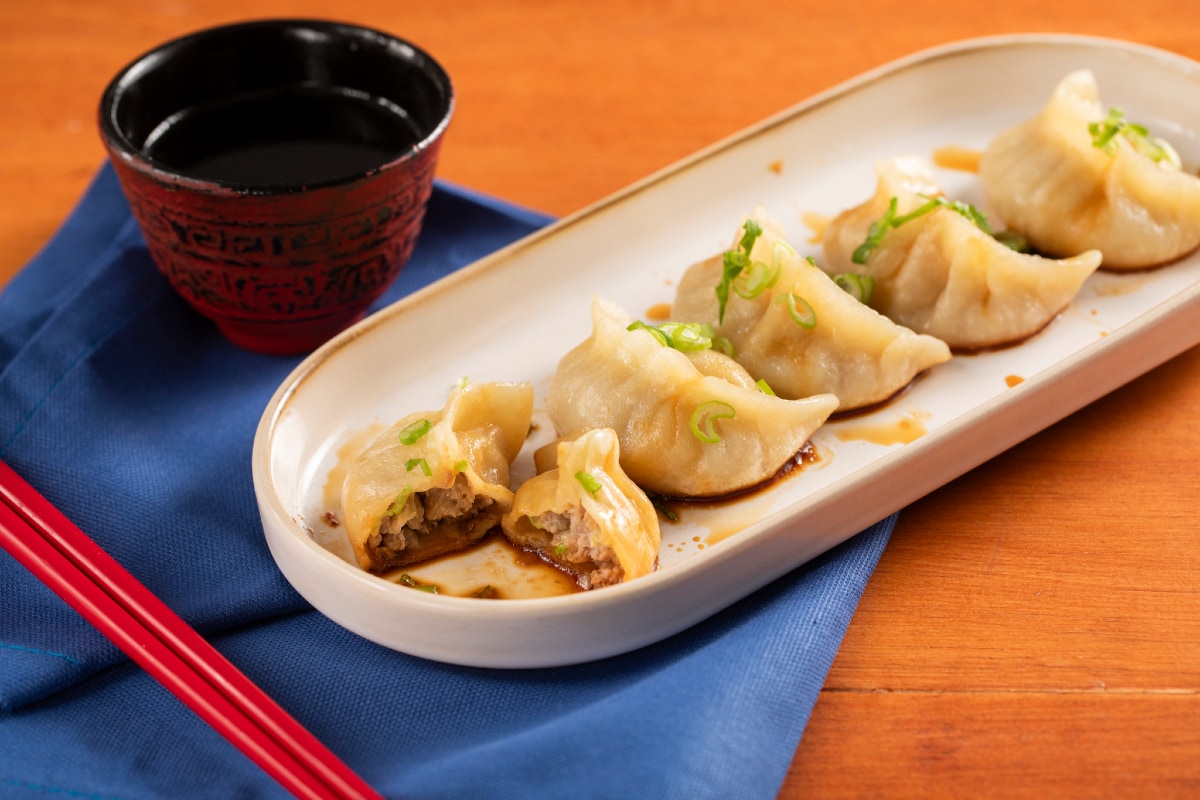
Peek inside the making of authentic gyoza. Widely known for its thin, tender wrappers and juicy filling, each gyoza boasts a flavorful blend of ground pork, cabbage, garlic, chives, and ginger. Some regional varieties may feature shrimp, chicken, or vegetables, offering a delightful twist for all palates. Understanding the balance of textures and umami in gyoza is key to appreciating why this dish has captivated so many.

The Art of Gyoza Making: From Handcrafting to Perfection

Step into the traditional kitchens of Japan, where culinary artisans mold and fold each dumpling with precision. Get insights into different preparation techniques—how choosing soft wheat flour or rice flour can alter textures, and how the pleating of the wrapper brings both beauty and function. Yoshida Hotel invites you to uncover why home chefs and seasoned cooks alike consider gyoza-making a cherished ritual that connects friends and family.

Gyoza: Discover the Heart of Japanese Cuisine with Yoshida Hotel

Culinary Adventure: Where to Experience Gyoza Across Japan

Tokyo’s Gyoza Hubs: Marketplaces and Modern Bistros

Explore Tokyo’s pulsating neighborhoods, from Ueno’s bustling market stalls to the contemporary eateries of Shibuya, each offering their unique spin on gyoza. Sample flavors both classic and new, where each bite tells a story of Japan’s culinary innovation, all while soaking up the vibrant city atmosphere.

Gyoza: Discover the Heart of Japanese Cuisine with Yoshida Hotel

Regional Flavors: From Fukuoka’s Yaki-gyoza to Utsunomiya’s Dumpling Capital

Travel with Yoshida Hotel to Fukuoka’s izakayas, where gyoza is pan-seared (yaki-gyoza) to crispy perfection, and Utsunomiya, celebrated as the “Gyoza Capital” of Japan. Discover how regional ingredients and preparation methods give gyoza in each locale its own unmistakable flair. Whether filled with seafood by the coast or pork and garlic in the highlands, savoring local specialties enhances any journey through Japan.

The Diverse Culinary Techniques Behind Gyoza

Pan-Fried, Boiled, or Steamed: Methods That Transform Gyoza

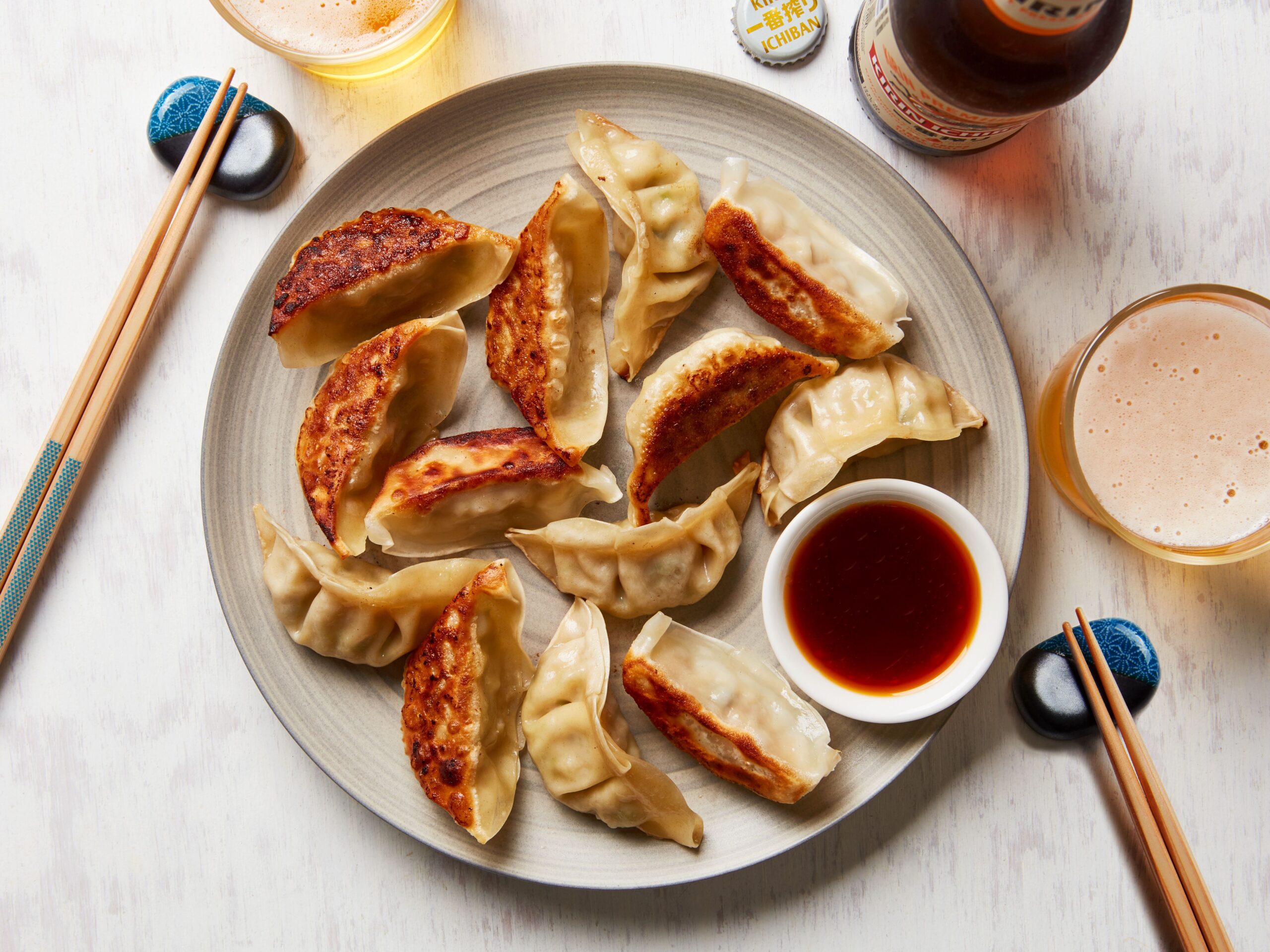
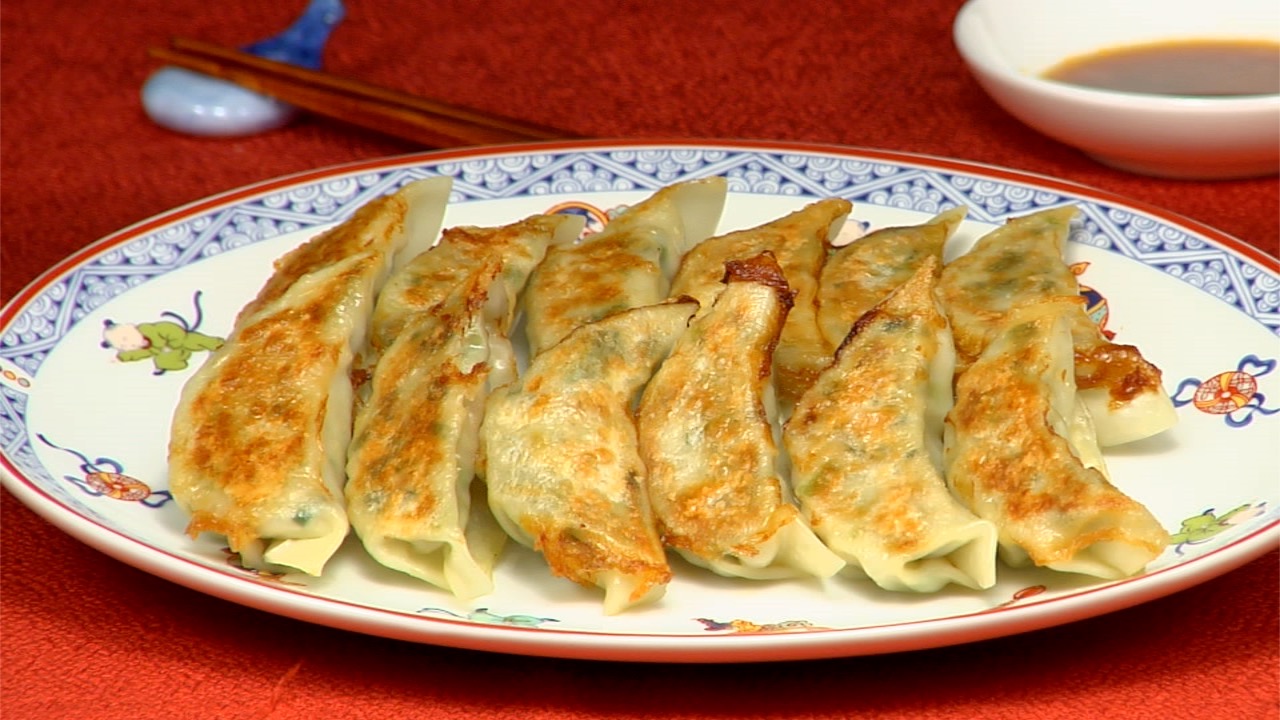
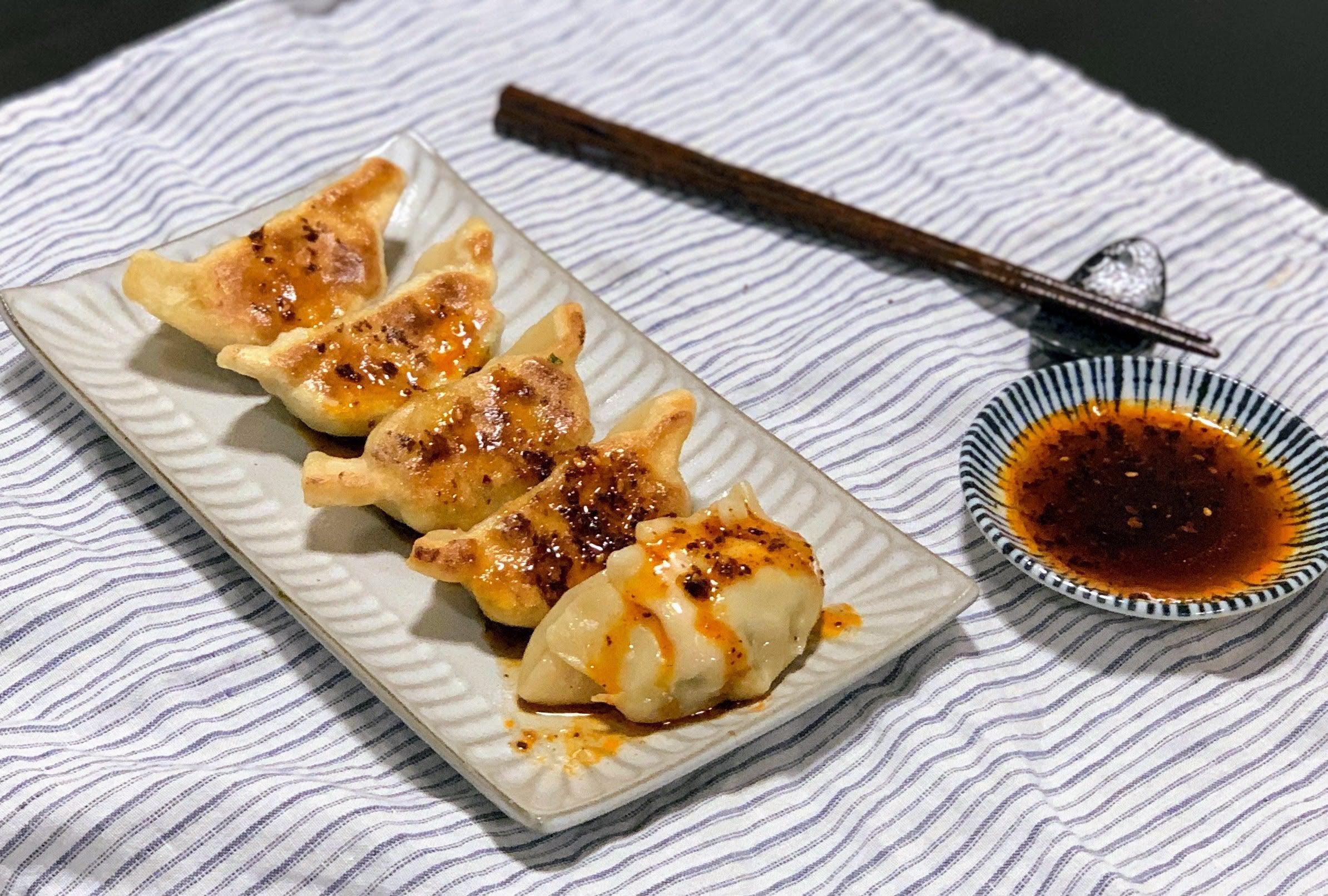
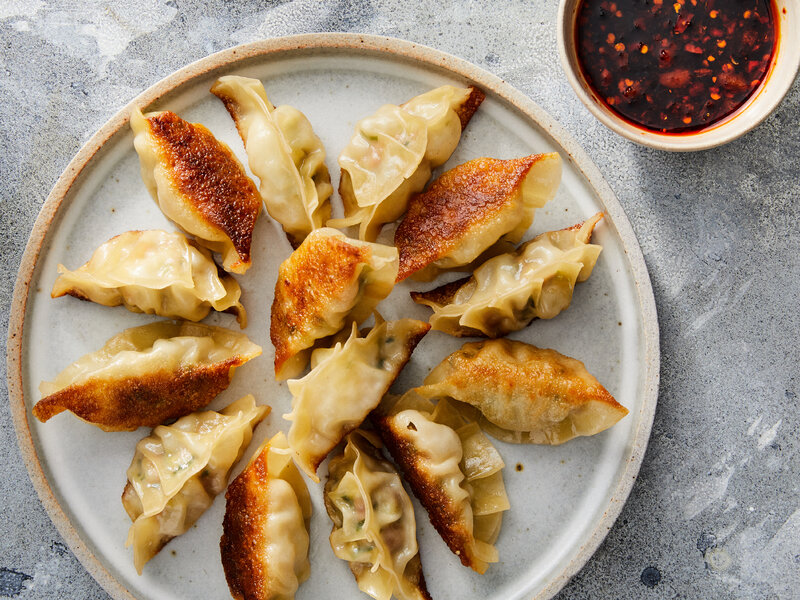
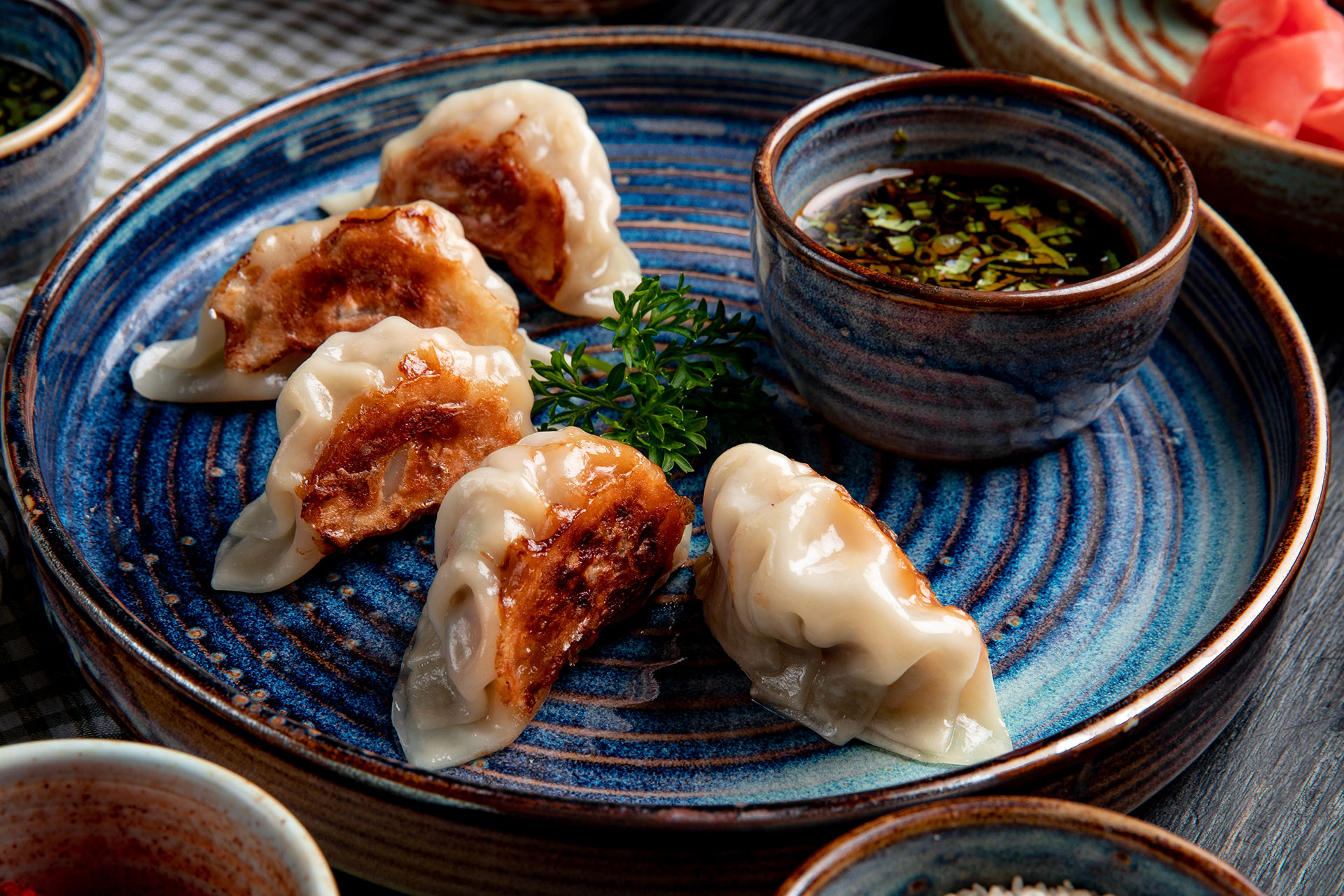
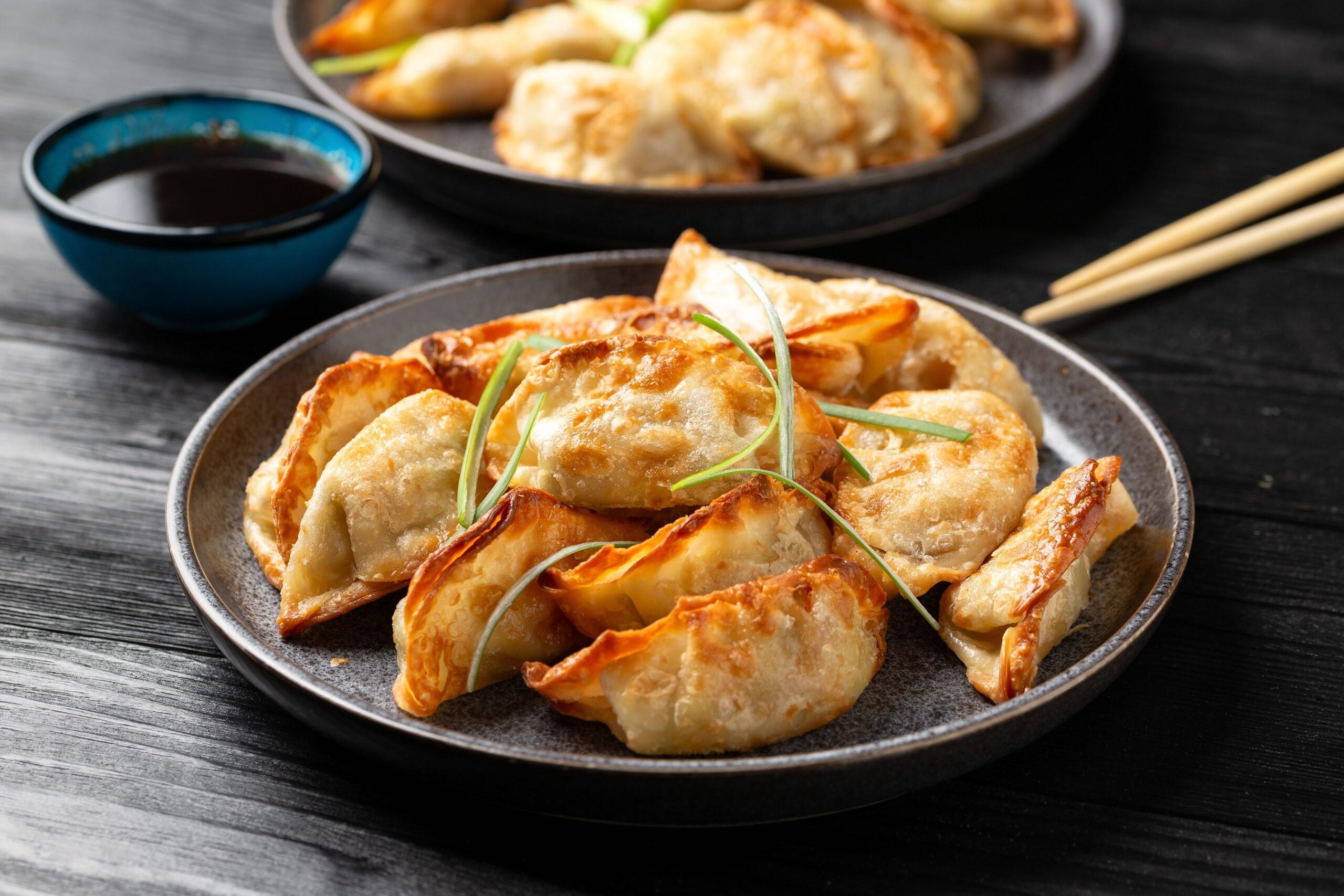
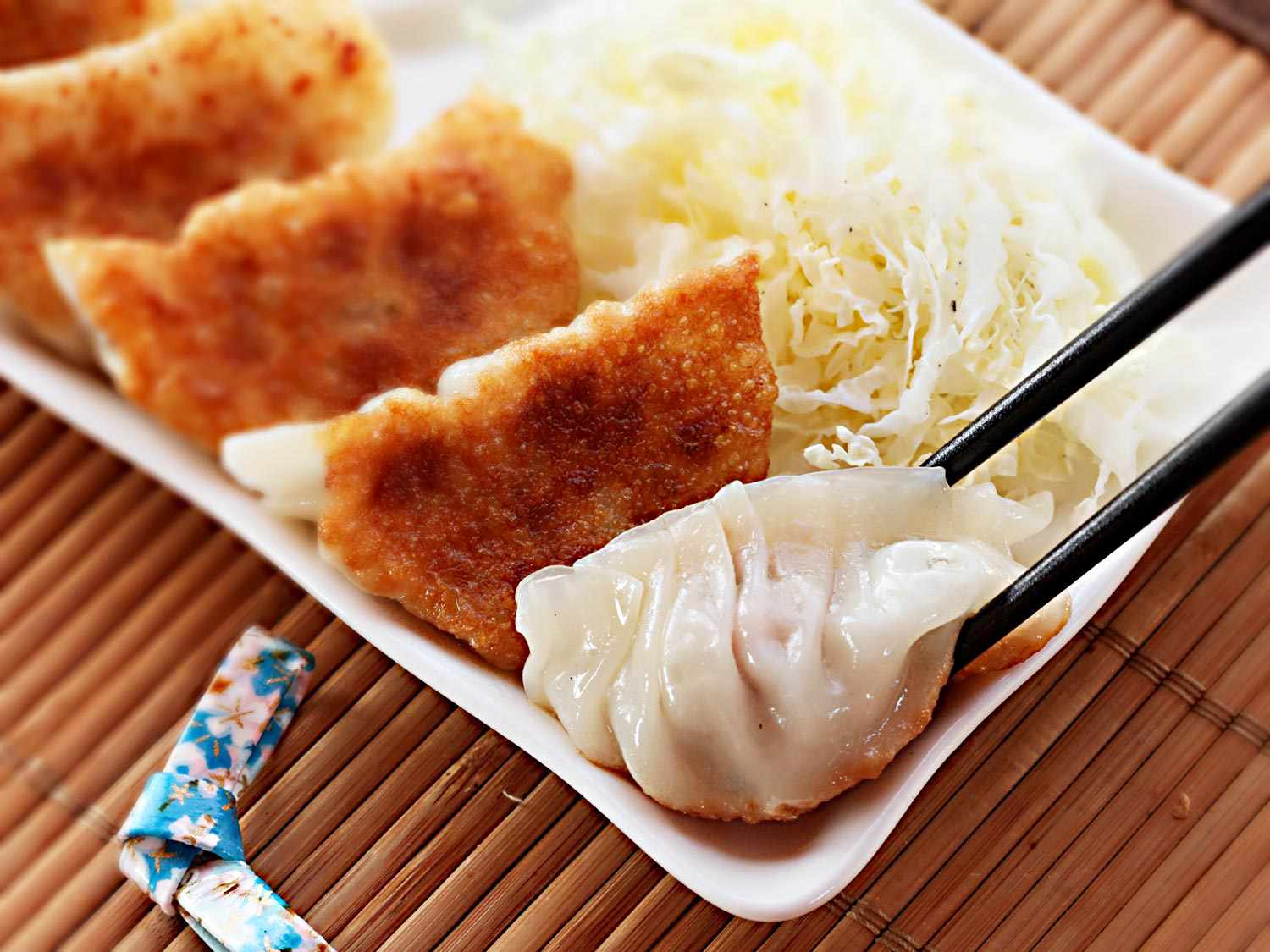
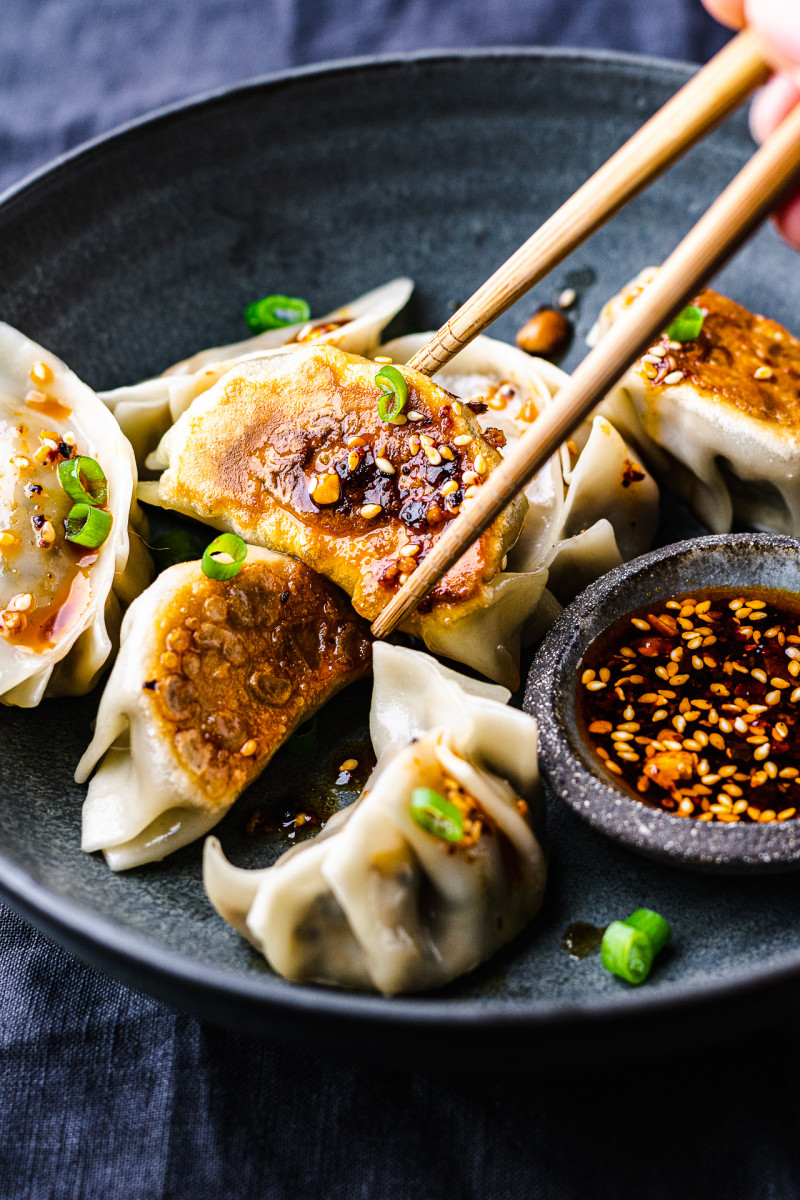
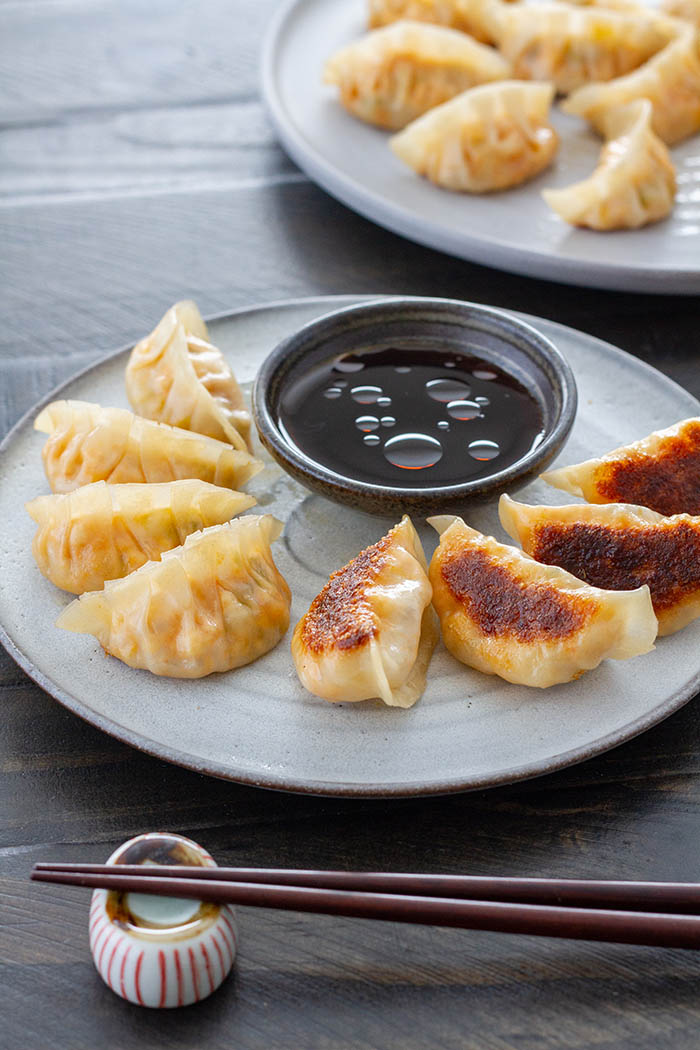
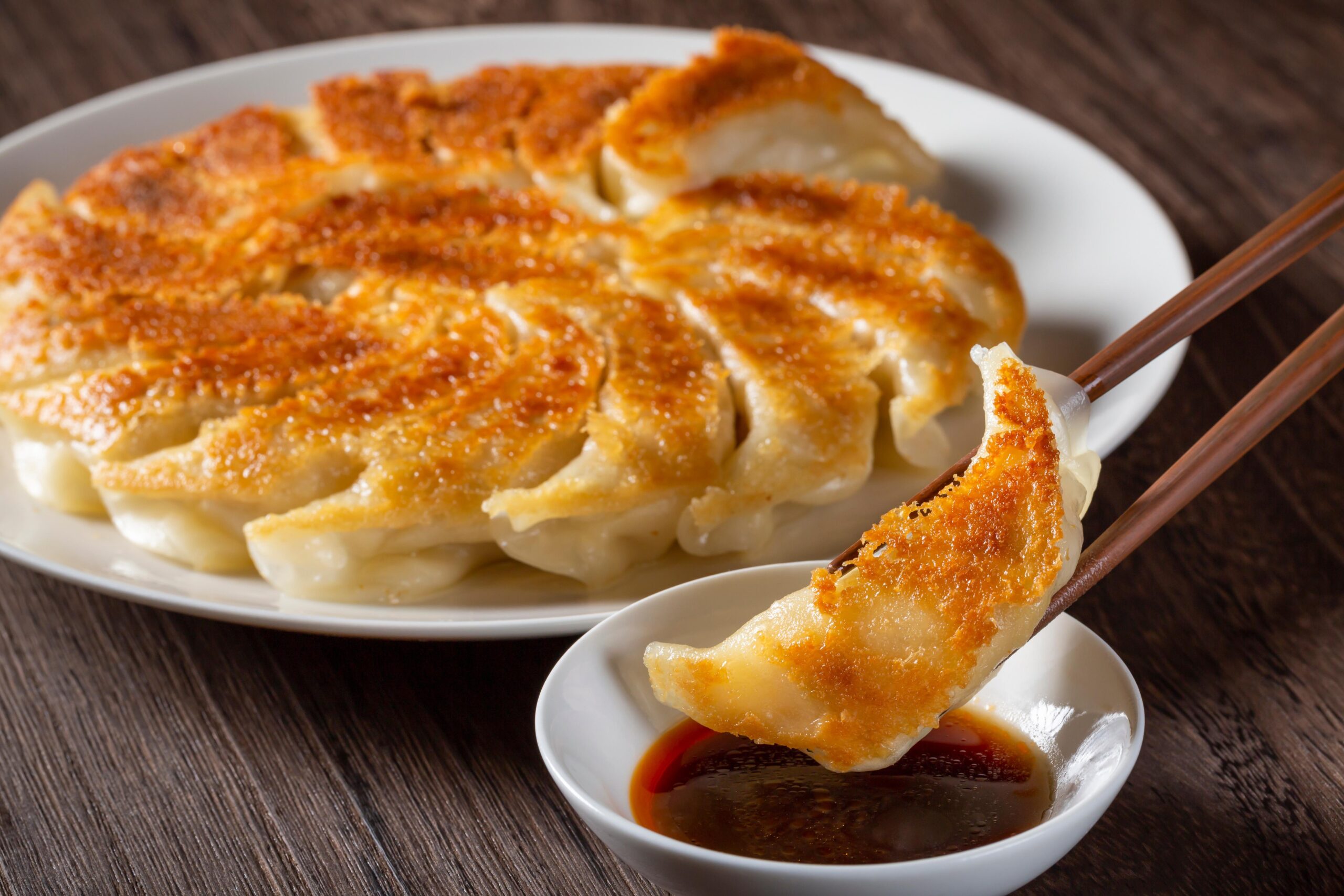
Unveil the artistry behind cooking gyoza. The most celebrated is the pan-fried style (yaki-gyoza), where a golden, crispy base meets a tender top, balancing contrasting textures. Others prefer sui-gyoza, gently boiled for a smooth, juicy finish, or mushi-gyoza, delicately steamed for a light bite. Each method brings a new dimension to this classic dish, inviting culinary experimentation in home and professional kitchens.

Gyoza: Discover the Heart of Japanese Cuisine with Yoshida Hotel

The Signature Crisp: Mastering the Gyoza Pleat and Sear

Move behind the scenes of Japan’s leading gyoza kitchens. The characteristic crescent shape and pleated edge are not merely for aesthetics—they serve as the vessel for locking in flavor. The skillful pan-searing and steam techniques adopted by gyoza masters ensure the perfect harmony of texture, aroma, and visual appeal.

Gyoza Dipping Sauces: Unlocking Layers of Flavor

Essential Condiments: Soy, Vinegar, Chili Oil & More

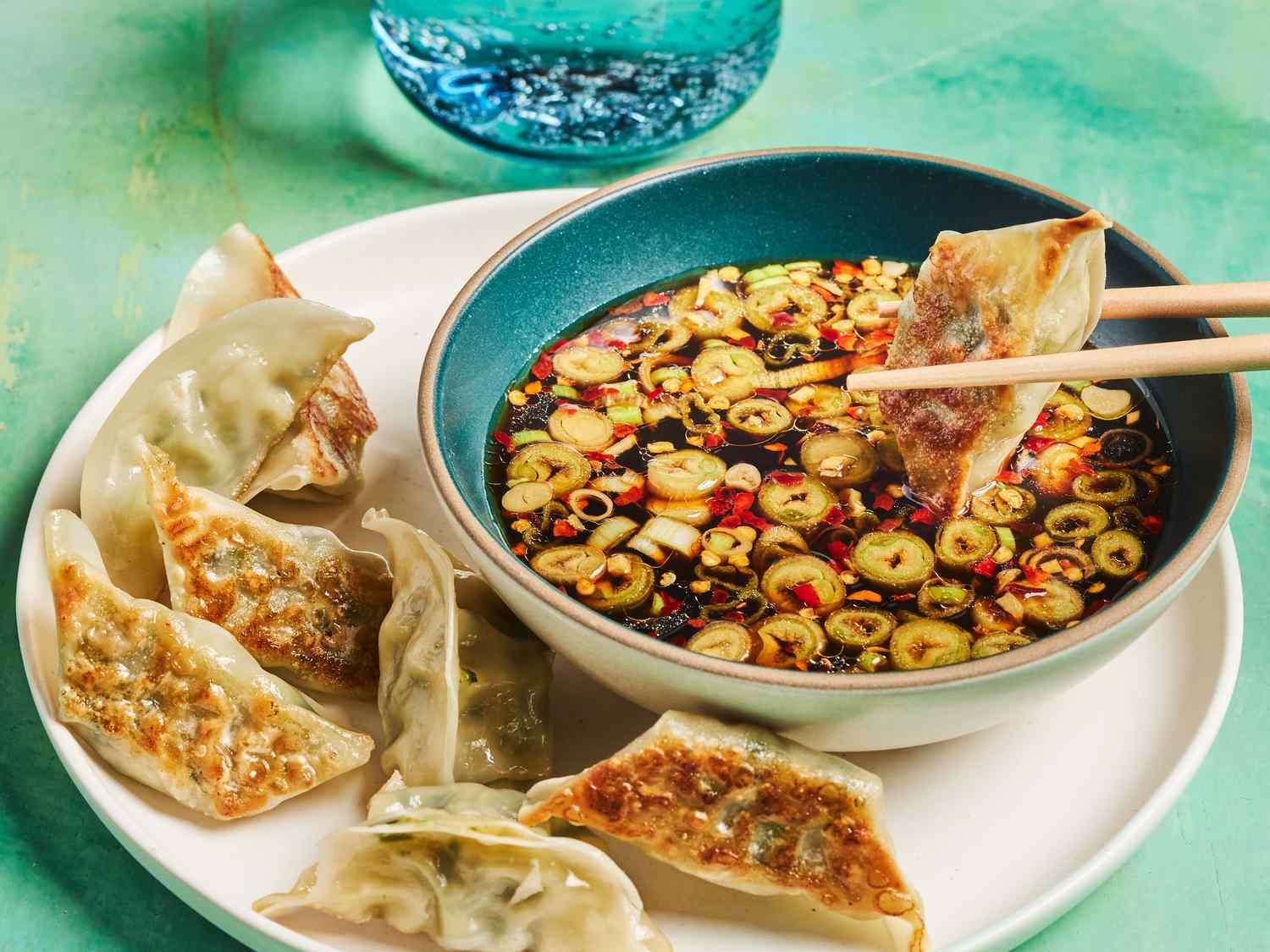
The ritual of eating gyoza is never complete without its signature sauces. Learn how diners mix soy sauce, rice vinegar, and spicy rayu (chili oil) to craft a personalized taste experience. Explore regional sauce variations—with yuzu citrus in the Kansai region and sesame blends in northern Japan—each further enhancing the enjoyment of gyoza.

Gyoza: Discover the Heart of Japanese Cuisine with Yoshida Hotel

Savoring Every Bite: How Sauces Elevate the Gyoza Experience

Discover the profound impact dipping sauces have on gyoza. The interplay of tart, salty, and spicy notes brings balance, intensifies the savory filling, and introduces nuanced aftertastes. Gyoza aficionados and casual eaters alike will delight in exploring endless flavor possibilities with these condiments.

Health Benefits and Nutritional Insights of Gyoza

Balanced Ingredients: Nutritious Yet Indulgent

Uncover the nutritional value of gyoza, highlighting its protein-rich filling and vitamin-packed vegetables. Explore healthier preparation methods, such as steaming or boiling, as alternatives to traditional frying. With its combination of meats, greens, and minimal oil, gyoza can fit into a balanced diet while providing comfort and satiety.

Gyoza: Discover the Heart of Japanese Cuisine with Yoshida Hotel

Customizing Gyoza for Dietary Needs

Discover how gyoza adapts to various dietary requirements. Enjoy vegetarian gyoza stuffed with mushrooms and tofu, or gluten-free options using rice flour wrappers, ensuring everyone at the table can access the rich tradition behind this dish. Tips and recipes for adapting gyoza to suit allergies or lifestyle preferences make it welcoming to all.

Gyoza in Japanese Dining Culture

Comfort Food for Every Occasion: From Home Kitchens to Festivities

Trace the place of gyoza in Japanese daily life. Traditionally served as both street food and festive fare, gyoza brings people together, whether shared at a table among friends or enjoyed solo with a cup of sake on a cold night. Yoshida Hotel takes pride in showcasing how this beloved dish is ingrained in both everyday meals and special celebrations across Japan.

Gyoza: Discover the Heart of Japanese Cuisine with Yoshida Hotel

Gyoza and Japanese Hospitality: Communal Dining, Shared Joy

Examine the social aspects of enjoying gyoza. The process of making, cooking, and eating gyoza often involves participation and collaboration, reflecting the Japanese spirit of togetherness. This tradition extends from households to festivals and izakaya gatherings, where sharing plates of gyoza enhances the bond between companions.

Exploring Gyoza Pairings: The Perfect Complements

Japanese Beverages for Every Palate

Enhance your gyoza feast by exploring optimal drink pairings. Try classic Japanese beers to cut through the dish’s richness, sip chilled sake for a sophisticated match, or enjoy green tea for a refreshing cleanse. Yoshida Hotel recommends sampling local brews and artisanal gins that best complement the gyoza experience.

Gyoza: Discover the Heart of Japanese Cuisine with Yoshida Hotel

Sides and Salads: Building the Ultimate Japanese Meal

Gyoza is often accompanied by soups, salads, and pickled vegetables. Learn how miso soup, daikon salads, and seaweed sides create a balanced, multicourse dining experience, elevating your enjoyment of Japanese flavors to new heights.

The Gyoza-Making Experience: Bringing Japan Into Your Kitchen

Traditional Gyoza Recipes: Step-by-Step Guides

Unleash the secrets of home cooking with easy-to-follow guides for crafting homemade gyoza. Yoshida Hotel presents advice on choosing ingredients, mixing fillings, and mastering the delicate art of pleating. Experiment with regional recipes and create lasting memories with family and friends in your own kitchen.

Gyoza: Discover the Heart of Japanese Cuisine with Yoshida Hotel

Creative Gyoza Variations: From Classic to Contemporary

Learn how culinary innovators in Japan are reimagining gyoza with creative ingredients—think okonomiyaki-style fillings, curry blends, or seafood medleys. Be inspired to put your own spin on this time-honored dish, experimenting with exotic flavors and fusion ideas that fuse traditions from around the world.

Influence of Gyoza Beyond Japan: A Global Culinary Ambassador

From Tokyo to the World: Gyoza’s International Appeal

Explore how gyoza has gained popularity from Tokyo’s eateries to global metropolises. Discover modern interpretations of gyoza found in cities like New York, Paris, and Melbourne, where chefs create cross-cultural delights that inspire foodies everywhere.

Gyoza: Discover the Heart of Japanese Cuisine with Yoshida Hotel

Gyoza in Pop Culture and Modern Dining Trends

Analyze how gyoza appears in Japanese pop culture—from manga and anime to cooking shows and travel documentaries. The dish’s accessibility, comfort, and adaptability have made it a symbol of contemporary Japanese hospitality.

Gyoza Festivals and Events: Culinary Pilgrimages

Utsunomiya Gyoza Festival: The Dumpling Extravaganza

Journey to Utsunomiya, Japan’s acclaimed gyoza capital, during its annual festival, where thousands gather to taste the city’s legendary dumplings. With street vendors, live demos, and gyoza-themed competitions, this lively celebration invites all to immerse in the festive spirit of Japanese food culture.

Gyoza: Discover the Heart of Japanese Cuisine with Yoshida Hotel

Engaging with Japanese Food Festivals: A Unique Traveler’s Experience

Find out how food tourism brings you closer to Japanese culture, with festivals that unite communities and visitors over shared plates of gyoza. As your guide, Yoshida Hotel encourages participation in these events to deepen appreciation of local flavors and traditions.

The Legacy and Future of Gyoza: Sustaining Tradition in a Modern World

Preserving Heritage: Commitment to Authenticity

Transition alongside Yoshida Hotel, as we highlight initiatives aimed at preserving the traditional methods of crafting gyoza, from artisanal producers to grassroots families. Explore how culinary education, media, and tourism contribute to keeping the spirit of Japanese cuisine thriving.

Gyoza: Discover the Heart of Japanese Cuisine with Yoshida Hotel

Culinary Innovation: The Future of Gyoza

Consider the future of this beloved dish—how technology, travel, and global influences continue to shape and redefine gyoza. From plant-based fillings to automation in dumpling ateliers, the evolution of gyoza reflects ongoing creativity and adaptability in Japanese cuisine.

Final Thoughts: Discovering the Essence of Gyoza with Yoshida Hotel

In summary, experiencing Gyoza is about more than savoring delicious dumplings—it represents a joyous union of Japanese culture, history, and hospitality. At Yoshida Hotel, we are honored to introduce travelers and culinary explorers to the intricate world of Japanese cuisine, bringing rich stories, expert recommendations, and a sense of adventure to every dining table.

Whether you are journeying through Japan’s streets, savoring gyoza at a local eatery, or recreating the dish in your home, let the spirit of discovery and the warmth of Japanese traditions infuse your culinary experiences.

Chawanmushi: Discover Japan’s Delightful Savory Custard

Embark on an unforgettable culinary adventure with Yoshida Hotel as we introduce you to the enchanting world of Chawanmushi – the beloved Japanese savory egg custard. At Yoshida Hotel, while we are known for our impeccable hospitality, we find immense joy in sharing the depths of Japanese cuisine with travelers and food enthusiasts alike. Chawanmushi, with its delicate flavors and silky texture, stands as an epitome of Japanese gastronomy. Join us as we guide you through its fascinating history, intricate preparation, regional variations, health benefits, and unique role within Japan’s culinary landscape—all designed to ignite your curiosity and tempt your palate.

Chawanmushi: A Gateway to Traditional Japanese Cuisine

What Is Chawanmushi?

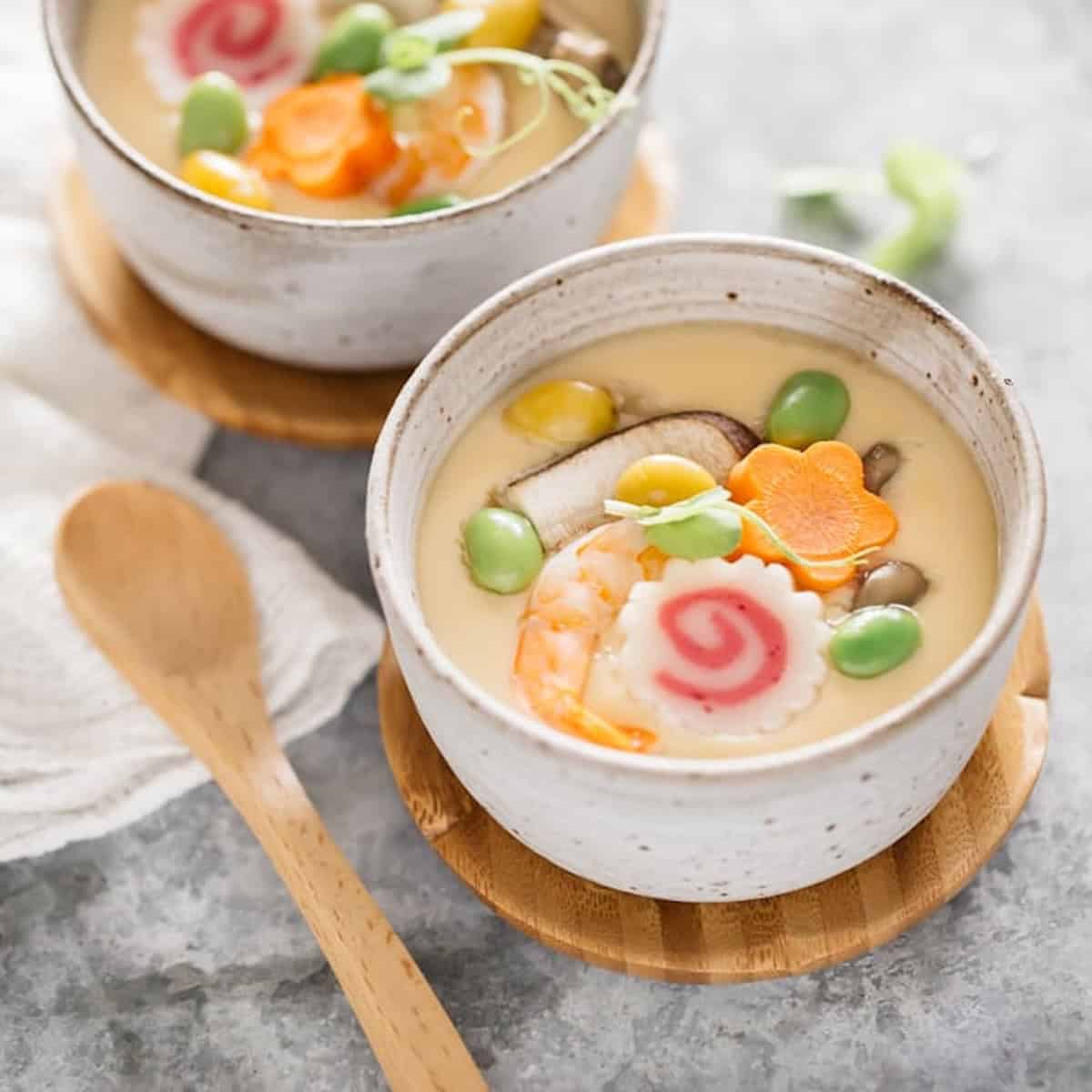
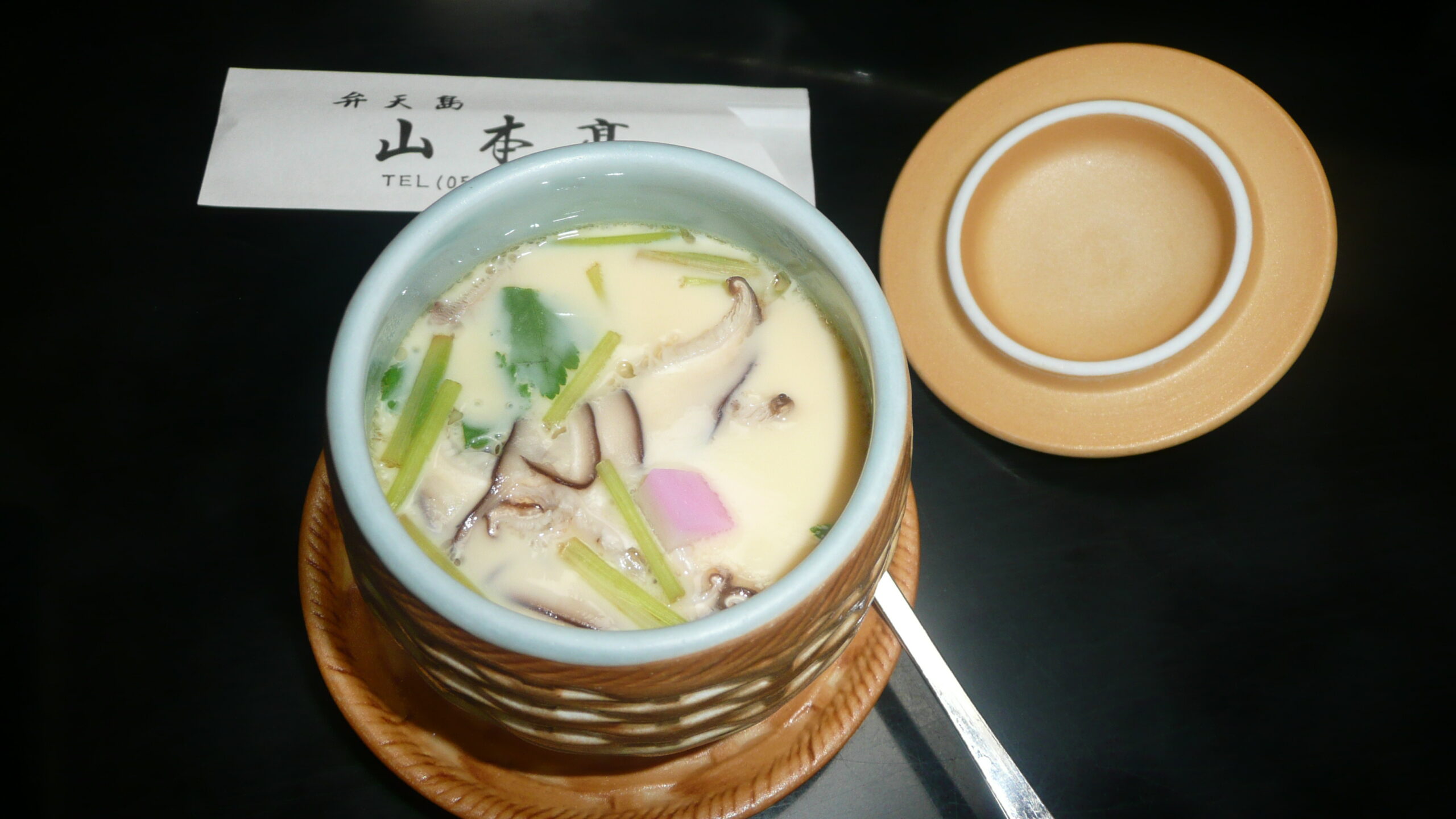
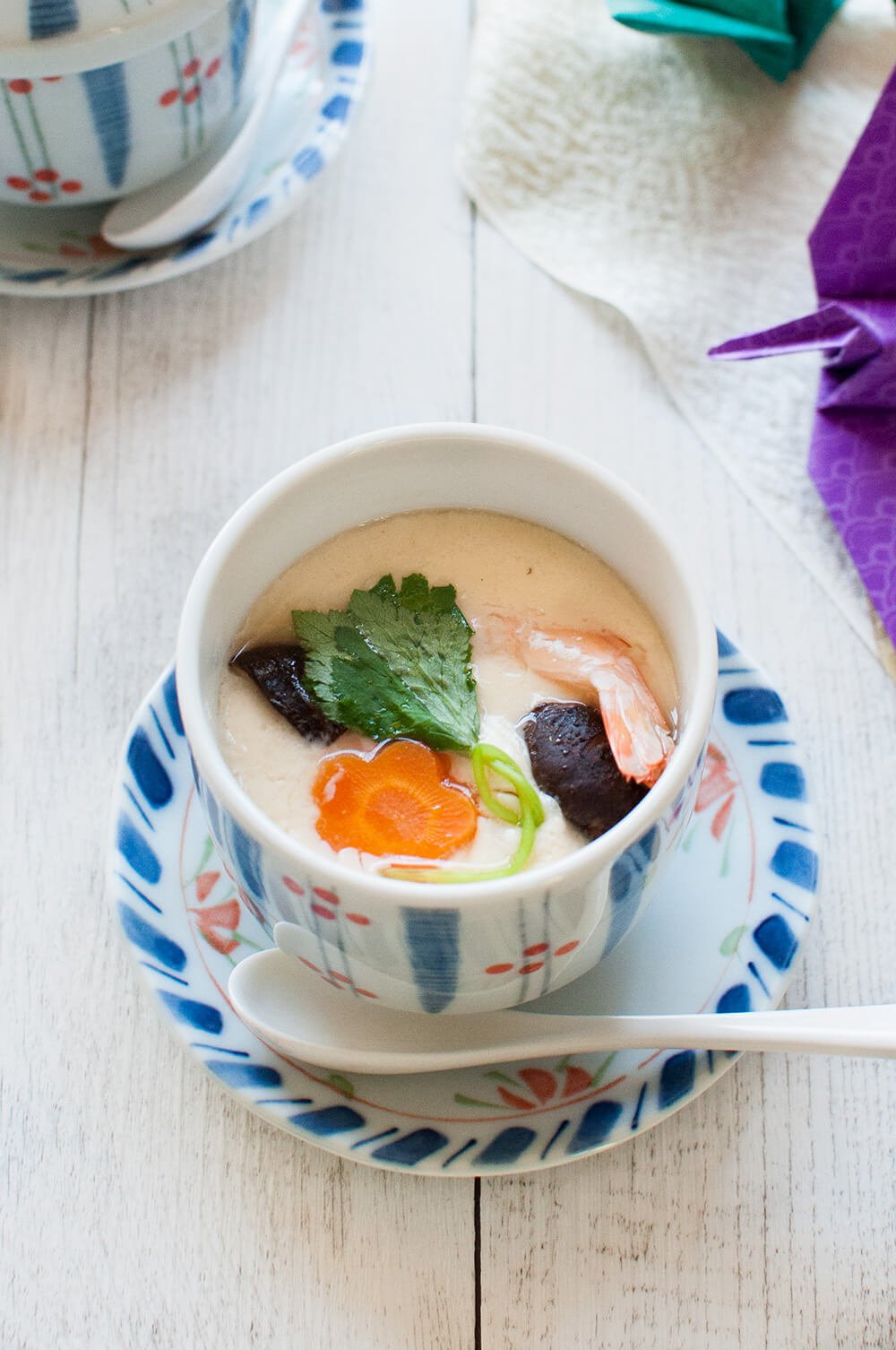
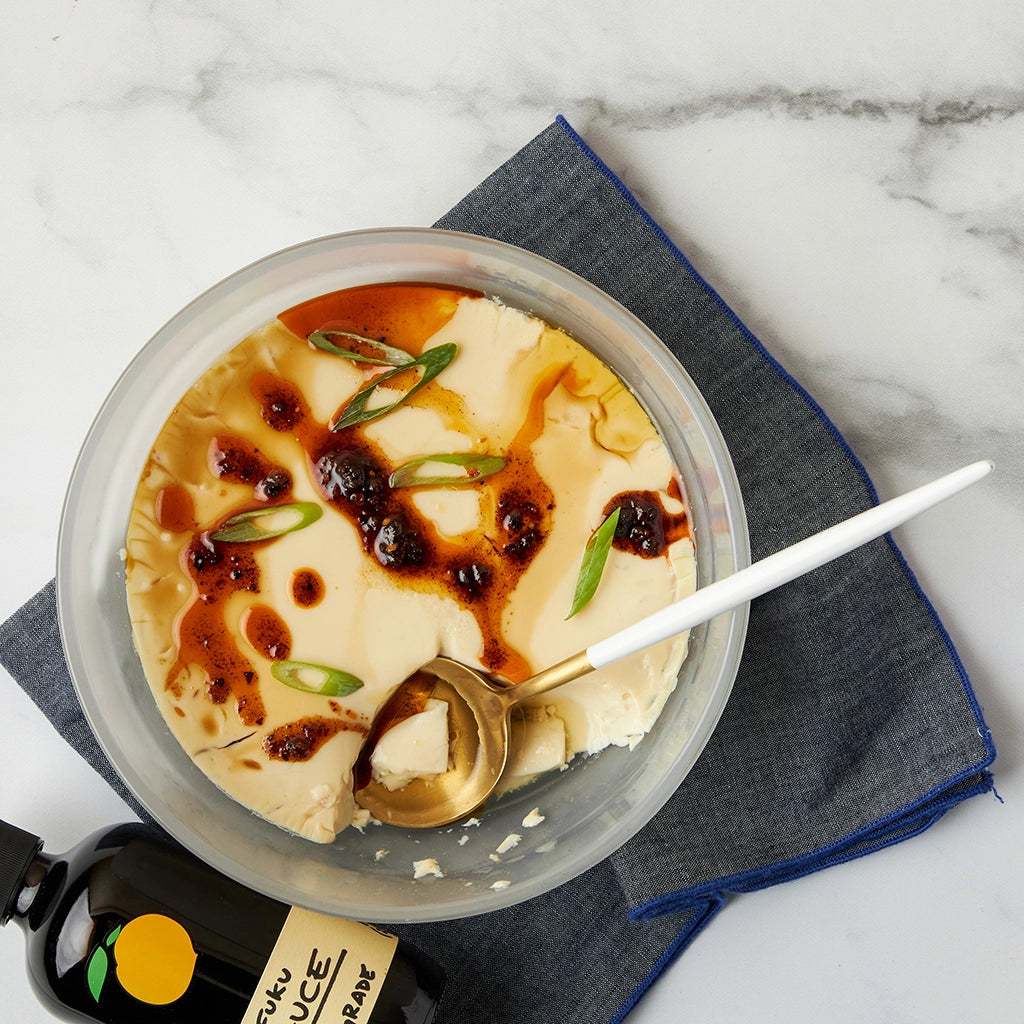
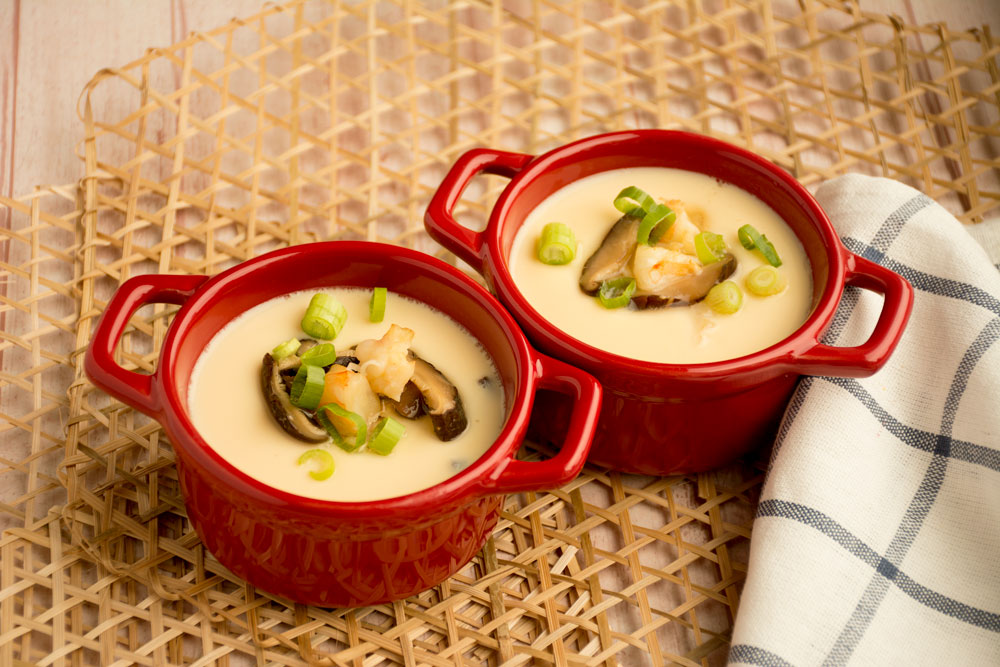
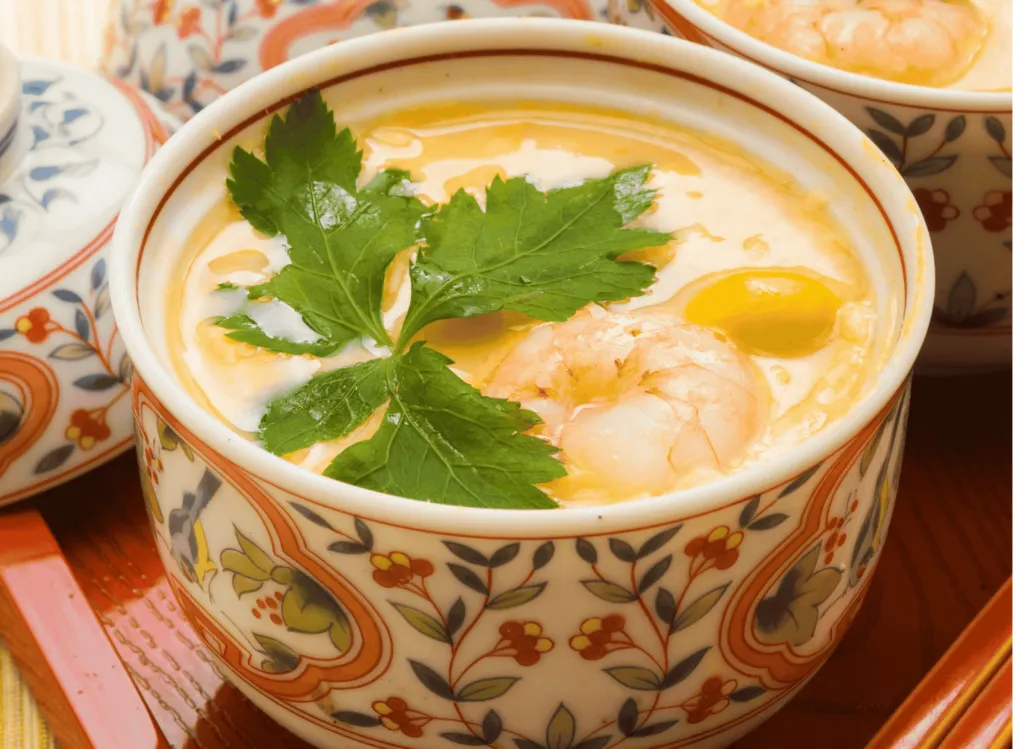
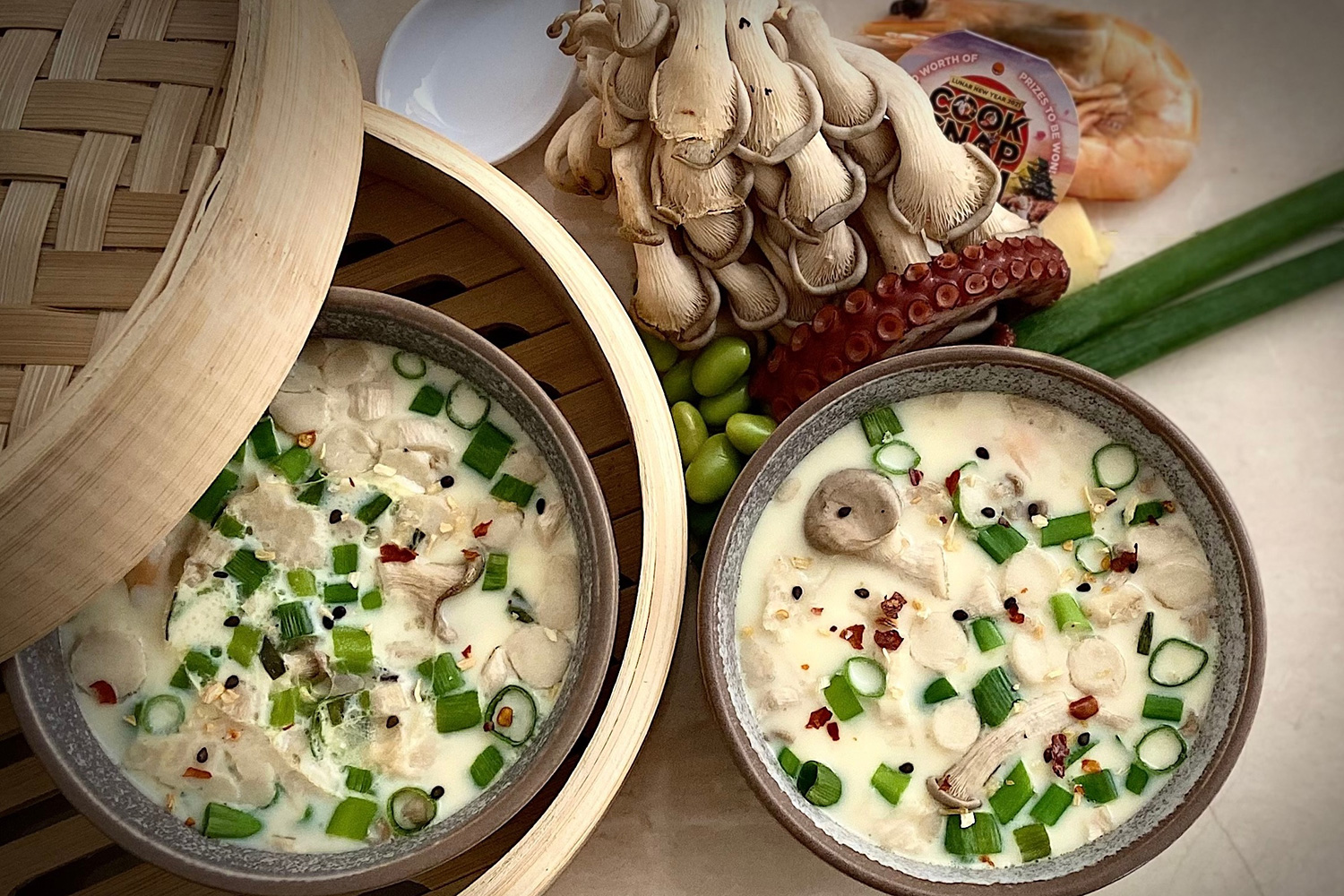
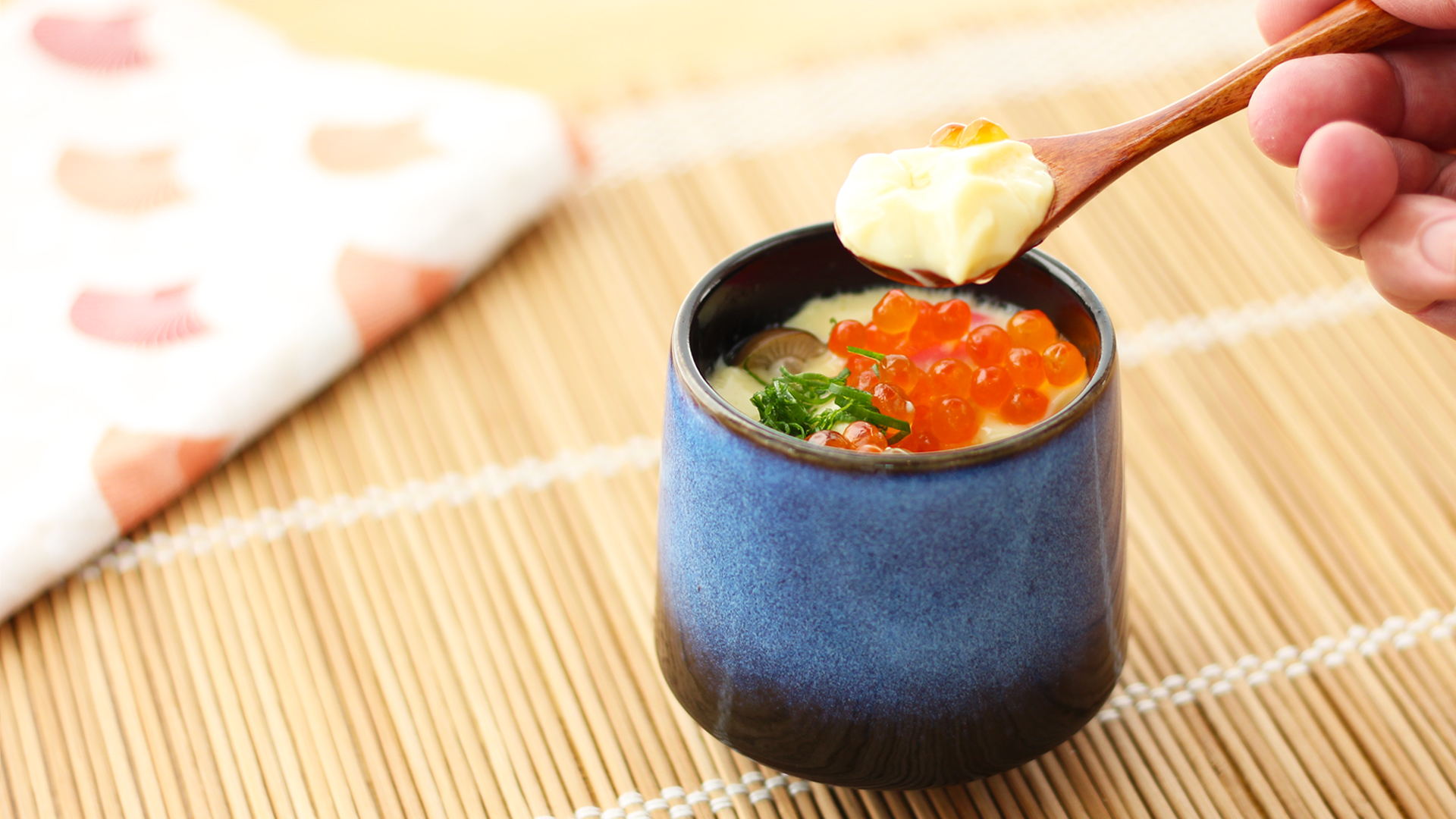
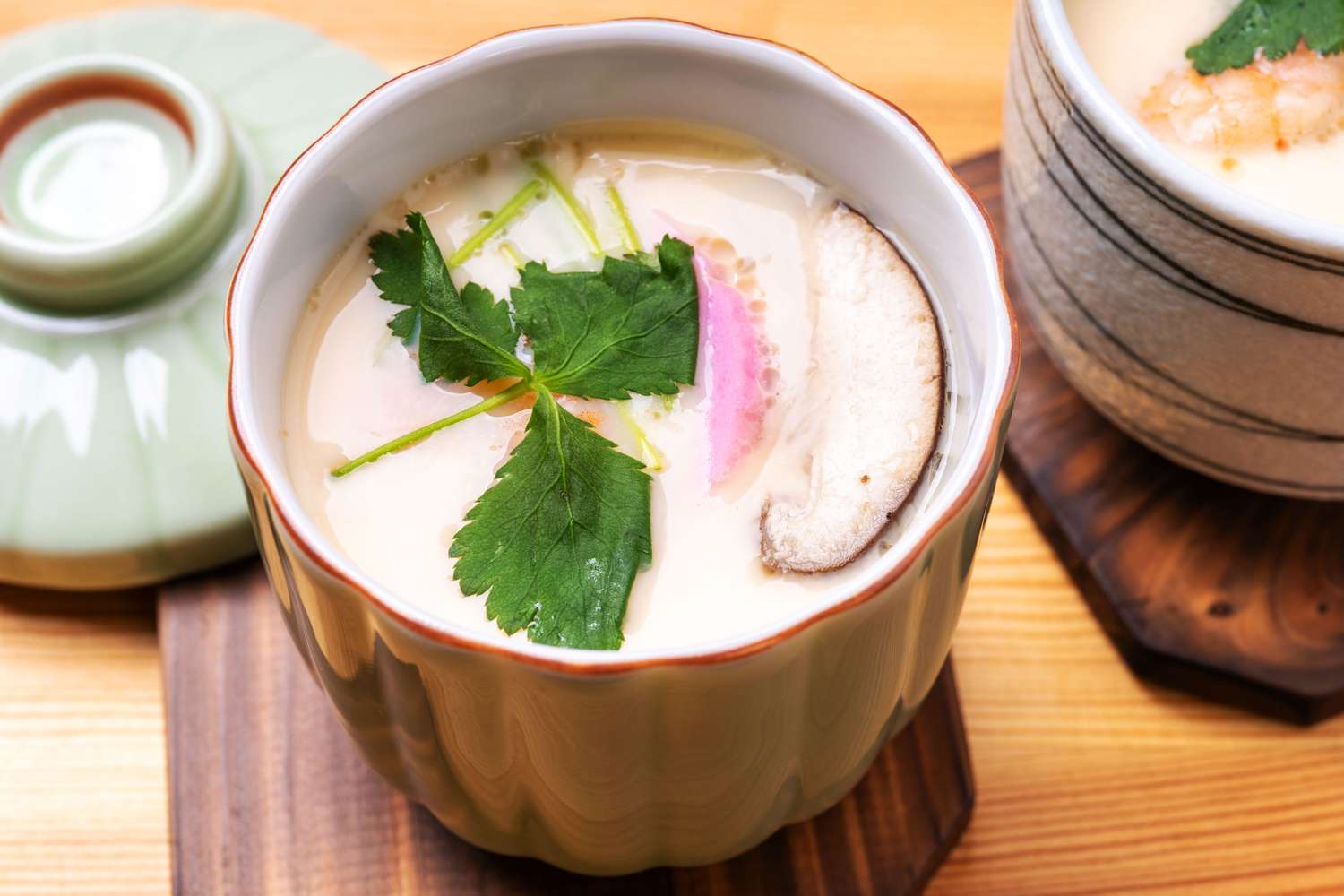
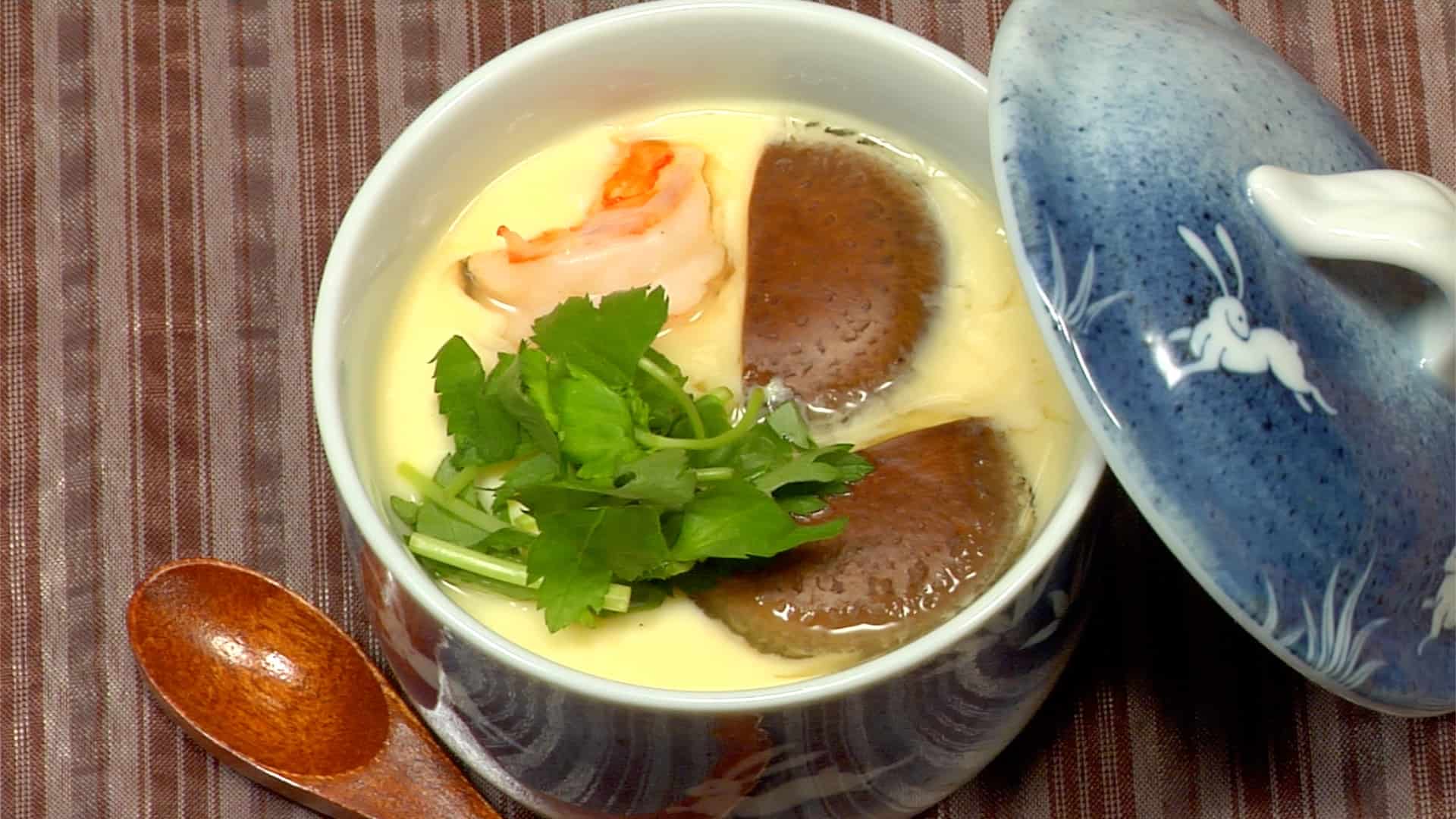
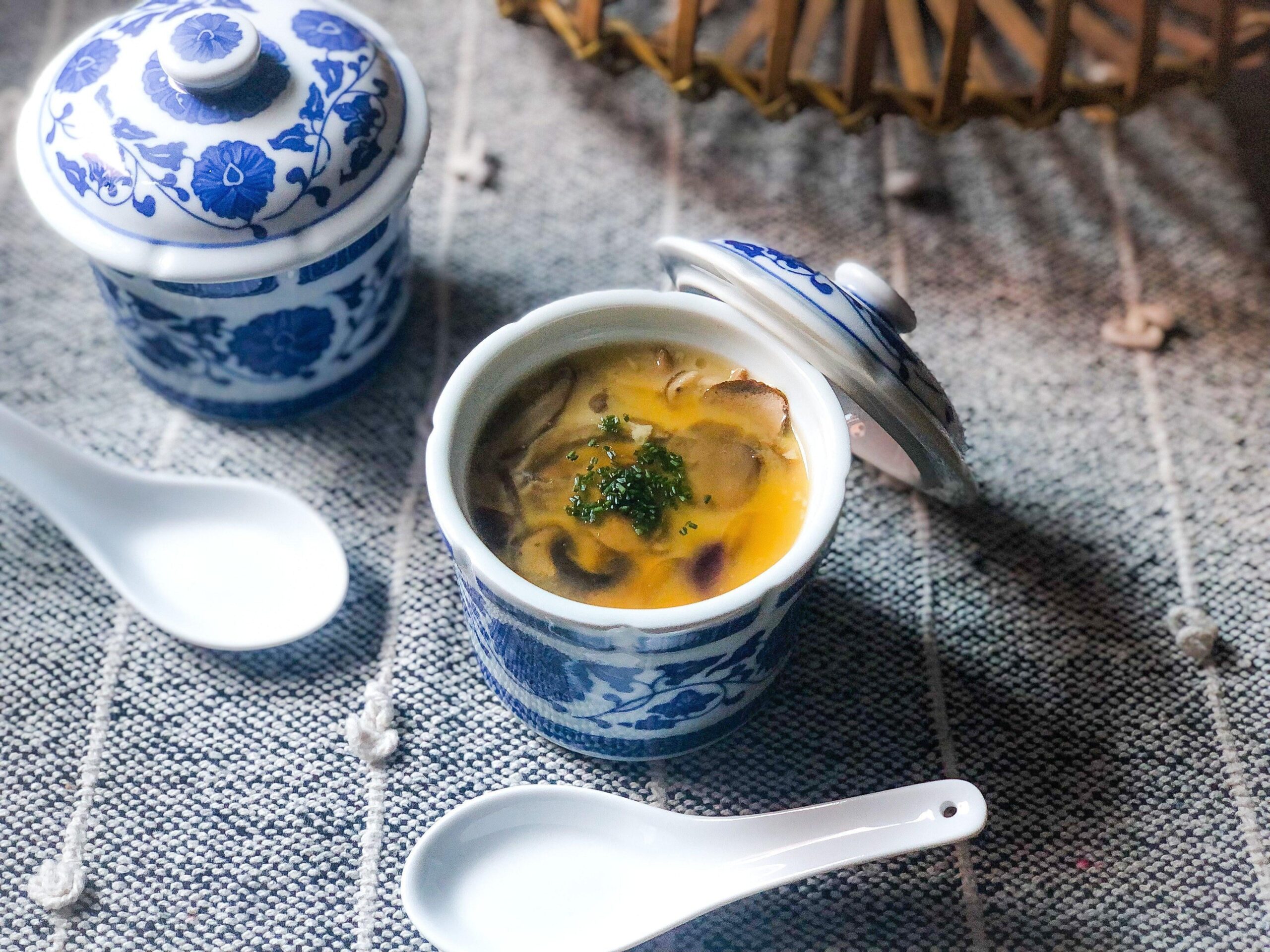
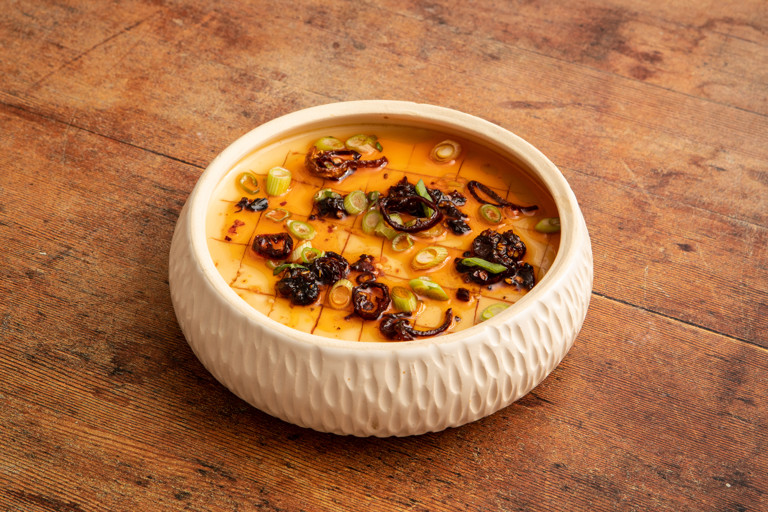
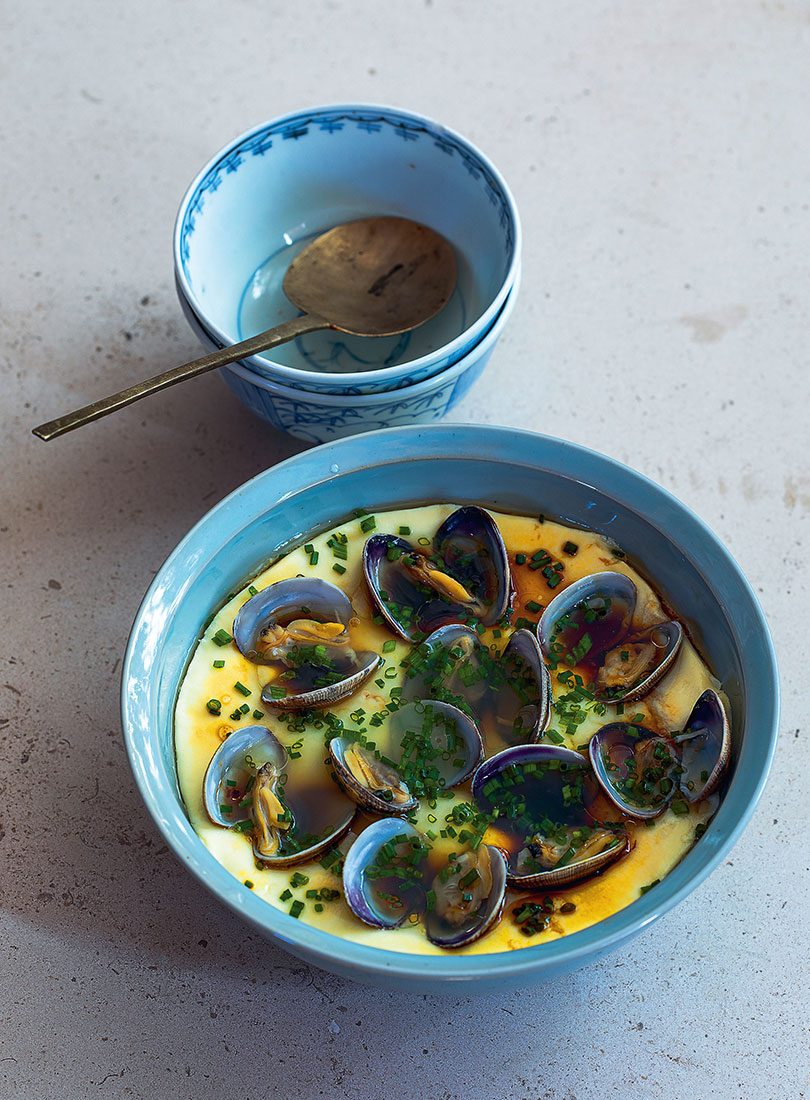
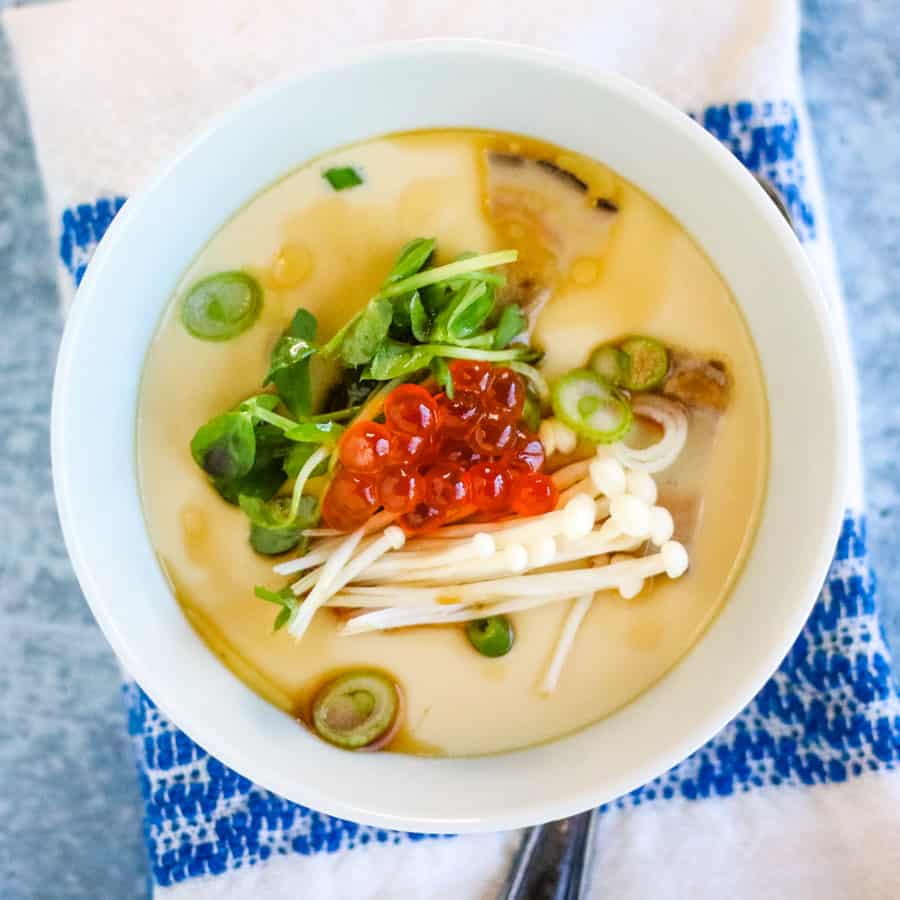
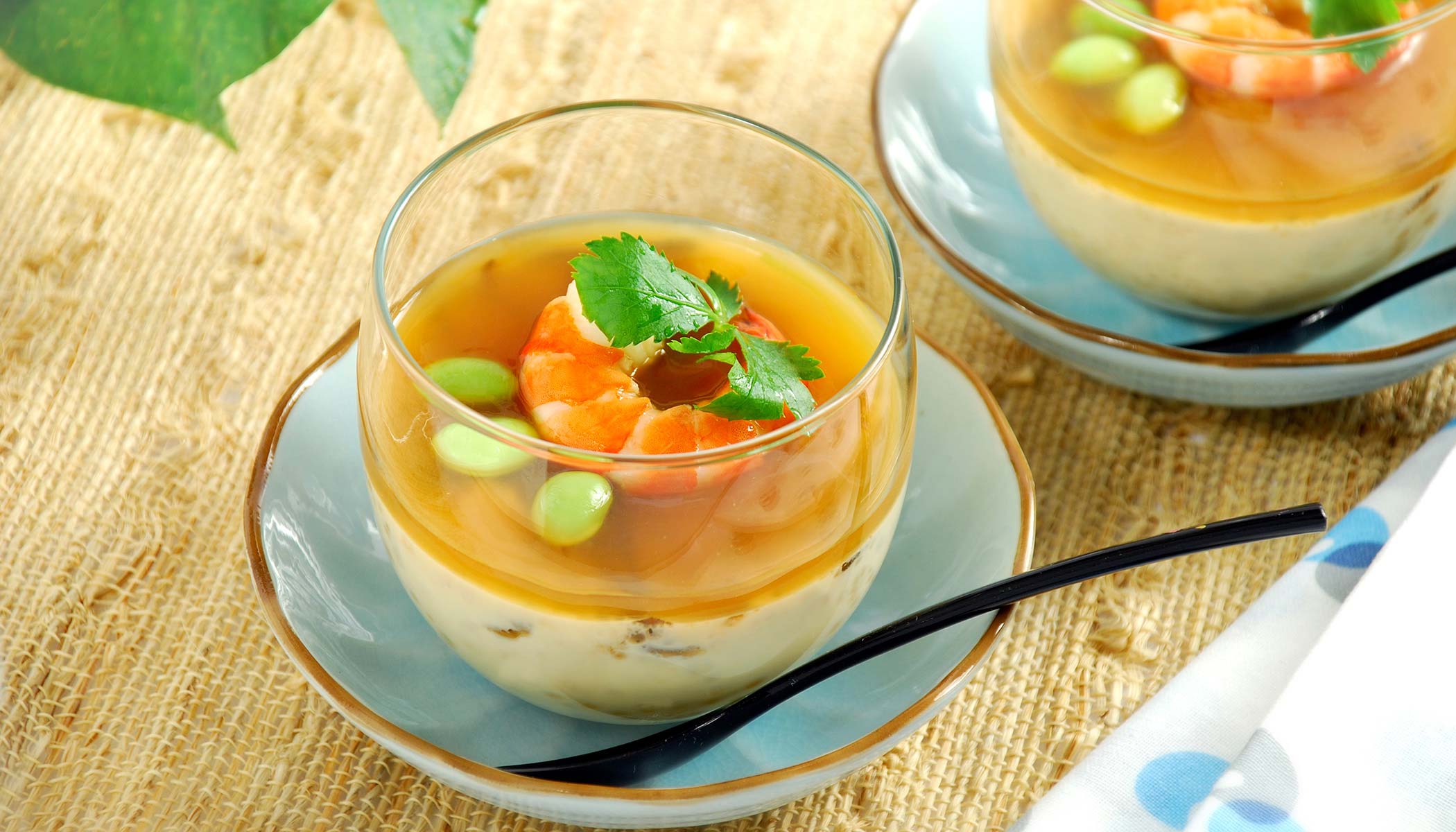
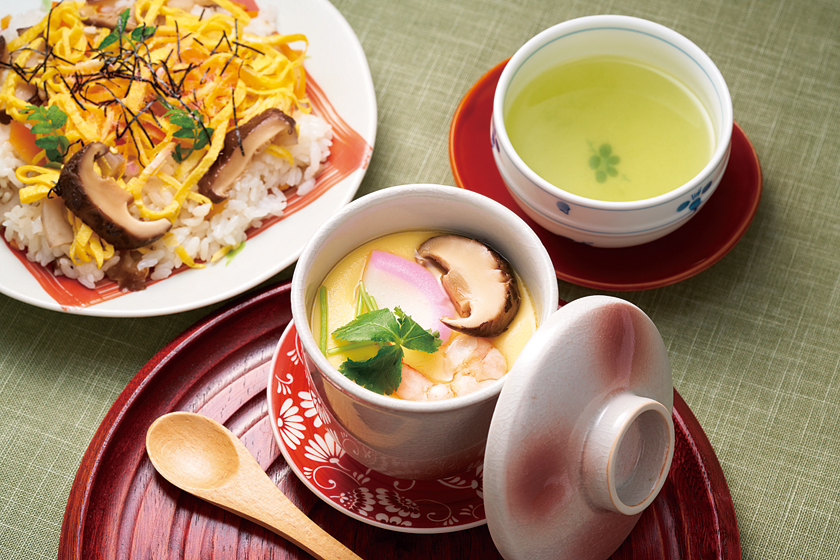
Chawanmushi is an iconic Japanese dish, translated as “steamed in a tea bowl,” that showcases the elegance of Japan’s approach to food. Unlike other egg dishes you may be familiar with, Chawanmushi is silky, lightly seasoned, and served warm or cool in a small bowl. The base of the dish is a savory, umami-rich custard made from eggs, dashi stock, and soy sauce, often incorporating mushrooms, seafood, or chicken.

Chawanmushi: Discover Japan’s Delightful Savory Custard

The Origins of Chawanmushi

The roots of Chawanmushi reach back to the Edo period, where it graced the tables of Japanese nobility and eventually became a beloved staple in homes and fine dining establishments. It reflects the Japanese culinary philosophy of balance and harmony, using simple ingredients to create a dish of remarkable depth.

Why Chawanmushi Captivates Food Lovers

Today, Chawanmushi captivates both Japanese locals and travelers by offering a multisensory dining experience. Its aroma, velvety consistency, and gentle flavors blend seamlessly, transporting diners to the tranquil landscapes of Japan.

Chawanmushi: Discover Japan’s Delightful Savory Custard

Unveiling the Secrets: How Chawanmushi Is Made

Essential Ingredients for Authentic Chawanmushi

The heart of Chawanmushi is its custard base, composed of:

  • Fresh eggs
  • Dashi (a seaweed and bonito-based broth)
  • Light soy sauce
  • Mirin (sweet Japanese rice wine)
  • Salt

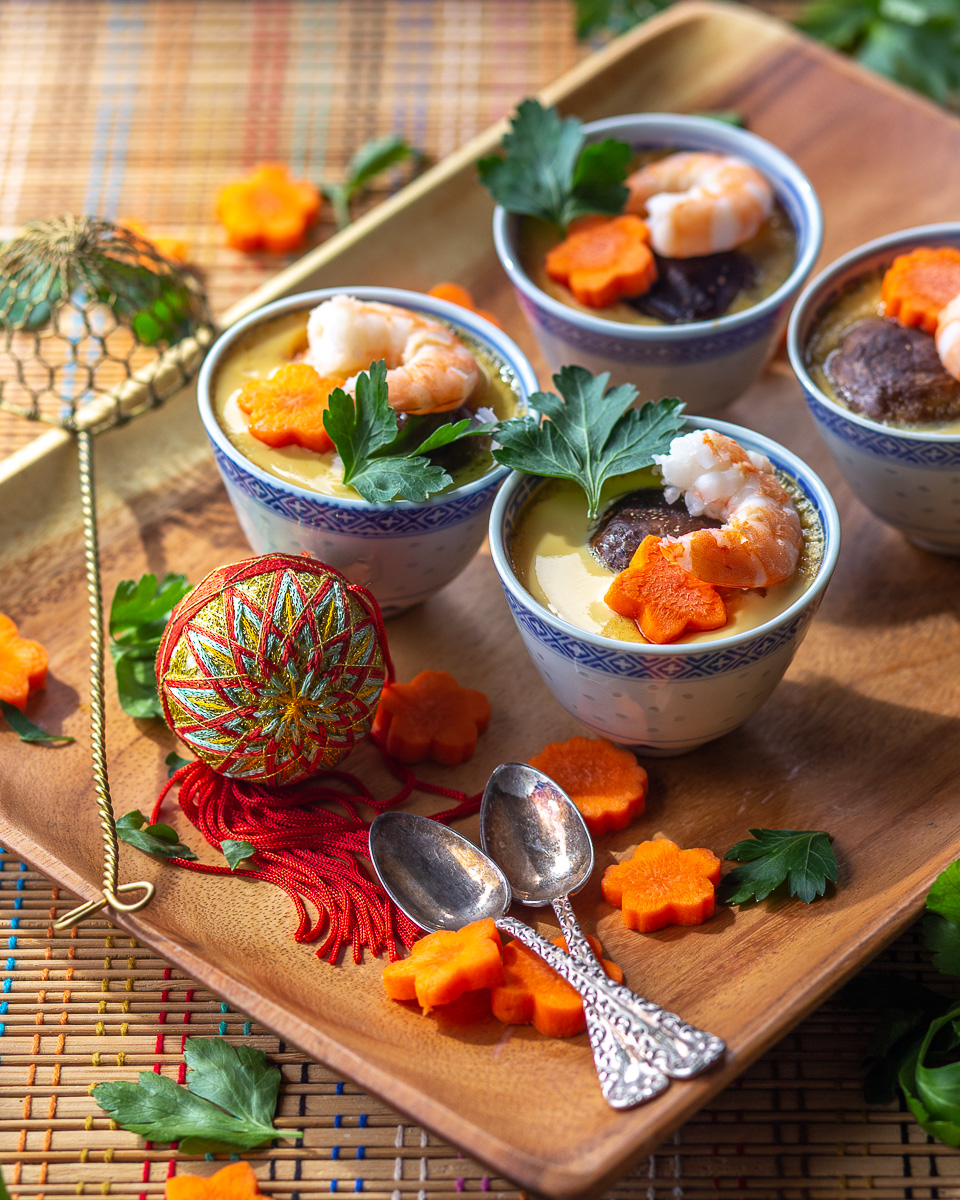
Popular fillings include shiitake mushrooms, chicken pieces, ginkgo nuts, shrimp, and fish cake, each chosen for complementary flavors and textures.

Chawanmushi: Discover Japan’s Delightful Savory Custard

The Art of Preparing Chawanmushi

Creating the perfect Chawanmushi requires patience and precision. The eggs are gently whisked with seasoned dashi, then strained for a smooth mixture. Ingredients are carefully placed into individual cups or bowls before the custard is poured over them. Gently steamed, the result is an exquisitely smooth, savory custard encasing a medley of fillings.

Mastering the Technique: Steaming Tips

Steaming is the heart of Chawanmushi’s delicate preparation. Maintaining the right temperature is crucial; too much heat results in a tough, bubbly texture, while gentle steaming ensures the signature silkiness that defines the dish.

Chawanmushi: Discover Japan’s Delightful Savory Custard

Chawanmushi Through the Seasons: A Taste for Every Traveler

Seasonal Twists on Chawanmushi

One of Chawanmushi’s charms lies in its adaptability. Chefs across Japan embrace seasonal ingredients, creating a dynamic range of flavors throughout the year. In spring, you might find young bamboo shoots; in autumn, chestnuts or seasonal seafood.

Chawanmushi: Discover Japan’s Delightful Savory Custard

Festival Fare: Chawanmushi in Japanese Celebrations

Whether served at weddings, New Year feasts, or local festivals, Chawanmushi is a dish that brings warmth to special occasions. The inclusion of luxurious toppings, such as uni (sea urchin) or truffle, can elevate it for celebrations.

Exploring Regional Variations: Unfolding Japan’s Culinary Map

Hokkaido’s Seafood-Rich Chawanmushi

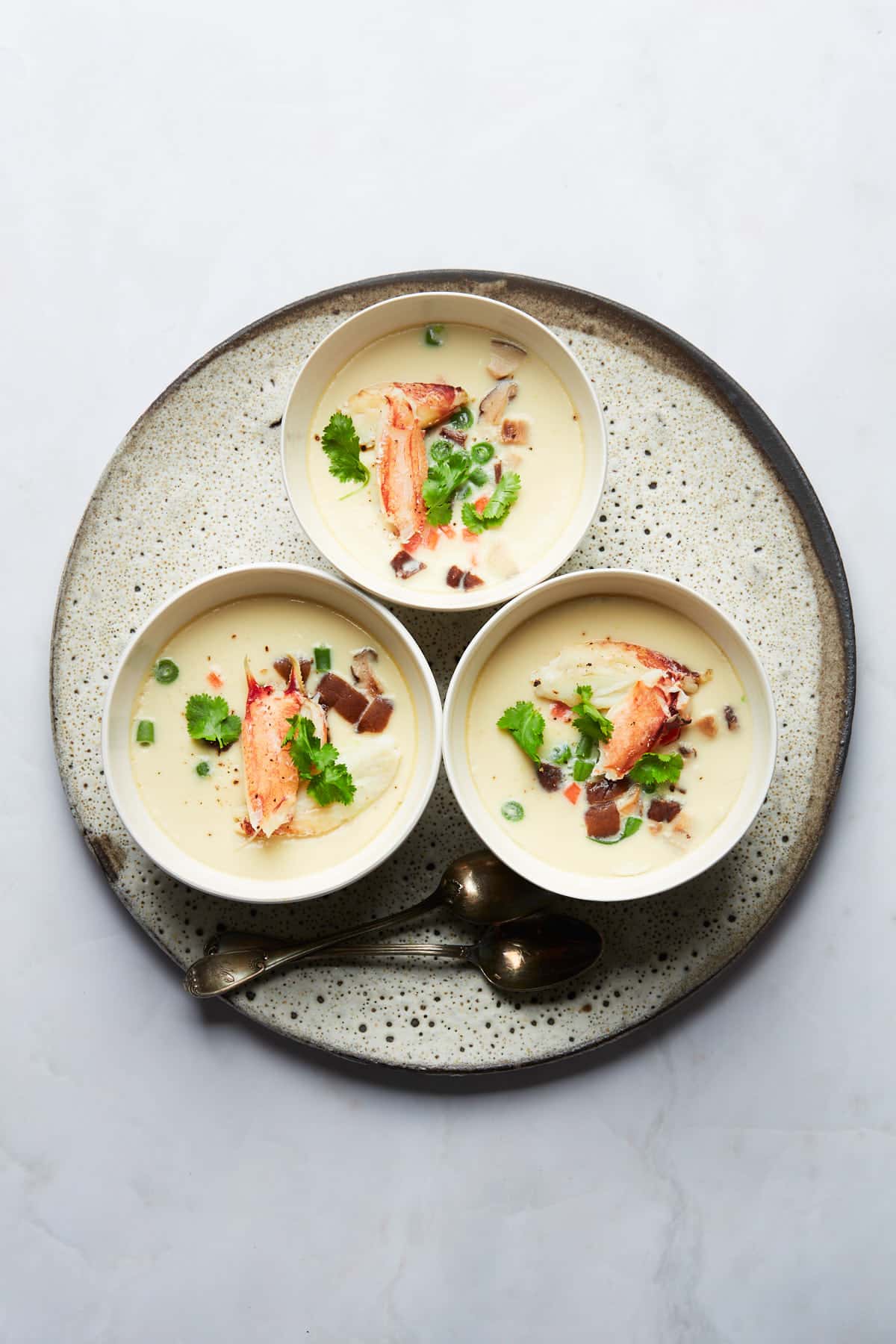
In Hokkaido, Chawanmushi thrives with an abundance of fresh seafood. Crab meat and scallops are common additions, infusing the custard with marine richness that reflects the region’s bounty.

Chawanmushi: Discover Japan’s Delightful Savory Custard

Kyoto’s Elegant Simplicity

Kyoto, the heartland of Japanese refinement, serves Chawanmushi with understated elegance. Local yuba (tofu skin), mountain vegetables, and delicate broths are often highlighted.

Kyushu’s Robust Flavors

In Kyushu, locals favor bolder flavors with hearty shiitake mushrooms and a denser, earthier custard. The use of local soy sauce imparts a distinct depth.

Chawanmushi: Discover Japan’s Delightful Savory Custard

The Cultural Significance of Chawanmushi in Japanese Hospitality

Rituals and Traditions

Chawanmushi is more than just a dish—it embodies the Japanese ethos of omotenashi, or heartfelt hospitality. Often served as an appetizer in kaiseki (multi-course) dining, its arrival signals the start of a meticulously crafted dining experience.

Chawanmushi: Discover Japan’s Delightful Savory Custard

Dining Etiquette: Enjoying Chawanmushi the Japanese Way

Japanese tradition dictates savoring Chawanmushi directly from its cup using a small spoon or wooden spatula. The custard should be consumed slowly, cherishing both the aroma and subtle flavor transitions.

Chawanmushi and the World of Japanese Fine Dining

Spotlight on Kaiseki Cuisine

No other dish encapsulates the spirit of kaiseki like Chawanmushi. As the first course, it intrigues and delights guests, setting the tone for the artistry that follows.

Chawanmushi: Discover Japan’s Delightful Savory Custard

Chawanmushi at Michelin-Starred Restaurants

Top restaurants in Tokyo, Osaka, and Kyoto often give their signature spin to Chawanmushi, blending tradition with innovation. Ingredients such as lobster, foie gras, or black truffles are used for exquisite variations.

Chawanmushi: An Adventure for the Health-Conscious Gourmet

Nutritional Profile and Health Benefits

Chawanmushi is a nourishing choice for those seeking balanced nutrition. It is rich in high-quality protein from eggs and seafood, along with essential minerals and vitamins from dashi and vegetables.

Chawanmushi: Discover Japan’s Delightful Savory Custard

Why Chawanmushi Appeals to Modern Diners

Low in calories yet deeply satisfying, Chawanmushi resonates with health-conscious diners globally. Its light texture and savory taste make it a staple for wellness-minded travelers.

Eating Out: Where to Experience Chawanmushi in Japan

Traditional Restaurants and Ryokans

Authentic Chawanmushi can be found in traditional ryokans (inns) and local eateries across Japan, where the dish is lovingly prepared to order.

Chawanmushi: Discover Japan’s Delightful Savory Custard

Urban Cafés and Modern Interpretations

In Tokyo’s bustling culinary scene, contemporary chefs are reimagining Chawanmushi with global influences—think Italian-inspired versions with parmesan or fusion variants with subtle spices.

The Magic Behind Chawanmushi’s Silky Texture

The Science of Texture

The hallmark of Chawanmushi is its velvety mouthfeel. Achieving this requires a precise egg-to-dashi ratio and gentle steaming. Yoshida Hotel recommends using a 1:3 ratio of eggs to dashi for optimal results, blending the mix carefully and straining before steaming.

Chawanmushi: Discover Japan’s Delightful Savory Custard

Troubleshooting Common Issues

For home cooks, lumpy or tough Chawanmushi is a common pitfall—often the result of overheating. The secret is patience and precise temperature control.

Decoding the Flavors: Key Ingredients in Chawanmushi

Dashi: The Foundation of Umami

Dashi, the soul of Japanese cuisine, is essential for Chawanmushi’s depth. Made from kombu (kelp) and katsuobushi (bonito flakes), this broth imparts subtle smokiness and umami that elevate the dish.

Chawanmushi: Discover Japan’s Delightful Savory Custard

Eggs: The Heart of Custard

Japanese chefs favor the freshest eggs to achieve Chawanmushi’s signature color and texture. The egg mixture must be gently beaten and thoroughly strained for maximum smoothness.

Fillings: Tradition and Creativity

Traditional favorites include shrimp, shiitake mushrooms, kamaboko (fish cake), and ginkgo nuts. Adventurous chefs might add crab, uni, or even unagi (eel), personalizing each bowl.

Chawanmushi: Discover Japan’s Delightful Savory Custard

Pairing Chawanmushi: Perfect Companions for the Palate

Beverage Pairings

For travelers, pairing Chawanmushi with a crisp sake or lightly brewed green tea enhances the experience. The subtlety of the custard pairs well with delicate beverages that do not overpower the flavors.

Chawanmushi: Discover Japan’s Delightful Savory Custard

Side Dishes to Complement Chawanmushi

Hearty side dishes such as grilled fish, light tempura, or pickled vegetables provide contrast in flavor and texture, offering a well-rounded meal.

Chawanmushi in Home Cooking: Bringing Japanese Elegance to Your Table

Step-by-Step Recipe for Classic Chawanmushi

Yoshida Hotel presents a tried-and-true recipe that any cooking enthusiast can follow. Begin by making dashi stock, whisk eggs and seasoning together, combine with fillings, pour into teacups, and gently steam. Mastery comes with practice, so home cooks should experiment with ingredient variations.

Chawanmushi: Discover Japan’s Delightful Savory Custard

Tips for Flavorful and Authentic Results

  • Use only fresh, high-quality eggs
  • Carefully strain the egg mixture for a smooth texture
  • Opt for traditional Japanese ceramic cups for an authentic presentation
  • Steam with patience and care for best results

Traveling for Taste: Culinary Tourism and Chawanmushi

Japan’s Culinary Destinations

Travelers who prioritize food in their journeys will find that seeking out authentic Chawanmushi unlocks deeper insights into Japanese culture. Kyoto, Osaka, and Hokkaido are must-visit destinations for dedicated food explorers.

Chawanmushi: Discover Japan’s Delightful Savory Custard

Culinary Classes and Experiences

For guests at Yoshida Hotel and other high-end accommodations, participatory cooking experiences are increasingly popular. Learning to make Chawanmushi from an expert chef creates memories as delicious as the dish itself.

Chawanmushi Beyond Japan: The Dish’s Global Influence

Chawanmushi Around the World

Chawanmushi’s popularity is not limited to Japan. Renowned international chefs in Europe, the United States, and Asia have adopted and adapted the dish, exploring unique combinations such as truffle-infused custard, lobster Chawanmushi, and even vegan adaptations with plant-based dashi and agar.

Chawanmushi: Discover Japan’s Delightful Savory Custard

Fusion Takes and Creative Interpretations

Restaurants outside Japan are infusing Chawanmushi with local flavors, such as black truffle in France or chili oil in the United States, expanding its appeal and versatility.

Frequently Asked Questions About Chawanmushi

What Makes Chawanmushi Unique Compared to Other Egg Dishes?

Unlike omelets or quiches, Chawanmushi is defined by its custard-like texture, subtle umami, and gentle steaming technique, making it an elegant, refined dish.

Can Chawanmushi Be Made Vegetarian or Vegan?

Absolutely. While dashi is traditionally fish-based, vegetarian and vegan versions can utilize kombu and shiitake mushrooms for a hearty, umami-rich broth.

Chawanmushi: Discover Japan’s Delightful Savory Custard

Is Chawanmushi Served Hot or Cold?

Chawanmushi is commonly served warm, but is enjoyed chilled in summer months, offering refreshing comfort in Japan’s humid climate.

Savoring the Story: Why Chawanmushi Resonates with Travelers

A Symbol of Hospitality

Chawanmushi embodies the essence of Japanese hospitality: welcoming, thoughtful, and refined. For travelers entering a ryokan or high-end restaurant, being served Chawanmushi is a gesture of warmth and care.

Chawanmushi: Discover Japan’s Delightful Savory Custard

Culinary Education Through a Bowl

Every serving of Chawanmushi tells a story—of regional influences, seasonal ingredients, and the artistry of the chef. Exploring Chawanmushi is an entry point into Japan’s vast culinary tapestry.

Embarking on a Chawanmushi Adventure With Yoshida Hotel

As we conclude our savory exploration of Chawanmushi, Yoshida Hotel invites you to let curiosity guide your palate. Whether you are dining in the heart of Tokyo, savoring a bowl in a secluded ryokan, or crafting your own Chawanmushi at home, each experience brings you closer to the heart of Japanese culture. At Yoshida Hotel, while we do not prepare Chawanmushi ourselves, we are passionate about guiding you on journeys of discovery and flavor. We hope this in-depth look at Chawanmushi has inspired you to seek out this iconic dish and create lasting culinary memories.

Miso Soup: A Culinary Journey Through Japan

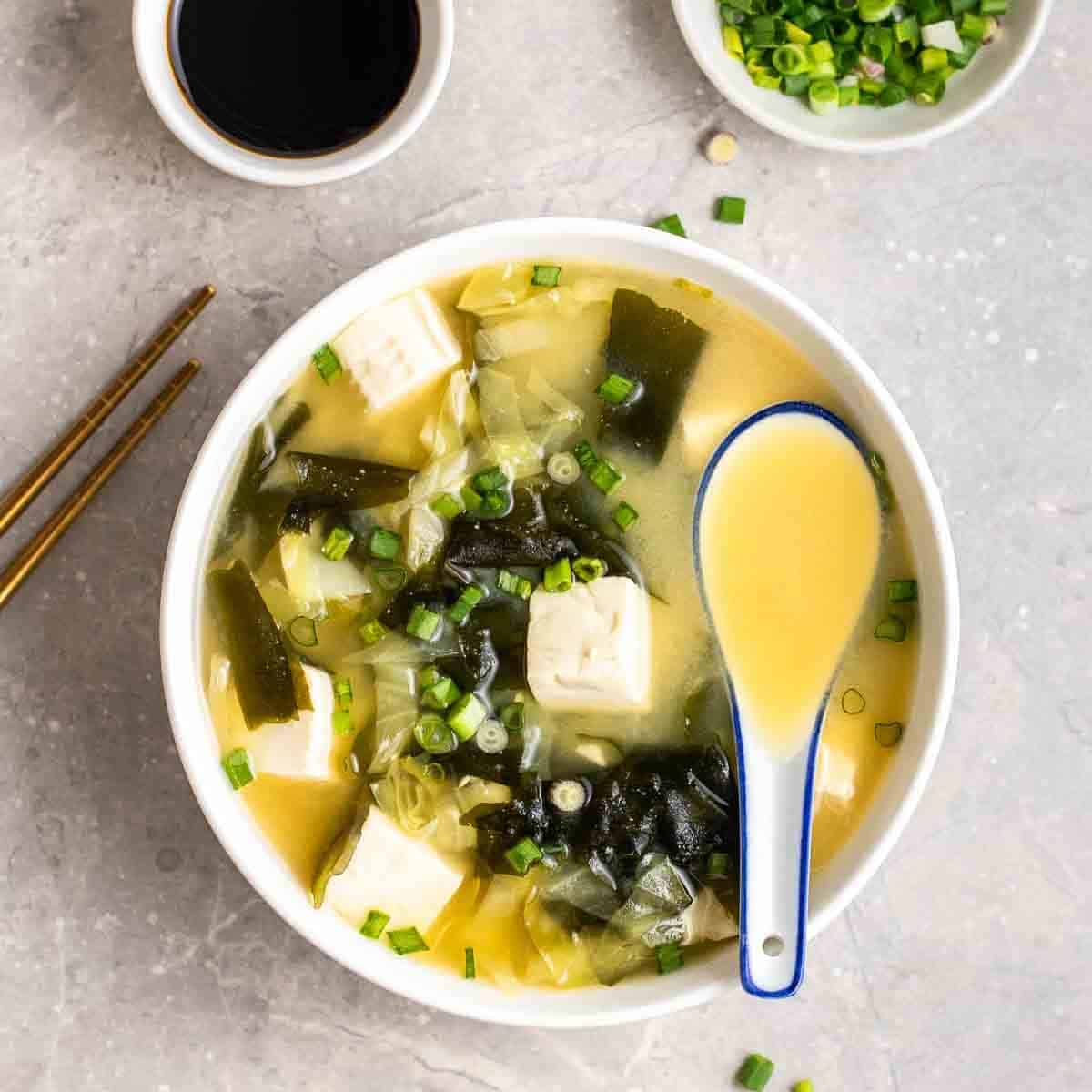
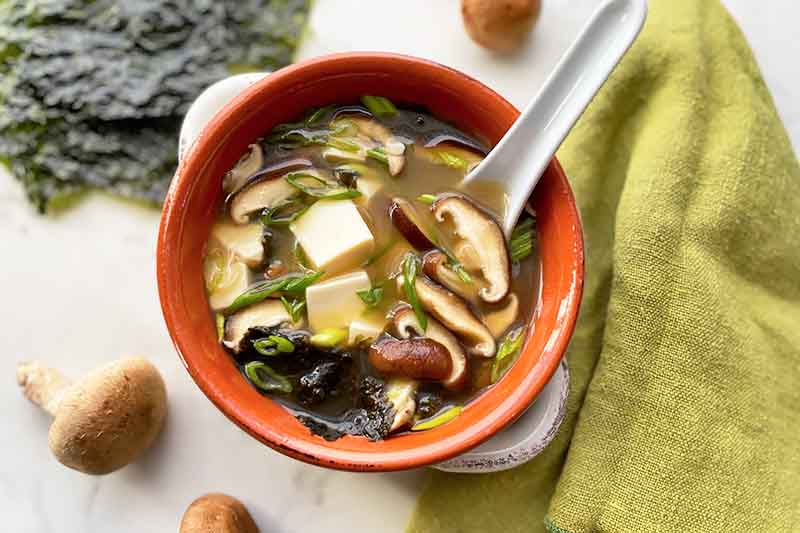
Welcome to a flavorful exploration with Yoshida Hotel, your companion in uncovering the timeless essence of Japanese gastronomy. In this guide, we’ll embark on a sensory adventure inspired by Miso soup—a quiet hero of Japanese culinary tradition and a symbol of hospitality at the renowned Miso soup hotel. Through these stories, facts, and cultural discoveries, Yoshida Hotel invites you to immerse yourself in the heart of Japan’s most authentic flavors, savoring not just food, but also the rich history and soul behind every bowl. Join us as we explore the origins, significance, and diverse expressions of Miso soup, a dish that perfectly embodies Japanese artistry and connection.

Miso Soup: The Heartbeat of Japanese Culinary Tradition

Few elements in Japanese cuisine are as foundational—or as comforting—as Miso soup. Present at daily meals and momentous celebrations alike, this nourishing broth demonstrates the Japanese philosophy of balancing taste, nutrition, and mindfulness. Miso soup is not just a side dish; it is a cultural touchstone, reflecting centuries of regional, spiritual, and culinary evolution.

Tracing the Ancient Roots of Miso Soup

The history of Miso soup can be traced back over a thousand years. Miso, the core ingredient, is a fermented paste made from soybeans, rice, or barley, and salt, providing an umami-rich foundation for countless Japanese dishes. Historically, Buddhist monks and samurai relied on Miso soup as a source of sustenance and spiritual balance. As the years passed, each region in Japan crafted its unique version, resulting in an array of flavors that represent local agriculture, climates, and tastes.

Miso Soup: A Culinary Journey Through Japan

The Spiritual Resonance of Miso Soup

More than food, Miso soup is part of Japanese mindfulness, symbolizing gratitude and harmony with nature. It is served in traditional breakfasts, offered at temple meals, and lovingly prepared for family gatherings, embodying the magic of sharing and connecting with others.

Unlocking the Flavors: What Makes Miso Soup Unique?

Dive deep into a bowl of Miso soup, and you’ll find it’s more than just broth and ingredients. The distinctive taste derives from carefully fermented miso paste, which can range from sweet and mild to savory and robust, depending on its origin and aging process.

Main Varieties of Miso: White, Red, and Mixed

  • Shiro Miso (White Miso): Light, sweet, and smooth. Originating from Kyoto, it’s ideal for delicate soups served at breakfast.
  • Aka Miso (Red Miso): Strong and salty, aka miso is commonly enjoyed in the northern regions, adding depth to heartier stews and evening meals.
  • Awase Miso (Mixed Miso): A blend of white and red miso, this versatile option is widely popular for its balanced flavor.

Miso Soup: A Culinary Journey Through Japan

Each type of miso brings its own character, and the art of choosing the right miso for the right meal is cherished by home cooks and chefs alike.

Essential Components: From Dashi to Garnish

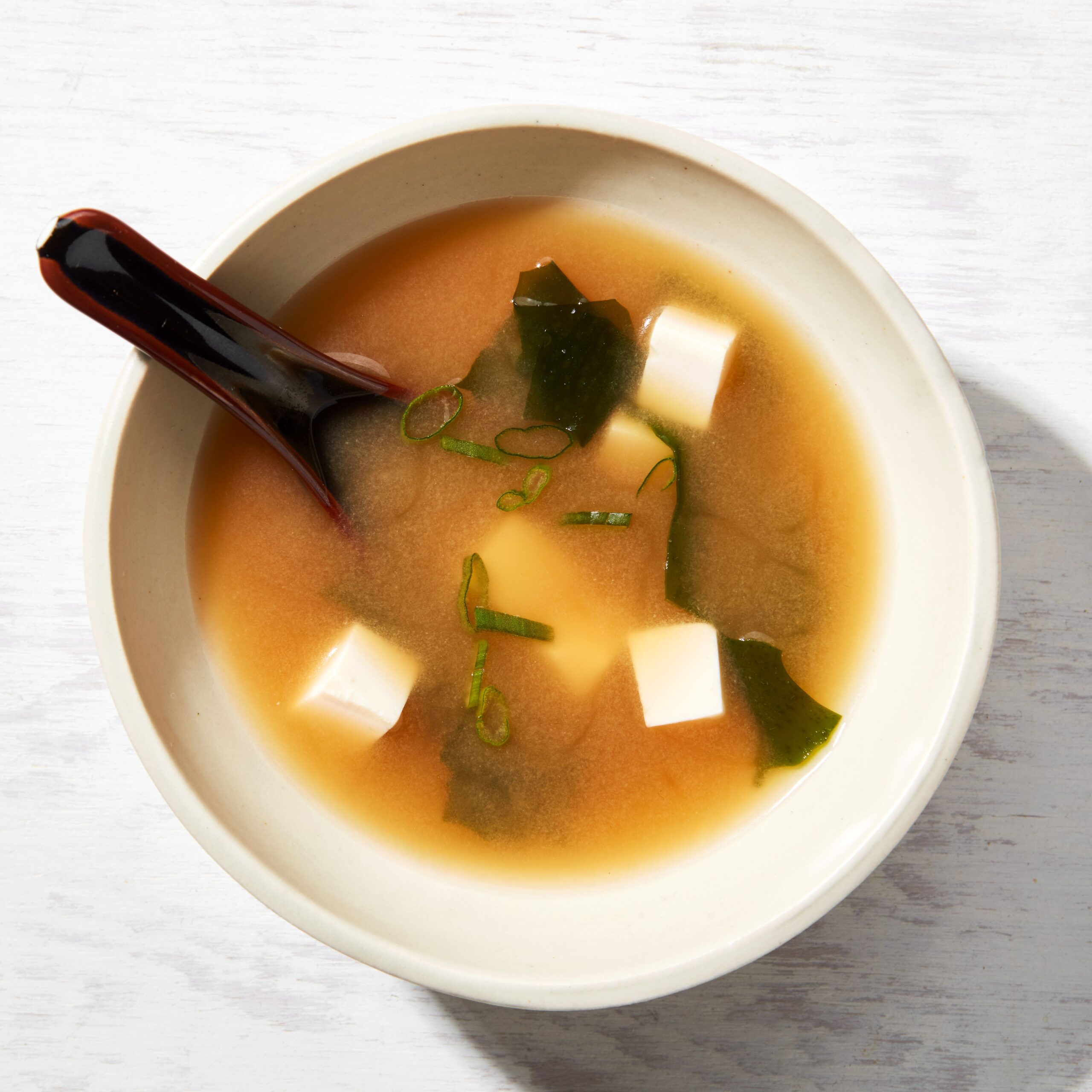
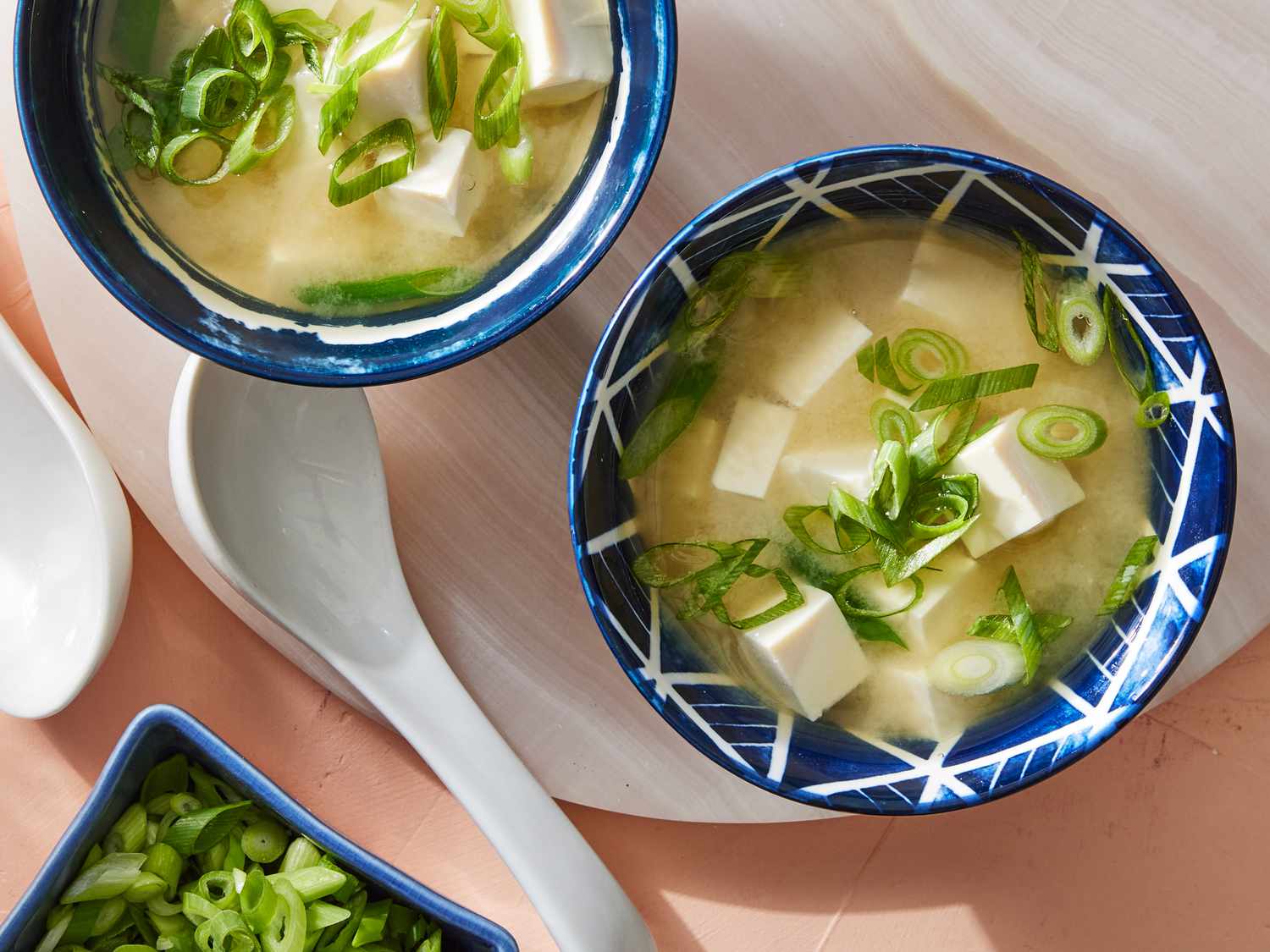
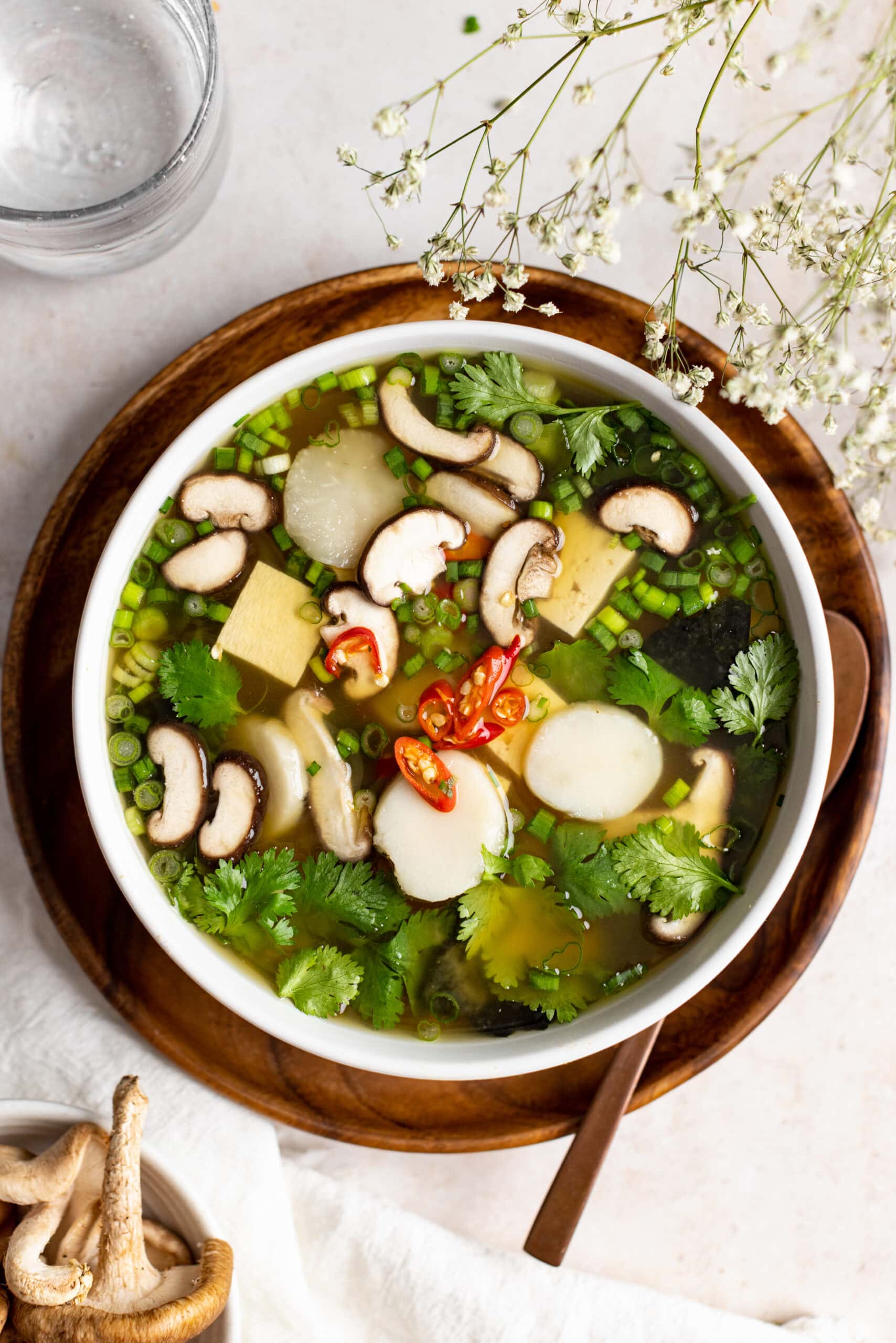
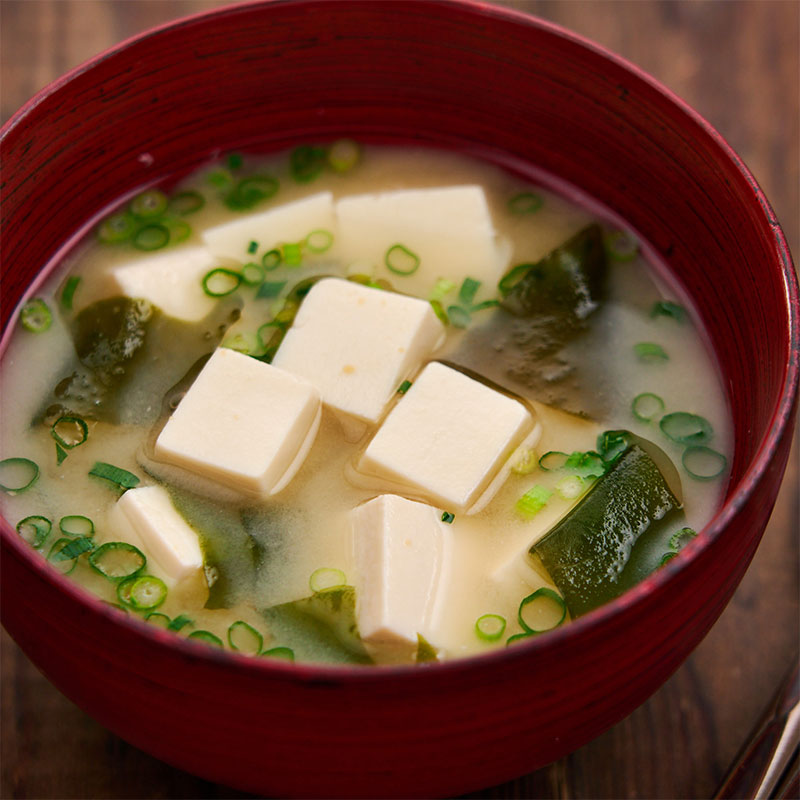
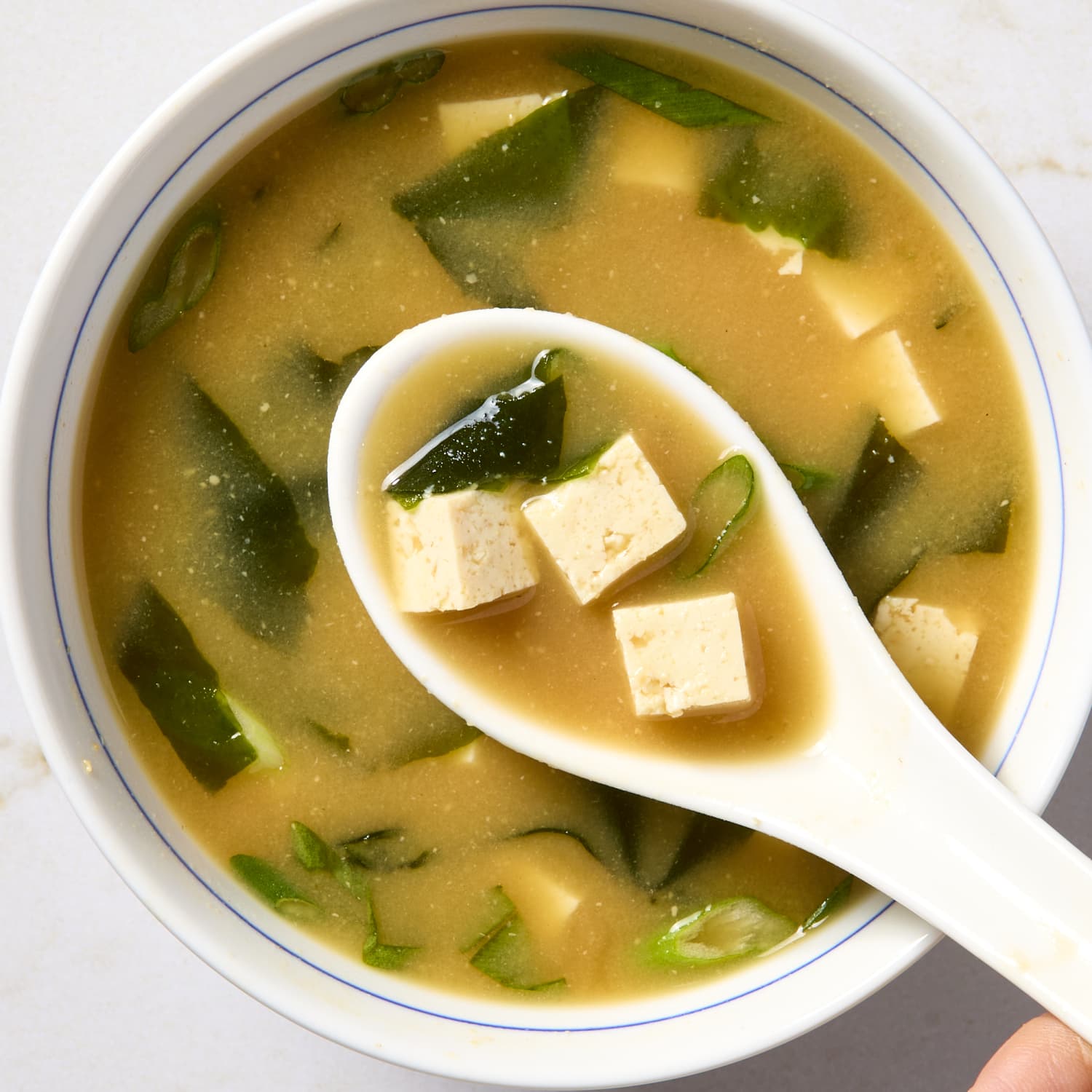
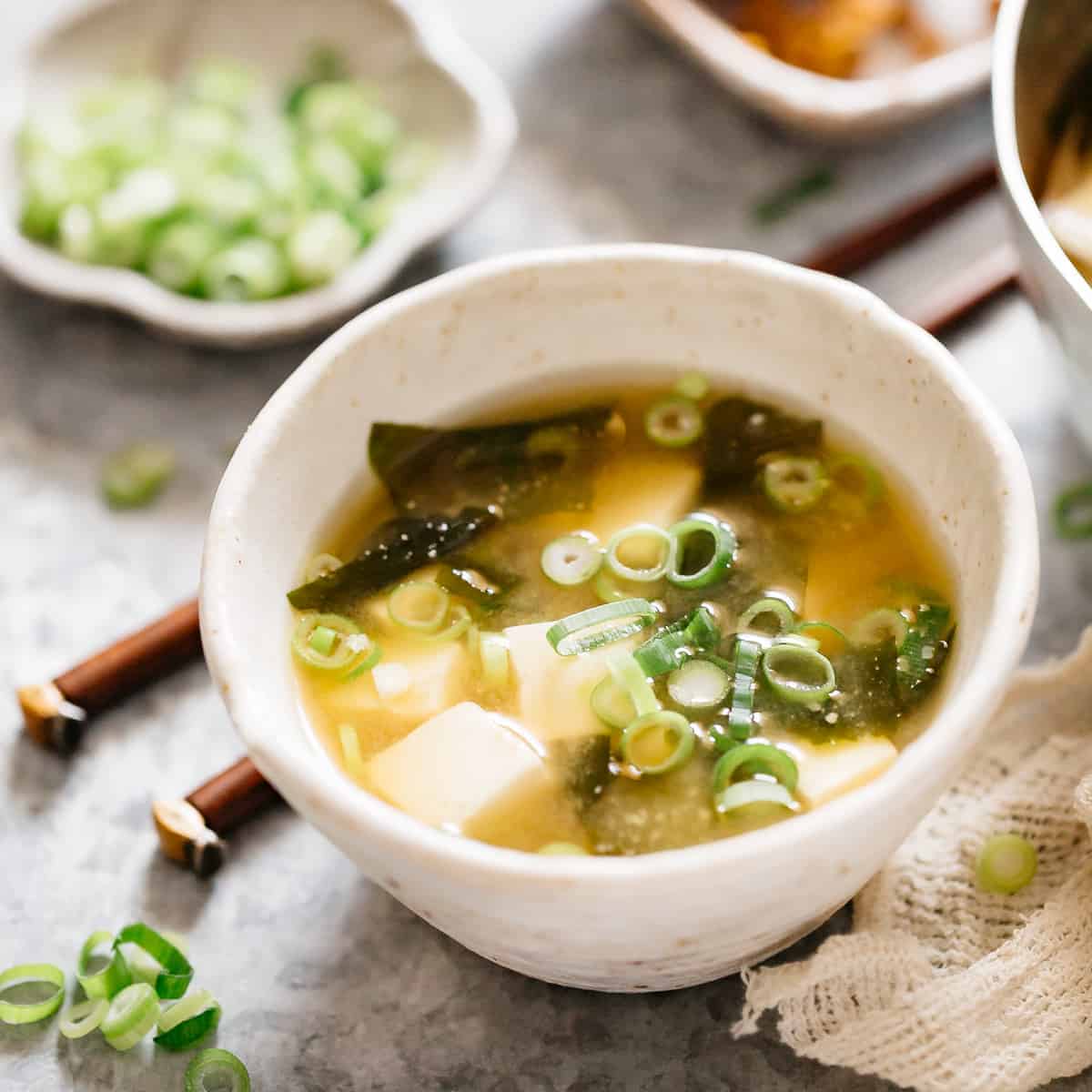
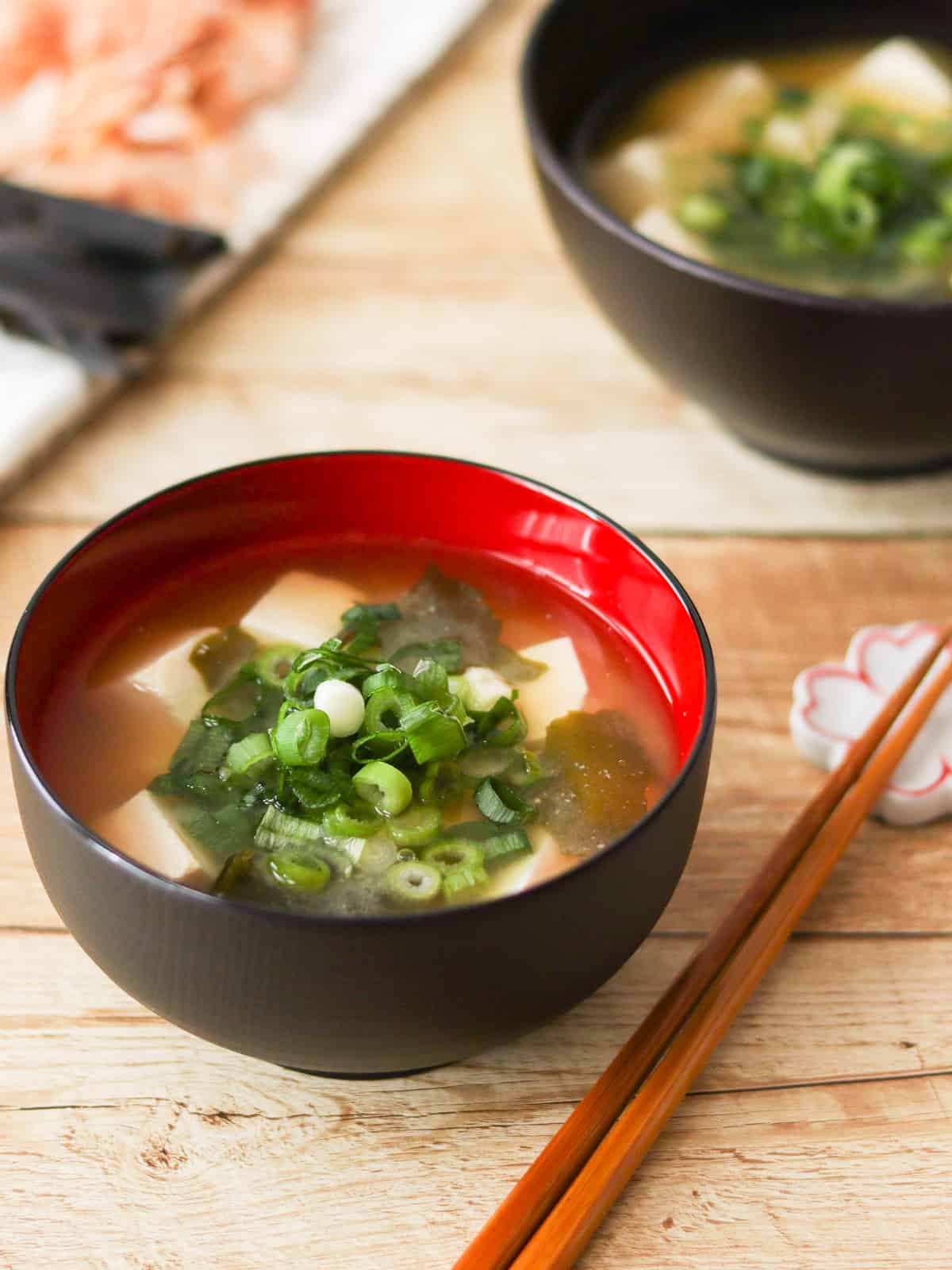
A traditional Miso soup starts with dashi—a savory broth made from dried bonito flakes (katsuobushi), seaweed (kombu), or mushrooms. The choice of dashi influences the fragrance and taste of each bowl. Tofu, seaweed, green onions, and seasonal vegetables are standard, but regional variations add ingredients like mushrooms, clams, or root vegetables, reflecting local produce and seasonality.

Miso Soup at the Heart of Daily Life in Japan

With Yoshida Hotel, explore how Miso soup is woven seamlessly into everyday Japanese life. You’ll find it in homes, at public breakfasts, bento boxes, and even at elegant dinners. For travelers, enjoying a bowl at the celebrated Miso soup hotel offers a taste of this everyday ritual, distinctly enhanced by regional ingredients and hospitality.

Breakfast Rituals: Starting the Day with Miso Soup

A traditional Japanese breakfast is incomplete without Miso soup. Nutrient-rich, it pairs effortlessly with rice, grilled fish, and pickles—fueling the day ahead while providing comfort and warmth.

Miso Soup: A Culinary Journey Through Japan

Seasons and Celebrations: Miso Soup Across the Calendar

In winter, Miso soup transforms into a hearty hot pot with root vegetables to ward off the chill. During festivals or the New Year, celebratory ingredients like mochi or crab may be added, making each bowl unique to its occasion.

Sourcing and Craftsmanship: Behind the Scenes of Miso Production

To truly appreciate Miso soup, one must understand the traditional methods behind the central ingredient—miso paste. Artisanal miso producers, such as those found near the regions gracing the Miso soup hotel, still follow centuries-old practices.

The Art of Fermentation: Transforming Soybeans into Miso

Miso making requires patience, craftsmanship, and high-quality ingredients. Steamed soybeans mingle with koji (a type of cultured rice or grain) and salt, then ferment in cedar barrels for months or even years. The result is a living food, full of complexity and health benefits.

Miso Soup: A Culinary Journey Through Japan

Visiting Miso Breweries: A Hidden Culinary Adventure

A tour of a miso brewery reveals rows of wooden vats and clouds of fragrant steam. Visitors can witness every stage, from mixing to aging, and enjoy tastings that demonstrate just how diverse miso can be. Many travelers at the Miso soup hotel opt for day trips to such breweries, deepening their appreciation for the humble soup served each morning.

Wellness in Every Spoonful: Nutrition and Health Benefits of Miso Soup

Among the secrets to Japanese longevity and well-being is the daily enjoyment of Miso soup. With a profile rich in protein, vitamins, minerals, and probiotics, this dish is as beneficial as it is delicious.

Probiotics and Gut Health

The fermentation that creates miso fosters a wealth of beneficial bacteria that contribute to gut health, digestion, and overall vitality. Regularly enjoying Miso soup supports a balanced microbiome and can help boost immunity.

Miso Soup: A Culinary Journey Through Japan

Low Calorie, High Satisfaction

Miso soup is satisfying yet gentle on calories, making it a staple in balanced diets. The presence of tofu, seaweed, and vegetables adds fiber and variety, keeping each meal light but nourishing.

Dietary Adaptations: Vegan and Gluten-Free Options

Traditionally, certain types of dashi might contain fish; however, many contemporary and health-conscious versions are vegan, using kombu or shiitake mushrooms for depth. For those seeking gluten-free options, rice-based miso brings all the flavor without compromise.

Miso Soup: A Culinary Journey Through Japan

Exploring Regional Expressions: Miso Soup Across Japan

From Hokkaido to Okinawa, the nuances of Miso soup reflect the landscapes, histories, and sensibilities of each locale. Yoshida Hotel recommends a culinary tour across Japan, using Miso soup as your guide.

Hokkaido: Hearty Seafood Miso Soup

In northern Hokkaido, frigid winters inspire a robust version of Miso soup, overflowing with crab, salmon, and potatoes. The flavors are bold, reflecting the region’s seafood bounty.

Miso Soup: A Culinary Journey Through Japan

Kyoto: Elegant Simplicity in White Miso

Kyoto’s renowned hospitality is often expressed with a bowl of white miso soup, paired with Kyoto tofu and seasonal greens. The taste is refined, with an understated sweetness that lingers on the palate.

Okinawa: Fusion Flavors with a Tropical Touch

Down south, Okinawan Miso soup introduces local ingredients like goya (bitter melon) or sweet potato, highlighting the fusion of Japanese tradition with Ryukyu influences.

Miso Soup: A Culinary Journey Through Japan

The Art of Serving Miso Soup: Ritual and Presentation

Dining in Japan is a ritual, and even the simple act of serving Miso soup carries meaning. At the Miso soup hotel, guests are greeted with beautifully lacquered bowls, emphasizing the aesthetics and warmth of Japanese hospitality.

Table Etiquette and Enjoyment

Traditionally, Miso soup bowls are lifted gently to the lips, and sipped rather than spooned, inviting diners to pause and appreciate the aroma and temperature. The mindful presentation, often accompanied by thoughtful garnishes, pays homage to both the food and the guest.

Miso Soup: A Culinary Journey Through Japan

Design and Vessels: A Feast for the Eyes

Potters craft bowls specifically for Miso soup, with subtle designs that feel pleasingly warm to the touch. These details ensure that every serving, especially at top hotels like the Miso soup hotel, is an experience for all senses.

The Role of Miso Soup in Japanese Hospitality

With every bowl of Miso soup, Japanese hosts express care, respect, and an invitation to connect. This is central to the spirit found at the Miso soup hotel—a place where food, comfort, and community converge for travelers.

Miso Soup: A Culinary Journey Through Japan

Stories from the Miso Soup Hotel Table

Guests from around the world gather in the hotel’s dining rooms, sharing stories and forming bonds over morning Miso soup. Whether it’s a solo wanderer or a family on holiday, these moments become cherished memories, symbolizing the deeper meaning of omotenashi—Japanese hospitality.

Miso Soup Beyond the Bowl: Influence on Japanese Culinary Culture

The impact of Miso soup extends far beyond breakfast or dinner tables. Its key ingredient, miso, forms the flavor base for marinades, dipping sauces, and fusion creations. From izakaya (Japanese pubs) to upscale ryokan, the presence of Miso soup reminds guests of the heart and soul infused into Japanese cuisine.

Miso in Modern Japanese Cuisine

Chef-driven innovations blend tradition with creativity, resulting in contemporary dishes like miso-glazed eggplant, miso ramen, and even miso-infused desserts. These culinary experiments pay tribute to the humble soup that started it all.

Miso Soup: A Culinary Journey Through Japan

International Inspirations: Miso Soup Around the World

As Japanese restaurants and food culture globalize, Miso soup has found its place in kitchens from Paris to New York. Chefs worldwide adapt the basic recipe, introducing new ingredients but retaining the fundamental flavors that make it beloved.

Cooking Miso Soup at Home: Tips for Travelers and Food Lovers

For those inspired by their stay at the Miso soup hotel, preparing Miso soup at home is both a delicious souvenir and a connection to Japanese tradition.

Choosing the Right Ingredients

Look for artisanal miso at specialty stores, and try your hand at dashi with kombu and shiitake mushrooms. Fresh tofu, green onions, and seasonal greens will complete the experience.

Miso Soup: A Culinary Journey Through Japan

Step-by-Step Guide: Making Classic Miso Soup

  1. Start with dashi: simmer kombu and dried shiitake in water for a rich, umami base.
  2. Add sliced tofu and vegetables, and gently heat through.
  3. Dissolve miso paste in a separate cup with warm broth, then return to the pot, ensuring not to boil (to preserve the miso’s probiotic benefits).
  4. Finish with chopped green onions and nori, and serve immediately.

Adding a Personal Touch

Experiment by adding mushrooms, baby spinach, daikon radish, or even seafood, creating endless variations and flavors at home that echo your journeys in Japan.

Miso Soup: A Culinary Journey Through Japan

Culinary Experiences at the Miso Soup Hotel

During your visit to the Miso soup hotel, culinary classes and tasting sessions offer deeper insight into making and enjoying Miso soup. Join a workshop and learn the art of balancing sweet, salty, and savory notes with guidance from Japanese chefs.

Interactive Tastings

Guests can sample different miso varieties, explore pairings with local fish or vegetables, and create personalized bowls to suit their palate.

Miso Soup: A Culinary Journey Through Japan

Embracing the Spirit of Togetherness

Engaging in these shared experiences not only deepens one’s appreciation for Japanese food, but also for the rituals that bring people together and foster lasting memories.

The Legacy of Miso Soup in Japanese Culture

Miso soup’s lasting impact is best measured by its presence in literature, art, and daily life. It appears in poetry as a symbol of homecoming and contentment, and in films as a quiet comfort for characters striving through life’s challenges.

Passing Down Tradition

Family recipes for Miso soup are treasured heirlooms, handed down through generations. Each bowl tells a story—of mothers and fathers, of bustling markets and tranquil mornings—preserving a living connection to the past.

Miso Soup: A Culinary Journey Through Japan

Miso Soup as a Symbol of Japanese Resilience

In challenging times, a simple meal of rice and Miso soup can bring comfort and hope. It endures as a testament to the resourcefulness and heart of the Japanese people, and to the enduring appeal of honest, nourishing food.

Beyond Breakfast: Pairings and Courses Featuring Miso Soup

At leading destinations like the Miso soup hotel, chefs pair this comforting broth with a variety of dishes, showcasing its versatility and importance in multi-course kaiseki dining or modern tasting menus.

Miso Soup: A Culinary Journey Through Japan

Inventive Pairings to Try

  • Miso soup with grilled fish and pickled vegetables for breakfast.
  • As a palate cleanser between tempura and sashimi courses.
  • Served with seasonal rice dishes and local craft sake for a full-bodied experience.

Exploring the Future of Miso Soup: Sustainability and Innovation

With sustainability at the fore of global discussion, Miso soup represents both tradition and innovation. Contemporary producers are finding ways to source non-GMO soybeans, adopt organic practices, and minimize waste.

Innovations in Miso Production

New varieties, such as chickpea or lentil miso, cater to evolving tastes and dietary needs. Environmentally-minded producers are reimagining packaging, energy use, and supply chains to secure a sustainable future for this cherished food.

Miso Soup: A Culinary Journey Through Japan

Miso Soup in a Modern World

As dietary preferences change, Miso soup continues to adapt, offering vegan, gluten-free, and allergen-friendly options that make Japanese hospitality inclusive for all.

Planning Your Culinary Adventure with Yoshida Hotel

Ready to savor every flavor Japan has to offer? With Yoshida Hotel as your guide, immerse yourself in the landscapes, aromas, and rituals that make Miso soup a true treasure of Japanese gastronomy. Each visit to the Miso soup hotel is an invitation to be part of a living tradition, to share in the country’s stories, and to create your own memory—one delicious bowl at a time.

Miso Soup: A Culinary Journey Through Japan

Conclusion

From your first taste at check-in to the final meal of your journey, Miso soup is an emblem of Japanese comfort, resilience, and warmth. At Yoshida Hotel and the iconic Miso soup hotel, this dish is more than just food—it is an invitation to connect, explore, and savor the spirit of Japan. We hope this exploration inspires you to discover, taste, and cherish the world of Miso soup, wherever your travels take you.

Onigiri: The Culinary Icon of Japanese Gastronomy

Step into the world of Japanese cuisine, where the distinctive taste and undeniable charm of Onigiri have captured the hearts of food lovers across the globe. At Yoshida Hotel, we are passionate about sharing the essence of authentic Japanese culinary traditions with avid explorers and food enthusiasts alike. In this comprehensive journey, let’s uncover every secret, every story, and every mouthwatering reason why Onigiri remains an emblematic creation in the rich tapestry of Japanese ẩm thực. Join Yoshida Hotel as we embark on a delectable discovery through the cultural, historical, and practical delights of Onigiri, ensuring your next adventure in Japan is both flavorful and unforgettable.

Onigiri: The Quintessential Japanese Food Adventure

Understanding Onigiri: Origins and Cultural Significance

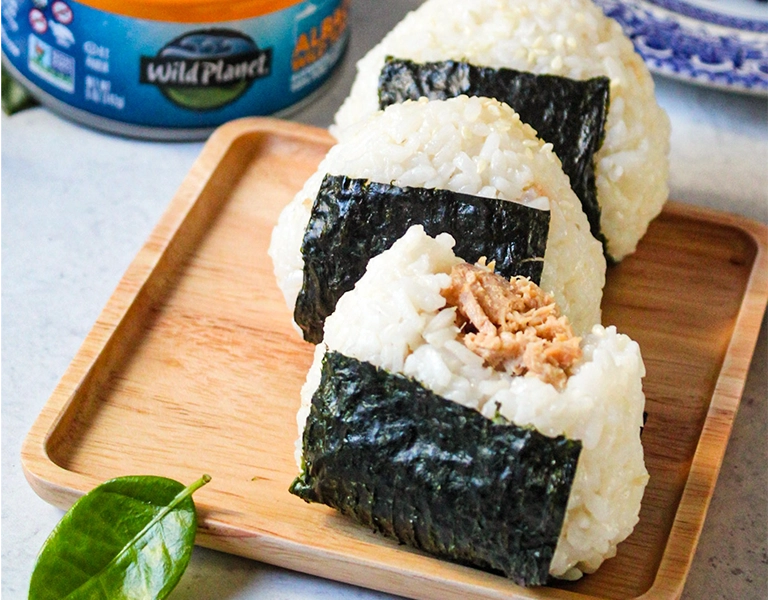
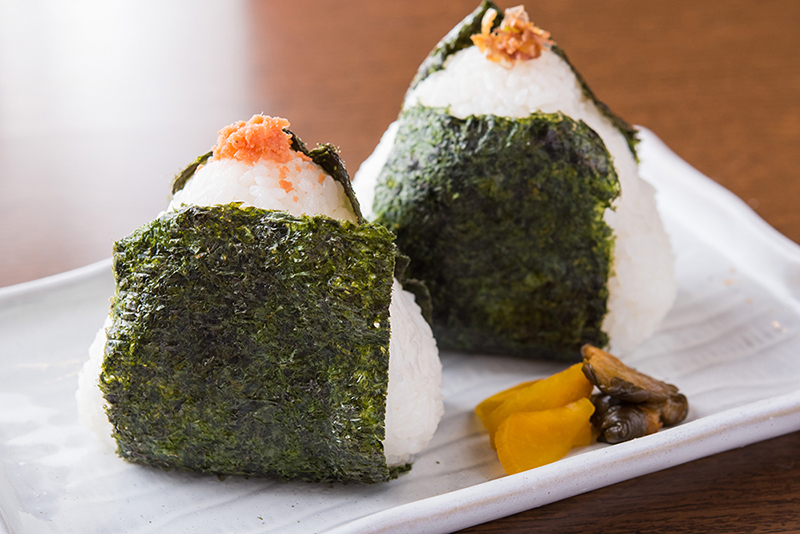
Onigiri stands not just as a convenient meal, but as a heartfelt symbol of Japanese hospitality and tradition. Often shaped by hand, Onigiri—also known as rice balls—embody the art of simplicity combined with deep-rooted historical importance. These rice creations can be traced back centuries, appearing in literature and art as far back as the Heian period. They have graced the tables of emperors, travelers, and families alike, a testament to their timeless appeal and enduring relevance within Japanese society.

Onigiri: The Culinary Icon of Japanese Gastronomy

The Artistry Behind Onigiri: A Culinary Masterpiece

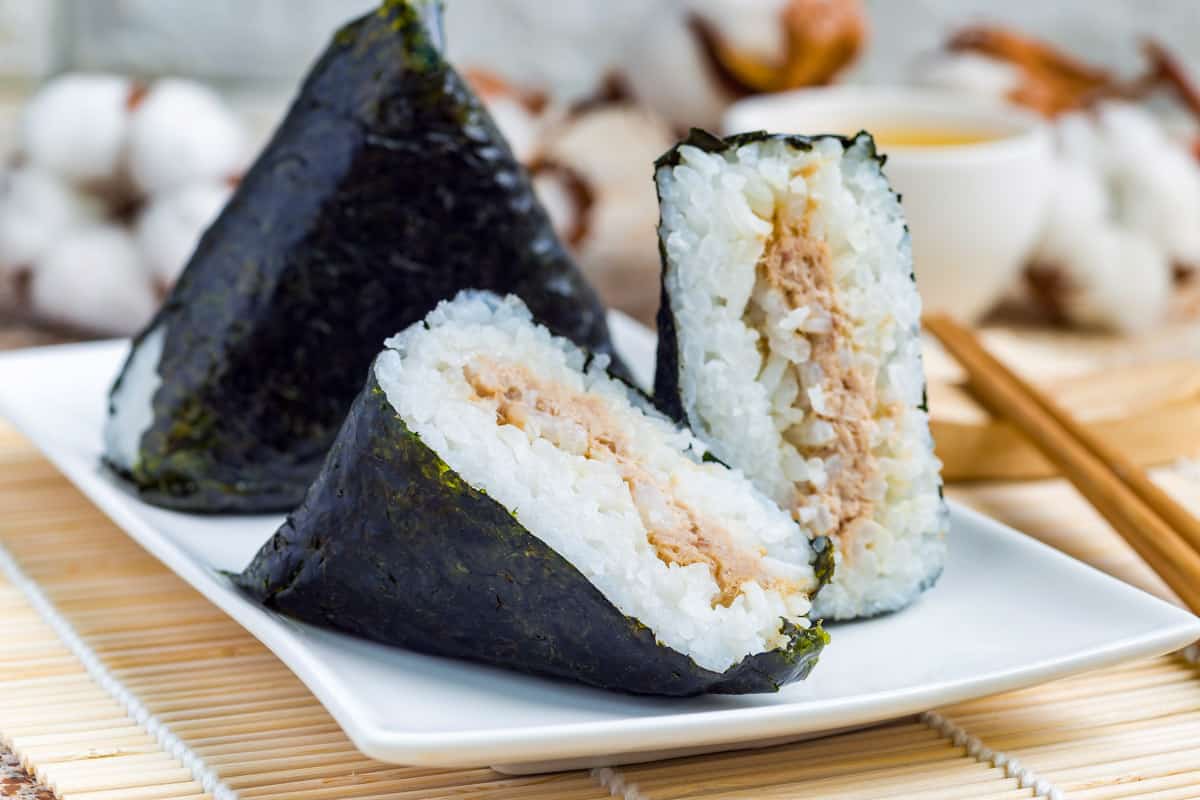
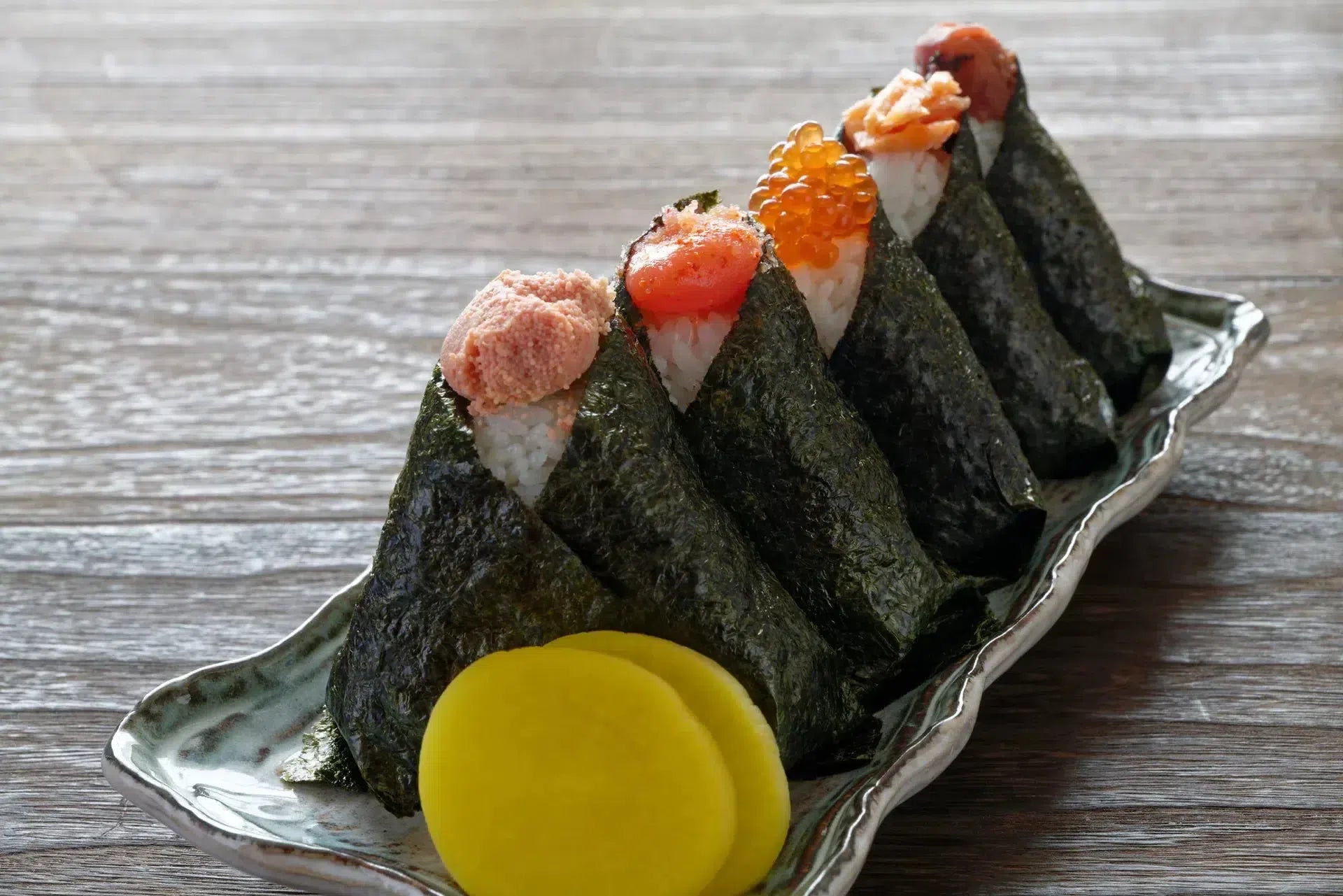
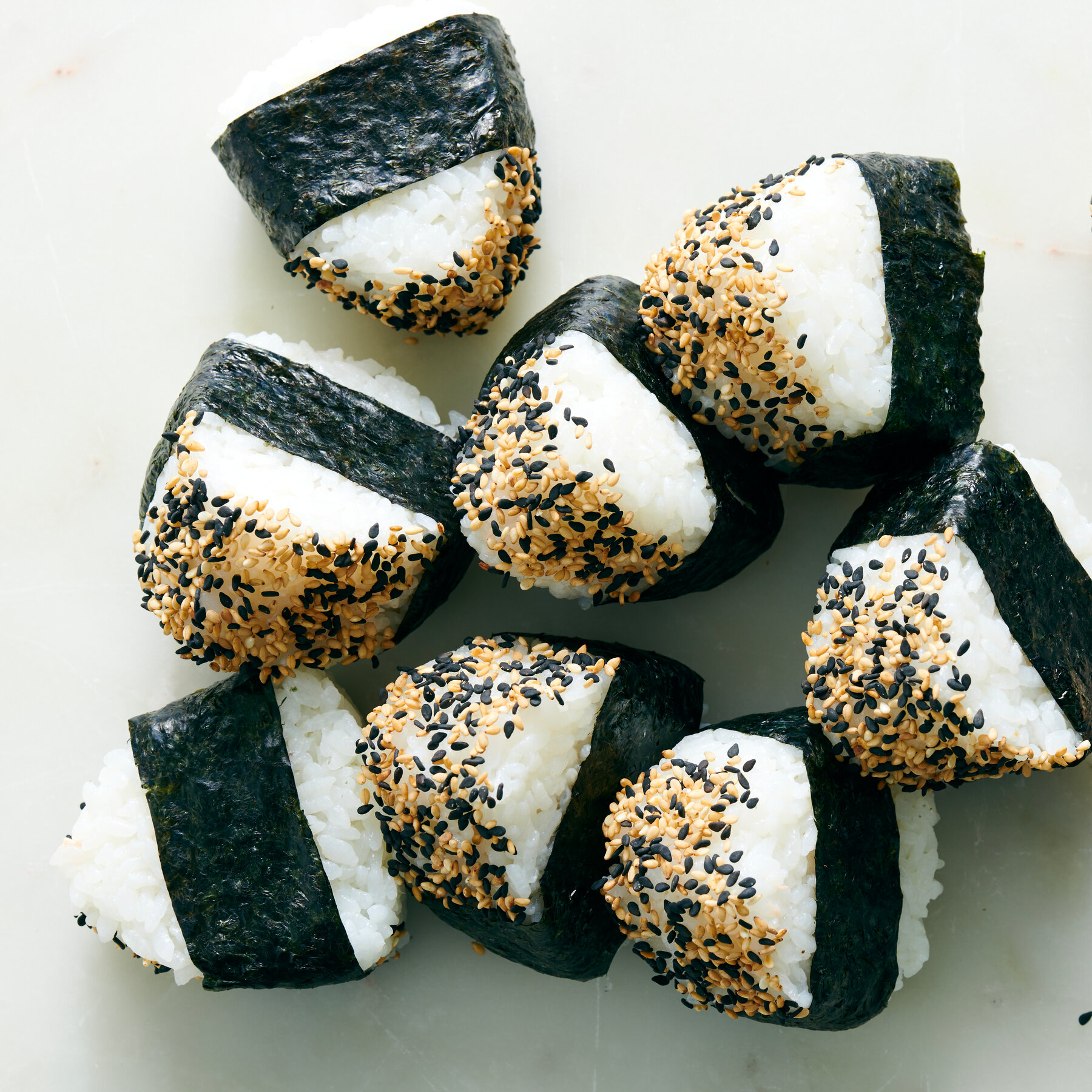
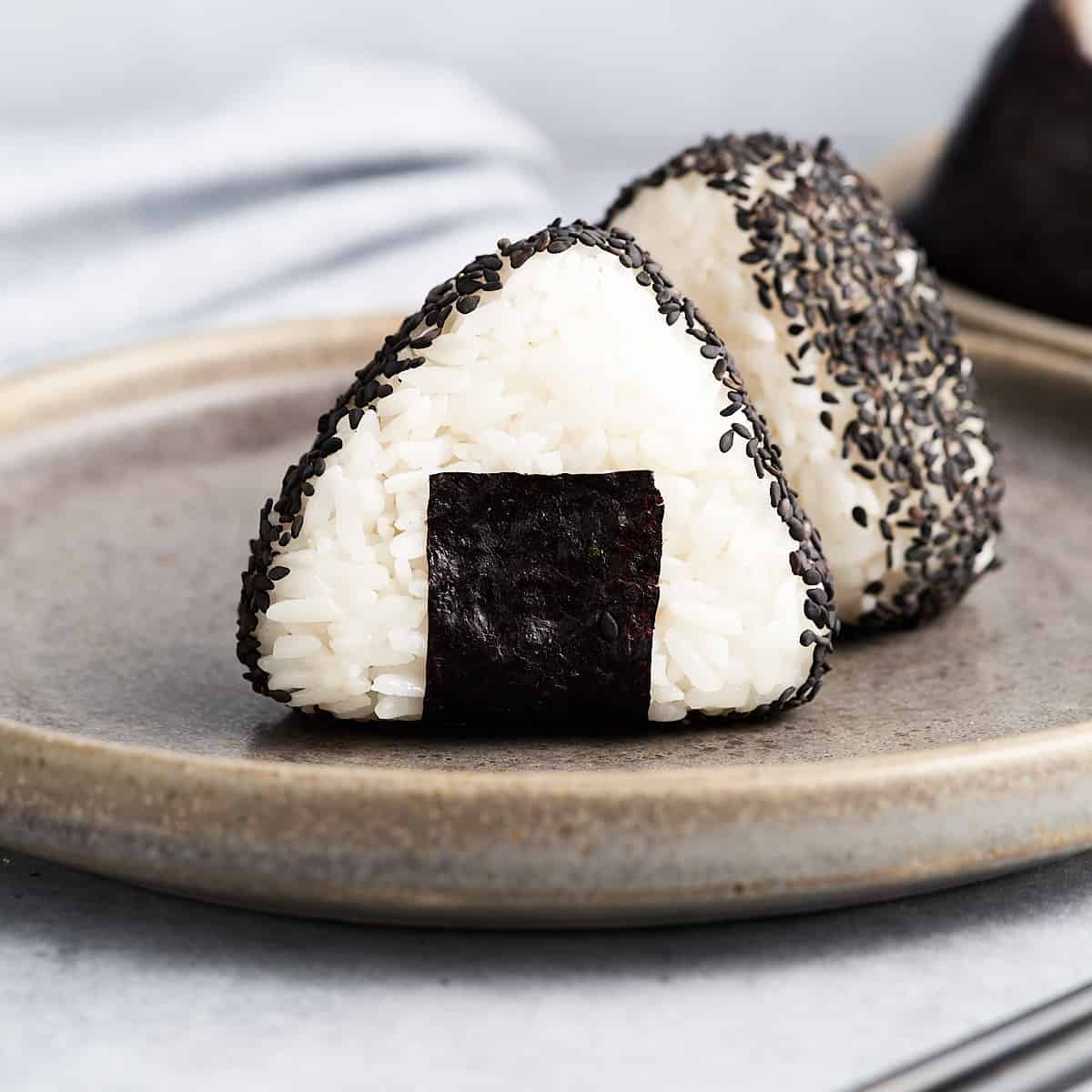
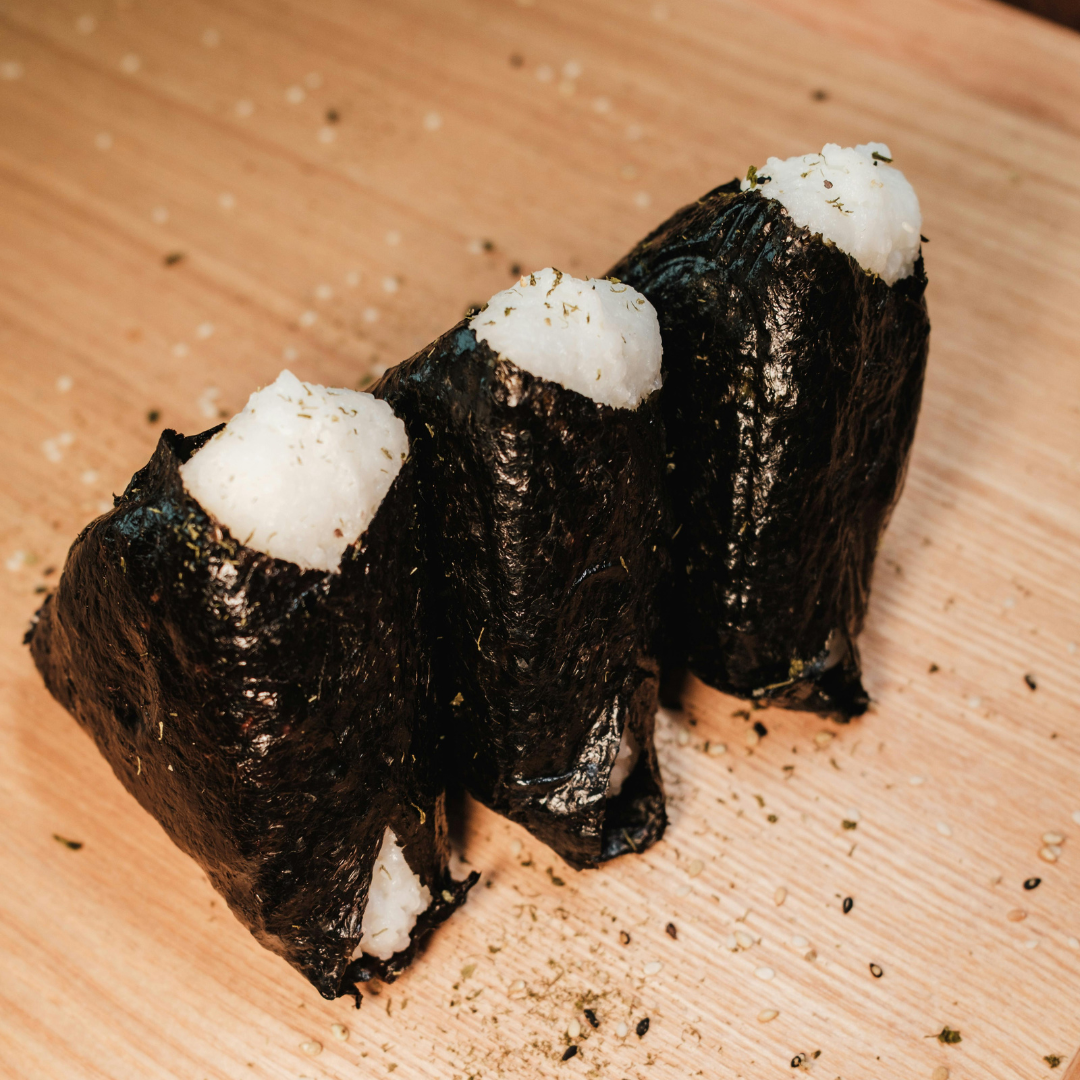
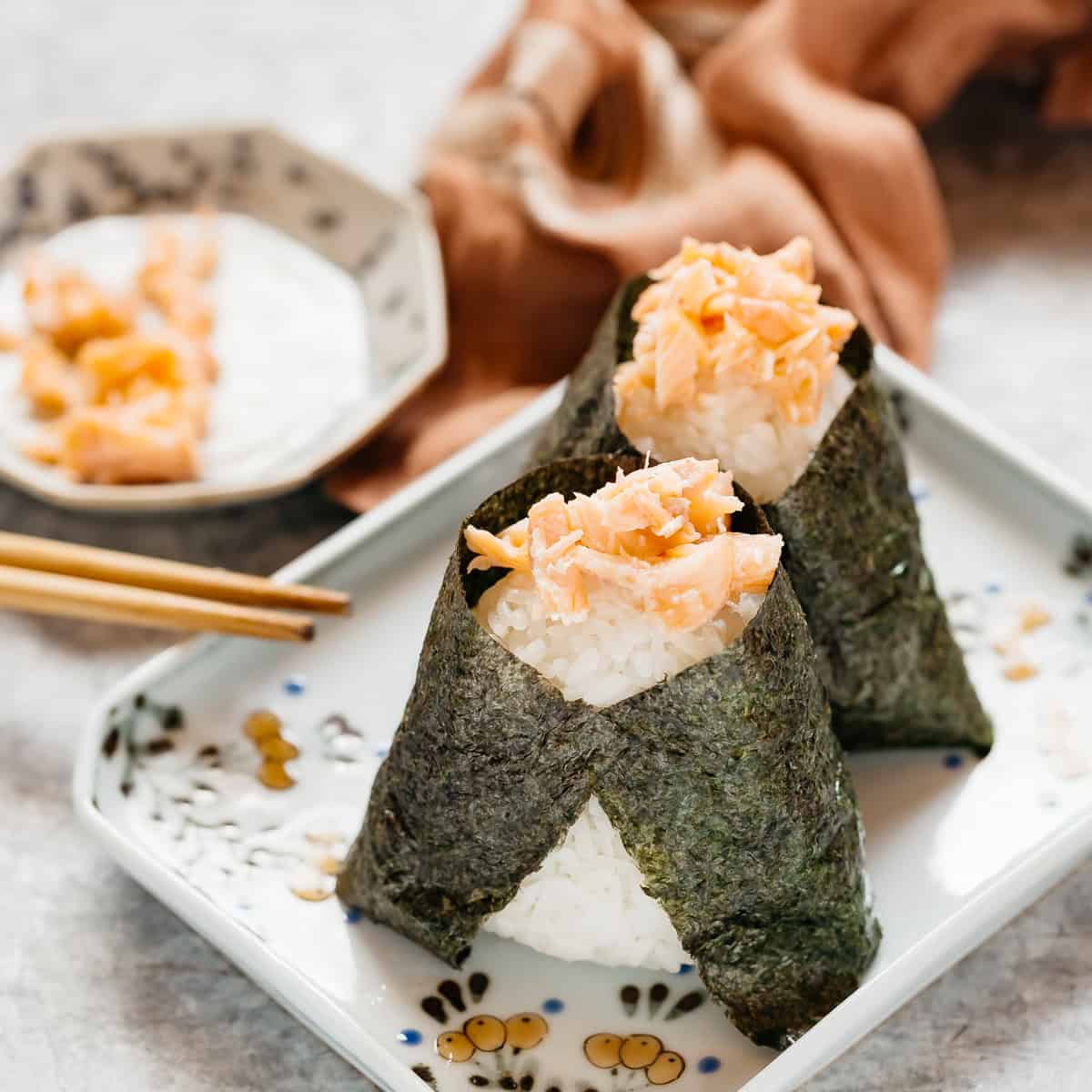
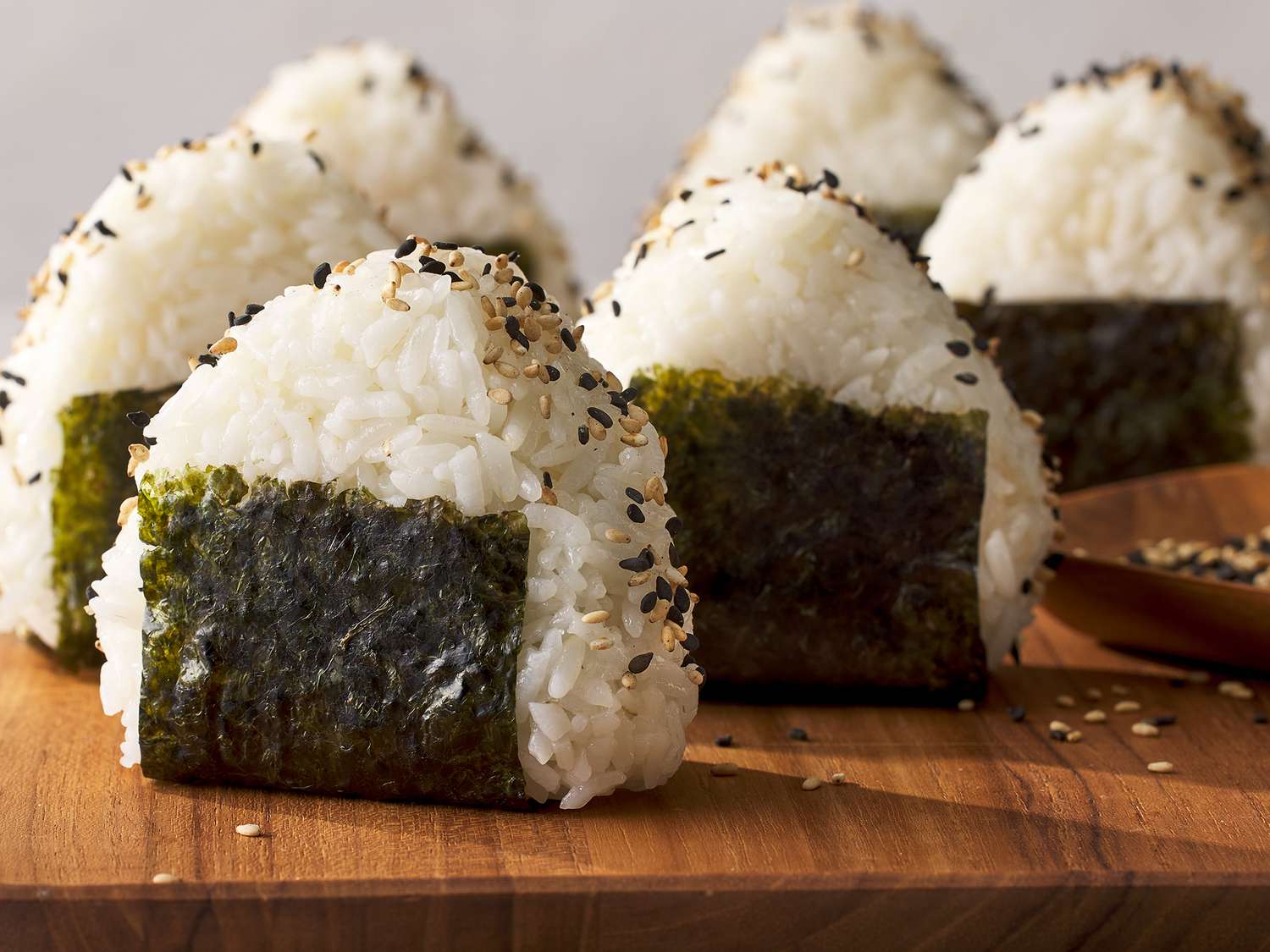
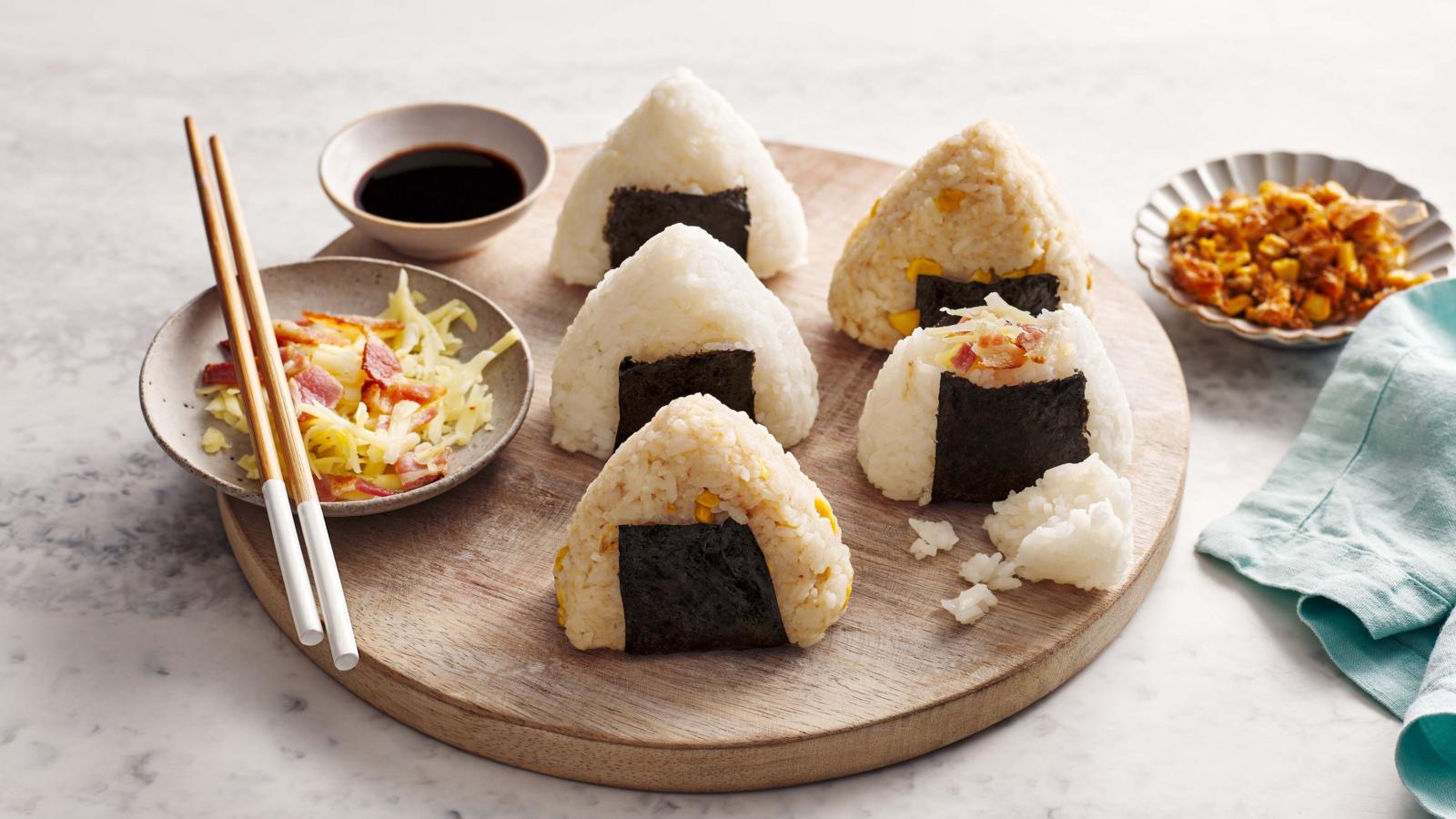
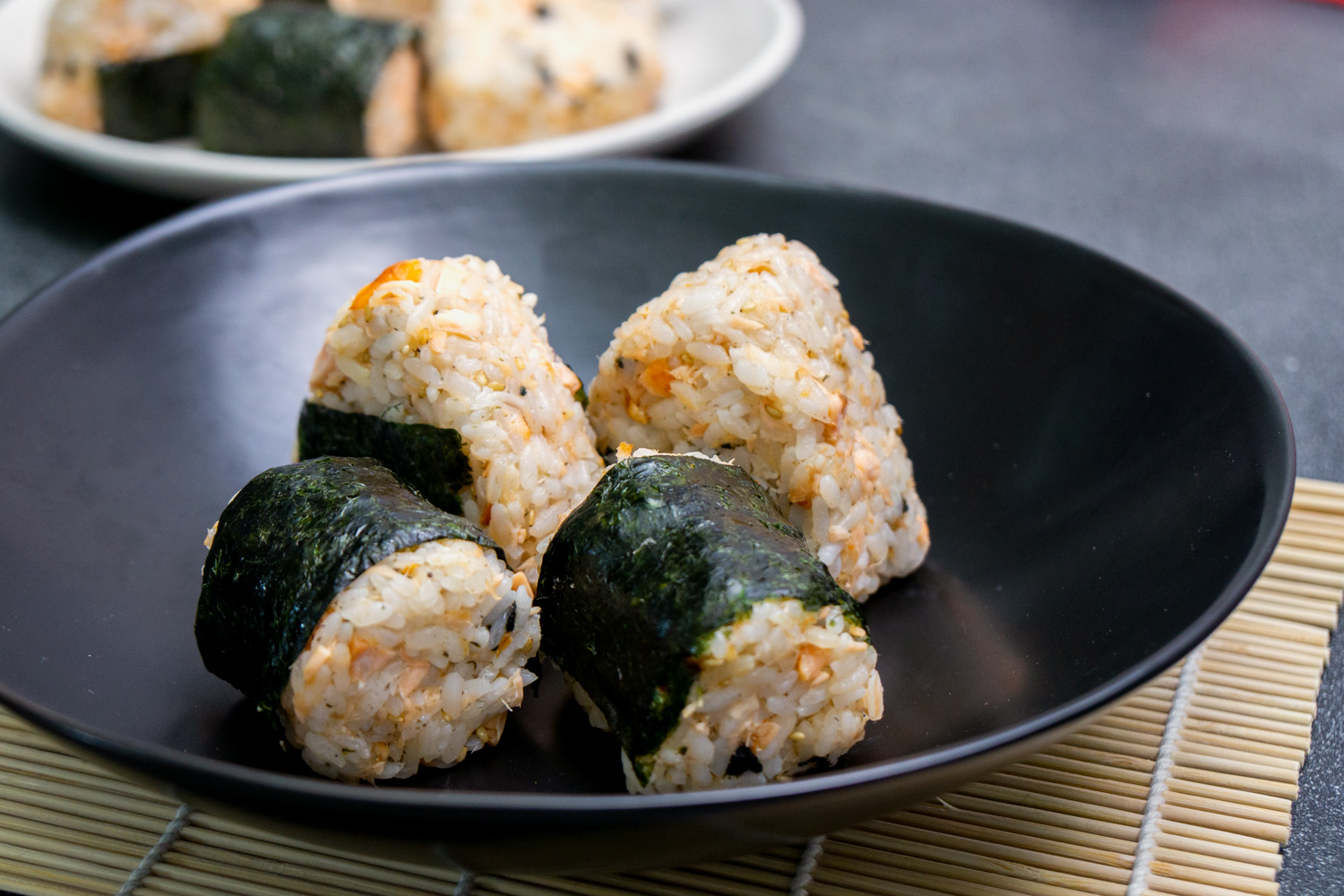
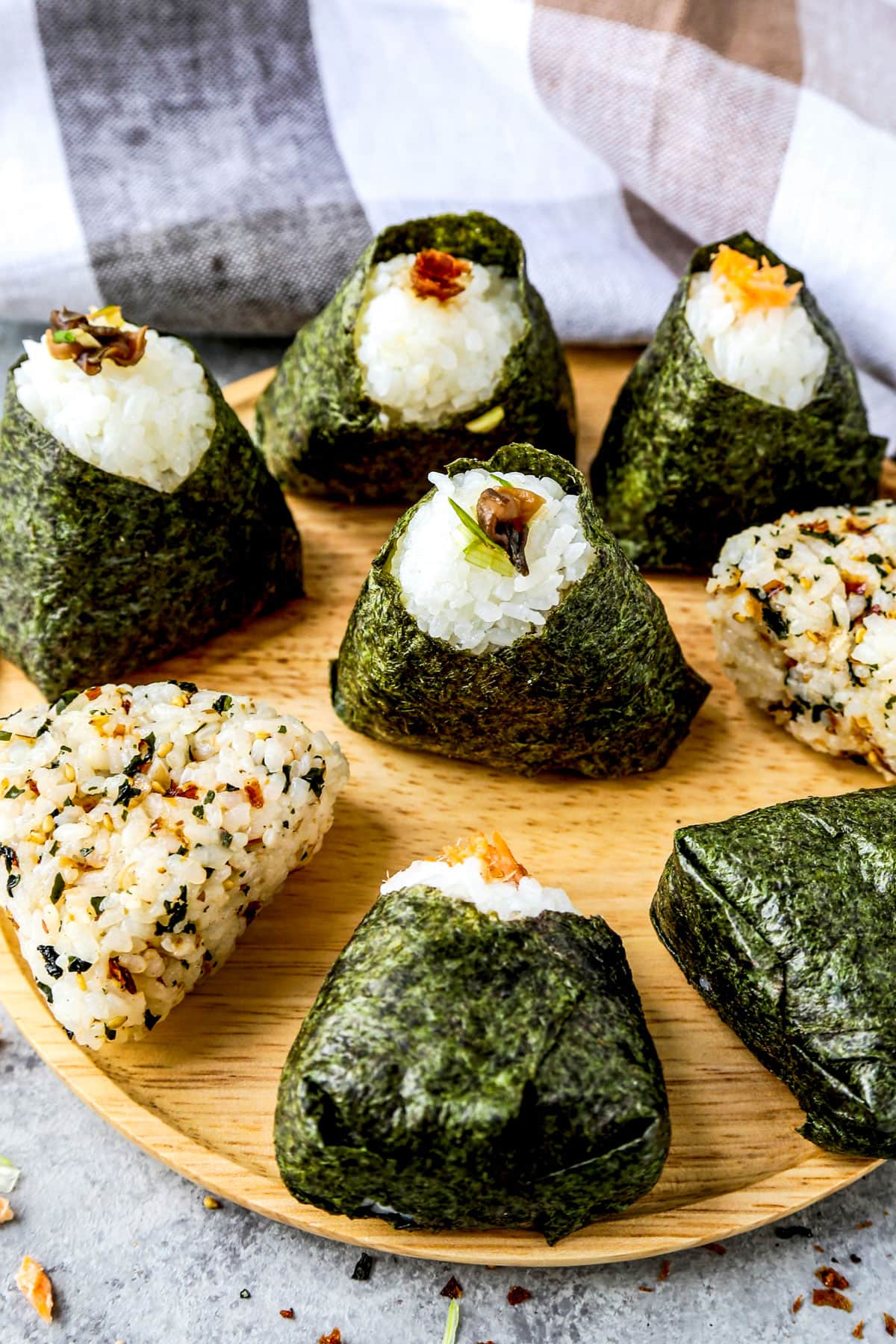
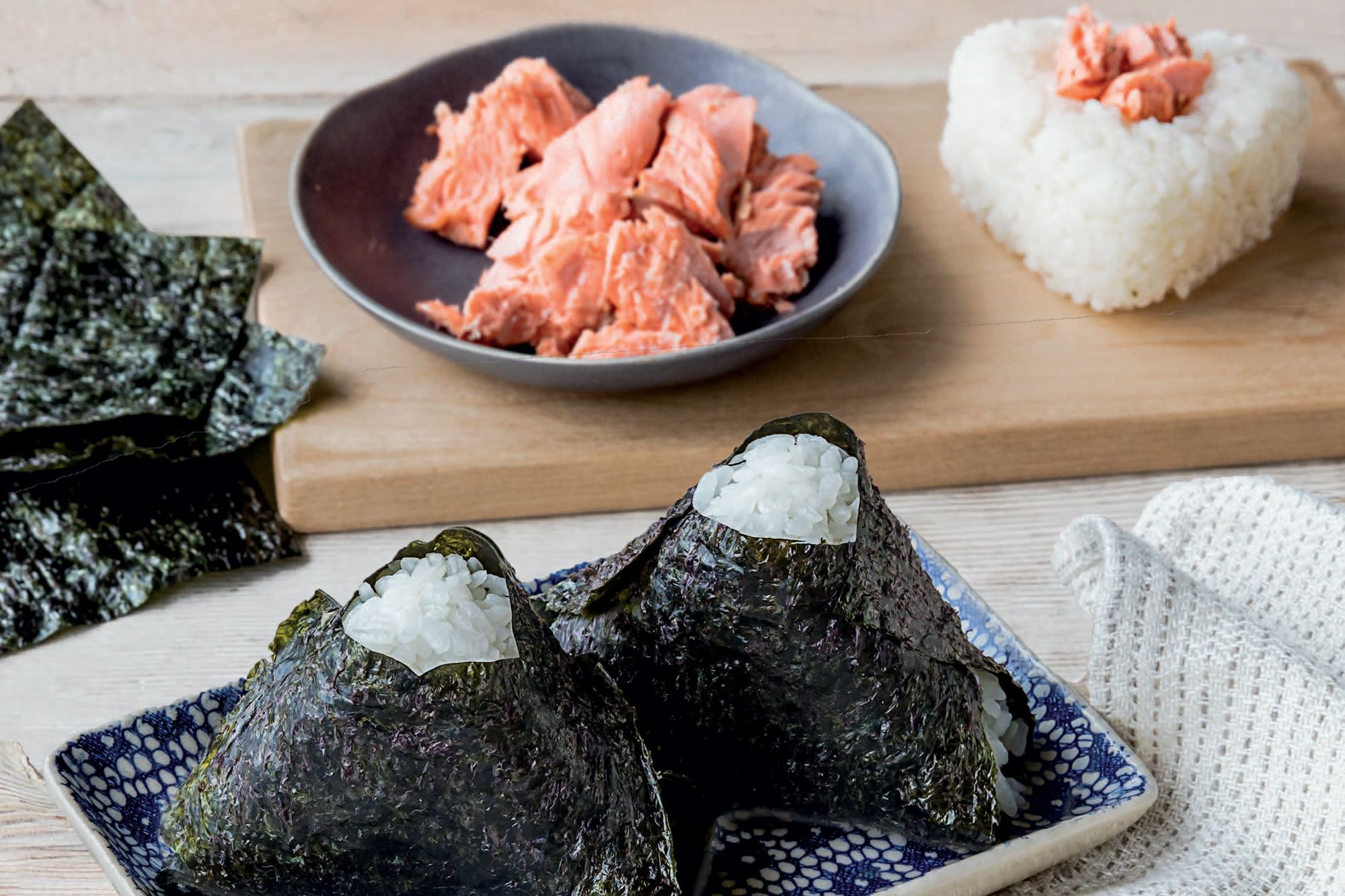
The appeal of Onigiri is more than flavor; it lies within the craftsmanship. Each Onigiri is crafted with steamed, seasoned Japanese rice, gently pressed into triangles, cylinders, or round shapes. The fillings—ranging from savory umeboshi (pickled plum), grilled salmon, and kombu (kelp), to spicy cod roe and tuna mayo—add layers of intrigue and surprise to each bite. The exterior, often wrapped in a crisp sheet of nori (seaweed), delivers a satisfying texture and delicate oceanic note. This attention to detail transforms Onigiri from a mere snack into an edible work of art.

Onigiri in Japanese Travel Culture: A Culinary Companion for Explorers

Why Onigiri Captivates the Heart of Japan’s Travelers

For generations, Onigiri has been the traveler’s ultimate companion, a portable delight that offers comfort and energy during long journeys. Its practicality is unmatched—easy to pack, requiring no utensils, and perfectly sized for busy explorers. As you traverse the scenic landscapes of Japan, from the bustling streets of Tokyo to tranquil mountain villages, Onigiri shines as the everpresent taste of home and adventure, bridging modernity and tradition in every bite.

Onigiri: The Culinary Icon of Japanese Gastronomy

Discover Onigiri on the Rails: Bento Culture in Motion

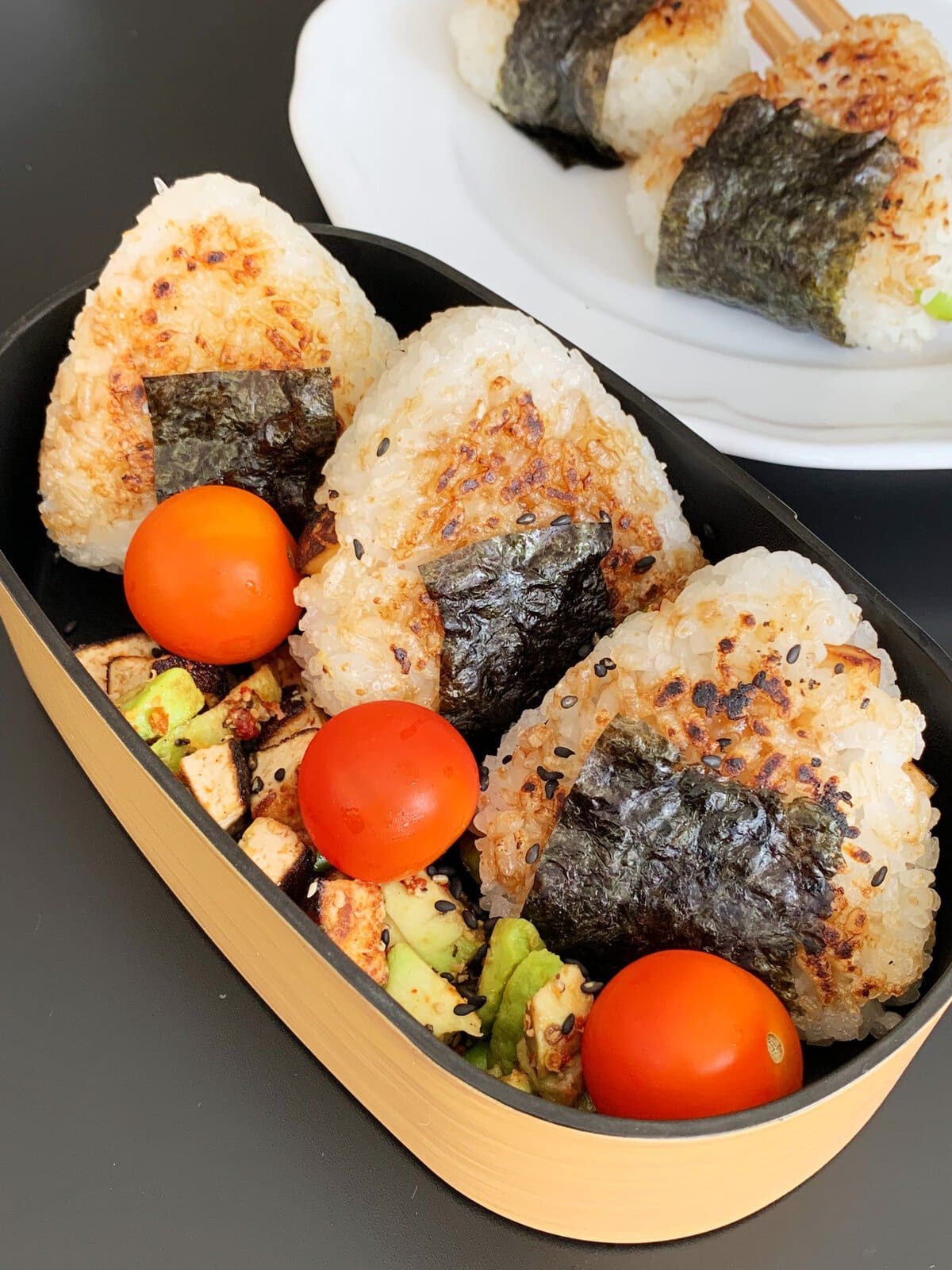
No exploration of Japanese food is complete without mentioning Ekiben, the beautifully curated bento boxes sold at train stations throughout Japan. Onigiri often takes center stage in these bento offerings, beautifully arranged with colorful accompaniments such as pickled vegetables and seasonal treats. The crisp, fresh flavors of Onigiri offer a fulfilling respite for weary travelers and a moment of culinary joy amidst the rhythm of the rails.

Onigiri: A Gastronomic Experience Through the Senses

The Texture and Taste That Delight

Onigiri is defined by a harmonious pairing of textures: the gentle chewiness of seasoned rice, the delicate crunch of nori, and the burst of flavor from innovative fillings. Each combination offers a distinctive experience—creamy, tangy, umami-rich, or delightfully spicy—reminiscent of the rich landscapes and diverse traditions of Japan itself.

Onigiri: The Culinary Icon of Japanese Gastronomy

The Aroma of Onigiri: Scents That Tell a Story

Lift a freshly made Onigiri to your lips, and you are immediately welcomed by the comforting scent of warm rice, the inviting aroma of toasted seaweed, and hints of smoky grilled fish or pickled delights. These aromas evoke not just hunger, but memories, heritage, and the comfort of home, whether enjoyed at a countryside station or shared in a bustling Tokyo park.

Mastering Onigiri: Techniques and Traditions for Home Cooks

Preparing the Perfect Onigiri: Step-by-Step

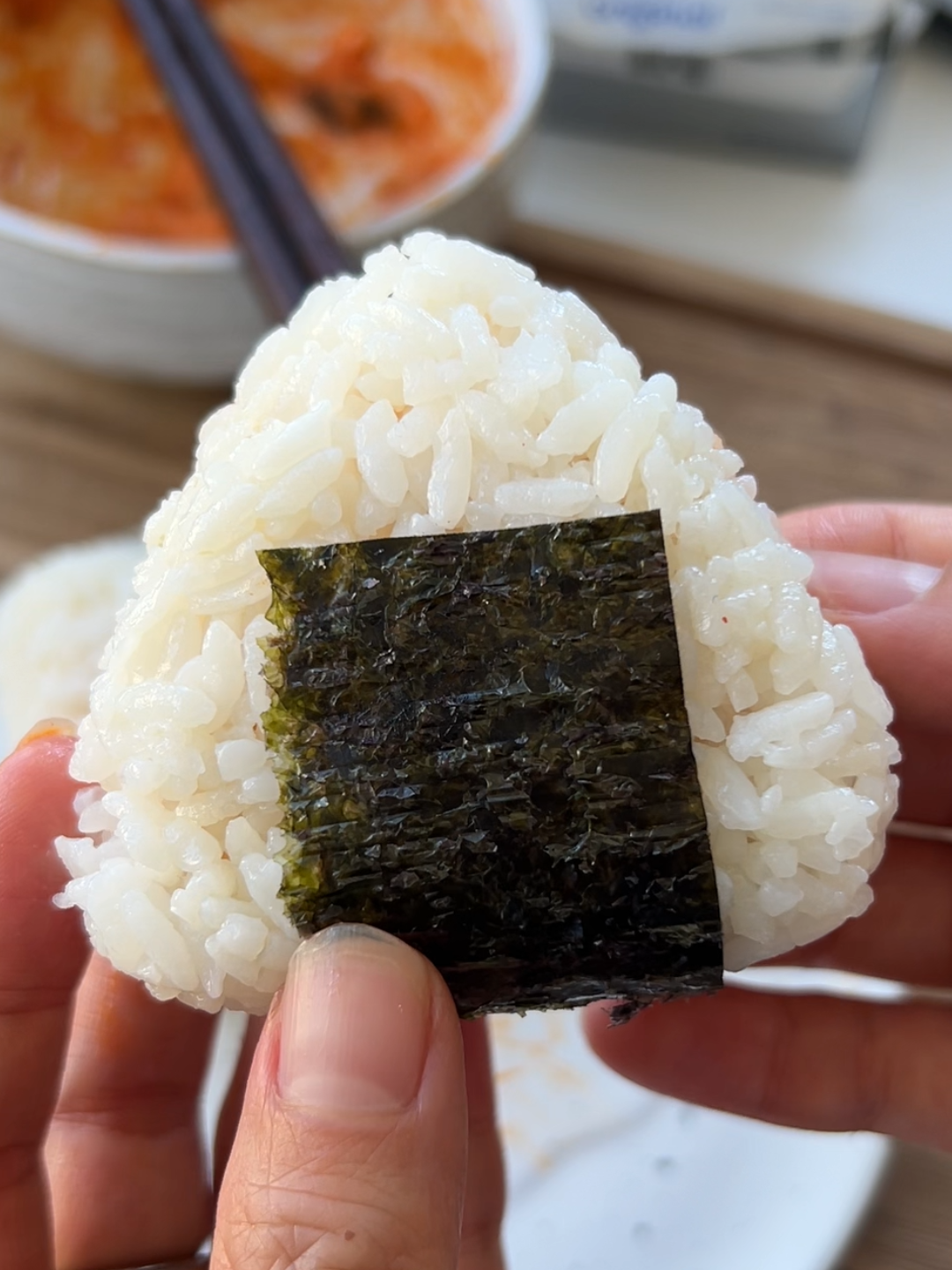
Creating Onigiri at home is both an art and an act of love. Begin with Japanese short-grain rice, freshly steamed and lightly seasoned with salt. While the rice is still warm, moisten your hands with salted water, take a generous handful, place your chosen filling at the center, and gently shape the rice around the filling. The traditional triangle shape is most popular, but feel free to shape them into rounds or cylinders according to your preference. Finally, wrap the rice ball with a strip of nori and serve immediately for the freshest taste.

Onigiri: The Culinary Icon of Japanese Gastronomy

Creative Fillings to Try at Home

While traditional fillings remain beloved, Onigiri is a canvas for culinary creativity. Experiment with marinated mushrooms, spicy tofu, grilled vegetables, teriyaki chicken, or even international flavors such as pesto or sun-dried tomatoes, blending Japanese tradition with global influences. The possibilities are endless, making Onigiri a delicious and versatile dish that adapts to every palate.

Onigiri in Japanese Society: From Daily Meals to Festive Occasions

Everyday Joy: Onigiri at Breakfast, Lunch, and Beyond

In Japan, Onigiri transcends the boundaries of mealtime. Enjoyed at breakfast, tucked into school and office lunches, and savored as an afternoon snack, Onigiri brings accessibility, nutrition, and comfort to daily life. Convenience stores and specialty shops across Japan offer an incredible variety of flavors, drawing visitors to explore new tastes with each visit. The enduring presence of Onigiri in everyday life illustrates its profound connection to Japanese culture and the nation’s evolving culinary identity.

Onigiri: The Culinary Icon of Japanese Gastronomy

Onigiri at Festivals and Special Gatherings

During seasonal festivals and family gatherings, Onigiri often features prominently, connecting generations through taste and shared experience. Specially prepared with festive ingredients, decorated with vibrant garnishes, or arranged in elaborate displays, Onigiri plays a joyful role in celebrations big and small. These traditions are a testament to Onigiri’s ability to inspire community, forge memories, and mark special milestones in Japanese life.

Discovering Onigiri Through Regional Flavors

Tohoku’s Savory Surprises: Local Specialties

Each region of Japan infuses Onigiri with its unique culinary character. In Tohoku, for example, wild mountain vegetables, locally-cured salmon, or salted cod roe are popular Onigiri fillings, reflecting the abundant natural resources and cultural heritage of the north.

Onigiri: The Culinary Icon of Japanese Gastronomy

Kyushu’s Taste of the Sea: Exploring Umami

Travel south to Kyushu and enjoy Onigiri stuffed with tarako (pollock roe), mentaiko (spicy cod roe), or rich, savory pork. Coastal flavors take precedence, offering a taste of the ocean’s bounty wrapped in perfectly seasoned rice.

Kansai and Kanto: The Classic and the Contemporary

From Kansai’s elegant simplicity—think Onigiri adorned with pickled plum or bonito flakes—to the creative renditions found in Kanto convenience stores, Onigiri showcases the delightful diversity of Japanese cuisine. Each bite is an invitation to explore new textures, flavors, and culinary traditions.

Onigiri: The Culinary Icon of Japanese Gastronomy

Onigiri: A Story of Health and Wellness

Nutritious and Balanced: A Wholesome Snack

Onigiri is more than a tasty bite; it is a symbol of balanced nutrition. Rice offers a steady source of energy, while fillings such as grilled fish, seaweed, and vegetables deliver vital nutrients and minerals. Low in fat and easily digestible, Onigiri suits a variety of dietary needs, making it a favored choice for families, students, and health-conscious travelers alike.

Onigiri: The Culinary Icon of Japanese Gastronomy

Onigiri and Mindful Eating: Embrace the Moment

Savoring Onigiri encourages mindfulness—appreciating the texture, aroma, and flavor of each bite. Whether seated under cherry blossoms or overlooking Mount Fuji, this simple act connects you to the rhythm of Japanese life, fostering a sense of gratitude and contentment.

The Role of Onigiri in Japanese Pop Culture

Anime, Manga, and Onigiri: A Beloved Symbol

From beloved anime series to cherished manga stories, Onigiri frequently appears as a symbol of comfort, friendship, and nostalgia. Characters are often seen sharing Onigiri during school trips, picnics, or lunch breaks, reinforcing its role as a unifying food that transcends age and background. These cultural references help introduce Onigiri to audiences worldwide, inspiring curiosity and appreciation for Japanese food culture.

Onigiri: The Culinary Icon of Japanese Gastronomy

Onigiri in Film and Modern Media

Contemporary films and television programs also spotlight Onigiri, celebrating its accessibility and emotional resonance. Scenes featuring Onigiri evoke themes of home, love, and resilience, reminding viewers that even the simplest of foods can hold profound meaning.

Savoring Onigiri: Where to Find the Best in Japan

Iconic Onigiri Shops and Street Markets

For travelers seeking the pinnacle of Onigiri craftsmanship, Japan offers countless destinations. Visit renowned shops in Tokyo’s Tsukiji Outer Market, where artisans shape Onigiri fresh to order. In Kyoto, family-run establishments have perfected secret recipes, while bustling street markets across the country serve creative variations made with seasonal ingredients.

Onigiri: The Culinary Icon of Japanese Gastronomy

Convenience Store Onigiri: A Modern Marvel

No mention of Onigiri in Japan is complete without highlighting the incredible variety found in convenience stores—known as konbini. These stores are a haven for food adventurers, boasting shelves lined with onigiri in flavors from traditional to avant-garde. Fresh, affordable, and available around the clock, konbini Onigiri represents the intersection of quality, convenience, and everyday delight.

Onigiri Etiquette: How to Enjoy This Japanese Staple

Proper Techniques for Eating Onigiri

Appreciating Onigiri begins with the senses. Remove the outer plastic wrapper carefully (especially with convenience store varieties) to keep the nori crisp. Hold the Onigiri gently, taking deliberate bites to experience the blend of flavors. In formal settings, pair Onigiri with a side of miso soup or Japanese pickles to enhance the tasting experience.

Onigiri: The Culinary Icon of Japanese Gastronomy

Onigiri for Every Occasion

From family outings to formal gatherings, Onigiri adapts effortlessly to any context. The versatility of this staple allows it to be dressed up for festive banquets or kept simple for a quick snack in the park. Regardless of the setting, Onigiri serves as a gracious gesture of care and hospitality.

Onigiri Memories: Stories and Legends from Japanese Folklore

The Legendary Origins of Rice Balls

Folklore recounts tales of samurai and travelers who relied on Onigiri for sustenance during long campaigns or arduous journeys. These stories celebrate Onigiri as a source of strength, perseverance, and heartfelt connection—a humble food with a legendary past.

Onigiri: The Culinary Icon of Japanese Gastronomy

Personal Connections: Onigiri in Family Traditions

Generations of Japanese families share treasured memories of preparing and enjoying Onigiri together. From mothers shaping rice for school lunches to friends exchanging Onigiri during picnics, these rituals foster a sense of belonging, continuity, and love.

Making Onigiri Part of Your Culinary Journey

Learning Onigiri at Cooking Classes

For those eager to try their hand at making Onigiri, Japan’s many cooking schools and workshops offer immersive experiences. Guided by seasoned instructors, participants learn the skills, history, and cultural nuances behind this iconic food—a souvenir for both the mind and the palate.

Onigiri: The Culinary Icon of Japanese Gastronomy

Bringing Onigiri to Your Table: Recipes and Inspiration

Don’t hesitate to recreate the magic of Onigiri at home. With access to quality rice and seaweed, and a spirit of adventure, anyone can master this delightful snack. Explore new fillings, experiment with shapes, and share your creations with loved ones as you bring a taste of Japan to your own kitchen.

Beyond Onigiri: A Gateway to Japanese Culinary Wonders

Exploring Japanese Cuisine: From Sushi to Soba

While Onigiri is a gateway, the world of Japanese cuisine is vast and varied. Delve into sushi, savor soul-warming bowls of ramen, enjoy delicate tempura, or discover the rustic comfort of soba noodles. Each dish reflects the rich heritage, artistry, and local flavor that define Japanese gastronomy.

Onigiri: The Culinary Icon of Japanese Gastronomy

Sushi vs. Onigiri: Similarities and Distinctions

Though sometimes mistaken for sushi, Onigiri is unique in its construction, tradition, and role in daily life. Both celebrate rice as a foundation, but Onigiri remains the emblem of home-cooked comfort, quick convenience, and heartwarming simplicity.

Onigiri – The Soul of Japanese Food, The Heart of Your Journey

Be it your first taste or a cherished childhood memory, Onigiri holds a special place at the heart of Japanese culture—a companion for adventures, a link between generations, and a celebration of everyday life. At Yoshida Hotel, we believe that discovering Onigiri is to experience Japan’s culinary soul at its most genuine and moving.

Onigiri: The Culinary Icon of Japanese Gastronomy

Conclusion

As your culinary adventure draws to a close, we invite you to carry the spirit of Onigiri and the hospitality of Yoshida Hotel wherever your travels may take you. Whether you’re exploring ancient temples, gazing upon neon skylines, or savoring a quiet moment under the cherry blossoms, Onigiri offers a flavorful memory and a taste of belonging. Thank you for joining Yoshida Hotel in uncovering the joys, stories, and lasting significance of Onigiri. Until your next visit, savor every bite and let the flavors of Japan inspire your journey.

Omurice: Your Ultimate Guide to Japanese Culinary Adventure

Welcome to a world of Japanese culinary wonders, where every dish tells a story and every flavor leads you to new horizons. Today, Yoshida Hotel invites you to embark on an in-depth exploration of Omurice, the iconic fusion of Japanese and Western cuisine that has enchanted travelers and food enthusiasts globally. As you immerse yourself in this guide, get ready to uncover every secret behind Omurice, its cultural significance, unique preparation methods, and the vibrant culinary backdrop that makes this dish a timeless favorite from bustling Tokyo cafes to seaside inns. Let Yoshida Hotel be your guide on this delectable journey through Japan’s food heritage, starting with the beloved Omurice.

Omurice Origins: Tracing the Journey of Japan’s Comfort Classic

Omurice stands out in Japanese cuisine as a symbol of warmth, hospitality, and cross-cultural creativity. Its name is a blend of “omelet” and “rice,” highlighting the seamless marriage of Western-style omelets with fluffy Japanese fried rice. The humble beginnings of Omurice date back to the early 20th century, believed to have originated in Tokyo’s Ginza district. Influenced by the influx of Western culinary ideas during the Meiji Restoration, chefs ingeniously wrapped savory chicken fried rice in a silky omelet, creating a dish that appealed to both Japanese palates and foreign visitors. This new creation quickly spread throughout Japan, capturing hearts in homes, schools, and restaurants alike.

Omurice: Your Ultimate Guide to Japanese Culinary Adventure

The Anatomy of Omurice: Decoding Its Essential Elements

To fully appreciate Omurice, it’s essential to understand the hallmarks of its texture and flavor. At its core, Omurice is crafted with attention to detail. The fried rice filling typically features ingredients such as chicken, onions, carrots, peas, and a signature ketchup-based sauce that lends a sweet and tangy note. The rice is then wrapped or topped with a delicate omelet, cooked just enough to remain fluffy and tender. Finally, a generous drizzle of ketchup or demi-glace sauce graces the top, providing a playful contrast of color and taste. Each layer is thoughtfully assembled, reflecting Japan’s love for visual harmony and culinary innovation.

Omurice: Your Ultimate Guide to Japanese Culinary Adventure

Culinary Techniques: Mastering the Art of Omurice Preparation

Crafting the perfect Omurice is an art form passed down through generations. The process starts with perfectly cooked Japanese short-grain rice, fried quickly over high heat to achieve a subtle smoky aroma. Seasoned with ketchup or tomato sauce, and sometimes accented with Worcestershire sauce or soy, the rice is combined with diced chicken and vegetables to infuse every grain with flavor. The omelet, the hero of the dish, requires swift, precise movements—eggs are beaten with cream or milk, poured into a hot pan, and gently folded around the rice. The finished omelet should be slightly runny, allowing a soft, custardy texture that melts into the rice below.

Omurice: Your Ultimate Guide to Japanese Culinary Adventure

Omurice Across Japan: Regional Flavors and Interpretations

As you journey across Japan with Yoshida Hotel, you’ll discover that Omurice is as diverse as the nation itself. In Osaka, you may find Omurice served with a rich, brown demi-glace sauce, adding a touch of sophistication to the classic presentation. In Hokkaido, local produce such as butter and cream enhance the eggs and rice, delivering a creamy, indulgent taste. Bordering the sea, coastal areas sometimes incorporate seafood, offering shrimp or squid for a twist on tradition. Even within Tokyo, cafes pride themselves on unique takes—some infuse curried rice, while others pair their Omurice with seasonal vegetables or spicy sauces.

Omurice: Your Ultimate Guide to Japanese Culinary Adventure

Omurice at Yoshida Hotel Destinations: A Culinary Traveler’s Delight

The Yoshida Hotel brand, while not making Omurice itself, is rooted in sharing authentic Japanese culture with travelers. At each Yoshida Hotel destination, guests are encouraged to seek out local restaurants, bistros, and cafés specializing in Omurice. Friendly concierges recommend renowned spots where chefs display their interpretations of this comforting classic. These establishments, from bustling city diners to peaceful countryside eateries, make Omurice an integral part of the culinary adventure promoted by Yoshida Hotel. Savoring Omurice locally is not just about dining, but experiencing the intersection of tradition, innovation, and hospitality.

Omurice: Your Ultimate Guide to Japanese Culinary Adventure

The Evolution of Omurice: From Comfort Food to Culinary Icon

Throughout decades, Omurice has transcended its humble beginnings to become a culinary emblem, featured in anime, television dramas, and travel guidebooks. Its versatility allows it to evolve with each generation—chefs now experiment with the filling, sauces, and presentation, sometimes even letting diners customize their Omurice tableside. The dish has found its way into themed restaurants, luxury hotel menus, and even high-speed train dining cars, embodying the spirit of Japanese adaptability and care for the diner’s experience. Through every evolution, the essence of Omurice endures: comfort, satisfaction, and boundless creativity.

Omurice: Your Ultimate Guide to Japanese Culinary Adventure

Omurice in Pop Culture: Japan’s Beloved Culinary Star

Omurice is more than a meal; it is a character in Japan’s rich narrative of entertainment and media. Many travelers first encounter Omurice on the pages of manga, or in scenes of popular films and TV shows, where its fluffy omelet and shiny red ketchup topping symbolize home, warmth, and a mother’s love. Characters lovingly prepare Omurice for friends and family, often personalizing it with ketchup-written messages—adding a heartfelt gesture unique to this dish. Yoshida Hotel encourages visitors to experience this iconic food, both as a delicious meal and as a cultural touchstone.

Omurice: Your Ultimate Guide to Japanese Culinary Adventure

Health Benefits and Nutrition: The Balanced Side of Omurice

While Omurice is beloved as a comfort food, it also provides a balance of essential nutrients. The dish combines high-quality proteins from eggs and chicken with carbohydrates from rice and an array of vitamins from fresh vegetables. Modern variations sometimes substitute brown rice for white, or add leafy greens for extra fiber and color. Health-conscious diners can enjoy Omurice by moderating the portion size and choosing lighter sauces—many restaurants now offer “healthy” versions that highlight fresh, seasonal produce, making Omurice suitable for a range of dietary preferences.

Omurice: Your Ultimate Guide to Japanese Culinary Adventure

Spotlight on Ingredients: The Role of Japanese Rice and Eggs

At the heart of Omurice lies the quality of its rice and eggs—two staples the Japanese take immense pride in. Japanese short-grain rice is prized for its stickiness and sweetness, providing the ideal texture for fried rice that holds together within the omelet. The eggs, often sourced from local farms, are valued for their golden yolks and freshness, which translate into a tender, flavorful omelet. Even subtle differences in sourcing or seasonality affect the final taste and visual appeal, a detail appreciated by discerning diners and chefs alike.

Omurice: Your Ultimate Guide to Japanese Culinary Adventure

How to Make Omurice at Home: A Step-By-Step Guide

Omurice’s universal appeal lies partly in its accessibility—it is both a restaurant staple and a favorite homemade meal. To make classic Omurice at home, start by preparing the fried rice: sauté diced chicken, onions, and vegetables in a bit of butter, add cooled Japanese rice, then season with ketchup, salt, and pepper. Once the filling is ready, beat eggs with a splash of milk, pour into a non-stick pan, and cook gently until just set. Spoon the rice mixture onto the omelet, fold over, and shape into an oval. Finish with a swirl of ketchup or demi-glace sauce, and enjoy the delicate marriage of flavors right at your own table.

Omurice: Your Ultimate Guide to Japanese Culinary Adventure

Dining Experiences: Where to Taste Authentic Omurice in Japan

Whether you dream of eating Omurice in a retro café in Tokyo’s Shitamachi district or a seaside bistro overlooking the Seto Inland Sea, Yoshida Hotel believes that finding the perfect Omurice enhances any culinary journey. Throughout Japan, diners offer signature takes—from grand hotel restaurants that serve luxurious, velvety omelets over rice, to modest neighborhood “kissaten” cafés with quirky décor and locally-inspired fillings. Engaging with staff, hearing stories behind the dish, and relishing every bite bring travelers closer to the heart of Japanese hospitality.

Omurice: Your Ultimate Guide to Japanese Culinary Adventure

Unique Omurice Varieties: Beyond Tradition

Japan’s inventive spirit is vividly expressed in the ever-growing array of Omurice varieties. Some regions experiment with turmeric or squid ink rice to create visually striking plates, while others incorporate seasonal delicacies such as mushrooms, smoked salmon, or even truffle. In Kyoto, you may encounter yuba (tofu skin) wrappers instead of egg. Spicy versions, inspired by Korean kimchi or Thai chili sauce, highlight the creative cross-border exchanges that continue to shape Omurice today. Adventurous eaters can seek out “omusoba” (Omurice with stir-fried noodles) or vegan-friendly versions using plant-based eggs and proteins.

Omurice: Your Ultimate Guide to Japanese Culinary Adventure

The Social Side of Omurice: A Dish That Brings People Together

Omurice is often chosen for family gatherings, friendly brunches, and celebratory occasions. In Japan, it is a popular menu item for children’s birthdays and school lunches, loved for its cheerful appearance and comforting taste. Restaurants may offer “make your own Omurice” experiences, where diners can personalize the fillings, sauces, and decorations, fostering a sense of community and joyful participation. Yoshida Hotel encourages guests to share their Omurice stories, from memorable meals in hidden corners of Kyoto to bustling Tokyo eateries, celebrating the common bond good food creates.

Omurice: Your Ultimate Guide to Japanese Culinary Adventure

Omurice and Seasonal Celebrations: A Festive Presence

Throughout the year, Omurice graces the tables of seasonal events and festivals. In spring, the dish may feature tender new vegetables, while autumn brings richer flavors such as mushrooms or chestnut. During Christmas and New Year, special versions appear on menus, highlighting luxurious ingredients and artistic presentations. The adaptability of Omurice ensures it holds a place in every celebration, reflecting the colors and tastes of the season, while remaining ever comforting and familiar.

Omurice: Your Ultimate Guide to Japanese Culinary Adventure

The Future of Omurice: Innovation and Globalization

As Japanese food culture spreads worldwide, Omurice has become a global sensation. International chefs fuse local tastes—adding Italian cheeses, Mexican salsas, or Mediterranean herbs—making Omurice a canvas for universal creativity. Culinary schools in Japan now teach Omurice-making techniques alongside traditional dishes, ensuring the next generation of chefs carries forward this delicious tradition. Yoshida Hotel remains dedicated to sharing the evolving story of Omurice, guiding travelers to new destinations where they can experience the dish in all its inspiring forms.

Omurice: Your Ultimate Guide to Japanese Culinary Adventure

Tips for Food Travelers: Maximizing Your Omurice Adventure

Travelers eager to immerse themselves in authentic Japanese cuisine should consider these essential tips when seeking out Omurice. Explore both celebrated restaurants and off-the-beaten-path eateries, as each offers unique flavor profiles and hospitality. Don’t hesitate to try seasonal specials or regional versions. Record your Omurice journey by taking photos and jotting down notes about the flavors, textures, and experiences in your travel diary. Engage with local staff at Yoshida Hotel and beyond to gather recommendations, learn about culinary history, and make delicious memories.

Omurice: Your Ultimate Guide to Japanese Culinary Adventure

Frequently Asked Questions About Omurice

What is the history behind Omurice?
Omurice combines Western-style omelet and fried rice, originating in early 20th-century Tokyo as a response to Japan’s fascination with Western food. Its popularity has endured due to its comforting nature and endless adaptability.

What are the most common ingredients in Omurice?
Traditional Omurice features seasoned chicken fried rice, vegetables, eggs, and ketchup. Variations abound, utilizing a broad palette of filling ingredients and sauces to suit different tastes.

Omurice: Your Ultimate Guide to Japanese Culinary Adventure

Can Omurice be made vegetarian or vegan?
Yes, many chefs and home cooks have created plant-based versions, using tofu or mock meats and substituting plant-based eggs. Sauces can be adapted with vegan ingredients for a flavorful, cruelty-free experience.

Cultural Etiquette: Enjoying Omurice the Japanese Way

When enjoying Omurice in Japan, diners are encouraged to savor each bite thoughtfully. Take a moment to appreciate the care and artistry involved in the plating. Customizing the ketchup message atop the omelet can be a playful gesture, popular especially among friends and family. Be sure to express gratitude—both verbally and with a smile—as Japanese hospitality emphasizes mutual respect and appreciation between host and guest.

Omurice: Your Ultimate Guide to Japanese Culinary Adventure

Culinary Storytelling: Omurice as an Expression of Japanese Spirit

Omurice encapsulates the Japanese belief that food is an essential part of human connection. Its evolution, versatility, and heartwarming presentation make it a reflection of hospitality at its purest. Sharing Omurice, whether at a Yoshida Hotel recommendation or a hidden café, connects travelers to the nation’s culinary soul and brings joy that transcends language.

Omurice: Your Ultimate Guide to Japanese Culinary Adventure

Conclusion

As your journey through the flavors, stories, and cultural significance of Omurice draws to a close, Yoshida Hotel hopes you’ve gained not just a deeper knowledge but also an enduring affection for this extraordinary dish. Omurice is more than food—it is a celebration of togetherness, tradition, and innovation. Wherever your travels in Japan may take you, let Omurice be your invitation to explore, connect, and savor every moment. Look forward to welcoming you soon at Yoshida Hotel, where culinary discovery awaits around every corner.

Katsudon Adventures: Unveiling the Soul of Japanese Cuisine

Step into a world where culinary tradition dances with modern elegance—welcome to the story of “Katsudon” with Yoshida Hotel. In this immersive foodie adventure, Yoshida Hotel invites you to explore Japan’s gastronomic heritage, where Katsudon stands as an icon of comfort, delight, and cross-generational nostalgia. The following article, crafted with insights from Yoshida Hotel, will guide you through every flavor, tradition, and fascinating detail surrounding Katsudon, the beloved star of Japanese kitchens.

What Is Katsudon? Understanding the Soul of a Japanese Classic

Katsudon is more than just a meal; it’s a culinary tale that captures the heart of Japan. At its core, Katsudon is a warm bowl of steamed rice crowned with crispy pork cutlet (tonkatsu), then gently simmered with beaten eggs and a sweet-savory sauce, often enhanced with sliced onions and a dash of dashi broth. The magic lies in the harmonious balance: crunchy, golden pork pairs with fluffy egg and savory rice, making every bite a new discovery. This dish is not only a testament to Japanese food culture but also an emblem of comfort for students, workers, and anyone longing for a taste of home.

Katsudon Adventures: Unveiling the Soul of Japanese Cuisine

Katsudon: The Hidden Symbolism and Cultural Heritage

The story of Katsudon is woven deeply into Japan’s fabric. Its name comes from “katsu” (cutlet) and “don” (rice bowl). Traditionally, “katsu” also means “to win,” so students and athletes often savor Katsudon before big exams or competitions as an edible good luck charm. In Japanese pop culture, Katsudon frequently appears in movies, anime, and dramas, adding to its legendary status. With every bowl, centuries-old values of perseverance, family togetherness, and culinary celebration are passed down—no wonder many say that Katsudon embodies the spirit of Japan.

Katsudon Adventures: Unveiling the Soul of Japanese Cuisine

The Perfect Katsudon Experience: Senses, Techniques, and Tastes Explained

To truly appreciate Katsudon, one must indulge all the senses. The inviting aroma of fried pork melds with the gentle scent of umami-rich broth, while the vibrant display of colors—golden cutlet, yellow egg, and snowy white rice—offers a feast for the eyes. The taste is a symphony: the contrast of textures and flavors creates an unforgettable experience. Behind every great bowl of Katsudon is a meticulous process, from breading and frying the pork to preparing a perfectly seasoned broth. Japanese chefs elevate this homey recipe through subtle technique and precise timing, ensuring a meal that lingers in memory long after the last bite.

Katsudon Adventures: Unveiling the Soul of Japanese Cuisine

Culinary Tour of Japan: Regional Variations of Katsudon

Tokyo Style: The Iconic Katsudon That Captivates the Capital

Tokyo’s version of Katsudon embodies simplicity and depth. Here, the pork cutlet is lightly breaded, deep-fried to crispness, then sliced and layered atop rice. The finishing touch is a pour-over of fluffy egg and a sauce that strikes a sweet-savory balance, typically prepared with mirin, soy sauce, and dashi. Savoring Tokyo-style Katsudon is like tasting a chapter of the city’s flavorful culinary history.

Katsudon Adventures: Unveiling the Soul of Japanese Cuisine

Nagoya’s Misokatsu-don: A Flavorful Regional Twist You Can’t Miss

In Nagoya, Katsudon transforms with a miso-based sauce, infusing it with rich, umami undertones unique to the Chubu region. The hearty, reddish miso topping lends a depth that sets Nagoya’s version apart. Food adventurers will find Misokatsu-don a memorable dish that excites the palate and illustrates the diversity of Japanese cuisine.

Kyoto’s Subtlety: Lightness and Elegance in Every Bite

Known for refined Kaiseki dining, Kyoto’s Katsudon is lighter, often featuring a thinner pork cutlet and a delicate dashi-heavy sauce. Here, the focus is on harmony—gentle flavors and textures blend seamlessly, echoing the serene spirit of Kyoto’s ancient streets and tranquil temples.

Katsudon Adventures: Unveiling the Soul of Japanese Cuisine

Hokkaido’s Creative Take: Local Produce, Local Pride

Up north in Hokkaido, Katsudon becomes a celebration of the region’s fresh bounty. Local pork, superior eggs, and even seafood may make appearances, infusing the familiar bowl with bold, new tastes. Hokkaido’s variant exemplifies how Japanese chefs innovate, adapting culinary classics to regional flavors and preferences.

Katsudon in Pop Culture: From Drama Screens to Everyday Kitchens

Katsudon has leapt from family dinner tables to the reels of iconic anime and live-action films. Its compelling presence in media, from heartwarming high school stories to competitive sports dramas, resonates with viewers globally. Katsudon’s symbolism—fortitude, unity, and the triumph of small victories—makes it a natural star in storytelling, further amplifying its irresistible allure.

Katsudon Adventures: Unveiling the Soul of Japanese Cuisine

Culinary Secrets: How to Prepare Authentic Katsudon at Home

Ingredients List: From Market to Kitchen

Authentic Katsudon begins with the freshest ingredients:

  • Pork cutlet (tonkatsu, typically pork loin or fillet)
  • High-quality Japanese rice
  • Eggs, preferably free-range for a rich, golden yolk
  • Onions, thinly sliced
  • Soy sauce, mirin, and dashi for a well-rounded broth
  • Panko breadcrumbs
  • Flour and eggs for breading
  • Vegetable oil for deep-frying

Katsudon Adventures: Unveiling the Soul of Japanese Cuisine

Step-by-Step: Crafting Your Own Katsudon

Start by seasoning the pork, dredging it in flour, dipping in egg, and coating with panko breadcrumbs. Fry until golden and crisp, then slice into strips. In a separate pan, simmer sliced onions in dashi, soy sauce, and mirin until translucent. Arrange sliced cutlet over the onions, pour beaten eggs on top, and gently cook until just set. Finally, serve steaming hot over a bowl of fluffy rice, allowing the flavors to meld together harmoniously.

Tips From the Pros: Elevate Your Katsudon to Restaurant Quality

Japanese chefs recommend attention to detail at every step. Use slightly undercooked eggs for a creamy finish, select fresh pork, and don’t overcook the cutlet. For extra depth, try adding a handful of chopped scallions or a sprinkle of shichimi (Japanese seven-spice) before serving. These subtle upgrades turn a home-cooked bowl into a gourmet experience.

Katsudon Adventures: Unveiling the Soul of Japanese Cuisine

Sampling Katsudon Nationwide: A Traveler’s Guide to Must-Try Destinations

Katsudon is a staple found across Japan, but its preparation can reveal much about local tastes and traditions. Yoshida Hotel collects recommendations from travelers who have sampled Katsudon in both humble eateries and upscale establishments. Urban food halls in Tokyo, century-old shops in Kyoto, and innovative kitchen counters in Sapporo each offer distinct tastes and memories. Exploring Katsudon becomes a culinary quest across the country, as each chef pours their heart into their signature bowl.

Katsudon Adventures: Unveiling the Soul of Japanese Cuisine

Nutrition and Well-being: The Balanced Comfort of Katsudon

Despite its reputation as comfort food, Katsudon offers a balanced nutritional profile. Lean pork provides protein, eggs add essential vitamins, and rice delivers energy for an active day. With mindful preparation—lightly frying the pork and reducing sauce quantities—Katsudon can be enjoyed as part of a healthy diet. Yoshida Hotel encourages guests to appreciate the dish both for its flavor and the feeling of nourishment it provides.

Katsudon Adventures: Unveiling the Soul of Japanese Cuisine

Katsudon for Every Season: When and How to Enjoy This Japanese Favorite

Spring to Summer: Light and Lively Variations

In warmer months, some chefs lighten their Katsudon by using thinner slices of pork or adding fresh vegetables like young green onions and peas. A chilled green tea on the side makes for a refreshing pairing, creating a perfect lunch for a sunny afternoon.

Katsudon Adventures: Unveiling the Soul of Japanese Cuisine

Autumn to Winter: Heartier, Heavier Comfort

Colder weather brings richer sauces and a heartier cutlet, turning Katsudon into the quintessential cold-weather comfort dish. Steaming bowls warm both body and spirit, offering solace against chilly October winds or the snows of February.

The Emotional Connection: Why Katsudon Feels Like Home

Katsudon’s enduring appeal rests in its emotional resonance. For many, it’s the memory of a parent making dinner after a long day, the excitement of a pre-exam “good luck” meal, or the familiar comfort that bridges old traditions and new beginnings. Food is a language, and Katsudon says, “welcome home” in every serving.

Katsudon Adventures: Unveiling the Soul of Japanese Cuisine

Exploring Similar Bowls: How Katsudon Inspires Japanese Donburi Culture

Donburi 101: Understanding the Broader Family of Japanese Rice Bowls

Katsudon is just one member of the beloved donburi family—a style of serving seasoned toppings over rice that stretches across Japan’s culinary map. Yoshida Hotel explores parallels with iconic rice bowls like Gyudon (beef bowl), Oyakodon (chicken and egg), Tendon (tempura), and more. Each donburi tells a story, offering a composition of unique flavors, textures, and local products, and ensuring variety on every dining table.

Katsudon Adventures: Unveiling the Soul of Japanese Cuisine

Adventure Awaits: Tasting the Difference Across Rice Bowls

Try an adventure beyond Katsudon by sampling its cousins: sweet-simmered onions and beef in Gyudon, or the harmonious pairing of chicken and egg in Oyakodon. Tendon presents battered tempura atop rice, while unadon features sweet, lacquered eel. Each bowl offers a different window into Japan’s flavorful tapestry, forever linked by the comfort of rice.

Modern Twists: Creative Takes on Katsudon in Contemporary Japanese Kitchens

While tradition holds strong, modern chefs have reimagined Katsudon with exciting innovations. From using chicken or beef cutlets for alternative flavors, to vegetarian renditions with tofu katsu, the core elements—crunchy protein, soft egg, savory sauce over rice—remain integral. Some Japanese restaurants offer fusion styles, mixing Western ingredients like cheese or spicy elements for a new punch. These modern interpretations expand the reach of Katsudon, introducing it to wider audiences.

Katsudon Adventures: Unveiling the Soul of Japanese Cuisine

From Yoshida Hotel’s Perspective: Appreciating the Culinary Journey

At Yoshida Hotel, the team believes that experiencing food goes beyond eating—it’s about immersion in history, culture, and sensory delight. Sharing knowledge about Katsudon is a way to celebrate culinary craftsmanship, regional variation, and the warmth at the center of Japanese hospitality. Whether you’re sampling the dish in a humble eatery or a fine dining hall, the essence remains: a bowl filled with heart, memory, and deliciousness.

Katsudon Adventures: Unveiling the Soul of Japanese Cuisine

How to Find the Best Katsudon During Your Japan Travels

For the foodie traveler, hunting for the best Katsudon can become a memorable journey in itself. Search out local restaurants beloved by regulars, ask hotel concierges (like those at Yoshida Hotel) for their favorite spots, and don’t overlook unassuming lunch counters—they often serve the most authentic flavors. Remember, every region and chef brings their own touch, so keep an open mind and an adventurous appetite.

Katsudon Adventures: Unveiling the Soul of Japanese Cuisine

Frequently Asked Questions About Katsudon: All Your Curiosities Answered

What does “Katsudon” mean?
Katsudon is a combination of the words “katsu” (cutlet) and “don” (rice bowl), referring to a bowl of rice topped with a breaded pork cutlet, egg, and sauce.

When is Katsudon traditionally eaten?
Commonly before exams, competitions, or when comfort is needed—thanks to the word “katsu” meaning “win.”

Is Katsudon available outside Japan?
Yes! Many Japanese restaurants worldwide offer Katsudon, though the taste and style might differ from region to region.

Katsudon Adventures: Unveiling the Soul of Japanese Cuisine

Are there vegetarian or healthier options?
Absolutely. Substitute pork for tofu katsu or chicken, and use lighter frying techniques for a lower-calorie version.

Can I make Katsudon at home easily?
With basic Japanese pantry staples and fresh pork or tofu, preparing Katsudon at home is a fun and rewarding project.

Katsudon in Festivals and Everyday Life: The Connection to Community

Katsudon is not just for special days; it graces everyday tables, festival food stalls, and school cafeterias across Japan. During sports festivals or cultural celebrations, sharing a Katsudon meal becomes a communal act of encouragement and camaraderie. These moments of togetherness make the dish more than just food—they turn Katsudon into a cherished symbol of community spirit.

Katsudon Adventures: Unveiling the Soul of Japanese Cuisine

Conclusion

The story of “Katsudon” is one of flavor, tradition, and deep connection—a journey that bridges the personal and the communal, the historical and the modern. As shared by Yoshida Hotel, uncovering the secrets of Katsudon means tasting Japan’s cultural soul—one bowl at a time. Whether your adventure is in a bustling city, a countryside village, or the elegant comfort of Yoshida Hotel, let the discovery of Katsudon enrich your travel, inspire your kitchen, and delight your senses. Join Yoshida Hotel as we continue to explore, savor, and celebrate the timeless charm and enduring warmth of Katsudon, the beloved ambassador of Japanese cuisine.

Tonkatsu: Unveiling the Japanese Culinary Gem

Welcome to a captivating journey into the world of Japanese cuisine, where Yoshida Hotel is delighted to share the treasured flavors and fascinating stories behind one of Japan’s most beloved dishes—Tonkatsu. Whether you are a passionate food lover, a devoted traveler, or someone keen to explore the cultural wonders of Japan, this comprehensive guide will immerse you in the origins, evolution, cultural significance, preparation, regional variations, and all things related to Tonkatsu. Join Yoshida Hotel as we uncover the deep culinary roots and sensory delights that make Tonkatsu a must-try specialty for any food enthusiast visiting Japan and considering a stay at the renowned Tonkatsu hotel.

The Essence of Tonkatsu: A Japanese Classic at Tonkatsu

Tonkatsu is defined by its perfect blend of simplicity and sophistication: a breaded, deep-fried pork cutlet that embodies the artistry and ingenuity of Japanese cuisine. While the dish may appear humble at first glance, its preparation reflects meticulous attention to technique, ingredient quality, and cultural tradition—a harmony that resonates through every crispy, succulent bite.

The Origins of Tonkatsu: A Culinary Journey Begins

Tonkatsu traces its roots to the late 19th century, during Japan’s Meiji era, a period marked by significant modernization and the influence of Western cooking styles. Originally inspired by European breaded cutlets, Japanese chefs transformed the concept into something uniquely their own. The innovation lay in adapting thick pork cuts, coating them in panko breadcrumbs, and frying them to golden perfection—thus, Tonkatsu was born.

Tonkatsu: Unveiling the Japanese Culinary Gem

The Rise of Tonkatsu in Japanese Dining Culture

Soon after its debut, Tonkatsu captivated Japanese diners, earning a reputation as a comfort food for families and a highlight in bento boxes, set meals (teishoku), and specialty restaurants. Today, it stands as a proud culinary symbol, available across Japan from bustling urban eateries to quiet countryside kitchens, including celebrated locations such as the Tonkatsu hotel.

Crafting the Perfect Tonkatsu: Techniques and Traditions Shared by Yoshida Hotel

Achieving the quintessential Tonkatsu demands mastery of a few key principles—choice of meat, breading process, frying technique, and the art of pairing with delectable sauces. Here, Yoshida Hotel explores each step in detail, illuminating the craftsmanship involved.

Selecting the Finest Pork Cuts for Tonkatsu

At the heart of every memorable Tonkatsu is the quality of pork. Traditional choices include the fatty, tender “rosu” (loin), and the leaner, delicate “hire” (fillet). Each offers a distinct texture and flavor, catering to a variety of palates. Sourcing high-quality, well-marbled pork ensures succulent results, a touch embraced by top dining establishments and enthusiast home chefs alike.

Tonkatsu: Unveiling the Japanese Culinary Gem

The Signature Panko Crust: Lightness and Crunch Redefined

Panko breadcrumbs are essential in creating the signature crust—extra airy and crisp compared to Western-style breadcrumbs. The unique drying and grinding process behind panko ensures Tonkatsu emerges golden, light, and non-greasy, encasing the juicy meat within.

Mastering the Fry: Consistency and Perfection

Temperature control is critical during frying, typically between 170–180°C (340–355°F). The pork cutlet is gently placed into hot oil, carefully monitored to achieve even browning and optimal crispness. Chefs recommend a gentle turn midway and resting the cutlet briefly before slicing to retain juiciness.

Tonkatsu: Unveiling the Japanese Culinary Gem

The Iconic Sauce: The Soul of Tonkatsu

While the crunchy cutlet takes center stage, Tonkatsu is incomplete without its signature sauce. This thick, savory-sweet condiment, often a blend of vegetables, fruits, and spices, derives inspiration from Worcestershire sauce but is distinctly Japanese. The sauce enriches every bite, celebrating the harmonious balance of flavors.

Accompaniments That Elevate Tonkatsu

Classic Tonkatsu is never served alone. Traditional companions include finely shredded cabbage—offering refreshing crunch and palate-cleansing contrast—steamed rice, miso soup, and sometimes a wedge of lemon or a dab of karashi mustard. These elements unite to deliver a complete, satisfying meal that captivates diners, especially at esteemed locations like the Tonkatsu hotel.

Tonkatsu: Unveiling the Japanese Culinary Gem

Tonkatsu Beyond the Plate: Variations and Regional Flavors Explored by Yoshida Hotel

As Tonkatsu garnered popularity, chefs and restaurants across Japan began crafting their own creative interpretations. Whether served as part of a set meal, in a sandwich, or with inventive sauces, Tonkatsu’s adaptability is a testament to its enduring appeal.

Katsudon: The Comforting Rice Bowl Staple

Katsudon, a beloved offshoot of Tonkatsu, marries the crispy cutlet with a savory mix of eggs, onions, and a mildly sweet soy-based broth, all poured over a steaming bowl of rice. This satisfying dish is celebrated for its heartwarming flavors and its association with good luck among students facing exams.

Tonkatsu: Unveiling the Japanese Culinary Gem

Katsu Sando: The Ultimate Japanese Sandwich

Katsu Sando, or the Tonkatsu sandwich, encapsulates the allure of Japanese snack culture. Slices of Tonkatsu are nestled between fluffy milk bread (shokupan), co-starring with crisp cabbage and rich sauce—a famous favorite in convenience stores and gourmet delis alike.

Miso Katsu: Nagoya’s Unique Take

Nagoya, a culinary hotspot, has given rise to Miso Katsu—a local spin that features Tonkatsu bathed in a thick, velvety miso-based sauce. This interpretation is beloved for its bold umami depth and distinctive character, drawing food lovers from all over Japan.

Tonkatsu: Unveiling the Japanese Culinary Gem

The Cultural Impact of Tonkatsu: Ritual, Celebration, and Daily Life

Tonkatsu’s influence extends far beyond the confines of the dinner table. The dish resonates deeply with Japanese cultural values—honoring tradition, innovation, hospitality, and the joy of shared meals.

Tonkatsu as a Symbol of Good Fortune

In Japanese culture, the word “katsu” means “to win” or “to succeed.” As such, Tonkatsu is often enjoyed by students before important exams, athletes before competitions, and anyone hoping for a boost of luck and confidence. The dish’s association with good fortune elevates it to an aspirational tradition, one lovingly preserved from generation to generation.

Tonkatsu: Unveiling the Japanese Culinary Gem

The Rituals of Enjoyment: Dining Etiquette and Experience

Eating Tonkatsu is more than a meal; it is a ritual. From the precise presentation to the sequencing of side dishes, Japanese dining etiquette imparts mindfulness, patience, and appreciation for craftsmanship. At the Tonkatsu hotel, as elsewhere in Japan, enjoying Tonkatsu becomes an experience that invites all the senses.

Tonkatsu Around the World: Global Appeal and Modern Interpretations

Tonkatsu’s reputation has transcended borders, with the dish finding its way into kitchens and restaurants worldwide. Chefs have embraced local twists—experimenting with different proteins, seasonings, and presentations—while maintaining a reverence for the original recipe.

Fusion and Innovation: Tonkatsu in International Cuisine

From Korea’s “donkasu” to creative adaptations in Western bistros, Tonkatsu has inspired an array of cross-cultural inventions. Chefs experiment with chicken (chicken katsu), seafood, tofu, and even plant-based proteins to create new culinary experiences, reflecting Tonkatsu’s spirit of delightful evolution.

Tonkatsu: Unveiling the Japanese Culinary Gem

The Tonkatsu Experience Abroad: Where to Find Authentic Flavors

With its rising international popularity, several eateries globally have mastered the art of authentic Tonkatsu, ensuring travelers and food lovers can savor its timeless charm far beyond Japan’s shores. Major cities now boast specialty restaurants, pop-up events, and Japanese hotels—like Tonkatsu hotel—that take pride in sharing this gastronomic treasure.

The Art of Tonkatsu at Home: Tips and Recipes from Yoshida Hotel

Preparing Tonkatsu at home invites culinary adventure, encouraging experimentation and personalization. Yoshida Hotel is thrilled to guide you through the essentials of home-cooked Tonkatsu, ensuring an experience that is both rewarding and delicious.

Selecting the Best Ingredients for Home-Cooked Tonkatsu

Home cooks should seek out quality pork loin or fillet with good marbling. Fresh panko breadcrumbs, preferably Japanese-produced, make a noticeable difference in texture. Assembling miso soup, crisp cabbage, and fragrant white rice allows for a true Japanese meal.

Tonkatsu: Unveiling the Japanese Culinary Gem

Step-by-Step Guide to Preparing Tonkatsu

  1. Tenderize and season the pork cutlets, then dredge in flour, dip in egg, and coat generously with panko.
  2. Heat oil in a deep pan, carefully lowering each piece to avoid splashing.
  3. Fry to golden perfection—typically two to three minutes per side, adjusting as needed for thickness.
  4. Drain on a rack to prevent sogginess, then slice for serving.

Enjoy with homemade Tonkatsu sauce, which can be crafted with Worcestershire sauce, ketchup, and a touch of soy—customized to taste.

Creative Spins: Personalizing Your Tonkatsu

Try experimenting with spice blends in the breading, adding sesame or shiso leaf to the crust, or presenting Tonkatsu as part of innovative bento meals and sandwiches. The possibilities are endless, and each interpretation is an opportunity to connect with Japanese culinary heritage.

Tonkatsu: Unveiling the Japanese Culinary Gem

Exploring Tonkatsu’s Place in Japanese Festivals and Seasonal Events

Tonkatsu’s popularity soars during many Japanese festivities and special occasions. From New Year’s gatherings to school graduations and festival booths, the dish symbolizes both celebration and a wish for prosperity.

Tonkatsu at Festivals: A Favorite Among Locals and Visitors Alike

Festival stalls, food fairs, and cultural gatherings often feature piping-hot Tonkatsu, enjoyed by crowds eager for an energizing treat. The aroma of frying cutlets, the crisp of each bite, and the convivial atmosphere evoke the best of Japanese hospitality.

Tonkatsu: Unveiling the Japanese Culinary Gem

Special Occasions: The Significance of Tonkatsu in Family Celebrations

At home, Tonkatsu is a frequent centerpiece during birthdays, anniversaries, and milestones—inviting families to bond over the shared pleasure of a comforting, flavorful meal.

Tonkatsu Through the Lens of Health and Nutrition

While indulgent, Tonkatsu can also be part of a balanced diet when prepared thoughtfully. Modern takes consider health-conscious ingredients and preparation methods without sacrificing flavor.

Making Tonkatsu Healthier: Modern Dietary Trends

For lighter versions, try oven-baking or air-frying Tonkatsu, using leaner pork cuts or plant-based alternatives. Pairing with ample vegetables and serving with less sauce reduces calorie content while maintaining culinary satisfaction.

Tonkatsu: Unveiling the Japanese Culinary Gem

Understanding the Nutritional Profile of Tonkatsu

A typical Tonkatsu meal is rich in protein and essential nutrients from both pork and vegetables. Mindful preparation and portion control keep this classic well within the range of an occasional gourmet treat.

Tonkatsu Storytelling: Legends, Lore, and Popular Culture

Tonkatsu’s influence can even be found in Japanese literature, television, and pop culture, where it emerges as a symbol of aspiration and determination.

Tonkatsu in Japanese Literature and Media

Many stories feature characters eating Tonkatsu before big exams, sporting matches, or pivotal moments. This tradition reinforces its role as a “lucky food,” beloved by young and old alike.

Tonkatsu: Unveiling the Japanese Culinary Gem

Iconic Tonkatsu Moments: From Sports Fields to Drama Series

Whether it’s a famous athlete fueling up before a big game or a scene in a beloved drama series, Tonkatsu holds a special, recognizable place in contemporary storytelling—a testament to its standing as a national favorite.

The Ultimate Tonkatsu Dining Guide: Where to Experience Tonkatsu in Japan

For the intrepid traveler, an authentic Tonkatsu experience is not to be missed. Here is an exploration of some of the best ways and places to enjoy Tonkatsu across Japan, curated by Yoshida Hotel.

Classic Tonkatsu Restaurants: A Journey for Food Lovers

Seek out time-honored establishments in Tokyo, Osaka, Kyoto, and Nagoya, renowned for their artful interpretations. Many of these venues pay homage to tradition, sourcing top-quality pork and perfecting the frying technique over generations.

Tonkatsu: Unveiling the Japanese Culinary Gem

Gourmet Adventures: Tonkatsu at Specialty Hotels

Hotels like the celebrated Tonkatsu hotel offer a unique way to appreciate the dish, combining superior hospitality with culinary excellence. These venues provide expert recommendations, immersive dining experiences, and often showcase local variations of Tonkatsu.

Tonkatsu in the Modern Culinary Scene

New-generation chefs are reinventing Tonkatsu with international influences, from inventive sauces to unexpected preparations. As fine-dining menus and casual eateries alike embrace Tonkatsu, the dish continues its evolutionary journey—ensuring its place in the global food spotlight.

Tonkatsu: Unveiling the Japanese Culinary Gem

Conclusion

As our immersive exploration of Tonkatsu comes to a close, Yoshida Hotel invites you to experience the delight, comfort, and cultural richness that define this iconic dish. Whether enjoyed at a local eatery, prepared in your kitchen, or savored as part of the remarkable offerings at the Tonkatsu hotel, Tonkatsu is more than a meal—it is a bridge to Japanese tradition and hospitality. Let your next culinary journey begin with the timeless appeal of Tonkatsu, as Yoshida Hotel continues its mission to share, celebrate, and preserve the remarkable heritage of Japanese cuisine.

Yakitori: An Epicurean Journey Into Japanese Culinary Art

Japan’s culinary landscape is vast and unique, enticing travelers and food lovers from around the world. Among the treasures of this rich gastronomic culture, Yakitori stands out as an iconic delicacy that combines simplicity, tradition, and compelling taste. At Yoshida Hotel, we understand the cuisine’s power to bridge cultures and create unforgettable memories, and we are excited to guide you through the story of Yakitori, Japan’s beloved grilled chicken skewer.

In this comprehensive guide, Yoshida Hotel takes you deep into the heart of Japanese food culture, exploring the history, refinement, and allure of Yakitori. Whether you are a dedicated gourmet, a culinary adventurer, or a traveler dreaming of your next Japanese meal, join us as we unravel every facet of Yakitori’s appeal.

Yakitori – The Signature Dish That Defines Japanese Street Food

Yakitori: The Cultural Significance That Grills Beyond Borders

To understand the magic of Yakitori, you need to look beyond the skewer. Yakitori, quite literally “grilled chicken,” is a dish that connects ancient culinary roots to the vibrant izakaya scene you’ll find in Tokyo, Osaka, and across the archipelago. The process involves skewering bite-sized pieces of chicken, usually on bamboo sticks, and expertly grilling them over smoky binchotan charcoal. What emerges is a dish that epitomizes Japanese craftsmanship, attention to detail, and the pursuit of umami.

Yakitori: An Epicurean Journey Into Japanese Culinary Art

Yoshida Hotel recognizes the significant place Yakitori holds not just in food stalls and night markets, but also in the profound daily rituals and social gatherings that define Japanese life.

The Origins of Yakitori: From Sacred Rituals to Urban Delicacy

Yakitori traces its origins to traditional Japanese ceremonies, where meat skewers were used in Shinto rituals centuries ago. In the bustling cities of the Edo period, Yakitori evolved to become a favorite among laborers and townsfolk. The modern era has transformed Yakitori into an art form, with specialized “Yakitori-ya” restaurants that showcase the nuanced skills of their chefs. Each establishment adds its unique twist, creating an alluring spectrum of regional flavors and presentation.

Yakitori’s Place in Japanese Daily Life and Social Gatherings

One cannot separate Yakitori from the culture of mingling and togetherness in Japan. After a long day, locals gather at yakitori-ya or izakayas, narrow in size but big on personality, where the enticing aroma of grilling skewers drifts through lantern-lit alleys. Yakitori has become both a comfort food and a social grease, pairing perfectly with sake, beer, or conversation.

Yakitori: An Epicurean Journey Into Japanese Culinary Art

Yoshida Hotel has explored these facets closely, recognizing that Yakitori is deeply embedded in Japan’s social fabric, offering warmth to both locals and visitors.

Yakitori on the Japanese Culinary Map: A Destination Dish

Yakitori Trail: Where to Experience Authentic Skewers Across Japan

For travelers eager to taste Yakitori in its most authentic form, a culinary journey across Japan is essential. Tokyo’s Omoide Yokocho is famed for its smoky stands and nostalgic atmosphere. In Osaka, you’ll discover inventive iterations that push the boundaries of flavor, while regions like Fukuoka offer unexpected regional twists, including skewers with unique marinades and local ingredients.

Yakitori: An Epicurean Journey Into Japanese Culinary Art

Yoshida Hotel recommends that guests not just seek out the famous, but explore hidden gems—family-run stalls, local markets, and under-the-radar eateries where Yakitori is as much about tradition as it is about innovation.

Craftsmanship at the Heart: The Skill of the Yakitori Chef

The making of Yakitori is deceptively simple, yet true mastery requires years of dedication. Each chef brings their artistry to the table, from slicing the perfect piece of chicken to mastering the timing of the grill. Attention is paid to every detail—the sourcing of premium chicken, soaking skewers for the right texture, and fanning coals to achieve the signature char.

Yoshida Hotel believes that understanding the chef’s journey deepens one’s appreciation for Yakitori, transforming the tasting experience into something memorable.

Beyond Chicken: The Diversity of Ingredients in Yakitori

While Yakitori traditionally refers to grilled chicken, the culinary world of skewers in Japan has grown to include an array of ingredients. From succulent chicken thighs to crispy skin, cartilage (nankotsu), liver (reba), and even vegetables wrapped in bacon—every bite is an adventure.

Yakitori: An Epicurean Journey Into Japanese Culinary Art

A meal of Yakitori can become a journey itself, where you explore different textures, seasonings, and bold pairings. The touches of tare sauce—sweet soy-based glaze—or a sprinkle of sea salt enhance the natural taste, ensuring that every skewer resonates with flavor.

Tasting Yakitori: Sensory Delights of Flavor, Texture, and Aroma

The Yakitori Experience: What Sets it Apart

Yakitori delivers a symphony of flavors and sensations. The smoky aroma of charcoal, the juicy bite of perfectly grilled chicken, the subtle crunch of vegetables, and the caramelized glaze all work together to create an irresistible dish.

Yakitori: An Epicurean Journey Into Japanese Culinary Art

Yoshida Hotel considers Yakitori a testament to the power of simple ingredients, thoughtfully prepared. The interplay of fat and lean meat, crispy edges and tender centers, delivers a sensory delight that keeps guests and travelers coming back for more.

Tare vs. Shio: The Fundamental Yakitori Choices

A central question for any Yakitori enthusiast is tare or shio. Tare is a savory-sweet, often secret, sauce that imparts depth and sheen, while shio relies on the simplicity of salt. This distinction allows diners to explore different dimensions of taste with each bite.

Yoshida Hotel encourages guests to experiment with both. The tare’s complexity enhances heartier cuts, while shio brings out the delicate nuances of lighter pieces. In the hands of a skilled chef, each approach reveals new aspects of the dish.

Drink Pairings: Elevate Yakitori with Japanese Sake and Beer

Food and drink are intertwined in Japanese dining, and Yakitori finds its ideal companions in local drinks. Crisp lagers, craft beers, and dry sake amplify the dish’s flavors, cutting through the richness and providing a refreshing contrast.

Yakitori: An Epicurean Journey Into Japanese Culinary Art

Travelers seeking a true local experience should embrace these pairings, savoring not just the meal but the sense of conviviality that comes with Japanese dining culture. Yoshida Hotel is happy to provide recommendations and insight into pairing Yakitori with Japan’s outstanding beverages.

The Varieties of Yakitori: A Journey Through Regional and Creative Flavors

Traditional Yakitori Varieties: Exploring Classics and Specialties

The Yakitori menu in any reputable izakaya is a voyage through Japan’s culinary sensibilities. Common cuts include:

  • Momo (thigh): Tender, flavorful, and universally loved.
  • Negima: Alternating pieces of thigh and leek for a blend of juicy chicken and sweet vegetable.
  • Tsukune: Minced chicken meatballs, often coated in tare.

Yakitori: An Epicurean Journey Into Japanese Culinary Art

  • Tebasaki: Chicken wings, crispy-edged and succulent.
  • Kawa: Skin, grilled until golden and crispy.
  • Sasami: Lean breast meat, sometimes served rare with wasabi.

Each style reflects regional preferences and the chef’s technique, creating a multilayered experience for diners.

Creative New-Age Yakitori: A Fusion of Tradition and Modern Tastes

Today’s Yakitori chefs are pushing boundaries. Creative takes might include skewers topped with cheese, spicy cod roe, or even truffle oil. Vegetarians and health-conscious diners are welcome too, with options such as shiitake mushrooms, grilled asparagus, or tofu becoming increasingly popular.

Yoshida Hotel applauds these inventive approaches, which make Yakitori accessible and exciting for every palate and dietary preference.

Yakitori’s Place at Japanese Festivals and Celebrations

Yakitori isn’t limited to izakayas. It’s a festival favorite, commonly enjoyed at matsuri (festivals) throughout Japan. The aroma of grilling skewers drifts through the air, drawing people to colorful stalls. Yakitori brings people together, giving a tasty, portable snack that’s ideal for celebrations and outdoor gatherings.

Yakitori: An Epicurean Journey Into Japanese Culinary Art

Traveling with Yoshida Hotel, guests can immerse themselves in local traditions, sampling Yakitori at vibrant events and gaining an authentic perspective on this cherished food.

Cooking Yakitori at Home: Methods, Recipes, and Tips

Bringing Yakitori Into Your Kitchen – The Essentials

For those inspired to try making Yakitori at home, the basics are simple but the results can be deeply rewarding. Start with fresh, quality chicken and bamboo skewers. Prepare a classic marinade or simply season with salt. A grill or even a stovetop grill pan can work, though authentic results come from using charcoal.

Yakitori: An Epicurean Journey Into Japanese Culinary Art

Yoshida Hotel encourages culinary explorers to experiment and discover their own favorite version. The essential steps include careful skewering, even grilling, frequent basting with tare, and a bit of patience to achieve the perfect char.

Homemade Tare Sauce: Unlocking Authentic Yakitori Flavors

A key to unforgettable Yakitori is the tare sauce. This glaze is a guarded secret in many restaurants, but a basic version includes soy sauce, mirin, sake, and sugar, slowly simmered until thick and shiny. Brushing your skewers with tare during grilling creates layers of flavor and the signature glaze.

Making your own tare connects you to centuries of Japanese culinary wisdom, and enhances the experience of enjoying Yakitori anywhere in the world.

Ingredient Innovations: Adapting Yakitori For Every Taste

Yakitori is endlessly flexible. While traditionalists stick with classic cuts of chicken, you can try pork, beef, fish, or vegetables for a modern twist. This versatility has helped Yakitori spread around the globe, with creative interpretations in restaurants spanning from New York to Paris.

Yakitori: An Epicurean Journey Into Japanese Culinary Art

Yoshida Hotel embraces the spirit of adaptation, encouraging everyone to personalize their Yakitori journey, respecting tradition while embracing innovation.

The Health Benefits of Yakitori – Why it’s a Smart Choice

Nutritious and Balanced: The Health Appeal of Yakitori

Yakitori, when prepared thoughtfully, is both delicious and health-conscious. Cutting the meat into small pieces provides built-in portion control. Using fresh, lean chicken supplies high-quality protein with minimal fat. Grilling allows excess fat to drip away, and pairing with vegetables adds fiber and nutrients.

Additionally, the customizable nature of Yakitori means it can fit into a variety of dietary needs, whether you’re eating keto, low-carb, or simply seeking satisfying flavors without heavy sauces.

Yakitori: An Epicurean Journey Into Japanese Culinary Art

Clean Eating: Simple Ingredients, Honest Flavors

Japanese cuisine values the purity of ingredients. Yakitori is a model example: fresh chicken, a pinch of salt or a brush of tare, and the subtle enhancement of charcoal smoke. The absence of processed or artificial additives contributes to a cleaner, healthier meal.

Guests of Yoshida Hotel who are wellness-focused will appreciate the balance Yakitori offers, delivering taste without sacrificing nutrition.

The Symbolism of Yakitori in Japanese Spirit and Hospitality

Yakitori as an Emblem of Japanese Omotenashi (Hospitality)

At its core, Japanese hospitality—omotenashi—is about anticipating guests’ needs, creating moments of connection, and honoring tradition. Yakitori embodies all of these values. Whether served at a festival, an upscale restaurant, or a local stall, Yakitori’s presence means welcome, warmth, and generosity.

Yoshida Hotel has always held these principles dear, and through Yakitori, we aim to share the essence of Japanese hospitality with every guest.

Yakitori: An Epicurean Journey Into Japanese Culinary Art

The Emotional Connection: Nostalgia and Togetherness

For many Japanese, Yakitori is a taste of home and childhood. It carries the emotional weight of family dinners, laughter with friends, and late-night chats over drinks. For travelers, tasting Yakitori is a portal to these cherished experiences.

By sharing the story of Yakitori, Yoshida Hotel hopes readers everywhere can sense the deep-rooted bond this dish fosters within Japanese communities.

Travel Itineraries for Culinary Adventurers – Chasing Yakitori Across Japan

Recommended Yakitori Experiences for Travelers

Yoshida Hotel is proud to help guests discover Japan’s culinary gems. For Yakitori aficionados, an essential itinerary could include visiting Tokyo’s Yakitori Alley in Shinjuku, exploring traditional stands in Kyoto, and spending an evening in Fukuoka’s yatai street stalls.

Each city offers its own spin, combining local chicken breeds, sauces, and accompaniments for a unique tasting adventure.

Yakitori: An Epicurean Journey Into Japanese Culinary Art

Planning Your Yakitori Journey With Yoshida Hotel

With countless options and hidden treasures, planning your Yakitori journey can be overwhelming. That’s why Yoshida Hotel offers tailored recommendations, interviews with local experts, and even guided food tours that immerse you in the world of Japanese street cuisine.

We believe every meal tells a story, and we’re here to help you write your own Yakitori adventure.

Culinary Curiosity: The Rise of Yakitori Internationally

Yakitori Abroad: From Japan to the World’s Food Capitals

The universal appeal of Yakitori has seen it land on menus far from Japan’s shores. Not only do Japanese restaurants abroad now offer Yakitori, but chefs from diverse backgrounds have embraced its method and philosophy, bringing new life to the ancient art of grilling.

International travelers returning from Japan often seek out Yakitori in their home cities, a testament to its enduring impact and global allure.

Yakitori: An Epicurean Journey Into Japanese Culinary Art

Why Yakitori Captivates Food Lovers Worldwide

Yakitori’s simplicity is its strength. The combination of fire, high-quality meat, and careful seasoning resonates across cultures. Each bite is a convergence of history, flavor, and care, making Yakitori a sought-after dish for gourmets and casual diners alike.

Yoshida Hotel recognizes that good food knows no borders, and by sharing the story of Yakitori, we hope to inspire readers everywhere to seek out this Japanese classic.

Frequently Asked Questions About Yakitori: Insights for the Curious Diner

What Makes Yakitori Unique Among Japanese Dishes?

Yakitori is more than a dish—it’s an experience grounded in tradition, craftsmanship, and community. Unlike elaborate multi-course meals, Yakitori prizes immediacy and sharing, capturing the spirit of Japanese dining in a single, unforgettable bite.

Can You Find Yakitori Outside of Japan?

Absolutely. Yakitori has become a global ambassador for Japanese street food, and you’ll find it in restaurants from Sydney to San Francisco. The spirit of the dish remains: quality ingredients, grilled with care, and enjoyed in good company.

What Should First-Timers Try When Ordering Yakitori?

Yoshida Hotel recommends sampling a variety of skewers, from classic thigh and negima to adventurous options like liver, gizzard, or even unusual vegetables. Each type highlights a different aspect of the dish’s versatility and flavor profile.

Yakitori: An Epicurean Journey Into Japanese Culinary Art

How Do You Eat Yakitori?

Yakitori is typically eaten straight from the skewer, sometimes dipped in sauce, and almost always enjoyed with a drink. There are no strict rules—just relish the experience and the moment.

Is Yakitori Suitable for Special Diets?

With its array of ingredients and grilling method, Yakitori can suit many dietary needs. Ask about vegetarian skewers, lean cuts, or gluten-free sauces to fit your preferences.

A Final Taste

As we close this culinary journey, Yoshida Hotel invites you to embrace Yakitori not just as a food, but as a symbol of connection, discovery, and joy. While we do not prepare Yakitori ourselves, we take pride in guiding our guests through the flavors and stories that make Japanese cuisine so meaningful.
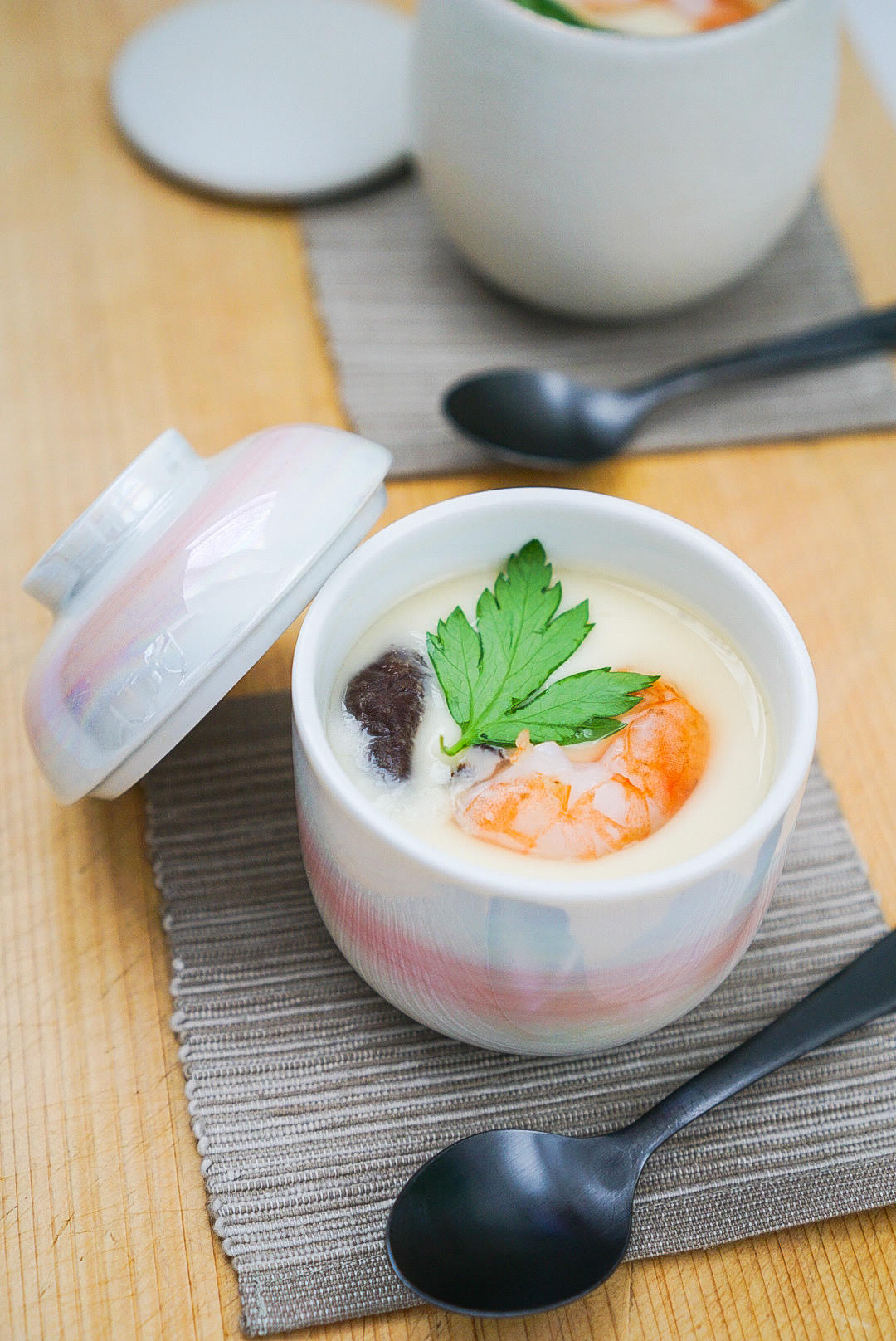
Whether you wander the alleys of Tokyo or recreate Yakitori at home, let the traditions and tastes of Japan enrich your travel experience. Yakitori embodies everything we cherish at Yoshida Hotel: hospitality, cultural exploration, and a celebration of delicious moments shared together.
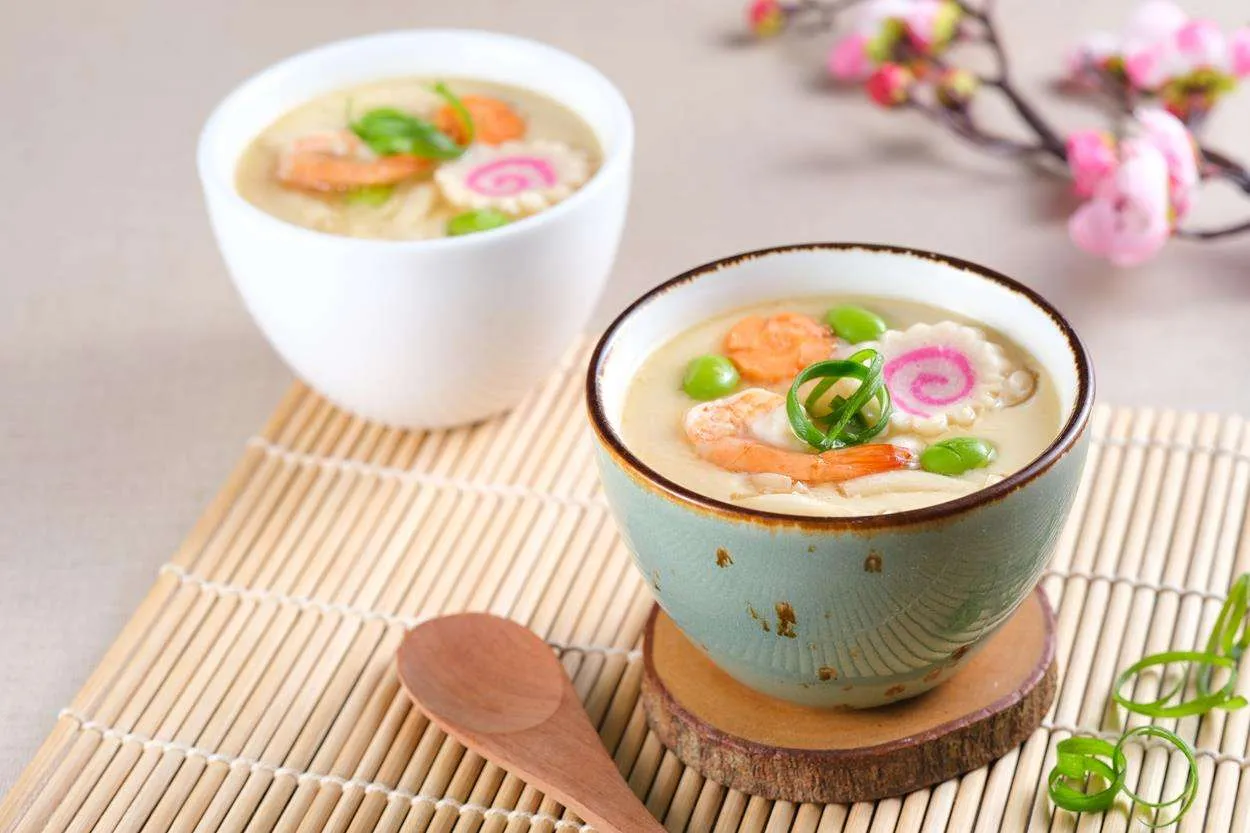
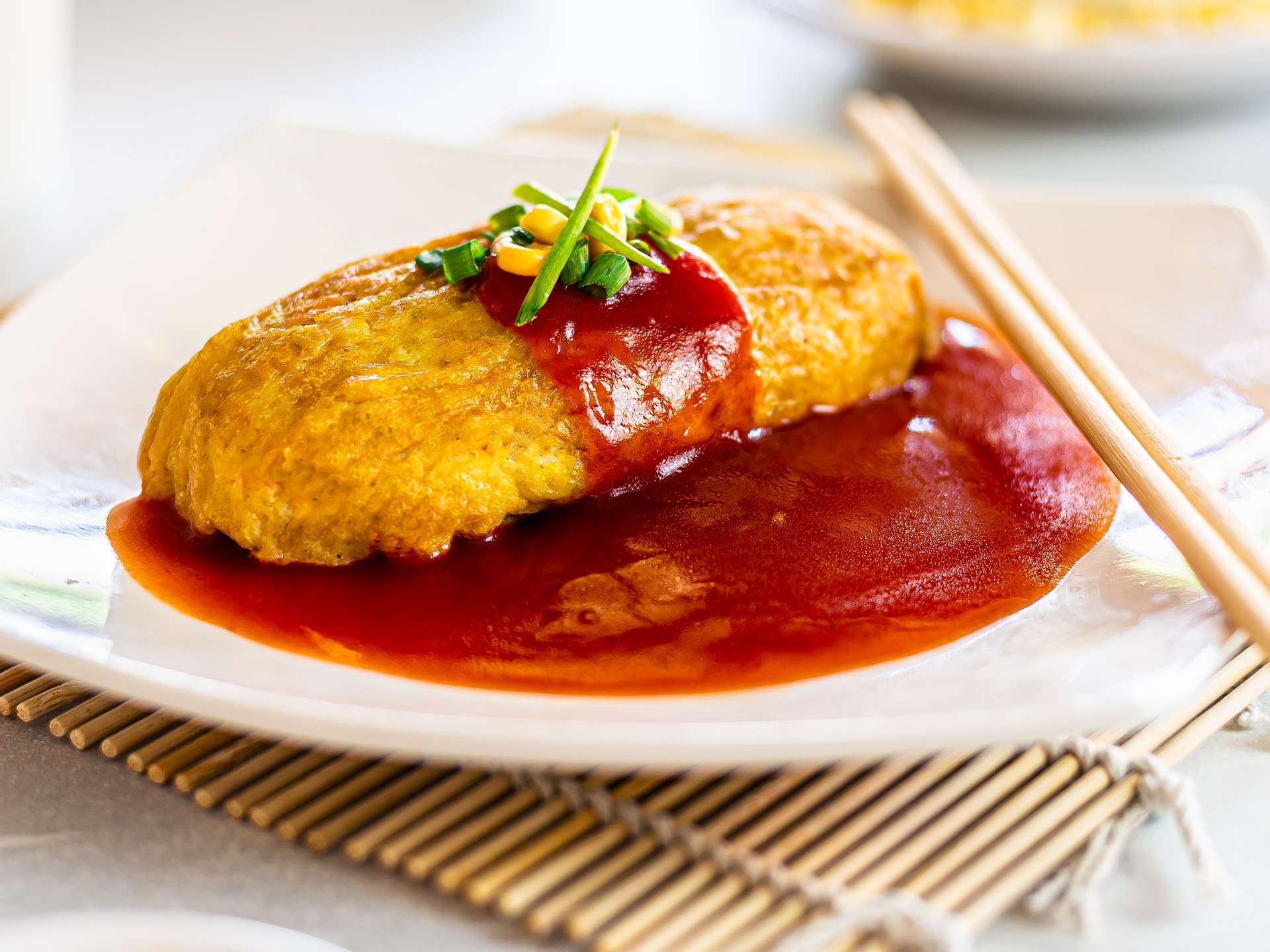
Let your next adventure begin with the sizzling skewer of Yakitori—the dish that brings people together across the world.