Author: Yoshida Hotel

Takoyaki Adventure: Discovering Japanese Culinary Magic

Takoyaki is more than just a popular Japanese snack; it’s a symbol of Osaka’s vibrant street culture and a delightful introduction to Japan’s world of flavors. Start your journey at Yoshida Hotel, where we share a passion for authentic Japanese experiences. As we wander the lively streets of Japan together, let’s uncover the captivating story behind Takoyaki—its roots, cultural meaning, preparation secrets, and the reasons why it resonates with food lovers around the globe.

Takoyaki Unveiled: A Deep Dive into Japan’s Favorite Snack

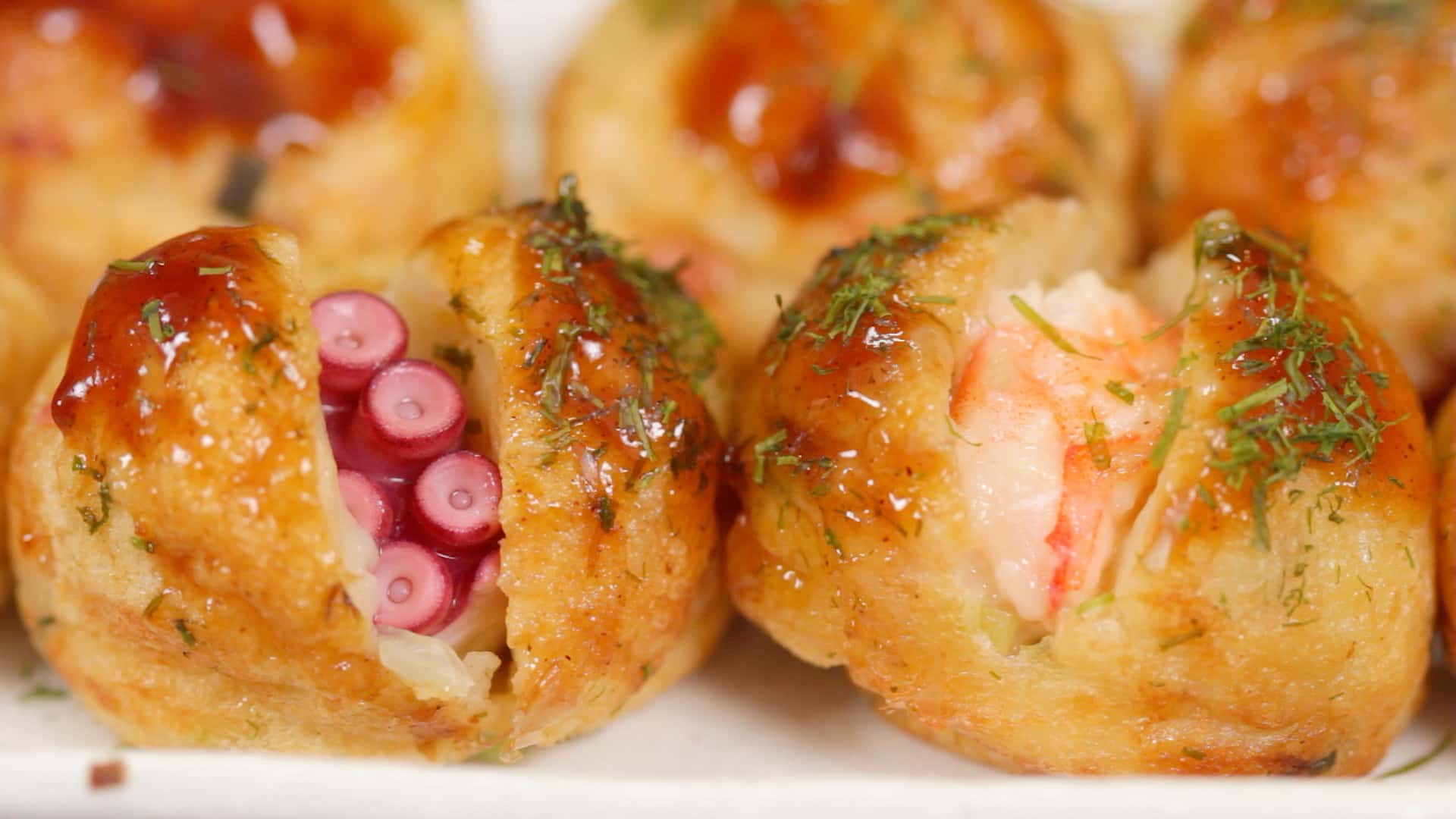
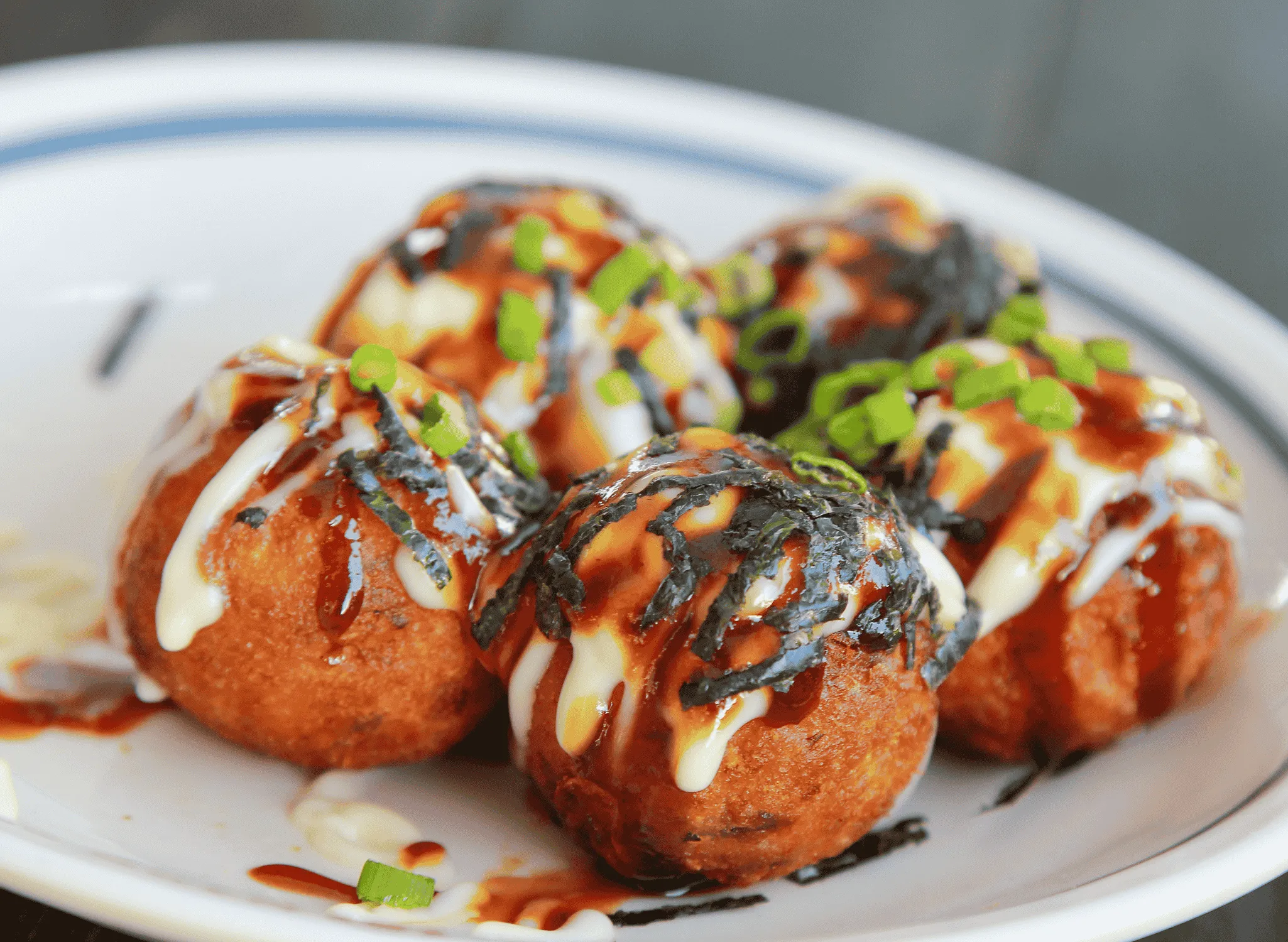
Takoyaki, literally translated as “grilled octopus balls,” is a dish that encapsulates the spirit of Japanese cuisine: playful, communal, and irresistibly delicious. Created in the early 20th century in Osaka, Takoyaki combines a savory batter filled with diced octopus, pickled ginger, and green onions, cooked to golden perfection in a special cast-iron pan. Over the decades, the recipe has evolved yet still maintains its unique taste and charm. Join us at Yoshida Hotel as we reveal the journey of Takoyaki from humble beginnings to being an iconic culinary treasure.
Takoyaki Adventure: Discovering Japanese Culinary Magic

The Origin Story: How Takoyaki Became a Japanese Culinary Legend

What makes Takoyaki so legendary? Its unique origin lies in the bustling merchant streets of Osaka, where creative street vendors transformed simple ingredients into portable masterpieces. Takoyaki’s roots trace back to the 1930s, inspired by Akashiyaki, a softer variant from Hyogo Prefecture. With the addition of flavorful octopus and the showmanship of street cooking, Takoyaki quickly captured hearts. This street-food sensation became synonymous with festivals and casual gatherings—offering a taste of nostalgia and community in every bite.

Takoyaki Adventure: Discovering Japanese Culinary Magic

Takoyaki and Japanese Culture: Festivals, Friendship, and Fun

No Matsuri (Japanese festival) is complete without the enticing aroma of Takoyaki wafting through the air. Street stalls line up, chefs wielding their special pans flip and spin the batter, attracting crowds of locals and travelers alike. Takoyaki isn’t just a snack—it’s an experience shared with friends, family, and even strangers. Take a stroll with Yoshida Hotel through festival grounds, and discover how Takoyaki brings people closer and captures the Japanese spirit of togetherness.
Takoyaki Adventure: Discovering Japanese Culinary Magic

What’s Inside a Perfect Takoyaki? Ingredients That Define Flavor

To understand why Takoyaki is so beloved, look beneath its crispy exterior. The foundational ingredients make all the difference:

  • Batter: A mix of flour, dashi (Japanese soup stock), eggs, and water creates a savory, umami-rich blend.
  • Octopus: Tender, perfectly cooked morsels offer a gentle chew and oceanic sweetness.
  • Tenkasu: Little tempura bits add a delightful crunch.
  • Beni Shoga: Pickled ginger slices infuse a touch of zing.
  • Green Onions: Provide a fresh, aromatic lift.

Takoyaki Adventure: Discovering Japanese Culinary Magic

Each element is carefully balanced for taste and texture. At Yoshida Hotel, we celebrate the culinary artistry behind every Takoyaki ball.

Mastering the Takoyaki Pan: Cooking Techniques and Secrets Revealed

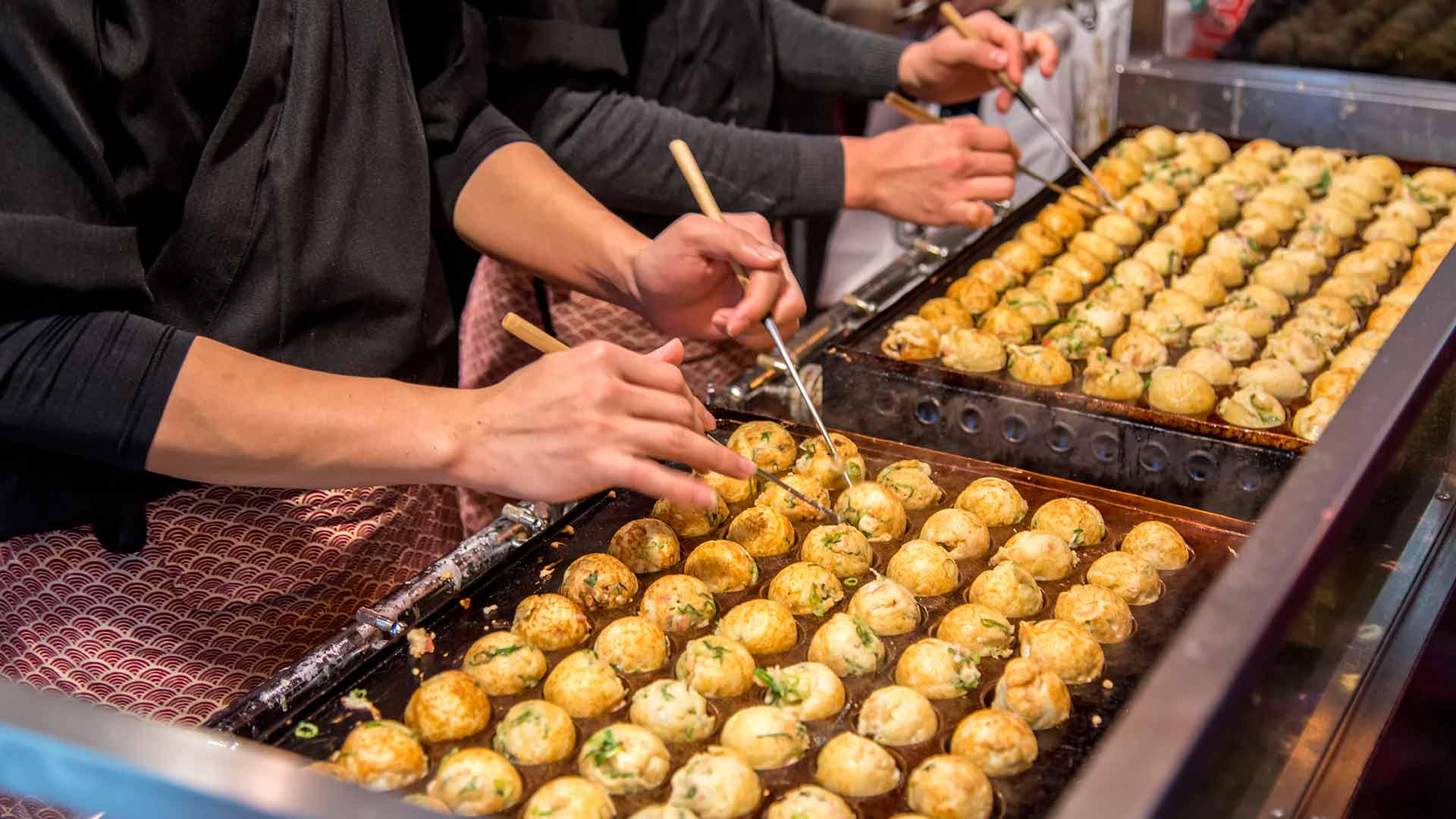
The distinctive shape and crispy shell of Takoyaki come from its cooking method. A specialized pan with half-spherical molds is essential. After pouring the batter and ingredients, chefs spin the balls with chopsticks as they cook—crisping the outside and keeping the inside soft. This mesmerizing technique not only draws crowds but creates the signature Takoyaki texture: golden, crisp, and creamy all at once.

Takoyaki Adventure: Discovering Japanese Culinary Magic

Takoyaki Across Japan: Regional Variations and Modern Innovations

Though Takoyaki originated in Osaka, its fame has spread throughout Japan. Each region adds its flair, from experimental toppings like cheese or kimchi to unique sauces or batters. Even outside Japan, in cities across the globe, cooks experiment and adapt the recipe. Takoyaki has become a canvas for culinary creativity, reflecting the diverse and ever-evolving nature of Japanese food.
Takoyaki Adventure: Discovering Japanese Culinary Magic

The Magical Toppings: Sauces and Garnishes that Make Takoyaki Irresistible

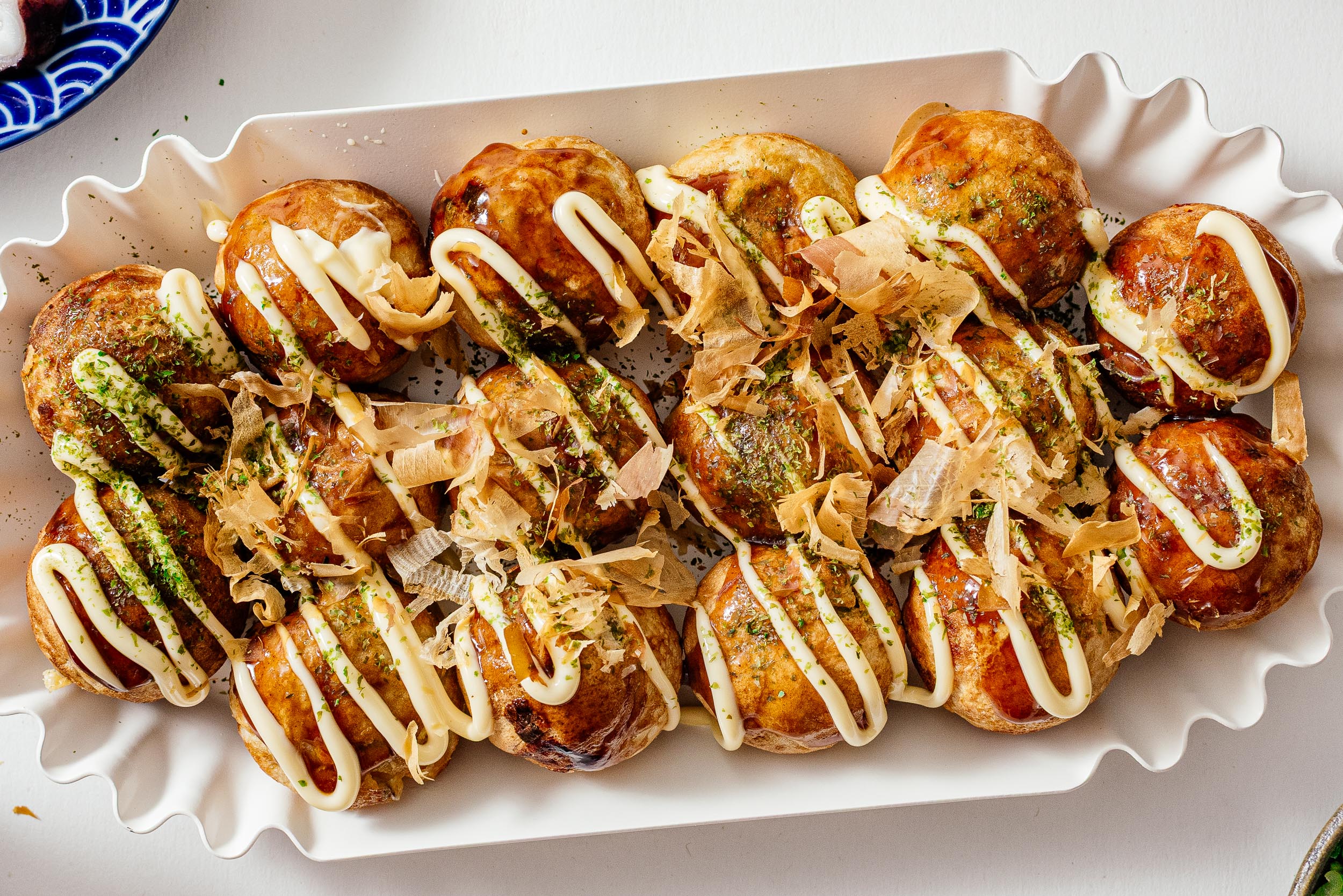
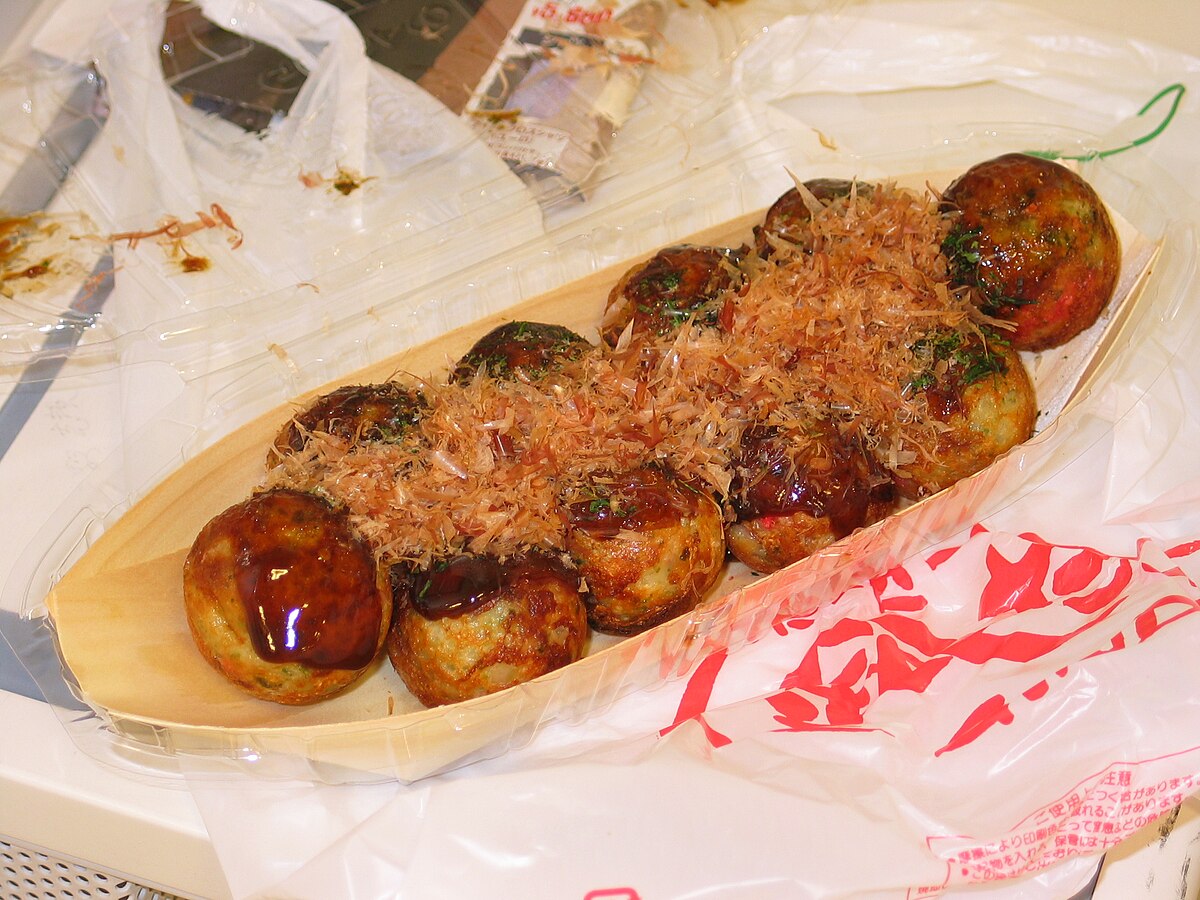
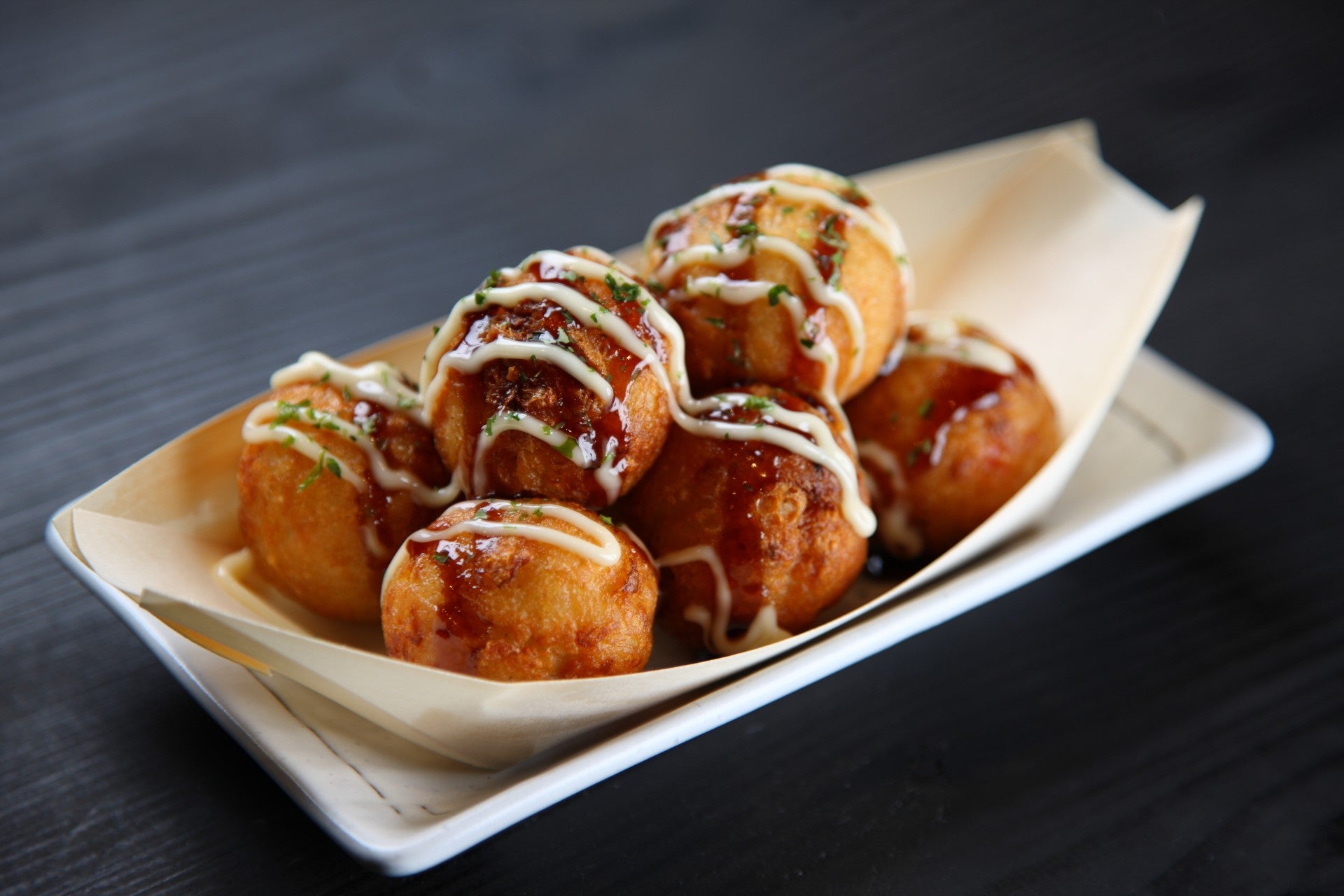
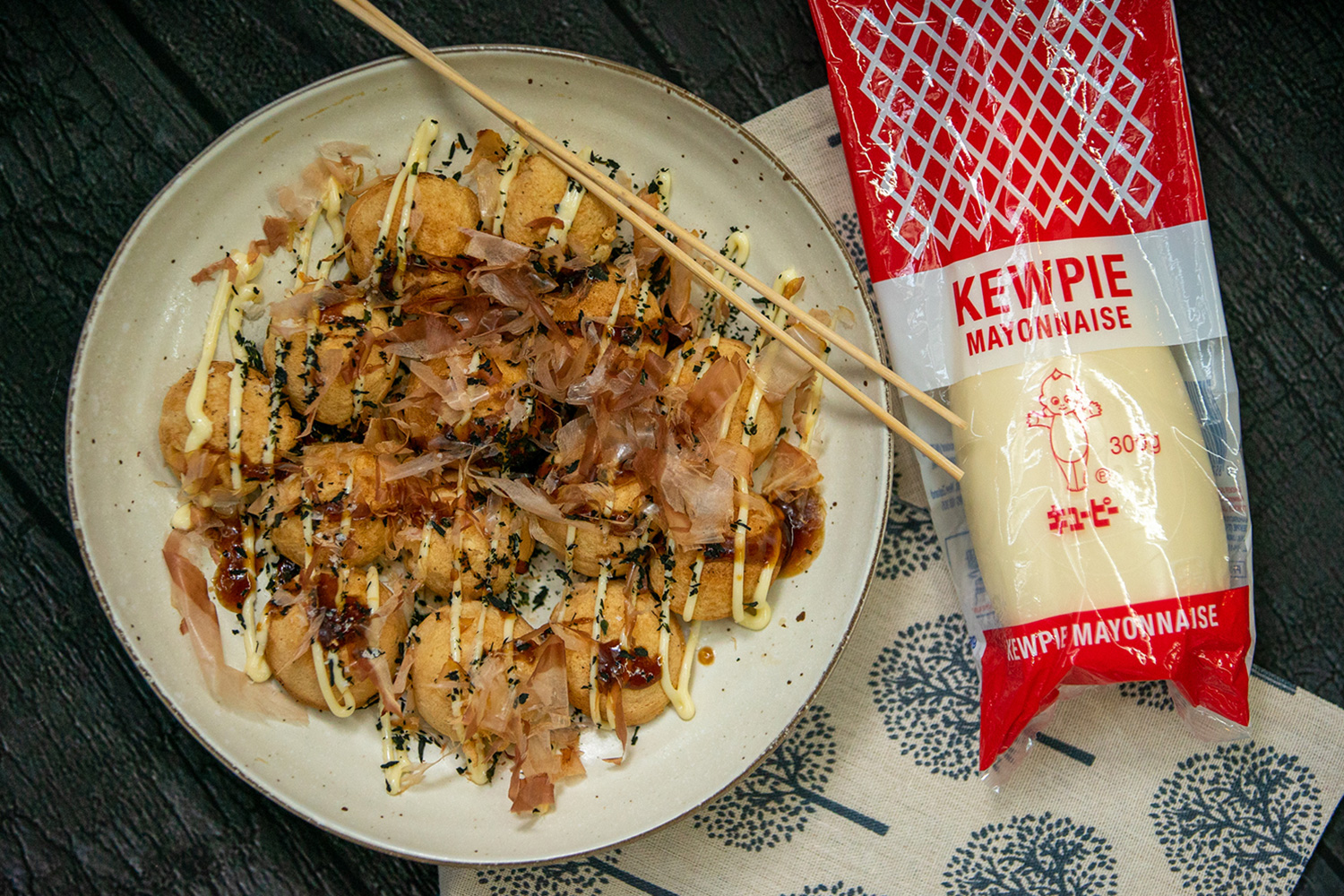
No Takoyaki is complete without a fanciful drizzle of sauces and toppings. Most commonly, a sweet-savory Takoyaki sauce—similar to Worcestershire but richer—is spread over the balls. It’s followed by a squiggle of creamy Japanese mayonnaise, a sprinkle of green seaweed (aonori), and a shower of bonito flakes (katsuobushi) that seem to dance from the steam. At Yoshida Hotel, we recommend enjoying Takoyaki piping hot, with every bite bursting with layers of taste and aroma.
Takoyaki Adventure: Discovering Japanese Culinary Magic

Takoyaki’s Global Adventure: How This Iconic Snack Captured the World

From the neon-lit streets of Osaka to food festivals in Europe and North America, Takoyaki has become a global sensation. Its blend of subtlety and flavor appeals to travelers and local gourmets alike. Yoshida Hotel observes how this dish creates bridges between cultures—hosts from different backgrounds sharing the art of flipping and filling Takoyaki, making it a favorite on food tours and at international events.
Takoyaki Adventure: Discovering Japanese Culinary Magic

Eating Takoyaki in Japan: Where Tradition Meets Trend

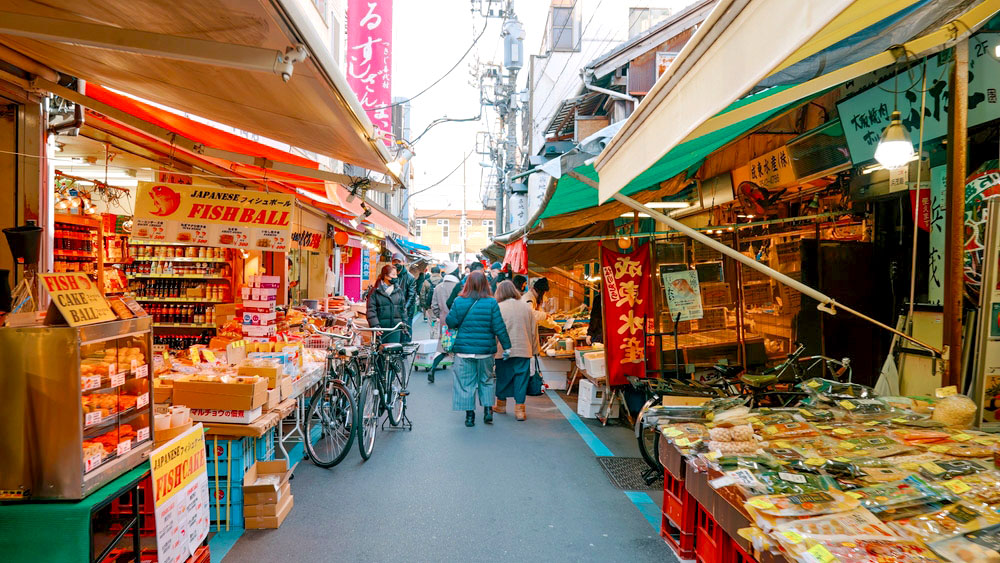
If you’re wandering through Japan in search of culinary treasures, sampling Takoyaki is a must. Pop into a street stand in Osaka’s Dotonbori, browse a bustling market, or sit down at a modern izakaya bar—each offers its unique twist on the classic recipe. At Yoshida Hotel, we guide guests to hidden gems where the finest Takoyaki is crafted, revealing local secrets and favorite spots often missed by casual tourists.
Takoyaki Adventure: Discovering Japanese Culinary Magic

DIY Delight: Making Takoyaki at Home, Tips and Tools from the Pros

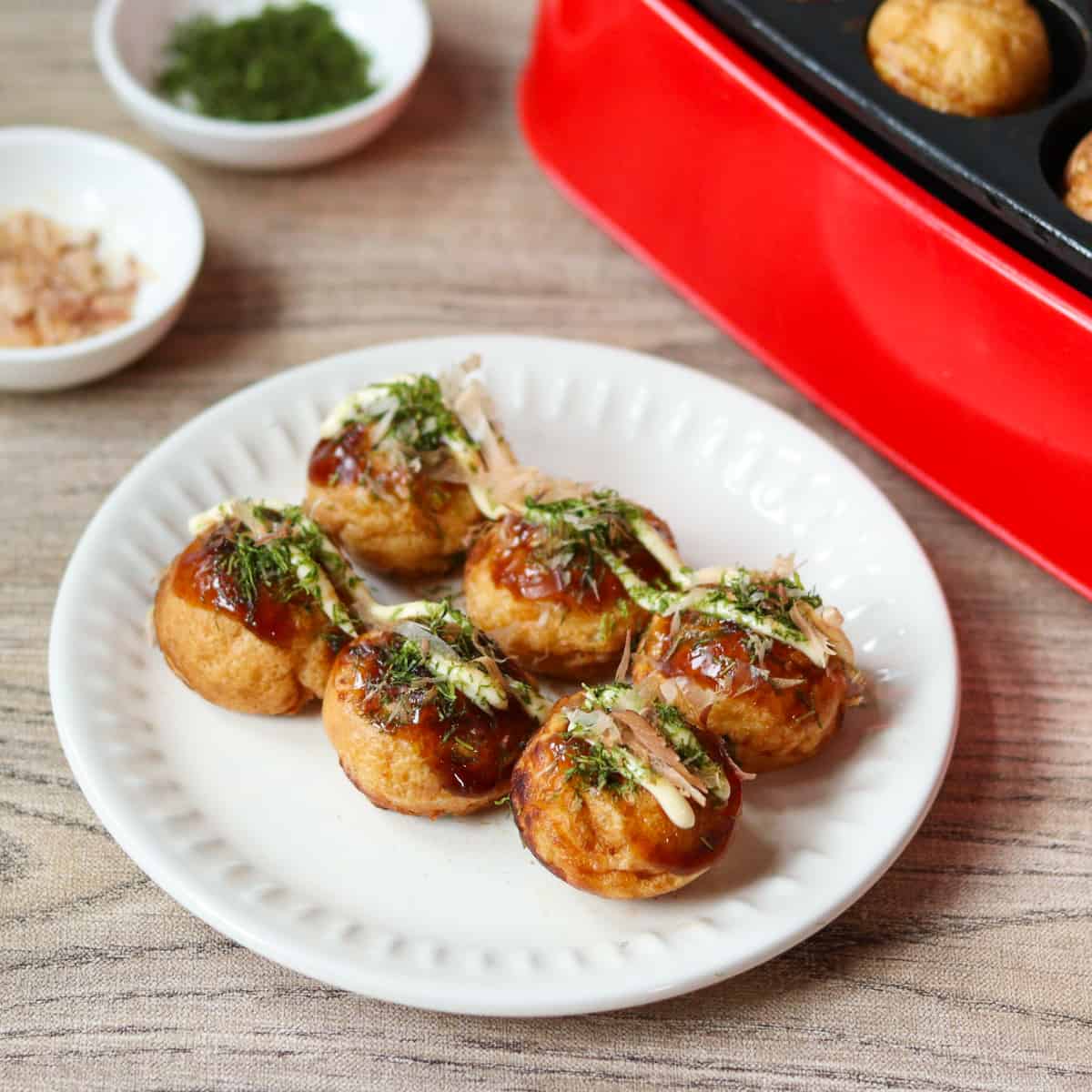
For travelers inspired to recreate Takoyaki at home, Yoshida Hotel shares insider tips:

  • Invest in a Takoyaki pan for authentic results.
  • Use high-quality dashi and fresh ingredients.
  • Master the flipping technique—confidently and quickly, for even cooking.
  • Try mixing flavors and toppings for your personal touch.
Takoyaki Adventure: Discovering Japanese Culinary Magic

With a little practice and creativity, anyone can enjoy freshly made Takoyaki wherever they are.

A Journey Through Japanese Cuisine: Takoyaki and Its Place Among Culinary Icons

Japan’s culinary landscape is diverse—sushi, ramen, tempura, and more. Yet Takoyaki holds a special place as a casual, communal, and interactive food experience. It embodies the Japanese values of sharing, celebration, and innovation. At Yoshida Hotel, we believe exploring dishes like Takoyaki deepens the appreciation of Japan’s rich food culture.
Takoyaki Adventure: Discovering Japanese Culinary Magic

Conclusion

Takoyaki isn’t just a snack—it’s a symbol of connection, celebration, and authentic Japanese taste. Whether you’re enjoying it from a bustling Osaka stall or crafting it in your own kitchen, Takoyaki offers an invitation to explore the culinary wonders of Japan. At Yoshida Hotel, we are delighted to share this journey, guiding you through every delicious discovery. Let Takoyaki be your gateway to a deeper experience of Japanese culture, cuisine, and community.

Okonomiyaki Odyssey: Experience Japanese Culinary Delights

Welcome to an unforgettable journey through Japanese cuisine with Yoshida Hotel, where we delve into the flavors, artistry, and soulful traditions that define the remarkable dish, Okonomiyaki. This article is designed for curious travelers, food lovers, and culture seekers who wish to explore the intricate landscape of Japanese gastronomy. Yoshida Hotel is proud to present this comprehensive guide, packed with captivating stories, culinary techniques, and cultural insights surrounding Okonomiyaki—a mainstay that has won hearts across Japan and beyond. Dive in, and together with Yoshida Hotel, let’s discover how Okonomiyaki embodies the essence of Japanese comfort food and its vital place in the broader Japanese dining experience.

Okonomiyaki: A Signature Culinary Highlight of Japanese Cuisine

The Genesis and Evolution of Okonomiyaki

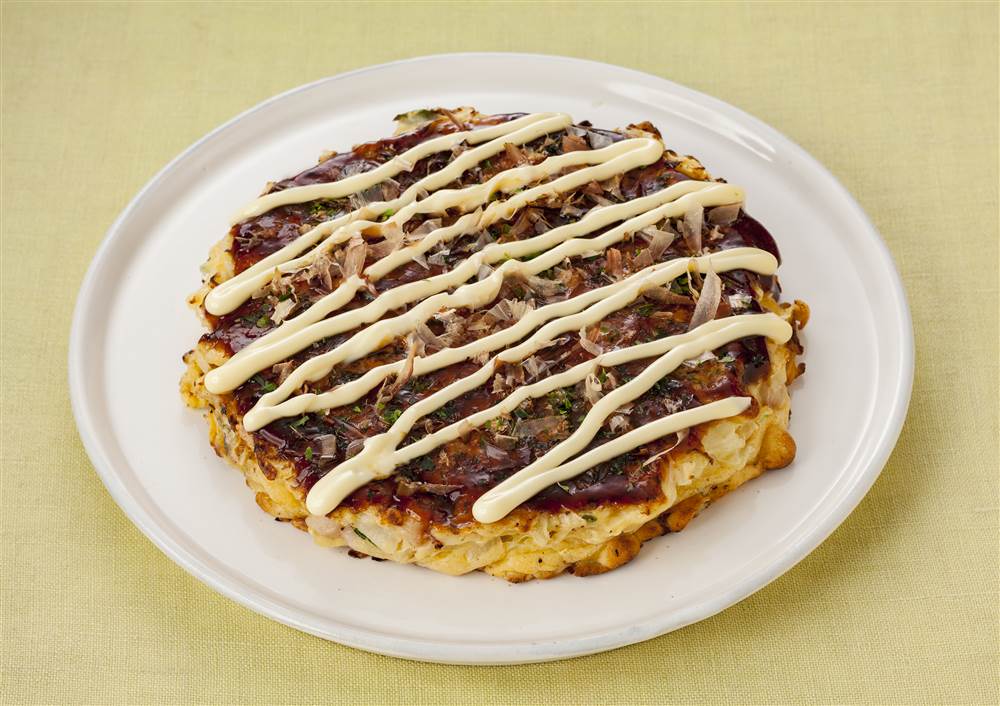
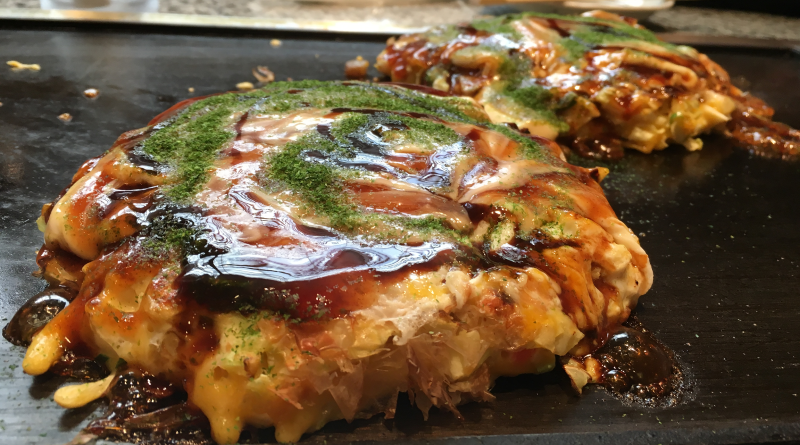
Okonomiyaki has roots that trace back centuries, evolving from simple pancakes to a sophisticated dish symbolic of Japanese reinvention and resourcefulness. Originally developed in Osaka and Hiroshima, this savory pancake incorporates a flexible combination of ingredients, with cabbage, flour, eggs, and protein forming its delicious base. Over time, Okonomiyaki has adapted to include local flavors, reflecting the regional diversity that makes Japanese cuisine so enticing.

Okonomiyaki Odyssey: Experience Japanese Culinary Delights

The Meaning Behind Okonomiyaki

The name “Okonomiyaki” translates to “grilled as you like,” symbolizing infinite creativity and personal touch in Japanese home cooking. Each region adds its twist, building a patchwork of flavors that reflect the preferences and resources of local communities.

The Story of Okonomiyaki: Culinary Heritage and Cultural Significance

Okonomiyaki Across the Archipelago

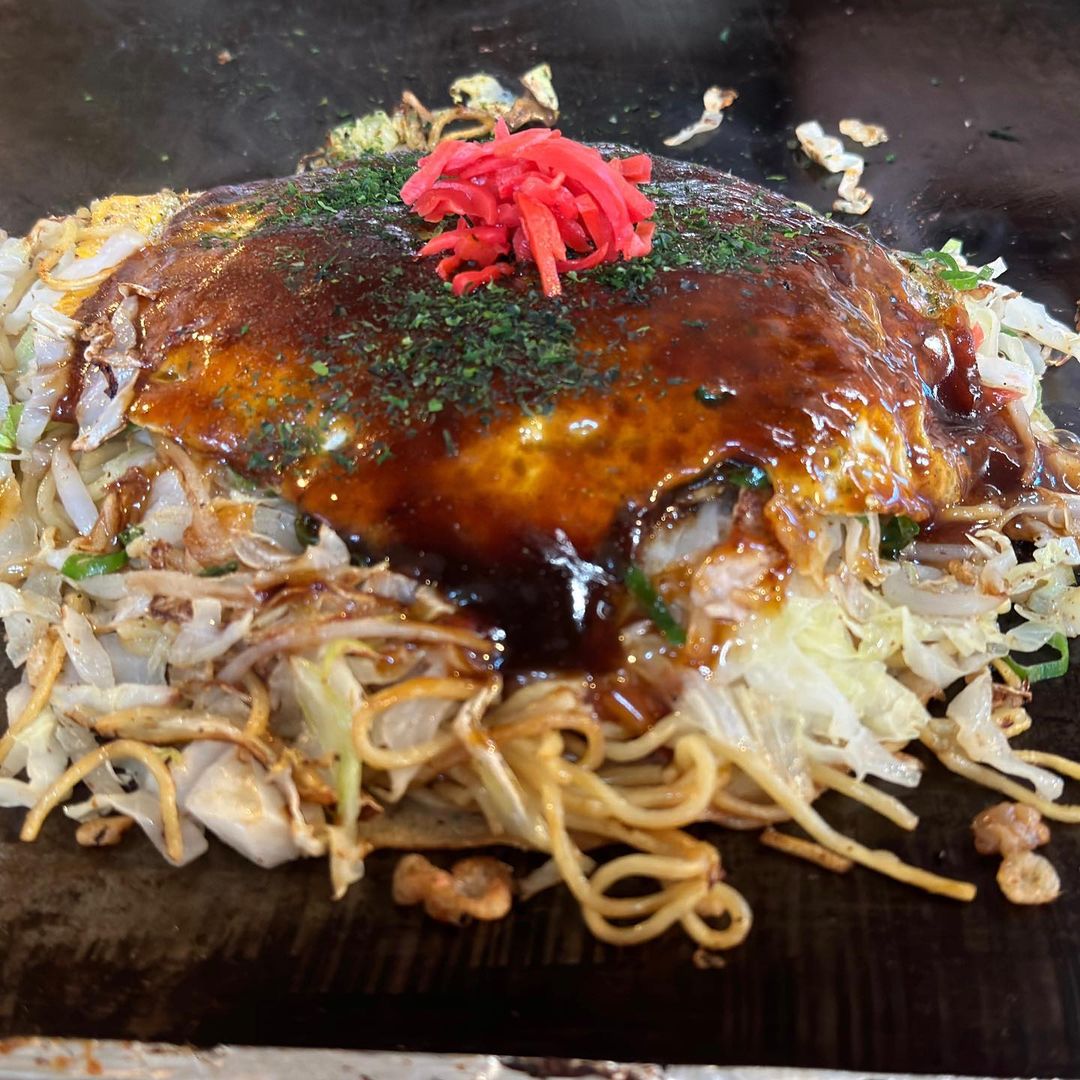
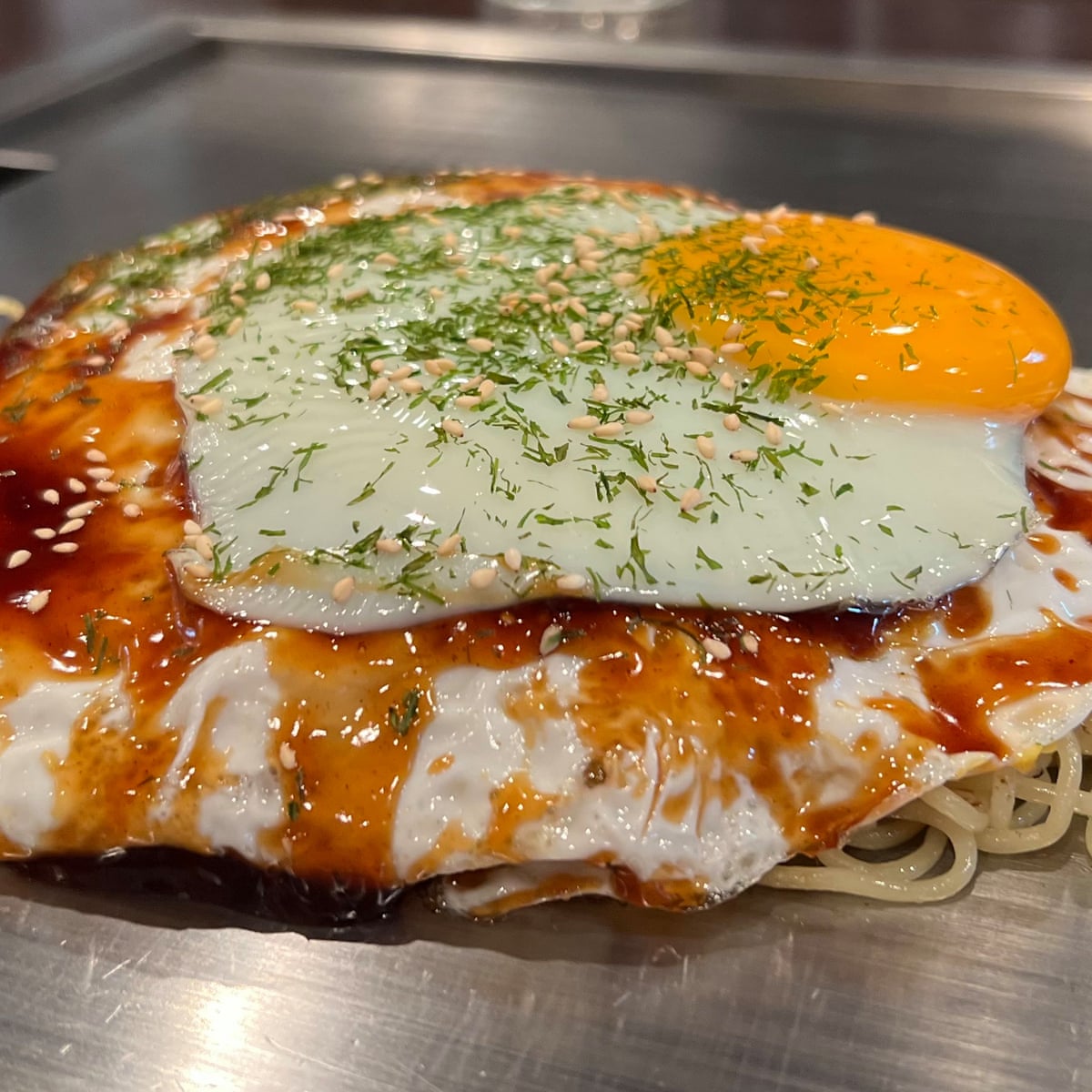
As Yoshida Hotel guides you through Japan’s culinary map, the widespread presence of Okonomiyaki is a testament to its popularity. While Osaka’s version is defined by mixing all ingredients together before grilling, Hiroshima’s style involves layering the batter, cabbage, and toppings. Both interpretations highlight an inventive approach to everyday ingredients, celebrating adaptability and creativity.

Okonomiyaki Odyssey: Experience Japanese Culinary Delights

Symbolism in Every Slice

Okonomiyaki is more than just a meal. It is a communal affair, inviting friends, families, and travelers alike to gather around the teppan grill. The act of cooking and sharing Okonomiyaki fosters connections and creates lasting memories—a meaningful tradition that resonates across Japan.

The Marmalade of Flavors: What Makes Okonomiyaki Uniquely Delicious

Foundation: Essential Ingredients and Their Roles

Each serving of Okonomiyaki is a masterclass in balance and flavor. Key ingredients include:

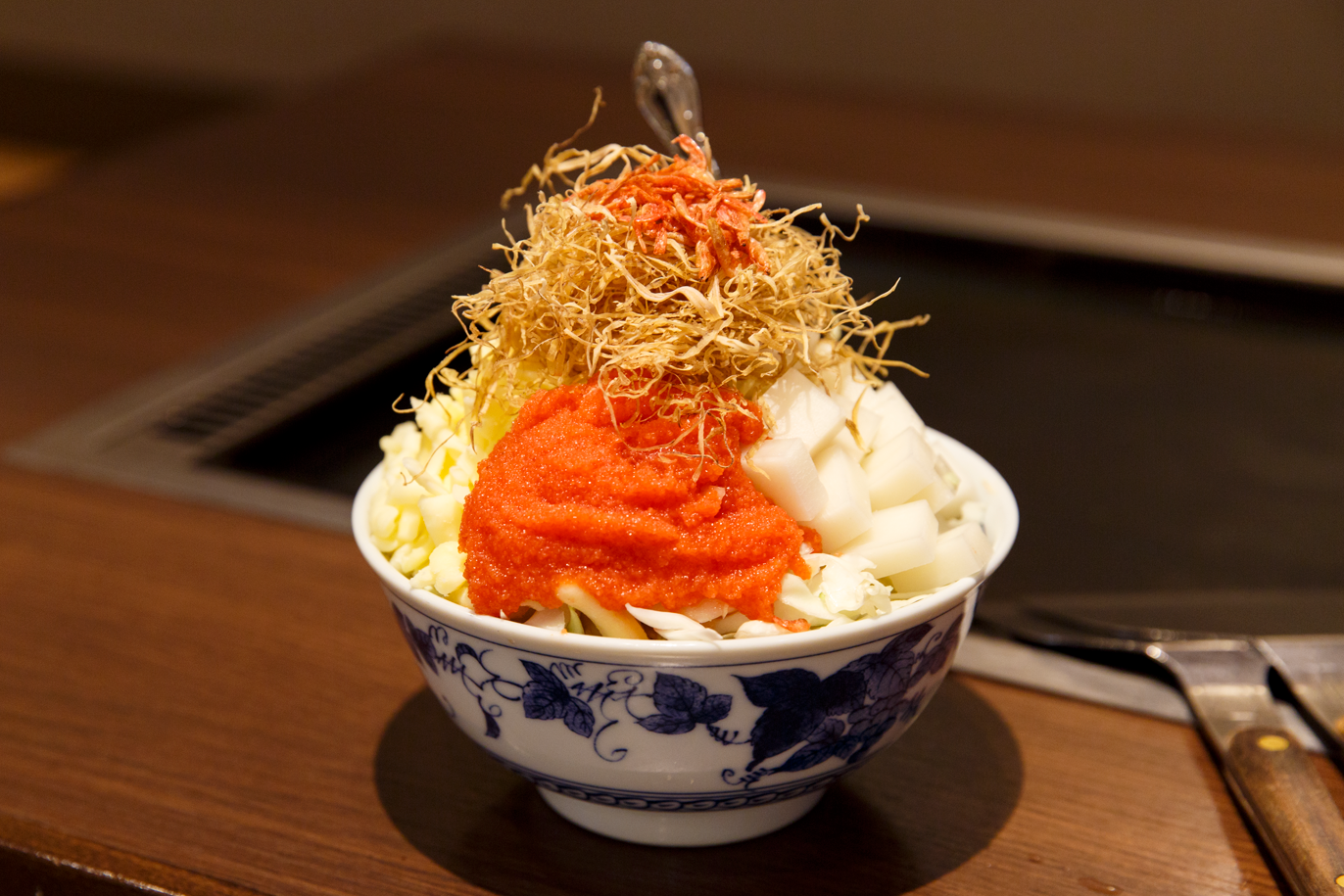
  • Batter: Made from flour, water, dashi (Japanese soup stock), and eggs, the batter forms the canvas for culinary creativity.
  • Cabbage: Shredded finely, it provides a refreshing crunch and subtle sweetness.
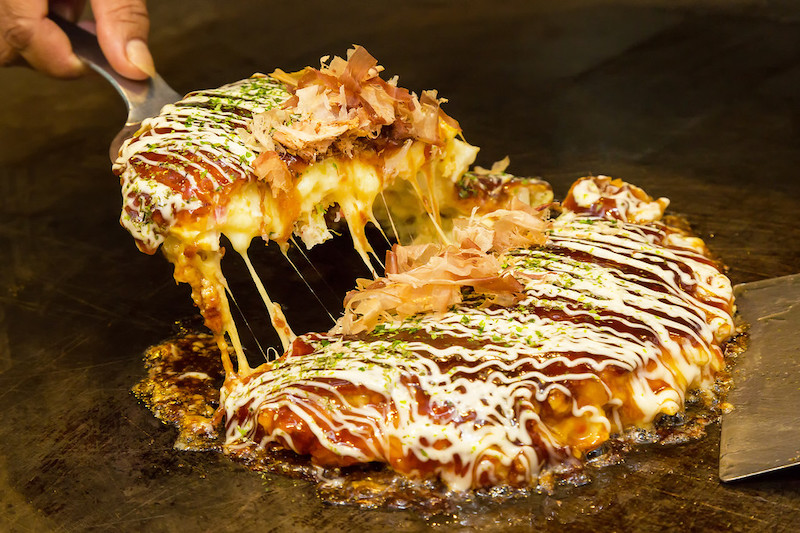
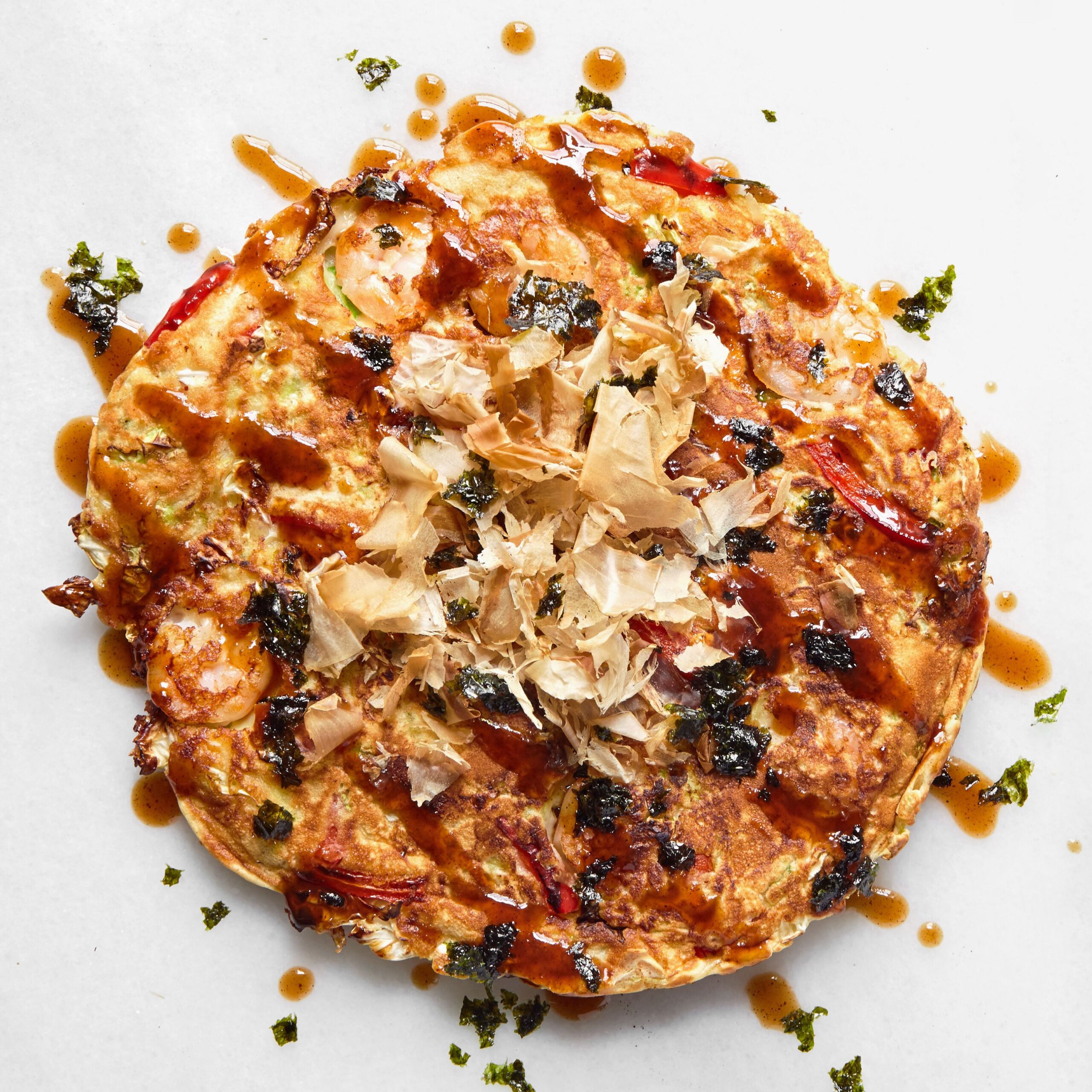
  • Proteins: Choices range from pork belly slices to shrimp, squid, or cheese, allowing each creation to reflect individual taste.
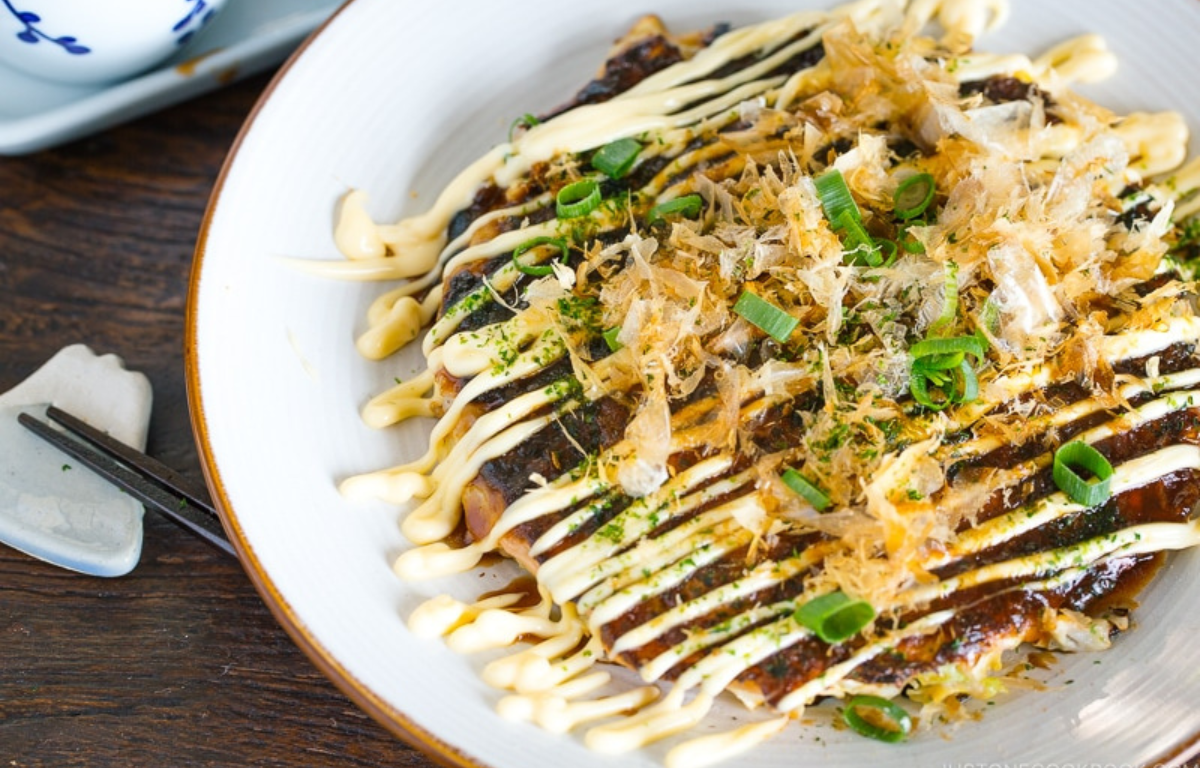
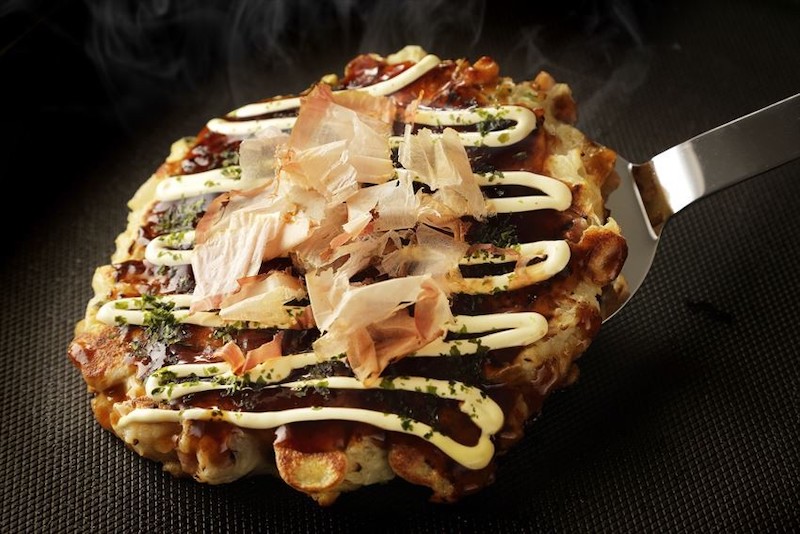
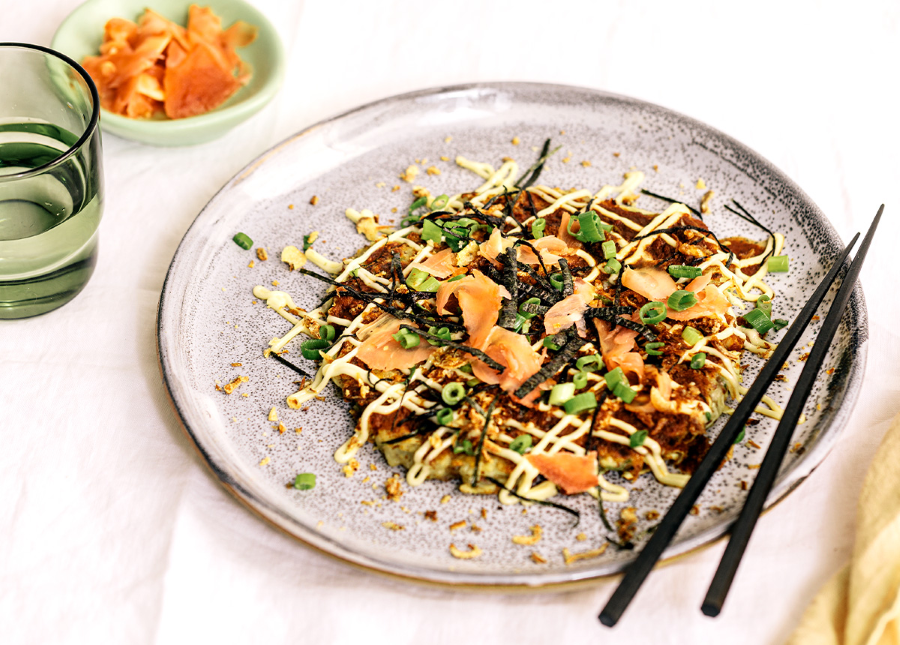
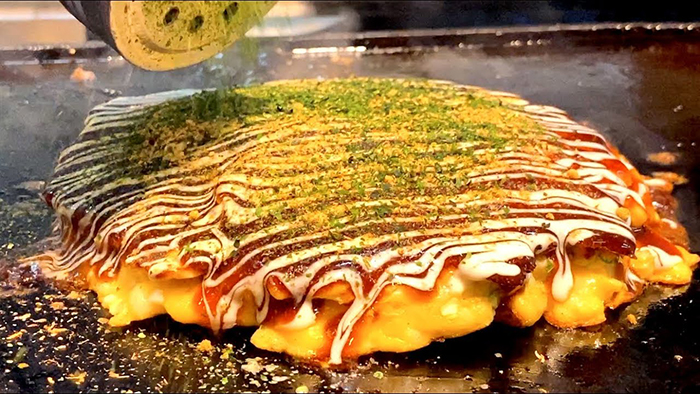
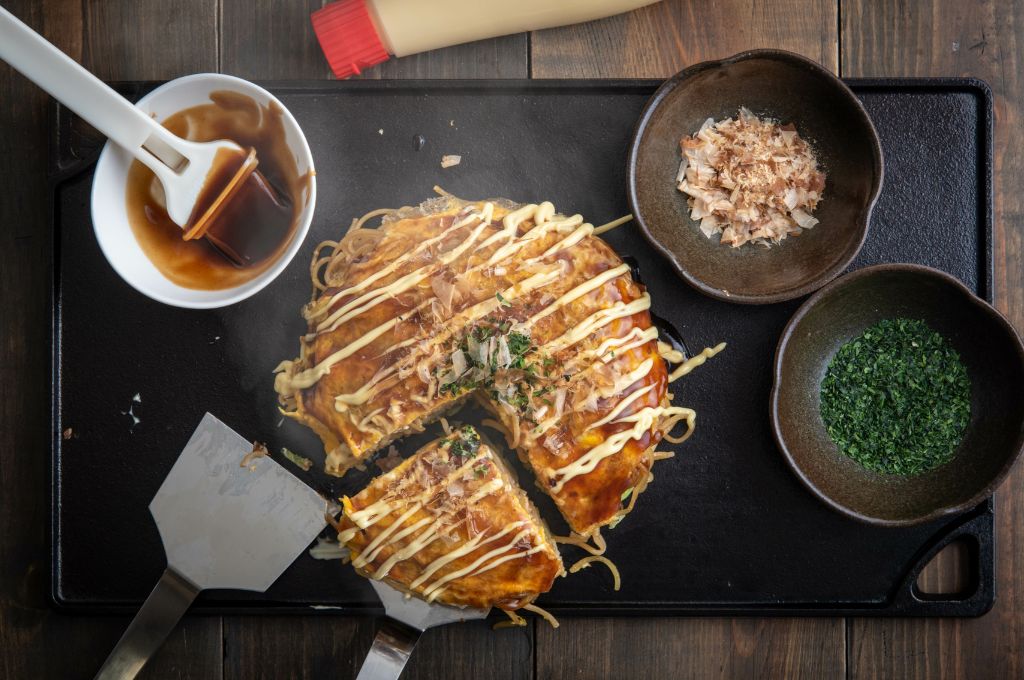
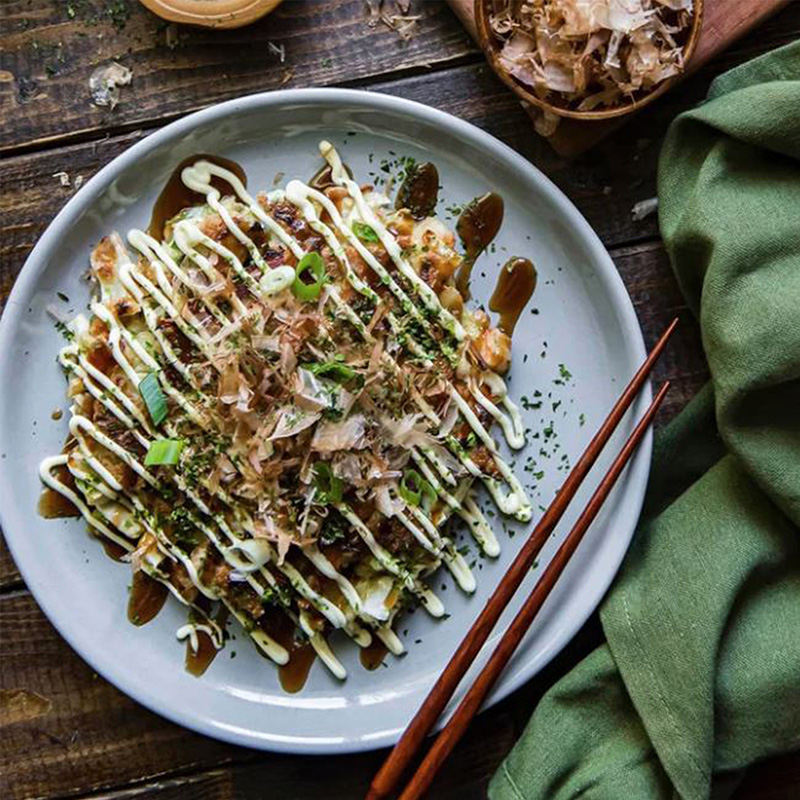
  • Toppings: Japanese mayonnaise, Okonomiyaki sauce (a sweet-savory glaze), aonori (seaweed flakes), and katsuobushi (bonito flakes) bring complexity and visual flair.

Okonomiyaki Odyssey: Experience Japanese Culinary Delights

How Regionality Shapes the Dish

From the bustling streets of Osaka to the vibrant avenues of Hiroshima, regional produce and sensibilities influence ingredient selection and preparation techniques. As you explore with Yoshida Hotel, you’ll notice subtle distinctions in flavor, presentation, and spirit across different locales.

Okonomiyaki in Popular Culture: Sushi’s Rival on the Global Stage

A Cultural Icon Beyond Borders

Okonomiyaki has gradually earned recognition worldwide, often mentioned alongside global Japanese favorites such as sushi and ramen. Its approachable, customizable nature and dynamic table-side cooking make it a star feature at Japanese festivals, street markets, and specialty restaurants abroad.

Okonomiyaki Odyssey: Experience Japanese Culinary Delights

The Ritual of Cooking and Eating

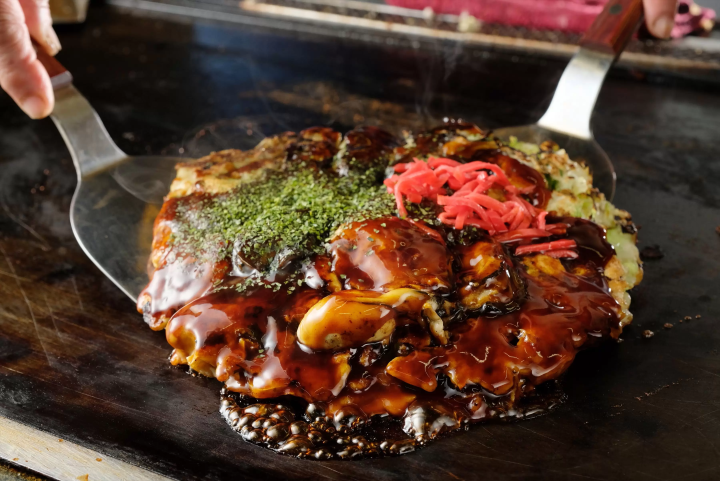
Visitors to Japan are often enthralled by teppan-style dining, where Okonomiyaki is prepared on a hot iron plate. The spectacle of watching ingredients merge and sizzle right before your eyes brings a sense of excitement and authenticity to every meal—a hallmark of Japan’s immersive dining culture.

Exploring Different Types of Okonomiyaki: Regional Variations Unveiled

Osaka-Style Okonomiyaki: Where It All Began

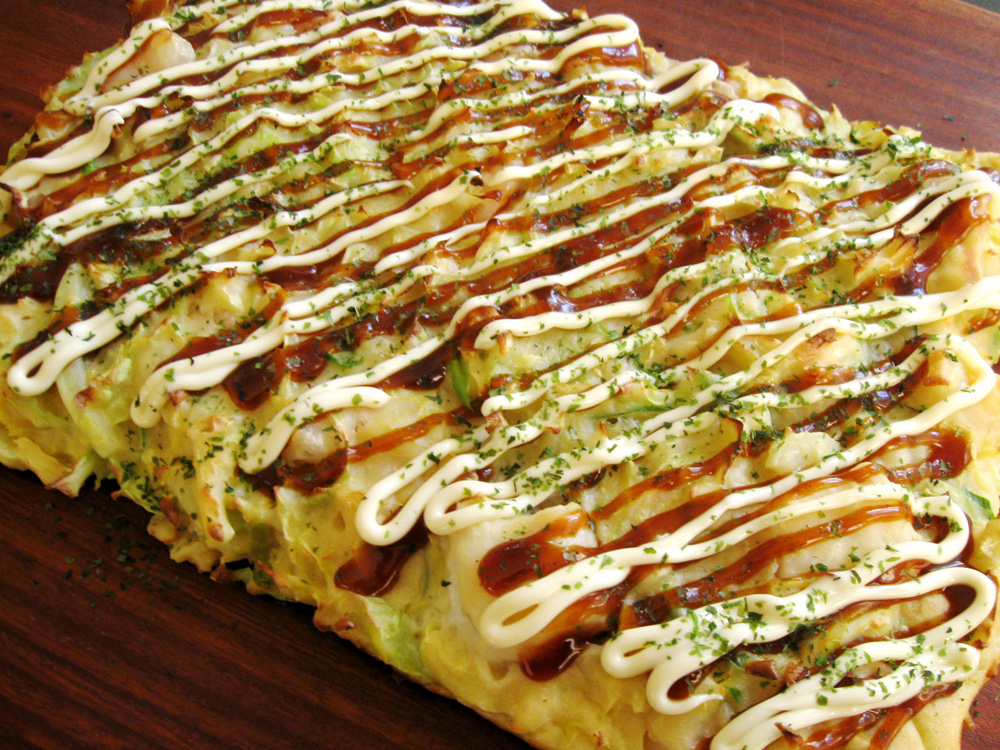
The Osaka version is the most commonly found across Japan and international Japanese restaurants. Here, the main ingredients are mixed together thoroughly and then cooked, resulting in a hearty, fluffy pancake. Pork belly is a classic topping, but the recipe invites endless variation based on what’s in season or available locally.

Okonomiyaki Odyssey: Experience Japanese Culinary Delights

Hiroshima-Style Okonomiyaki: Artful Layering

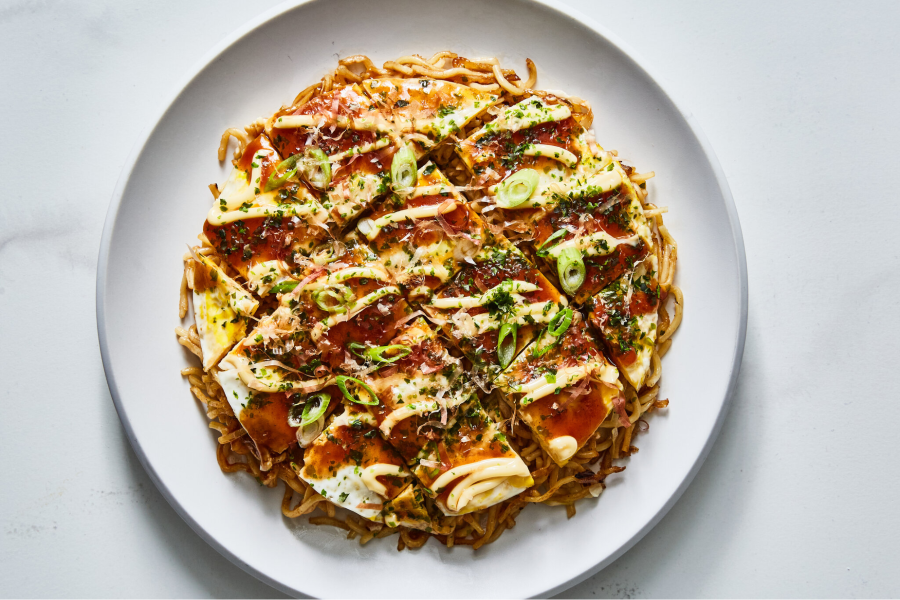
Hiroshima’s signature style is renowned for its meticulous layering technique. Batter is applied thinly and topped sequentially with cabbage, bean sprouts, and chosen proteins. Noodles—either yakisoba or udon—are often added, yielding a much taller, multi-layered feast that is as stunning to behold as it is to eat.

Tokyo’s Monjayaki: A Cousin with a Twist

In Tokyo, a close cousin known as monjayaki is enjoyed. While it shares a similar ingredient palette, the batter is much thinner, resulting in a gooier texture and a unique flavor profile. Yoshida Hotel recommends trying both to appreciate the spectrum of Japanese savory pancakes.

Okonomiyaki Odyssey: Experience Japanese Culinary Delights

Crafting the Perfect Okonomiyaki: A Guide for Travelers

Step-by-Step: The Art of Okonomiyaki Making

Choose your base: Start with a mellow combination of flour, dashi, and eggs, whisked to a smooth consistency.
Add the vegetables: Finely chopped cabbage and green onions add freshness and vibrancy.
Select your proteins: Popular options are sliced pork, shrimp, oysters, or cheese—let your palate determine the adventure.
Mix and cook: In Osaka-style, all ingredients are combined and cooked together; in Hiroshima, practice careful layering.
Flip and serve: A golden crust and a tender interior are key.
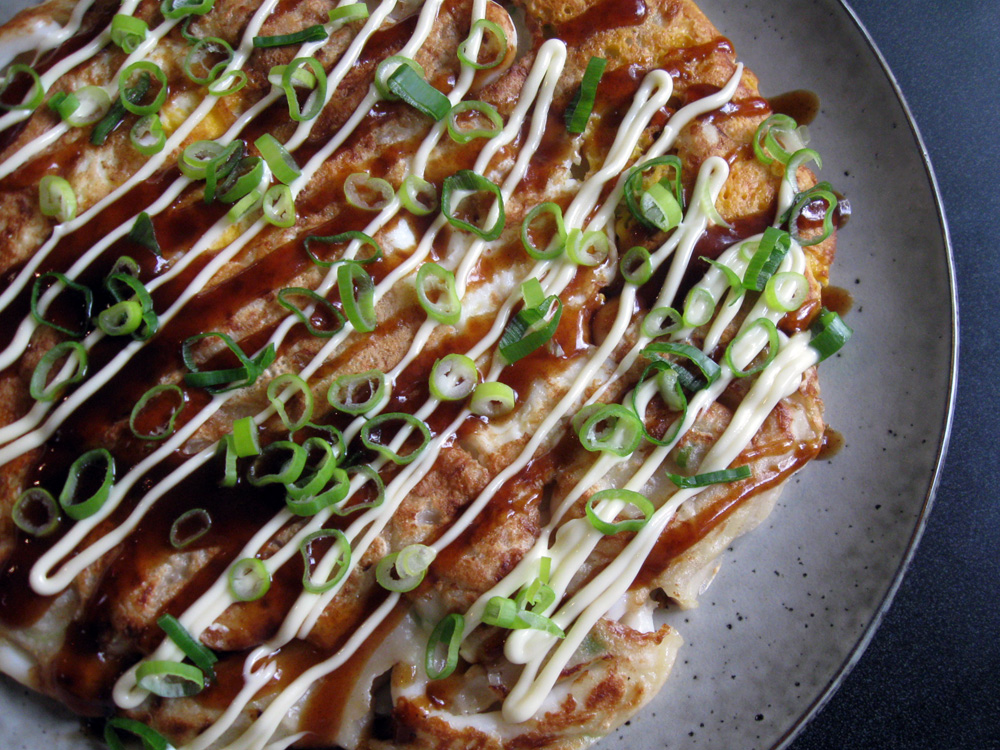
Top with flair: Generously apply Okonomiyaki sauce, then zig-zag lines of mayonnaise, a sprinkle of aonori, and a handful of bonito flakes.

Okonomiyaki Odyssey: Experience Japanese Culinary Delights

Where to Experience Hands-On Cooking

Yoshida Hotel encourages guests and travelers to participate in Okonomiyaki cooking classes across Japan. From rustic market stalls to modern cooking studios, these experiences unravel the secrets behind perfect Okonomiyaki and immerse visitors in Japanese culinary traditions.

Essential Ingredients in Okonomiyaki: Origins and Cultural Meanings

Flour and Dashi: The Foundation of Japanese Soul Food

Flour, a symbol of nourishment, pairs with dashi, made from kombu and bonito flakes, to create a deeply flavorful, umami-packed batter. These pantry staples are revered for their versatility and represent the spirit of Japanese home cooking.

Okonomiyaki Odyssey: Experience Japanese Culinary Delights

Mayonnaise and Okonomiyaki Sauce: Modern Symbols of Indulgence

Japanese mayonnaise, with its distinctive tartness and luxurious texture, and Okonomiyaki sauce, sweet and umami-rich, are indispensable. Each topping is more than garnish; they signify the modern evolution of Japanese tastes blending Western and local influences.

Seasonal and Local Ingredients: A Celebration of Abundance

Japanese cuisine honors the changing seasons, and Okonomiyaki is no exception. Ingredients vary depending on local harvests, reflecting the Japanese philosophy of eating with the seasons and valuing the freshest produce.

Okonomiyaki Odyssey: Experience Japanese Culinary Delights

Okonomiyaki and Social Dining: Bringing People Together

The Communal Teppan: Heart of Japanese Hospitality

Dining around a teppan—a large iron griddle—symbolizes the warmth and inclusivity of Japanese hospitality. Friends, family, and newcomers often gather around the grill, sharing laughter and the shared joy of crafting meals together.

Okonomiyaki Odyssey: Experience Japanese Culinary Delights

Okonomiyaki in Modern Gatherings

From casual get-togethers to formal celebrations, Okonomiyaki bridges generations and backgrounds. Whether paired with cold beer or a bowl of green tea, it inspires both nostalgia and excitement for those seeking authentic Japanese comforts.

How to Find the Best Okonomiyaki in Japan: A Culinary Traveler’s Guide

Exploring Noteworthy Regions: Beyond the Usual Hotspots

  • Osaka: Experience street vendors, family-run Okonomiyaki shops, and stylish eateries.
  • Hiroshima: Visit specialty restaurants offering spectacular layered Okonomiyaki.
  • Kyoto and Kobe: Discover unique regional toppings and historic atmospheres.
  • Smaller Towns: Hidden gems in local markets or festivals.

Okonomiyaki Odyssey: Experience Japanese Culinary Delights

Cultural Etiquette and Tips for Enjoying Okonomiyaki

Understanding customary etiquette—like letting your host flip the pancake, or refraining from adding condiments until after serving—enhances your dining experience and showcases respect for Japanese culinary traditions.

Okonomiyaki Beyond Japan: Global Spread and Enthusiast Communities

Okonomiyaki’s International Journey

The appeal of Okonomiyaki has transcended Japan, finding new fans in North America, Europe, and Australia. Pop-up shops, fusion twists, and food festivals have introduced Okonomiyaki’s flavors to curious diners worldwide.

Okonomiyaki Odyssey: Experience Japanese Culinary Delights

Joining the Okonomiyaki Community

From online recipe exchanges to local meetups, a vibrant community of Okonomiyaki enthusiasts is always eager to welcome newcomers. Yoshida Hotel recommends connecting with these groups for insights, tips, and unforgettable dining experiences.

Okonomiyaki and Japanese Street Food Culture

The Festival Scene: Okonomiyaki as a Star Attraction

Japanese matsuri (festivals) bring Okonomiyaki to the forefront, where savory scents fill the air and customers line up for a hot bite. The energy, sights, and aromas are emblematic of Japanese festive life, and Okonomiyaki is a must-try for festival-goers.

Okonomiyaki Odyssey: Experience Japanese Culinary Delights

Street Food Versatility: Adaptation and Innovation

Vendors continually reimagine the dish, experimenting with new fillings, sauces, and presentation styles. From octopus to mochi, innovation keeps Okonomiyaki relevant, appealing to both traditionalists and adventurous eaters.

Pairing Okonomiyaki with Beverages: Elevate Your Dining Experience

Traditional Drinks

Enjoy Okonomiyaki with warm green tea for a comforting and authentic pairing. Japanese beers and sake also complement the rich flavors, balancing the savory-sweet notes of sauces and fillings.

Okonomiyaki Odyssey: Experience Japanese Culinary Delights

Modern Pairings

Contemporary bars and restaurants now experiment with local wines and craft cocktails alongside Okonomiyaki, reflecting global culinary trends and broadening the dish’s appeal.

Okonomiyaki for Vegetarians and Special Diets

A Canvas for Creativity

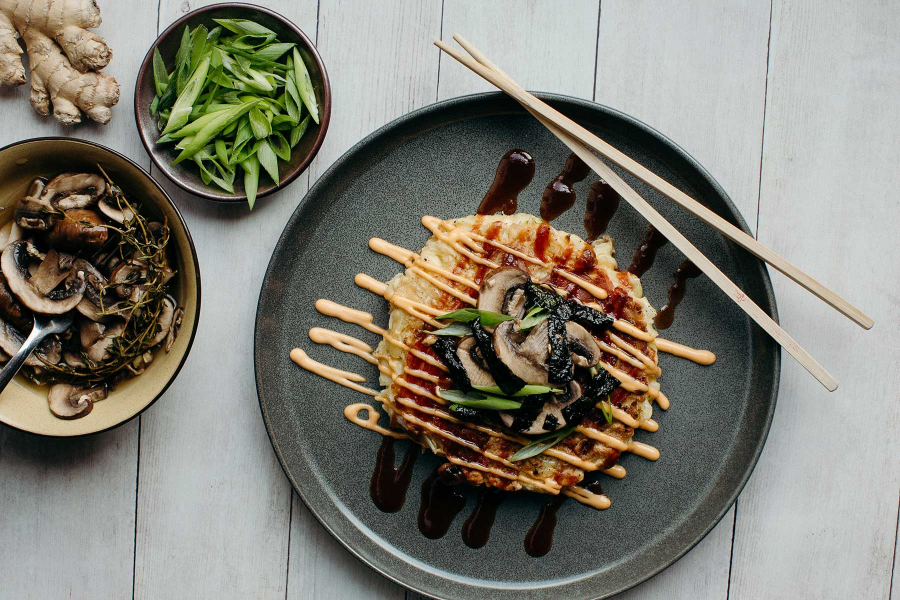
With its inherently flexible recipe, Okonomiyaki welcomes adaptations for various dietary preferences. Replace meats with tofu, mushrooms, or seasonal vegetables for a delicious vegetarian option.

Okonomiyaki Odyssey: Experience Japanese Culinary Delights

Gluten-Free Possibilities

Rice flour or gluten-free blends work well in the batter, ensuring that everyone—from gluten-intolerant travelers to health-conscious diners—can enjoy this Japanese favorite.

Health and Nutrition: What’s Inside Okonomiyaki?

Balanced and Wholesome Ingredients

By combining eggs, vegetables, proteins, and modest amounts of batter, Okonomiyaki offers a harmonious blend of nutrients. The addition of seaweed, fish, and fermented toppings further boosts its nutritional profile.

Okonomiyaki Odyssey: Experience Japanese Culinary Delights

Moderation and Mindful Eating

Okonomiyaki is best enjoyed as part of a balanced diet. The hearty toppings are often rich, making moderation key for health-conscious diners, while its comforting flavors invite slow, mindful appreciation.

The Secrets Behind the Perfect Okonomiyaki Sauce: Craft, Tradition, and Flavor

Origins and Ingredients

Inspired by Worcestershire sauce and uniquely flavored with fruit, spices, and soy, Okonomiyaki sauce elevates every bite. Brands and recipes abound, each striving for the perfect balance between sweet, tangy, and savory.

Okonomiyaki Odyssey: Experience Japanese Culinary Delights

Homemade Sauces

Yoshida Hotel encourages adventurous cooks to experiment at home. Simple recipes blend ketchup, oyster sauce, soy sauce, and honey for a homemade touch that personalizes the classic experience.

Okonomiyaki as a Cultural Ambassador: Sharing Japan with the World

Cuisine as a Bridge

Okonomiyaki showcases the importance of food in cultural diplomacy, fostering friendships and curiosity about Japan’s history and lifestyle.

Okonomiyaki Odyssey: Experience Japanese Culinary Delights

Culinary Tourism and Next Steps

As travelers share photos and stories about Okonomiyaki experiences, the dish continues to promote cultural understanding, making it a highlight for tourism campaigns and culinary tours.

Frequently Asked Questions About Okonomiyaki

What is the Origin of Okonomiyaki?

Okonomiyaki traces its ancestry to funoyaki and similar grilled cakes from the Edo period. The modern version took shape during post-war Japan as a nourishing, adaptable comfort food.

What is the Difference between Osaka and Hiroshima Okonomiyaki?

Osaka style thoroughly mixes all ingredients together in a single batter, while Hiroshima style involves delicate layering and the inclusion of noodles, resulting in different textures and visual appeal.

Okonomiyaki Odyssey: Experience Japanese Culinary Delights

Can I Make Okonomiyaki at Home?

Absolutely. Okonomiyaki is accessible and fun to prepare with basic equipment and readily available ingredients, making it a welcome addition to any international kitchen.

Is Okonomiyaki Spicy?

While traditional Okonomiyaki is not spicy, adventurous cooks can add chili, kimchi, or spicy sauces for a bold twist.

Okonomiyaki and the Hospitality Experience: A Journey with Yoshida Hotel

Embodying Omotenashi

The spirit of “omotenashi,” Japan’s unique tradition of heartfelt hospitality, shines through each Okonomiyaki dining experience. Whether crafted at home or savored in a bustling restaurant, every pancake reflects care, effort, and attention to detail.

Okonomiyaki Odyssey: Experience Japanese Culinary Delights

Yoshida Hotel: Your Guide to Authentic Experiences

Yoshida Hotel, with its dedication to sharing Japan’s vibrant food culture, invites visitors to discover the full spectrum of Okonomiyaki—from historical background to modern reinventions. Embrace the journey, learn from expert chefs, and create memories with every delicious bite.

Conclusion: Okonomiyaki, Yoshida Hotel, and the Endless Discovery of Japanese Cuisine

As your culinary journey concludes, Yoshida Hotel thanks you for joining this exploration of Okonomiyaki. This celebrated dish embodies the flavors, creativity, and hospitality that makes Japanese cuisine so irresistible. Whether you experience Okonomiyaki in a bustling food market, a quiet neighborhood eatery, or your own kitchen, the joy it brings is universal. With the guidance of Yoshida Hotel, let your curiosity lead you to new flavors and cherished traditions. Okonomiyaki is more than just food; it is an invitation to connect with Japan’s culture, people, and stories—one delicious slice at a time.

Tempura: An Exquisite Culinary Journey with Yoshida Hotel into Japanese Gastronomy

Tempura, a dish so elegantly simple yet infinitely profound, is a cornerstone of Japanese cuisine that has captivated food lovers around the world. As we embark on this culinary journey with Yoshida Hotel, discover how Tempura, with its delicate crunch and subtle flavors, tells the story of Japan’s exceptional culinary artistry. Let us be your guide, unveiling the secrets, history, culture, and pleasure that Tempura brings to the table—inviting you to enhance your understanding of Japanese cuisine through a meticulous exploration.

The Essence of Tempura: Tradition and Modernity

Tempura—A Culinary Symphony of Simplicity and Perfection

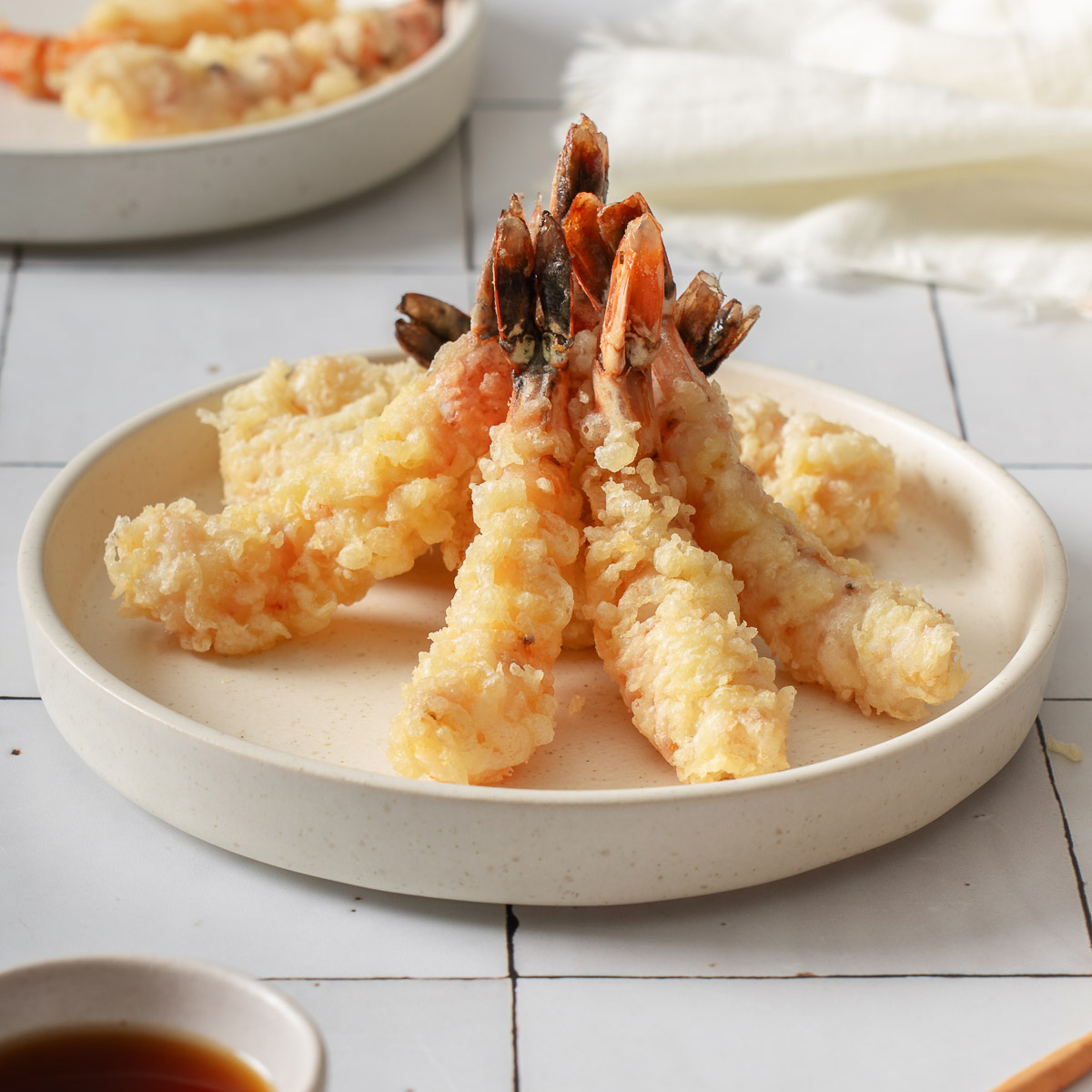
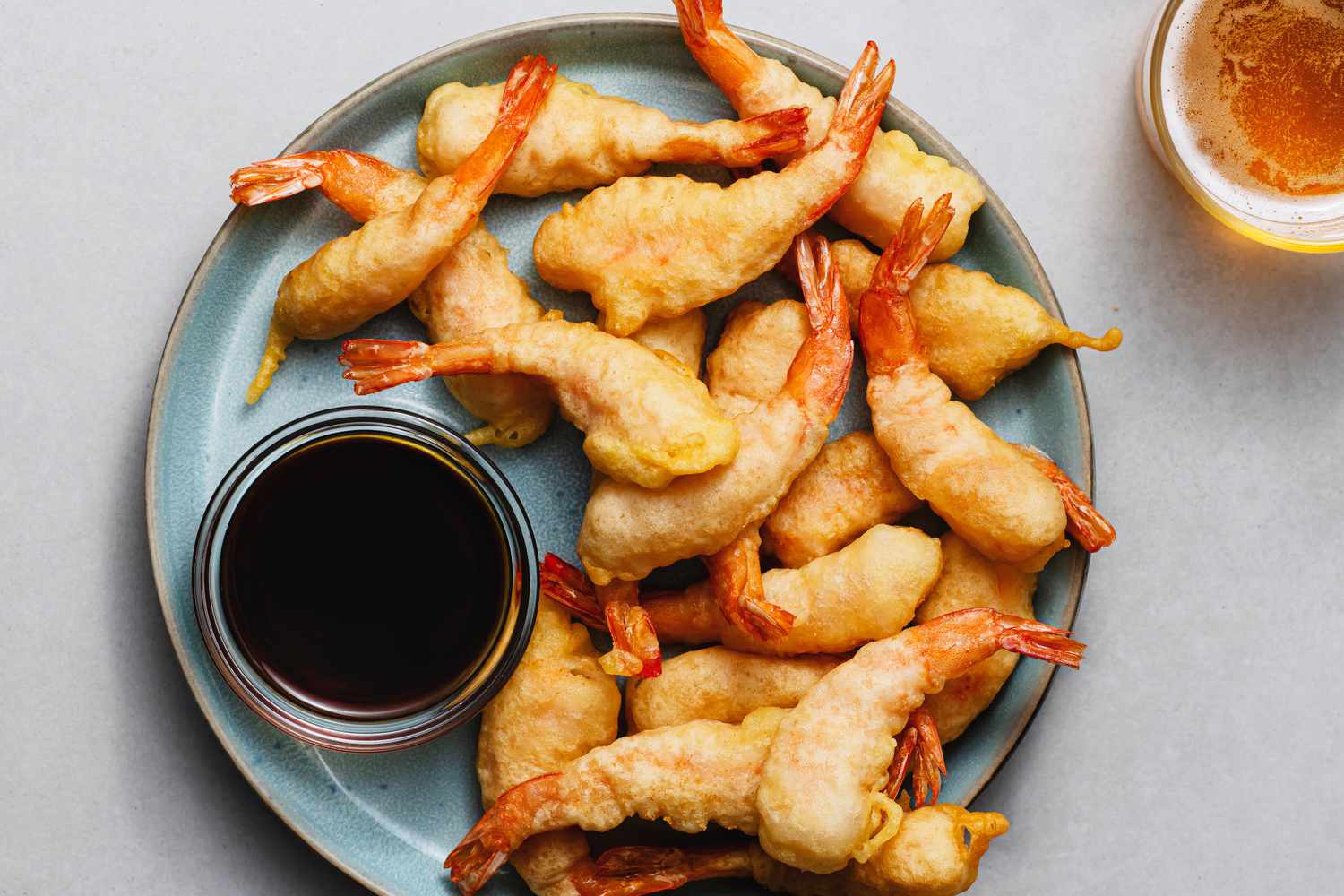
At its heart, Tempura is a celebration of Japanese principles: purity, balance, and harmony. With just a few ingredients—seafood, vegetables, and a whisper-light batter—Tempura showcases how restraint yields excellence. The simple act of coating fresh produce in a delicate mixture of flour, egg, and ice-cold water, then frying it to a golden crisp, has become a timeless symbol of Japanese culinary craftsmanship.

Tempura: An Exquisite Culinary Journey with Yoshida Hotel into Japanese Gastronomy

Tempura’s Place in Japanese History and Culture

Tracing its origin to 16th-century Japan, Tempura was inspired by Portuguese missionaries introducing batter-frying techniques. Evolving from street food to gourmet delicacy, Tempura became beloved by commoners in Edo (present-day Tokyo) and soon established itself as a hallmark of Japan’s dining tradition. Today, Tempura restaurants range from humble stalls to refined counters, each honoring a unique, time-honored preparation ritual.

Savoring Tempura: Ingredients, Techniques, and Philosophy

The Foundation: Selecting Premium Ingredients

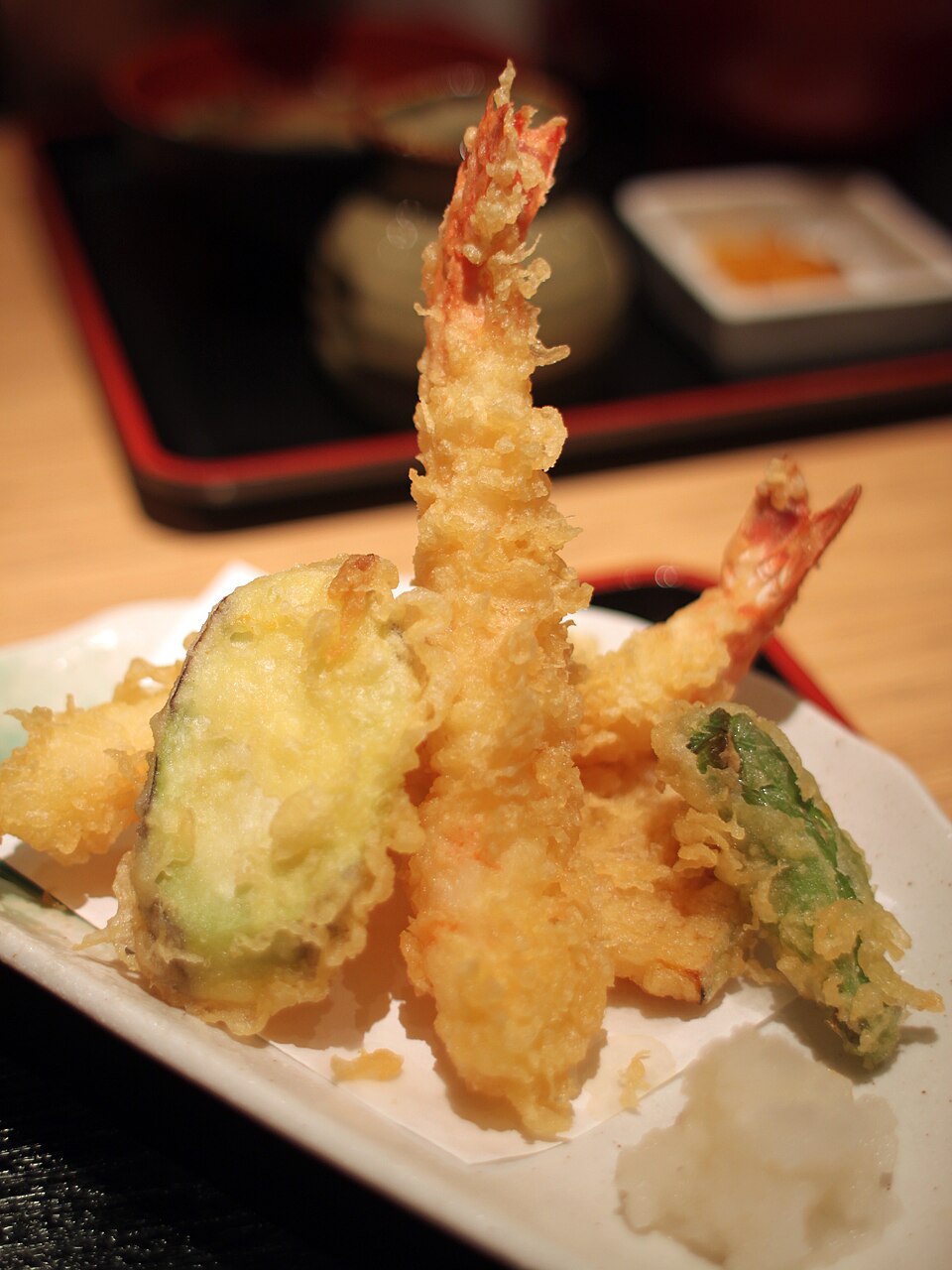
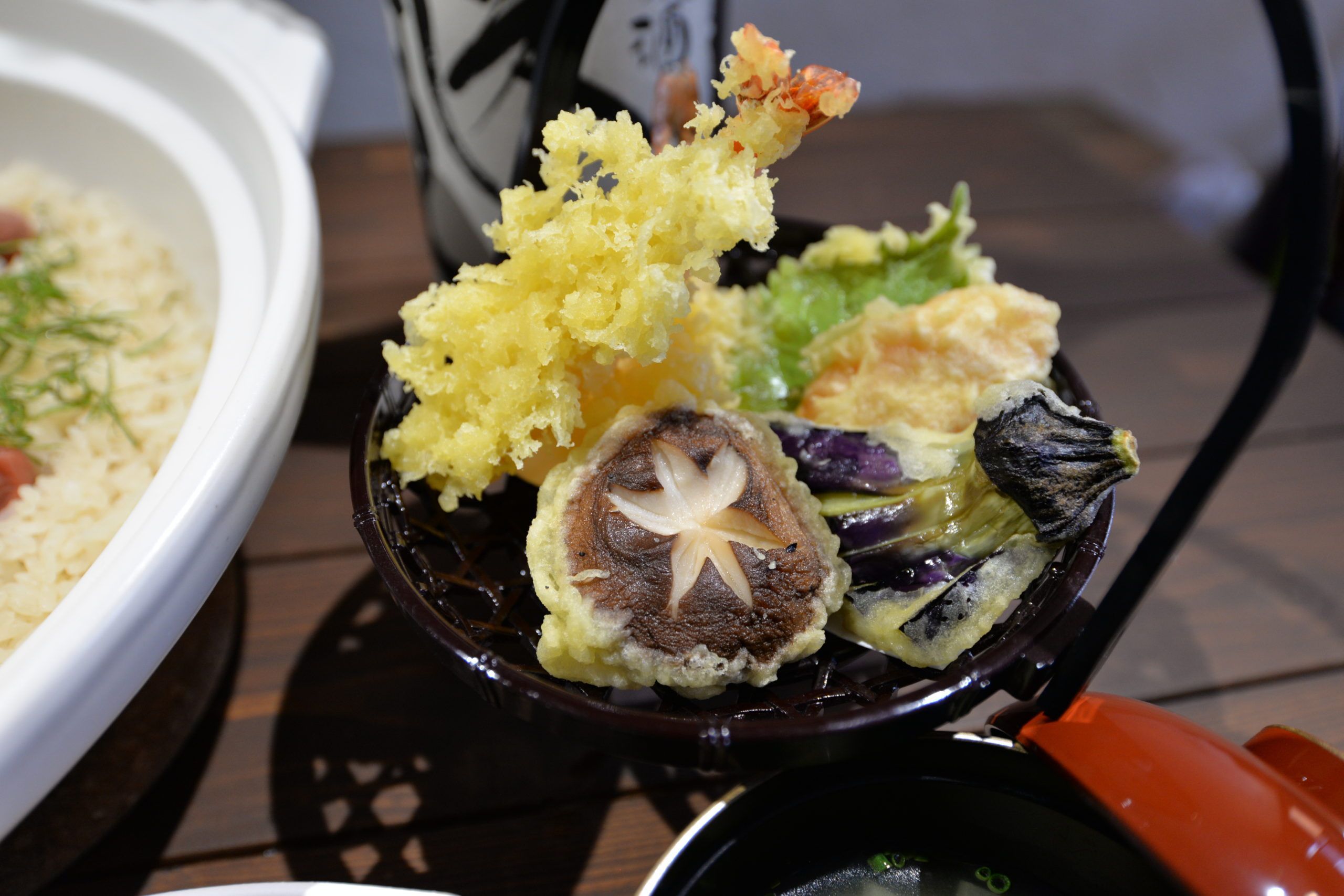
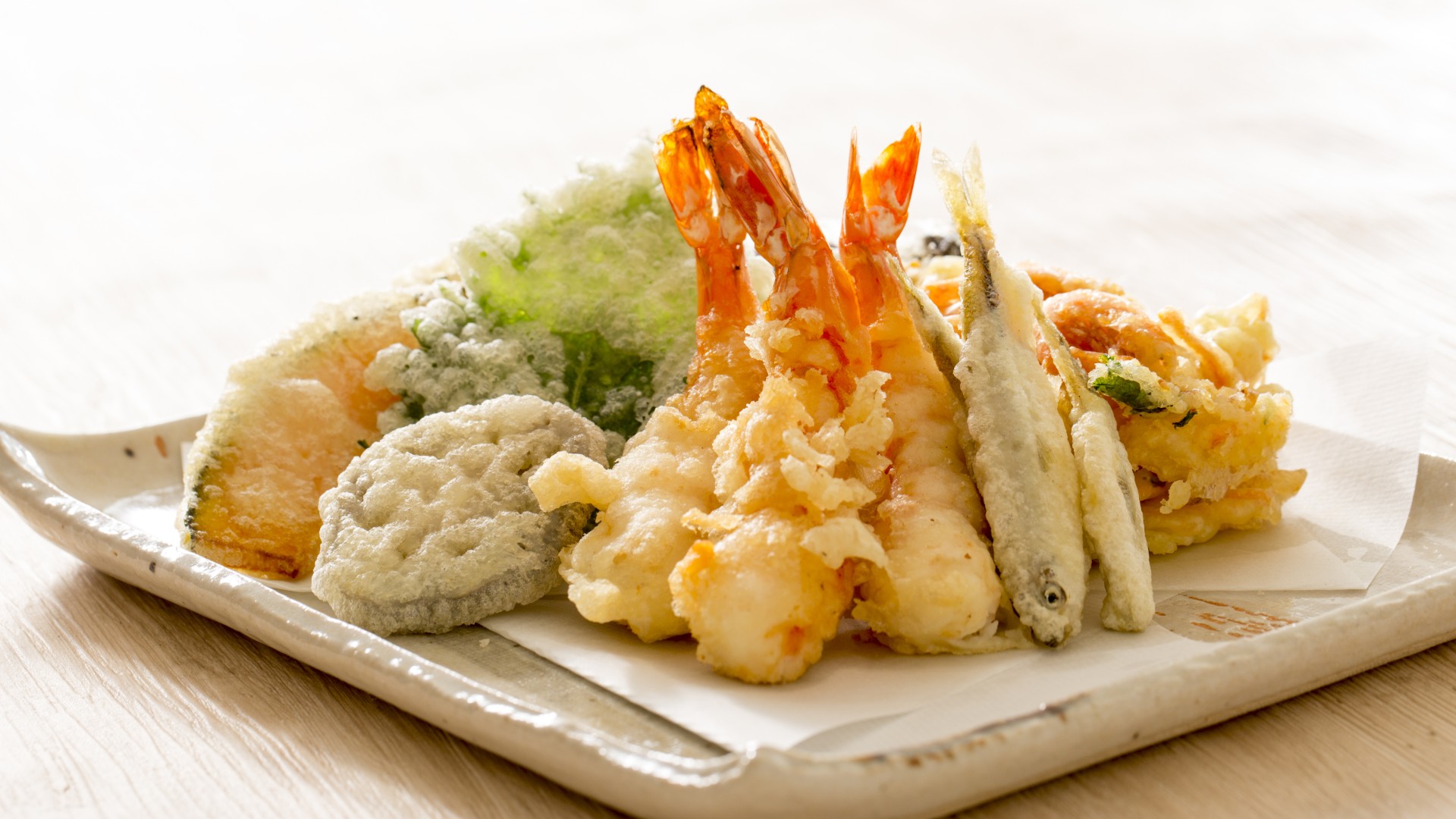
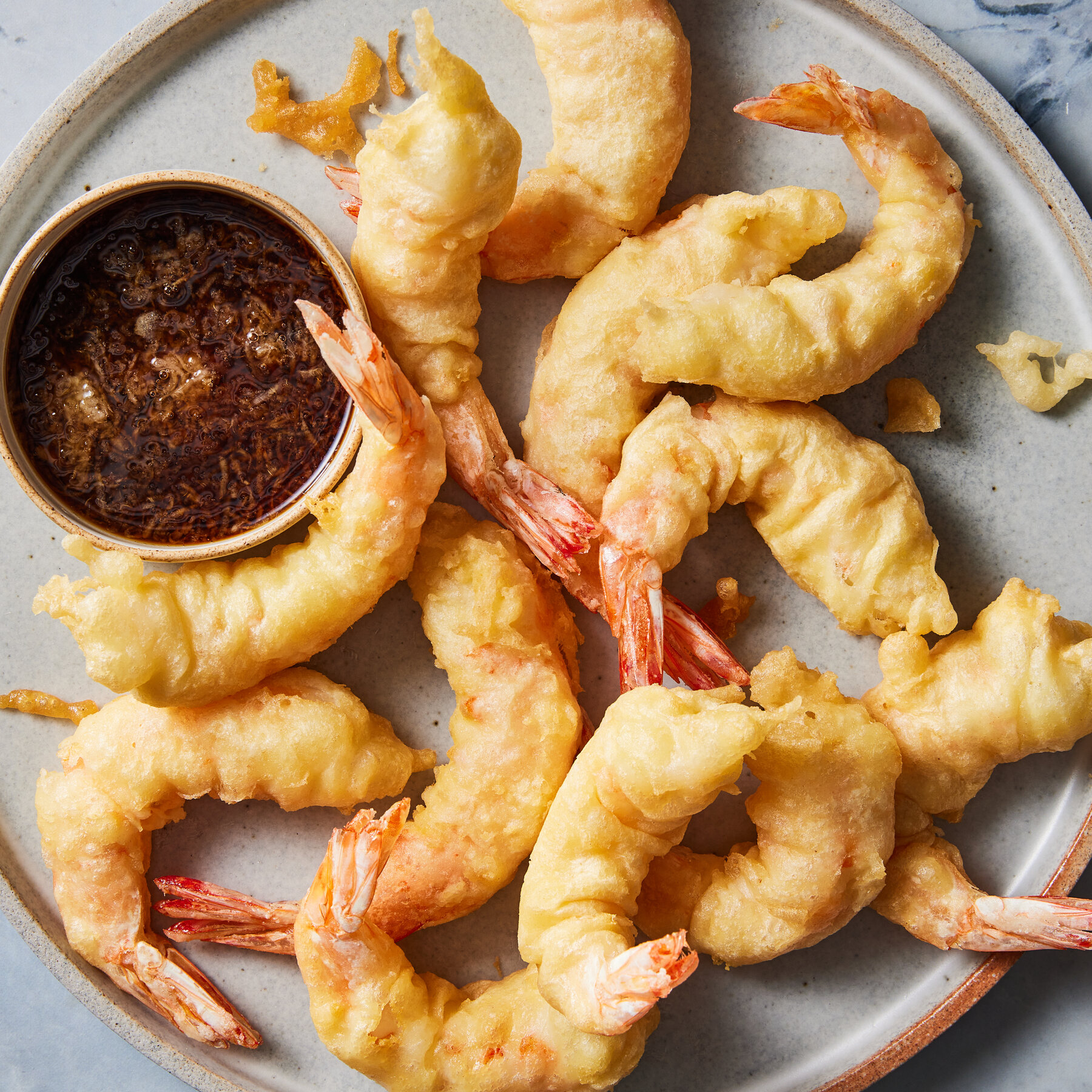
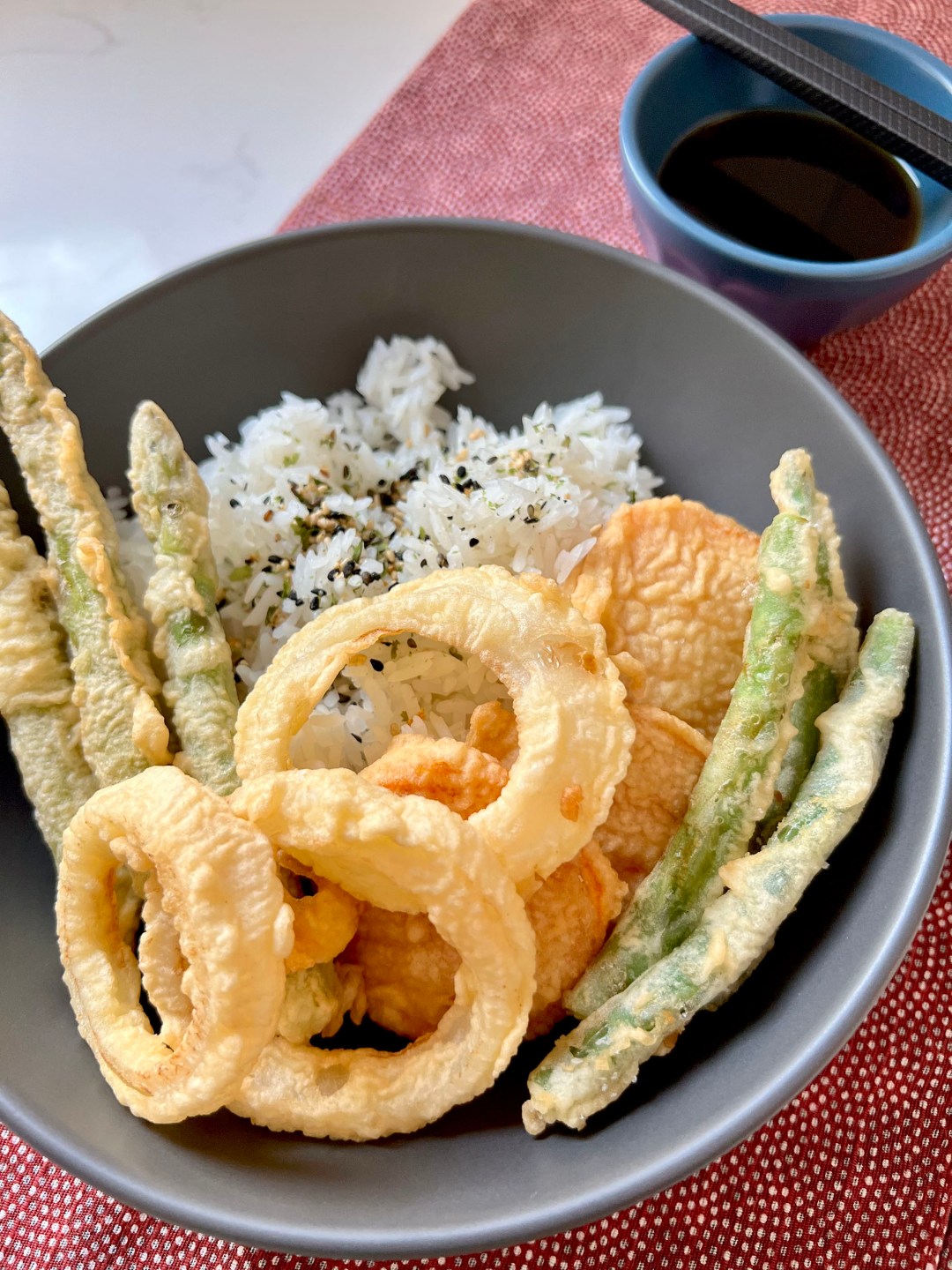
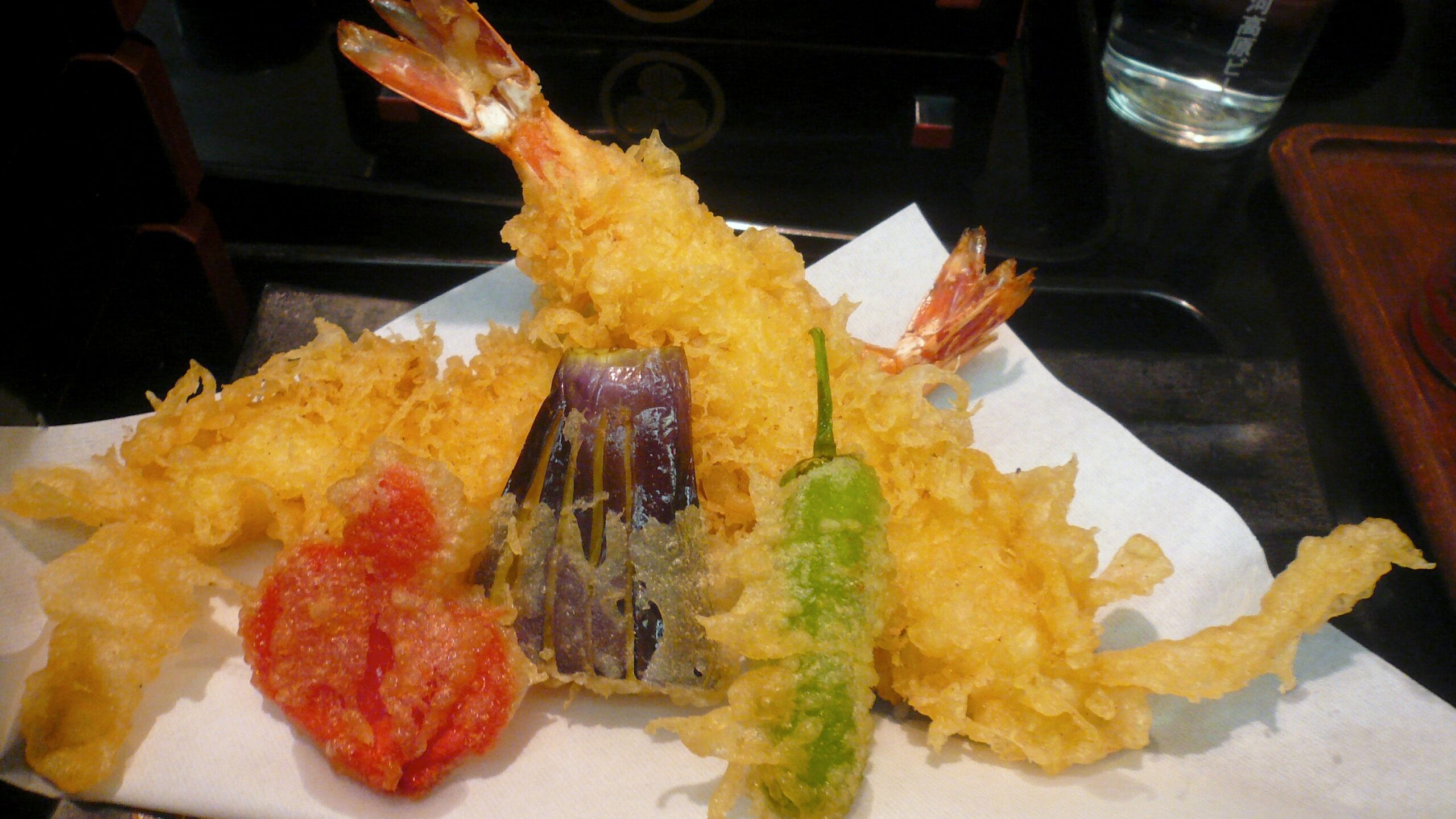
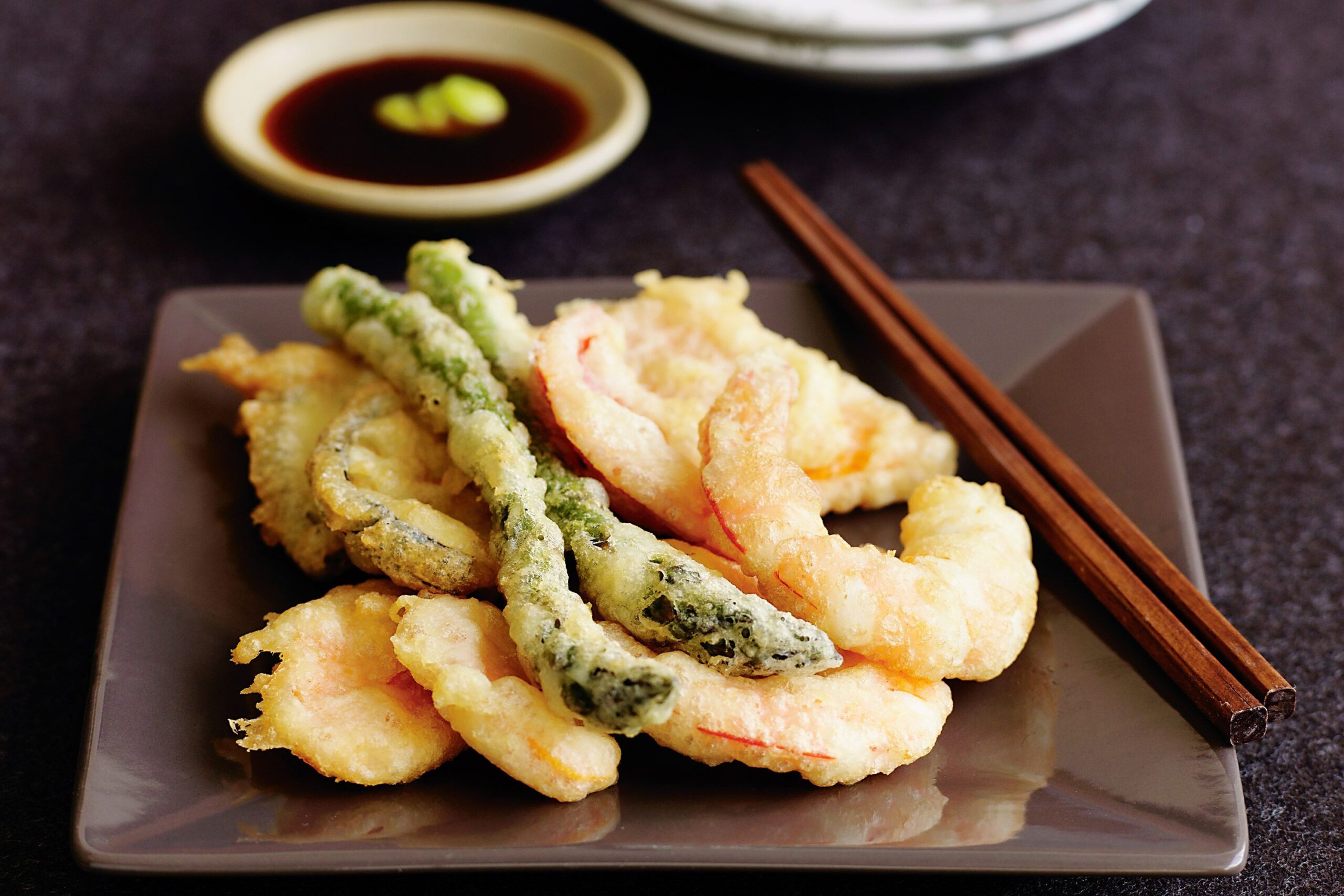
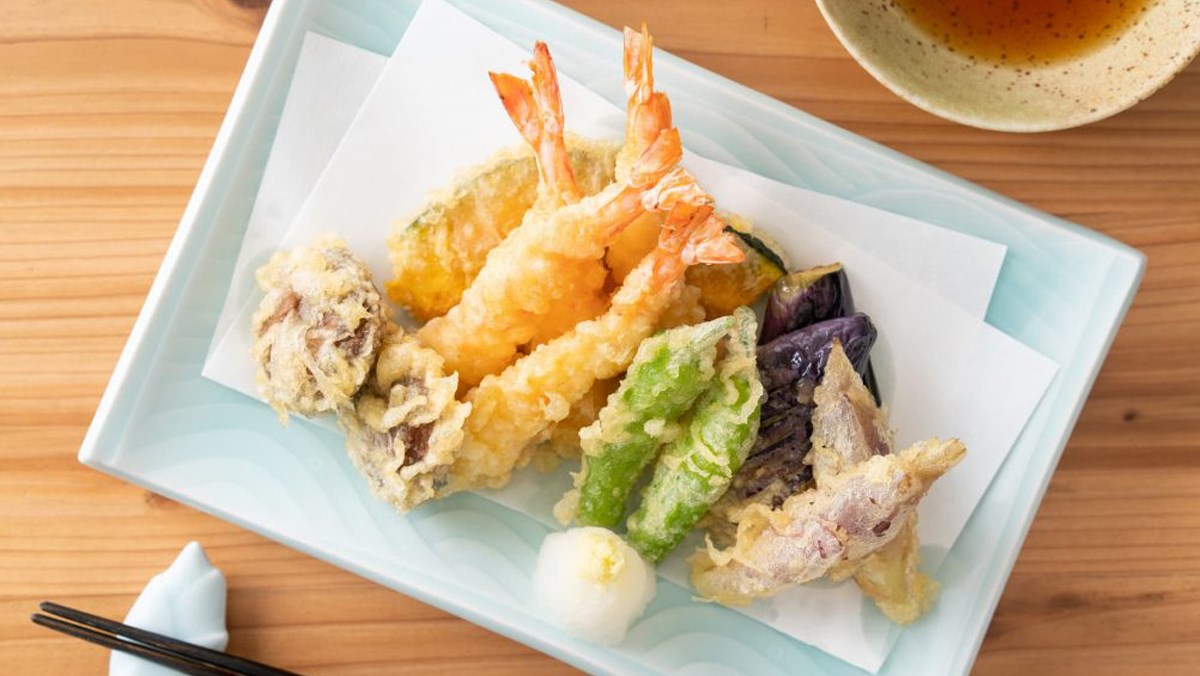
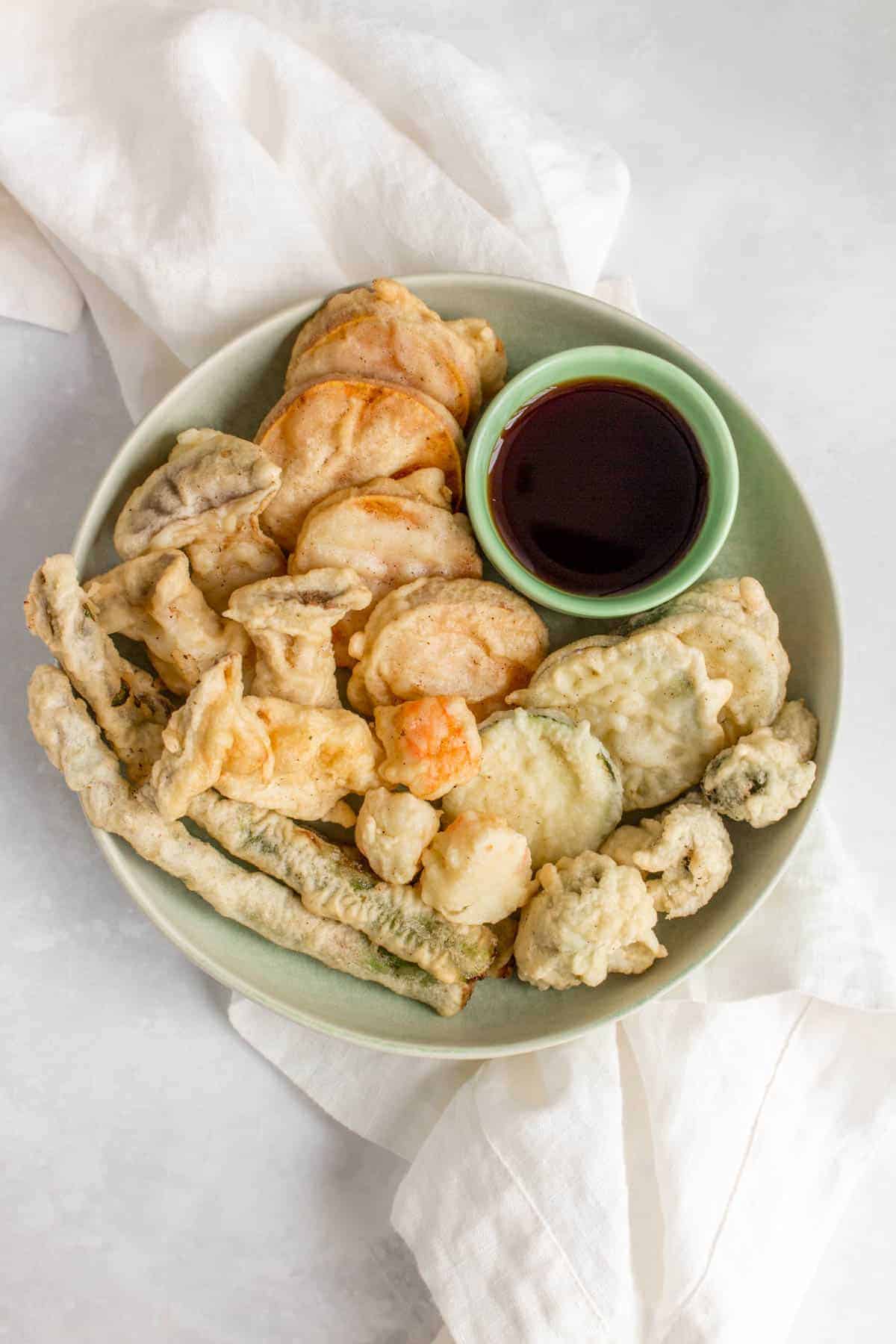
Choosing the freshest seafood and seasonal vegetables is essential in crafting exceptional Tempura. Prawns, squid, sweet potatoes, kabocha squash, eggplant, and mushrooms are among the favored selections. Each ingredient is artfully sliced to highlight its natural beauty and flavor, a practice rooted in Japanese culinary precision.

Tempura: An Exquisite Culinary Journey with Yoshida Hotel into Japanese Gastronomy

The Magic of the Batter: Secrets to a Light and Crisp Texture

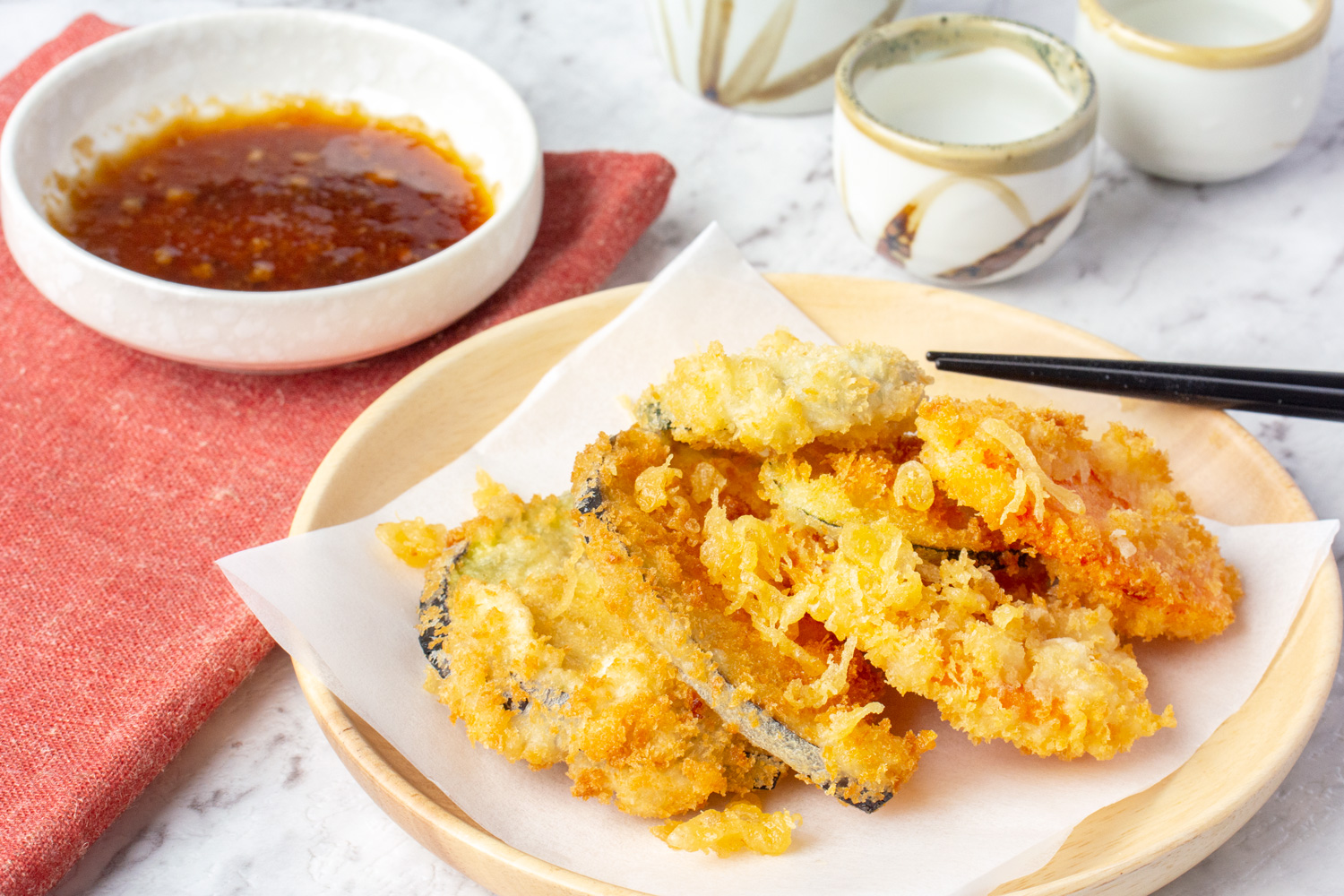
Tempura’s signature crunch comes from a batter made with just three ingredients: wheat flour, egg, and ice-cold water. The secret lies in lightly mixing the batter to keep it cold and lumpy, which creates an airy, crisp coating. This attention to temperature and timing distinguishes expertly made Tempura from commonplace fried food.

The Art of Frying: Technique and Timing

The frying process, typically done in a blend of cottonseed or sesame oil, is both an art and science. Oil is precisely heated to around 170-180°C, and ingredients are fried in small batches for mere seconds. The chef’s attentiveness ensures each piece emerges with a golden, non-greasy crust that preserves the interior’s moisture and flavor.

Tempura: An Exquisite Culinary Journey with Yoshida Hotel into Japanese Gastronomy

Exploring Tempura: Regional Variations and Distinct Styles

Edo-mae Tempura: Tokyo’s Taste of Excellence

Edo-mae Tempura originated along the bustling rivers of Edo, serving fresh seafood fried to perfection as fast food for the city’s workers. This style emphasizes seafood like prawns, conger eel, and whitefish, delicious with a side of grated radish and tentsuyu dipping sauce.

Tempura: An Exquisite Culinary Journey with Yoshida Hotel into Japanese Gastronomy

Kansai-Style Tempura: Celebrating Vegetables and Lightness

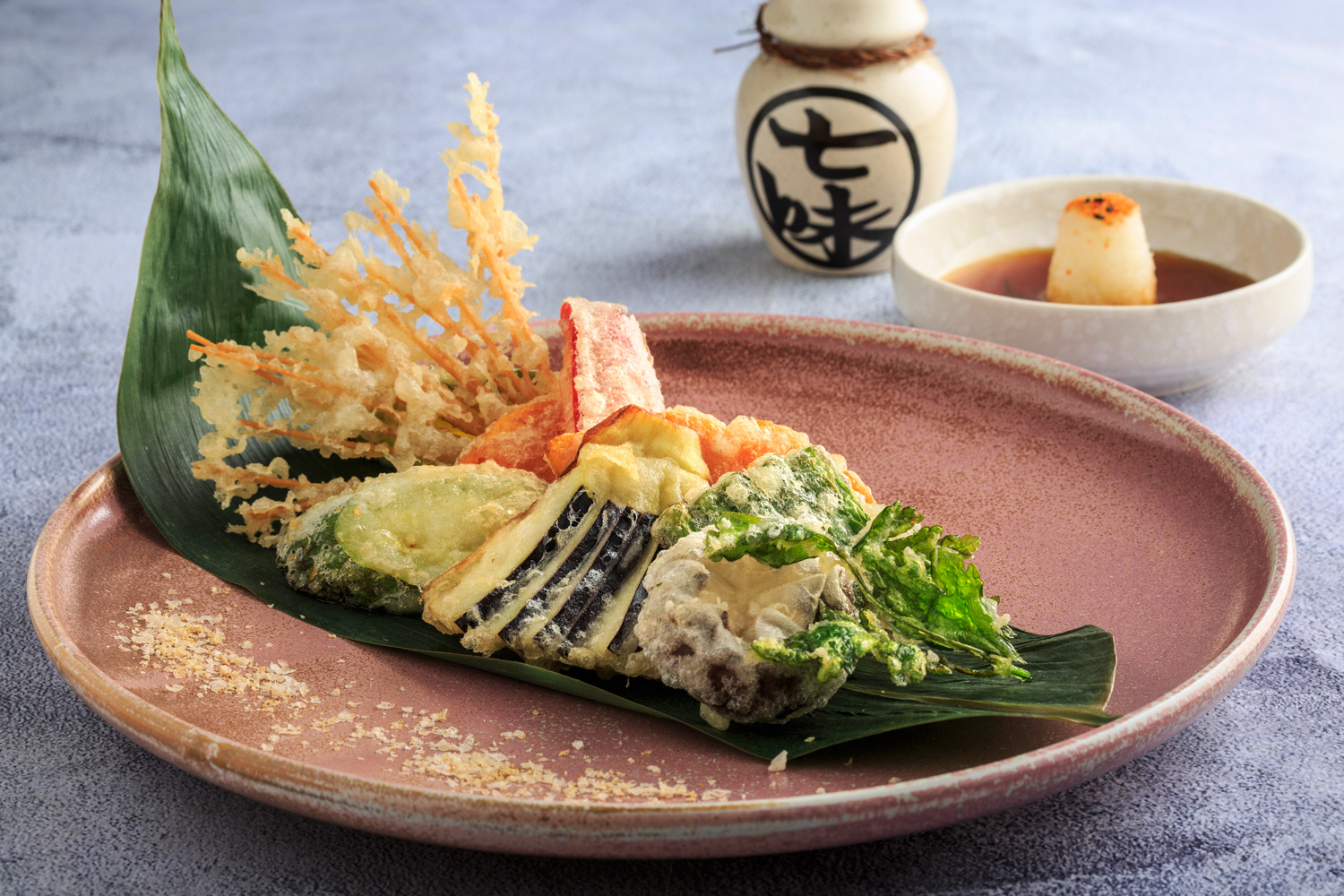
While Edo-mae is seafood-focused, Kansai Tempura highlights a rainbow of vegetables. The batter is even lighter, and the ingredients are often enjoyed with only a sprinkle of salt—letting nature’s flavors shine through with purity and grace.

Specialty Tempura: Creative Interpretations Across Japan

Modern Tempura chefs innovate by incorporating global inspirations, such as battered cheese, herbs, or even seasonal fruit. These creative expressions pay homage to tradition while pushing boundaries, fusing the old and the new to offer new taste experiences.

Tempura: An Exquisite Culinary Journey with Yoshida Hotel into Japanese Gastronomy

The Tempura Dining Experience: Ritual, Atmosphere, and Etiquette

The Counter Experience: Watching Masters at Work

Dining at a Tempura counter is a spectacle—eyes trace every movement of the chef as he dips, fries, and plates each piece. Conversation with the chef is encouraged, deepening guest appreciation for the culinary process and the philosophy behind it.

Tempura: An Exquisite Culinary Journey with Yoshida Hotel into Japanese Gastronomy

Tasting Tempura: Dipping Sauces, Flavored Salts, and Accompaniments

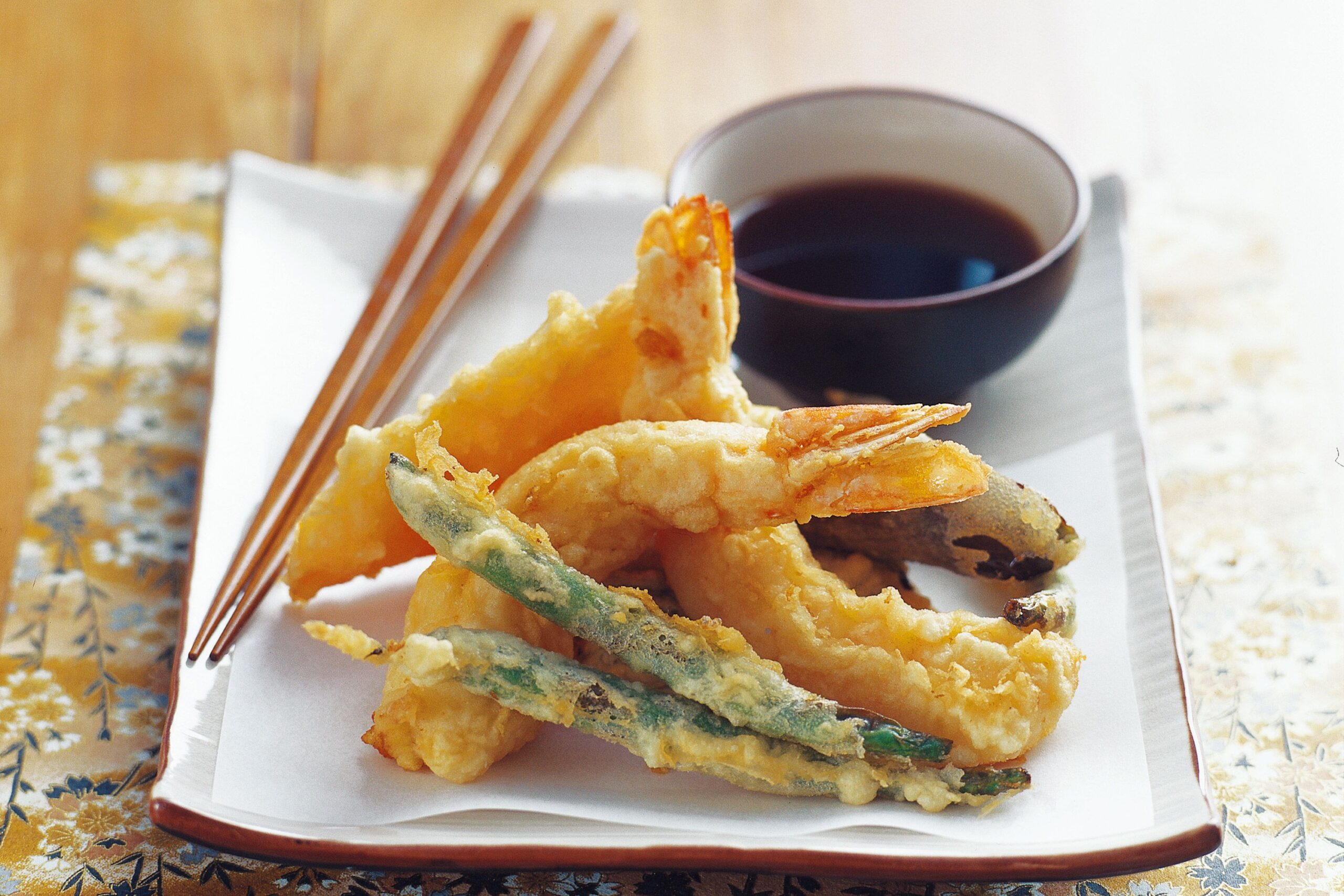
Each bite of Tempura can be enjoyed with diverse flavor pairings. The quintessential tentsuyu dipping sauce—a savory broth of dashi, soy sauce, and mirin—foregrounds umami. Flavored salts (matcha, yuzu, curry) offer bursts of taste, while pickled ginger or grated daikon refresh the palate for the next bite.

Etiquette and Appreciation

True enjoyment of Tempura comes from savoring each piece hot from the fryer. Eat with your fingers or chopsticks, relishing the contrasts in texture and flavor. In fine dining settings, chefs recommend the ideal sequence for eating, enhancing the gastronomic journey.

Tempura: An Exquisite Culinary Journey with Yoshida Hotel into Japanese Gastronomy

Tempura Beyond the Plate: Cultural Significance and Symbolism

Tempura in Festivals and Celebrations

Tempura graces Japanese tables during celebrations—New Year’s feasts, family gatherings, and traditional festivals. Its presence at happy occasions reflects abundance, unity, and gratitude for nature’s bounty.

Tempura: An Exquisite Culinary Journey with Yoshida Hotel into Japanese Gastronomy

Tempura in Japanese Art and Literature

The impact of Tempura extends into cultural arts and literature, often depicted in ukiyo-e prints and referenced in poetic verse. It is more than a dish; it is part of Japan’s living heritage.

The Global Spread: How Tempura Captivated the World

Tempura’s Arrival in International Cuisine

Today, Tempura features on menus from Tokyo to Paris, New York to Sydney. International chefs celebrate its adaptability, innovative fusion dishes, and universal appeal. At the same time, Yoshida Hotel encourages guests to seek authentic Tempura to experience its true essence.

Tempura: An Exquisite Culinary Journey with Yoshida Hotel into Japanese Gastronomy

Culinary Crossroads: Tempura’s Influence in Modern Gastronomy

Tempura’s technique—battering and frying to preserve flavor—has inspired global chefs and shaped contemporary fine dining. From tapas bars to fusion restaurants, echoes of Tempura are found in inventive crispy creations worldwide.

Tempura Recipes: A Culinary Adventure at Home

Sourcing the Ingredients: Tips for Aspiring Cooks

For those wishing to bring the taste of Tempura home, Yoshida Hotel recommends finding the freshest ingredients possible—visiting local farmers markets and fishmongers for authentic results. Choose light, neutral oils for frying and experiment with your favorite produce.

Tempura: An Exquisite Culinary Journey with Yoshida Hotel into Japanese Gastronomy

Step-By-Step Tempura Preparation

Begin by preparing your vegetables and seafood, cutting them for even frying. Make the batter just before frying—keep it cold and do not overmix. Heat oil, fry a few pieces at a time, and drain on paper towels. Serve with tentsuyu sauce and freshly grated daikon for a true taste of Japan.

Common Mistakes and How to Avoid Them

Ensure your batter is cold and your oil is properly heated. Avoid overcrowding the frying pot and remove pieces as soon as they turn golden. There is beauty in imperfection—every piece is unique.

Tempura: An Exquisite Culinary Journey with Yoshida Hotel into Japanese Gastronomy

Tempura Pairings: Sake, Beer, and More

Enhancing the Tempura Experience with Japanese Drinks

Pairing Tempura with drinks elevates the dining experience. Sake’s crispness and nuanced flavors complement Tempura’s lightness. For a more casual meal, a cold Japanese beer is a classic choice, cutting through the richness with refreshing notes.

Tempura: An Exquisite Culinary Journey with Yoshida Hotel into Japanese Gastronomy

Tea Pairings: Tradition Meets Tranquility

Japanese green teas such as sencha, genmaicha, or hojicha provide balance and refreshment, making them ideal companions for a Tempura meal. The ritual of tea drinking alongside Tempura creates moments of calm and connection.

Healthy Indulgence: Is Tempura Good for You?

Understanding Caloric Content and Nutritional Value

While Tempura is fried, its batter is thin and oil is kept clean and hot, meaning less is absorbed. Enjoyed in moderation, and with the right ingredients, Tempura can be a relatively light dish, providing vitamins and minerals from seafood and vegetables.

Tempura: An Exquisite Culinary Journey with Yoshida Hotel into Japanese Gastronomy

Modern Takes: Tempura for Health-Conscious Diners

Contemporary chefs, including those Yoshida Hotel collaborates with, sometimes experiment with gluten-free batters and use heart-healthy oils. Tempura thus continues to evolve, offering enjoyment for all.

Tempura Through the Seasons: A Year-Round Delicacy

Spring and Summer: Light and Refreshing Varieties

In the warmer months, Tempura highlights fresh herbs, young bamboo shoots, and summer squash. Seasonal fish such as ayu and eel bring subtle, sweet flavors.

Tempura: An Exquisite Culinary Journey with Yoshida Hotel into Japanese Gastronomy

Autumn and Winter: Hearty and Comforting Choices

As the temperature drops, Japanese sweet potatoes, shiitake mushrooms, and pumpkin become Tempura stars. Warm servings provide a sense of comfort and nostalgia, making Tempura a favorite in any season.

Exploring Tempura in Japanese Cities: A Traveler’s Guide

Tokyo: Legendary Tempura Counters and Markets

Tokyo, the birthplace of Edo-mae Tempura, boasts legendary Tempura counters. From the historic Asakusa district to modern Ginza, travelers can savor an array of Tempura experiences tailored to every preference and budget.

Kyoto and Osaka: Regional Nuances and Hidden Gems

Kyoto’s Tempura often incorporates delicate mountain vegetables, while Osaka’s creative spirit is reflected in diverse ingredients and dipping sauces. Explore local markets and food alleys to find unique interpretations.

Tempura: An Exquisite Culinary Journey with Yoshida Hotel into Japanese Gastronomy

Recommendations from Yoshida Hotel for a Tempura Culinary Adventure

Yoshida Hotel encourages travelers to explore Japan’s Tempura culture by dining at local restaurants and street stalls, experiencing a world where tradition and innovation unite. Savor, discover, and enjoy the richness of Tempura across the country.

Tempura in Japanese Fine Dining: Kaiseki and Omakase Experiences

Kaiseki: Tempura in Japan’s Haute Cuisine

Kaiseki, Japan’s multi-course haute cuisine, often features Tempura as a highlight, celebrating seasonality and artistry. The Tempura course, midway through the meal, offers an interlude of texture and subtlety.

Tempura: An Exquisite Culinary Journey with Yoshida Hotel into Japanese Gastronomy

Omakase: Trusting the Chef on a Tempura Journey

For a singular experience, omakase dining allows the chef to select and prepare specialty Tempura before your eyes. Each morsel is an exploration of the chef’s vision and culinary expertise.

A Guide to Tempura Sauces, Dips, and Condiments

Tentsuyu: The Defining Tempura Sauce

Tentsuyu, the classic Tempura sauce, ties the dish together—a harmonious blend of dashi, soy sauce, and mirin. Each chef adds a unique touch, often adjusting sweetness and saltiness to suit the ingredients.

Salt Selections: Flavored and Artisanal Choices

Alongside sauce, a selection of salts can highlight different taste profiles—yuzu salt for citrus brightness, matcha salt for earthy notes, or sea salt for simplicity.

Tempura: An Exquisite Culinary Journey with Yoshida Hotel into Japanese Gastronomy

Traditional and Modern Condiments

Experiment with grated daikon, spiced grated ginger, or even a squeeze of lemon for added depth. Modern interpretations might offer unique chutneys or infused oils.

Frequently Asked Questions About Tempura

What Makes Tempura’s Batter So Unique?

The ice-cold, barely mixed batter traps air, forming a light shell that distinguishes Tempura from other fried foods. The freshness of ingredients and the mastery of frying technique are essential.

Can Tempura Be Made Gluten-Free?

Absolutely! Rice flour, potato starch, or other gluten-free blends can be used, offering the same crisp results for those with dietary restrictions.

Tempura: An Exquisite Culinary Journey with Yoshida Hotel into Japanese Gastronomy

Is Tempura Only for Seafood Lovers?

Not at all—Tempura is celebrated for its versatility. Vegetarians delight in options like asparagus, shiso leaf, lotus root, or mushrooms.

How Can I Enjoy Tempura at Home Like in Japan?

By selecting quality ingredients, using fresh oil, and serving immediately, home cooks can recreate the authentic experience. Dine with chopsticks, pair with sake, and savor each bite.

Tempura Legends: Stories and Anecdotes

The Tale of the First Tempura Stand

Legend has it that the very first Tempura was sold beside the Sumida River, offering quick, delicious sustenance to Edo’s laborers. Today, countless stories connect Tempura to everyday life in Japan.

Tempura: An Exquisite Culinary Journey with Yoshida Hotel into Japanese Gastronomy

Renowned Tempura Masters

Across Japan, chefs dedicate their lives to perfecting Tempura’s techniques, passing skills down generations. Their artistry inspires, and their dishes become part of culinary folklore.

Tempura in Pop Culture and Beyond

Tempura References in Modern Media

From anime to movies, Tempura appears as a symbol of comfort and indulgence. Its status as both an everyday treat and a culinary treasure cements its place in pop culture.

Tempura: An Exquisite Culinary Journey with Yoshida Hotel into Japanese Gastronomy

Tempura-Inspired Art and Crafts

Artisans craft Tempura in miniature as souvenirs—keychains, food models—for travelers enchanted by its beauty. Culinary artists around the globe cite Tempura as inspiration for innovative presentations.

Conclusion

Tempura, with its golden crunch and refined simplicity, stands as a testament to the elegance of Japanese cuisine. Through this journey with Yoshida Hotel, you have discovered not just a dish, but a world of heritage, artistry, and passion. Whether enjoyed in a bustling Tokyo market, a refined Kyoto restaurant, or lovingly crafted at home, Tempura continues to inspire and delight, forging connections across cultures and generations. As you explore the wonders of Japanese gastronomy, let Tempura and Yoshida Hotel guide your senses to new horizons of flavor and tradition.

Remember, Tempura is more than a meal—it is a cultural experience waiting to be discovered. Continue your culinary adventure with Yoshida Hotel and let every bite of Tempura transport you to the heart of Japan.

Soba: Discovering the Spirit of Japanese Cuisine

Japanese cuisine is a mesmerizing world of tradition, artistry, and dynamic flavors. In the heart of this culinary landscape lies Soba—a dish that not only reflects Japan’s culinary legacy but also represents its spirit of simplicity, balance, and reverence for fresh ingredients. At Yoshida Hotel, we welcome you to embark on a flavorful voyage into the world of Soba, exploring its heritage, variations, and the unforgettable experiences it bestows upon travelers and food enthusiasts alike.

The Origins of Soba: From Ancient Fields to Modern Tables

Japan’s love affair with Soba dates back centuries. Soba, made primarily from buckwheat flour, traces its roots to the early Edo period. Cultivated in regions where rice was difficult to grow, buckwheat became a humble staple that transformed into a culinary icon. In Japanese history, Soba was celebrated both as an everyday meal and as a ceremonial food marking seasonal events and celebrations.

Soba: Discovering the Spirit of Japanese Cuisine

At Yoshida Hotel, we honor this timeless tradition, sourcing only the finest buckwheat and preparing Soba using methods passed down through generations. Each bowl tells a story of resilience, innovation, and an unwavering dedication to excellence.

Soba at a Glance: The Heartbeat of Japanese Comfort Food

Soba stands at the crossroads between simplicity and sophistication. Whether served hot in a savory broth or chilled with dipping sauces, this dish adapts beautifully to the seasons and the diverse tastes of its admirers. The unmistakable aroma of freshly made Soba noodles, combined with the harmonious bursts of umami, fosters a sense of comfort and homecoming—a feeling we strive to evoke in every guest at Yoshida Hotel.

Soba: Discovering the Spirit of Japanese Cuisine

Soba and Japanese Identity: More Than Just a Dish

In Japan, Soba transcends the status of a mere menu item. It is entwined with the country’s social fabric—often enjoyed on special occasions such as New Year’s Eve, symbolizing longevity and good fortune. Eating Soba becomes an act of mindfulness: pausing to appreciate the textures, the slurp, and the warmth that fills each mouthful. This cultural significance is woven into the guest experience at Yoshida Hotel, where every meal is an opportunity for new memories.

Soba: Discovering the Spirit of Japanese Cuisine

Unraveling Soba Varieties: Savoring Diversity Across Japan

Regional Flavors: Exploring Japan’s Soba Map

Traveling through Japan, you’ll encounter a delightful array of Soba styles, each reflecting the unique character of its region. From the robust Izumo Soba of the west to the delicate Nihachi Soba of the east, and the countryside favorites such as Töno Soba in Tohoku, every variety reveals a new dimension of this beloved noodle.

At Yoshida Hotel’s restaurant, we curate an exquisite selection of regional Soba, artfully prepared to spotlight local ingredients and culinary traditions. Our chefs invite you to embark on a tasting journey inspired by the landscapes and seasons of Japan.

Soba: Discovering the Spirit of Japanese Cuisine

Hot or Cold: Understanding Soba Serving Styles

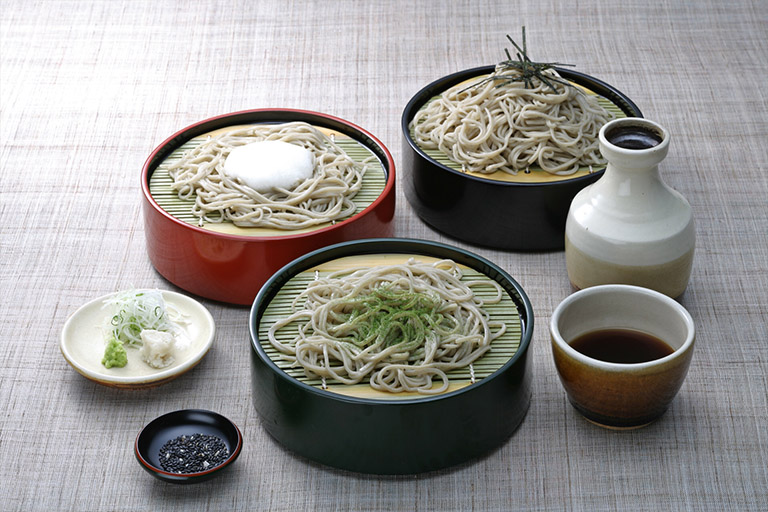
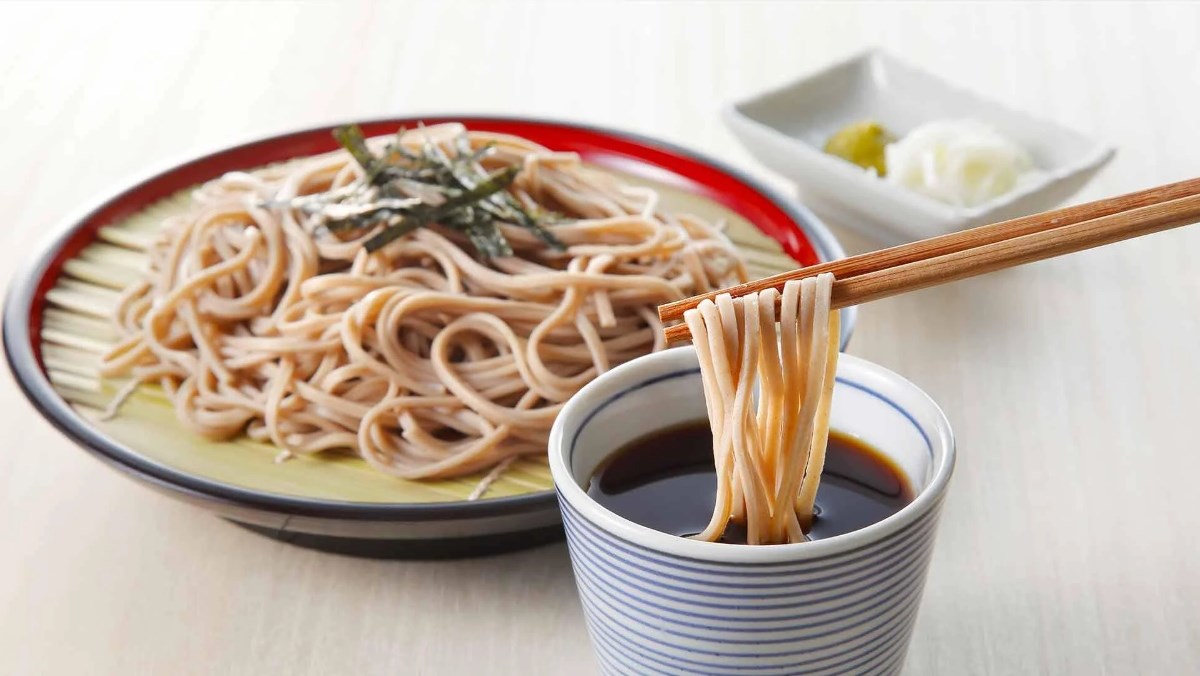
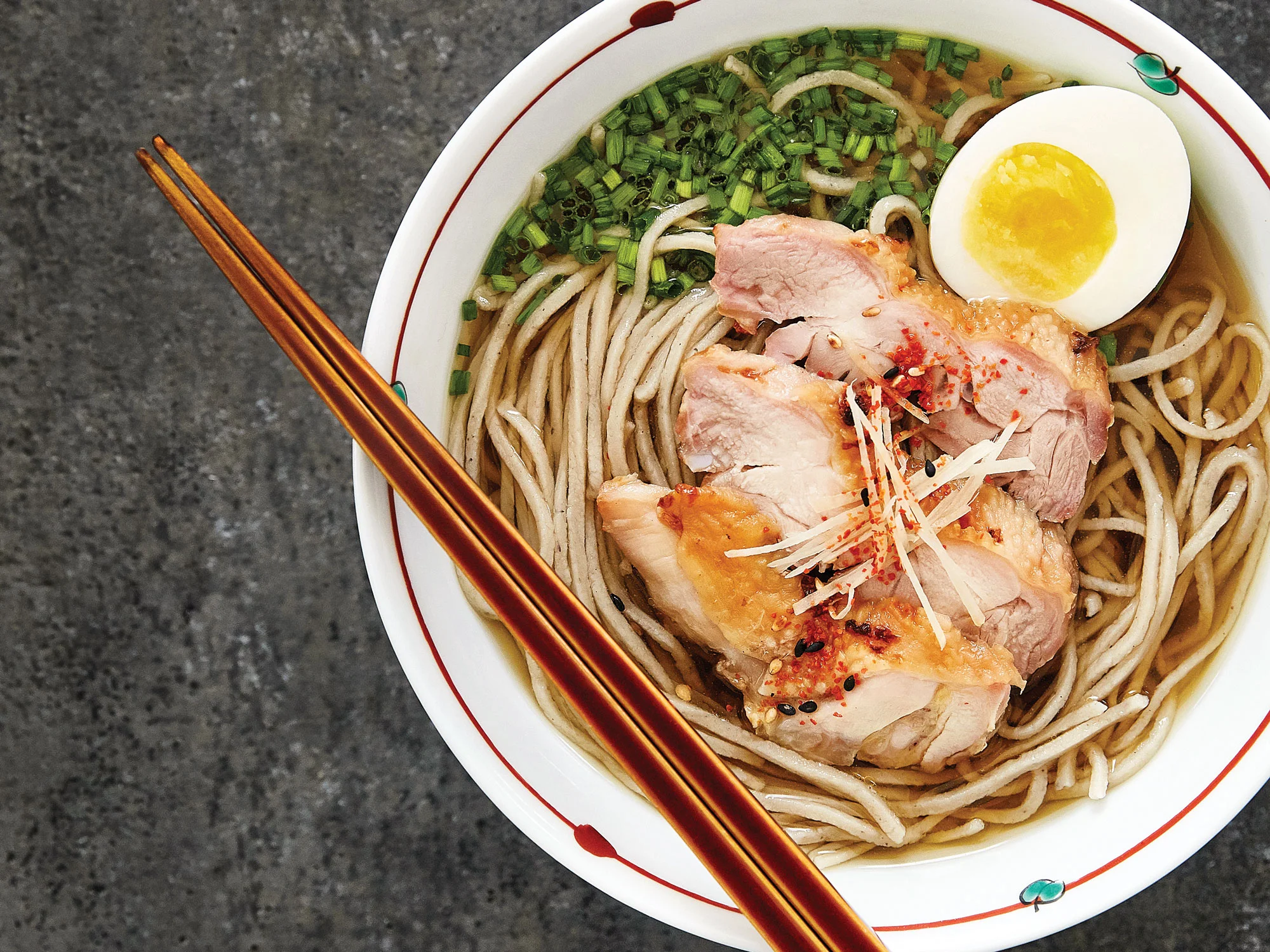
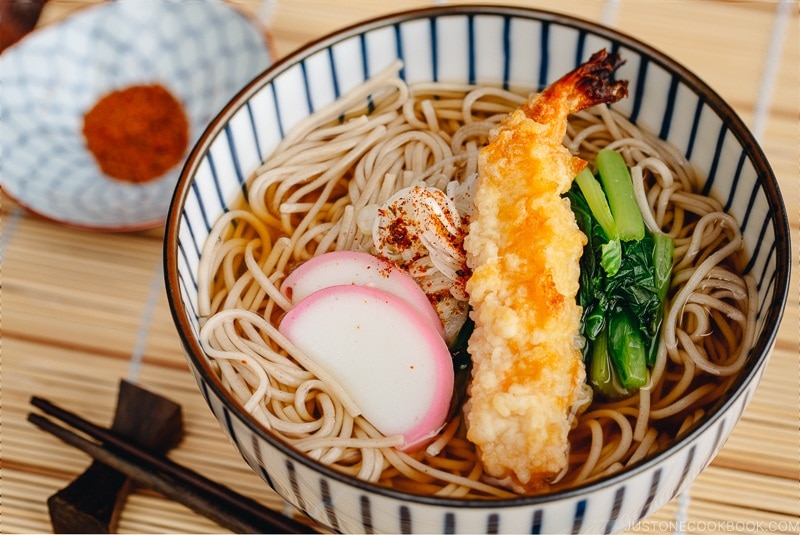
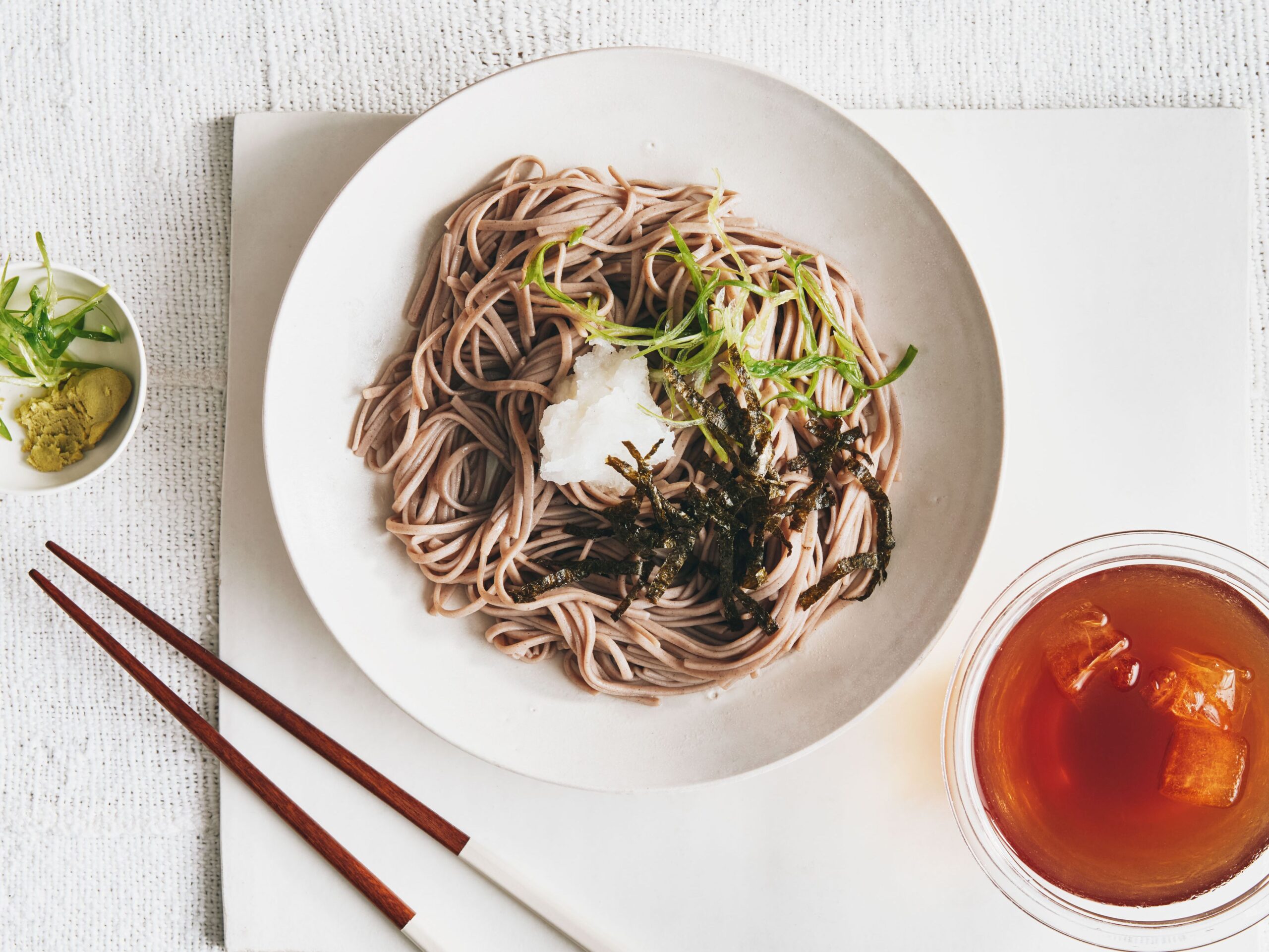
One of Soba’s charms is its versatility. In summer, chilled Soba with dipping sauce—zaru soba—is a refreshing respite. When winter arrives, nothing rivals the comfort of kake soba: steaming noodles in a rich, savory broth, topped with green onions or tempura. Every season at Yoshida Hotel is carefully matched to specific Soba specialties, ensuring that each visit is uniquely memorable.

Soba Craftsmanship: The Art and Expertise Behind Each Strand

Soba making is both a science and an art. Skilled artisans at Yoshida Hotel knead, roll, and slice the dough with precision and care—a process requiring years of dedication to perfect. The result is a noodle that is supple, slightly nutty, and perfectly al dente. We pride ourselves on our transparency, occasionally opening our kitchen so guests can witness the magic that goes into every batch of Soba.

Soba: Discovering the Spirit of Japanese Cuisine

Soba Pairings: Elevate the Experience with Complementary Flavors

A great Soba meal at Yoshida Hotel is never complete without thoughtful pairings. Crispy tempura, fresh wasabi, finely sliced scallions, and aromatic nori amplify the robust flavors of Soba. A cup of locally-brewed sake or green tea rounds out the meal, engaging all your senses and transforming a simple dish into an occasion worth savoring.

Soba: Discovering the Spirit of Japanese Cuisine

Soba Traditions and Rituals: Celebrations, Symbolism, and Stories

Soba and New Year Celebrations: A Taste of Good Fortune

On Ōmisoka, Japanese New Year’s Eve, tradition dictates a bowl of Toshikoshi Soba—meaning “year-crossing noodles”. This symbolic meal, enjoyed with loved ones, represents a clean break from the past and wishes for a prosperous year ahead. At Yoshida Hotel, we honor this cherished practice with a special menu, inviting guests to embrace Japanese customs and start the new year with hope and gratitude.

Soba: Discovering the Spirit of Japanese Cuisine

The Etiquette of Soba: How to Savor Like a Local

Experiencing Soba at Yoshida Hotel means embracing Japanese dining etiquette. Slurping the noodles, considered a compliment to the chef, enhances the aroma and cools the hot noodles. We offer guidance for newcomers, ensuring everyone feels comfortable—whether they are Soba veterans or tasting it for the first time.

Soba Through the Seasons: Culinary Adventures All Year Round

Japanese cuisine is inseparable from the nation’s dramatic seasons. At Yoshida Hotel, our Soba menu evolves throughout the year, echoing the seasonal harvests and changing palates. In spring, delicate mountain vegetables enhance our Soba dishes, while autumn brings wild mushrooms and fragrant broth infusions. Every visit is an immersion in nature’s rhythm.

Soba: Discovering the Spirit of Japanese Cuisine

The Wellness of Soba: Nourishing Body and Soul

Beyond its exquisite flavors, Soba is beloved for its nutritional benefits. Buckwheat is packed with protein, fiber, vitamins, and minerals—making Soba a nourishing choice for travelers seeking both indulgence and well-being. At Yoshida Hotel, we champion healthful eating, designing Soba dishes that delight both the palate and the body.

Soba: Discovering the Spirit of Japanese Cuisine

Exploring the Soba Scene: A Guide for Culinary Travelers

Soba Tasting Tours: Discovering Local Delicacies Around Japan

Inspired by the nation’s Soba heritage, Yoshida Hotel offers culinary tours for adventurous guests. These immersive experiences guide you through lively markets, historic Soba shops, and meet-the-maker workshops—deepening your appreciation for every strand of this iconic noodle.

Soba: Discovering the Spirit of Japanese Cuisine

Soba Festivals: Join the Joyous Celebrations

Annual Soba festivals across Japan offer unforgettable glimpses into community spirit and fervor. At these lively events, visitors can sample countless Soba styles, watch live noodle-making demonstrations, and join spirited competitions. Guests of Yoshida Hotel can receive personalized recommendations for the best local festivals, ensuring a trip filled with joy and discovery.

Soba and Modern Japanese Cuisine: Creative Interpretations

Contemporary chefs are constantly reinventing Soba, infusing global ingredients and modern techniques. At Yoshida Hotel, our culinary team honors tradition while exploring new frontiers in flavor—tempura Soba with yuzu zest, Soba risotto, even Soba ice cream. These inventive creations allure travelers seeking fresh takes on time-honored classics.

Soba: Discovering the Spirit of Japanese Cuisine

Soba Etiquette and Dining Culture: Enhancing the Guest Experience

The Ritual of Soba Preparation: From Kitchen to Table

Every meal at Yoshida Hotel is meticulously crafted. We value the importance of presentation and service, with our attentive staff explaining the history and nuances of each Soba dish. This cultural exchange transforms a meal into an authentic encounter with Japanese hospitality—omotenashi.

Soba: Discovering the Spirit of Japanese Cuisine

Celebrating Soba with Special Guests: Hosting and Sharing Traditions

Soba is often enjoyed in the company of family and friends. Whether it is a formal celebration or a casual get-together, Yoshida Hotel ensures a welcoming space for all occasions. Our private dining rooms and traditional tatami settings make every event exceptional.

Soba for All: Embracing Dietary Preferences and Inclusivity

Yoshida Hotel believes that Soba is meant for everyone. Our menu includes gluten-free options, plant-based broths, and allergen-friendly toppings—welcoming guests from every walk of life. By celebrating diversity, we ensure that all can experience the joy of Japanese Soba.

Soba: Discovering the Spirit of Japanese Cuisine

Memories Made at Soba: Guest Stories from Yoshida Hotel

The dining room of Yoshida Hotel has been the setting for countless meaningful moments—from solo travelers savoring their first bowl, to families forging new traditions. Our guestbook is filled with heartfelt reflections about the Soba experience, underscoring the dish’s power to delight, unite, and inspire.

Soba: Discovering the Spirit of Japanese Cuisine

Soba in the Greater Japanese Culinary Tapestry

While Soba is a star, it is also part of a greater narrative. Japanese cuisine is a mosaic of ramen, udon, tempura, sushi, and countless vegetable and seafood delights. At Yoshida Hotel, we recommend guests explore beyond Soba, sampling the breadth of Japan’s spectacular food culture—with Soba always holding a special place.

Soba: Discovering the Spirit of Japanese Cuisine

Mastering Soba at Home: Yoshida Hotel’s Culinary Tips

Inspired by your Soba journey at Yoshida Hotel? We encourage you to bring a taste of Japan home. Our chefs offer step-by-step guides, tips for sourcing quality buckwheat, and creative recipes for you to try in your own kitchen. Cooking Soba becomes a way to relive travel memories and share Japanese hospitality with loved ones.

Soba: Discovering the Spirit of Japanese Cuisine

Soba and Sustainability: A Responsible Culinary Choice

Soba is more than delicious—it is environmentally conscious. Buckwheat cultivation supports biodiversity and requires fewer resources than rice or wheat. At Yoshida Hotel, we partner with sustainable farms and champion green practices at every step, ensuring your Soba experience is both enjoyable and ethical.

Soba: Discovering the Spirit of Japanese Cuisine

The Future of Soba: Trends, Innovation, and Global Reach

From Tokyo to New York, Soba is earning acclaim as a global delicacy. At Yoshida Hotel, we remain committed to both preserving tradition and embracing innovation, actively participating in culinary summits and international food festivals. The story of Soba is far from finished—each bowl served marks a new chapter in its rich journey.

Soba: Discovering the Spirit of Japanese Cuisine

Plan Your Culinary Escape: Experience Soba at Yoshida Hotel

Whether you are a longtime aficionado or a curious beginner, a Soba experience at Yoshida Hotel is a must for every food lover. Indulge in the flavors, stories, and comfort of Japanese Soba, and let our hospitality transform your travel memories into something truly unforgettable.

Soba: Discovering the Spirit of Japanese Cuisine

Final Thoughts

The timeless allure of Soba—its textures, aromas, culture, and comfort—awaits you at Yoshida Hotel. As each guest discovers, a meal is much more than food: it is a journey through history, tradition, and the soulful art of Japanese hospitality. Join Yoshida Hotel in celebrating the enduring joy of Soba and let our table be the beginning of your unforgettable adventure.

Udon: Japan’s Comfort Food and Culinary Treasure

Udon, Japan’s thick wheat noodle, stands as an emblem of comfort, tradition, and culinary artistry. Together with Yoshida Hotel, we delve deep into the world of Udon, exploring its history, regional variations, preparation methods, and cultural significance. This article provides an in-depth guide for travelers, offering insights into why Udon remains a staple of Japanese cuisine and a must-try culinary experience.

Origins of Udon – A History Steeped in Tradition

Udon traces its roots back to Japan’s early adaptation of Chinese wheat noodles during the Nara period. Over centuries, it evolved into a distinctly Japanese dish, with unique flavors, textures, and regional identities. Yoshida Hotel highlights that understanding Udon’s origins provides context to its cultural and culinary importance.

Early Evolution

Initially prepared as simple boiled noodles, Udon became an essential part of Japanese diets. Variations emerged across regions, influenced by local ingredients, climate, and taste preferences. This adaptability has allowed Udon to remain both traditional and versatile.

Udon: Japan’s Comfort Food and Culinary Treasure

Cultural Integration

From rural villages to urban centers, Udon became integral to daily life. Served in homes, markets, and street stalls, it represents a bridge between nourishment and Japanese culinary artistry.

Varieties of Udon – Exploring Regional Differences

Udon varies widely across Japan, each region offering distinct noodle thickness, broth, and toppings. Exploring these types enriches a traveler’s understanding of Japanese culinary diversity.

Kake Udon – The Classic Broth

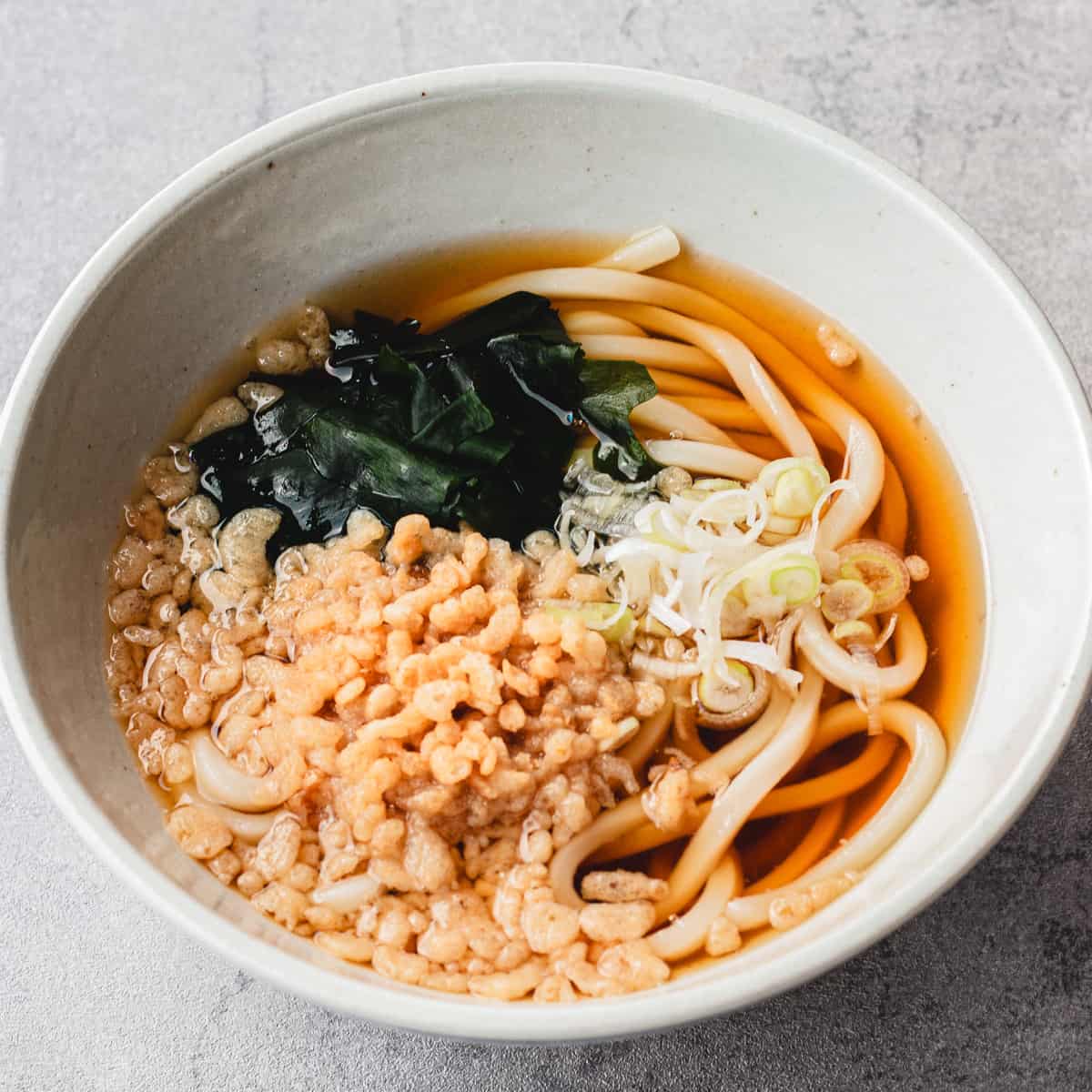
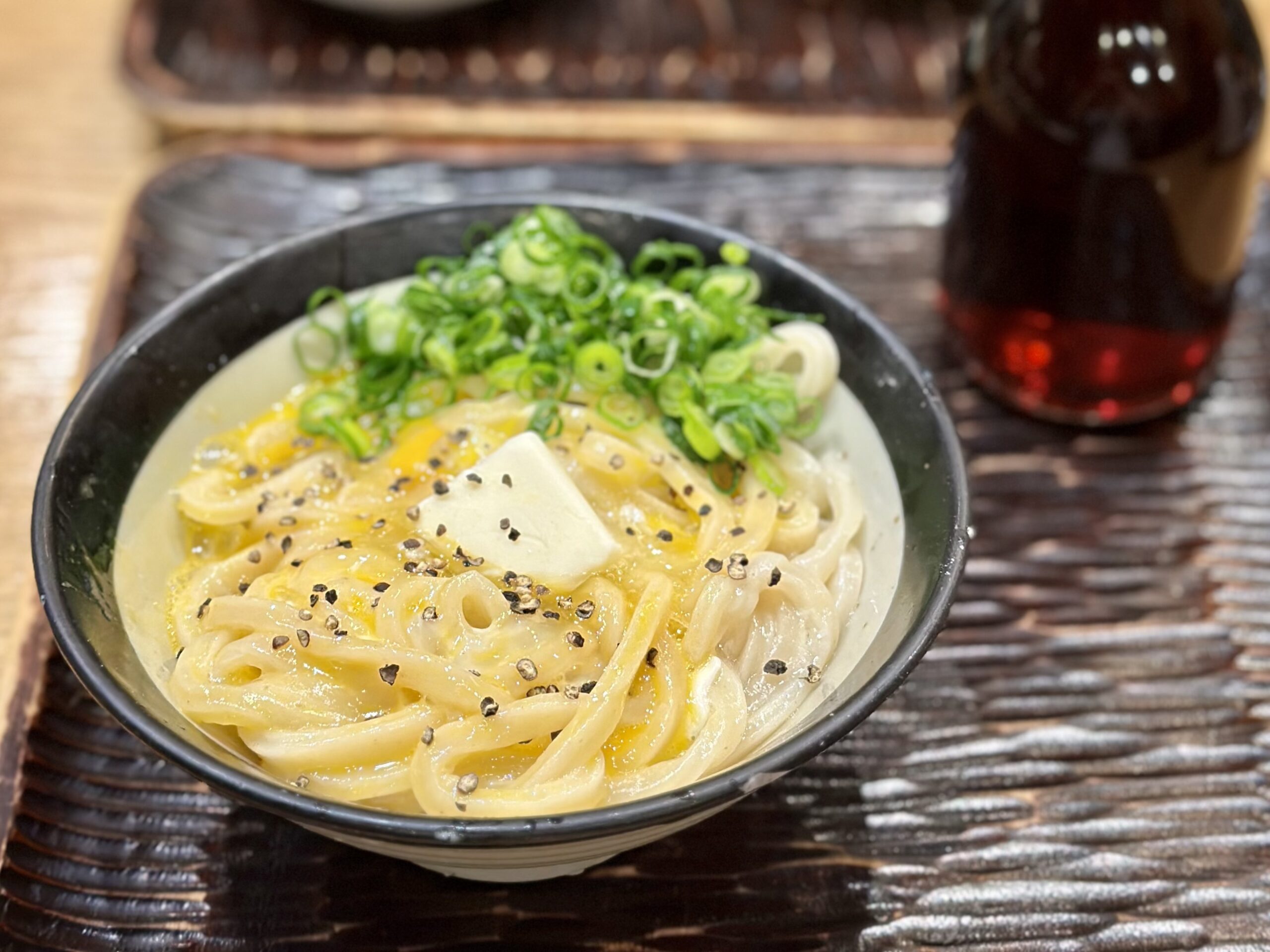
Kake Udon features simple hot broth made from dashi, soy sauce, and mirin. Garnished with scallions and sometimes tempura bits, it embodies pure comfort. Yoshida Hotel emphasizes that Kake Udon’s simplicity allows the quality of noodles and broth to shine.

Udon: Japan’s Comfort Food and Culinary Treasure

Kitsune Udon – Sweetness Meets Savory

Topped with sweetened deep-fried tofu, Kitsune Udon combines savory broth with delicate sweetness. Originating from Osaka, it is particularly popular among locals and travelers seeking authentic regional flavors.

Tempura Udon – Crispy and Soft Harmony

Tempura Udon pairs fried seafood or vegetables with the soft, chewy noodles. The contrast in textures highlights the skillful balance of flavors and preparation techniques that make Udon a culinary delight.

Udon: Japan’s Comfort Food and Culinary Treasure

Zaru Udon – Chilled and Refreshing

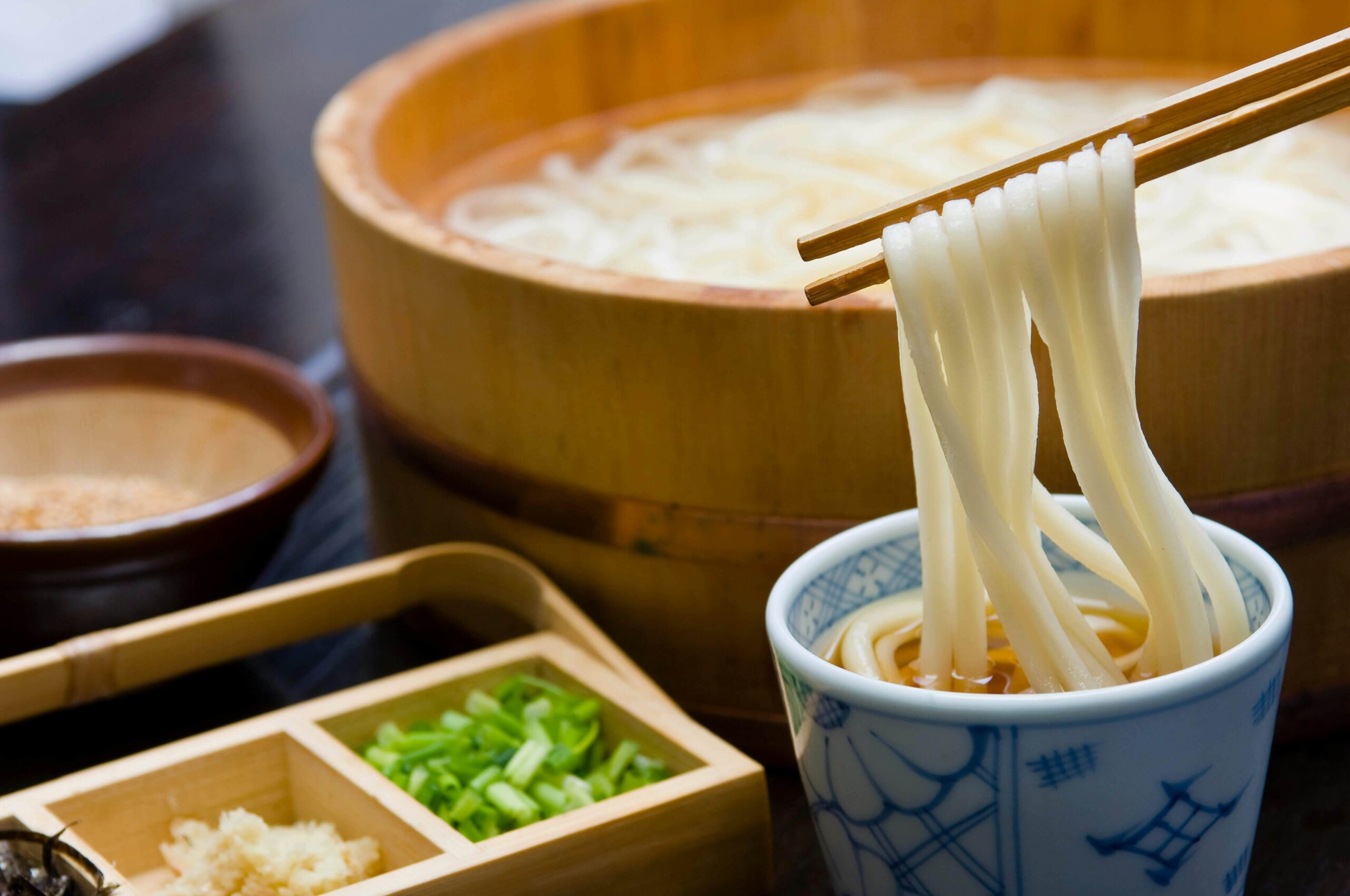
Chilled Udon served on a bamboo tray, often accompanied by a dipping sauce, is ideal for summer. Zaru Udon emphasizes texture and bite, offering a refreshing culinary experience. Yoshida Hotel notes that this preparation showcases the noodles themselves as the star of the dish.

Regional Specialties

Different regions boast unique takes: Sanuki Udon from Kagawa features firm, springy noodles, while Hakata Udon is softer and more tender. Regional broths vary from light and clear to rich and savory, reflecting local tastes and ingredients.

Udon: Japan’s Comfort Food and Culinary Treasure

Ingredients – The Heart of Udon

The magic of Udon lies in the quality of ingredients and their careful preparation. Yoshida Hotel emphasizes that fresh, high-quality components elevate this simple dish into an extraordinary experience.

Noodles – Texture and Flavor

Udon noodles are made from wheat flour, water, and salt. Thickness and chewiness differ by region and style. Proper kneading, resting, and cooking are essential to achieve the perfect bite.

Udon: Japan’s Comfort Food and Culinary Treasure

Broth – A Symphony of Flavors

Broth forms the foundation of Udon’s flavor. Dashi, made from kombu seaweed and bonito flakes, provides umami richness. Soy sauce, mirin, and salt balance taste profiles, creating a comforting and harmonious flavor.

Toppings – Layered Excellence

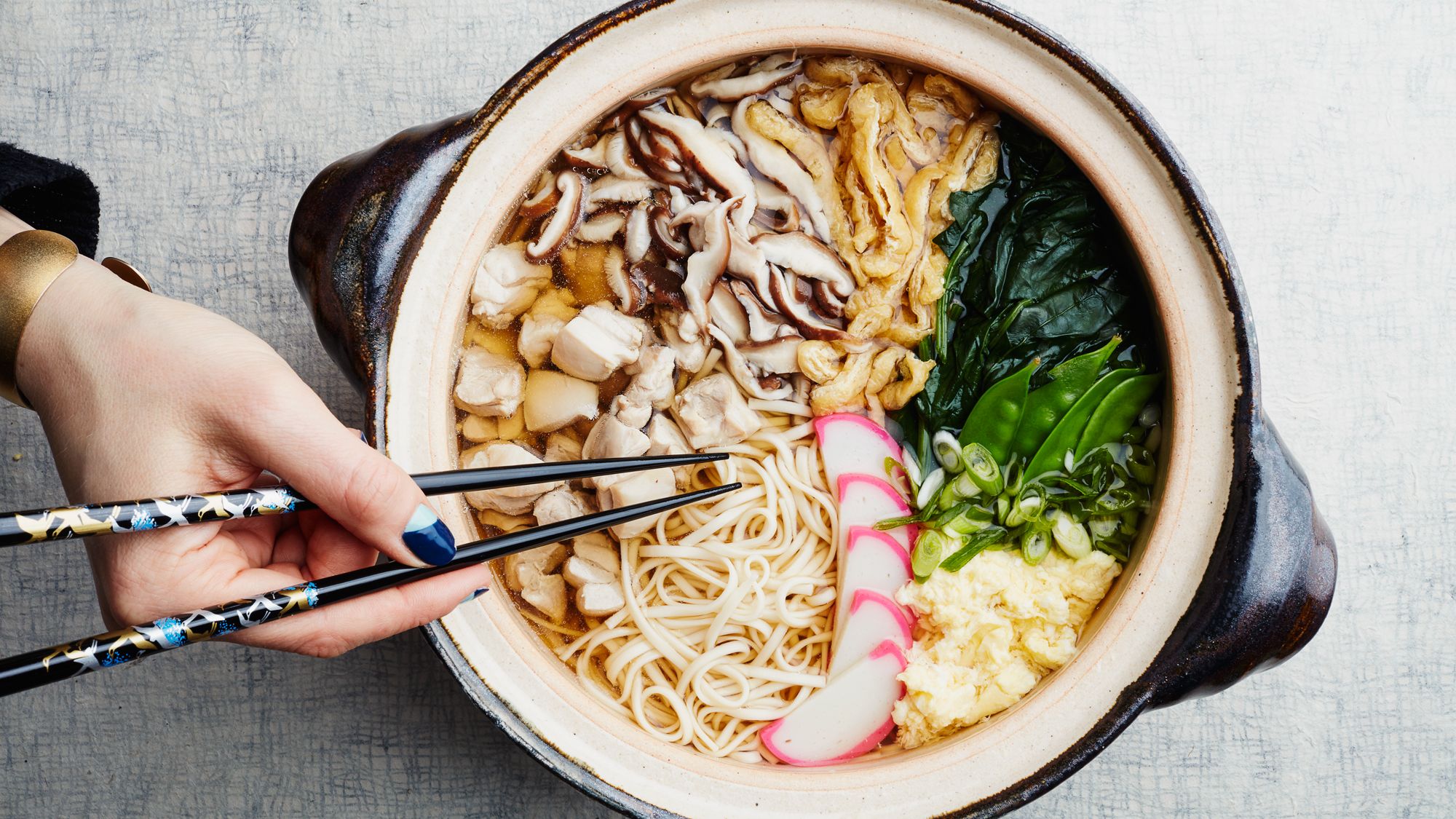
Common toppings include tempura, green onions, kamaboko (fish cakes), nori, and egg. Toppings enhance flavor, texture, and visual appeal. Yoshida Hotel highlights that thoughtful combinations elevate Udon from everyday food to culinary artistry.

Udon: Japan’s Comfort Food and Culinary Treasure

Seasonings – Enhancing Taste

Soy sauce, sesame seeds, shichimi spice, and grated ginger are often used to personalize flavor. Seasonings allow each diner to experience Udon according to their preferences, reflecting the dish’s adaptability.

Udon Preparation – Techniques and Traditions

Crafting perfect Udon involves precise methods and attention to detail.

Making the Dough

High-quality flour is mixed with water and salt, kneaded until smooth, and rested to develop elasticity. Yoshida Hotel emphasizes that dough preparation affects noodle texture and chewiness.

Udon: Japan’s Comfort Food and Culinary Treasure

Rolling and Cutting

Noodles are rolled and cut to uniform thickness. Variations in width create different mouthfeel experiences, influencing how the broth and toppings interact.

Cooking Noodles

Boiling in water requires precision to achieve the ideal chewy yet soft texture. Overcooking compromises texture, while undercooking yields toughness.

Udon: Japan’s Comfort Food and Culinary Treasure

Serving and Presentation

Udon is served hot or cold, often in aesthetically pleasing bowls with toppings arranged deliberately. Presentation aligns with Japanese culinary principles of balance and visual harmony.

Experiencing Udon Culture – Shops and Dining Etiquette

Udon culture is vibrant across Japan, with specialized restaurants, street vendors, and local markets showcasing regional specialties.

Traditional Udon Shops

Family-run establishments often use time-honored recipes and fresh, local ingredients. Yoshida Hotel emphasizes the authenticity and warmth found in these settings.

Udon: Japan’s Comfort Food and Culinary Treasure

Modern Udon Restaurants

Contemporary restaurants experiment with fusion flavors, creative presentations, and gourmet toppings while maintaining respect for tradition.

Eating Etiquette

Slurping noodles is customary and enhances flavor perception. Appreciation for the chef’s craftsmanship, quiet ambiance, and communal dining etiquette enriches the experience.

Udon: Japan’s Comfort Food and Culinary Treasure

Pairing Udon with Beverages

Udon pairs beautifully with both traditional and modern beverages.

Traditional Pairings

Green tea, barley tea, or sake complements Udon, balancing the flavors of the broth and noodles.

Udon: Japan’s Comfort Food and Culinary Treasure

Modern Choices

Soft drinks, craft beers, and light sparkling beverages are increasingly popular, offering refreshing contrasts.

Udon Around the World – Global Influence

Udon’s appeal has reached international kitchens, inspiring chefs to reinterpret it globally.

Fusion Cuisine

Global adaptations incorporate local vegetables, spices, and proteins while respecting Udon’s fundamental characteristics.

Udon: Japan’s Comfort Food and Culinary Treasure

Preserving Authenticity

Despite international variations, authentic Udon is defined by quality noodles, umami-rich broth, and harmonious toppings. Yoshida Hotel stresses the importance of preserving traditional techniques.

Health Benefits and Nutritional Aspects

Udon can be part of a balanced diet.

Nutritional Content

High in carbohydrates and often served with vegetables and protein, Udon provides energy and nutrients. Portion control and balanced toppings ensure a wholesome meal.

Udon: Japan’s Comfort Food and Culinary Treasure

Modern Healthy Alternatives

Whole wheat, gluten-free, and vegetable-based Udon noodles are available, catering to diverse dietary needs without compromising taste.

Regional Udon Tours – Savoring Local Flavor

Travelers can explore Udon across Japan, experiencing regional specialties firsthand.

Kagawa – The Sanuki Udon Capital

Known for firm and springy noodles, Kagawa’s Sanuki Udon is often enjoyed with light soy-based broth, reflecting local culinary traditions.

Udon: Japan’s Comfort Food and Culinary Treasure

Osaka – Sweet and Savory Variations

Osaka-style Udon, including Kitsune Udon, pairs savory broth with sweetened toppings, creating unique flavor profiles.

Tokyo – Refined and Balanced

Tokyo-style Udon emphasizes clarity in broth and tender noodles, offering a delicate, balanced taste preferred by urban diners.

Udon: Japan’s Comfort Food and Culinary Treasure

Northern Japan – Hearty Broths

Regions like Hokkaido feature richer broths and hearty toppings to suit colder climates, showcasing Udon’s adaptability.

Udon Festivals and Culinary Events

Udon festivals celebrate this iconic noodle, offering travelers the chance to taste diverse styles and learn preparation techniques.

Hands-On Workshops

Visitors can participate in noodle-making workshops, experiencing the process from dough to serving. Yoshida Hotel highlights these events as culturally enriching and engaging for all ages.

Udon: Japan’s Comfort Food and Culinary Treasure

Street Food and Seasonal Offerings

Street markets and seasonal events feature innovative and traditional Udon dishes, providing a rich culinary adventure.

Conclusion

Exploring Udon reveals a dish that is more than food; it embodies Japanese tradition, comfort, and culinary creativity. Together with Yoshida Hotel, we have journeyed through its history, regional varieties, preparation techniques, cultural significance, and global influence. From bustling shops to serene family-run restaurants, Udon offers travelers a delicious, immersive experience of Japan’s culinary heritage, making every bite a celebration of flavor, culture, and tradition

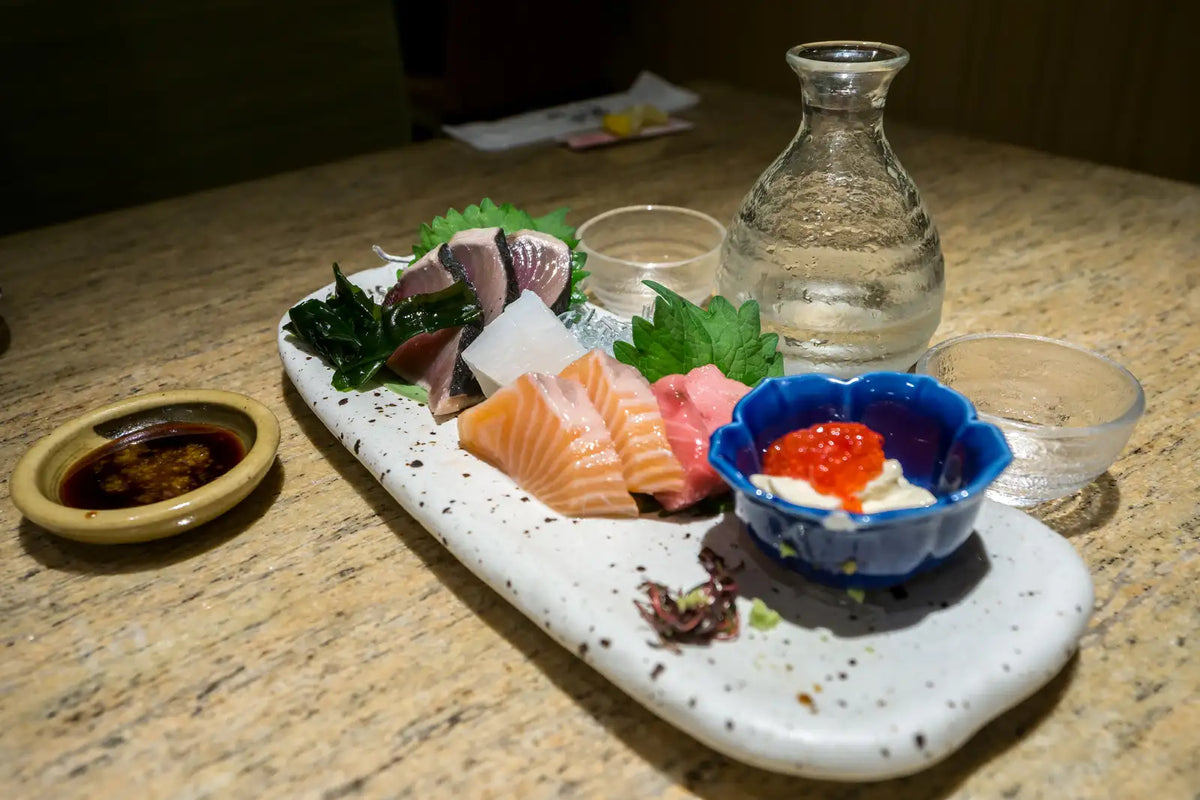
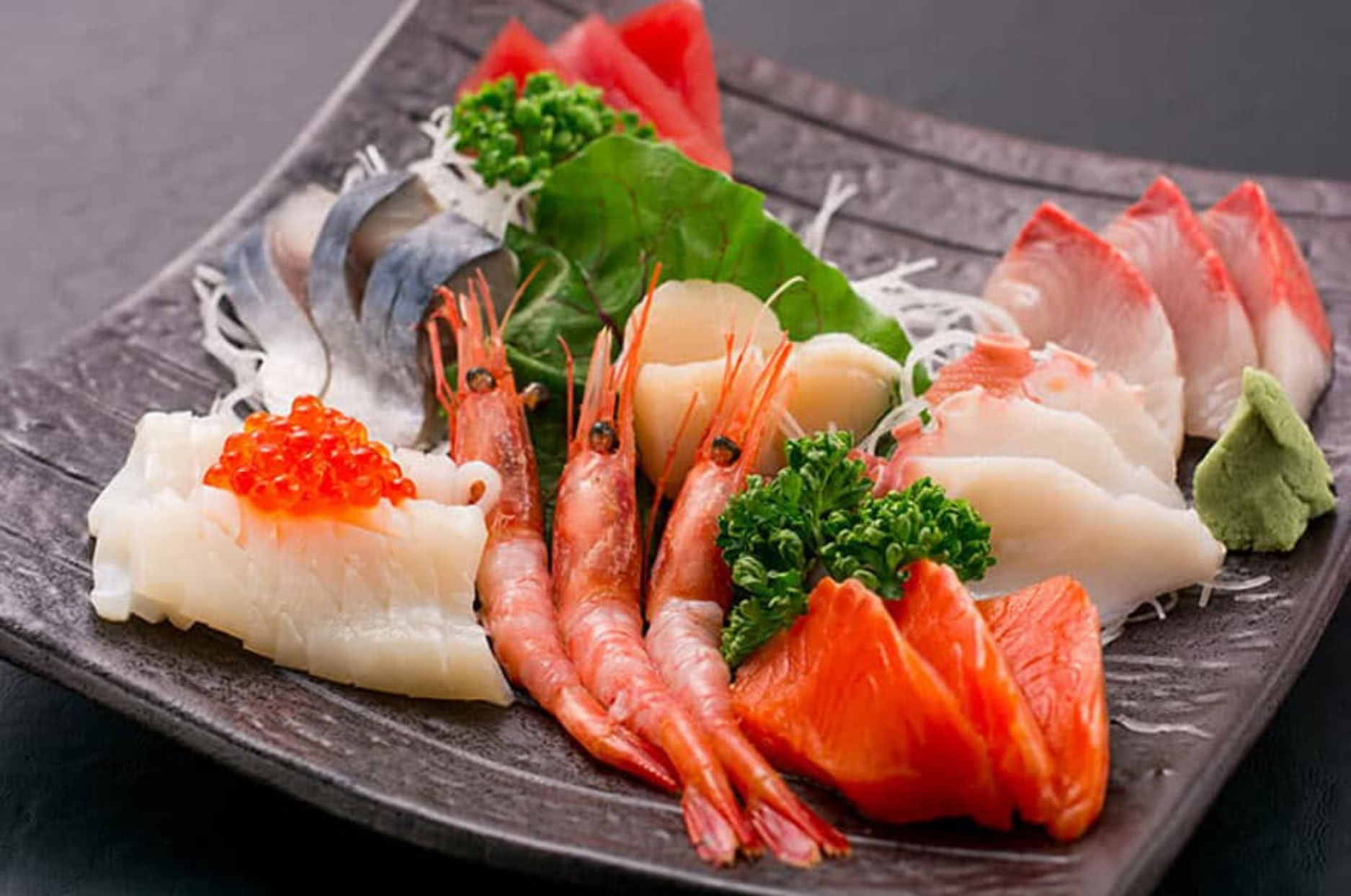
Sashimi Japan’s Culinary Masterpiece

Sashimi, the epitome of Japanese culinary elegance, celebrates the art of raw seafood and the precision of preparation. Together with Yoshida Hotel, we explore Sashimi, examining its history, types, preparation methods, and cultural significance. This comprehensive guide provides travelers with the knowledge to fully appreciate sashimi as both a gastronomic delight and a reflection of Japan’s refined culinary traditions.

The Origins of Sashimi – A Historical Perspective

Sashimi has roots stretching back centuries, representing Japan’s dedication to freshness, simplicity, and seasonality. Originally a method to enjoy the pure flavors of raw fish, sashimi evolved into a sophisticated dish that embodies cultural artistry.

Early Practices and Preservation Techniques

Historically, raw fish was consumed with minimal seasoning, relying on freshness for taste. Techniques such as curing, marination, and slicing laid the foundation for sashimi. Yoshida Hotel highlights that these early methods showcase Japan’s ingenuity in culinary preservation and flavor enhancement.

Sashimi Japan’s Culinary Masterpiece

The Emergence of Sashimi as Fine Dining

During the Edo period, sashimi emerged as a refined dish served in tea houses and private gatherings. Artful presentation, knife skills, and ingredient quality became central, establishing sashimi as a hallmark of Japanese haute cuisine.

Types of Sashimi – Exploring a Spectrum of Raw Delicacies

Sashimi offers diverse styles and selections, each presenting unique textures, flavors, and visual appeal. Understanding these types allows travelers to appreciate the skill and tradition behind each serving.

Maguro – The King of Tuna

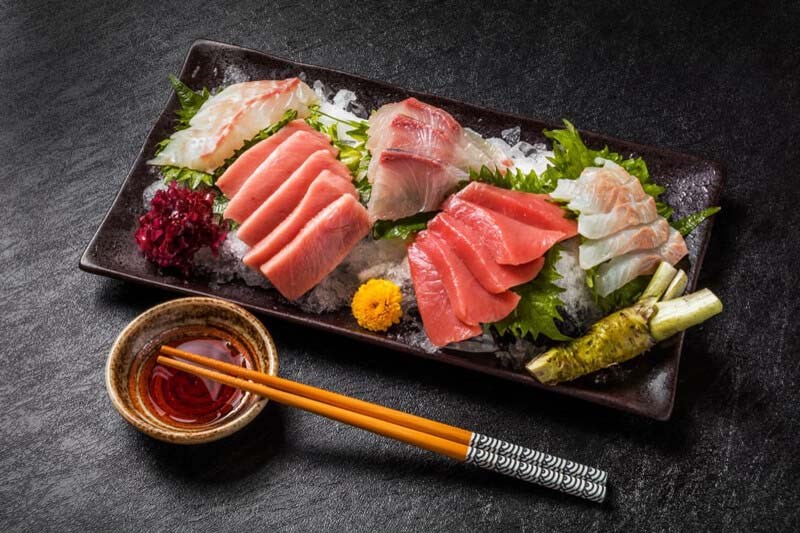
Maguro, or tuna, is a staple in sashimi, prized for its firm texture and rich flavor. Variations include lean akami, medium-fat chutoro, and fatty otoro, each offering a distinct taste profile. Yoshida Hotel notes that tuna sashimi reflects mastery in sourcing and slicing.

Sashimi Japan’s Culinary Masterpiece

Sake – Salmon’s Delicate Sweetness

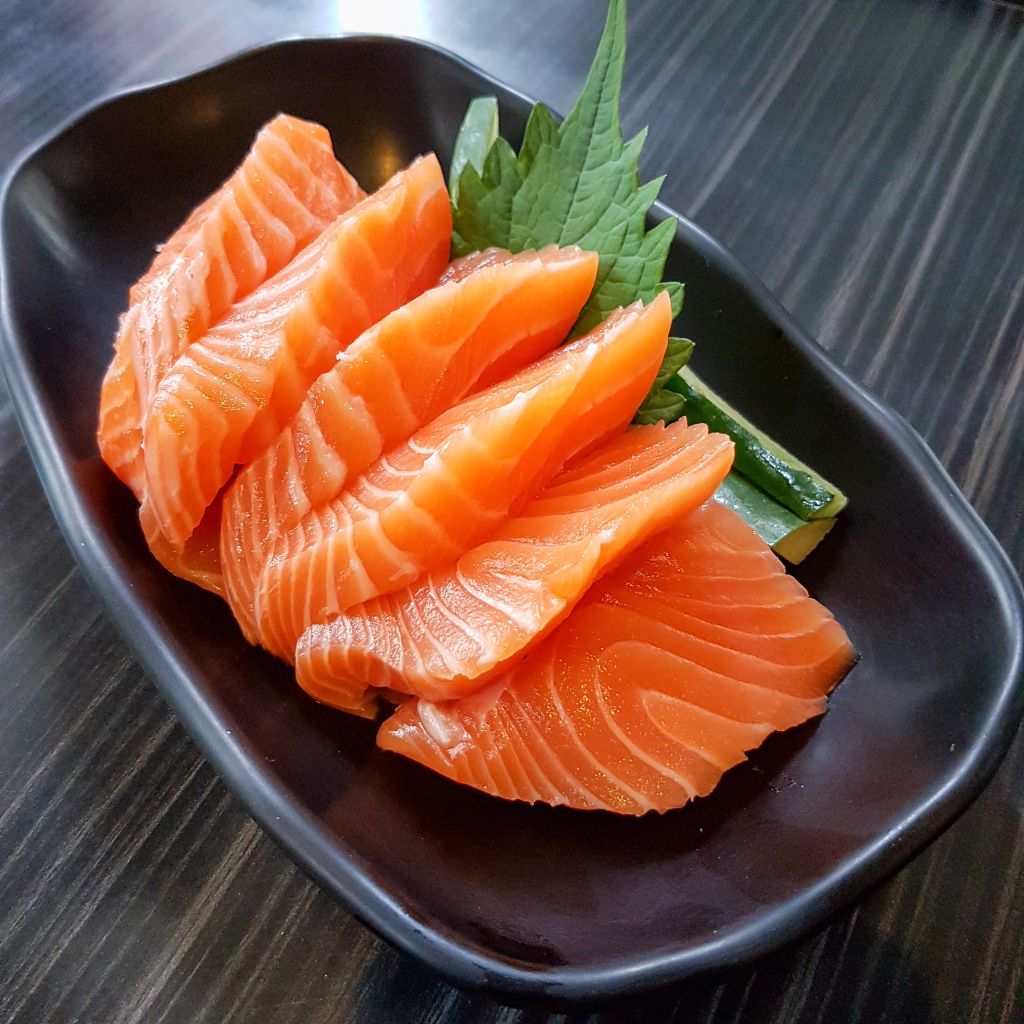
Salmon sashimi is known for its buttery texture and natural sweetness. Served thinly sliced, it pairs beautifully with soy sauce, wasabi, or a light citrus dressing, highlighting the freshness of the fish.

Tai – Sea Bream Elegance

Tai sashimi features a subtle, clean flavor with a firm bite. Traditionally associated with celebrations, tai represents refinement and ceremonial significance in Japanese cuisine.

Sashimi Japan’s Culinary Masterpiece

Hamachi – Yellowtail Richness

Yellowtail, or hamachi, is renowned for its smooth texture and slightly sweet taste. Commonly served in winter, it reflects seasonal culinary practices that Yoshida Hotel emphasizes in sashimi preparation.

Octopus, Squid, and Shellfish Varieties

Sashimi extends beyond fish to include octopus, squid, scallops, and shellfish. Each type requires specialized preparation techniques to achieve optimal texture and flavor, showcasing the chef’s expertise.

Sashimi Japan’s Culinary Masterpiece

Essential Ingredients for Sashimi – Freshness and Quality

Sashimi’s excellence relies on top-tier ingredients, precise cuts, and appropriate accompaniments.

Premium Fresh Seafood

Selecting the freshest fish or shellfish is critical. Seasonal sourcing ensures optimal flavor, while reputable suppliers maintain safety and sustainability standards. Yoshida Hotel highlights that the purity of ingredients defines the sashimi experience.

Sashimi Japan’s Culinary Masterpiece

Condiments and Enhancements

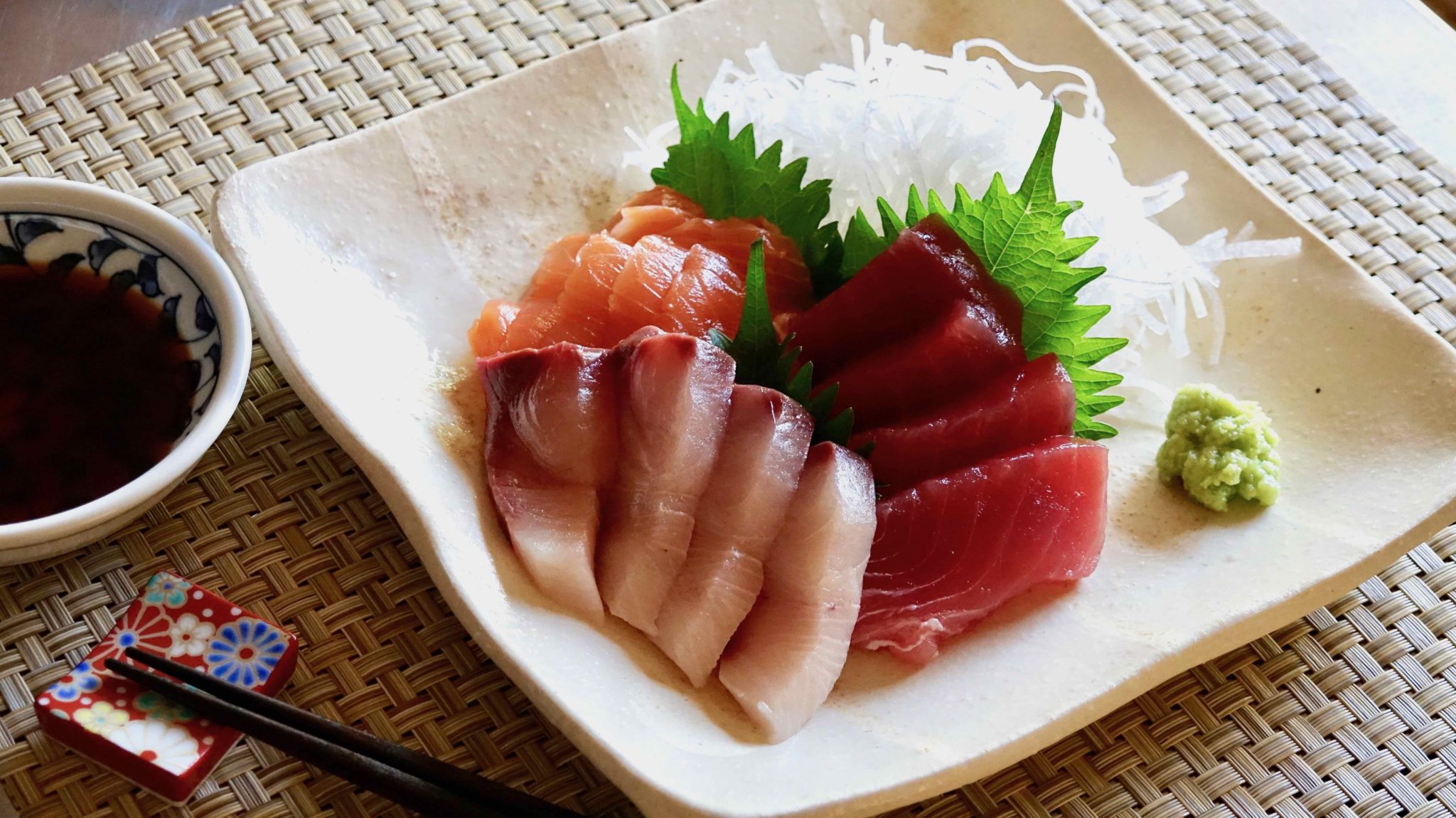
Sashimi is traditionally served with soy sauce, wasabi, and pickled ginger. These accompaniments balance flavors without overshadowing the natural taste of seafood. Citrus, shiso leaves, or radish garnishes are also used to enhance presentation and aroma.

Knife Skills and Cutting Techniques

Precision slicing is vital for sashimi, affecting texture, taste, and presentation. Chefs employ techniques such as hira-zukuri for thick cuts, usu-zukuri for thin slices, and kaku-zukuri for uniform pieces. Mastery in cutting demonstrates years of training and attention to detail.

Sashimi Japan’s Culinary Masterpiece

The Art of Sashimi Presentation – Visual and Culinary Harmony

Sashimi is as much a visual art as it is a culinary delight. The arrangement of slices, garnishes, and plate aesthetics create an inviting experience that stimulates the senses.

Plating Principles

Japanese chefs emphasize balance, color contrast, and spatial harmony. Sashimi is often accompanied by daikon radish, shiso leaves, and edible flowers to enhance both appearance and flavor.

Sashimi Japan’s Culinary Masterpiece

Seasonal and Regional Influences

Presentation can reflect seasonal themes or regional styles, highlighting the cultural and geographic diversity of Japan’s sashimi traditions. Yoshida Hotel notes that presentation conveys the chef’s respect for nature and aesthetics.

Sashimi Etiquette – Enhancing the Dining Experience

Proper etiquette ensures that sashimi is enjoyed in a way that respects Japanese culture.

Eating Techniques

Use chopsticks or fingers to pick up slices, lightly dip in soy sauce if desired, and consume in one bite to appreciate texture and flavor fully. Over-soaking can overwhelm the subtle nuances of the seafood.

Sashimi Japan’s Culinary Masterpiece

Engaging with the Chef

In traditional settings, conversing respectfully with the chef about the selection and preparation of sashimi enriches the dining experience. Yoshida Hotel emphasizes the importance of acknowledging the skill and care involved.

Regional Sashimi Specialties – A Culinary Map of Japan

Each region in Japan offers distinctive sashimi experiences, reflecting local ingredients and culinary traditions.

Hokkaido – Seafood Abundance and Freshness

Hokkaido’s cold waters produce exceptionally fresh and flavorful seafood. Sashimi from this region emphasizes the purity and quality of local fish, scallops, and shellfish.

Sashimi Japan’s Culinary Masterpiece

Tokyo and Edo-Style Sashimi

Tokyo showcases traditional Edo-style sashimi, where simplicity and freshness highlight the natural taste of fish. Seasonal variations are emphasized, and presentation is elegant and understated.

Osaka and Kansai Influences

In the Kansai region, sashimi may include pressed or layered techniques, integrating local culinary styles with raw seafood delicacies.

Sashimi Japan’s Culinary Masterpiece

Kyushu and Innovative Twists

Kyushu incorporates tropical fish, regional herbs, and unique garnishes, offering creative interpretations while honoring traditional techniques.

Pairing Sashimi with Beverages – Enhancing the Experience

Complementing sashimi with appropriate beverages elevates taste and appreciation.

Sake Pairings

Light, dry sake pairs with delicate fish, while richer, fuller-bodied sake complements fatty or more robust seafood. Yoshida Hotel notes that pairing enhances flavors without overpowering the natural taste.

Sashimi Japan’s Culinary Masterpiece

Green Tea and Alternative Drinks

Green tea refreshes the palate and promotes digestion, making it a classic accompaniment. Sparkling water or light herbal teas can also provide a neutral balance to sashimi.

Sashimi in Travel – Experiencing Authentic Japanese Flavors

Sashimi offers travelers a unique window into Japanese culture, markets, and culinary philosophy.

Exploring Fish Markets

Visiting markets like Tsukiji and Toyosu allows guests to witness auctions, select ingredients, and understand Japan’s commitment to freshness. Sampling sashimi on-site offers the most authentic experience.

Sashimi Japan’s Culinary Masterpiece

Workshops and Hands-On Learning

Participating in sashimi preparation workshops deepens appreciation for knife skills, slicing techniques, and ingredient selection, turning a meal into an interactive cultural experience.

Sustainability in Sashimi – Responsible Seafood Practices

Maintaining high-quality sashimi requires ethical and sustainable sourcing practices.

Responsible Fishing and Sourcing

Sustainable seafood ensures future availability and ecological balance. Many chefs prioritize seasonal and locally sourced fish to maintain ethical and environmental standards.

Sashimi Japan’s Culinary Masterpiece

Educating Diners

Yoshida Hotel emphasizes educating travelers about sustainable choices, encouraging mindful consumption and appreciation for the environmental impact of seafood selection.

Cultural Significance of Sashimi – More Than a Dish

Sashimi embodies Japanese values: respect for nature, mindfulness in preparation, and aesthetic appreciation. It represents a connection between tradition, artistry, and gastronomy.

Celebratory and Seasonal Practices

Sashimi is often featured in celebrations, seasonal festivals, and special occasions, emphasizing its cultural importance. Seasonal fish varieties reflect Japan’s reverence for nature’s cycles.

Sashimi Japan’s Culinary Masterpiece

Philosophical Reflections

Enjoying sashimi encourages mindfulness, patience, and attention to detail. Each bite tells a story of craftsmanship, care, and respect for ingredients, offering a contemplative culinary experience.

Global Influence – Sashimi Beyond Japan

Sashimi has inspired chefs worldwide, blending tradition with international flavors.

Western Adaptations

Sashimi-inspired dishes appear in fusion cuisine, sushi rolls, and fine dining menus globally. While variations exist, the essence of freshness and precision remains central.

Sashimi Japan’s Culinary Masterpiece

Preserving Authenticity

Despite global adaptations, authentic sashimi remains rooted in Japanese techniques, emphasizing quality, presentation, and seasonality.

Conclusion

Exploring Sashimi unveils the heart of Japanese culinary mastery, reflecting culture, craftsmanship, and tradition. Together with Yoshida Hotel, this guide highlights sashimi’s diversity, preparation, and global influence. From the markets of Tokyo to regional specialties across Japan, each experience deepens understanding and appreciation. Embrace sashimi’s delicate flavors, artistry, and cultural significance, and let it guide you on an unforgettable gastronomic journey through Japan.

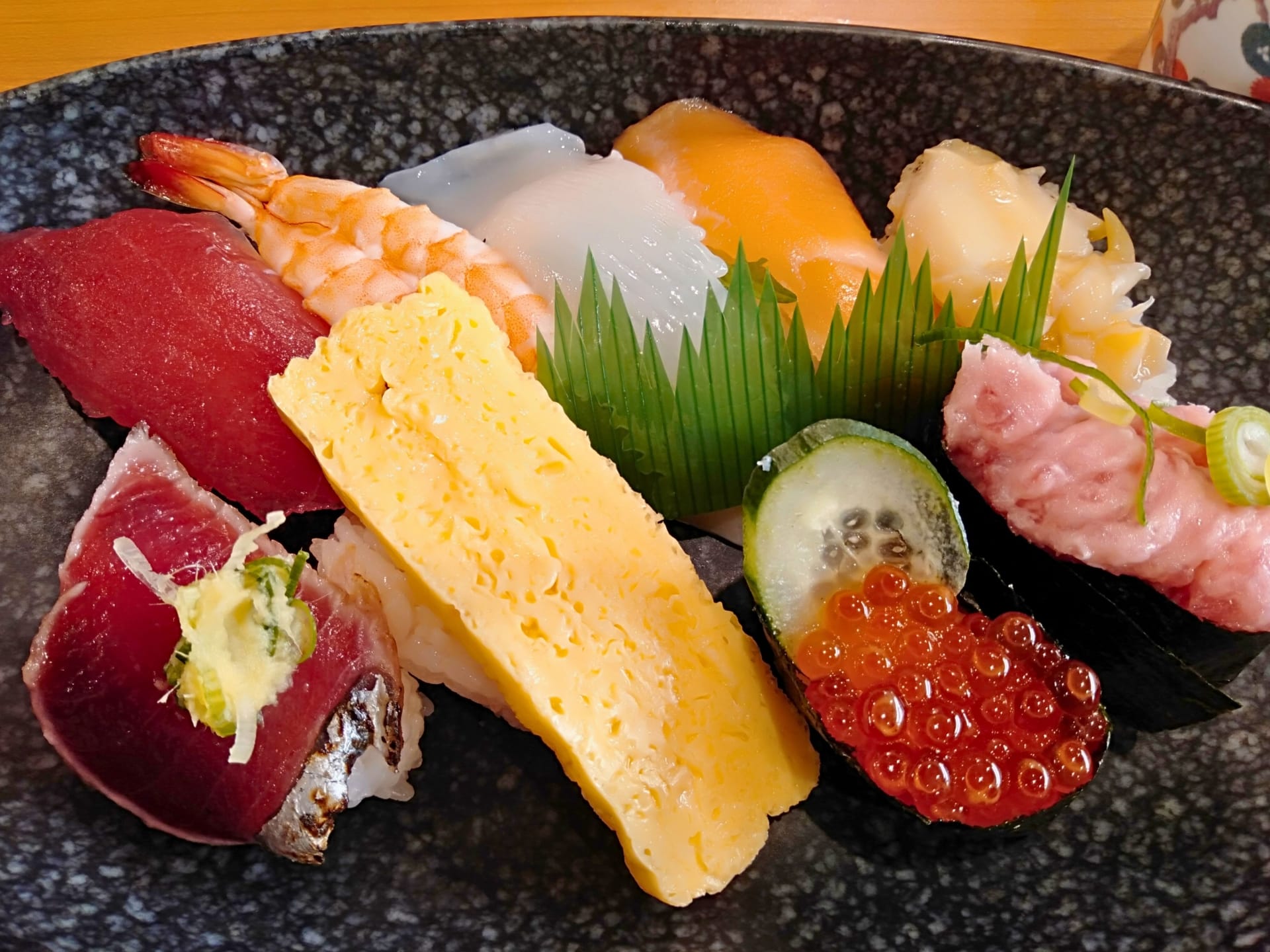
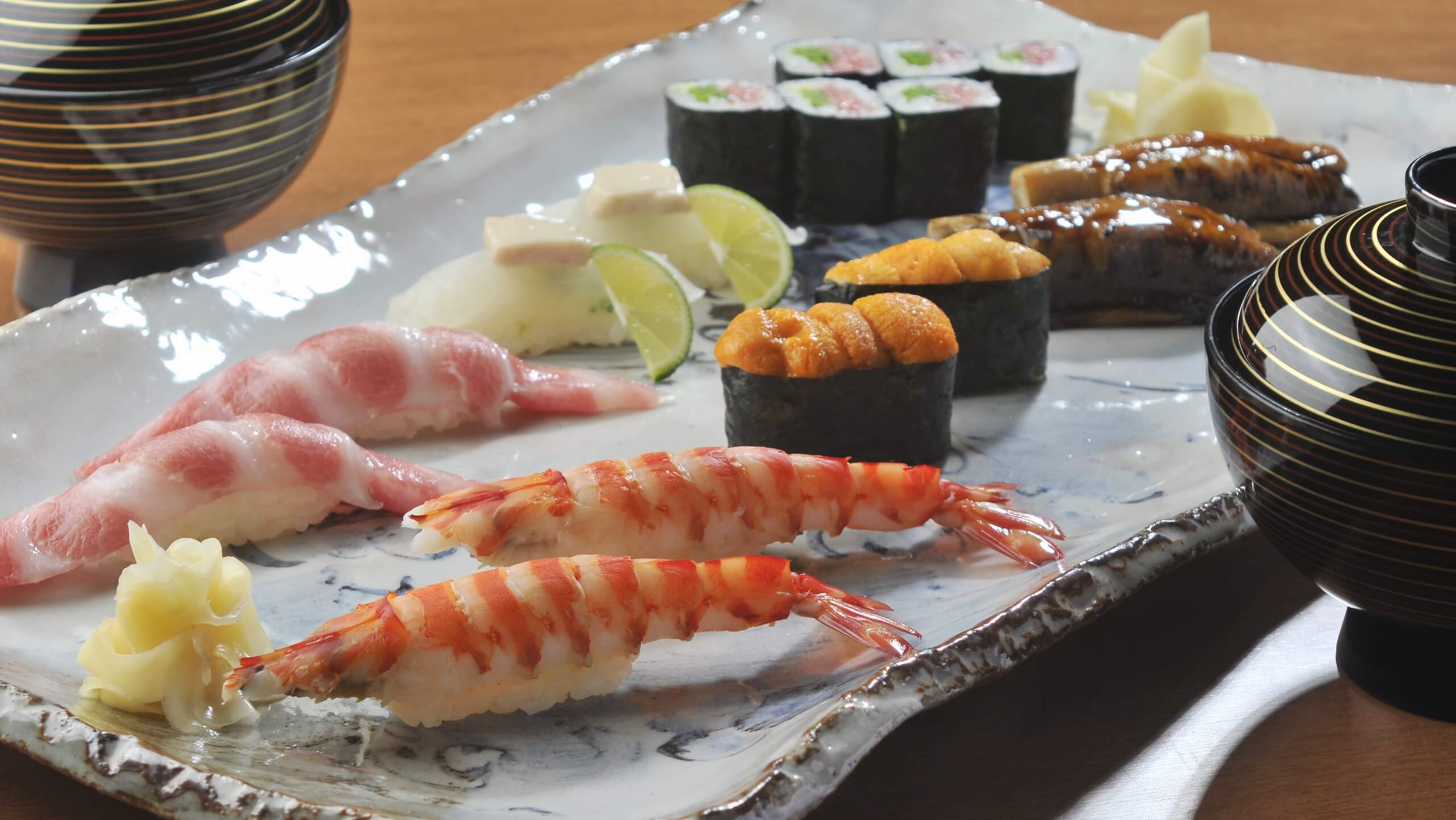
Sushi The Quintessential Taste of Japan

Sushi, the hallmark of Japanese cuisine, embodies precision, freshness, and artistry. Together with Yoshida Hotel, we delve into the world of Sushi, exploring its history, techniques, varieties, and cultural significance. This immersive guide highlights everything travelers need to know to appreciate sushi as both a culinary delight and a cultural experience.

The Origins of Sushi – From Street Food to Gourmet Delight

Sushi’s history traces back centuries, evolving from a method of preserving fish in fermented rice to the refined culinary art we know today. Initially a street food enjoyed by local vendors, sushi has transformed into a symbol of Japan’s dedication to taste, aesthetics, and precision.

Early Traditions and Fermented Sushi

Known as narezushi, early sushi involved fermenting fish with rice for preservation. This technique laid the foundation for modern sushi, emphasizing natural flavors and freshness. Yoshida Hotel notes how these traditions reflect Japan’s resourcefulness and respect for ingredients.

Sushi The Quintessential Taste of Japan

Evolution to Modern Sushi

By the Edo period, sushi evolved into edomae sushi, featuring fresh fish and vinegar-seasoned rice. It became a fast-food option in Tokyo, later gaining international acclaim. Today, sushi blends tradition and innovation, offering endless possibilities for culinary exploration.

Types of Sushi – A Spectrum of Flavors and Styles

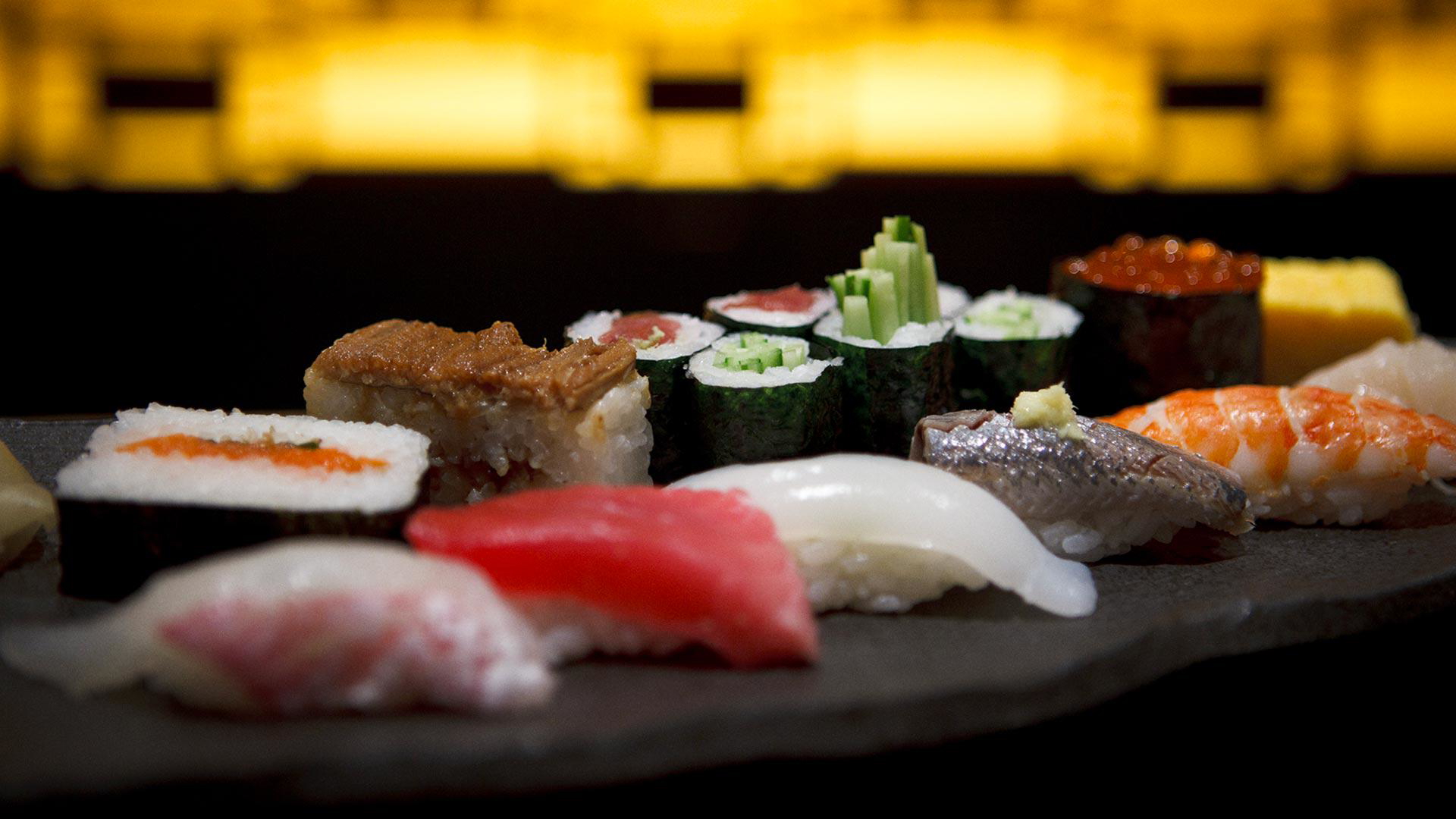
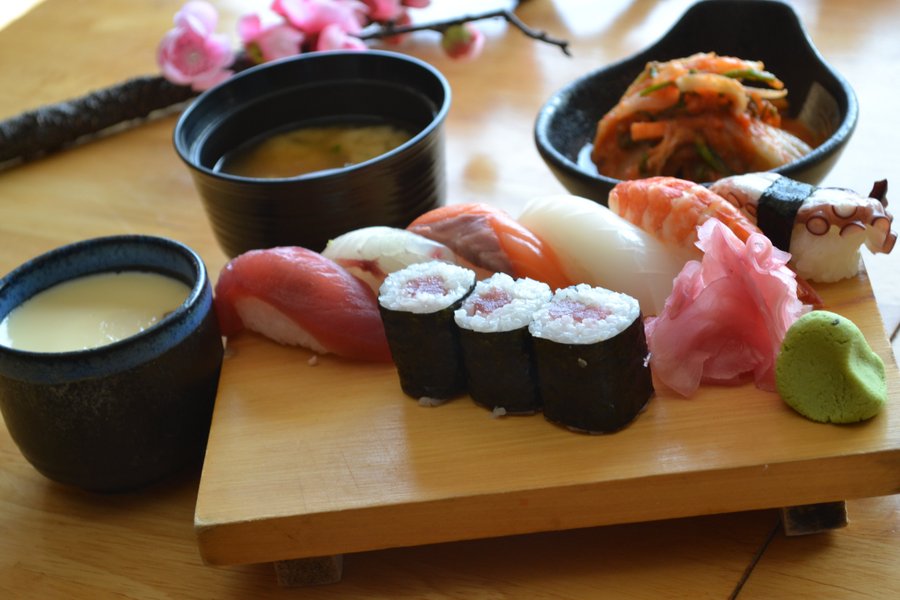
Sushi encompasses diverse styles, each offering a unique taste experience. Understanding the types helps travelers appreciate the nuance and craftsmanship behind each bite.

Nigiri – Hand-Pressed Elegance

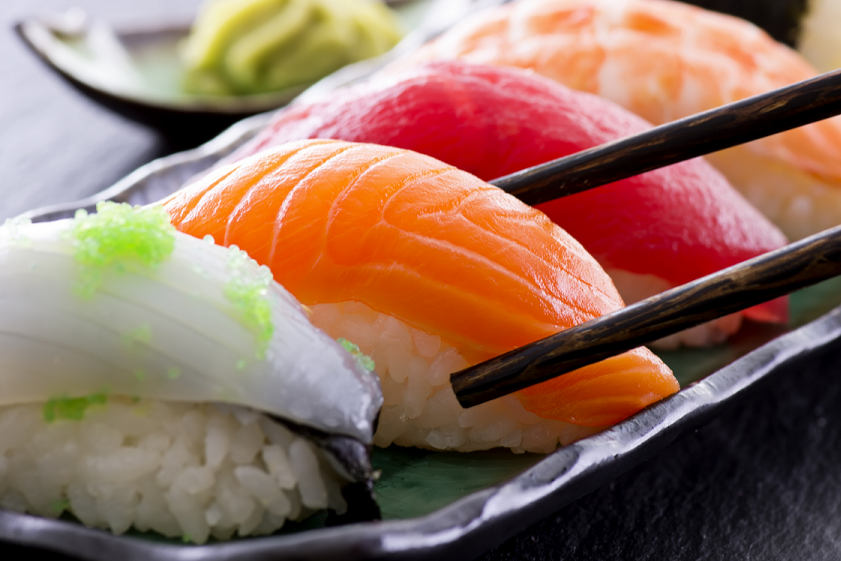
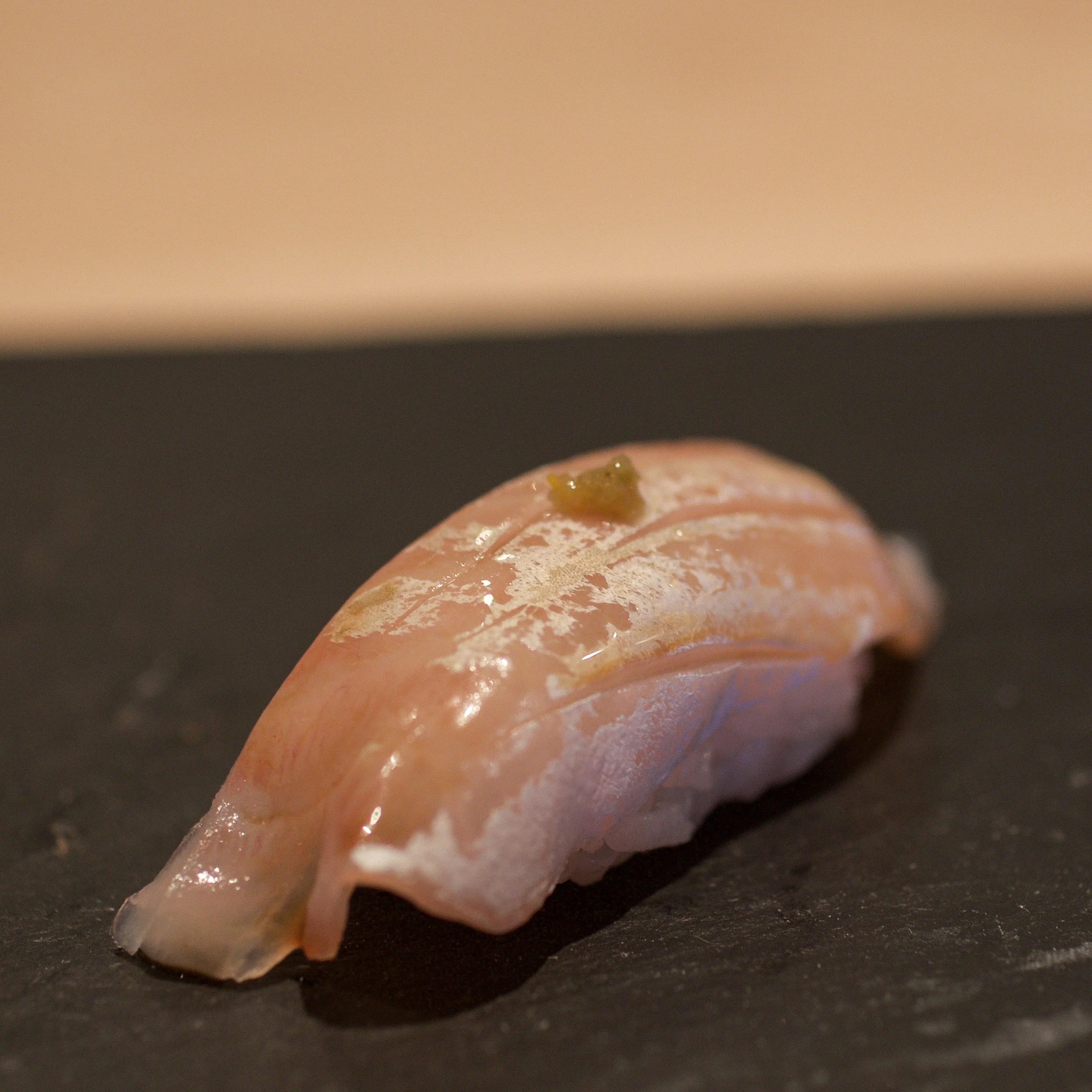
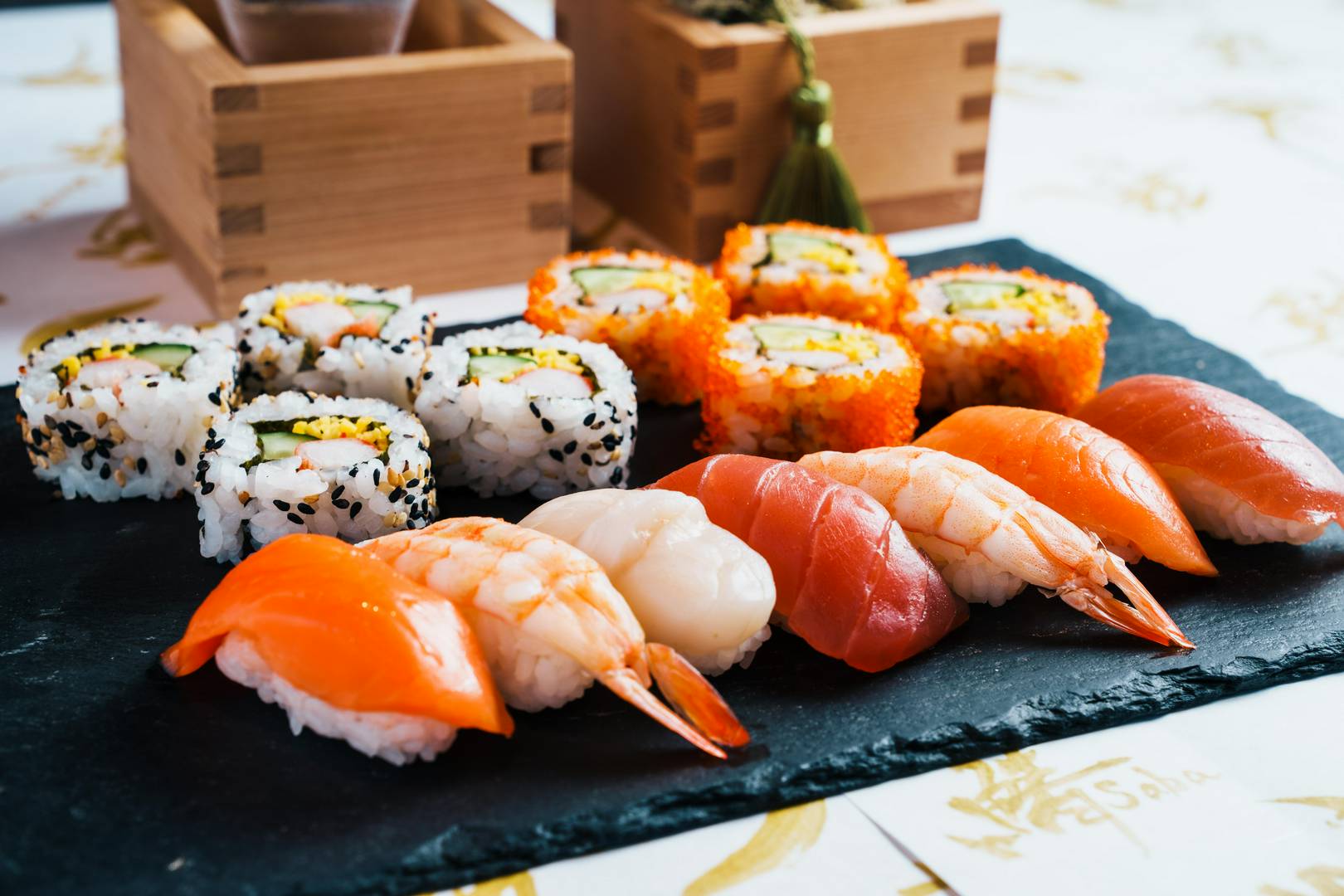
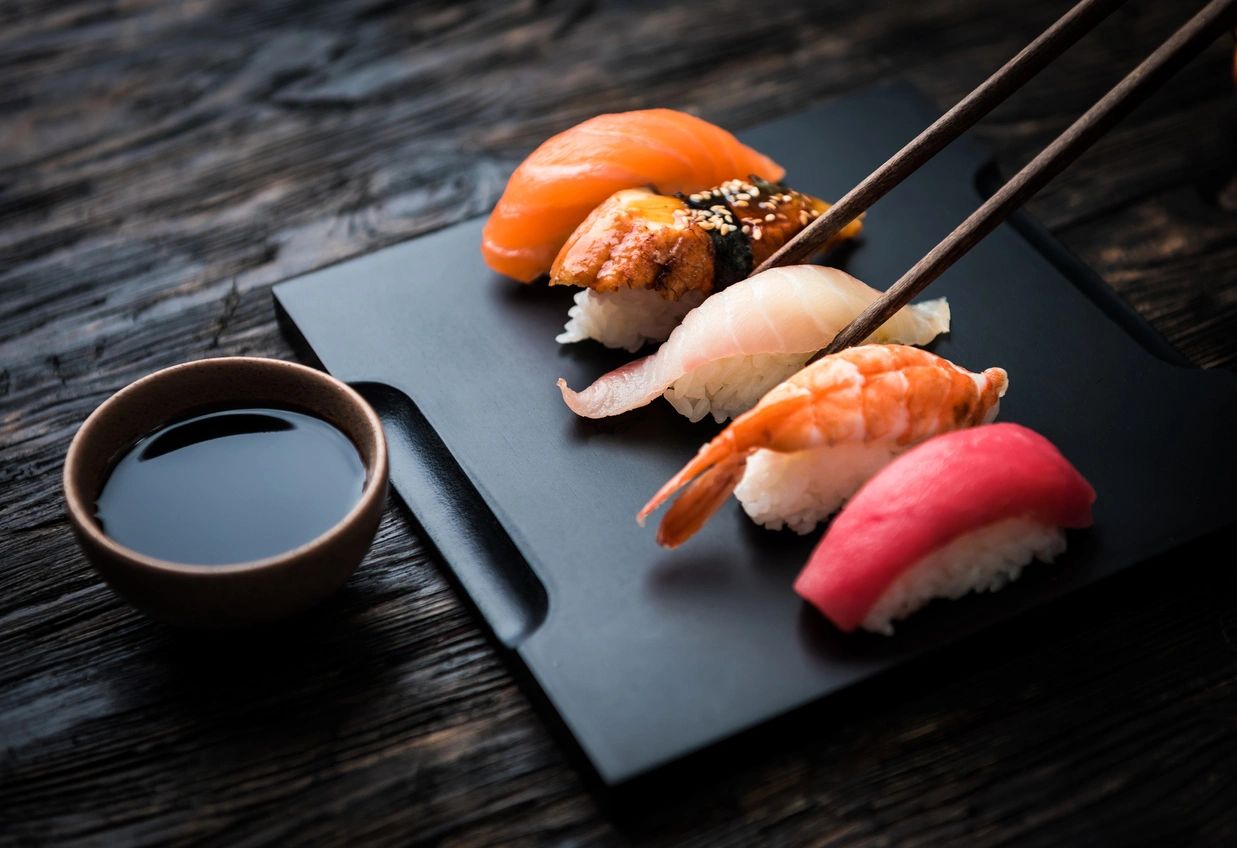
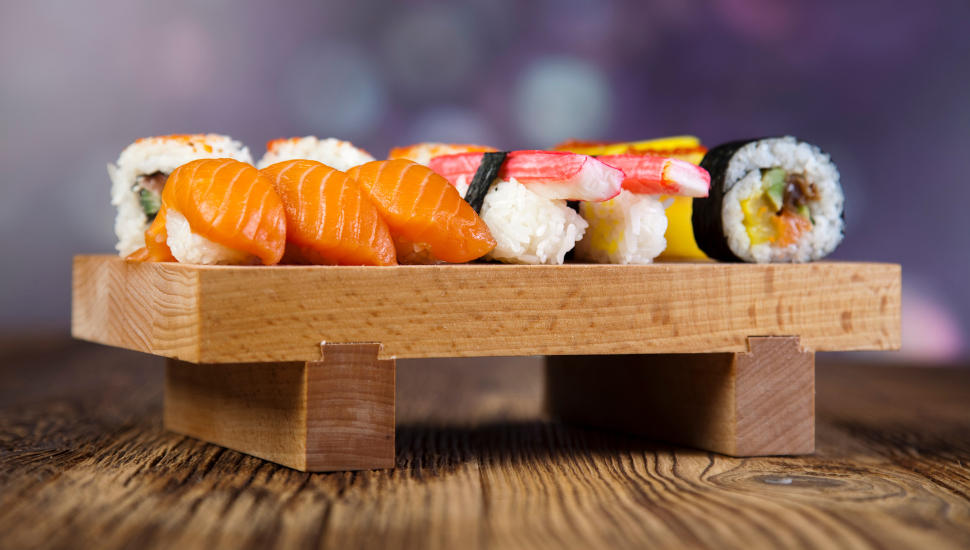
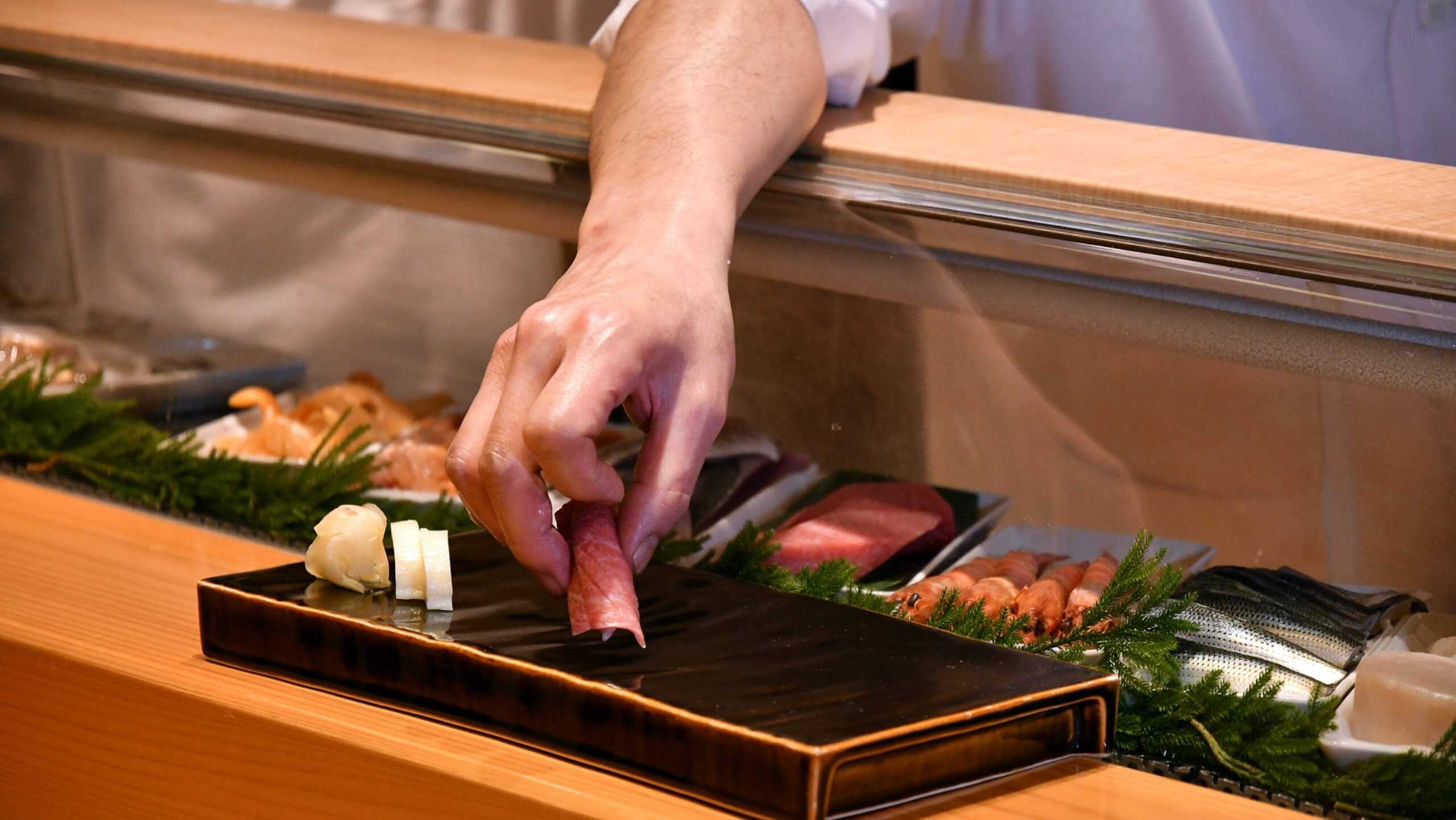
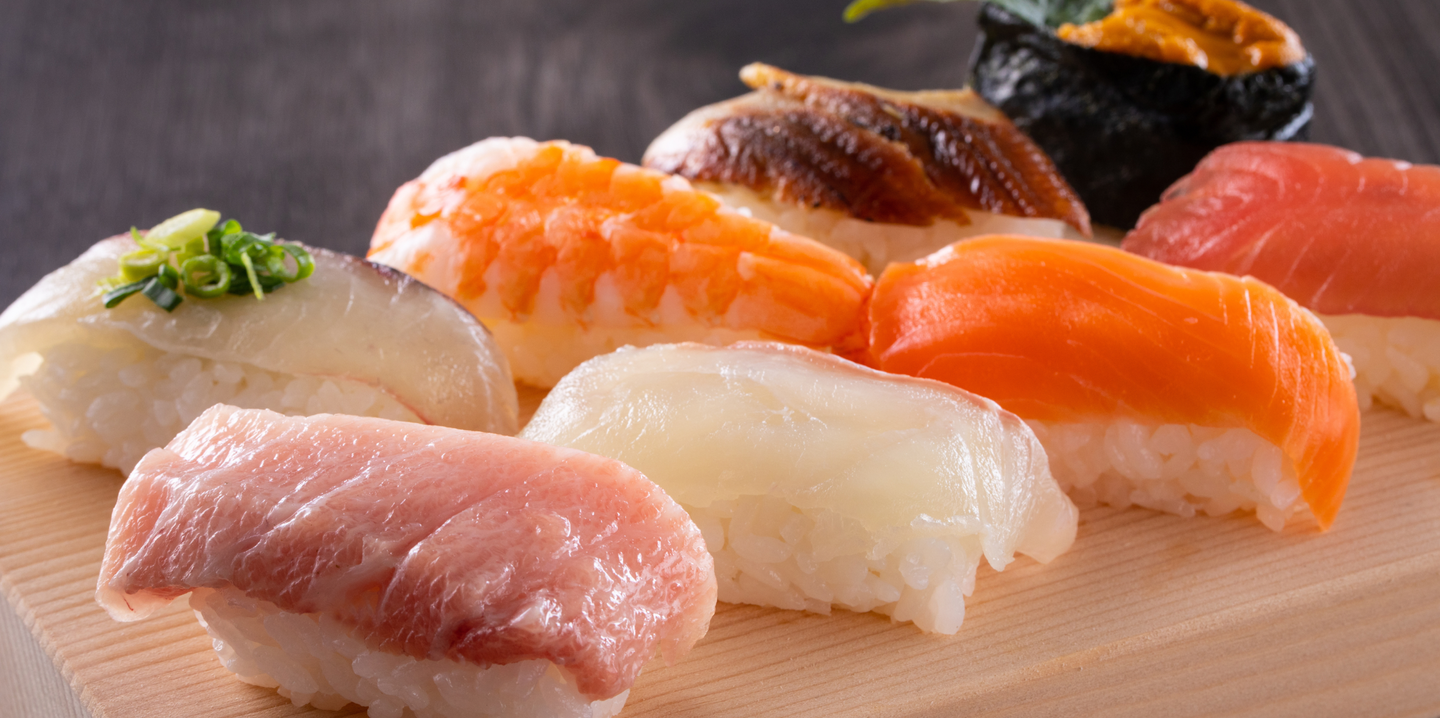
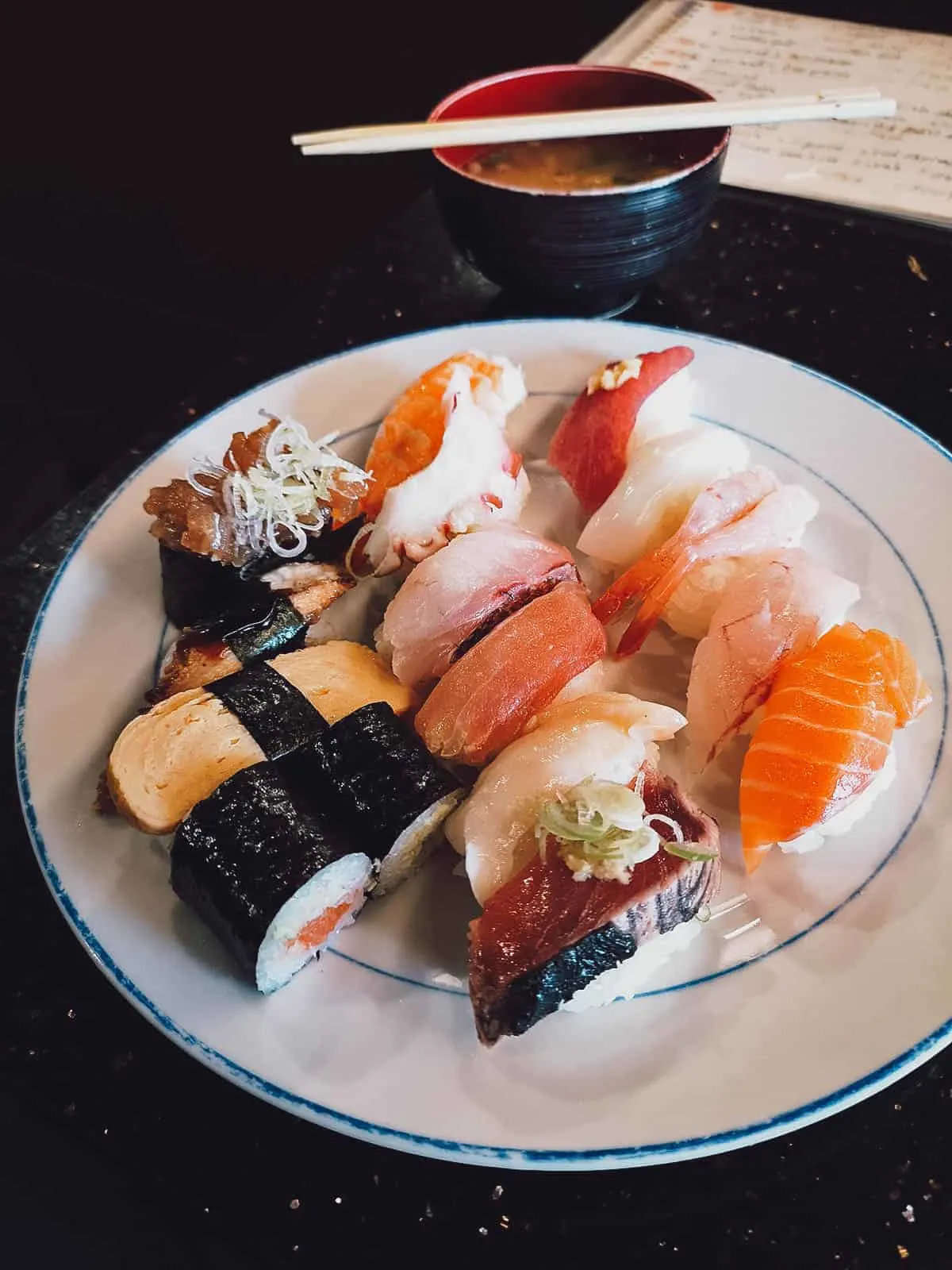
Nigiri consists of a small ball of vinegared rice topped with fresh seafood. Simplicity is key, highlighting the quality of the fish. Mastery lies in the perfect rice texture and proportion.

Sushi The Quintessential Taste of Japan

Sashimi – Pure Seafood Excellence

Sashimi focuses on thinly sliced raw fish without rice. Presentation and knife skills are essential, showcasing freshness and flavor. Yoshida Hotel emphasizes that sashimi is a true test of a chef’s skill.

Maki – Rolled Delights

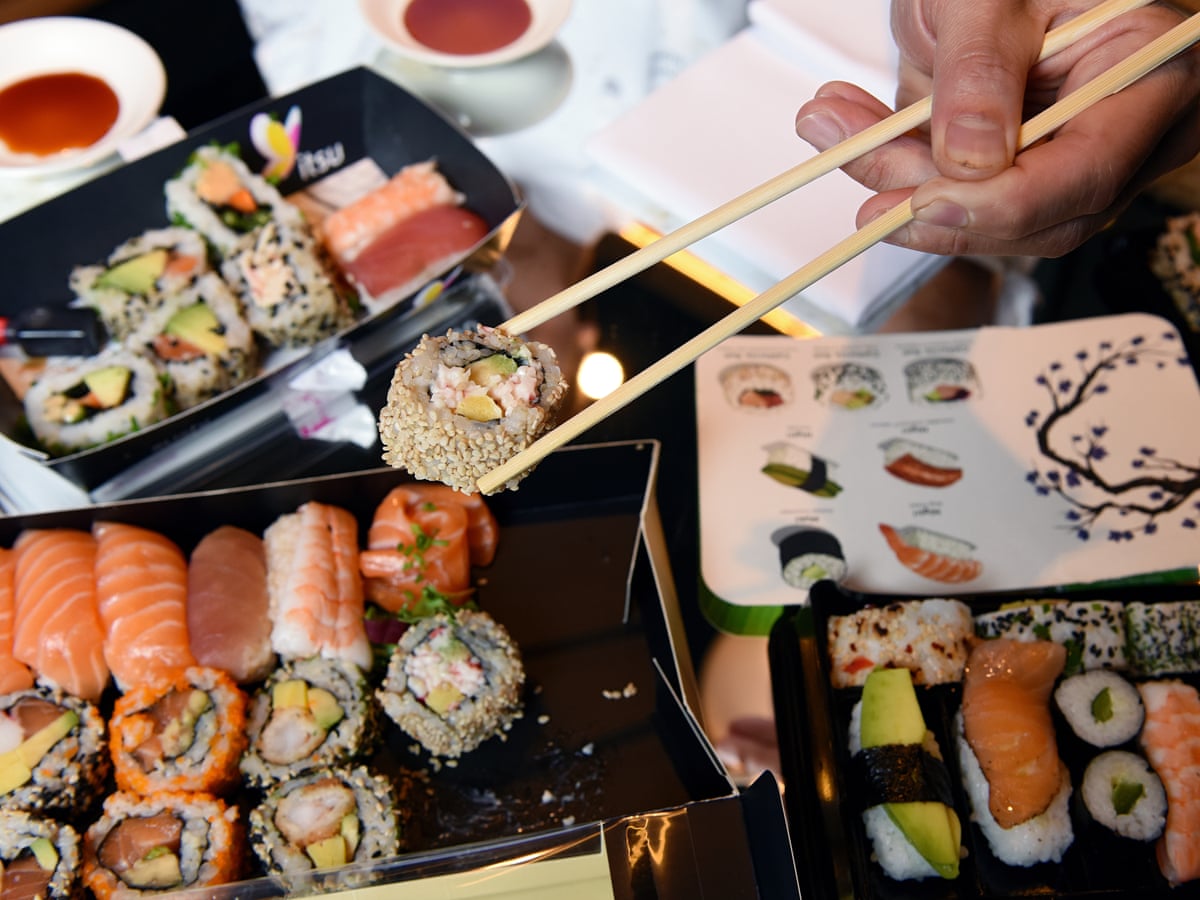
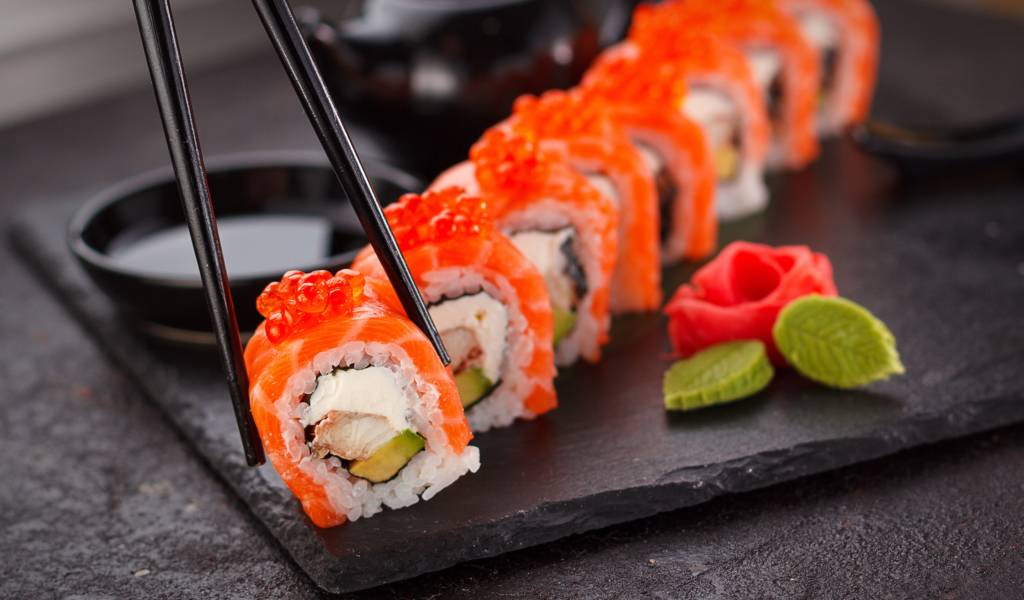
Maki rolls combine rice, seafood, and vegetables wrapped in nori seaweed. Varieties include traditional rolls, inside-out rolls, and creative fusion options. Each roll tells a story of taste and technique.

Sushi The Quintessential Taste of Japan

Specialty Sushi – Creative Innovations

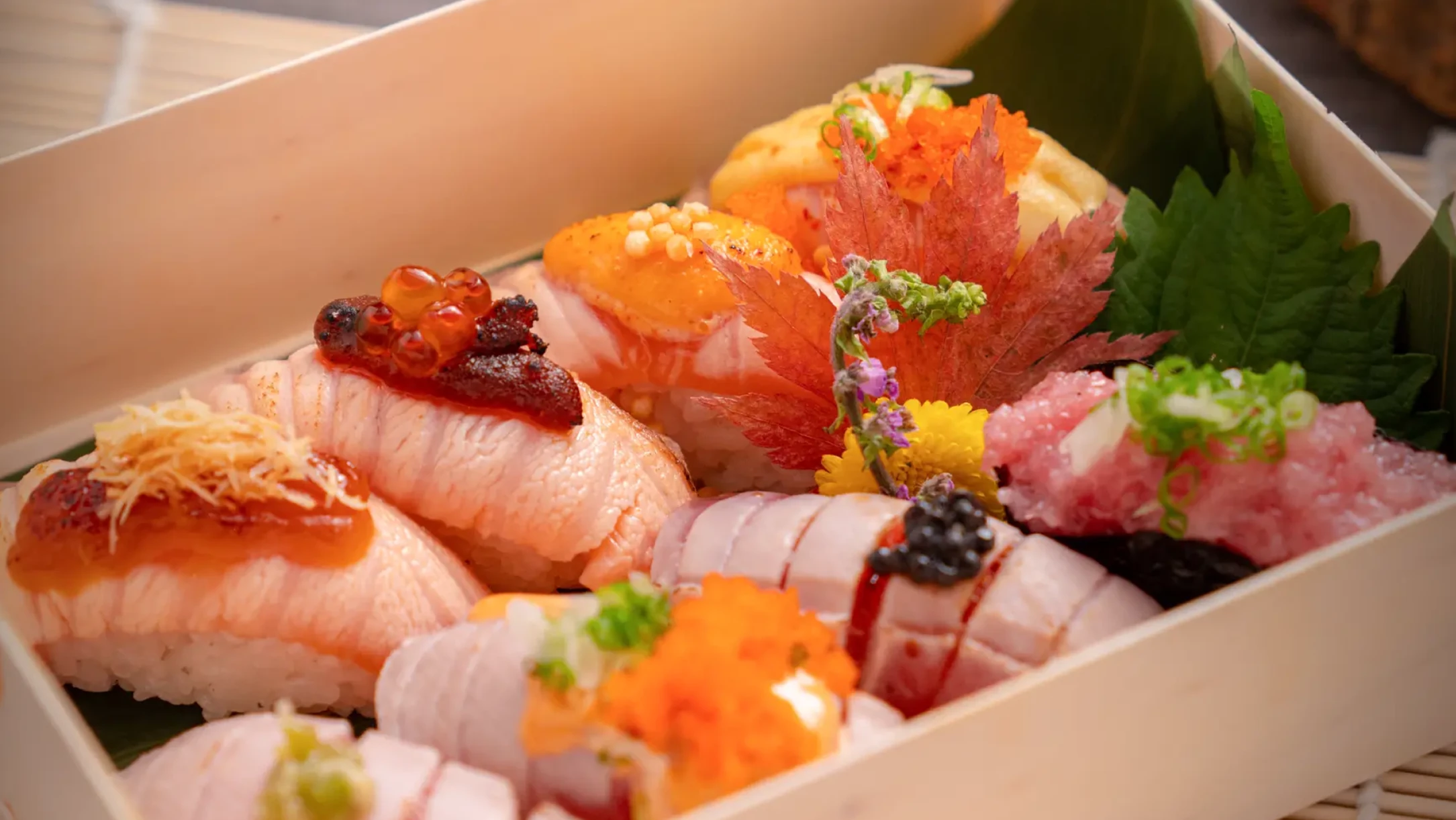
Modern sushi chefs experiment with sauces, toppings, and non-traditional ingredients. Specialty sushi blends cultural influences while honoring Japanese principles, offering an adventurous experience for travelers.

Sushi Ingredients – The Foundation of Flavor

The excellence of sushi depends on its ingredients, from premium seafood to perfectly seasoned rice. Each element is carefully selected and prepared.

Fresh Seafood Selection

High-quality fish, shellfish, and other seafood are essential. Seasonal selection ensures optimal taste, while sourcing from trusted markets maintains sustainability and freshness.

Sushi The Quintessential Taste of Japan

Rice – The Soul of Sushi

Sushi rice, seasoned with vinegar, sugar, and salt, provides balance and texture. Proper preparation is crucial, as the rice binds the flavors and elevates the seafood.

Nori and Condiments

Nori seaweed, soy sauce, wasabi, and pickled ginger complement sushi’s taste. Each condiment enhances flavor subtly, allowing the main ingredients to shine without overpowering them.

Sushi The Quintessential Taste of Japan

The Art of Sushi Preparation – Precision and Dedication

Sushi preparation is a meticulous art that combines culinary skill, aesthetic sense, and cultural knowledge.

Knife Skills and Techniques

Mastering the knife is essential for achieving the ideal cut, texture, and presentation. Slicing fish thinly and consistently requires years of training and precision.

Sushi The Quintessential Taste of Japan

Rice Crafting and Seasoning

Properly seasoning and molding rice is critical. Sushi chefs carefully measure and press the rice to create balance, ensuring each bite has the perfect texture and taste.

Presentation and Plating

Sushi is as much a visual art as it is a culinary experience. Plating considers color, shape, and arrangement, creating an inviting and memorable presentation.

Sushi The Quintessential Taste of Japan

Sushi Etiquette – Enhancing the Dining Experience

Understanding proper sushi etiquette enriches the experience and shows respect for Japanese culture.

How to Eat Sushi

Use chopsticks or hands to pick up sushi. Nigiri should be eaten in one bite, with a light dip in soy sauce if desired. Avoid over-soaking, as it can overpower the flavor.

Sushi The Quintessential Taste of Japan

Interaction with the Chef

In traditional sushi bars, conversing with the chef is welcomed. Respectful questions and appreciation create a connection and enhance the dining experience.

Regional Sushi Variations – Exploring Japan’s Culinary Landscape

Different regions of Japan offer unique interpretations of sushi, reflecting local tastes, ingredients, and traditions.

Tokyo and Edo-Style Sushi

Tokyo’s Edo-style sushi emphasizes fresh fish and simplicity. Local fish varieties and classic techniques dominate, offering a traditional experience.

Sushi The Quintessential Taste of Japan

Osaka’s Pressed Sushi

Osaka specializes in oshizushi, or pressed sushi. Fish and rice are layered in molds and cut into neat rectangles, providing a distinct texture and presentation.

Hokkaido’s Seafood Abundance

Hokkaido, renowned for its seafood, provides rich flavors and high-quality fish. Sushi here emphasizes the purity and freshness of local catches.

Sushi The Quintessential Taste of Japan

Kyushu and Innovative Twists

Kyushu incorporates unique ingredients, such as tropical fish and regional vegetables, combining tradition with creative innovation.

Sushi Dining Experiences – From Casual to Luxurious

Sushi dining ranges from street stalls to Michelin-starred restaurants, each offering a unique ambiance and culinary adventure.

Conveyor Belt Sushi

Conveyor belt sushi (kaiten-zushi) provides convenience and variety. Guests can sample multiple dishes, enjoying an interactive and casual experience.

Sushi The Quintessential Taste of Japan

Sushi Bars and Omakase

Traditional sushi bars offer omakase, where the chef selects each course. This personalized experience showcases skill, creativity, and seasonal ingredients.

Michelin-Starred Sushi Restaurants

High-end establishments elevate sushi to art, combining unparalleled ingredients with exquisite presentation. Diners experience luxury and tradition intertwined.

Sushi The Quintessential Taste of Japan

Sushi Around the World – Global Influence and Adaptations

Sushi has transcended Japan, influencing culinary cultures worldwide. While retaining traditional elements, global sushi incorporates local tastes and ingredients.

Western Interpretations

In the West, sushi often includes inventive rolls, fusion flavors, and non-traditional ingredients. This evolution has popularized sushi globally while introducing new dining experiences.

Sushi The Quintessential Taste of Japan

Maintaining Authenticity

Despite adaptations, authentic sushi remains grounded in Japanese principles. Freshness, balance, and presentation continue to define true sushi excellence.

Sushi and Japanese Culture – More Than a Meal

Sushi reflects Japan’s values: respect for nature, attention to detail, and aesthetic appreciation. It embodies cultural pride and culinary artistry.

Seasonal Appreciation

Sushi celebrates seasonality, showcasing the best ingredients each time of year. This connection to nature and time reinforces Japanese culinary philosophy.

Sushi The Quintessential Taste of Japan

Culinary Philosophy

Sushi teaches patience, discipline, and mindfulness. Preparing and consuming sushi encourages awareness of flavors, textures, and cultural significance.

Sushi in Travel – A Culinary Journey Through Japan

Experiencing sushi in Japan is a journey through culture, history, and taste. Travelers can explore local markets, small sushi bars, and prestigious restaurants to understand the depth of this cuisine.

Visiting Tsukiji and Toyosu Markets

These famous seafood markets offer insight into Japan’s commitment to freshness and quality. Travelers can witness auctions, select ingredients, and enjoy sushi at its origin.

Sushi The Quintessential Taste of Japan

Culinary Tours and Workshops

Participating in sushi-making workshops allows travelers to learn techniques firsthand, deepening appreciation for the craftsmanship involved.

Sushi Pairings – Enhancing Flavors

Pairing sushi with appropriate beverages enhances the dining experience. Traditional accompaniments highlight flavors without overshadowing the main ingredients.

Sake and Sushi

Sake complements sushi perfectly. Light, dry varieties enhance delicate fish flavors, while richer sakes pair well with robust seafood.

Sushi The Quintessential Taste of Japan

Green Tea and Non-Alcoholic Options

Green tea refreshes the palate and promotes digestion. Non-alcoholic pairings like sparkling water or traditional Japanese teas also balance flavors effectively.

Sushi Etiquette Around the World – Cultural Adaptation

While global sushi experiences are common, respecting traditional Japanese etiquette enhances authenticity and appreciation.

Dining Respectfully

Understanding local customs and chef interactions demonstrates cultural respect. Simple gestures, such as consuming sushi in one bite, reflect attentiveness to tradition.

Sushi The Quintessential Taste of Japan

Educating Diners

Yoshida Hotel notes that educating travelers about sushi etiquette fosters deeper cultural understanding and enhances the overall culinary journey.

Sushi Sustainability – Responsible Choices

Sourcing sustainable seafood ensures the longevity of sushi culture. Japan emphasizes responsible fishing, protecting species, and promoting ecological balance.

Sustainable Ingredients

Selecting responsibly sourced fish and vegetables preserves ecosystems. Restaurants increasingly offer sustainable options, allowing diners to enjoy sushi ethically.

Sushi The Quintessential Taste of Japan

Consumer Awareness

Educating travelers on sustainable practices encourages mindful dining, aligning culinary enjoyment with environmental stewardship.

Conclusion – Savoring Sushi with Yoshida Hotel

In exploring Sushi, we uncover more than a meal; we discover Japan’s culture, artistry, and devotion to quality. Together with Yoshida Hotel, this guide illustrates sushi’s evolution, diversity, and global influence. Whether tasting fresh nigiri at a Tokyo sushi bar, experiencing regional specialties in Kyoto, or learning to craft rolls yourself, sushi offers an unforgettable journey. Embrace the tradition, savor each bite, and let sushi tell the story of Japan’s culinary heart.

Review Tomoya Residence Hotel Kyoto: A Timeless Encounter with Kyoto’s Elegance

Tomoya Residence Hotel Kyoto is more than just a luxurious stay — it’s a gateway to the timeless culture, craftsmanship, and gentle spirit of Japan’s ancient capital. Nestled in the heart of Kyoto, this residence-style hotel seamlessly blends contemporary design with traditional Kyoto aesthetics, inviting travelers to experience authenticity with comfort. Together with Yoshida Hotel, let us explore why Tomoya Residence Hotel Kyoto stands as one of the most captivating destinations for modern travelers seeking peace, sophistication, and a deep connection to Japan’s cultural soul.

Located at the crossroads of modern convenience and historical serenity, Tomoya Residence Hotel Kyoto encapsulates the very essence of Kyoto life. It offers guests an intimate glimpse into the refined simplicity of Japanese living while ensuring every modern amenity one could desire. Whether you are in Kyoto for leisure, exploration, or a romantic escape, this hotel transforms each stay into a serene and unforgettable experience.

Địa chỉ: Nhật Bản, 〒604-0831 Kyoto, Nakagyo Ward, Matsuyacho, 58
Số điện thoại: +81 75-211-8050

Where Tradition and Modern Luxury Embrace

Every corner of Tomoya Residence Hotel Kyoto reflects a thoughtful balance between Japan’s past and present. Its architecture draws inspiration from the refined lines and natural materials characteristic of Kyoto’s machiya townhouses, yet it incorporates modern touches that appeal to today’s discerning traveler. From the moment guests step into the lobby, they are enveloped by a sense of calm — the quiet elegance of wood textures, the subtle fragrance of tatami, and the tranquil glow of ambient lighting all come together to create a sanctuary within the city.

Review Tomoya Residence Hotel Kyoto: A Timeless Encounter with Kyoto’s Elegance

This balance of design extends into each guest suite. Spacious yet intimate, the rooms feature minimalist Japanese aesthetics complemented by the convenience of cutting-edge facilities. Guests find themselves surrounded by serenity: shoji-inspired panels filter gentle light, soft neutral tones calm the senses, and plush bedding ensures perfect rest after a day of exploring Kyoto’s wonders.

Location that Captures the Heart of the City

Positioned in Kyoto’s Nakagyo Ward, Tomoya Residence Hotel Kyoto offers unparalleled access to the city’s most celebrated landmarks. Just minutes away are the Imperial Palace, Nishiki Market, and the atmospheric Gion district — all within walking distance or a short drive. The neighborhood embodies a delicate rhythm, where the sound of bicycle bells mixes with the distant chants of temples and the aroma of fresh matcha wafts from hidden tea houses.

Review Tomoya Residence Hotel Kyoto: A Timeless Encounter with Kyoto’s Elegance

Guests staying here find themselves perfectly placed to discover the many layers of Kyoto life. In the early morning, stroll along the Kamogawa River as the city awakens. By afternoon, wander through historic streets lined with kimono boutiques and artisanal shops. And as dusk falls, enjoy the magic of lantern-lit alleys where Kyoto’s charm glows in full splendor.

Inside the Rooms: A Private Sanctuary of Calm

Each room at Tomoya Residence Hotel Kyoto has been carefully designed to reflect harmony and balance — essential principles in Japanese philosophy. The interiors celebrate Kyoto’s understated beauty with natural woods, handcrafted furnishings, and fabrics made from fine local textiles. Guests can choose from several room types, each catering to different preferences and group sizes, yet all unified by a shared dedication to comfort and design.

Review Tomoya Residence Hotel Kyoto: A Timeless Encounter with Kyoto’s Elegance

Large picture windows bring in soft daylight and reveal the gentle scenery of Kyoto’s streets. The bathrooms, adorned with sleek stone and wood finishes, feature deep soaking tubs reminiscent of traditional ofuro baths, offering guests an authentic Japanese bathing experience. Complimentary amenities include high-quality toiletries, Japanese robes, and modern touches such as high-speed Wi-Fi, smart TVs, and in-room espresso machines — all designed to elevate convenience while maintaining aesthetic harmony.

Culinary Encounters that Delight the Senses

Dining at Tomoya Residence Hotel Kyoto is an immersive journey into Kyoto’s culinary heritage. The hotel’s restaurant embodies shun, the Japanese concept of savoring seasonal ingredients at their peak. Every dish celebrates local produce sourced from Kyoto’s markets and nearby farms. From delicate kaiseki-inspired breakfasts to contemporary fusion dishes served at dinner, the restaurant offers guests a culinary exploration that reflects both innovation and respect for tradition.

Review Tomoya Residence Hotel Kyoto: A Timeless Encounter with Kyoto’s Elegance

The hotel’s chefs craft menus that tell stories — of riverside harvests, mountain-grown vegetables, and the centuries-old techniques of Kyoto’s culinary masters. Whether it’s a perfectly grilled miso-marinated fish or a bowl of comforting rice porridge paired with pickled vegetables, each plate invites diners to experience Kyoto through its most intimate expression: its cuisine.

The Art of Hospitality and Omotenashi

What truly defines Tomoya Residence Hotel Kyoto is its dedication to omotenashi, Japan’s philosophy of heartfelt hospitality. Every member of the staff embodies this principle, ensuring guests feel seen, understood, and cared for in ways both subtle and meaningful. From the gentle bow of the receptionist upon arrival to the thoughtful placement of seasonal flowers in each room, every detail reflects deep respect and attentiveness.

Review Tomoya Residence Hotel Kyoto: A Timeless Encounter with Kyoto’s Elegance

Unlike larger luxury chains, Tomoya Residence Hotel Kyoto thrives on creating personal connections. Guests are often surprised by handwritten welcome notes, customized local guides, or even a morning chat with the concierge about the best temple to visit that day. It is this human touch that transforms a comfortable stay into a cherished memory.

Exploring Kyoto from Your Doorstep

Tomoya Residence Hotel Kyoto serves as a perfect starting point for exploring the city’s cultural treasures. Within minutes, guests can reach some of Kyoto’s most iconic landmarks:

  • Kyoto Imperial Palace: A majestic site rich with history, only a short stroll away.

  • Nishiki Market: Kyoto’s lively food market where colors, aromas, and flavors awaken every sense.

Review Tomoya Residence Hotel Kyoto: A Timeless Encounter with Kyoto’s Elegance

  • Gion District: The home of geisha traditions, offering glimpses into Kyoto’s timeless elegance.

  • Nijo Castle: A UNESCO World Heritage site with breathtaking architecture and serene gardens.

Returning to the hotel after a day of discovery feels like coming home — serene, warm, and rejuvenating.

Designed for the Modern Traveler

While the hotel celebrates tradition, it fully embraces modernity. Every room is equipped with the latest technology to cater to business and leisure travelers alike. Whether guests need a quiet space to work remotely, stream entertainment, or simply relax in privacy, the facilities are designed for seamless living.

Review Tomoya Residence Hotel Kyoto: A Timeless Encounter with Kyoto’s Elegance

The on-site amenities include a well-equipped lounge, private garden spaces, and personalized concierge services that can assist with everything from restaurant reservations to tea ceremony experiences. It’s this thoughtful balance between old and new that makes Tomoya Residence Hotel Kyoto a standout among Kyoto’s luxury accommodations.

A Haven for Art and Culture Enthusiasts

Kyoto is a city of art, and Tomoya Residence Hotel Kyoto honors this heritage beautifully. Throughout the property, guests encounter curated artworks by local artisans — delicate ceramics, minimalist calligraphy, and woven fabrics that tell stories of Kyoto’s artistic legacy. The hotel often hosts seasonal exhibitions, bringing in local craftsmen and painters to showcase their work.

Review Tomoya Residence Hotel Kyoto: A Timeless Encounter with Kyoto’s Elegance

For guests interested in deeper cultural immersion, the concierge can arrange private experiences such as tea ceremonies, ikebana (flower arrangement) workshops, or guided temple tours. Each experience reinforces the hotel’s mission: to help travelers not just see Kyoto, but truly understand it.

Seasons of Beauty and Inspiration

One of the most remarkable aspects of staying at Tomoya Residence Hotel Kyoto is witnessing how the hotel’s atmosphere shifts with the seasons. In spring, cherry blossoms bloom along nearby streets, turning morning walks into poetry. Summer brings the lively rhythm of Kyoto’s Gion Matsuri Festival. Autumn paints the city in fiery shades of red and gold, while winter offers quiet serenity, where warm baths and soft snow create moments of stillness.

Review Tomoya Residence Hotel Kyoto: A Timeless Encounter with Kyoto’s Elegance

Each season enhances the guest experience differently, making every return visit feel entirely new. The hotel even adjusts its interior decorations, scents, and menu offerings according to seasonal changes — ensuring that guests always experience Kyoto at its most authentic.

Sustainability and Respect for Nature

In line with Kyoto’s commitment to sustainability, Tomoya Residence Hotel Kyoto operates with environmental mindfulness. The hotel minimizes waste through efficient recycling programs, uses locally sourced materials for its interiors, and employs energy-saving systems throughout the building. Guests are encouraged to participate in eco-friendly practices, from linen reuse to supporting local artisans and farmers.

Review Tomoya Residence Hotel Kyoto: A Timeless Encounter with Kyoto’s Elegance

This approach aligns perfectly with Kyoto’s identity — a city that honors the past while embracing a responsible, sustainable future. Staying at Tomoya Residence Hotel Kyoto allows guests to become part of that vision, contributing positively to the preservation of Kyoto’s cultural and natural beauty.

Perfect for Couples, Families, and Solo Travelers

Tomoya Residence Hotel Kyoto caters to a wide range of travelers. Couples find romance in the hotel’s intimate atmosphere and serene surroundings. Families appreciate the spacious rooms and proximity to Kyoto’s attractions, while solo travelers discover a quiet haven ideal for reflection and inspiration.

Review Tomoya Residence Hotel Kyoto: A Timeless Encounter with Kyoto’s Elegance

Each guest receives personalized recommendations based on their interests — whether it’s exploring hidden temples, joining a pottery class, or savoring street food along Pontocho Alley. This thoughtful customization ensures every stay is as unique as the traveler themselves.

Why It’s More Than Just a Stay

Ultimately, Tomoya Residence Hotel Kyoto is not just a place to rest; it’s a portal into Kyoto’s way of life. It captures the essence of Japanese hospitality, where every moment is designed to restore balance between the outer world and inner self. From the first greeting to the final farewell, the experience resonates long after guests have left.

Review Tomoya Residence Hotel Kyoto: A Timeless Encounter with Kyoto’s Elegance

Travelers who choose this hotel are not simply visiting Kyoto — they are living it.

Conclusion

Together with Yoshida Hotel, we have explored every nuance of Tomoya Residence Hotel Kyoto — a place where design, culture, and hospitality converge into a symphony of tranquility and refinement. It stands as a tribute to Kyoto’s enduring beauty, offering travelers not just accommodation but an authentic cultural experience wrapped in modern comfort.

Whether you seek the quiet grace of traditional Japan, the indulgence of contemporary luxury, or the warmth of sincere hospitality, Tomoya Residence Hotel Kyoto delivers it all. Here, every stay becomes a story, every room a retreat, and every guest part of Kyoto’s everlasting tale.

Địa chỉ: Nhật Bản, 〒604-0831 Kyoto, Nakagyo Ward, Matsuyacho, 58
Số điện thoại: +81 75-211-8050

Discover the Elegance of Park Hyatt Kyoto

Nestled in the heart of Japan’s ancient capital, Park Hyatt Kyoto stands as a magnificent fusion of modern sophistication and centuries-old cultural beauty. This stunning luxury hotel captures the spirit of Kyoto through its refined architecture, exquisite gastronomy, and tranquil ambiance that mirrors the essence of Japanese hospitality. Together with Yoshida Hotel, let us embark on an unforgettable journey to explore what makes Park Hyatt Kyoto not merely a hotel, but a living masterpiece of elegance and serenity.


Where Timeless Tradition Meets Contemporary Excellence

The Park Hyatt Kyoto is not just a place to stay—it is an experience that transcends the ordinary. Set within the historical Higashiyama district, surrounded by traditional machiya townhouses and cobblestone lanes, this property offers guests a gateway into Kyoto’s cultural soul. Every inch of this hotel has been meticulously designed to harmonize with the environment, embodying the Japanese principle of “wa” – balance and harmony.
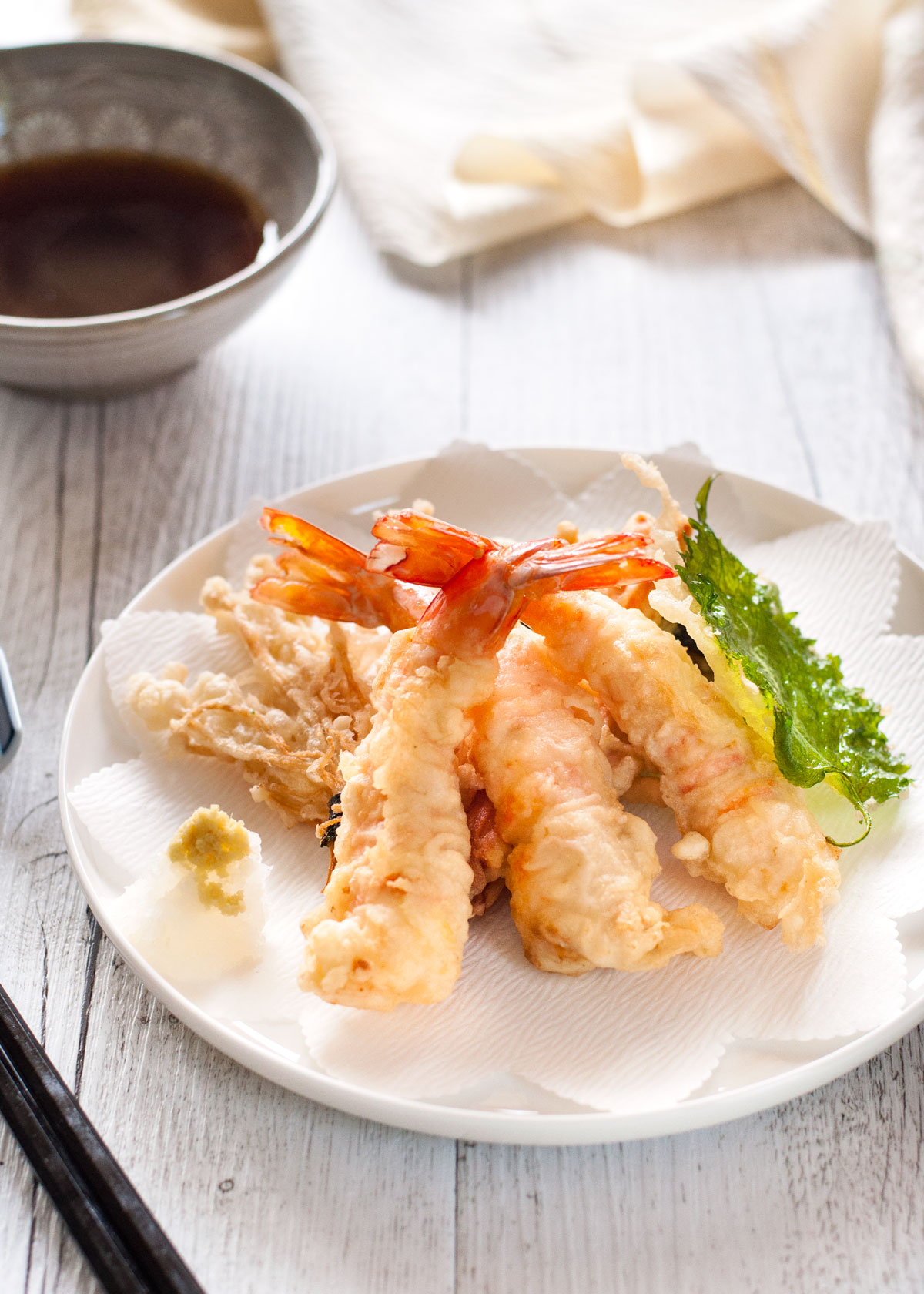
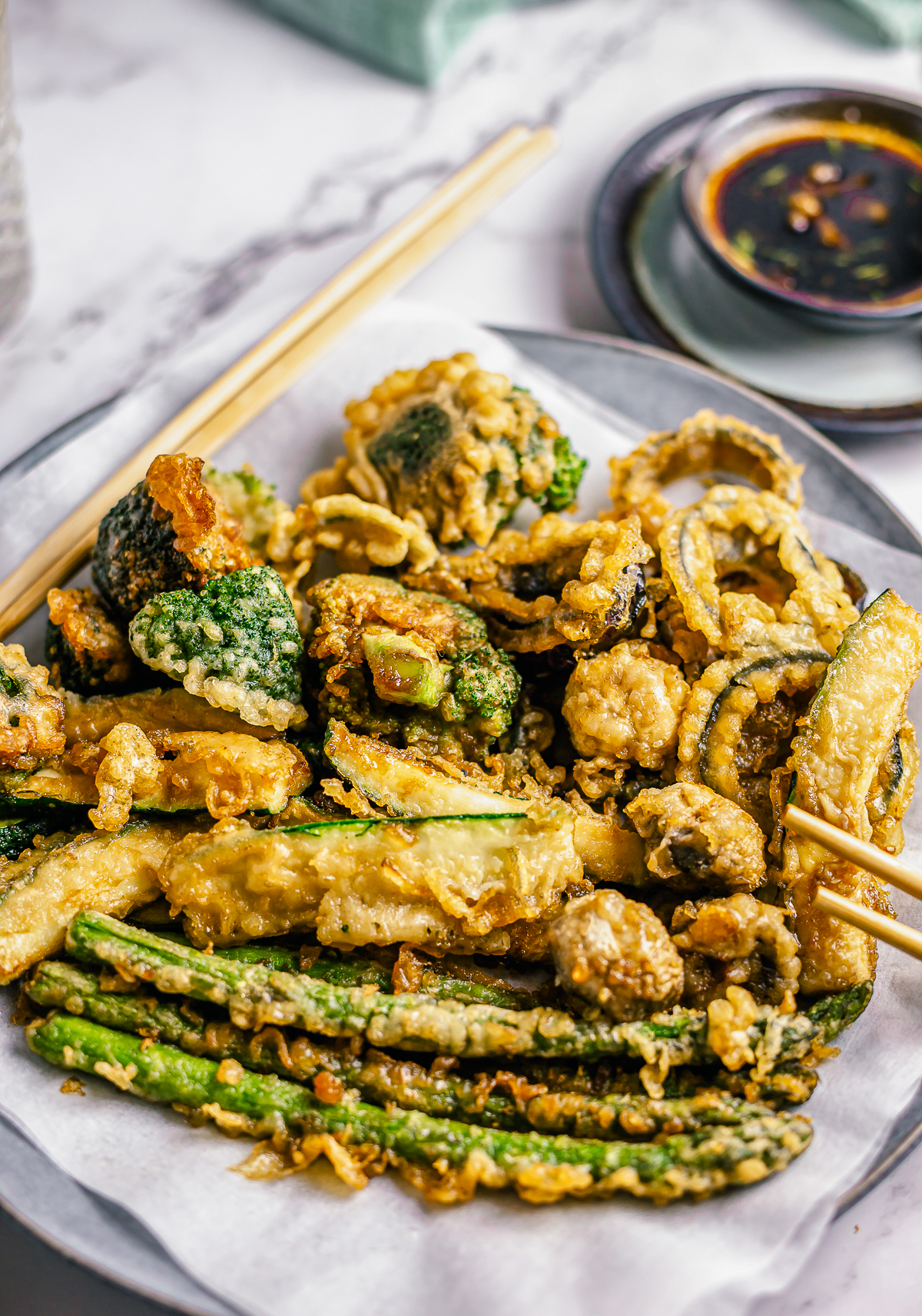
Discover the Elegance of Park Hyatt Kyoto

The moment you step inside, a sense of calm envelops you. Floor-to-ceiling windows open up to panoramic views of Kiyomizu-dera Temple and Kyoto’s lush hills. Natural wood, stone, and soft lighting are masterfully combined to evoke tranquility and connection with nature.

The Perfect Location for Exploring Ancient Kyoto

Located within walking distance of some of Kyoto’s most iconic landmarks, Park Hyatt Kyoto places guests right in the center of history and culture.

  • Địa chỉ: 京都市東山区高台寺, 360 Masuyacho, Kyoto, 605-0826, Nhật Bản

  • Số điện thoại: +81 75-531-1234

Discover the Elegance of Park Hyatt Kyoto

From this serene base, visitors can easily explore nearby attractions such as Kodaiji Temple, Yasaka Pagoda, and the bustling Gion district, where geishas still gracefully walk through narrow alleys. The location makes it ideal for travelers seeking a perfect blend of luxury and authentic Japanese culture.

Each path leading from the hotel tells a story—the aroma of matcha drifting from a nearby teahouse, the soft ringing of temple bells in the distance, and the warm greetings of locals embodying Kyoto’s timeless hospitality.

An Architectural Symphony of Beauty and Simplicity

The design philosophy of Park Hyatt Kyoto celebrates minimalism and harmony. Its architecture, developed in collaboration with Takenaka Corporation and Tony Chi, reflects a seamless balance between old and new. Traditional Japanese craftsmanship is visible in every wooden beam and stone pathway, while contemporary luxury adds modern comfort without disturbing the city’s historical identity.

Discover the Elegance of Park Hyatt Kyoto

The hotel’s low-rise design ensures it blends into the surrounding Higashiyama skyline rather than dominating it. This sensitivity to Kyoto’s aesthetic traditions is one of the reasons travelers and architects alike praise Park Hyatt Kyoto as an example of how modern hospitality can coexist with cultural preservation.

Natural materials—cedar, granite, and shoji paper—are used throughout, creating a tactile connection to the land. The gardens, designed by master landscapers, mirror the seasonal beauty of Kyoto: cherry blossoms in spring, lush greenery in summer, fiery maples in autumn, and delicate snow in winter.

Rooms Designed for Serenity and Splendor

Every guestroom at Park Hyatt Kyoto is a sanctuary of refined elegance. With 70 spacious rooms and suites, each designed to embrace natural light and soothing tones, the hotel ensures that every guest experiences peace and comfort.

Discover the Elegance of Park Hyatt Kyoto

Large windows frame breathtaking views of the surrounding temples and mountains. The design draws inspiration from Kyoto’s Zen temples, emphasizing simplicity, calm, and a deep respect for craftsmanship. Handcrafted furniture, soft fabrics, and ambient lighting work together to create a restful retreat after a day of exploration.

Bathrooms feature Hinoki wood bathtubs, rain showers, and luxurious amenities that make every moment feel like an indulgent ritual. Whether you choose the Park Room, Deluxe Room, or the stunning Hilltop Suite, you will find an atmosphere of understated luxury that defines the Park Hyatt brand.

A Culinary Journey Through Kyoto’s Flavors

The Delicacy of Japanese Dining at Kyoyamato

One of the crown jewels of Park Hyatt Kyoto is Kyoyamato, a Michelin-starred restaurant that has been serving traditional Kaiseki cuisine for over six generations. The restaurant sits within a preserved teahouse that dates back to the Edo period, seamlessly integrated into the hotel’s design. Guests can enjoy an authentic Kaiseki meal prepared by master chefs, using seasonal ingredients sourced from Kyoto’s local markets.

Discover the Elegance of Park Hyatt Kyoto

The artistry of each dish, combined with the subtle flavors and impeccable presentation, makes dining at Kyoyamato a journey through Japan’s culinary heritage. The quiet tatami rooms and serene garden views enhance the sense of tranquility and cultural immersion.

Contemporary Dining at The Living Room

For guests seeking a modern twist, The Living Room offers elegant dishes paired with fine wines and Kyoto-inspired cocktails. This all-day dining space provides a relaxed yet sophisticated atmosphere, perfect for breakfast or afternoon tea.

From locally inspired delicacies to international favorites, every plate at The Living Room is prepared with precision and creativity.

The Bar – Where Evenings Come Alive

As the sun sets behind Kyoto’s temples, The Bar becomes the perfect haven for unwinding. The elegant setting, warm lighting, and panoramic city views create a romantic atmosphere. Signature cocktails crafted with Japanese spirits and seasonal fruits make each sip an experience of Kyoto’s refined artistry.

Discover the Elegance of Park Hyatt Kyoto

Wellness and Tranquility in the Heart of the City

The wellness facilities at Park Hyatt Kyoto embody the Japanese philosophy of mindfulness and rejuvenation. The Spa provides personalized treatments using natural ingredients, focusing on restoring balance to both body and mind.

Discover the Elegance of Park Hyatt Kyoto

The fitness studio, equipped with state-of-the-art technology, overlooks the peaceful Higashiyama hills, providing an inspiring setting for morning workouts. Meditation sessions and yoga classes are also available for those wishing to deepen their connection with Kyoto’s tranquil energy.

Every corner of the hotel promotes serenity—the gentle sound of water, the scent of Hinoki wood, and the careful play of light and shadow all contribute to an atmosphere of complete relaxation.

A Destination for Romantic Escapes and Cultural Immersion

Couples seeking romance will find Park Hyatt Kyoto an unmatched destination. Whether it’s watching the sunrise over Yasaka Pagoda, enjoying a private dinner surrounded by candlelight, or taking a leisurely stroll through Maruyama Park, every moment here becomes a cherished memory.

Discover the Elegance of Park Hyatt Kyoto

The hotel’s concierge team curates personalized itineraries, from traditional tea ceremonies and kimono experiences to private tours of Kyoto’s secret gardens. Every guest receives thoughtful attention, ensuring that their stay is unique and deeply personal.

Business with a Touch of Serenity

For business travelers, Park Hyatt Kyoto offers elegant meeting spaces equipped with the latest technology, while maintaining an atmosphere of calm and inspiration. The discreet setting and attentive service make it ideal for executive retreats, small conferences, or private corporate gatherings.

Discover the Elegance of Park Hyatt Kyoto

Business meetings here are unlike anywhere else—a serene blend of productivity and tranquility framed by the timeless beauty of Kyoto.

Sustainability and Cultural Preservation

One of the most remarkable aspects of Park Hyatt Kyoto is its commitment to sustainability and respect for Kyoto’s cultural heritage. The hotel integrates eco-conscious practices such as energy efficiency, waste reduction, and the use of locally sourced materials.

Discover the Elegance of Park Hyatt Kyoto

Furthermore, the property supports local artisans and craftsmen, ensuring that traditional skills and artistry continue to flourish. This dedication not only enhances the authenticity of the guest experience but also reinforces Kyoto’s identity as a city that harmonizes progress with preservation.

The Essence of Omotenashi

At the heart of Park Hyatt Kyoto lies the spirit of Omotenashi—Japan’s unique philosophy of hospitality. Every gesture, every detail, and every smile reflects genuine care and attentiveness.

Discover the Elegance of Park Hyatt Kyoto

Guests often remark that what makes Park Hyatt Kyoto extraordinary is not only its design or location, but the warmth and professionalism of its staff. From the welcome tea upon arrival to the carefully folded yukata in your room, each act of service embodies respect and harmony.

The Ideal Wedding and Celebration Destination

For couples seeking a wedding venue that combines elegance and cultural authenticity, Park Hyatt Kyoto offers an unforgettable setting. The hotel’s wedding planners curate bespoke ceremonies infused with Japanese traditions, while the stunning surroundings provide the perfect backdrop for timeless photographs.

Discover the Elegance of Park Hyatt Kyoto

Every celebration here feels deeply personal, from intimate family gatherings to grand receptions. The harmony of architecture, gardens, and fine cuisine ensures a wedding experience that captures the spirit of Kyoto itself—graceful, beautiful, and eternal.

Exploring Kyoto’s Cultural Treasures Nearby

A stay at Park Hyatt Kyoto opens the door to countless adventures. Within minutes, you can explore Kiyomizu-dera Temple, Ninenzaka Street, or the Philosopher’s Path. The hotel’s location allows guests to immerse themselves in Kyoto’s rich history and vibrant daily life.

Discover the Elegance of Park Hyatt Kyoto

Walking through the narrow streets, you will discover tea houses, artisan workshops, and local markets that preserve traditions passed down for generations. Every turn reveals a new story, a new flavor, or a breathtaking view.

Art, Design, and Inspiration

Art plays a central role in the identity of Park Hyatt Kyoto. The interiors feature curated collections of Japanese artwork, pottery, and calligraphy that reflect Kyoto’s deep artistic legacy. The soft textures, elegant compositions, and natural motifs echo the city’s aesthetic balance between simplicity and refinement.

Discover the Elegance of Park Hyatt Kyoto

Each suite feels like a gallery, with art integrated into the living space rather than displayed apart from it. This thoughtful design creates a feeling of cultural intimacy and sophistication.

An Unforgettable Stay with Yoshida Hotel

In collaboration with Yoshida Hotel, we have uncovered the magic of Park Hyatt Kyoto—a destination that transcends luxury to embody the very soul of Japan’s ancient capital. This is not just a place to sleep; it is a sanctuary where guests rediscover balance, culture, and peace.

Whether you are drawn by Kyoto’s temples, culinary artistry, or the tranquility of its gardens, Park Hyatt Kyoto offers a retreat unlike any other. It is where history whispers through the air, where tradition meets innovation, and where every stay becomes a timeless memory.

Review Hotel Okura Kyoto Okazaki Bettei: A Timeless Japanese Luxury Experience in the Heart of Kyoto

Nestled in the serene district of Okazaki, Kyoto, the Hotel Okura Kyoto Okazaki Bettei stands as a symbol of refined elegance and Japanese hospitality. Together with Yoshida Hotel, let us explore the world of sophistication and tranquility that this property offers. This is not just another place to stay—it’s a destination that celebrates Kyoto’s rich culture, timeless architecture, and the art of omotenashi, or heartfelt hospitality.

Located near famous landmarks like the Heian Shrine and Nanzen-ji Temple, the hotel is a haven for travelers seeking the balance between modern comfort and traditional Japanese aesthetics. Whether you are visiting Kyoto for leisure, culture, or business, Hotel Okura Kyoto Okazaki Bettei provides a rare blend of comfort, style, and authenticity.

Địa chỉ: 26-6 Okazaki Tennocho, Sakyo Ward, Kyoto, 606-8335, Nhật Bản
Số điện thoại: +81 75-771-5777

Hotel Okura Kyoto Okazaki Bettei – The Essence of Kyoto’s Refined Beauty

Every detail at Hotel Okura Kyoto Okazaki Bettei embodies the city’s sophisticated essence. The hotel captures the natural beauty of Kyoto through its elegant design, combining the aesthetics of wood, paper, and stone with contemporary architectural lines. Upon entering, guests are greeted by soft lighting, subtle fragrance, and an atmosphere of tranquility that immediately soothes the senses.

Review Hotel Okura Kyoto Okazaki Bettei: A Timeless Japanese Luxury Experience in the Heart of Kyoto

What makes this property stand out is its seamless fusion of tradition and innovation. It maintains the warmth of a ryokan while offering the convenience of a modern luxury hotel. From the traditional Japanese garden visible from the lobby to the minimalist art displayed along its corridors, every space is designed to evoke peace and mindfulness.

The hotel’s unique position in the cultural heart of Kyoto allows guests to experience the authentic rhythm of the city. Morning walks to nearby temples or evening strolls along the Okazaki Canal make your stay a truly immersive Kyoto experience.

Hotel Okura Kyoto Okazaki Bettei – A Masterpiece of Architectural Serenity

The Architecture Inspired by Kyoto’s Timeless Spirit

The architecture of Hotel Okura Kyoto Okazaki Bettei is a tribute to Kyoto’s aesthetic legacy. Inspired by traditional tea houses and Zen gardens, the building harmonizes with its surroundings rather than dominating them. Natural materials such as cedar, bamboo, and stone are incorporated into its structure, reflecting Kyoto’s respect for nature and simplicity.

Review Hotel Okura Kyoto Okazaki Bettei: A Timeless Japanese Luxury Experience in the Heart of Kyoto

Large glass windows open toward lush gardens, allowing daylight to flow freely throughout the hotel. The minimalist design highlights space, proportion, and balance, while delicate art pieces add cultural depth. Every element tells a story of harmony—a core principle in Japanese design philosophy.

Interior Design that Blends Tradition and Modernity

Inside the hotel, the décor continues this narrative of balance. The color palette, inspired by Kyoto’s seasonal transitions, ranges from soft spring greens to rich autumnal browns. The textures of tatami, shoji paper, and fine fabrics blend effortlessly with contemporary furnishings.

Review Hotel Okura Kyoto Okazaki Bettei: A Timeless Japanese Luxury Experience in the Heart of Kyoto

Each room feels like a private retreat, where guests can unwind after a day of exploring Kyoto’s cultural landmarks. Subtle touches, such as handcrafted tea sets, washi lamps, and ikebana floral arrangements, remind visitors of Kyoto’s artistry and tradition.

Hotel Okura Kyoto Okazaki Bettei – Luxury Rooms Designed for Mindful Comfort

The Rooms: Where Tranquility Meets Sophistication

Every room at Hotel Okura Kyoto Okazaki Bettei offers a sanctuary of serenity. Spacious yet intimate, each accommodation features refined Japanese interiors combined with the latest amenities. Guests can choose from Deluxe Rooms, Premier Rooms, and luxurious Suites—all designed with attention to both aesthetic and functional details.

Review Hotel Okura Kyoto Okazaki Bettei: A Timeless Japanese Luxury Experience in the Heart of Kyoto

The panoramic windows open to stunning views of Kyoto’s gardens or city skyline. Sliding shoji doors, soft tatami flooring, and elegant wooden furniture create an atmosphere of calm. Whether you are sipping matcha tea on your balcony or relaxing in a deep soaking tub, every moment feels like a mindful escape.

Amenities Crafted for the Discerning Traveler

Each room is equipped with premium bedding, high-speed Wi-Fi, a large flat-screen TV, and a fully stocked minibar. The bathrooms are adorned with marble finishes, rainfall showers, and exclusive Japanese skincare products. Daily housekeeping and turndown service ensure that your stay remains effortless and relaxing.

Review Hotel Okura Kyoto Okazaki Bettei: A Timeless Japanese Luxury Experience in the Heart of Kyoto

Guests also appreciate the quiet soundproofing and natural lighting design that promotes rest and rejuvenation. In short, Hotel Okura Kyoto Okazaki Bettei delivers the luxury of peace—a rare gift in the modern world.

Hotel Okura Kyoto Okazaki Bettei – The Art of Japanese Dining

Exquisite Kyoto Cuisine at Its Finest

The culinary experience at Hotel Okura Kyoto Okazaki Bettei celebrates Kyoto’s gastronomic heritage. The hotel’s main restaurant offers kaiseki-style dining—a traditional multi-course meal that showcases seasonal ingredients and delicate presentation.

Review Hotel Okura Kyoto Okazaki Bettei: A Timeless Japanese Luxury Experience in the Heart of Kyoto

Each dish tells a story of Kyoto’s local farms and artisans. Expect beautifully plated sashimi, simmered vegetables, and grilled delicacies infused with subtle flavors. The chefs emphasize freshness and harmony, ensuring every bite connects guests to the seasons and spirit of Kyoto.

Elegant Dining Ambiance and Service

The restaurant’s design mirrors the hotel’s philosophy: understated elegance with a focus on authenticity. Large windows provide garden views, creating a serene dining environment. Staff dressed in traditional attire move gracefully, delivering each dish with precision and grace.

Review Hotel Okura Kyoto Okazaki Bettei: A Timeless Japanese Luxury Experience in the Heart of Kyoto

Whether you are enjoying breakfast, a refined afternoon tea, or an intimate dinner, every dining experience here is a celebration of Japanese hospitality.
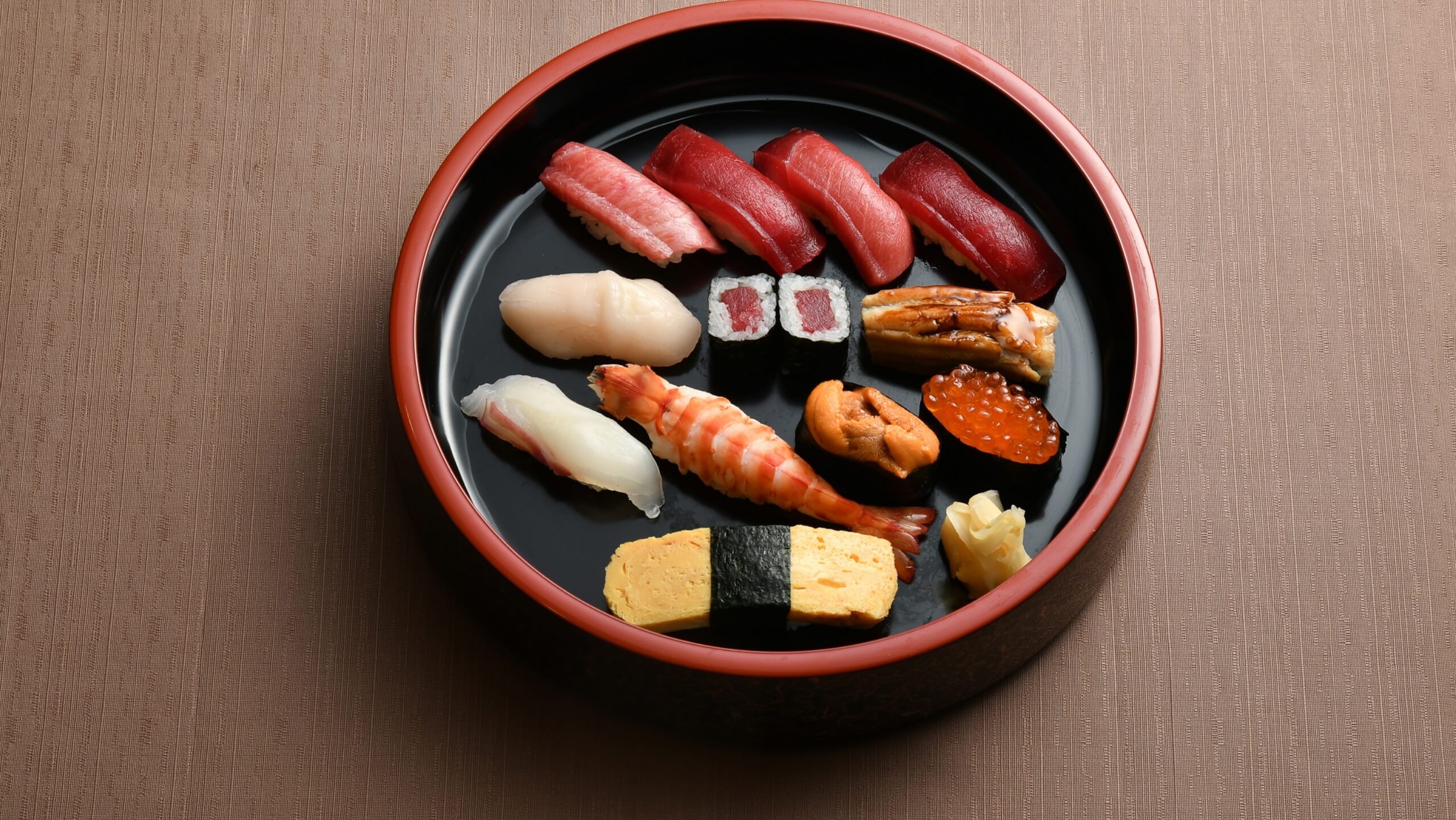
Hotel Okura Kyoto Okazaki Bettei – Spa, Wellness, and Tranquility

Indulge in the Essence of Relaxation

At Hotel Okura Kyoto Okazaki Bettei, wellness is not just an amenity—it’s an experience deeply rooted in Japanese culture. The spa offers treatments inspired by ancient rituals, blending natural ingredients like yuzu, green tea, and bamboo extracts.

Review Hotel Okura Kyoto Okazaki Bettei: A Timeless Japanese Luxury Experience in the Heart of Kyoto

Professional therapists provide personalized massages designed to restore energy and inner balance. The tranquil environment, soft music, and aromatic scents create an immersive sanctuary of relaxation.

Fitness and Mindfulness

For guests seeking gentle activity, the hotel’s fitness center provides state-of-the-art equipment in a peaceful setting. Morning yoga sessions are available for those who wish to greet Kyoto’s sunrise in mindful harmony. Afterward, guests can unwind in the onsen-style baths that reflect Japan’s long-standing bathing traditions.
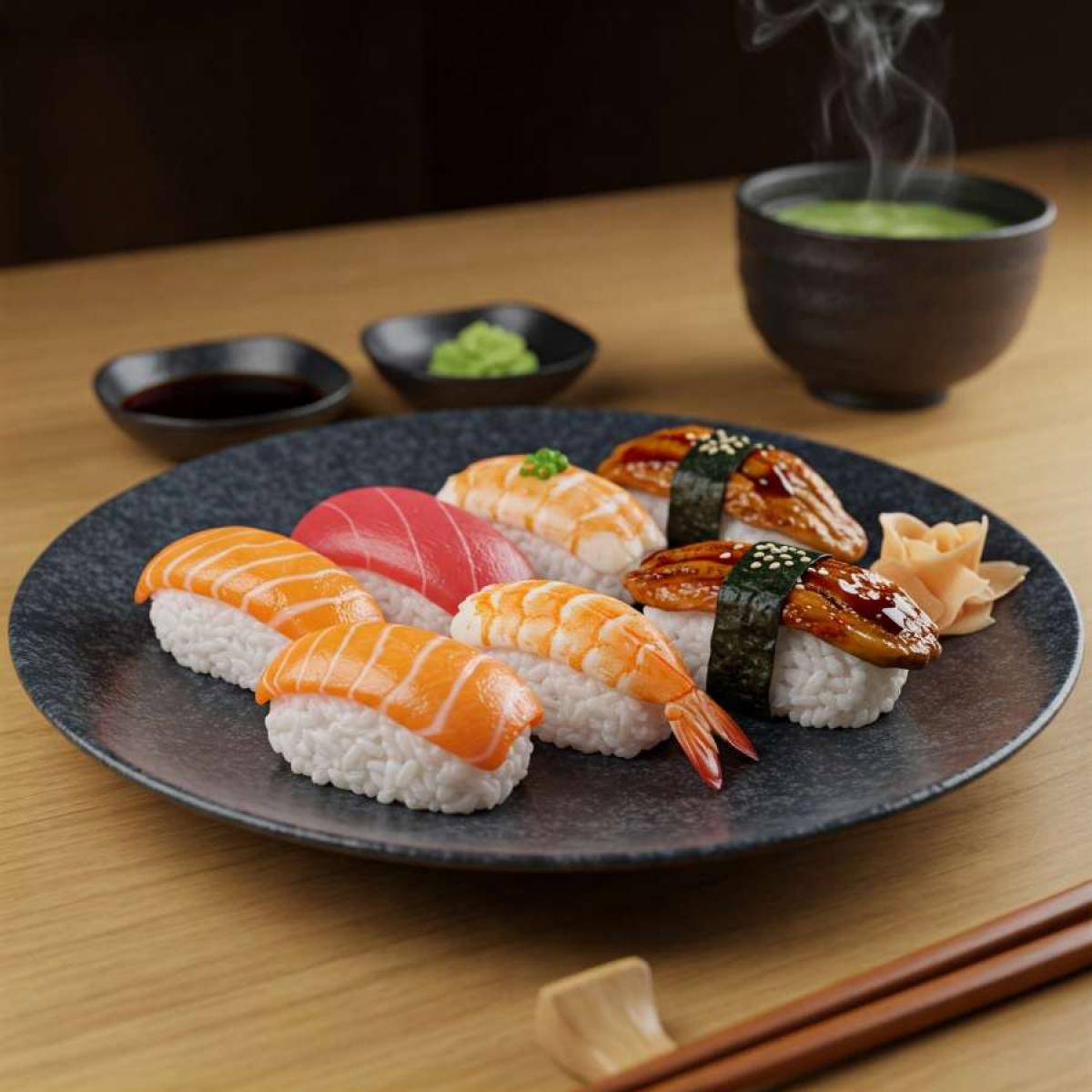
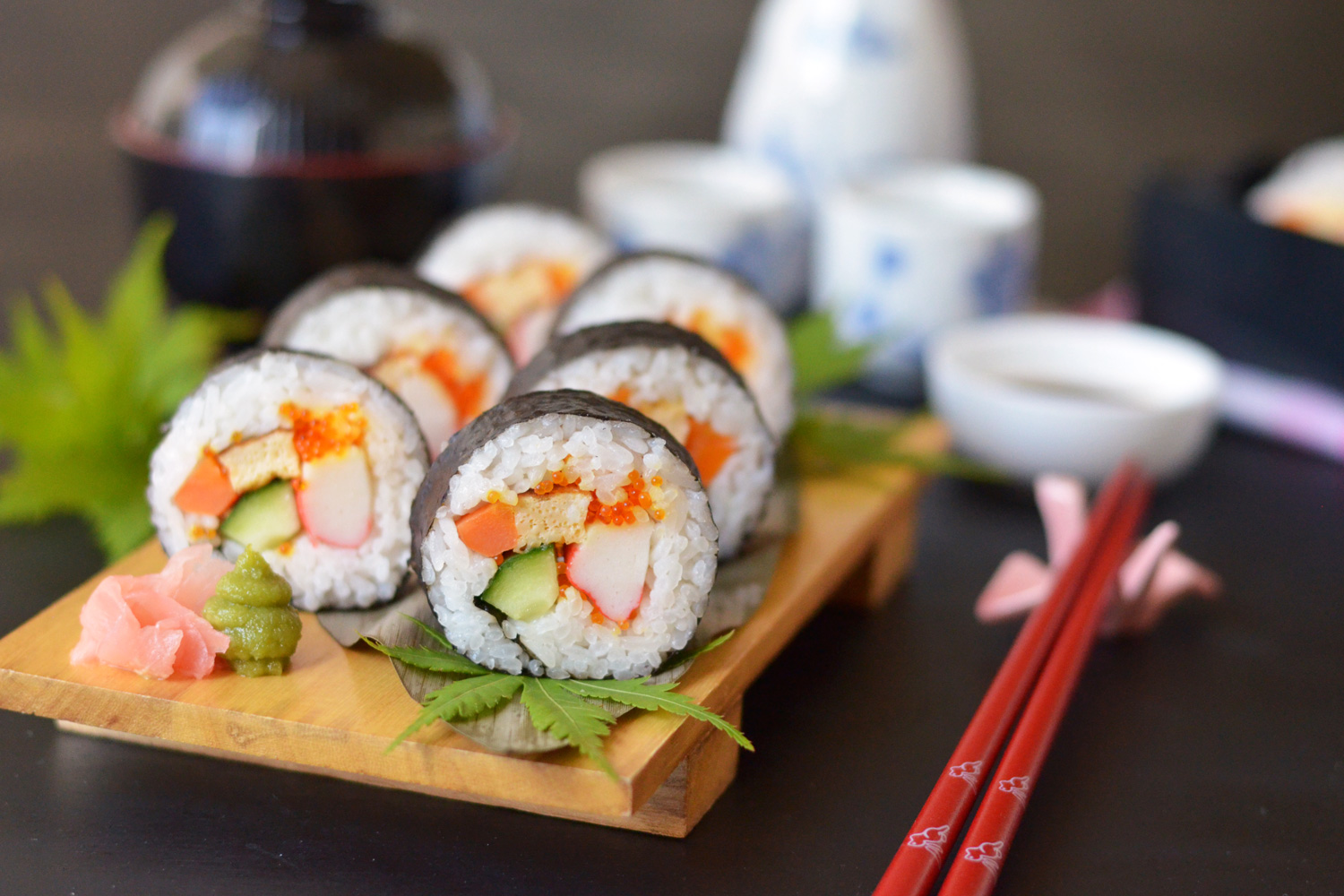
Review Hotel Okura Kyoto Okazaki Bettei: A Timeless Japanese Luxury Experience in the Heart of Kyoto

Hotel Okura Kyoto Okazaki Bettei – Events, Weddings, and Celebrations

A Venue that Captures Kyoto’s Romance

When it comes to hosting events, Hotel Okura Kyoto Okazaki Bettei stands apart. Its refined setting and cultural ambiance make it an ideal location for weddings, private gatherings, and business events.

Review Hotel Okura Kyoto Okazaki Bettei: A Timeless Japanese Luxury Experience in the Heart of Kyoto

The gardens provide a stunning backdrop for wedding ceremonies, while the banquet halls offer a combination of classic beauty and modern functionality. Every event here is elevated by impeccable service, elegant décor, and culinary artistry.

Personalized Event Planning

The hotel’s dedicated event coordinators ensure that each detail is flawlessly executed. From floral arrangements to customized menus, every element is tailored to your preferences. Whether it’s a small family celebration or a grand corporate event, guests experience the same level of care and precision.

Review Hotel Okura Kyoto Okazaki Bettei: A Timeless Japanese Luxury Experience in the Heart of Kyoto

Hotel Okura Kyoto Okazaki Bettei – Location and Cultural Connectivity

The Ideal Gateway to Kyoto’s Treasures

The location of Hotel Okura Kyoto Okazaki Bettei places guests within walking distance of some of Kyoto’s most revered landmarks. The Heian Shrine, with its striking torii gate, is just moments away. The nearby Philosopher’s Path offers a scenic walking route lined with cherry blossoms in spring and vibrant colors in autumn.

Review Hotel Okura Kyoto Okazaki Bettei: A Timeless Japanese Luxury Experience in the Heart of Kyoto

Art lovers can explore the Kyoto City Museum of Art and the National Museum of Modern Art, both within a short stroll. The hotel also offers easy access to downtown Kyoto, where guests can explore Nishiki Market, Gion’s geisha district, and the Kiyomizu-dera Temple.

Peaceful Neighborhood with Cultural Depth

Unlike the bustling tourist areas, Okazaki is known for its quiet charm. Surrounded by canals, gardens, and shrines, it reflects Kyoto’s spiritual and artistic heart. Staying at Hotel Okura Kyoto Okazaki Bettei allows visitors to enjoy both convenience and tranquility—a rare balance in today’s travel landscape.

Review Hotel Okura Kyoto Okazaki Bettei: A Timeless Japanese Luxury Experience in the Heart of Kyoto

Hotel Okura Kyoto Okazaki Bettei – A Sustainable Luxury Experience

Harmony with Nature

Sustainability is at the core of Hotel Okura Kyoto Okazaki Bettei’s philosophy. The hotel employs eco-friendly practices such as energy-efficient lighting, waste reduction, and the use of locally sourced materials. The gardens are maintained using traditional Japanese landscaping methods that respect the natural ecosystem.

Review Hotel Okura Kyoto Okazaki Bettei: A Timeless Japanese Luxury Experience in the Heart of Kyoto

This mindful approach ensures that guests experience luxury that is both responsible and sustainable—an essential value in modern travel.

Community Connection

The hotel also supports local artisans and producers by featuring handcrafted décor and local ingredients in its cuisine. Guests can even participate in cultural workshops such as tea ceremonies and ikebana classes, deepening their connection to Kyoto’s traditions.

Review Hotel Okura Kyoto Okazaki Bettei: A Timeless Japanese Luxury Experience in the Heart of Kyoto

Hotel Okura Kyoto Okazaki Bettei – A Reflection of True Japanese Hospitality

What sets Hotel Okura Kyoto Okazaki Bettei apart is its unwavering commitment to omotenashi—the Japanese art of wholehearted service. Every staff member treats guests with respect, humility, and warmth, creating an atmosphere of genuine care.

Review Hotel Okura Kyoto Okazaki Bettei: A Timeless Japanese Luxury Experience in the Heart of Kyoto

From the moment you arrive until your departure, every interaction feels personal and sincere. This human touch transforms a luxurious stay into an unforgettable emotional experience.

Hotel Okura Kyoto Okazaki Bettei – Practical Information for Travelers

  • Check-in: 3:00 PM

  • Check-out: 12:00 PM

  • Languages spoken: Japanese, English

  • Transportation: Easy access via Keage Station (Tozai Line)

  • Nearby Attractions: Heian Shrine, Nanzen-ji Temple, Kyoto Zoo, Okazaki Park

Review Hotel Okura Kyoto Okazaki Bettei: A Timeless Japanese Luxury Experience in the Heart of Kyoto

Whether you’re a first-time visitor or a returning guest, the hotel staff ensures seamless assistance for sightseeing, transportation, and local recommendations.

Hotel Okura Kyoto Okazaki Bettei – Why It’s More Than Just a Hotel

To stay at Hotel Okura Kyoto Okazaki Bettei is to immerse yourself in the essence of Kyoto. It’s where architectural beauty, culinary artistry, and heartfelt service come together to create moments of timeless serenity. Every stay tells a story—a story of culture, elegance, and renewal.

Review Hotel Okura Kyoto Okazaki Bettei: A Timeless Japanese Luxury Experience in the Heart of Kyoto

This is not merely accommodation; it’s an encounter with the spirit of Japan. For travelers seeking authenticity, luxury, and connection, Hotel Okura Kyoto Okazaki Bettei is the ultimate destination.

Conclusion

As we conclude our journey with Yoshida Hotel, it’s clear that Hotel Okura Kyoto Okazaki Bettei stands as a true masterpiece of Kyoto’s hospitality. It bridges the past and present, offering a refined escape that embodies the city’s timeless elegance.

From the gentle aroma of cedar wood to the taste of a perfect kaiseki dinner, every detail speaks of authenticity and grace. Whether you seek peace, culture, or romance, this hotel welcomes you into the heart of Kyoto’s beauty.